
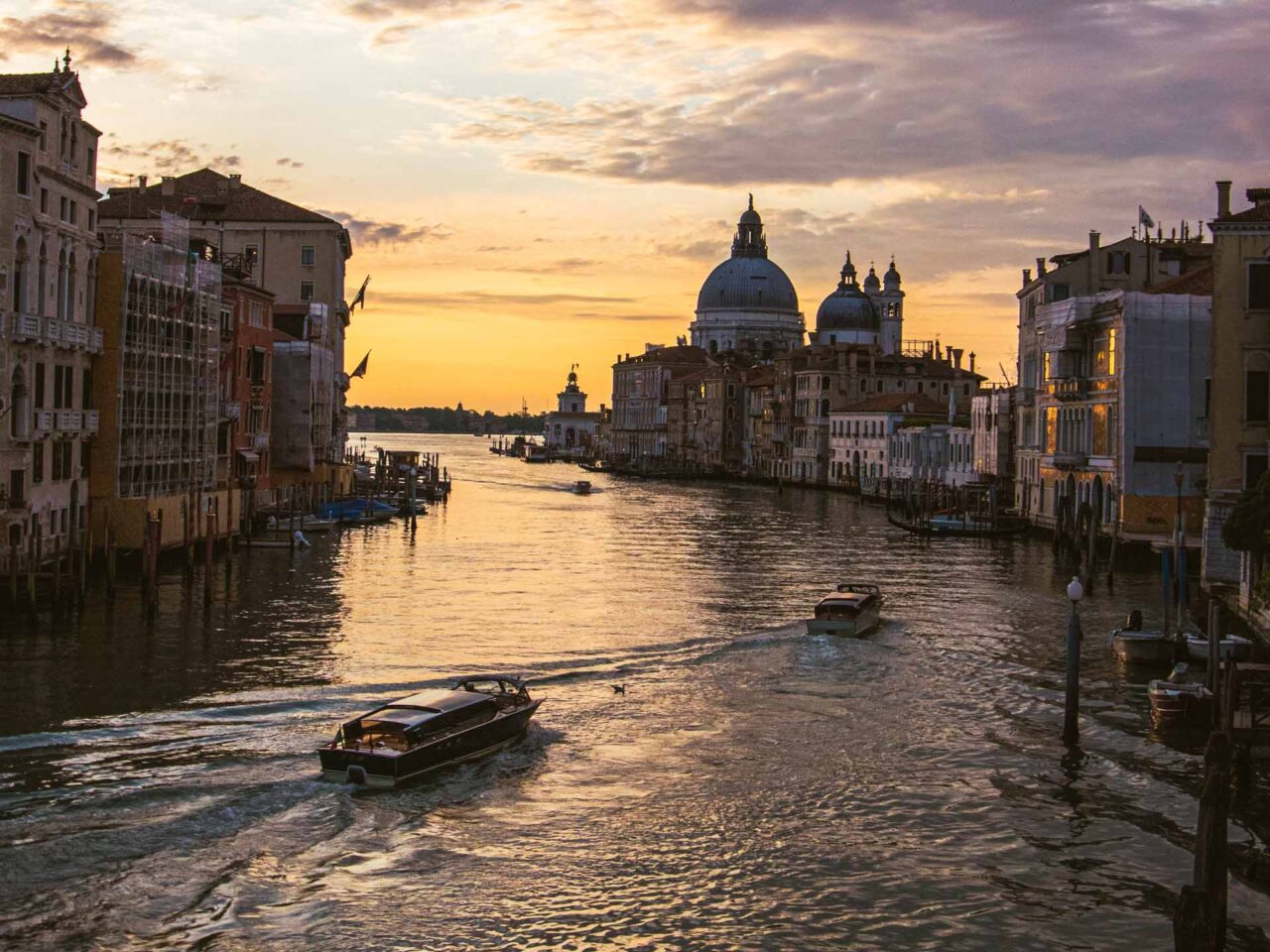
Wondering what to see in Venice and how to plan your first trip to the city on water?
I spent several days in Venice in May and quickly realized that the city is far more interesting than a checklist of its most famous landmarks.
St. Mark’s Square, the Rialto Bridge and the Bridge of Sighs are worth seeing at least once.
But what I remember most are the quiet mornings beside the canals, long walks through Dorsoduro and the places I found without following a particular plan.
Venice is not a city that needs to be explored from one attraction to another.
Much of its appeal lies in simply walking: crossing one bridge after another, turning into narrow side streets and discovering small squares you might never notice on a map.
In this Venice travel guide, you will find the city’s most important attractions, a few quieter places, restaurant recommendations and practical information about transportation, accommodation and the best time to visit.
Planning a longer trip through Italy? This article is part of my Italy travel guide, where I collect personal stories, city itineraries and routes best experienced without rushing.
Best Things to Do in Venice
1. Rialto Bridge
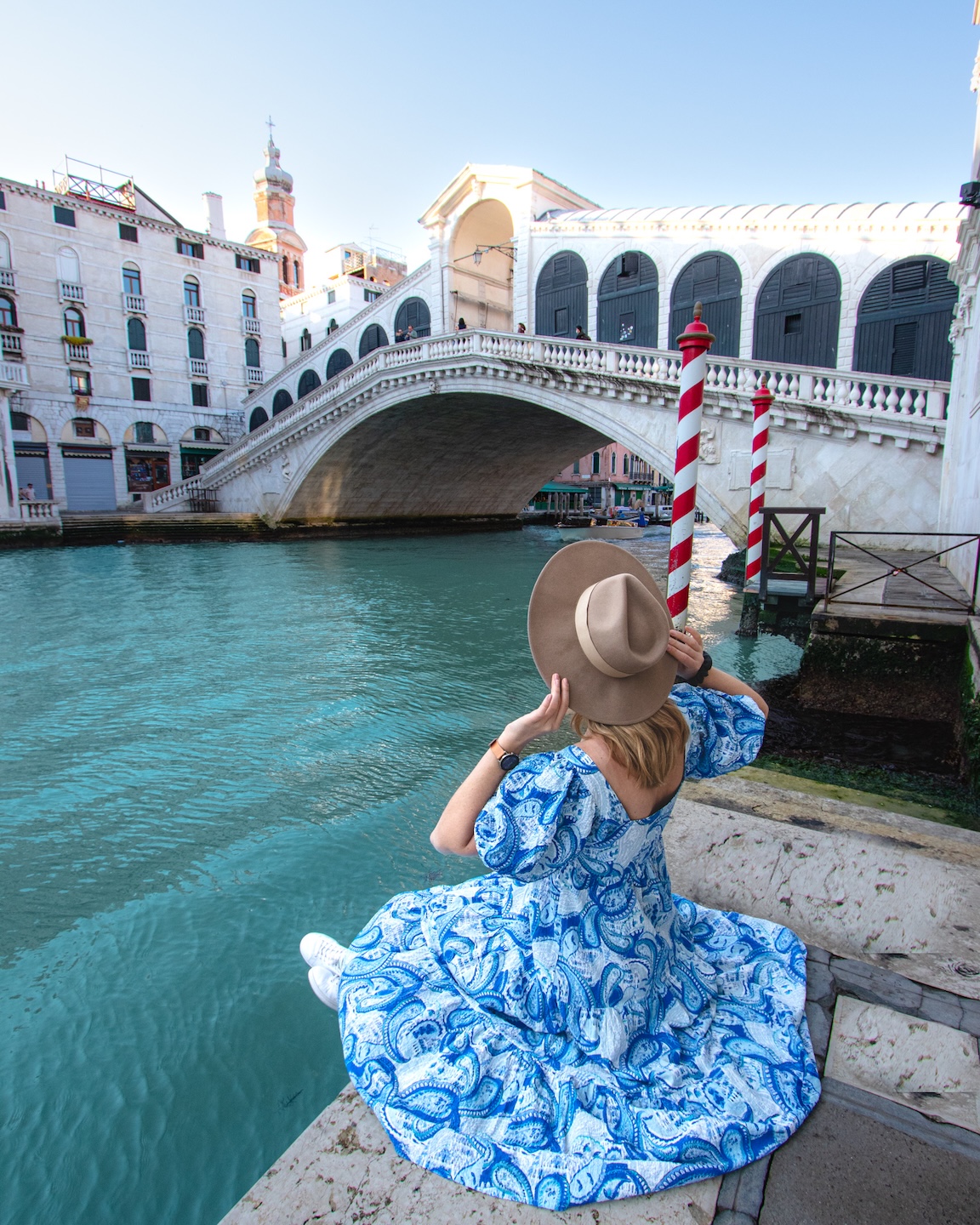
The Rialto Bridge, or Ponte di Rialto, is one of the most recognizable places in Venice.
It connects the districts of San Marco and San Polo and is the oldest of the four bridges crossing the Grand Canal. The present stone structure dates back to the late sixteenth century.
During the day, the bridge becomes extremely busy, so the best time to visit is early in the morning. At that hour, it is easier to appreciate the architecture and watch the activity on the canal without feeling overwhelmed by the crowds.
Most visitors take photographs directly from the bridge. I preferred the view from the waterfront on the San Polo side, just after walking down from Rialto.
From there, you can see the entire bridge, passing vaporetti, delivery boats and everyday life along the Grand Canal.
The area is also beautiful in the late afternoon when the light becomes softer. I would not expect complete peace, though. Rialto is one of those places that rarely feels empty.
2. Bridge of Sighs
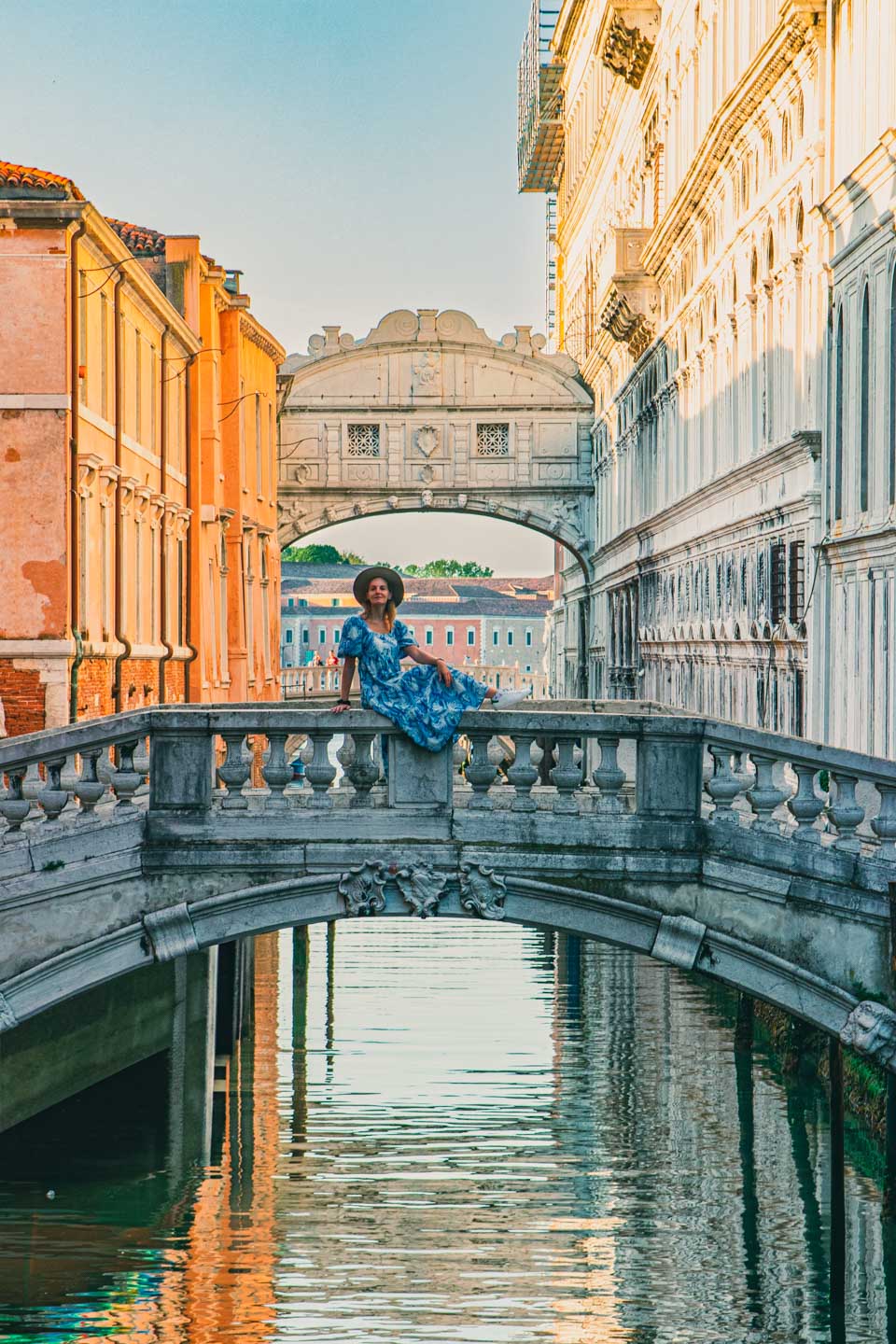
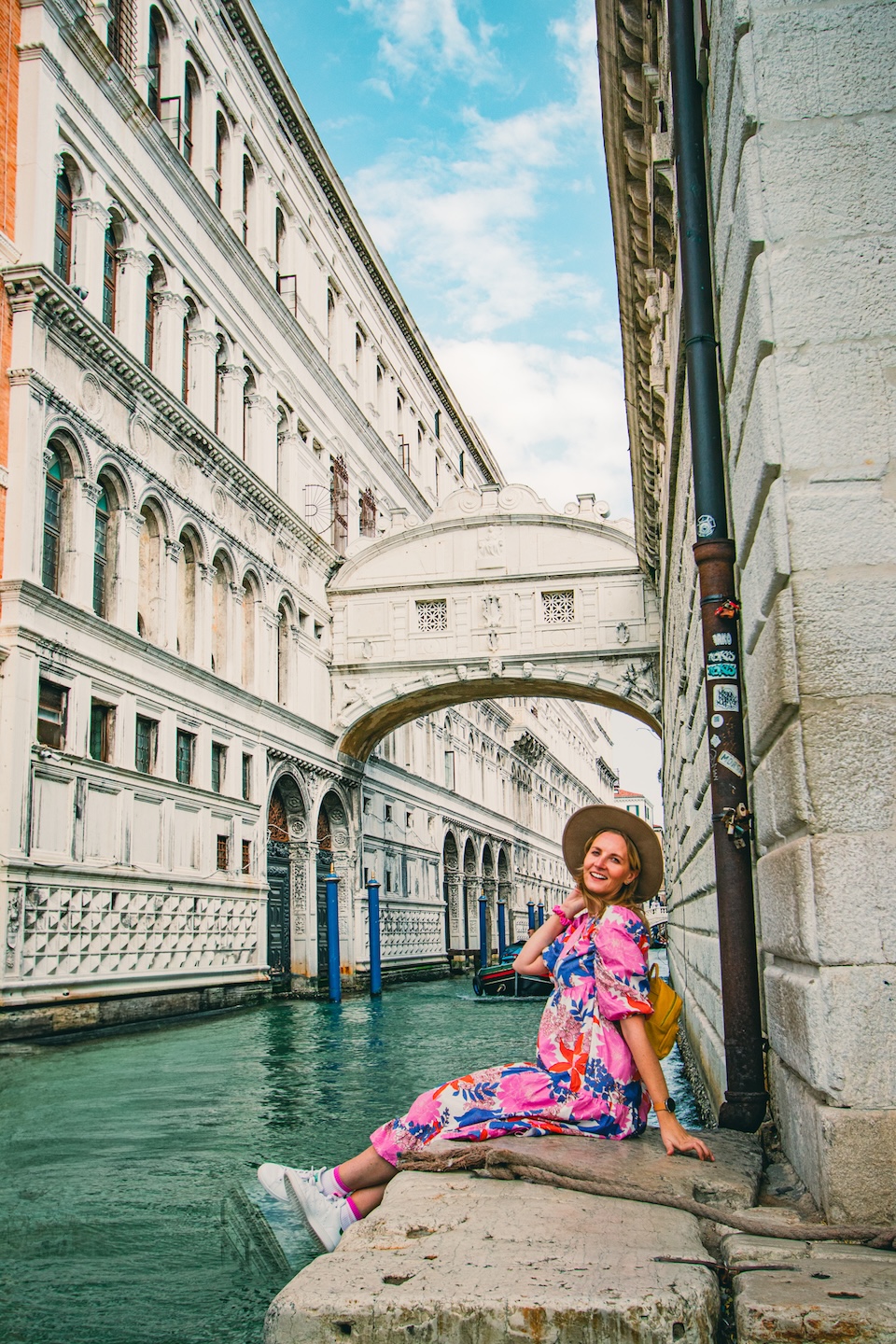
The Bridge of Sighs, or Ponte dei Sospiri, connects the Doge’s Palace with the former prison.
According to the popular story, its name refers to the sighs of prisoners who caught their final glimpse of Venice through the bridge’s small windows before being taken to their cells.
The most famous view of the bridge is from Ponte della Paglia, located beside St. Mark’s Square. It is also one of the busiest viewpoints in the city.
For a quieter perspective, arrive early in the morning or continue to Ponte della Canonica on the other side of the Bridge of Sighs.
From there, you can see the bridge from a different angle, and there are usually fewer people waiting to take photographs.
Gondolas also pass beneath the bridge. The scene may look romantic, but the canal is part of a popular route and becomes very busy during the day.
3. St. Mark’s Square and St. Mark’s Basilica
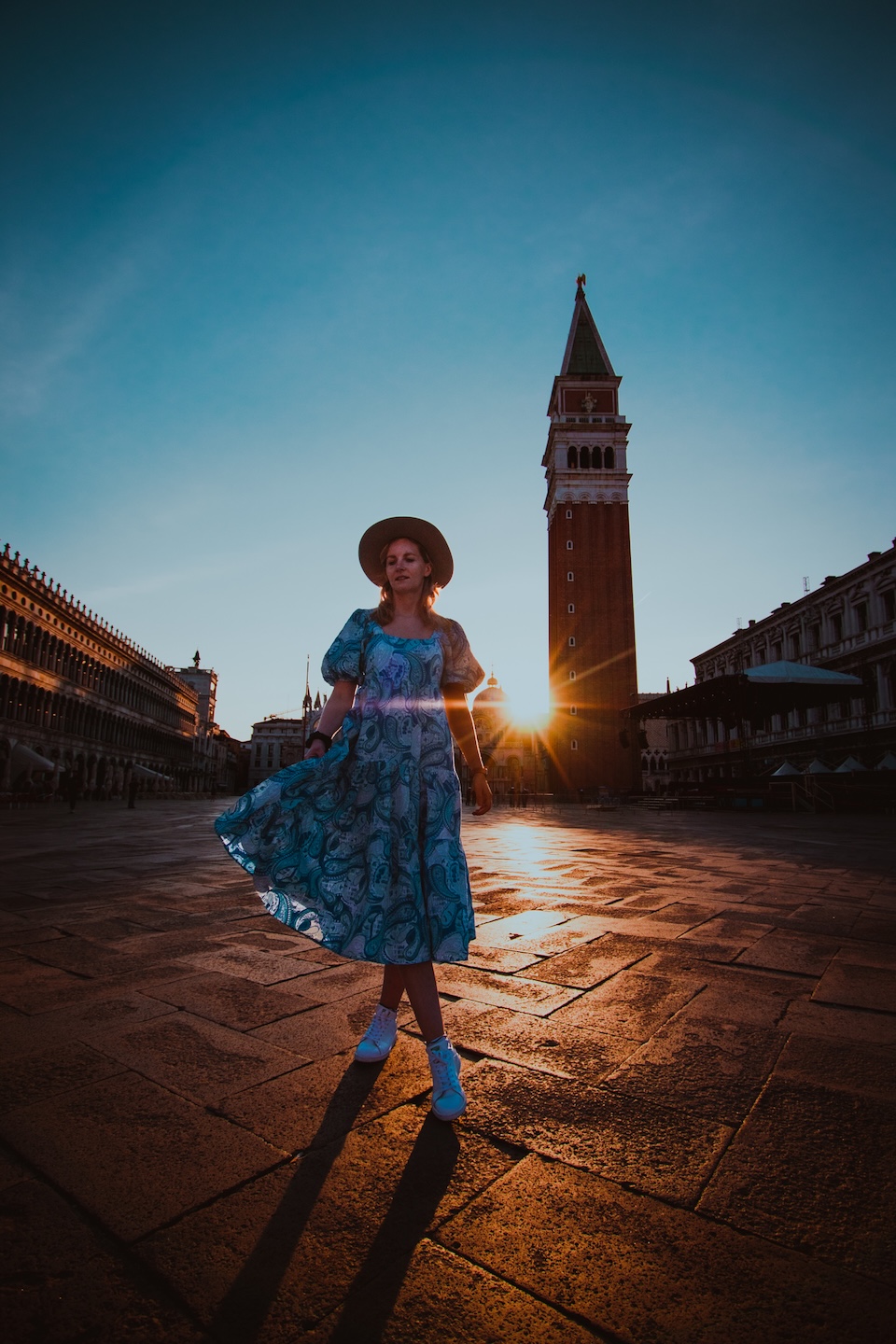
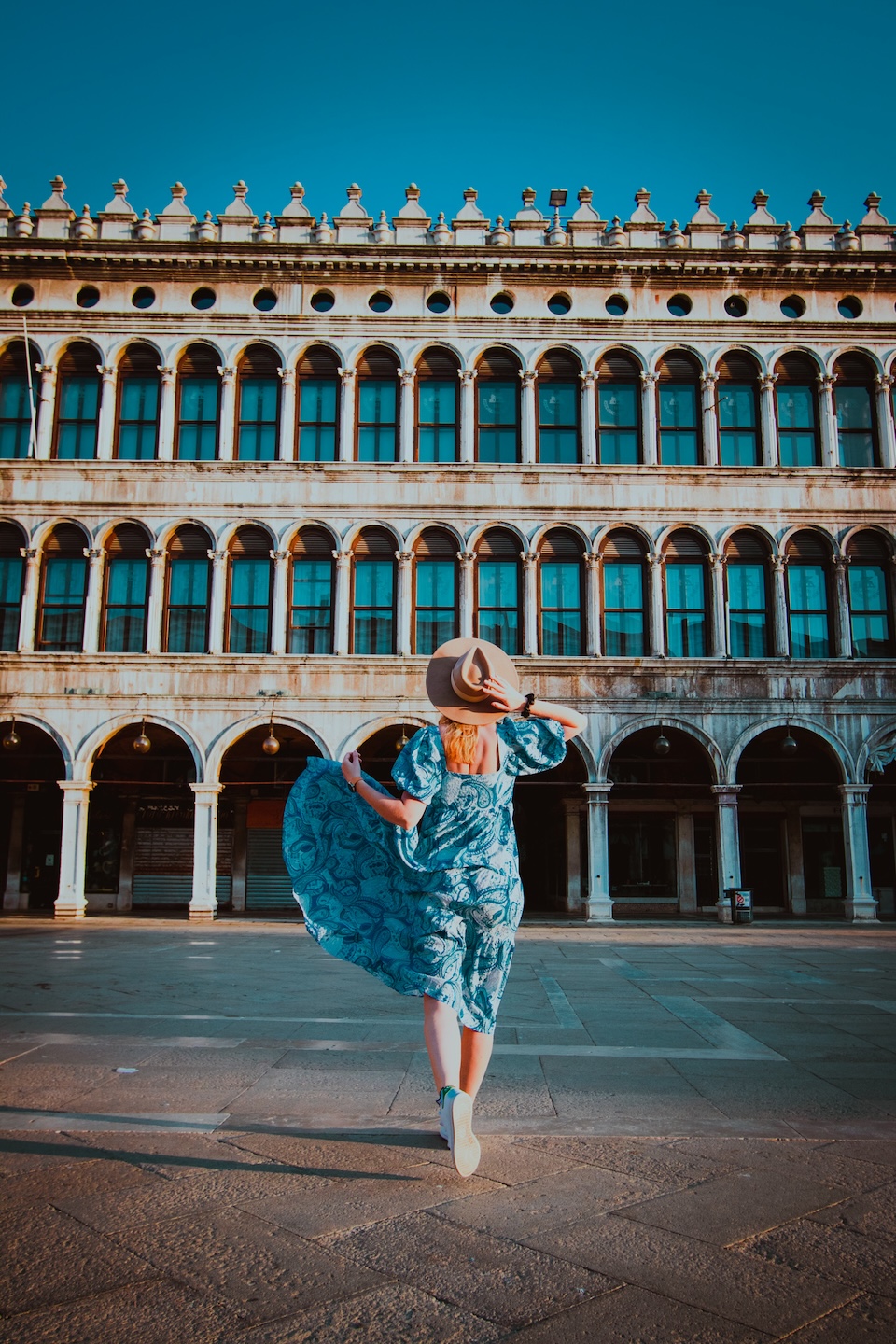
St. Mark’s Square is the heart of historic Venice and an unavoidable stop during a first visit.
The square is home to St. Mark’s Basilica, the Doge’s Palace, St. Mark’s Campanile and the long arcades surrounding the open space.
It can become extremely crowded during the day. For a calmer atmosphere, visit early in the morning before tour groups and day visitors begin arriving.
St. Mark’s Basilica stands out with its ornate facade, domes and golden mosaics. Its interior is also worth seeing, but check the current reservation system and entry rules before your visit.
St. Mark’s Campanile rises above the square and offers panoramic views of the rooftops and lagoon. The view from San Giorgio Maggiore appealed to me even more, but both perspectives are impressive.
Under the arcades, you will also find Caffè Florian, a historic café that opened in 1720. The interiors are beautifully decorated, but the prices reflect its location on one of Europe’s most famous squares.
You do not need to sit at a table to enjoy the atmosphere. For me, walking beneath the arcades and seeing the square early in the morning was enough.
4. Accademia Bridge
Ponte dell’Accademia connects the districts of San Marco and Dorsoduro.
The bridge leads toward the Gallerie dell’Accademia, which holds one of the most important collections of Venetian art. Many people, however, come here primarily for the view.
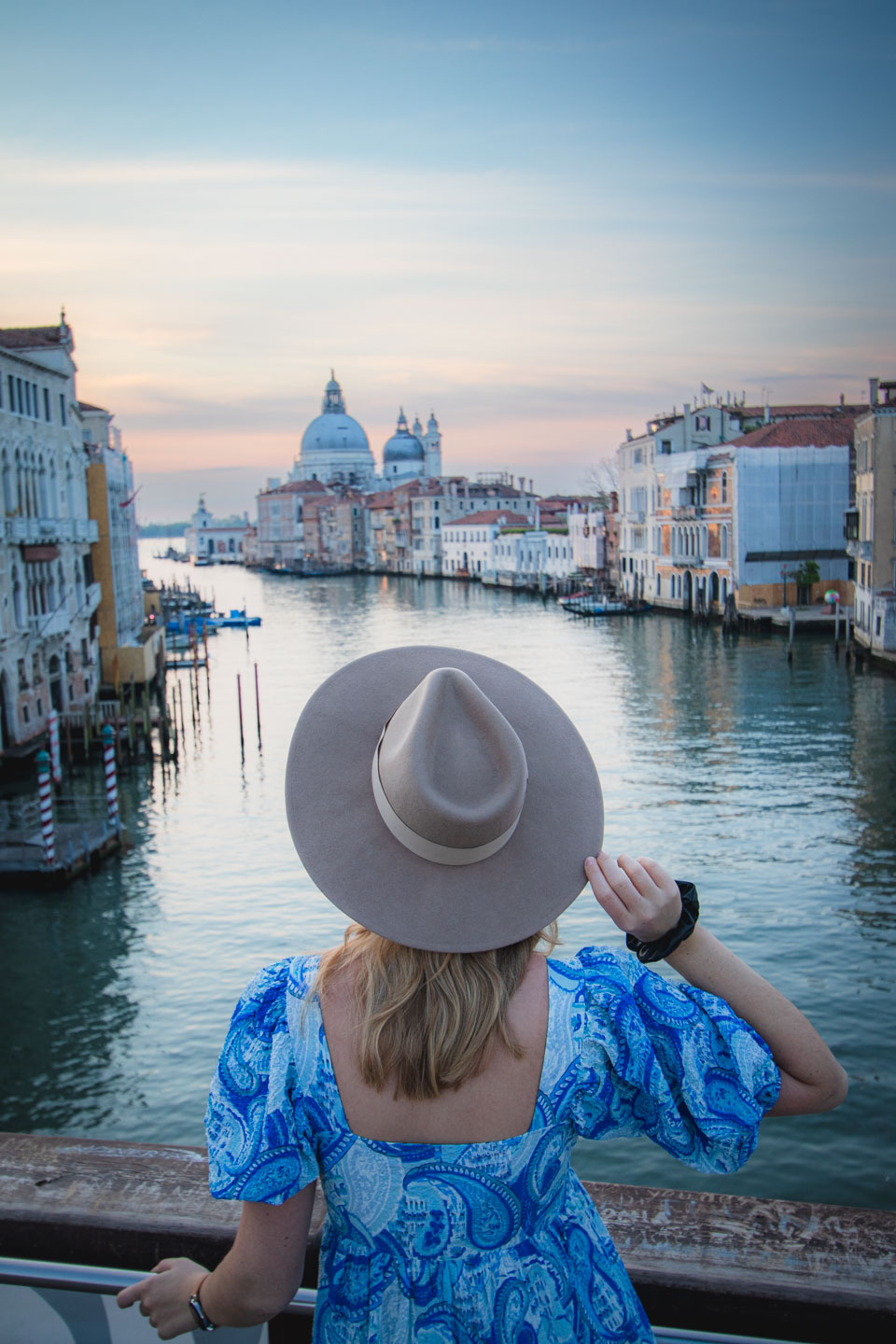
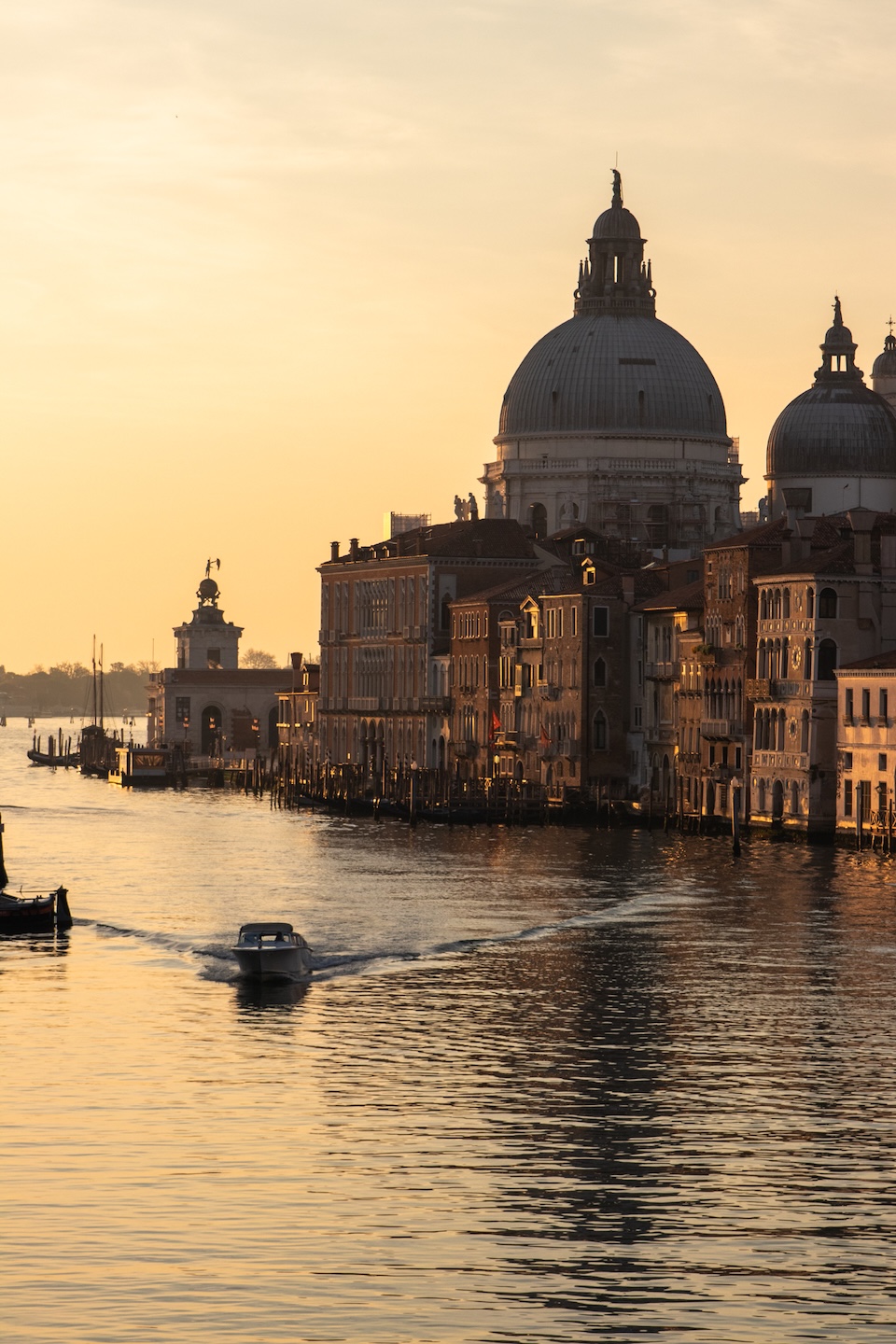
From the bridge, you can admire one of the best-known panoramas of the Grand Canal. In the distance stands the dome of Santa Maria della Salute, while gondolas, water buses and small boats move below.
The view is especially beautiful early in the morning or toward the end of the day.
At sunset, quite a few people gather on the bridge, but the scenery is still worth stopping for. In the morning, the canal is quieter and the soft light reflects beautifully from the palace facades.
It is one of those places that looks exactly as many of us imagine Venice before visiting for the first time.
Planning a Trip to Northern Italy?
On the blog, you will find my Italy travel guides, personally tested places and practical advice to help you plan your journey more calmly.
You can also download my Milan map with more than 100 attractions, restaurants and saved places to keep on your phone. 🇮🇹
5. The Pier Near Hotel San Moisè
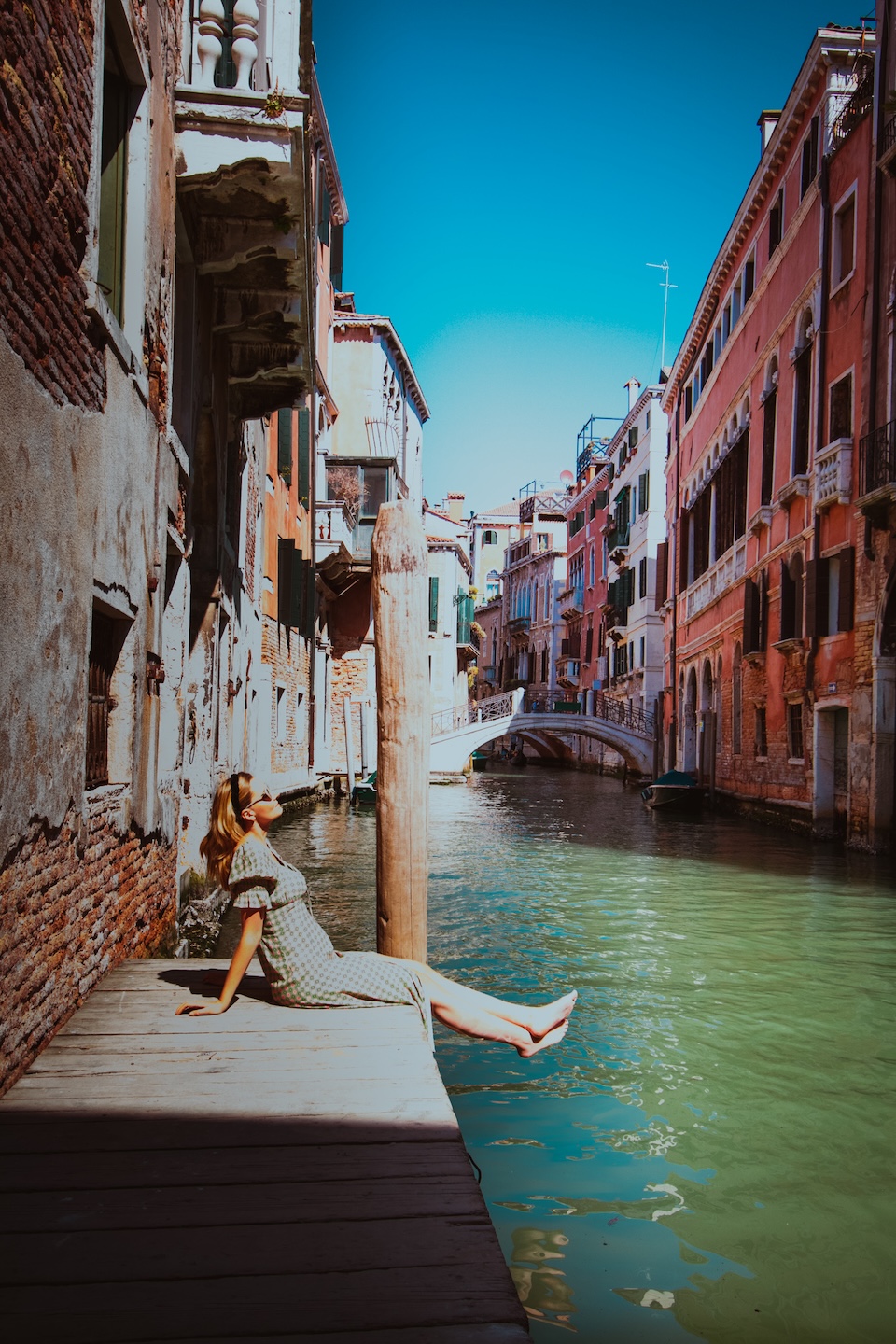
I found the small pier near Hotel San Moisè by accident while walking through the side streets.
It is not a traditional Venice attraction. It is simply a small access point beside a canal where you can sit for a moment, rest your feet and watch the boats pass.
These were often the places I remembered most: no ticket, no queue and no need to check another attraction off the list.
You can bring a slice of pizza or a coffee and stop here for a few minutes. With a little luck, a gondola may pass directly in front of you.
The pier is small, so be considerate of residents and avoid blocking the access point with a long photo session.
Access to places like this can change, so treat it as inspiration for your own walk rather than somewhere you absolutely need to find.
6. Libreria Acqua Alta
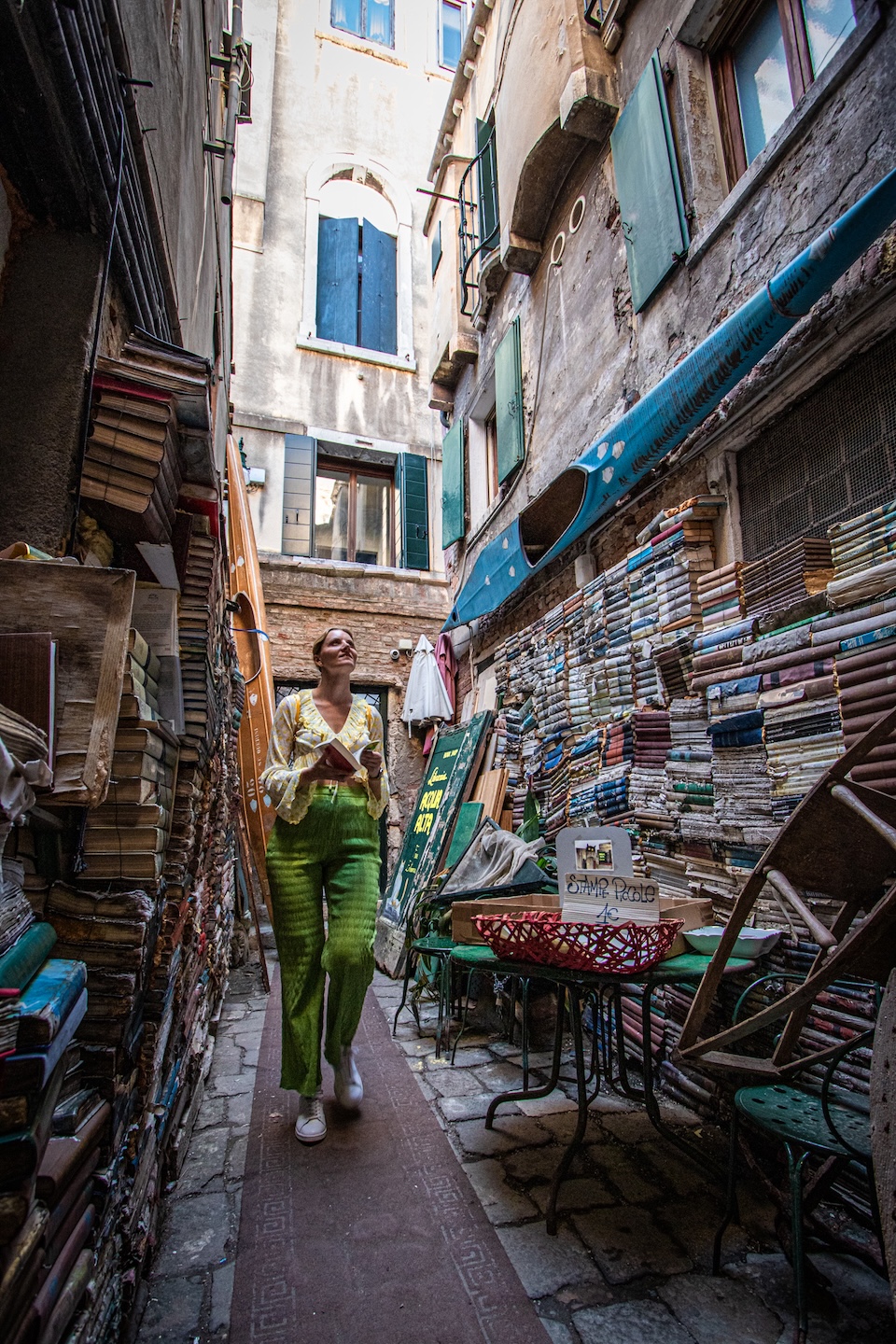
Libreria Acqua Alta is one of the most unusual bookshops in Venice.
Books are stored inside bathtubs, barrels and gondolas designed to protect them during periods of high water.
The interior is narrow and filled with books, vintage postcards and small objects. Cats also wander through the shop and have become some of its best-known residents.
The most recognizable feature is the staircase made from damaged books in the small courtyard. At the back of the shop, a gondola provides a view over the canal.
The bookshop is extremely popular and can feel cramped. Visit shortly after opening or treat it as a brief stop during a walk through Castello.
After taking photographs, spend some time looking through the shelves. You can find books about Venice, illustrations, postcards and unusual souvenirs.

7. Dorsoduro
Dorsoduro was one of my favorite districts in Venice.
Located in the southern part of the historic center, it combines several different sides of the city. You will find important art museums, elegant palaces, student bars and quiet streets running along the canals.
You can visit the Peggy Guggenheim Collection, the Gallerie dell’Accademia and Santa Maria della Salute, but the neighborhood is equally enjoyable without a sightseeing plan.
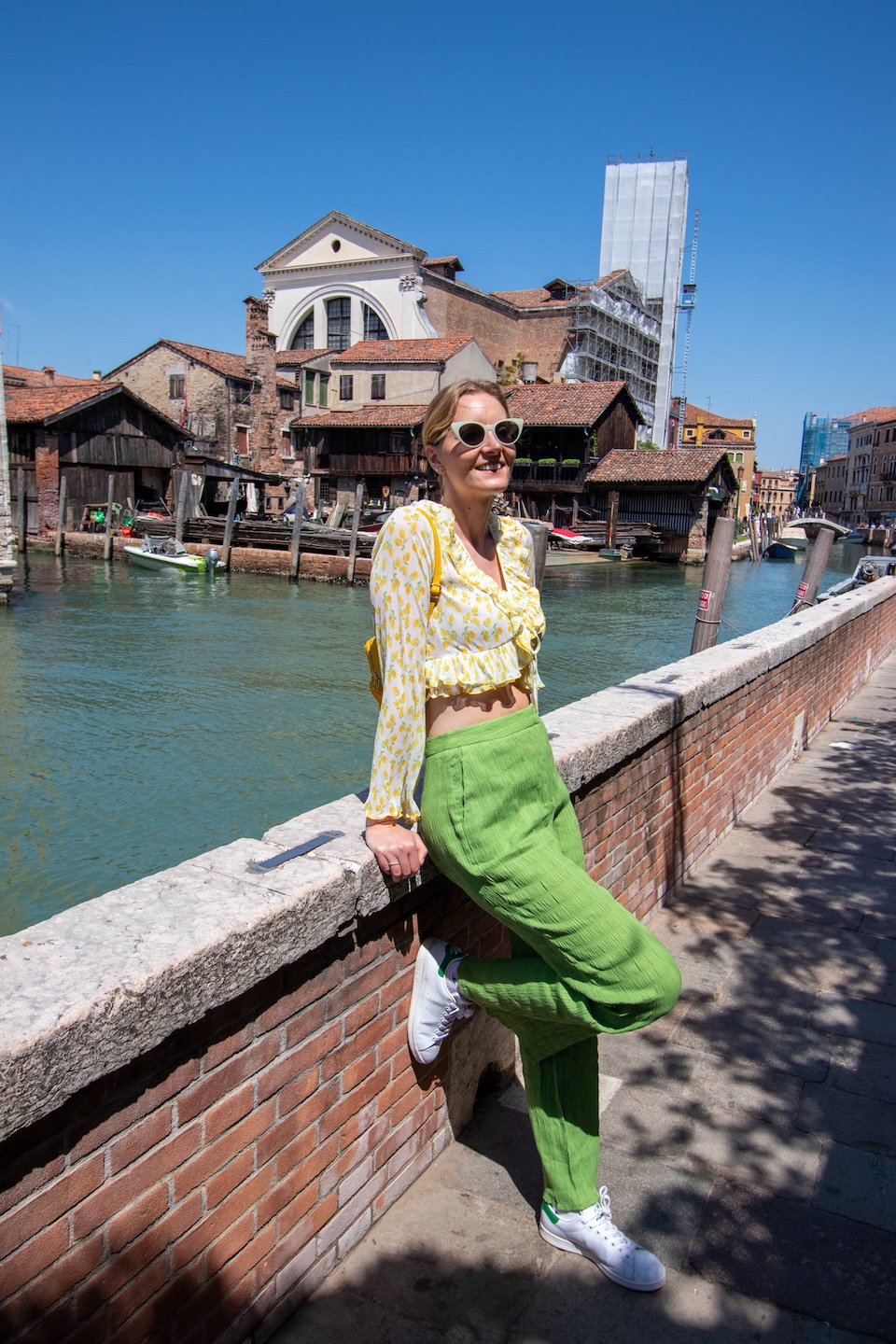
One place worth stopping at is Squero di San Trovaso, a traditional workshop where gondolas are built and repaired.
Across the canal, there is a stone wall where you can sit and watch the activity inside the workshop.
Dorsoduro is also a good area for evening cicchetti and a glass of wine. In many parts of the district, the atmosphere feels more relaxed than around St. Mark’s Square.
Planning another Italian city break? Take a look at my one-day Florence itinerary, including the main landmarks, viewpoints and a route you can explore on foot.
8. Chiodo Bridge
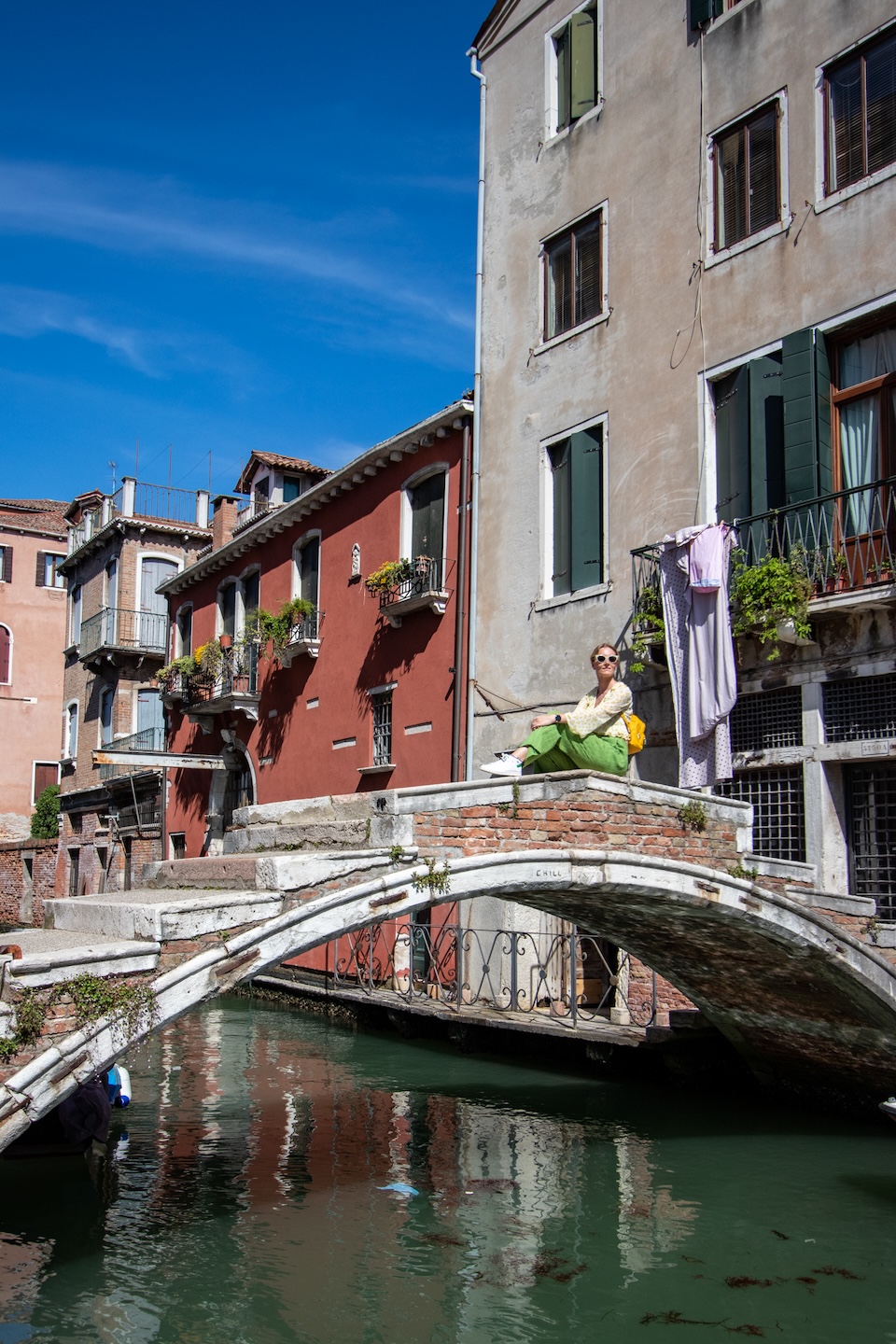
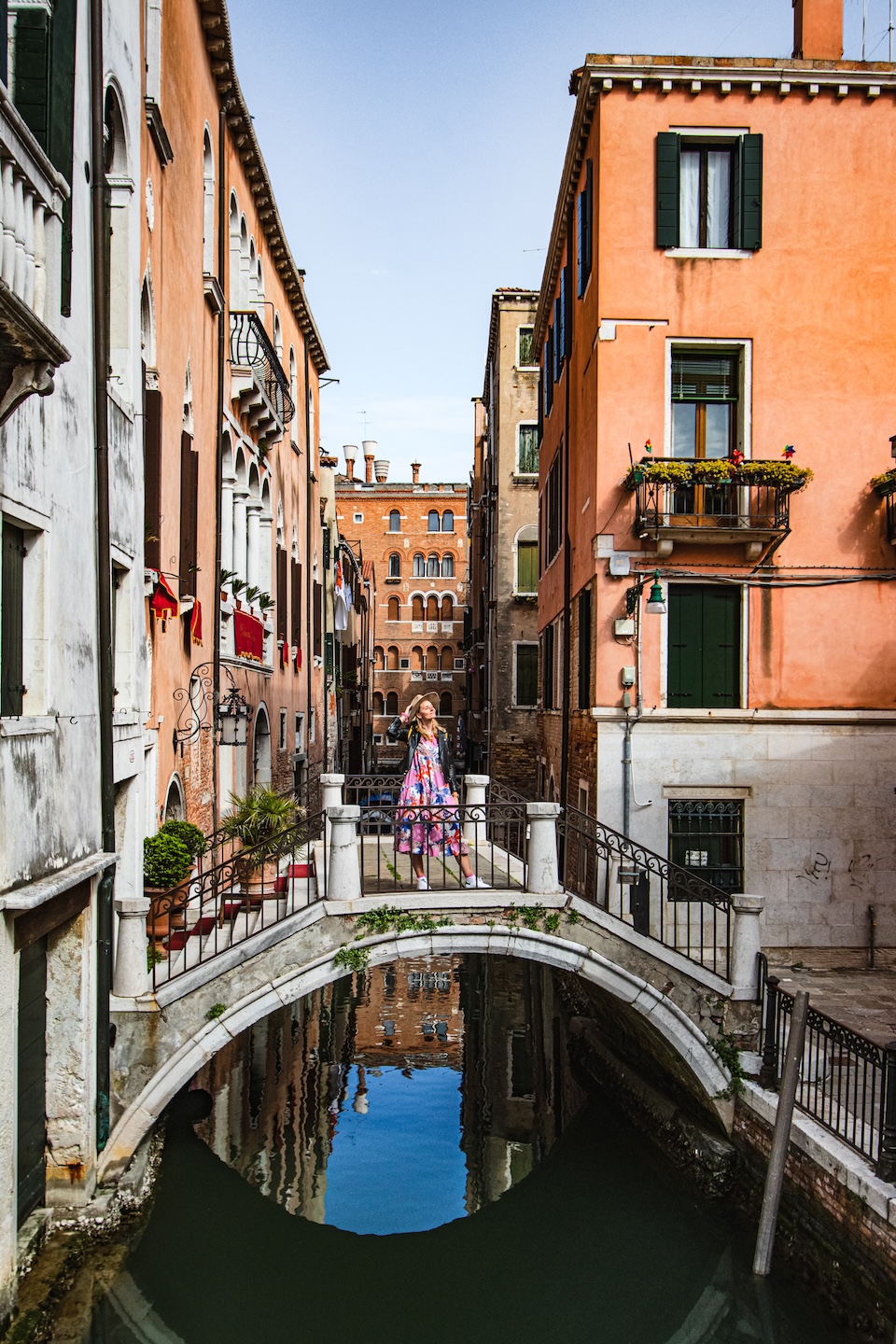
Ponte Chiodo is located in Cannaregio and is one of the few Venetian bridges without railings.
The bridge leads to a private building and is not part of a regular pedestrian route. You can still see it from the street and observe a design that reflects how many Venetian bridges once looked.
Its name comes from the Chiodo family, who owned the neighboring palace.
Railings only became common on Venice’s bridges during the nineteenth century. Ponte Chiodo preserved its earlier appearance and therefore stands out among the city’s hundreds of crossings.
Another well-known bridge without railings, Ponte del Diavolo, is located on the island of Torcello.
I would not cross the entire city solely to see it, but it makes an interesting stop while exploring Cannaregio.
9. Gondola Ride
A gondola ride is one of the most traditional Venice experiences.
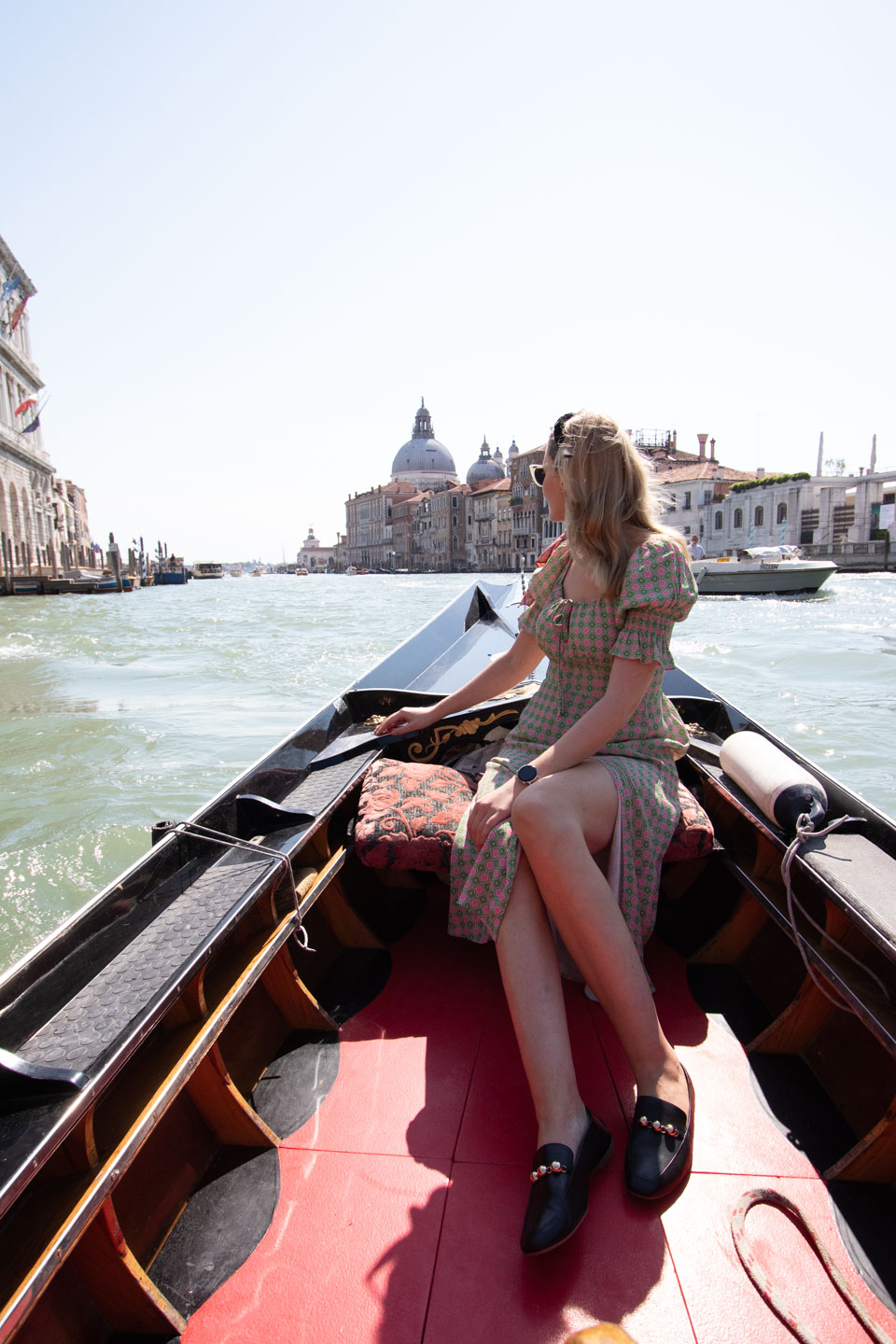
It is touristy and expensive, but it allows you to see the city from a perspective you cannot experience while walking.
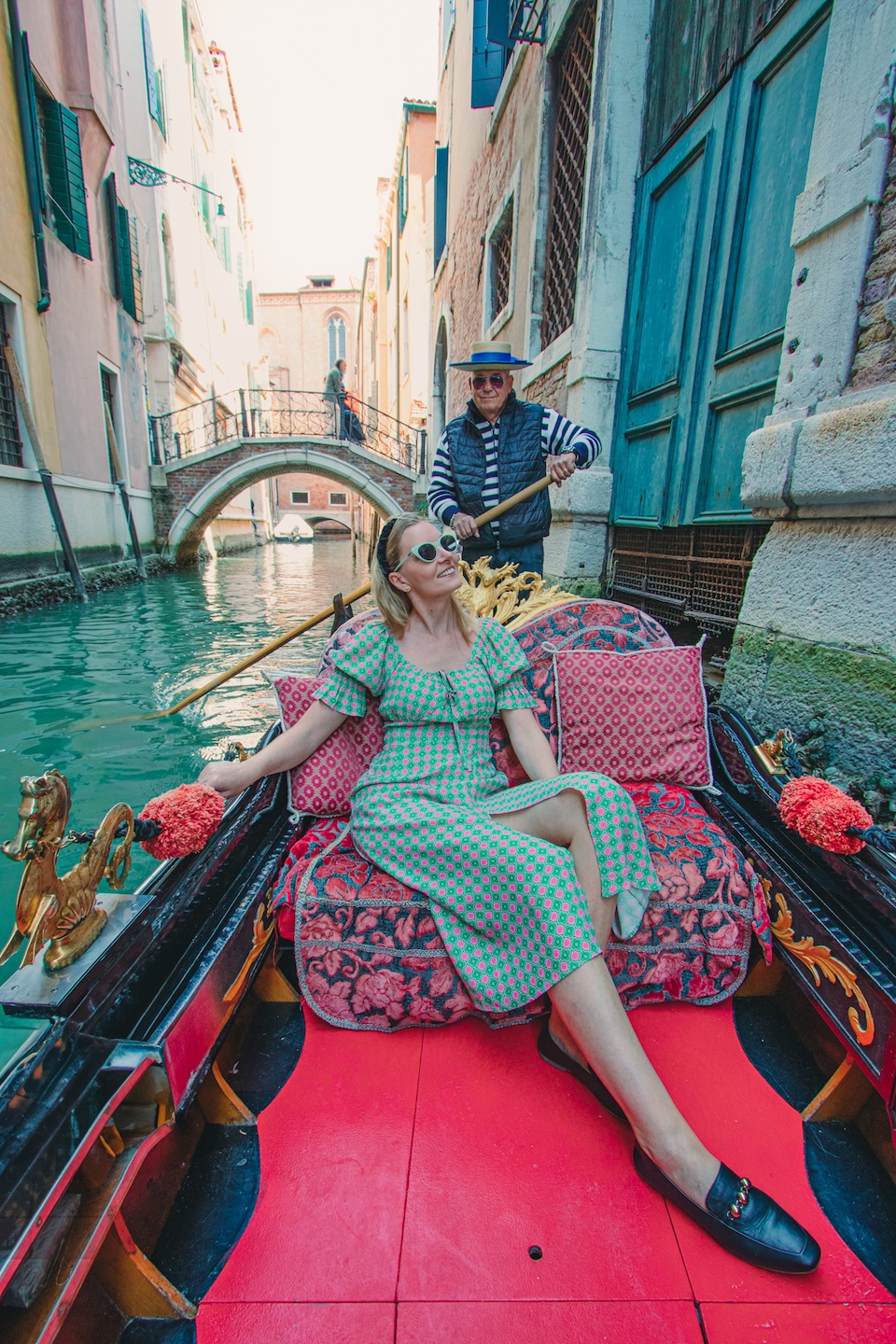
I enjoyed traveling along the smaller canals, away from the busiest parts of St. Mark’s Square and Rialto.
The gondola moved between buildings, beneath small bridges and past entrances opening directly onto the water. From canal level, Venice feels completely different.
Official gondola prices are regulated by the city and may depend on the time of day. Before boarding, check the current rate and agree on the duration and route with the gondolier.
The price is charged for the entire gondola rather than per passenger, so the cost can be divided among several people.
For a much cheaper alternative, consider taking a traghetto, a simple gondola that carries passengers from one side of the Grand Canal to the other.
It is not a replacement for a full gondola ride, but it allows you to experience the city from the water for a few minutes.
10. San Giorgio Maggiore
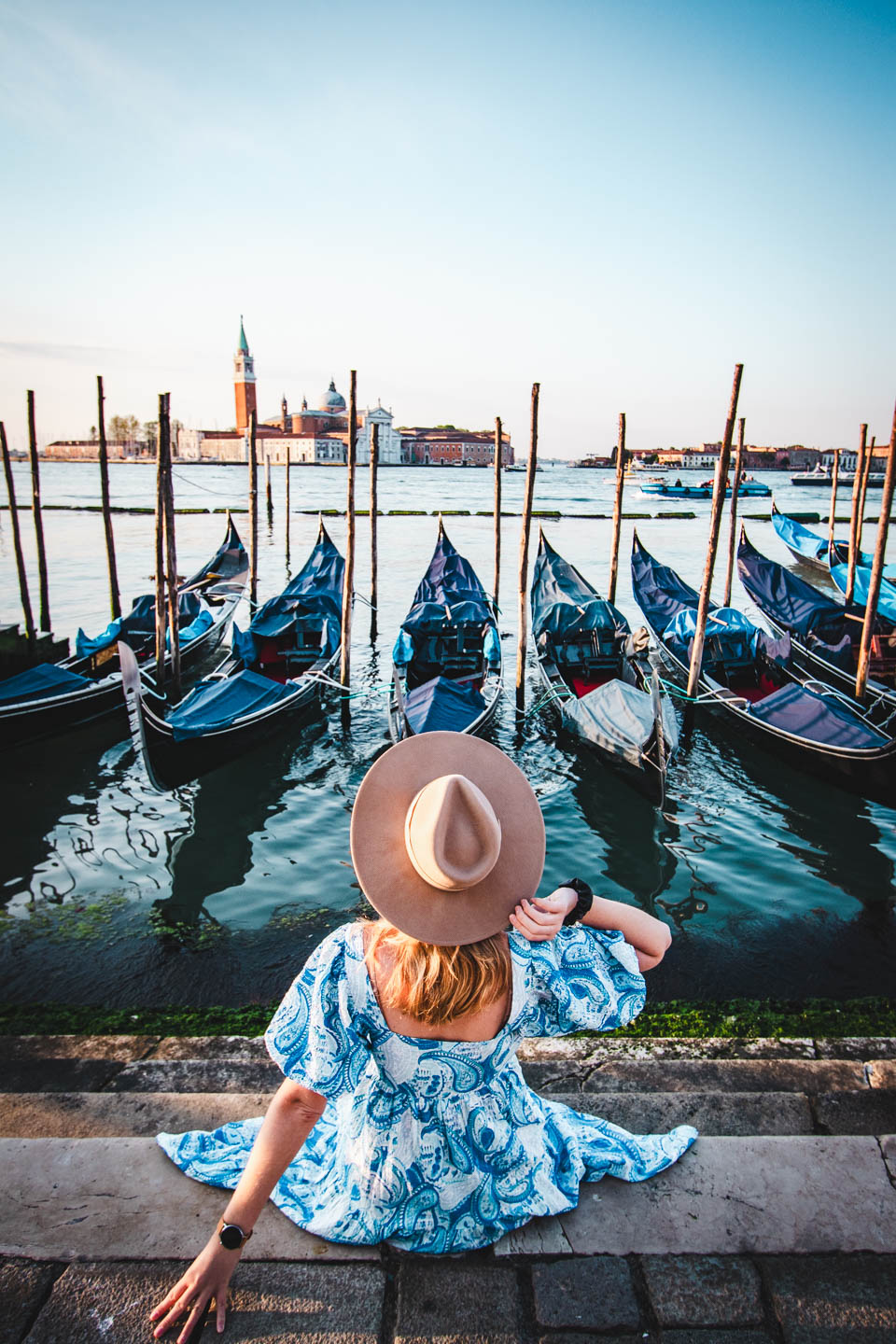
San Giorgio Maggiore was one of my favorite places in Venice.
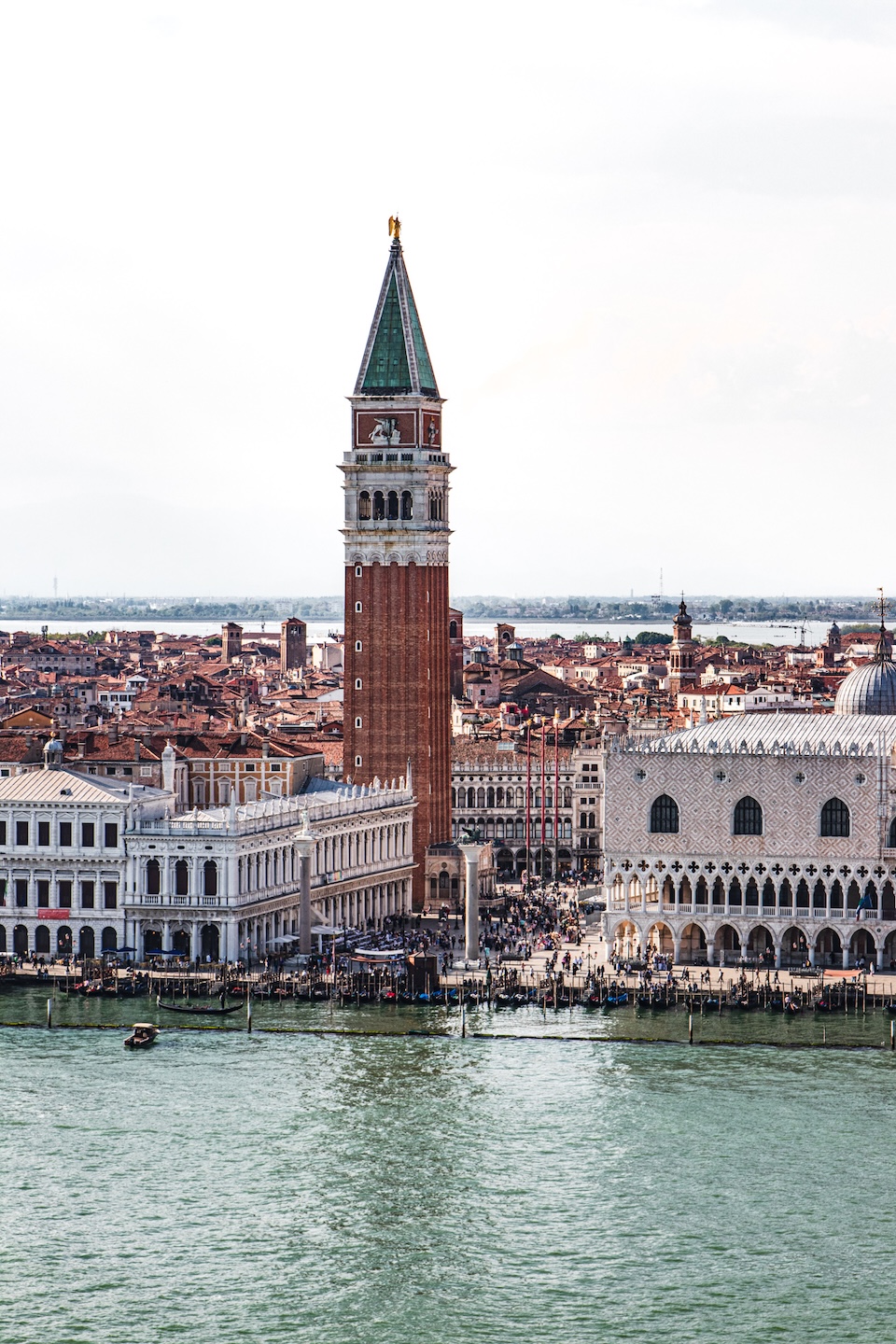
The small island lies directly opposite St. Mark’s Square and can be reached by vaporetto in just a few minutes.
Its main landmark is the Basilica of San Giorgio Maggiore, designed by Andrea Palladio. Its pale facade and calm interior provide a contrast to the much more ornate St. Mark’s Basilica.
The main reason to visit, however, is the view from the bell tower.
From the top, you can see St. Mark’s Square, the Doge’s Palace, the entrance to the Grand Canal and the rooftops of Venice stretching across the lagoon.
During my visit, the bell tower was considerably quieter than St. Mark’s Campanile. You also reach the top by elevator rather than climbing a long staircase.
Check current ticket prices and opening hours before your visit.
It is worth staying on the island a little longer. Once you move away from the vaporetto stop, the atmosphere becomes surprisingly peaceful, and central Venice feels much farther away than it actually is.
How to Continue Your Italy Trip
🎨 Art and Renaissance architecture? → One Day in Florence
🏙️ Fashion, architecture and design? → Milan in One Day
🌅 Small towns and a slower pace? → The Most Beautiful Towns in Tuscany
🌊 Coastal landscapes? → Five Days on the Amalfi Coast
Each destination shows a completely different side of Italy.
Where to Eat in Venice
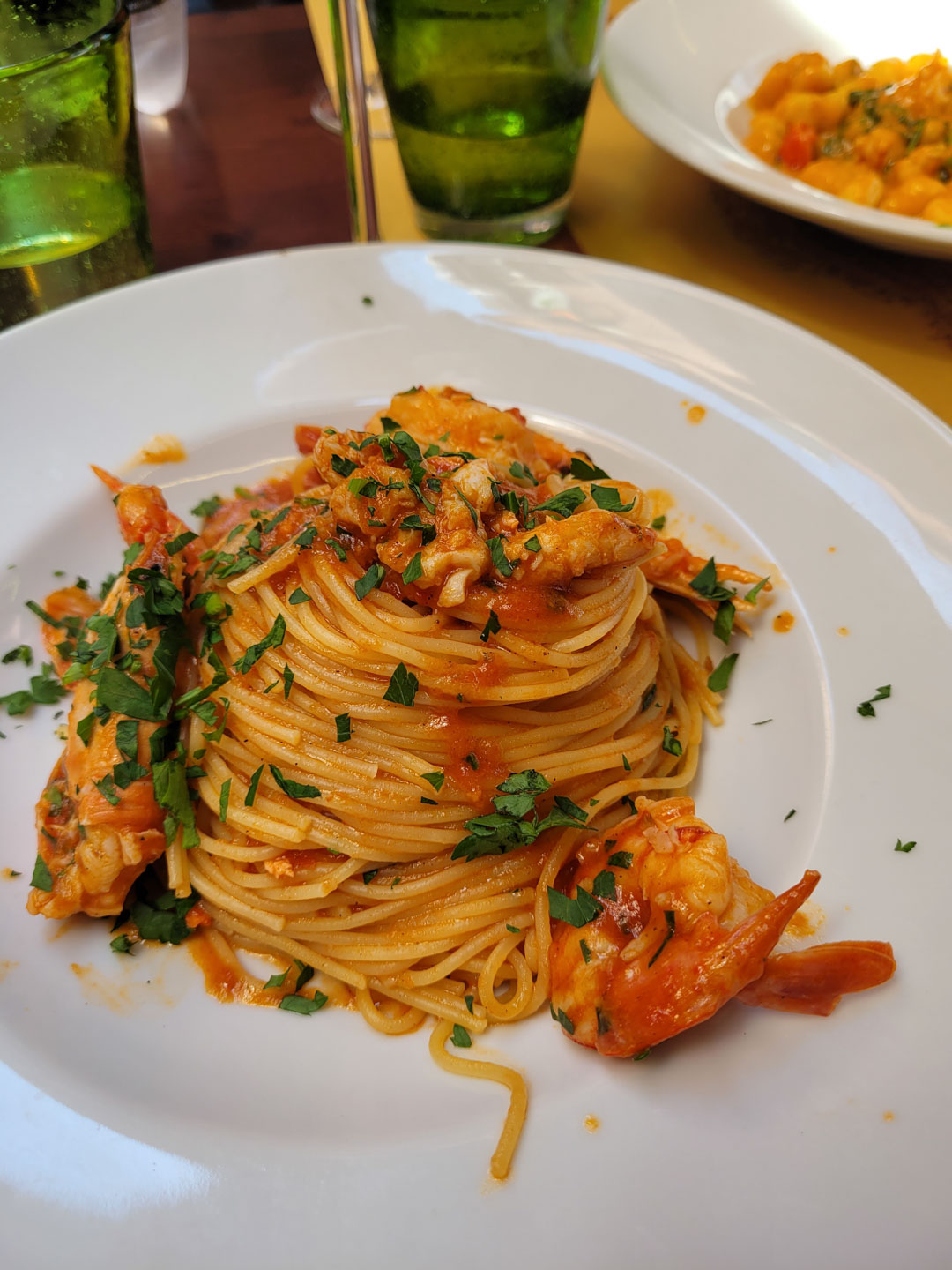
Venetian food became one of the most enjoyable parts of my trip.
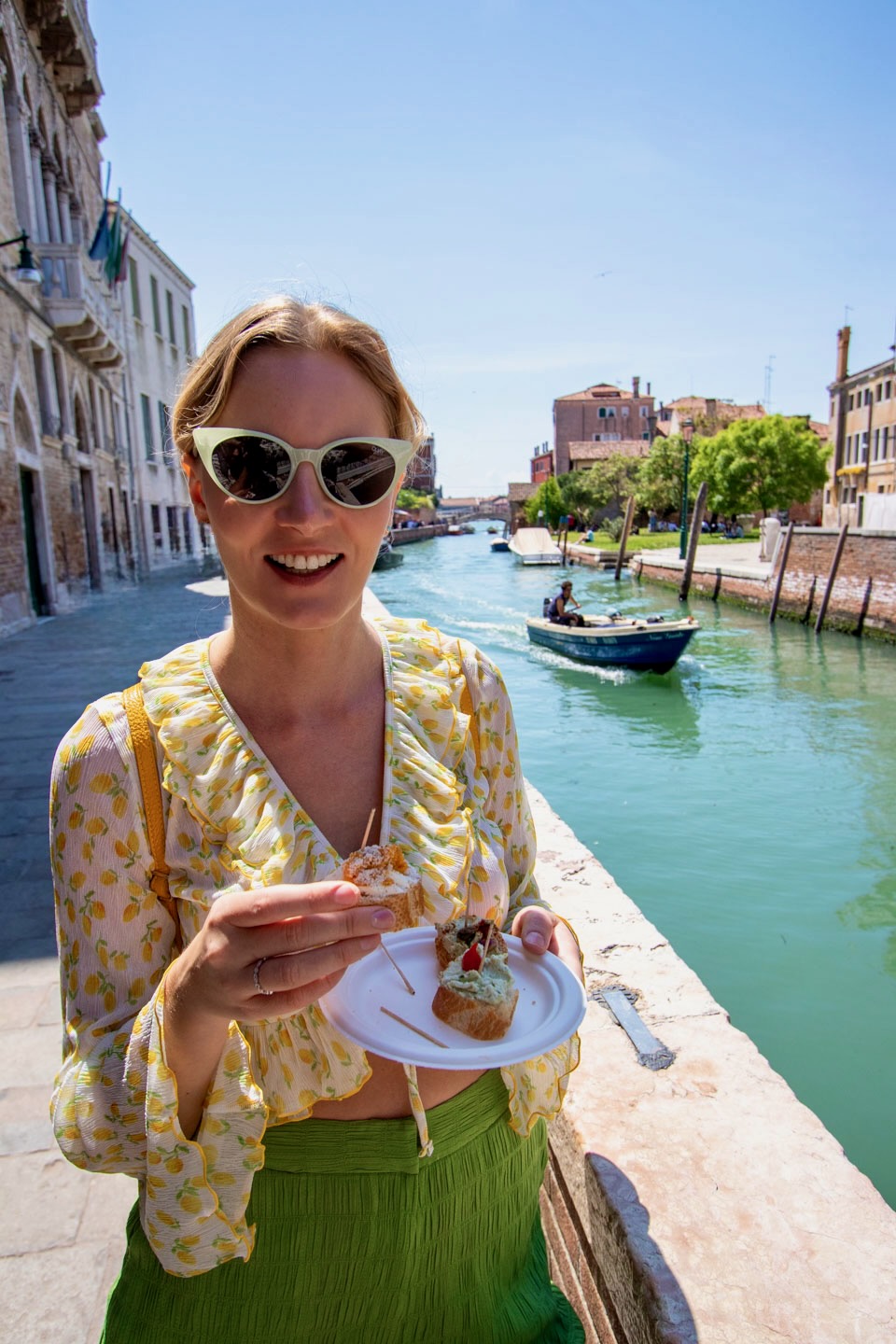
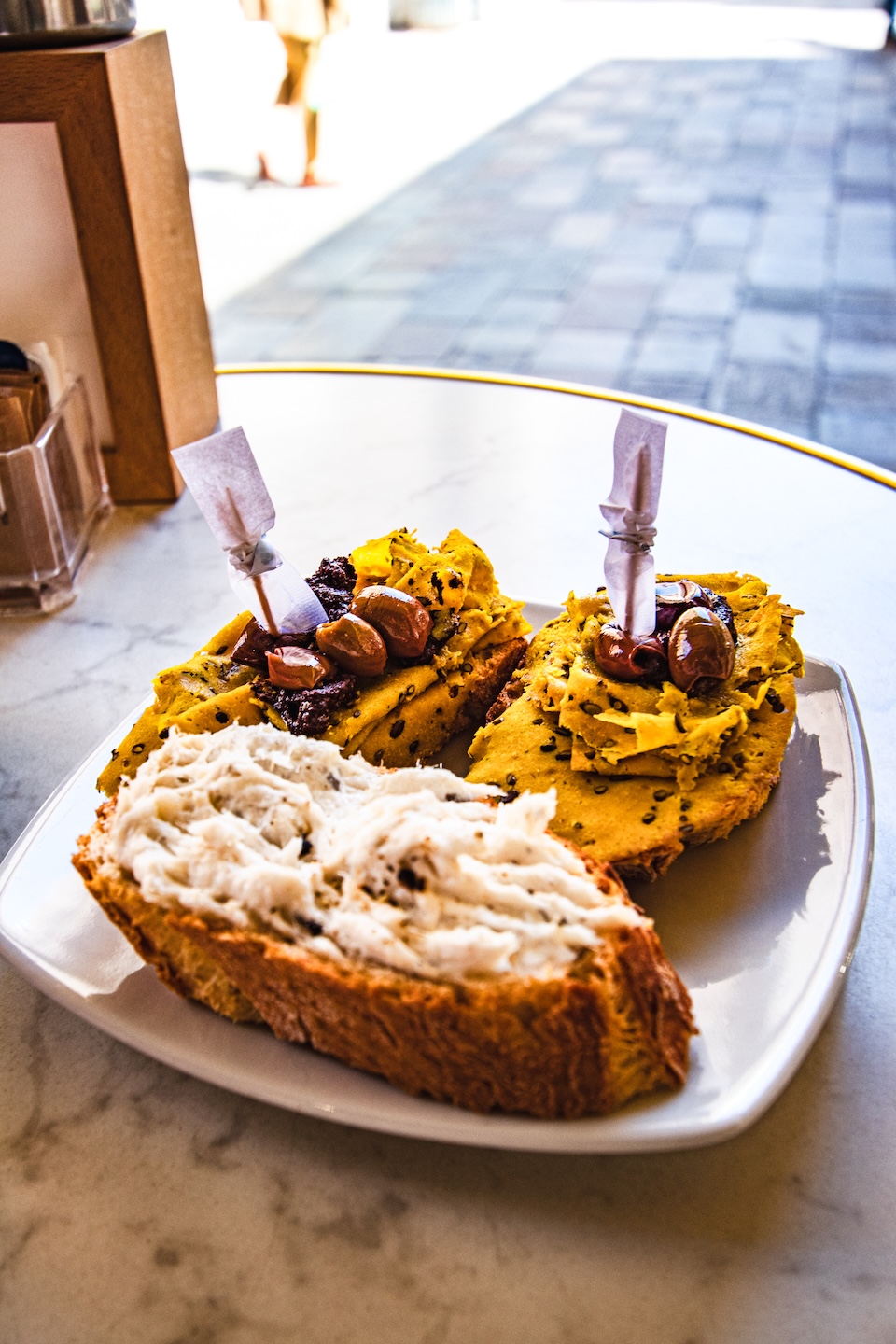
Alongside traditional restaurants, the city is filled with small bacari where residents stop for a glass of wine and cicchetti, small snacks often served on slices of bread.
Restaurants and opening hours can change, so check current information and recent reviews before visiting.
Best Gelato in Venice
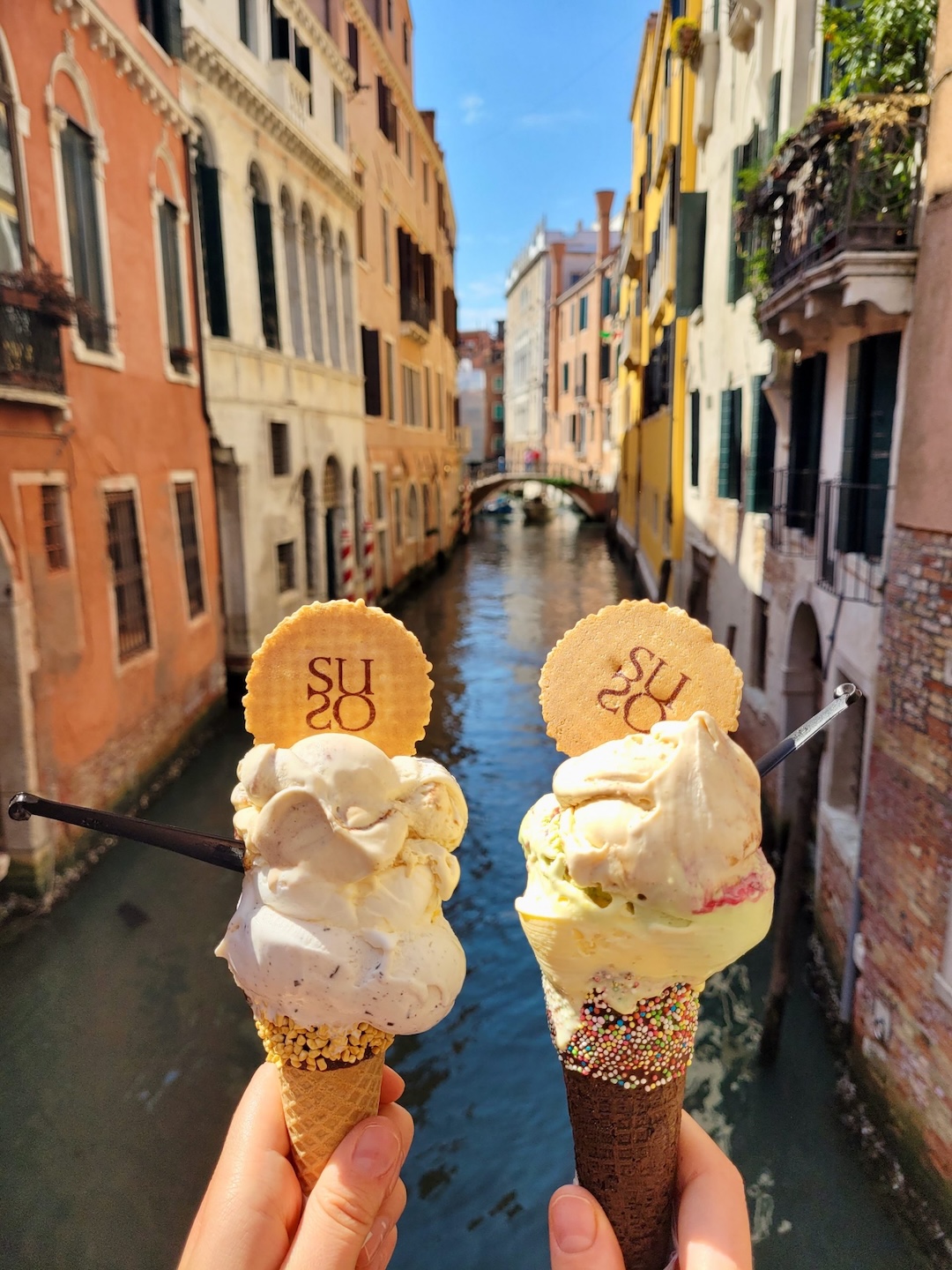
Gelatoteca Suso
Suso is one of the best-known gelato shops in Venice.
The selection of flavors is extensive, and the gelato is rich and creamy. A queue often forms outside, but it usually moves quickly.
It makes a convenient stop while walking between Rialto and St. Mark’s Square.
Bacaro del Gelato
Bacaro del Gelato is located in Cannaregio and can be a quieter alternative to the shops in the most visited parts of central Venice.
It is worth stopping here while exploring the northern side of the city.
Best Restaurants in Venice
Adagio
Adagio offers a more refined dining experience and can be a good choice for a relaxed evening meal.
Check the current menu and prices before making a reservation.
Osteria Enoteca Ai Artisti
This small restaurant in Dorsoduro is known for its short menu based on seasonal ingredients.
Because there are only a limited number of tables, booking in advance is recommended.
Trattoria ai Cugnai dal 1911
A traditional trattoria located in Dorsoduro.
It is a good place for classic Venetian dishes and a straightforward dinner away from the busiest streets.
Pizza al Volo
Pizza al Volo is located on Campo Santa Margherita.
It is an inexpensive and informal option for pizza by the slice, particularly when you do not want a long restaurant meal.
Looking for more Italian destinations with excellent food? Read my guide to the most beautiful towns in Tuscany.
Best Bars and Cafés in Venice
All’Arco
All’Arco is a small bacaro known for its cicchetti.
It is popular and mainly operates during the day. Arrive earlier because the selection of snacks may become smaller closer to closing time.
I Tre Mercanti
I Tre Mercanti is best known for its tiramisu, available in several flavors.
It is more oriented toward visitors, but the dessert can still be an enjoyable stop while sightseeing.
Pasticceria Toletta
A small bakery in Dorsoduro where you can stop for coffee and traditional Italian pastries.
Cantine del Vino già Schiavi
One of the best-known bacari in Dorsoduro.
The walls are lined with bottles of wine, and the counter offers cicchetti with a variety of toppings. Many customers eat and drink outside beside the canal.
What to Know About Eating in Venice
Lunch is usually served from around noon until early afternoon. Many restaurants close afterward and reopen for dinner in the evening.
Reserve a table at popular restaurants, particularly during weekends and the busiest travel months.
Restaurants directly beside the major landmarks are often more expensive and more tourist-oriented. Walking just a few streets away can lead to calmer and more interesting places.
Look for the coperto, the service or cover charge added to the bill. Its amount should be listed on the menu.
Cicchetti are a good way to try several local flavors without ordering a full meal.
How to Get to Venice
Venice is served by Marco Polo Airport and Treviso Airport.
Marco Polo Airport
Marco Polo is closer to Venice and is used by both major airlines and some budget carriers.
From the airport, you can travel to the historic center by bus to Piazzale Roma, the Alilaguna water bus or a private water taxi.
The bus is usually the simplest and least expensive option. Alilaguna takes longer but allows you to begin the journey with views of Venice from the lagoon.
Treviso Airport
Treviso is farther from Venice and mainly serves low-cost airlines.
I flew to Treviso and then took a bus into Venice.
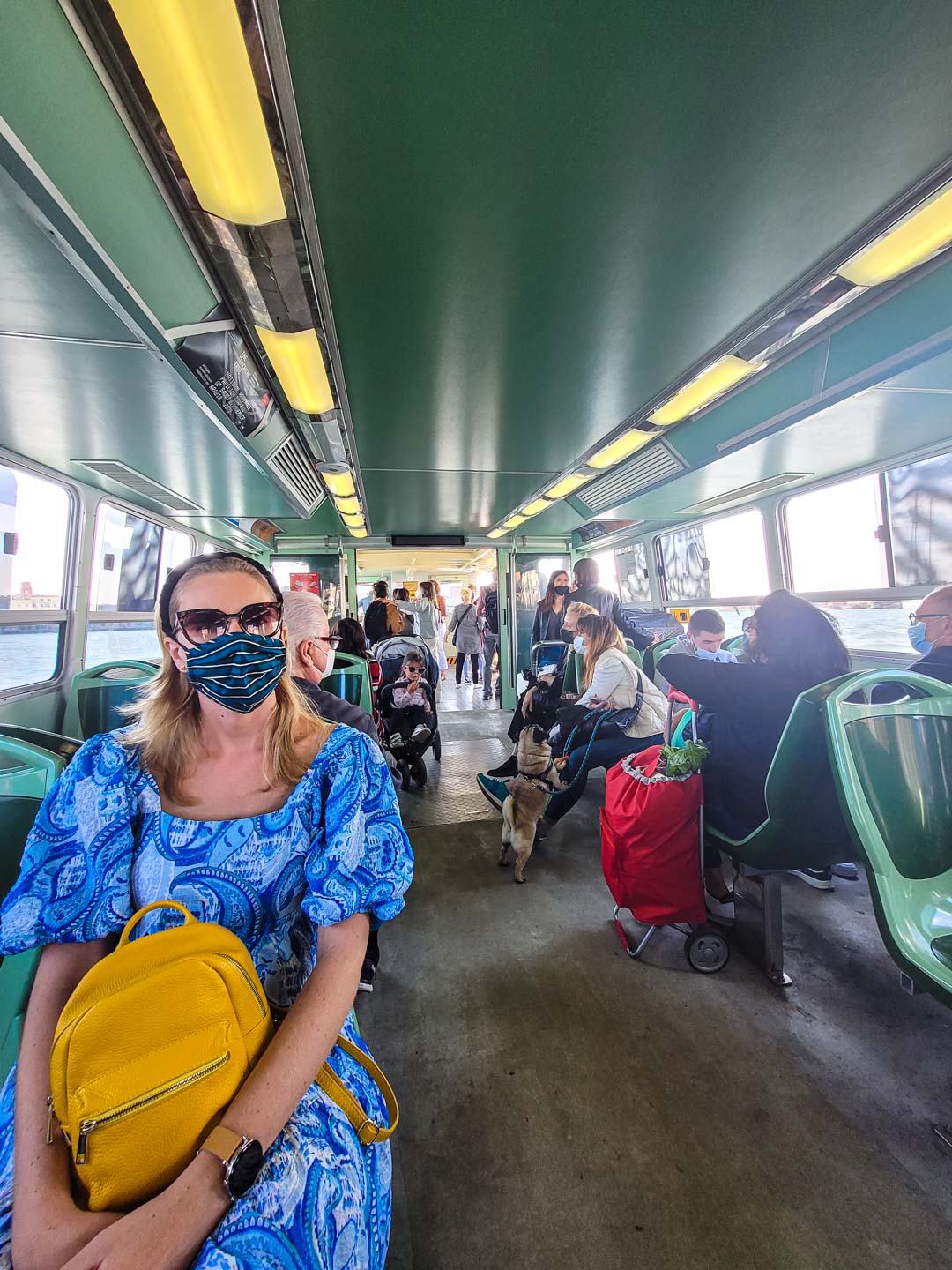
The bus terminates at Piazzale Roma. From there, you can continue on foot or transfer to a vaporetto.
Flight routes and transfer prices change, so check current schedules and calculate the complete cost of reaching your accommodation before booking.
When to Book Flights to Venice
There is no single booking window that guarantees the lowest price, but for spring and autumn trips, it is worth monitoring fares several months in advance.
For summer, long weekends and Carnival, booking earlier is generally advisable.
Midweek flights can sometimes cost less than flights on Fridays or Sundays, although this depends on the route.
When comparing fares, check the arrival airport. A cheaper flight to Treviso may not be the least expensive option once the transfer into Venice is included.
Planning to explore more of Italy independently? Read my guide to renting a car in Italy.
Planning to explore more of Italy independently? Read my guide to renting a car in Italy.
Best Time to Visit Venice
I visited Venice in May and found it to be an excellent time for the trip.
The temperatures were comfortable enough for long days outside, the evenings were pleasant and the city had not yet reached peak summer crowd levels.
That does not mean Venice was empty. Rialto and St. Mark’s Square were still busy, but walking a few streets away was often enough to find a much calmer atmosphere.
September can also be a good choice, with milder temperatures as the main summer season begins to end.
Spring and autumn weather are not completely predictable, so bring a light rain jacket.
When to Avoid Venice
July and August can be extremely hot, humid and crowded.
Carnival is a unique time to visit, but it also brings higher accommodation prices and large numbers of visitors. The dates change every year.
During autumn and winter, Venice can experience acqua alta, a temporary rise in water level. The MOSE barrier system has reduced the impact of severe flooding, but localized high water can still occur.
I would not automatically avoid traveling during this period. Check forecasts and local information shortly before your visit.
How Many Days Do You Need in Venice?
It is possible to see Venice’s main attractions in one busy day, but that is not the way I would choose to experience the city.
For a first visit, I would plan three days.
On the first day, you can explore St. Mark’s Square, the Doge’s Palace, the Bridge of Sighs and Rialto.
On the second, walk through Dorsoduro, visit the Accademia Bridge and stop at a few local bacari.
The third day can be used for San Giorgio Maggiore, quieter parts of Cannaregio or a trip to Murano, Burano or Torcello.
Four days allow you to slow down even more and leave space for walks without a fixed destination.
Where to Stay in Venice
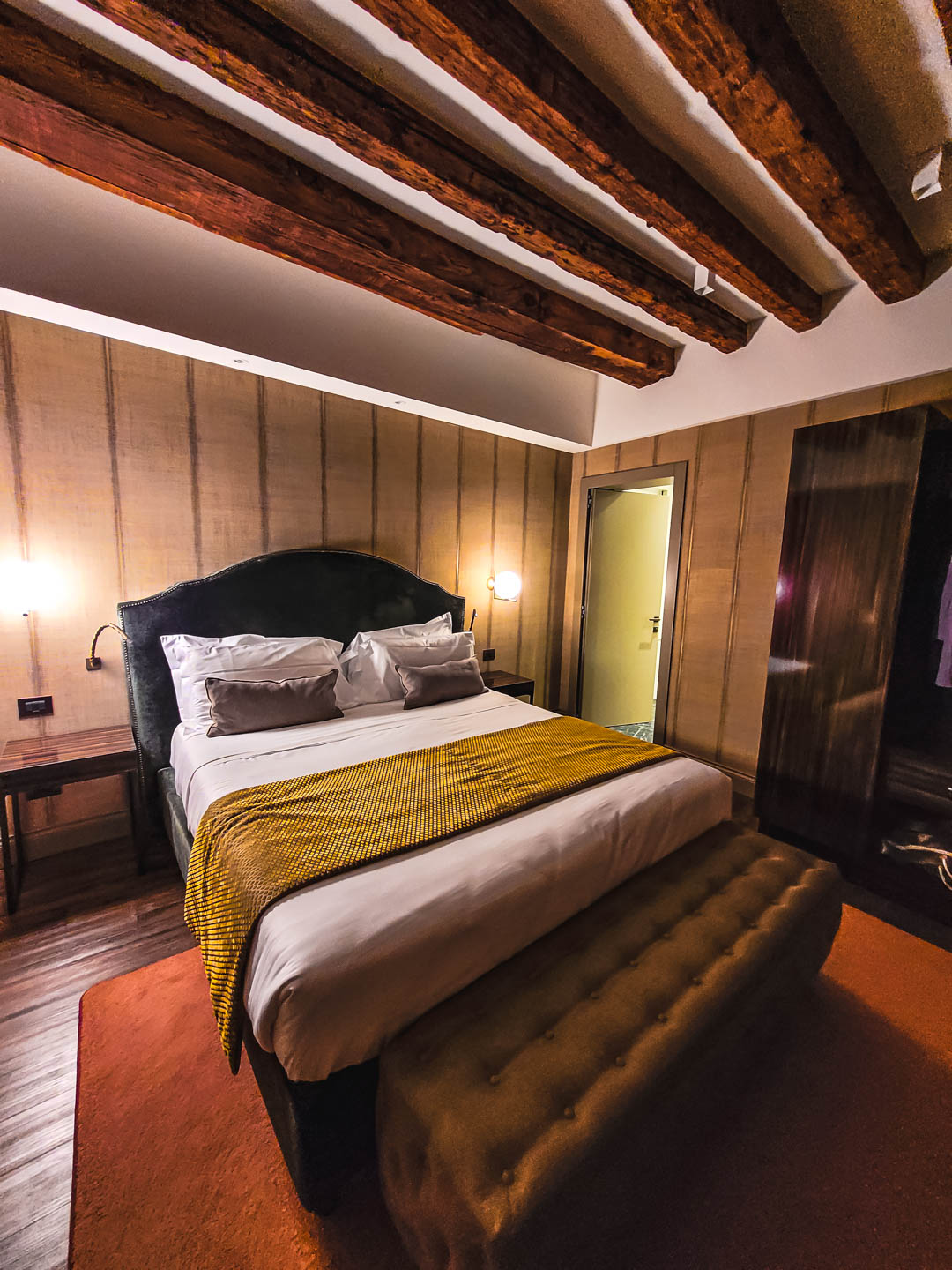
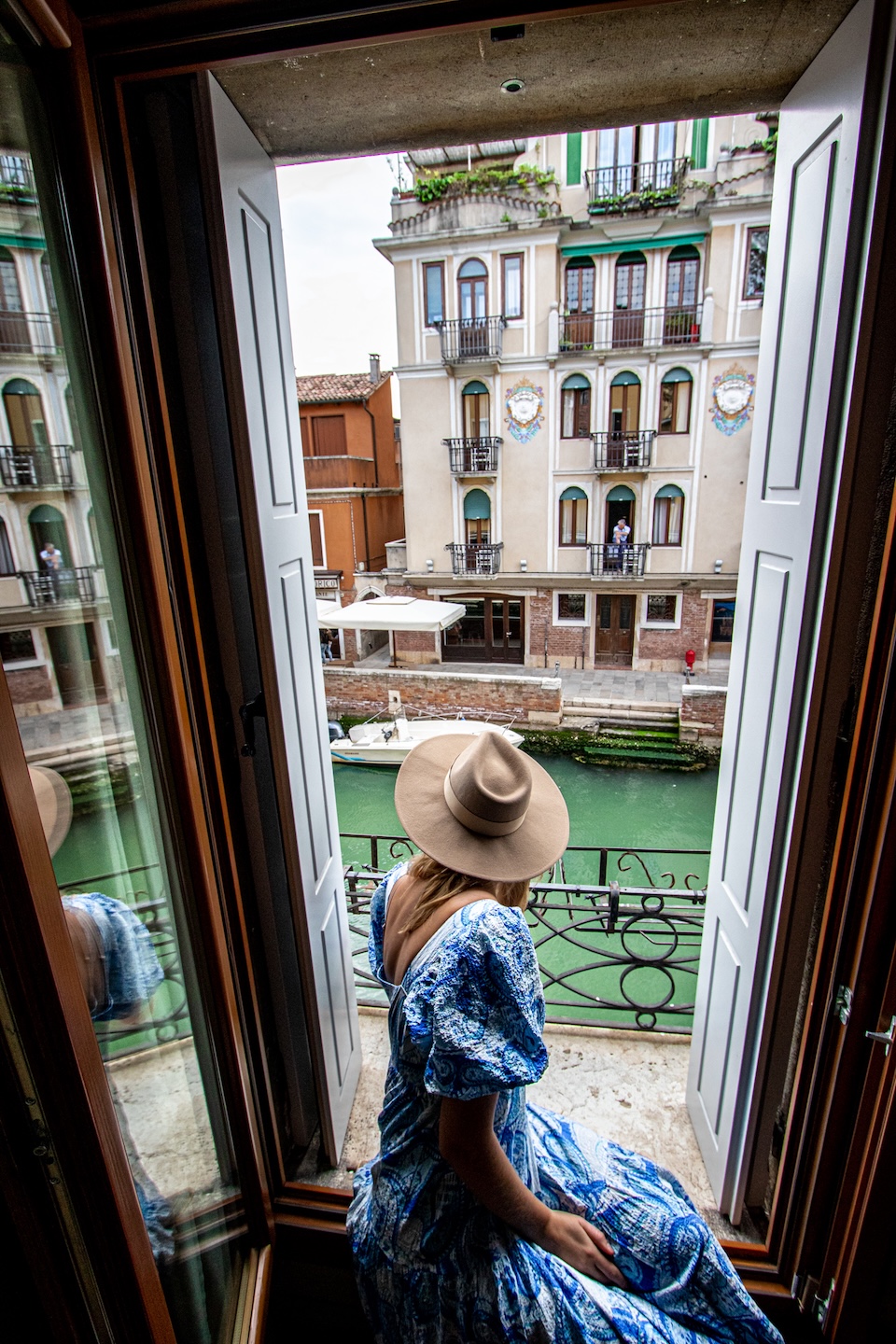
During my trip, I stayed at Suite735 and remember it as a very good choice.
The hotel was located in Dorsoduro, making it easy to reach the Accademia Bridge, the Peggy Guggenheim Collection and many nearby restaurants.
My room was spacious and air-conditioned, which can make a considerable difference during the warmer months.
The staff were helpful, and breakfast provided a convenient start before a full day of walking.
Dorsoduro also worked well as a base because of its calmer atmosphere. In the evening, I could return along quieter streets without passing through the busiest parts of Venice.
As my visit took place some time ago, check current photographs, prices and guest reviews before booking.
How to Get Around Venice
Walking
The historic center is best explored on foot.
Distances are not enormous, but even a short route may take longer than the map suggests. Streets end at canals, bridges lead in unexpected directions and finding the correct crossing is part of the experience.
Do not try to control every step of the route. I became lost several times, and those moments often led me to the quietest parts of the city.
Vaporetto
The vaporetto is Venice’s public water transport system, connecting the main canals and islands.
It is useful for traveling to San Giorgio Maggiore, Murano, Burano, Lido and along the Grand Canal.
When planning several journeys in one day, a time-based pass may cost less than purchasing separate tickets.
Prices change, so check the current ACTV fares and remember to validate or activate the ticket before boarding.
A journey along the Grand Canal can also be one of the most affordable ways to see Venice’s palaces from the water.
Gondolas
A gondola ride is not part of the public transportation system. It is a sightseeing experience.
You will find gondoliers near the major landmarks and beside quieter canals.
Starting outside the St. Mark’s Square area can offer a less congested route through more intimate parts of the city.
Before leaving, agree on the duration, route and price. Evening rates are generally higher.
What to Pack for Venice
Comfortable shoes are the most important item. Venice is explored primarily on foot, across stone streets and hundreds of bridges.
A small power bank is useful if you rely on maps and take many photographs.
In spring and autumn, bring a light waterproof jacket or a small umbrella.
An offline map can help when the mobile connection is weaker, although even the best navigation does not always understand Venice’s network of passages.
In summer, carry a reusable water bottle. Public fountains around the city can be used to refill it.
When visiting churches and basilicas, clothing that covers your shoulders and knees may be required.
How to Save Money in Venice
Venice is not an inexpensive city, but you can reduce the cost without missing its best experiences.
Book accommodation early, especially when visiting in spring, summer or over a weekend.
Rather than eating every meal in a full-service restaurant, try cicchetti in a traditional bacaro.
Take advantage of free experiences such as walking through Dorsoduro and Cannaregio, enjoying the views from the bridges and watching the sunset over the lagoon.
When planning multiple vaporetto rides, compare the cost of single tickets with a time-based pass.
Refill your water bottle at public fountains instead of continually buying bottled water.
Before purchasing the Venezia Unica City Pass, calculate which attractions you genuinely plan to visit. The pass is only worthwhile when you use enough of the included entries.
What to Avoid in Venice
Do not buy counterfeit items from street sellers. Their sale is illegal, and purchasing them can have consequences.
Do not feed pigeons in St. Mark’s Square, as this is prohibited.
Avoid sitting on steps, bridges or narrow passages where you may block pedestrians. Venice is not only a tourist destination but a real city where residents travel to work, school and local shops.
Do not enter or swim in the canals.
Most importantly, do not try to see everything in one day.
The best part of visiting Venice is having enough time to stop, change your route and follow a street simply because it looks interesting.
Travel lighter, even before you leave.
start with something simple.
Download The Minimum Plan – Slow Travel:
Is Venice Worth Visiting?
Before my trip, I worried that Venice would feel too crowded and touristy.
The area around St. Mark’s Square and the Rialto Bridge can certainly be exhausting. But walking only a few streets away often revealed a completely different city.
My strongest memories are not of individual monuments but of quieter moments: a morning beside the Grand Canal, a gondola passing a small pier and an evening spent walking through Dorsoduro.
Venice does not need another list of places you must see at any cost.
It needs time.
Its famous landmarks are worth visiting, but it is just as important to leave a few hours without a fixed plan. That is when you may find a quiet canal, a small square or a local bacaro that stays in your memory longer than the most popular attraction.
For me, Venice was one of those places best experienced slowly.
You do not need to see everything. You only need enough time to truly be there.
Where to Go After Venice
After Venice, you can continue exploring northern and central Italy:
- One Day in Florence – Renaissance architecture, art and beautiful viewpoints;
- Milan in One Day – the cathedral, historic neighborhoods and modern design;
- The Most Beautiful Towns in Tuscany – stone streets, vineyards and a slower side of Italy;
- Five Days on the Amalfi Coast – coastal towns and my complete itinerary.
Have you visited Venice? Which place stayed with you the longest? Or are you still planning your journey and wondering how much time to spend in the city?
Save this Venice travel guide for later and share it with someone you would love to explore Venice with.
Pin it for later
This article contains affiliate links. If you make a booking through these links, I may earn a commission, supporting this blog. Rest assured, my recommendations are based on honest assessments, and using these links doesn't affect prices for you. Thank you for your support!