
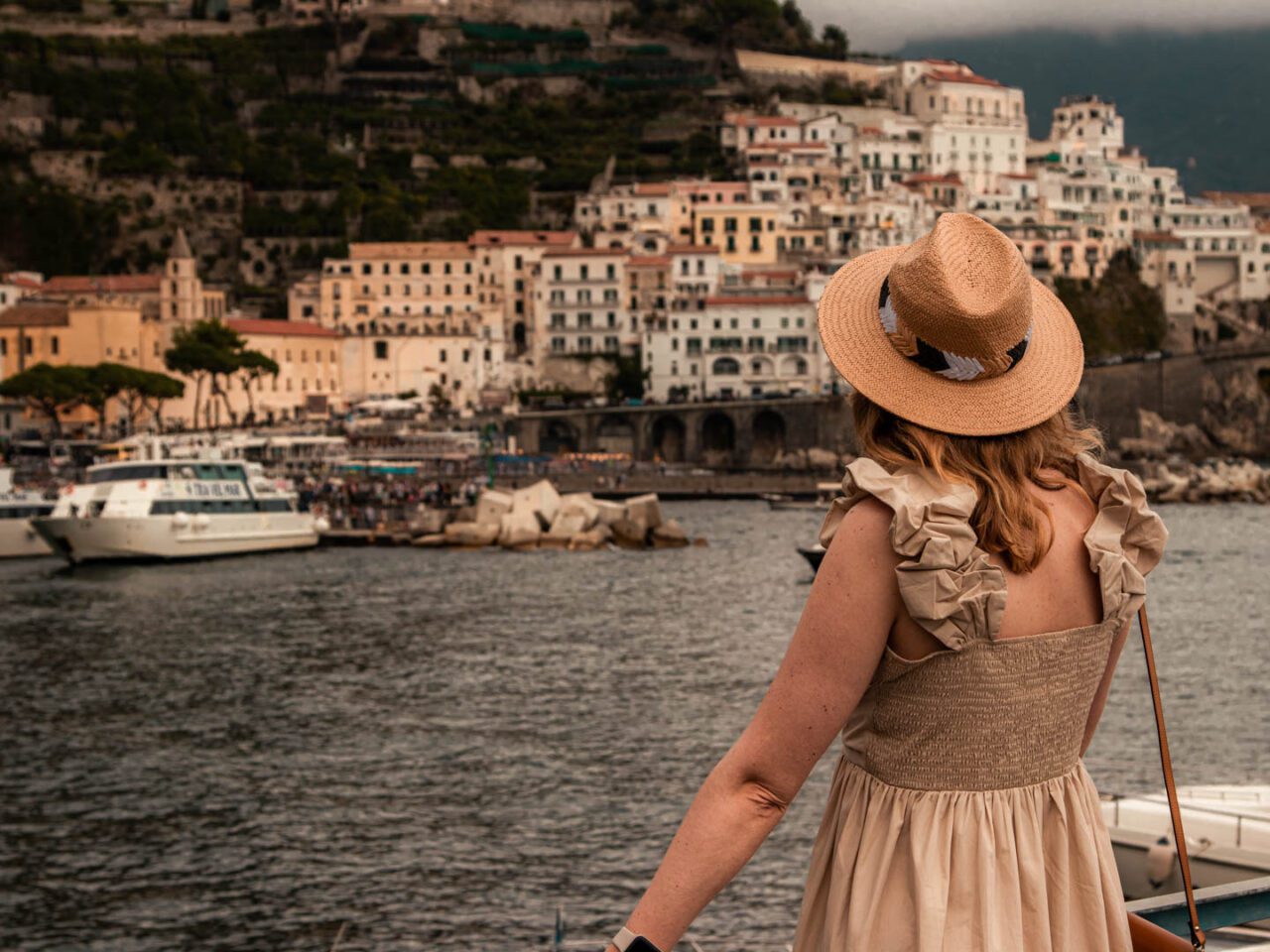
Looking for a 5-day Amalfi Coast itinerary that actually feels good, not rushed? You’re in the right place.
I’ve put together the plan I wish I had on my first trip – slower, more intentional, built around how you want to feel at the end of each day, not just what you “should” see.
This coast is beautiful, yes. But it can also be overwhelming if you try to do too much. I learned that the hard way.
So instead of packing your days, I’ll show you how to experience it – with space for long lunches, quiet mornings, and those small moments that stay with you longer than any checklist.
You’ll still see the iconic places. The cliffside towns, the turquoise water, the food that makes you stop mid-bite. But you’ll do it in a way that doesn’t leave you exhausted on the flight home.
Whether you’re here for beaches, hikes, or wandering through sunlit streets, this is a 5-day Amalfi Coast plan built from real experience – including a few mistakes you won’t have to repeat.
If you want to feel the Amalfi Coast, not just see it, this is where to start.
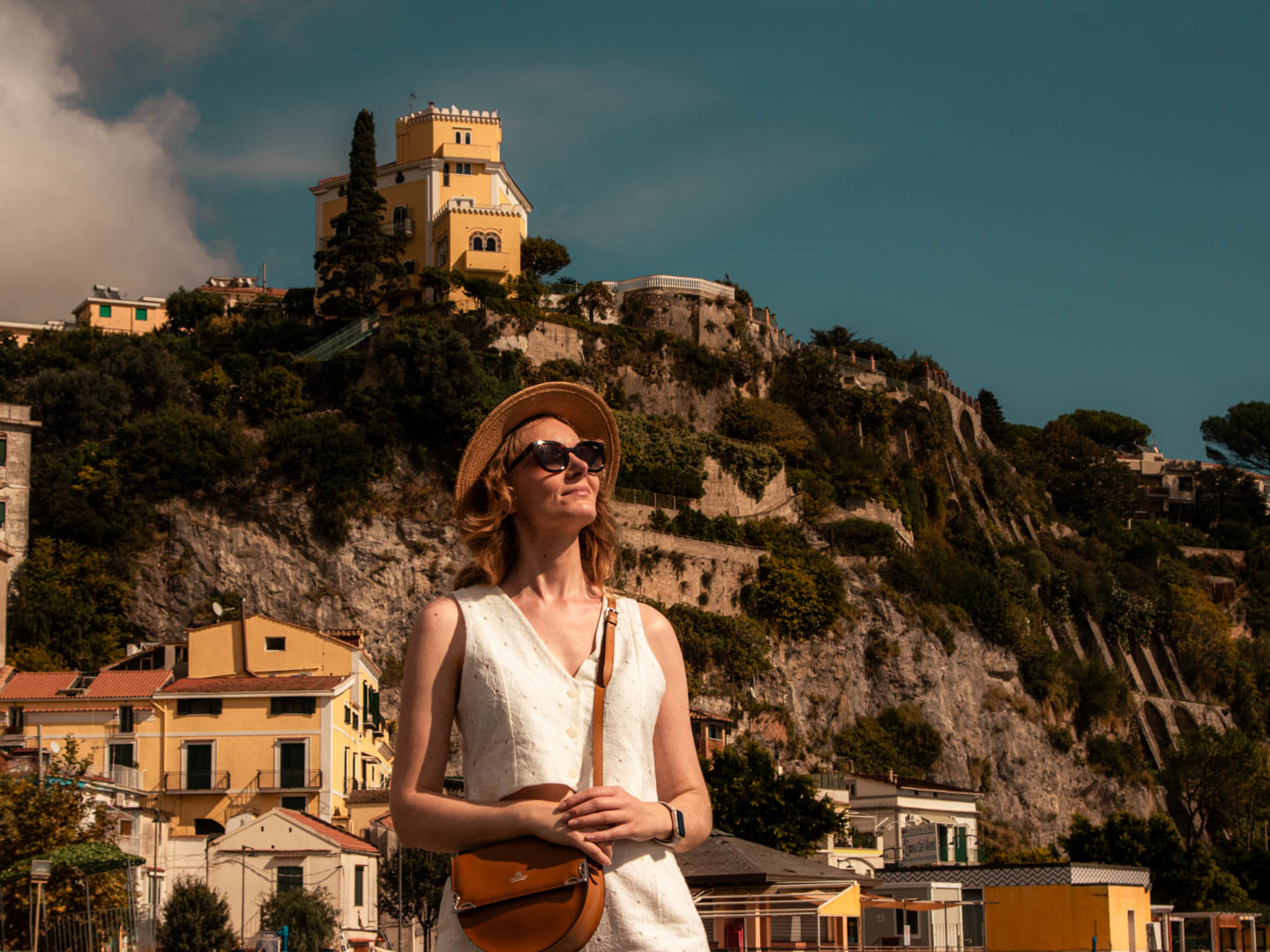
Day 1: Positano & Praiano
Morning in Positano
Start your first morning slowly.
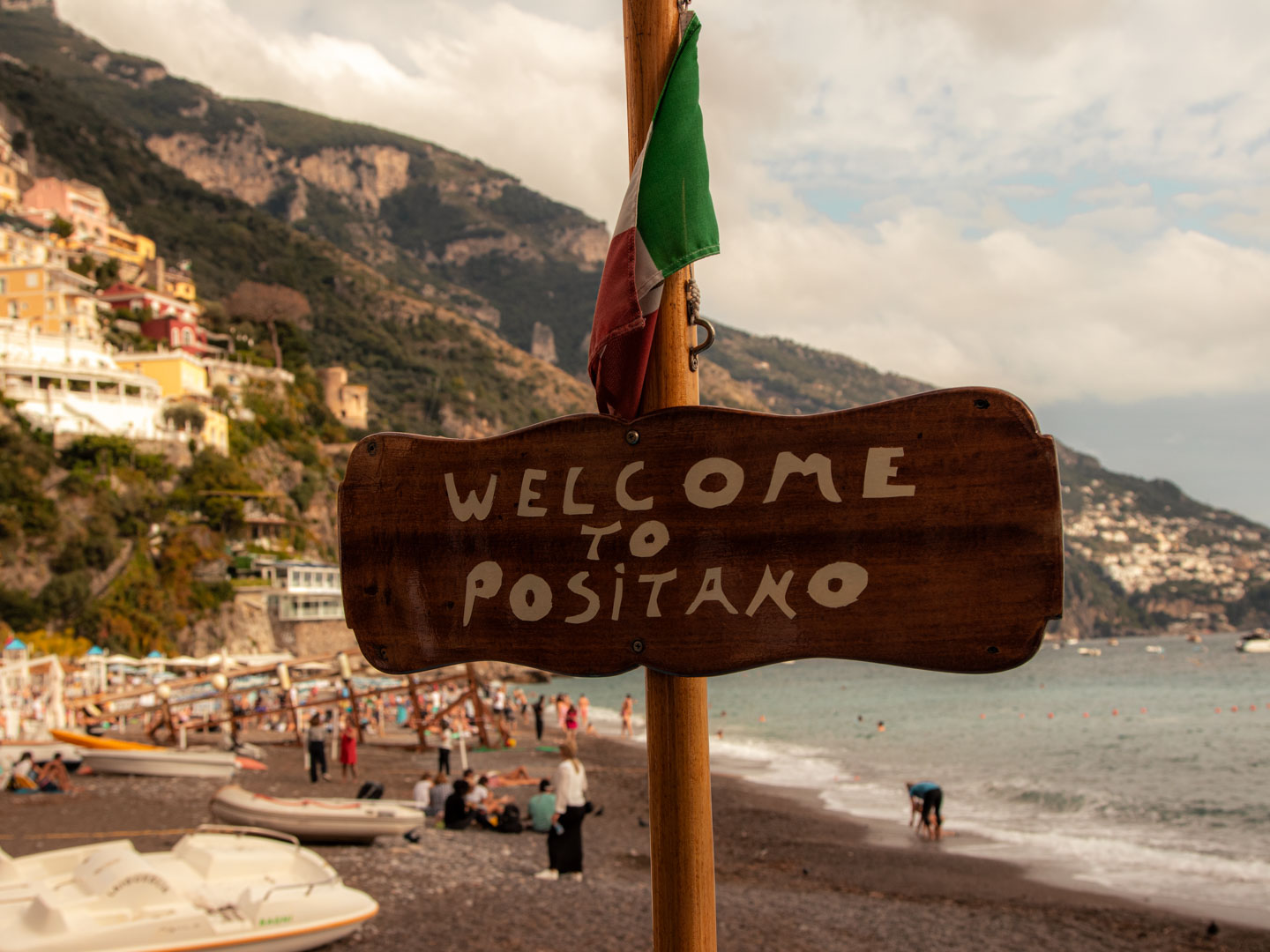
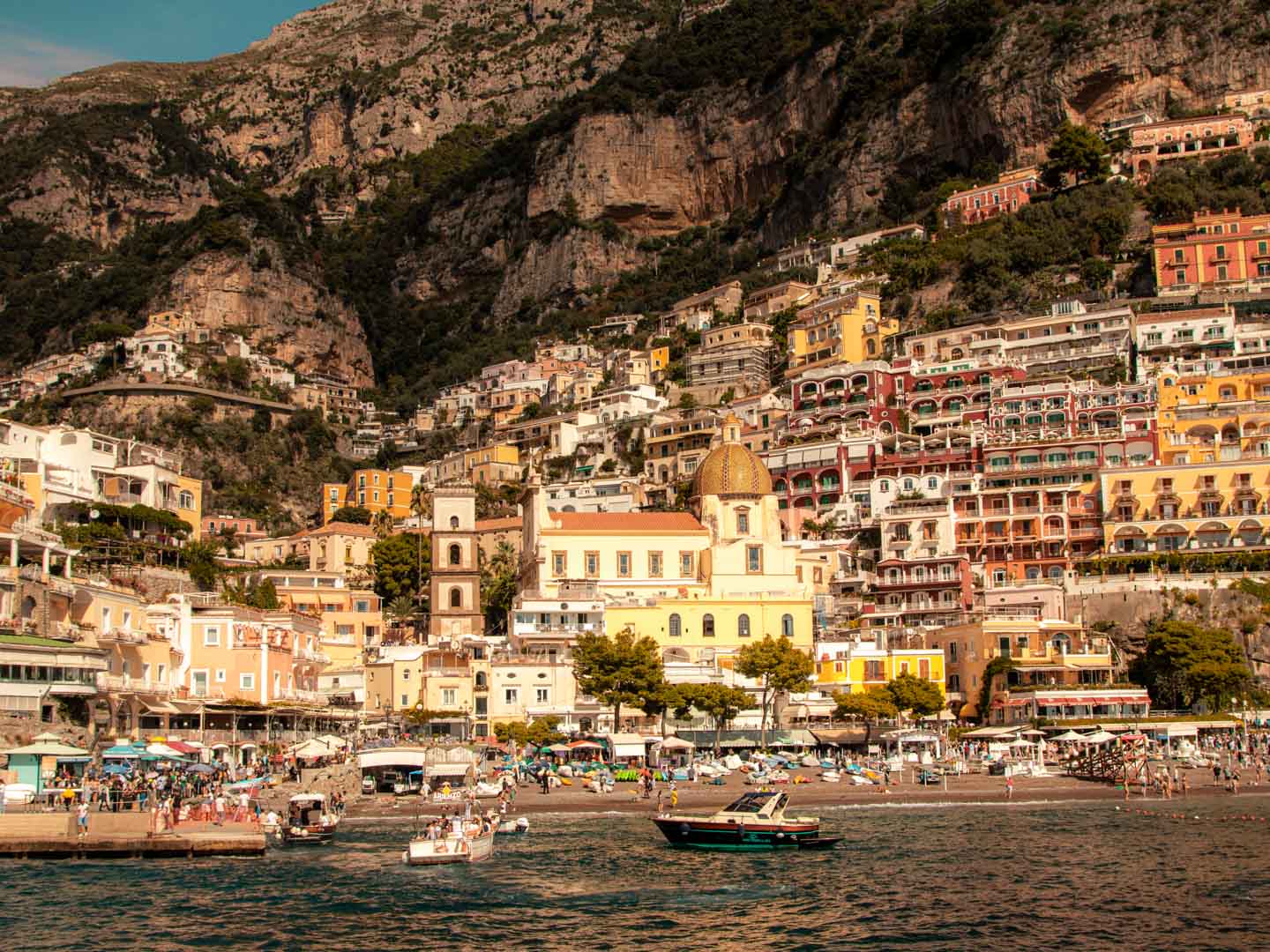
Positano is one of those places that almost doesn’t feel real at first – pastel houses spilling down the cliffs, light hitting the sea in that soft, golden way.
But it’s also the easiest place to overwhelm yourself if you arrive with a checklist.
So don’t.
Walk down toward Spiaggia Grande without rushing. Let yourself get a little lost in the narrow streets on the way. That’s part of it.
Find a café by the water. Order a coffee. Sit longer than you planned. Watch the boats come in.
That’s the moment you’ll remember, not the photo.
If you feel like exploring a bit more, step inside Church of Santa Maria Assunta – the one with the soft, tiled dome you’ve probably seen before. It’s simple, calm, and a nice contrast to everything happening outside.
No need to see everything this morning.
Just arrive.
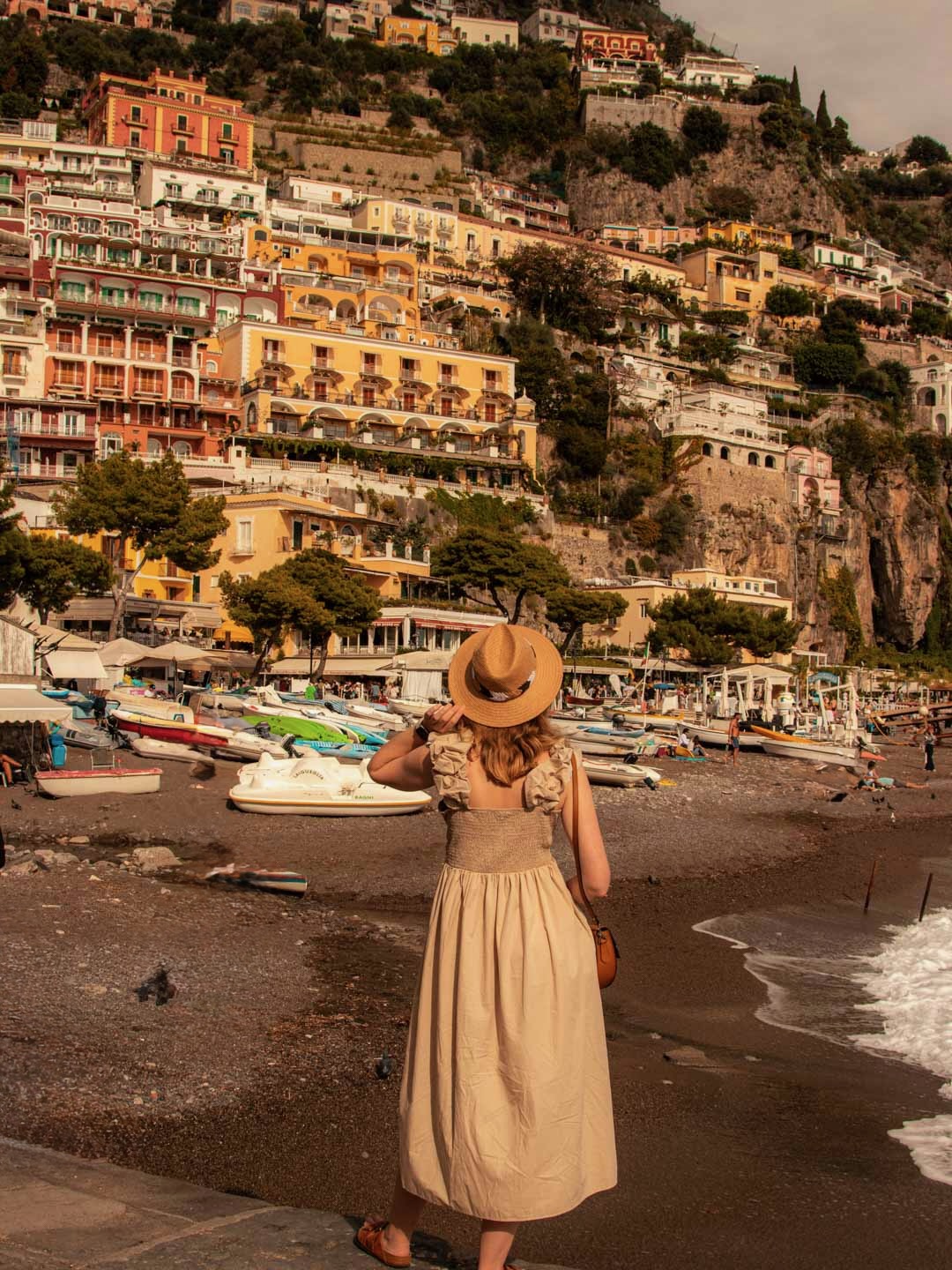
Then just wander.
Not with a plan, just with curiosity.
The streets of Positano are made for that. Small staircases, hidden corners, little shops you didn’t expect.
You’ll pass boutiques with that effortless Positano feel – soft linen, neutral tones, handmade sandals that somehow always look better here than anywhere else.
Stop when something catches your eye. Skip what doesn’t.
Every now and then, you’ll reach a viewpoint without even trying. Pause there. Look out over the sea, the stacked houses, the curves of the coast. That’s your reminder to slow down again.
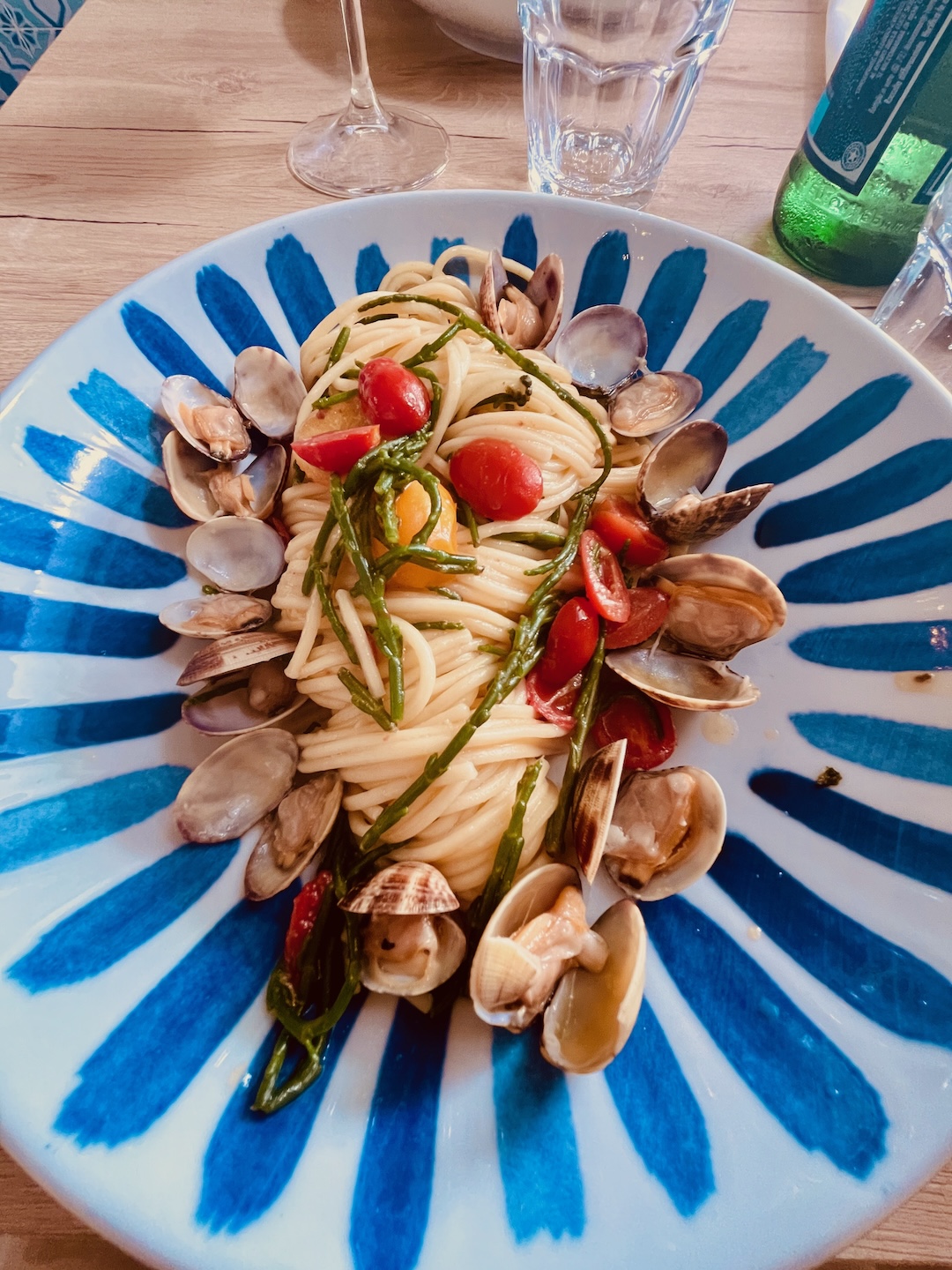
For lunch, go somewhere with a view – this is not the moment to rush or grab something on the go. If you can, book a table at Posides.
Sit down. Order something fresh from the sea. A simple pasta. A glass of something cold.
And stay a little longer than you think you should.
Afternoon in Praiano
In the afternoon, leave the crowds behind.
Praiano is just a short ride away, but it feels like a different version of the coast. Quieter. Slower. A little more real.
This is where you exhale.
Head down to Marina di Praia – a small beach hidden between steep cliffs, where the light hits differently in the afternoon. It’s not about doing much here. Just find a spot, go for a swim, let the salt water reset you a bit.
If you still have energy, take the steps toward Torre a Mare. The walk down is part of the experience – a little effort, but worth it.
At the bottom, you get that wide, open view of the bay. Fewer people. More space. The kind of moment where you don’t feel the need to take a photo right away.
Stay until the light starts to soften.
That’s when this place is at its best.
Evening in Praiano
Evening here is not something you rush through.
Stay in Praiano a little longer and let the day slow down on its own.
For dinner, book a table at Il Pirata – tucked into the cliffs, right above the water. It’s one of those places where the setting does half the work.
Order something simple. Fresh seafood, a glass of cold white wine.
Nothing complicated.
Sit there as the light starts to change. The sun dropping behind the cliffs, the sea getting darker, the whole place softening.
It’s not just about the food.
It’s that feeling of the day settling, when everything finally goes quiet and you realize you don’t need to be anywhere else.
Stay for that part.
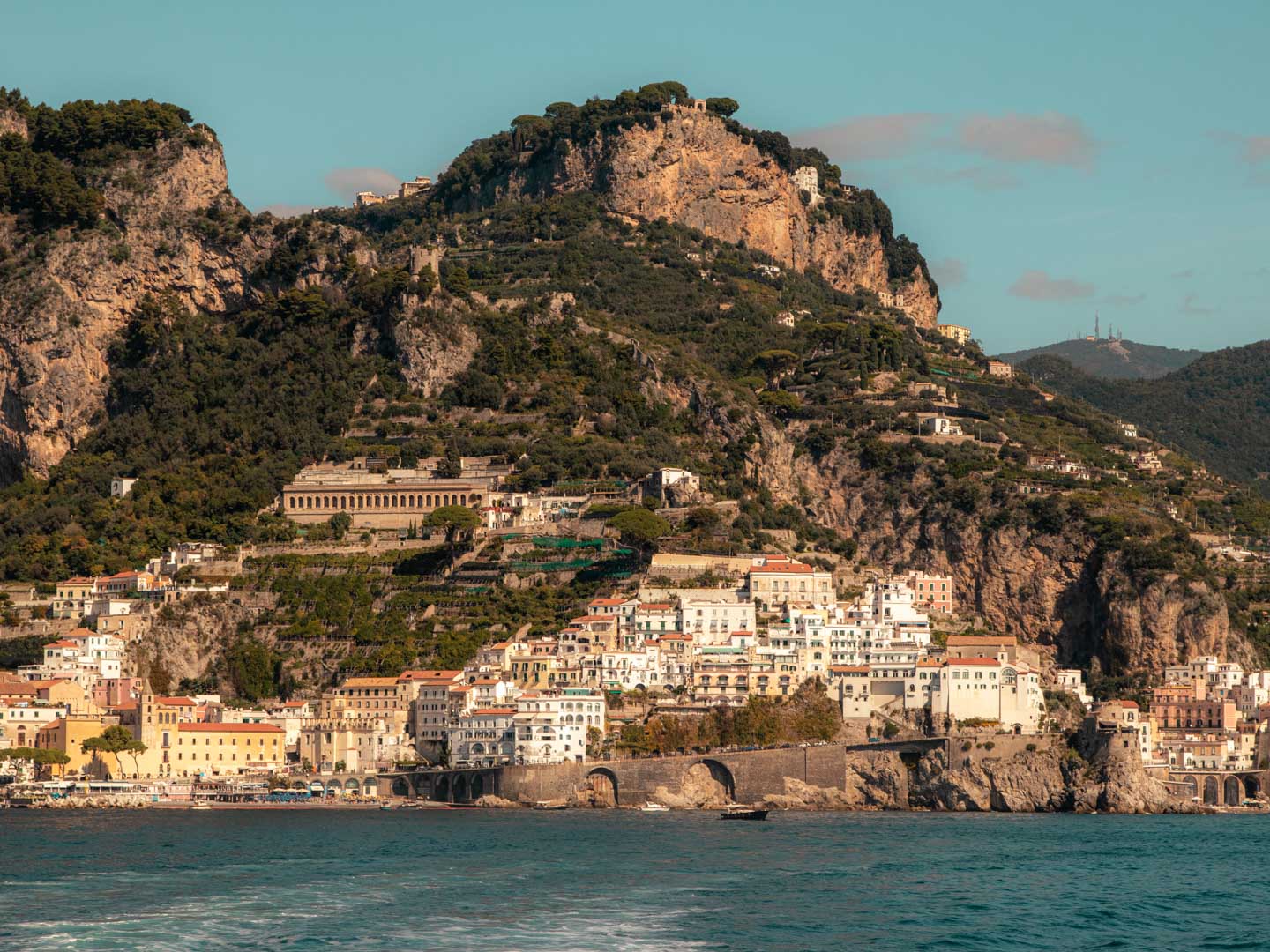
Practical Notes for Day 1
A few things that will make this day smoother, without overthinking it:
- At Spiaggia Grande you’ll find both paid sunbeds and a small free section. Sunbeds usually cost around €40-50 for the day, so if you’re only staying for a short while, the free area is enough.
- Church of Santa Maria Assunta is open in two quieter windows during the day – morning (around 9:30-12:00) and late afternoon (4:00-8:00). It’s free to enter and worth stepping into for a few minutes of calm.
- Getting to Praiano is easy. The SITA bus takes about 15 minutes and costs around €1.50. Just keep in mind it can get crowded, especially in high season.
- At Marina di Praia, sunbeds are more affordable – usually €15-30. There are about 200 steps down, so take it slow, especially in the afternoon heat.
- Torre a Mare is open all day, from sunrise to sunset, and it’s free. The walk takes around 15-20 minutes. It’s not difficult, just a bit of a descent, so give yourself time to enjoy it instead of rushing.
Nothing here is complicated.
The only real tip is this: don’t try to do everything.
Day 2: Amalfi & Atrani
Morning in Amalfi
Start your second day a little earlier – not to rush, but to catch Amalfi before it fully wakes up.
This is the town that gave the whole coast its name. Once powerful, now a little chaotic, but still full of beauty if you look past the crowds.
Walk into the main square slowly. Let yourself take it in before moving on.
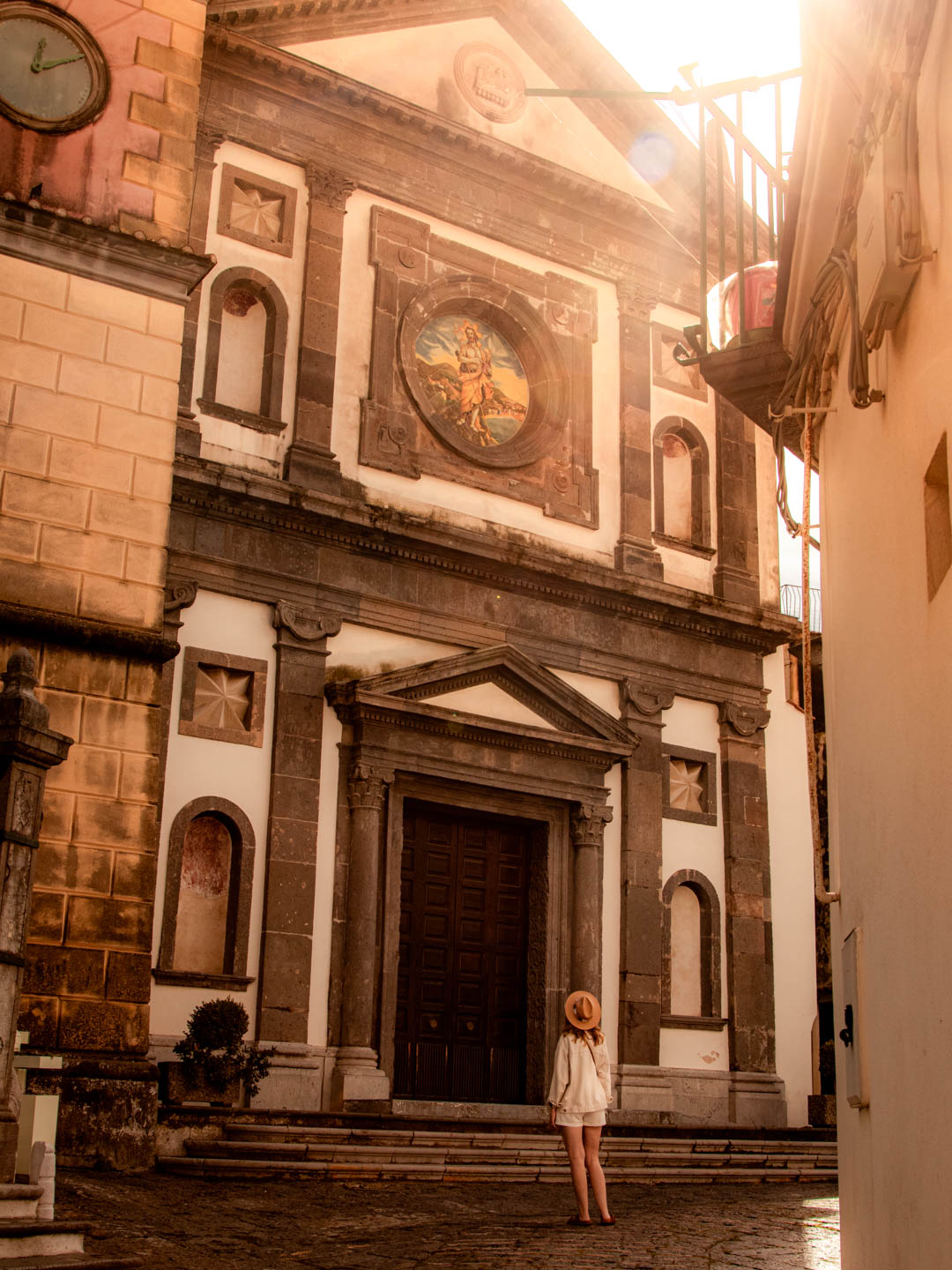
Climb the steps to Amalfi Cathedral. It’s dramatic, a little overwhelming, and somehow still worth it. Go inside for a moment of quiet. It changes the experience completely.
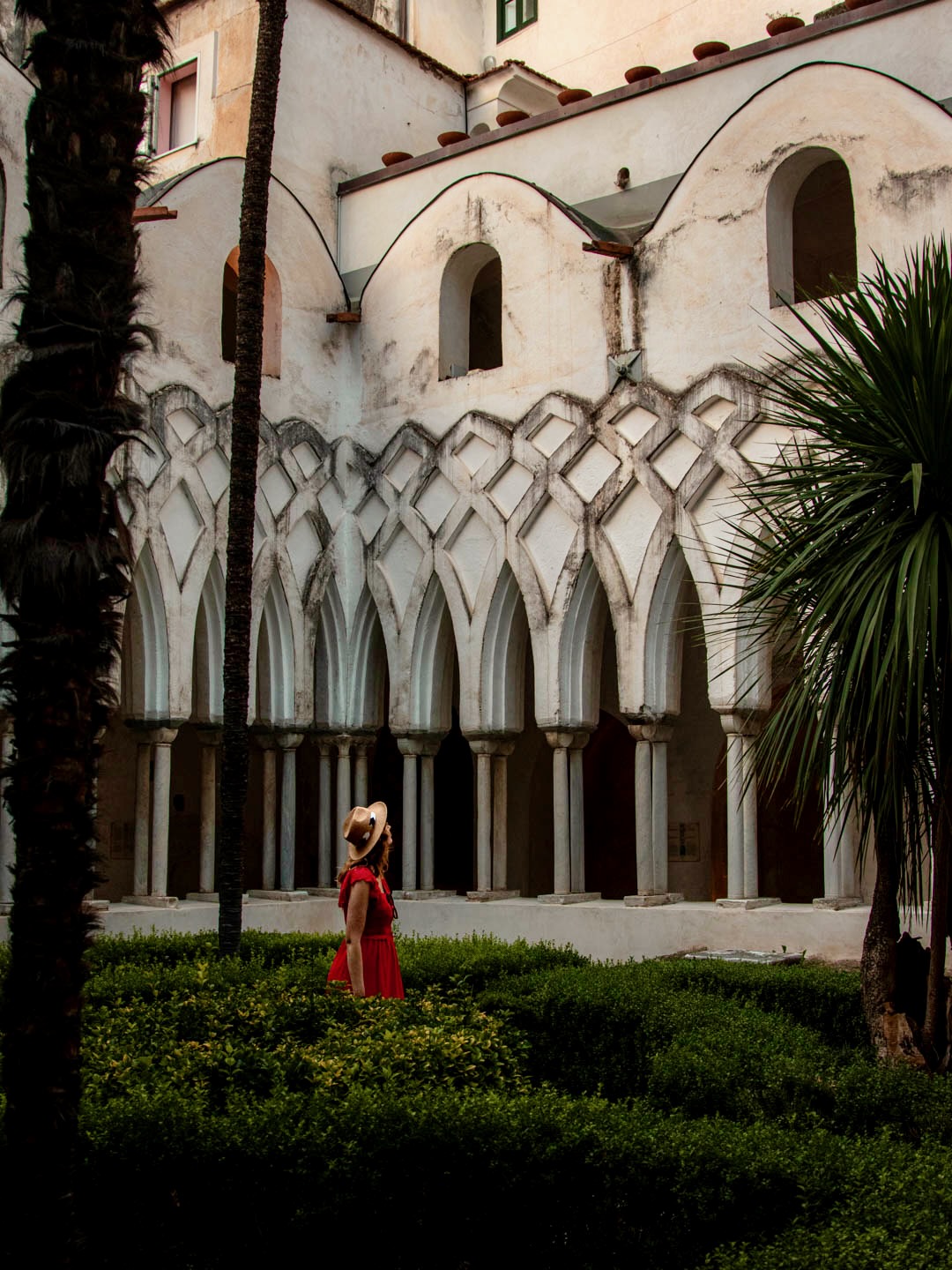
Right next to it, step into Chiostro del Paradiso. It’s one of those hidden contrasts – outside is busy, inside is still. White arches, soft light, a slower rhythm.
If you feel like going a bit deeper, walk up to Museo della Carta. It’s not just a museum – it gives you context. This place was once known across the world for its paper, and somehow that history still lingers in the town.
You don’t need to see everything.
Pick two, maybe three things.
And leave space to just wander the streets between them.
Planning more Italian coastal escapes?
I share the places I actually loved – the ones that stay with you longer than the views. Slower mornings, hidden corners, spots that don’t always make it into guides.
If you want to travel this coast without the overwhelm, you’ll feel at home here.
And if you join, I’ll send you something I wish I had on my first trip – my personal map of Naples with 100+ saved spots. Restaurants, viewpoints, small places you’d probably walk past otherwise 📍
Afternoon in Atrani
After Amalfi, walk.
It’s only a few minutes, but it feels like a shift.
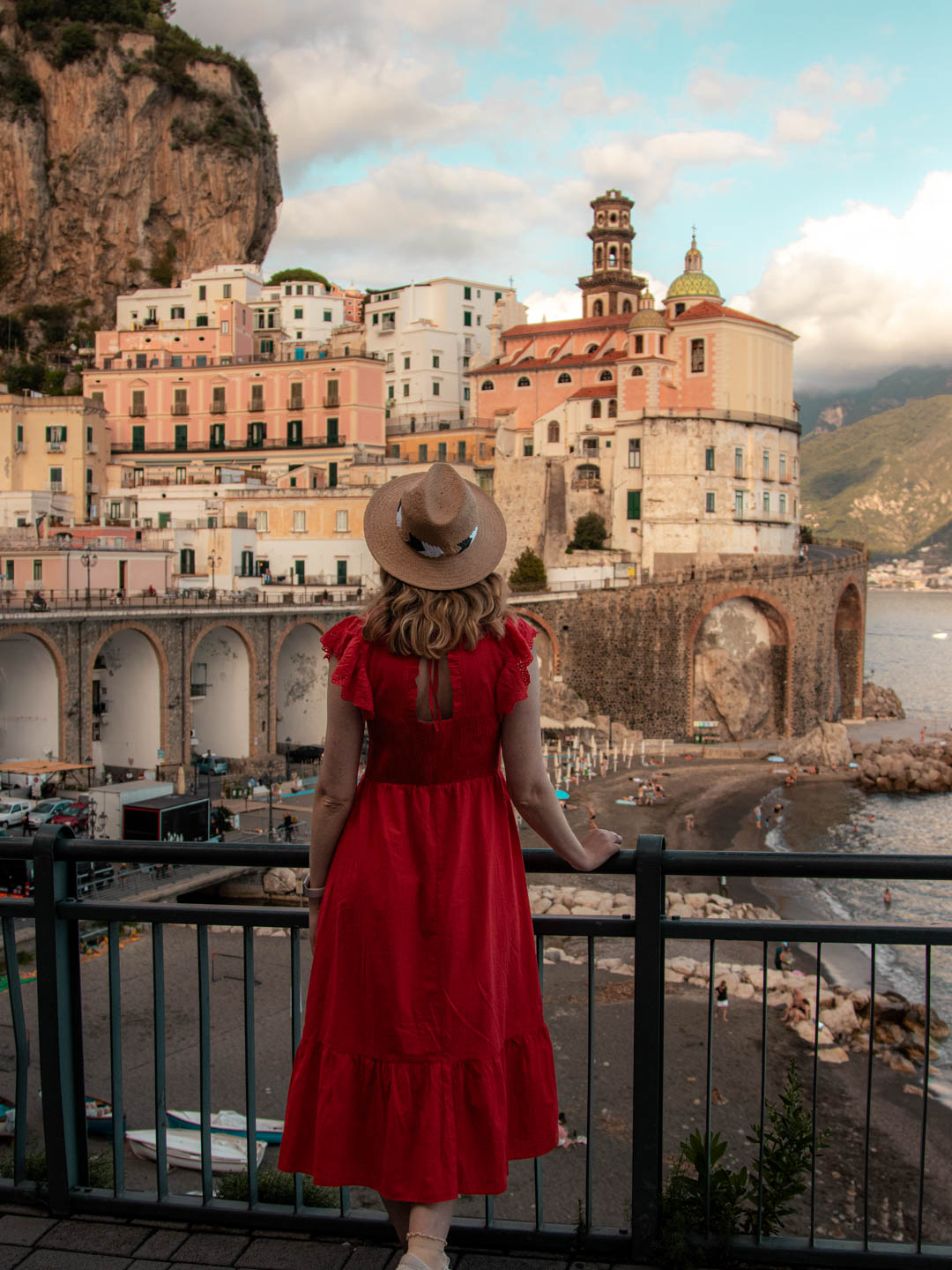
Atrani is smaller, quieter, almost hidden in plain sight. No big attractions, no pressure to “see” anything. Just a place that still feels lived in.
This is where the day softens.
Head to Spiaggia di Atrani. Sit for a while. Go for a swim. Watch the rhythm of the place instead of trying to be part of it.
You don’t need much more than that.
Evening in Atrani
Stay here for dinner.
Book a table at A’Paranza – simple, family-run, the kind of place where the food speaks for itself.
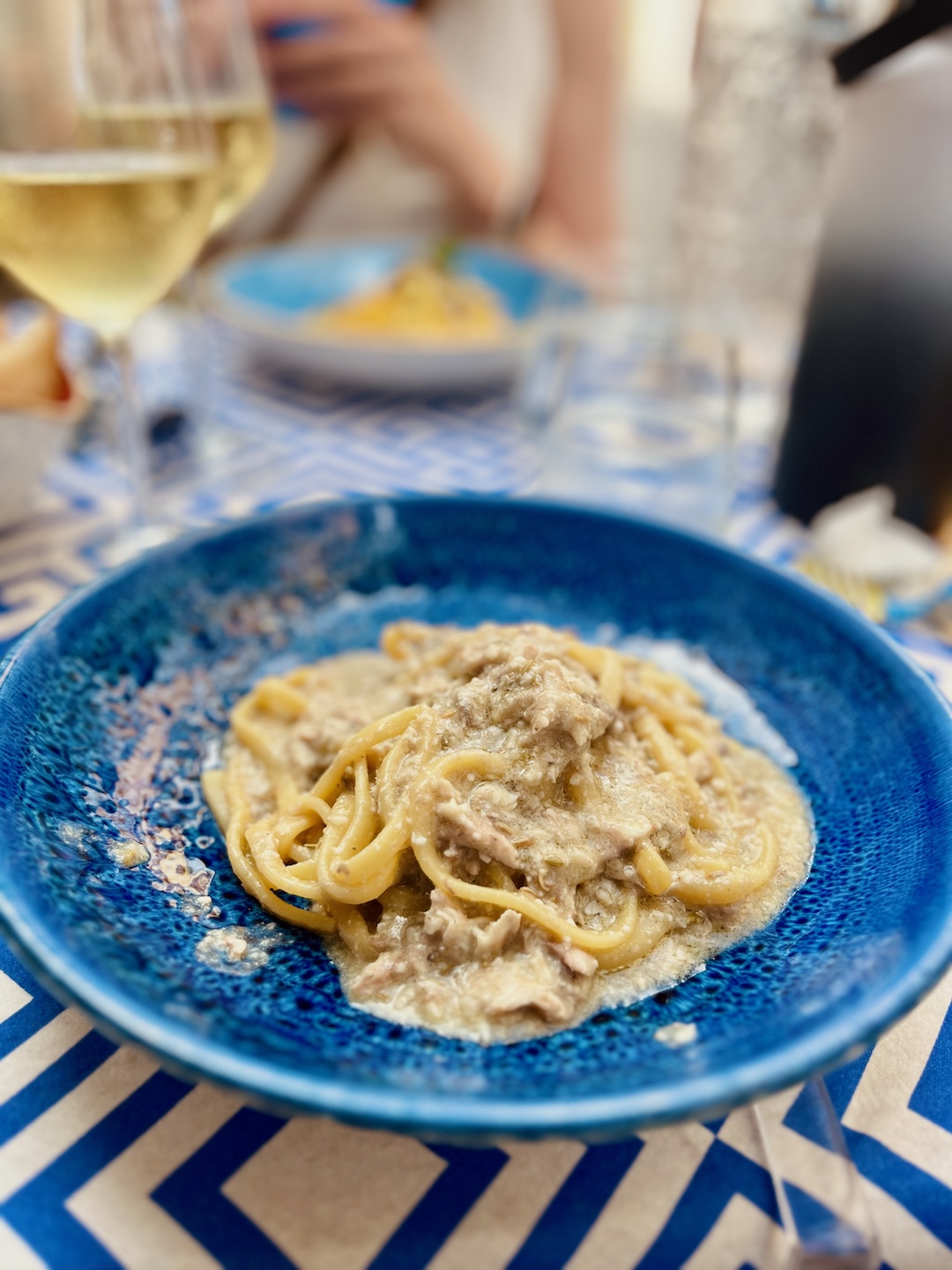
Order something local. If you see scialatielli ai frutti di mare, take it. Fresh, uncomplicated, exactly what you want after a day like this.
After dinner, take a slow walk through the small square.
Lights on, voices in the background, that warm evening air that makes everything feel a bit softer.
No plans, no rush.
Just being there is enough.
Practical Notes for Day 2
A few details that will make the day flow more easily:
- Getting from Praiano to Amalfi takes about 30 minutes by SITA bus and costs around €1.50. Try to go a bit earlier in the morning to avoid the biggest crowds.
- Amalfi Cathedral is open roughly from 9:00 AM to 6:45 PM (longer in peak season). Entry to the main church is free, but if you want to visit the cloister and crypt, there’s a combined ticket for about €4.
- Chiostro del Paradiso is usually open from around 9:30 AM to 6:45 PM. It’s small, so you don’t need much time, but it’s worth stepping inside.
- Museo della Carta is open daily (around 10:00 AM–7:00 PM), with tickets between €3 and €4.50 depending on the option.
- To reach Atrani, you don’t need transport at all. It’s about a 10-minute walk from Amalfi, through a small tunnel most people don’t even realize is there.
And honestly, that short walk is part of the experience.
One moment you’re in the busiest town on the coast.
A few minutes later, it’s quiet again.
Day 3: Ravello
Morning in Ravello
On your third day, go up.
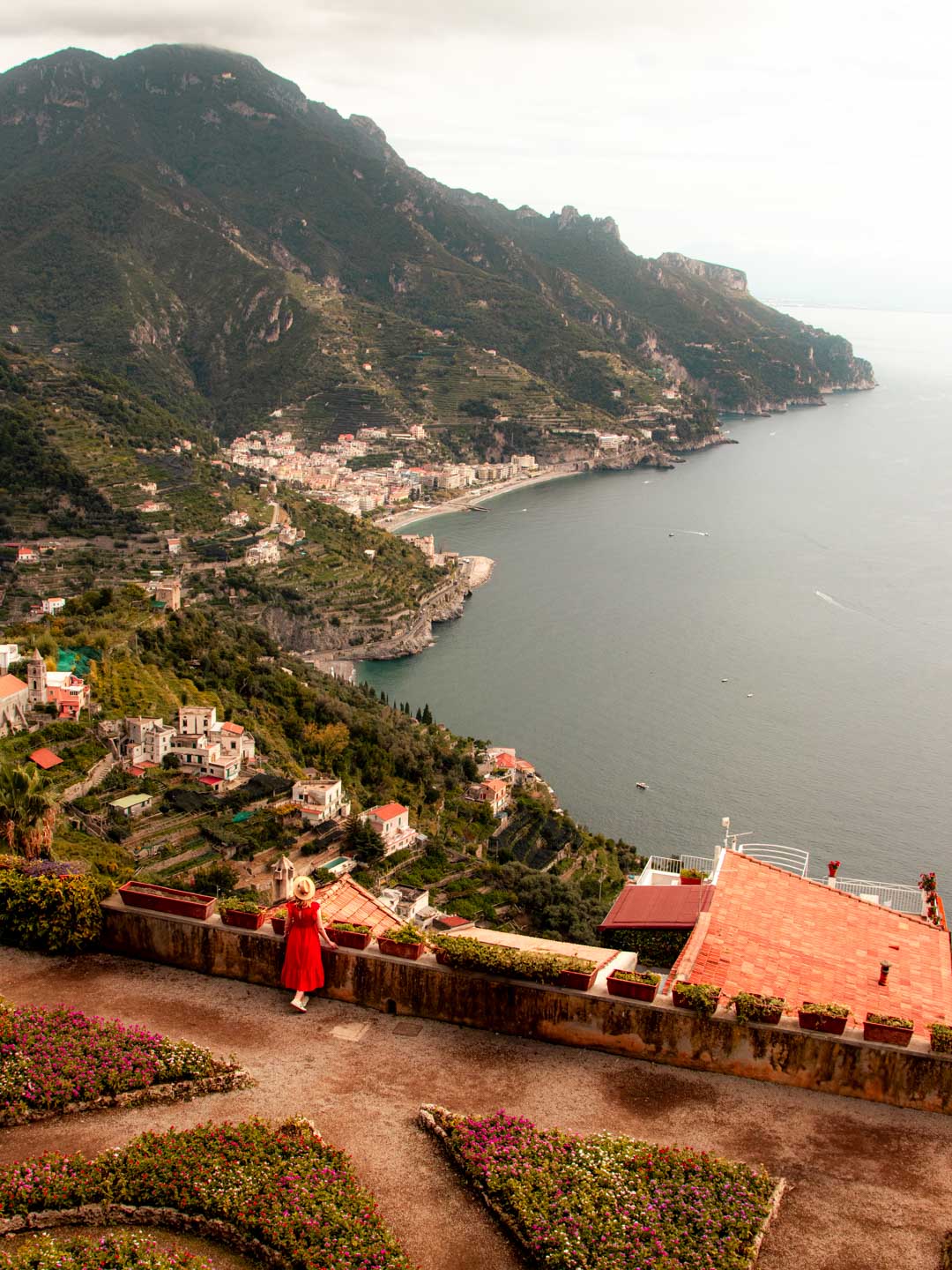
Ravello sits above the coast, a little removed from everything. It feels calmer, more spacious, like the air itself slows down here.
Artists came for that feeling. Richard Wagner, Gore Vidal – they all stayed a little longer than planned.
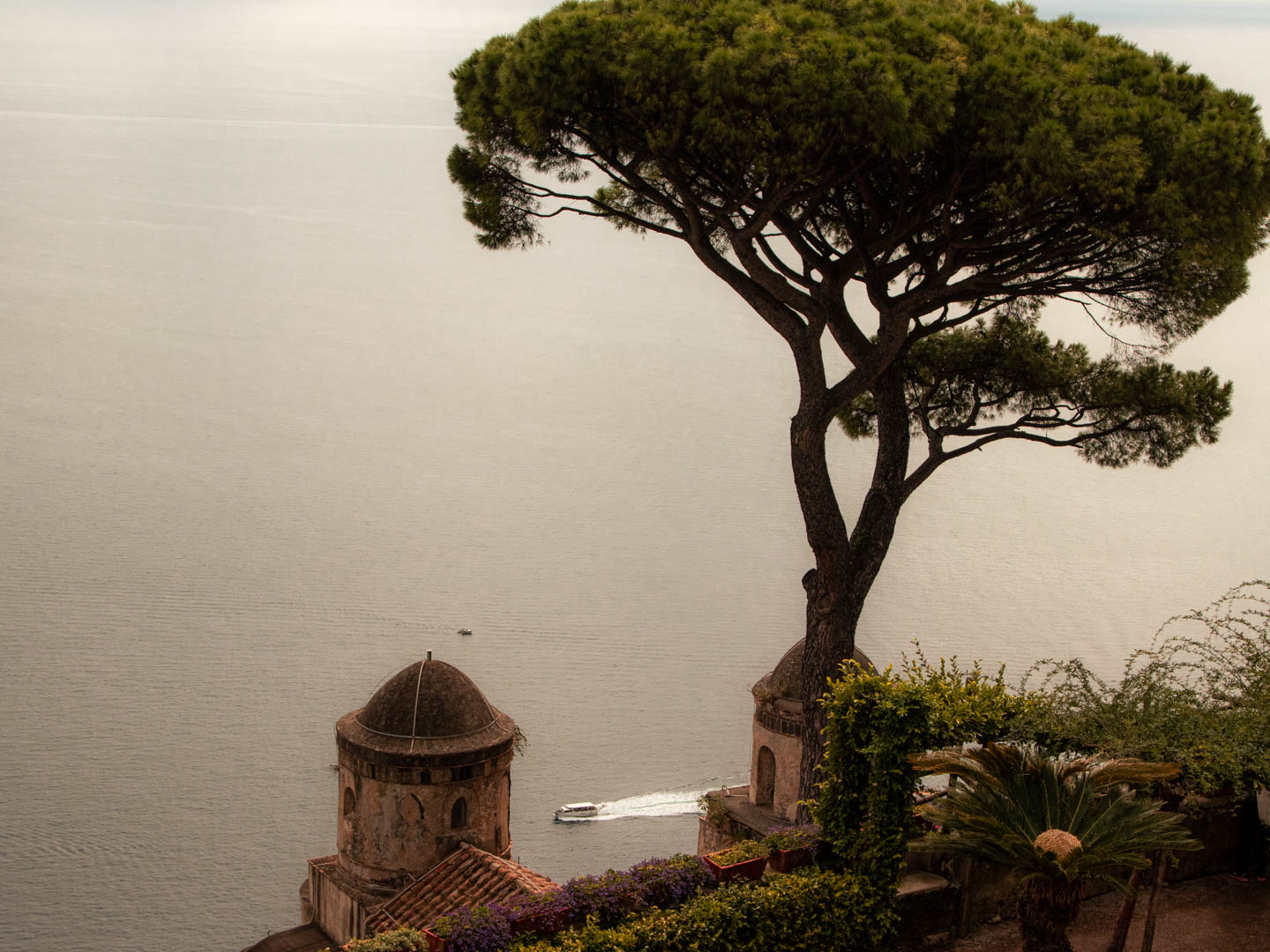
Start with Villa Rufolo. Walk through the gardens slowly. Don’t rush to the viewpoint – it’s better when you arrive there without trying.
The terrace opens up to the sea in a way that almost feels unreal. It’s also where the Ravello Festival takes place, with concerts suspended above the coastline.
Stay there for a bit.
That’s the moment.
After, find something simple for lunch. Babel Wine Bar Bistrò & Art is a good stop if you want an easy, relaxed meal – pasta, pizza, a glass of wine.
If the day feels heavy with heat, order a limoncello spritz.
Cold, slightly bitter, refreshing in that very Italian way.
And then slow down again before moving on.
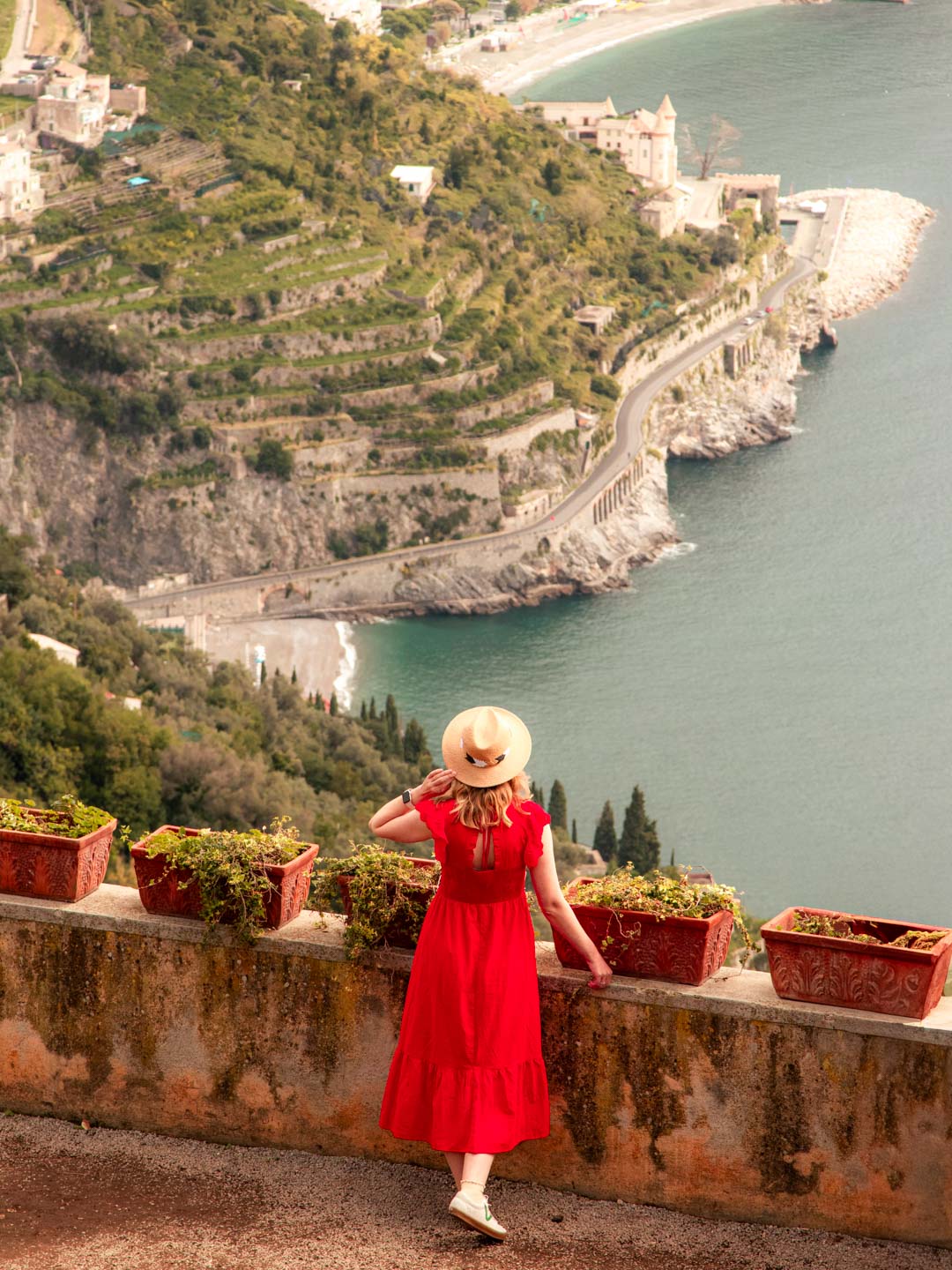
Afternoon at Villa Cimbrone
After lunch, take a small pause.
Stop by Baffone Gelateria Artigianale for gelato – simple, real, exactly what you need in the afternoon heat. Eat it slowly, somewhere with shade.
Then walk toward Villa Cimbrone.
This part feels different. Quieter, a bit more hidden. The gardens stretch out in a way that makes you forget where you are for a moment.
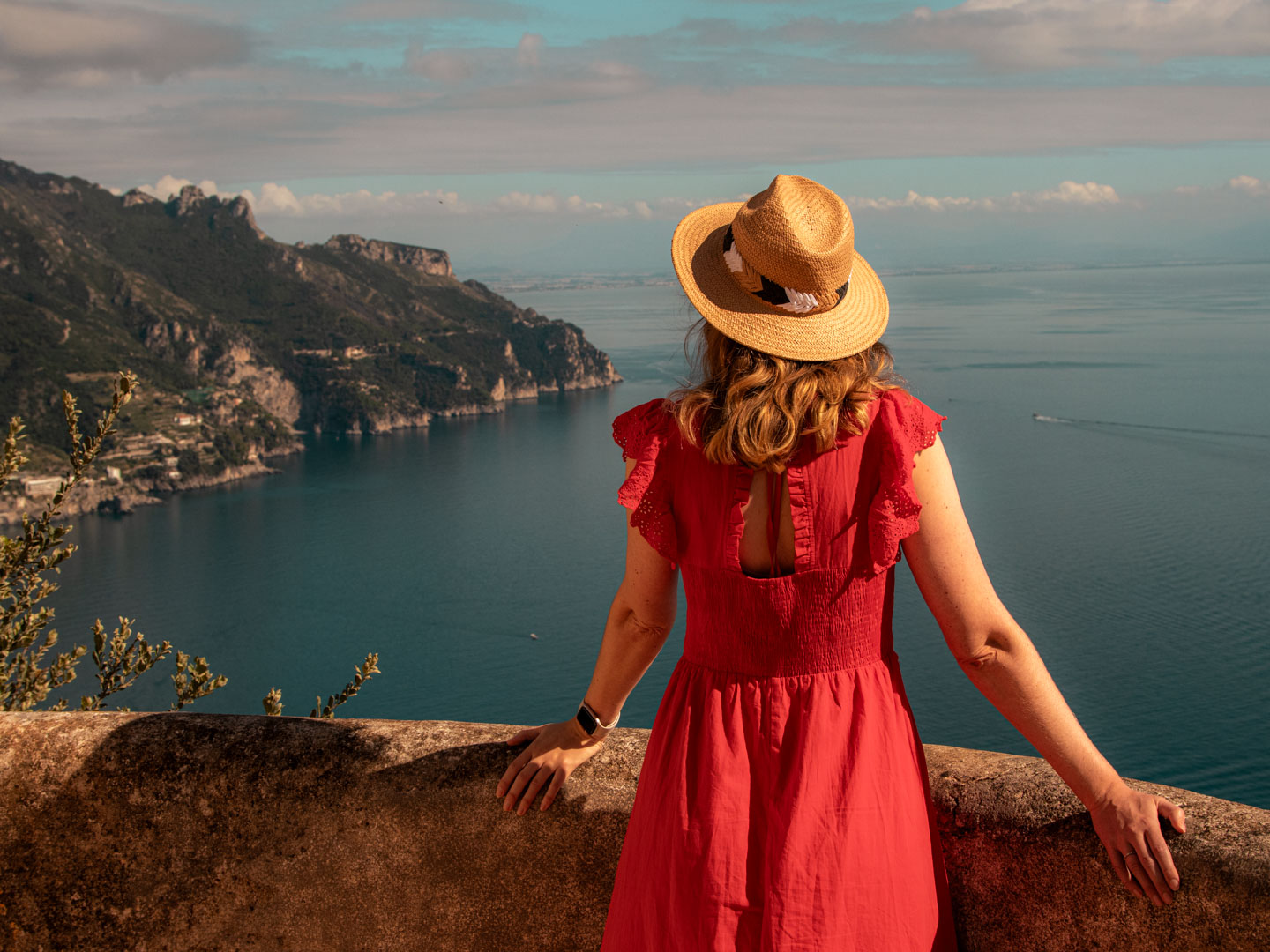
Keep walking until you reach Terrace of Infinity.
It’s one of those views that doesn’t need anything added to it. Just sky, sea, and that long line of statues looking out into the distance.
Stay there longer than you think.
Evening in Ravello
In the evening, come back to the center.
Piazza Duomo is where everything gently gathers – locals, travelers, quiet conversations.
Find a table. Order an aperitivo. Let the day slow down again.
For dinner, go somewhere that feels warm and simple. Vittoria is one of those places – cozy, a little romantic, with traditional dishes that don’t try too hard.
No rush, no plan after.
Just the evening, exactly as it is.
Practical Notes for Day 3
A few small things to keep in mind before heading up:
- Getting from Atrani to Ravello is easy by bus – about 25 minutes and around €1.50. The road is winding, so if you can, sit by the window.
- Villa Rufolo is usually open from 9:00 AM to 5:00 PM, with last entry around 4:30 PM. Tickets are about €8. It’s best to go earlier in the day, before it gets crowded.
- Villa Cimbrone follows a similar schedule – 9:00 AM to 5:00 PM, last entry at 4:30 PM, with tickets around €10.
- If you want to see both without rushing, don’t leave it too late.
- And give yourself time between them – not just to move, but to pause.
Day 4: Minori, Maiori & Cetara
Morning in Minori
Start your fourth day somewhere softer, less polished.
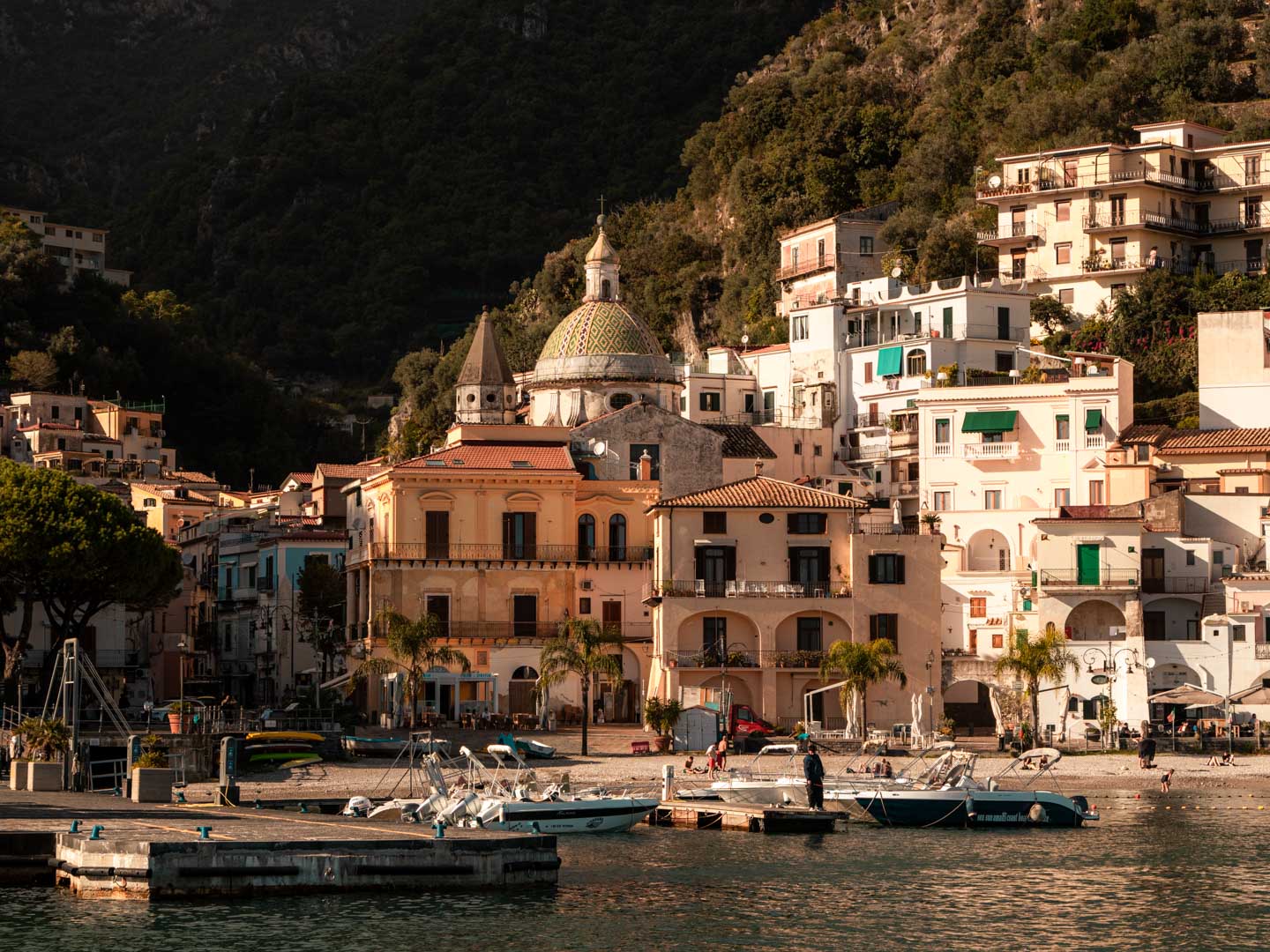
Minori is small, quiet, and known for something very simple – good food. Real food. This is where the pace naturally slows down.
Walk through the town without a plan. Let the morning unfold.
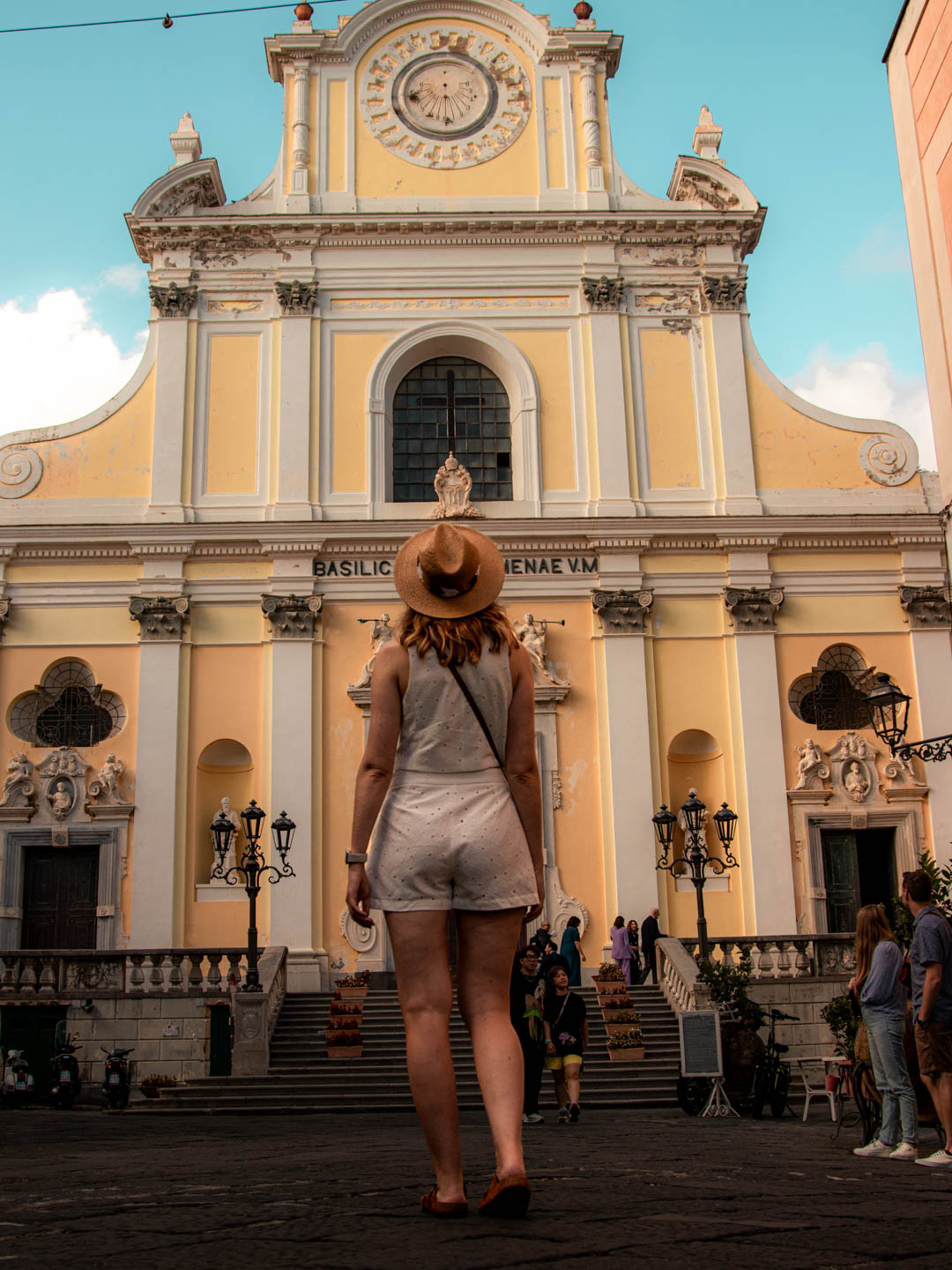
If you feel like adding a bit of history, stop by Villa Romana – the remains of a 1st-century villa, tucked almost unexpectedly into the town. It’s not overwhelming, just enough to give you a sense of how long life has been happening here.
After that, do what Minori is best for.
Find a local bakery. Step inside. Point at something you don’t recognize.
Sit with a coffee and a pastry, and let that be your morning.
No rush to move on yet.
Afternoon in Maiori
From Minori, head over to Maiori – it’s close, easy, and feels a bit more open.
Maiori has the longest beach on the coast, which changes everything. More space, less pressure, a different rhythm.
This is your pause.
Find a spot, go for a swim, stretch out in the sun for a while. No need to plan anything here.
If you feel like moving a bit, you can walk up toward Castello di San Nicola de Thoro-Plano. It’s a gentle effort with a wide view waiting at the top.
But only if you feel like it.
Evening in Cetara
In the evening, go somewhere smaller again.
Cetara is a fishing village that still feels rooted in its own rhythm. Less polished, more real.
Walk by the port. You’ll see the red fishing boats, the quiet movement of the place winding down.
This is where you end the day.
For dinner, book a table at Cetara Punto e Pasta. It’s simple, local, focused on what this place is known for – seafood, anchovies, colatura di alici.
Order something you wouldn’t usually pick.
Stay a little longer.
By now, you’ll start to feel the difference between seeing the coast and actually being in it.
Practical Notes for Day 4
A few details to make the day feel easier:
- From Ravello to Minori, the bus takes about 20 minutes and costs around €1.50. The road down is winding but beautiful.
- Villa Romana is open roughly 9:00 AM-4:30 PM (shorter hours on Sundays, closed Mondays). Entry is about €6, and it’s a quick, easy visit.
- From Minori to Maiori, just walk. It’s about 15 minutes along the promenade, flat and relaxed – one of the nicest short walks on this coast.
- If you’re heading up to Castello di San Nicola de Thoro-Plano, it’s open in the morning (around 8:00 AM-1:30 PM), free to enter, with tips appreciated. The hike takes about 45 minutes, so plan it earlier if you want to avoid the heat.
- From Maiori to Cetara, the bus takes around 15 minutes and costs about €2.
Nothing complicated here.
Just keep your day loose enough to enjoy the in-between moments too.
How do you want to continue your Italian adventure?
🏛️ Pizza and History? → Naples in one day
🌅 Tuscan towns? → Most beautiful hidden gems
💕 Romantic canals? → Venice and its treasures
🏔️ Mountain lakes? → Magical Lake Como
What part of Italy calls to you next?
Day 5: Agerola & Sentiero degli Dei
Morning in Agerola
Start your last day early – not to rush, but to give yourself time.
Agerola sits above the coast, quiet and a little removed from everything you’ve seen so far. The air feels different here. Cooler. Simpler.
This is where you begin the Sentiero degli Dei – the Path of the Gods.
Before you start, pick up something small to eat. Local bread, maybe a piece of Provolone del Monaco. Nothing fancy. Just something to carry with you.
Because this isn’t just a hike.
It’s a slow goodbye to the coast.
Sentiero degli Dei Hike
The trail usually starts in Bomerano and stretches toward Positano.
It’s about 10 km. Around 4-5 hours, depending on how often you stop.
And you will stop.
The path moves along cliffs, past old stone houses, small farms, open views that keep unfolding with every turn. At times it feels wide and easy, at times more exposed, but never rushed.
Look out toward Capri in the distance. Watch how the coastline curves below you.
This is not a hike to “complete.”
It’s one to stay present in.
Take breaks. Sit on a rock. Eat what you brought. Let the silence stretch a bit.
By the time you start descending toward Positano, you’ll feel it – that quiet shift that comes at the end of a trip.
Not tired.
Just full, in a softer way.
And that’s exactly how you want to leave.
Evening in Positano
Come back down to Positano slowly.
After a day like this, you don’t need much.
Just a place to sit, something good to eat, and a moment to take it all in one last time.
If you want to end it in a slightly more special way, book a table at La Sponda. Soft light, candles everywhere, that quiet kind of atmosphere that makes you speak a little slower.
Order something simple. A glass of wine. One dish you’ll remember.
And stay.
Not for the view, not for the photo.
Just for that feeling at the end of a trip, when everything settles and you realize you don’t need to add anything more.
This is your last evening here.
Let it be gentle.
Practical Notes for Day 5
A few things that will make your last day feel a lot smoother:
- From Cetara to Agerola, the bus takes around 45 minutes and costs about €3.40. It’s an early start, but worth it.
- If you’re planning to walk the Sentiero degli Dei, aim to begin between 6:00 and 8:00. The light is softer, the trail quieter, and you avoid the midday heat.
- Bring at least 1.5 liters of water per person. There aren’t many places to refill, and the sun can be stronger than it feels.
- Wear comfortable shoes with good grip. The path is beautiful, but it’s still a real trail in parts.
- And one more thing most people forget: Take your time. It’s your last day – you don’t need to rush through it.
Helpful Tips
Best time to visit the Amalfi Coast
The coast is beautiful any time you come.
But how it feels changes a lot depending on the season.
The easiest window is April to October – warm weather, everything open, that classic Amalfi energy.
If you want it to feel a bit more spacious, go for May or September.
The light is softer, the temperatures are easier to move through, and you can actually enjoy places like Positano or Amalfi without constantly navigating crowds.
It won’t be empty.
But it will be calmer.
Summer (June to August) is a different story. It’s hot, busy, and everything takes more effort – buses, restaurants, even walking through town.
If that kind of energy excites you, it can still be fun.
But if you’re looking for that slower, more grounded version of the coast – the one where you can actually feel the place – I’d skip peak summer.
Late spring and early fall just give you more space to experience it.
How to get to Amalfi
The easiest way to start this trip is through Naples.
There are direct flights from cities like New York (JFK, Newark), usually seasonal, and they take around 9 hours. From other places in the US, you’ll most likely connect through somewhere in Europe – Rome, Paris, Frankfurt.
Once you land, don’t overcomplicate it.
Take the Alibus from the airport to Napoli Centrale. It’s simple, runs often, and costs around €5.
From there, you have a few options, but the most straightforward is the SITA bus toward Amalfi. It’s about €6 and takes roughly 2 hours, depending on traffic and stops.
It’s not the fastest journey.
But it’s part of the arrival – watching the coastline slowly appear, the road getting narrower, the sea getting closer.
You can rent a car.
But unless you really enjoy driving on narrow, winding roads with traffic and limited parking, I wouldn’t. It tends to add more stress than freedom here.
Sometimes the slower option is actually the better one.
If you’re planning to spend a little time there, don’t miss my detailed one day itinerary for Naples.
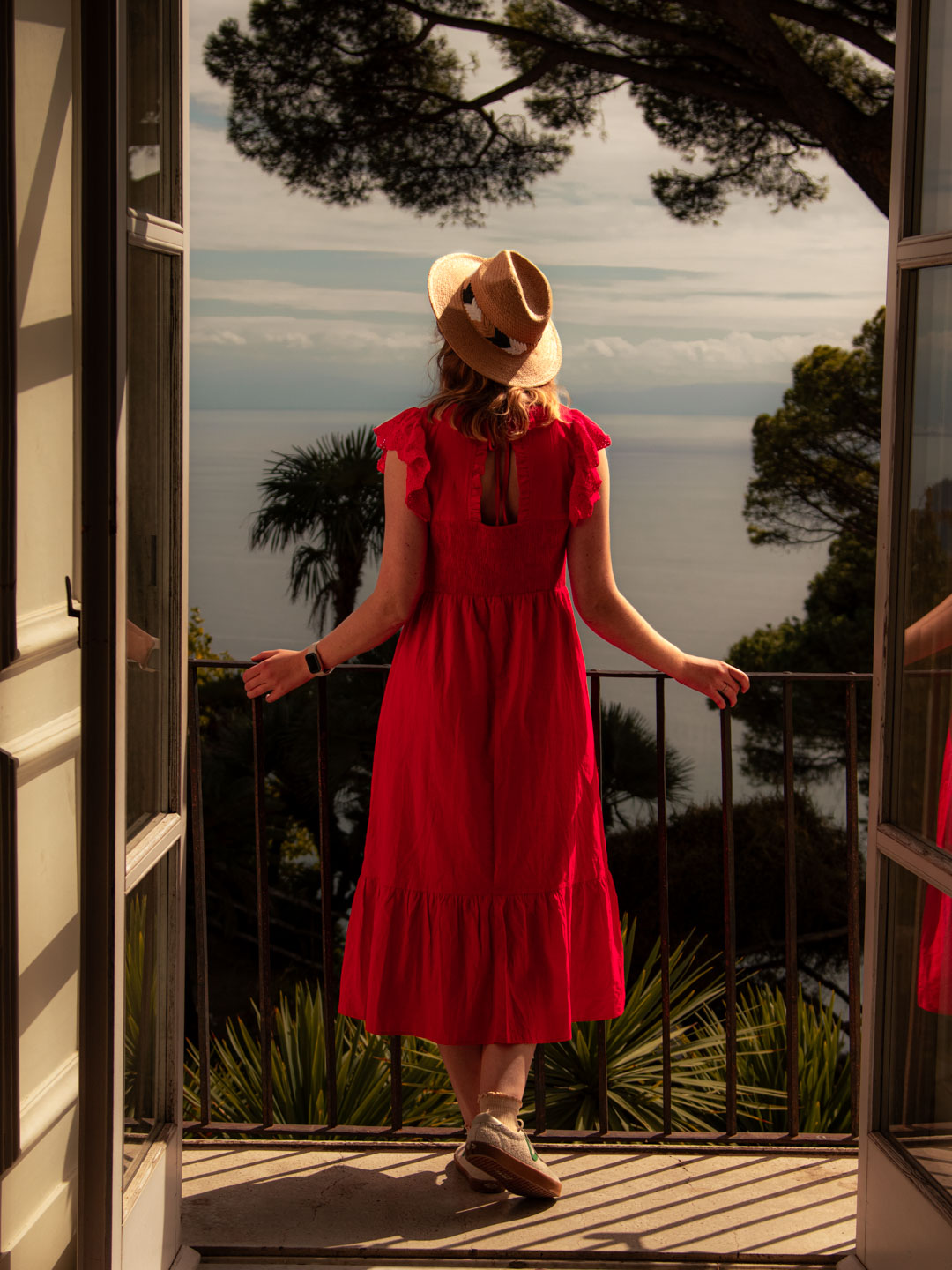
How to get around the Amalfi Coast
At first, it can feel a bit chaotic.
But once you let go of the idea that everything has to be perfectly timed, it becomes surprisingly simple.
SITA buses
This is what you’ll use most of the time.
They connect all the towns along the coast – from Positano to Amalfi, Ravello and beyond.
Tickets are affordable, usually between €1.50 and €4 depending on the distance.
If you’re planning to move around a bit during the day, a 24-hour ticket (around €10) makes things easier. You don’t have to think about each ride.
Buses run every 30-60 minutes.
In theory.
In reality, especially in summer, they can be late, full, or both. So give yourself a bit of buffer. Show up a few minutes earlier, and don’t plan tight connections.
Buy your ticket in advance – at a tabacchi, a small bar, or a kiosk.
And once you’re on board, don’t forget to validate it.
It’s not a complicated system.
It just works better when you stay flexible with it.
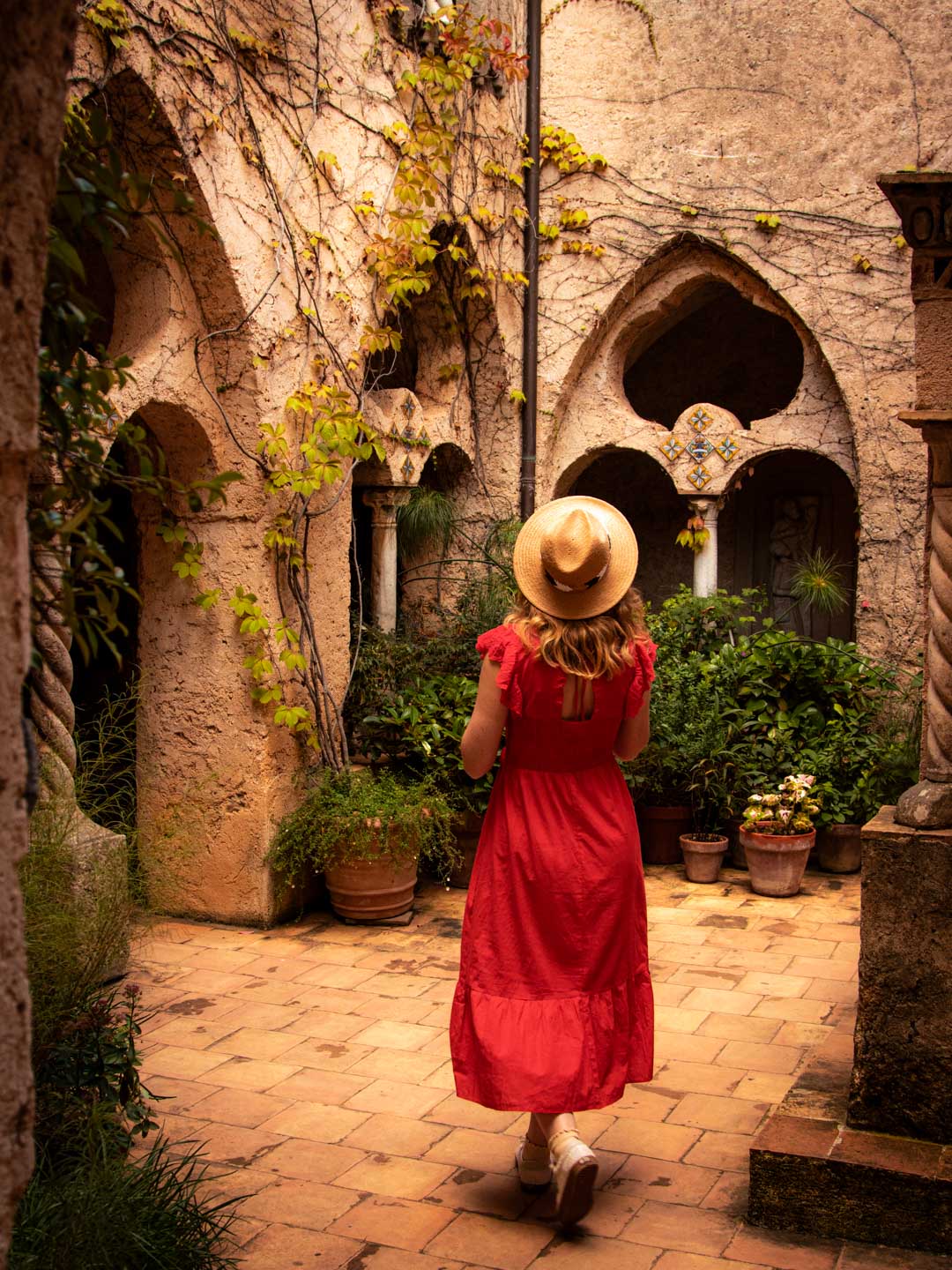
Ferries
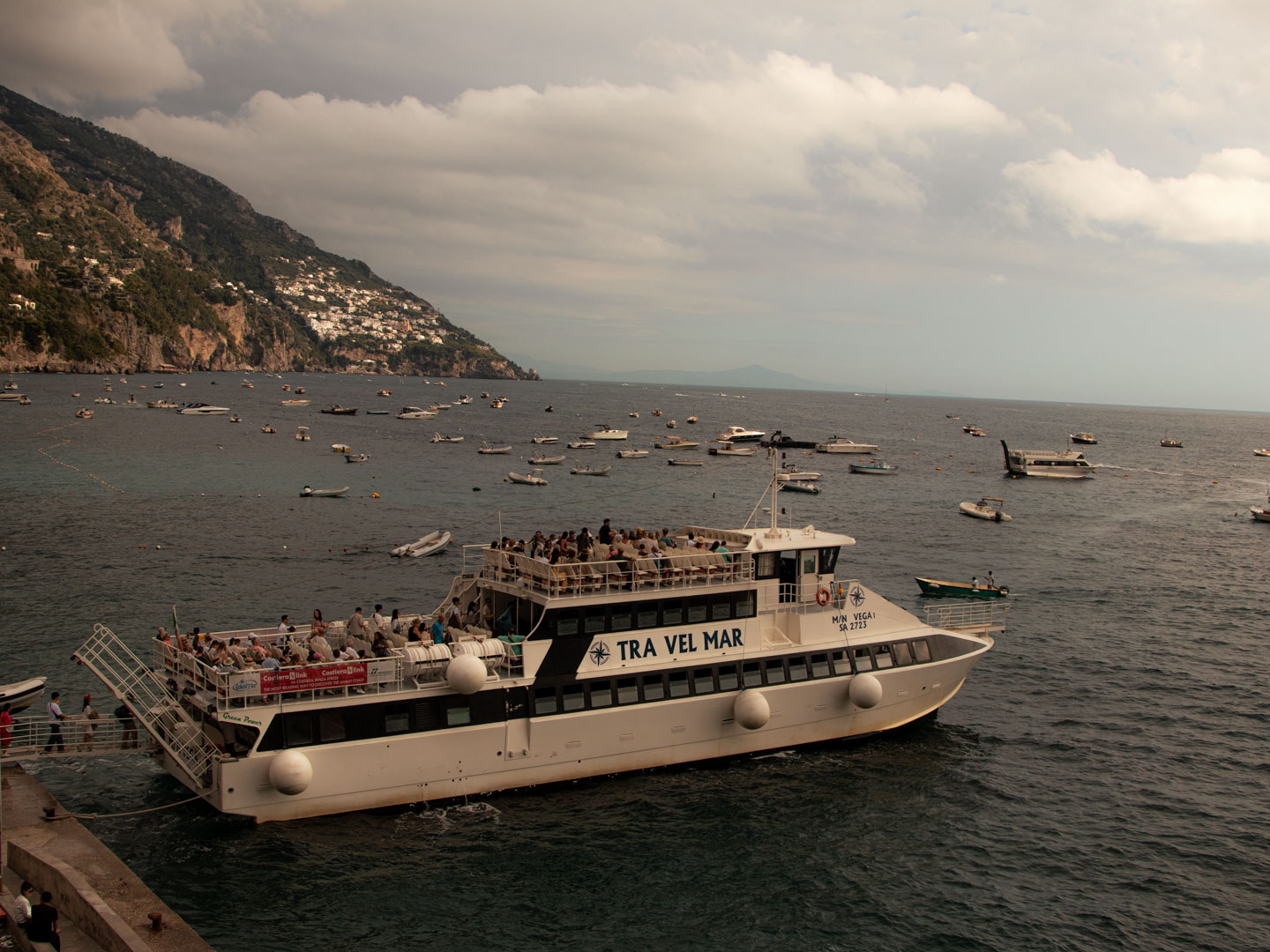
If you can, take at least one ferry.
It changes everything.
Instead of watching the coast from a crowded road, you see it open up from the water – the cliffs, the towns stacked above you, the colors shifting with the light.
Ferries run between the main spots like Positano, Amalfi and Salerno.
Prices are reasonable for what you get:
- Positano → Amalfi: ~€11
- Amalfi → Salerno: ~€9
- Positano → Salerno: ~€17
- Amalfi → Minori/Maiori: ~€8
They usually run from April to October, with departures every 1-2 hours in peak season.
Two of the main operators are Alilauro and Travelmar.
If you’re traveling in summer, it’s worth booking ahead – either online or at the port earlier in the day.
And arrive about 15-20 minutes before departure.
Not because it’s stressful.
Just so you can board calmly, find a seat, and actually enjoy the ride.
Taxis
Taxis are the easiest option when you don’t feel like figuring anything out.
They’re not cheap – usually somewhere between €20 and €90 depending on the distance – but sometimes they’re worth it. Especially in the evening, when buses are less frequent and you just want to get back without thinking.
If you’re moving between places like Amalfi and Positano, it can save you a lot of time.
Just agree on the price before you get in.
That small step avoids any awkward moments later.
Scooters
If you’re comfortable riding, a scooter can feel like freedom here.
The roads are narrow and winding, which actually works in your favor on two wheels. You move easier, park easier, and don’t get stuck the same way cars do.
Daily rentals are usually €50-100 depending on the model and season.
But be honest with yourself.
If you’re not used to driving in tight, curvy places with traffic, this isn’t the best place to learn.
If you are, it can be one of the most enjoyable ways to experience the coast.
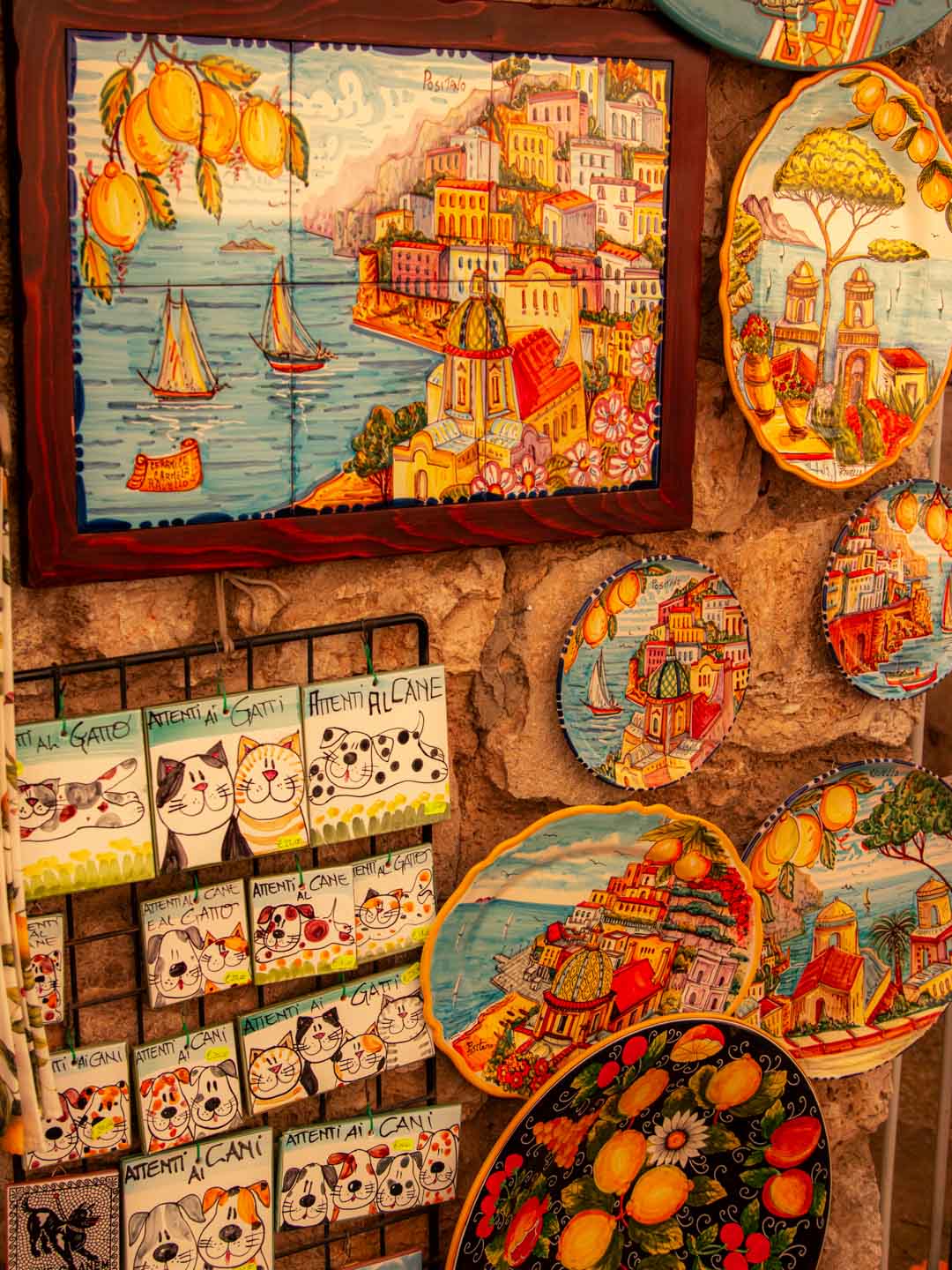
Car
Renting a car sounds like freedom.
On the Amalfi Coast, it often feels like the opposite.
The road between Positano and Amalfi is beautiful, but narrow, winding, and busy. You’ll often be inching past buses on tight corners, with not much space to breathe.
And then there’s parking.
Limited, expensive, and in peak season… almost impossible to find without planning ahead.
From experience, it adds more tension than ease.
That said, if you really want a car, keep it simple.
Choose the smallest model you can. Book parking in advance whenever possible. And give yourself extra time for everything – nothing moves quickly here.
It can work.
Just know it changes the pace of your trip.
And not always in a good way.
Where to stay on the Amalfi Coast
Where you stay here shapes everything.
Not just your views, but your energy, your mornings, how much you move.
A simple approach that works well: split your stay.
Instead of one base, choose 2 places and let the coast unfold in parts.
Stay a couple of nights in Positano or Praiano if you want that iconic, coastal feeling – close to the water, a bit more alive.
Then move to somewhere like Ravello or even Minori for a slower, quieter pace. More space, fewer people, easier evenings.
This way, you don’t spend your days constantly on buses.
You stay closer to where you are.
You experience each place differently.
And the trip feels less like moving through a list… and more like settling into the coast, one piece at a time.
Looking for the right base? I break it all down – where to stay in Positano, Praiano, and Ravello – in my full guide.
Positano
Positano is where you stay for the feeling.
It’s romantic, a little indulgent, and yes – more expensive. But waking up here, with that soft morning light over the sea, makes it worth it.
A few places to look at:
- Villa Rosa – simple, cozy rooms with private terraces
- Hostel Brikette – great if you want something more budget-friendly
- B&B Venus Inn – small, warm, and very well hosted
Stay here if you want to be right in the heart of it.
Amalfi
Amalfi is one of the easiest bases.
You’re well connected, everything is close, and evenings feel a bit calmer than in Positano.
A few good options:
- Residenza Luce – ozy, with great breakfasts
- Antica Residenza Amalfitana – modern, just steps from the beach
Ravello
Ravello is for slowing down.
Higher up, quieter, with views that feel almost unreal – especially in the morning and evening.
A few stays worth looking at:
- Hotel Graal – good value with beautiful views
- B&B Al Borgo Torello – warm, local feel
- A Casa dei Nonni – small, cozy, very personal
Choose Amalfi if you want ease.
Choose Ravello if you want space.
Minori
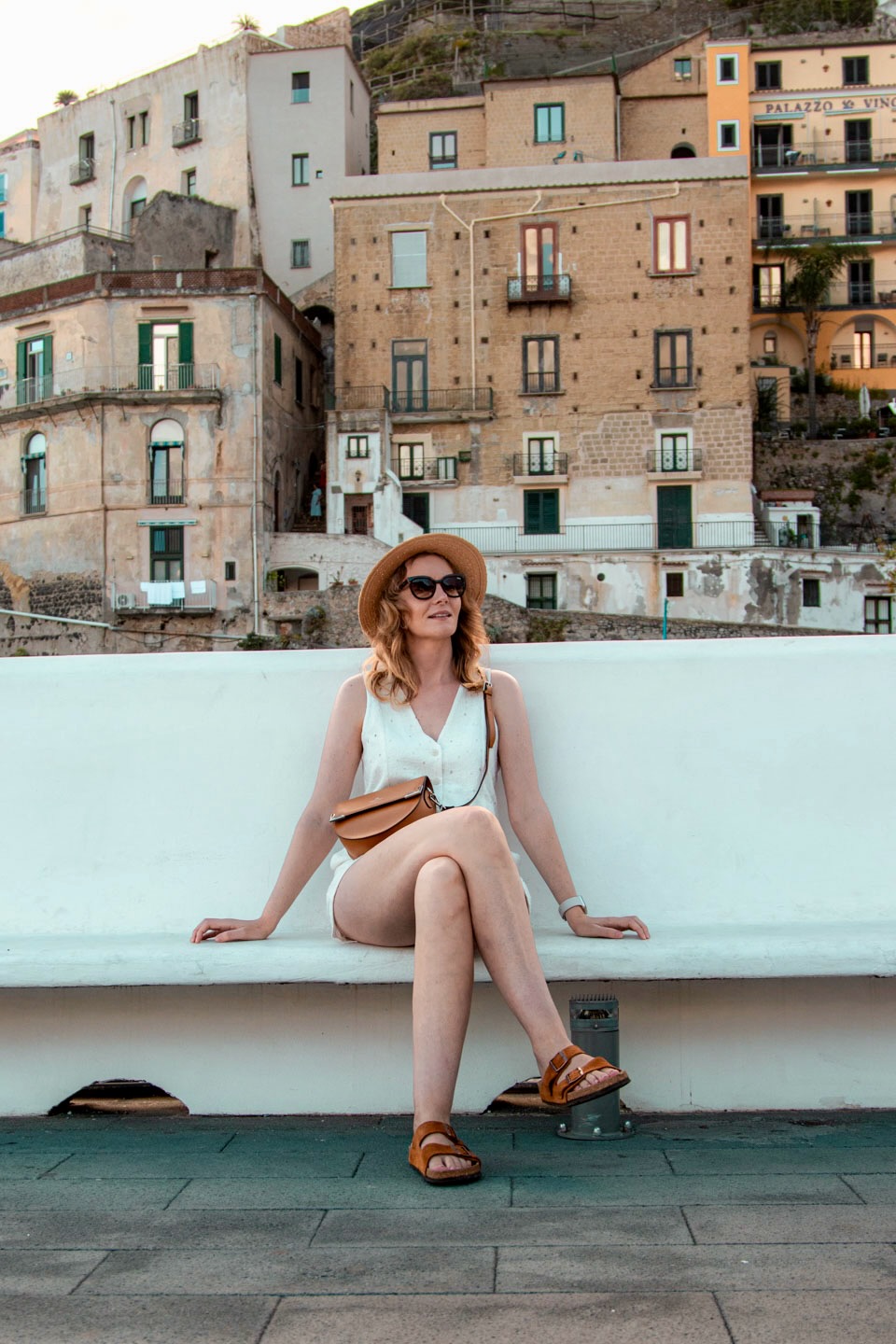
Minori is soft, simple, and easier on the budget.
Fewer crowds, good food, and that everyday local feel.
A few stays:
- BeB Palazzo Mancini – cozy, close to the beach
- Palazzo Vingius – a bit more elegant, with sea views
Maiori
Maiori gives you more space.
Long beach, better prices, and easy connections along the coast.
A couple of options:
- Palazzo Cocò Sentiero dei Limoni – beautiful views, a bit tucked away
- La Serenata Luxury – more modern, if you want something elevated
Choose these if you want it calmer, easier, and a little less expensive.
Agerola
Agerola is for a different kind of stay.
More local, more grounded, a bit removed from the coast – but that’s exactly the point. Perfect if you want fresh air, quiet mornings, and easy access to hikes like the Path of the Gods.
A few places to look at:
- Hotel Le Rocce – higher up, with wide mountain views
- Tenuta Novecento Bioagriturismo – surrounded by nature, slower pace

Travel lighter, even before you leave.
start with something simple.
Download The Minimum Plan – Slow Travel:
Amalfi Coast in 5 days – what stays with you
Five days here is enough.
Enough to see the places you came for – like Positano or Amalfi – but also enough to slow down and actually feel them.
This is the version of the trip I wish I had the first time.
Less rushing, fewer mistakes, more space for the moments that stay.
Because the Amalfi Coast isn’t about how much you fit in.
It’s that coffee by the water you didn’t plan. That gelato you stop for without thinking. That quiet evening when everything softens.
The “dolce far niente” kind of moments.
The light on the houses. The taste of something simple made well. That feeling after walking Sentiero degli Dei, when you finally stop and just look.
That’s what you remember.
This coast shifts something in you, a little.
And if you let it, it won’t just be a trip you did – it’ll be one you felt.
Ready to explore more stunning Italian destinations?
- A Perfect One Day in Florence Itinerary – art and Renaissance architecture
- 10 Most Beautiful Towns in Tuscany – charming Tuscan towns
- The Only Lake Como Italy Itinerary You Need – relaxation in the mountains near Milan
- The Ultimate Venice Italy Travel Guide – romantic canals
Which Italian escape is calling you next?
Save this for later – for those Amalfi dreams that come back when you least expect them.
And if you’ve been, tell me what stayed with you. A place, a meal, a moment.
I’m always looking for those small, real discoveries – the ones you don’t find on a list.
Pin it for later
This article contains affiliate links. If you make a booking through these links, I may earn a commission, supporting this blog. Rest assured, my recommendations are based on honest assessments, and using these links doesn't affect prices for you. Thank you for your support!