
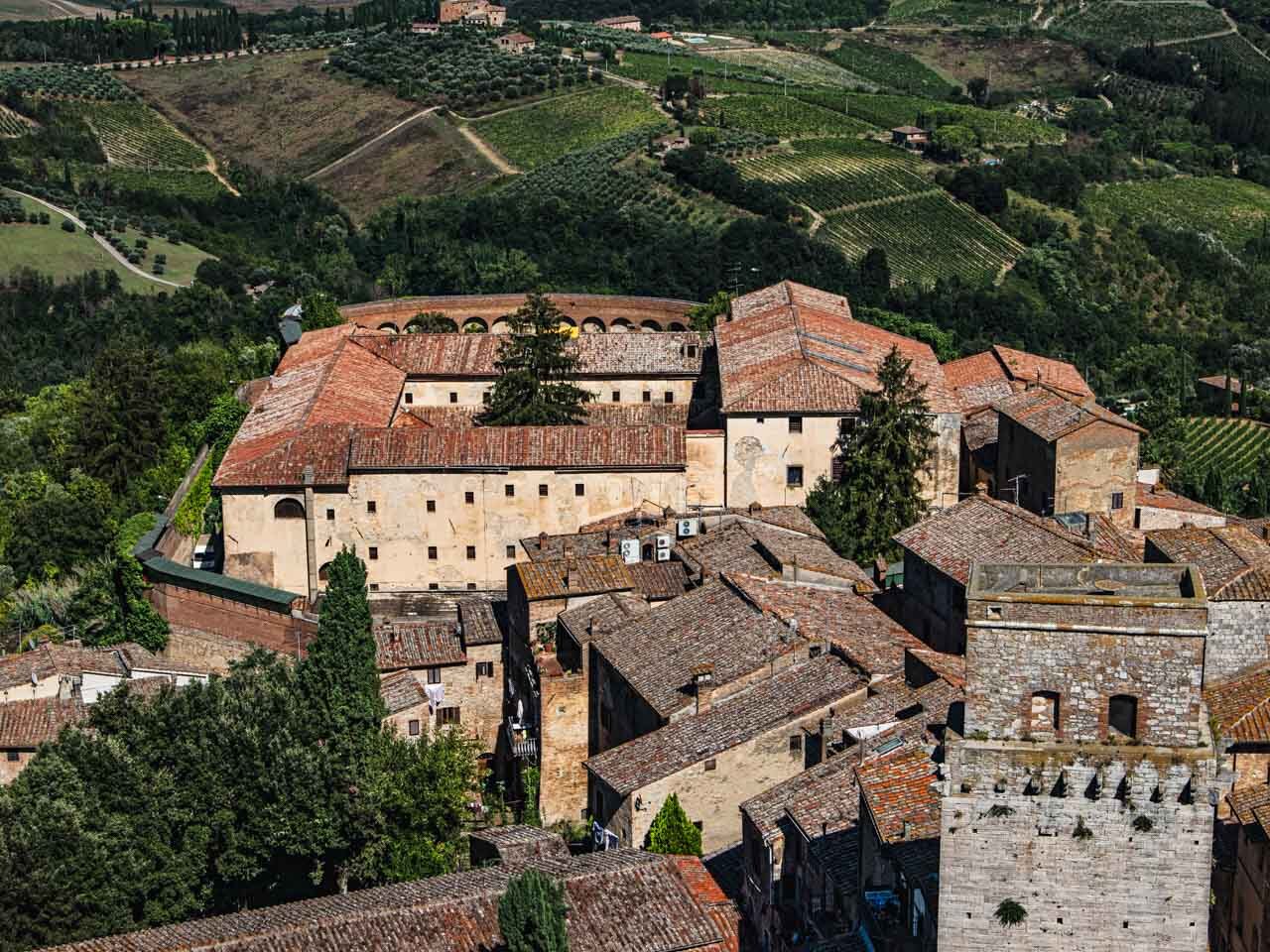
Looking for the most beautiful towns in Tuscany? You’re in the right place.
During my travels through Tuscany, I visited every town on this list. Some surprised me, some made me stay longer than planned, and a few are places I still think about years later.
Tuscany is much more than Florence. It’s a region of vineyards, hilltop towns, winding roads, long lunches, and landscapes that seem to change with every turn.
If you’re planning a trip, I highly recommend renting a car. Some of my favorite memories came from small detours, quiet villages, and unexpected stops between destinations.
In this guide, you’ll find ten Tuscan towns that I believe are worth adding to your itinerary, whether you’re visiting for a weekend or planning a longer road trip through the region.
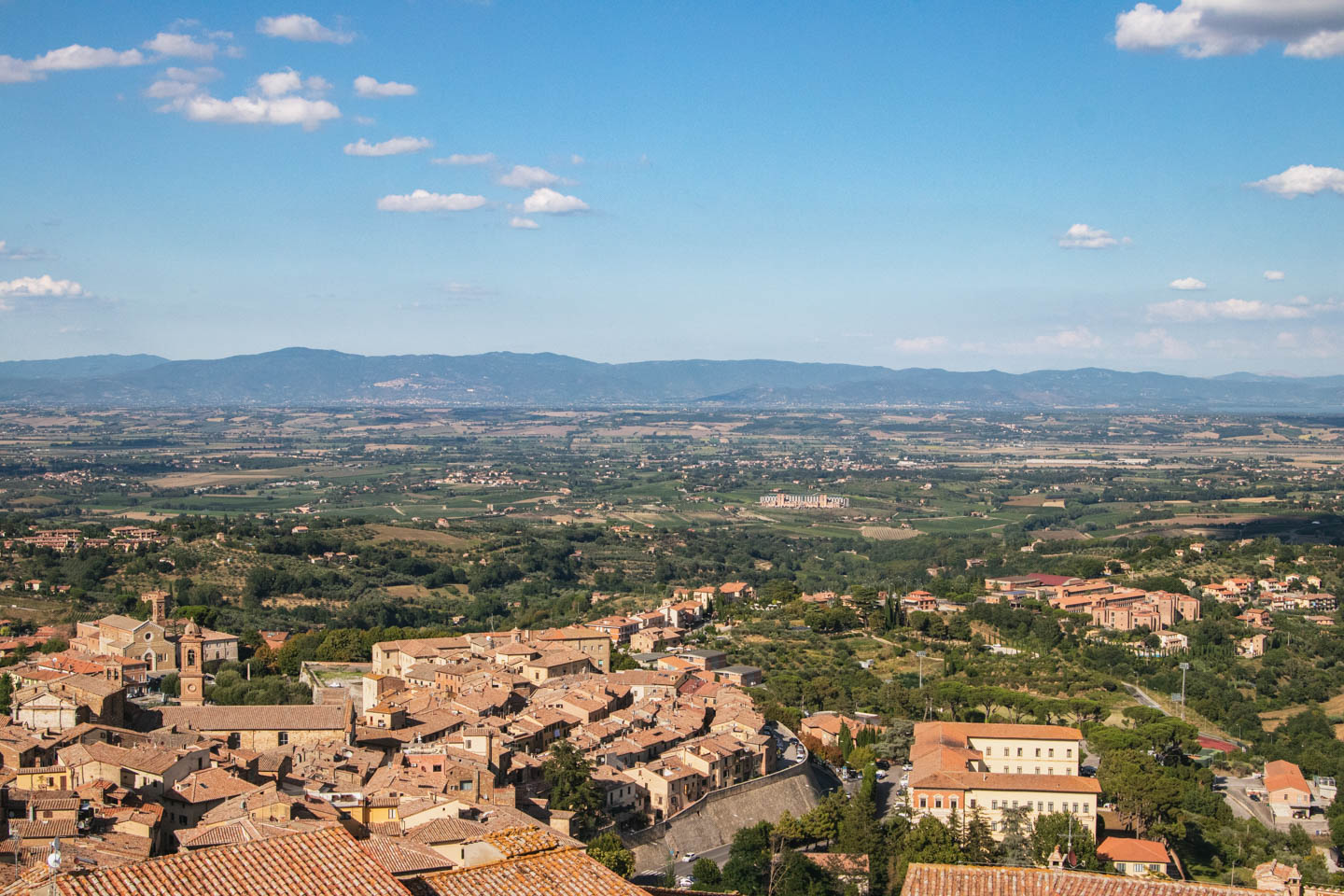
Tuscany Travel Tips Before You Go
- Rent a car if you can. Many of Tuscany’s most beautiful towns are easiest to reach by car, especially those in Chianti and Val d’Orcia.
- Allow more time than you think you’ll need. Distances between towns may look short on a map, but scenic roads, viewpoints, wineries, and long lunches can easily turn a quick stop into a full afternoon.
- Avoid changing hotels every night. I found it much more enjoyable to stay in one area for a few days and explore nearby towns at a slower pace.
- Book accommodation early if you’re visiting between May and September. Tuscany is one of Italy’s most popular regions, especially during the summer months.
- Don’t try to see everything. Visiting three or four towns and enjoying them properly is often more rewarding than rushing through ten.
1. Greve in Chianti
One of the best places to begin exploring Tuscany is Greve in Chianti, a small town in the heart of the Chianti wine region.
Known for its vineyards and rolling hills, Greve makes a great base for discovering the surrounding countryside.
The town takes its name from the Greve River and has long been connected to the famous Chianti wine region.
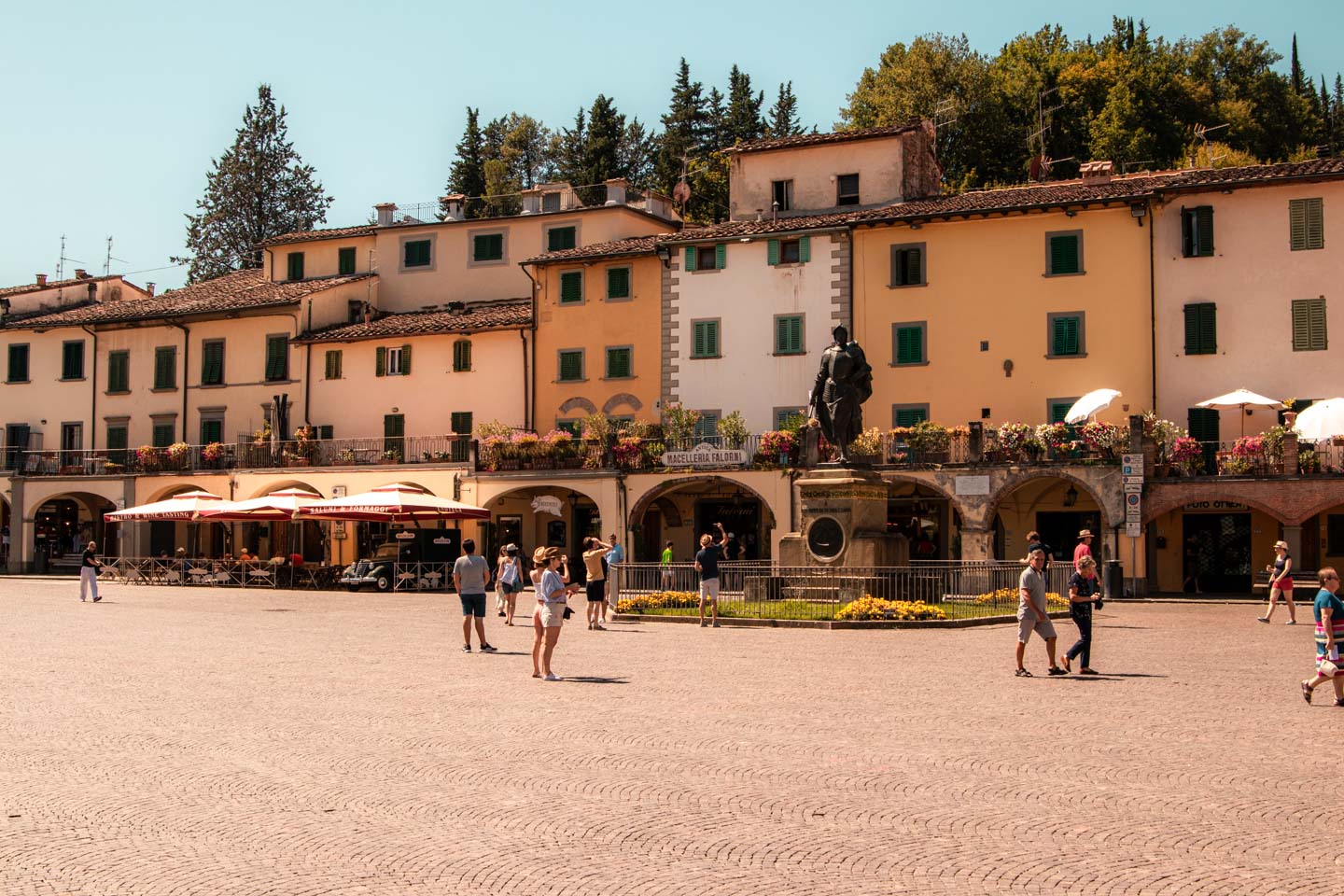
The focal point of the town is Piazza Matteotti, a historic square lined with cafes, restaurants, and local shops.
I spent an entire morning here, slowly making my way around the square and watching everyday life unfold. If you have the time, grab a coffee and stay a little longer than planned.
It’s one of those places where Tuscany feels less like a destination and more like everyday life.
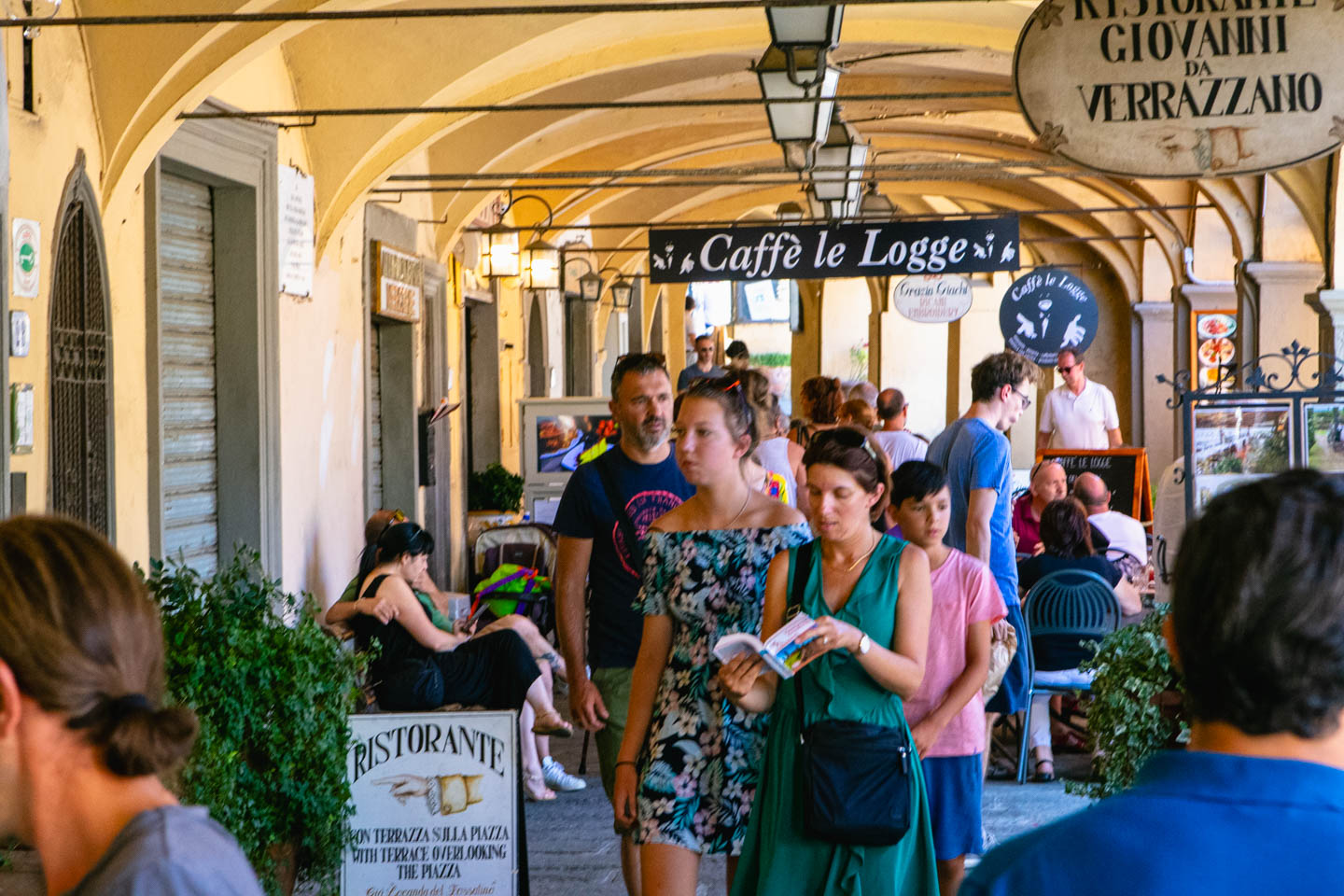
2. Montefioralle
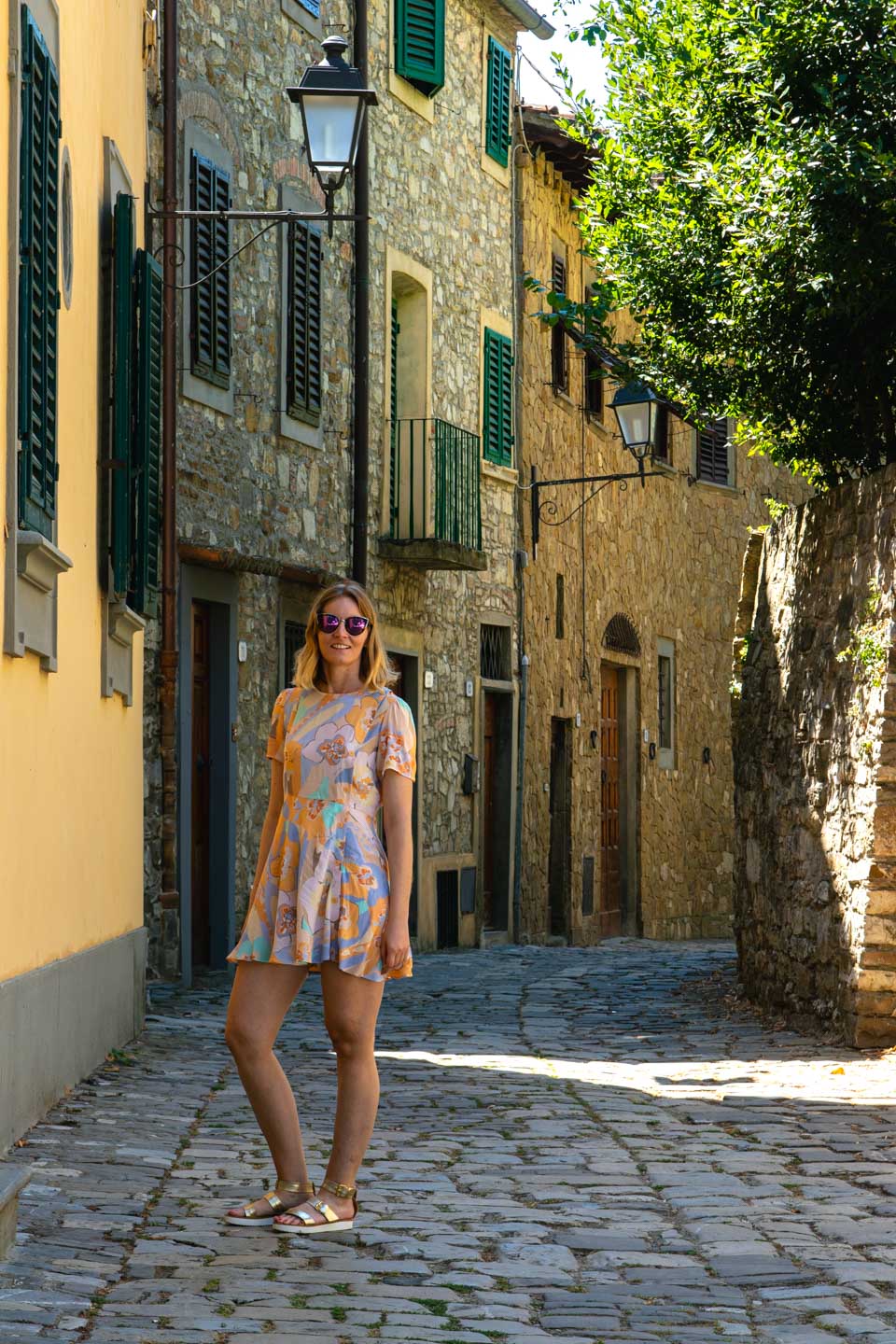
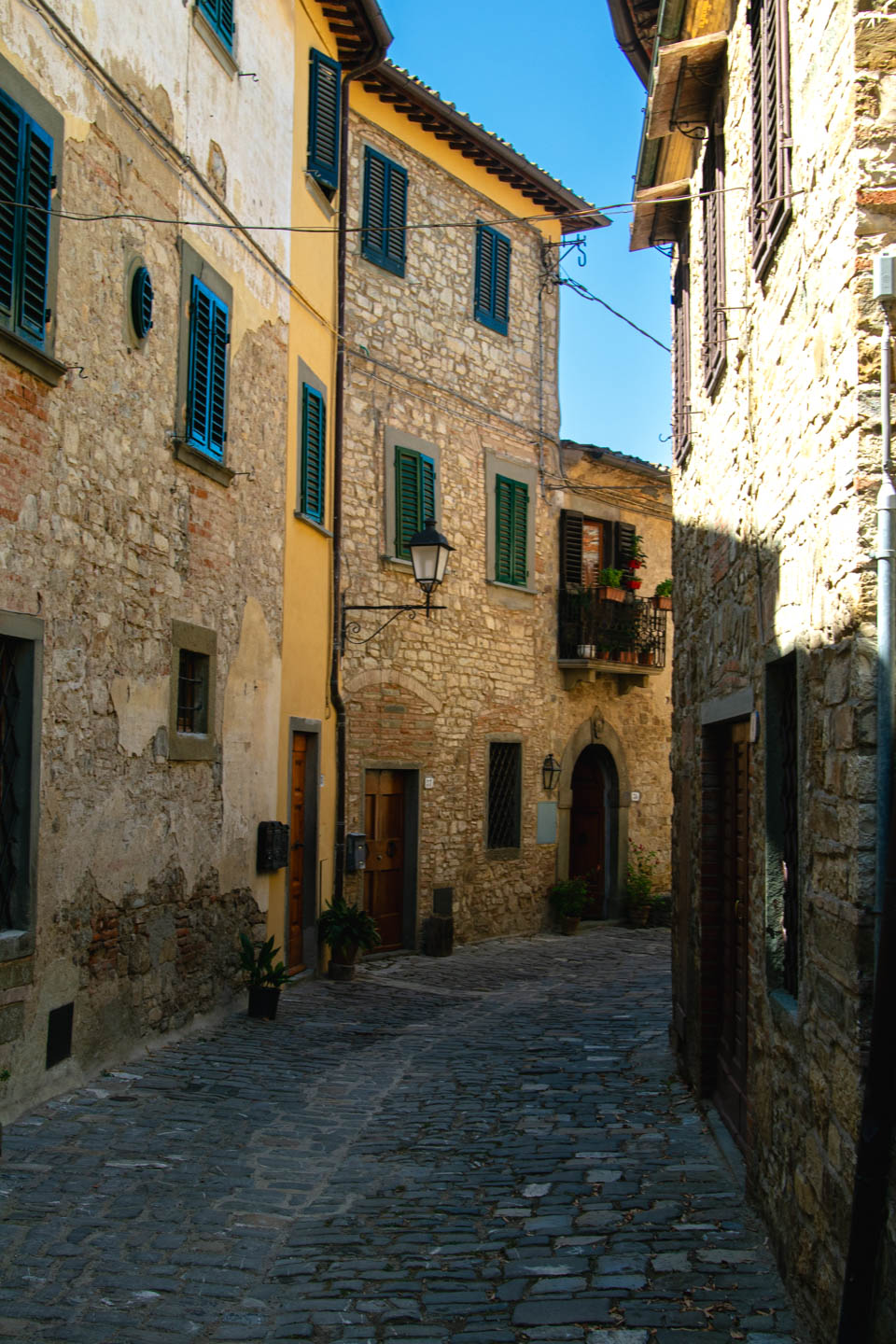
The next village worth visiting in Tuscany is Montefioralle, located among vineyards and olive groves just a short distance from Greve in Chianti.
Despite its proximity to one of the most popular towns in the region, Montefioralle feels noticeably quieter and less visited.
Its narrow stone streets are perfect for a short walk, and the views over the surrounding countryside are some of the best in this part of Chianti.
If you’re visiting in March, you may be able to experience the local Festa di Fritelle, a traditional celebration featuring regional specialties.
Parking is limited, so I recommend leaving your car in Greve and walking up instead. The walk takes about 30 minutes and offers beautiful views of the vineyards along the way.
3. Panzano in Chianti
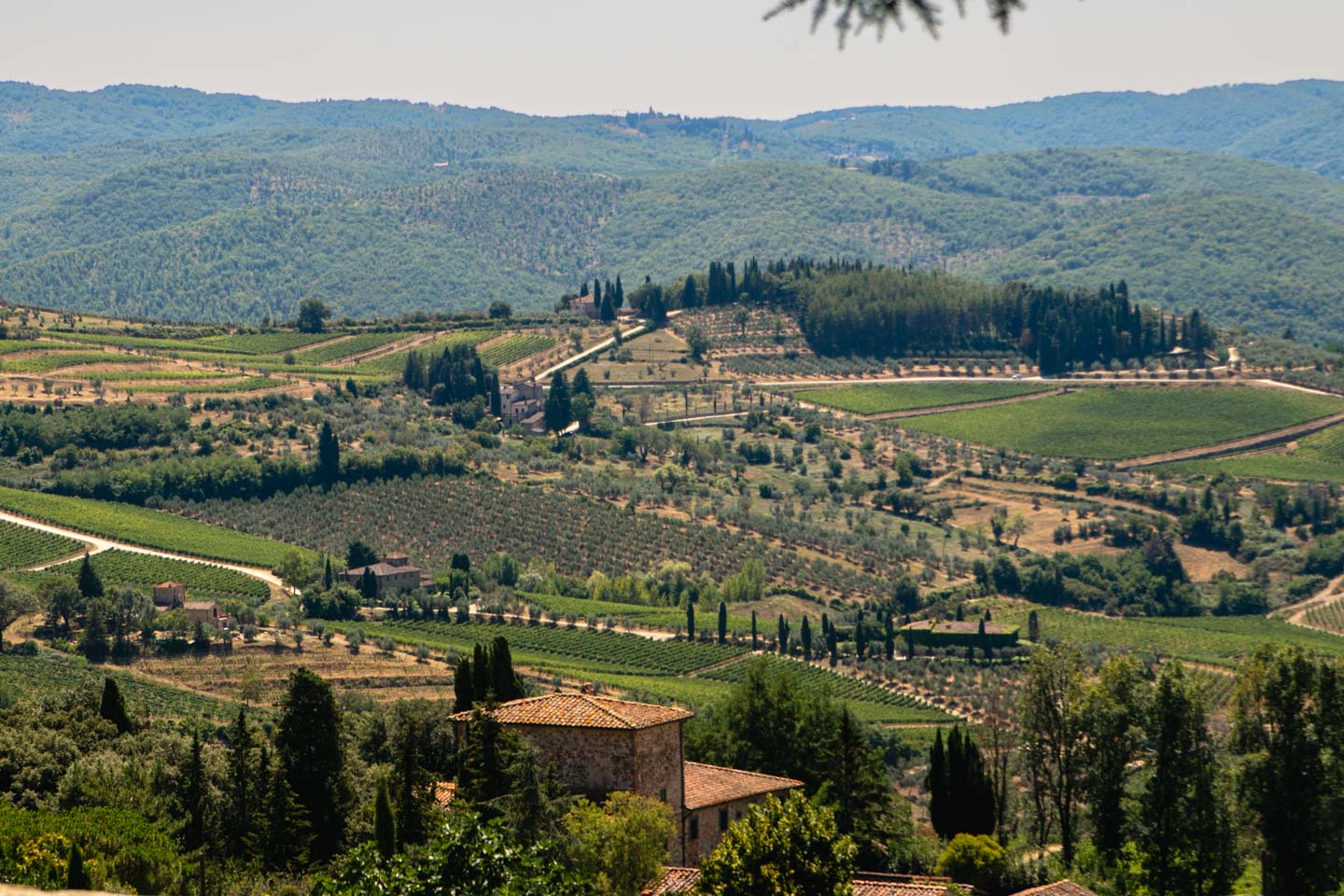
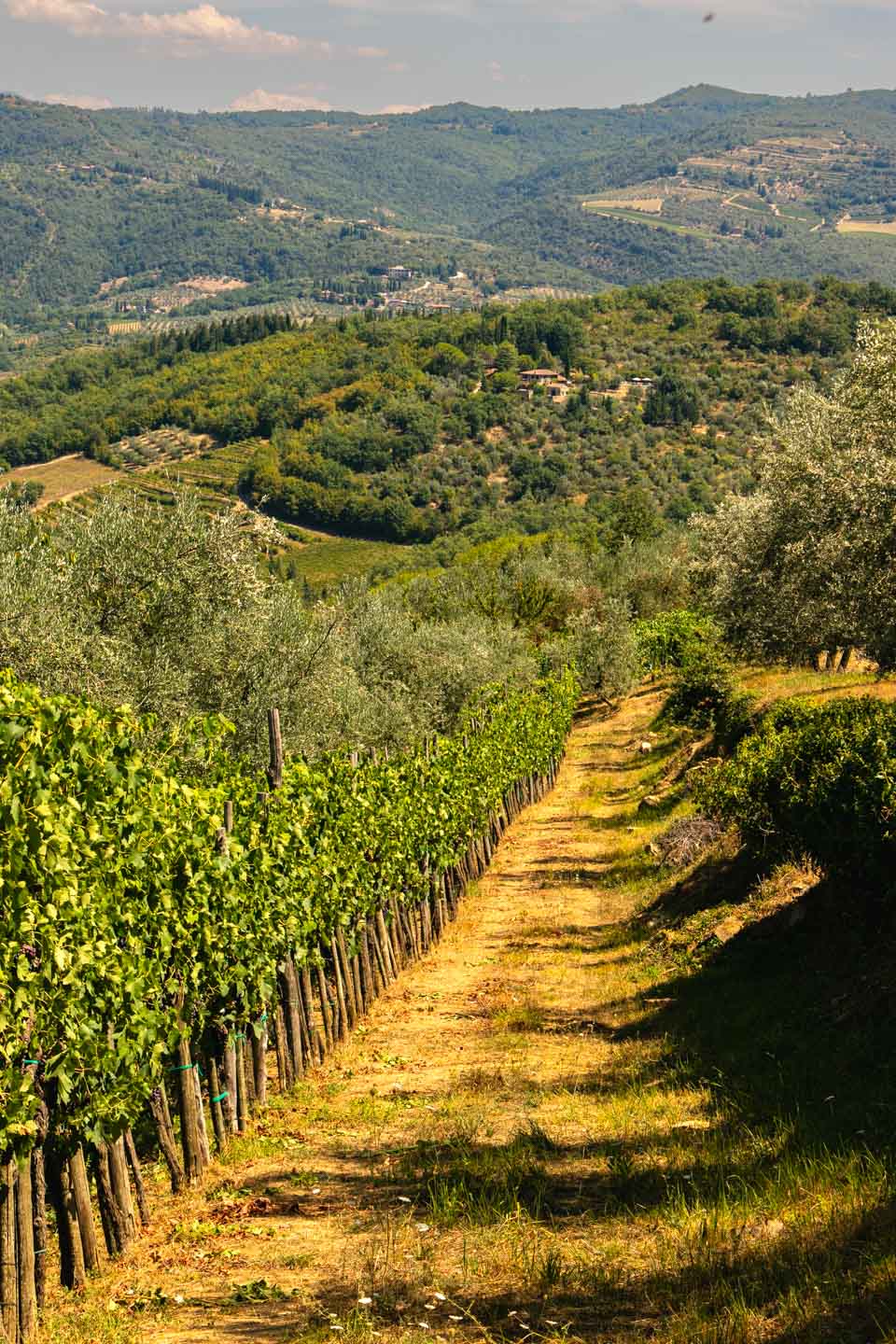
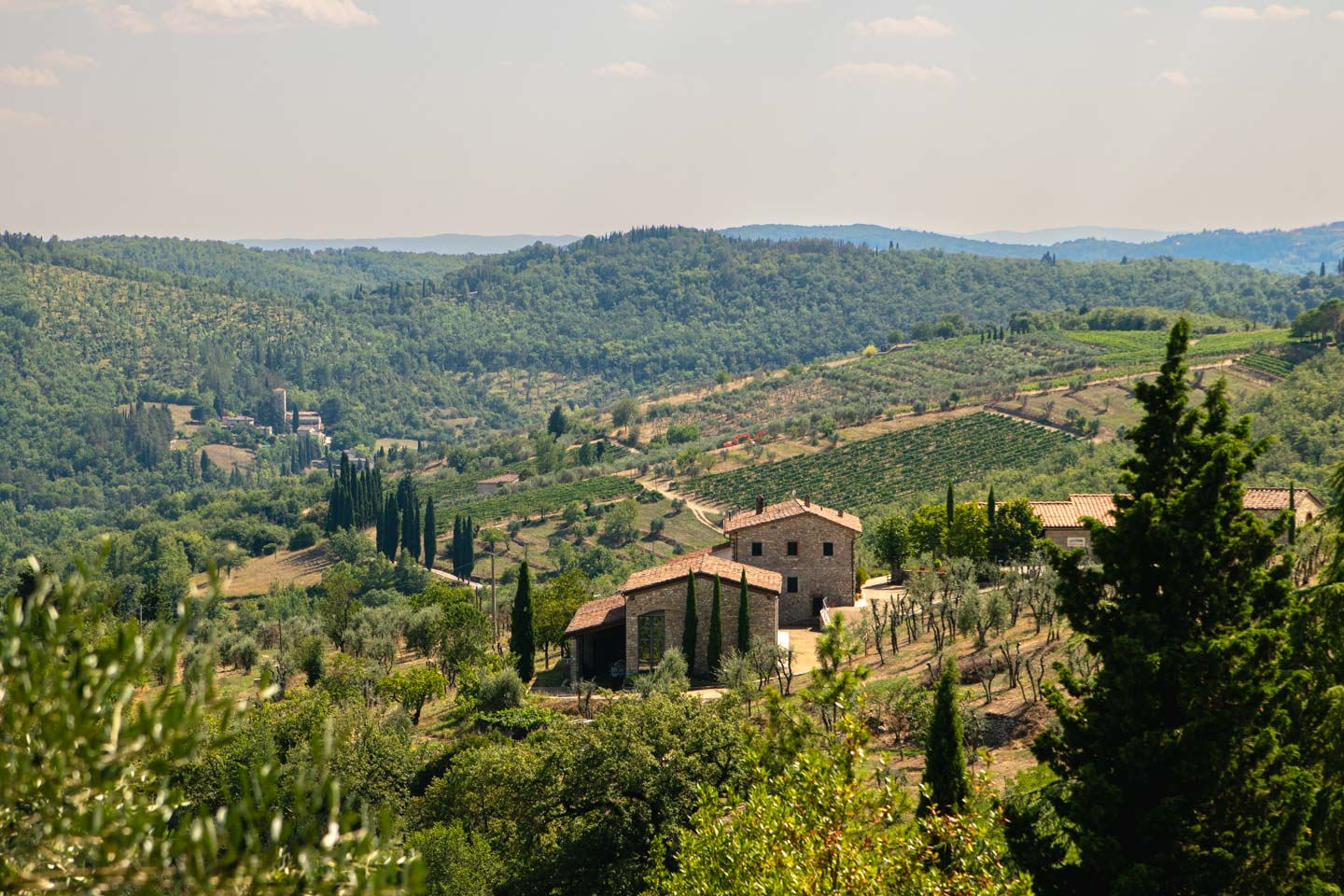
Another town worth adding to your Tuscany itinerary is Panzano in Chianti, located nearly 500 meters (1,600 feet) above sea level.
Surrounded by vineyards and rolling hills, it offers some of the best views in the Chianti region.
This small town is known for its annual Vino al Vino festival, held every September, and for Dario Cecchini’s famous butcher shop, where many visitors stop to try bistecca alla fiorentina.
While exploring the town, take some time to visit the medieval castle and the nearby Church of San Leolino, which houses works by artists including Giovanni della Robbia and Raffaelino del Garbo.
Planning more time in Italy?
I share restaurant finds, favorite viewpoints, practical travel tips, and places I genuinely enjoyed across Italy.
Join my newsletter and get my Interactive Florence Map with 100+ saved places, ready to use on your phone.
Free for new subscribers.
4. Radda in Chianti
After visiting Panzano, it’s worth continuing south to Radda in Chianti, one of the most atmospheric towns in the region.
Radda is known for its narrow streets, historic buildings, and central square lined with restaurants and wine bars.
If you’re planning a lunch stop, I recommend La Bottega di Giovannino.
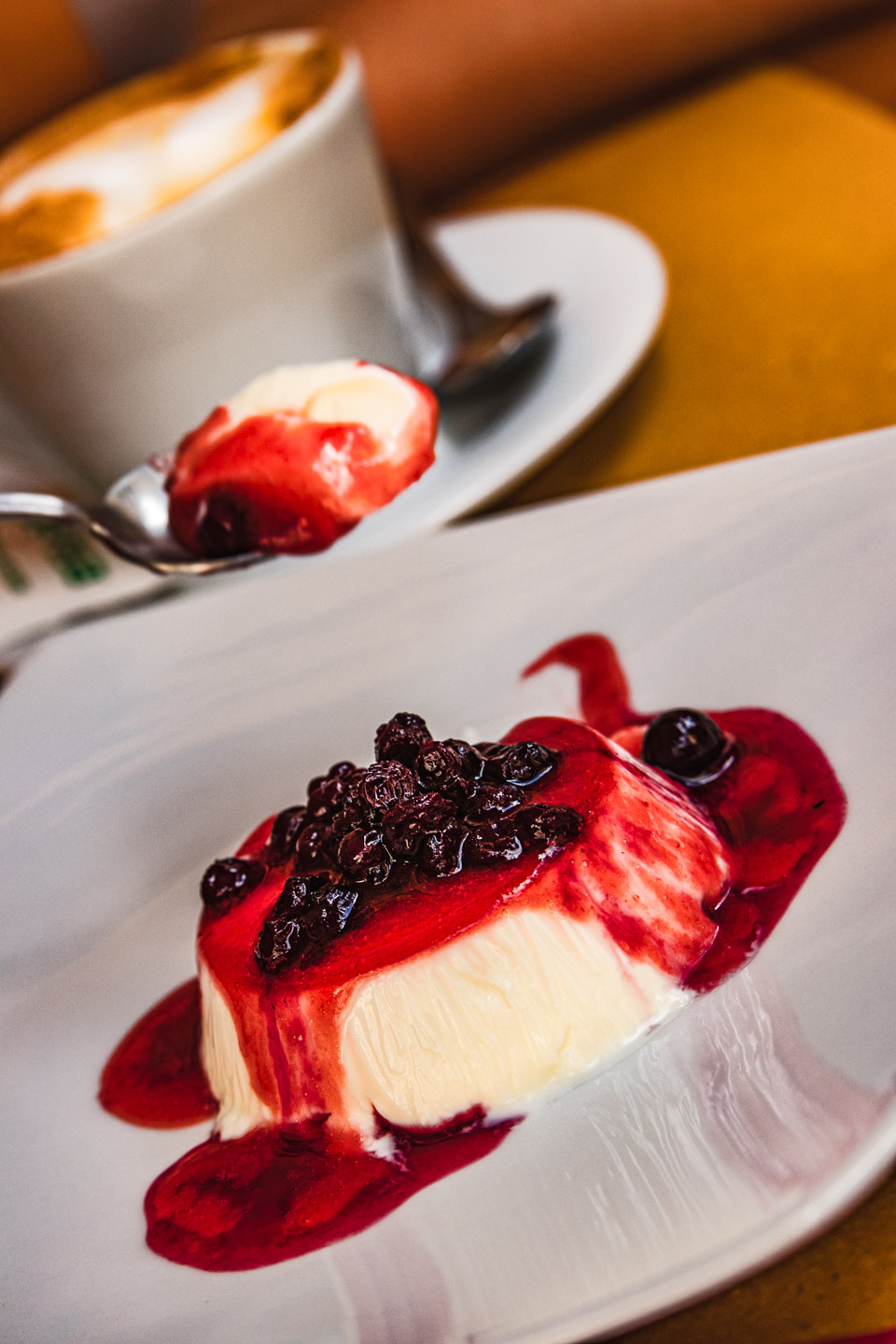
During my visit, I tried ribollita, ricotta ravioli with sage butter, mushroom gnocchi, and panna cotta with fresh fruit.
Everything was prepared using simple local ingredients and paired well with a glass of Chianti wine.
Love discovering authentic Italian flavors? Don’t miss my complete guide to → One Day in Florence: A Slow Itinerary for more tested restaurant recommendations.
5. Monteriggioni
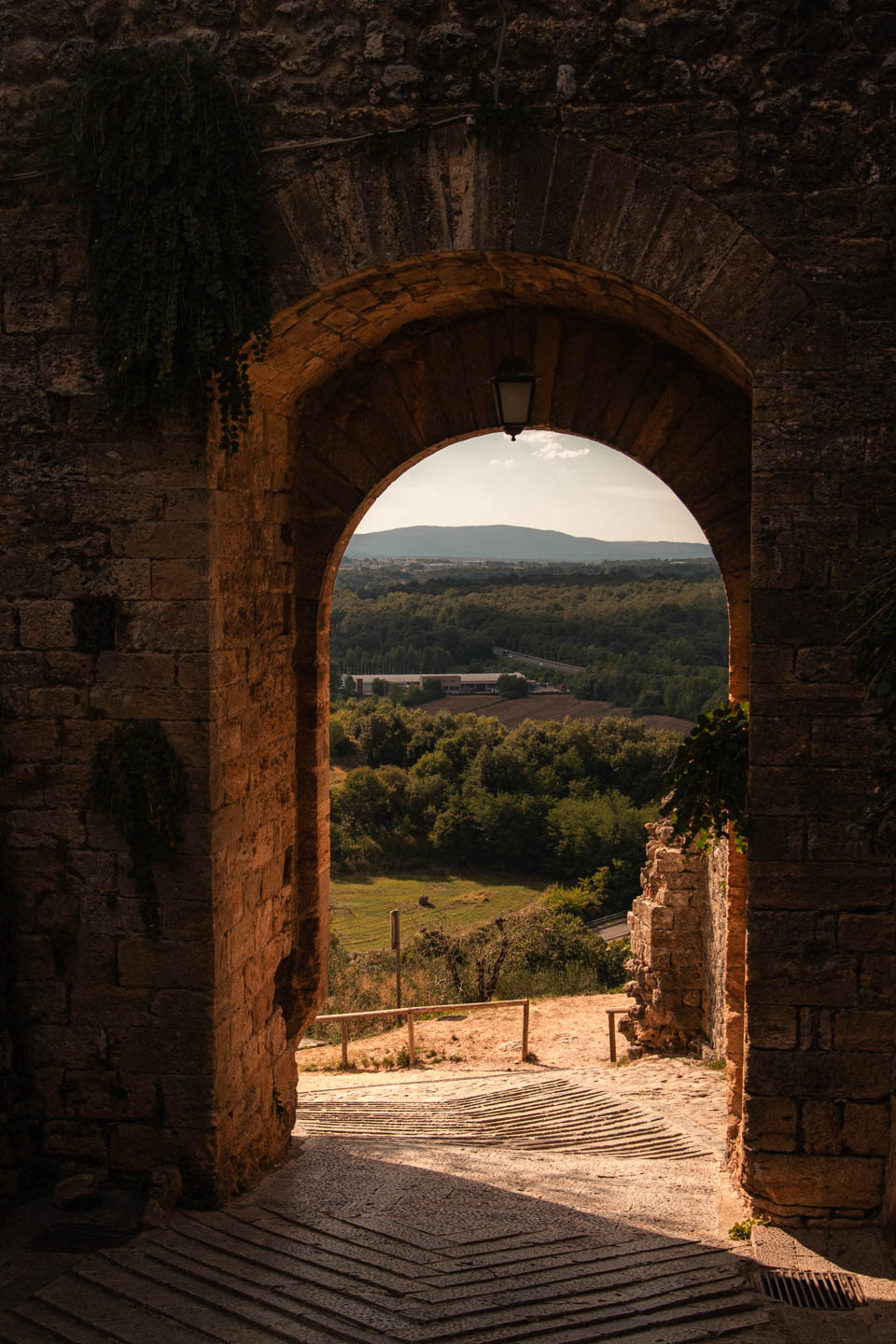
Perched on a hilltop, Monteriggioni is one of the smallest yet most recognizable towns in Tuscany.
The town is surrounded by remarkably well-preserved medieval walls and fourteen defensive towers built by the Republic of Siena in the 13th century.
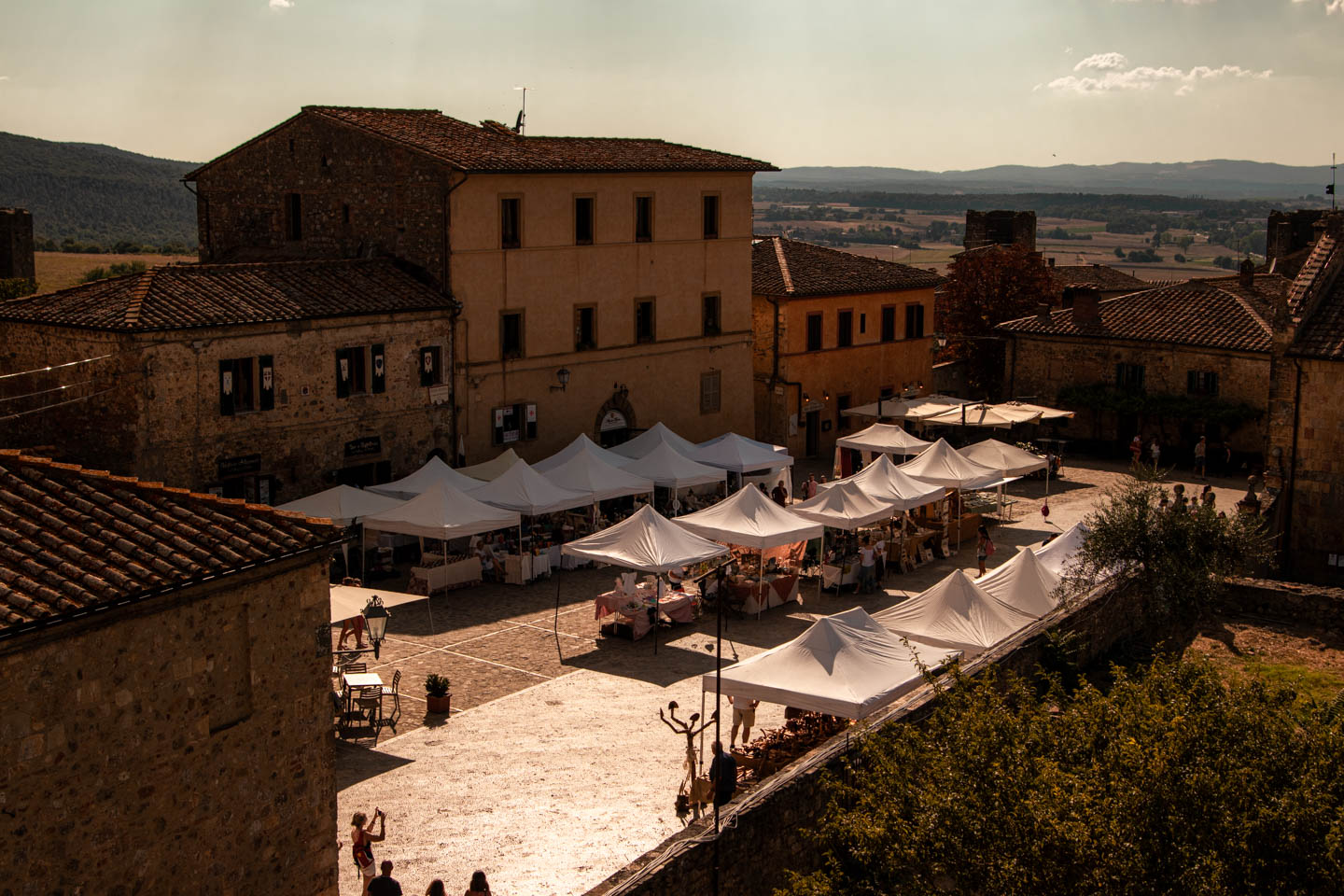
Monteriggioni can be explored in less than an hour, but it’s worth staying longer to walk the walls, enjoy the views, and spend some time in the main square.
One of my favorite stops here was Gelateria La Bottega del Castello, located just a short walk from Piazza Roma.
The main square is home to the Romanesque church of Santa Maria Assunta and several small restaurants and cafes.
Visitors can also access sections of the city walls for panoramic views of the surrounding countryside.
6. Pienza
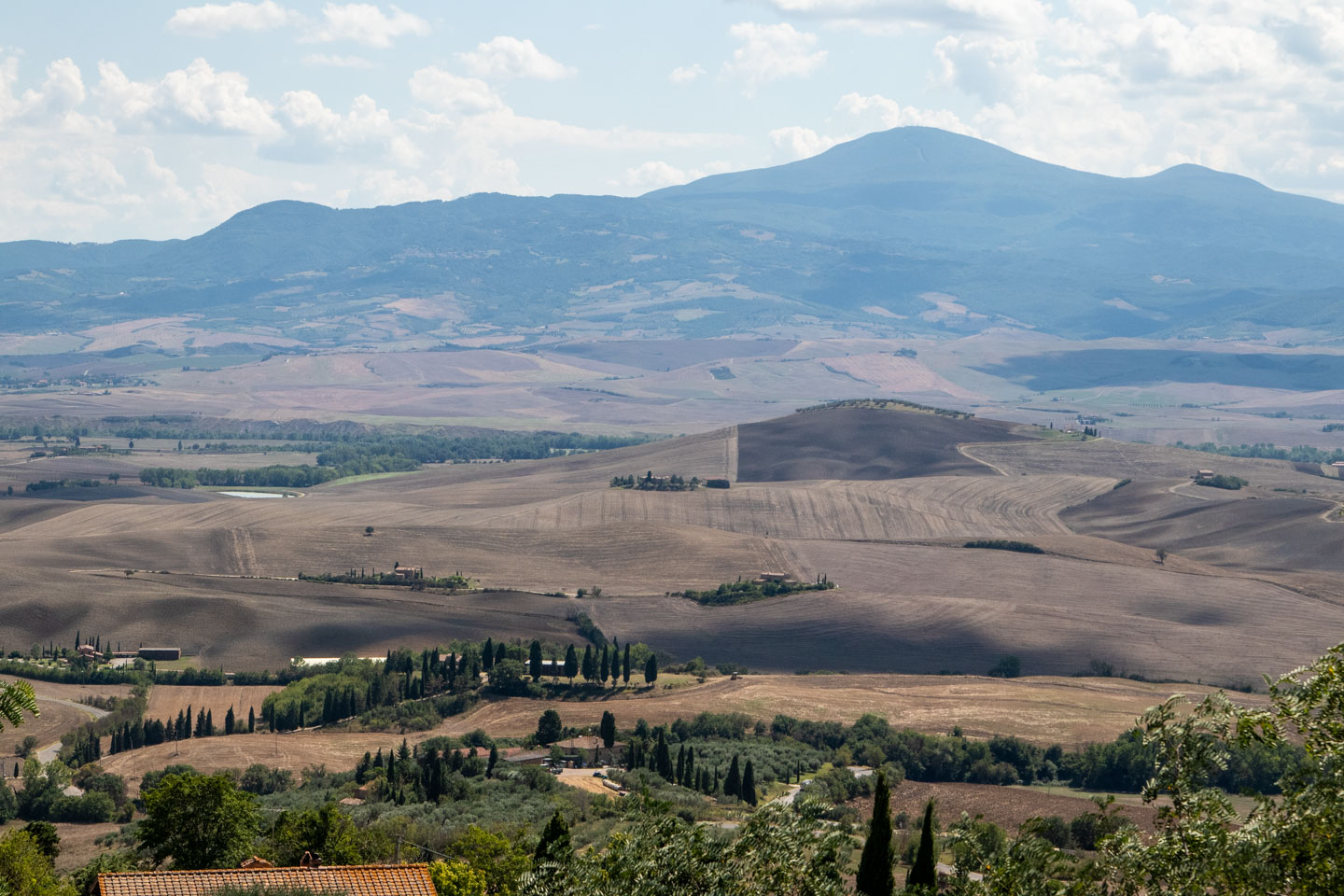
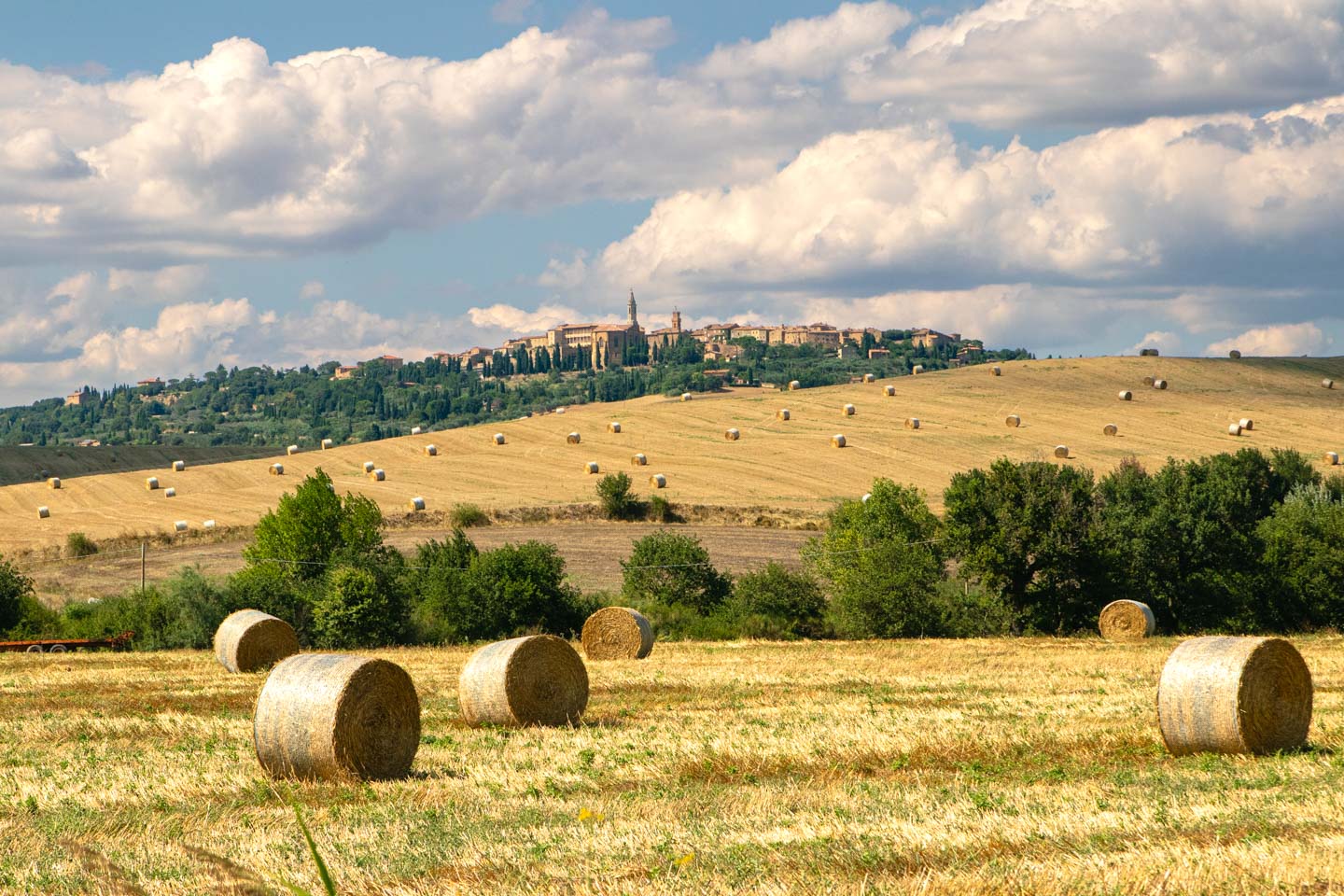
When visiting Tuscany, it’s worth spending some time in Val d’Orcia, one of the most beautiful regions in Italy and a UNESCO World Heritage Site.
I spent three days exploring the valley, and Pienza quickly became one of my favorite stops along the way.
Originally a small medieval village, Pienza was transformed into an ideal Renaissance town by Pope Pius II, who was born nearby.
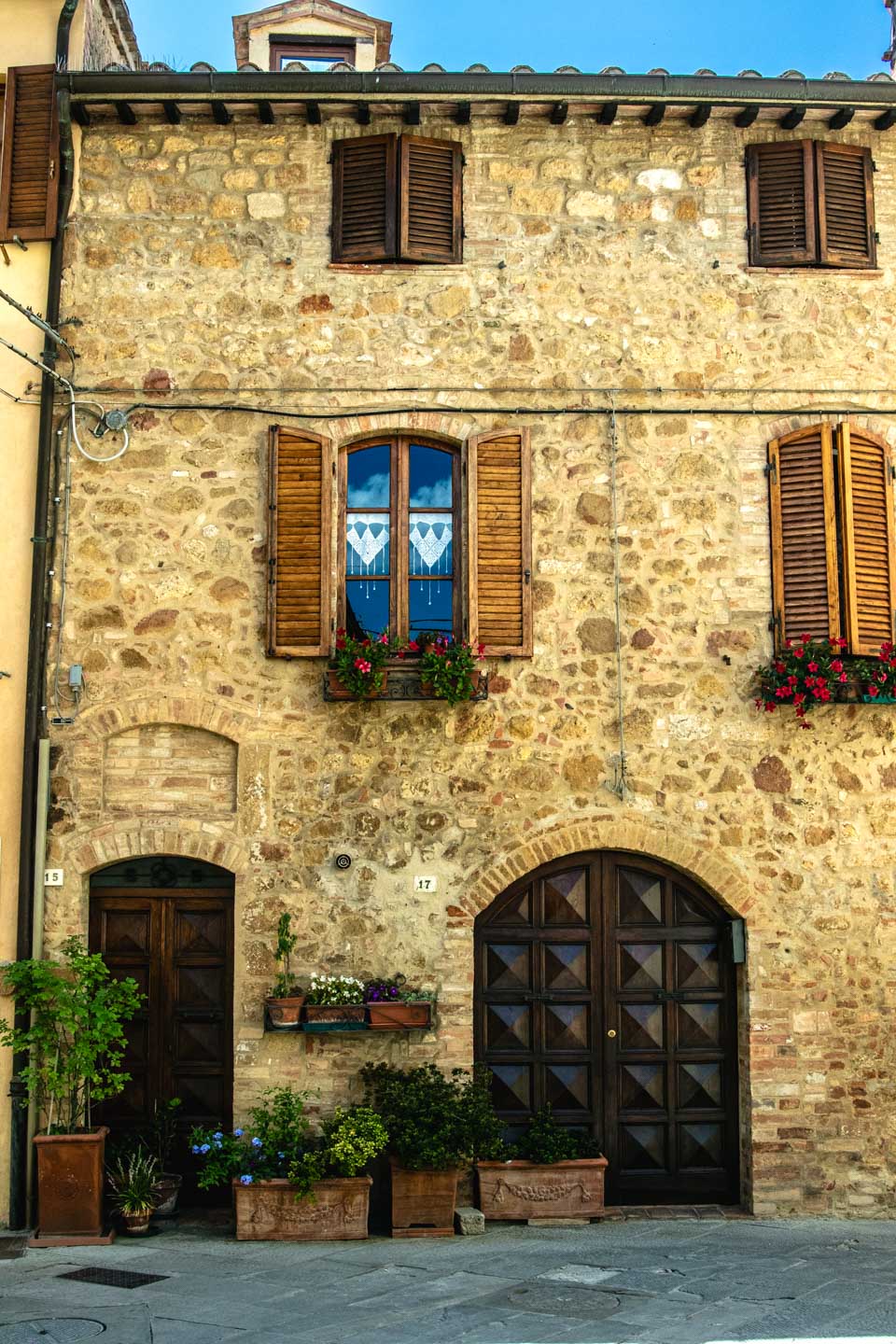
Today, visitors can admire landmarks such as the Duomo, Palazzo Comunale, and Palazzo Piccolomini, all overlooking the rolling hills of Val d’Orcia.
One interesting detail is that the gardens of Palazzo Piccolomini were used as a filming location for Franco Zeffirelli’s 1968 adaptation of Romeo and Juliet.
To enjoy even more views of the surrounding countryside, take a walk along Via dell’Amore and the narrow streets behind the cathedral.
While you’re in town, don’t miss the Romanesque Church of Pieve di Corsignano, located just outside the historic center.
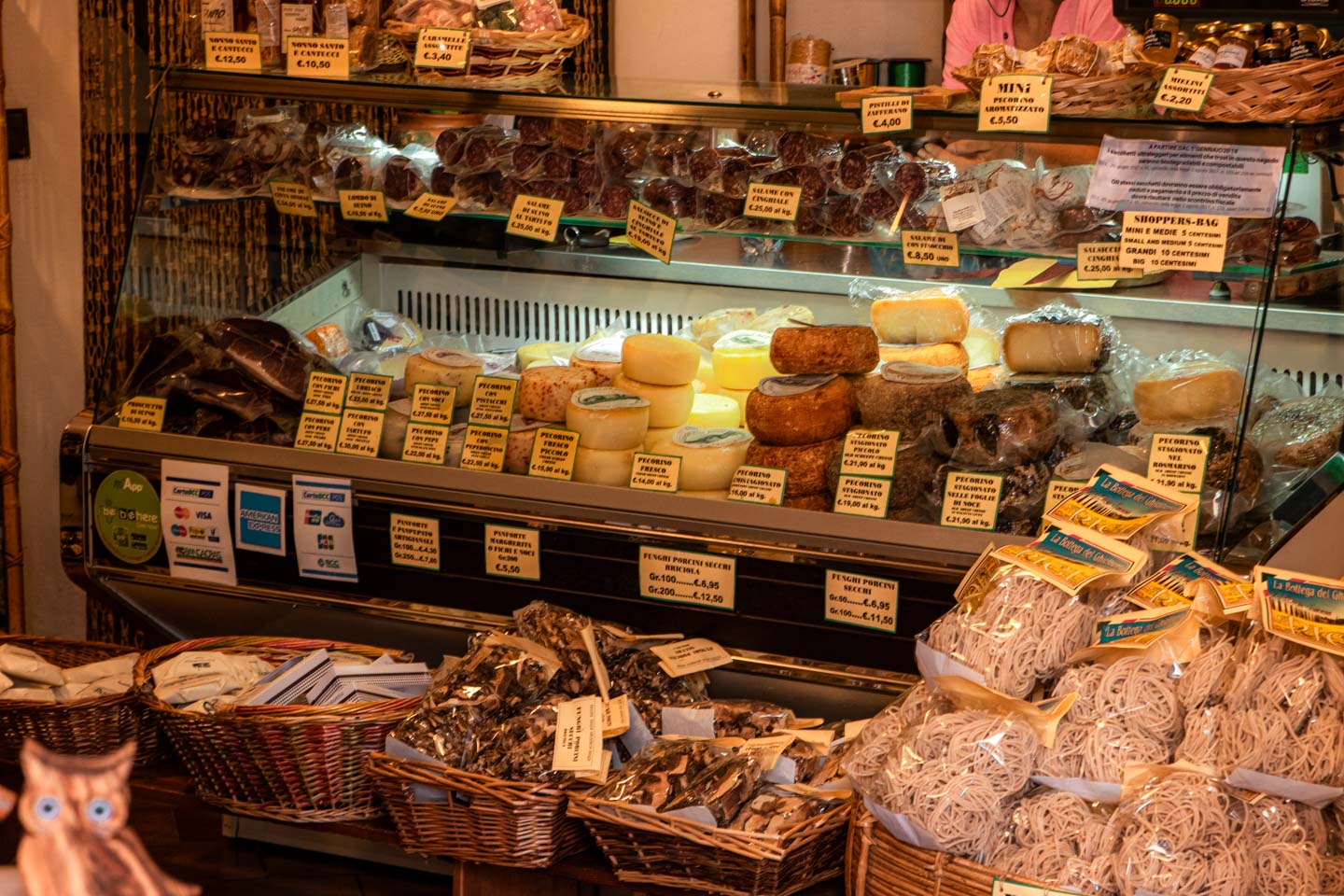
Pienza is also famous for pecorino cheese, which is sold in many local shops. You’ll find everything from young, mild cheeses to aged varieties that have been matured for several years.
If you’re looking for a lunch spot, I recommend Trattoria da Fiorella.
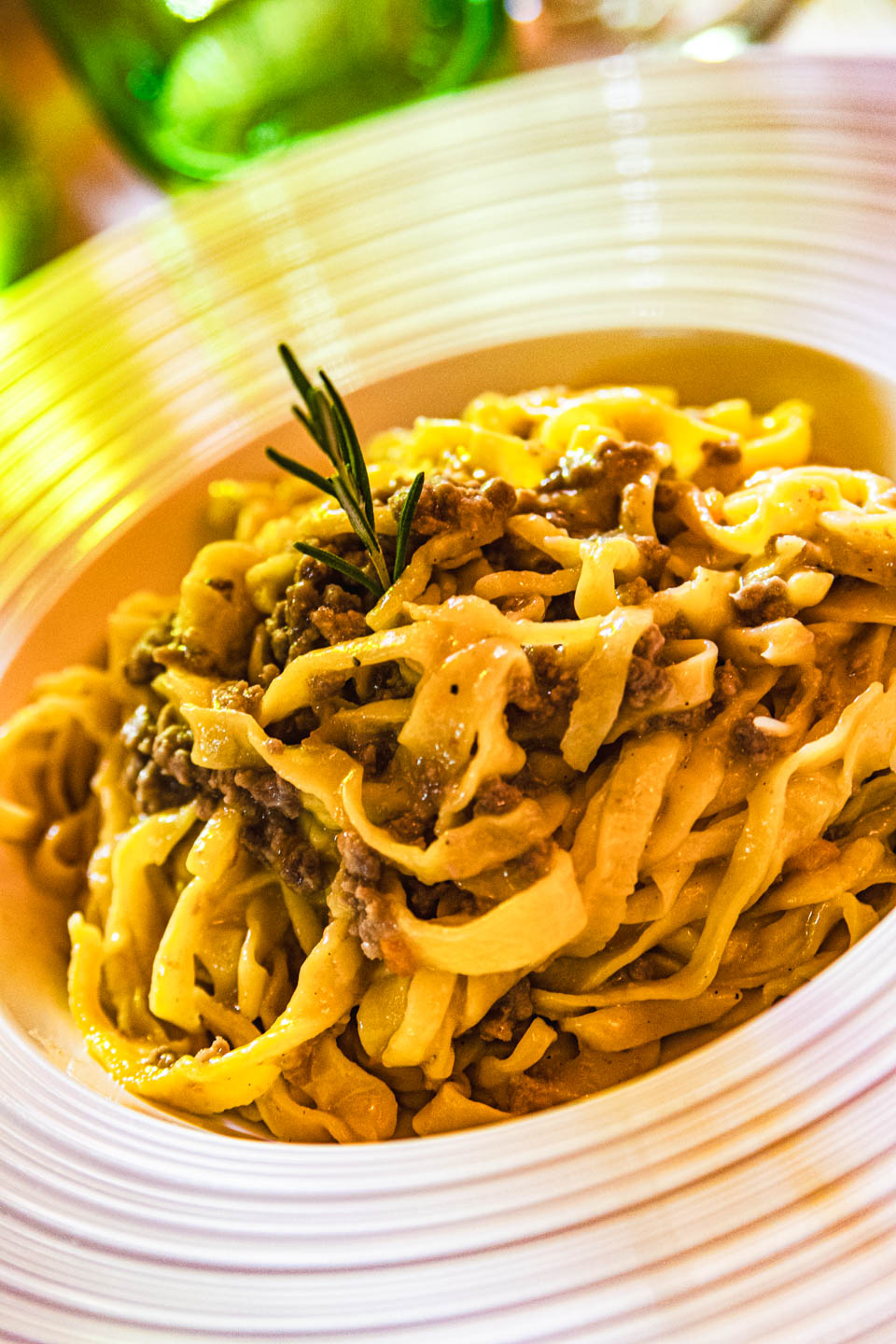
During my visit, I tried pecorino with red radicchio and homemade taglierini with duck sauce, both regional specialties. It was one of my favorite meals in Pienza.
Planning more Italian adventures? Check out my → Lake Como Itinerary: 2 Days in Bellagio & Varenna for another stunning Italian destination.
7. Monticchiello
After exploring Pienza, it’s worth continuing to Monticchiello, a small medieval village in the heart of Val d’Orcia.
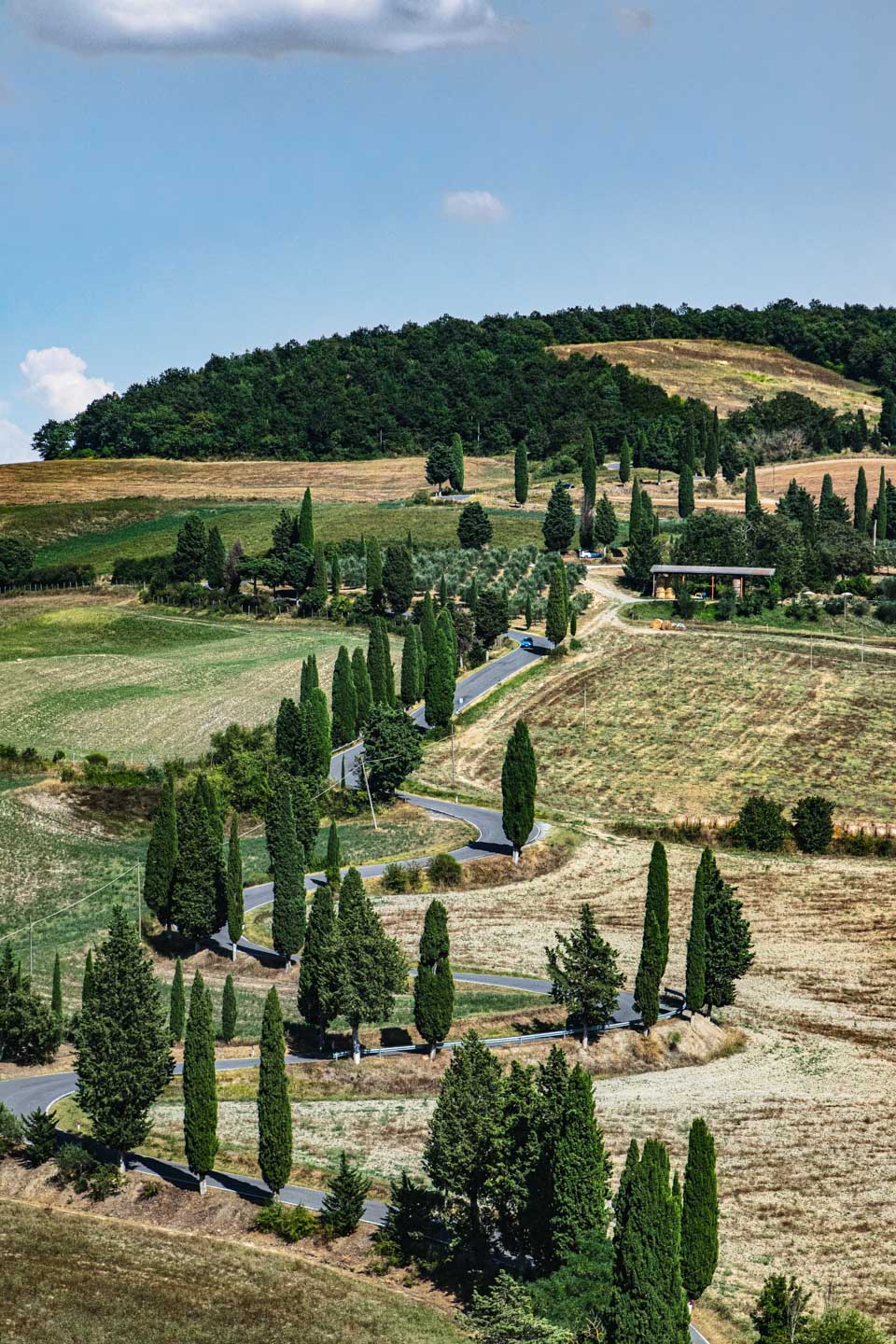
On the way, make sure to stop at one of Tuscany’s most photographed viewpoints, where a winding road lined with cypress trees cuts through the rolling hills.
It’s one of the landscapes most people picture when they think of Tuscany.
While Monticchiello doesn’t have many major attractions, it’s worth a short stop for the views, quiet atmosphere, and the historic Church of Santi Leonardo e Cristoforo.
Despite its size, it ended up being one of the places I remember most from my time in Val d’Orcia.
8. Montepulciano
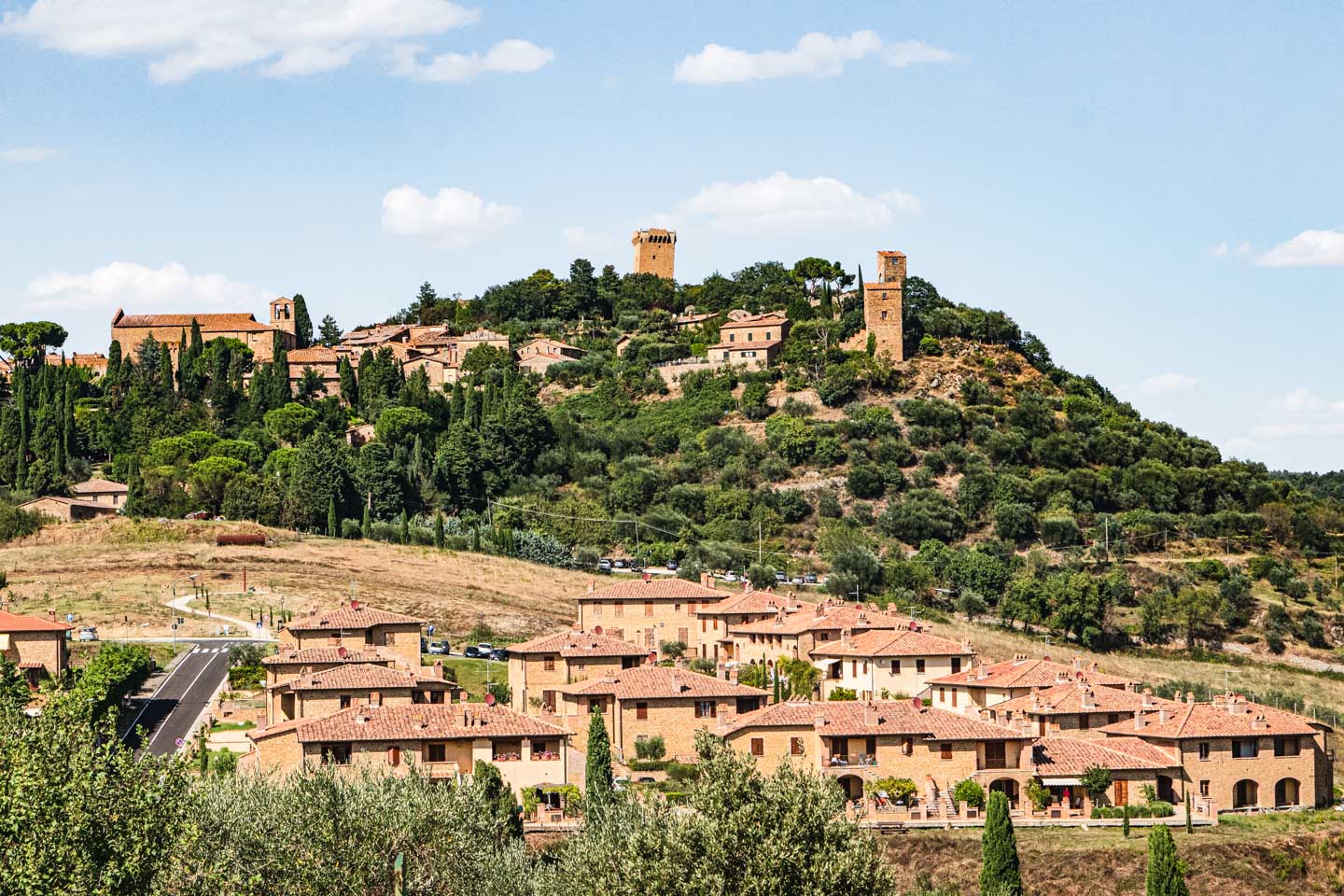
Another town worth visiting in Tuscany is Montepulciano, located between the Val d’Orcia and Val di Chiana valleys.
Known for its Renaissance architecture and hilltop setting, Montepulciano is also home to Vino Nobile di Montepulciano, one of Tuscany’s most respected red wines.
As you walk through the town, you’ll find wine shops, historic palaces, churches, and viewpoints overlooking the surrounding countryside.
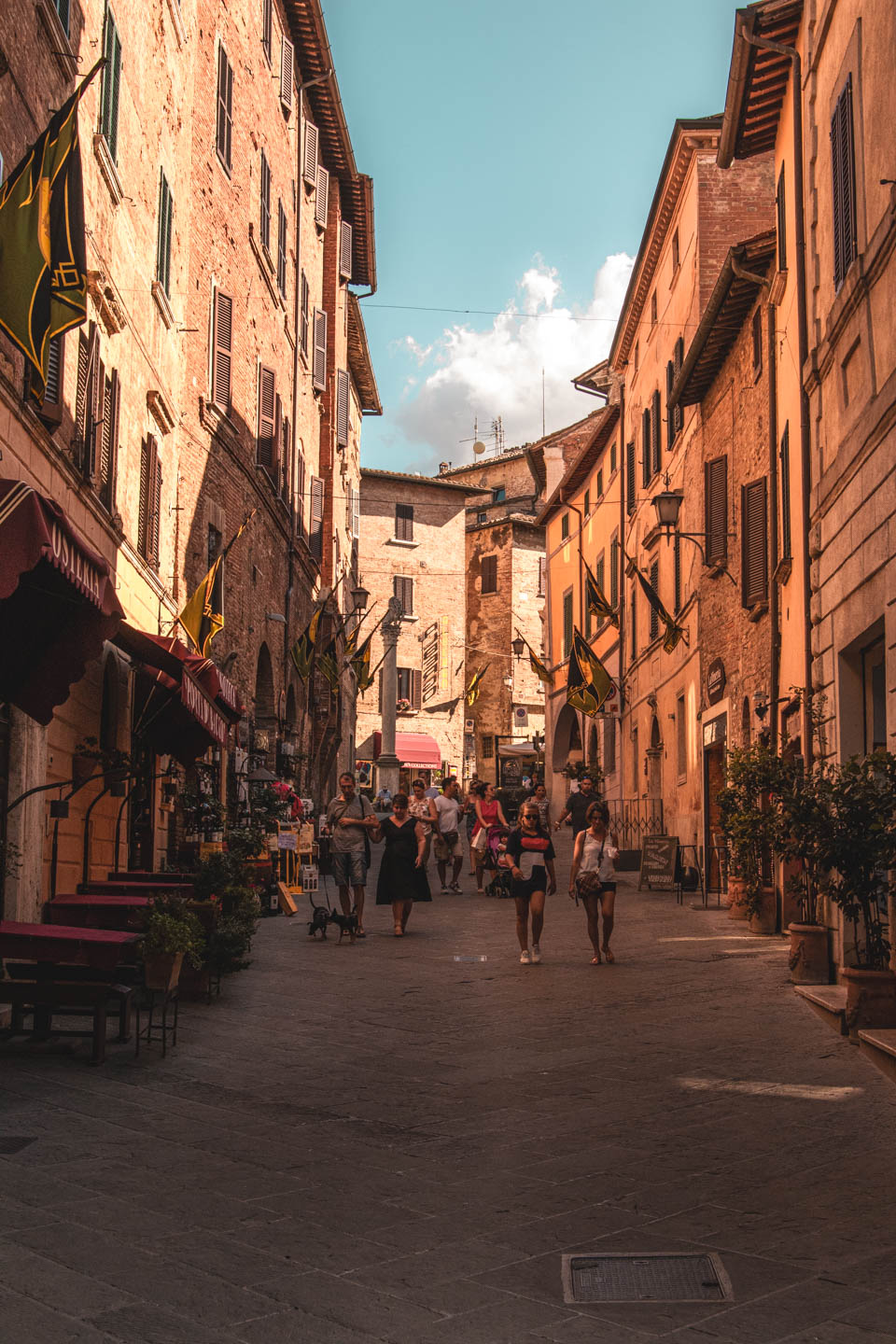
The heart of the town is Piazza Grande, a beautiful square surrounded by some of Montepulciano’s most important buildings.
One of the main landmarks is Palazzo Comunale, a 13th-century palace later redesigned to resemble Florence’s Palazzo Vecchio.
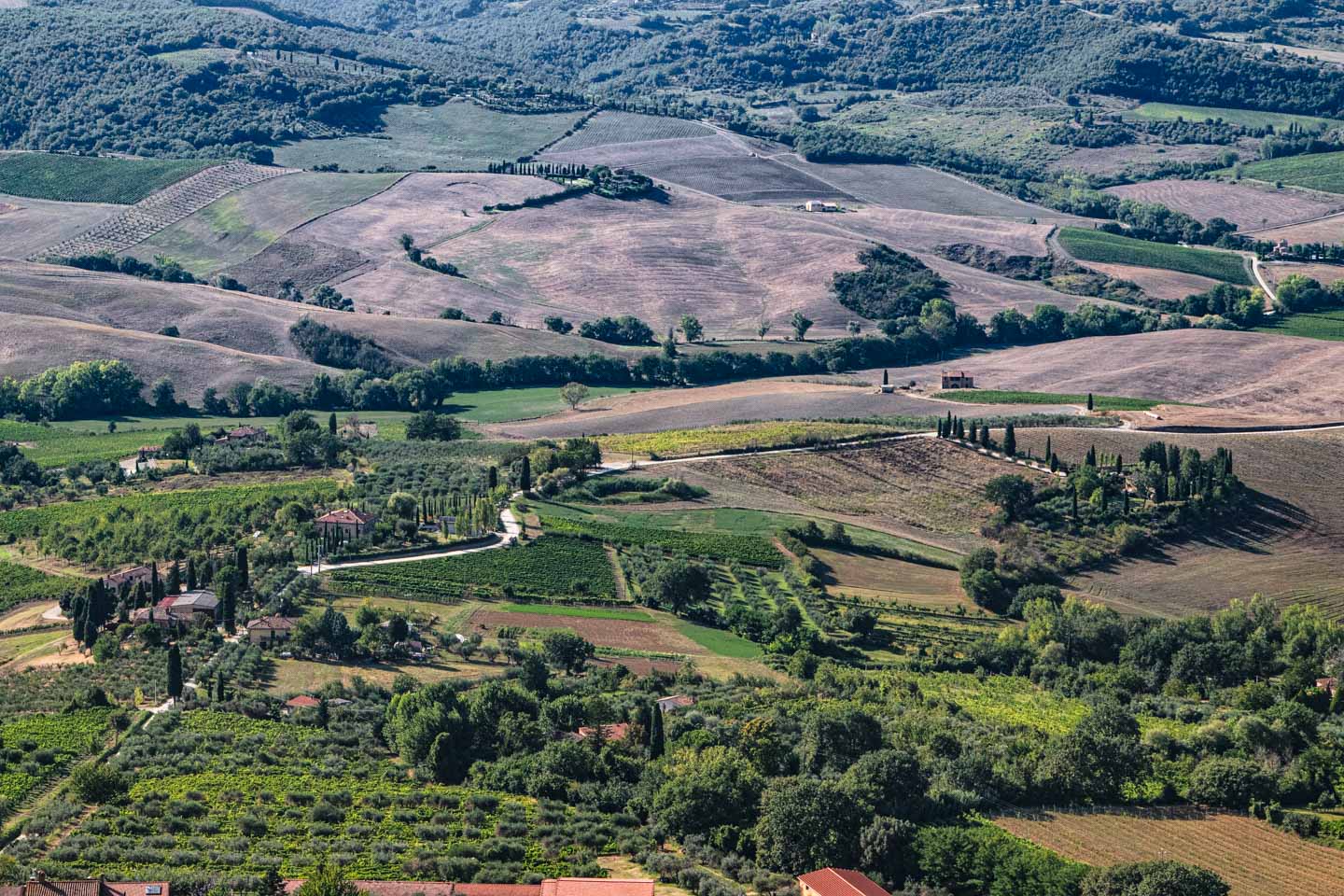
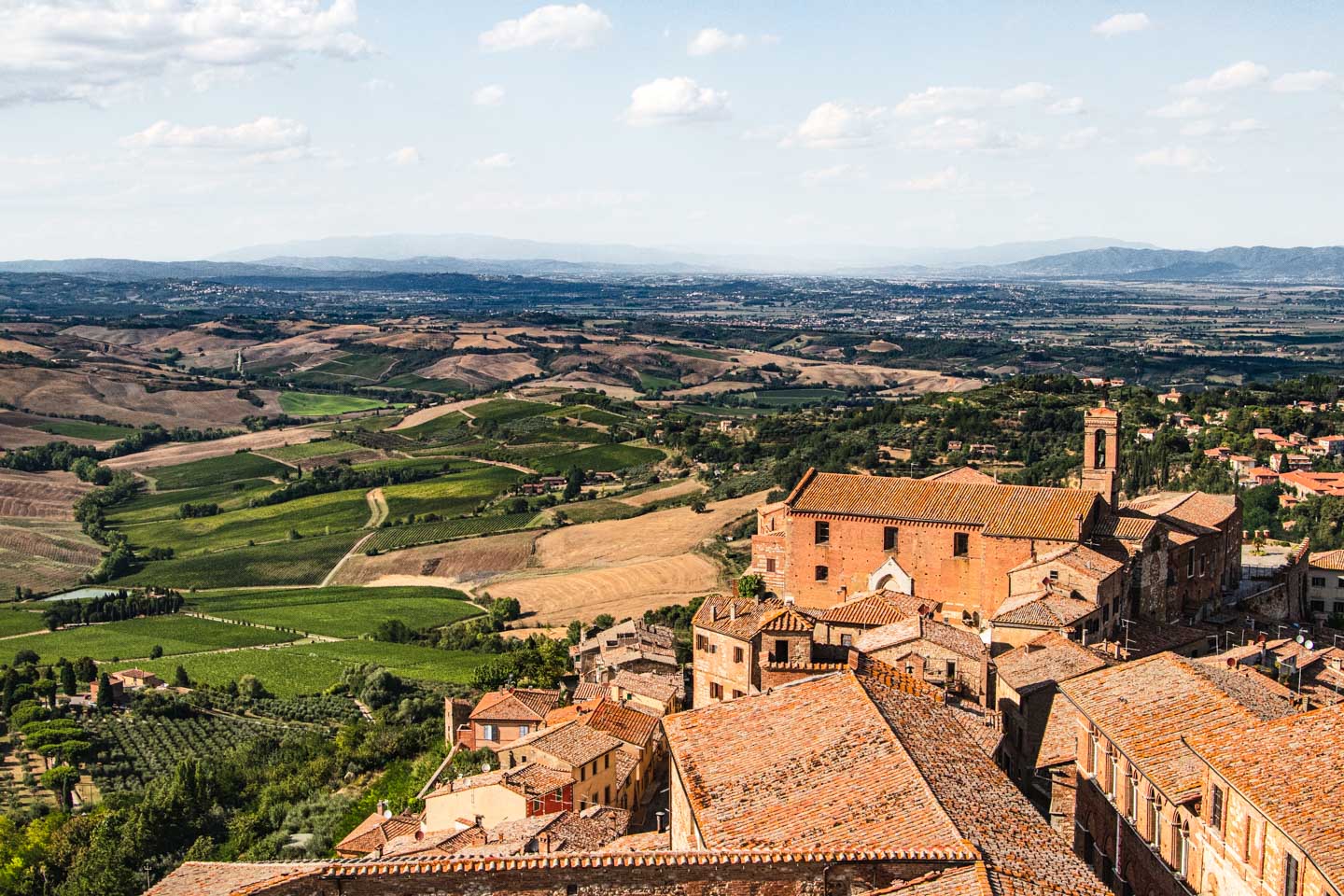
If you’re willing to climb the tower, you’ll be rewarded with panoramic views of the surrounding valleys. On clear days, you can even see Lake Trasimeno in the distance.
9. San Quirico d’Orcia
After exploring Montepulciano, it’s worth heading west to San Quirico d’Orcia, another beautiful town in the Val d’Orcia region.
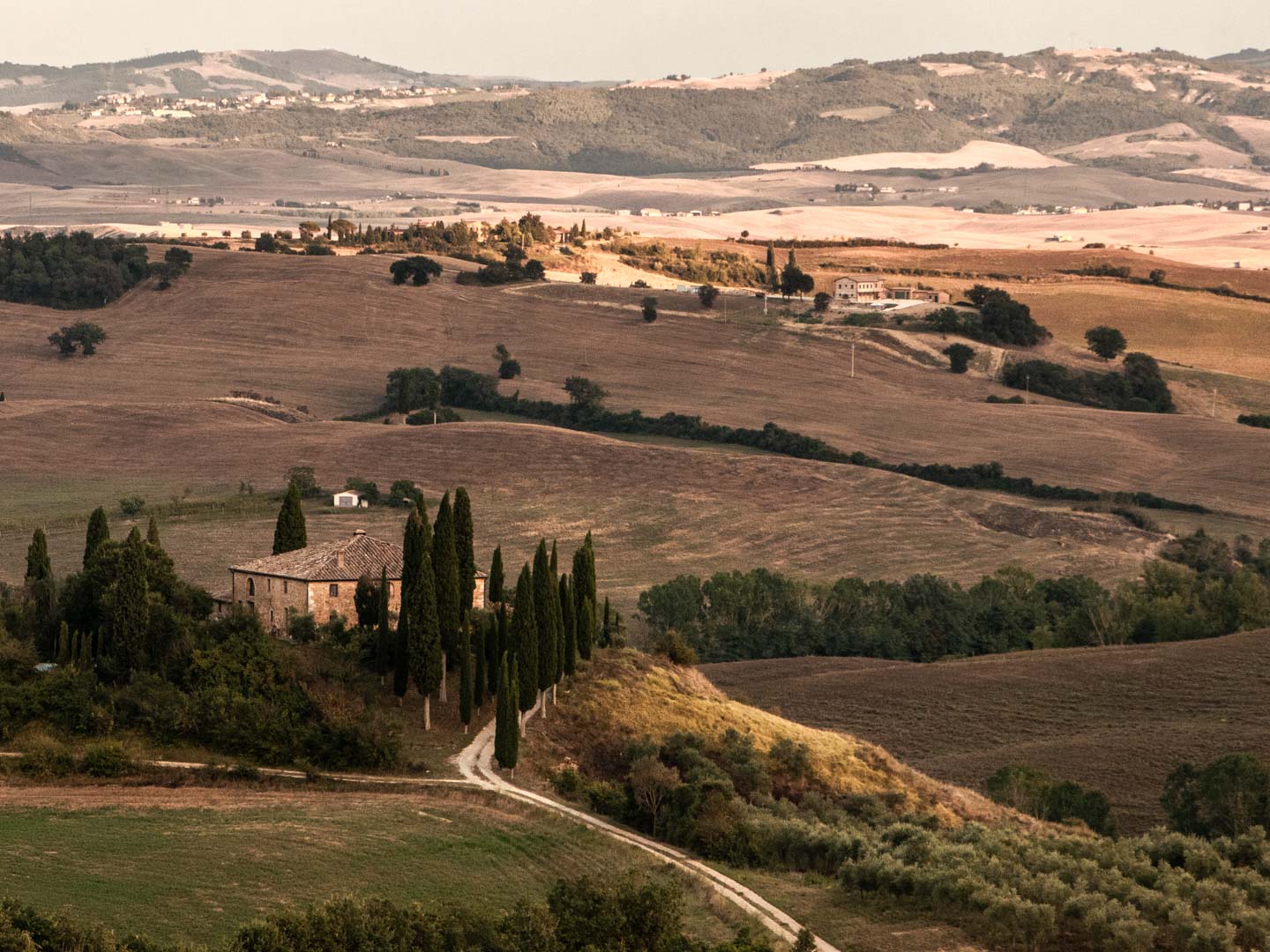
On the way, stop at one of Tuscany’s most famous viewpoints, where a historic villa sits among the rolling hills that have become synonymous with the Tuscan landscape.
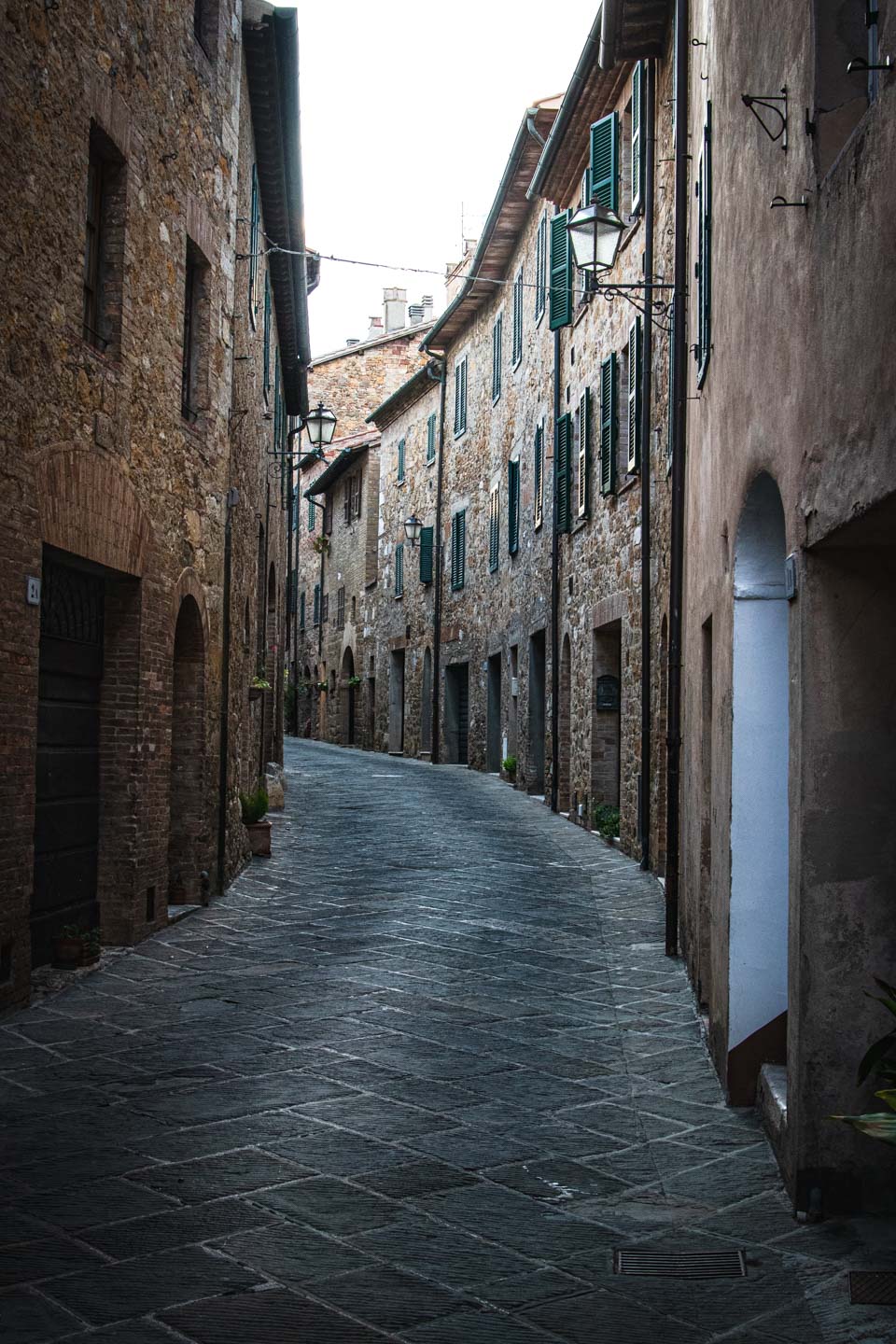
While walking through the town, take time to visit the medieval Collegiate Church and the 17th-century Palazzo Chigi.
Like many towns in Val d’Orcia, San Quirico is best enjoyed slowly, with plenty of time for wandering its quiet streets and taking in the surrounding views.
10. Montalcino
The final town on this list is Montalcino, a hilltop town best known for producing Brunello di Montalcino, one of Italy’s most famous red wines.
Life here feels slower than in many of Tuscany’s larger destinations, making it a great place to spend an afternoon exploring at a relaxed pace.
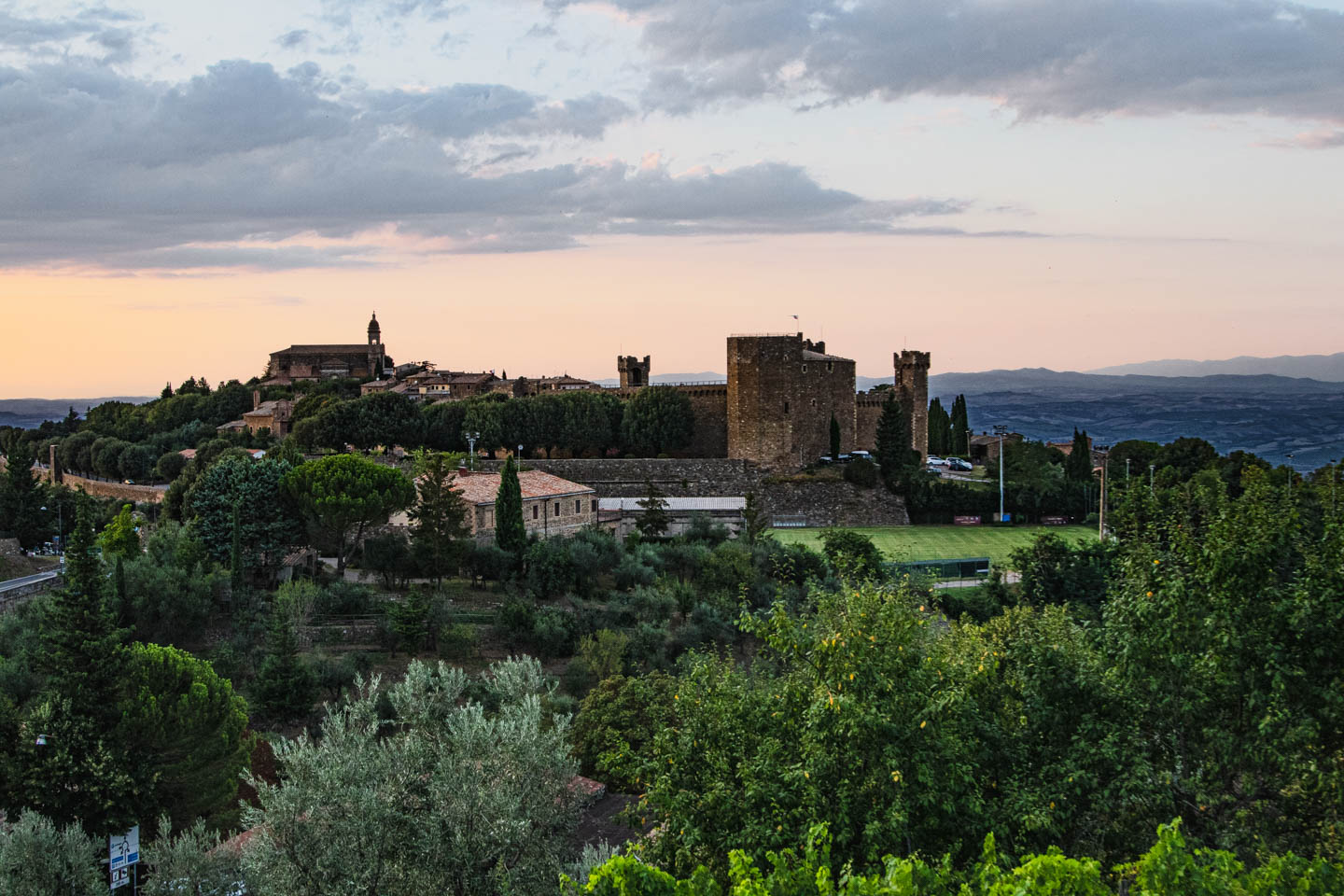
Beyond the wine, Montalcino is home to several interesting landmarks, including the medieval fortress and Palazzo dei Priori, which overlooks the main square.
If you’re interested in local history and culture, you can also visit the Museum of Sacred Art and the Glass Museum.
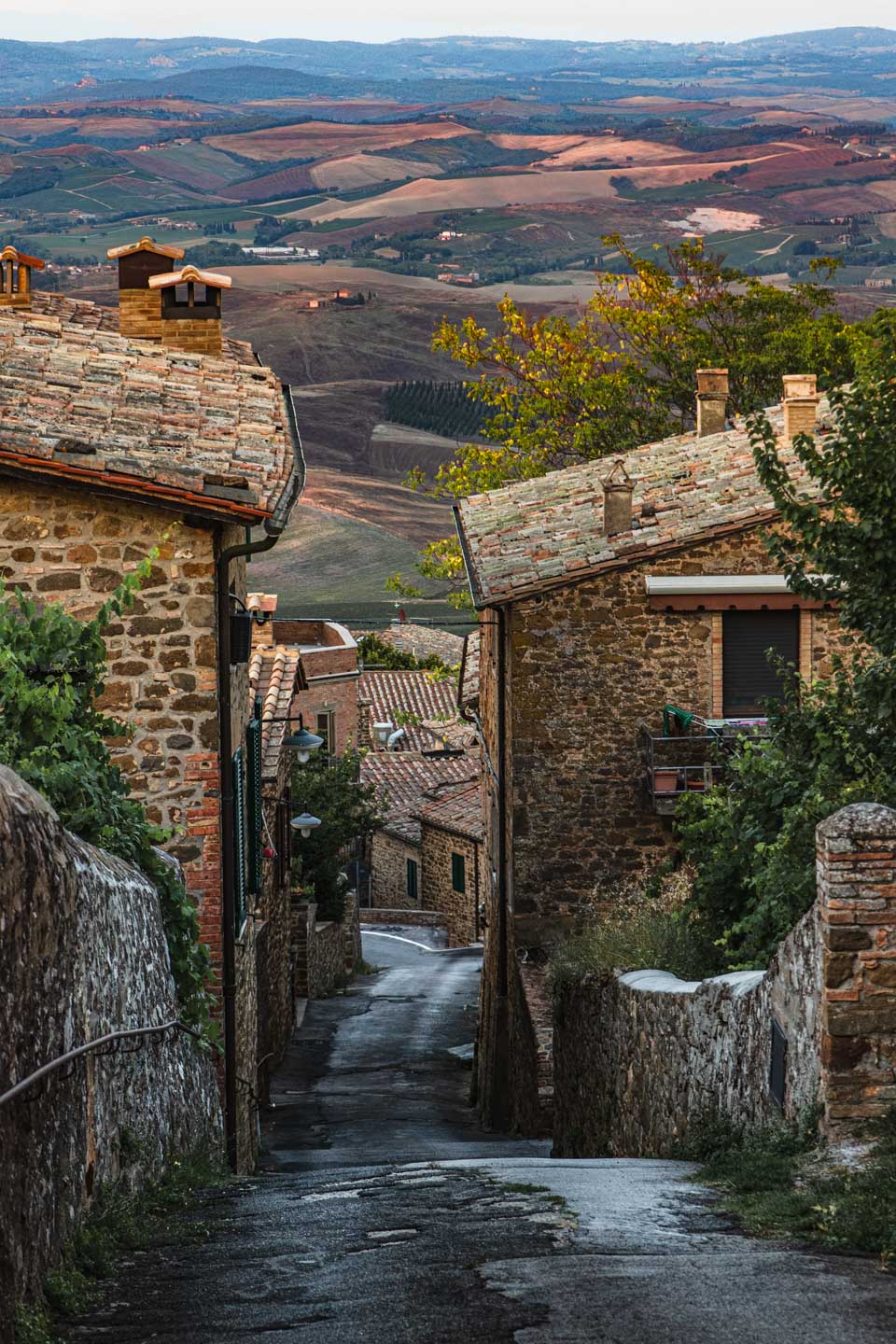
During my visit, I stopped at Trattoria l’Angolo da Cesare e Mara for lunch.
I ordered ravioli with ricotta and truffles, followed by veal in red wine sauce and a glass of Brunello. It was one of my favorite meals in Montalcino and a great way to end my time in the region.
Which Tuscan Town Should You Visit?
If it’s your first trip to Tuscany, I’d start with San Gimignano, Pienza, and Montepulciano.
Wine lovers will probably enjoy the towns of Chianti and Montalcino most, while travelers looking for classic Tuscan landscapes should spend time exploring Val d’Orcia.
Travel lighter, even before you leave.
start with something simple.
Download The Minimum Plan – Slow Travel:
My Quick Recommendations
What I love about Tuscany is that every town feels a little different. Some are best known for wine, others for food, architecture, or history. Together, they create one of the most rewarding road trip destinations in Italy.
- Best overall: San Gimignano
- Best for wine lovers: Montalcino
- Best views: Pienza
- Best Chianti town: Greve in Chianti
- Best medieval village: Monteriggioni
- Best for a road trip: Val d’Orcia (Pienza, Monticchiello, and San Quirico d’Orcia)
I hope this guide helps you discover a few places worth adding to your own Tuscany itinerary.
Planning More Time in Italy?
🏛️ A Perfect One Day in Florence Itinerary
The perfect base for exploring Tuscany
🚤 The Ultimate 2-Day Lake Como Italy Itinerary
Bellagio, Varenna, and some of Northern Italy’s most beautiful scenery.
🎭 Top 10 Instagram-Worthy Places in Venice
The city’s most beautiful landmarks and viewpoints.
🚗 How to Rent a Car in Italy
Everything you need to know before your road trip.
Excelente publicación