
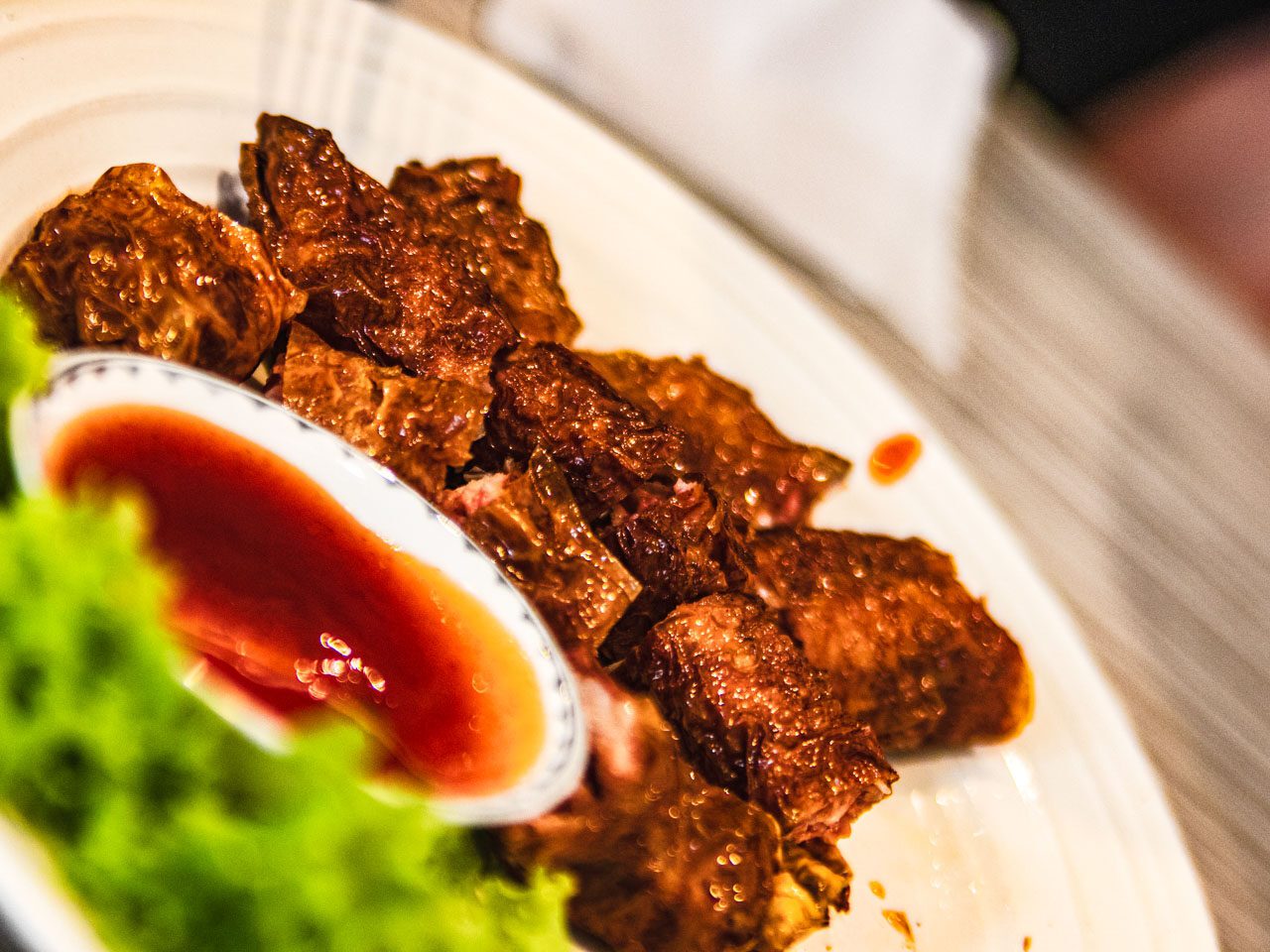
Wondering what to eat in Kuala Lumpur? You’ve come to the right place. I’ve put together a list of 10 dishes you need to try, not just in the capital, but throughout Malaysia.
Kuala Lumpur’s food scene is one of those experiences you fall in love with easily. This city tastes intense, diverse, and incredibly authentic. Every meal tells a different story.
Malay, Chinese, and Indian culinary influences meet at a single table.
Sometimes in the form of street food eaten on a plastic stool, sometimes in a small family-run spot you stumble upon by complete accident. And that’s exactly where the magic is.
You can’t leave Kuala Lumpur without trying at least a few local dishes. They explain this city better than anything else.
If you want to discover what’s really worth eating in Kuala Lumpur, come along. Let’s get started.
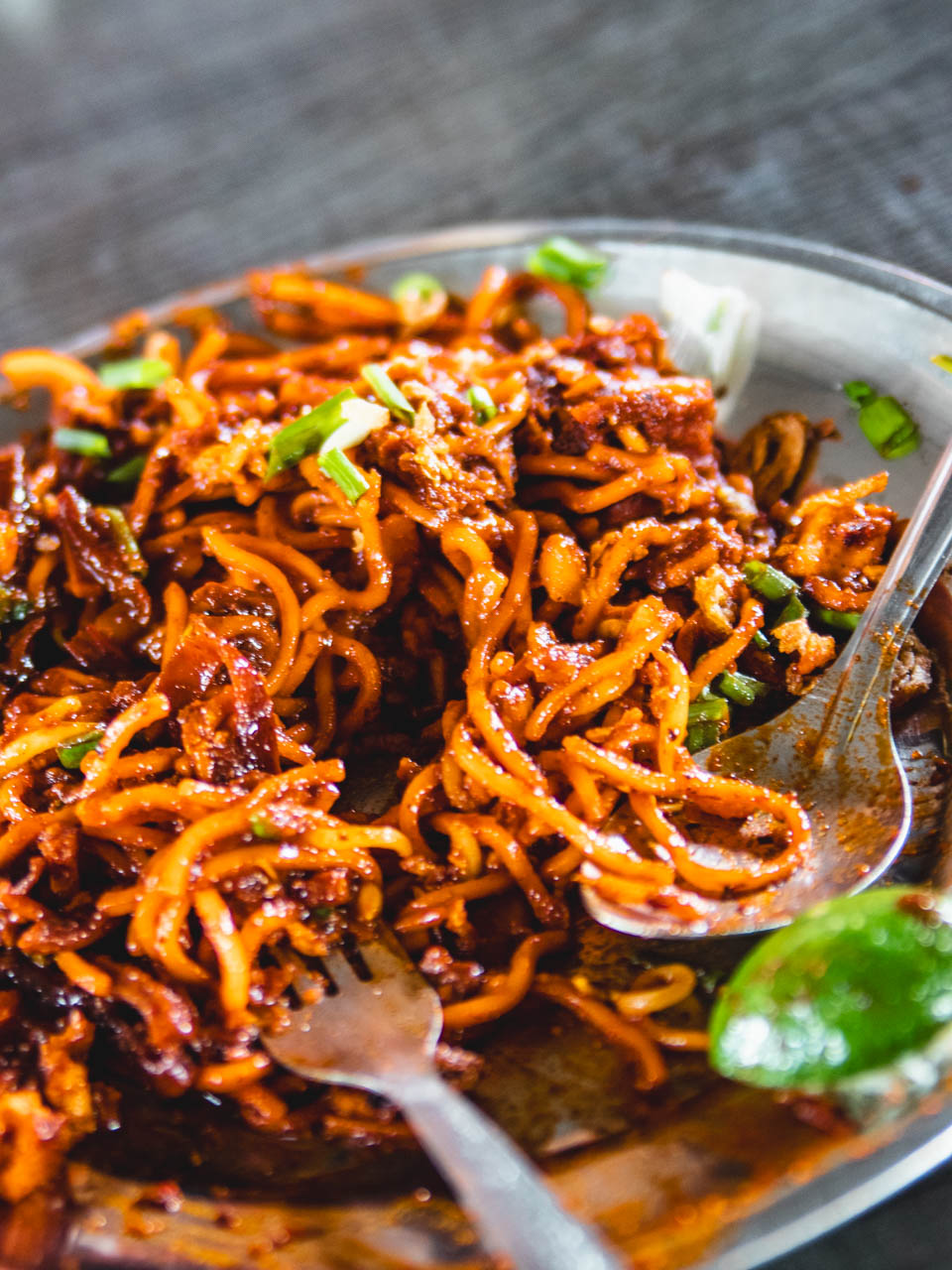
1. Curry Laksa – the dish I’d return to Kuala Lumpur for
Curry laksa is absolute number one on my list. Without hesitation. It’s the best dish I ate not just in Kuala Lumpur, but in all of Malaysia.
It’s a thick, intense soup based on red chili paste and coconut milk. Aromatic, spicy, comforting. The kind that stops the world for a moment.
Most often served with noodles, either yellow or vermicelli, and toppings that do all the work: shrimp, tofu, squid, pieces of fish, mung bean sprouts, and sometimes dried shrimp.
Curry laksa has everything I love most about Asia. Depth of flavor, warmth of spices, a slight chaos of ingredients, and that feeling you’re eating something truly local. This isn’t a soup to check off a list. It’s a soup to remember.
If you’re in Kuala Lumpur, definitely stop by Madras Lane or Limapulo Baba Can Cook. In both places, curry laksa tastes exactly as it should. And I’m warning you. One bowl is definitely not enough.
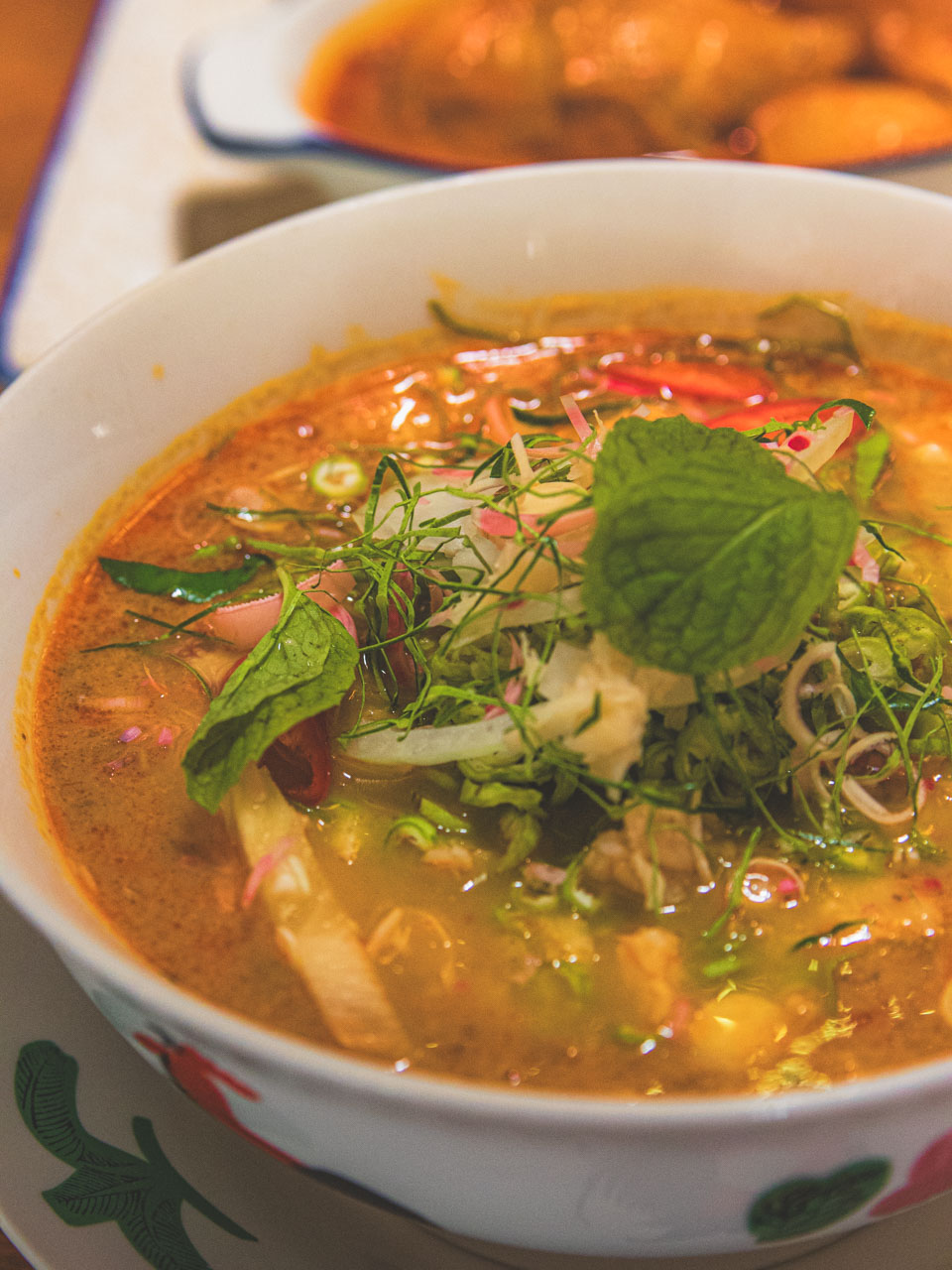
2. Wantan Mee – a classic you’ll think about later
Wantan mee is another dish you simply can’t skip in Kuala Lumpur. Simple at first glance, but full of flavor and details that make all the difference.
It’s a noodle dish served in a dark, rich mushroom sauce, with vegetables, grilled barbecue pork char siu, and wantans.
Delicate dumplings filled with pork, shrimp, or both. Everything is perfectly balanced. Salty, slightly sweet, filling but not heavy.
If you want to eat wantan mee at its best, check out Yulek Wan Tan Mee or Koon Kee Wan Tan Mee. These are places locals recommend without hesitation.
I found my portion of wantan mee completely by accident, in the basement of Lot 10 Shopping Centre. And that’s Kuala Lumpur in a nutshell. Sometimes the best food waits where you didn’t plan for it at all.
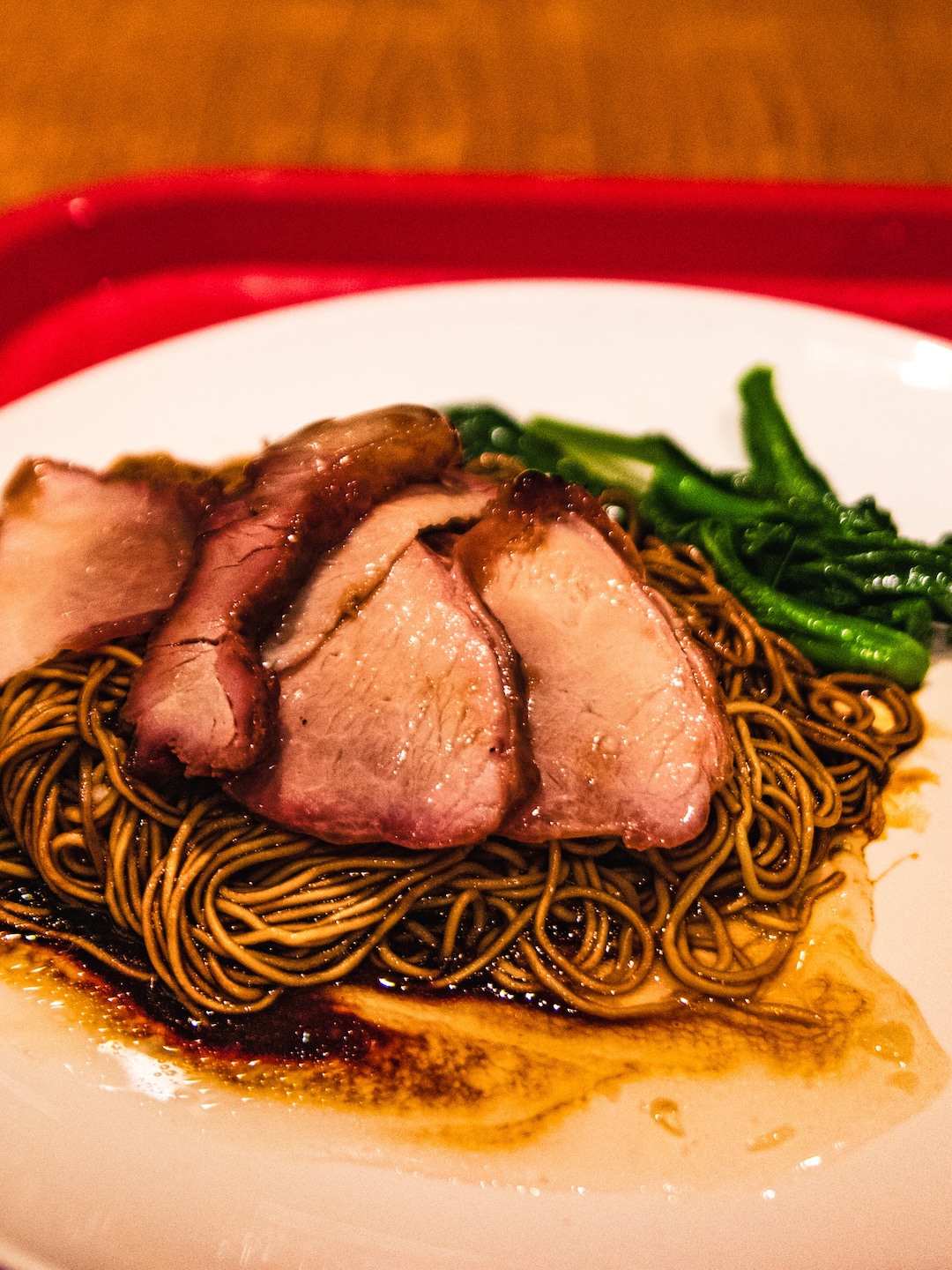
3. Beef Noodles – simplicity that tastes best
Beef noodles is another dish hard to imagine visiting Kuala Lumpur without. Seemingly simple, yet exactly as it should be.
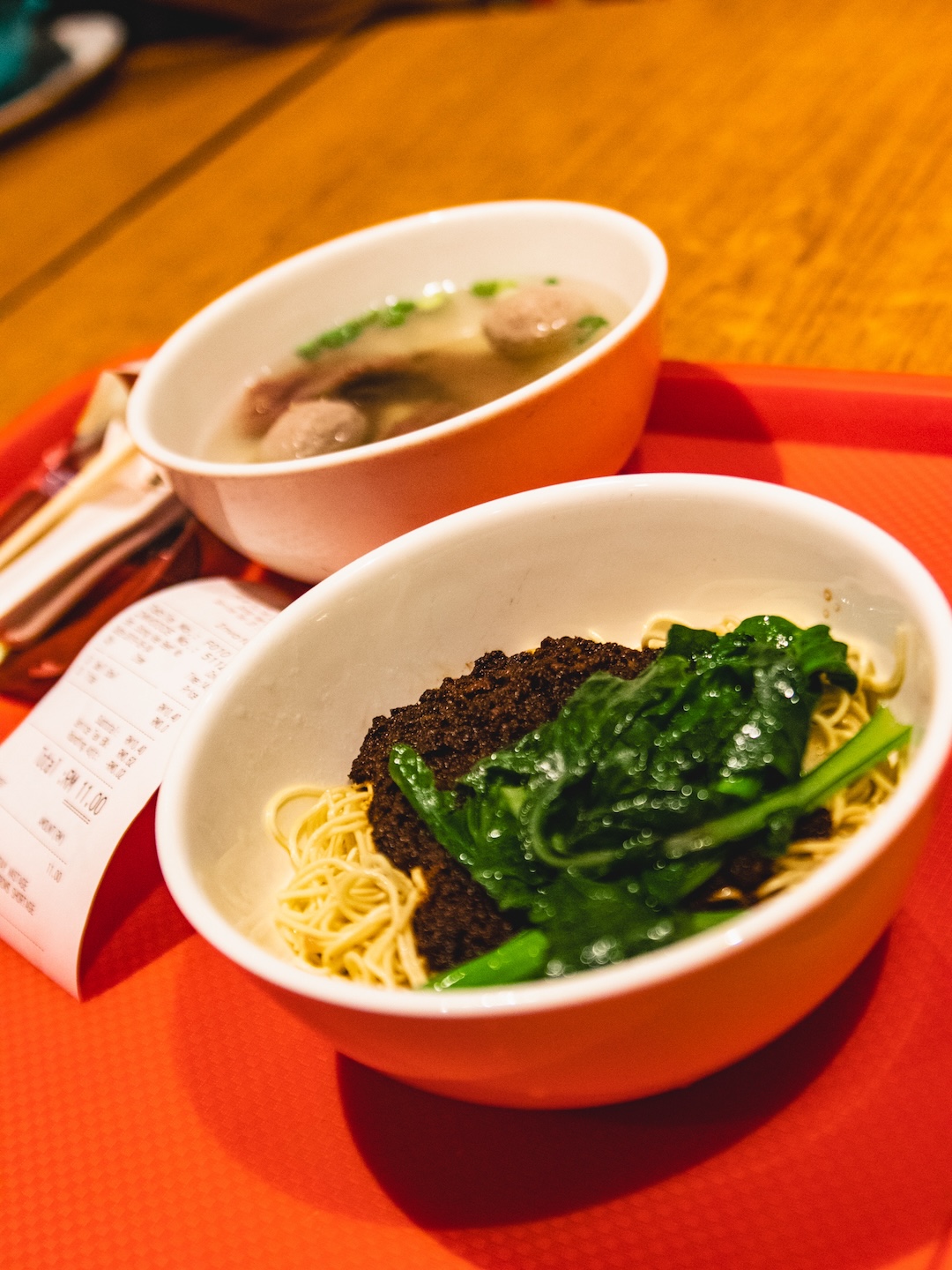
The noodles are served with minced beef–pork meat, cooked with garlic and soy paste. That’s what gives it the deep flavor and that characteristic dark color. No complications, no unnecessary additions.
Beef noodles come in two versions. Dry, with an intense sauce, or as soup with beef slices and meatballs. I tried both and honestly, it’s hard to choose which is better. Each has its moment.
If you want to eat beef noodles at its really good best, check out Soong Kee Beef Noodles. It’s one of those places that doesn’t need advertising. They just do their thing.
4. Hokkien Mee – Kuala Lumpur’s night classic
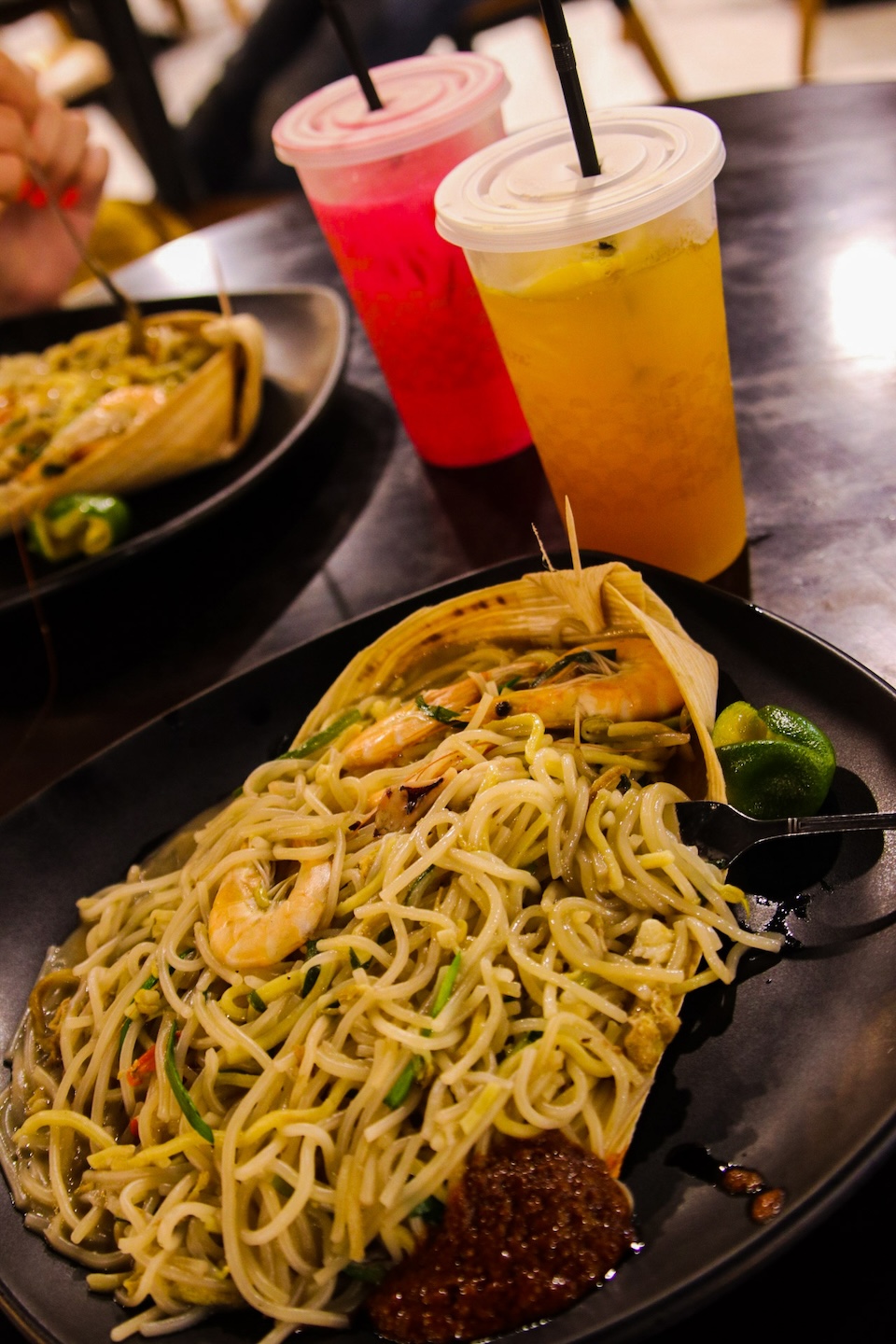
Hokkien mee is one of those dishes that shows how much Kuala Lumpur is a city of migration and flavors. Simple, straightforward, and incredibly satisfying.
Created in the 1920s by a Chinese immigrant from Fujian province, it remains one of the city’s most important noodle dishes to this day.
In the Kuala Lumpur version, hokkien mee is thick noodles fried in dark soy sauce, served with pieces of chicken, pork, or squid. Heavier, more intense, perfect for evening.
Completely different from the northern version from Penang or Singapore, where hokkien mee relies mainly on shrimp and has a lighter character.
And that’s what’s best about it. Wherever you eat it, it always tastes good. Just different.
In Kuala Lumpur, it’s worth trying hokkien mee at Kim Lian Kee or Ming Hoe. These are places that make this classic exactly as it should be. No gimmicks. No rush.
5. Hainan Chicken Rice – simplicity that surprises
I have to admit, at first I was quite skeptical about Hainan chicken rice. It looks unassuming. A bit like a dish that’s “definitely okay,” but nothing beyond that. And then one bite was enough.
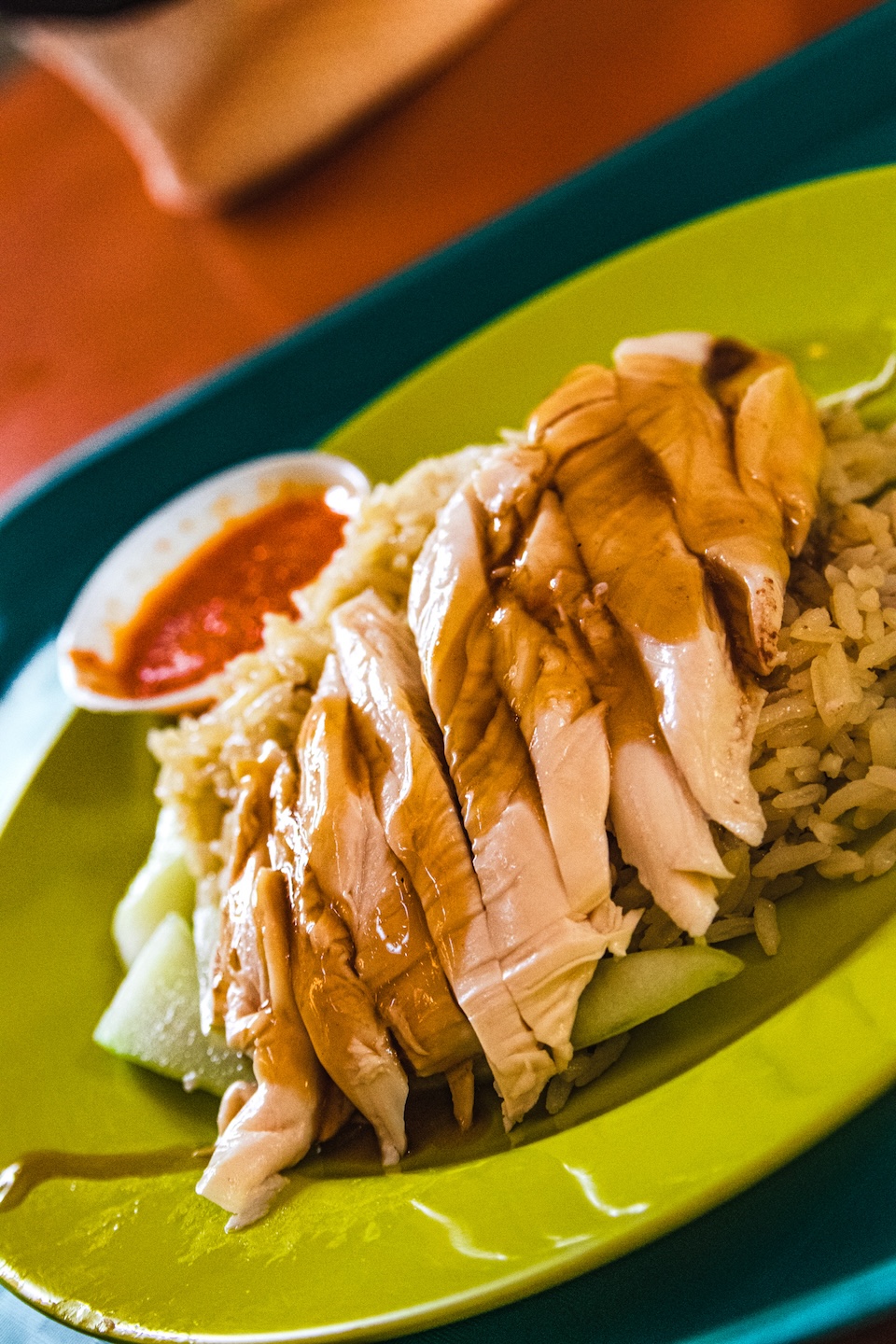
The chicken was perfectly tender, velvety, and juicy. Not a single dry thread. No exaggeration. The kind that immediately changes your attitude.
This dish came to Malaysia with Chinese immigrants from Hainan province.
The chicken is steamed, served with rice cooked in aromatic broth, fresh cucumber, and soy sauce. Minimal ingredients, yet everything works.
Hainan chicken rice is one of those dishes that shows good cooking doesn’t need fireworks. And it’s definitely one of Malaysia’s flagship dishes you shouldn’t skip.
In Kuala Lumpur, you’ll eat a great version at Nasi Ayam Hainan Chee Meng or Seng Kee Chicken Rice. If you have doubts, choose either one. It’s a safe choice.
Jak chcesz odkrywać smaki Azji Południowo-Wschodniej?
🍜 Kulinarny street food → 10 dań, które musisz spróbować w Tajlandii
🏙️ Wielkomiejskie smaki → Kompletny plan na 2 dni w Kuala Lumpur
🌏 Regionalna wyprawa → Najlepsze miejsca w Malezji
🇸🇬 Sąsiednie kulinaria → Przewodnik po Singapurze
Co najbardziej Cię kusi?
6. Char Kway Teow – a classic that never disappoints
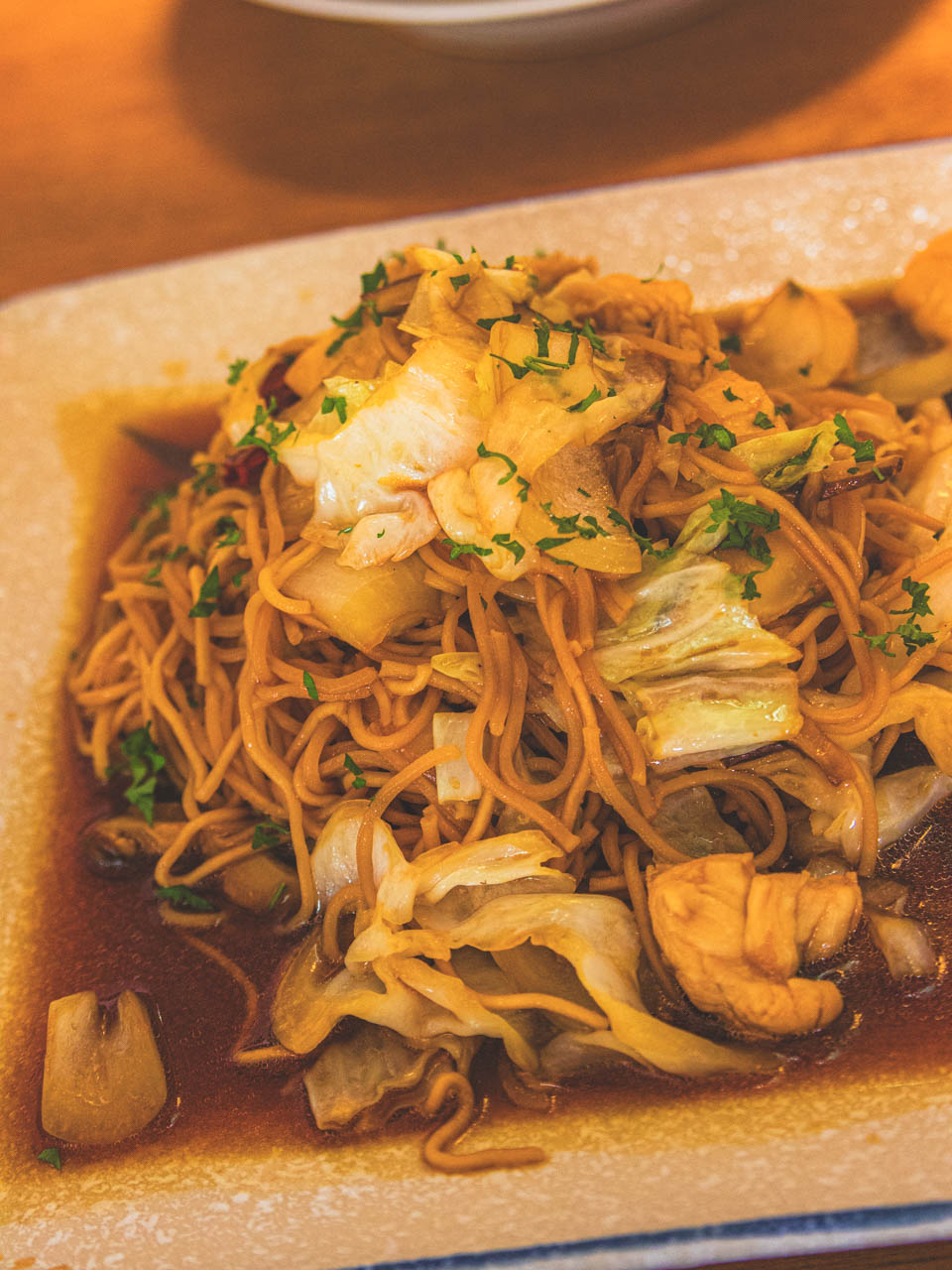
Char kway teow is another Malaysian national dish you simply can’t skip in Kuala Lumpur. Intense, straightforward, and very satisfying. Exactly what street food classics should be.
It’s fried rice noodles in soy sauce, prepared over high heat in a wok. Plus shrimp, egg, Chinese sausage, bean sprouts, and chives.
Everything lightly smoky, with that characteristic flavor you can’t replicate in a home kitchen.
If you want to try really good char kway teow in Kuala Lumpur, check out Penang Famous Fried Kway Teow & Prawn Mee in the basement of Lot 10 Shopping Centre. It’s one of those places you can recommend with a clear conscience.
I checked it out personally and can confirm. It’s exactly that flavor that makes you want to keep coming back to Malaysian cuisine. If you’re in Kuala Lumpur, it’s really worth stopping by.
7. Popiah – light snack with character
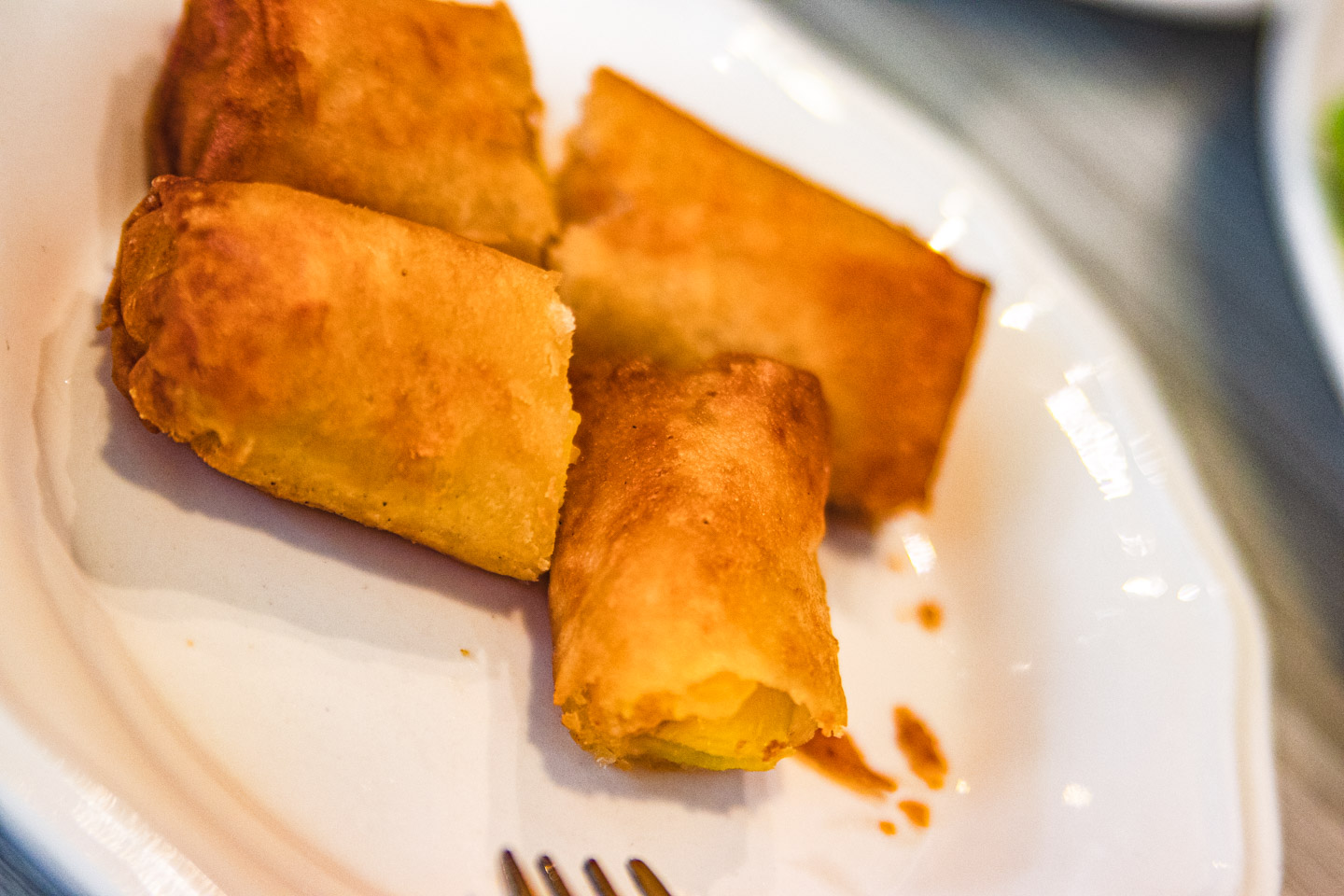
Popiah is number seven on my list and one of those dishes you reach for when you want something lighter but still very local.
These are Malaysian spring rolls originating from China’s Fujian province, especially popular as street food.
Most often filled with vegetables, sometimes shrimp, wrapped in thin, soft pastry. Fresh, delicate, and surprisingly filling, even though they’re not heavy. Perfect for a quick lunch or snack while walking around the city.
Popiah has something very pleasant about it. It’s simple, clean in taste, and gives you a moment to breathe between the more intense dishes of Malaysian cuisine.
If you want to try an interesting, miniature version, check out Campbell Mini Popiah. It’s a nice option to try something classic in a slightly lighter form.
Kuala Lumpur’s cuisine is just the beginning of a Malaysian culinary adventure. If you have more time, definitely check out the best places to visit in Malaysia – every region has its unique flavors and traditions.
8. Nasi Lemak – the flavor where it all begins
Nasi lemak is a dish probably known by every Malaysian cuisine lover.
At the same time, one of the simplest and most iconic. In Kuala Lumpur, you eat it at any time of day. From morning to late evening.
In its classic version, it’s rice cooked in coconut milk and pandan leaves. Plus a hard-boiled egg, crispy anchovies fried in deep oil, and a few cucumber slices. Straightforward, concrete, and very comforting.
Sambal, a spicy sauce that gives this dish character and bite, brings it all together.
If you want a more filling version, nasi lemak is often served with additions.
Most commonly with fried chicken ayam goreng, but also with fish or beef braised in coconut milk with chili and turmeric, known as rendang. Each version has its moment.
Locals point to Village Park Restaurant without hesitation as one of the best places for nasi lemak in the city. And it’s hard to disagree. It’s one of those flavors really worth knowing from the basics.
Kuala Lumpur is an ideal base for discovering Southeast Asia’s culinary scene. If you’re planning a longer trip around the region, see my complete 2-day Kuala Lumpur itinerary – I’ll show you how to compose perfect days in the city, combining food, sightseeing, and local experiences.
9. Ais Kacang – dessert that completely surprises
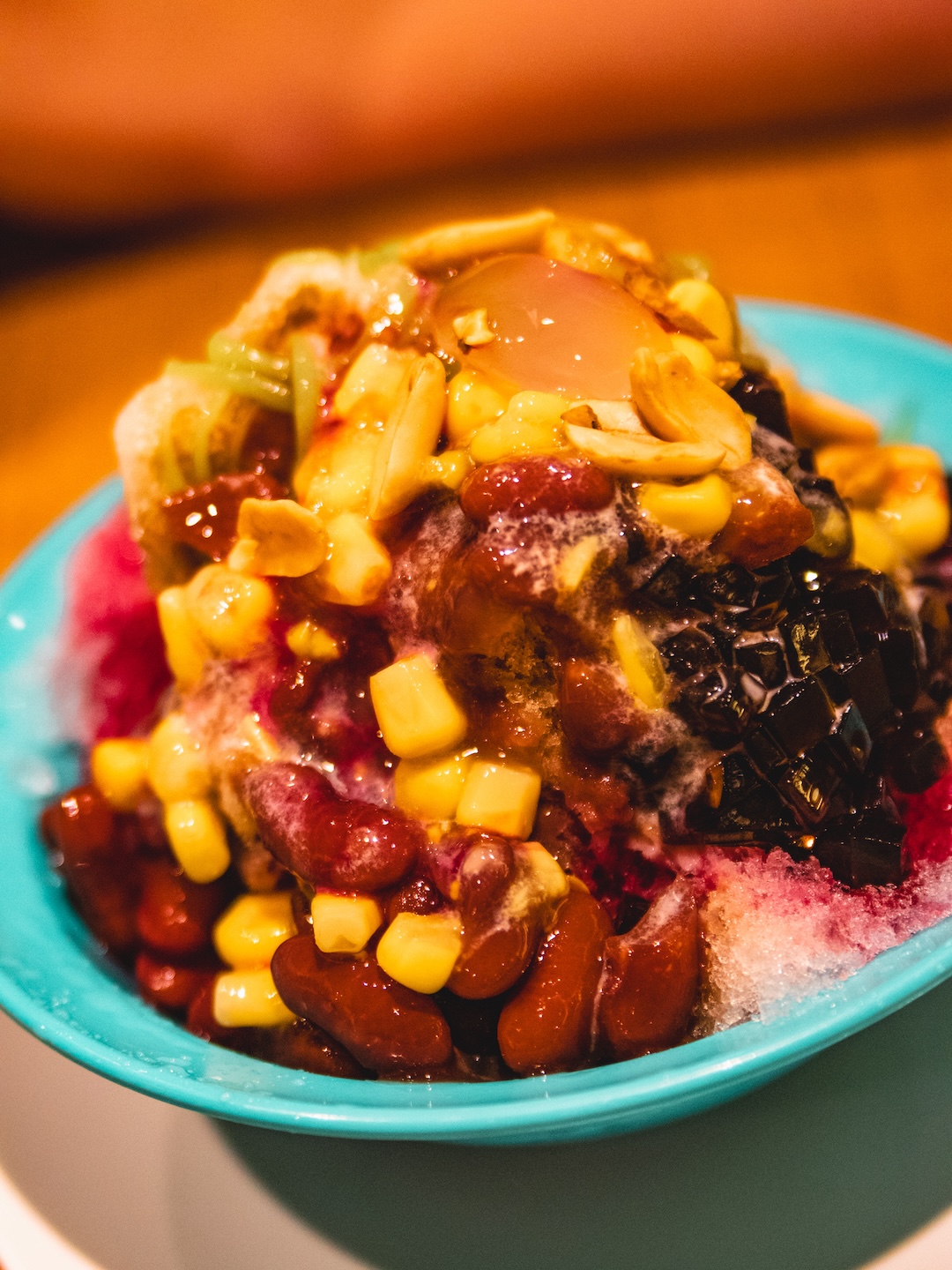
Ais kacang is number nine on my list and one of the most surprising desserts I’ve eaten in Malaysia. The kind where you first look at it with slight distrust… and then just keep eating.
It’s a tall mountain of crushed ice, covered with toppings that sound quite unexpected.
Red beans (yes, really), sweet corn, grass jelly, sea coconut, fruits, raisins, and peanuts. Everything bathed in colorful syrups. Chaos that somehow works.
Sometimes, to my great joy, ais kacang is served with a scoop of ice cream. And then this dessert becomes absolutely perfect for Malaysian heat. It cools, fills, and gives a moment of relief in the middle of the day.
I ate my first ais kacang at Oriental Dessert in Lot 10 Shopping Centre, but the truth is you’ll find it almost everywhere. And it’s really worth giving it a chance. It’s one of those flavors you remember long after returning.
Travel lighter, even before you leave.
start with something simple.
Download The Minimum Plan – Slow Travel:
10. Durian Ice Cream – flavor that divides people
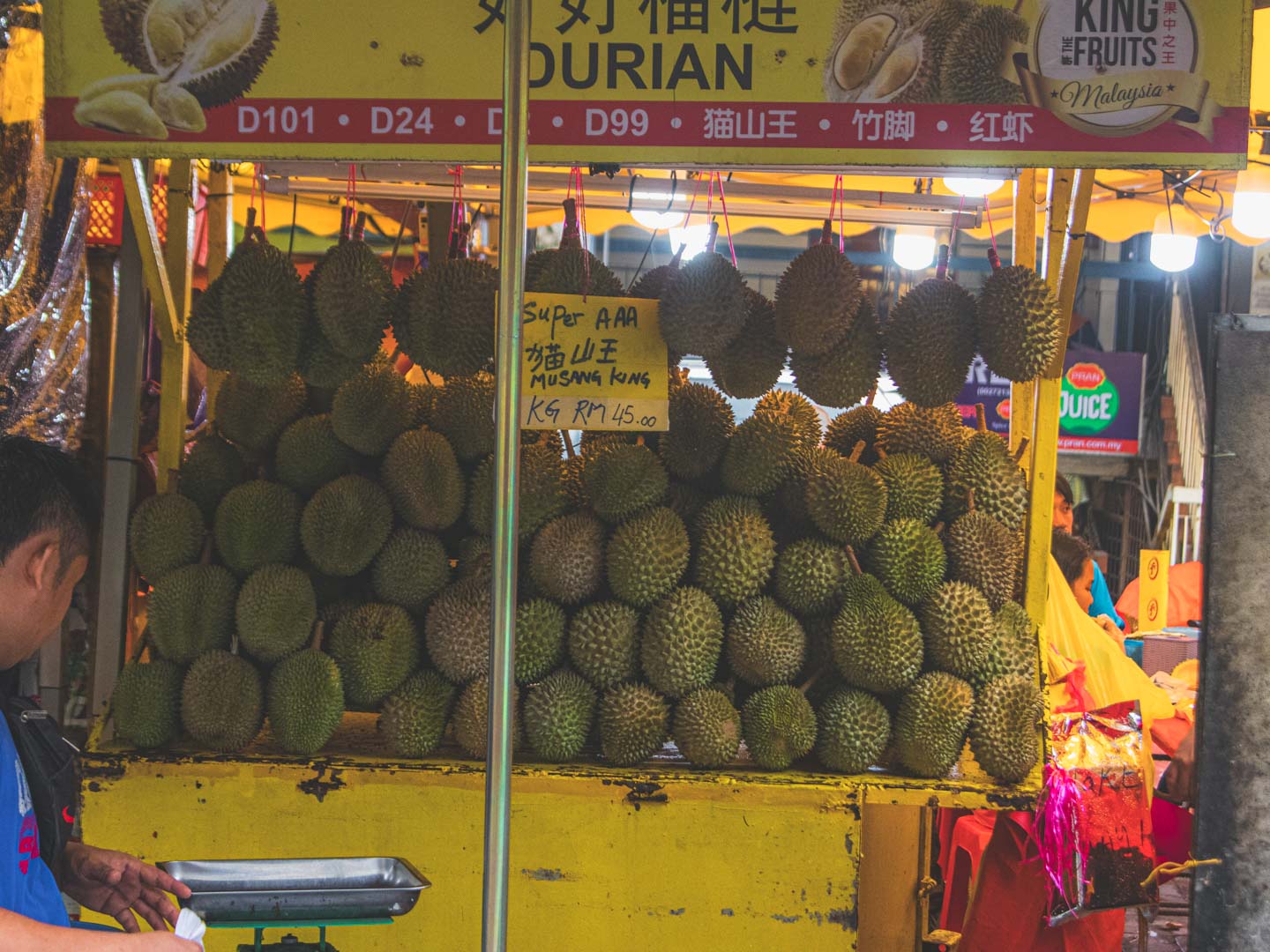
The last item on my list is probably the most controversial. Ice cream flavored with… durian.
Durian, called the king of fruits, is beloved in Southeast Asia, but among tourists it raises fear rather than appetite. Mainly due to its intense smell and very characteristic taste, which you either love or absolutely don’t.
And now a small surprise. Durian ice cream is really good. Delicate, creamy, and surprisingly pleasant. Its taste reminds me a bit of caramelized onion, and I happen to really like it, so it hit my taste perfectly.
To this day, I only don’t understand one thing. Why the durian chips I brought home didn’t generate any enthusiasm among friends and family. For me, they were great.
If you want to try durian ice cream and form your own opinion, check out Durian Lagenda in Lot 10 Shopping Centre. It’s one of those experiences you’ll either remember for a long time, or… very quickly.
Culinary Malaysia awaits
Kuala Lumpur changed the way I think about Asian cuisine. It showed me that food can be both comfort food and an adventure.
That the best flavors often wait where you least expect them – in an underground food court, on a plastic stool by a street stall, in a nameless family eatery.
This city taught me you don’t have to spend a fortune to eat really well. And curry laksa… curry laksa is one of those flavors worth buying a return ticket for.
Each of these ten dishes tells a piece of Malaysia’s story. Migrations, cultural influences, local traditions – you can understand all of it through food. And that’s exactly why it’s worth trying as much as possible.
Ready for your culinary journey through Asia?
- 10 Dishes You Must Try in Thailand – neighboring country, completely different flavors
- Complete 2-Day Kuala Lumpur Itinerary – how to combine food with sightseeing
- Best Places to Visit in Malaysia – discover culinary regions beyond the capital
- Singapore Slow City Guide – next stop on the region’s culinary map
Which of these dishes sounds most interesting to you? Or maybe you’ve already tried something from this list and have your favorite spot in Kuala Lumpur?
Share your experiences in the comments – I’d love to hear about your culinary discoveries!
If this guide was helpful, share it with friends planning a trip to Malaysia. And if you want to receive more culinary tips from Southeast Asia, subscribe to my newsletter above!
Pin it for later!
OMG! Love it! I wish I can try all af them!
You should visit KL or try some of them at home. Most of them are pretty easy to prepare 😉