
Planning a trip to India and wondering whether Mumbai deserves a place on your itinerary?
Mumbai is not a city that leaves you indifferent. It is enormous, noisy, crowded and, at times, genuinely exhausting. At the same time, it has an energy that is difficult to compare with anywhere else.
This is a city of contrasts. Colonial buildings stand beside modern skyscrapers, luxurious hotels overlook neighborhoods where people live in extremely difficult conditions, and millions of residents move through it all every day.
Mumbai is also the heart of Bollywood and one of India’s most important financial and business centers. The city rarely seems to slow down.
I will not pretend that Mumbai is an easy introduction to India. It was not for me. The crowds, humidity, traffic and intensity of everyday life can quickly drain your energy.
Still, I am glad I experienced it.
Mumbai showed me a completely different side of India and became one of those places I remember not because everything was beautiful or comfortable, but because it challenged some of my assumptions.
In this Mumbai travel guide, you will find the city’s most important attractions, practical travel tips, restaurant recommendations and my honest impressions from the trip.
Starting your India journey in Mumbai? See how to turn it into a soulful 3-week South India itinerary. From the chaos of Mumbai to quiet temples, jungle roads, and misty tea hills – here’s how I connected it all by train, rickshaw and slow mornings.
Mumbai: What to Know Before You Go
Mumbai, formerly known as Bombay, is one of the largest cities in the world. More than 20 million people live in its wider metropolitan area.
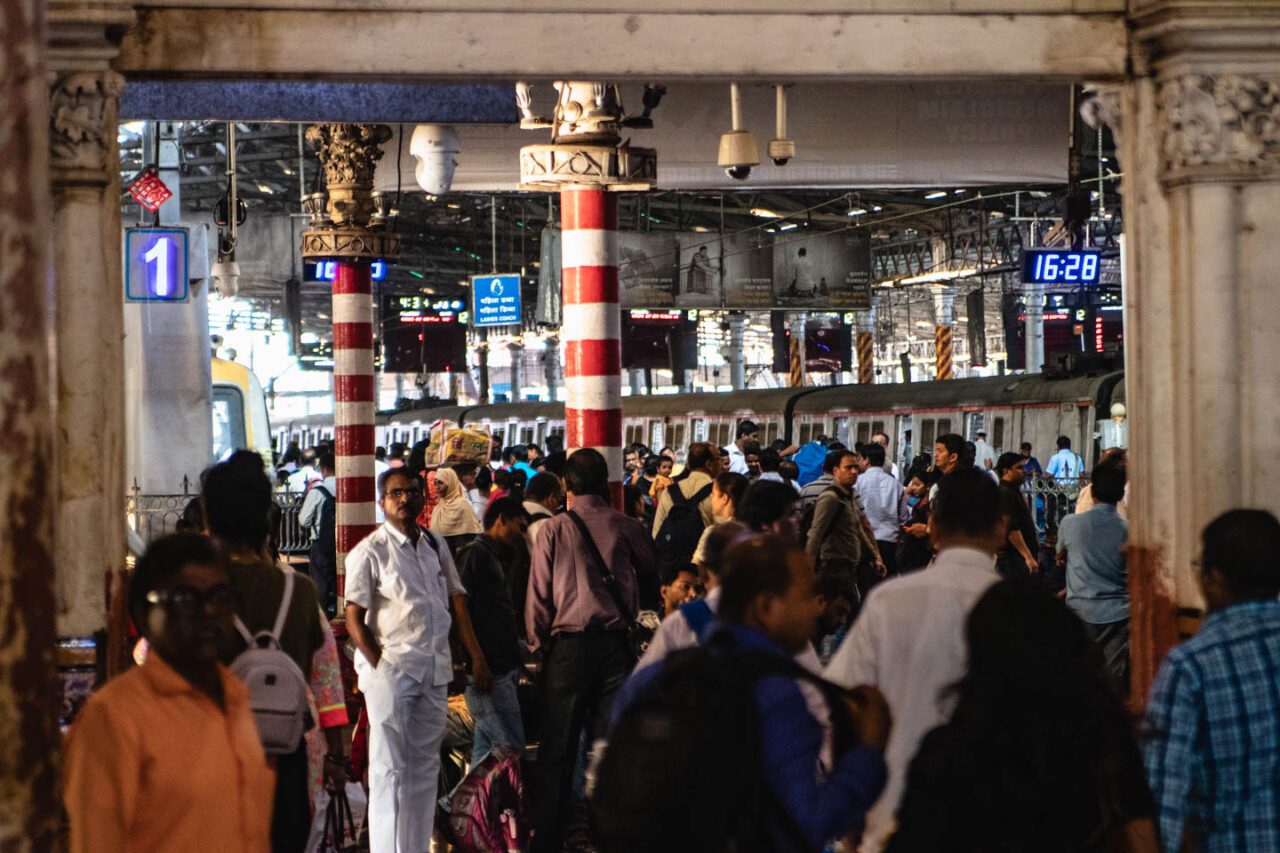
It is difficult to understand the scale of the city until you find yourself standing outside one of its train stations, sitting in traffic or trying to cross a busy street.
Mumbai is one of India’s most important financial centers, a major port and the home of the Hindi film industry. It is a place of ambition, money, creativity and enormous inequality.
Its architecture is equally varied. Neoclassical buildings, Gothic railway stations and elegant colonial facades sit beside glass office towers and dense residential neighborhoods.
Several of Mumbai’s landmarks are protected as UNESCO World Heritage Sites, including the Elephanta Caves and Chhatrapati Shivaji Maharaj Terminus.
My own interest in Mumbai began after reading Shantaram by Gregory David Roberts.
I would not treat the novel as a guide to the modern city, and the real Mumbai is far more complex than the one presented in the book. Still, it captures something of its atmosphere: the unpredictability, the intensity and the feeling that the city is constantly in motion.
Planning a longer journey through India? Read my Palolem, Goa guide for beaches, restaurants and practical tips for visiting southern Goa.
How to Get to Mumbai
Mumbai has one of the busiest international airports in India and is well connected with other parts of the country.
I arrived from Kochi in Kerala. The flight itself took around two hours, but the taxi journey from the airport to South Mumbai took almost as long.
Traffic is one of the most important things to consider when planning your arrival. A distance that looks manageable on a map can take far longer than expected.
Leave plenty of time when traveling to the airport, railway station or another part of the city.
Mumbai is also connected by train and long-distance bus with destinations across India. Indian rail travel can be an interesting part of the journey, but if your time is limited, flying may be more convenient.
There are frequent domestic connections from cities such as Delhi, Bengaluru, Chennai, Kochi and Goa.
International routes change, so check current connections from your departure city before booking.
When Is the Best Time to Visit Mumbai?
The most comfortable period for visiting Mumbai is generally between November and March.
I traveled in November and found the weather suitable for sightseeing. It was warm and sunny, but I could still spend most of the day outside.
From June to September, Mumbai experiences the monsoon season. Heavy rainfall can cause flooding and transport disruption, making this a more challenging period for a first visit.
April and May are usually very hot and humid. Because Mumbai lies on the Arabian Sea, the heat can feel much heavier than temperatures in a dry climate.
For the most comfortable sightseeing conditions, I would choose November, December, January or February.
Where to Stay in Mumbai
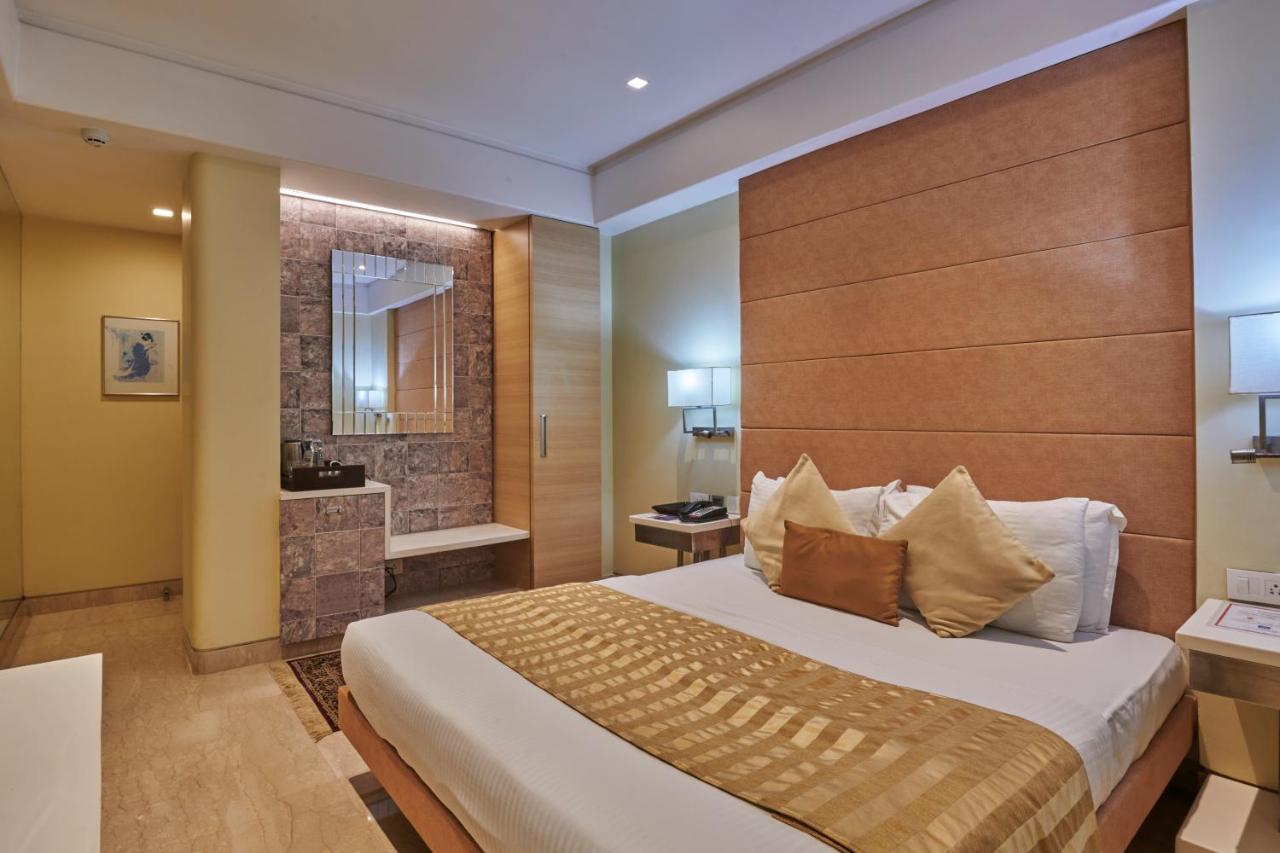
During my visit, I stayed at Residency Hotel Fort and was very happy with my choice.
Its greatest advantage was the location. The hotel was in the historic Fort area, close to Chhatrapati Shivaji Maharaj Terminus and within reasonable walking distance of several attractions in South Mumbai.
Being able to reach some places without sitting in traffic made a noticeable difference.
I received a complimentary room upgrade at check-in. The room was spacious and comfortable, with a large canopy bed, air conditioning and a marble bathroom.
My room was located in a neighboring building, so I had to cross a small courtyard for breakfast. It was only a short walk and did not cause any real inconvenience.
What I remember best, however, was the service.
The staff were warm, attentive and genuinely helpful. Tea and coffee were available throughout the day, and the employees regularly checked whether guests needed assistance.
Breakfast was served buffet-style and included both Indian dishes and more familiar international options. There was also a live cooking station where eggs and pancakes were prepared to order.
If you want to stay in the historic part of South Mumbai, Residency Hotel Fort can be a convenient base.
As my stay took place several years ago, check the latest reviews, room photos and prices before booking.
What to See in Mumbai
Chhatrapati Shivaji Maharaj Terminus
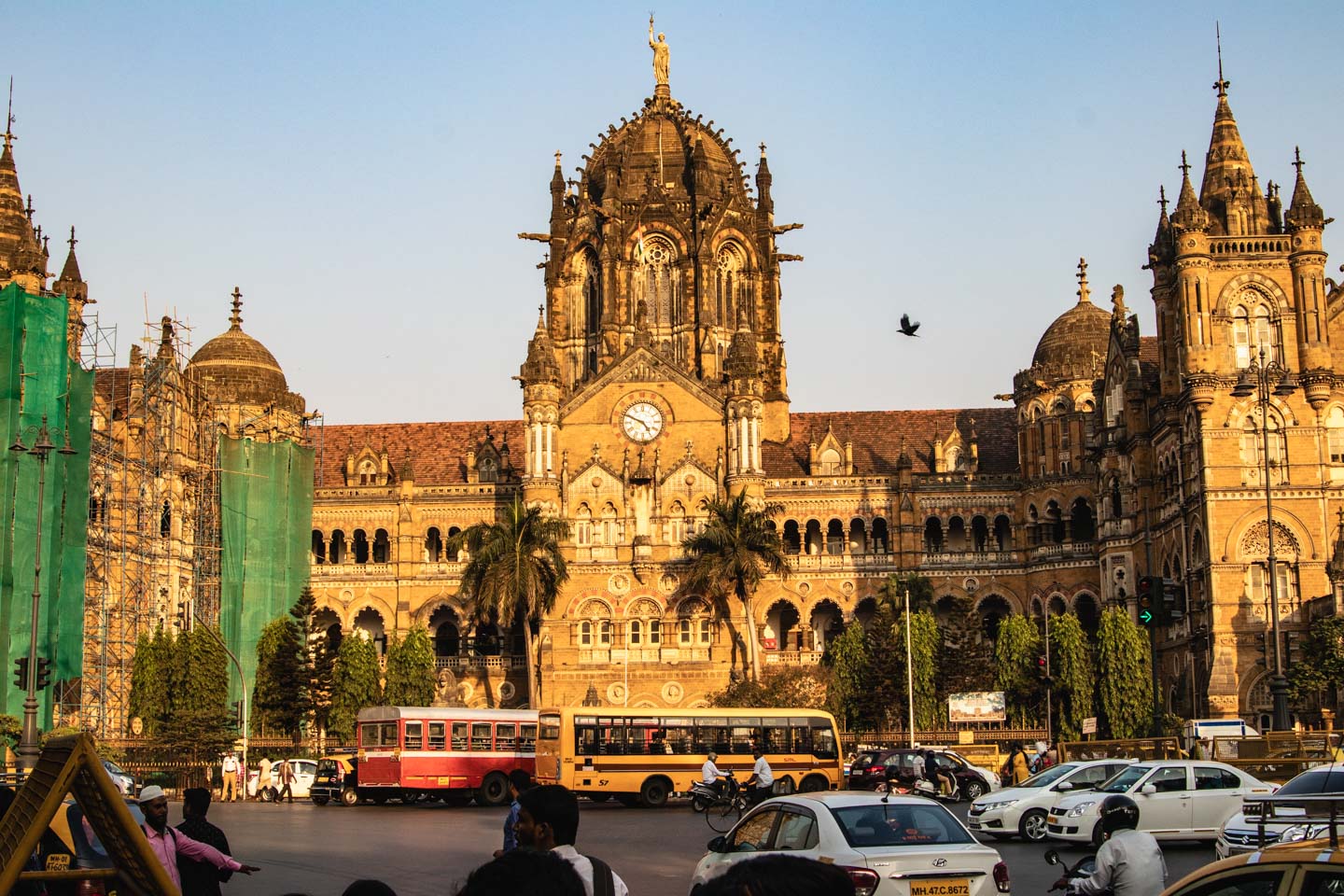
Chhatrapati Shivaji Maharaj Terminus was one of the first landmarks I visited in Mumbai.
Formerly known as Victoria Terminus, the station was completed in the late nineteenth century and is one of the city’s finest examples of colonial-era architecture.
Its facade combines Victorian Gothic elements with details inspired by Indian architecture. Look closely at the towers, stone carvings, domes and animal-like gargoyles.
Inside, it feels very different.
This is still a functioning railway station used by huge numbers of commuters, so the interior can be crowded and chaotic.
In 2004, the building was added to the UNESCO World Heritage List.
It is worth seeing both during the day, when you can appreciate the architectural details, and after dark, when the facade is illuminated.
Kala Ghoda
Kala Ghoda is an arts and cultural district in South Mumbai, known for museums, galleries, historic buildings and cafés.
Its name means “black horse” and refers to a statue that once stood in the area.
This was one of the parts of Mumbai where I found it easier to slow down. You can walk between galleries, look at the architecture and stop for coffee without following a strict sightseeing schedule.
Kala Ghoda also hosts an annual arts festival with exhibitions, performances, installations and cultural events throughout the neighborhood.
Planning a Trip Through India?
On the blog, you will find my India travel guides, places I personally visited and practical advice to help you plan your journey more calmly.
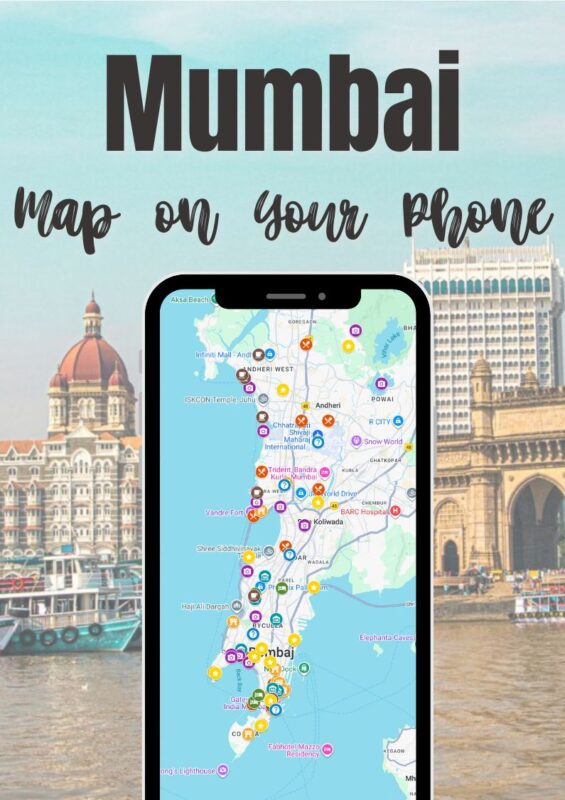
You can also download my Mumbai map with more than 100 attractions and saved places to keep on your phone. 📱
Jehangir Art Gallery
Jehangir Art Gallery is one of the cultural venues worth visiting in Kala Ghoda.
It primarily presents modern and contemporary Indian art. Admission was free during my visit, which made it easy to stop in even without planning a long museum visit.
I also remember the view from the upper part of the building. The rooftop café was closed at the time, but I still spent a while looking out over the surrounding streets.
Check current exhibitions and opening hours before visiting.
Marine Drive
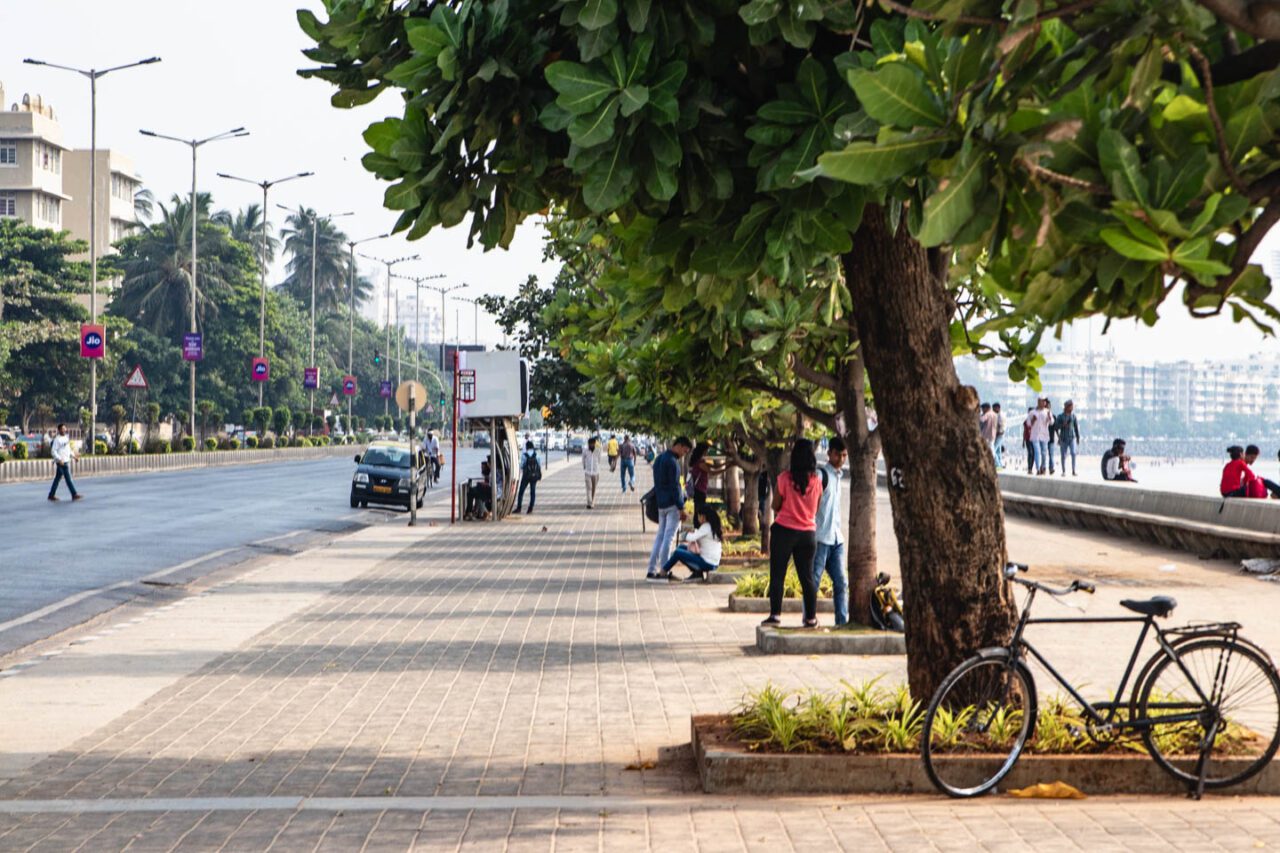
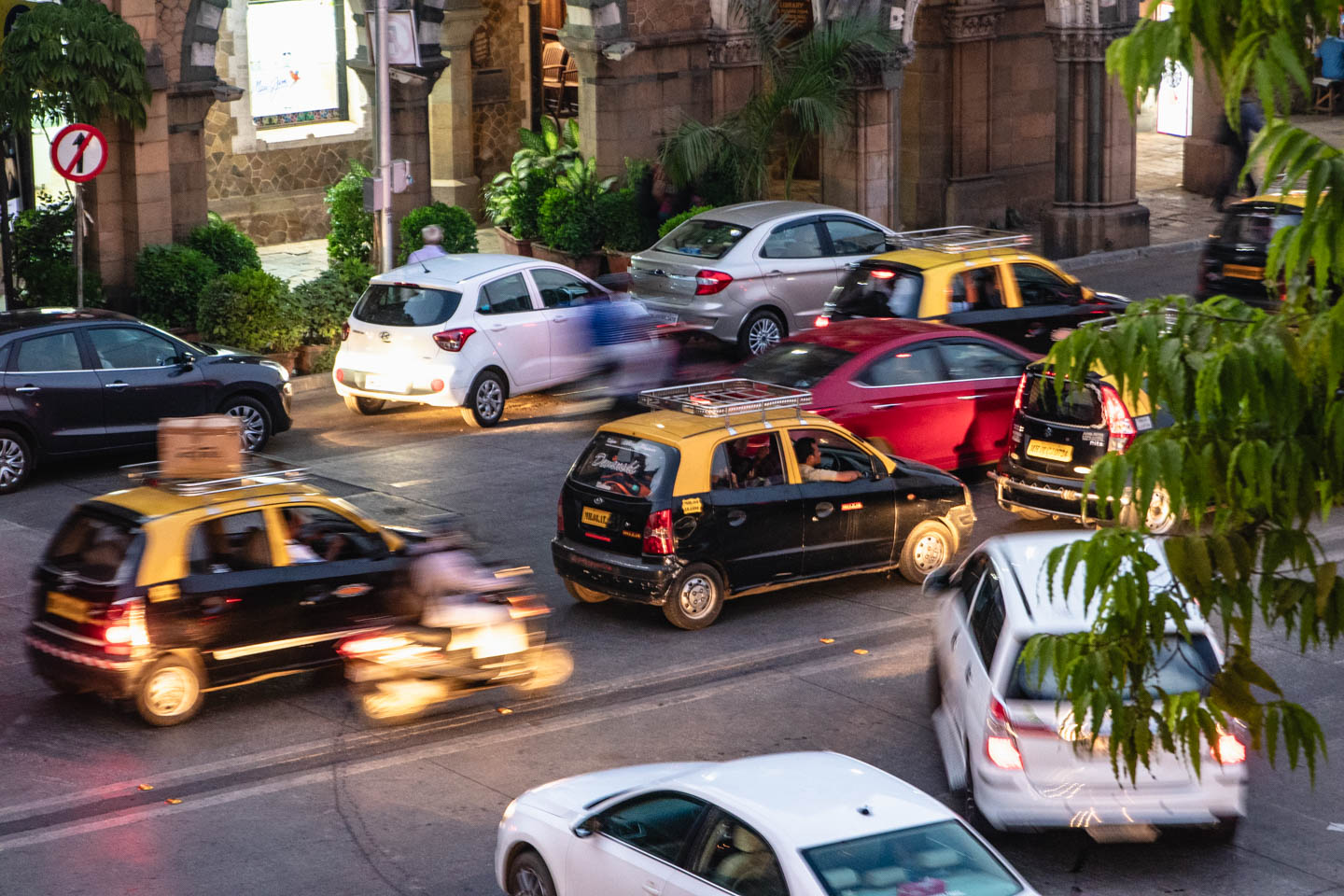
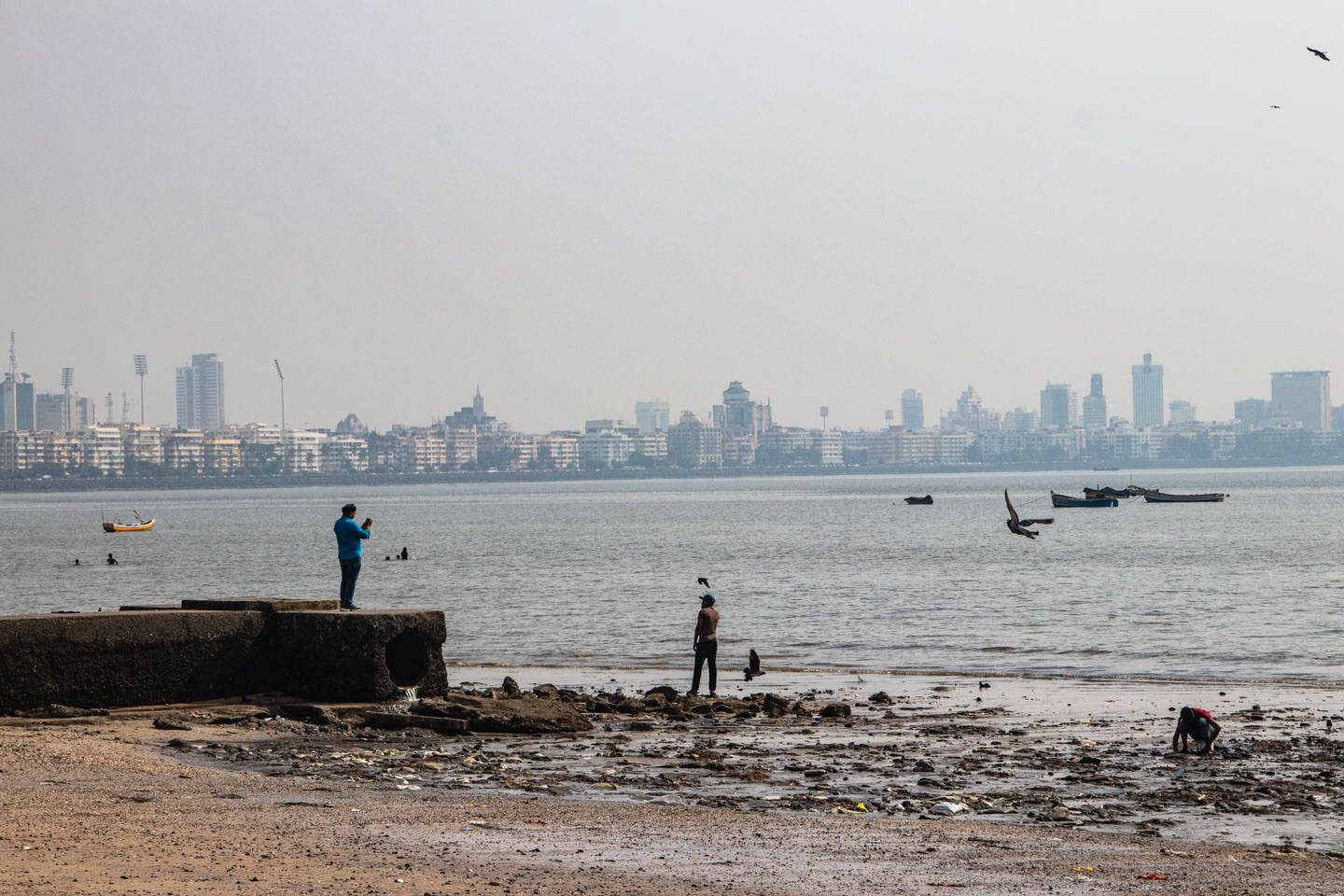
Marine Drive is one of Mumbai’s most famous waterfront landmarks.
The promenade curves for more than three kilometers along the Arabian Sea and is often called the Queen’s Necklace because its streetlights resemble a string of pearls when seen from above at night.
The best time to visit is in the late afternoon and stay until sunset.
Residents come here to walk, sit along the seawall, talk and watch the light change over the water. It becomes especially crowded in the evening, but that is also when you can best experience its atmosphere.
Marine Drive is not a peaceful seaside promenade in the European sense. Cars pass nearby, the city remains loud and there is constant movement.
Even so, walking here at the end of the day was one of the more relaxing moments of my stay.
Chowpatty Beach
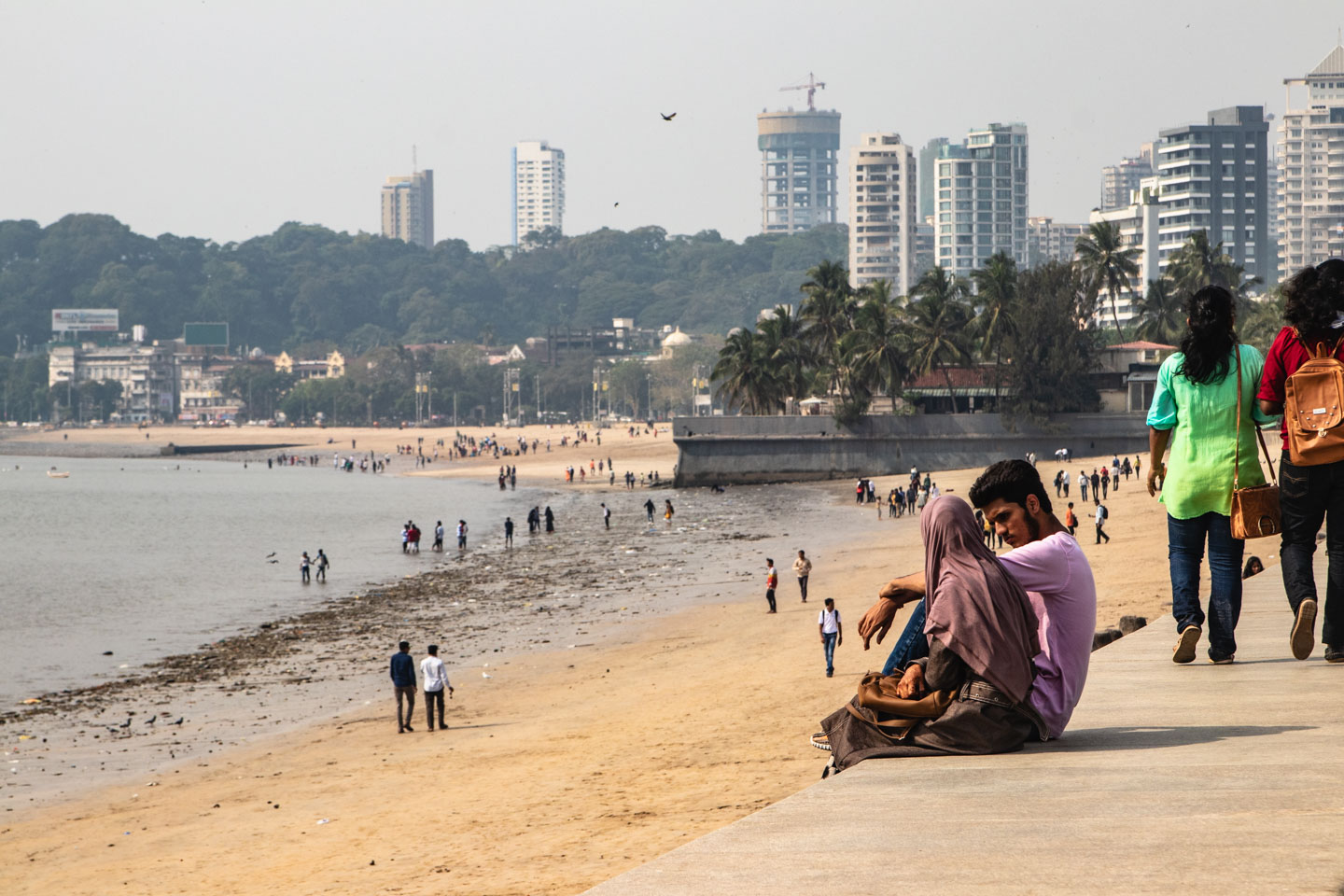
At the northern end of Marine Drive, you will find Chowpatty Beach.
This is not a beach people generally visit for swimming. It is better known as an evening gathering place and a destination for Mumbai street food.
The beach becomes liveliest around sunset, when families, couples and groups of friends arrive.
Try bhelpuri, a popular snack made with puffed rice, vegetables, potatoes, chutneys and spices.
The sky was cloudy during my visit, so I did not experience the famous sunset. Still, walking from Marine Drive to Chowpatty offered a glimpse of everyday city life away from the main monuments.
Gateway of India
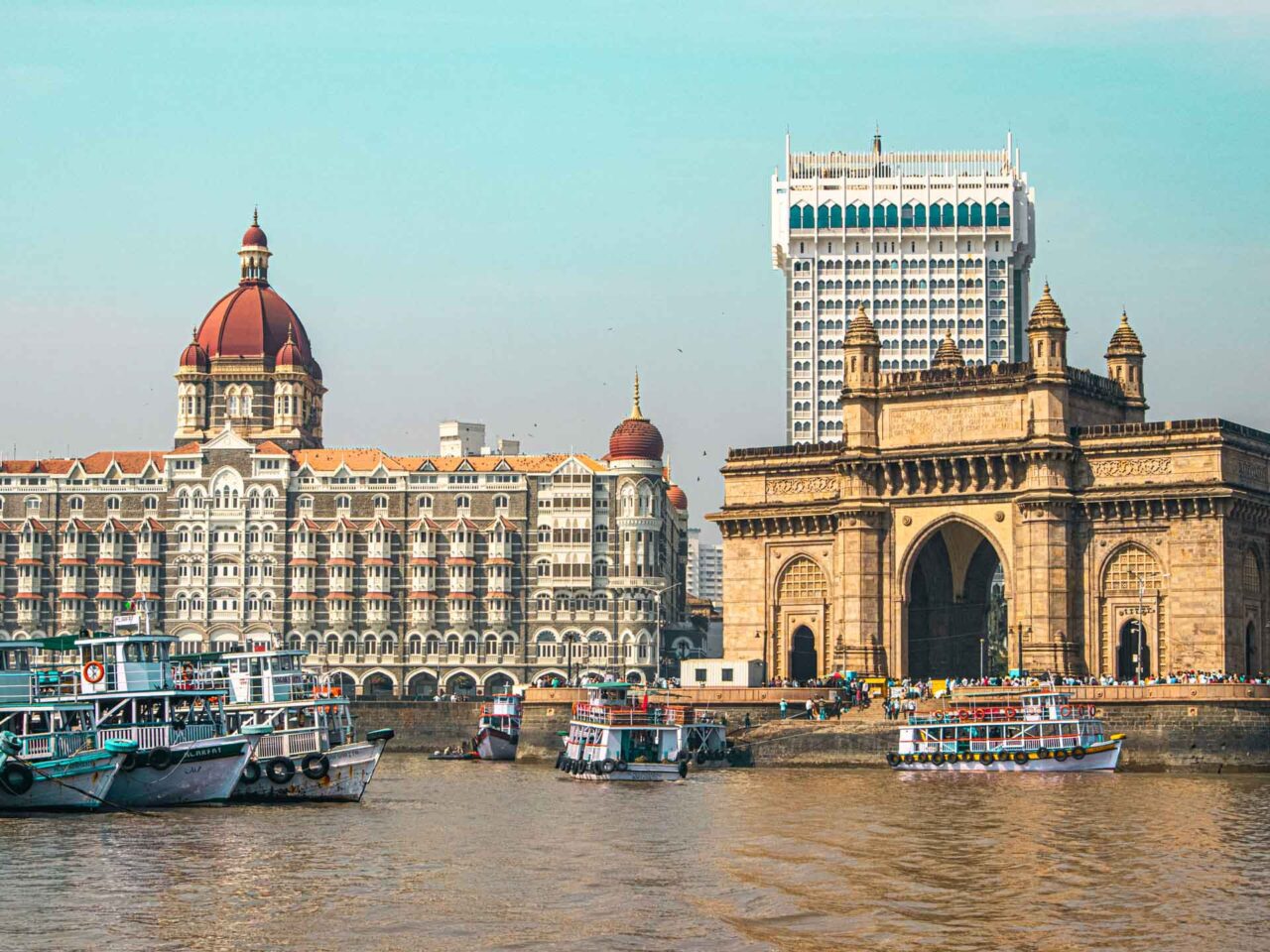
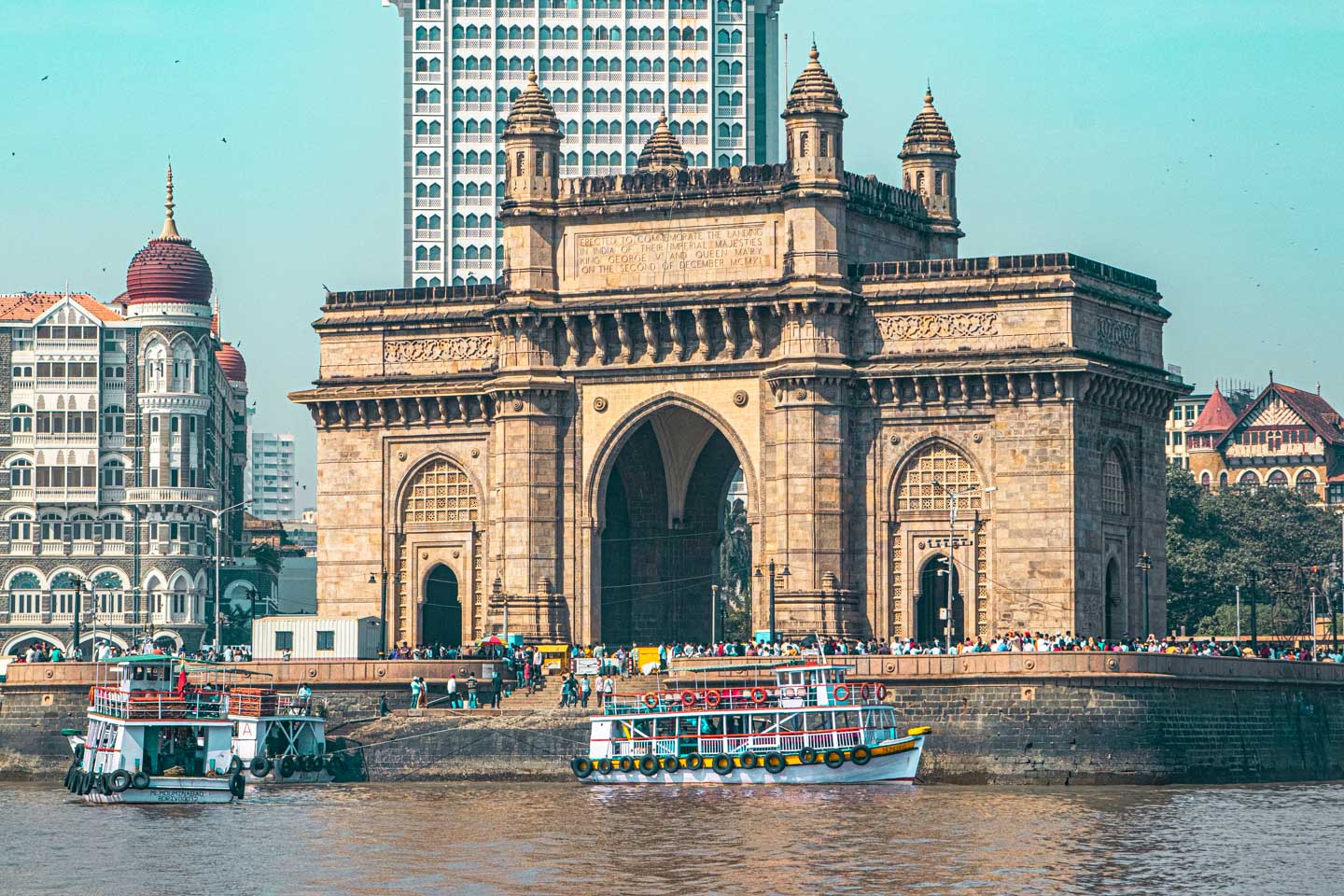
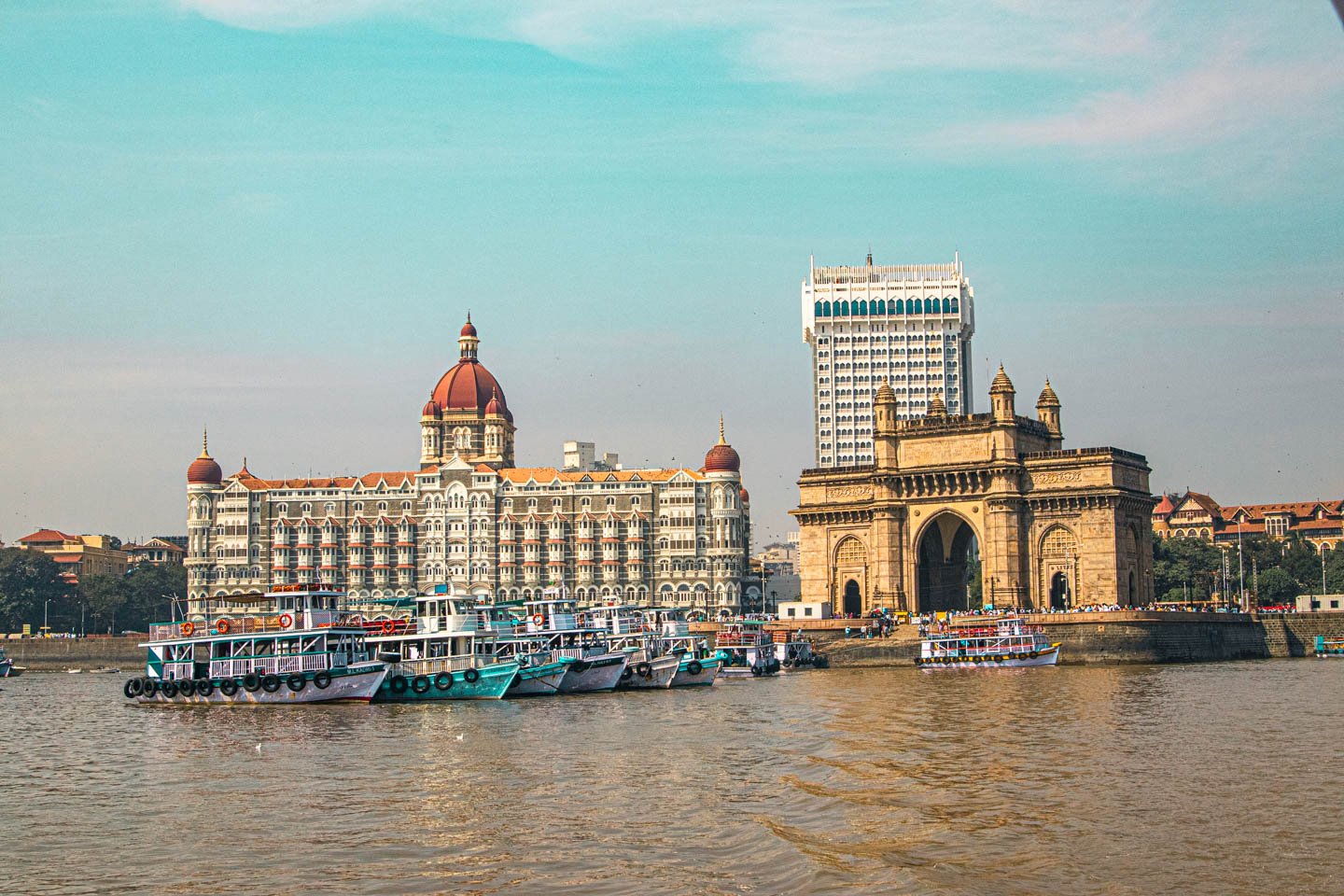
The Gateway of India is one of Mumbai’s best-known landmarks.
The large basalt arch stands on the waterfront in Colaba and was built in the early twentieth century to commemorate the visit of King George V and Queen Mary.
Today, the area around the Gateway is one of the busiest tourist locations in the city. You will find visitors, local families, photographers, vendors and passengers waiting for boats to Elephanta Island.
Access to the immediate area was restricted during my visit, but the monument can also be seen clearly from the water.
The boat to Elephanta Island offers one of the best views of both the Gateway and the Taj Mahal Palace hotel.
Taj Mahal Palace
The Taj Mahal Palace stands directly beside the Gateway of India.
Opened in the early twentieth century, it is one of India’s most famous hotels and has hosted politicians, artists and public figures from around the world.
Its distinctive dome and ornate facade are particularly impressive when viewed from the waterfront.
The hotel also became part of the city’s recent history as one of the locations targeted during the November 2008 terrorist attacks.
Even without staying there, it is worth seeing the building while visiting Colaba or from the boat to Elephanta Island.
Elephanta Island
A trip to Elephanta Island is a good option if you have at least two or three days in Mumbai and need a break from the city center.
Boats leave from the waterfront near the Gateway of India. The journey takes approximately one hour.
After arriving, you will walk along a long pier and climb a series of steps leading to the caves. Numerous stalls line the route, and the walk can feel crowded and tiring.
The main attraction is the group of temples and sculptures carved directly into the rock.
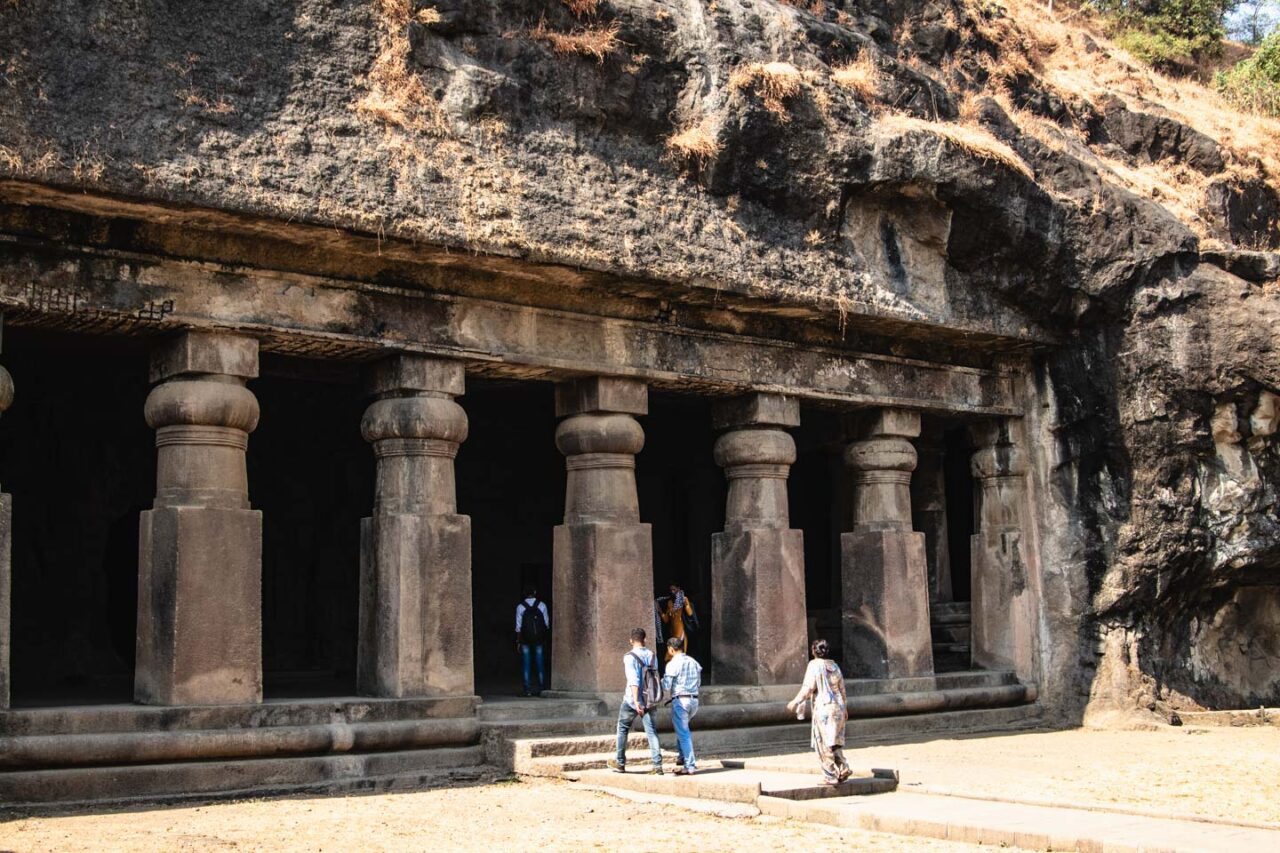
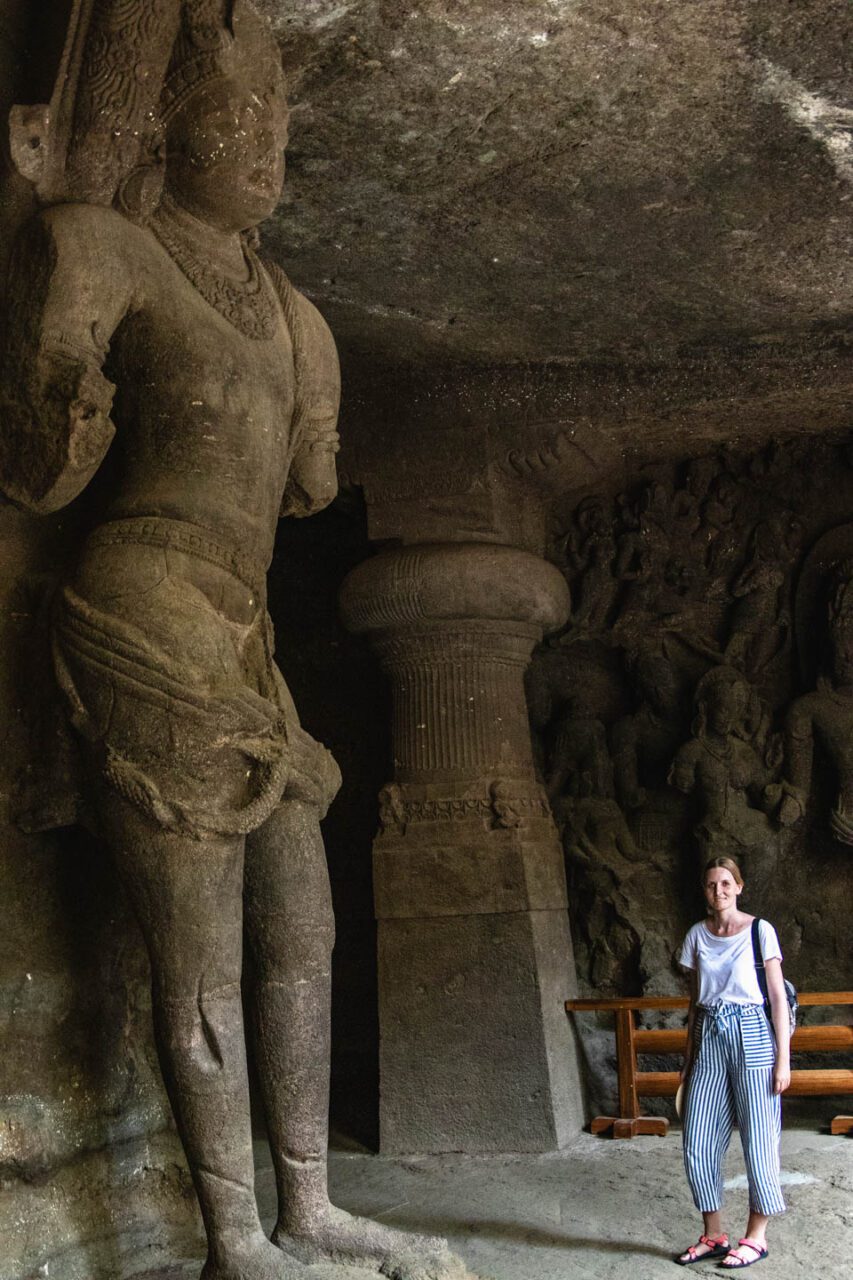
The caves are primarily dedicated to Shiva. The most impressive sculpture is the monumental three-faced representation of the deity inside the main cave.
Allow around two hours to explore the complex comfortably. Including the boat journey, the entire trip takes approximately half a day.
Bring water, sun protection and comfortable shoes. Monkeys are sometimes present, so avoid carrying visible food.
Check current boat schedules, entry prices and closure days before traveling.
Planning to continue your journey through India? Read my Hampi guide for ancient ruins, viewpoints and practical advice for exploring the former Vijayanagara capital.
Visiting Dharavi: Is It Ethical?
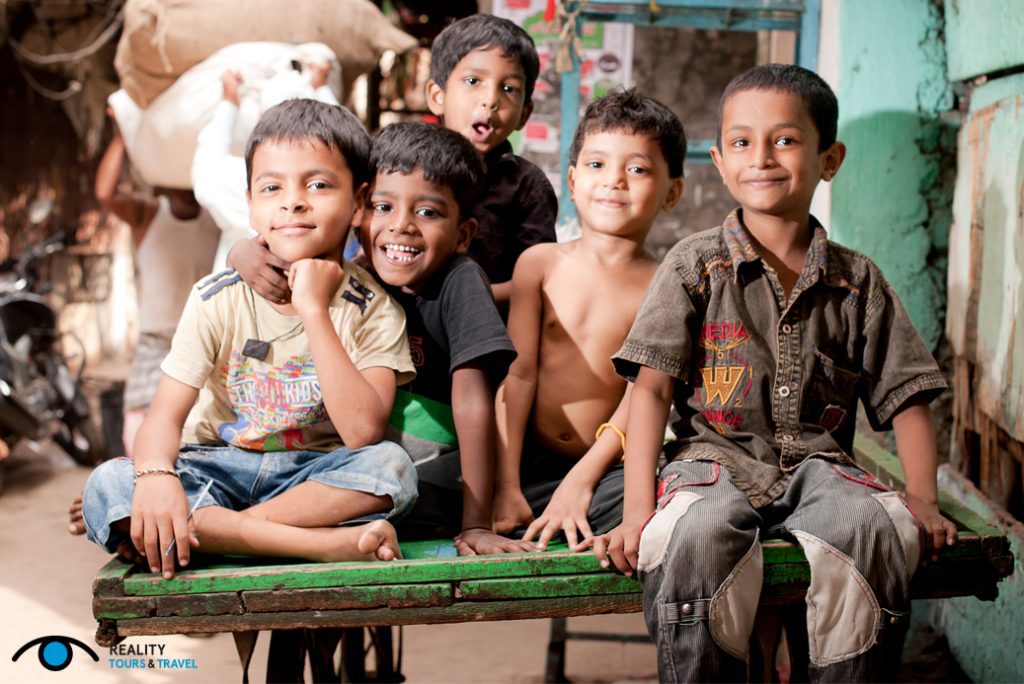
Visiting Dharavi was one of the most thought-provoking and emotionally difficult experiences of my time in Mumbai.
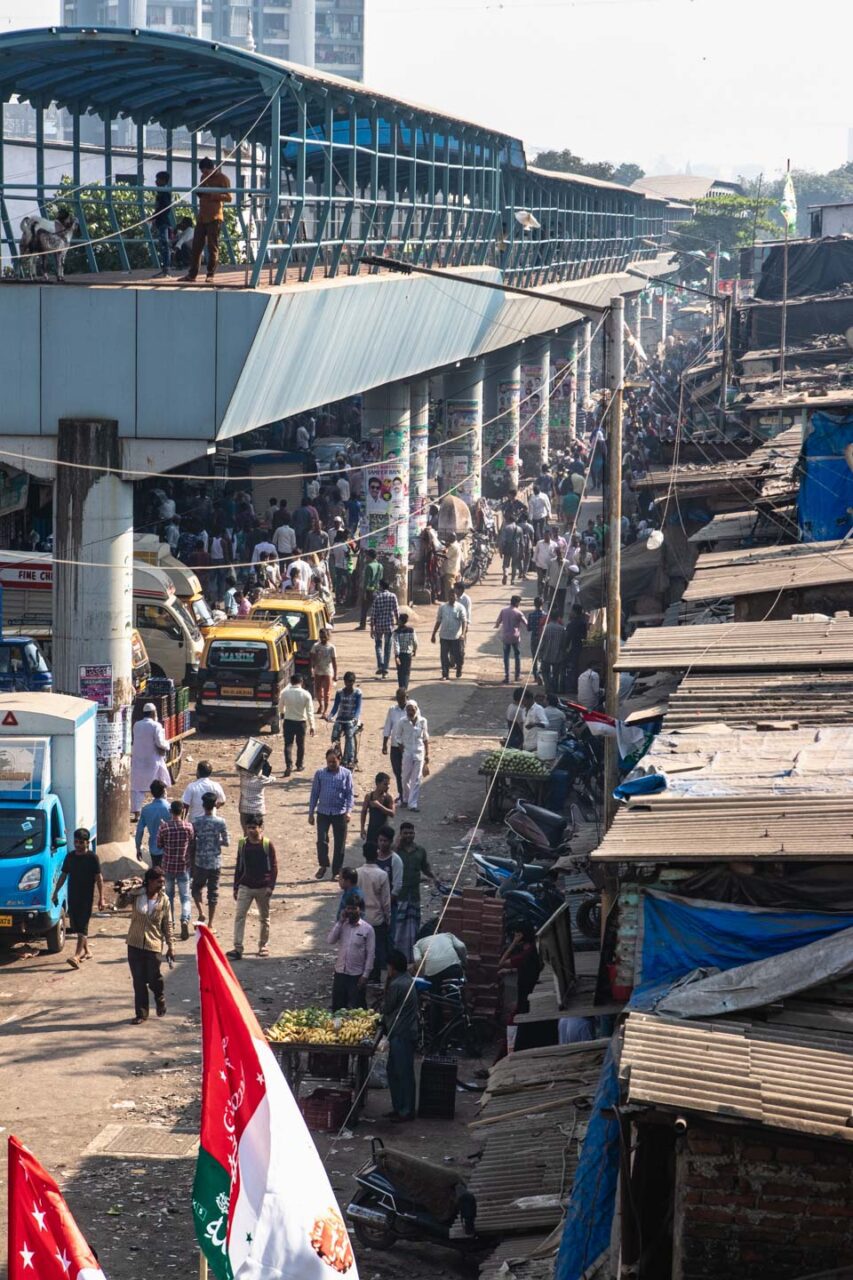
Dharavi is one of the city’s most densely populated neighborhoods. Homes, workshops, schools, shops and places of worship are concentrated within a relatively small area.
Before going, I spent a long time wondering whether visiting was appropriate.
I did not want to take part in an experience that treated residents’ lives as a spectacle or reduced the neighborhood to poverty.
I eventually chose a tour with Reality Tours & Travel because the organization said that a significant proportion of its profits supported educational and community programs.
Photography was not allowed during the walk.
I think this is an important rule. It protects residents’ privacy and encourages visitors to listen to the guide rather than document people’s lives without consent.
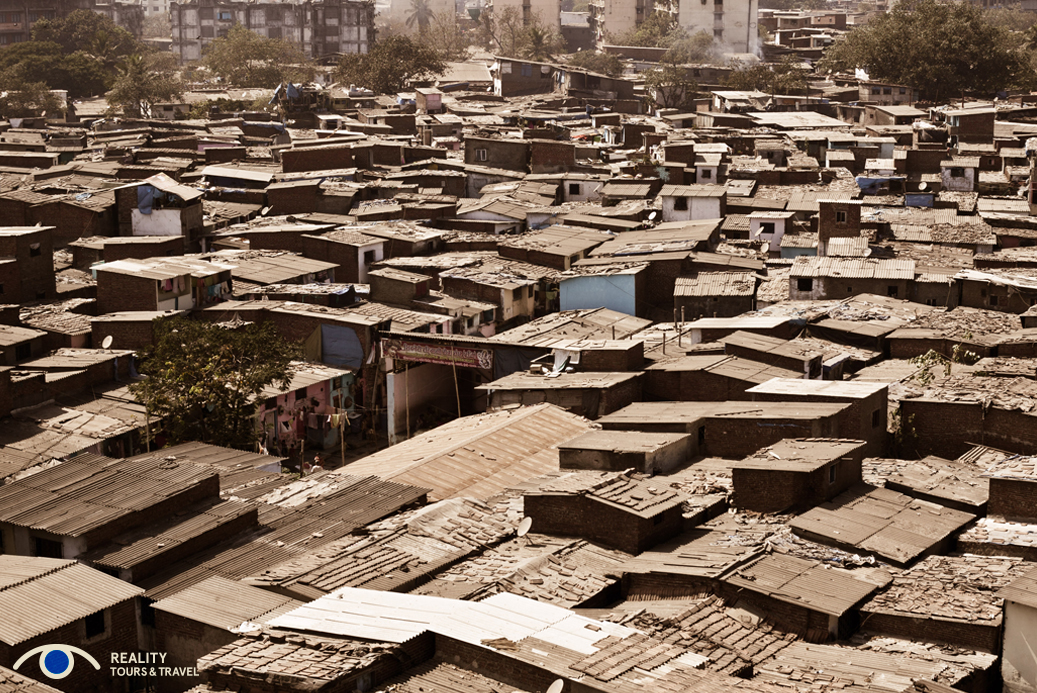
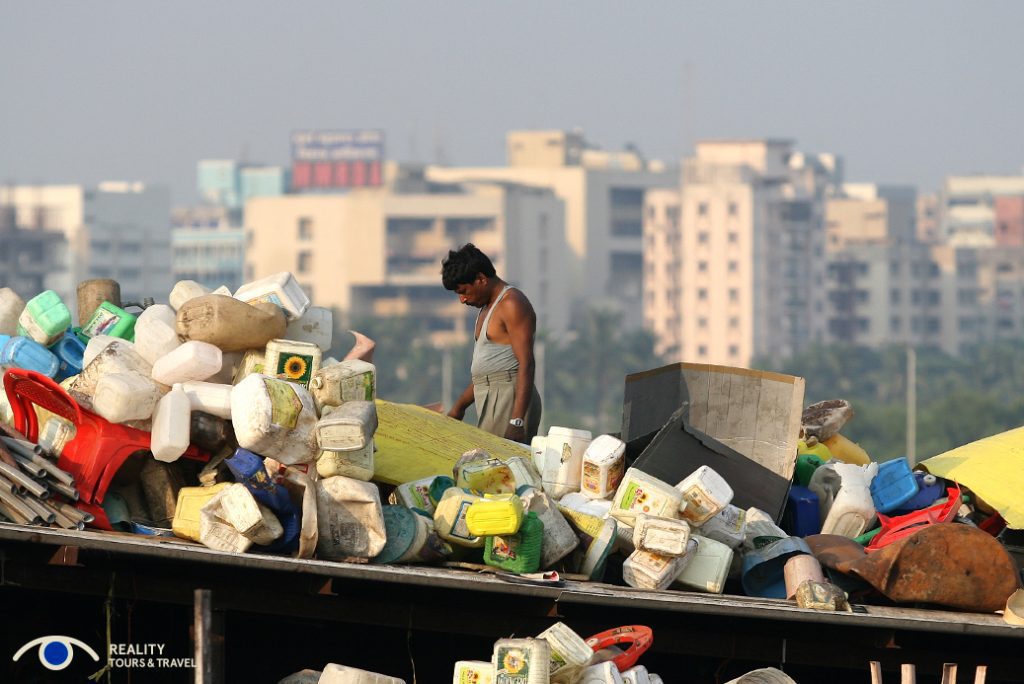
During the tour, I saw workshops involved in recycling, pottery, textiles, soap production and leather processing.
What surprised me most was the scale of economic activity. Dharavi is not simply a residential neighborhood. It is also an interconnected network of small companies, family workshops and local services.
That does not mean its difficult living conditions should be romanticized.
Overcrowding, limited space, sanitation problems and low wages are genuine challenges. Describing the area as entirely self-sufficient or suggesting that hardship makes people happier would oversimplify a much more complicated reality.
The visit helped me look at Dharavi not merely as a symbol of poverty, but as a community shaped by individual people, their labor, relationships and daily lives.
When choosing a tour, look for an organization that works with the local community, clearly explains how profits are used and does not allow visitors to photograph residents without permission.
Where to Eat in Mumbai
Mumbai was far more interesting from a culinary perspective than I expected.
Alongside regional Indian food, you will find Burmese restaurants, international cuisine, old cafés and modern dining rooms serving creative menus.
My journey took place several years ago. Before visiting, check whether each restaurant is still operating at the same address and read recent reviews.
Burma Burma
Burma Burma was one of my favorite restaurant discoveries in Mumbai.
Located near the Kala Ghoda arts district, it specializes in vegetarian Burmese cuisine, which was completely new to me at the time.
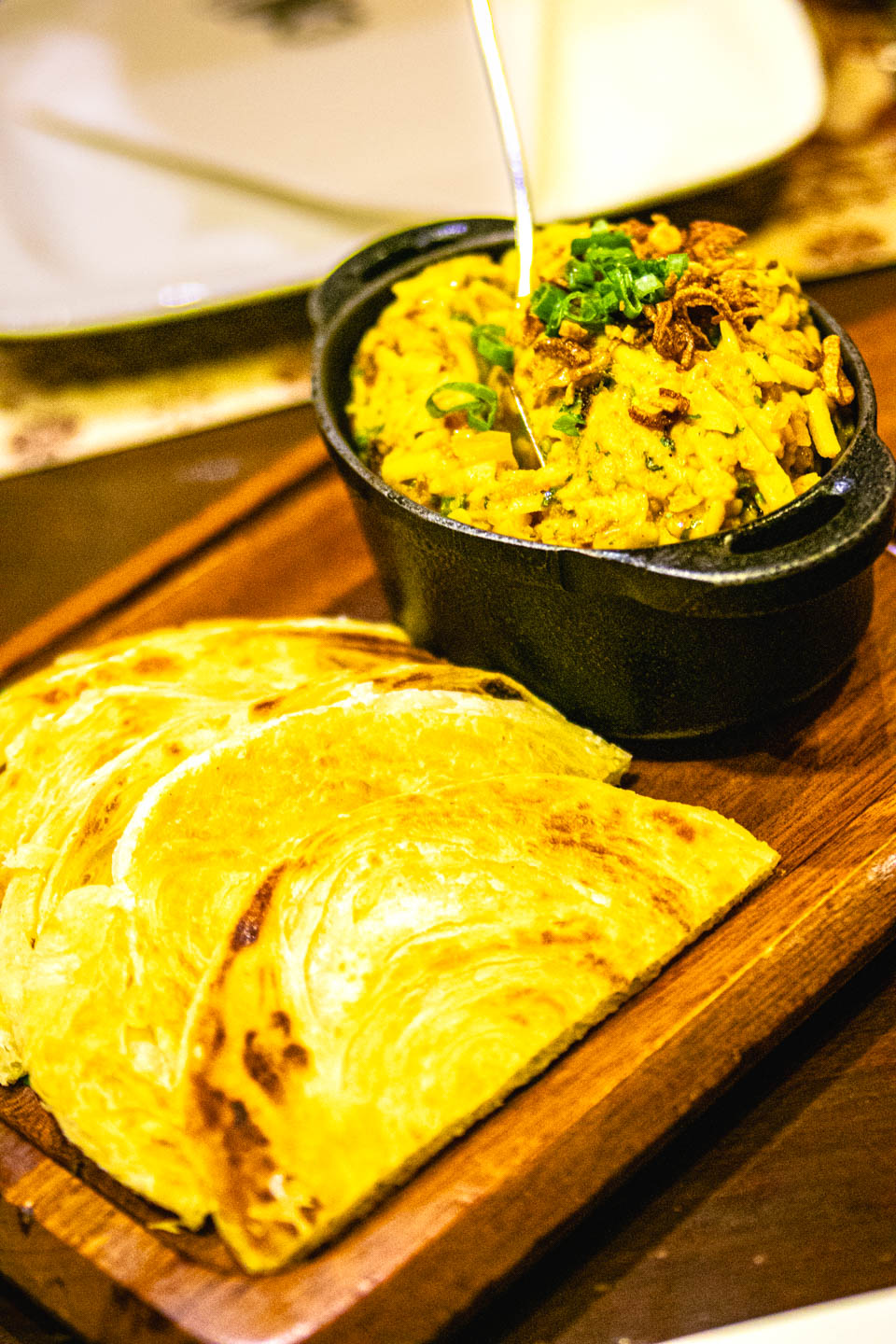
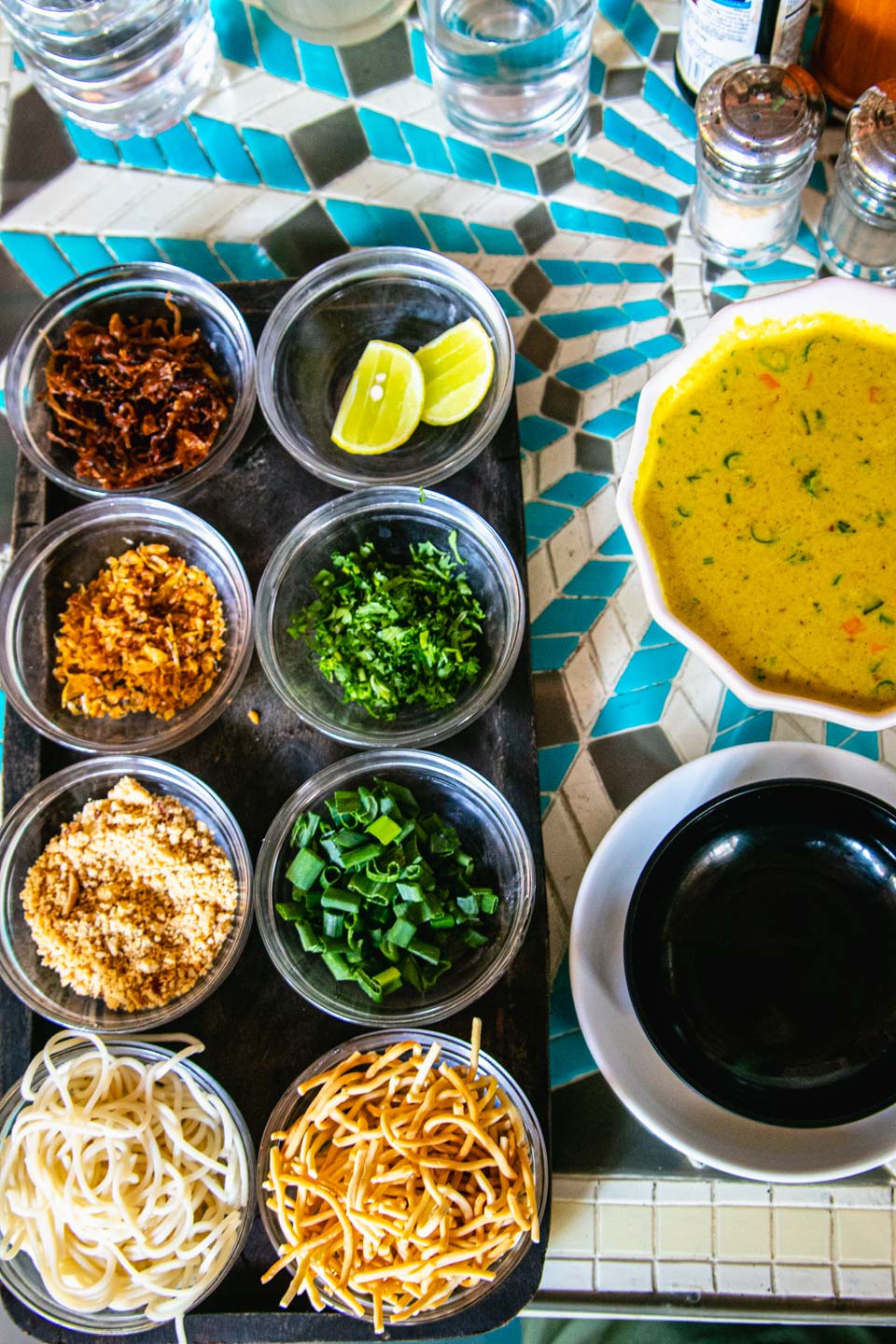
I started with corn purée flavored with curry and coconut milk, served with crisp bread. For the main course, I ordered khow suey, an aromatic noodle soup served with a variety of toppings.
The restaurant had a polished, modern interior and a calm atmosphere that felt especially welcome after a long day on Mumbai’s busy streets.
Burma Burma still operates in Mumbai, although it now has several locations. Check which branch works best with your itinerary.
The Goose & Gridiron
I visited The Goose & Gridiron near the historic Fort area.
The restaurant occupied an attractive older building and had a quiet courtyard garden. It was a pleasant place to take a break from the traffic and heat.
The menu included a broad selection of international dishes. I tried vegetable soup, a local interpretation of khao soi and fish in a lemon and mustard sauce.
This could be a useful option if you are looking for something milder after several days of heavily spiced food.
Café Mondegar
Café Mondegar is one of Colaba’s best-known casual restaurants.
Its interior has an old-school character, with colorful murals covering the walls. It is popular with both tourists and local residents.
The main dining room was full during my visit, so I sat in a smaller room at the back.
After a long day of sightseeing, I ordered a large plate of creamy spaghetti and a glass of white wine.
It was certainly not the best Italian meal I had ever eaten, but at that moment it was comforting and exactly what I wanted.
Café Mondegar is a good choice for a relaxed lunch or an informal evening meal.
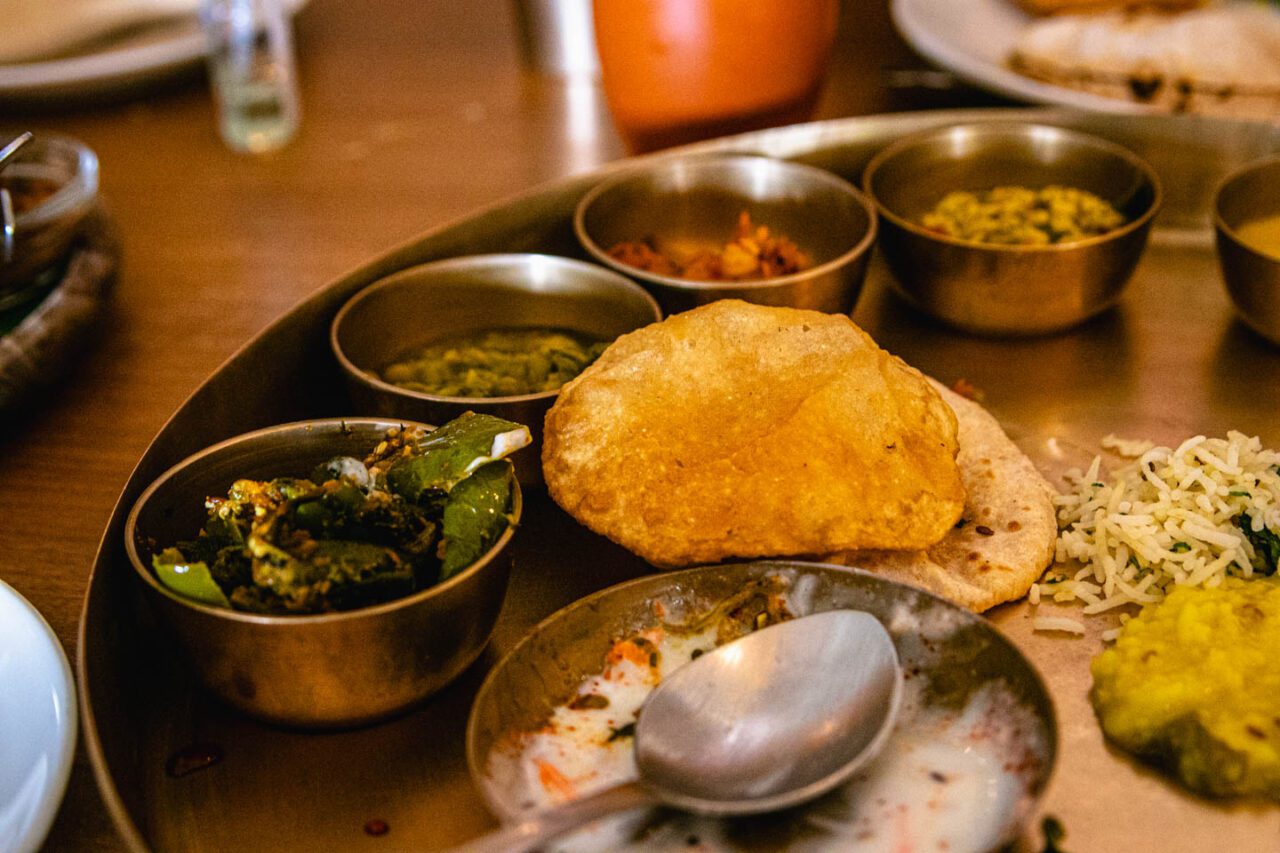
Revival
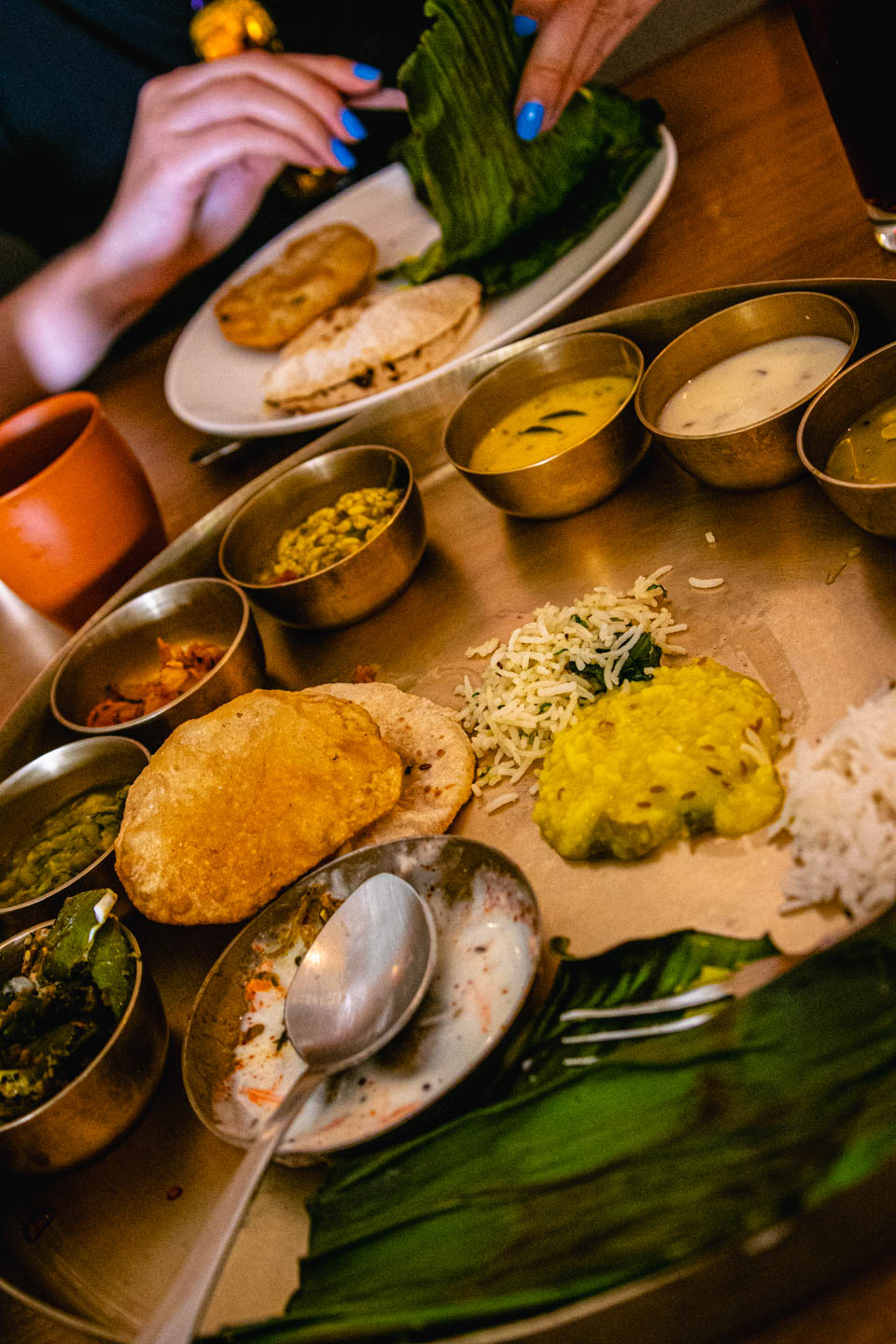
I chose Revival because of recommendations for its vegetarian thali and its location near the waterfront.
At the beginning, there was some confusion about sharing one thali between two people. Because the meal was served with unlimited refills, the restaurant did not normally allow it.
We eventually reached an agreement, but the conversation made the experience less enjoyable.
The thali itself was flavorful and filling. Servers regularly brought additional sauces, breads and side dishes.
If you enjoy traditional thali, Revival may still be worth considering, but I would read the latest reviews before going.
My Honest Opinion of Mumbai
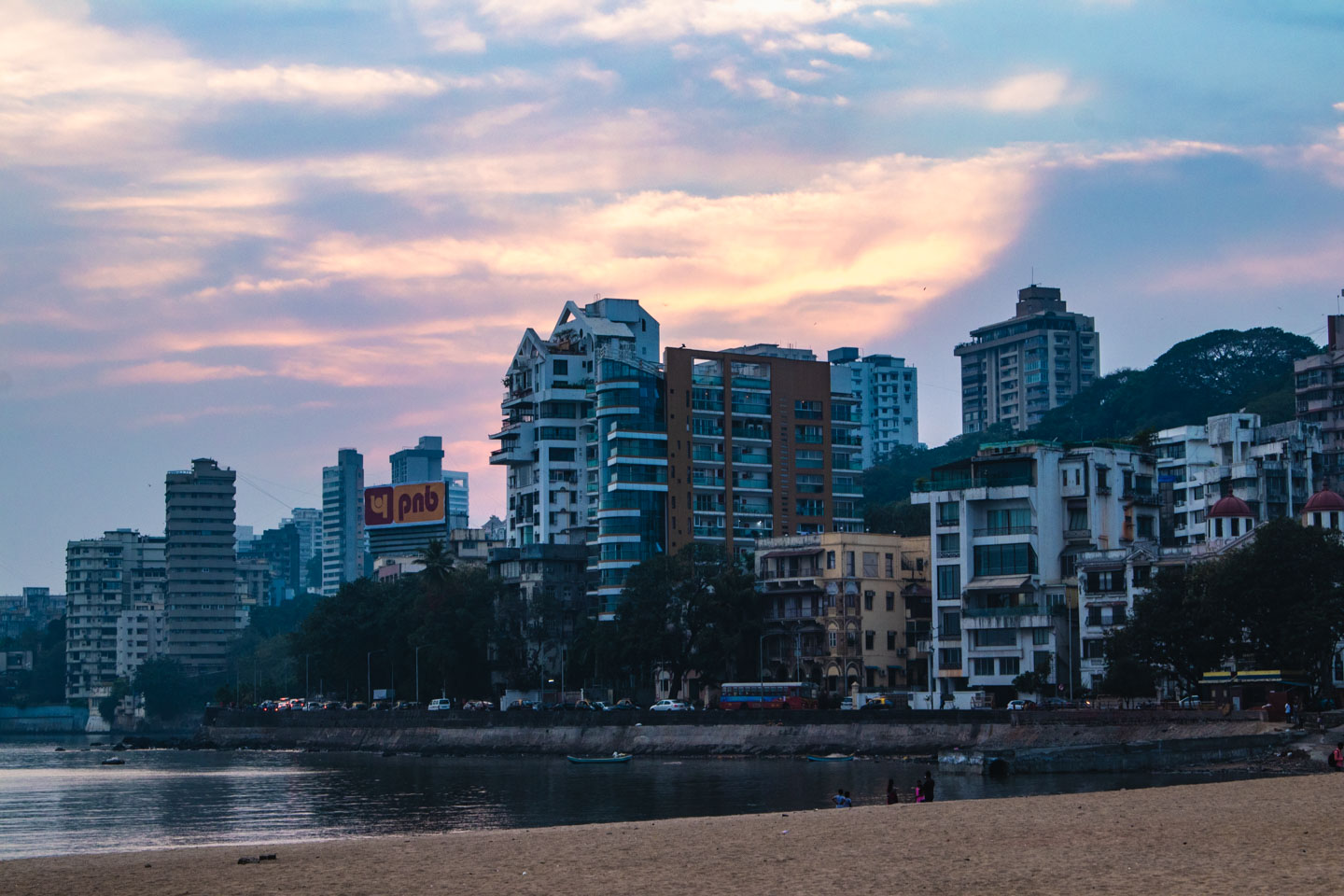
Mumbai did not become my favorite place in India.
The humidity, traffic, noise, crowds and constant attention from vendors made sightseeing more tiring than in many of the other Indian destinations I visited.
Walking was not always easy. Pavements were frequently crowded or obstructed, the traffic could feel overwhelming and distances between attractions were greater than they appeared on a map.
I did not leave with a strong desire to return quickly.
At the same time, Mumbai introduced me to excellent restaurants, remarkably kind people and places that challenged some of my earlier assumptions.
The visit to Dharavi stayed with me the longest. Not because it was easy or conventionally enjoyable, but because it forced me to reconsider the way outsiders often describe communities they do not understand.
Mumbai does not seem particularly interested in making itself comfortable for travelers.
It does not hide its chaos, inequalities or contradictions. You have to accept them as part of the experience.
Despite the difficulties, I believe it is worth visiting and forming your own opinion.
How Many Days Do You Need in Mumbai?
For a first visit, I would plan two or three full days.
In two days, you can see the main attractions of South Mumbai:
- Chhatrapati Shivaji Maharaj Terminus,
- Kala Ghoda,
- the Gateway of India,
- Taj Mahal Palace,
- Colaba,
- Marine Drive,
- Chowpatty Beach.
A third day can be used for a trip to Elephanta Island or a responsible walking tour of Dharavi.
I would not try to fit in too much.
Traffic, humidity and the sheer scale of the city mean that even a simple itinerary can become tiring. It is better to visit fewer places and leave time to rest.
How Do You Want to Continue Your India Trip?
🏖️ Need a quieter break after Mumbai? → Palolem, Goa Guide
🏛️ Interested in ancient ruins? → Hampi Travel Guide
🌿 Looking for a greener side of India? → Best Things to Do in Kochi
Each destination offers a completely different perspective on southern India.
Travel lighter, even before you leave.
start with something simple.
Download The Minimum Plan – Slow Travel:
Is Mumbai Worth Visiting?
Mumbai is not the right destination for everyone.
If you are looking for a relaxed introduction to India, quiet beaches and slow mornings, you may feel more comfortable beginning in Goa or Kerala.
But if you want to experience one of India’s largest and most complex cities, Mumbai can be an important part of your journey.
It is not beautiful in an obvious or effortless way. Nor does it make relaxation particularly easy.
What it does offer is a glimpse into many sides of modern India: ambition, wealth, creativity, inequality, entrepreneurship and the daily reality of millions of people sharing one enormous city.
For me, it was a demanding journey, but a valuable one.
I did not leave Mumbai feeling rested. I left with more questions, greater curiosity and a stronger awareness of how easily we simplify places before experiencing them ourselves.
Have you visited Mumbai? What was your experience of the city?
Or are you still planning your trip and wondering what to expect?
Share your thoughts in the comments and save this Mumbai travel guide for later.
Pin it for later
This article contains affiliate links. If you make a booking through these links, I may earn a commission, supporting this blog. Rest assured, my recommendations are based on honest assessments, and using these links doesn't affect prices for you. Thank you for your support!
It’s awesome initiative information for me thanks for sharing this article