
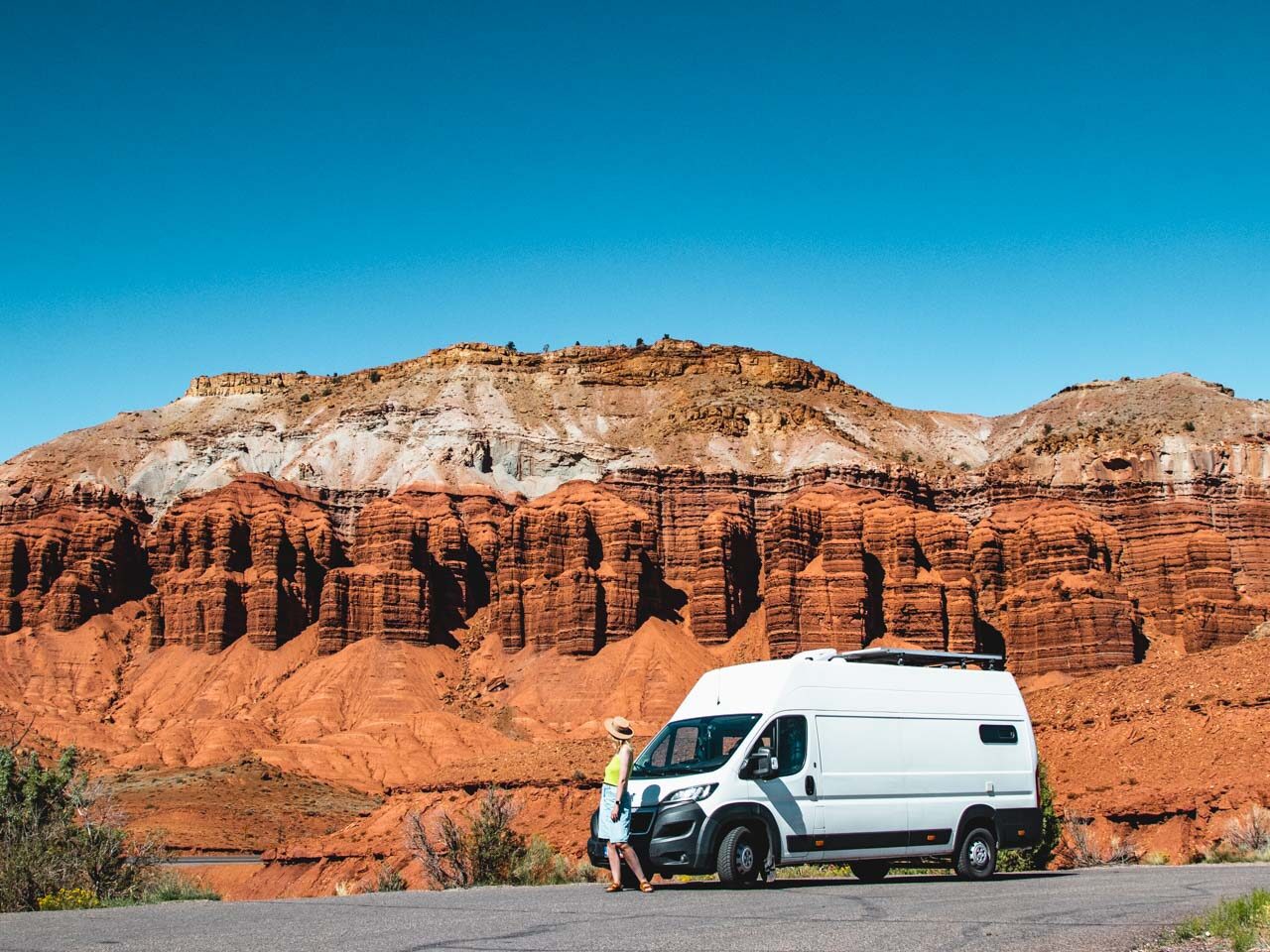
Wondering what to see in Utah and how to plan a road trip that truly impresses? You’re in the right place.
I’ve prepared a complete Utah road trip itinerary covering one full week that I personally drove in my camper van. No rushing, no random decisions along the way, and no feeling like you’re missing something. This plan simply works.
Along the way, you’ll encounter Utah’s icons: Zion, Bryce Canyon, Arches, plus scenic roads, trails, and moments that stick with you long after. This is a route through some of the most rugged and beautiful landscapes in the USA.
Utah is a place for those who love space, silence, wild nature, and views that make you genuinely want to slow down. Each day looks different.
One day it’s red rocks and monumental arches, another it’s small towns and sunsets that end the day at the perfect pace.
If this sounds like something for you, brew some coffee, unfold your map, and let’s hit the road.
Planning Your USA Trip – Start Here
If you’re just getting started with planning your American adventure, these guides will help you understand the country, pick a region, and build an itinerary:
- USA Travel Hub (all my guides in one place)
- Arizona 7-Day Road Trip
- 7-Day California Coast Itinerary
- 10-Day Pacific Northwest Itinerary
- Big Island, Hawaii Guide
Who Is This Itinerary For?
This 7-day Utah road trip plan will be perfect if you:
- are visiting Utah for the first time and want to see the most important places without chaos
- are traveling by car or camper van and need a route that makes logistical sense
- love national parks, scenic roads, and landscapes that create “wow” moments without a million attractions per minute
- enjoy hiking but also want time to breathe, catch sunsets, and have peaceful mornings
- don’t want to figure things out on the spot but prefer a ready plan that simply works
However, if you’re dreaming of much longer Utah exploration (slot canyons, state parks, lesser-known routes), treat this plan as a base – and expand it with additional days.
How Many Miles Is This Utah Road Trip?
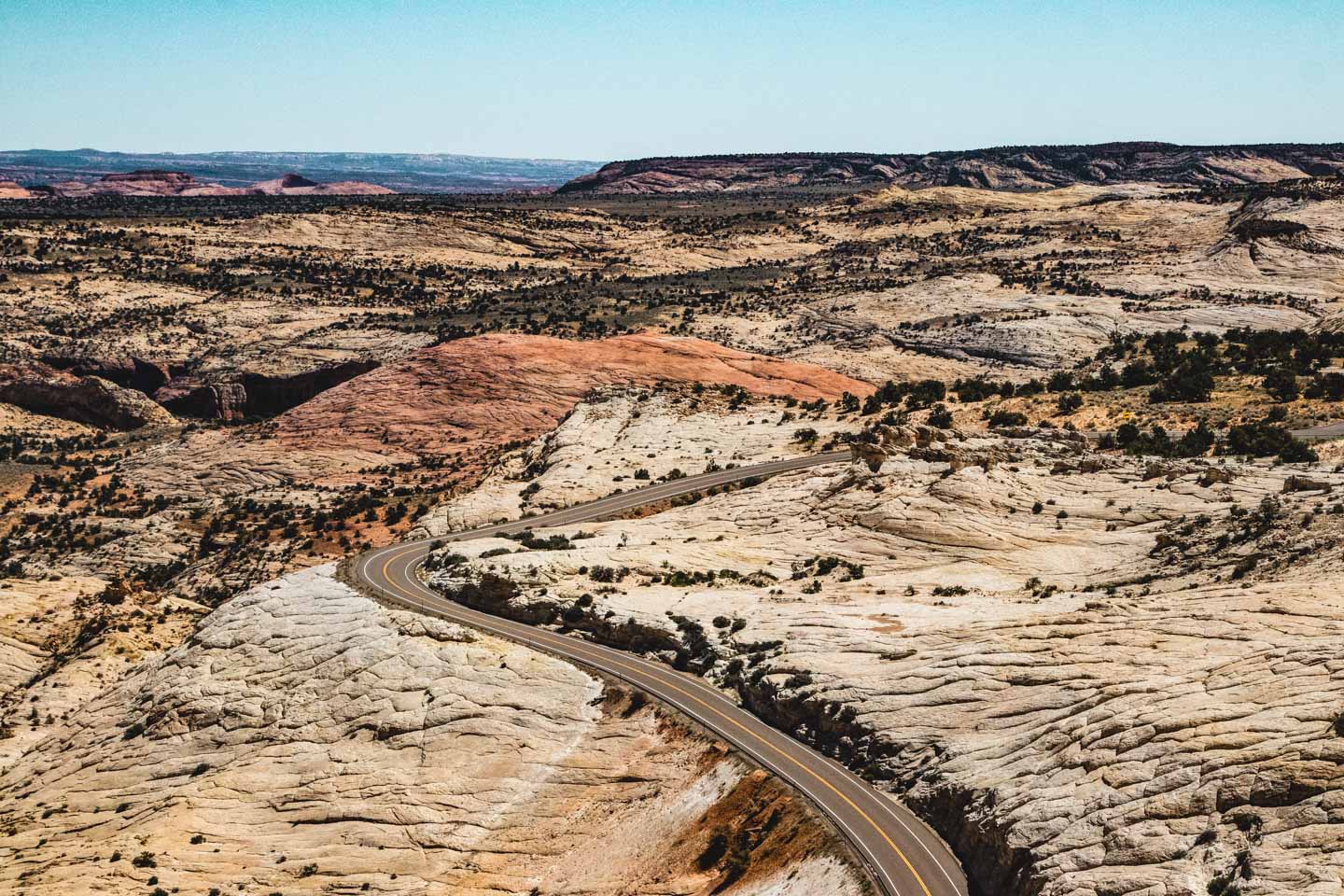
The entire route from Salt Lake City through Bonneville Salt Flats, Zion, Bryce Canyon, Capitol Reef, Arches, and Canyonlands, and finally back to Salt Lake City is approximately 1,000-1,200 miles depending on exact accommodations, viewpoints, and short detours.
In practice, it’s a plan with a realistic amount of driving, but nothing crazy. The longest drive usually falls on the Bonneville Salt Flats → Springdale (Zion) day and takes about 6 hours (plus stops).
Small note: this doesn’t include the additional miles “on site” in the parks (drives to trailheads, viewpoints, Scenic Drives), so it’s worth having extra time and not planning every day too tightly.
Day-by-Day Itinerary
Below you’ll find a complete 7-day Utah road trip itinerary, day by day.
The route leads through the state’s most important national parks – from Salt Lake City, through Bonneville Salt Flats, Zion, Bryce Canyon, Capitol Reef, Arches, to Canyonlands.
Each day is laid out at a realistic pace: with mornings, afternoons, and evenings, so you can see Utah’s most beautiful places without running around and without feeling unsatisfied.
This is a plan that works whether you’re traveling by car or camper van.
Utah Attractions Map
Day 1: Salt Lake City
Morning: Temple Square and Downtown Salt Lake City
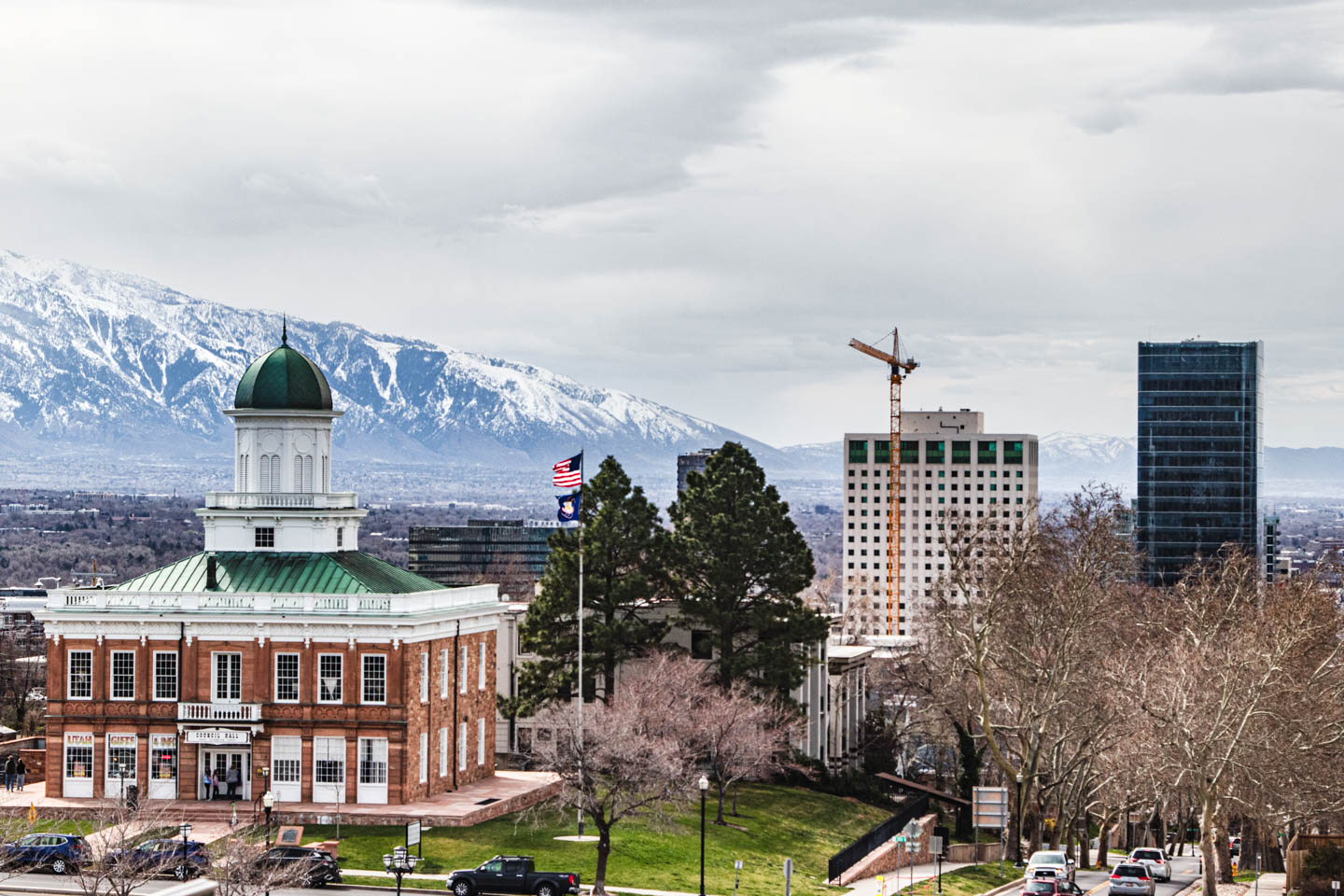
I start my Utah road trip right here. Salt Lake City is a good place for a calm start and gentle entry into this journey’s rhythm.
The morning is best started with breakfast at Eva’s Bakery – one of those cafes that really sets up your day from the very beginning. Then head to Temple Square, the heart of the city and a place that says a lot about Utah’s history.
Walking around Temple Square is a moment to slow down: elegant buildings, manicured gardens, and plenty of space. The Salt Lake Temple attracts the most attention – monumental, bright, very photogenic.
It’s the largest Mormon temple in the world, and its construction took over 40 years, which gives you something to think about.
This is a good morning for an unhurried walk, a few photos, and your first immersion into Utah’s rhythm – before you head further toward more rugged landscapes.
Afternoon: Utah Museum of Natural History
After walking around downtown Salt Lake City, where modern architecture mixes with older buildings and the city’s calm rhythm, it’s worth stopping for lunch.
If you’re in the mood for something proven, I recommend The Copper Onion. It’s a good place for a solid meal during a road trip. Classic American cuisine with a local twist, seasonal ingredients, and a pleasant, unobtrusive atmosphere.
After lunch, head to the Utah Museum of Natural History. This is one of those museums that really draws you in, even if you’re not typically a museum person.
Exhibitions about Utah’s nature, the region’s history, and an enormous collection of dinosaur fossils are impressive and show well how unique this place is on the USA map.
It’s a calm, diverse point in the day. Perfect for getting context before you head further toward national parks and more rugged landscapes.
Evening: Sunset Over Great Salt Lake
Leave the evening for winding down. A walk along the shore of Great Salt Lake works best. Sunsets here can surprise you.
Light reflects off the water, colors soften, and the space around gives you a sense of breathing after an intensive day.
If you still have energy and catch the right timing, you can check out one of the local cultural events, such as the Utah Arts Festival or Salt Lake City International Jazz Festival.
It’s a good opportunity to see the city from a different side and end the day in a calm, urban rhythm.
The perfect closing of the first day before continuing deeper into Utah.
Planning to explore more of the American West? Check out my Arizona Road Trip Itinerary for the perfect Utah extension!
Practical Information
Entrance to Utah Museum of Natural History costs:
- $24.95 – adults
- $22.95 – seniors and youth ages 13-24
- $20.95 – children ages 3-12
If you’re traveling during the season or planning a weekend visit, it’s worth reserving tickets in advance on the museum’s official website.
This saves time and lets you enter stress-free, exactly when you have it planned in your itinerary.
Where to Stay in Salt Lake City?
Salt Lake City has a really wide selection of accommodations, so it’s easy to match something to your travel style and budget.
If you care about a comfortable base downtown, a good choice is Holiday Inn Express Salt Lake City Downtown. Simple, comfortable, and close to the city’s main points.
It works particularly well for starting a road trip when you want everything at hand and don’t want to waste time on commutes.
If you’re in the mood for a bit of luxury, choose The Grand America Hotel. It’s an elegant, five-star hotel in the city’s heart, perfect if the first day of your trip should be calm and pampered from start to finish.
Both places fit well into this route’s rhythm.
Everything depends on whether you prefer a practical base or a soft, comfortable entry into your Utah road trip.
Day 2: Bonneville Salt Flats
Morning
The second day in Utah is worth starting early and calmly. A quick breakfast at The Park Café sets up the day well, especially before a longer drive.
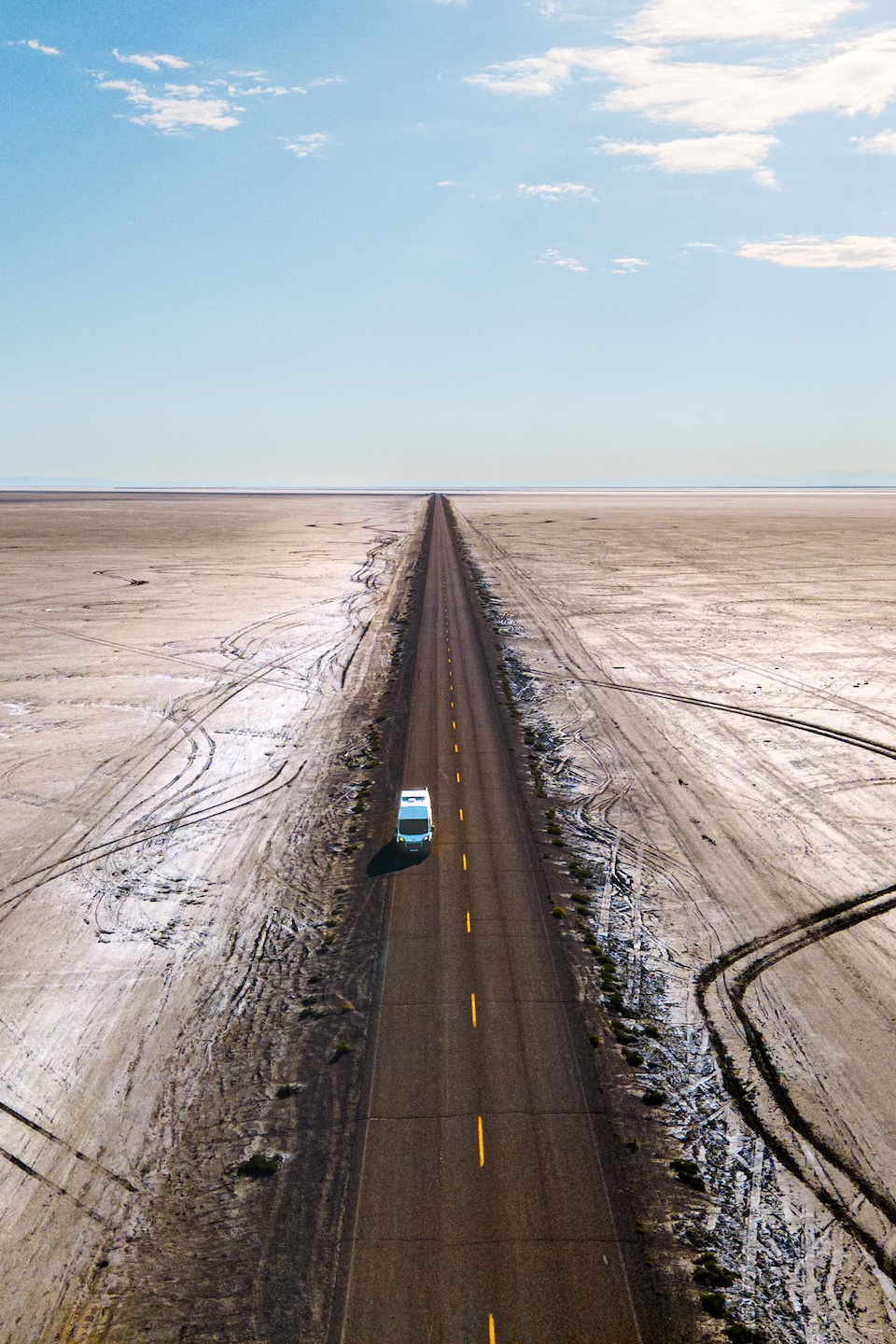
Then you head west toward Bonneville Salt Flats. It’s about an hour’s drive from Salt Lake City, and the landscape changes quickly and noticeably. The city stays behind, and space starts playing the leading role.
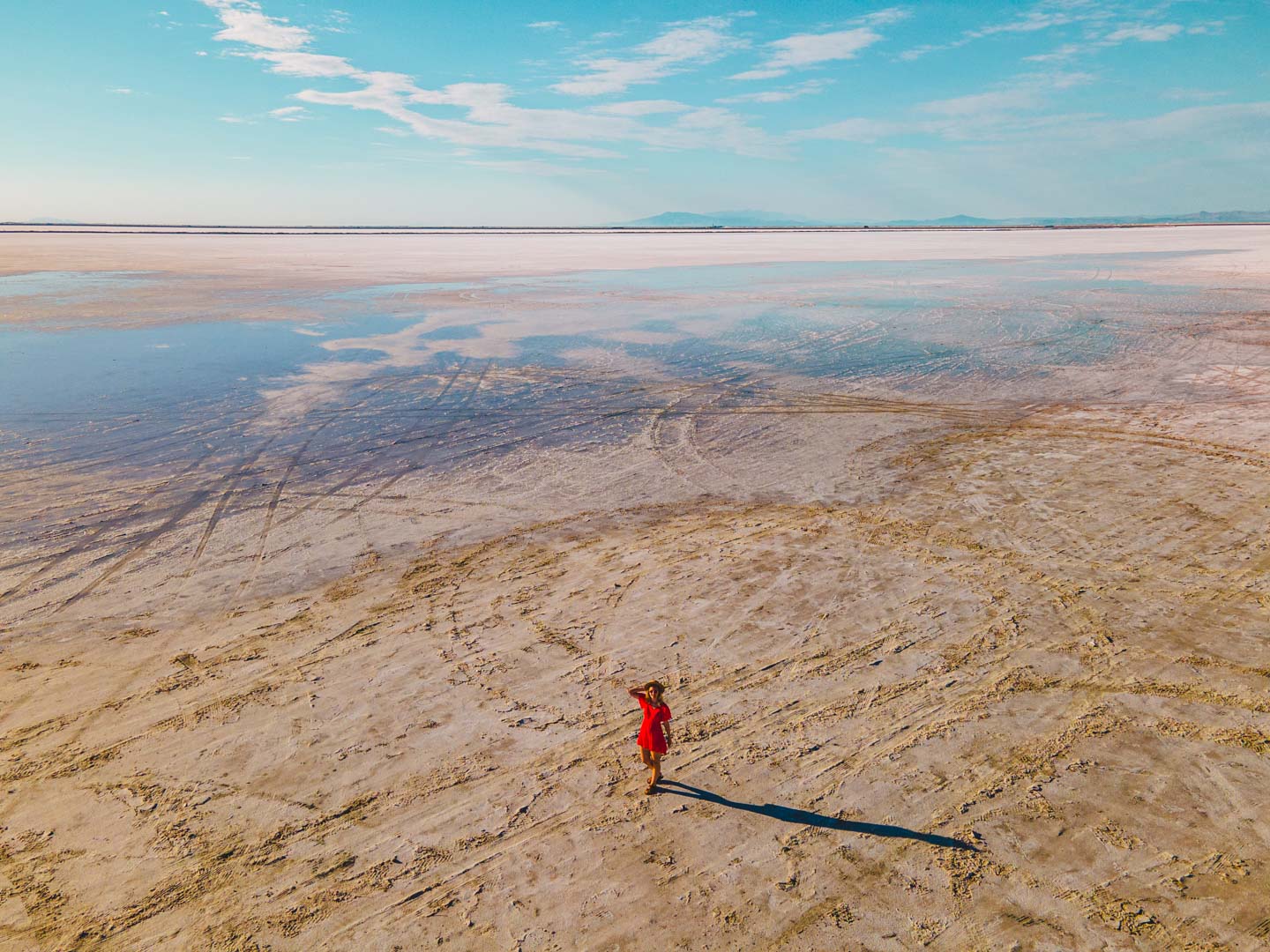
Bonneville is one of those places that’s hard to compare to anything else. A huge, bright salt plain, endless horizon, and silence that really makes an impression.
It’s one of the world’s largest salt flats and a space where it’s easy to lose your sense of scale.
It’s also the site of legendary speed records and a filming location for many movies, including Pirates of the Caribbean. But even without this knowledge, Bonneville works on its own.
It’s best to come here without rushing, walk a bit on the salt, and give yourself a moment to get comfortable with this empty, almost abstract space.
The perfect morning for catching your breath before continuing through Utah.
Afternoon
After arriving at Bonneville Salt Flats, the first thing that strikes you is space. White, almost infinite plain and mountains drawing themselves on the horizon create a landscape that looks like it’s from another planet.
If you have a 4×4 and conditions allow, you can drive further onto the salt flat and see it from a completely different perspective.
If not – a calm walk is completely sufficient. Walking on salt that squeaks under your feet is an experience in itself.
This is the perfect moment to slow down, look around, and simply be in this silence. And definitely have your camera or phone ready – the light, horizon lines, and minimalism of this place make photos almost take themselves.
Dreaming of more epic American road trips like this?
I share detailed itineraries and money-saving tips from every adventure I take – the kind of insider knowledge that turns good trips into unforgettable journeys.
Bonus for new subscribers: Ultimate Utah Budget Travel Planner + Secret Free Camping Spots Map 📍
Evening
After visiting Bonneville Salt Flats, head toward Zion National Park. Although the journey takes about 6 hours, the route offers beautiful landscapes, so time passes quickly.
After arriving in Springdale, the picturesque town right at the park entrance, go for dinner at one of the restaurants, such as Zion Canyon Brew Pub.
This place offers excellent American cuisine and stunning mountain views. The perfect ending to a successful day!

How to Get to Bonneville Salt Flats?
Getting to Bonneville Salt Flats is simple and trouble-free, especially if you’re traveling by car.
From Salt Lake City, head on I-80 west. After about an hour of driving, take exit 4. Then turn north and follow signs leading toward Bonneville Speedway.
After a moment, you’ll turn right onto Leppy Pass Road, which will lead you directly to the salt flats. The road ahead is intuitive, and the landscape clearly tells you you’re in the right place.
Small tip: After rain, part of the plain may be inaccessible to cars. It’s worth checking conditions before entering, especially if you’re traveling in a regular car, not an SUV.
Day 3: Zion National Park
Morning: Angels Landing or The Narrows
Start the third day in Utah early. Breakfast in Springdale sets up the day’s pace well – the intimate Meme’s Cafe works great before heading out on the trail.
Zion National Park is one of the most besieged places in the state, so morning is worth its weight in gold here. The earlier you start, the better chance for quieter paths, better light, and fewer people on the trail.
This is especially important at Angels Landing – an early start makes a huge difference in experiencing this place.
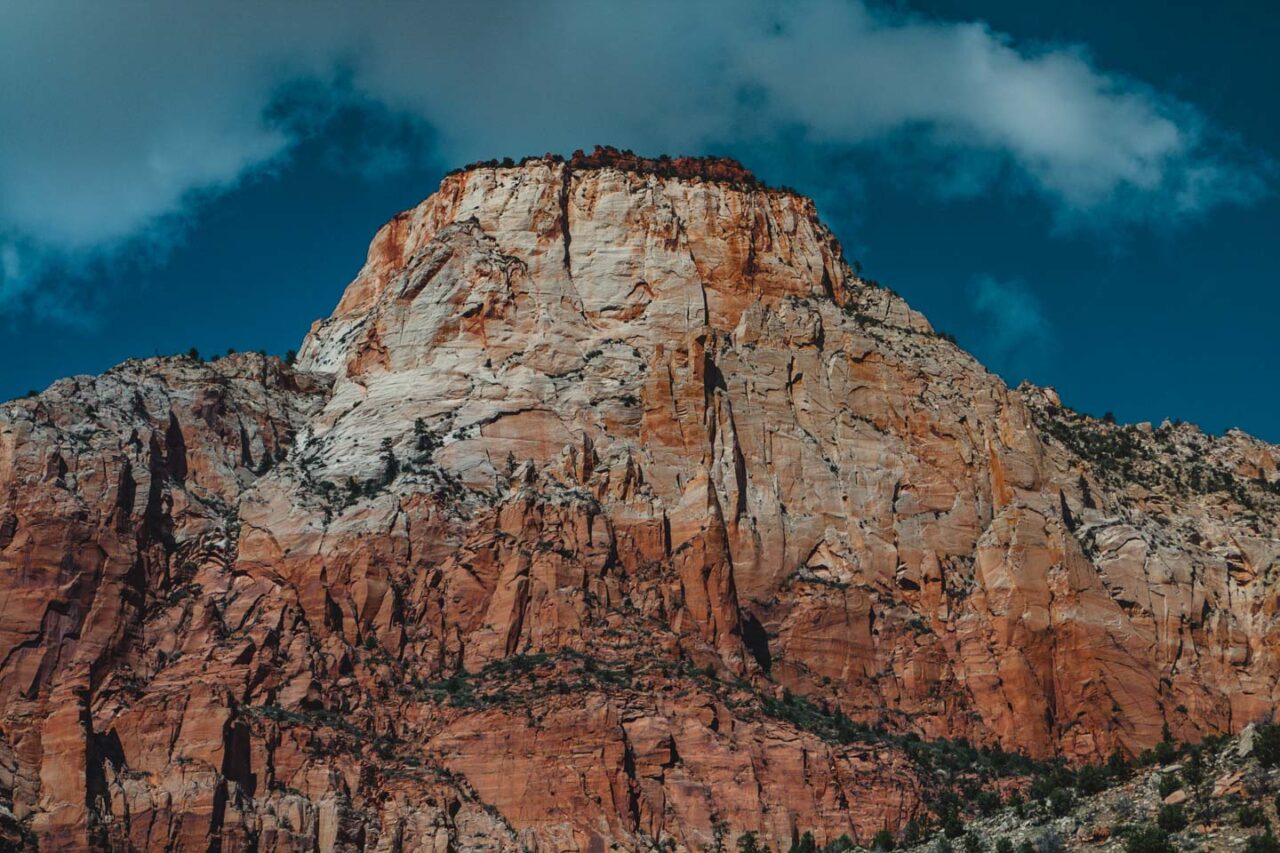
It’s best to start exploring the park with one of Zion’s classic trails, such as Angels Landing or The Narrows. Both routes are completely different, but each gives that characteristic Zion sense of scale and space.
Angels Landing is one of the most iconic hikes in Utah.
A narrow, steep ridge secured with chains leads high above the canyon and ends with a viewpoint that truly takes your breath away.
It’s a route requiring focus, but the views of Zion Canyon reward every step.
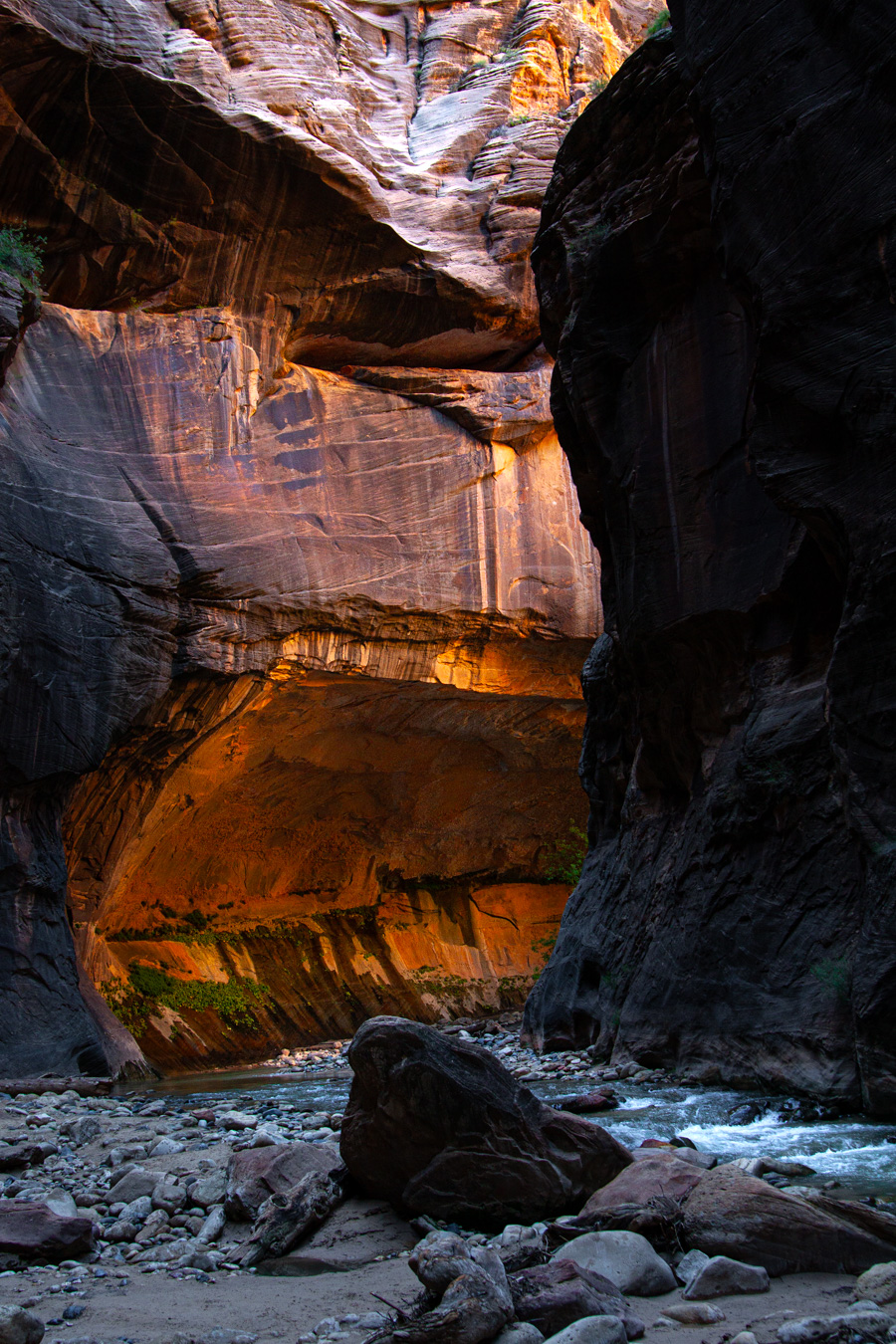
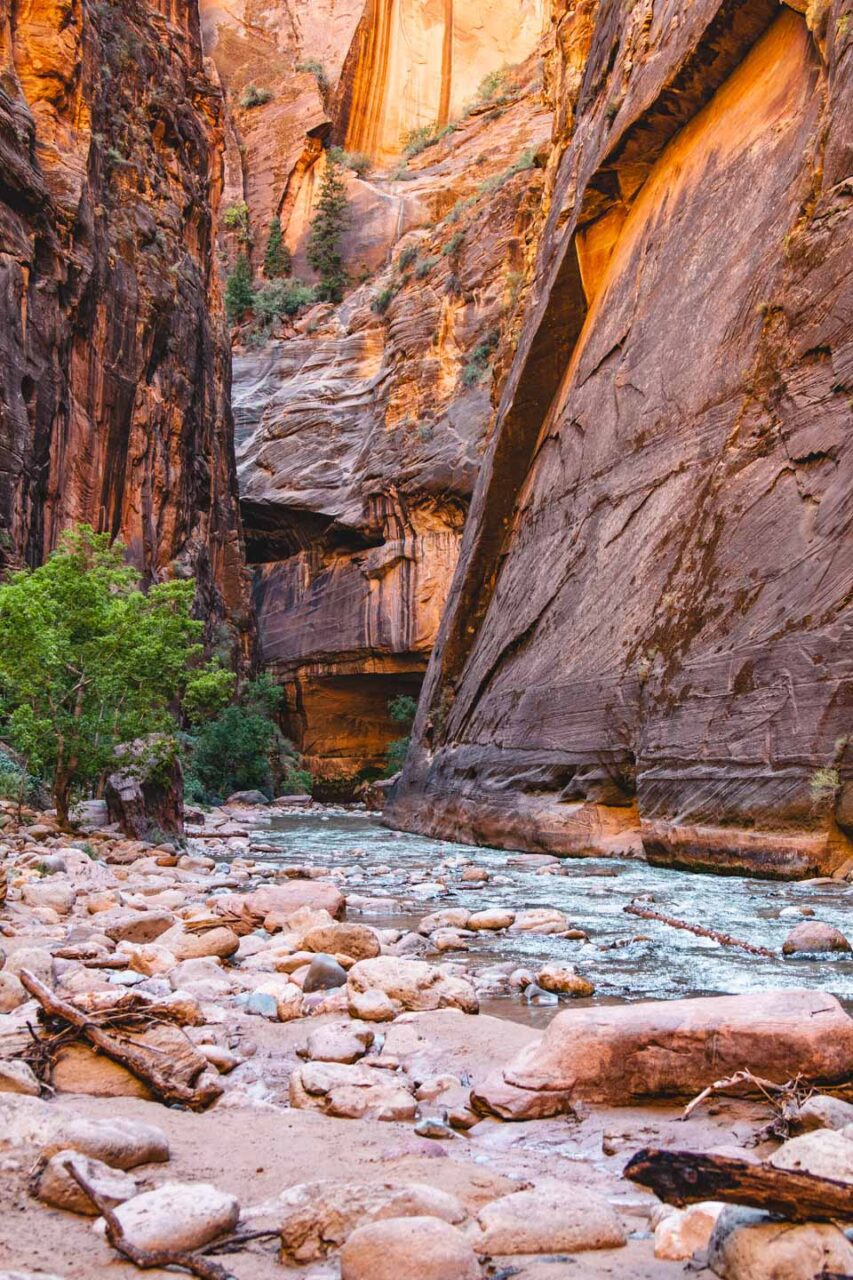
The Narrows, on the other hand, is a completely different experience. The hike leads along the Virgin River, through a narrow, monumental canyon where rock walls rise almost vertically from the water.
It’s a calmer, more sensory route, perfect for feeling close to nature and slowing down.
Regardless of your choice, both trails let you see Zion National Park from completely different perspectives – and both stay in memory for a long time.
Afternoon: Easy Trails (Watchman / Emerald Pools)
After an intensive hike, it’s worth slowing down. A good place for lunch is Red Rock Grill, located within the park – a convenient option when you don’t want to drive anywhere anymore and just dream of a moment’s rest.
If you still have energy after eating, choose a shorter, calmer trail.
A good choice is The Watchman Trail – a route with beautiful views of the canyon valley and characteristic rock formations, including Court of the Patriarchs. It’s one of those walks that doesn’t tire you but gives enormous visual satisfaction.
An alternative is Emerald Pools – an easier route leading to natural pools and small waterfalls, surrounded by greenery. A completely different atmosphere than the monumental canyon walls, softer and more relaxing.
Regardless of your choice, the afternoon in Zion National Park is the perfect closing of a day full of impressions – without rushing, at a good pace.
Evening: Springdale and Sunset
It’s worth leaving the evening for quieting down. A simple walk and sunset around Zion National Park can close the day better than any plan. Light softens, rocks change color, and the pace naturally slows.
If you’re in the mood for something more urban, check out Springdale. It’s a small, pleasant town with cafes and shops, perfect for a calm evening walk without rushing.
This is a good moment to go to bed early and recharge batteries. The next day, Bryce Canyon National Park awaits you – a completely different landscape and another strong showing of Utah.
Practical Information
Angels Landing
The trail is 5.4 miles round trip and is physically demanding.
In places, it leads along a very narrow ridge secured with chains, so it’s not recommended for people with fear of heights.
Completing the route usually takes 4-5 hours. Before entering the trail, you need a proper permit, which you must apply for in advance (permit lottery).
The Narrows
Trail length depends on the chosen variant: from 2 miles to 10 miles round trip. The most commonly chosen option is the Bottom-Up variant, available without additional permits. A longer passage can take over 6 hours.
It’s worth equipping yourself with waterproof boots, trekking poles, and quick–dry clothing, as the trail leads directly through the riverbed.
The Watchman Trail
The trail is about 3.3 miles round trip. Completing it usually takes about 1.5 hours, and the elevation changes are moderate, making it a good choice for an afternoon walk after more demanding routes.
Emerald Pools
Trail length ranges from 1.2 miles to 2.5 miles round trip, depending on whether you decide to visit all three levels: Lower, Middle, and Upper Emerald Pools. Completing the entire loop usually takes about 1.5 hours.
Before heading out on any of these trails, always check current conditions on Zion National Park’s official website – especially water levels in The Narrows and information about safety and permits.
How Much Does It Cost to Enter Zion National Park?
Entrance to Zion National Park costs $35 per vehicle and is valid for 7 days.
The most cost-effective option is purchasing the America the Beautiful Pass.
As of January 2026, the pass costs $80 per year for U.S. residents and $250 per year for non-residents, and it grants access to all national parks in the United States. The pass can be purchased online or directly at the park entrance.
It’s also important to note that visitors without an annual pass must pay an additional $100 per person in Zion.
This is a key detail to keep in mind when planning your budget, especially if Zion is just one of several national parks on your road trip.
Where to Stay in Zion National Park?
Springdale is the best base for visiting Zion National Park.
It has a great location, good infrastructure, and a wide selection of accommodations, from simple hotels to more pampered places with views of the rocks.
If you’re looking for comfortable accommodation at a reasonable price, a good choice is The Lodge at Zion Park. It’s a solid, comfortable base close to the park entrance, ideal after an intensive day on the trails.
For those who want to end the day in more exceptional surroundings, a great option is Cliffrose Springdale.
The hotel is located right by the park, with beautiful views and a peaceful atmosphere that really lets you feel Zion’s vibe.
Choosing accommodation in Springdale gives you the comfort of being close to nature without giving up convenience and a good daily rhythm.
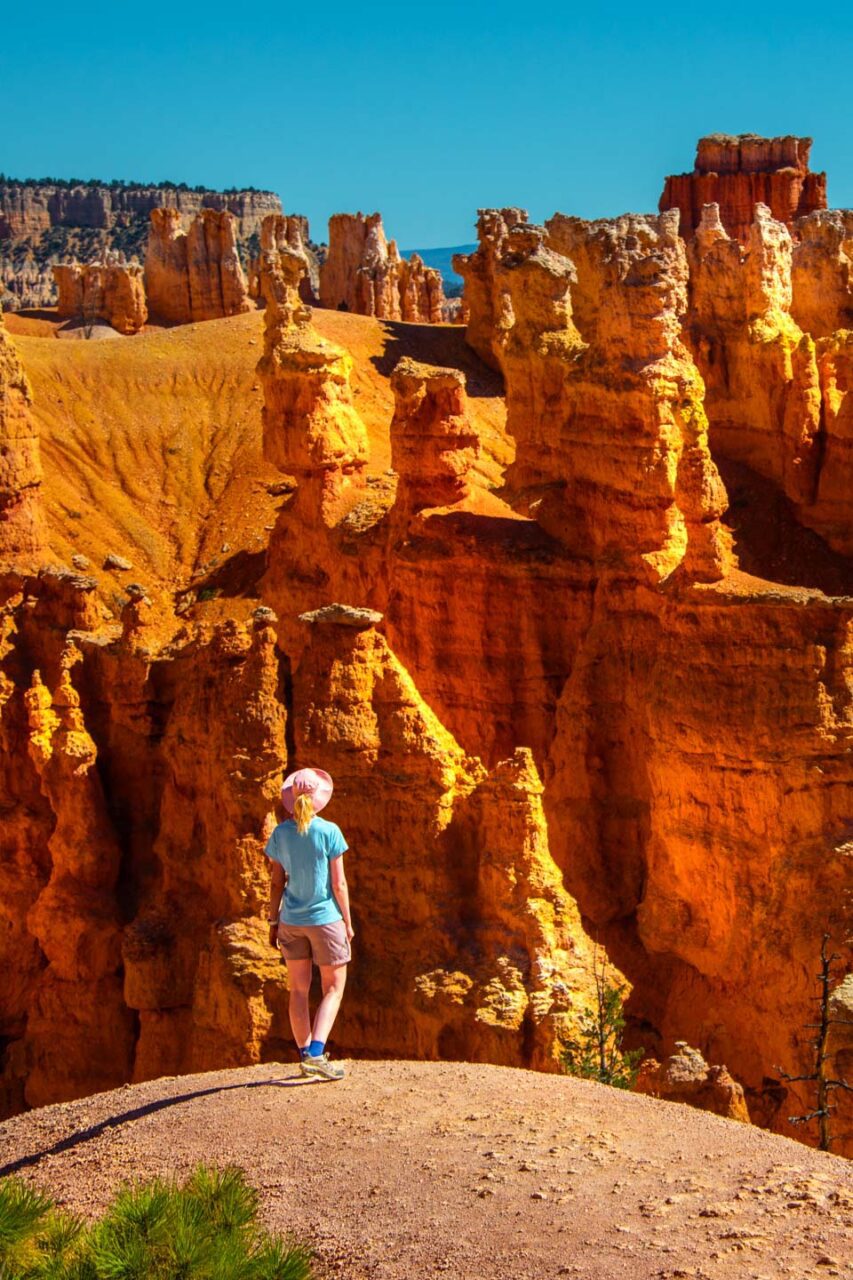
Day 4: Bryce Canyon National Park
Morning: Viewpoints and Peekaboo Loop
Start the day calmly with breakfast at Cafe Soleil – a small, cozy cafe perfect for a morning before the road. Good coffee and something warm really make a difference.
Then it’s time to head toward Bryce Canyon National Park. From Springdale, the drive takes about 2 hours, so it’s worth leaving early and having the whole day ahead without pressure.
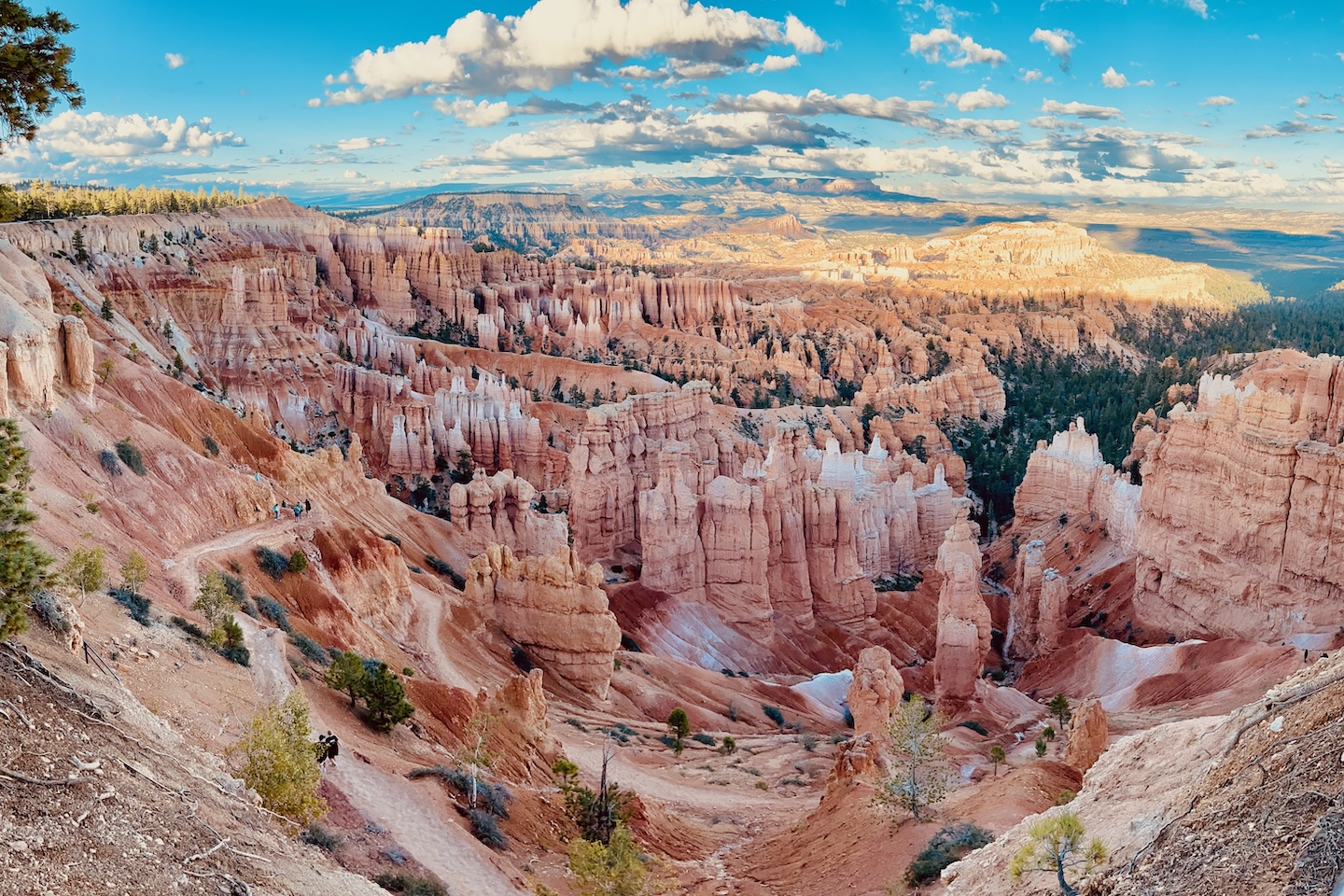
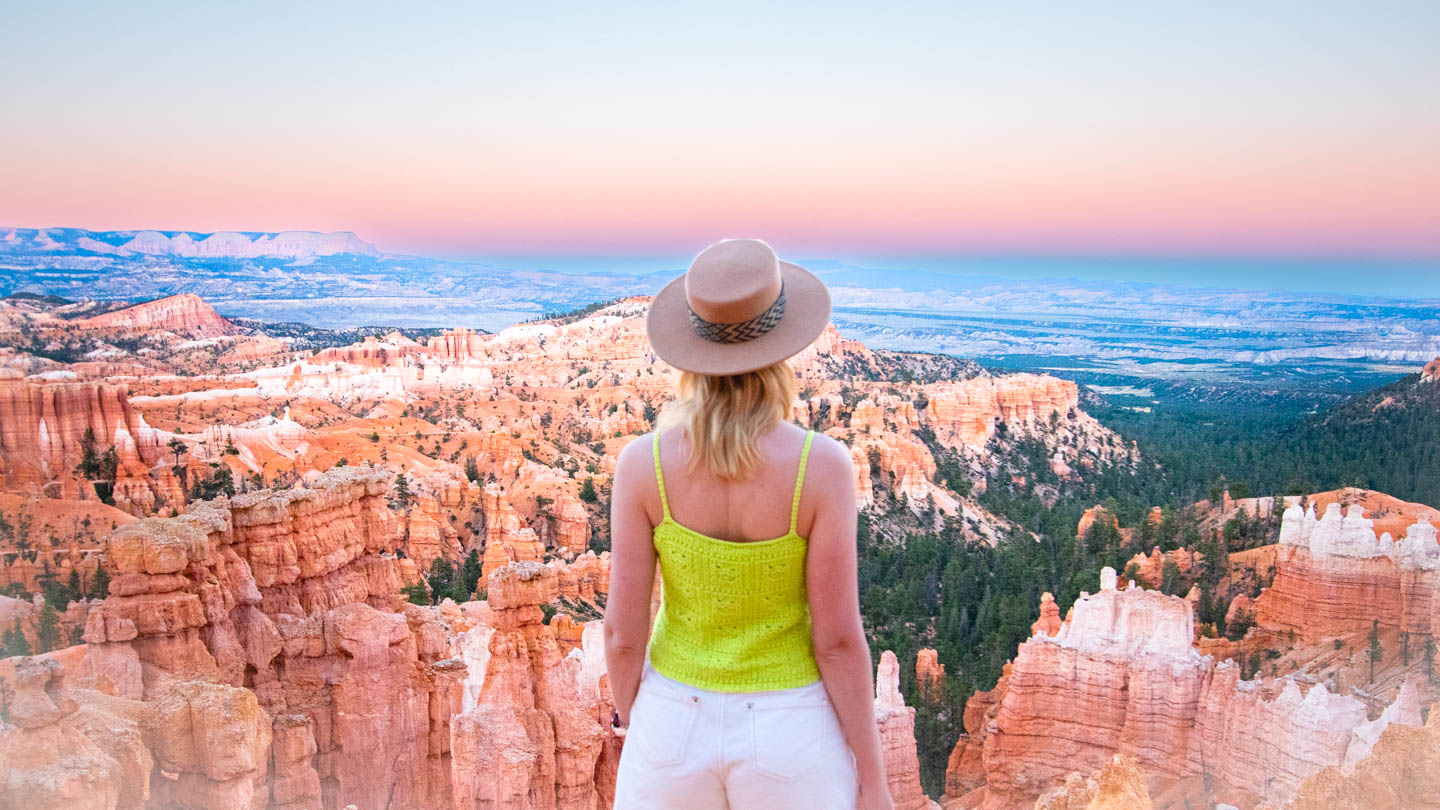
To start, I recommend the classics: Sunrise Point, Sunset Point, and Bryce Point. These are some of those viewpoints that immediately explain why Bryce Canyon is so special.
The light, colors, and scale of the amphitheater make a huge impression – even if you’ve already seen hundreds of photos.
When you’ve saturated your eyes with views from above, it’s time to go lower.
You can choose Navajo Loop, which leads through a narrow, almost surrealistic canyon, or Peekaboo Loop – a more scenic route among characteristic hoodoo rock formations.
Navajo Loop gives you the feeling of entering another world, and Peekaboo Loop lets you see Bryce Canyon in all its sculptural form. Regardless of your choice, this is one of those places that stay in your head for a long time.
Afternoon: Bryce Canyon City
After an intensive hike, it’s worth going down to Bryce Canyon City for a calm, well-deserved lunch.
A good choice is Bryce Canyon Pines – a classic local restaurant with solid American cuisine and really good desserts.
It’s one of those places that nicely closes an active day in Bryce Canyon, without rushing and without complications.
Evening: Sunset at Sunset Point
In good weather, it’s worth returning to Bryce Canyon National Park in the evening. After dusk, this place shows a completely different face – quiet, almost cosmic.
High elevation, clean air, and lack of city lights make Bryce Canyon one of the best places in Utah for stargazing. Stars are exceptionally clear here, and the Milky Way is often visible with the naked eye.
A good point for an evening stop is Sunset Point. After sunset, it gets quiet here, and the night sky above the amphitheater looks truly spectacular.
This is the perfect, quiet closing of the day – without a plan, without rushing, just looking up.
Love exploring America’s incredible national parks? Don’t miss my Yellowstone National Park Guide for your next wilderness adventure!
Practical Information
Navajo Loop
The trail is 1.3 miles round trip and completing it usually takes 1 to 2 hours. It’s a short but very intensive route, ideal if you want to quickly descend into the hoodoo amphitheater.
Peekaboo Loop
Trail length is 5.5 miles round trip, and completing it usually takes 3-4 hours. It’s a more scenic and calmer route, allowing you to see Bryce Canyon from different perspectives.
Before heading out on any of these trails, it’s worth checking current conditions on Bryce Canyon National Park’s official website – especially after precipitation or in changing weather.
How Much Does It Cost to Enter Bryce Canyon National Park?
Entrance to Bryce Canyon National Park costs $35 per vehicle and is valid for 7 days.
If you plan to visit several national parks during this route, the same rules apply here regarding the America the Beautiful Pass that I wrote about earlier.
Similar to Zion, tourists without an annual pass must count on an additional $100 fee per person in Bryce Canyon.
This makes it easier to plan the budget for the entire road trip without surprises along the way.
Where to Stay in Bryce Canyon National Park?
If you care about comfortable accommodation at a reasonable price, close to the park, a good choice will be Best Western PLUS Bryce Canyon Grand Hotel.
It’s a solid hotel with cozy rooms, modern amenities, and a pool that works great after a whole day on the trails.
Good location allows you to quickly reach viewpoints and calmly plan your morning in Bryce Canyon, without nervous commutes.
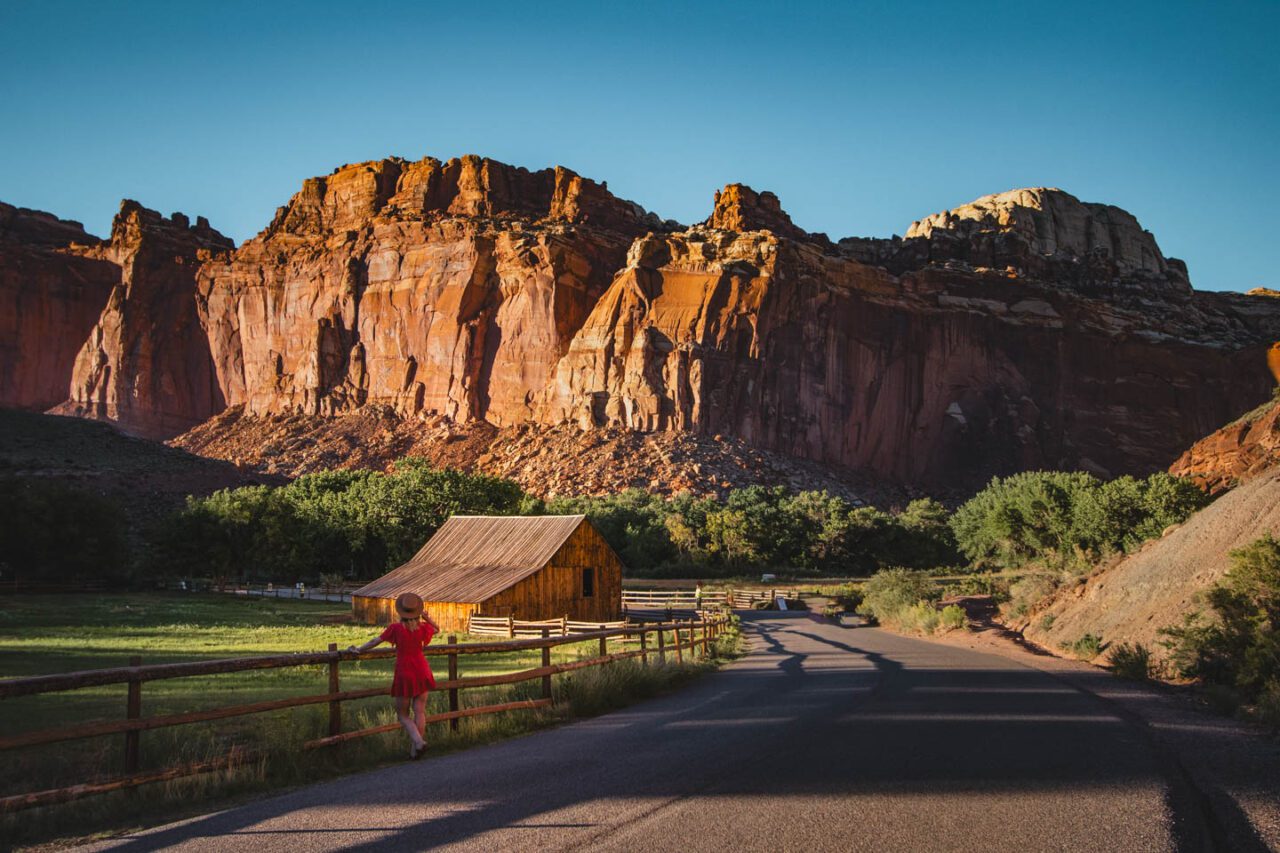
Day 5: Capitol Reef National Park
Morning: Scenic Byway 12
After an intensive day in Bryce Canyon National Park, it’s time for a change of rhythm and landscape. This day largely belongs to the road – and that’s very good.
Start the morning calmly with breakfast at Bryce Canyon Coffee. Good coffee and something warm will perfectly prepare you for the continued route.
Then head toward Capitol Reef, choosing Scenic Byway 12 – one of the most beautiful scenic roads in the entire United States.
The route leads through open spaces, red rocks, plateaus, and places where you want to stop every now and then, even if it wasn’t in the plan.
Although the drive takes about 2.5 hours, it’s not an ordinary journey from point A to B. It’s one of those days when the road itself becomes part of the journey – calm, visual, and very “Utah-esque.”
Afternoon: Capitol Reef Scenic Drive, Hickman Bridge, and Cassidy Arch
It’s best to start exploring Capitol Reef National Park with a calm drive along Capitol Reef Scenic Drive.
It’s a short but very scenic route; along the way, you’ll see characteristic rock formations, canyon walls, and ancient petroglyphs that add historical depth to this place.
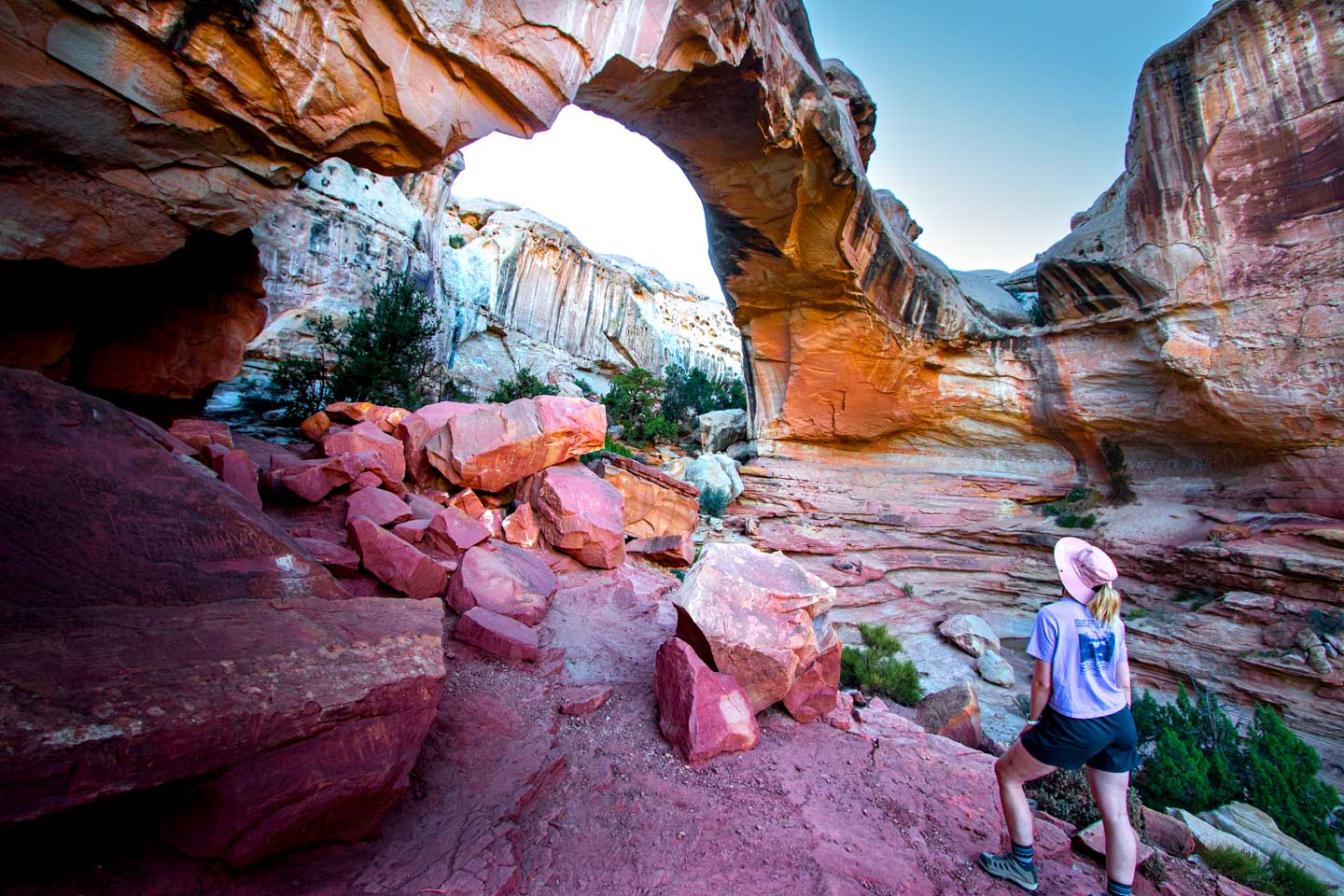
The next stop can be Hickman Bridge. It’s an easy, short trail leading to a natural stone bridge suspended high above the valley. Perfect if you want to see something spectacular without much effort.
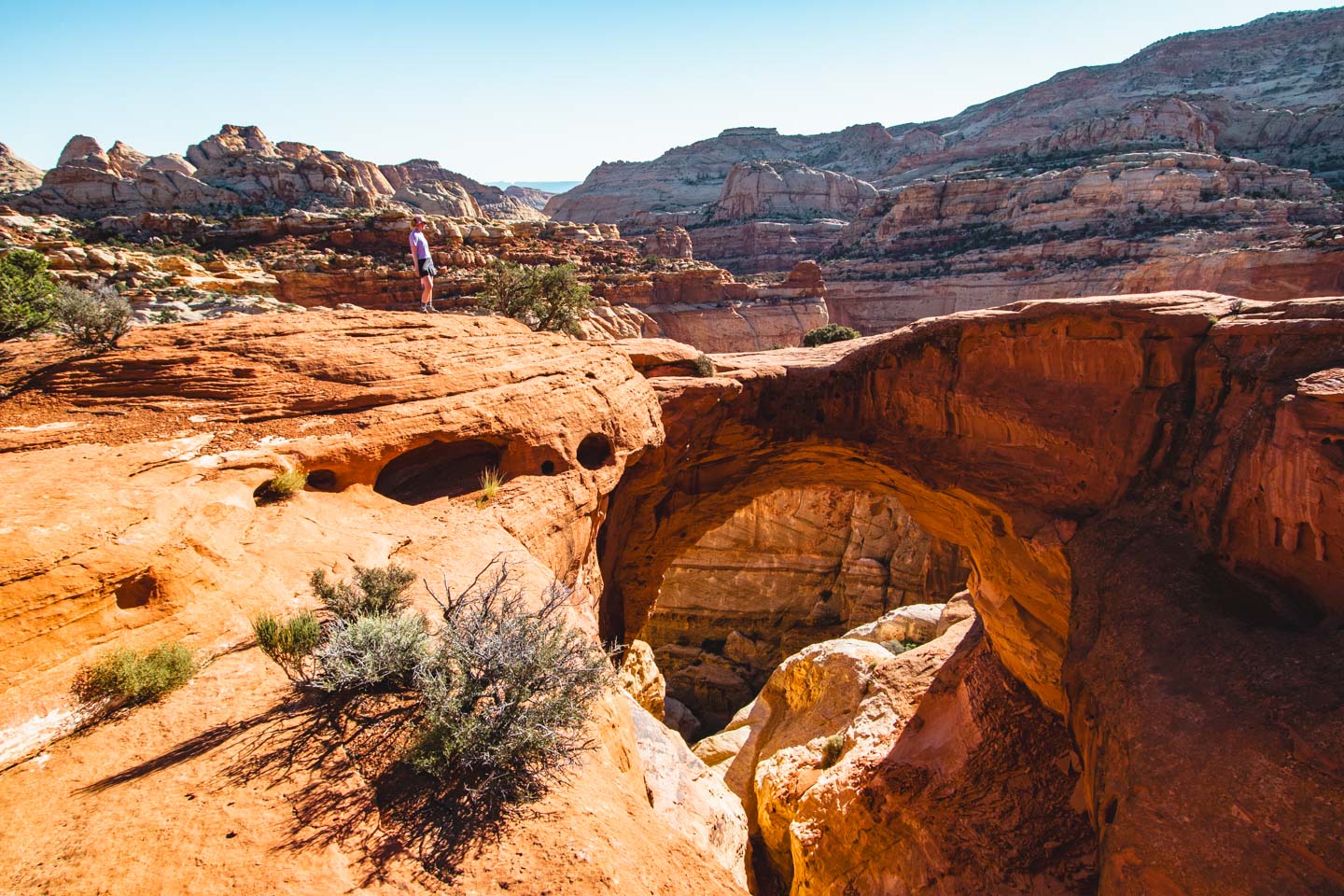
However, if you still have energy and desire for a stronger accent of the day, choose Cassidy Arch.
It’s a more demanding trek, but the views along the way and the stone arch itself fully reward the effort. From the top, a beautiful panorama of the area spreads out, one of the best in the entire park.
This is the perfect place for memorable photos and a calm end to the day in one of Utah’s most underrated parks.
In the afternoon, it’s worth going down to nearby Torrey and calmly end the day with good food. It’s a small town, but surprisingly pleasant, perfect for a break after visiting the park.
If you’re in the mood for something casual, a good choice is Slackers Burger Joint – solid burgers, relaxed atmosphere, and refreshing cocktails, exactly what you need after a day on the trails.
If you want something more elegant, check out Rim Rock Restaurant. It’s a great place for a calm dinner with a view and cuisine that pleasantly surprises for such a small town.
The perfect closing of a day in Capitol Reef – without rushing and without forced planning.
Evening: Stargazing at Fruita Campground
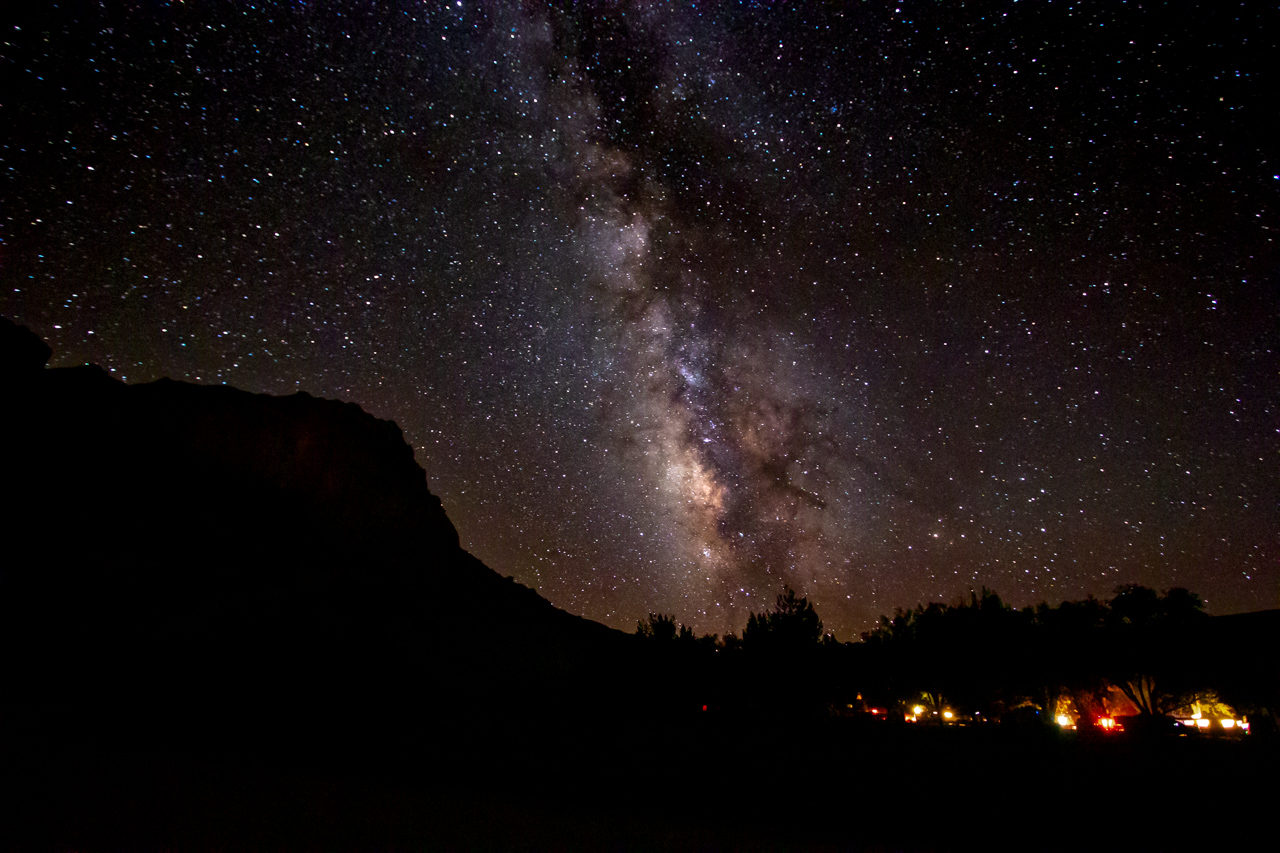
In the evening, it’s worth returning deeper into the park, to the historical Fruita settlement. This is one of the best places in Capitol Reef National Park for observing the night sky.
Particularly good conditions prevail around Fruita Campground.
Lack of light pollution, clean air, and open space make stars exceptionally clear here, and the Milky Way is often visible with the naked eye.
On selected days, astronomical programs are also organized, during which you can watch the night sky through professional telescopes.
This is a calm, almost magical end to the day – perfect amid the silence and desert landscape of Capitol Reef.
If you plan to camp, check out my list of essential camping items – these are things I actually use and that make a difference on the trail.
If you’re planning to camp in a tent, check out my camping essentials list – these are the things I actually use and that truly make a difference on the road.
Practical Information
Hickman Bridge
The trail is 1.8 miles round trip, and completing it usually takes about 1.5 hours. It’s an easy, pleasant route, perfect even with limited time or less energy.
Cassidy Arch
A more demanding trail, 3.4 miles round trip. It’s worth reserving 2-3 hours for completing it. The route is longer and more exposed, but the views along the way and at the arch itself definitely reward the effort.
Before heading out on any of these trails, it’s good to check current conditions on Capitol Reef National Park’s official website, especially in heat or after precipitation.
How Much Does It Cost to Enter Capitol Reef National Park?
Entrance to Capitol Reef National Park costs $20 per vehicle and is valid for 7 days.
Similar to previous parks on the route, the America the Beautiful Pass also applies here, which I wrote about earlier.
If you have it, you don’t pay additional entrance fees. This is especially convenient for a road trip through several Utah national parks.
Where to Stay in Capitol Reef National Park?
If you plan accommodation near Capitol Reef National Park, a good choice will be Capitol Reef Resort.
The resort is located very close to the park and offers various accommodation options – from classic rooms to more unique lodging forms.
Beautiful views of surrounding rocks are a big plus, as well as a restaurant and pool that let you really rest after a day spent on the trails.
It’s a comfortable and calm base, perfect for slowing down in a less frequented part of Utah.
Ready to explore more of the American West?
🏔️ More Epic National Parks → 10 Best Joshua Tree Hikes – Desert landscapes as stunning as Utah’s
🚗 Epic Road Trips → 7-Day California Coast Road Trip – Perfect Utah follow-up ⛰️ Desert Adventures → Arizona Road Trip Itinerary – Your next Southwest escape
🏕️ Camping & Van Life → Van Life USA Guide – Turn your Utah trip into a lifestyle
Which Utah destination surprised you most on this itinerary?
Day 6: Arches National Park
Morning: Landscape Arch and Double Arch
Dedicate the sixth day of your Utah road trip to one of the state’s most characteristic parks.
Before you hit the road, grab a quick breakfast in Torrey, for example at The Wild Rabbit Cafe – it’s a good spot for morning refueling before the drive.
The drive to Arches takes about 2 hours and is itself a pleasant introduction to the day. Desert spaces, canyons, and increasingly red rocks preview what awaits you at the destination.
After arrival, it’s best to start with a short, unhurried walk.
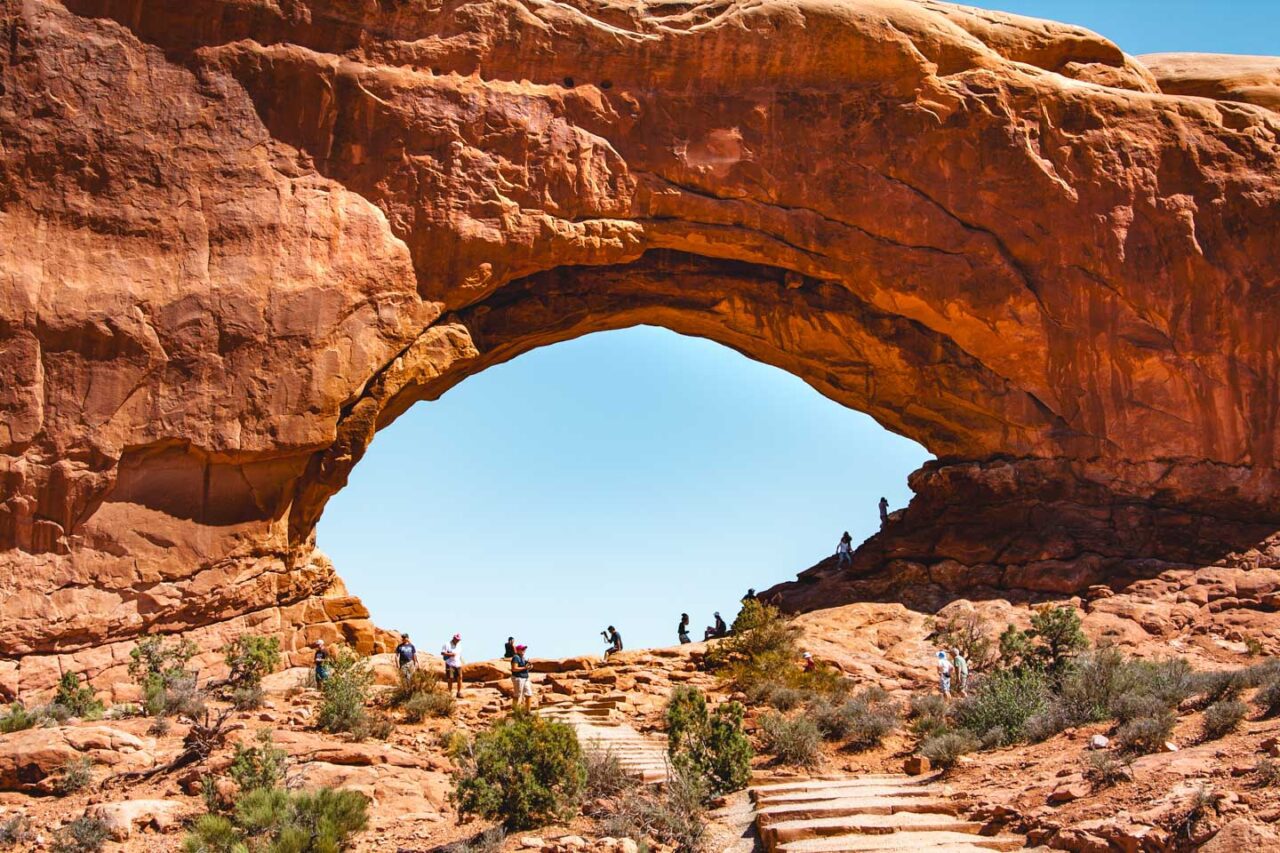
Landscape Arch makes a huge impression up close – with a span of about 290 feet, it’s one of the longest natural stone arches in the world and looks almost unrealistically delicate.
Nearby you’ll also find Double Arch – a powerful, double formation that you might recognize from movies, including Indiana Jones. It’s a good place to pause for a moment, look around, and feel this park’s scale.
Morning in Arches is the perfect moment for a calm entry into the day’s rhythm – without long treks, but with views that immediately explain why this is one of Utah’s most iconic places.
Afternoon: Park Avenue or Devils Garden
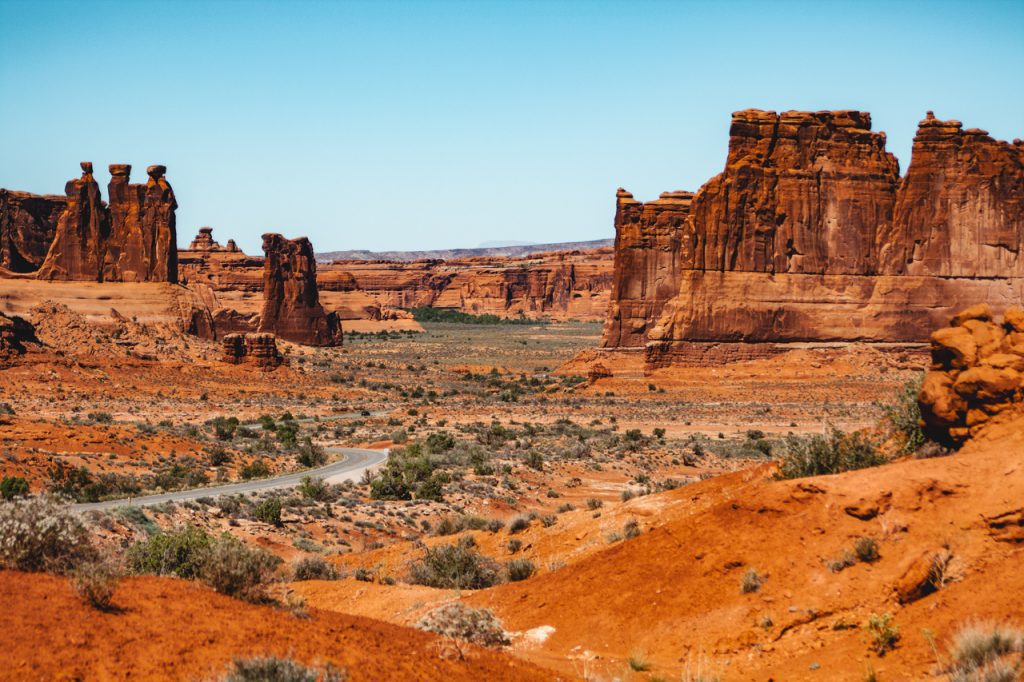
If you still have energy, the afternoon in Arches National Park is worth dedicating to a longer hike. Good choices are Park Avenue or Devils Garden – two routes that perfectly capture this place’s character.
Park Avenue leads between monumental rock walls and immediately gives you a sense of scale – you’re walking as if on a street carved in red rock.
Devil’s Garden, on the other hand, is a more rugged, wild landscape: a labyrinth of pinnacles, arches, and formations where it’s easy to lose track of time.
After coming down from the trail, head to Moab for a well-deserved lunch. If you want to combine good food with a view, I recommend The Broken Oar.
It’s a pleasant place by the Colorado River, perfect for sitting down, resting, and gathering strength before the day’s last points.
Afternoon in Arches tastes best without rushing – with movement, space, and a good ending at the table.
Evening: Delicate Arch at Sunset
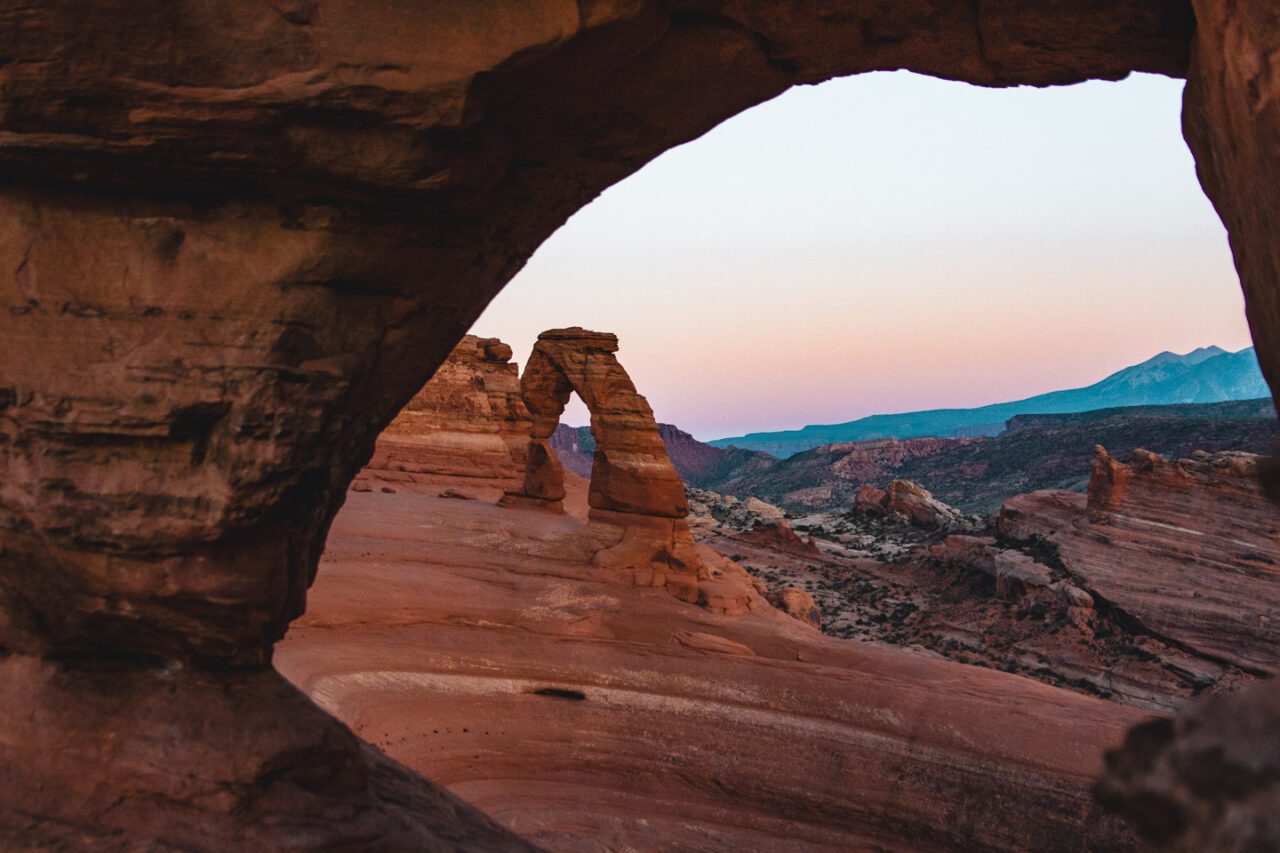
Just before sunset, it’s worth returning to Arches National Park and heading to the park’s most iconic trail, Delicate Arch.
This is exactly when Delicate Arch looks most beautiful. Red sandstone catches warm light, colors slowly deepen, and the entire landscape slows down. It’s worth coming here a bit early, sitting on a rock, and simply waiting.
This is the perfect moment for photos, but even better for doing nothing. Looking, sitting in silence, and letting this view stay in memory longer. This is one of those evenings in Utah that you truly remember.
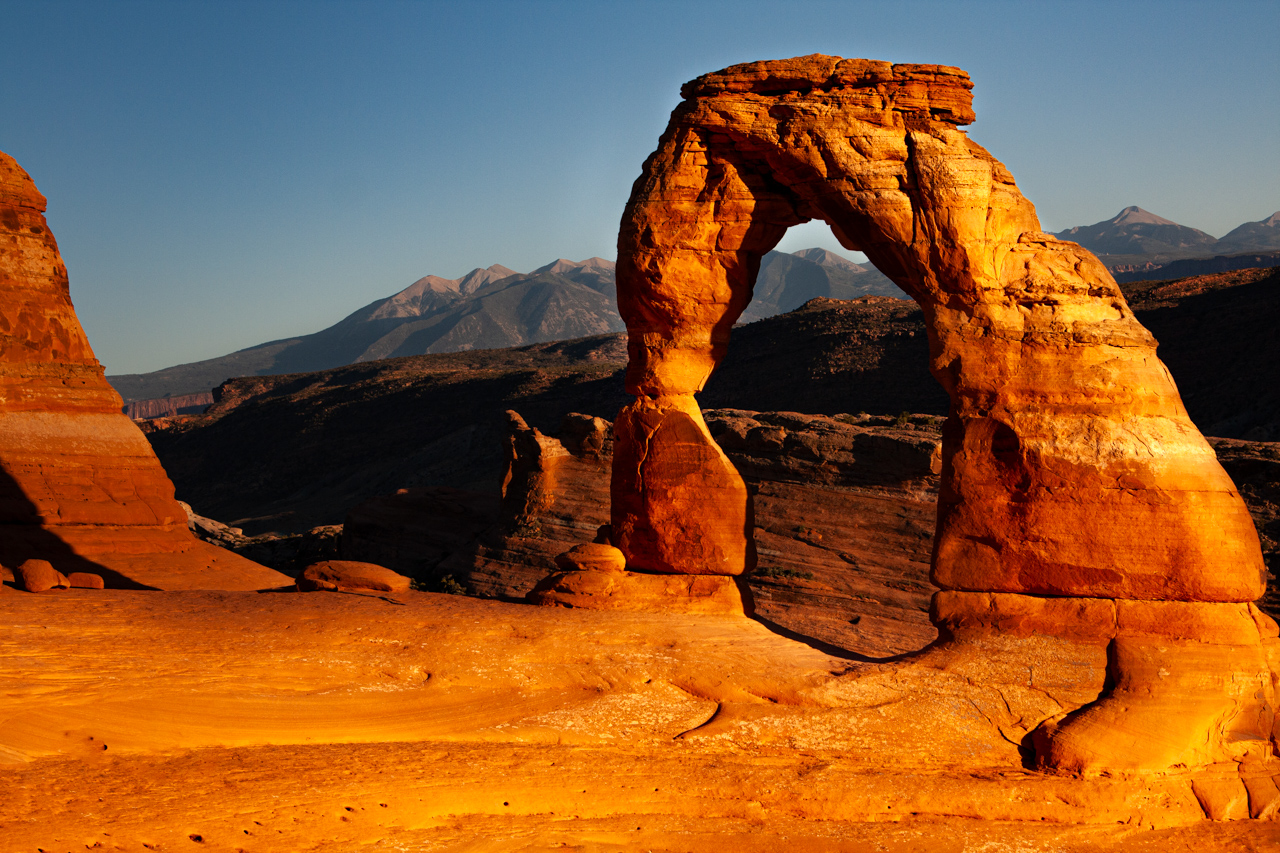
This incredible landscape reminded me of my adventures in Joshua Tree National Park – check out my hiking guide for equally stunning desert formations.
Practical Information
Landscape Arch
The trail is 1.8 miles round trip and completing it usually takes about 1 hour. It’s an easy, short route perfect for a calm start to exploring the park.
Double Arch
Trail length is 0.6 miles round trip, and the walk usually takes about 30 minutes. Short, spectacular, and without much effort.
Park Avenue
The route is 1.8 miles round trip and takes about 1 hour. It’s a very scenic walk between monumental rock walls.
Devils Garden
The most demanding of the mentioned trails – 7.9 miles round trip, and completing it usually takes 3-4 hours. This is an option for people with good fitness and time to spare.
Before heading out on any of these trails, it’s worth checking current conditions on Arches National Park’s official website, especially in high temperatures or after precipitation.
How Much Does It Cost to Enter Arches National Park cost?
Entrance to Arches National Park costs $30 per vehicle and is valid for 7 days.
Similar to previous parks on the route, the America the Beautiful Pass also pays off here, which I wrote about earlier. If you have it, you don’t pay for park entrance.
However, it’s worth remembering an additional rule in effect at Arches: from April 1 to October 31, park entry requires advance timed entry reservation.
Reservation involves an additional $2 fee and must be made in advance online.
It’s a small thing, but without this reservation, you may not be allowed into the park, even if you already have paid entrance or an annual pass.
Where to Stay in Arches National Park?
The best accommodation base near Arches National Park is Moab. It’s a town with good energy: lots of restaurants, cafes, and shops, while also being a great launching point for the park.
If you’re looking for a comfortable hotel at a reasonable price, I recommend Moab Valley Inn. It offers comfortable rooms, good location, and easy access to both Arches and downtown Moab.
It’s a practical choice after a long day on the trails, without unnecessary complications.
Day 7: Canyonlands National Park
Morning: Island in the Sky
The last day of your Utah road trip is worth spending in one of the state’s most underrated yet most monumental parks – Canyonlands.
Start the morning in Moab with a quick breakfast at Moab Coffee Roasters.
Then head toward the park – the drive takes about 40 minutes, and the road gradually introduces you to the rugged, desert landscape.
It’s best to start exploring in the Island in the Sky section, where viewpoints make a huge impression without requiring long treks.
Stop at Shafer Canyon Overlook, Grand View Point, and Green River Overlook. These are places from which you can see endless canyons and valleys of the Colorado River and Green River – the landscape’s scale really makes an impression here.
At the end of the morning, take a short walk to Mesa Arch. This natural stone arch creates a characteristic “window” over the canyon and is one of the most photogenic places in the park.
Although it’s mainly famous for sunrises, at any time of day it lets you feel Canyonlands’ vastness.
This is a calm, contemplative finale to your Utah journey – the perfect moment to slow down and look at this route from a distance.
If you’re in the mood to dive deeper into Utah, check out my article on the best things to do in Utah – it’s a perfect follow-up to this route and highlights the state’s most surreal landscapes and iconic desert scenery.
Afternoon: Upheaval Dome or Grand View Point
You can spend the afternoon in Canyonlands National Park actively, but without pressure. A good choice is Upheaval Dome – a short trail leading to a mysterious depression in the ground whose origin still sparks debate.
It’s a place unlike all others, more rugged and intriguing.
If you prefer a calmer option, choose Grand View Point. Views of vast canyons and rock formations are among the best in the entire park and nicely close your visit to the Island in the Sky section.
At the end, return to Moab. For simple, classic lunch, Moab Diner works well – burgers, grilled dishes, and American comfort food without complications. After the meal, you can still check out local shops for last souvenirs from this trip.
This is a calm, satisfying closing of a week in Utah.
Evening: Return to Salt Lake City
In the evening, it’s time to return to Salt Lake City, where this journey began. You have about 4 hours of driving ahead, but it’s one of those drives that are themselves part of the experience.
Setting sun, long shadows on the desert, and slowly fading Utah colors are the perfect closing of the entire route.
It’s also a good moment to mentally return to the places you passed… and start planning the next adventures in the western states.
Practical Information
Mesa Arch
A short and easy trail, 0.6 miles round trip. Completing it usually takes about 30 minutes, making it an ideal stop even with a tight schedule.
Upheaval Dome
Trail length ranges from 0.6 miles to 1.2 miles round trip, depending on the chosen variant:
- First Overlook – the approach takes about 1 hour
- Second Overlook – the approach takes about 1.5 hours
The second viewpoint offers broader perspective and better understanding of this mysterious place’s scale.
Before heading out on any of these trails, it’s worth checking current conditions on Canyonlands National Park’s official website, especially in high temperatures or strong wind.
How Much Does It Coast to Enter Canyonlands National Park cost?
Entrance to Canyonlands National Park costs $30 per vehicle and is valid for 7 days.
Similar to previous parks on this route, the America the Beautiful Pass also pays off here, which I wrote about earlier. If you have it, you don’t pay additional park entrance fees.
This is a convenient solution for a whole week of visiting Utah national parks, without needing to buy separate tickets at each gate.

Travel lighter, even before you leave.
start with something simple.
Download The Minimum Plan – Slow Travel:
This Utah Road Trip Changed How I See American Travel
I hope this travel plan helped you feel Utah’s vibe and inspired you to plan your own trip.
It’s the perfect place for a road trip without rushing – with scenic roads, spectacular national parks, and nature that truly impresses.
Utah can be monumental and rugged, and a moment later quiet, spacious, and soothing.
After a week in Utah, you return as a different person. And it’s not just about the list of places you managed to see. It’s about how your way of looking at space, silence, and pace changes.
How you start noticing the colors of rocks at different times of day. How emptiness stops being empty and becomes something that gives peace and stays with you longer.
This region has something for everyone: for fans of canyon hikes, for those who love long drives through emptiness, and for people seeking contact with wild nature without crowds.
I hope this route gives you exactly that – wonder, quiet, and a gentle need to someday return.
Ready to plan your own adventure?
- 10 Amazing Things to Do in Utah – Arches, canyons, and hidden hikes
- A 7-Day Arizona Road Trip Itinerary – Desert magic and Grand Canyon secrets
- California Coast Road Trip – Epic coastal views and hidden beaches
- Pacific Northwest Road Trip – Perfect follow-up adventure
Which day of this itinerary are you most excited to experience?
Share this guide with fellow adventure seekers and tell me about your own Utah discoveries in the comments!
Pin it for later!
This article contains affiliate links. If you make a booking through these links, I may earn a commission, supporting this blog. Rest assured, my recommendations are based on honest assessments, and using these links doesn't affect prices for you. Thank you for your support!