
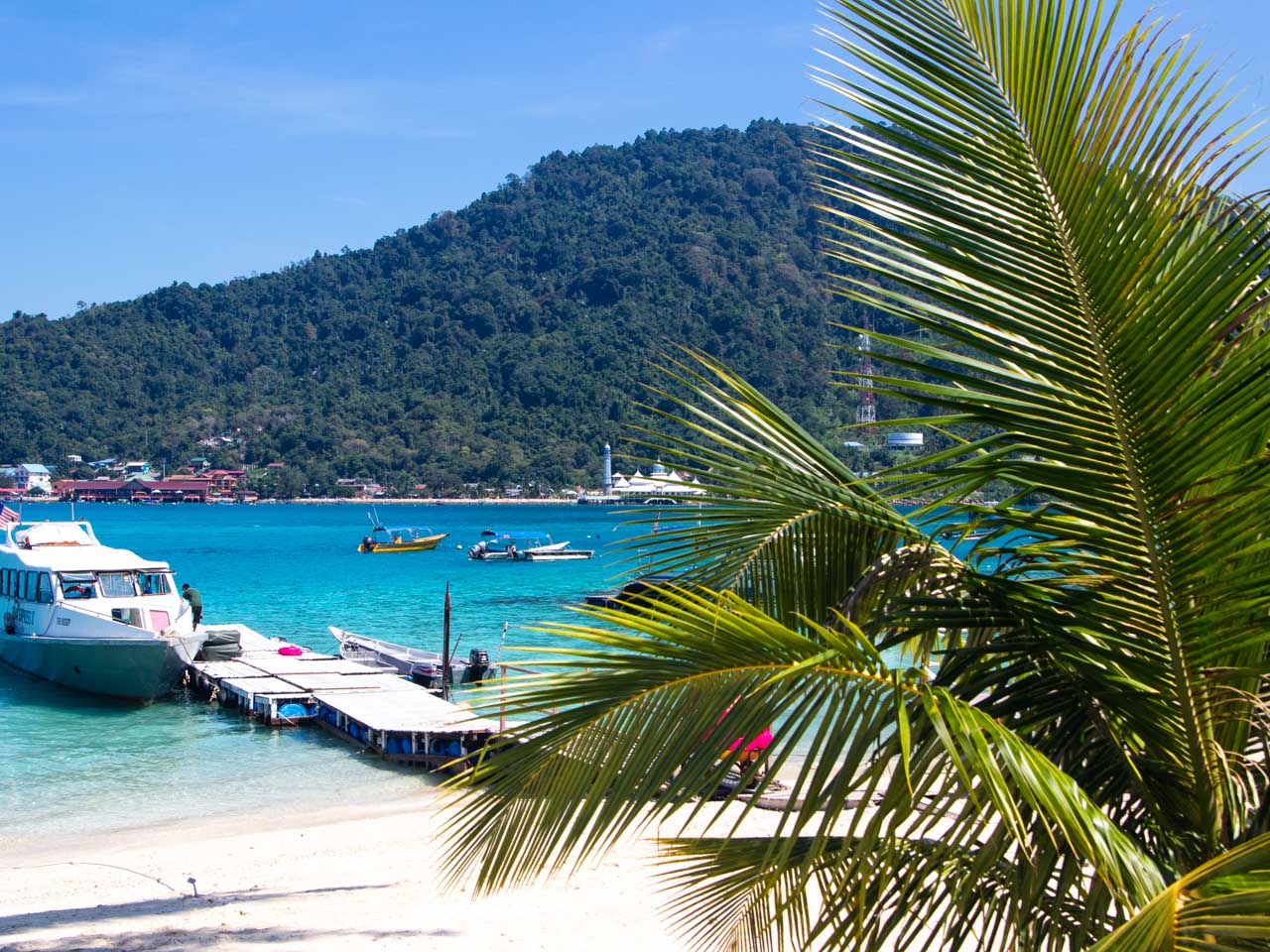
Looking for the best places to visit in Malaysia? This is one of those countries that doesn’t try to prove anything. It just is.
Malaysia can be simultaneously green and modern. Calm and intense. From tropical forests and islands with white sand, to Kuala Lumpur’s skyscrapers reflecting city lights in the evening.
You can slow down on the beach, look underwater, walk through the jungle, and eat something that stays with you for a long time. The cuisine here is as diverse as the people and stories that meet within it.
In this guide, I’ve gathered places truly worth seeing, along with practical tips. When to go, how to get around, and where to stay so your trip is a pleasure, not a logistical marathon.
If you’re looking for Malaysia with atmosphere and space for your own pace, you’re in the right place. Let’s get started.
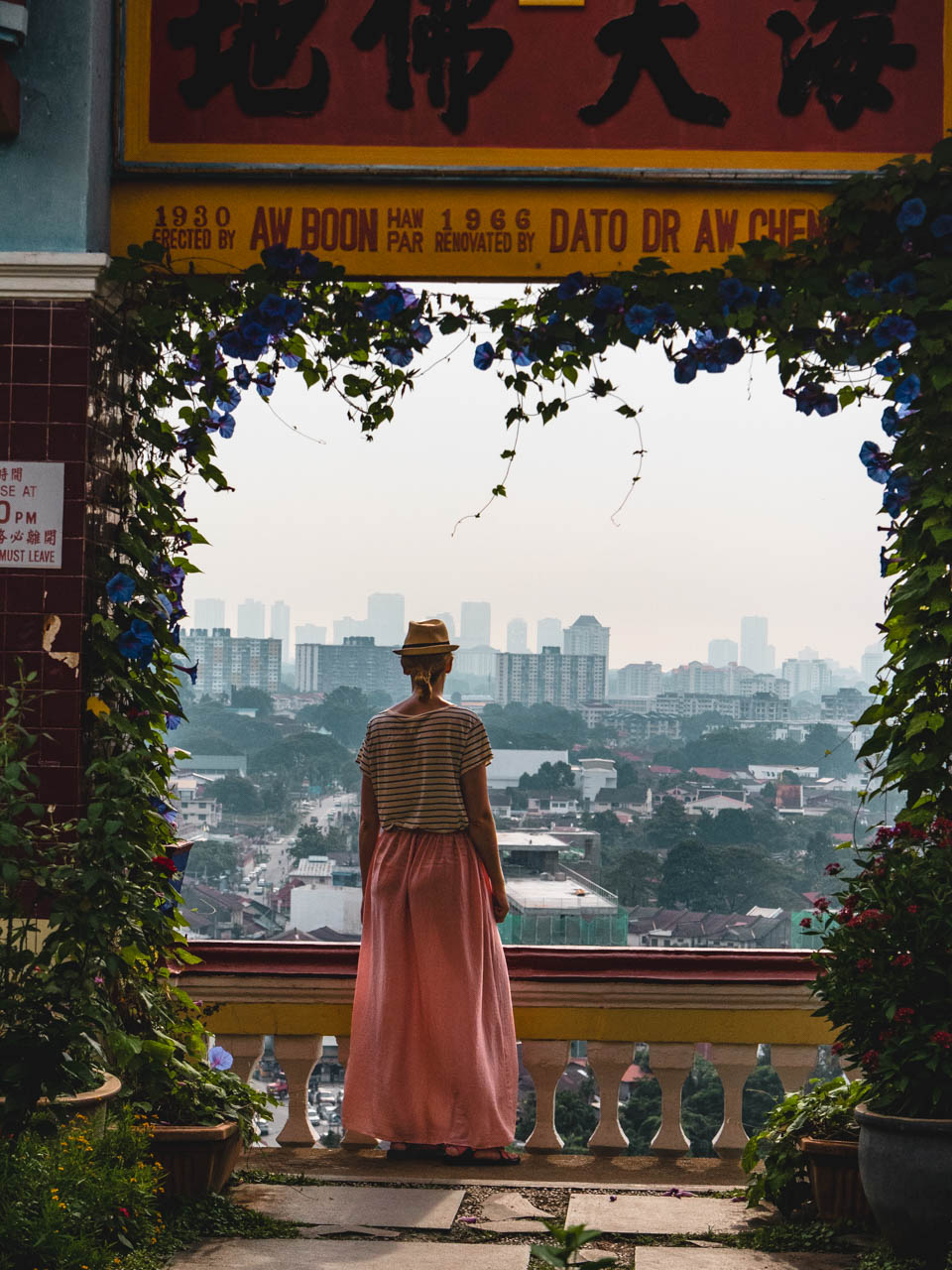
1. Kuala Lumpur – modernity meets everyday life
If you’re arriving in Malaysia for the first time, Kuala Lumpur is a natural starting point. It’s a city of contrasts, but the kind that don’t tire you. Rather, they invite you to stop and look more carefully.
Next to modern icons like the Petronas Towers, you’ll easily find older neighborhoods and places where everyday life unfolds at its own rhythm. A walk through the center quickly leads to a completely different world.
Chinatown with colorful buildings, the smell of street food, and shops full of trinkets. Or to Thean Hou Temple, one of the city’s most beautiful temples, peaceful and slightly above the urban chaos.
If you want a moment of greenery, check out Kuala Lumpur Bird Park. It’s one of those places that truly surprises with its scale and closeness to nature, even though you’re still in the center of a big city.
And the food? Kuala Lumpur is one of the best addresses in Asia. If you want to try the classics in one place, I recommend Lot 10 Hutong. Nasi lemak, Hokkien mee, ais kacang. Simple, local, and very memorable.
This city doesn’t shout. It gives you choices. And that’s exactly why it’s such a good place to start your Malaysian journey.
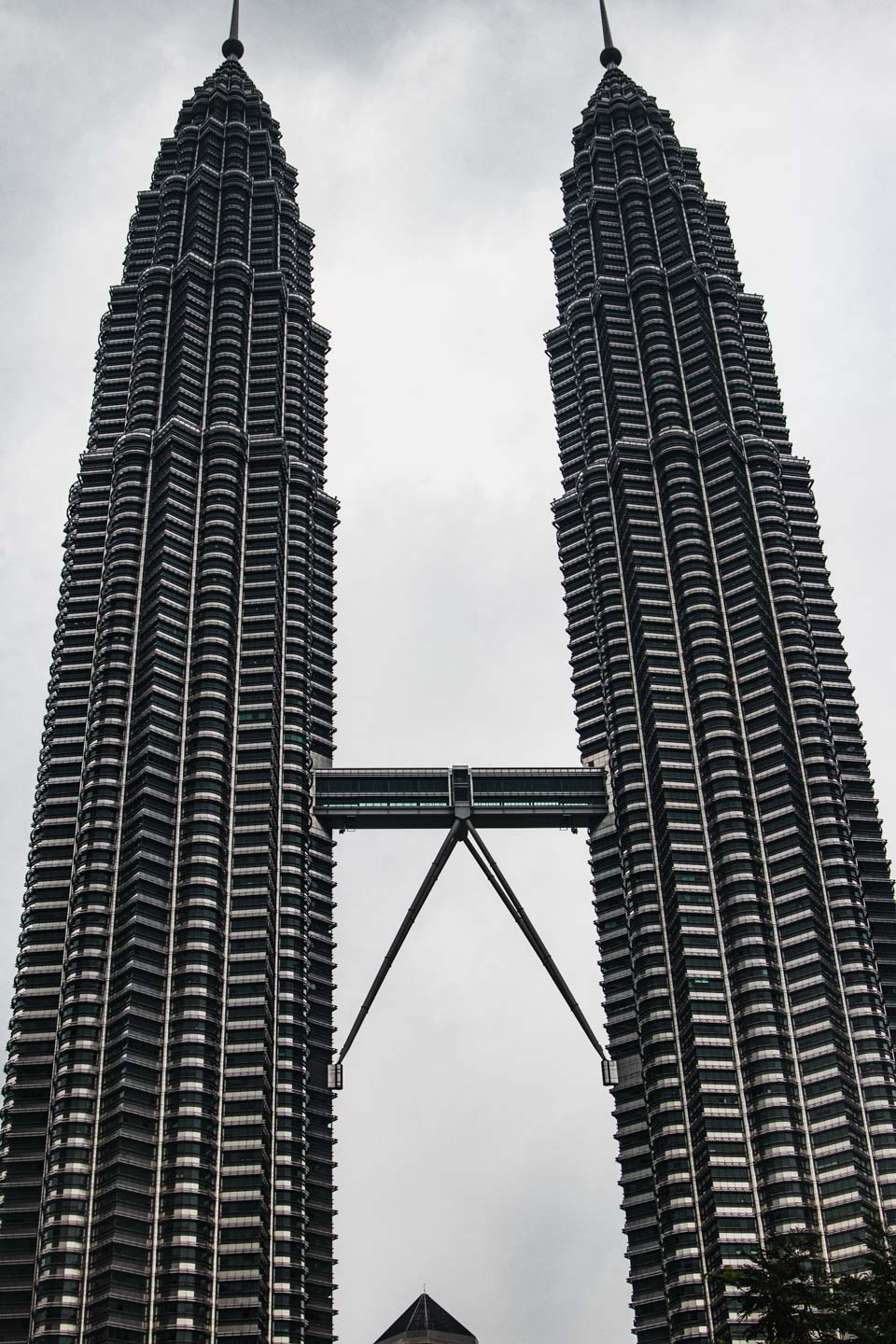
Kuala Lumpur in brief
This city is best explored over 2-3 days, using the metro and monorail. As a base, it’s worth choosing areas around KLCC or Bukit Bintang.
If you’re planning a longer stay in the capital and want to know it better, check out my detailed 2-day Kuala Lumpur guide – I’ll show you the exact sightseeing plan and best places to eat.
2. George Town – history and street food
George Town is one of those places you discover slowly. It’s located on Penang Island, and from the first walk, you can see many worlds meeting here.
The historic center, inscribed on the UNESCO World Heritage list, is a dense network of streets, old buildings, and houses with history.
Colorful facades, Chinese temples, and mosques stand next to each other quite naturally, without contrasts on display.
It’s worth checking out Pinang Peranakan Mansion to see what life was like for Penang’s former elites. For a change of perspective, take the funicular up Penang Hill, where the city and island come together in a peaceful whole.
A walk along Armenian Street is the best way to feel the local rhythm and see the murals George Town is famous for.
And if you get hungry, I have my regular spot. Laksalicious serves laksa that you’ll think about long after leaving. Simple, intense, and exactly as it should be.

George Town in brief
The easiest way to reach Penang is by plane, with a drive to the center taking about 30 minutes. The best months to visit are the dry season, from December to March.
The city itself is best explored on foot or by bike. Allow 2-3 days for a peaceful exploration of George Town.
3. Taman Negara National Park – world’s oldest jungle
If you’re drawn to greenery, silence, and real jungle, Taman Negara stays with you for a long time. It’s one of the oldest rainforests in the world, over 130 million years old, and you can feel it with every step.
The park offers experiences that aren’t for show. Walks along tropical trails, rope bridges suspended above tree canopies, jungle sounds instead of city noise.
You can walk along the Canopy Walkway, climb Bukit Teresek, peek into caves like Gua Kepayang Besar, or float down the Sungai Tembeling River and see the park from a completely different perspective.
This is a place for those who want to experience Malaysian nature in its most primitive form. Without rush and without filters.
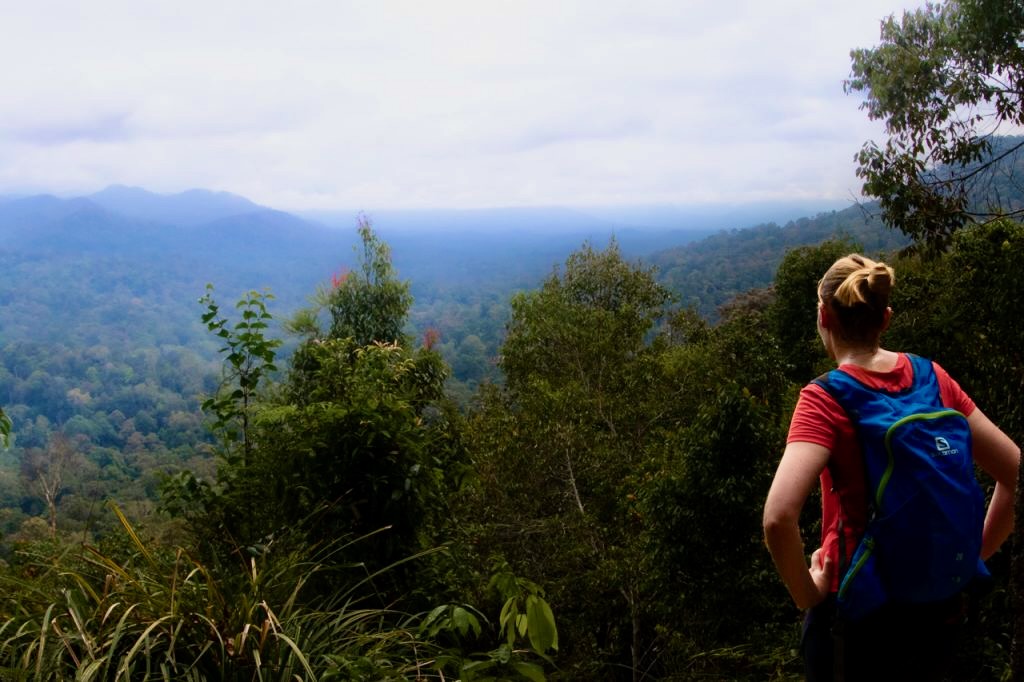
Taman Negara in brief
The easiest way to reach the park is from Kuala Lumpur through Jerantut, covering the last stretch by boat.
The journey itself is already part of the experience. Park entrance is symbolic, and for the night, it’s best to stay close to the jungle, like at Mutiara Taman Negara.
Bring repellent, comfortable shoes, and light long-sleeved clothing. Allow 2-4 days for a peaceful exploration of this place.
If the Taman Negara jungle fascinates you, read 10 reasons why you should visit Taman Negara – there I share more detailed experiences and practical tips.
4. Langkawi – islands for slowing down
Langkawi is a place you come to for a breather. An archipelago where beaches meet jungle, and everyday life naturally slows down.
Cenang Beach is lively and open, with white sand and calm water. If you’re looking for quiet and views, Pantai Tanjung Rhu offers a completely different pace. Cliffs, pines, and space where it’s easy to stay longer than planned.
But Langkawi isn’t just beaches. The cable car ride and walk across Langkawi Sky Bridge let you see the island from above, while caves and the island’s green interior remind you that nature is always close here.
It’s a good place to combine rest with light exploration. No pressure, no “must see” list.
Langkawi in brief
You can reach the island by ferry from Penang or fly into Langkawi International Airport.
Once there, getting around by car or scooter gives you the freedom to explore beaches and quieter, less obvious corners.
Plan to spend 4-7 days on Langkawi to truly feel the island’s rhythm, not just tick off the views.
How do you want to discover Southeast Asia?
🍜 Culinary discoveries → 10 Must-Try Dishes in KL – full list of my favorite flavors
🌴 Jungle awaits → 10 Reasons to Visit Taman Negara – real Malaysian nature
🇸🇬 Next stop → Singapore City Guide – perfect combination with KL
🌴 Thai adventure → Thailand Travel Guide – everything worth knowing before the trip
Which adventure attracts you most?
5. Cameron Highlands – tea plantations and cool air
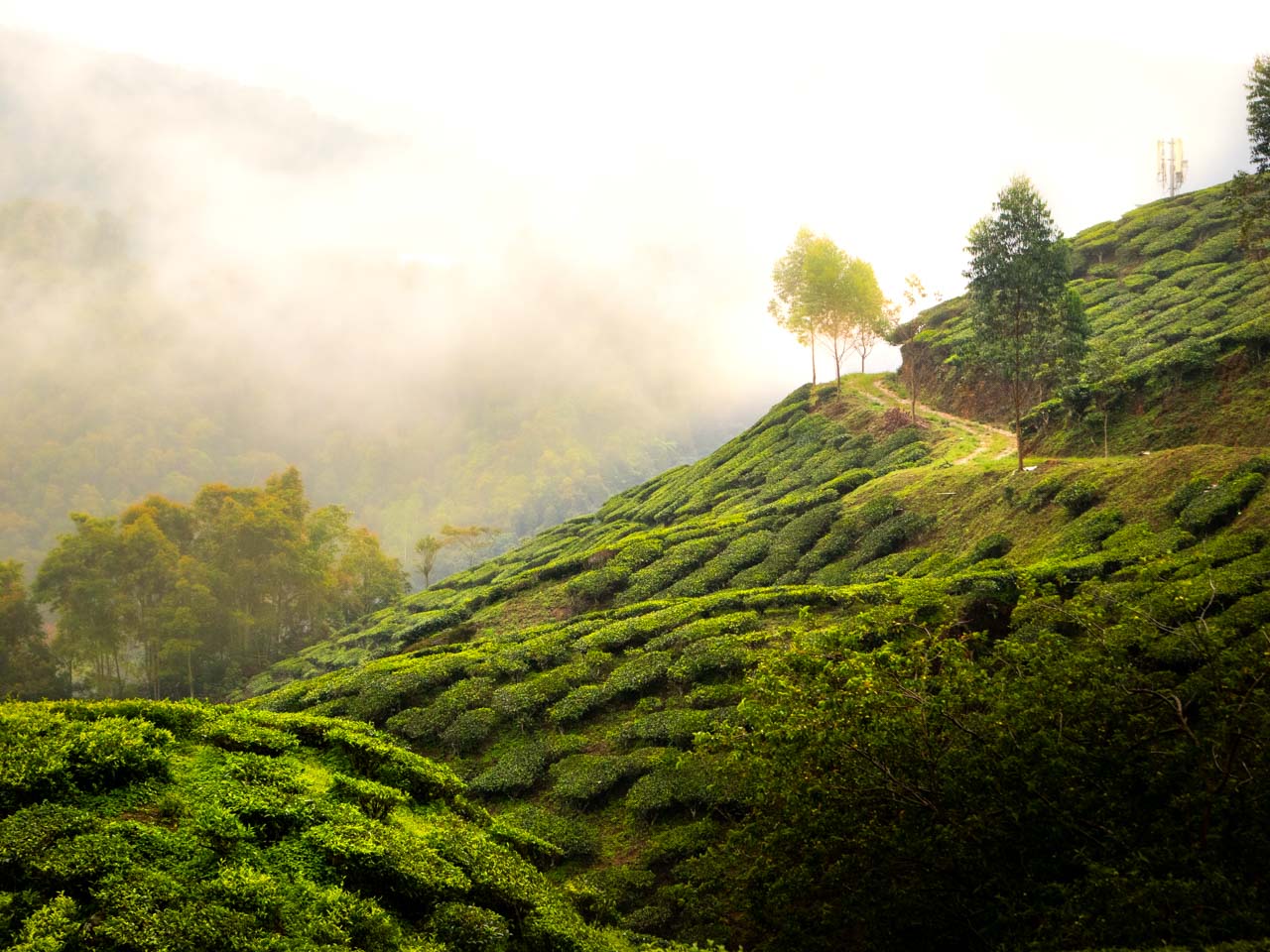
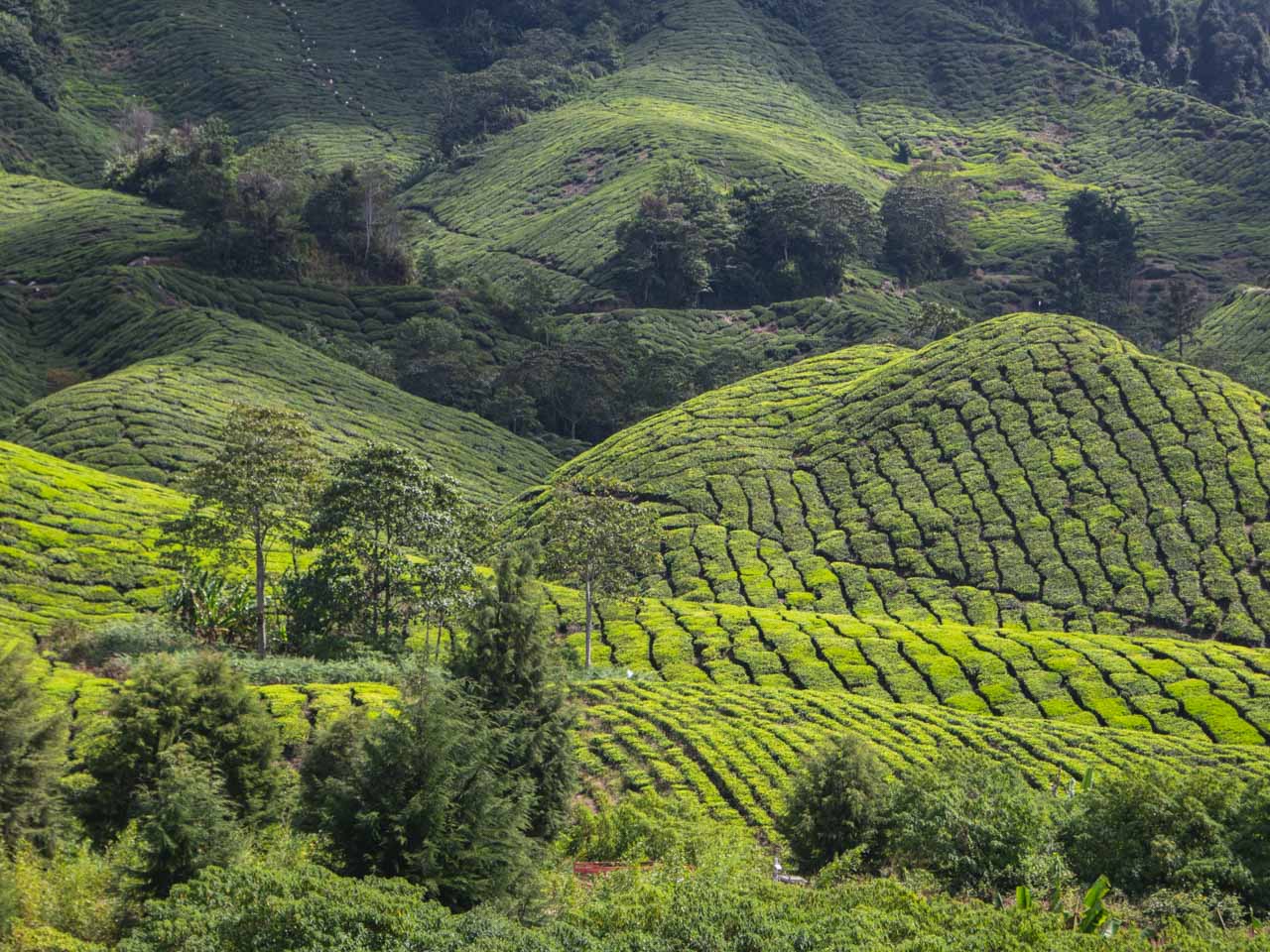
Cameron Highlands is a breath of fresh air from tropical heat and intense cities. A mountain region where everything slows down, and green has a completely different shade.
Rolling tea plantations, cooler air, and views best savored without rush.
It’s a good place for peaceful treks between tea bushes, stops with views of the hills, and learning about the process that usually ends with a cup on the table.
Worth visiting plantations like BOH Tea Plantation or Bharat Tea Plantation, and while you’re at it, visit local strawberry farms, which the region is also famous for.
One of the most characteristic places is Mossy Forest. Trees covered with moss, moisture hanging in the air, and a slightly fairy-tale atmosphere make a walk here stay in memory for a long time.
Cameron Highlands is Malaysia in a calmer version. Perfect for slowing down and catching a different perspective.
Cameron Highlands in brief
The easiest way to get here is by bus from Kuala Lumpur, the journey takes about 4 hours. The best months to visit are from February to April, when rainfall is lowest.
On site, plan time for a walk through tea plantations and trekking in Mossy Forest. 2-3 days is enough to peacefully explore the region.
6. Pulau Kapas – quiet island without crowds
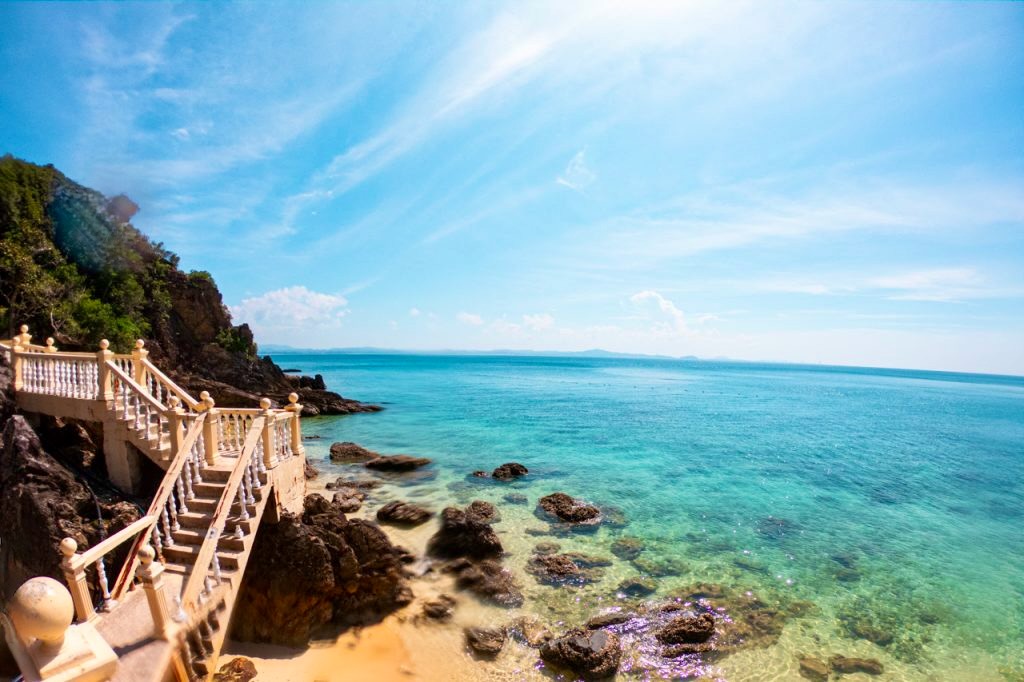
Pulau Kapas is a proposition for those who really want to disappear for a while. A small island in the South China Sea, without rush, without big resorts, and without crowds.
White beaches, clear water, and coral reef right by the shore mean snorkeling starts almost from entering the sea. Colorful fish, silence, and the rhythm of the day determined by the sun, not a watch.
On the island, you’ll find simple, atmospheric beach eateries with local food and intimate accommodations.
I stayed at Kapas Turtle Valley Beach Resort. Cottages with sea views and peaceful atmosphere make it easy to stay longer than planned.
Pulau Kapas is Malaysia in its simplest, most soothing version. Perfect if you’re dreaming of a real reset.
Pulau Kapas in brief
You reach the island by boat from Marang Jetty, the trip takes about 30 minutes. The best time to visit is from March to October.
Accommodations are simple and affordable, and the biggest attractions remain snorkeling, diving, and peaceful kayaking.
Allow 3-5 days on Pulau Kapas to really slow down and enjoy the island.
7. Malacca – Malaysia’s colonial history
Malacca is a city where history is truly present. Like George Town, it’s inscribed on the UNESCO World Heritage list, but has a completely different rhythm and character.
Chinese merchant houses, Indian details, and European colonial architecture meet here on a few streets, creating a peaceful, multi-layered story.
A walk through the old town naturally leads to places like Stadthuys or Christ Church, which remind of the city’s Portuguese and Dutch past.
In the evening, check out Jonker Street Night Market. It’s a good place to try local flavors and see how the city lives after dark, without rush and without fireworks.
Malacca doesn’t try to impress by force. Rather, it invites you to slow down and be guided by history that’s still palpable on every corner.

Malacca in brief
The easiest way to reach the city is by bus from Kuala Lumpur, the journey takes about 2 hours. Malacca itself is best explored on foot or slowly, by traditional rickshaw.
A good complement to walks is a short river cruise and visit to the Maritime Museum. 1-2 days is enough to explore the city.
8. Batu Caves – temple and rocks near Kuala Lumpur
Batu Caves is one of those places that makes an impression even before you enter. Just fifteen minutes from Kuala Lumpur, yet a completely different atmosphere.
At the foot of the hill stands a monumental statue of god Murugan, over 40 meters tall. It guides the eye toward the stairs. There are 272 of them, and though the climb can tire you, the way up is part of the experience.
Inside awaits a Hindu temple, light falling through openings in the rock, paintings, and natural rock formations.
Stalactites and stalagmites create scenery where spirituality and nature permeate very naturally. The whole has a calm, slightly mystical energy.
This place is best absorbed without rush, allowing yourself moments of silence between steps.
Batu Caves in brief
The easiest way is by KTM Komuter train from Kuala Lumpur, the journey takes about 30 minutes. Entrance is free.
It’s worth coming in the morning before it gets really hot. Modest dress is required, covered shoulders and knees. Allow half a day for the visit, without pressure and without a watch.
9. Perhentian Islands – snorkeling and reef by the shore
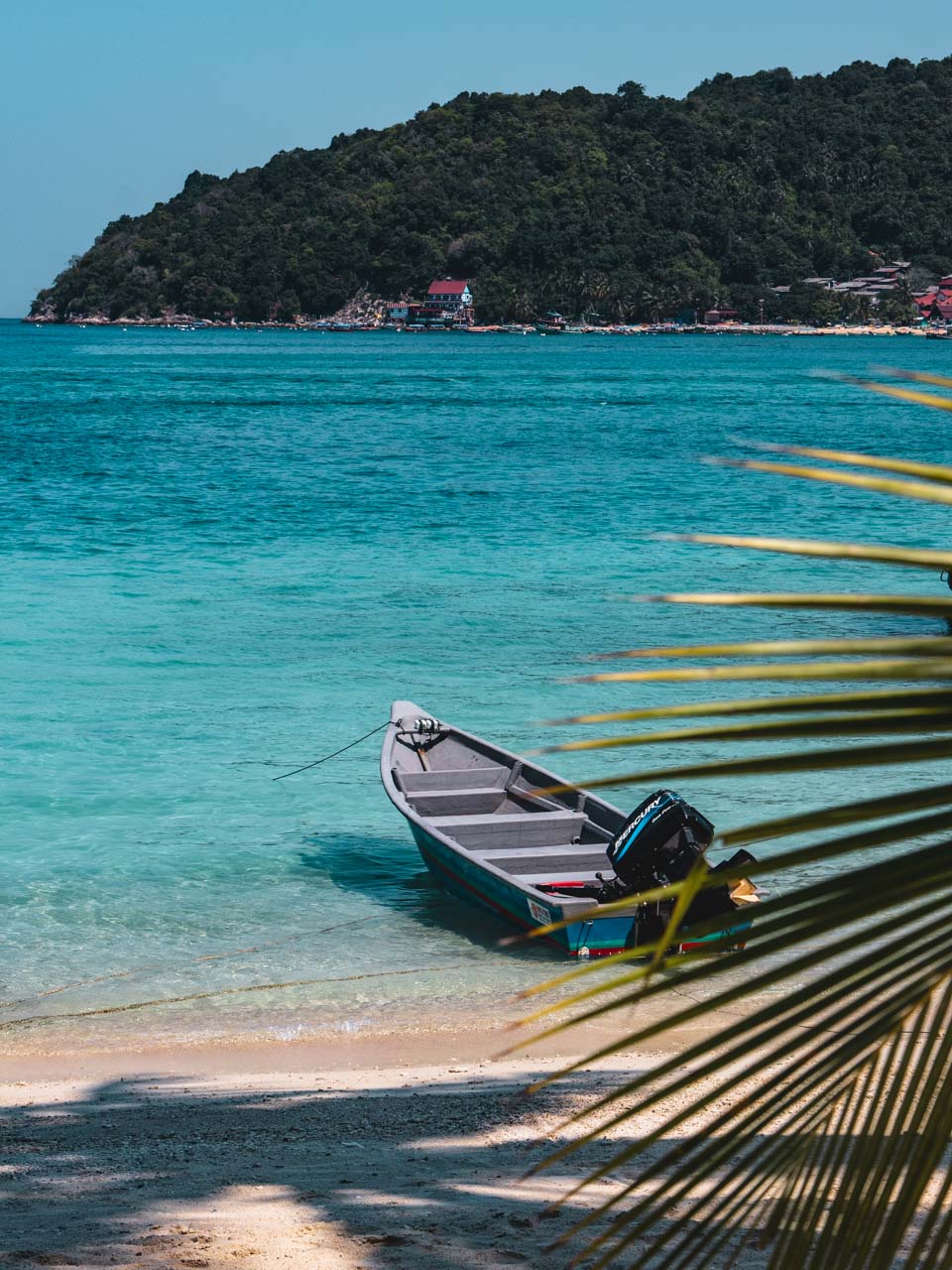
The Perhentian Islands are Malaysia in its most postcard-like version, but without exaggeration and without big resorts.
Two main islands, Perhentian Besar and Perhentian Kecil, differ in atmosphere, but share the same things. White beaches, warm sea, and simple daily rhythm.
Beaches like Long Beach or Coral Bay taste best in the morning or just before sunset. During the day, it’s hard to resist snorkeling.
The reef starts very close to shore, and underwater you’ll meet colorful fish, sea turtles, and sometimes reef sharks.
Besides swimming, try local seafood and take a short boat trip between bays. Nothing complicated, just pure pleasure of being close to nature.
As for accommodation, I stayed at Tuna Bay Resort. Simple cottages right on the beach and peaceful atmosphere make it easy to forget about the world beyond the islands.
The Perhentian Islands are a place for reset. Without a “must see” list, but with water, light, and time that flows slower.
Perhentian Islands in brief
You reach the islands by boat from Kuala Besut, the trip takes about 45 minutes. The best time to visit is from March to October.
Accommodations start from about 100 MYR per night. On site, focus on diving and peaceful boat trips between bays.
Allow 4-7 days for a real reset.
10. Malaysian Borneo – wild nature without filters
Malaysian Borneo is completely different Malaysia. Wild, green, and still governed by its own rules. If you’re drawn to nature in its purest form, this is one of those places that stay in memory for a long time.
This is where you can meet orangutans, proboscis monkeys, and wild elephants.
The most famous centers, like Sepilok Orangutan Rehabilitation Centre or Semenggoh Nature Reserve, let you see these animals up close, in conditions as natural as possible.
But Borneo isn’t just fauna. Dense rainforests, rivers, wild trails, and coastline that can surprise with calm.
In Sabah state await some of the country’s best diving spots, and Bako National Park lets you walk straight into the jungle, without filters and pretense.
If you’re dreaming of a moment’s rest, Tunku Abdul Rahman Marine Park offers white beaches and water in shades hard to describe in words.
Borneo is a proposition for those who want to see Malaysia from its most primal side. Without shortcuts and without rush.
Malaysian Borneo in brief
It’s best to fly to Borneo to Kota Kinabalu in Sabah state or to Kuching in Sarawak. On site, plan jungle trekking, wildlife observation, and time by the water.
Reserve at least 5-10 days for this part of Malaysia to truly feel the scale and rhythm of this place.
Practical notes before you go
When to visit Malaysia
The best time to travel to Malaysia depends on the region you have in mind. This is a country where weather really makes a difference.
If you’re planning the east coast, the best months are from April to October. The west coast is best visited from December to March. During the rainy season, be careful.
On the east, it lasts roughly from November to March, and on the west from April to October. Rains can be intense and can hinder both sightseeing and beach time.
I was in Malaysia in June and this timing worked out very well. It was warm, and rain appeared only briefly, without affecting daily plans.
If you like traveling without pressure for perfect weather, this is one of those months that gives a lot of freedom.
Getting to Malaysia
From USA
Traveling to Malaysia from the United States usually means one or two layovers. There are no direct flights, but the routes are well connected.
Airlines like Qatar Airways, Emirates or Singapore Airlines make the journey comfortable, with stopovers in places such as Doha, Dubai or Singapore.
Total travel time is typically around 20-24 hours, depending on the length of the layover. Most long-haul flights arrive at Kuala Lumpur International Airport.
From Europe
From Europe, getting to Malaysia is often a little simpler.
There are direct flights from cities like London, Paris or Amsterdam, usually taking around 12-14 hours, with airlines such as Malaysia Airlines or British Airways.
If you’re flying from a city without a direct connection, it’s easy to transfer through hubs like Doha or Dubai.
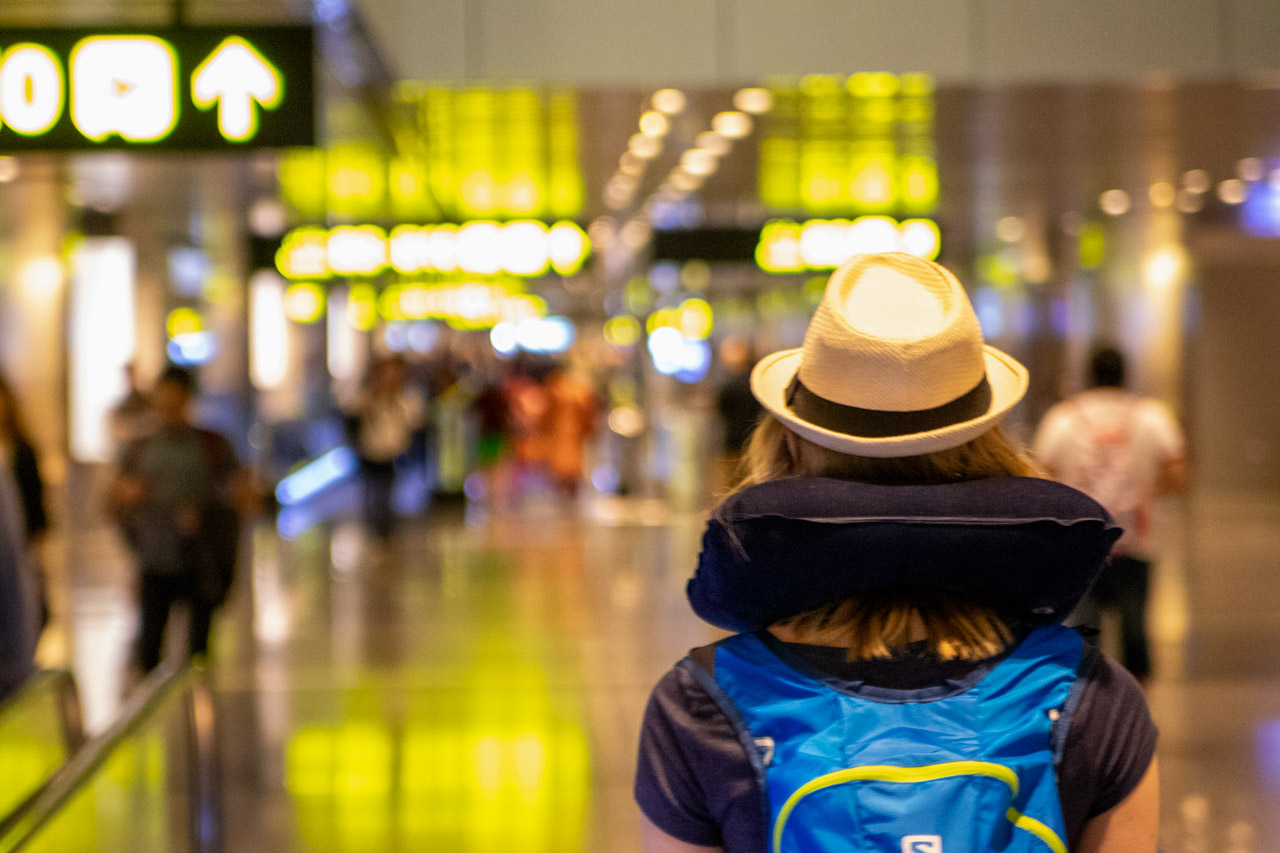
Once you arrive in Kuala Lumpur, the rest of the country opens up easily. Short domestic flights connect the capital with places like Penang or Langkawi, making it simple to turn your arrival into a longer, well-paced journey.
Is Malaysia affordable to travel
Malaysia offers great budget flexibility. You can travel very economically, but also comfortably, without feeling everything costs a fortune.
Average daily expenses usually range from 150-350 ringgits, depending on region and travel style.
Food, transport, and accommodations are generally affordable, which makes Malaysia work well both for longer trips and peaceful, unhurried travel.
What Malaysian food is known for
Malaysia is known for a cuisine that tells its story better than any guidebook.
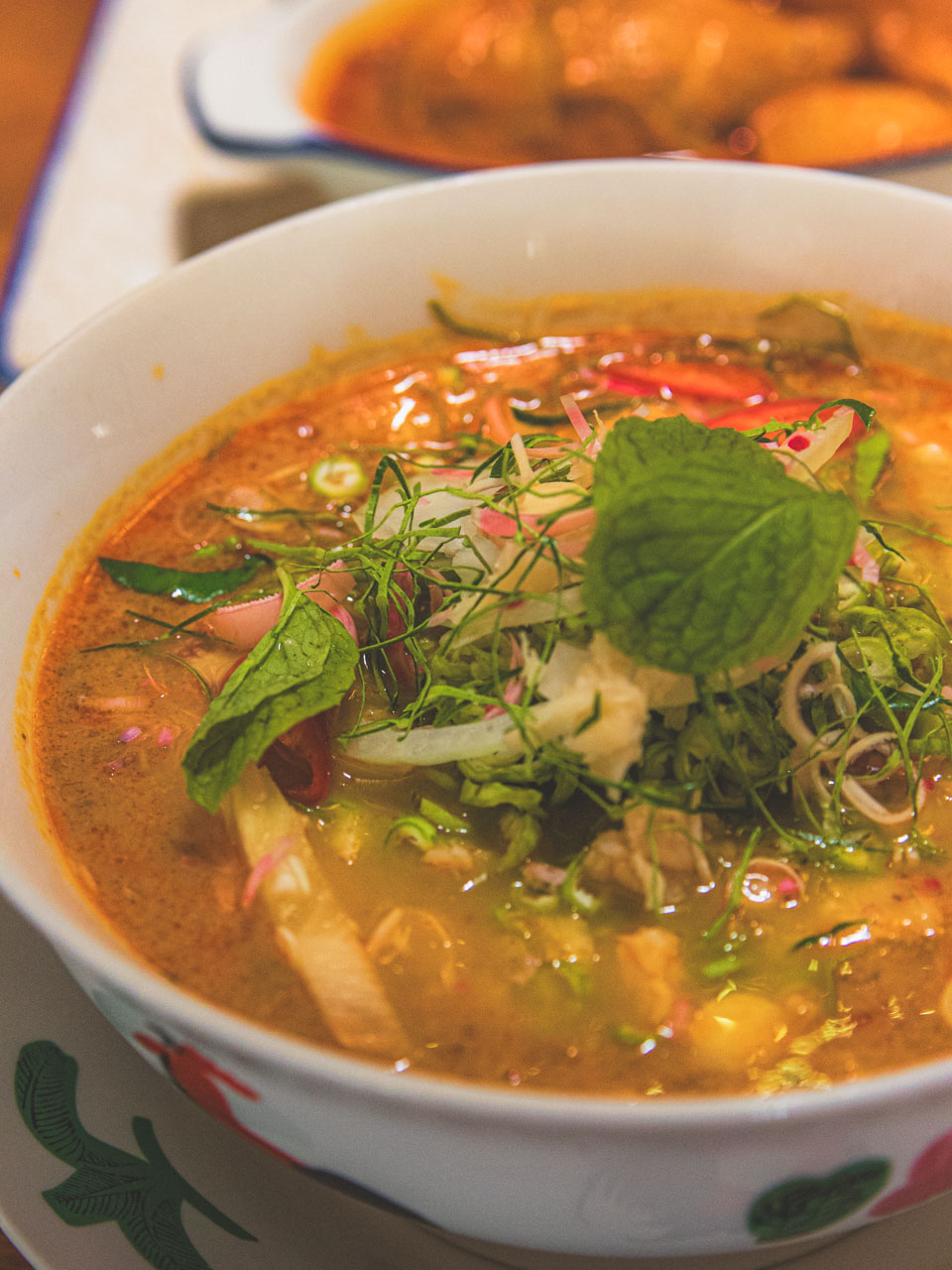
From nasi lemak and satay to roti canai and char kway teow, these are dishes you end up thinking about long after the trip. And laksa, my personal favorite, is the kind of comfort food that quietly stays with you.
The mix of Malay, Chinese, Indian, and indigenous influences feels natural and unforced. That’s what makes Malaysian food so distinctive and so easy to fall in love with.
If food is how you like to understand a city, my Kuala Lumpur food guide is a good place to start. It’s a curated look at flavors, local spots, and the everyday food culture that defines the capital.
Travel lighter, even before you leave.
start with something simple.
Download The Minimum Plan – Slow Travel:
What to avoid in Malaysia
Malaysia is easy for traveling, but it’s worth remembering a few simple rules that make daily movement around the country easier.
Avoid eating in places that don’t inspire confidence in terms of cleanliness – it’s the simplest way to save yourself unpleasant surprises.
If you arrive in Malaysia during Ramadan, respect local customs and don’t eat, drink, or smoke in public spaces during the day.
In temples and other religious places, ensure modest dress, covered shoulders and knees. It’s a small gesture that makes a big difference.
A few such rules are enough for travel to be peaceful and free from unnecessary tensions.
Malaysia stayed in memory
Malaysia changed the way I think about traveling in Southeast Asia.
It showed me that big-city chaos can neighbor jungle an hour’s drive away. That street food can taste better than restaurant dishes. And that the best beaches are rarely the most famous ones.
This is a country that gives space. For slowing down, for discovering without a plan, and for changing decisions without feeling you’re missing something.
From curry laksa in the basement of a shopping center in Kuala Lumpur, through rope bridges above tree canopies in Taman Negara, to the silence of Pulau Kapas. Malaysia has that rare ability to be diverse without being overwhelming.
And that’s probably why I return to it in my thoughts. Not through specific places, but through that feeling that there you can travel exactly as you want. Without pressure for a perfect plan.
Ready for your Asian adventure?
- 2 Days in Kuala Lumpur – detailed capital sightseeing plan
- 10 Dishes You to Try in KL – complete guide to Malaysian flavors
- How to Find Cheap Flights – proven methods for saving
- Singapore City Guide – perfectly combines with KL on one route
Pin it for later!
This article contains affiliate links. If you make a booking through these links, I may earn a commission, supporting this blog. Rest assured, my recommendations are based on honest assessments, and using these links doesn't affect prices for you. Thank you for your support!