
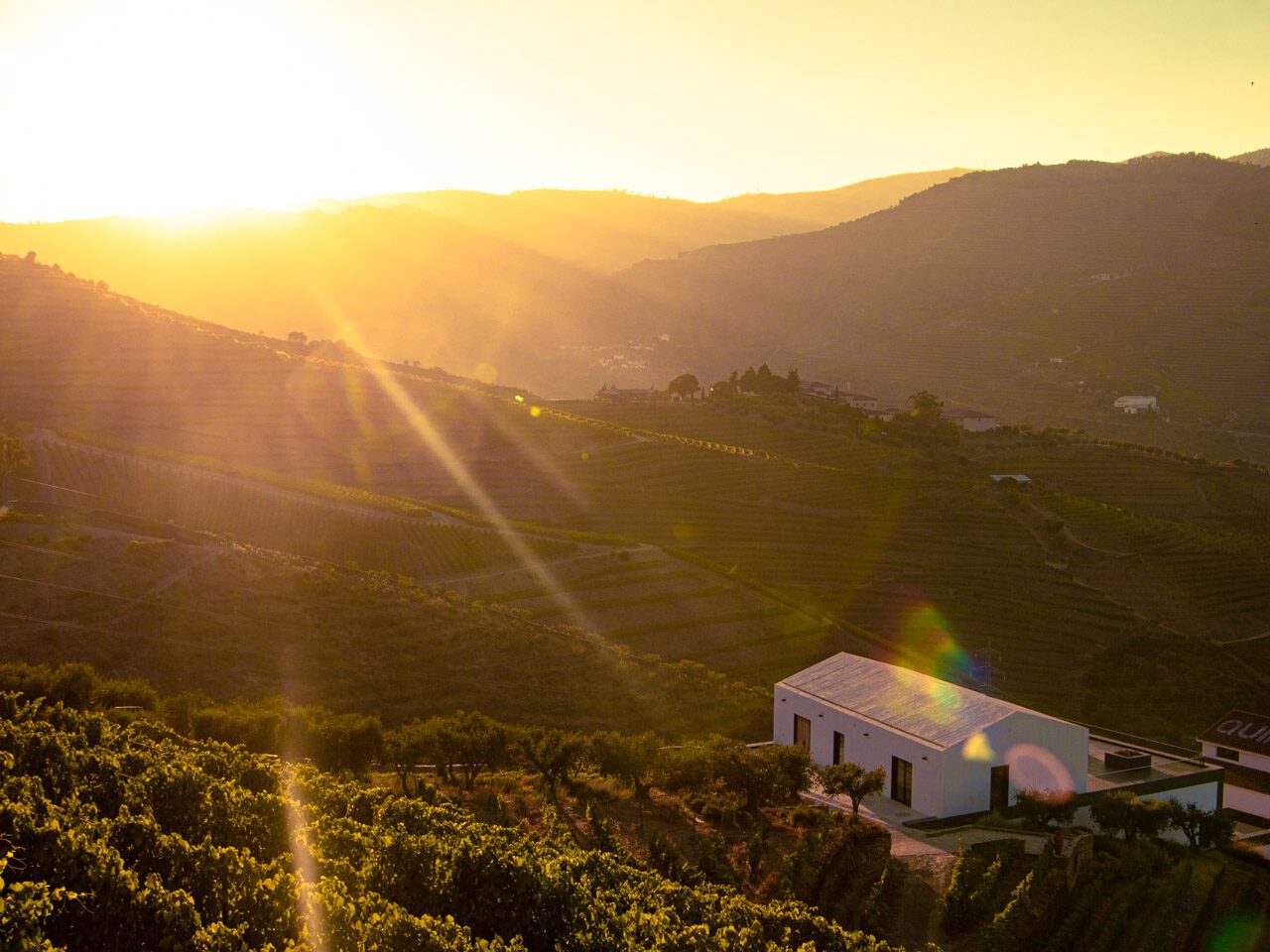
Is the Douro Valley on your Portugal bucket list? If so, you’re in the right place. This guide was written for travelers just like you.
It’s hard to imagine a trip to northern Portugal without visiting this extraordinary valley. It’s one of those places whose beauty simply escapes words – even the best photos can’t quite capture the feeling of being there.
The winding river cutting through terraced hillsides, steep vineyard–covered slopes, traditional quintas with truly breathtaking views, incredible local food, and world–famous port wine – together they create a landscape that stays with you long after you’ve left.
I spent my honeymoon here, and it was an absolutely unforgettable experience. If you’re still on the fence about whether the Douro Valley is the right destination for you, this guide will help you decide.
You’ll find everything worth knowing before your trip to this stunning corner of Portugal. Happy reading – and allow yourself to slow down.
Douro Valley – The Heart of Portuguese Wine
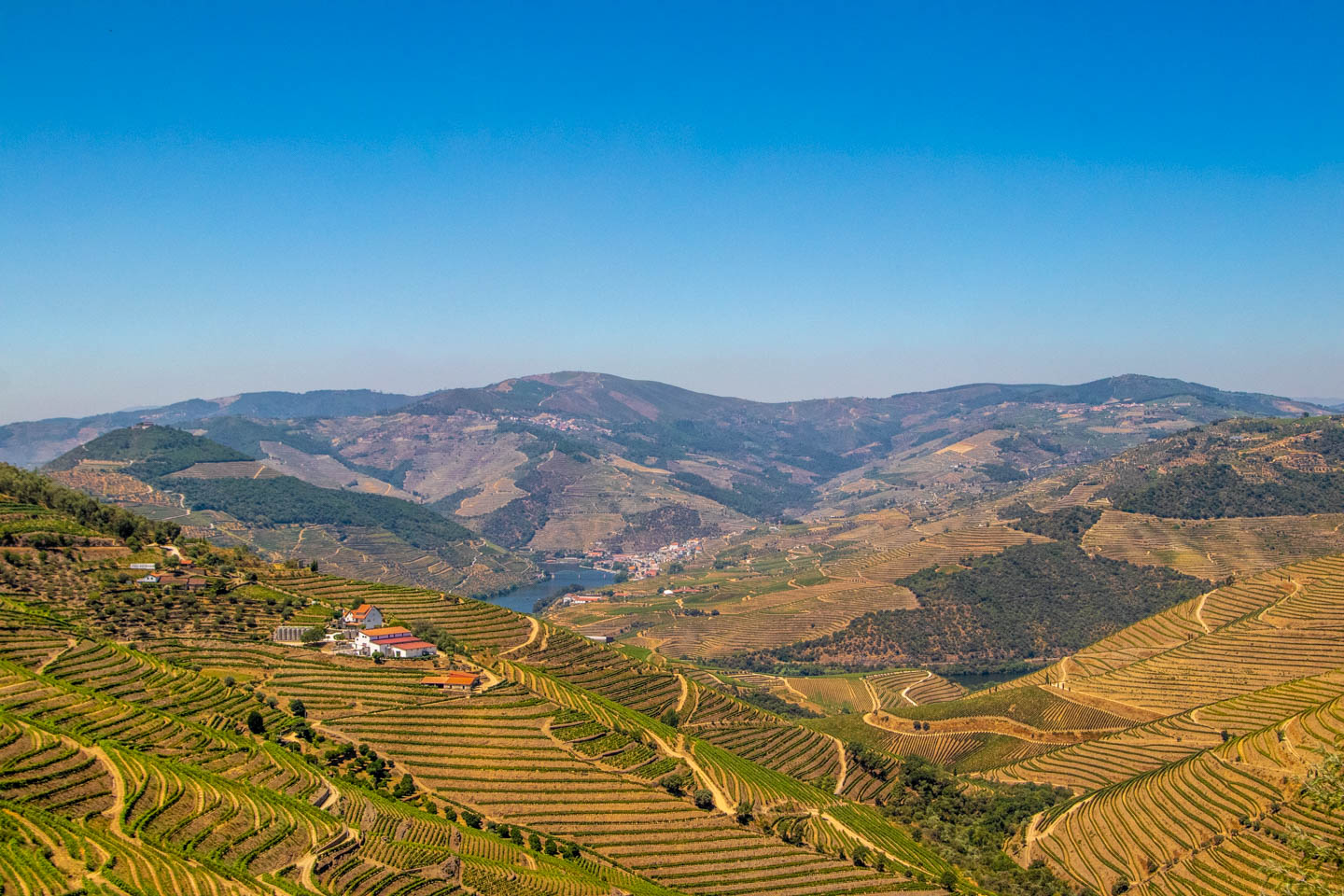
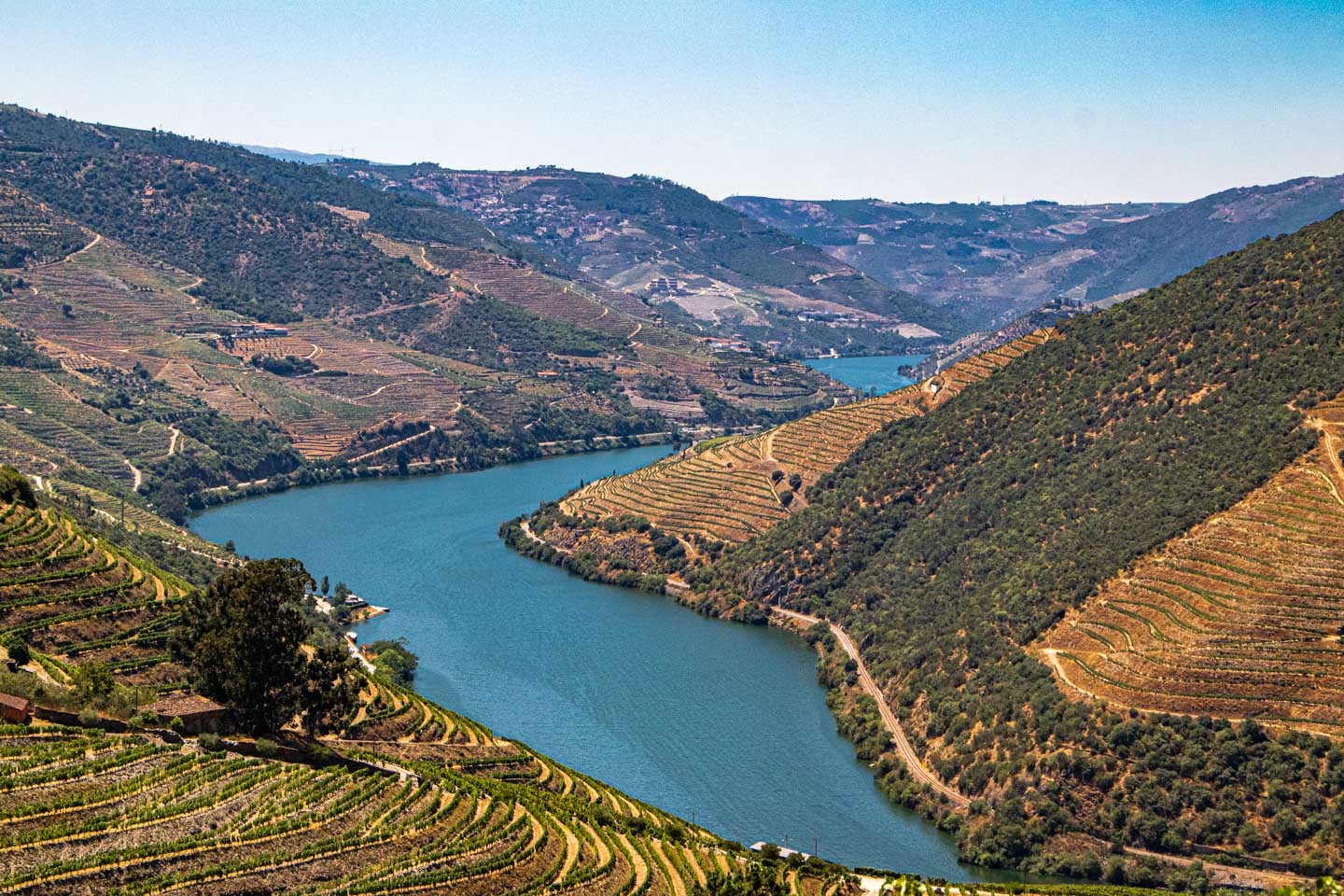
The Douro Valley, also known as Alto Douro, is one of the most scenic regions in northeastern Portugal, stretching along the banks of the Douro.
The river gives this place its rhythm and soul, winding quietly through terraced hillsides blanketed in vines.
The Douro is nearly 600 miles long and one of the most important rivers on the Iberian Peninsula. For centuries it served as a natural transport route and the backbone of local winemaking.
The Douro Valley is recognized as the world’s first officially designated wine region.
The tradition of winemaking here dates back to Roman times – the 3rd and 4th centuries AD – and the landscape shaped by human hands over hundreds of years has maintained its authentic character.
In 2001, the region was inscribed on the UNESCO World Heritage List, confirming its exceptional cultural and historical value.
The Douro Valley is best known for producing port wine – the fortified wine that put this region on the world map.
For a long time, port was associated primarily with the wine cellars of Vila Nova de Gaia, where the wine was once transported by river boat.
Today, however, it’s increasingly aged and bottled directly in the Douro Valley, closer to the vineyards and quintas where it originates.
The History of Port Wine
According to one of the most famous legends, we owe the birth of port wine to the English. After wars with France, they lost access to French wines that had long dominated their tables.
In search of an alternative, English merchants turned to Portugal, where they discovered local wine around Porto – and quickly fell in love with it.
The problem came during transport back to England. Wine shipped by sea would often spoil on the long journey.
To prevent this, high–proof grape spirit was added to the barrels, which stabilized the wine and stopped the fermentation process.
That’s how port was born – a fortified wine with a deep, intense flavors and its signature sweetness, which over time became one of the most recognizable symbols of Portuguese winemaking.
The Three Zones of the Douro Region
TThe Douro Valley is divided into three main zones, each with its own climate, landscape, and character of wines produced:
Baixo Corgo
The most humid and relatively cool part of the valley. It covers the area around Peso da Régua, considered the unofficial capital of the region.
The grapes grown here are used mainly for producing the most classic and popular styles of port, such as ruby and tawny.
Cima Corgo
The zone centered around Pinhão, considered the heart of the Douro Valley. This is where higher-quality wines are produced, with local vineyards supplying grapes for long-aged tawny ports and vintage wines.
The landscape is more rugged, and the conditions encourage greater concentration of aromas.
Douro Superior
The most easterly and least populated part of the valley. It has a dry, hot climate with more extreme growing conditions. Long underdeveloped, it now increasingly attracts producers looking for intense, modern styles of wine.
Although the Douro Valley is most associated with port, the region also produces excellent table wines – both red and white.
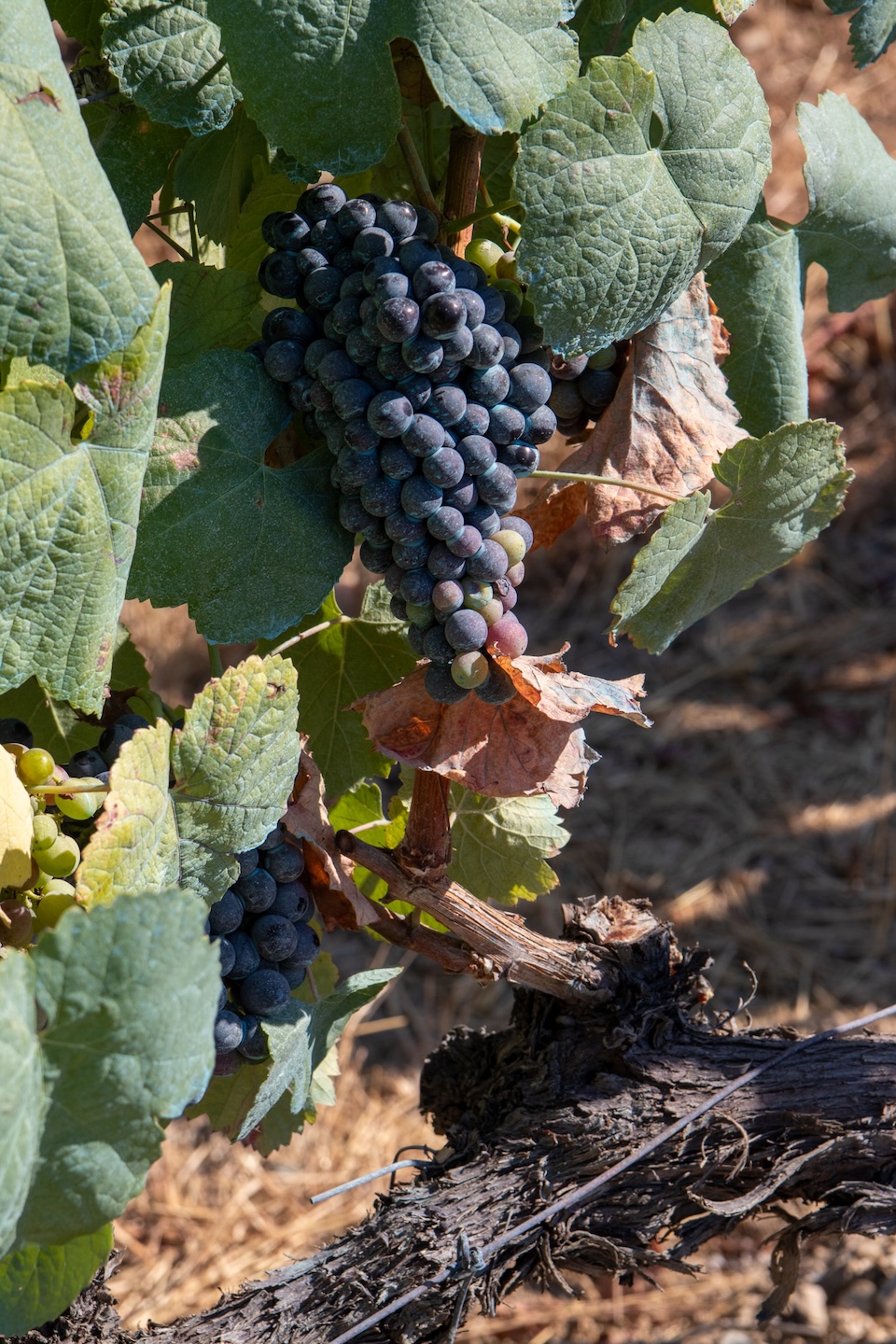
Red grape varieties grown here include Bastardo, Mourisco Tinto, Touriga Franca, Touriga Nacional, and Tinta Roriz. White varieties include Donzelinho Branco, Malvasia Fina, Gouveio, and Rabigato.
When Is the Best Time to Visit the Douro Valley
Apart from winter, the Douro Valley is worth visiting almost any time of year. Each season has its own mood and offers slightly different experiences.
Spring (May-June) and early autumn (September-November) are the best times for active exploration.
Temperatures are pleasant, the landscape is green or golden-bronze, and conditions are perfect for hiking and cycling through the vineyards. Just be prepared for the occasional light shower.
Summer (July-August) is for sun lovers. Temperatures often exceed 30°C (86°F), especially deeper in the valley, so it’s best to plan sightseeing in the early morning or late afternoon.
It’s also a great time for river cruises and lazy days soaking in the views of those terraced hillsides.
September is a truly special month, especially for wine lovers. It’s harvest time, when many quintas invite guests to take part in the grape harvest and the traditional grape stomping known as lagaradas.
It’s a rare opportunity to peek behind the curtain of local tradition and feel the real rhythm of the region.
I visited the Douro Valley in September, and it was the perfect moment – unhurried exploring, wine tastings, and absorbing the atmosphere of a place that has lived and breathed wine for hundreds of years.
Getting to the Douro Valley
If you’re flying into Portugal, check out my complete guide to Porto – you’ll find all the practical information you need to get started.
From Porto, there are several ways to reach the Douro Valley, and the best option depends on how you want to explore the region.
Train or bus
The cheapest and strikingly scenic option. The train route from Porto to Pocinho takes about 3.5 hours and is considered one of the most beautiful rail journeys in Portugal, running along the Douro River the whole way.
The downside is limited flexibility and the need for taxis if you want to visit the vineyards scattered across the hillsides.
Organized tours
Local agencies offer day trips or multi–day tours including quinta visits and wine tastings.
It’s the most expensive option, but also the most convenient – especially if you want to taste port without worrying about driving on the valley’s narrow, winding mountain roads.
River cruise
One of the most spectacular ways to arrive in the region. A cruise lets you admire the terraced vineyards and rugged valley landscape from a completely different perspective.
It’s a wonderful choice for those who love scenery and a slow pace, though less practical if wine tastings and specific quinta visits are your main goal.
Renting a Car in the Douro Valley – My Recommendation
In my opinion, renting a car is the best way to truly experience the Douro Valley. The drive from Porto takes about 1.5 hours, and car rental starts at roughly €35 per day depending on the season and car class.
Having a car gives you complete freedom.
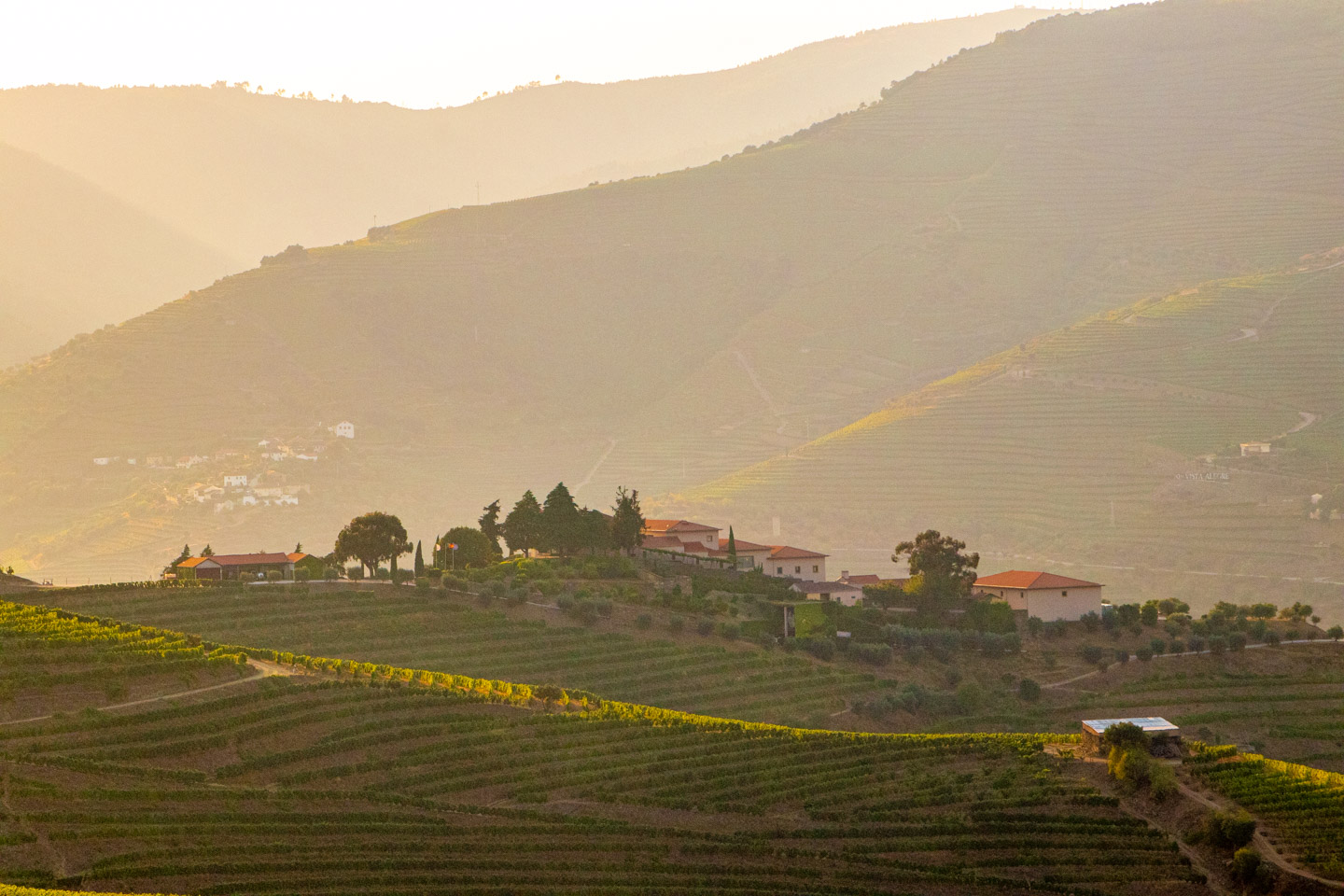
You can visit quintas at your own pace, plan tastings on your own terms, stop at viewpoints whenever you feel like it, and explore the small towns that most tour groups drive right past – the ones that give the region its real character.
I especially recommend driving the scenic riverside route, considered one of the most beautiful roads in Europe. The route follows the N108 and then the N222, offering spectacular views of the terraced vineyards and the winding river.
That said, the road can be narrow and very winding in places. It’s a route for drivers who feel confident behind the wheel and aren’t in a hurry – here, slow and attentive beats fast every time.
If you haven’t rented a car in Europe before or have questions about the paperwork, my complete car rental guide for Europe covers 25 of the most common questions and breaks everything down step by step.
Where to Stay in the Douro Valley
Beyond its spectacular landscapes and outstanding wine, the Douro Valley also offers a wide range of accommodation. Whether you’re traveling by car or public transport, you’ll easily find something that suits your travel style.
Your options include:
- Budget hostels – from around $45 per night, a good option for solo travelers or those keeping things flexible
- Mid-range hotels – from around $70 per night, comfortable and often well located
- Luxury resorts with river views – from around $230 per night, ideal for a special trip or a romantic stay
- Rustic farmhouses and quintas on the vineyard slopes – from around $80 per night, the best choice if you want to truly feel the spirit of the region
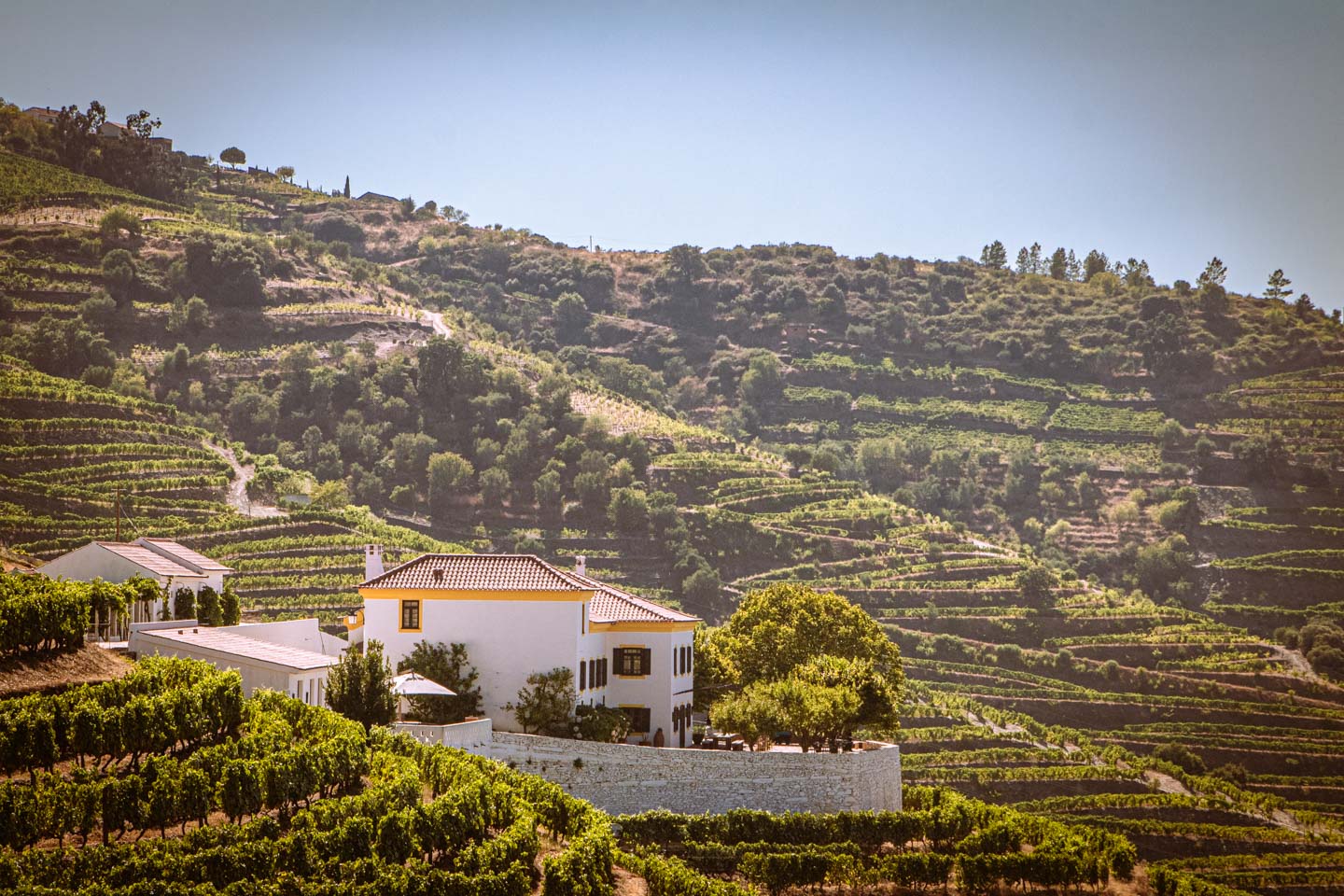
If you’re arriving by train, good base towns include Peso da Régua, Pinhão, Provesende, and São João da Pesqueira – all well connected and easy to explore from.
But if you have the option, I’d wholeheartedly recommend renting a car and staying out in the countryside at one of the local quintas. That’s where you’ll most easily find the true rhythm of the Douro Valley – silence, space, and proximity to nature.
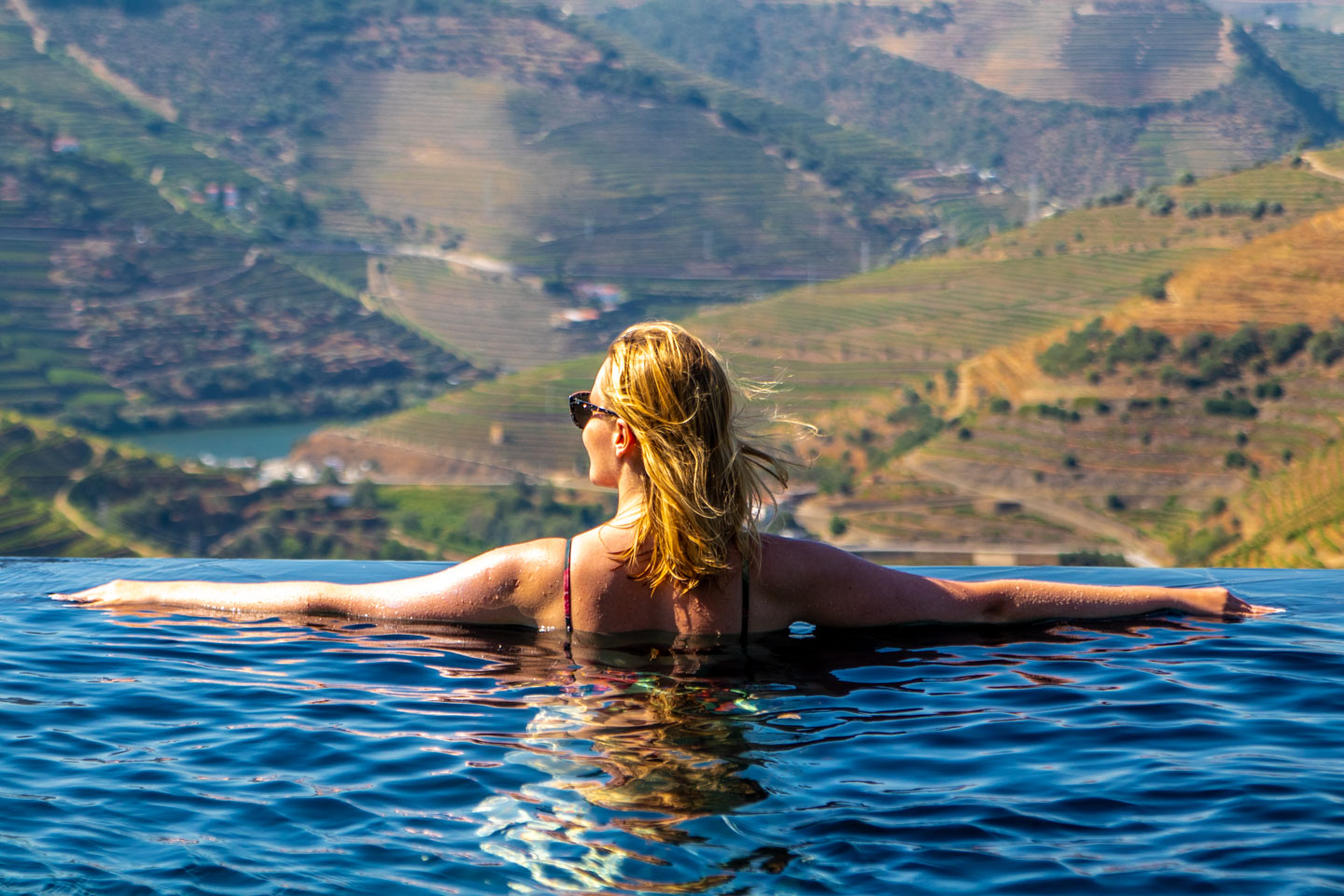
Mornings with vineyard views, afternoons by an infinity pool, a glass of port at sunset, and excellent local food… it’s hard to imagine a better recipe for a truly restorative trip to the Douro.
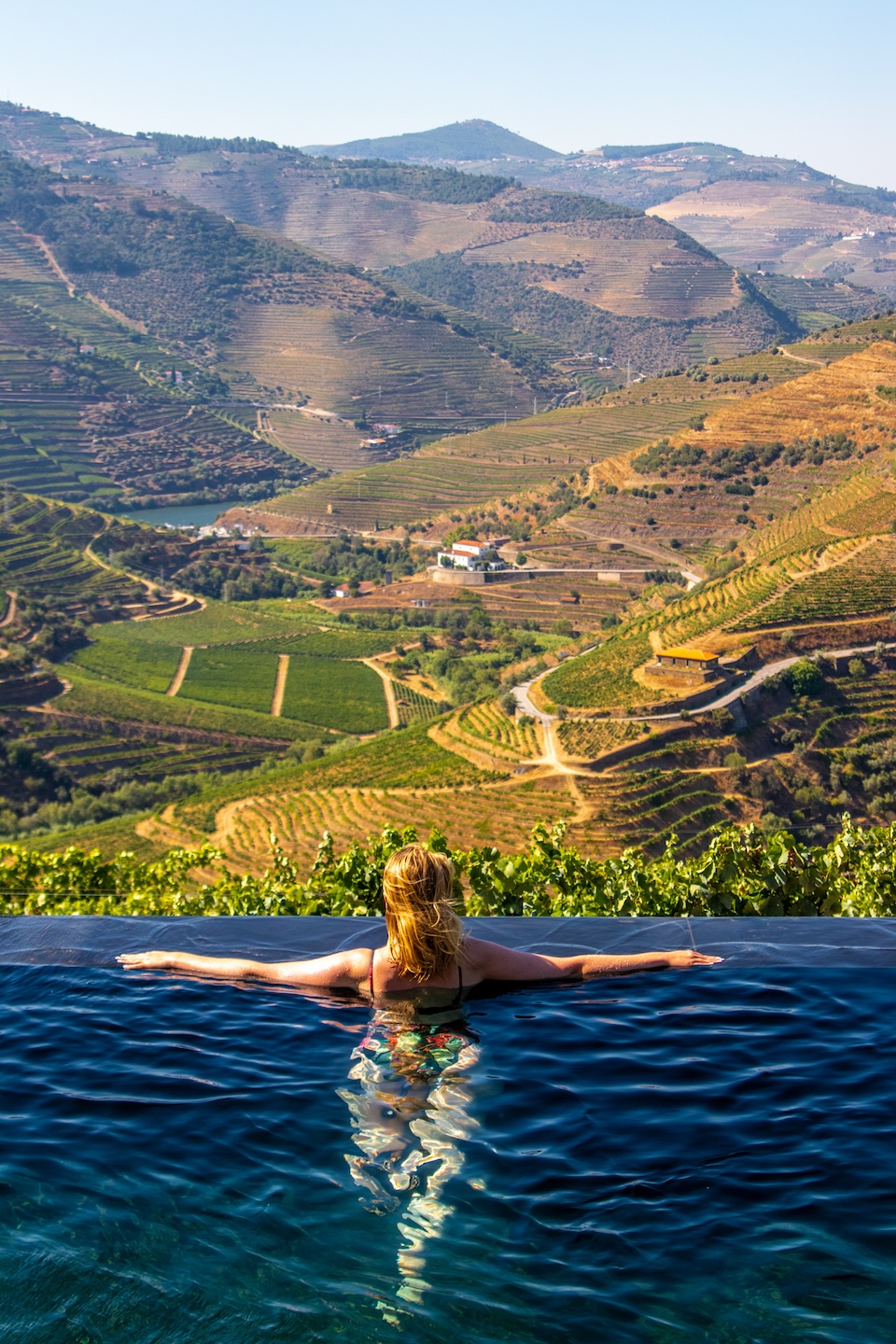
Quinta da Côrte – Sleeping Among the Vineyards
I have to admit – there are so many exceptional quintas in the Douro Valley that choosing just one was genuinely hard. Each one tempts you with views, history, and the promise of peace.
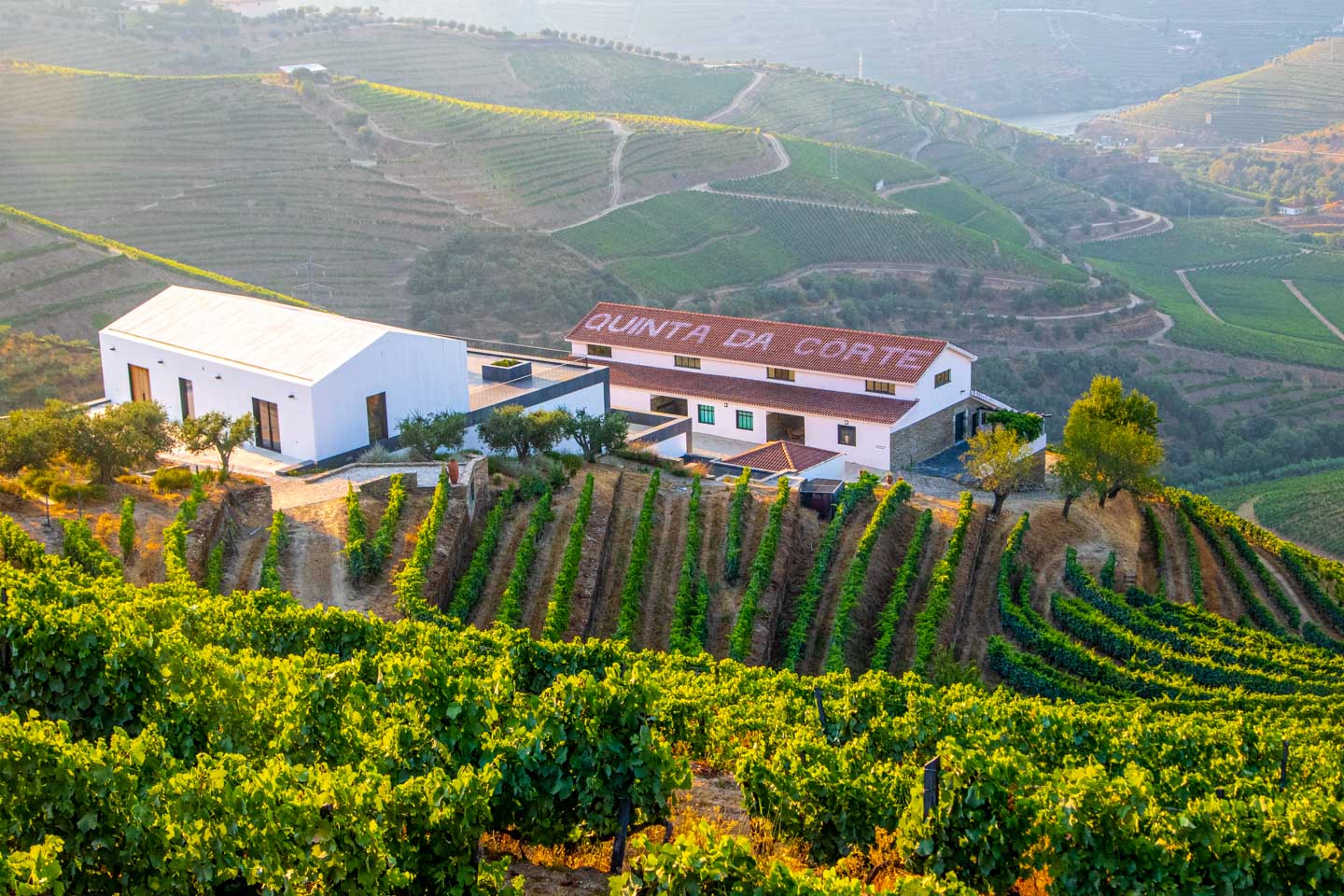
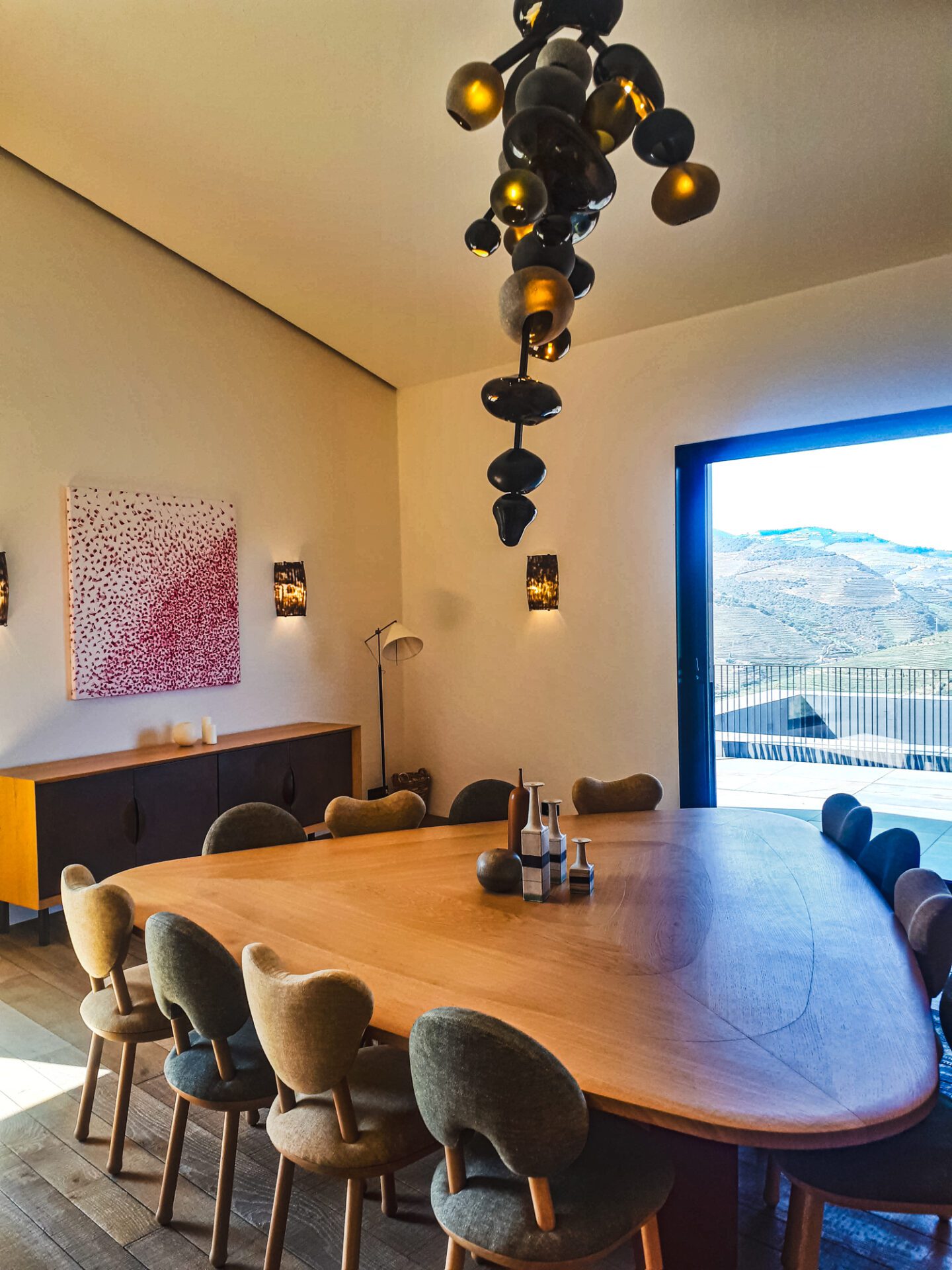
In the end, I chose Quinta da Côrte, majestically situated in Valença do Douro – and it turned out to be an absolutely perfect decision.
From the very first moment, I was captivated by its unique atmosphere, the quiet, and the exceptionally warm and attentive hospitality.
Guests can choose between rooms in the beautifully restored historic manor house or the more intimate quarters in a former outbuilding just next door.
Both share the same feeling – that time in Douro genuinely slows down, and everything unfolds exactly as it should.
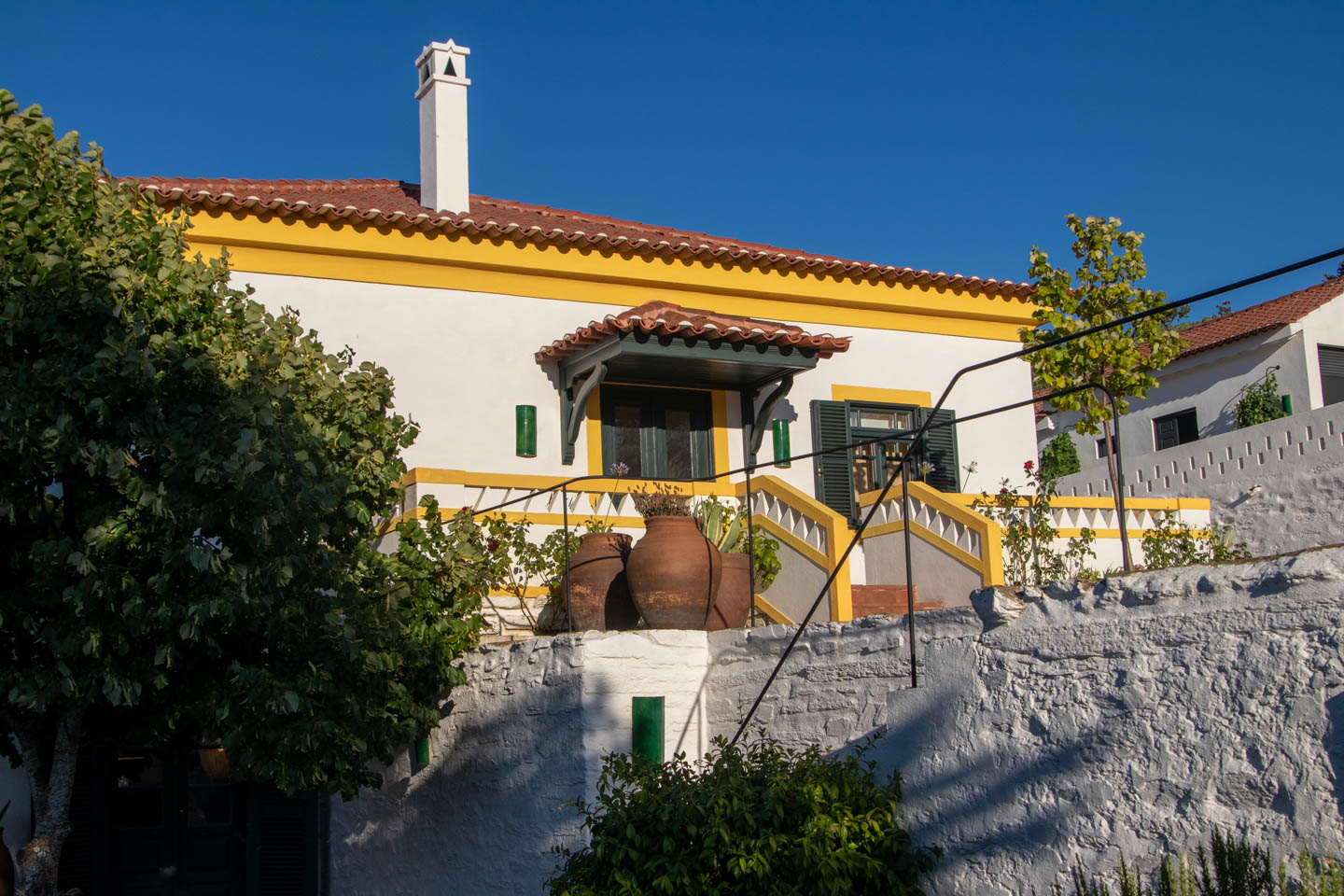
Tradition and modernity blend seamlessly here, which makes perfect sense once you learn that the interiors were designed by Pierre Yovanovitch, a celebrated French architect known for his feel for proportion and natural materials.
Guests have access to a small but beautifully positioned infinity pool overlooking the valley, as well as carefully designed communal spaces.
These are places made for real rest – with a good book, a cup of tea, and the quiet certainty that nothing needs to happen faster than you want it to.
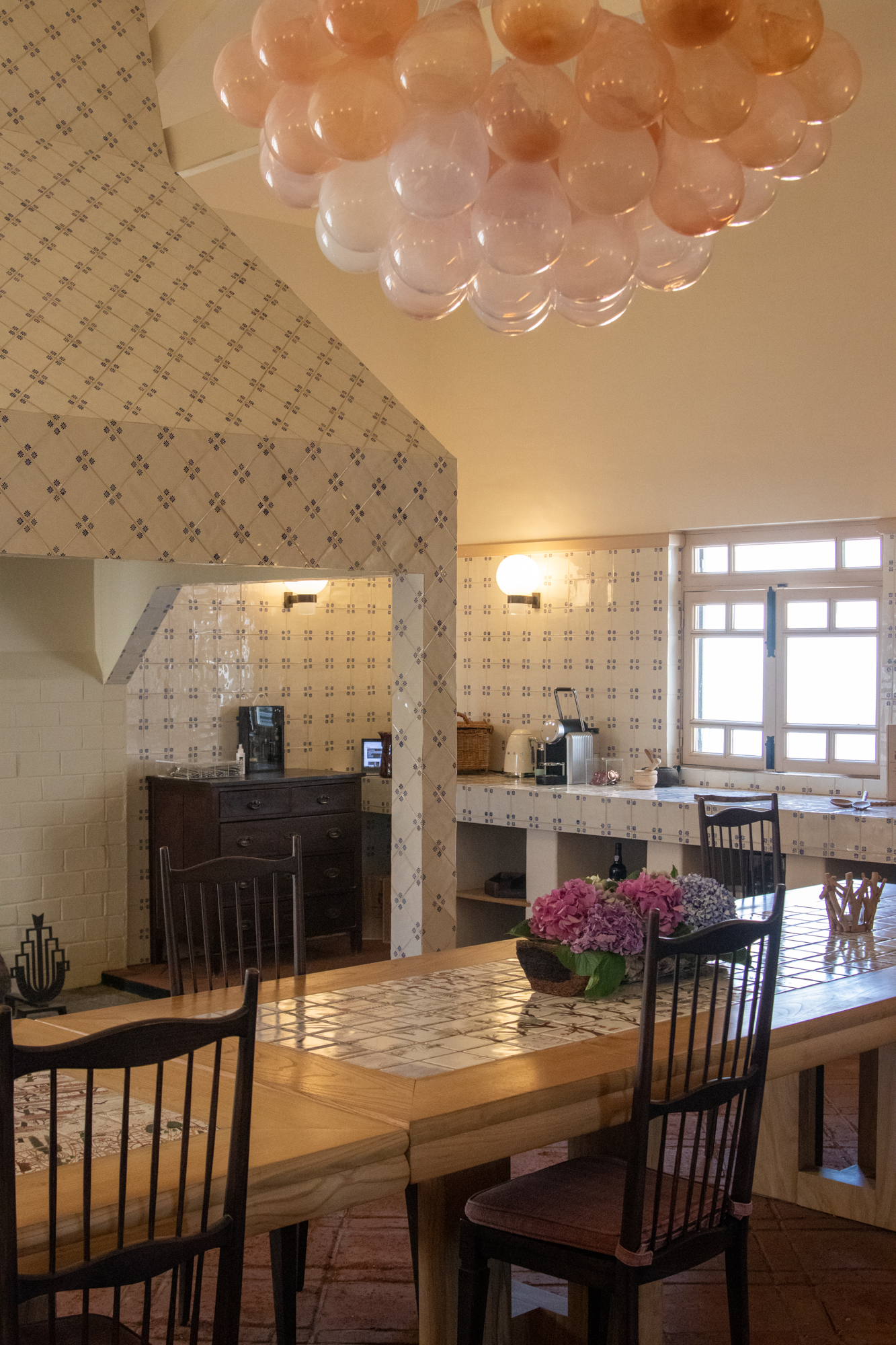
Every morning, breakfast is served on the terrace with those unforgettable views of the valley. It features regional products – local cheeses, jams, cured ham, and fresh bread – alongside coffee, tea, freshly squeezed juices, and seasonal fruit. I could start every day like that.
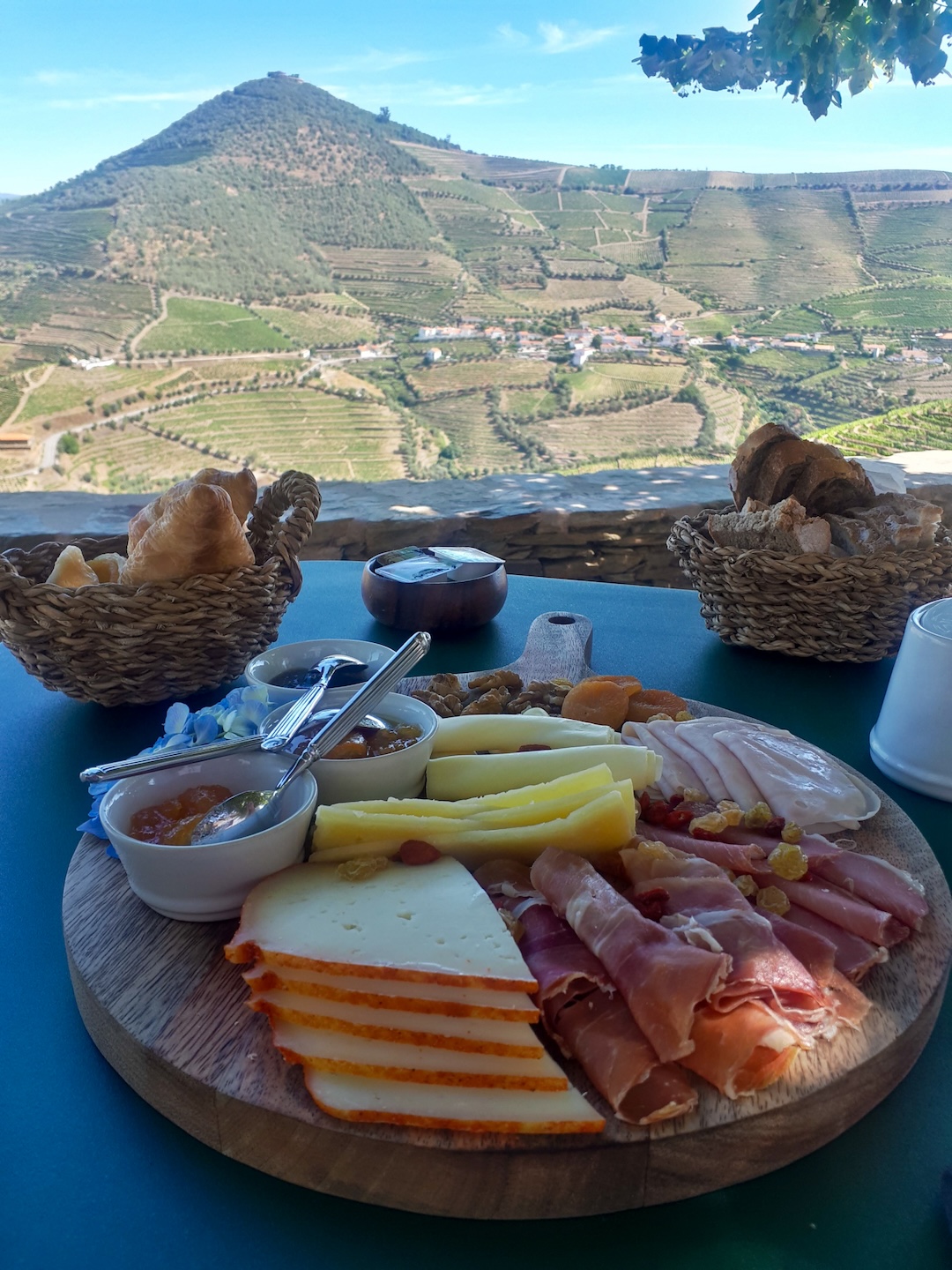
Beyond the generous breakfasts, you can also order lunch during the day or a three-course dinner in the evening – the kind of dinner that any good chef would be proud of.
The menu changes daily, giving you the chance to try a wide range of local dishes: from fresh fish and seafood, to poultry and juicy steaks, all paired with house-pressed olive oil and excellent wine.
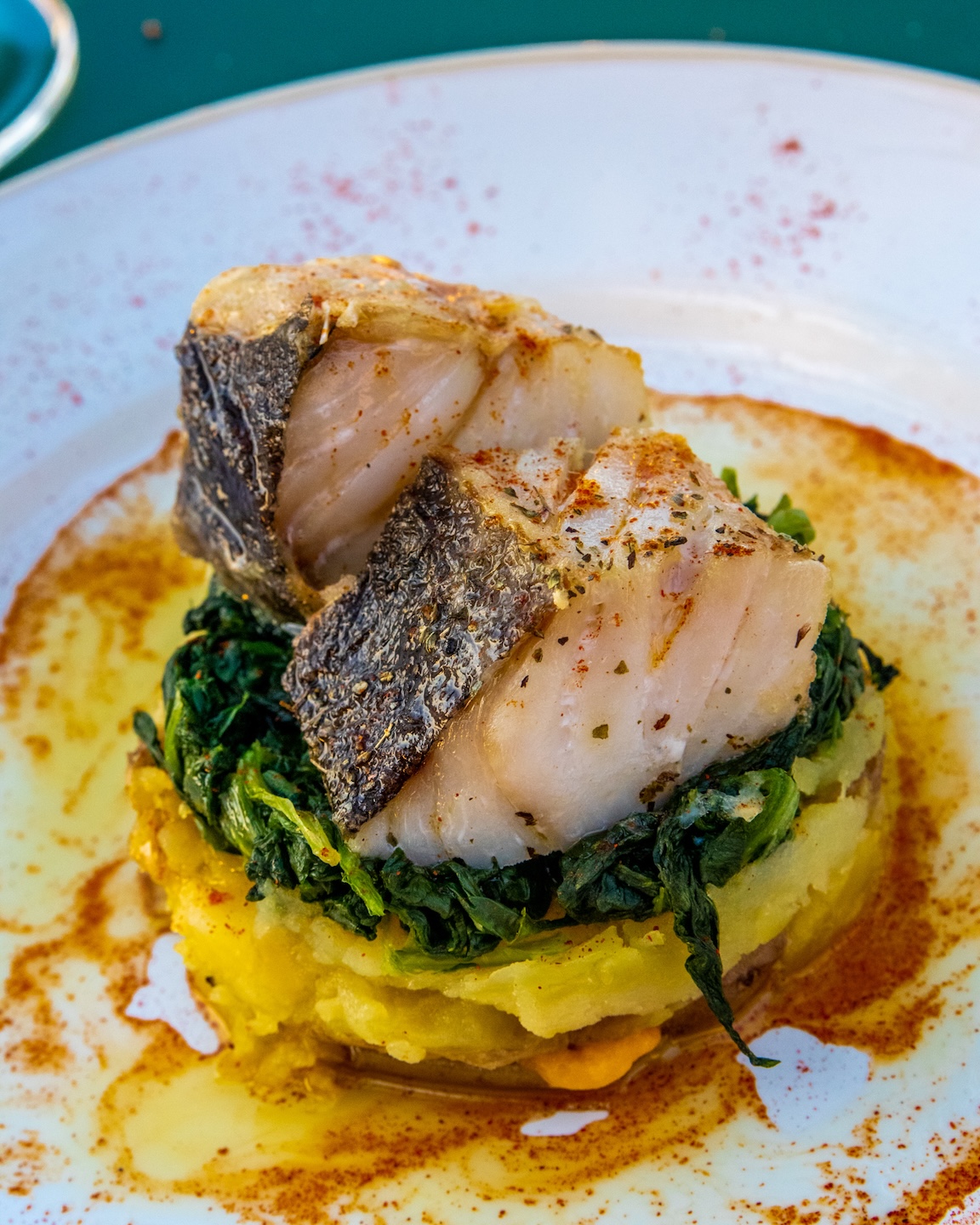
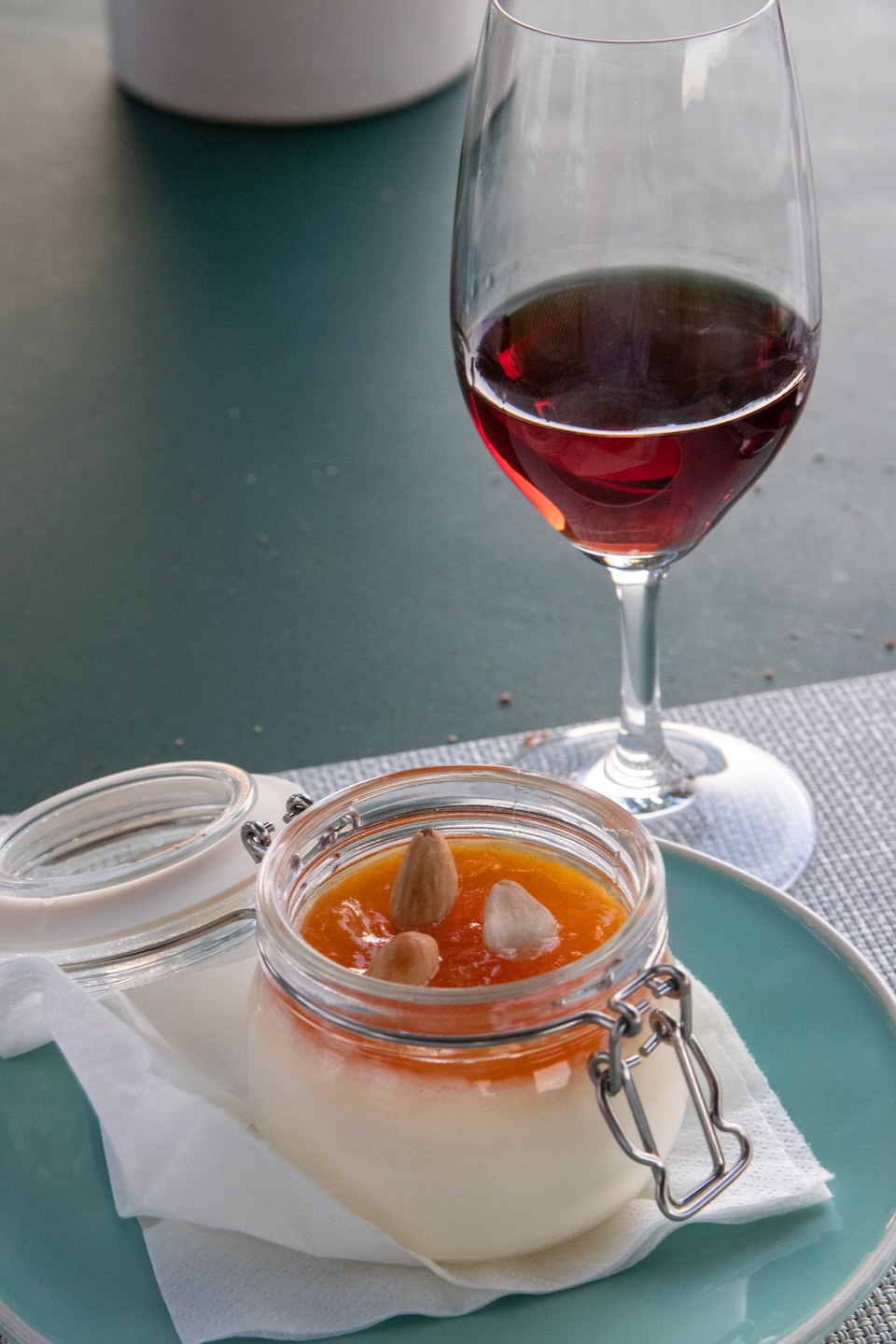
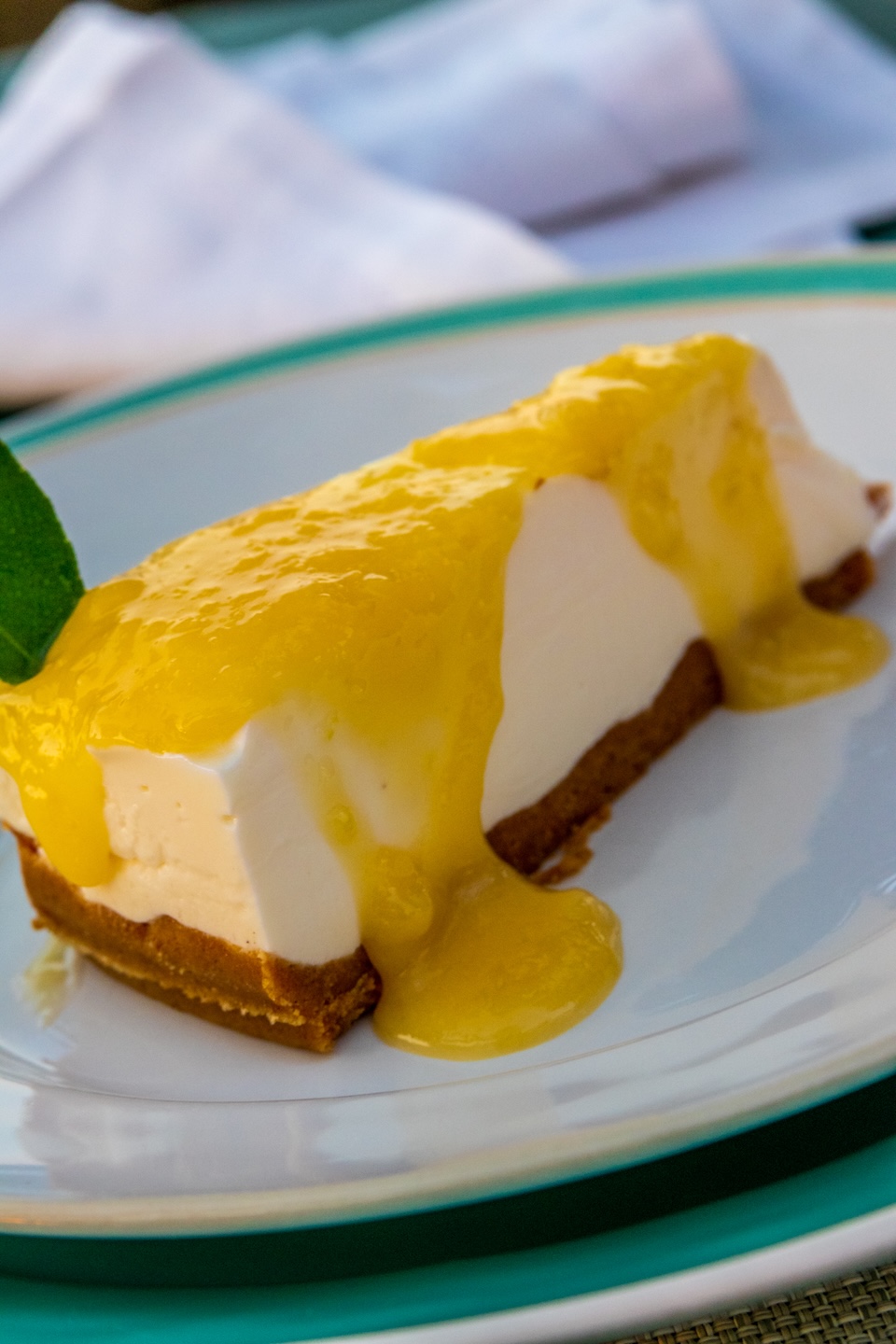
Dinner at the quinta always ends with dessert – the photos honestly speak for themselves – and the highlight of any stay is the vineyard tour paired with a wine tasting.
A gentle walk between the rows of vines, stories about the place, and a glass of port at the end is the perfect way to close out days spent in the Douro Valley.
What more could you want from a holiday in Portugal? I was completely enchanted.
The Best Things to Do in the Douro Valley
1. Vineyard Visits and Port Wine Tasting
Of course, no trip to the Douro Valley would be complete without visiting local wineries and tasting port wine.
It’s here that you can see how one of Portugal’s most iconic wines is made – from the vineyards and fermentation process to aging in oak barrels.
Across the region, you’ll find an incredible variety of wine estates – from small, family-run quintas to renowned wine houses known around the world.
Each one tells its own story and reveals the Douro from a slightly different perspective.
In my opinion, it’s worth choosing smaller, local wineries that offer a more intimate atmosphere and allow you to genuinely support local producers.
That’s where authentic conversations come most naturally – where there’s space, calm, and a true sense of being a guest rather than just another stop on a busy itinerary.
Each winery here has something unique to offer. During your visit, you can taste excellent wines, see how port is made, and in autumn even take part in the harvest and the traditional grape-stomping.
It’s one of those experiences that lets you truly feel the rhythm of the Douro Valley and its local spirit.
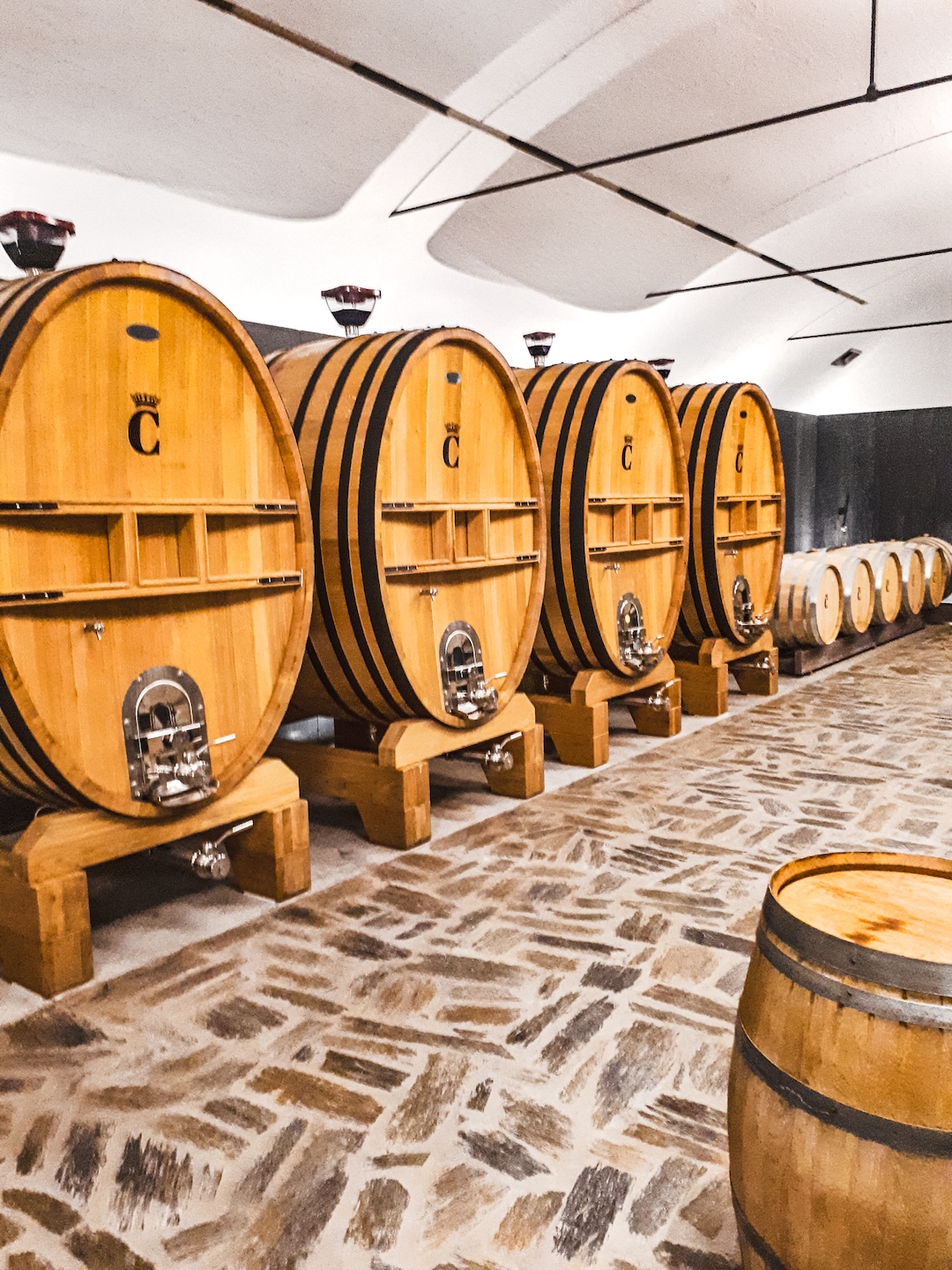
In the Douro Valley, you’ll come across several types of port, including ruby, tawny, vintage, and LBV (Late Bottled Vintage). They differ in color, production methods, and aging time.
Each style has its own character, but my personal favorite remains a 20-year-old tawny – with notes of nuts, caramel, and dried fruit.
If you’re planning winery visits, consider places such as:
- Quinta de la Rosa
- Quinta do Crasto
- Quinta da Pacheca
- Quinta Nova
- Quinta do Vallado
- Quinta da Côrte
Each of them offers something a little different – from spectacular views and intimate tastings to a more modern approach to winemaking and hospitality.
2. A Scenic Cruise Along the Douro River
A river cruise makes a wonderful addition to any stay in the valley. You have several options to choose from:
- Full-day cruises on the Porto-Peso da Régua or Porto-Pinhão routes, returning by train
- Shorter 1-2 hour cruises: Pinhão-Romaneira-Pinhão or Pinhão-Tua-Pinhão
- Multi-day trips combining cruising with overnight stays and sightseeing (2-3 days)
You can opt for a modern tour boat or a traditional wooden rabelo boat – the kind once used to transport barrels of wine downriver from the Douro to the cellars in Porto.
It’s a unique opportunity to see the valley from the water and genuinely slow down.y they used to move wine barrels) to modern ships with all the comforts.
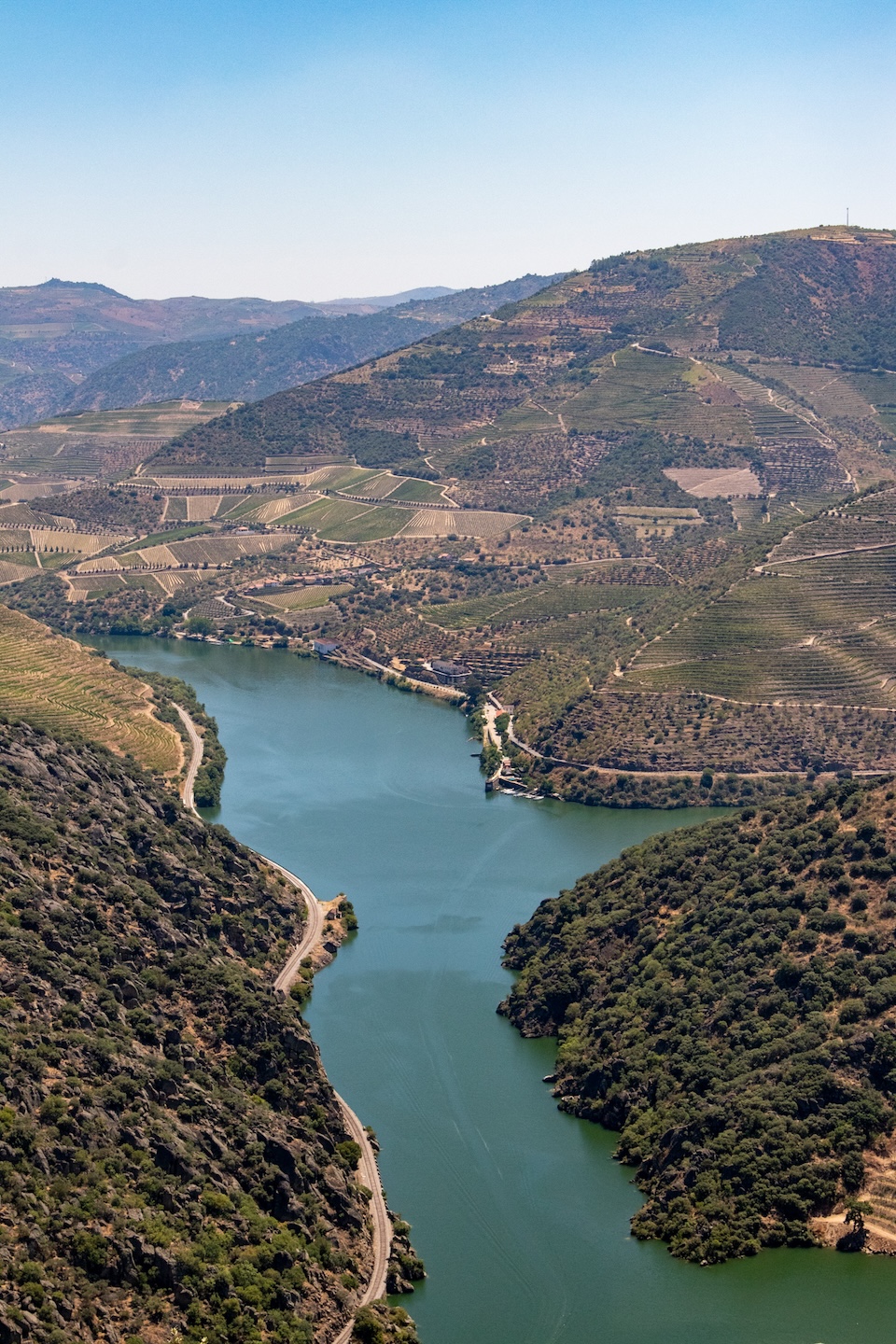
Your choice of cruise will mainly depend on your budget and how much time you have. Each option offers beautiful views and a relaxed pace, allowing you to experience the Douro Valley from a different perspective.
Day cruises are a great option if you mainly want to admire the landscapes of the Douro Valley from the river, without staying overnight in the region.
Shorter cruises work perfectly if you’re already staying in the valley and simply want to enrich your trip with an additional experience.
It’s also worth considering a cruise along the Peso da Régua – Pinhão route.
Although the views on this stretch can be slightly less dramatic than on other parts of the river, it’s still a pleasant and peaceful way to see the region from a different angle.
Note: due to maintenance work on the river, regular cruises typically run from April to October. Worth checking in advance if you’re traveling outside peak season.
3. Viewpoints in the Douro Valley
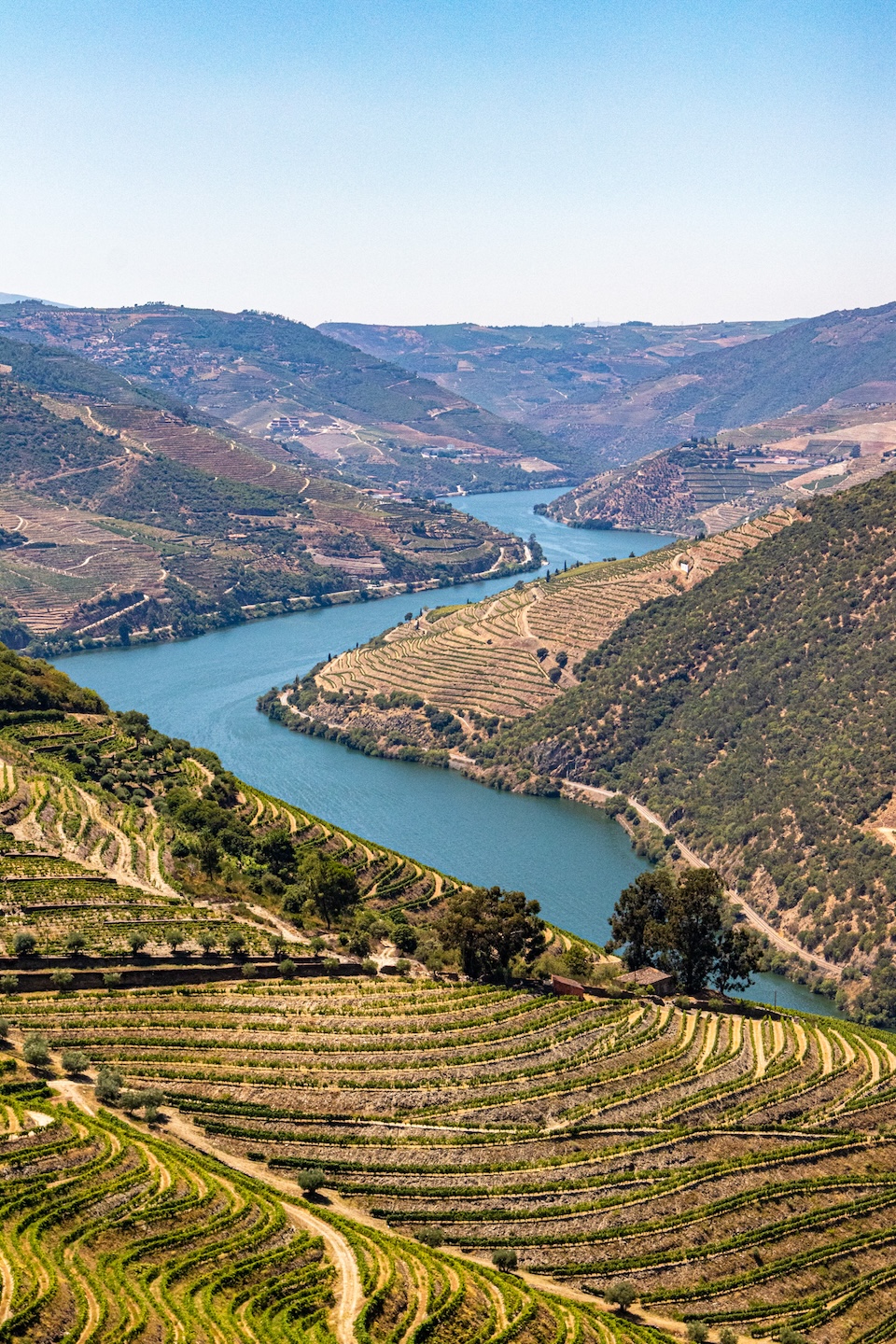
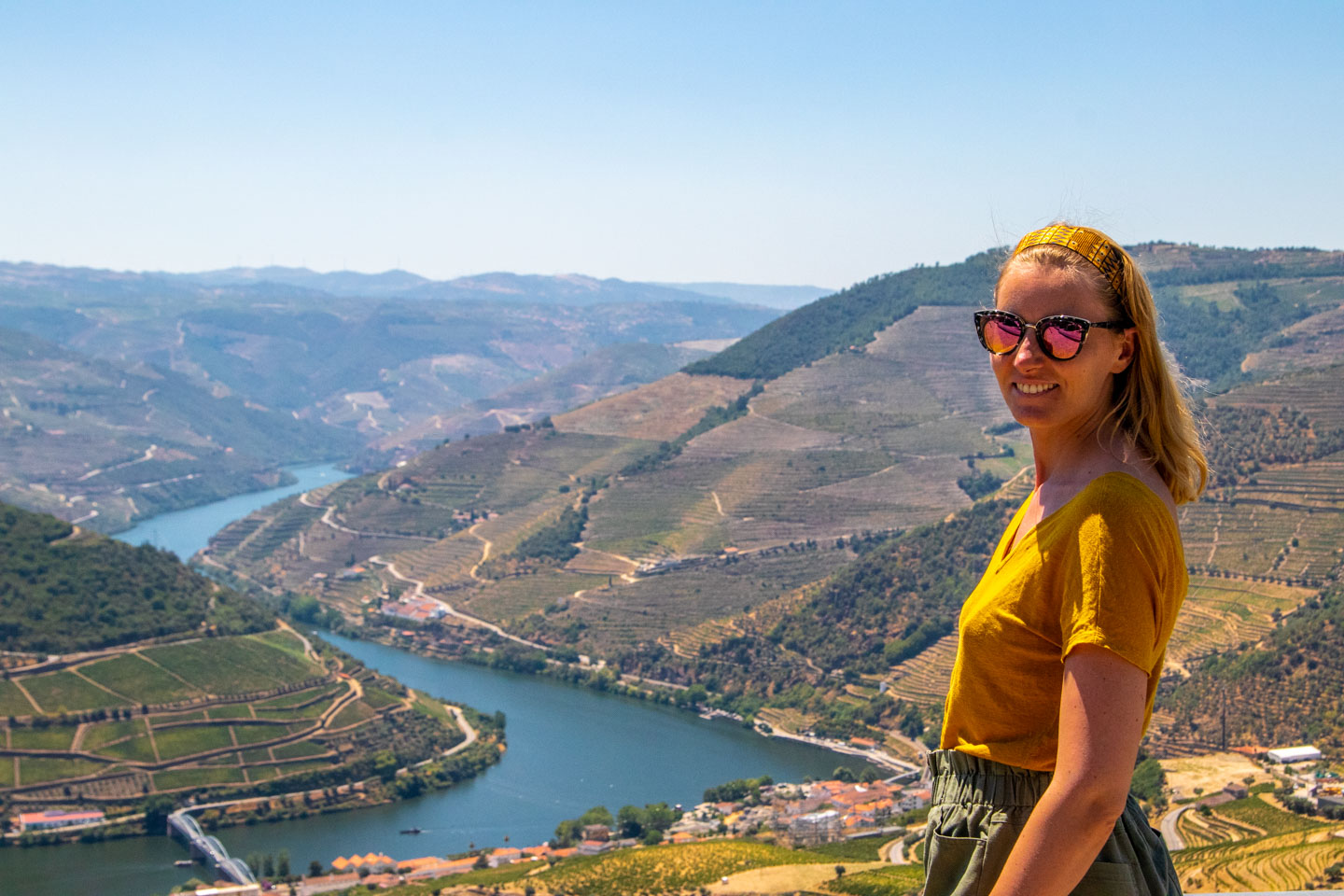
While in the Douro Valley, make sure to plan a stop at one of the local viewpoints. These are the places that let you see the valley in its full scale – the winding river, terraced vineyards, and a kind of quiet that’s hard to put into words.
During our stay, I visited São Salvador do Mundo, Casal de Loivos, and Cruz de Ventozelo – and each of them quite literally took my breath away.
The majestic Douro River set against steep, vineyard-covered slopes looks like something lifted straight from a painting. It’s one of those views that lingers in your memory and makes you want to simply sit down and take it all in.
Moments like these are exactly why it’s worth traveling to northern Portugal.
If you have more time, be sure to add Alto de Vargelas and São Leonardo da Galafura to your list as well. I unfortunately ran out of time to see them, but they’re places I’d gladly return to on my next visit to the Douro.
4. The Valley’s Charming Towns
Another reason to visit the Douro Valley is its charming small towns, where daily life moves at a slower, more local rhythm.
Particularly worth exploring are Pinhão, Lamego, and Peso da Régua, often considered the informal capital of the region.
Picturesquely set along the river, Pinhão enchants not only with its proximity to vineyards and wine tastings, but also with the small details that shape its character.
One of them is the modest yet stunning Pinhão railway station, decorated with traditional azulejo tiles depicting scenes from life in the valley and the grape harvest.
While wandering through the towns of the Douro, it’s also worth stepping into local taverns and trying a true Portuguese classic: salted cod, or bacalhau, prepared here in countless different ways.
It’s a simple yet deeply authentic way to experience the region through its everyday flavors.
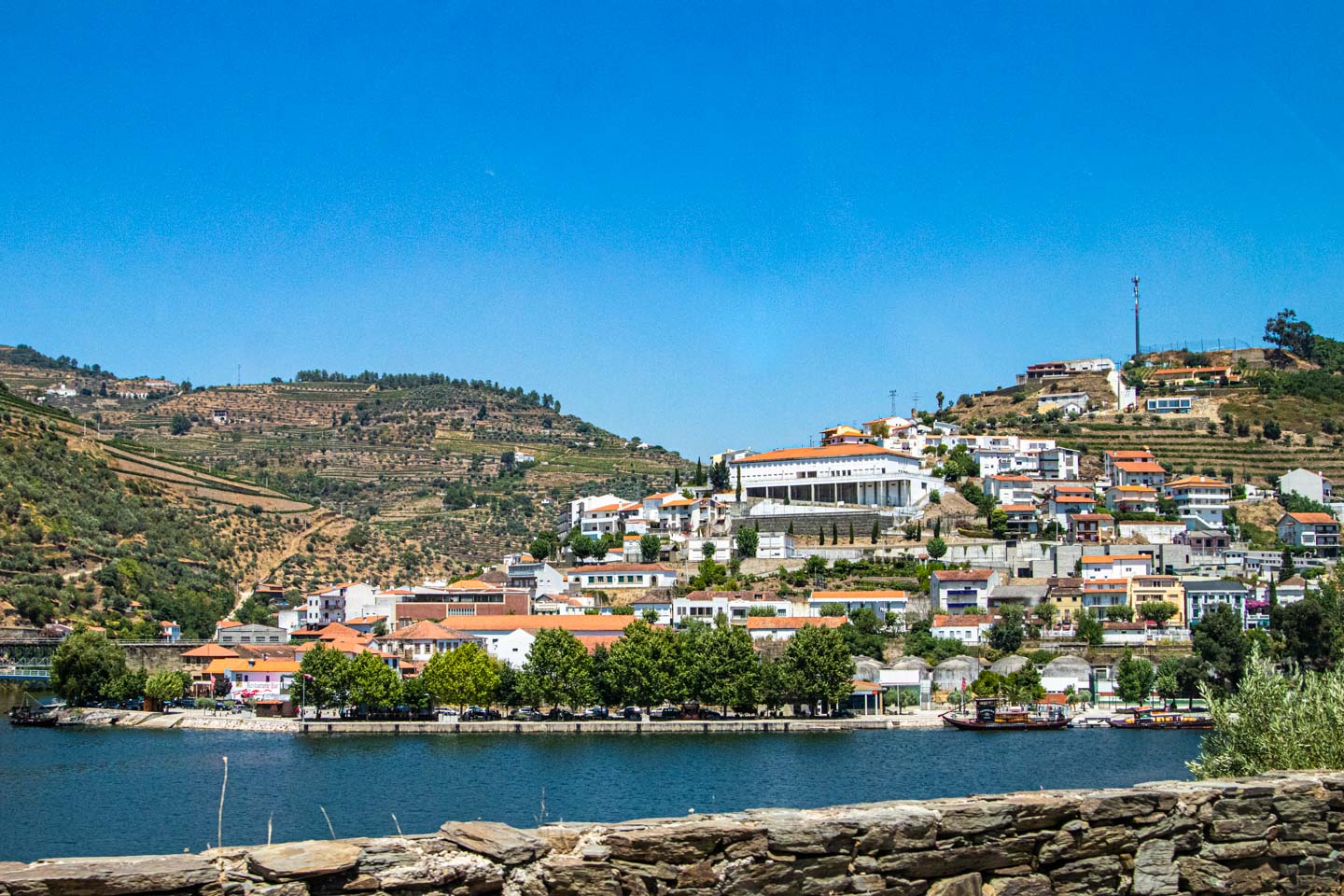
In historic Lamego, there are several truly remarkable places worth seeing. Dominating the hill above the town is the monumental Sanctuary of Nossa Senhora dos Remédios, reached by a long and impressive Baroque staircase.
Right in the city center, you’ll find the medieval Sé de Lamego cathedral, and a bit further on, the remains of the old castle, which still echo the region’s turbulent history.
Art lovers should step into the Museu de Lamego, while those curious about the region’s history and local wine will appreciate the Museu do Douro in Peso da Régua.
As you wander through the towns of the Douro Valley, make time for a break in one of the local cafés.
Be sure to try the traditional almond cake toucinho do céu or the classic Portuguese custard tarts, pastéis de nata.
Both desserts are truly delicious and pair perfectly with a strong cup of coffee.
How do you want to keep exploring Portugal?
🍷 I want to stay in the wine and slow travel mood → The Ultimate Guide to Porto
🌊 I’d rather have sun, beaches, and quiet Portugal → 10 Reasons to Visit Comporta
🏨 I’m looking for another exceptional stay in Portugal → Quinta da Comporta Review
🗺️ I want to plan a broader trip around Europe → Best European Weekend Trips in May
What appeals to you most – wine, beaches, or discovering new places?
5. A Ride on the Historic Train
If you’re planning to visit the Douro Valley between June and October, be sure to include a ride on the historic train in your itinerary. It’s one of those experiences that stays with you long after the trip ends.
The century-old train consists of five vintage carriages and runs along the Peso da Régua – Tua route. Although the one-way journey takes just over an hour, it’s more than enough time to feel as if the world has briefly slowed down.
Along the way, you can admire the spectacular landscapes of the Douro Valley from the railway tracks, while the atmosphere is enhanced by local singers and… a glass of regional port served on board. It truly feels like stepping back in time.
Note: it’s best to purchase tickets for the historic train online in advance, especially during the summer season when demand is at its highest.
6. Cycling Through the Douro Valley
The final way to explore the beauty of Alto Douro that I can truly recommend is by bike. It’s an option for those who enjoy active sightseeing and don’t shy away from a bit of effort.
The roads here practically beg to be explored on two wheels. The landscapes you pass along the way can quite literally take your breath away, and every new bend reveals another stunning perspective of the valley and the Douro River.
That said, it’s important to remember that most routes include steep climbs. The effort is real, but it’s generously rewarded with spectacular views and the satisfaction of completing the ride.
One of the most popular cycling routes in the region is the scenic N222 road, running between Peso da Régua and Pinhão.
It’s worth noting upfront that this way of exploring isn’t for everyone.
Due to the terrain, I would mainly recommend it to experienced or at least intermediate cyclists who feel confident tackling hilly or mountainous routes.
Travel lighter, even before you leave.
start with something simple.
Download The Minimum Plan – Slow Travel:
The Douro Valley – A Place That Shifts Your Perspective
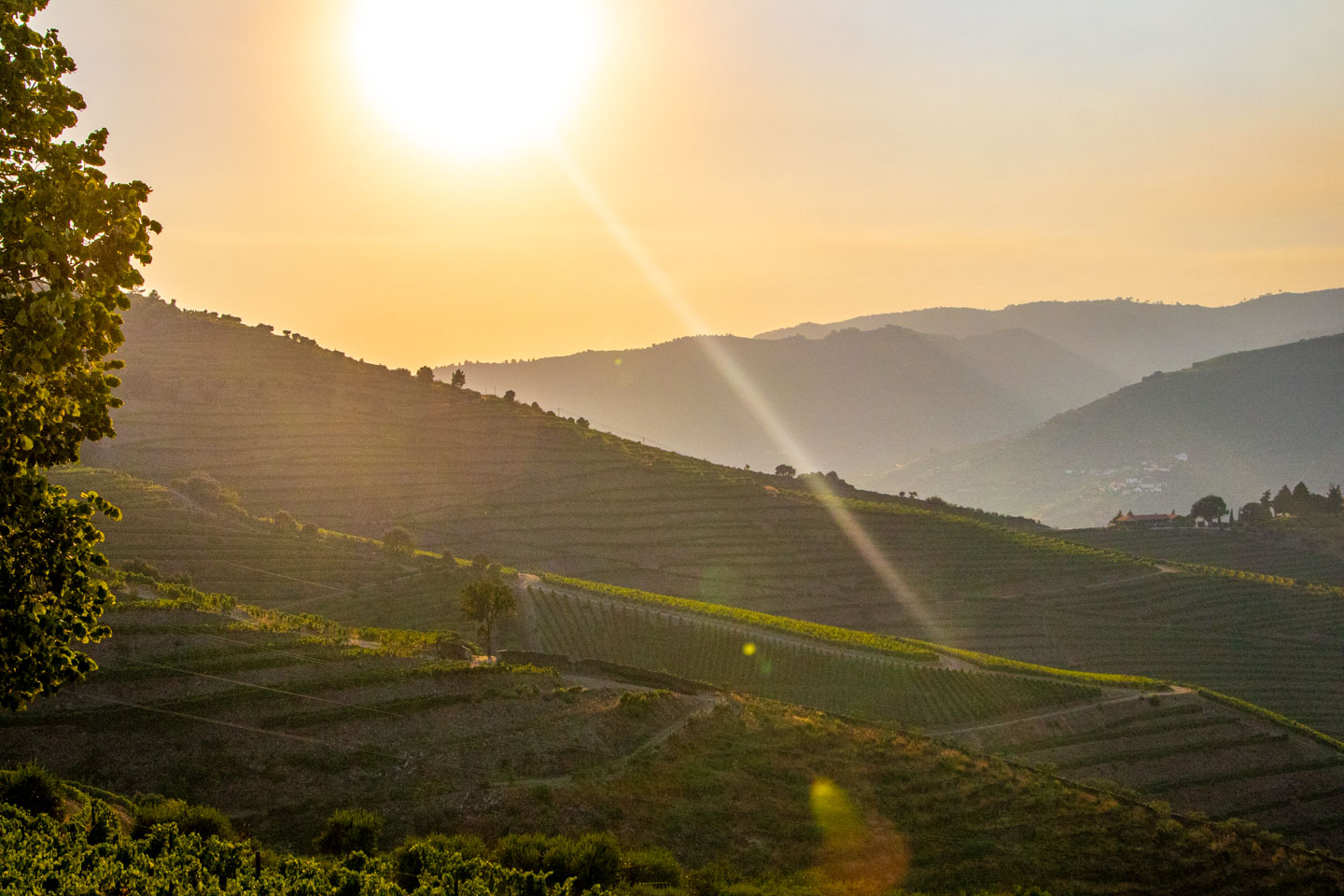
When I think back to that trip, I always return to one particular moment: sitting on the terrace at Quinta da Côrte with a glass of 20-year-old tawny in my hand, the sun slowly dipping behind vine-covered hills, birdsong the only sound in the air.
No notifications. No rush. No need to be anywhere else. I was simply there.
That’s exactly what I look for in travel – and the Douro Valley gave it to me in abundance.
If, like me, you care about good food, stunning views, and places that make you genuinely slow down – not just in theory – then put the Alto Douro on your list. It’s the kind of region you leave differently than you arrived.
To me, the Douro feels far more beautiful and intimate than, say, Tuscany.
Fewer crowds, more authenticity, a closer connection to local culture – and wine that tastes entirely different when you’re drinking it while looking at the very hillside it came from.
Have you been to the Douro Valley? What left the biggest impression on you? Let me know in the comments – I’d love to hear.
If this guide was helpful or inspiring, I’d be so grateful if you shared it with a friend. Every share genuinely helps – thank you!
Save the pin
This article contains affiliate links. If you make a booking through these links, I may earn a commission, supporting this blog. Rest assured, my recommendations are based on honest assessments, and using these links doesn't affect prices for you. Thank you for your support!
Gosh, the Douro Valley is so beautiful! Thanks for putting this gem on my radar. Just pinned for future inspo 🙂
Thanks, I’m glad you like it! 🙂
This looks so dreamy! Relaxing, beautiful…so many words to describe just from the pictures!
In real it is even better 😉
It looks so pretty, what a great place to relax.
You can relax and enjoy view and vine 🙂
Awww, I love Portugal! It’s my favorite country in Europe! Can’t wait to be back as soon as we got over this pandemic and traveling back home to Europe is possible again.
I wish to get back there soon as well 🙂
I love the Douro Valley! My husband and I went on a boat ride up the Douro years ago when we visited Porto and loved it. Douro wines are incredible too. I hope to make it back there someday soon.
Wow fantastic 🙂 You should go back there and spend even more time 😉
Never thought this will be in Portugal. It looks like a beautiful place to relax.
I was also impressed and surprised 😀
Alto Douro looks very pretty! I must visit when I go to Portugall. I’ll save this for later!
I hope you’ll enjoy it soon 😉
I can’t say that I’ve heard of this area of Portugal before, but it looks absolutely stunning to visit and very chilled too.
It is a perfect place for chillout 😉
Wow, this is so beautiful! I appreciate the history of port wine that your shared and the tips on visiting the local vineyards, thanks!
I’m glad you’ve enjoyed it.
What a dream! This looks like an incredible trip to take. On our radar now!!
😀 It is true hidden gem. Ok maybe not so hidden since I’ve described it ;D
Beeeautiful!
I have visited Porto, but I would love to spend more time in the countryside and the Douro Valley looks heavenly! I like the idea of hiking/cycling then tasting port and some of that incredible Portuguese food.
If you like hiking you can also consider Serra de Estrela region 🙂
Wow Douro Valley looks amazing. I would love to visit and sip on wine during my visit. Portugal has been on my list for so long. Great post and pinning so I remember to visit when I go. Such a great guide!
Thank you 🙂 I’m happy you like it 🙂
You have me wanting to visit Douro Valley so bad! I had planned to go last fall but hoping I get to go in September of 2022 so I can enjoy harvesting. Sipping on port, going for hikes and taking a river cruise all looks amazing!
I keep my fingers crossed so you can visit Douro as you plan 🙂