
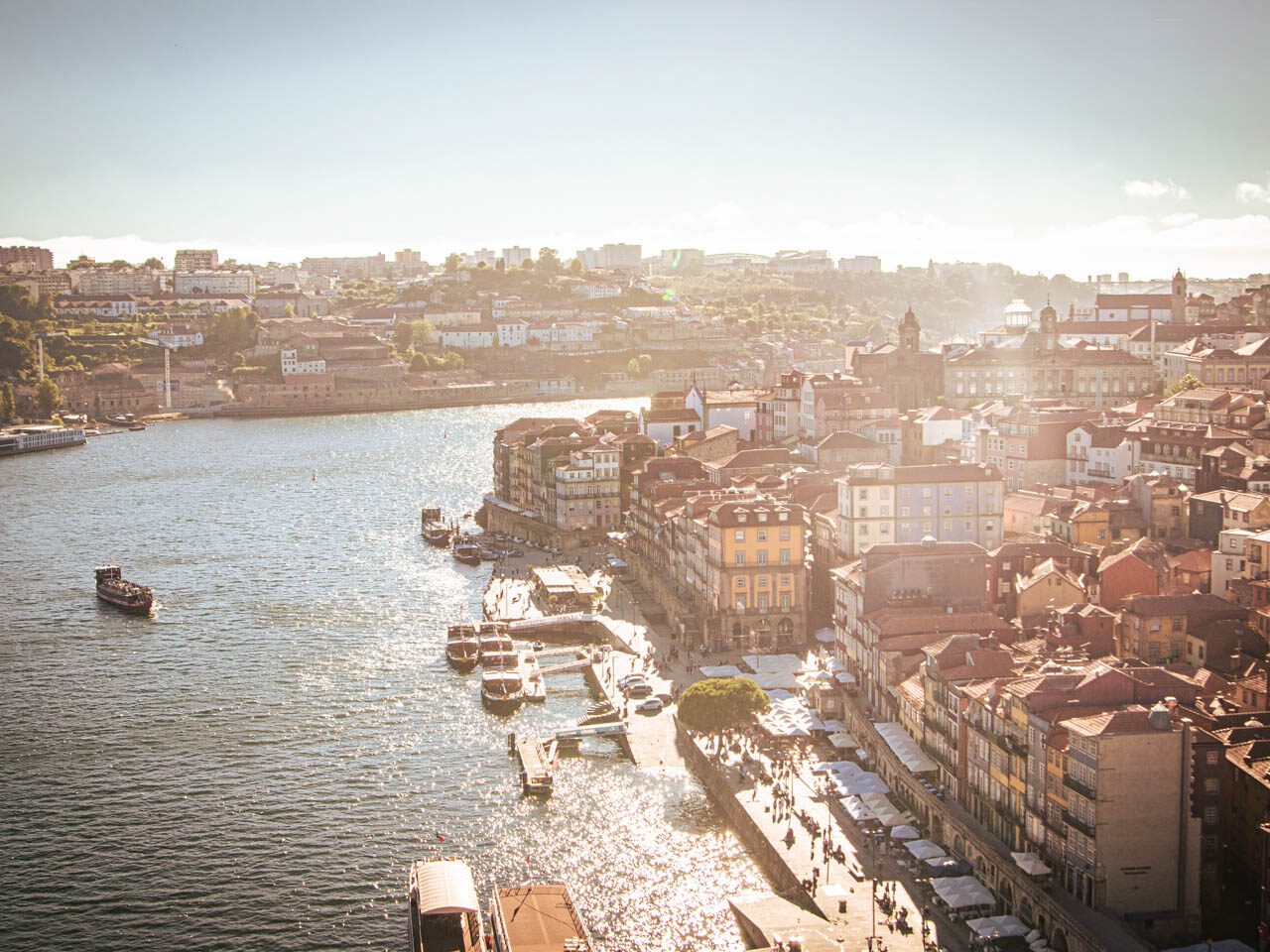
If you’re looking for a Porto guide that actually helps you feel this city, not just tick off landmarks, you’re in the right place.
I spent almost a week here, walking without a plan, getting lost in narrow streets, stopping for coffee when something felt right, and following the light down to the Douro.
This guide comes from that kind of travel – slow, a little intuitive, and very real.
Porto isn’t a place you “do.” It’s a place you sink into.
It’s the soft chaos of tiled facades, the glow of the river at sunset, the kind of seafood that makes you pause mid-bite, and the quiet ritual of a glass of port wine in the city where it all began.
You’ll find history here, of course. But also space to wander, to sit, to look.
Long walks that turn into conversations. Views that don’t need filters. Meals that stretch into the evening.
And that’s why Porto stays with you.
In this guide, I’ll show you what’s actually worth seeing, but also how to experience the city without rushing through it. When to come, how to move around easily, and where to eat in a way that feels local, not forced.
If you’re still wondering whether Porto is worth it… keep reading. I think you’ll feel it pretty quickly.
Porto: Start Here
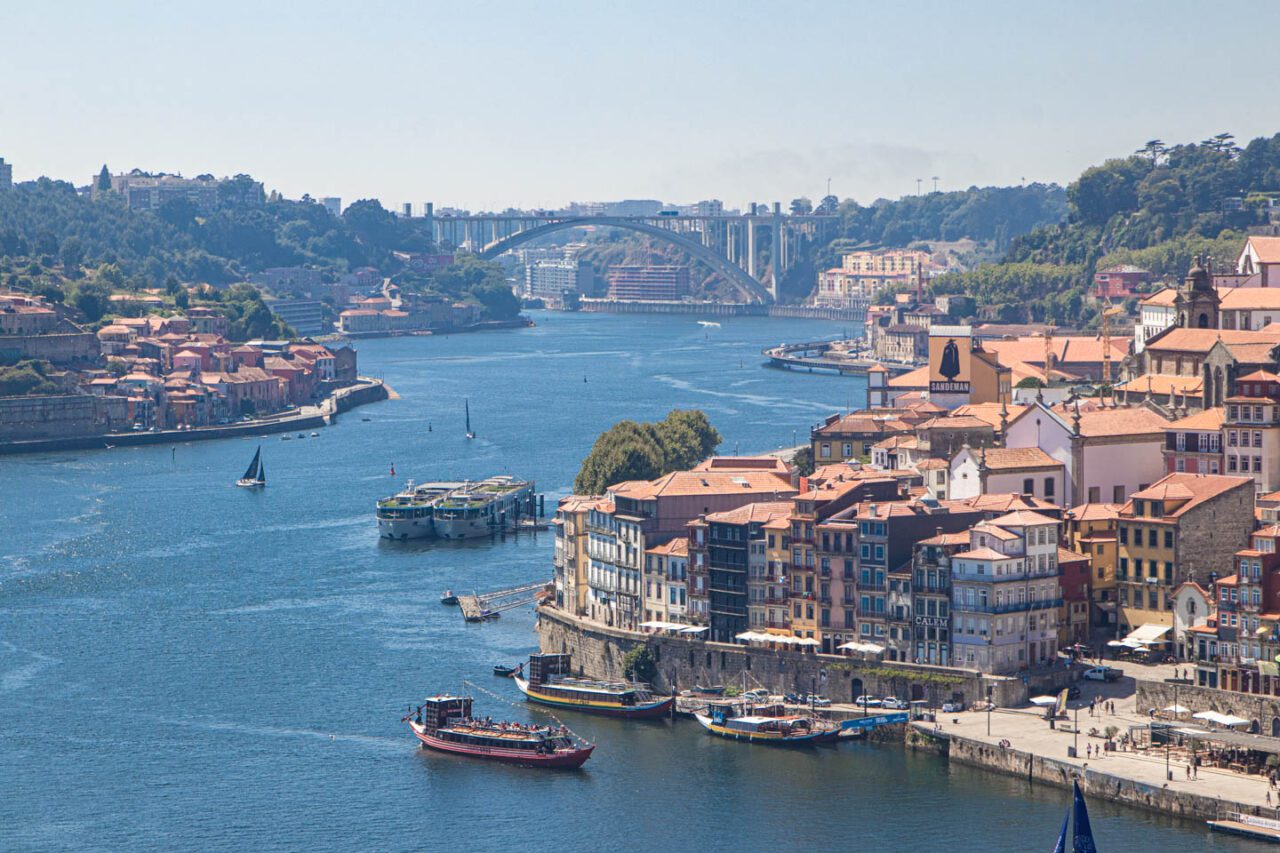
Porto sits quietly where the Douro River meets the Atlantic, in the north of Portugal.
And there’s something about this place that just stays with you. For me, it’s one of the most beautiful cities in the country, but in a very unassuming, real way.
It’s not huge. Around 240,000 people live here, which makes it Portugal’s second-largest city after Lisbon. But it doesn’t feel busy or overwhelming. Everything moves a little slower.
The history goes back further than you might expect. This area was already settled around 300 BC, and the name “Portus Cale” eventually gave Portugal its name. It’s one of those small details that suddenly makes the whole place feel deeper.
And then there’s the old town.
Ribeira, Porto’s historic center, is a UNESCO World Heritage Site and honestly, it’s easy to see why.
The tiled facades, the slightly worn buildings, the narrow streets that don’t follow any logic – it all feels beautifully imperfect, like the city was never trying to impress anyone.
That’s what makes Porto special. It doesn’t try too hard. It just is.
What really shaped Porto’s identity? Port wine.
For centuries, it was traded from here to the rest of the world, especially to Britain. That connection is still part of the city’s story today.
Port wine isn’t just any wine. It can only be made from grapes grown in the Douro Valley, about two hours from Porto. That landscape, with its steep terraces and warm climate, is what gives it its character.
The process is a little different too. Fermentation is stopped early by adding grape spirit, which keeps the natural sweetness and creates that rich, warming depth.
Today, production happens across the Douro Valley, but Porto remains the heart of it all. It’s where the wine arrives, ages, and is shared. And even if you’re not a wine person, it’s hard not to feel that this is part of the city’s rhythm.
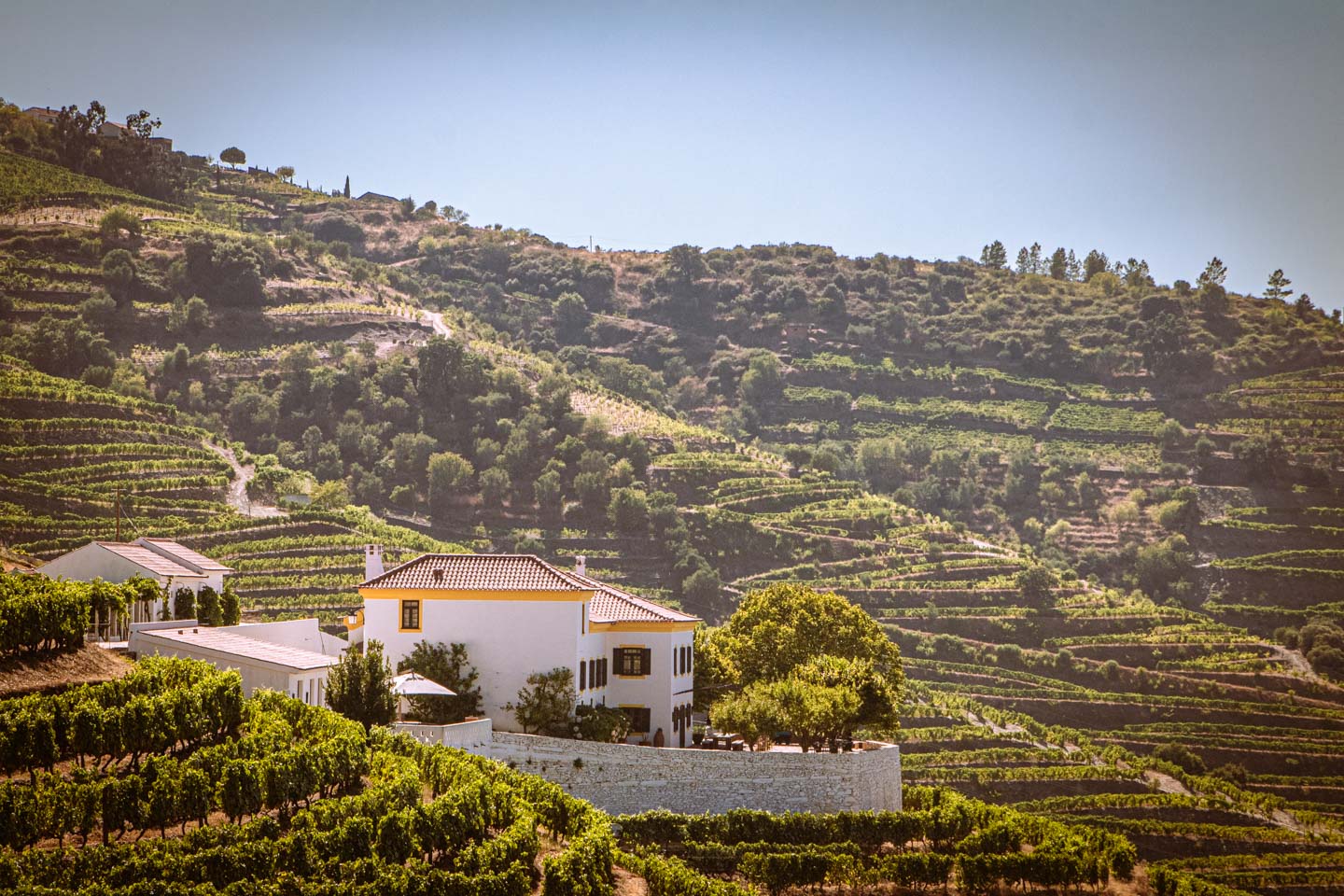
When I visited the Douro Valley (and if you can, I really think you should), I realized how different port wines can feel from each other. It’s not just “sweet red wine” – there’s a whole spectrum.
Here’s a simple way to understand it:
Ruby
The youngest and most straightforward. Deep red, fruity, and quite sweet. It usually spends only a couple of years in large barrels, so it keeps that fresh, bold character.
Tawny
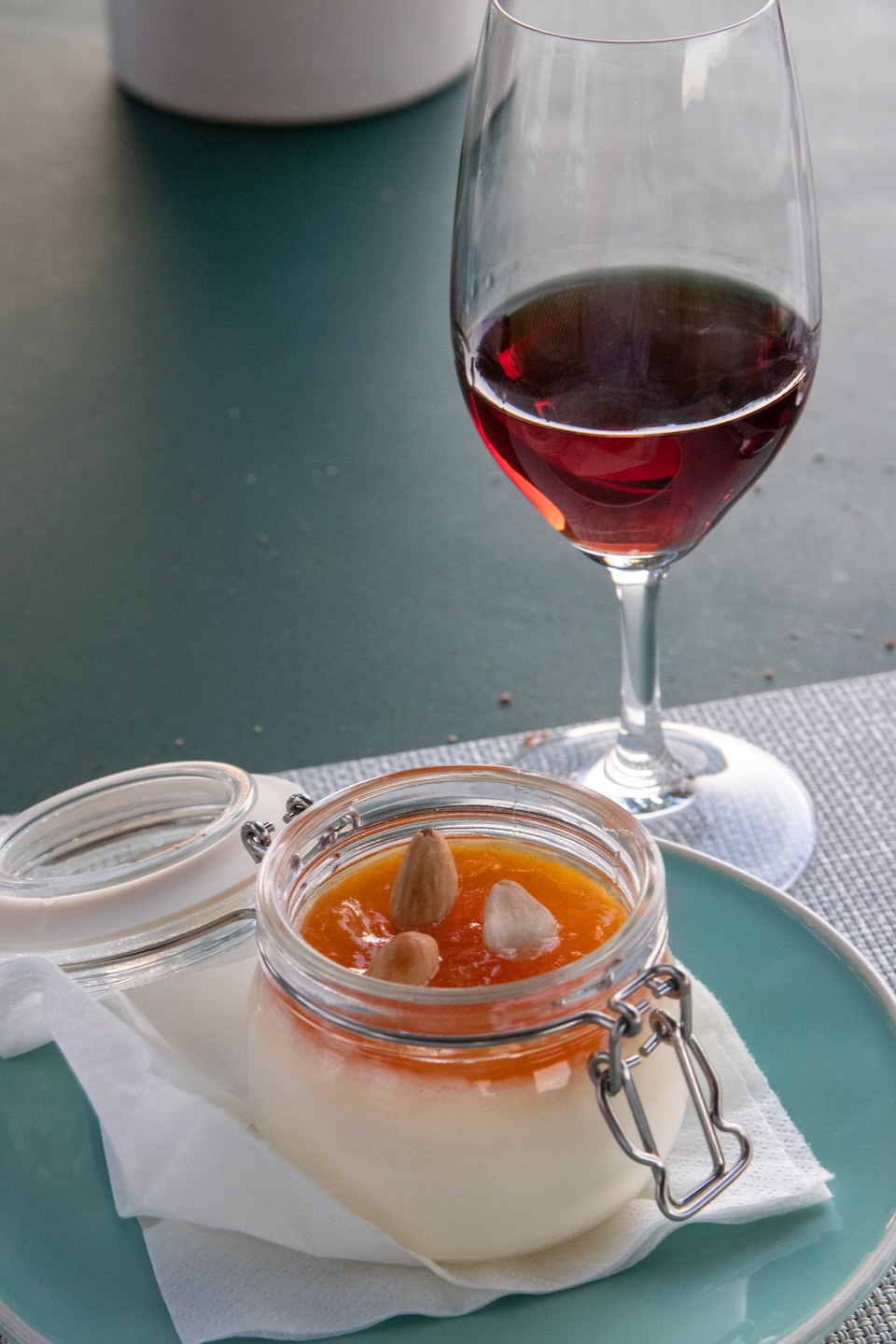
Softer, more layered. This one ages longer in smaller oak barrels, which gives it those warm, nutty, slightly vanilla notes. Less sweetness, more depth. This is the one I kept coming back to.
Vintage
Made only in exceptional years. It ages briefly in barrels, then continues developing in the bottle for many years. More complex, more structured – something you open slowly, not casually.
Late Bottled Vintage (LBV)
A bit of a bridge between Ruby and Vintage. It comes from a single year but stays longer in barrels, so it’s smoother and more ready to drink, without needing decades of aging.
You don’t need to understand all of this before you go. But once you’re there, tasting it slowly, it starts to make sense in a very natural way.
Porto: Places That Stay With You
Porto isn’t a big city, but it has a way of feeling full.
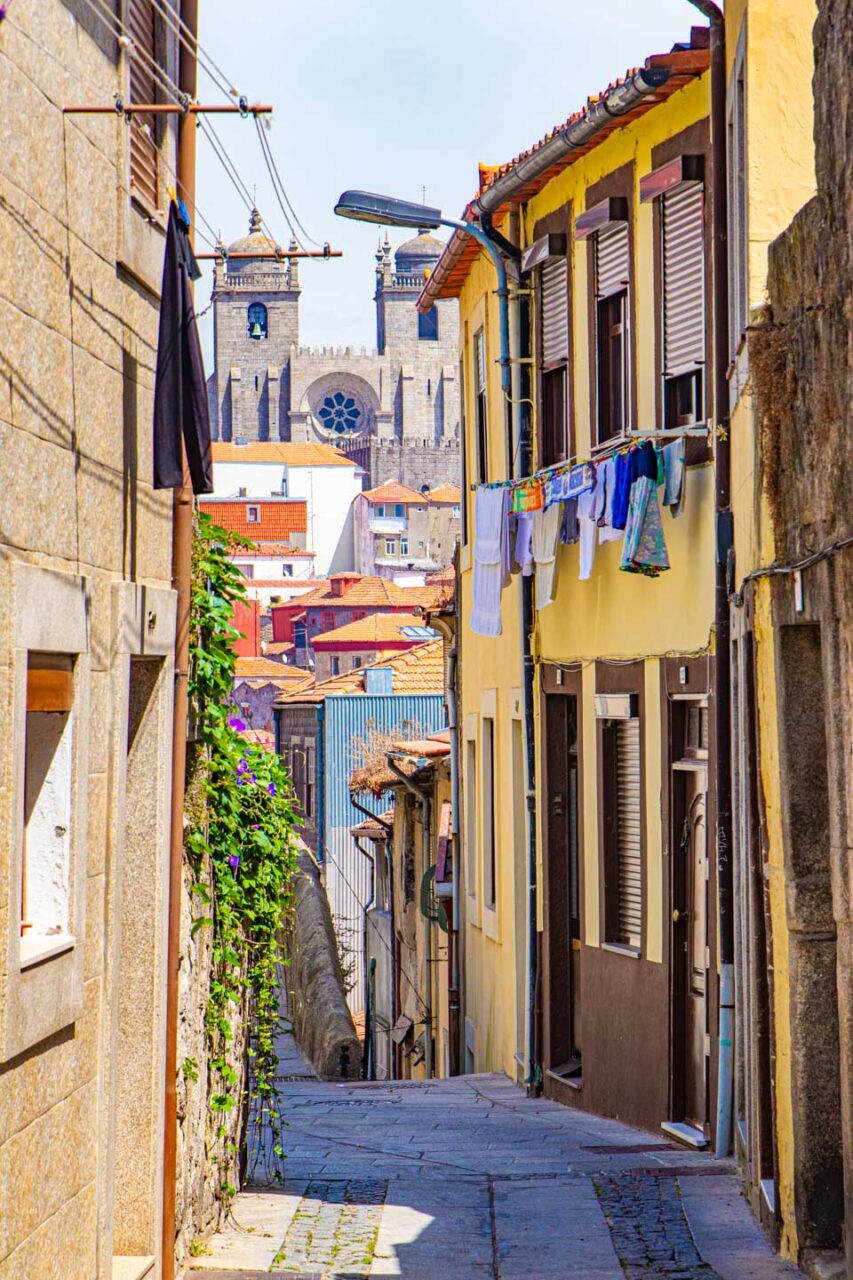
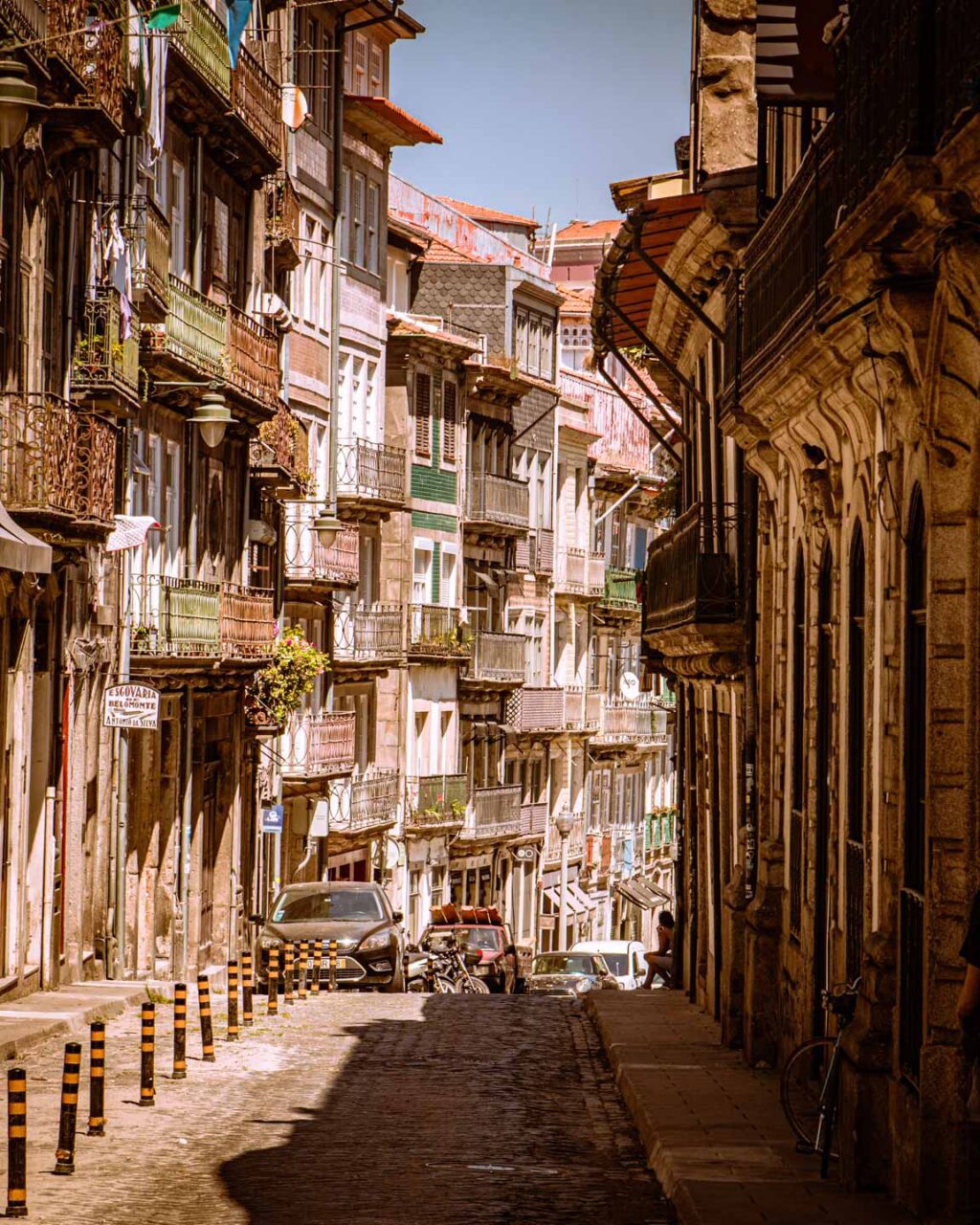
You’ll find yourself walking along cobblestone streets that never quite go in a straight line, passing houses in soft, faded colors, crossing bridges that open up wide views of the river, and stopping more often than you planned.
There are viewpoints that make you pause, churches that hold centuries of quiet history, and little corners that don’t ask for attention, but stay with you anyway.
It’s the kind of place where you don’t need to rush to see everything.
But if it’s your first time here, these are the spots I would start with:
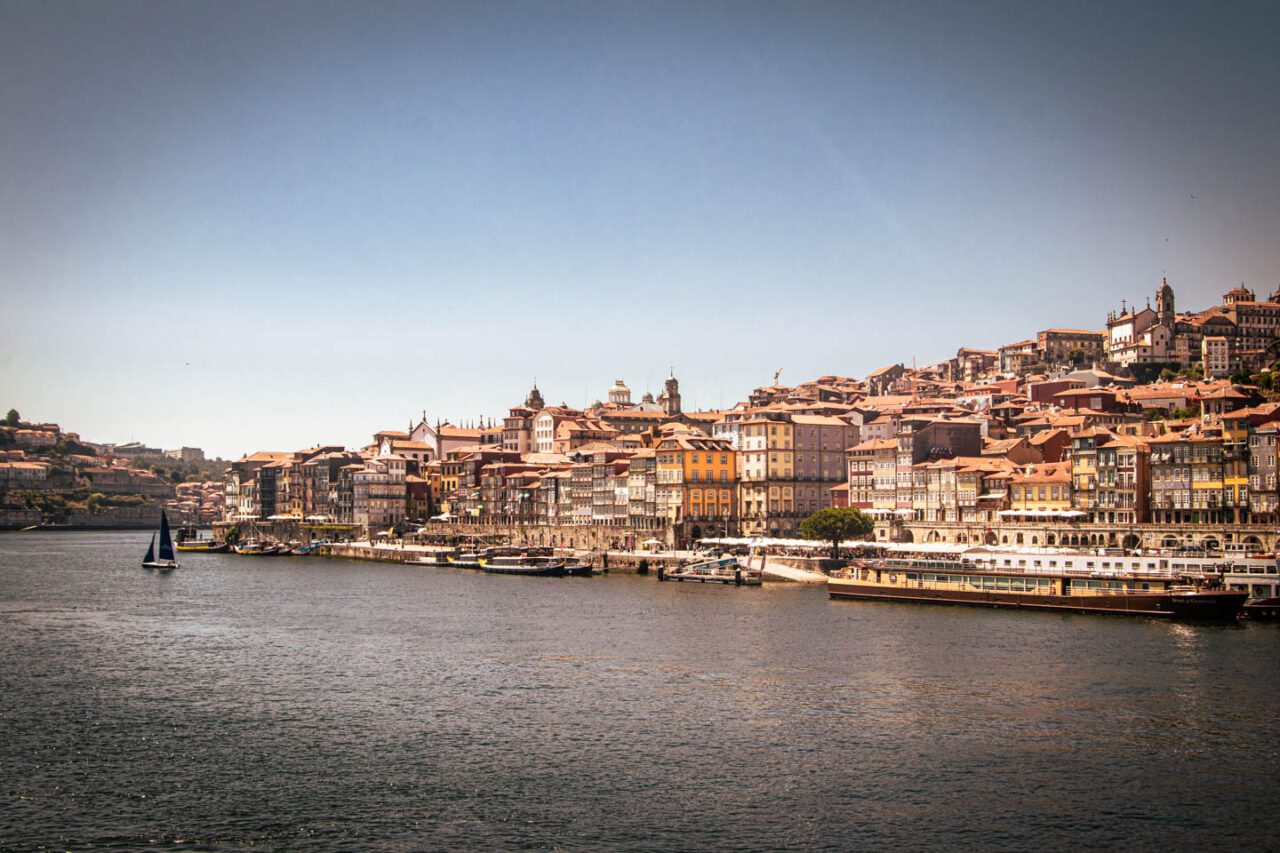
Cais da Ribeira
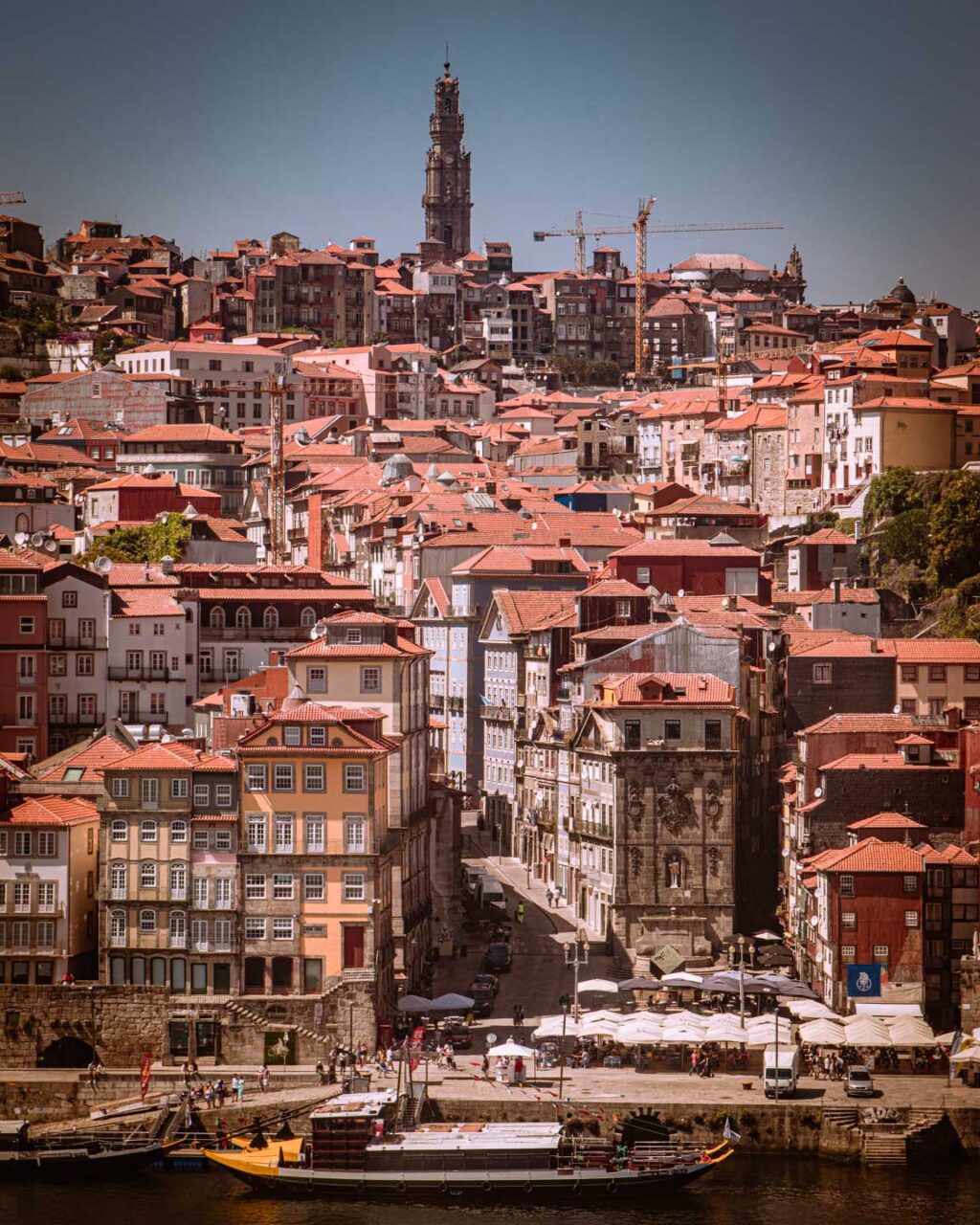
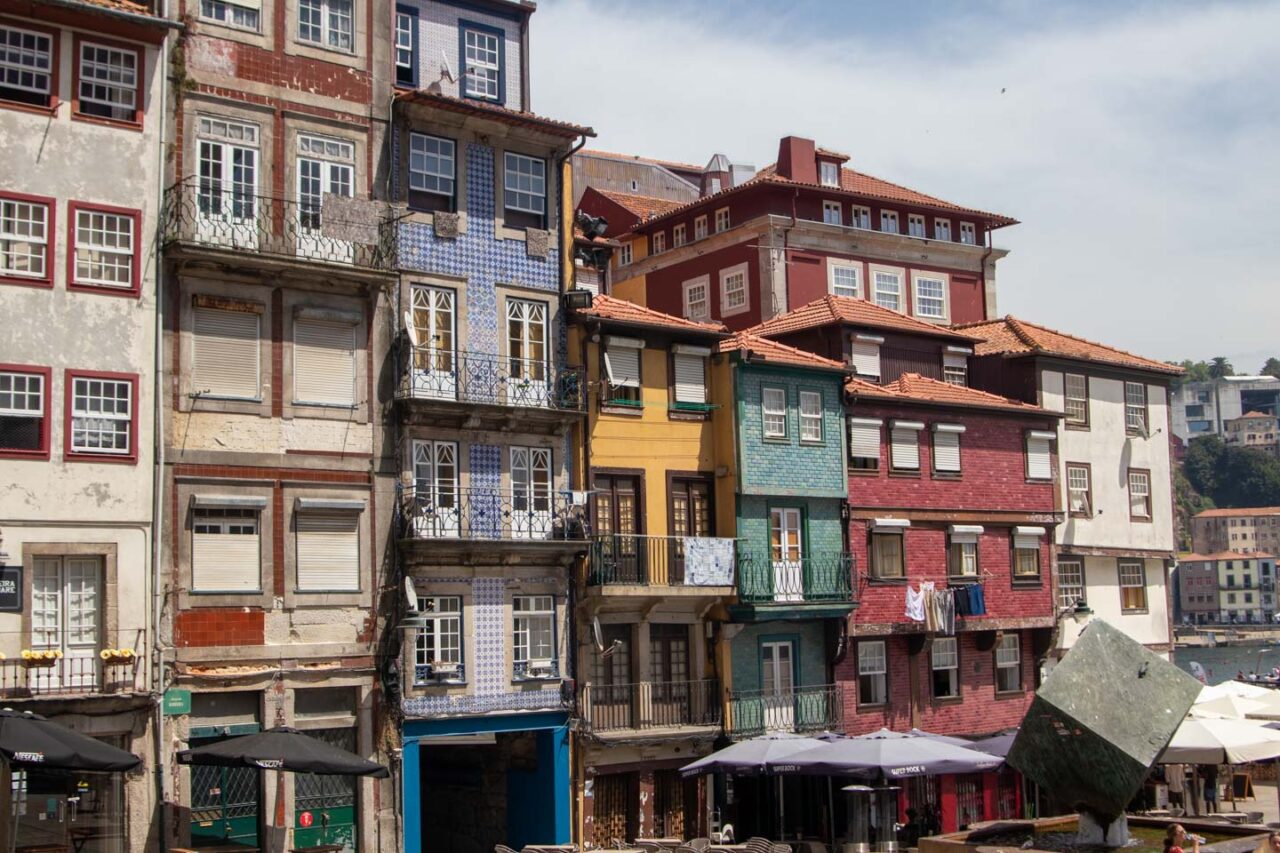
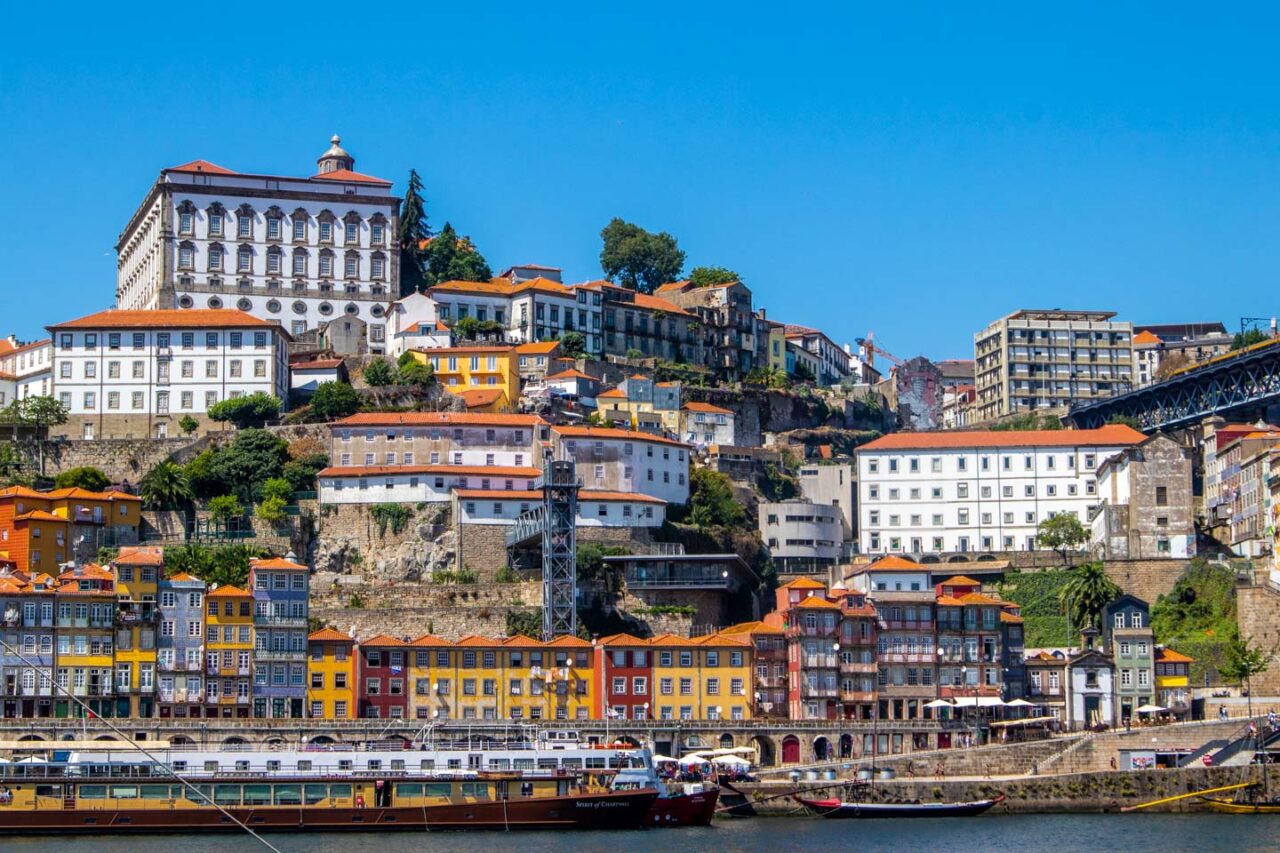
If there’s one place that captures the feeling of Porto, it’s Ribeira and the stretch along the Douro.
Colorful buildings lean into each other in a way that shouldn’t quite work, but somehow does. The light shifts constantly, the river reflects everything back, and you find yourself slowing down without even realizing it.
Along the waterfront, there are small restaurants where you can sit for a while – maybe with grilled sardines, maybe with a glass of port – and just watch the city move.
Across the river, the Dom Luís I Bridge frames everything in a way that feels almost unreal.
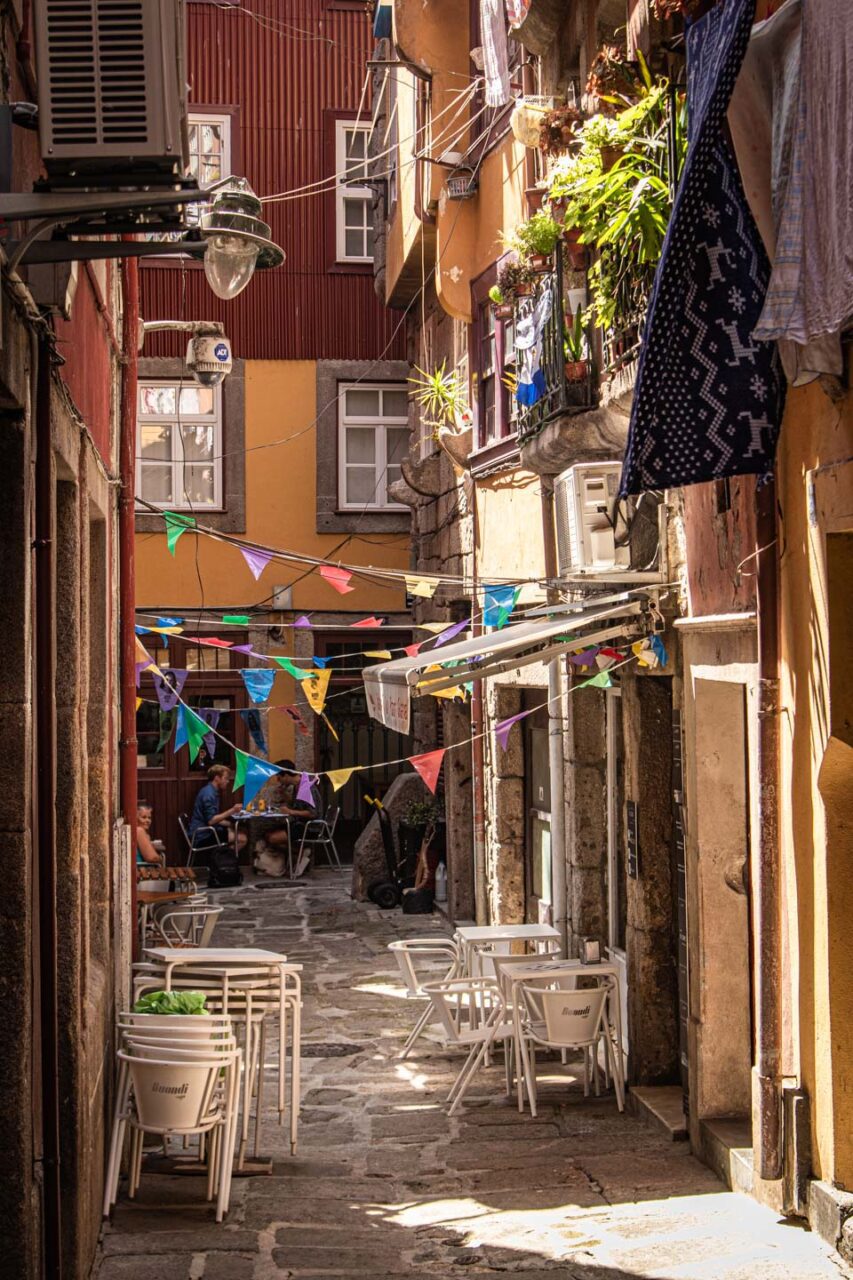
And then, when you’ve had enough of the view (if that’s even possible), you can step back into the narrow streets behind it.
They twist and turn without a clear plan, leading you past quiet corners, old facades, and small details you wouldn’t notice otherwise.
If you want to go a little deeper, it’s worth stopping by Casa do Infante, where Henry the Navigator was born, the elegant Palácio da Bolsa, or the Church of St. Francis with its richly decorated interior.
Ribeira is one of those places you’ve probably seen in photos before. But being there feels completely different.
Ponte Dom Luís I
After wandering through Ribeira, it’s hard to miss the Dom Luís I Bridge. It’s one of those landmarks that quietly defines the whole city.
The bridge connects Porto with Vila Nova de Gaia and stretches across the Douro in two levels. Built in the late 19th century, it was once the longest of its kind, and even today it still feels surprisingly light and elegant for something so large.
What makes it special isn’t just the structure, but the view.
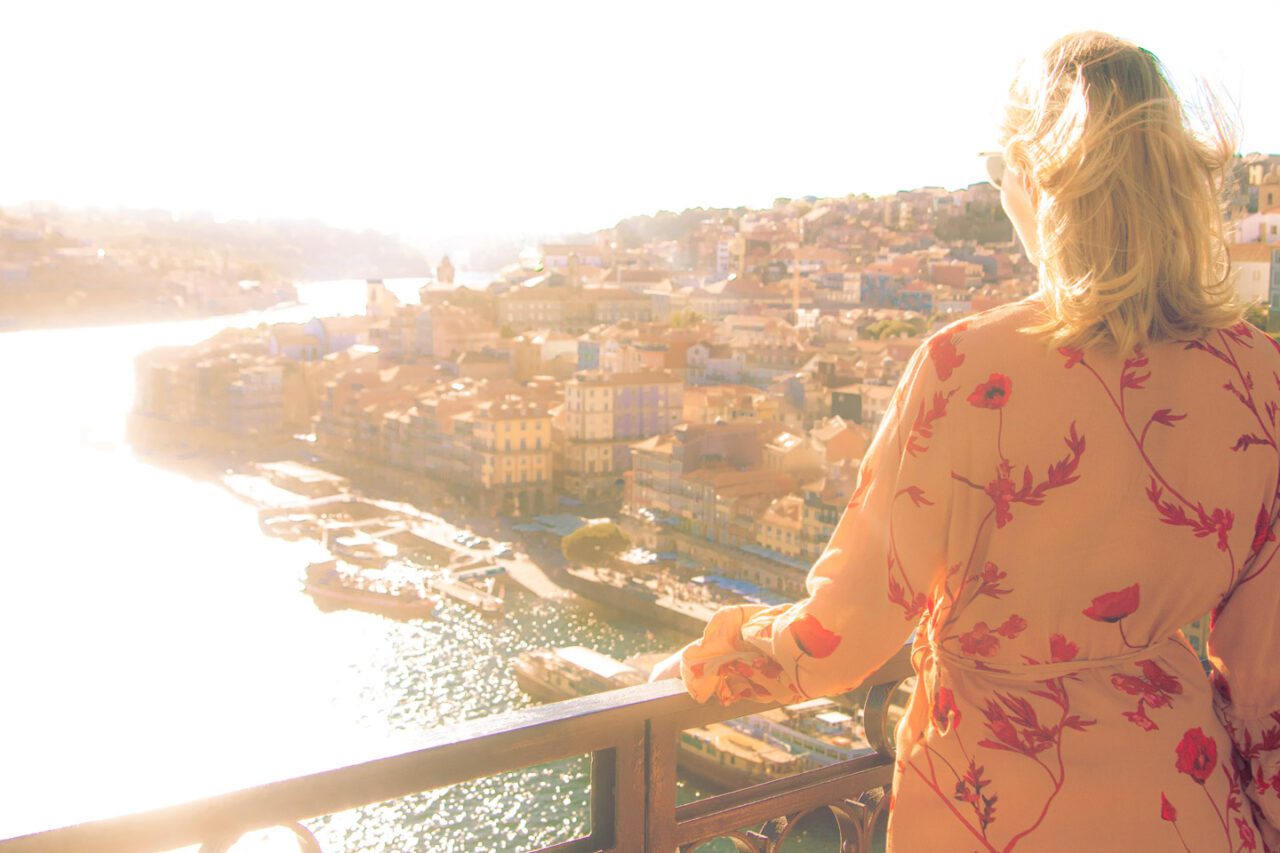
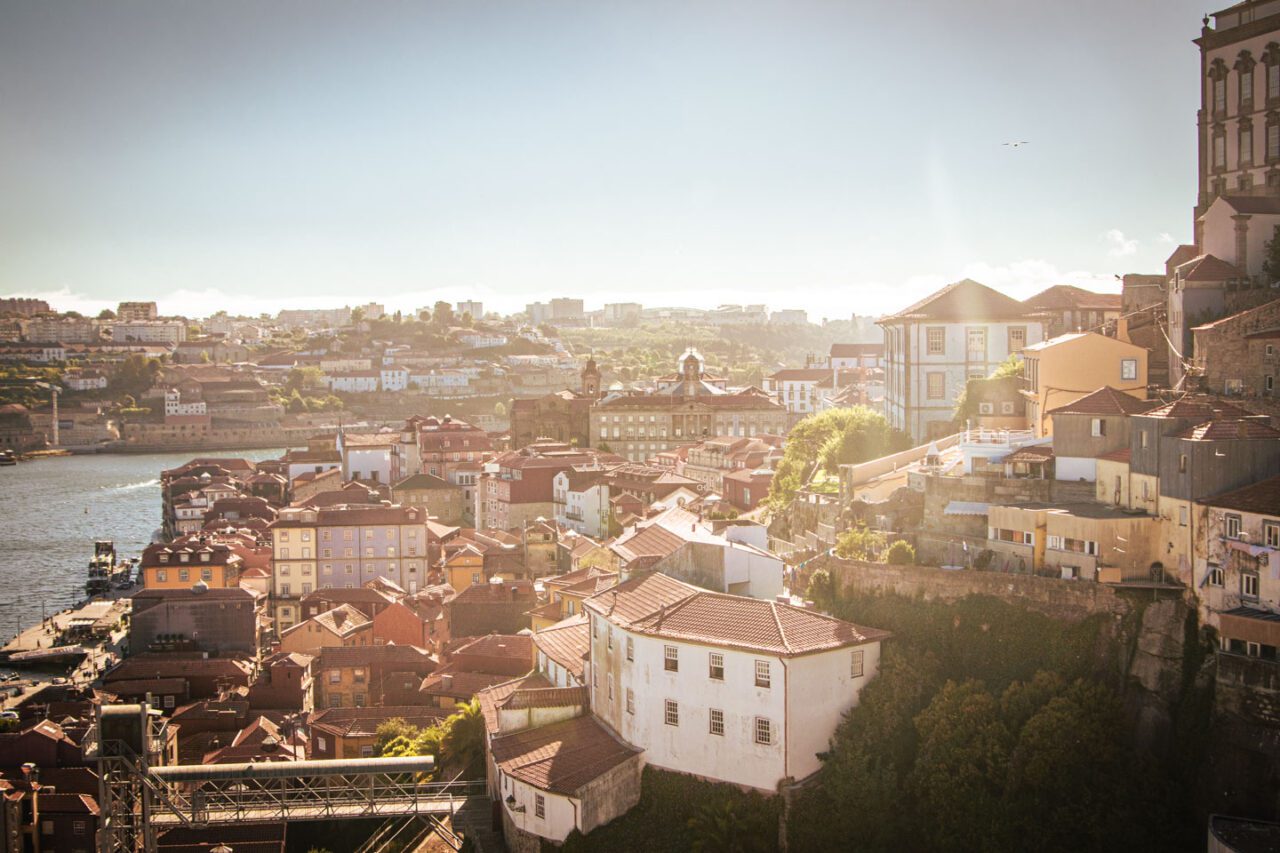
From the upper level, Porto opens up in front of you – the river, the layered rooftops, the soft colors of the buildings. It’s one of those places where you naturally slow down and just look.
You can walk up from the Sé Cathedral and reach it without much effort. And if you can, go closer to sunset. The light changes everything, and the city feels even softer from up there.
Just one thing – it can get a bit windy, so it’s worth bringing something warmer, even on a warm day.
Miradouro da Vitoria
Miradouro da Vitória is one of those places you almost stumble upon, and then end up staying longer than planned.
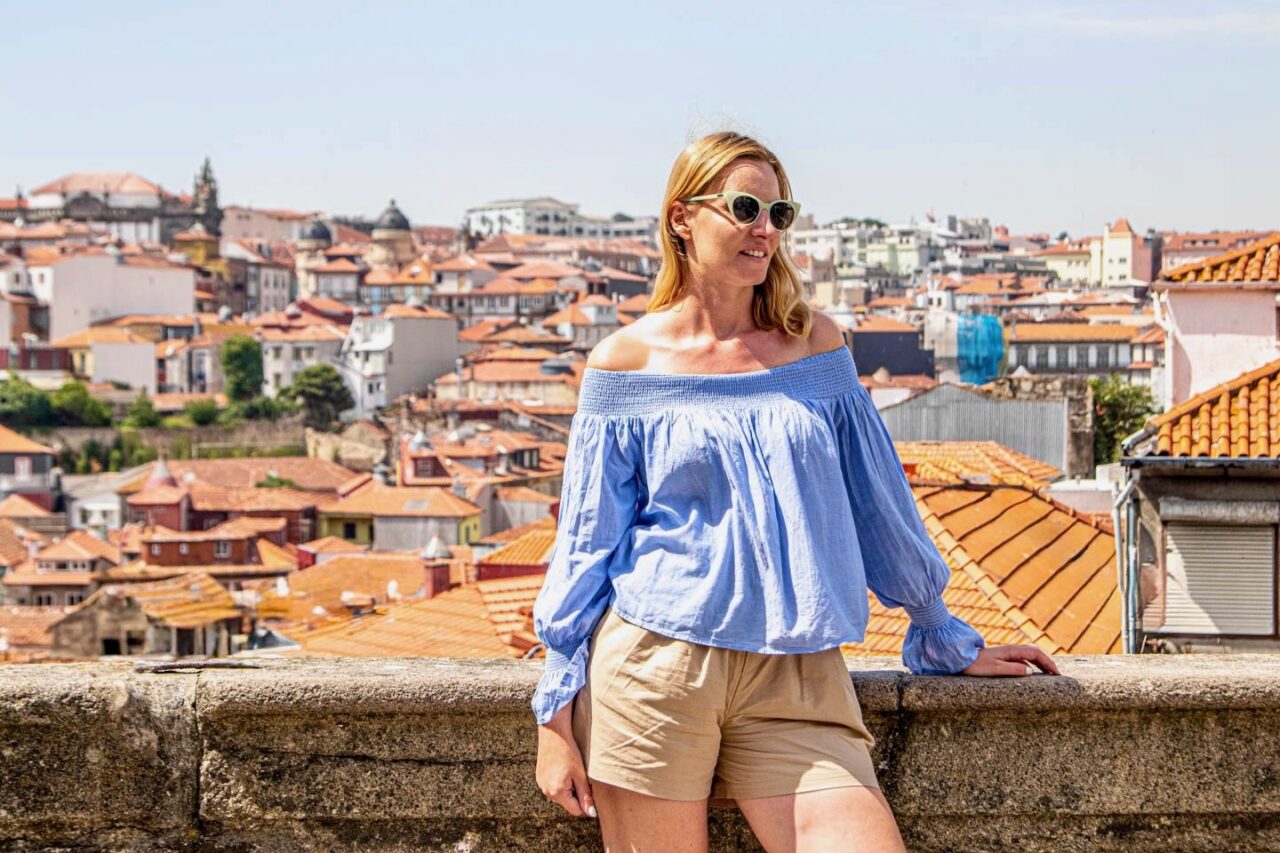
From here, Porto opens up in layers. Terracotta rooftops stretch out in every direction, slightly uneven, a little chaotic, and somehow completely beautiful.
You can see Ribeira below, the Dom Luís I Bridge cutting across the river, and the Sé Cathedral rising above it all. It’s one of those views where everything comes together at once.
It’s also one of the few spots in the city that feels quiet, even in the middle of everything.
And the best part? It’s completely free. Just come, stand for a moment, and take it in.
Sé Cathedral
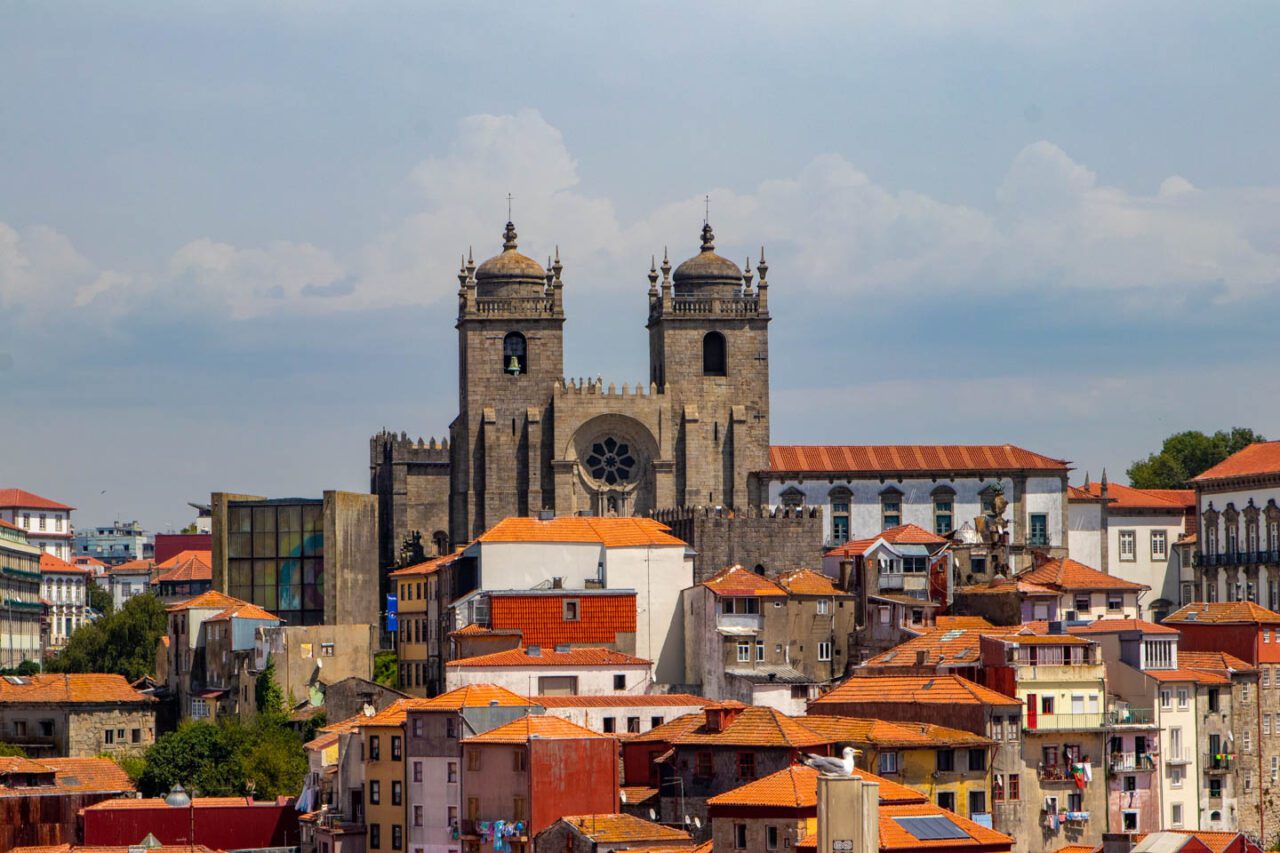
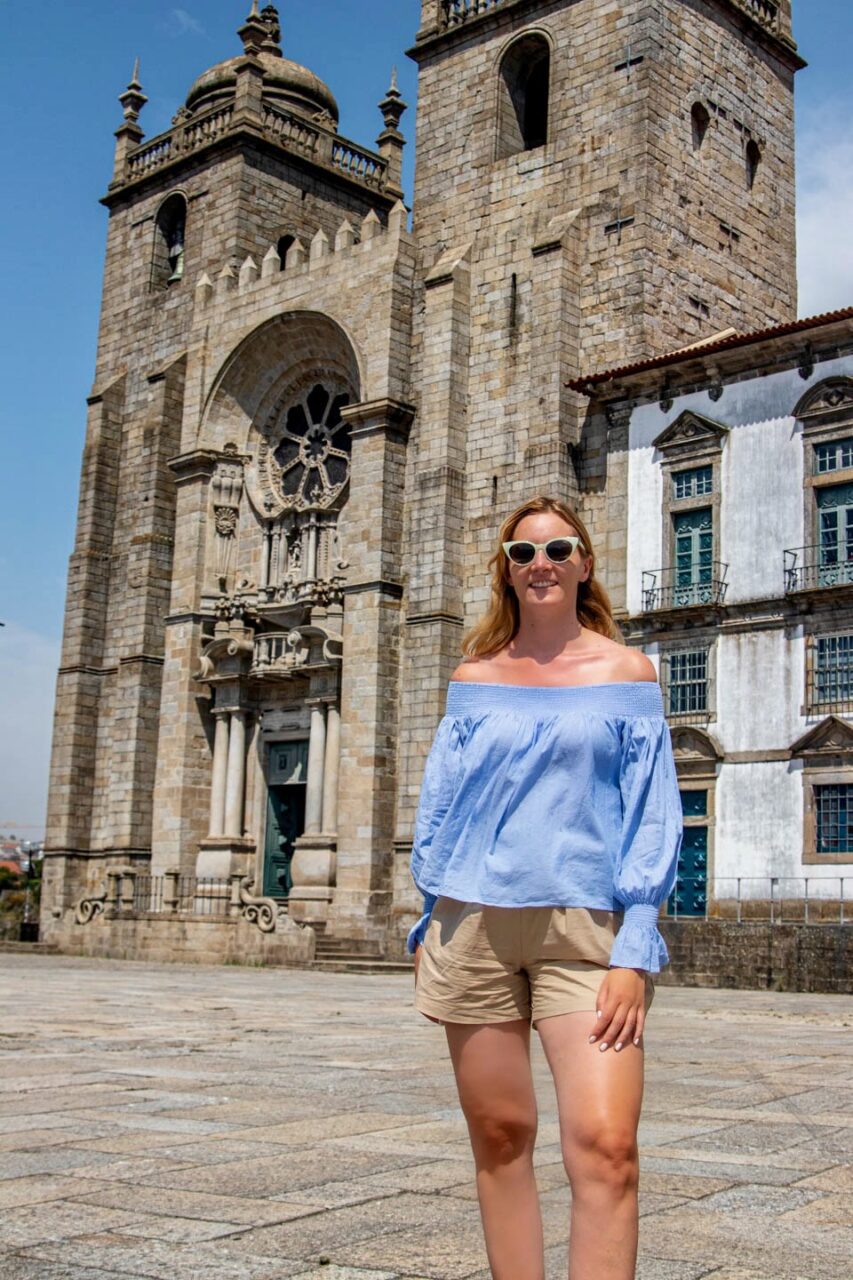
Next on the list is Sé Cathedral – one of those places that feels older than the city around it.
It’s one of the oldest buildings in Porto, originally built in a Romanesque style, with later Baroque details added over time. You can feel that mix as you walk through it – something solid and almost fortress-like, softened by more decorative elements.
From the outside, it feels simple. Thick walls, a sense of weight, history layered into the stone.
And then inside, there’s contrast. Light, detail, and a sense of quiet richness – including a striking silver altar that catches your attention without trying too hard.
It’s part of Porto’s UNESCO-listed historic center, but more than that, it’s a place that makes you slow down for a moment.
São Bento Station
São Bento is not your typical train station. It’s one of those places you walk into “just quickly,” and then stay much longer than planned.
Built in the early 1900s, it’s best known for its azulejo tiles – blue and soft-toned panels that cover the main hall and quietly tell stories from Portugal’s past. Scenes of history, everyday life, movement, stillness – all layered into the walls.
There’s something almost cinematic about it.
It’s busy, of course. People coming and going, trains arriving, the rhythm of a working station. But at the same time, there’s this sense of pause when you look up.
It doesn’t feel like a place you pass through. It feels like a place you experience.
Clérigos Church and Tower
If you’re drawn to old churches – or just really good views – Clérigos is one of those places you shouldn’t skip.
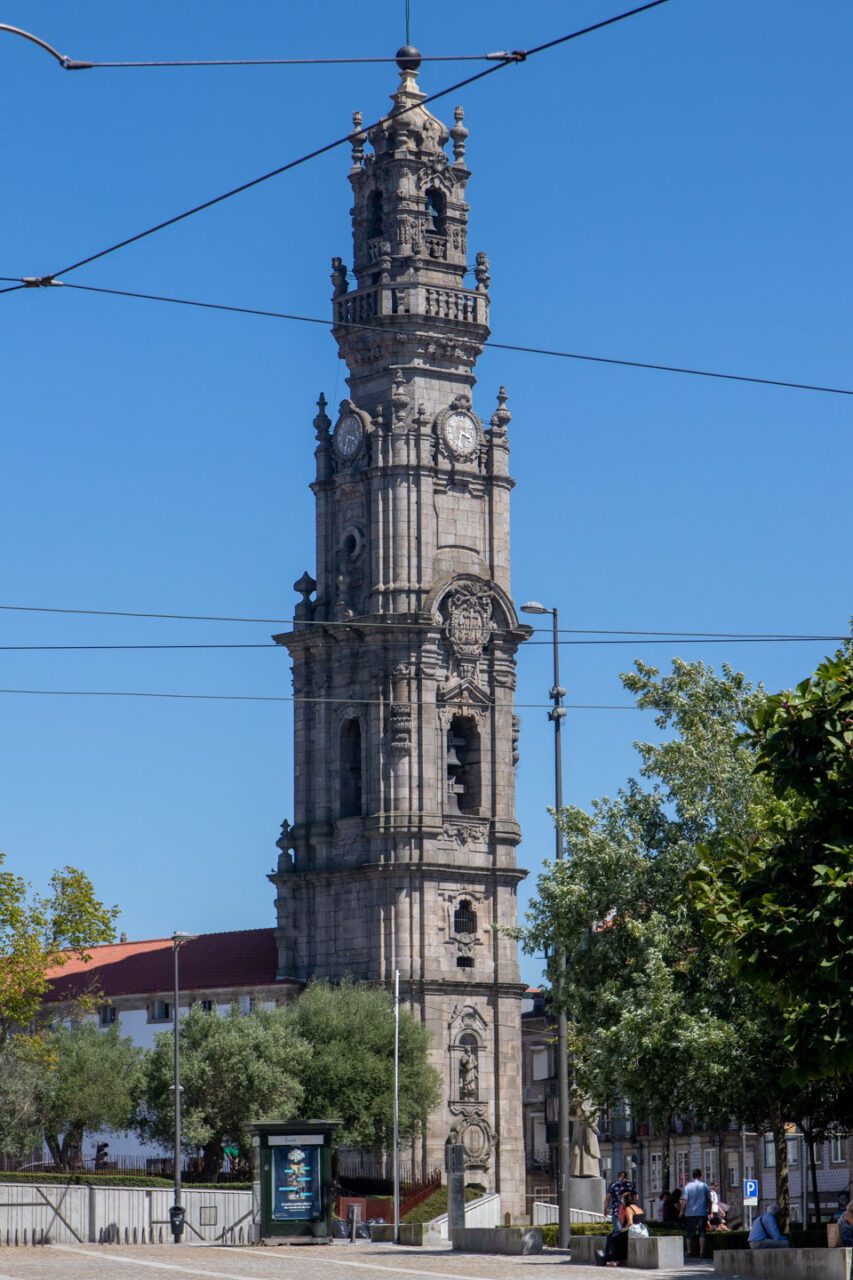
Built in the 18th century by Italian architect Nicolau Nasoni, it’s one of Porto’s most recognizable landmarks. The tower rises above the city in a way that feels both elegant and slightly dramatic, almost like it’s watching over everything.
From the top, you get a full 360° view of Porto – rooftops, the river, the layers of the city stretching out in every direction. It’s one of those perspectives that helps everything make sense.
Getting there means climbing 200+ steps, but it’s part of the experience.
When I was there, the tower was closed, which honestly just gave me a reason to come back.
Jardim das Virtudes
Jardim das Virtudes is one of those places you go when you need a pause.
The gardens are built in terraces, gently stepping down toward the river, with open views over the Douro and Vila Nova de Gaia. It’s simple, a little raw, and quietly beautiful.
People come here to sit, to talk, to watch the light change. You can bring something small to eat, find a spot on the grass, and just stay for a while.
It doesn’t feel like a “must-see.” It feels like a moment.
And those are usually the ones you remember.
A small tip:
If you’re nearby, it’s worth stepping into Garrafeira do Carmo on Rua do Carmo. It’s a small wine shop with a really good selection of port, and people who actually take the time to help you choose something that fits you.
Livraria Lello
If you love books, or simply beautiful spaces, Livraria Lello is one of those places you’ll want to see at least once.
It’s one of the oldest bookstores in Portugal, opened in the late 19th century, and its interior feels almost unreal.
Curved wooden staircases, carved details, soft light filtering through stained glass – it has that quiet, cinematic atmosphere that makes you slow down the moment you walk in.
It’s often said that this place inspired J. K. Rowling while she was living in Porto. Whether that’s entirely true or not, you can understand where the idea comes from.
That said, it’s no longer a hidden gem. It’s one of the most visited spots in the city.
You’ll need a ticket to enter, and there’s usually a line, even with a reservation. If you decide to go, it’s worth booking in advance and choosing an earlier time to avoid the biggest crowds.
It’s not a quiet bookstore anymore. But it’s still a beautiful one.
Church of St. Lawrence (Igreja dos Grilos)
A little less obvious, but worth a stop if you’re nearby, is the Church of St. Lawrence.
Locals call it Igreja dos Grilos, and like many things in Porto, the story behind the name is a bit unexpected. It comes from the Jesuits who built it, originally connected to Rua do Grilo in Lisbon.
Construction started in the 16th century and stretched into the 18th, so what you see today carries traces of different periods layered together. The result is a space that feels both structured and slightly ornate, without being overwhelming.
Inside, you’ll also find a monastery and the Museum of Sacred Art and Archaeology, which adds another quiet layer to the visit.
It’s not as famous as Sé or Clérigos, which is exactly why it feels different.
A little calmer, a little more hidden.
And if you happen to be there at the right time, they sometimes host concerts – which is probably one of the most atmospheric ways to experience the space.
Miradouro da Rua das Aldas
If you’re already near Igreja dos Grilos, it’s worth taking a short walk to Miradouro da Rua das Aldas.
It’s a small viewpoint, easy to miss if you don’t know it’s there. But once you arrive, the perspective feels different from the others.
You still see the Douro, the rooftops, the layers of the city. But from here, everything feels a little closer, a little more intimate.
Like Miradouro da Vitória, it’s completely free. And just as easy to stay a little longer than you planned.
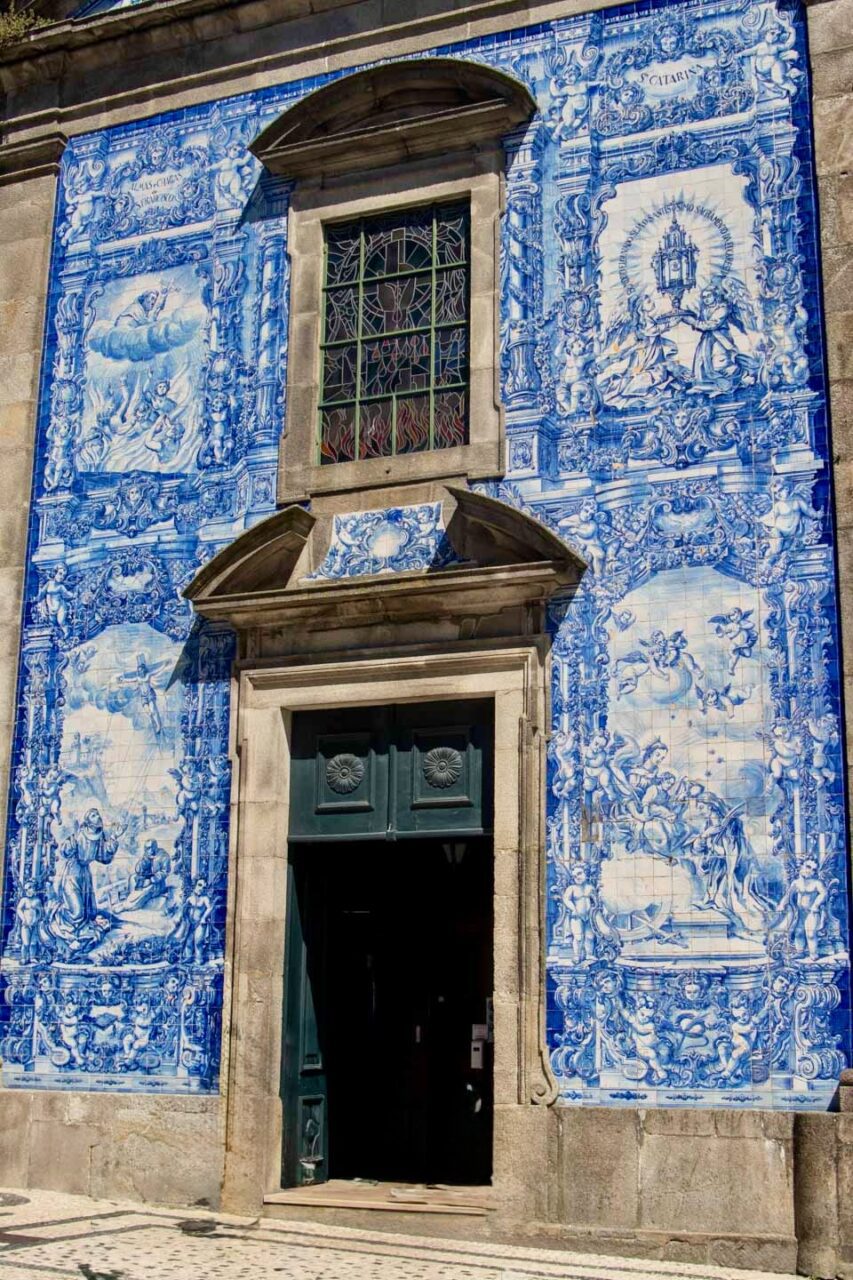
Capela das Almas (Santa Catarina Chapel)
If you’re walking along Rua de Santa Catarina, it’s hard not to stop here.
Capela das Almas is covered in blue azulejo tiles that catch the light in a really soft, almost quiet way. It’s detailed, but not overwhelming – the kind of beauty you notice more the longer you look.
What’s surprising is that it wasn’t always like this. The chapel was originally plain, and the tiles were only added in the 1920s, transforming it into what you see today.
They depict scenes from the lives of saints, but even if you’re not focused on the meaning, the visual effect is striking.
It’s one of those places that photographs beautifully. But in person, it feels even more layered.
Mercado do Bolhão
Mercado do Bolhão is one of those places where you feel the everyday rhythm of the city.
It’s busy, a little loud, full of movement – stalls with fresh produce, small local products, simple food, and people who’ve been coming here for years. It doesn’t feel curated. It feels real.
The building itself has been recently renovated, so everything looks fresh again, but it hasn’t lost its character. You still get that mix of tradition and daily life happening all at once.
It’s a good place to stop without a plan. Walk around, pick something small, stay for a moment.
It’s not just a market. It’s a piece of Porto as it actually is.
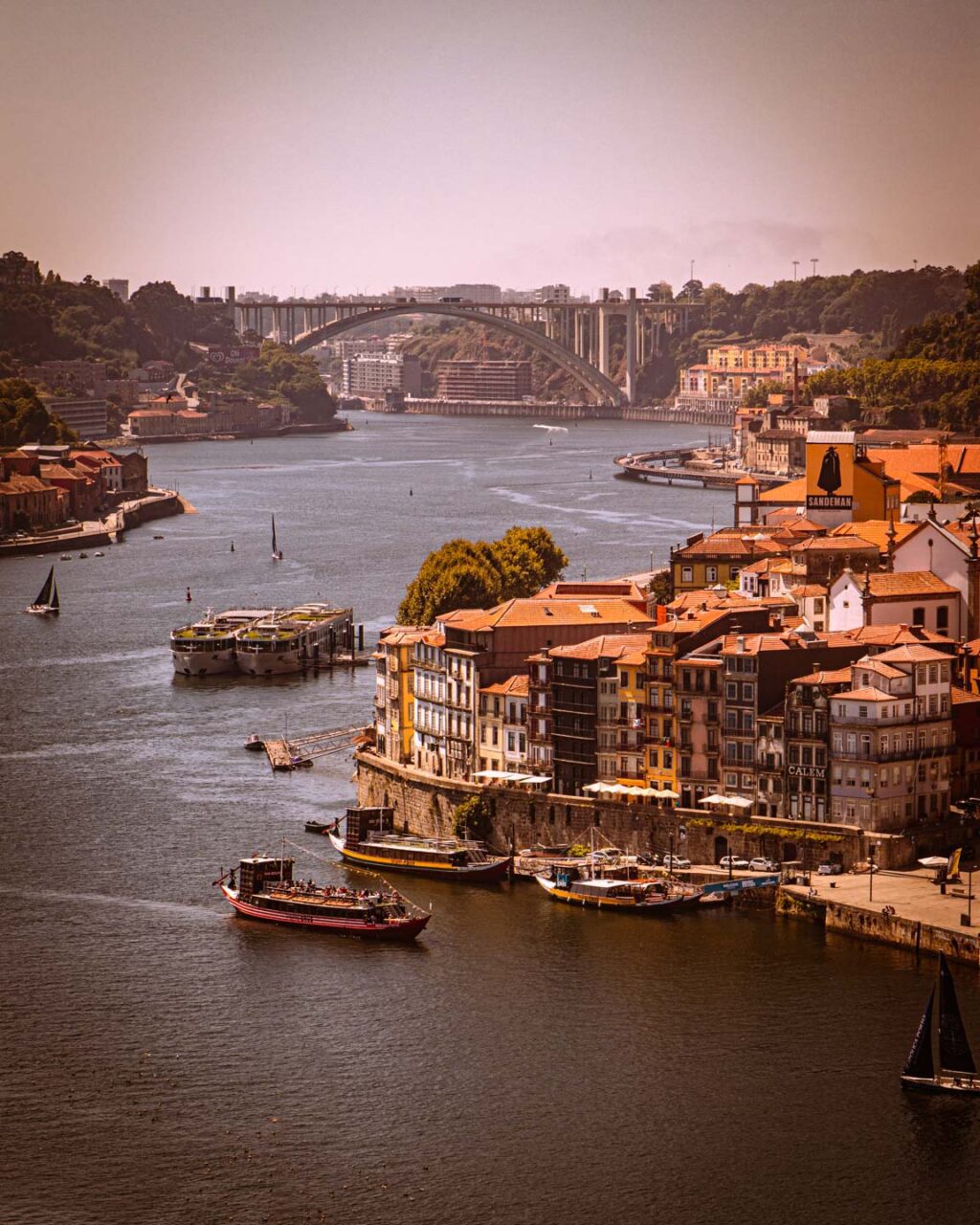
Vila Nova de Gaia
If you come to Porto, tasting port wine is part of the experience.
And if you’re not heading out to the Douro Valley, just cross the river to Vila Nova de Gaia.
This is where many of the wine cellars are, where port ages, and where you can sit down, slow down, and actually taste the differences. Tastings usually range from around €20 to €50, depending on how deep you want to go.
Some of the bigger, more famous names can feel a bit rushed or focused on the experience rather than the wine itself. If you can, it’s worth choosing a smaller, more personal place.
Quinta dos Corvos is a good example – more relaxed, more intimate. Cálem is a bit more known, but still offers a solid experience if you want something structured.
It’s not about trying everything. Just one good tasting, taken slowly, is enough to understand why this place is known for it.
Teleférico de Gaia
If you’re in Vila Nova de Gaia, the cable car is a simple way to see the city from a different angle.
The Teleférico de Gaia runs up toward the Dom Luís I Bridge, and the ride itself only takes a few minutes. But it’s less about the distance and more about the perspective.
From the glass cabin, you see the river, the rooftops of Porto, and the layered hills in a way that feels calm and slightly removed from the busy streets below.
It’s not something you have to do.
But if you’re in the area and feel like seeing Porto from above without the climb, it’s an easy, beautiful option.
Tickets are usually around €7 one way or €10 return, but it’s worth checking current prices before you go.
Porto Travel Guide: Where to Eat
I didn’t come to Porto just for the views.
I came for the food too.
Portuguese cuisine is one of those things people don’t talk about enough, and Porto makes you realize very quickly how good it actually is. Simple, rich, a little rustic, and full of flavor that doesn’t try too hard.
You’ll find everything here. Small, traditional places that feel like someone’s home kitchen, and more modern spots that play with classic dishes in a lighter way.
Before you start choosing where to eat, a few things are worth knowing.
Eating hours feel different here
Lunch usually happens between 12:00 PM and 3:00 PM, and dinner starts later than you might expect, often around 7:30 PM and stretching into the evening. If you show up too early, the city can feel strangely quiet.
It’s worth making a reservation
Good places fill up quickly, especially in the evening. Booking ahead makes everything easier and lets you enjoy the experience without rushing from place to place.
Those small starters aren’t always free
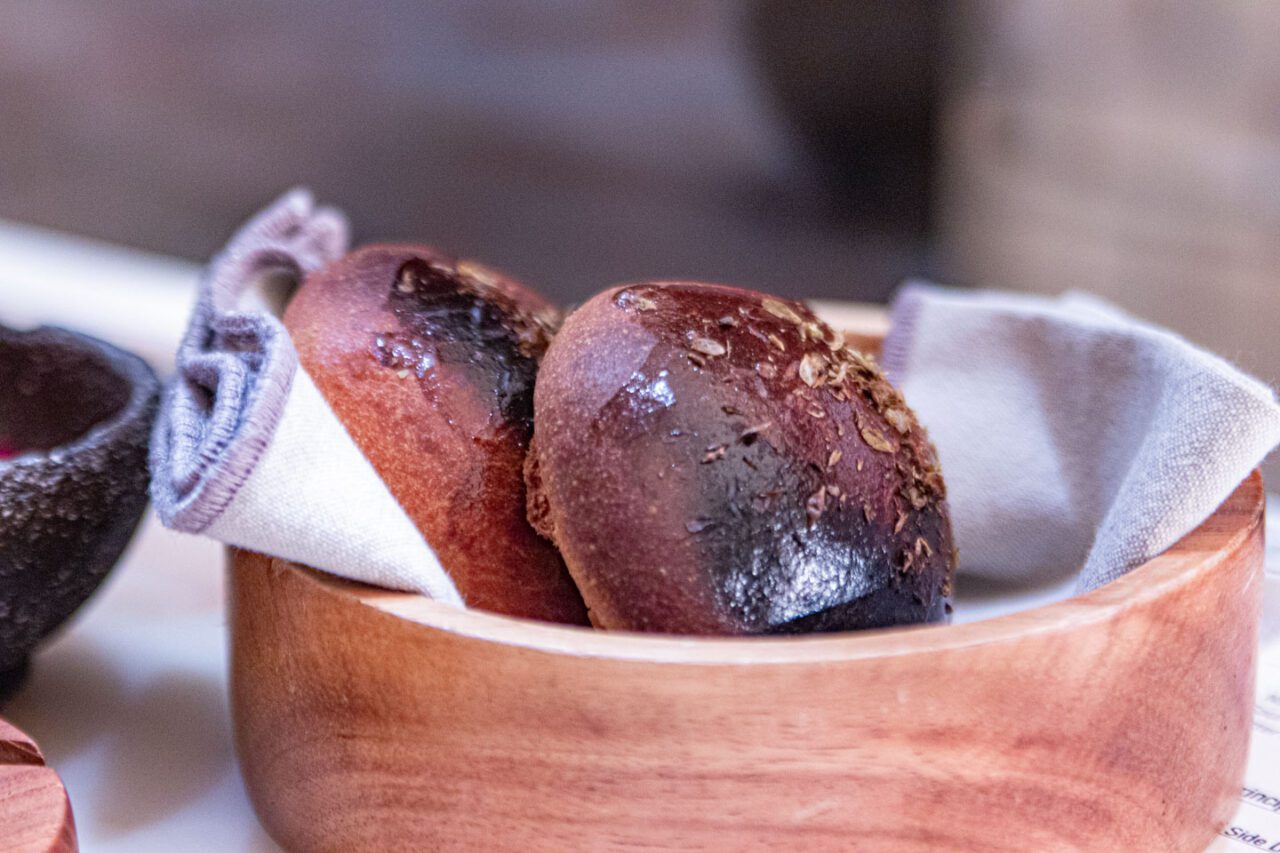
If bread, olives, or spreads appear on your table, they’re part of what’s called couvert. You only pay if you eat them, so it’s completely fine to say no.
Wine is part of the experience
Local wines are very good and often surprisingly affordable. Sharing a bottle feels natural here, and it’s usually the best way to try something new.
Tipping is simple
It’s appreciated, but not expected. Around 10% is a kind gesture if you enjoyed the experience, but there’s no pressure.
Eating in Porto isn’t just about checking restaurants off a list.
It’s something you ease into, slowly, the same way you explore the city.
Here are a few places I tried and kept coming back to:
Zenith Brunch & Cocktails
One of my favorite spots for a slow start to the day.
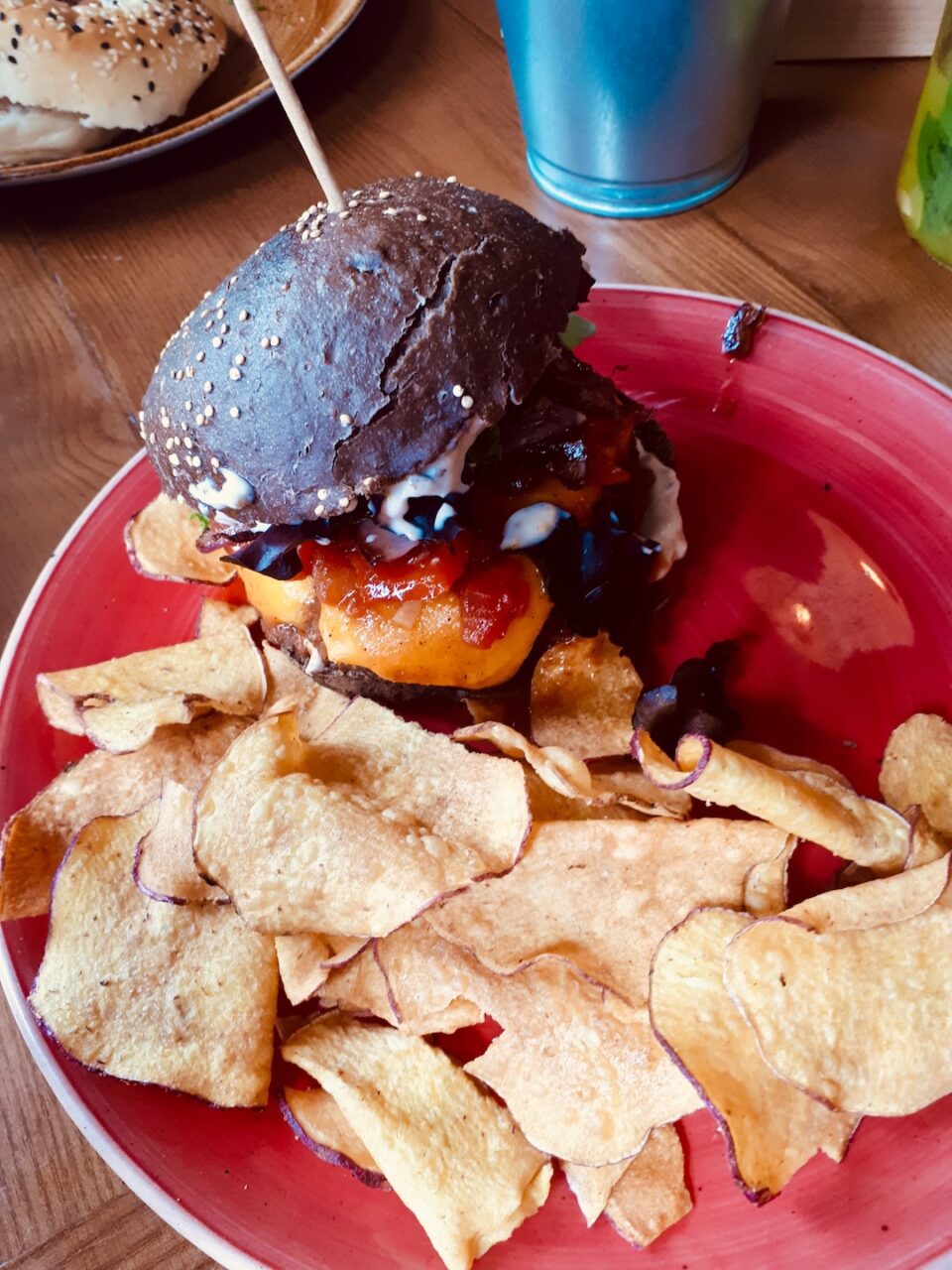
It’s close to Livraria Lello, so it works perfectly for brunch or an easy lunch break. The menu is varied but not overwhelming – pancakes (both sweet and savory), bagels, salads, and really good shakshuka.
I ended up trying their vegan burger with sweet potato chips and a salmon bagel with crème fraîche, and both felt like the kind of meals you don’t rush through.
They also do great cocktails. The Porto Zenith with white port, citrus, mango, and passion fruit is light, fresh, and very “I’m on vacation” energy.
It’s the kind of place where everything just works – good food, relaxed vibe, and genuinely friendly service.
Voltaria – Petisqueira Portuguesa
A small, unassuming place in the center – the kind you could easily walk past if you didn’t know it was there.
These are my favorite kinds of spots. A few tables, simple menu, and food that speaks for itself.
Voltaria is known for its francesinha, and after trying a few around the city, this was the one I kept thinking about.
Francesinha is not a light meal. It’s layers of meat – ham, sausage, beef – covered in melted cheese and finished with a rich, slightly spicy tomato-beer sauce.
It’s warm, heavy, and very much a “sit down and take your time” kind of dish.
Not something you eat every day. But definitely something you try at least once in Porto.
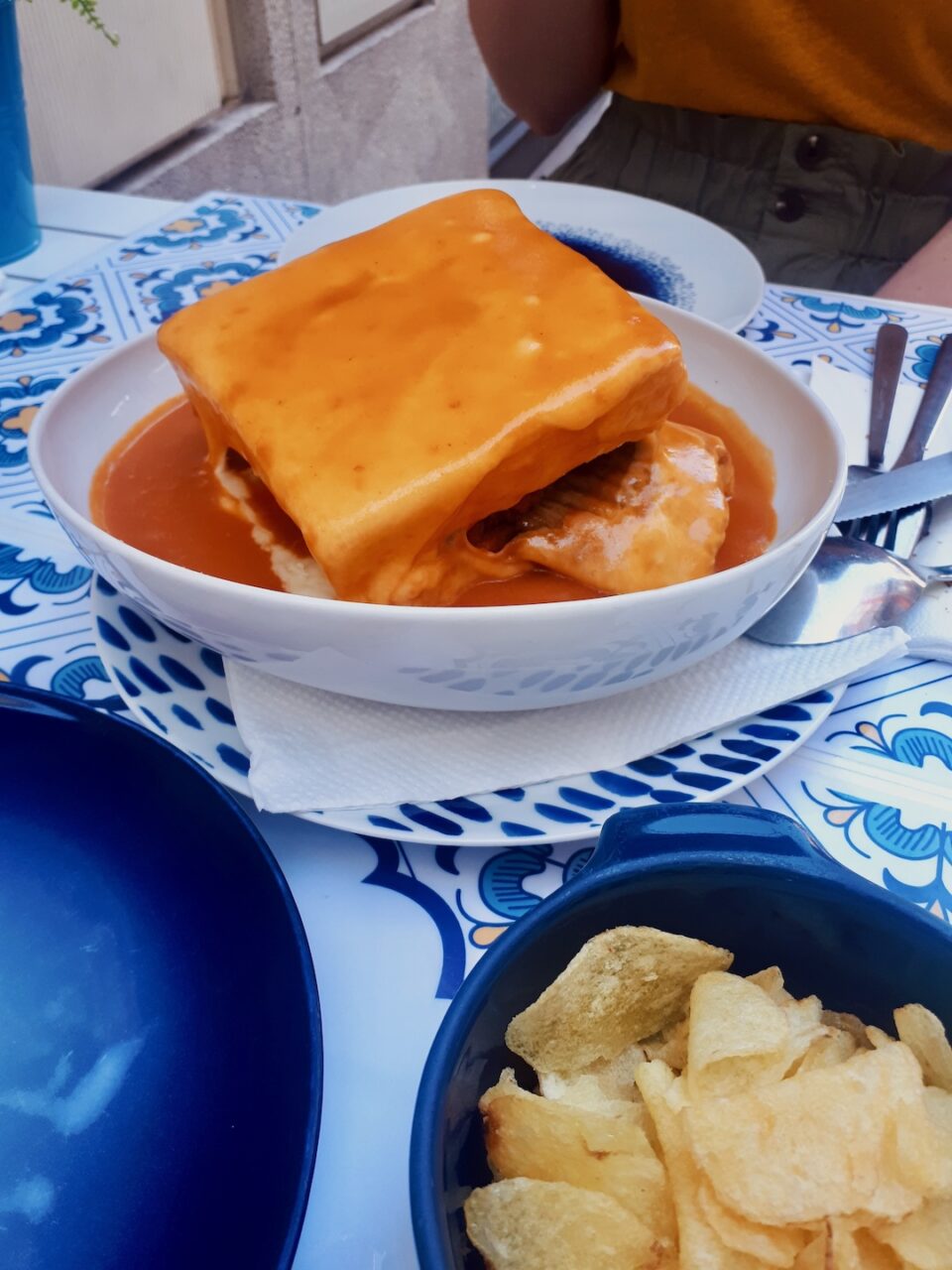
Francesinha is actually a relatively recent invention.
It was created in the 20th century by Daniel da Silva, inspired by the French croque-monsieur, but taken to a completely different level.
It’s richer, heavier, more indulgent – very Porto.
I remember thinking I was full… and then still wanting another bite. It’s that kind of dish.
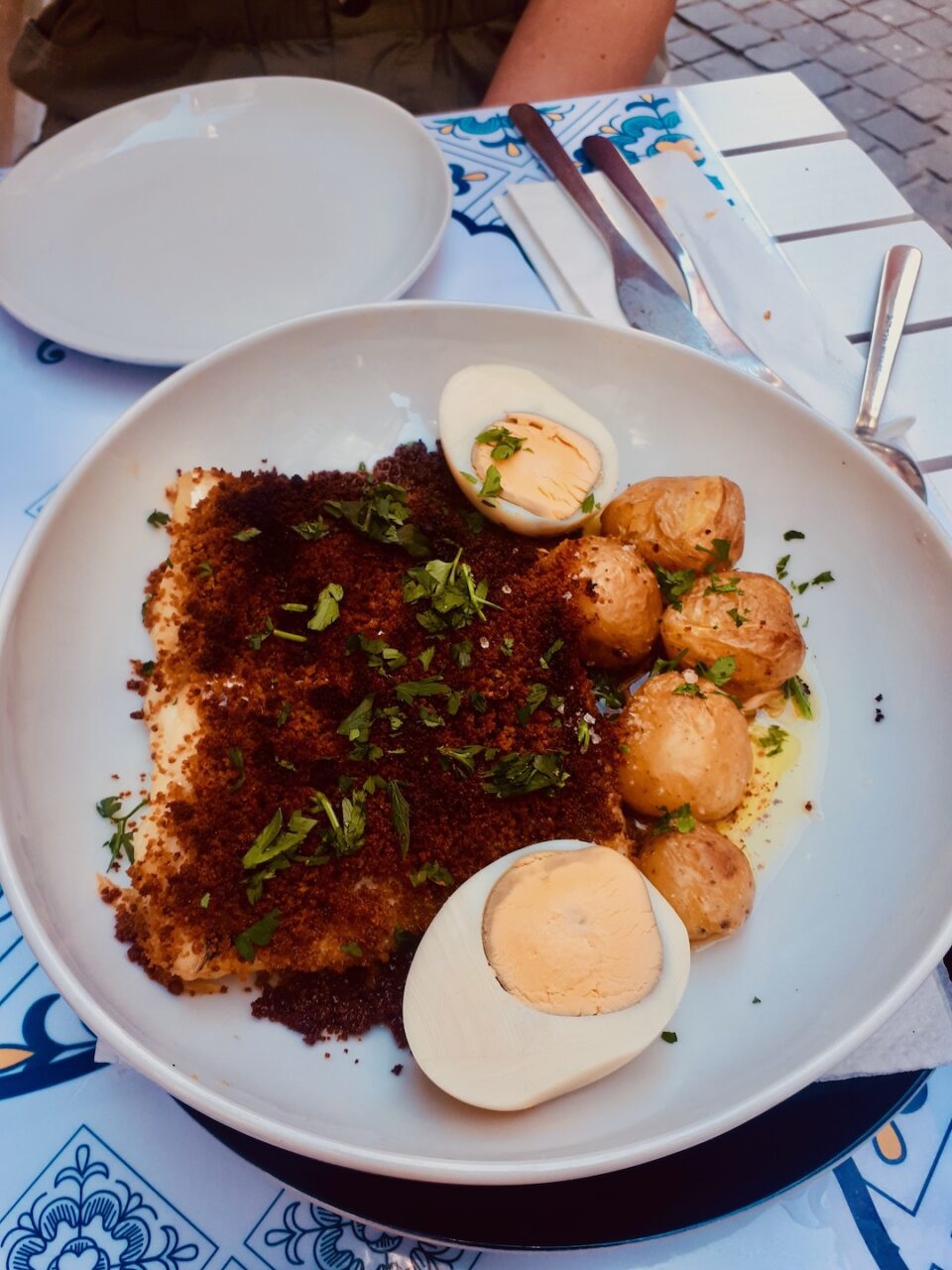
If you’re there, it’s also worth trying a few small starters like codfish cakes, and another classic: bacalhau à Brás.
It’s made with shredded salt cod, onions, thin potatoes, eggs, and parsley – simple ingredients, but done in a way that feels deeply comforting.
One of those dishes that doesn’t look complicated, but somehow stays with you.
Empanadas Malvon
If you’re near Mercado do Bolhão, it’s worth stopping by Empanadas Malvon.
It’s a simple spot, but the kind you’re glad you found.
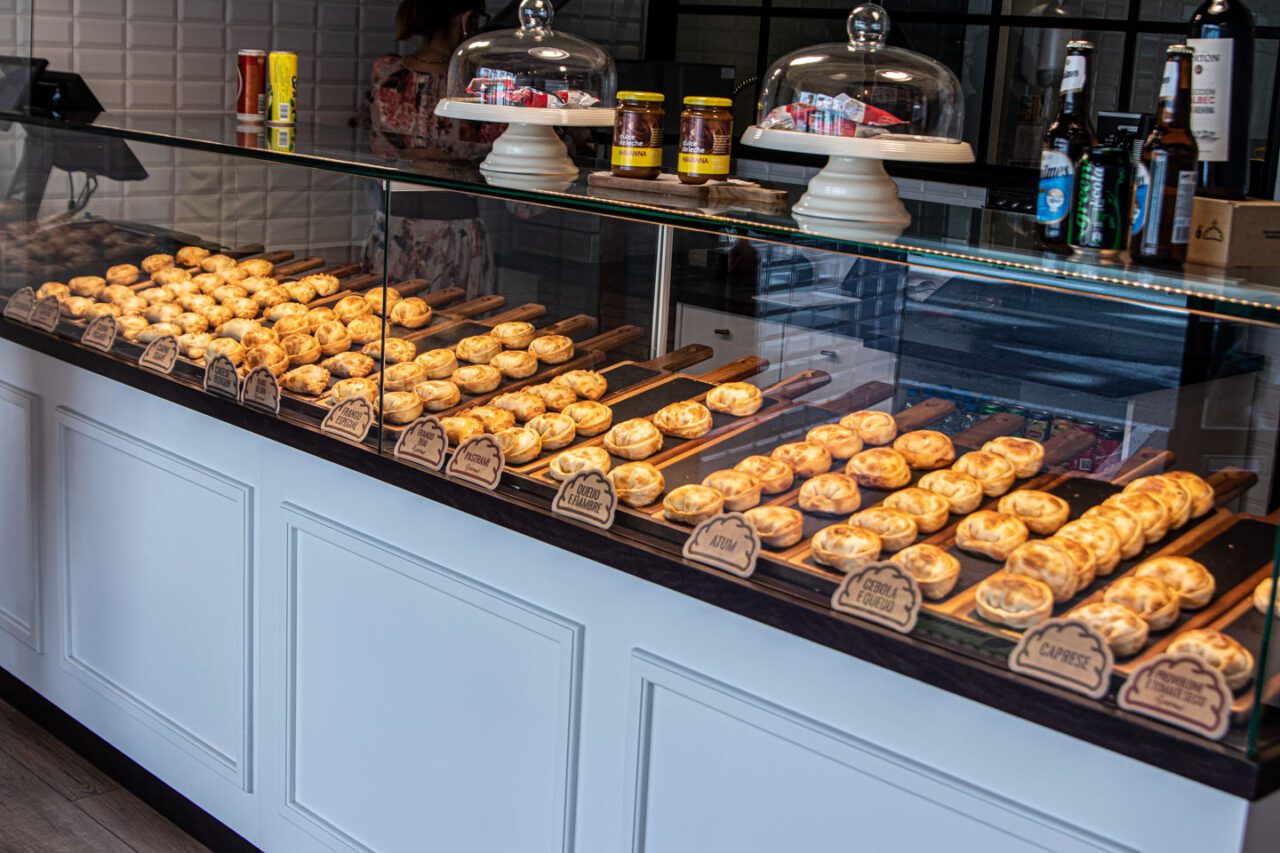
They serve Argentine empanadas with a wide mix of fillings – from classic meat options to lighter versions with mozzarella, tomatoes, and basil, and even a few more unexpected flavors.
It’s an easy, no-pressure kind of meal.
Something you grab, sit down with, and enjoy without overthinking.
If you’re hungry, their set with a few empanadas and drinks is a good way to try different options without choosing just one.
Tapabento S. Bento
If you’re looking for Portuguese cuisine done in a more refined, thoughtful way, Tapabento S. Bento is a beautiful choice.
The menu blends tradition with a lighter, slightly modern touch. You’ll find dishes like saffron risotto with shrimp, cod with tapenade, or duck with sweet potato purée and a subtle sweet-sour sauce.
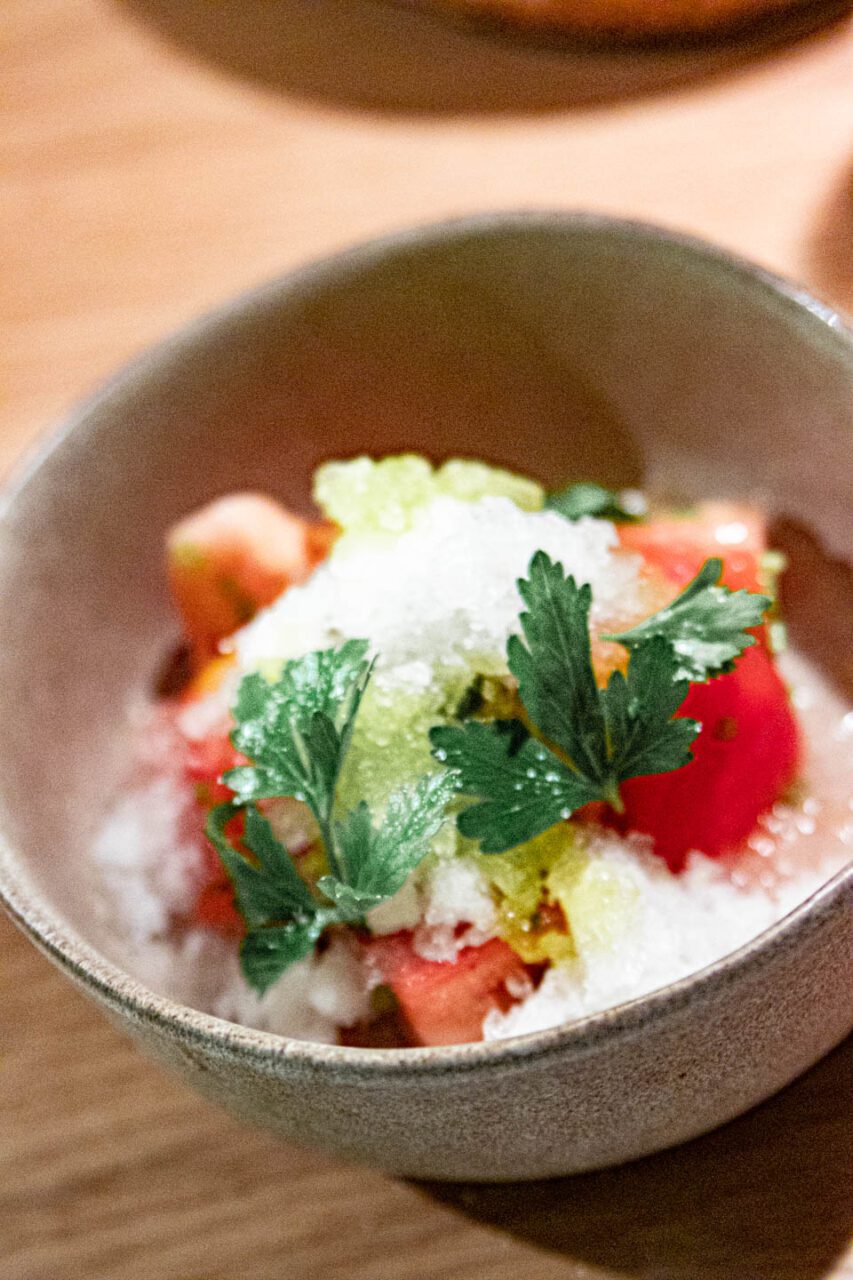
But what stayed with me the most was the salmon ceviche – fresh, citrusy, with just enough heat, balanced by the crunch of sweet potato chips. Simple, but done really well.
Add a good glass of Portuguese wine and genuinely warm service, and it becomes one of those meals you remember.
It’s the kind of place that works perfectly for a slower evening. And definitely worth reserving in advance.
A small tip
Besides port wine, try vinho verde – a light, refreshing wine from the Minho region in northern Portugal.
Despite the name (“green wine”), it comes in different styles – white, red, and rosé. The “verde” refers to its youth, made from younger grapes, which gives it that fresh, slightly crisp character.
It’s the kind of wine that fits perfectly into a slow afternoon.
Elemento
Another place that really stayed with me is Elemento.
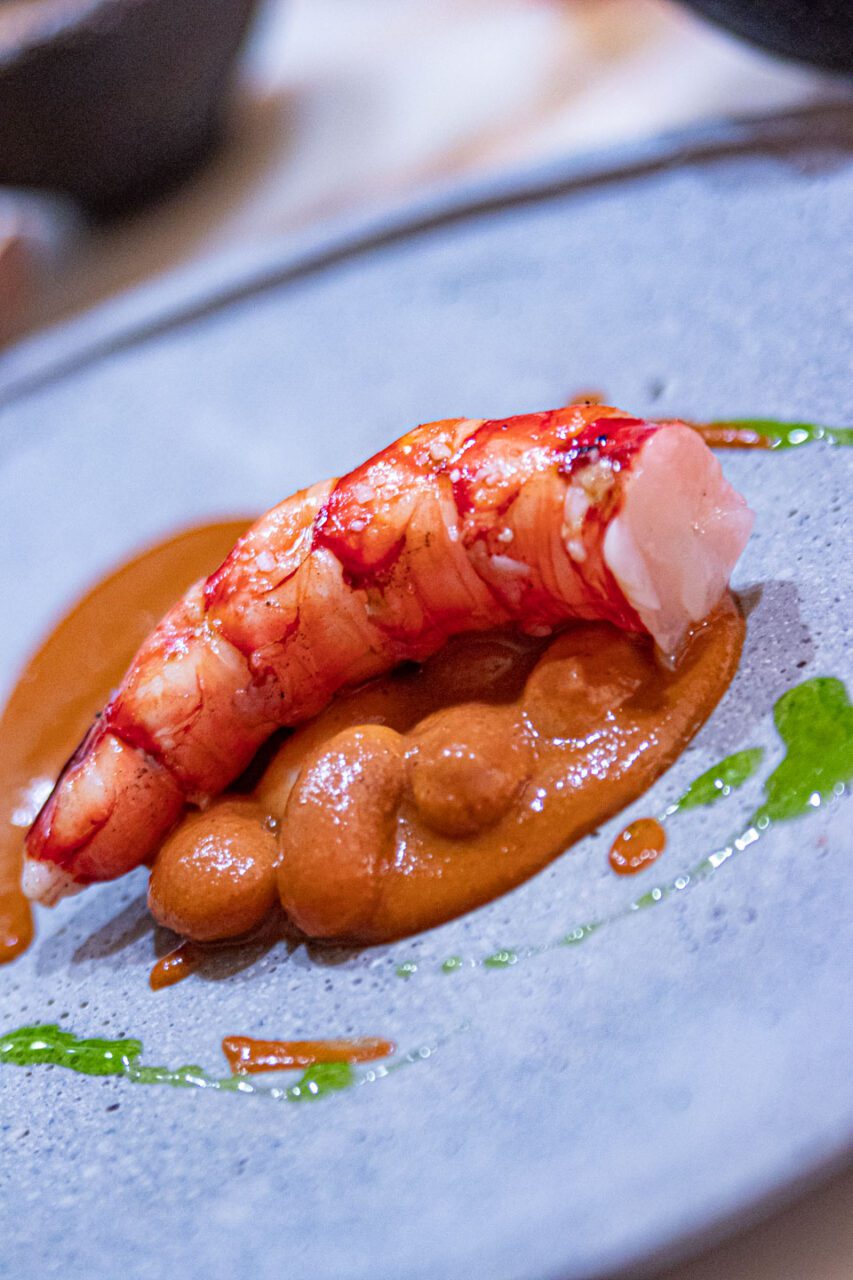
It’s a more refined experience, but still feels warm and grounded. The menu is contemporary Portuguese, built around simple ingredients treated with a lot of care.
You can order à la carte, but if you have the time, the tasting menu is worth it. It’s not just about the food – it’s about the pace, the sequence, the way each dish builds on the next.
Everything is prepared in an open kitchen, centered around a wood-fired oven and grill, which gives the whole space a calm, focused energy. You can see the process, the attention to detail, without it feeling performative.
The dishes are beautifully presented, but never overdone. Thoughtful, balanced, and very intentional.
It’s the kind of place you plan an evening around. And it’s definitely worth reserving ahead.
MISTU
Last, but definitely worth a slow evening, is MISTU.
It’s part restaurant, part bar, and one of those places where you naturally stay longer than planned.
The space has a warm, slightly colonial feel – textured, layered, a little moody in the evening. It works just as well for a relaxed dinner as it does for a later night with drinks.
Cocktails are a big part of the experience here. Creative, balanced, and worth taking your time with.
The food follows the same idea – simple dishes, done really well. The white fish ceviche is fresh and bright, the grilled octopus is tender with a bit of char, and the steak with vegetables feels grounding and satisfying.
It’s not a place you rush through. It’s one you settle into.
How do you want to keep exploring Portugal?
🌊 I want to stay in that slow travel mood
→ 10 reasons to slow down in Comporta
🍇 I want to see a different side of Portugal – vineyards and valleys
→ What to do in the Douro Valley and how to plan your trip
🏨 I’m looking for a unique place to stay
→ My review of Quinta da Comporta
What draws you in most – the ocean, the quiet, or discovering new places?
Porto: Practical Tips Before You Go
Getting to Porto
If you’re coming from the US, getting to Porto is easier than it might seem.
There are direct flights from cities like New York City, usually taking around 7 hours. Prices vary, but if you book at the right time, you can find reasonable round-trip fares.
From Europe, it’s even simpler.
Flights from London take about 2.5 hours, often with budget airlines like Ryanair.
From Frankfurt, it’s around 3 hours with carriers like Lufthansa.
You’ll also find plenty of options with TAP Air Portugal and other European airlines connecting through major hubs.
A small tip:
If you’re flexible, the best prices usually show up between January and March.
Summer, especially July, is the busiest season – more people, higher prices, and a very different pace of the city.
If you can, choose a quieter moment. Porto feels completely different then.
When to Visit Porto
Porto has a soft, coastal climate that makes it feel welcoming most of the year.
From May to September, the days are long, bright, and mostly dry. It’s the easiest time to be in the city – everything is open, the light is beautiful, and you can spend entire days outside without thinking about the weather.
But it’s also the busiest.
If you prefer a slower pace, spring and early autumn feel different. March to May and September to October bring slightly cooler days, a chance of rain, but fewer people and a more relaxed rhythm.
It’s easier to walk, to find a table without planning too much, to feel the city without the pressure of crowds.
Summer itself is surprisingly gentle. Temperatures usually stay around 20°C (70°F), often with a breeze from the ocean, so even in the warmer months, it rarely feels overwhelming.
I visited in July and had almost uninterrupted sunshine – just one short moment of rain that passed as quickly as it came.
Getting Around Porto
The best way to experience Porto is simply by walking.
The city isn’t large, but it is hilly. Streets go up and down more than you expect, so comfortable shoes make a big difference. If you enjoy wandering, it’s the easiest way to really feel the place.
If you’d rather take it slower, public transport works well:
Metro
Clean, simple, and easy to use. It connects key areas, including the airport.
Trams
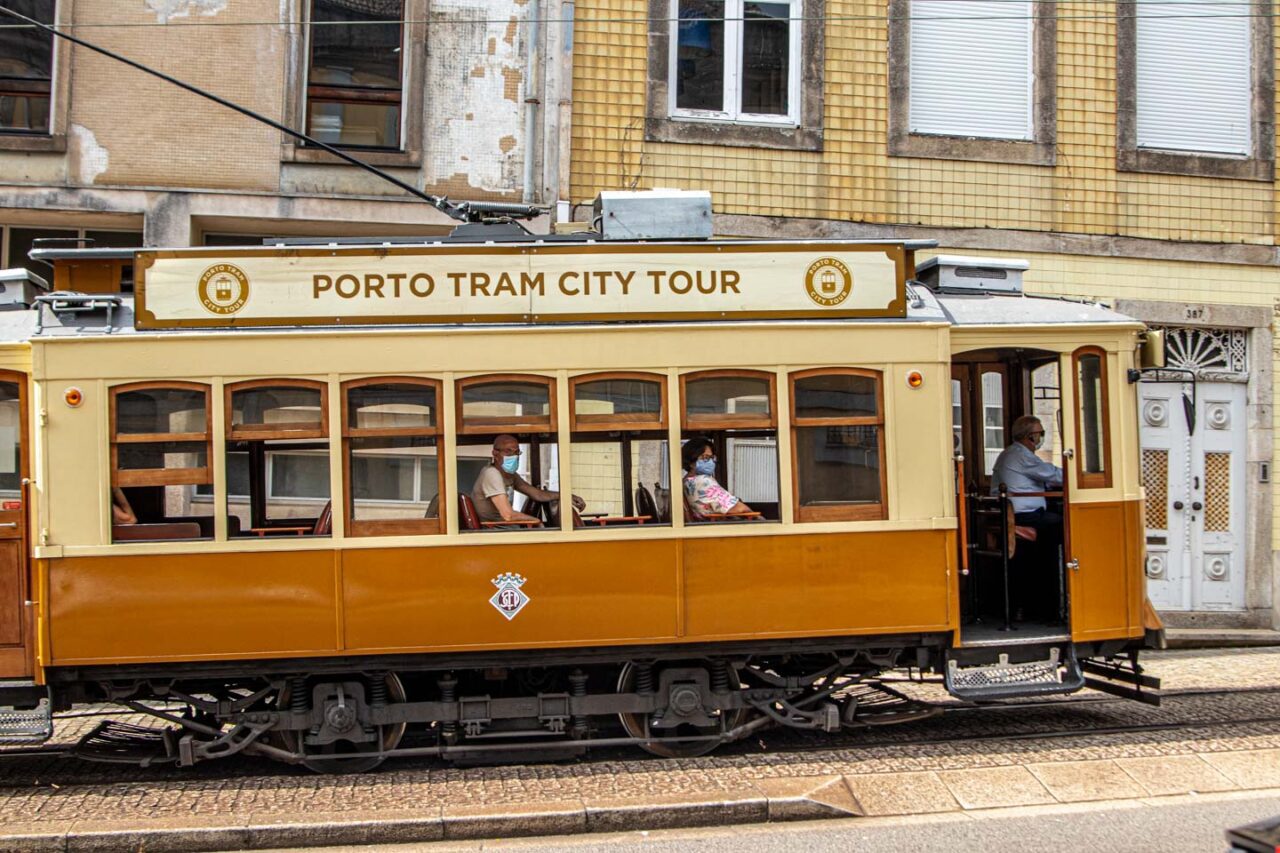
More about the experience than efficiency. There are a few scenic routes that follow the river and feel like stepping back in time.
Buses
Cover most parts of the city and fill in the gaps where the metro doesn’t go.
Cable car
Runs between Ribeira and the upper level near the bridge. Short ride, but a nice way to see the city from above.
For evenings or longer distances, taxis and apps like Uber are easy to use and relatively affordable, especially compared to many other European cities.
You don’t need to plan it too much. Porto is the kind of place where you figure it out as you go.
Where to Stay in Porto
Porto has something for every budget – from simple hostels to beautiful boutique hotels.
If you want to explore mostly on foot, it’s worth staying in the historic center. Areas like Baixa, Ribeira, Miragaia, or near Sé Cathedral make everything feel close and easy. You can just step outside and start your day without overthinking it.
If you prefer something a bit quieter or more modern, Cedofeita and Boavista are great options. And across the river, Vila Nova de Gaia offers a different pace, with some of the best views back toward Porto.
Prices depend a lot on the season, but as a rough guide:
Hostels usually start around €25 per night. Hotels in the city center begin at around €90, and go up quickly during peak months.
Where you stay shapes the rhythm of your trip.
Closer to the center feels more immersive. A little further out feels calmer.
Hotel Torel Avantgarde
This was my honeymoon stay in Porto – and it felt like one of those places you don’t forget.
From the moment I saw it online, I knew it was the one.
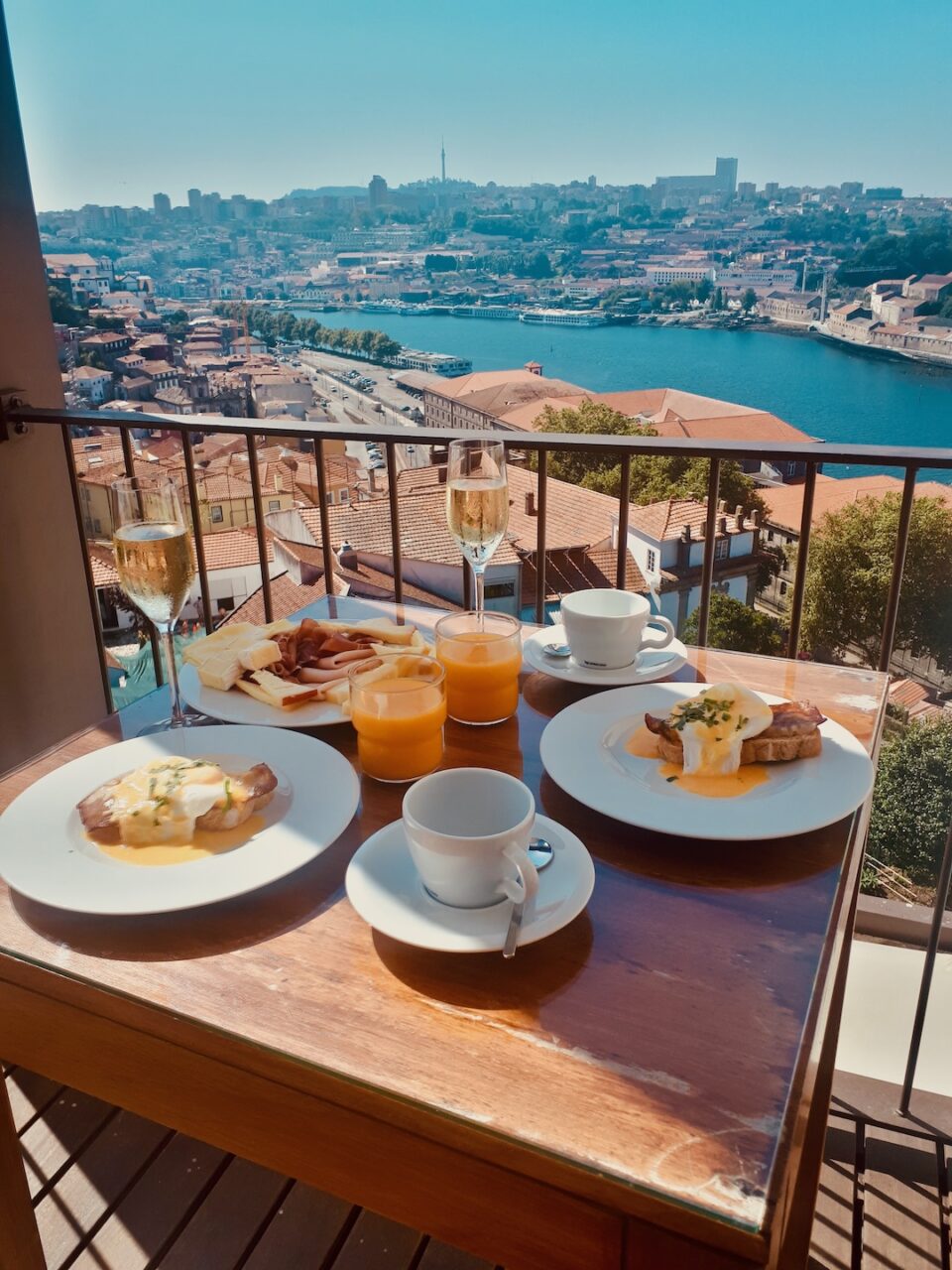
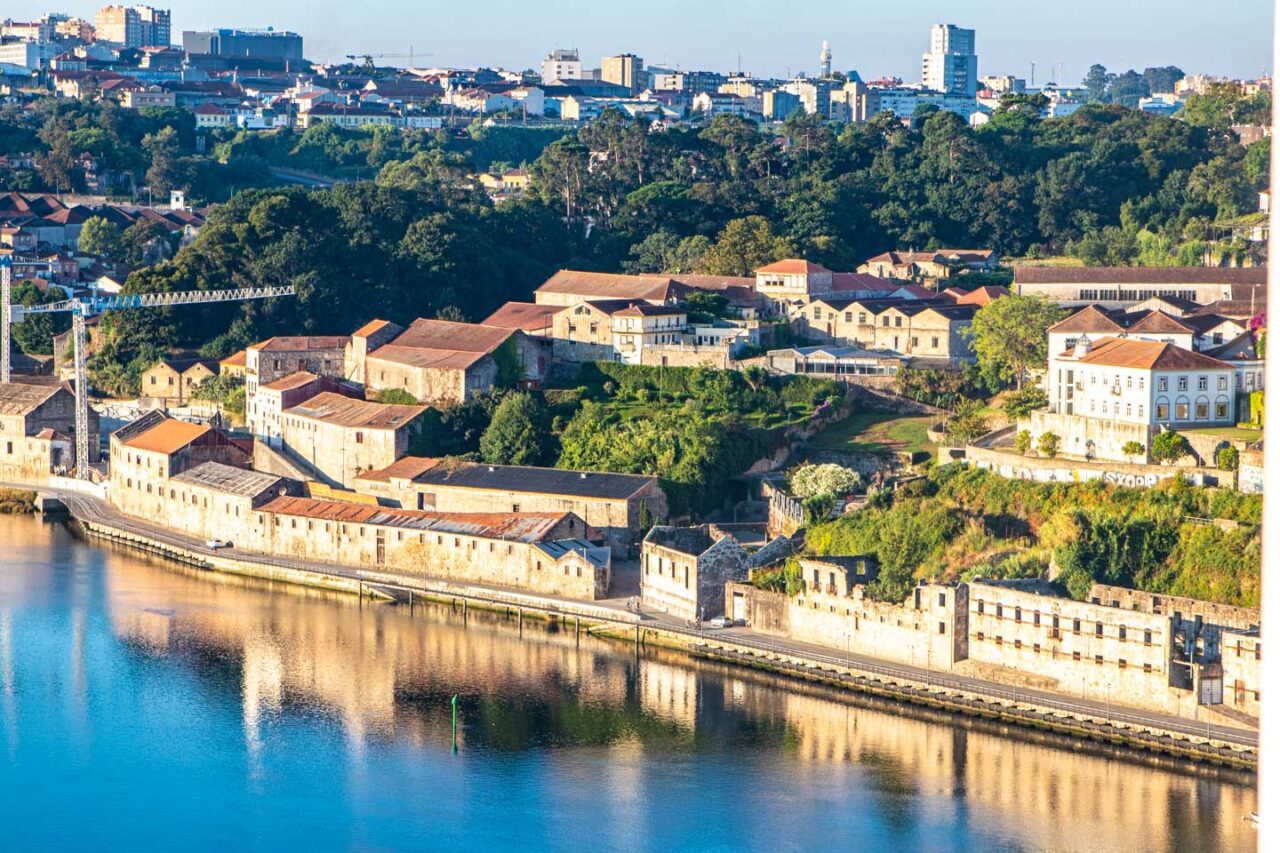
The hotel sits in Miragaia, slightly above the river, which means the views open up in a way that feels almost unreal. The Douro below, the layered rooftops, Vila Nova de Gaia on the other side – everything feels soft, almost painted.
Mornings were my favorite part.
Waking up, looking out, and having that quiet moment where you’re not fully sure if what you’re seeing is real yet.
It’s not just about luxury. It’s about how the place makes you feel while you’re there.
What made me fall in love with this place:
- The outdoor pool – small, but with views that made it impossible to leave. I spent entire afternoons there with a glass of Portuguese wine, just watching the light change.
- The spa – we treated ourselves to a couples’ massage, and it felt like time slowed down for a moment.
- The restaurant – thoughtful, seasonal, with ingredients that feel close to the place. The kind of food you remember without needing photos.
- The common spaces – beautifully designed, calm, and full of small details that make you stop and look a little longer.
- Breakfast – slow, generous, and quietly special. Fresh bread, local flavors, and no reason to rush anywhere.
- And our room – with a private terrace where evenings turned into long, quiet moments, watching the river and the city lights come alive.
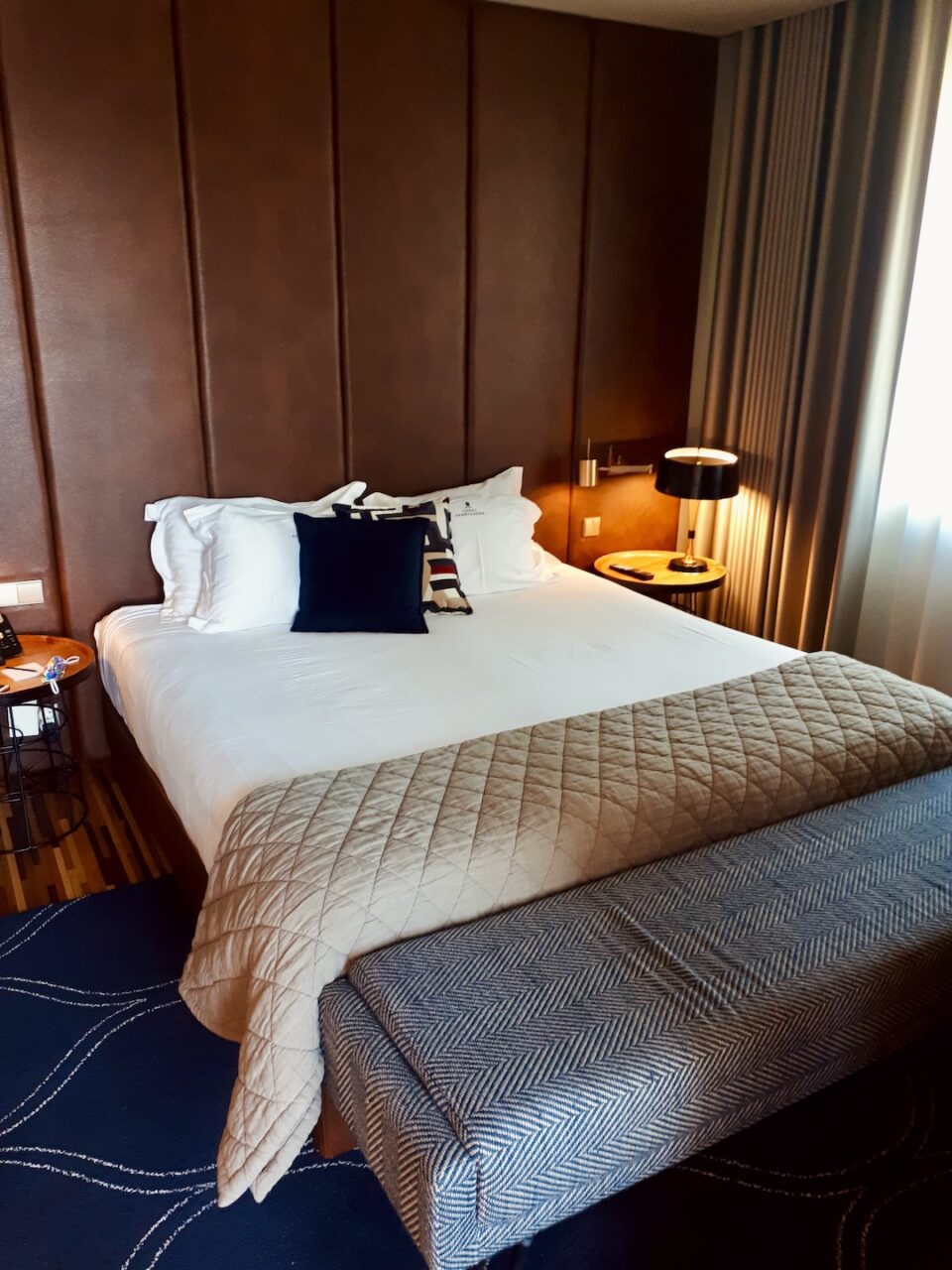
From the hotel, it’s just a short walk to spots like Jardins do Palácio de Cristal, Livraria Lello, and the Clérigos Tower – everything feels close, but without the noise of the center.
If you’re planning something a little more special, this is the kind of place that stays with you.
It’s not about ticking boxes. It’s about those quiet moments you remember later.
It’s definitely a splurge, but one that feels meaningful while you’re there.
If you want to take a closer look, it’s worth browsing photos and seeing if it feels right for you.
Travel lighter, even before you leave.
start with something simple.
Download The Minimum Plan – Slow Travel:
Porto, Portugal Travel Guide: Final Thoughts
Porto is one of those places that stays with you longer than you expect.
It’s not just the views, or the food, or the architecture. It’s the feeling of the city – a little slower, a little softer, more real.
I found myself drawn to the small things. The quiet streets in the morning, the light over the river, long meals that turned into evenings without noticing when it happened.
There’s a kind of honesty to Porto. It doesn’t try to impress you. And somehow, that’s exactly why it does.
If you’re looking for a place that feels both beautiful and grounded, this is it.
I hope this guide helps you experience Porto in your own way – not rushed, not overplanned, just enough to let the city unfold.
And if it does, pass it on. Porto is the kind of place worth sharing.
Pin it for later
This article contains affiliate links. If you make a booking through these links, I may earn a commission, supporting this blog. Rest assured, my recommendations are based on honest assessments, and using these links doesn't affect prices for you. Thank you for your support!
Great post! I’ve been wanting to visit Portugal for a while now so this guide was extremely helpful. I also loved all the facts about the wine as a read!
Glad you found my guide useful 🙂 Enjoy your time in Porto when you’ll be there!
I’ve been to Portugal twice, but have yet to visit Porto. It is actually my number one bucket list city in the country. I love how detailed this article is and I definitely would love to try a port wine tasting. 🙂
If you would have little more time consider travel along the Douro river and visit Douro Valley. In my next post I will share my recommendations about cozy place where you can stay and enjoy views and wine.
Love all your recs! I’ve been dying to see the Lello Bookstore and I’m to know to reserve a slot in advance! I’ve been to lisbon, but I need to go to porto!
Do you know that Porto and Lisbon are competing each other which one is best to visit? 🙂
What a great place! I love seeing cathedrals, and I agree that the best way to see a place is on foot!
That is one of these places where it is great to be lost in cozy streets 😉
Porto looks so good !!! All of Portugal really :-). I would love to visit someday soon!
You should go there! For long time I haven’t been considering to travel there but now I’m in love with Portugal 😉
Love Portugal! On our recent trip we explored Lagos to Lisbon but I’ve always wanted to explore further north to Porto. The architecture looks spectacular and those tiles at Santa Catarina are just gorgeous. The home of port sounds like my kind of town. Totally going to the Lello bookstore!
Port wine is great 🙂 be sure to explore small local vineries!
I would love to visit Portugal….saving this for future reference!
I hope it will help you to plan your trip 🙂
Great guide on Porto. Still on my list of places to visit.
Put it on the top of the list! You will be amazed 😉
Porto looks so beautiful from your photos! I would love to plan a trip there when we can travel again.The narrow streets of the city look very picturesque!
Make sure to return to my blog. In the next post I’ll share my story about Douro Valley! It is even more picturesque 😉
great informative guide and rather inspiring too! Thank you for sharing!
Thank you! Hope this guide encouraged you to visit Porto one day 🙂