
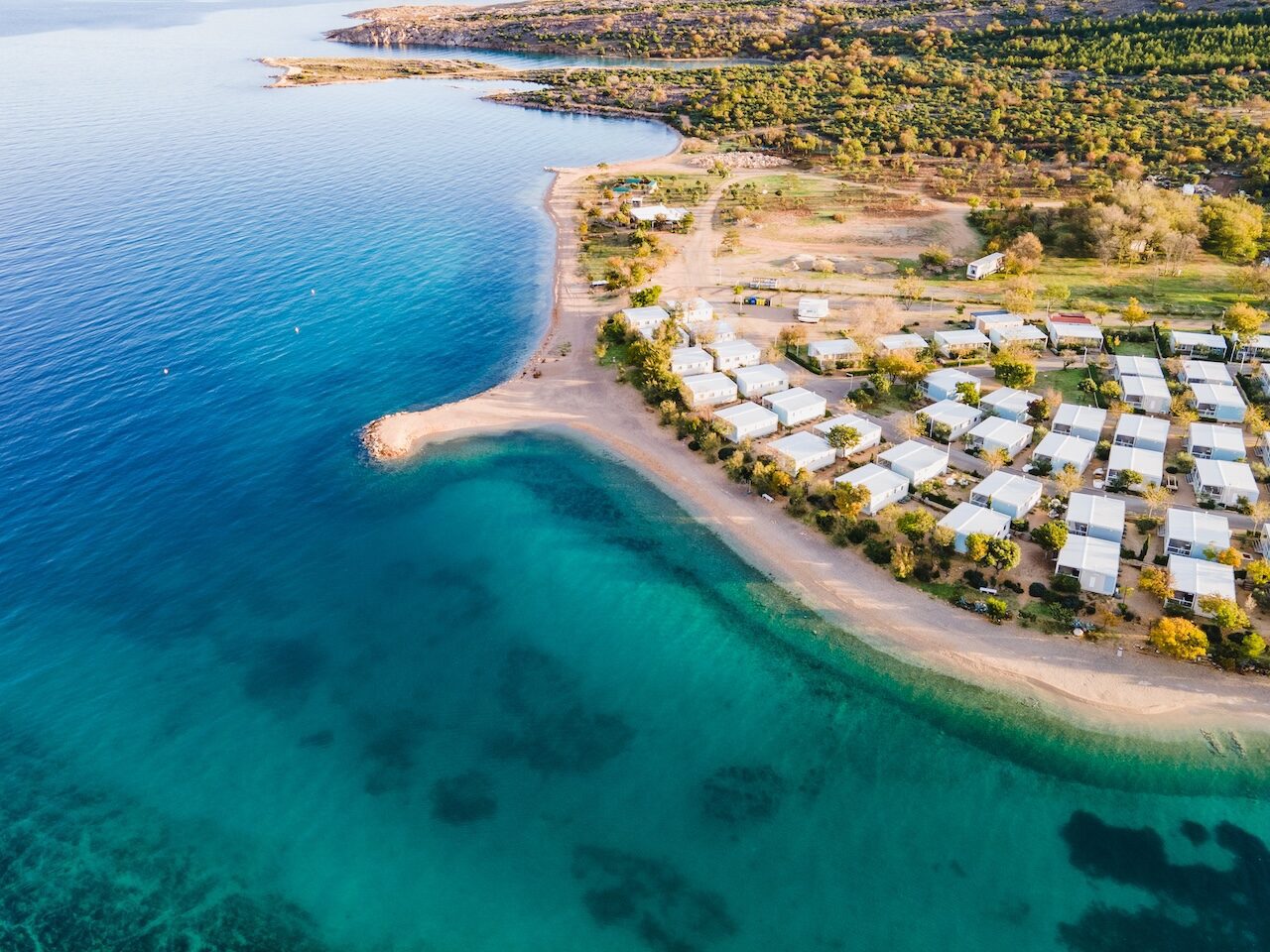
After years of traveling around Europe, it is easy to feel as though the most interesting places have already been discovered.
Paris, Barcelona, Prague, and Rome appear on almost every list of the best European destinations. And for good reason.
The problem begins when every trip starts to look the same: a crowded square, a long line outside the main attraction, and an itinerary filled from morning until night.
That is why I have gradually started looking for quieter places.
Not necessarily destinations nobody has heard of, but places where it is still possible to slow down, leave the busiest street behind, and spend a few hours without thinking about what you need to see next.
This list includes castles, small towns, islands, and mountain landscapes. Not every destination is a hidden gem in the literal sense. Colmar and Lake Bled, for example, are hardly unknown.
But they can still feel very different when you visit at the right time, stay a little longer, and stop trying to see everything in one day.
Here are 10 places that reminded me that you do not need to travel to the other side of the world to feel curious about Europe again.
1. The Książ Castle, Poland
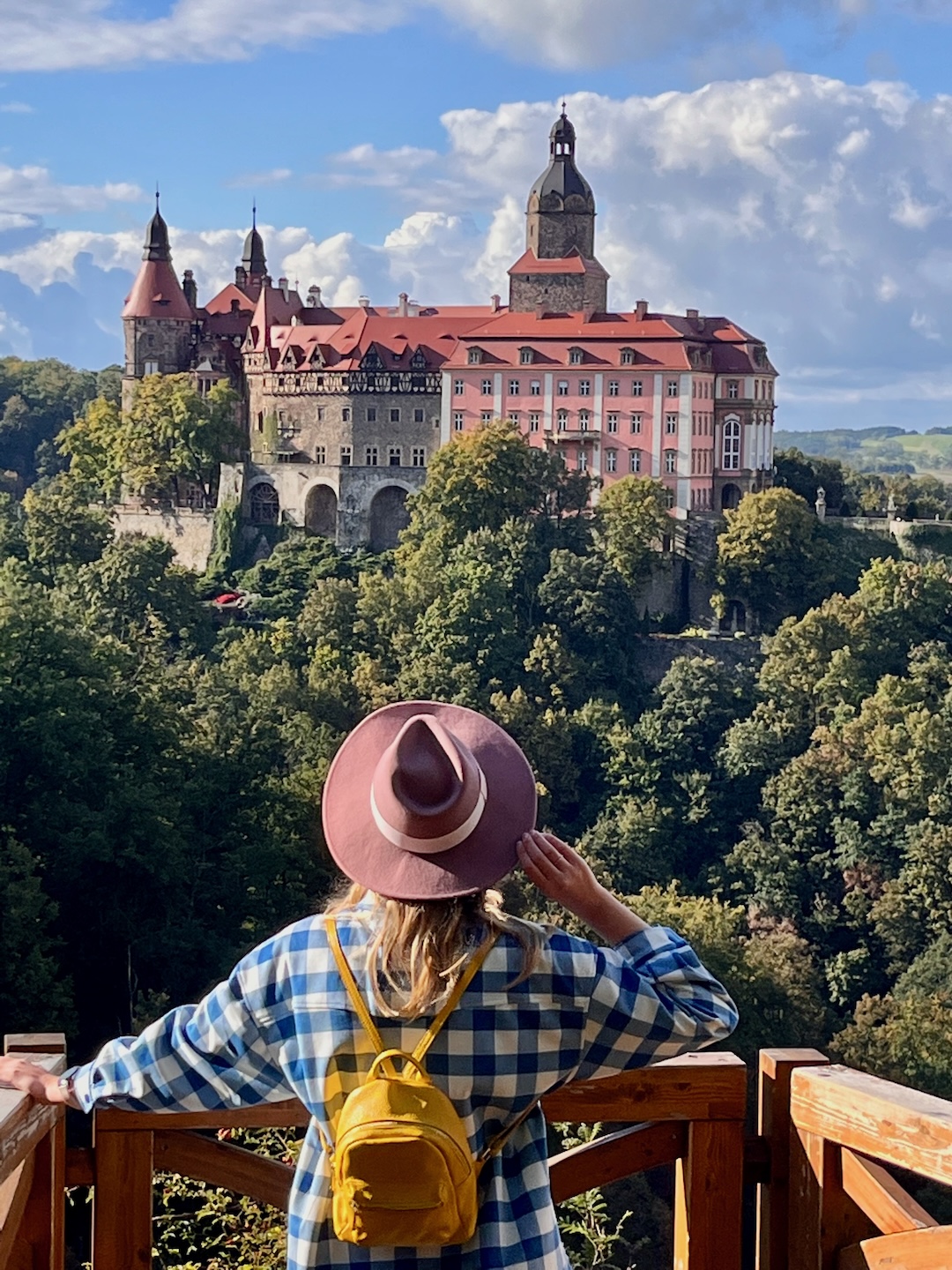
It would be easy to treat Książ Castle as just another attraction in Lower Silesia. But this is not a place I would recommend visiting quickly on the way somewhere else.
The castle’s location is part of what makes it so memorable. The enormous building rises above the surrounding forest and looks different depending on which path or viewpoint you approach it from.
Inside, you can visit richly decorated rooms, including the impressive Baroque Maximilian Hall. But the history of Książ goes far beyond its elegant interiors.
During World War II, underground tunnels were constructed beneath the castle as part of the mysterious Project Riese.
Their exact purpose has never been fully explained, which gives the underground route a completely different atmosphere from a typical castle tour.
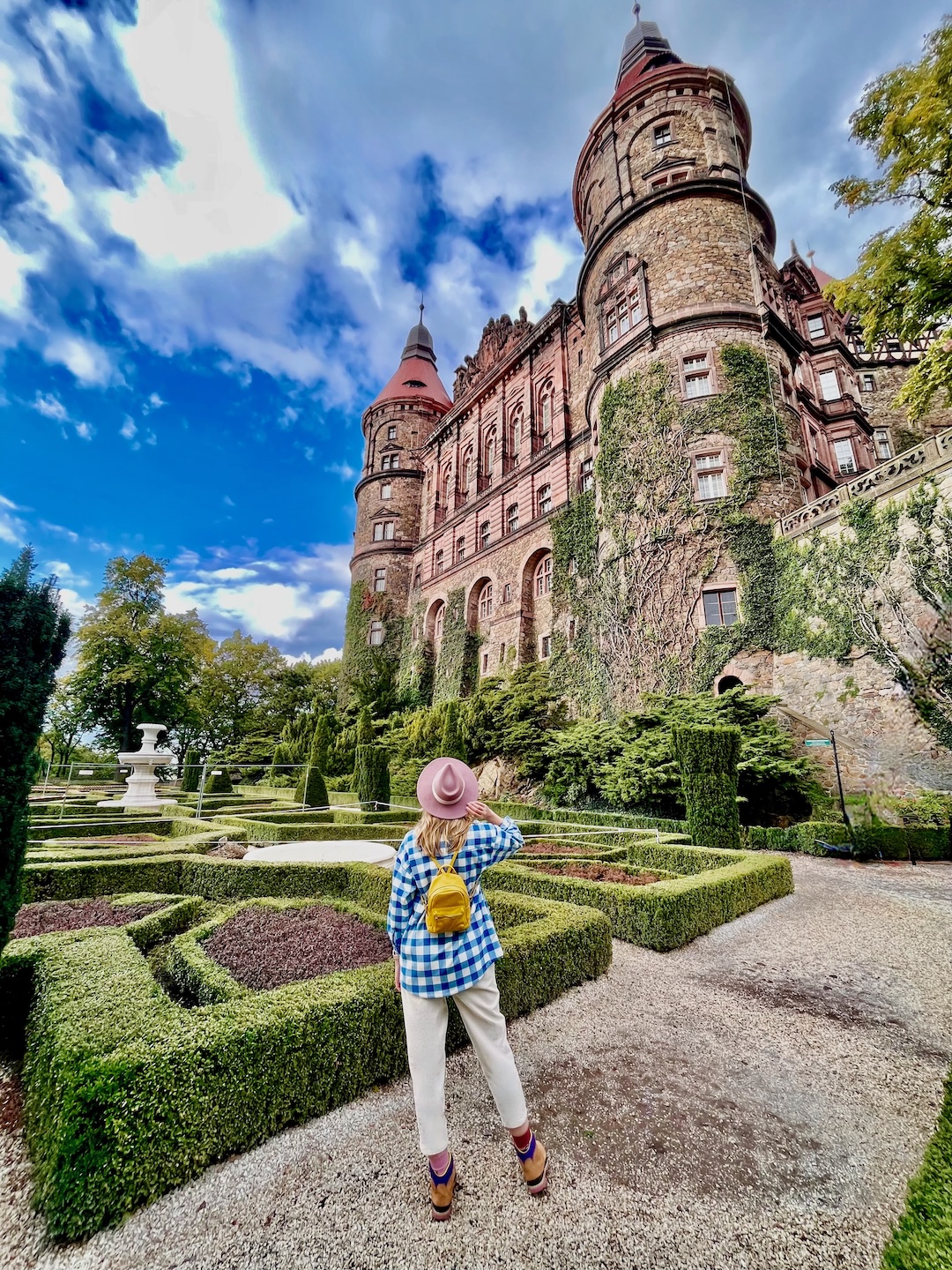
It is also worth checking whether evening or night tours are available during your visit. After dark, the castle feels more austere and less like a traditional museum.
I would allow more than two hours for Książ. Walking trails around the castle offer some of the best views of the building and give you time to experience the surrounding landscape rather than moving directly from the car park to the entrance.
My tip: Check the underground tour schedule in advance. Places can be limited, especially for special evening tours.
Love exploring historic European cities? Don’t miss my guide to 20 things to do in Berlin for more incredible European discoveries!
2. Castelvetro di Modena, Italy
Emilia-Romagna is best known for Bologna, Modena, Parma, and its food. But between the larger cities are small towns that are often best discovered without an ambitious itinerary.
Castelvetro di Modena is one of them.
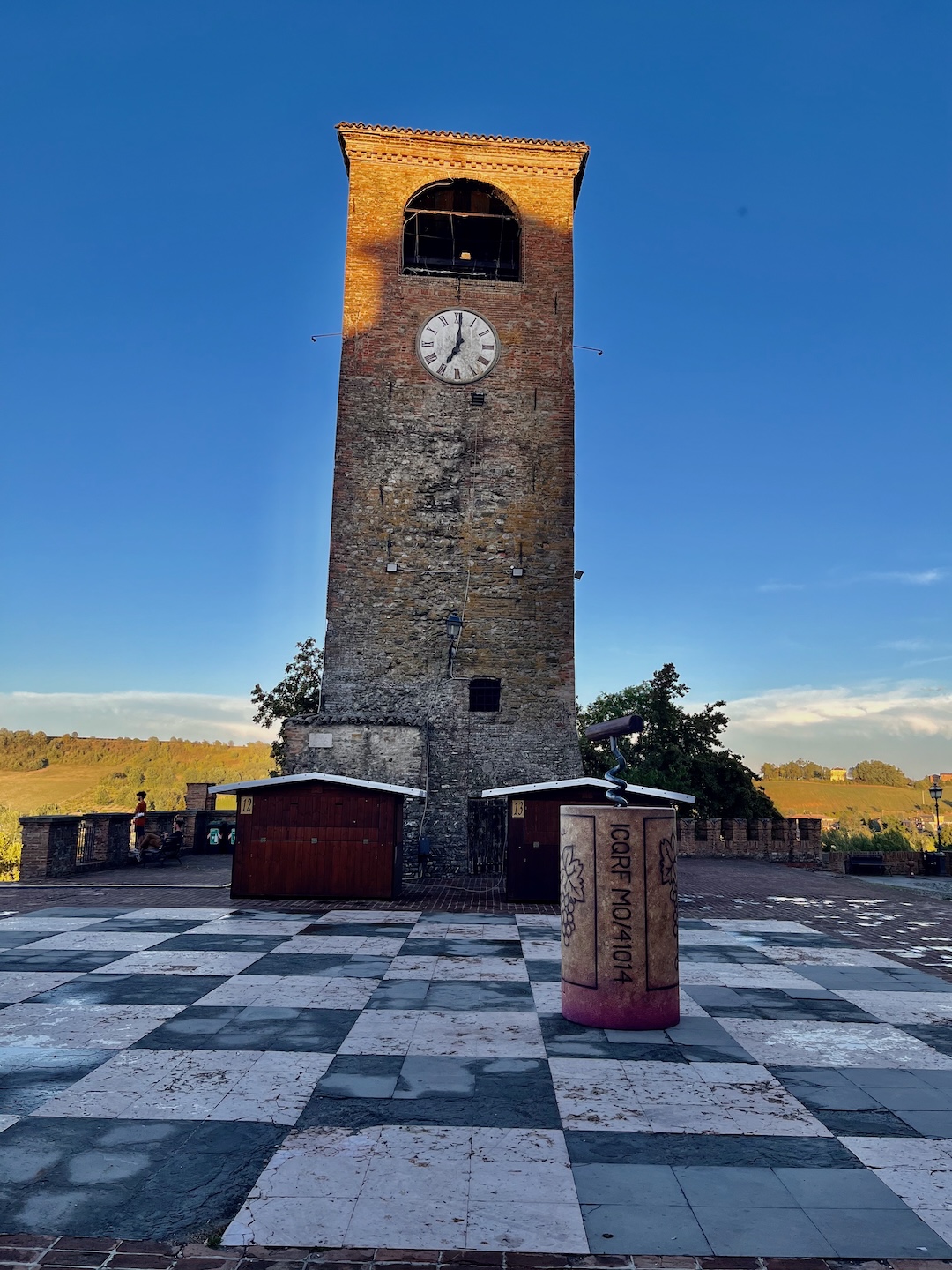
The town lies around 15 kilometres south of Modena. Its most distinctive feature is Piazza Roma, a square paved like a giant black-and-white chessboard and surrounded by medieval buildings and towers.
There is no long list of essential attractions here. You can walk through the historic centre, stop for coffee, and look out over the rolling hills surrounding the town.
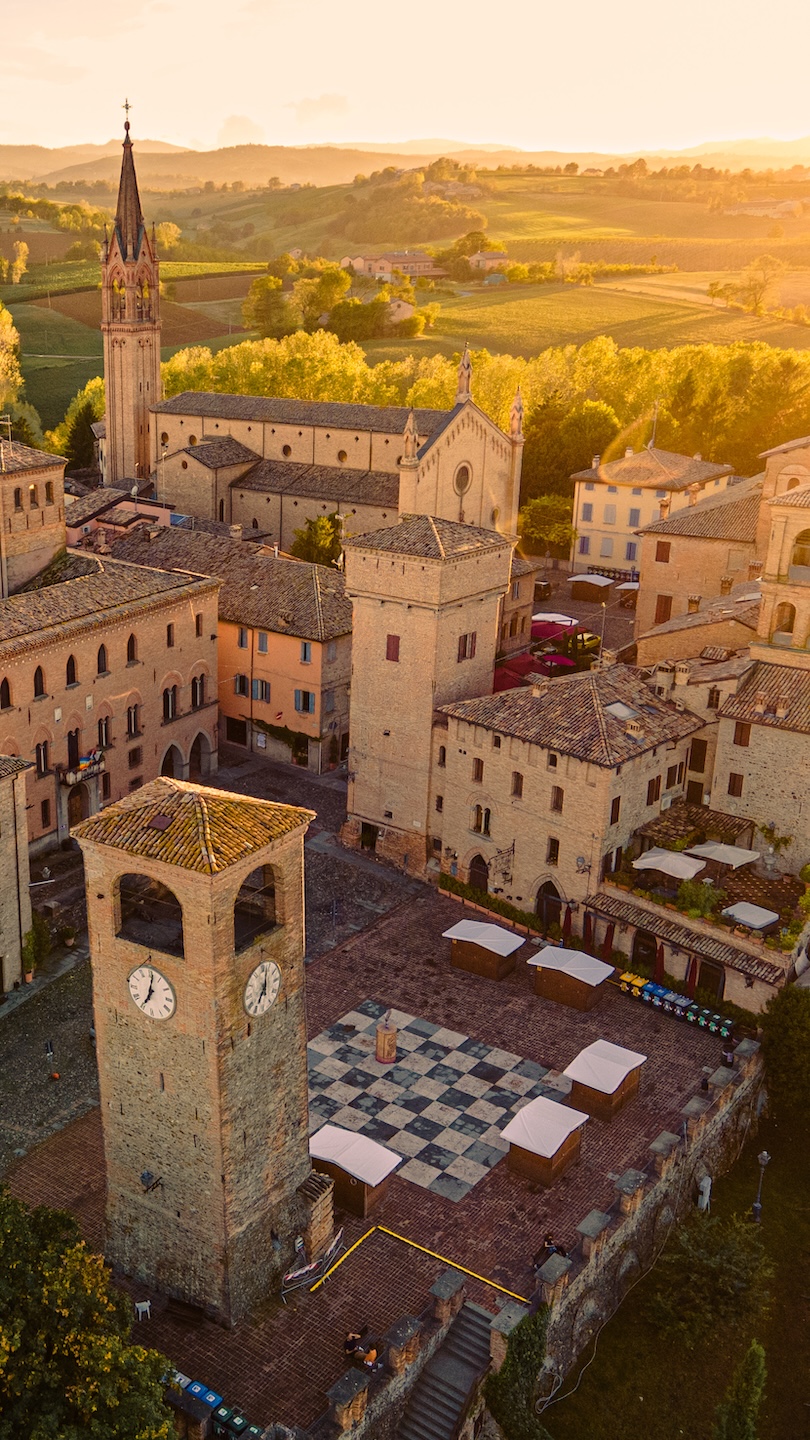
Castelvetro is located in an area known for Lambrusco Grasparossa. Several local wineries offer tastings, making the town a good base for exploring the countryside around Modena.
It is also worth visiting nearby Levizzano Rangone and its historic castle. The area is especially beautiful in the late afternoon, when the light becomes softer and many day visitors have already left.
This is not a place you visit to complete a checklist. That is exactly why it is so easy to remember.
My tip: Combine Castelvetro with Modena, but consider staying for one night rather than treating it as a short coffee stop.
3. Cadaqués, Spain
Cadaqués is no longer a secret, particularly during summer. It still feels very different from many of the larger resorts along the Costa Brava.
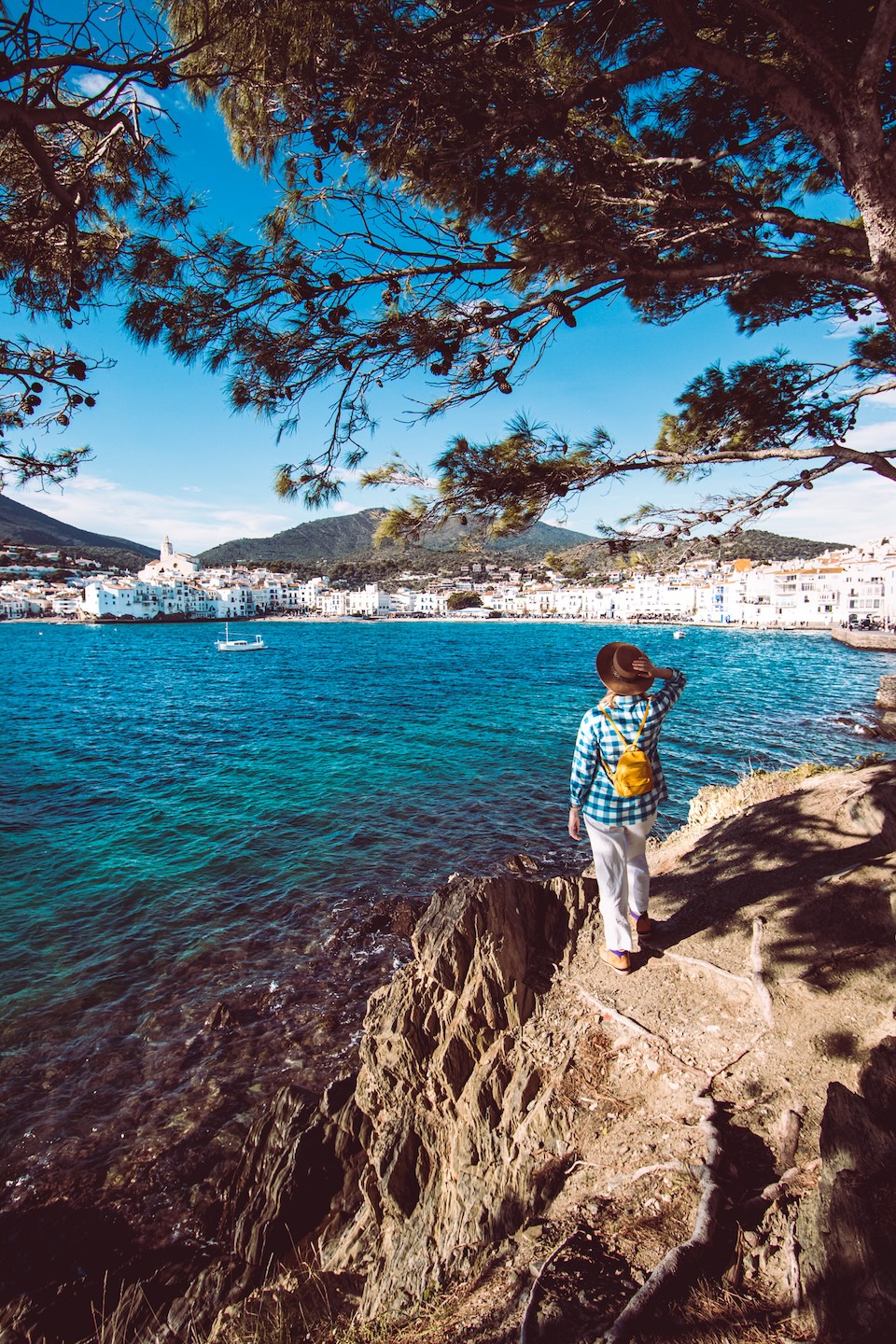
Its white houses, steep streets, rocky coastline, and small coves make it feel more like a Mediterranean village than a conventional beach destination.
Salvador Dalí lived and worked in nearby Portlligat, where his former home is now open to visitors. Seeing the landscape in person makes it easier to understand why the light, rocks, and coastline of this part of Catalonia appeared so often in his work.
You do not need to be particularly interested in surrealism to enjoy Cadaqués, though.
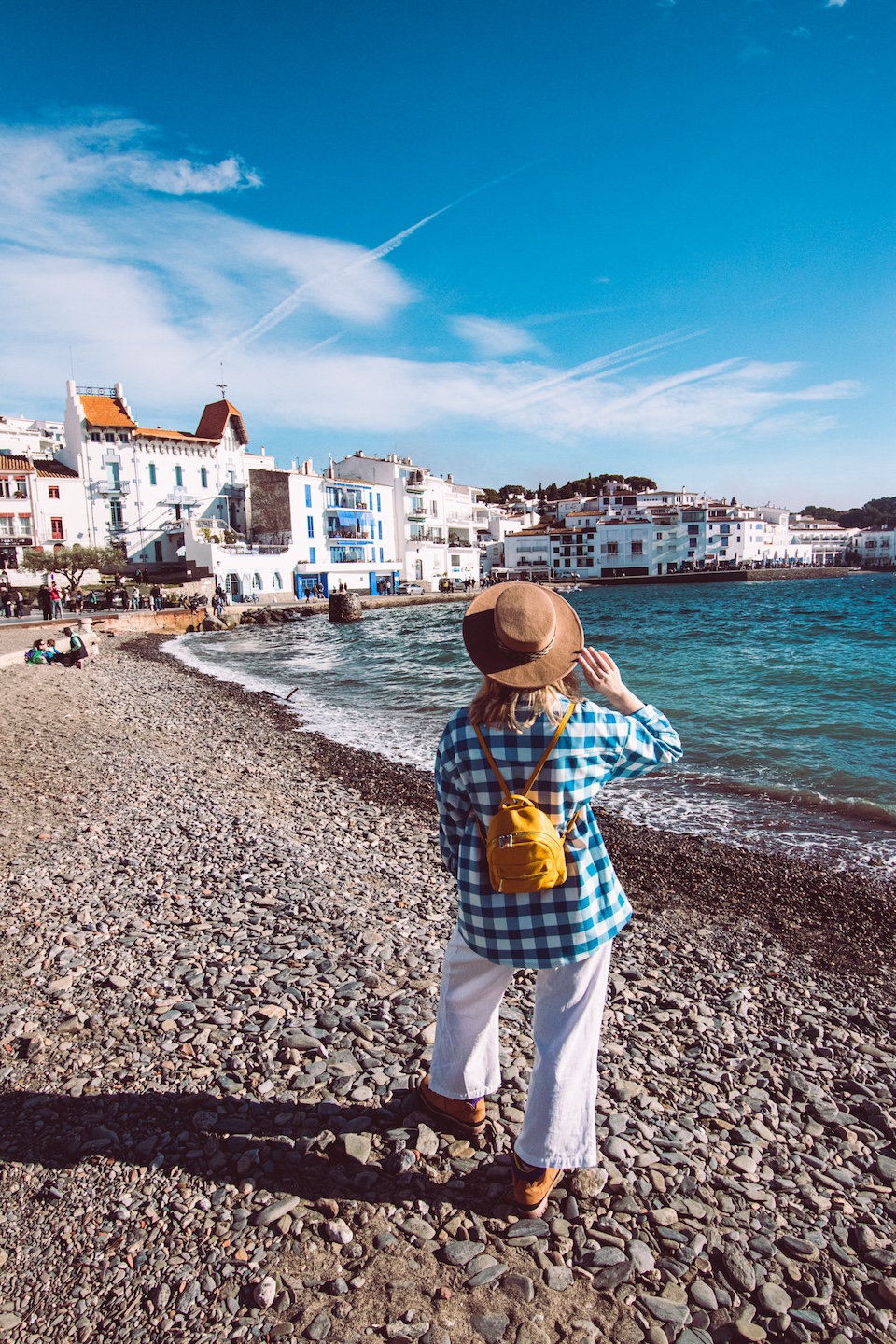
Some of the best moments come after you have finished sightseeing. Walk along the waterfront, explore the quieter streets, or sit beside the water and watch the fishing boats return.
Instead of choosing the most visible restaurants near the harbour, look in the side streets for smaller, calmer places.
Cadaqués can be combined with Figueres and the Gala Dalí Castle in Púbol, forming the so-called Dalí Triangle. I would not try to visit all three in one day, however. Each place deserves a little more time.
My tip: During summer, arrive early or stay overnight. Cadaqués becomes much quieter once the day-trippers leave.
Want to see more less-obvious places in the region? Read my guide to the hidden gems of Catalonia.
Ready to explore more of this incredible region? Discover the hidden gems of Catalonia and plan your trip! for the complete Catalan adventure!
4. Colmar, France
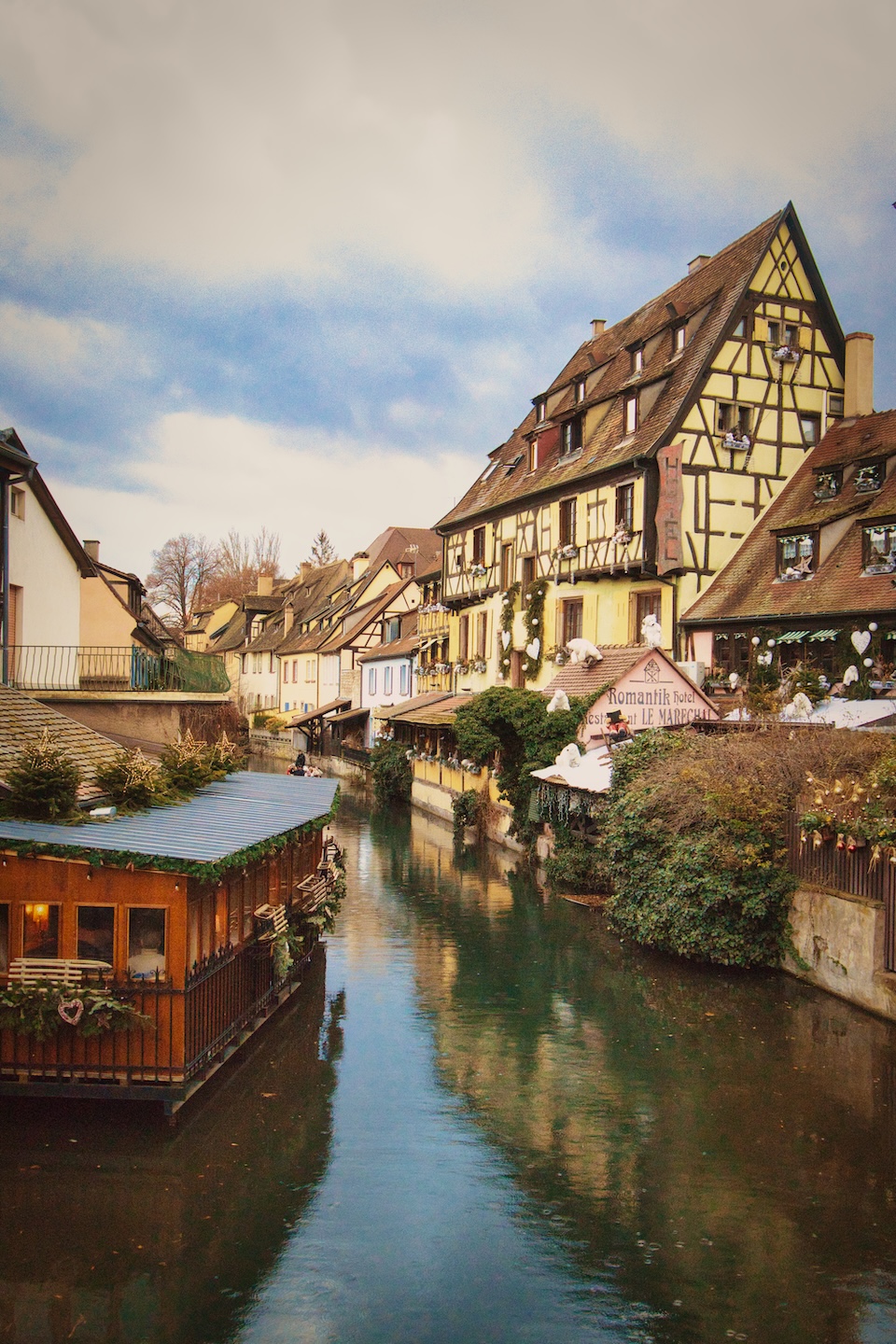
With its colourful half-timbered houses, canals, and flowers, Colmar can look almost too perfect to be real.
The historic centre is small enough to explore in a few hours, but that does not mean it should be rushed.
The best-known part of the town, La Petite Venise, can become extremely crowded in the middle of the day.
Early in the morning, it feels completely different. Deliveries are arriving at restaurants, residents are buying bread, and tour groups have not yet filled the streets around the canals.
Colmar is also a useful base for exploring the Alsace Wine Route. Nearby towns include Eguisheim, Kaysersberg, and Riquewihr.
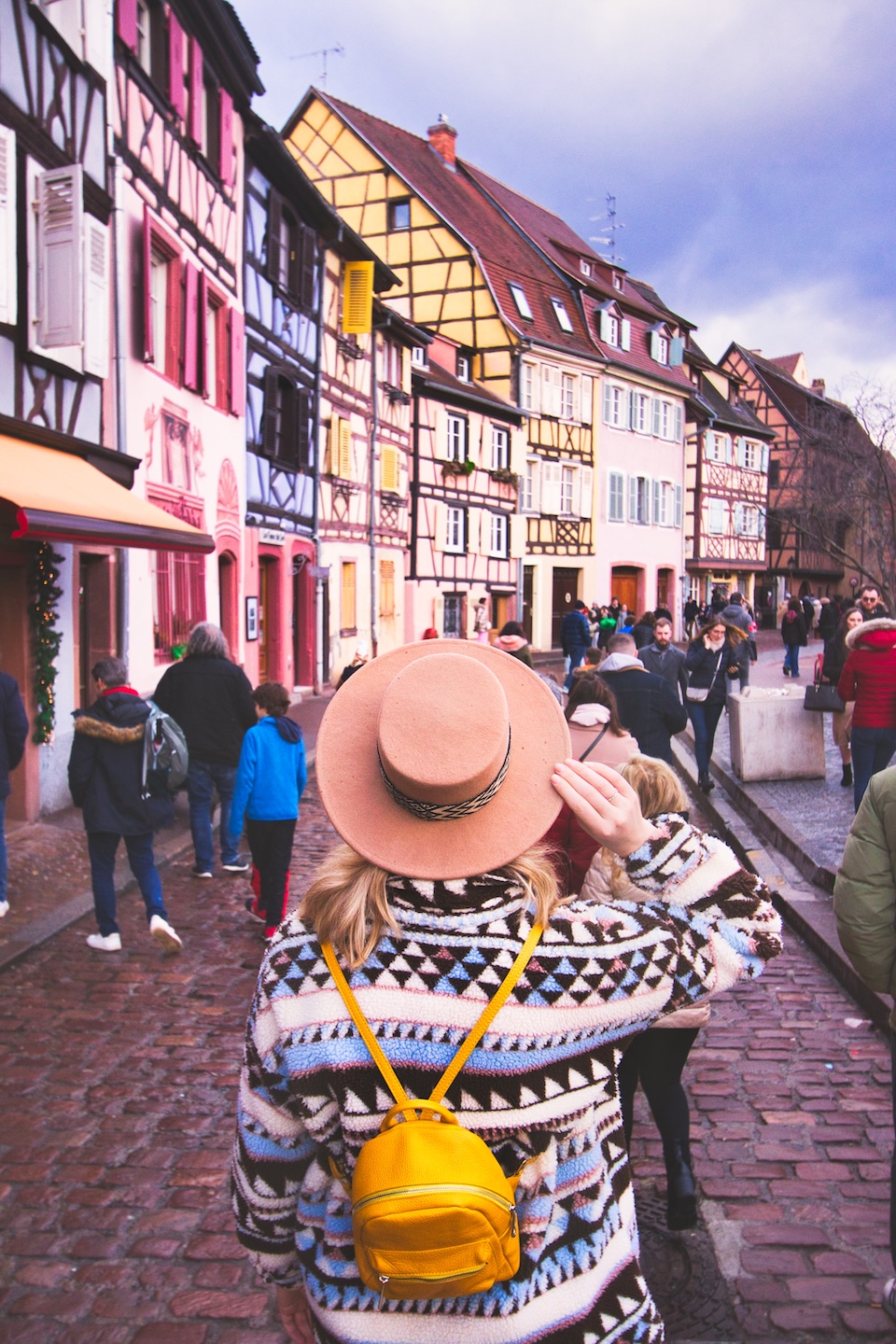
They can start to blend together if you try to visit too many in one day, so I would choose one or two and leave enough time for a walk, lunch, and a glass of local wine.
While in Colmar, try tarte flambée, a thin Alsatian flatbread traditionally topped with crème fraîche and onions. Vegetarian versions are widely available too.
Colmar is one of those places that can feel disappointing at the busiest time of day and completely charming a few hours earlier or later.
My tip: Stay for at least one night. The town is much more enjoyable in the morning and evening than during peak visiting hours.
Exploring more charming European cities? My Milan in one day itinerary is perfect for discovering Italian elegance and culture!
5. Krk Island, Croatia
Krk is one of Croatia’s easiest islands to reach because it is connected to the mainland by a bridge.
Perhaps because of that convenience, it is sometimes overlooked by travellers searching for a more remote island experience.
But Krk offers everything you might want from a slower Adriatic trip: clear water, pebble beaches, historic towns, vineyards, and a rural interior that still feels very different from the coast.
One of the most interesting places on the island is Vrbnik, a small town built on a limestone cliff above the sea. It is known for Vrbnička Žlahtina, a local white wine produced in the surrounding area.
Visit one of the nearby wineries, but also leave time to walk through the narrow streets and stop at the viewpoints above the coast.
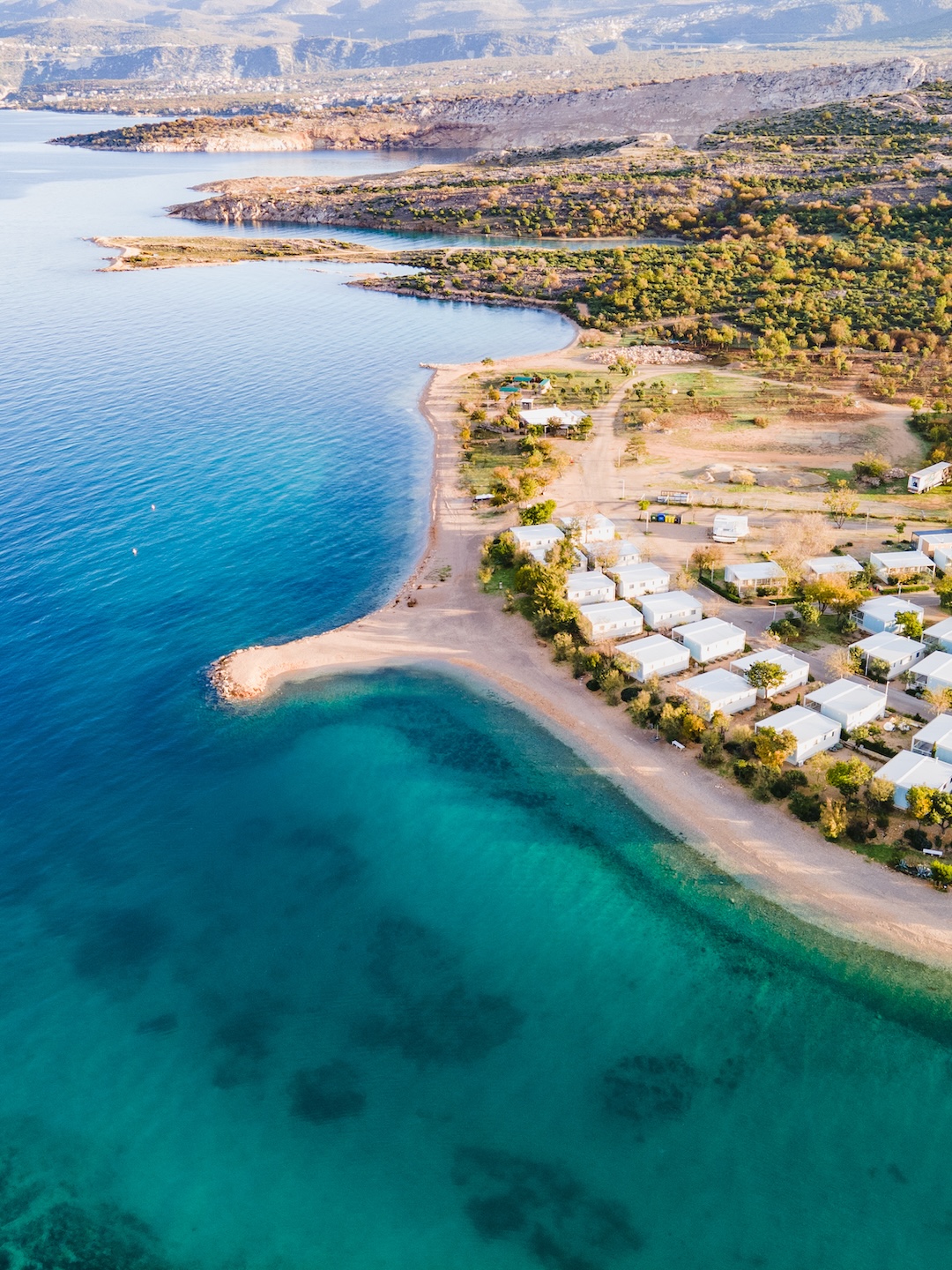
Stara Baška has a different character, with small coves and beaches surrounded by a more rugged landscape. Some require a short walk from the road or parking area, which makes them quieter than the most easily accessible beaches.
It is also worth visiting Krk Town, Baška, and the small old town of Omišalj. I would not try to drive around the entire island in a single day, though.
The distances are short, but Krk is much more enjoyable when you explore it slowly.
My tip: Choose one base for several days and discover the island in sections rather than moving between every major town in one afternoon.
Planning a longer trip through Croatia? Read my guide to the best places to visit in Istria.
Planning more Croatian adventures? Check out the best attractions of Istria! for another stunning Croatian region to explore.
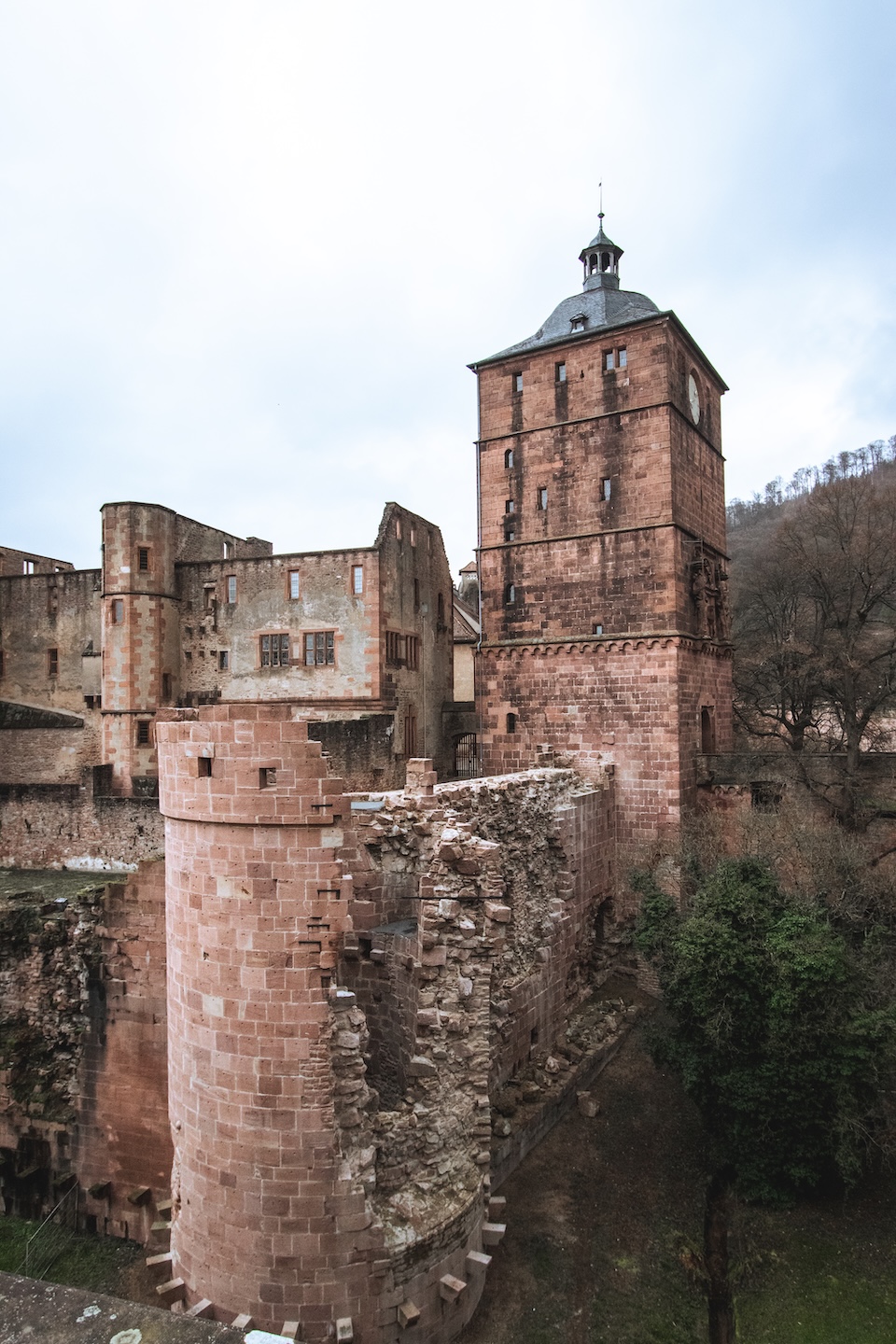
6. Heidelberg Castle, Germany
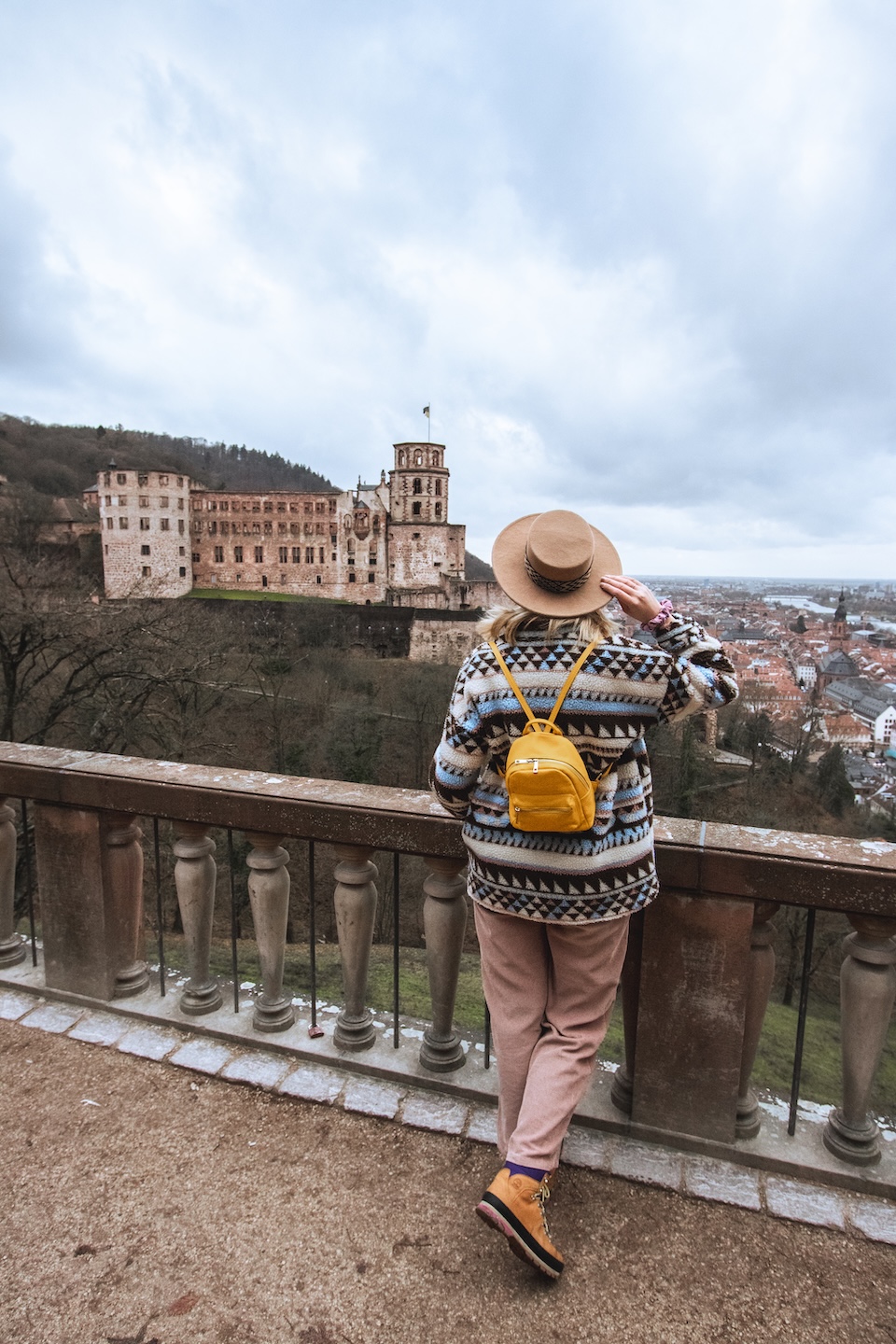
Heidelberg Castle is not a perfectly preserved royal residence. Parts of it remain in ruins, and that is what gives the castle much of its character.
Above the city are Renaissance façades, walls, courtyards, and buildings that still bear the marks of war, fire, and destruction.
From the terraces, you can look over Heidelberg’s old town, the Neckar River, and the surrounding hills.
One of the castle’s more unusual attractions is the Great Barrel, an enormous wooden wine vat. It may seem like a tourist curiosity, but it also reflects the importance wine once had in the region.
You can walk up to the castle or take the funicular. It may be worth buying a ticket that also includes the journey farther up to Königstuhl, particularly when visibility is good.
Heidelberg is a university city, so even its historic centre does not feel entirely like an open-air museum. After visiting the castle, cross the Old Bridge or walk along the river rather than immediately moving on to the next attraction.
Concerts and performances are occasionally held in or around the castle. When the dates align, an evening event can be more memorable than another daytime visit with an audio guide.
My tip: Visit the castle in the late afternoon, when the light over the city is softer, and stay in the old town for dinner afterwards.
7. The High Tatras, Slovakia
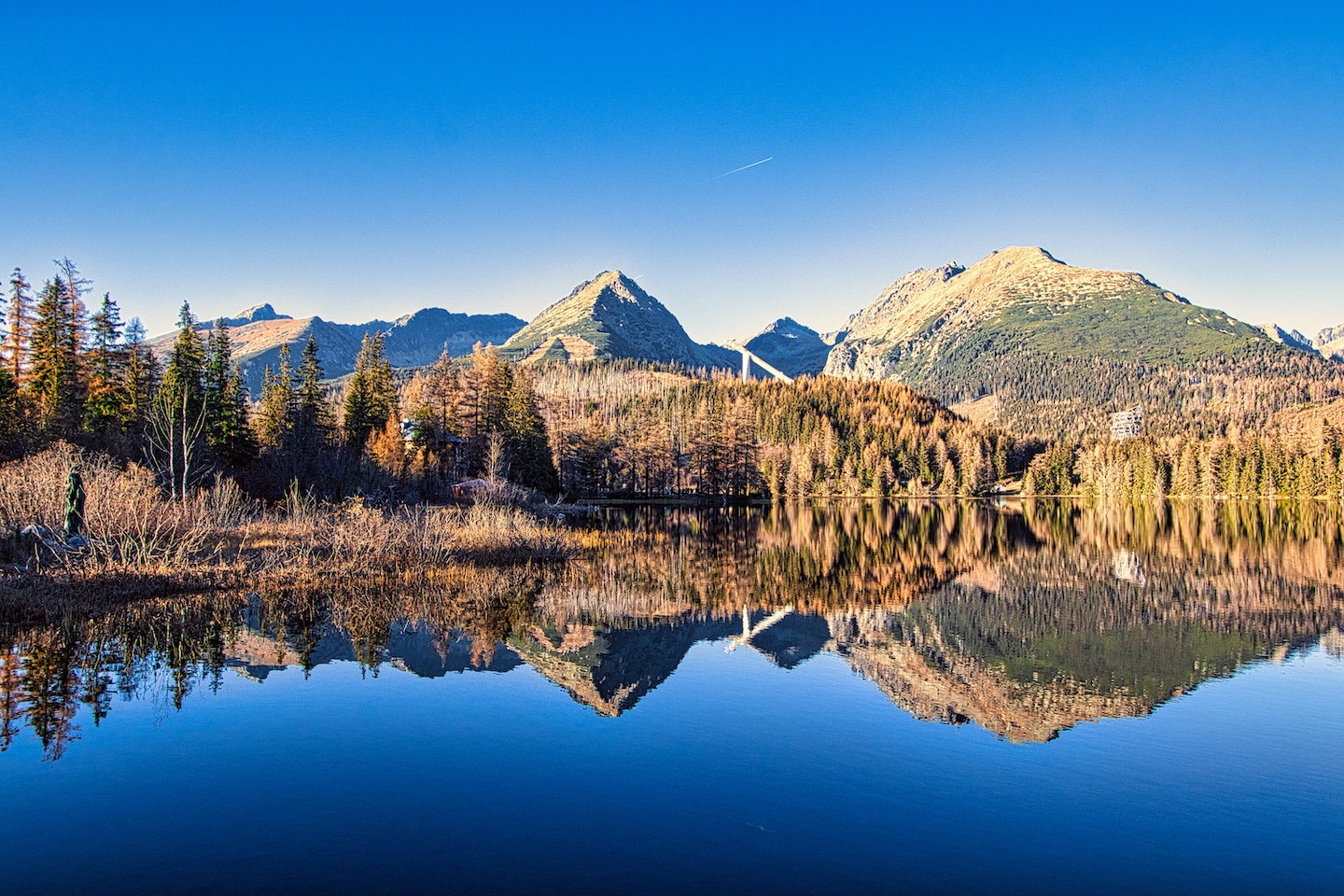
The Polish side of the Tatras receives much of the attention, but the Slovak side offers long hiking routes, mountain lakes, and several good bases for a quieter stay.
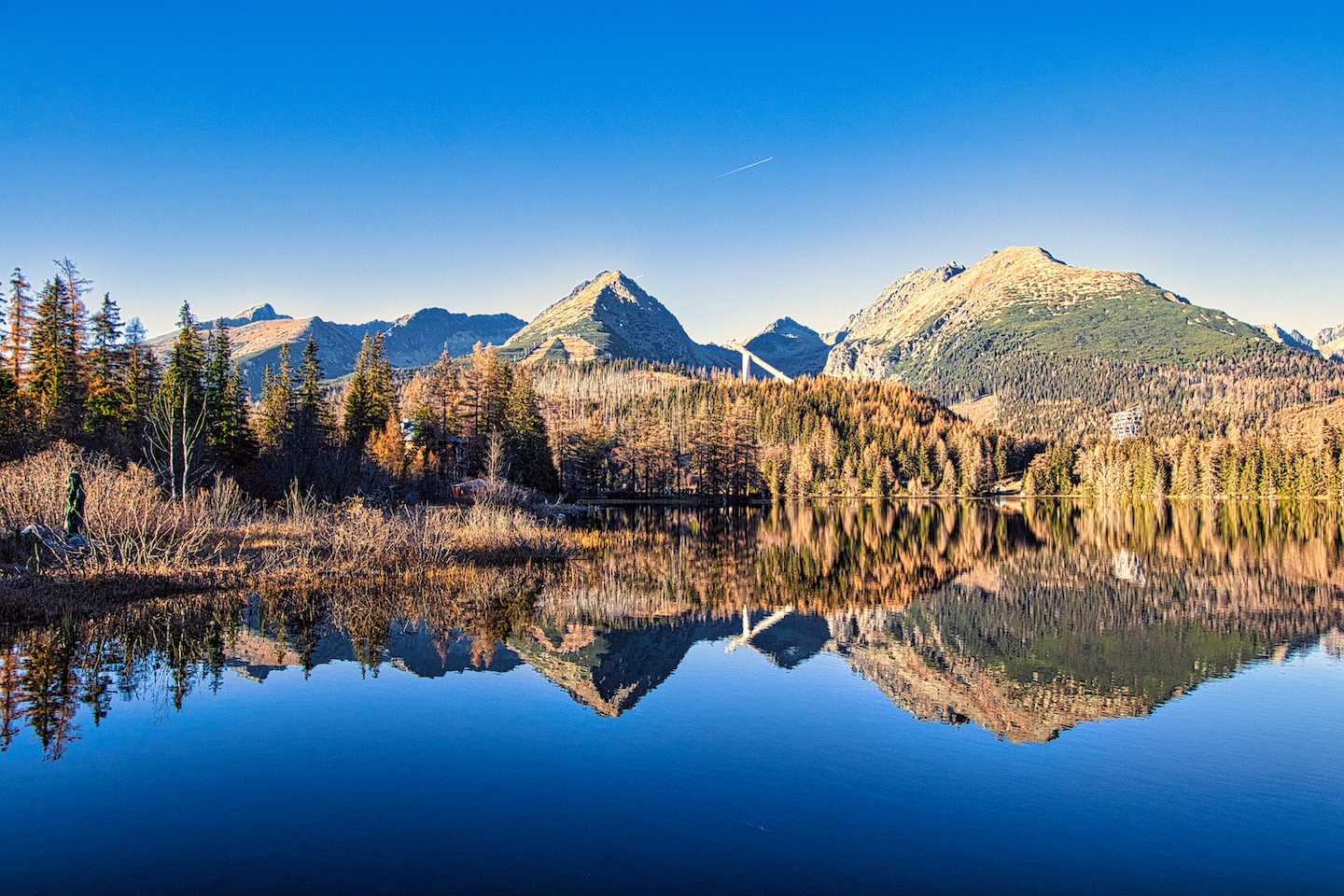
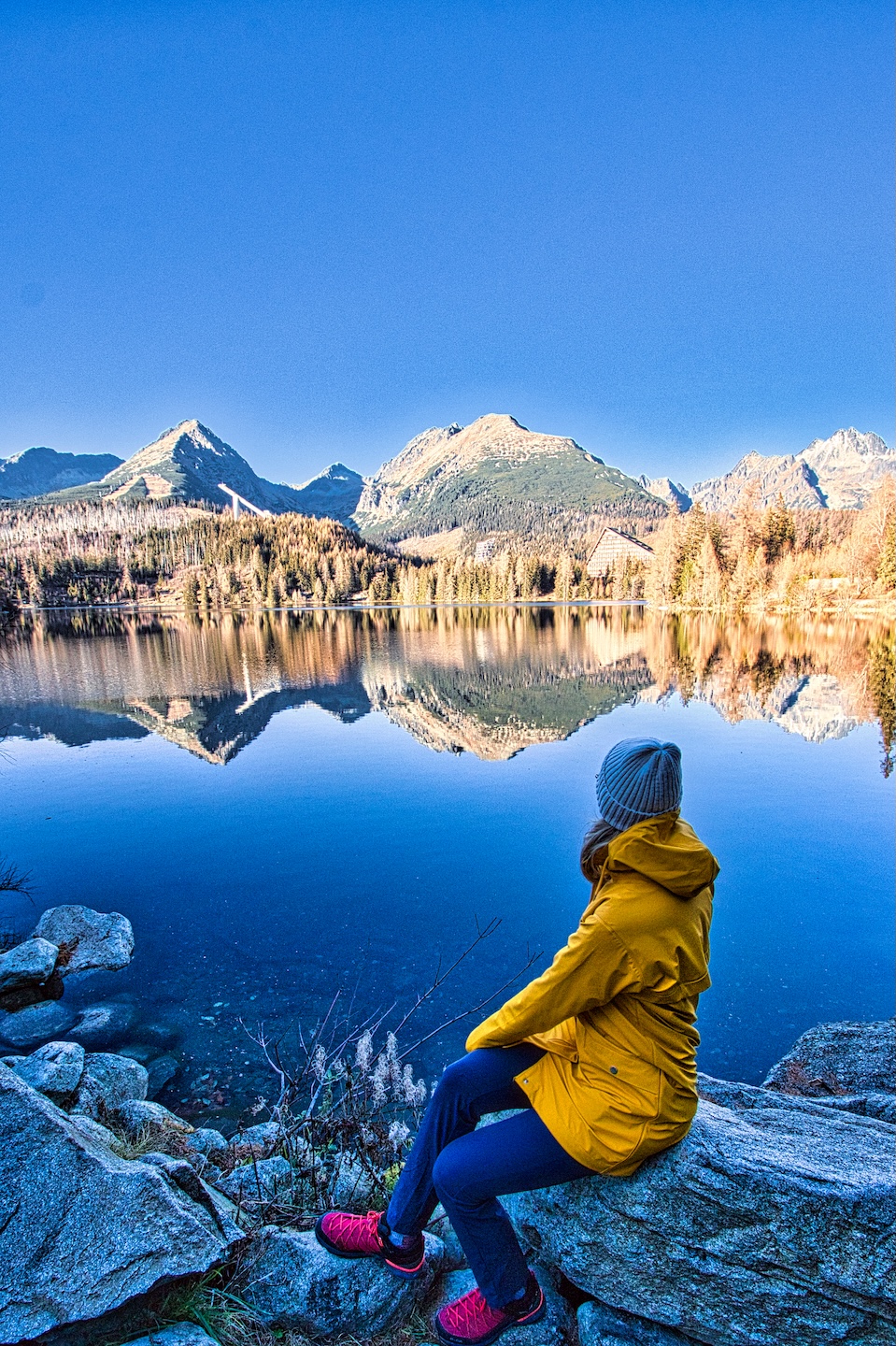
One of the most accessible places is Štrbské Pleso.
The lake can be circled on an easy walking path, but the town is also the starting point for longer mountain routes.
Early in the morning, before the first groups arrive, the surface of the lake can be perfectly still. It is one of those places where it is worth abandoning the itinerary for a while and simply sitting beside the water.
Another popular base is Tatranská Lomnica, where a cable car leads towards Lomnický štít. Tickets should usually be booked in advance, and mountain weather may still disrupt the best-made plans.
The Slovak Tatras offer trails of many different difficulty levels. Not every day needs to end on the highest possible summit.
Sometimes a quieter walk to a mountain hut is more enjoyable than trying to fit the most ambitious route into a single day.
After hiking, try local dishes such as bryndzové halušky, dumplings served with sheep’s cheese. It is simple, filling food that tastes especially good after several hours in the mountains.
My tip: Leave at least one flexible day in your itinerary. Weather in the Tatras can change quickly, and it is not worth forcing a hike simply because it was planned in advance.
8. Znojmo, Czech Republic
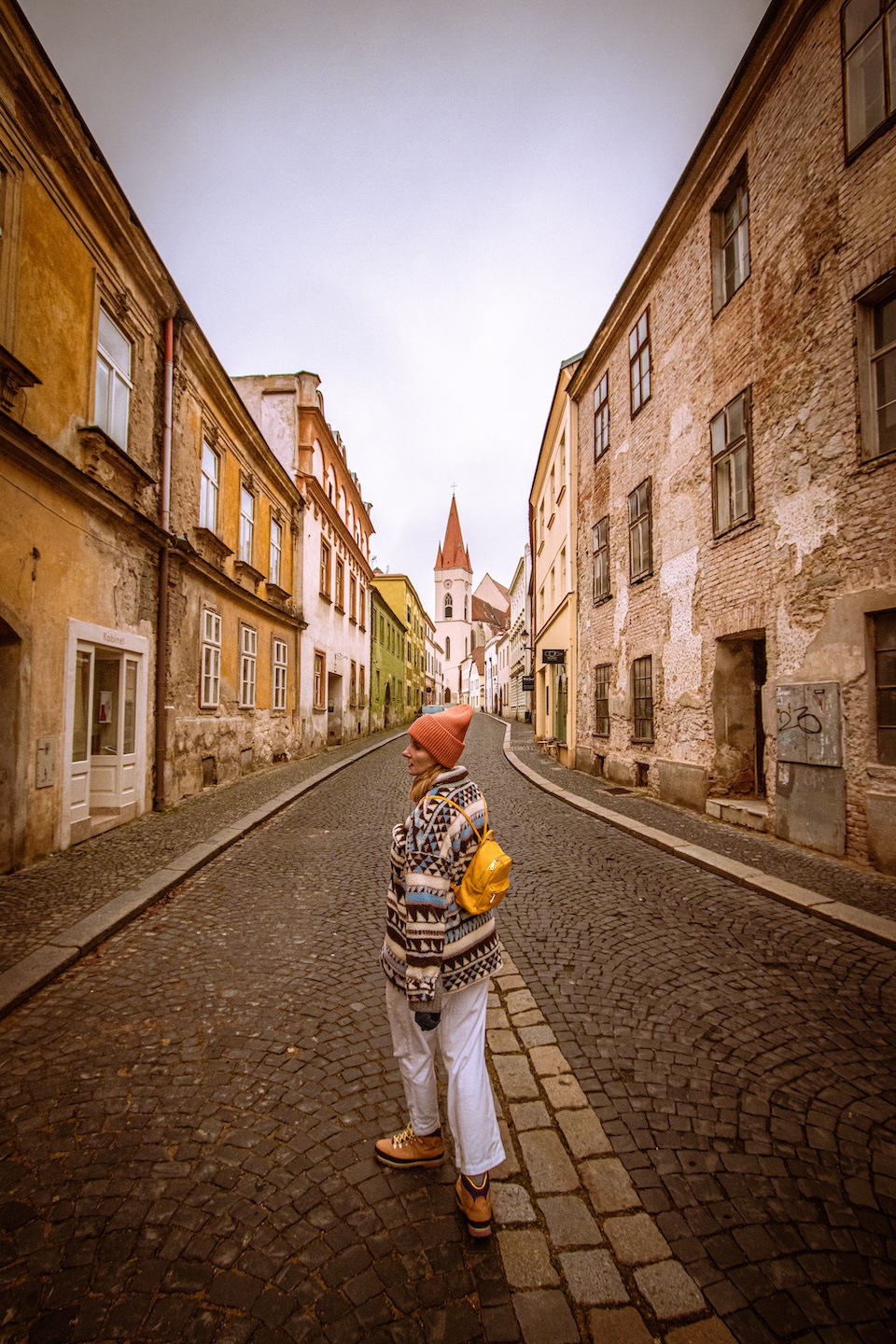
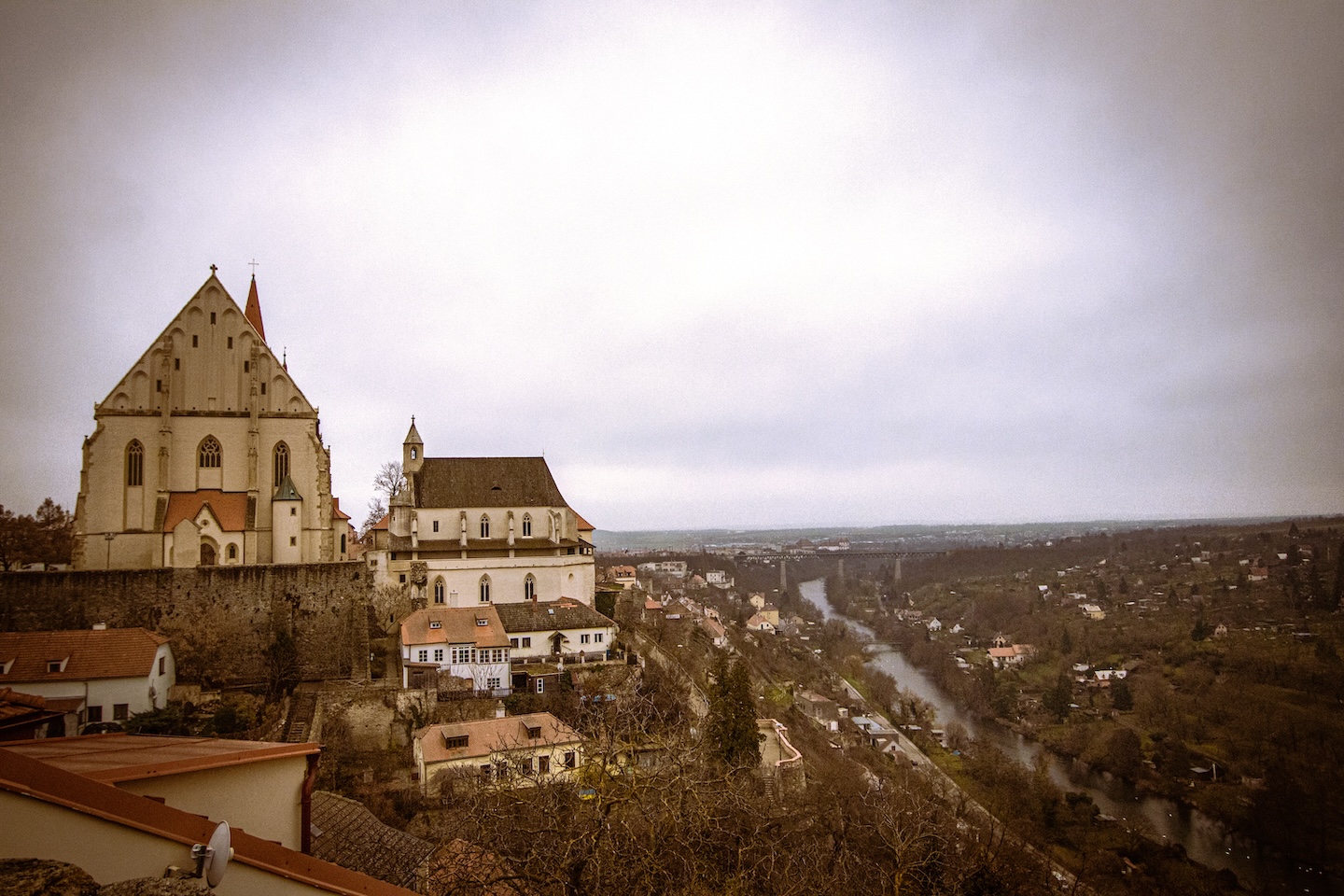
Znojmo lies in southern Moravia, close to the Austrian border. Despite its attractive historic centre, it remains much less visited than Prague, Brno, or even nearby Mikulov.
The town is known for its extensive system of underground passages.
The tunnels were created beneath houses in the historic centre and served as storage rooms, cellars, and places of shelter. Exploring them reveals a very different side of Znojmo.
Above the Dyje River stand Znojmo Castle and the Romanesque Rotunda of St Catherine. The small interior of the rotunda, with its historic paintings, contrasts with the wide views over the river valley and Podyjí National Park.
Znojmo is also located in one of the Czech Republic’s most important wine regions, particularly known for white wines.
A large grape harvest festival takes place in September. The town becomes busy during the event, so travellers seeking a quiet visit may prefer another date. On the other hand, it is one of the best opportunities to experience the region’s wine culture.
Znojmo can also be combined with visits to nearby wineries or a walk in Podyjí National Park. Autumn is an especially good time to visit, when the surrounding hills begin to change colour.
My tip: Do not limit your visit to the main square and the underground tunnels. Some of the best views begin at the edge of the historic centre, above the Dyje Valley.
9. Lake Bled, Slovenia
Lake Bled is one of the most photographed places in Slovenia.
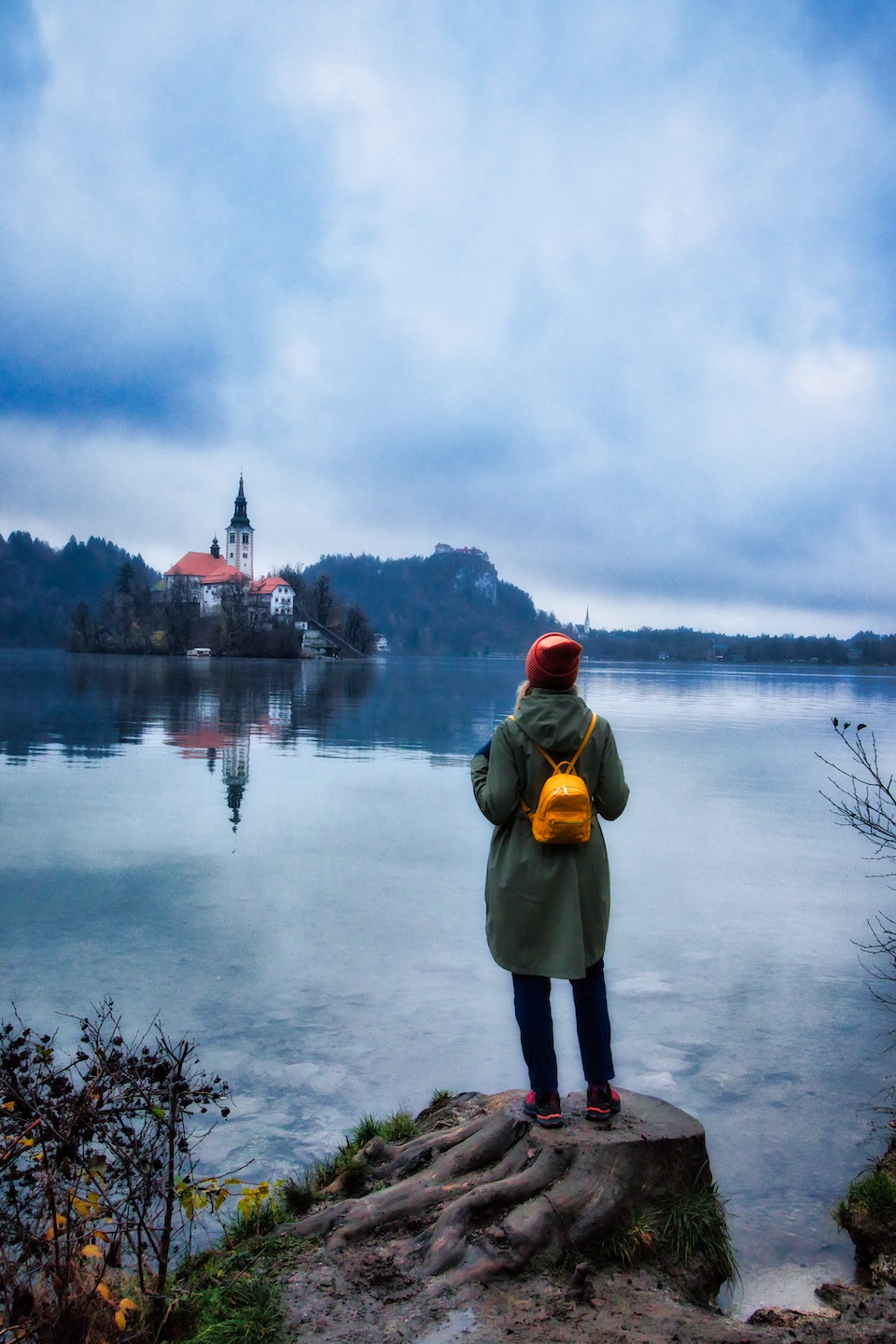
The church on the island, the castle on the cliff, and the mountains in the background look every bit as picturesque as they do in photographs.
The main problem is that most visitors want to see the same view at the same time.
The best way to experience Bled is to stay overnight and walk beside the lake early in the morning. The route around the water is easy and allows you to see the island from several different perspectives.
For the classic view from above, climb to Mala Osojnica or Ojstrica. Some sections are steep, so proper shoes are useful, especially after rain.
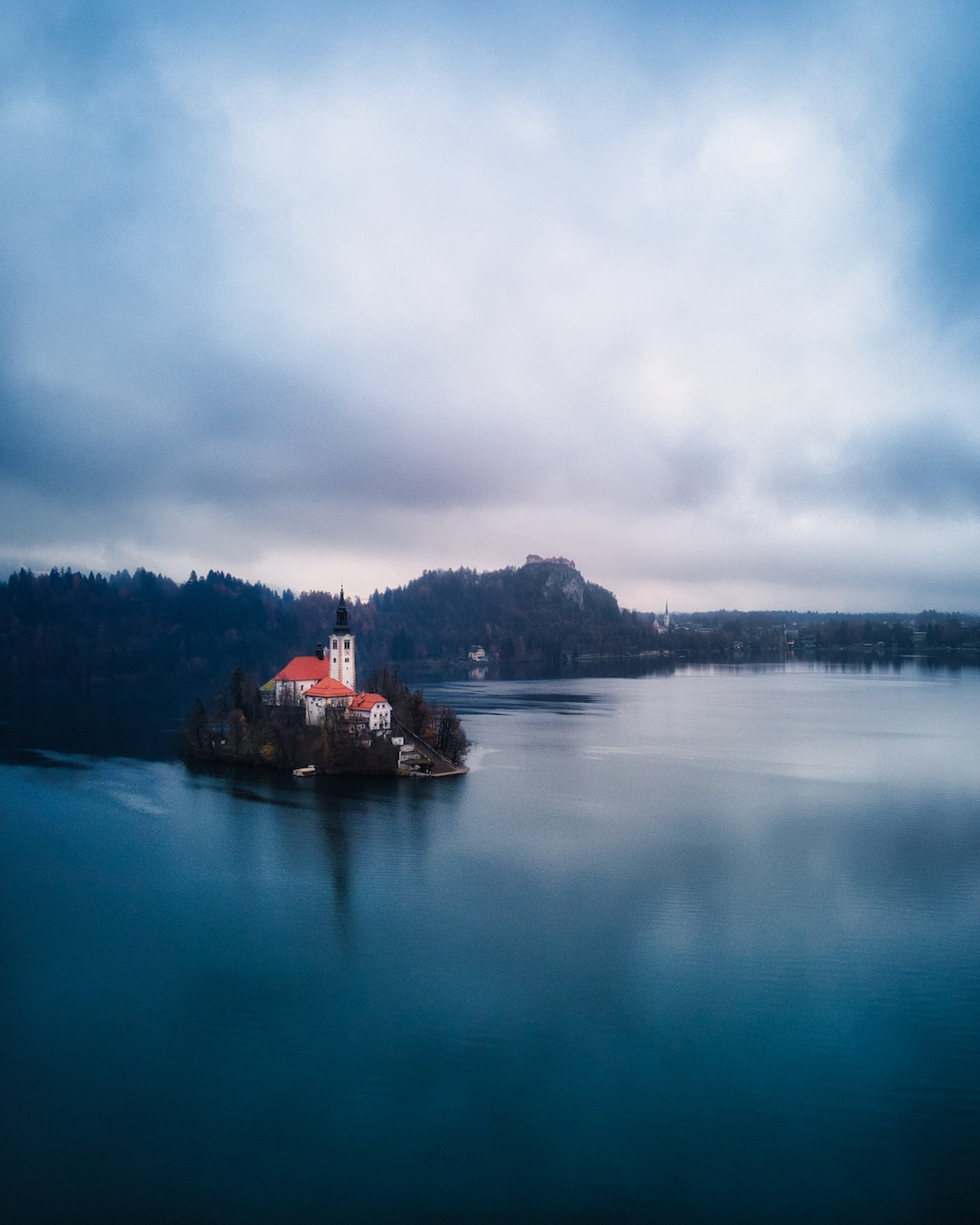
You can reach the island on a traditional pletna boat or rent a rowing boat. But you do not need to complete every popular activity.
A walk around the lake, a quiet coffee, and time to watch the mountains may be enough.
Nearby Vintgar Gorge has a wooden walking route above the Radovna River. Access rules and walking directions can change depending on the season, so check the latest information before visiting.
And finally, try kremšnita, the famous Bled cream cake. It is touristy, very sweet, and still worth eating.
My tip: Consider visiting outside the height of summer. Late spring and autumn offer a better chance of quieter paths and more reasonable accommodation prices.
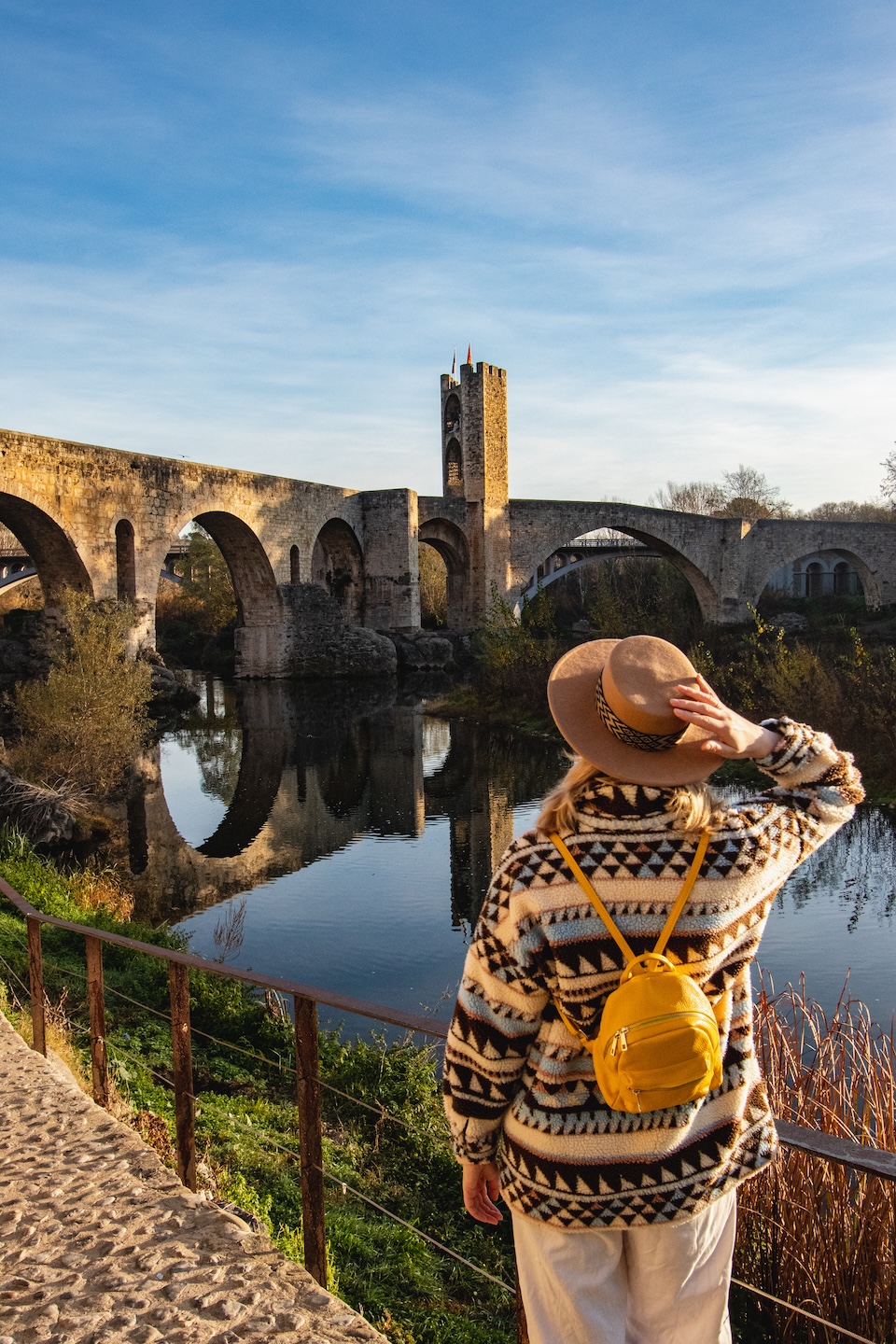
10. Besalú, Spain
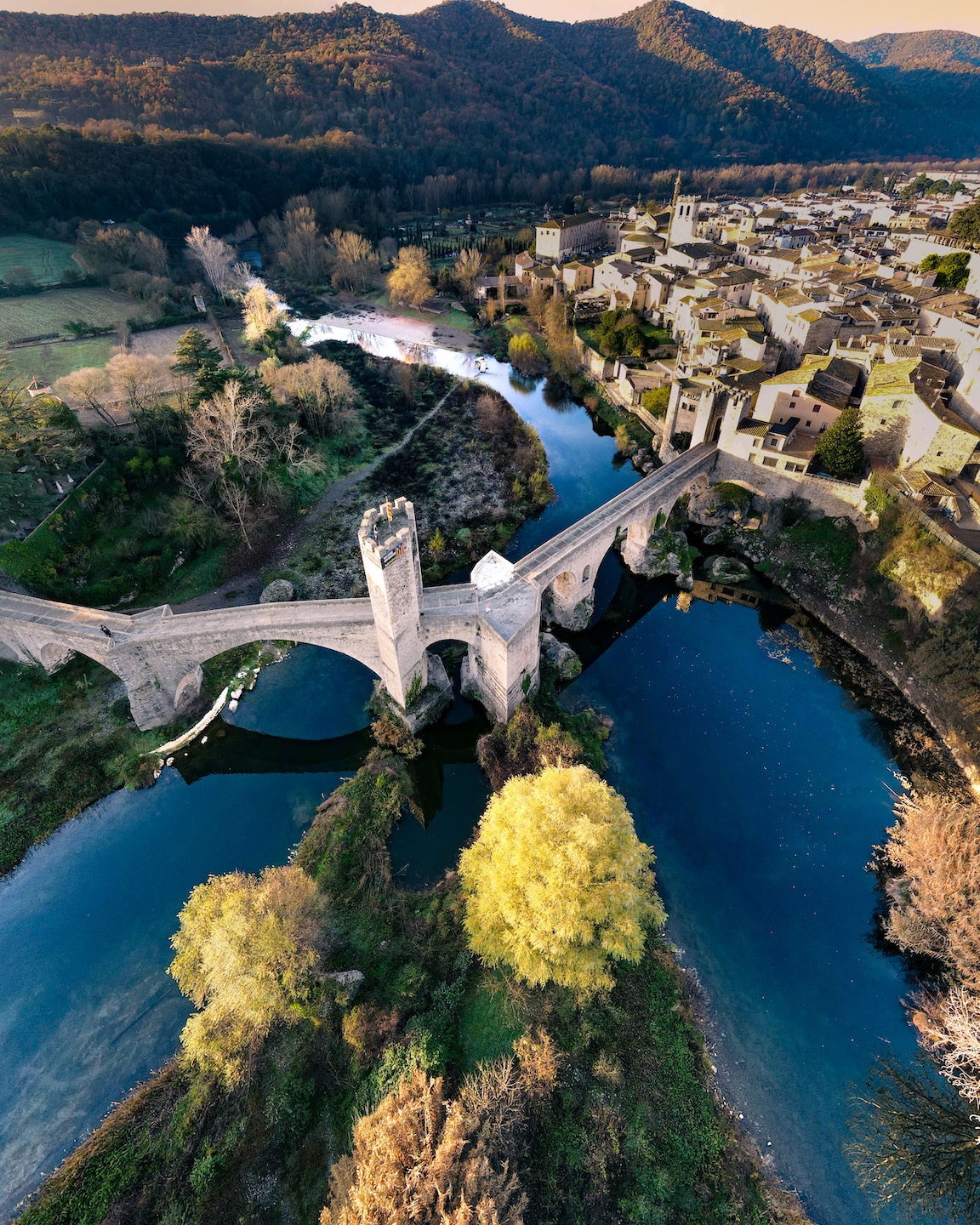
Besalú is a small medieval town in Catalonia, located between Girona and the foothills of the Pyrenees.
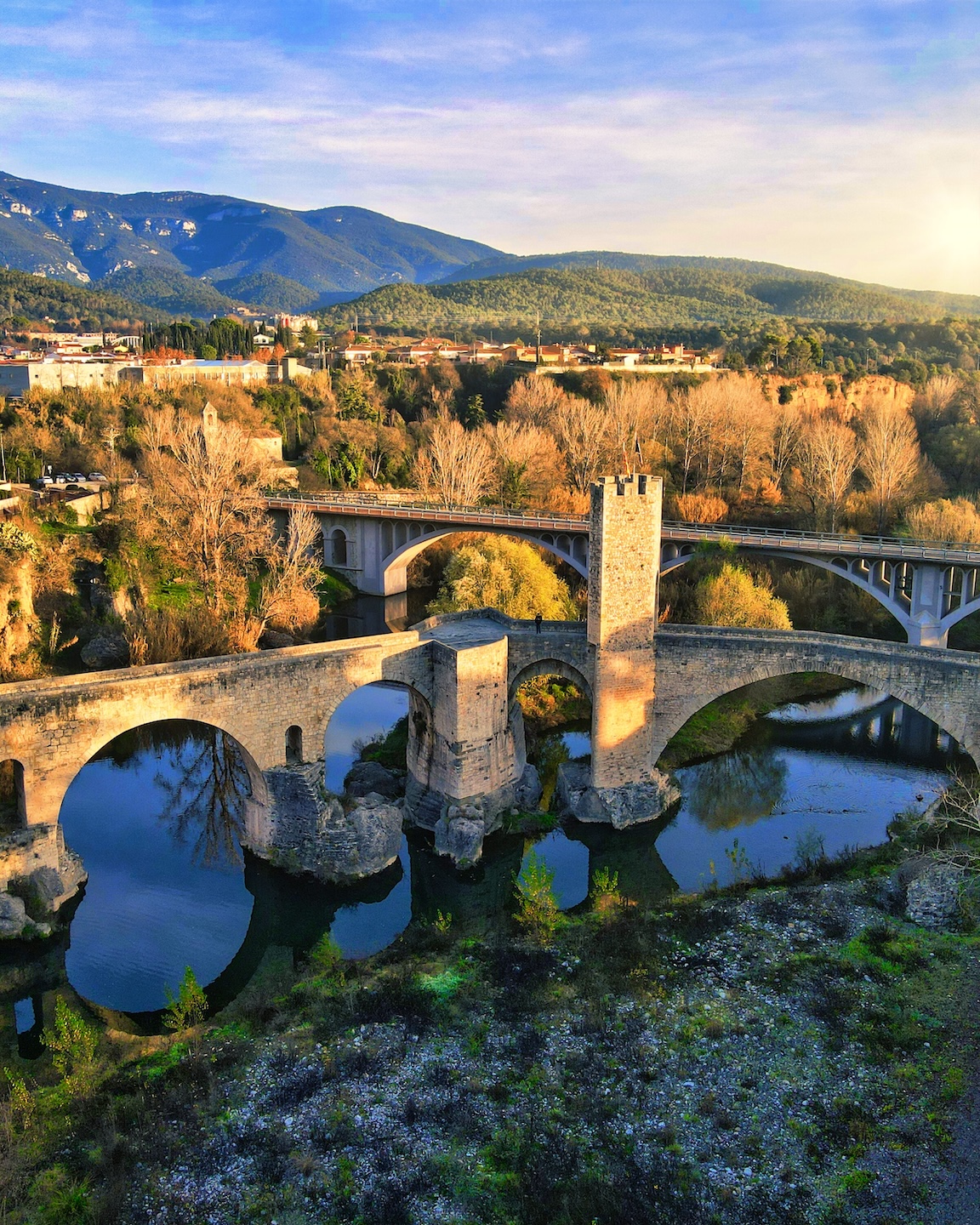
Its most recognisable feature is the stone bridge over the Fluvià River. The bridge leads directly into the historic centre and immediately creates the feeling of entering another period of history.
Beyond it are narrow streets, small squares, and stone buildings.
The centre is compact enough to see in a few hours, but I would not treat Besalú as nothing more than a quick photo stop.
One of the town’s most interesting historic sites is its medieval Jewish mikveh, or ritual bath. Visiting it offers a glimpse into the history of Besalú’s former Jewish community, which is less immediately visible than the town’s monumental architecture.
Besalú is also home to a small museum devoted to circus history. It may seem like an unexpected addition to a medieval town, but these slightly unusual museums are often the places we remember best.
Besalú works well as part of a trip through Girona, the volcanic region of La Garrotxa, or the Pyrenees.
When visiting on a day trip, stay until later in the afternoon. The town becomes noticeably quieter once the tour buses leave.
My tip: Arrive in the morning or towards the end of the day. The area around the bridge can be surprisingly busy at midday.
Travel lighter, even before you leave.
start with something simple.
Download The Minimum Plan – Slow Travel:
How to Find Quieter Places in Europe
Not every destination on this list is completely unknown. Some have become popular simply because they are beautiful and easy to reach.
But the way you travel can matter just as much as the destination itself.
You can visit Lake Bled and spend half a day trying to recreate photographs you have already seen online. Or you can stay overnight, walk beside the water early in the morning, and let the day unfold without a strict plan.
You can see Colmar between two coach tours, or wake up in the town before the shops and restaurants open.
You can drive around the whole island of Krk in one day, or choose one beach, one winery, and one small town and leave the rest for another trip.
After years of planning journeys, I have realised that slow travel does not always require finding a place nobody has heard of.
Sometimes it is enough to:
- travel outside the busiest season,
- stay one night longer,
- go out before the crowds arrive,
- choose one attraction instead of five,
- leave part of the day unplanned.
The travel days I remember best are not usually the ones during which I saw the most.
They are the days when I did not need to keep checking the time or wondering whether I would make it to the next place.
Perhaps that is what discovering hidden gems is really about.
It is not always finding a destination missing from every guidebook.
Sometimes it is simply experiencing a familiar place in a quieter way.
Planning Another Trip Around Europe?
- Barcelona in One Day – a realistic itinerary without rushing between every major attraction,
- Florence in One Day – Renaissance highlights with time for a slower walk,
- 20 Things to Do in Berlin – history, culture, and neighbourhoods beyond the main landmarks,
- Hidden Gems of Catalonia – places worth visiting beyond Barcelona.
Which of these destinations best matches the way you want to travel right now?
Or perhaps you have your own European place that turned out to be much more interesting than you expected. Share it in the comments – I am always looking for new places to add to my list.
Save this guide for later and return to it when planning your next slower trip through Europe.