
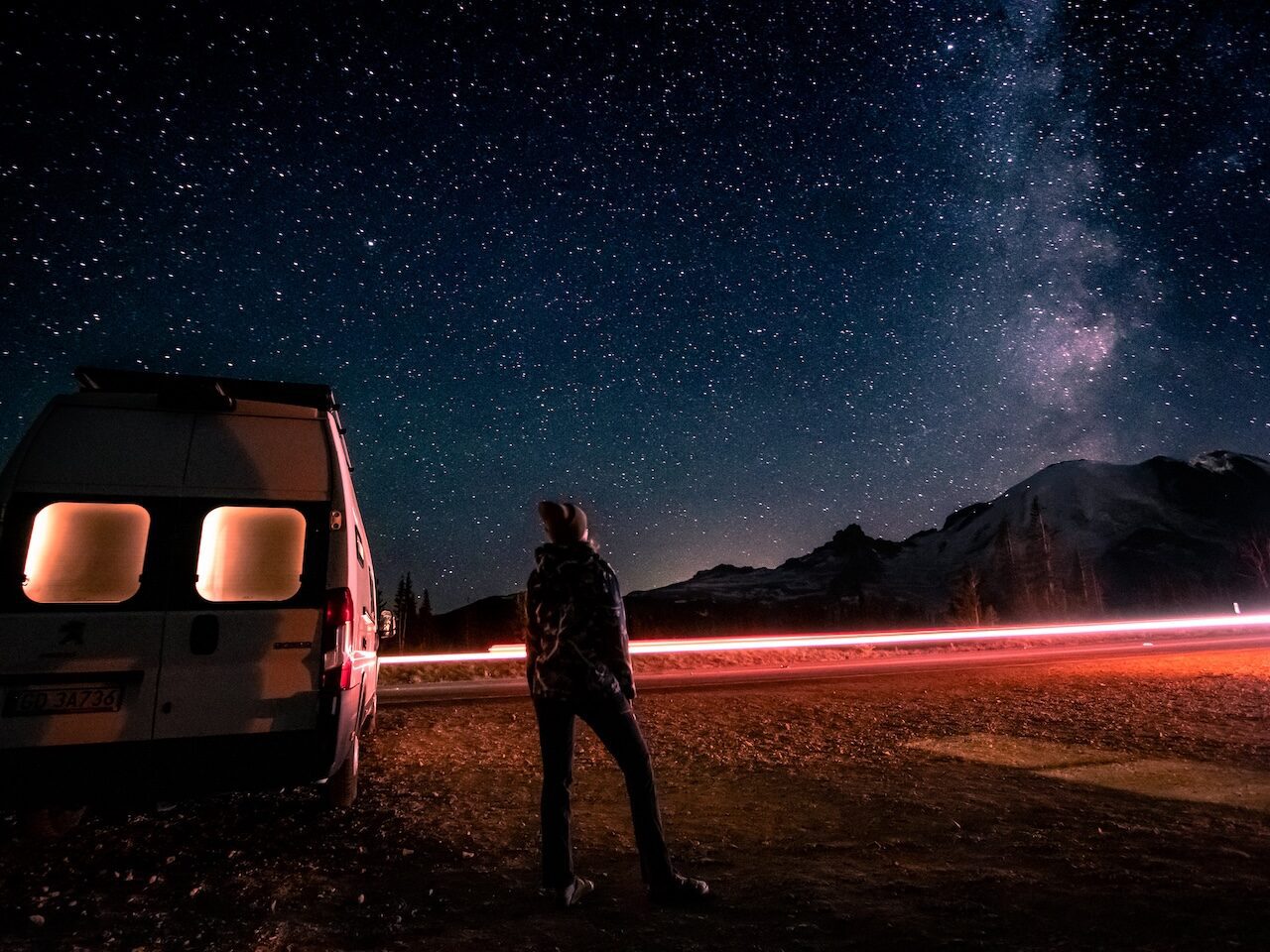
Planning a visit to Mount Rainier National Park?
This is one of those places I think about often. And one of the places you ask me about most frequently.
Mount Rainier is deeply special to me. It’s my favorite national park in Washington State – a massive, raw volcano, a space that calms you down, and landscapes that stay with you long after you leave.
Waterfalls, alpine meadows, trails leading into silence. It’s impossible to walk through this place without feeling something.
In this guide, I’ve gathered 10 things to do in Mount Rainier, without rushing or trying to check everything off at once.
I’ve also included practical tips and a few easy-to-miss spots that leave the biggest impression.
If you love national parks, wide open spaces, and traveling at your own pace, there’s a good chance you’ll fall in love with Mount Rainier just like I did.
Planning Your USA Trip – Start Here
If you’re just getting started with planning your American adventure, these guides will help you understand the country, pick a region, and build an itinerary:
1. Skyline Trail
If I had to point to one trail that best captures the character of Mount Rainier National Park, it would be Skyline Trail.
The route starts around Paradise – a place that’s impressive in itself.
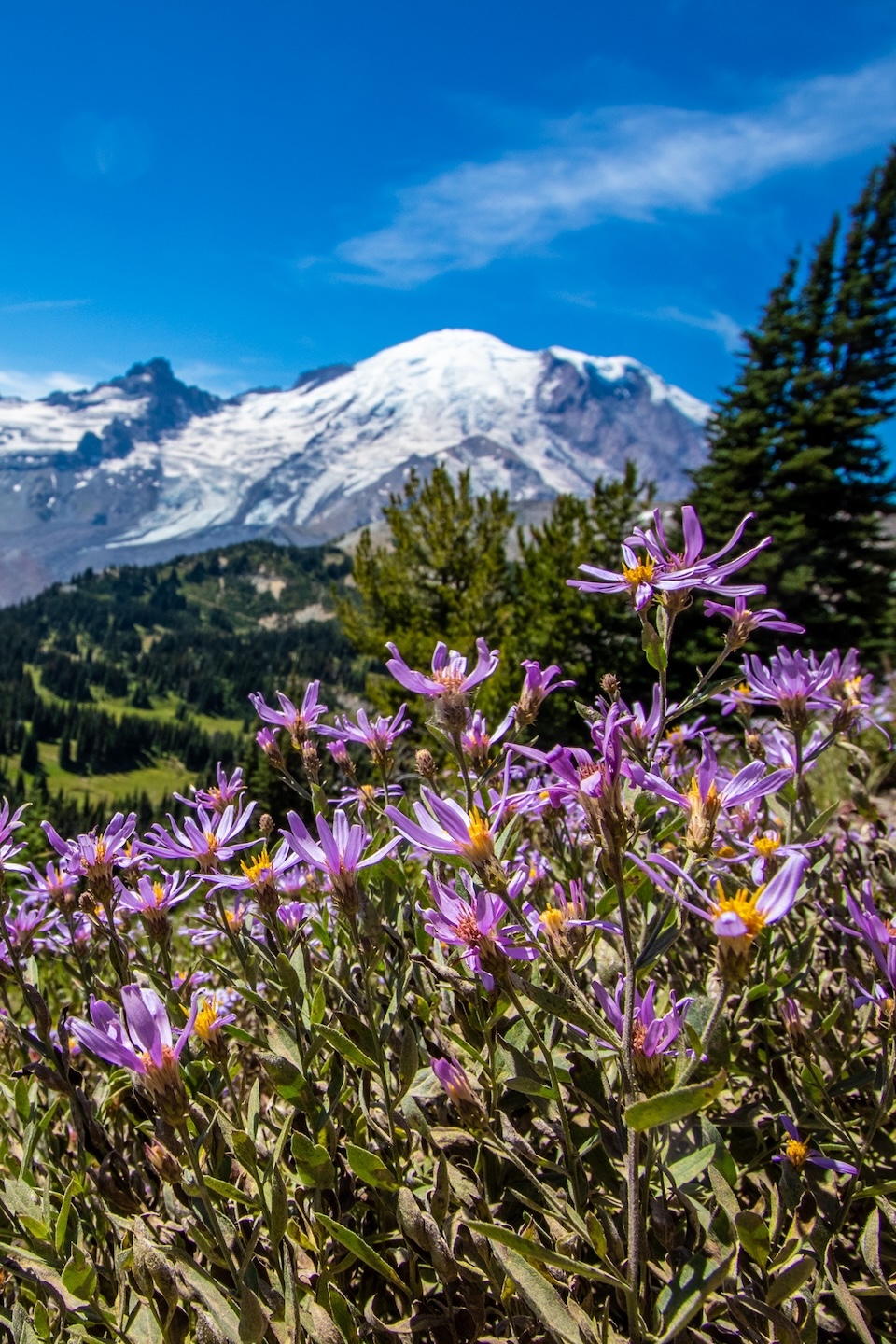
From the first steps, you’re walking through alpine meadows that can be completely covered in wildflowers in summer, and further through raw, high-altitude terrain with views of glaciers and rock formations.
The trail is about 5.6 miles and usually takes 3-4 hours. It’s the perfect half-day adventure, without rushing. The beginning climbs steeply through the Alta Vista section, but the effort is quickly rewarded.
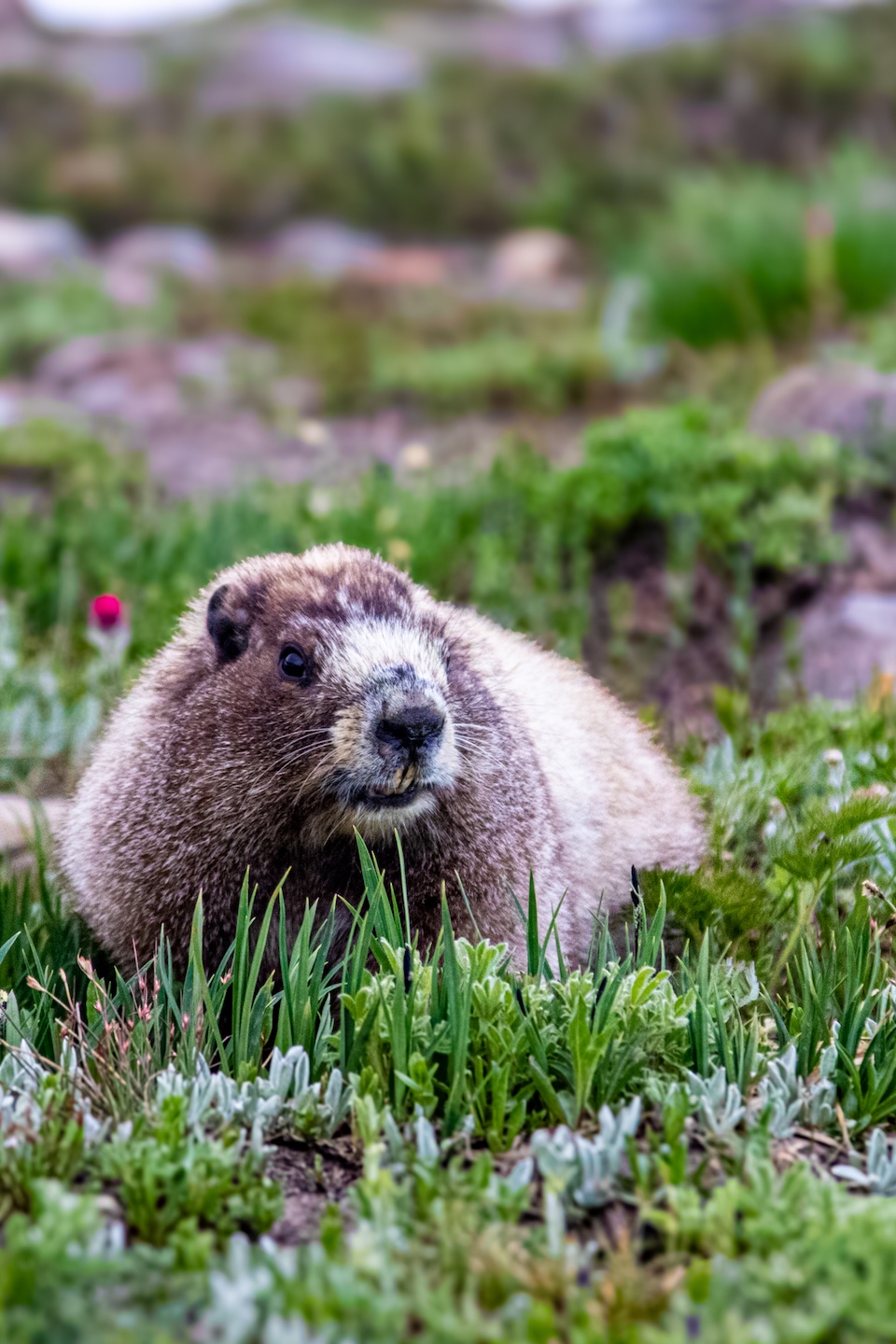
The higher you go, the more space, silence, and views of Rainier’s massive presence and Nisqually Glacier. Along the way, you often encounter marmots that are completely unbothered by human presence.
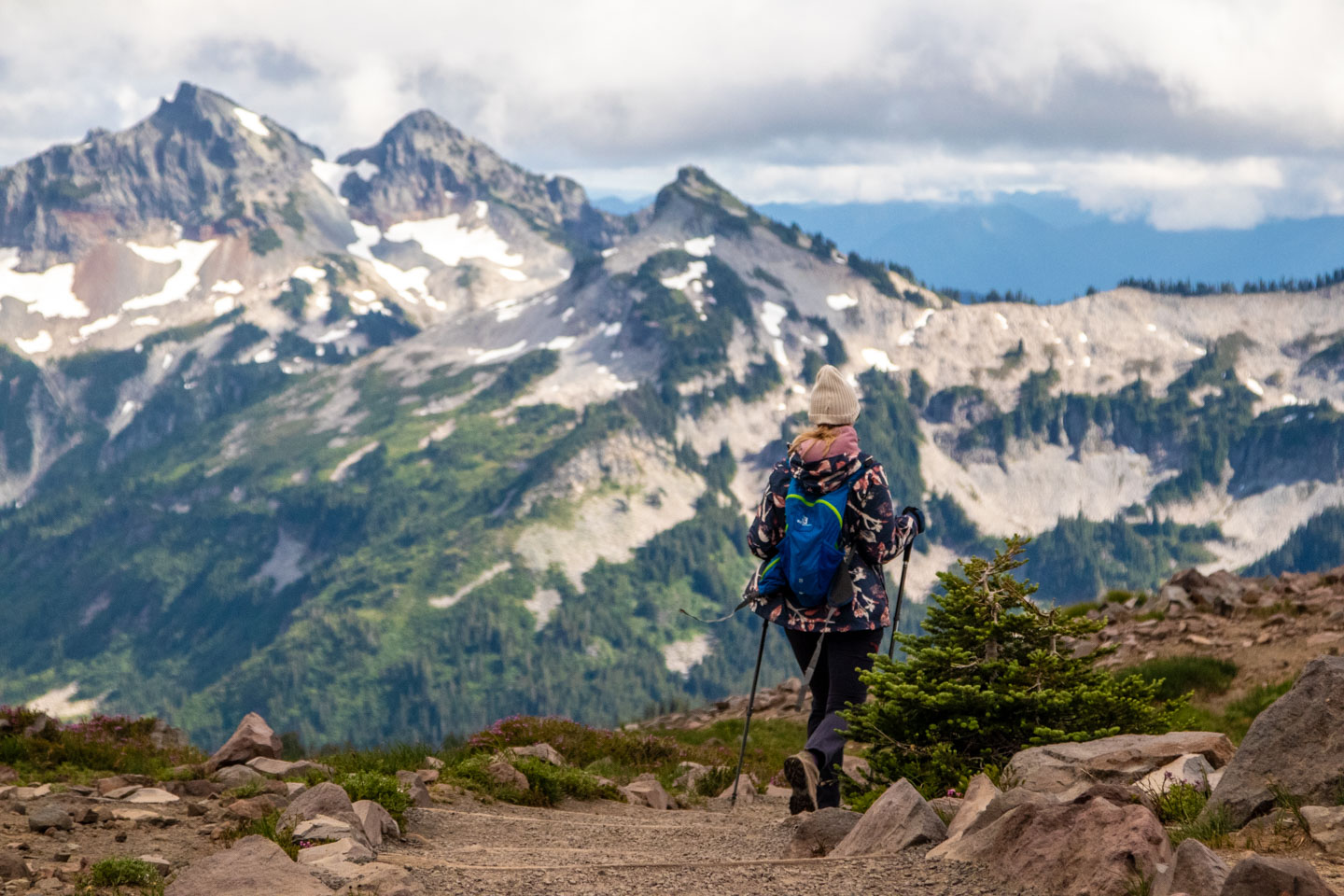
One of the most memorable spots is Panorama Point. In good weather, you can see not only Mount Rainier but also other volcanoes of the Pacific Northwest.
This is one of those moments when it’s really worth sitting down for a while and just looking.
Coming back, the landscape shifts to something gentler. Streams appear, green meadows, and finally Myrtle Falls – a small waterfall that beautifully completes the loop.
This is a trail that shows Mount Rainier in full scale – from raw mountain terrain to delicate, almost alpine landscapes. Perfect if you want to truly feel the park, not just “check it off.”
2. Mount Fremont Fire Lookout
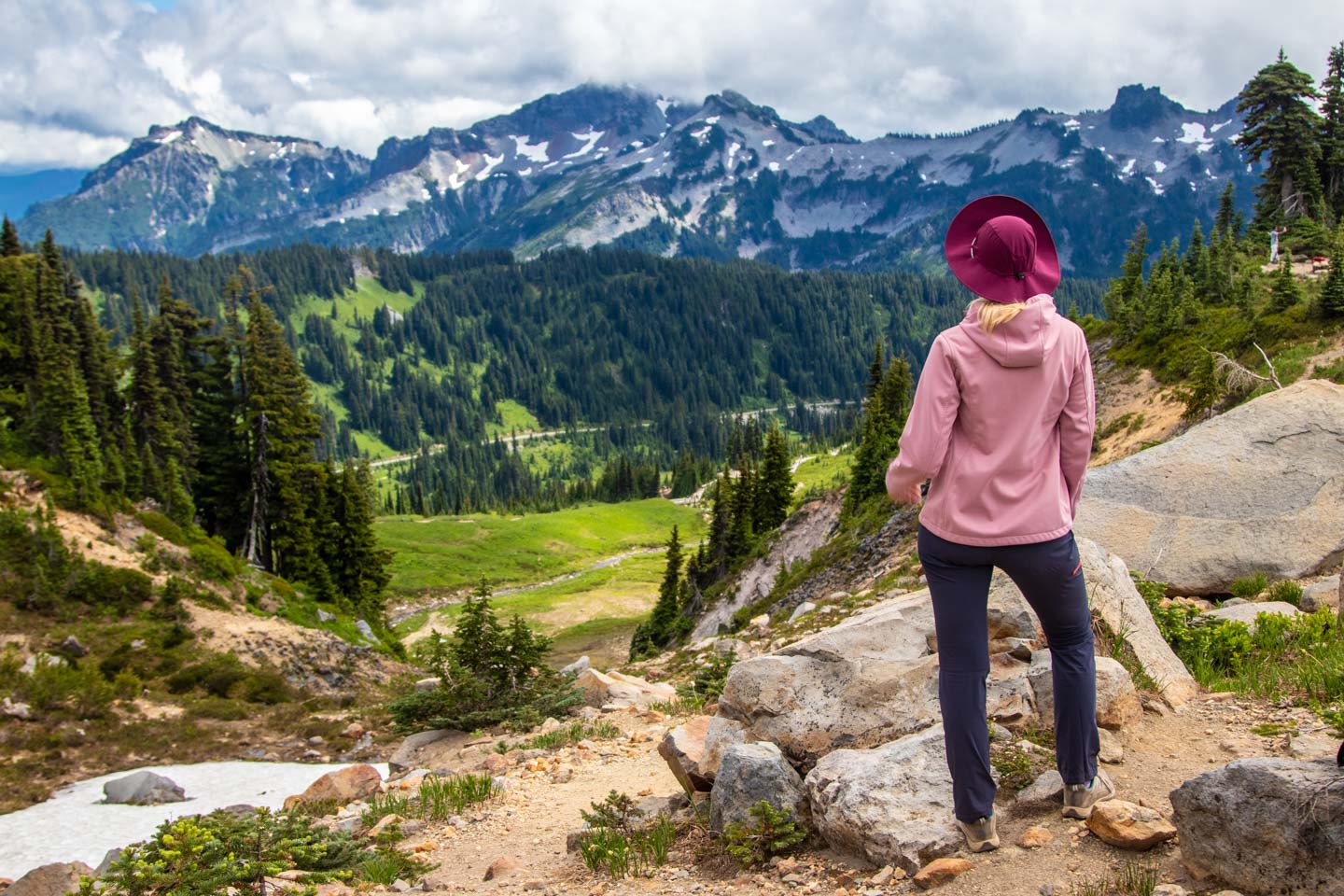
If you like places with views and a sense of space, the Mount Fremont Fire Lookout is one of those spots that stay in your memory for a long time.
The trail starts around Sunrise, the highest area accessible by car in the park. The drive up here is an experience in itself.
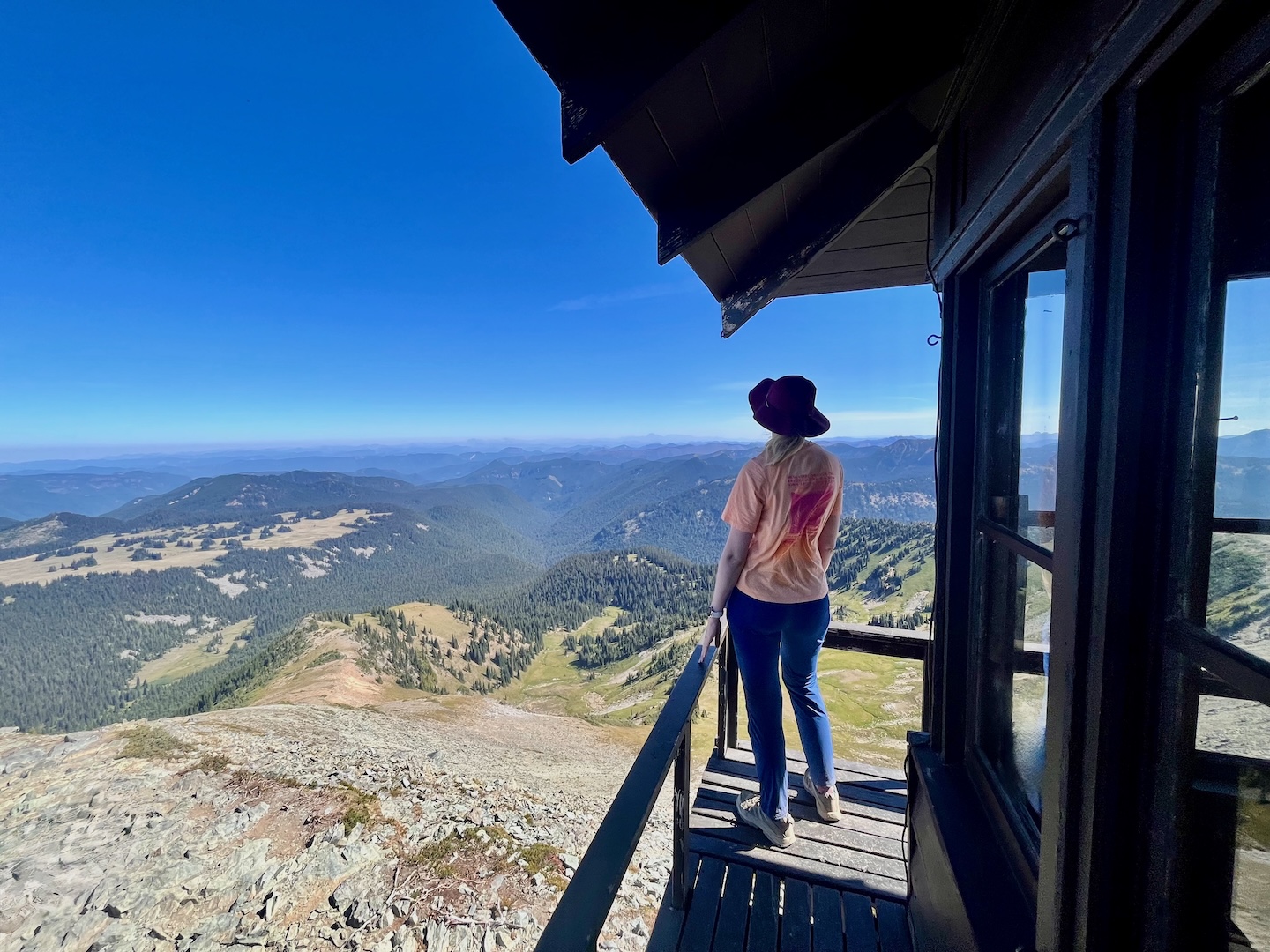
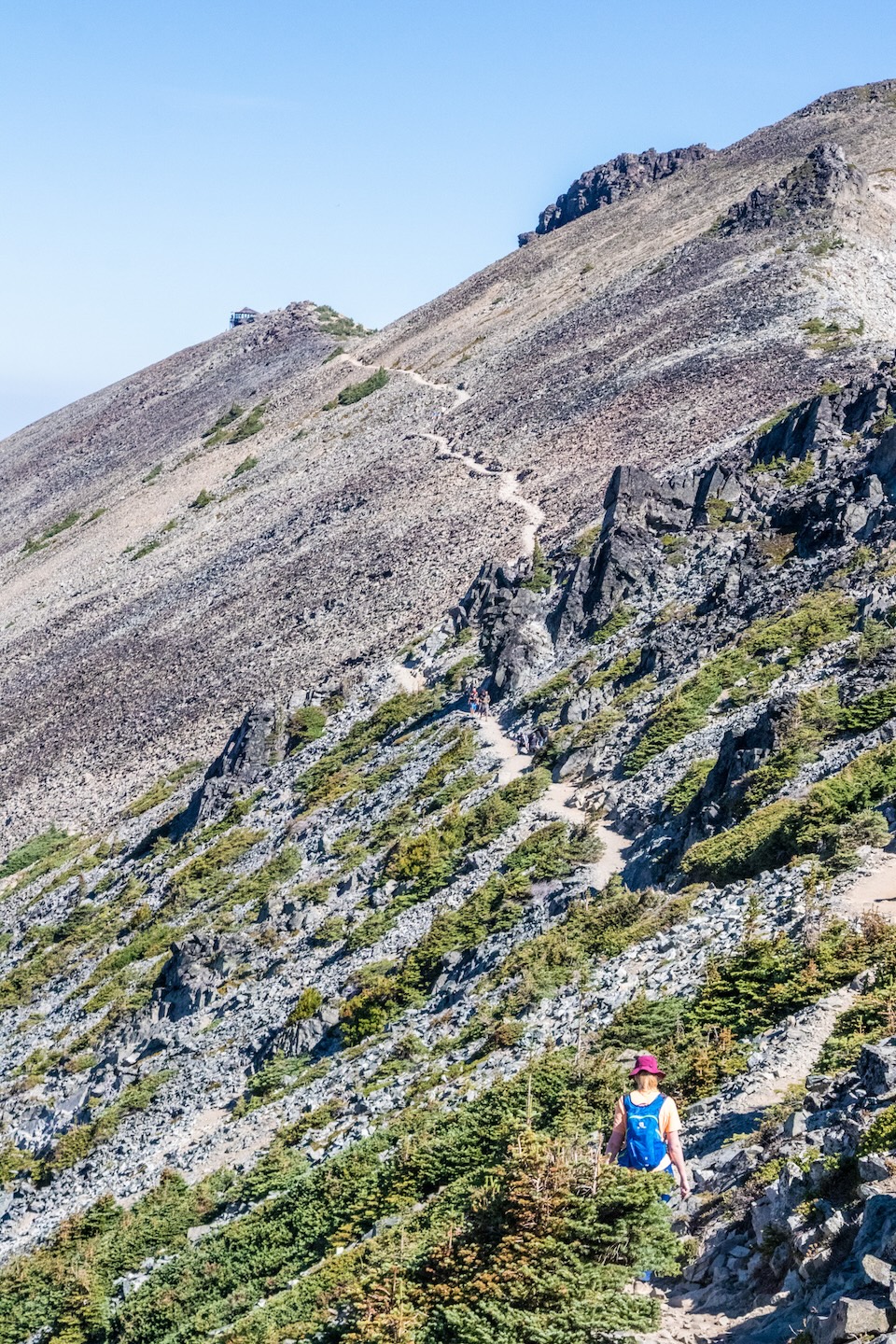
From there, the route leads through open meadows and rocky sections to Frozen Lake. From that point, the path runs along a ridge with increasingly wide views until you reach the lookout tower itself.
The entire trail is about 5.6 miles and takes roughly 3 hours at a comfortable pace. The trail is of moderate difficulty, but the exposed terrain means you’re hiking more “in space” than in forest.
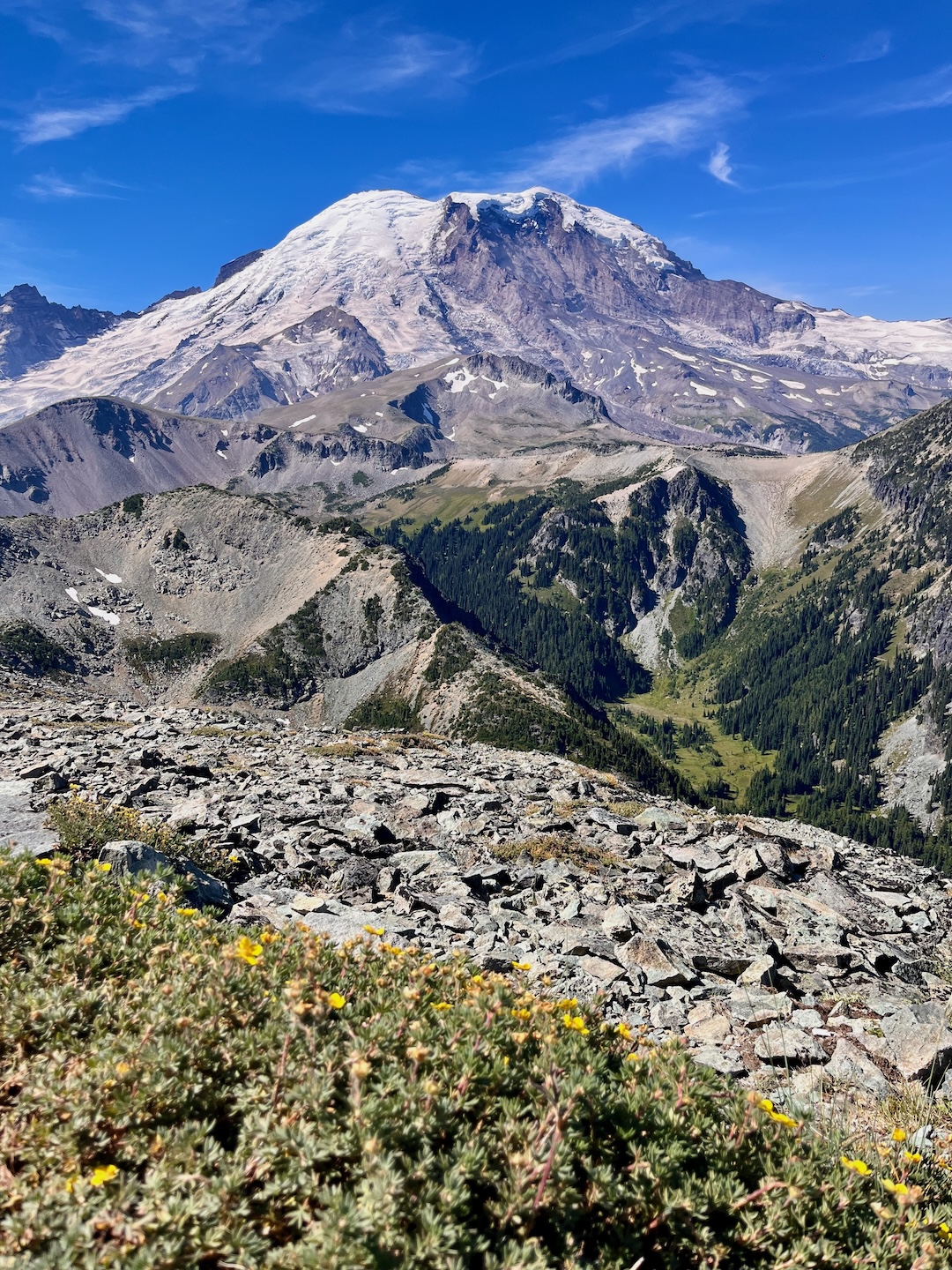
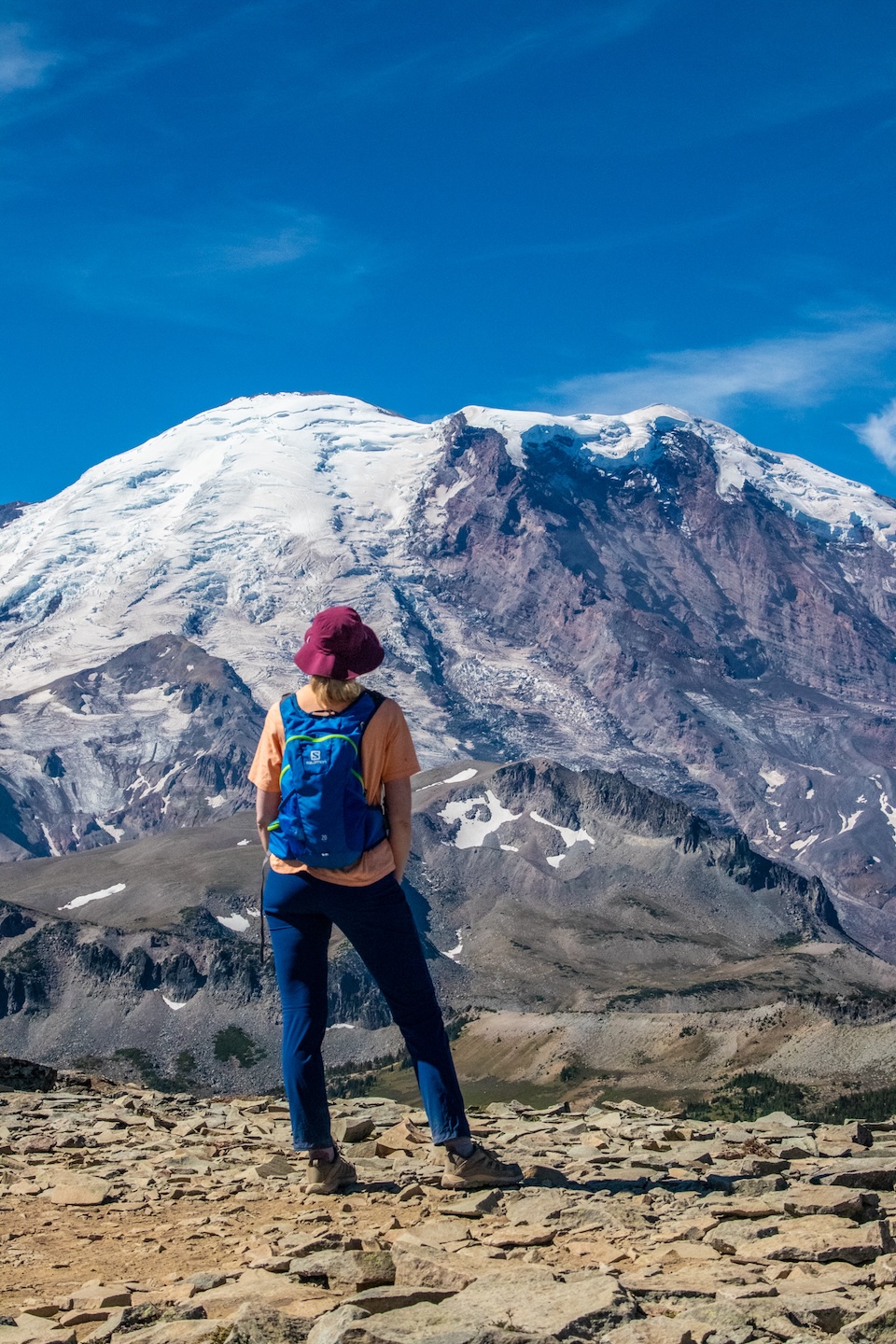
The view from Mount Fremont Fire Lookout is truly exceptional. On one side, the powerful mass of Mount Rainier dominates; on the other, you get a panorama of the Cascade Range and, with good visibility, the Olympic Mountains too.
The best time for this hike is sunrise. Light slowly reveals the mountains, and clouds often hang low over the valleys, creating a calm, almost unreal atmosphere. This is one of those mornings worth getting up early for and heading out in silence.
Mount Fremont isn’t just a viewpoint – it’s a place that lets you really feel the scale and rawness of Mount Rainier. Perfect if you’re looking for views without crowds and want to see the park from a different perspective.
3. Nisqually Vista Trail
If you have less time or just want a shorter, easier walk, Nisqually Vista Trail in the Paradise area is a very good choice.
It’s a short, roughly 1.2-mile loop and one of the few paved trails in the park. This makes it work well when you’re traveling with kids or want to see something beautiful without a long hike and elevation gain.
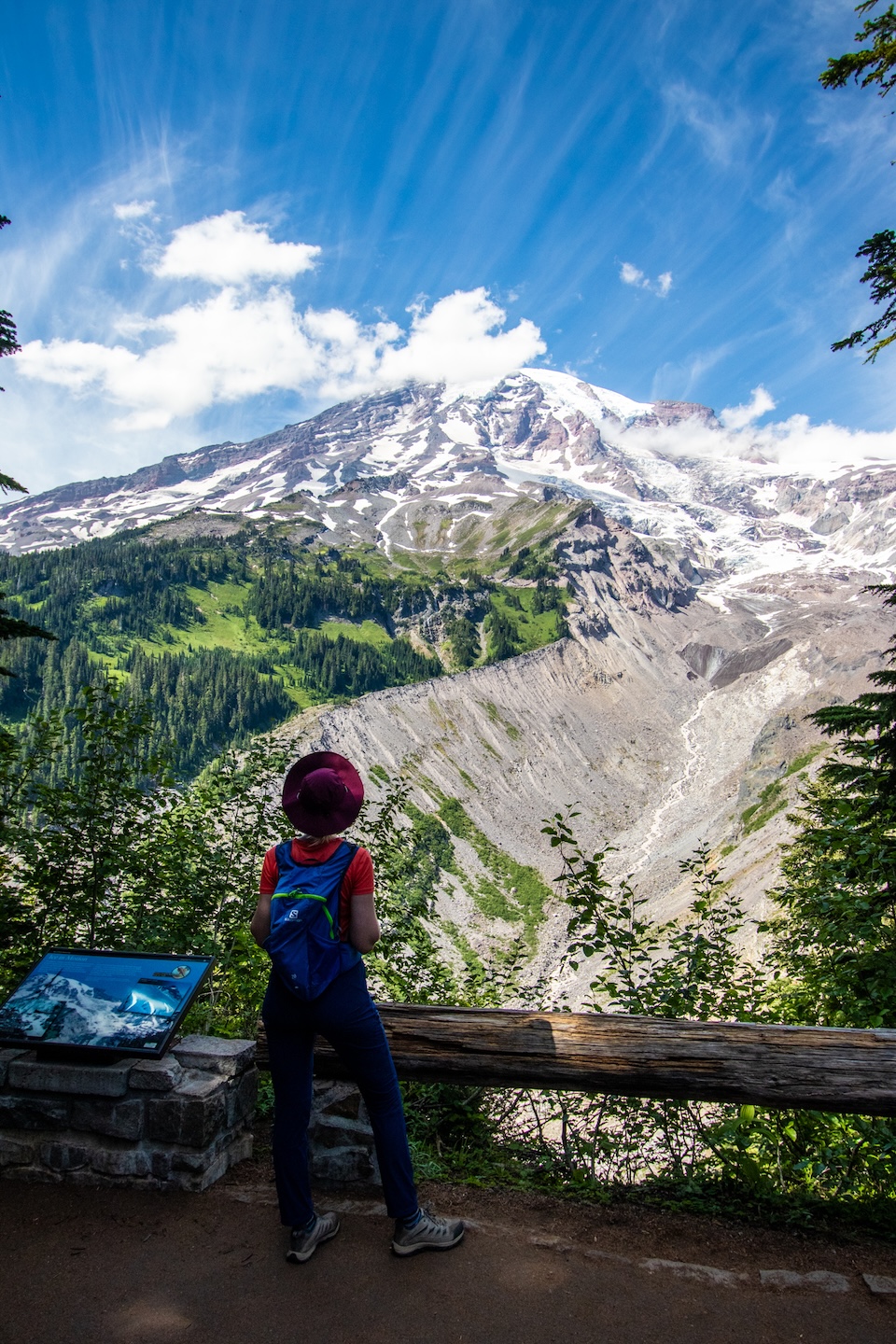
Despite its short length, the route offers some really nice viewpoints. Along the way, you get views of Mount Rainier, the green valleys around Paradise, and the massive Nisqually Glacier.
It’s a good trail for the start of the day, a breather between longer routes, or when weather changes faster than you planned. Short, accessible, yet very “Mount Rainier” in its atmosphere.
4. Stargazing
Mount Rainier National Park is one of those places where night is truly night.
Far from cities and artificial light, the sky here becomes deep, dark, and surprisingly clear. Stars aren’t an addition to the landscape – they’re the main part of it.
I had the chance to be in the park during a meteor shower, and it’s one of those experiences that stays in your memory for a very long time.
Sitting in silence, watching shooting stars, and being aware that there’s nothing around you but mountains and night – it’s hard to compare to anything else.
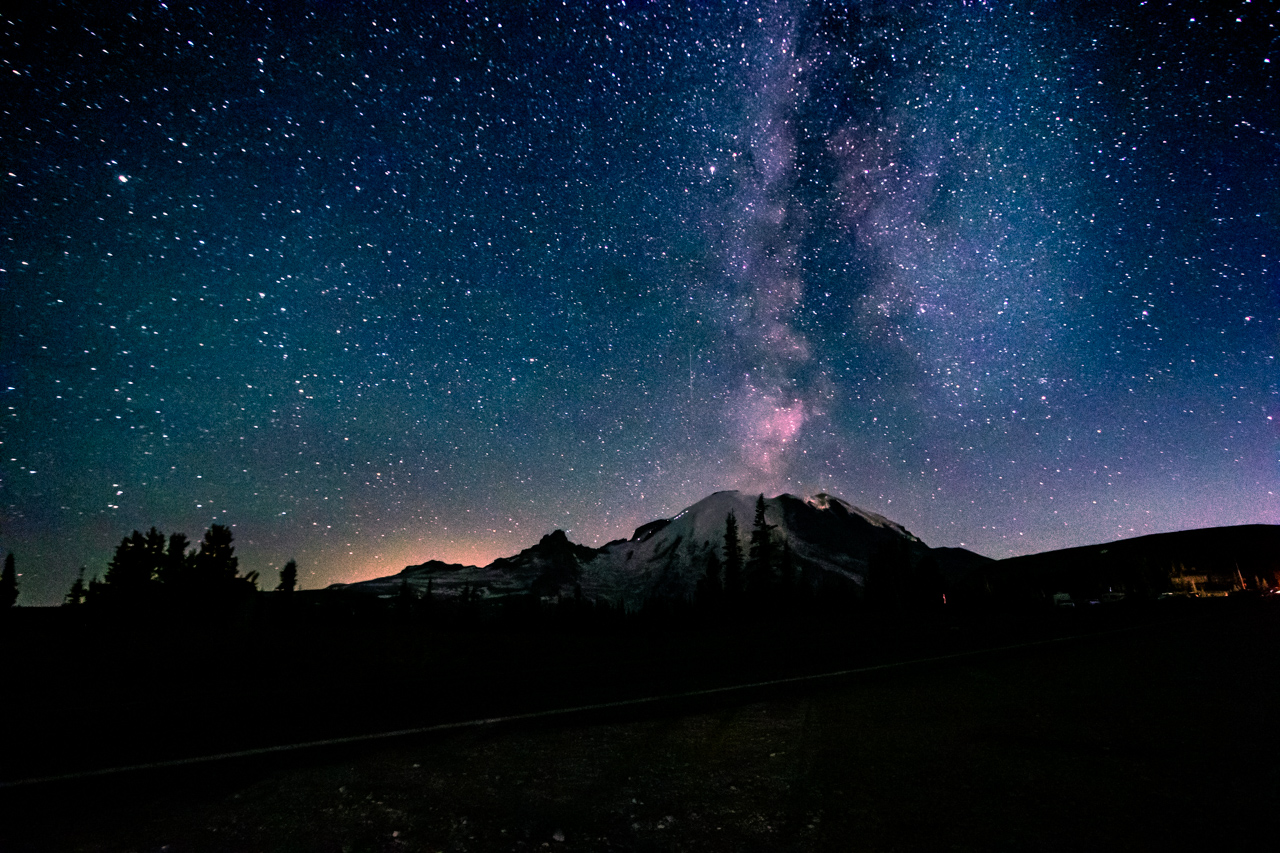
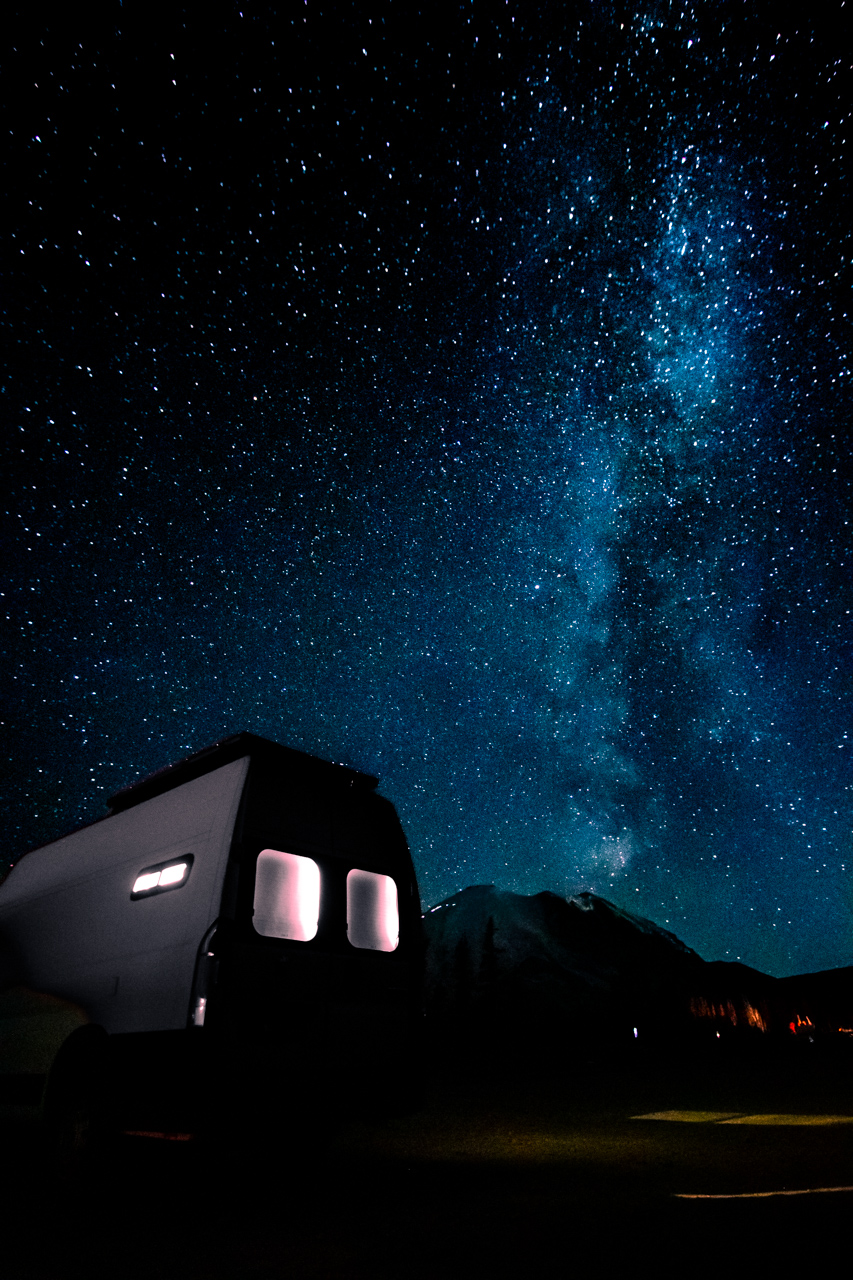
The best place for stargazing is Sunrise – the highest point accessible by car in the park. The space here is open, and the view stretches wide, with Mount Rainier’s mass looming in the background even after dark.
In good weather, you’ll see not only stars but also planets and a clearly defined Milky Way.
This is the perfect moment to sit down, slow down, and just look at the sky – without a plan, without rushing, without your phone in hand.
If you love these moments of silence, Mount Rainier at night can be truly magical.
Want more places like this?
I share hidden gems from every place I explore – quiet corners of the Pacific Northwest and van life finds you won’t find in guidebooks.
Sign up to get my personal map with 450+ favorite Portland spots and hidden PNW gems, collected over two years of living here. Free to download.
5. Sunrise Nature Trail
Sunrise Nature Trail is a short walk that really shows the character of this part of Mount Rainier National Park well.
The trail is easy and takes less than an hour, but it’s definitely not worth skipping just because it’s short.
It leads through open meadows where you can see alpine vegetation and, with a bit of luck, wild animals too. Everything happens at a calm pace, without elevation gain and without pressure.
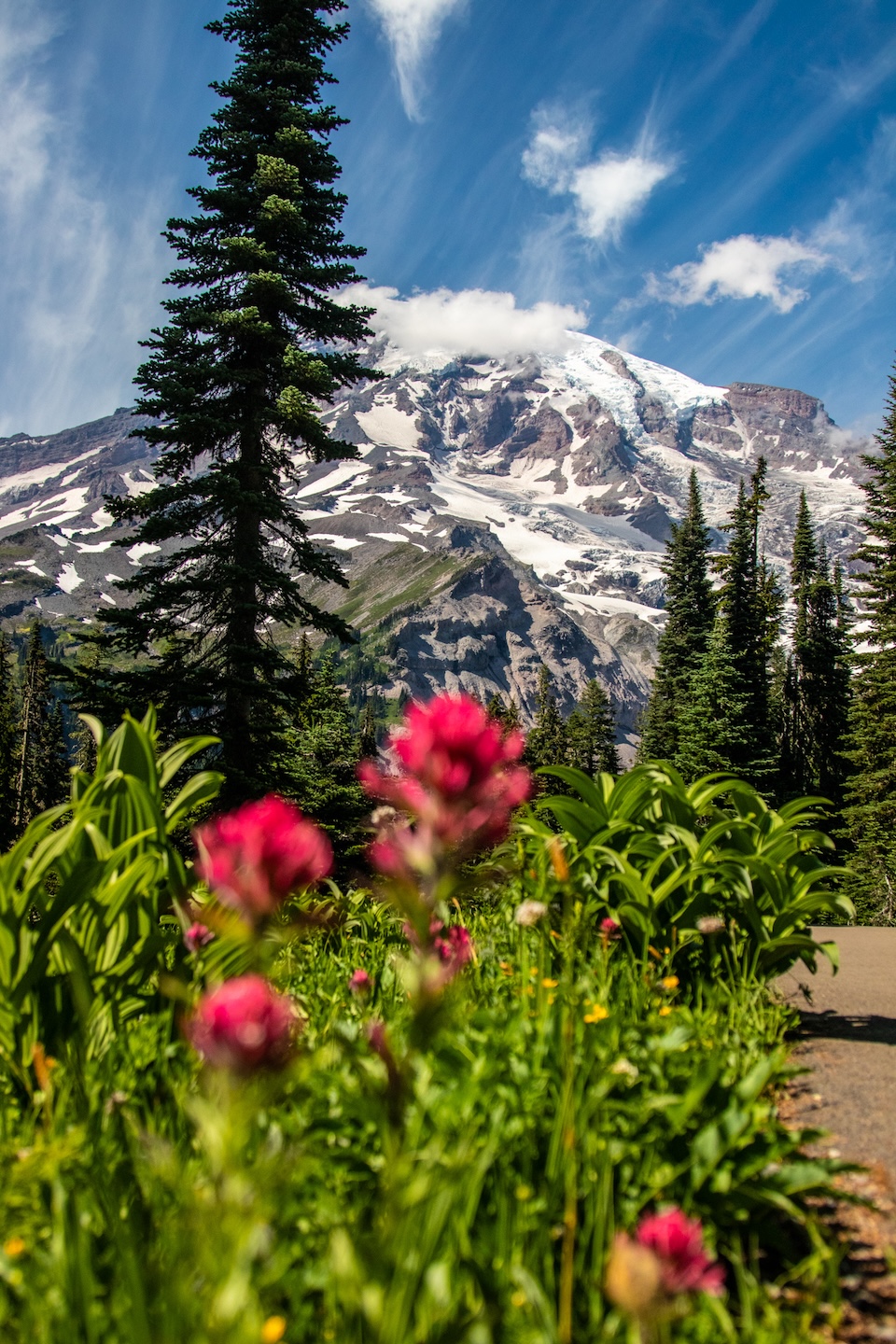
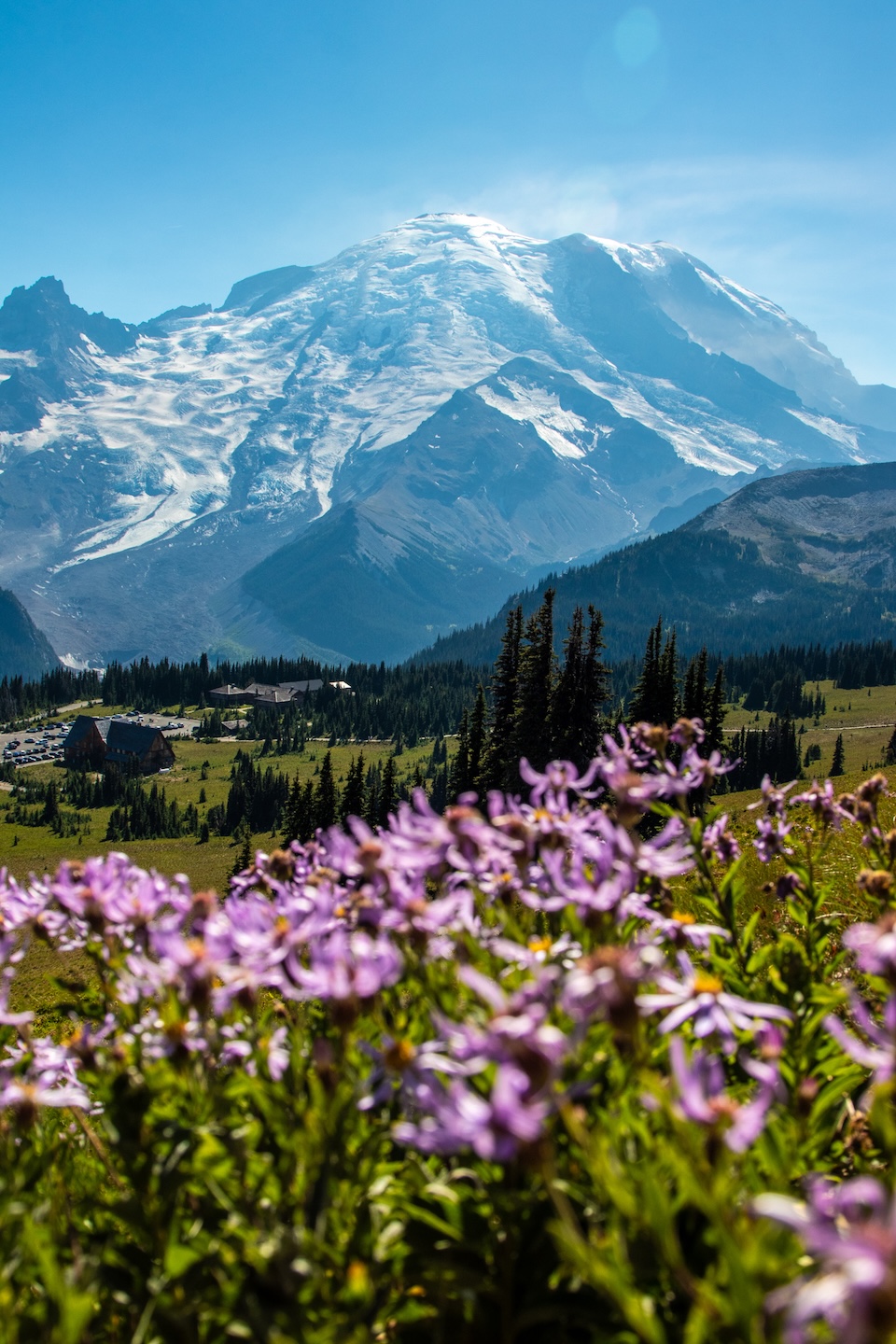
View-wise, this walk can surprise you. Expansive meadows, intensely colored flowers, and Mount Rainier’s mass in the background make it easy to forget how close you are to the parking lot.
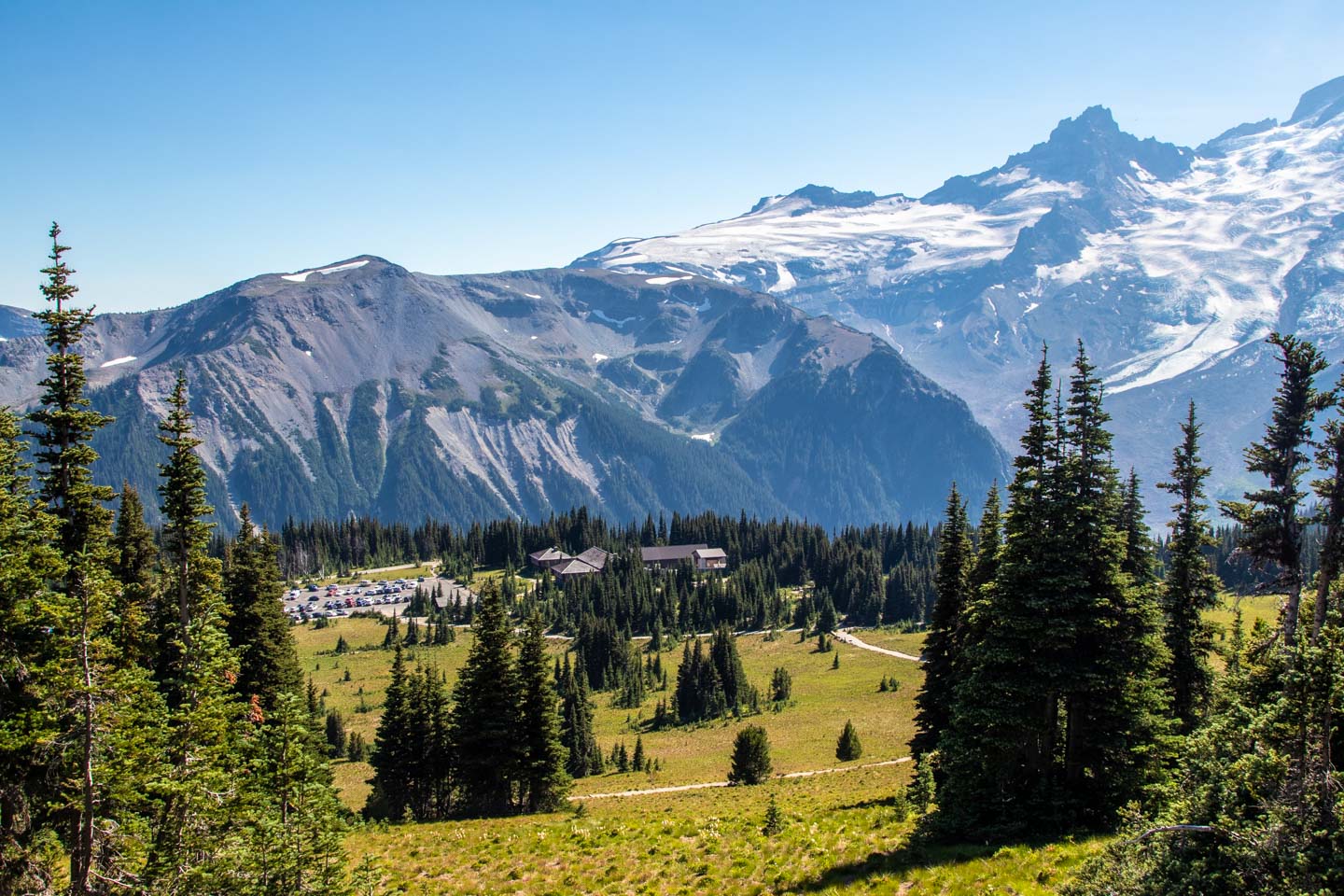
The landscape here can be almost alpine and often brings to mind Alpe di Siusi in the Dolomites – lots of light, space, and silence.
It’s a good choice if you have limited time, are traveling with kids, or simply don’t feel like longer hikes but still want to feel Mount Rainier’s atmosphere.
If I can offer one practical tip: it’s best to go left, counterclockwise. Climbing gently uphill, you’ll have the nicest view of the volcano for most of the route.
6. Myrtle Falls
Myrtle Falls is one of those places you can visit “along the way” that end up staying in your memory longer.
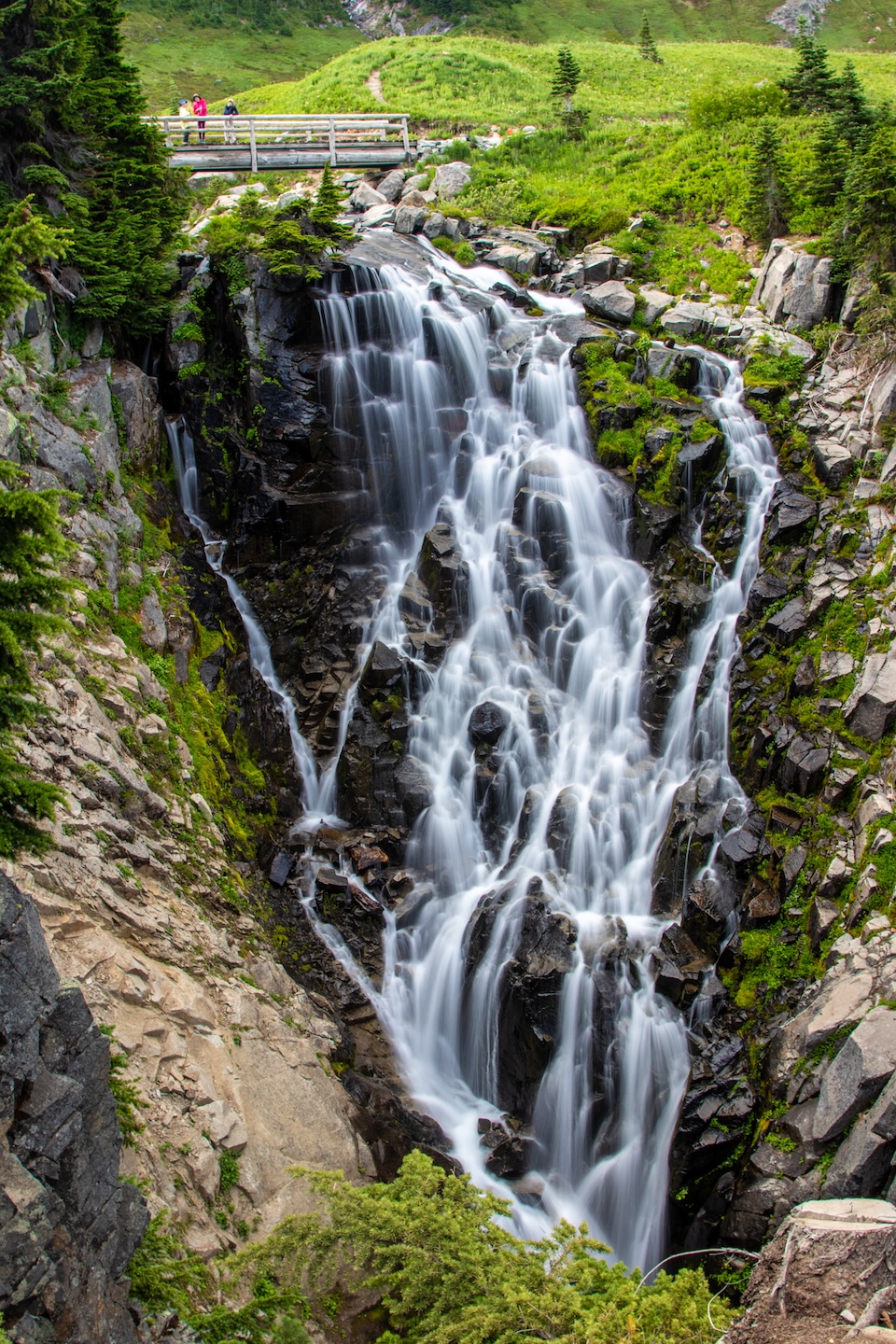
From the Paradise parking area, it’s just a 10-15 minute easy walk. Short, no effort required, and the view at the end is really special.
The waterfall cascades down in tiers, and you can often see Mount Rainier’s snow-covered mass in the background – the contrast of water, greenery, and ice makes a huge impression.
It’s a good spot for a break between longer trails or when the weather doesn’t encourage a multi-hour hike.
The path leads through meadows and small groves, so along the way, it’s easy to notice how diverse Mount Rainier’s nature is.
If you’re lucky, you might also encounter marmots that often appear around Paradise. As if this entire landscape were their natural home, and we’re just passing through for a moment.
Myrtle Falls is a small point on the park map but a very good example of how Mount Rainier can enchant even without a long hike.
7. Wildlife Watching
Mount Rainier National Park is a park where wild nature truly feels at home.
If you dream of seeing animals in their natural environment, this is one of the better places in Washington State.
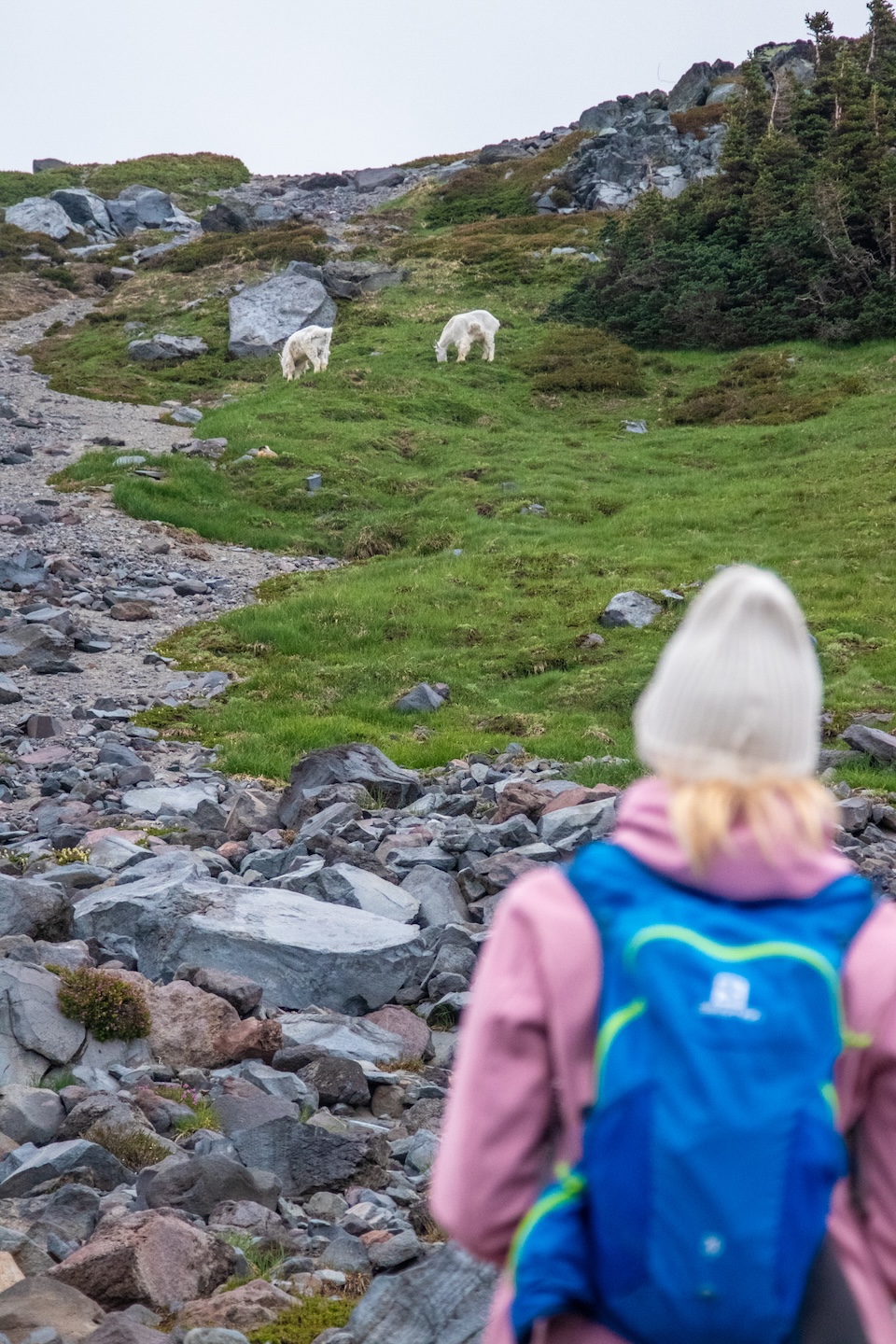
Mountain goats and marmots are easiest to spot while hiking the Skyline Trail, especially around alpine meadows and rocky slopes.
Watching animals from a distance, without rushing and without interference, can be one of the most moving experiences in the park.
Sometimes it’s enough to sit down for a moment, wait, and just watch their daily life unfold – completely independent of us.
It’s worth bringing binoculars. They often let you see much more than you’d think at first glance.
And very important: never feed the animals. It’s not just about safety but also respecting their natural behaviors.
Mount Rainier is home to about 65 species of mammals and over 180 species of birds. Besides marmots and mountain goats, you can encounter foxes, coyotes, and with great luck, even bears or cougars.
It’s a reminder that we’re just guests here – and that’s where this place’s power lies.
8. Bench and Snow Lakes Trail
Mount Rainier National Park isn’t just monumental volcano views and spectacular waterfalls. It’s also alpine lakes you reach in silence, through forest, without crowds and without rushing.
Bench and Snow Lakes Trail is about 2.5 miles and starts in the Paradise area. Completing it takes roughly 2 hours, and the difficulty level is moderate.
Most of the route leads through forest – calmly, without exposure, with a pleasant rhythm of steps.
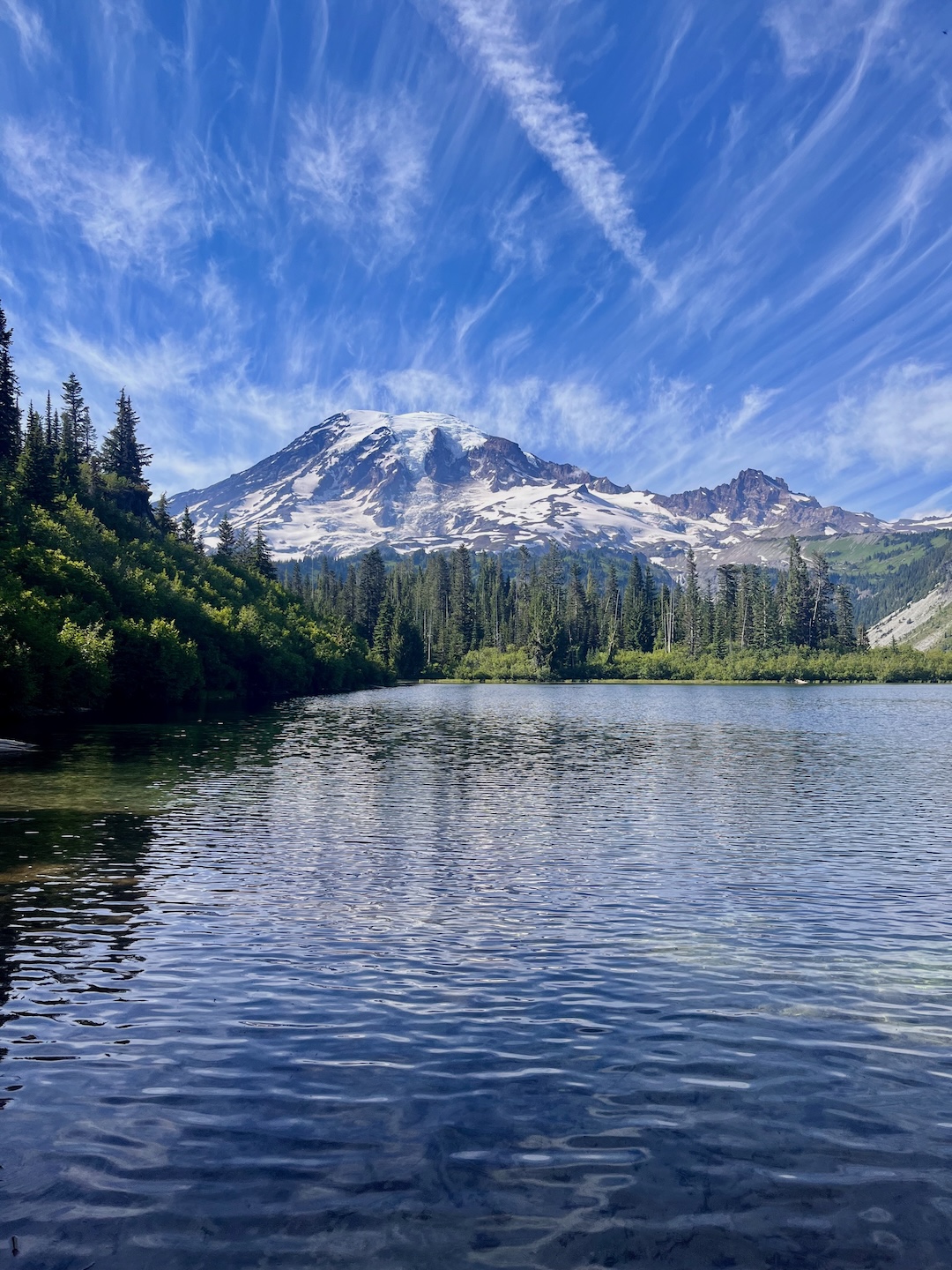
The first destination is Bench Lake. This is one of those places that look like they’re taken from a postcard: crystal-clear water with Mount Rainier reflecting in it.
It’s worth sitting here for a moment and giving yourself time – this is a very calm, almost contemplative point on the trail.
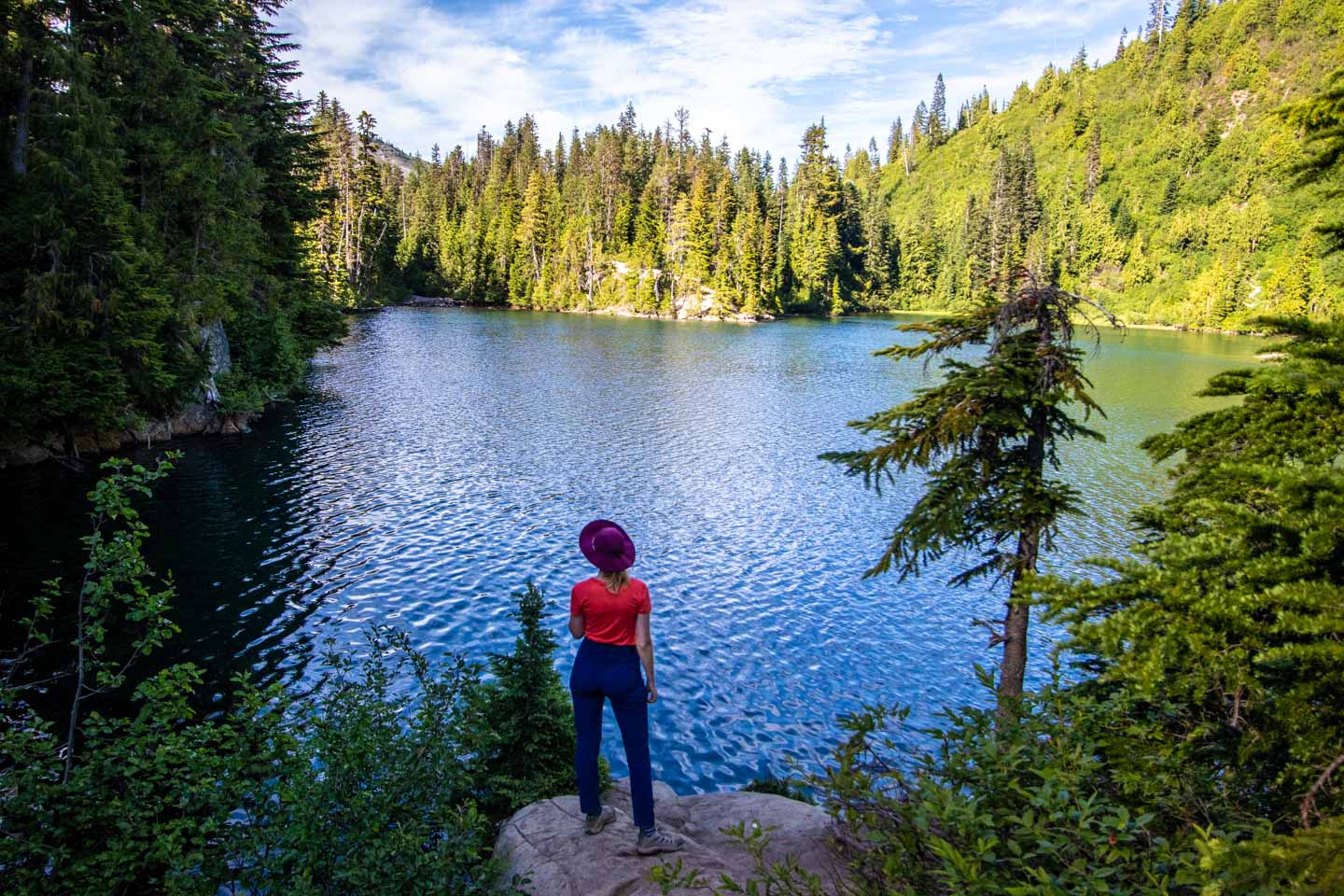
Further on, the trail leads to Snow Lake. Though you won’t see the volcano itself from here, the landscape still makes a huge impression.
Open space, alpine meadows, and the peaks surrounding the lake create a completely different atmosphere – more raw, but also very calming.
This is one of those trails you choose precisely for the silence. Bench and Snow Lakes Trail is less popular than the park’s most famous trails, which makes it easier to find peace and the feeling of truly being “inside” Mount Rainier.
The perfect choice if you’re looking for a breather between more spectacular program points.
9. Reflection Lake
Reflection Lake is one of those places that requires no effort yet can leave a very strong impression.
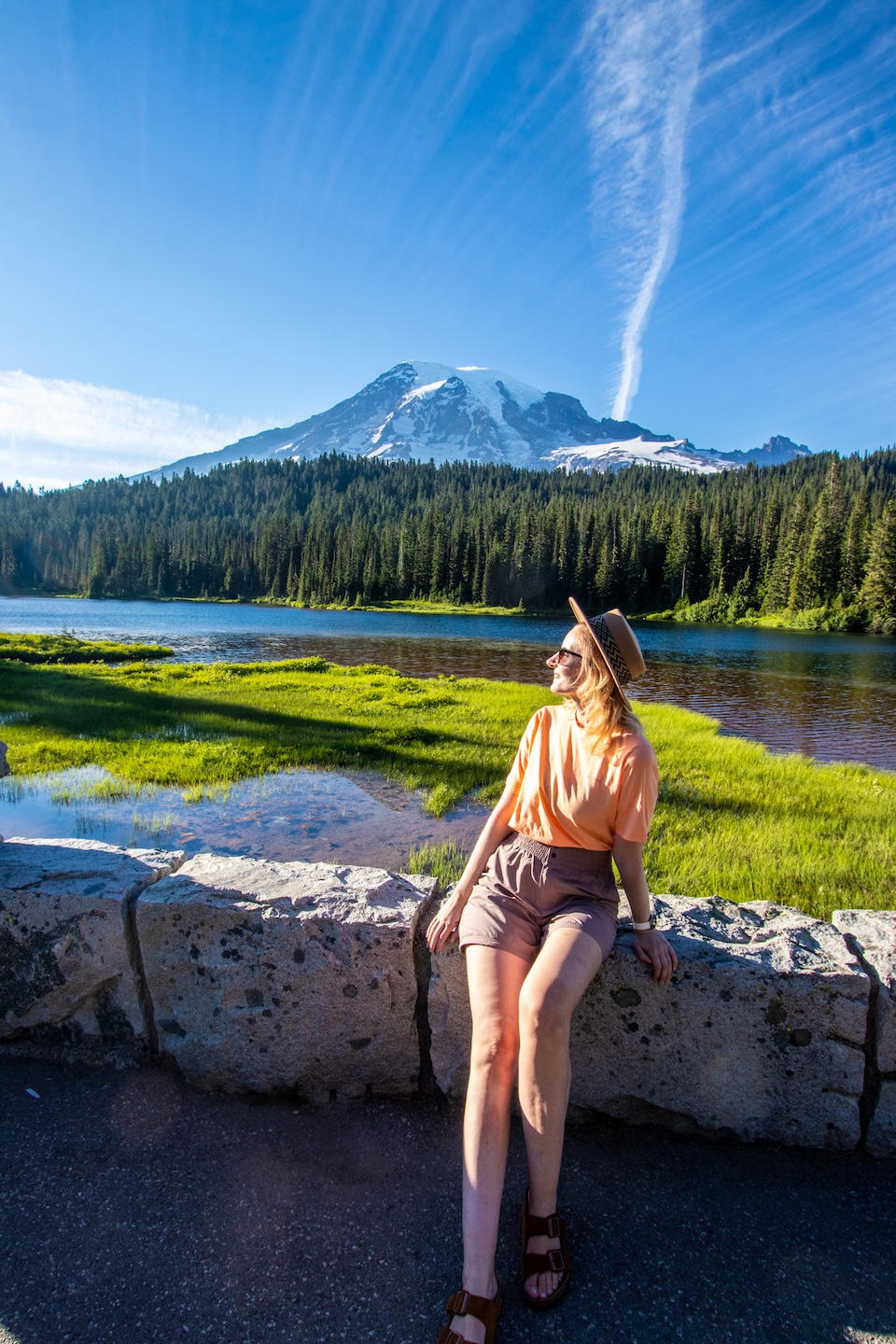
The lake sits right by the main road in Mount Rainier National Park, making it easily accessible even when you’re not planning longer hikes. It’s a good spot for a short stop, especially early morning or late in the day.
It’s most beautiful at sunrise. In calm weather, the water’s surface acts like a mirror, reflecting Mount Rainier. The light is soft then, colors subtle, and the whole scene looks almost unreal.
No wonder it’s one of photographers’ favorite spots – though even without a camera, it’s hard to look away.
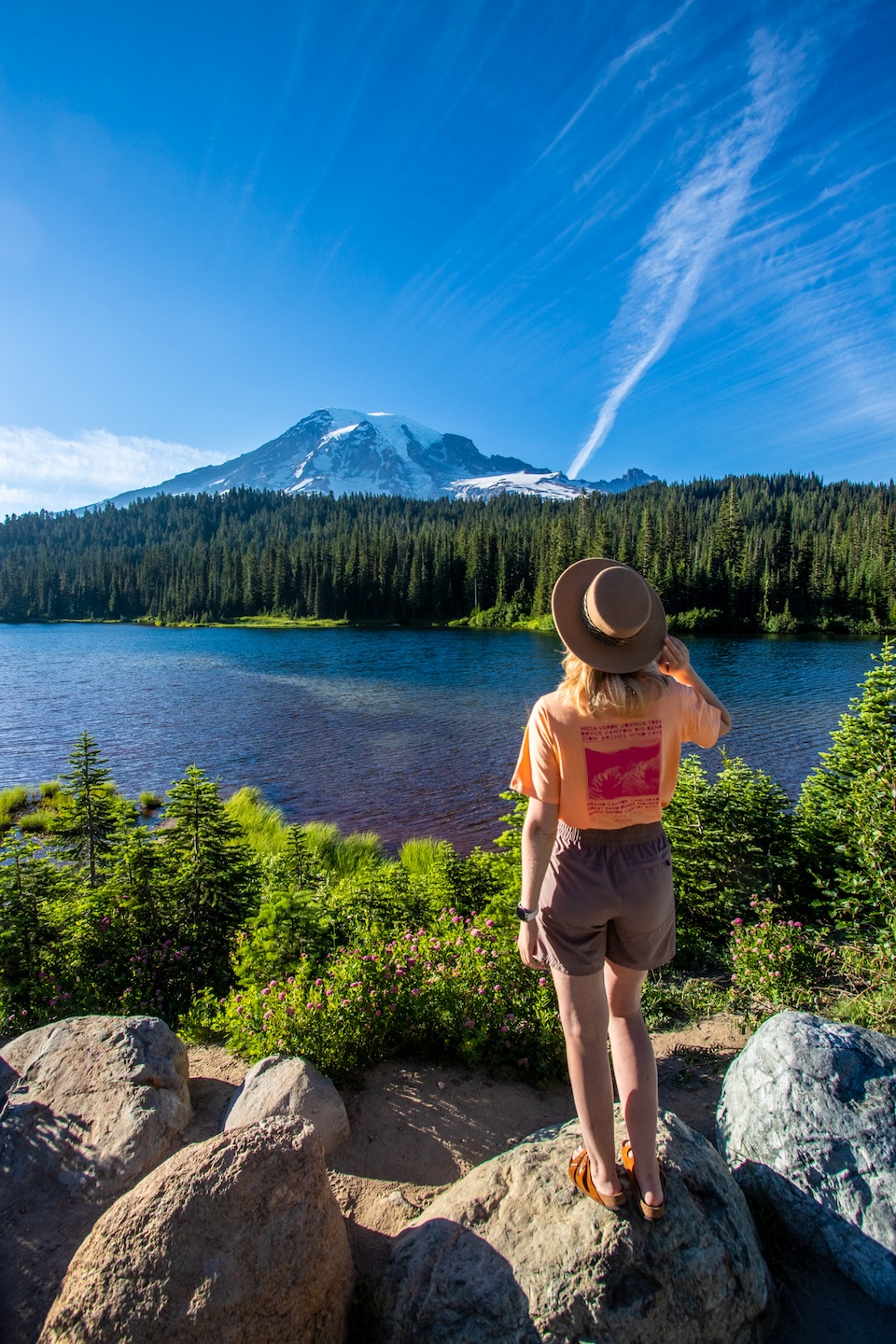
If you have more time, it’s worth walking around the lake. A scenic route of about 3 miles circles Reflection Lake, perfect for a peaceful walk.
It’s a good opportunity to spend a bit longer in this landscape, without rushing and without the pressure of the next point on your list.
Reflection Lake shows Mount Rainier in a very calm, almost delicate way. It’s one of those places where it’s enough to just stand, look, and let the landscape do the rest.
10. Wildflowers Watching
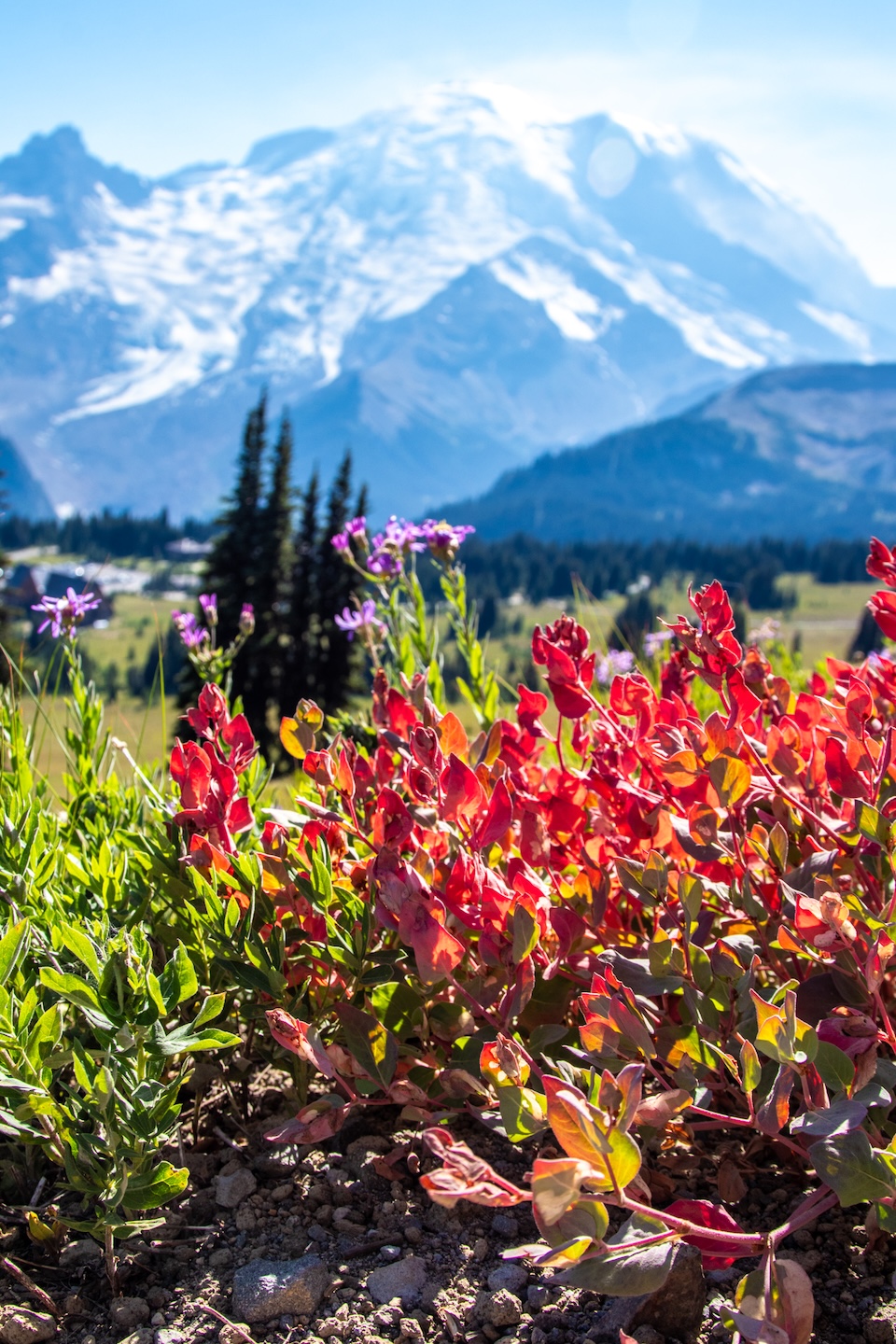
In summer, Mount Rainier National Park transforms beyond recognition. When snow begins to recede, alpine meadows slowly fill with color.
Wildflowers appear in stages, depending on elevation and temperature, and the entire park looks like it’s waking from a long sleep. It’s a very short moment in the year but incredibly intense.
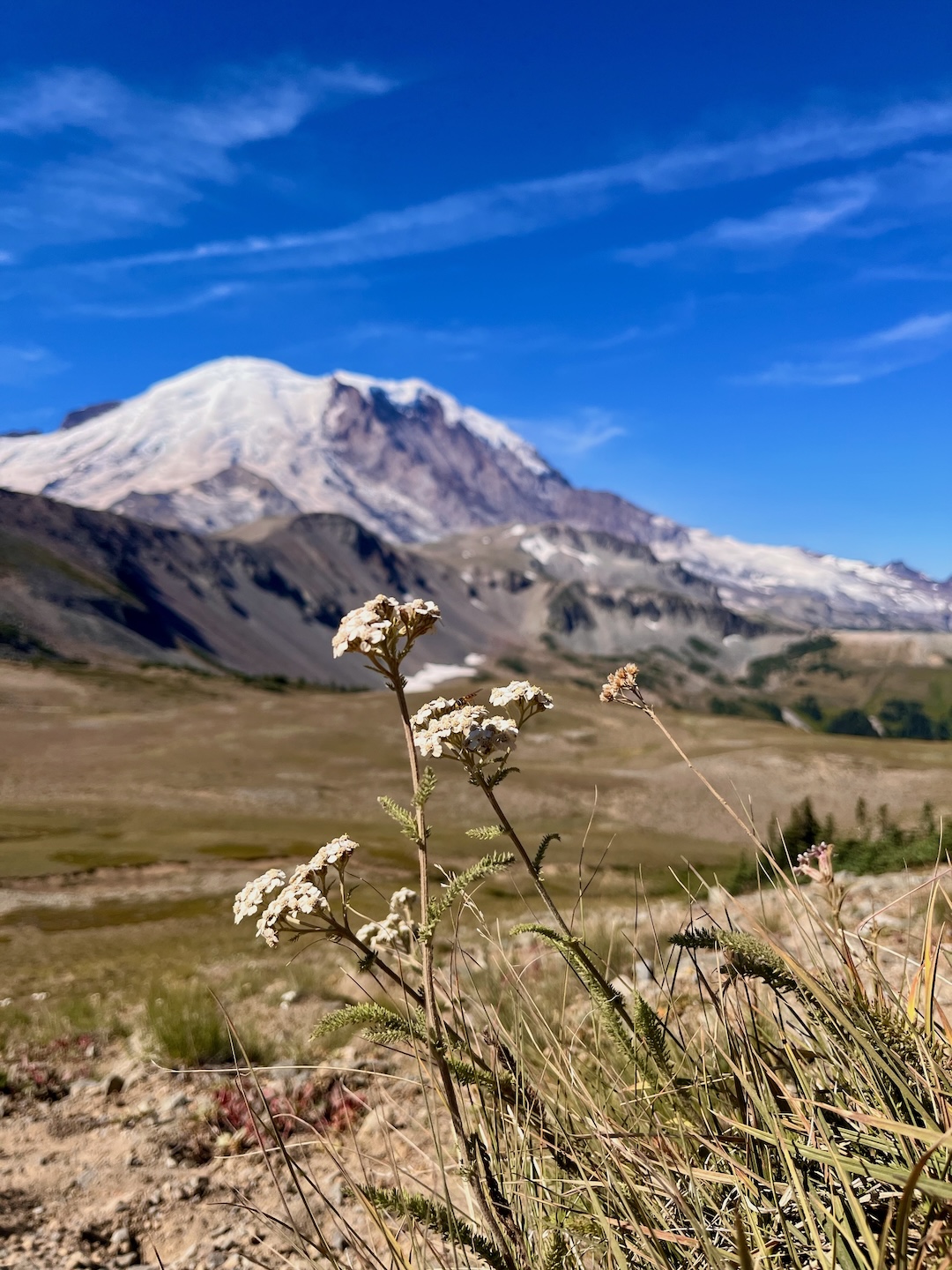
The best places for flower viewing are around Paradise and Sunrise. Regardless of which trail you choose, there’s a good chance you’ll be walking among colorful meadows with Mount Rainier constantly present in the background.
This isn’t something you need to “check off.” Rather something you notice along the way – when your pace slows and your gaze starts wandering lower, toward details.
Wildflowers are one of those elements of Mount Rainier that best show how much this place lives by its own rhythm.
Helpful Tips
Best Time to Visit Mt. Rainier
The most predictable time for a Mount Rainier visit is summer, from July to September.
This is when most trails are already open, snow recedes from higher elevations, and alpine meadows begin to bloom. The park shows itself then in its most accessible yet still wild version.
During my visits in July and August, the weather could change from day to day. One day brought completely clear skies, high temperatures, and perfect visibility – Mount Rainier looked almost unreal.
The next day, clouds obscured the volcano almost entirely, but the hike on Skyline Trail was still beautiful. Different, more raw, calmer.
And that’s probably the most important thing to know before arriving: Mount Rainier rarely looks the same two days in a row. Weather can be fickle, clouds appear suddenly, and views can disappear and return a few hours later.
If you approach this place without a rigid plan and with openness to whatever happens, the park will reward you in its own way.
Summer gives you the best chances for a full Mount Rainier experience – but even then, it’s worth leaving room for surprises.
What to Pack for a Hike in Mount Rainier
Mount Rainier is a park where weather and conditions can change faster than you’d think. Even on shorter trails, it’s worth being prepared.
Water
Bring a backpack with room for a bottle or hydration bladder. This is the bottle I always use. Staying hydrated is key, especially on exposed trails in the Paradise and Sunrise areas where the sun can be intense.
Sun protection
A hat or cap with a brim, sunscreen, and sunglasses really come in handy here. I’m all about this sunscreen. The elevation and open space make the sun more intense, even when the temperature seems moderate.
Comfortable shoes
Good hiking boots make a huge difference. These are my faves. Trails can be rocky, sometimes wet, and on longer routes, foot stability is crucial. Even on easier loops, it’s worth having something more than regular sneakers.
Trekking poles
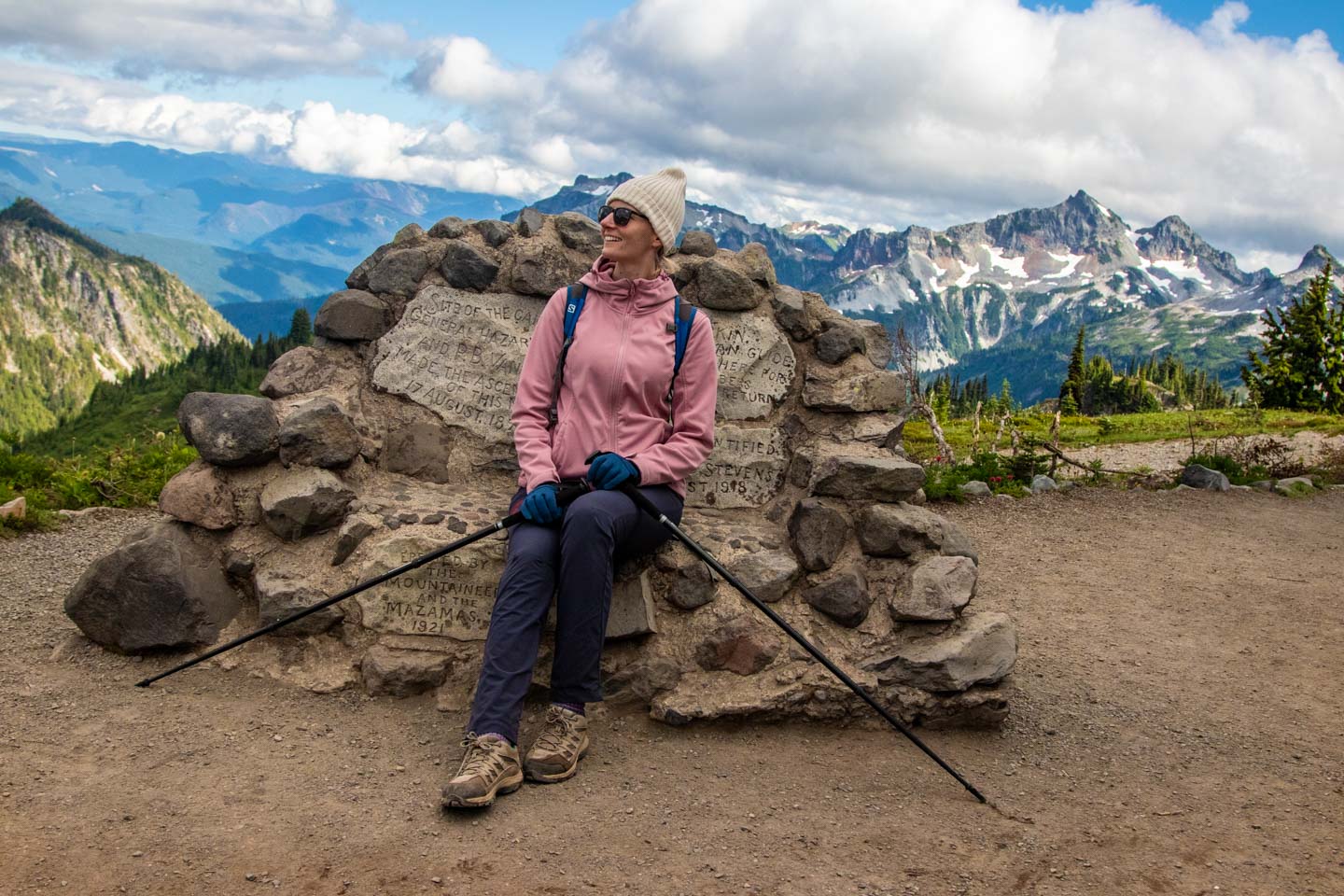
Not necessary, but very helpful, especially on ascents and descents. They take load off your knees and give you better balance, particularly on longer trails. This is the pair I swear by.
Snacks
Something simple that’s easy to eat along the way: nuts, energy bars, dried fruit. These are my top picks. Even a short hike can take longer than planned when you just want to… stay longer along the way.
Mount Rainier doesn’t require complicated equipment, but it responds well to sensible preparation.
The fewer things surprise you on the trail, the easier it’ll be to focus on what really matters: the landscape, the silence, and your own pace.
Travel lighter, even before you leave.
start with something simple.
Download The Minimum Plan – Slow Travel:
How Many Days for Mount Rainier
Mount Rainier is a park whose scale can surprise you. Just driving between key areas like Sunrise and Paradise takes a comfortable 2-3 hours, even without long stops.
You can visit for one day and see several beautiful places. But you have to accept that it’ll be more about choosing fragments rather than the full park experience. Some views, one trail, quick stops along the way.
If you have the option, 2-3 days is definitely a better rhythm. It gives you space for peaceful hikes, changing weather (which in Mount Rainier can rearrange everything), and moments without watching the clock.
It’s also a chance to stay past dark and see the starry sky, which is one of the quiet but very powerful elements of this place.
Mount Rainier tastes best when you don’t have to rush. Even if you see “less” but at your own pace, the park will reward you much more.
How do you want to explore America?
🏞️ National Parks Adventure → 10 Amazing Things to Do in Yosemite – My personal tested hiking trails and photography spots
🌊 Pacific Coast Highway → 7-Day California Coast Itinerary – Every scenic stop and hidden beach I discovered
🌲 Pacific Northwest Explorer → 10-Day Oregon & Washington Guide – Waterfalls, forests, and coastal magic
🏜️ Southwest Desert Experience → Arizona Road Trip – From red rocks to slot canyons
What type of American adventure calls to you most?
Things to Do in Mount Rainier: Final Thoughts
Mount Rainier is one of those places that’s hard to describe in one sentence.
It stays in your head not because of one “attraction” but because of the entire experience – the space, changing weather, silence, and landscape scale.
It’s a park where one day you’re walking through blooming meadows, and the next you’re looking at glaciers shrouded in clouds.
The trails here are diverse, nature is very present, and the views can hold you for a long time without needing to do anything more.
I’ve been to Mount Rainier several times, and each time it looked different. Sometimes raw, sometimes gentle, sometimes hidden behind fog.
And I think that’s exactly why you want to come back – not to “see more,” but to see differently.
If this guide was helpful to you, you can share it with someone planning a trip to this region.
And if you have your own favorite spots in Mount Rainier, I’d love to read about them – write to me.
Pin it for later