
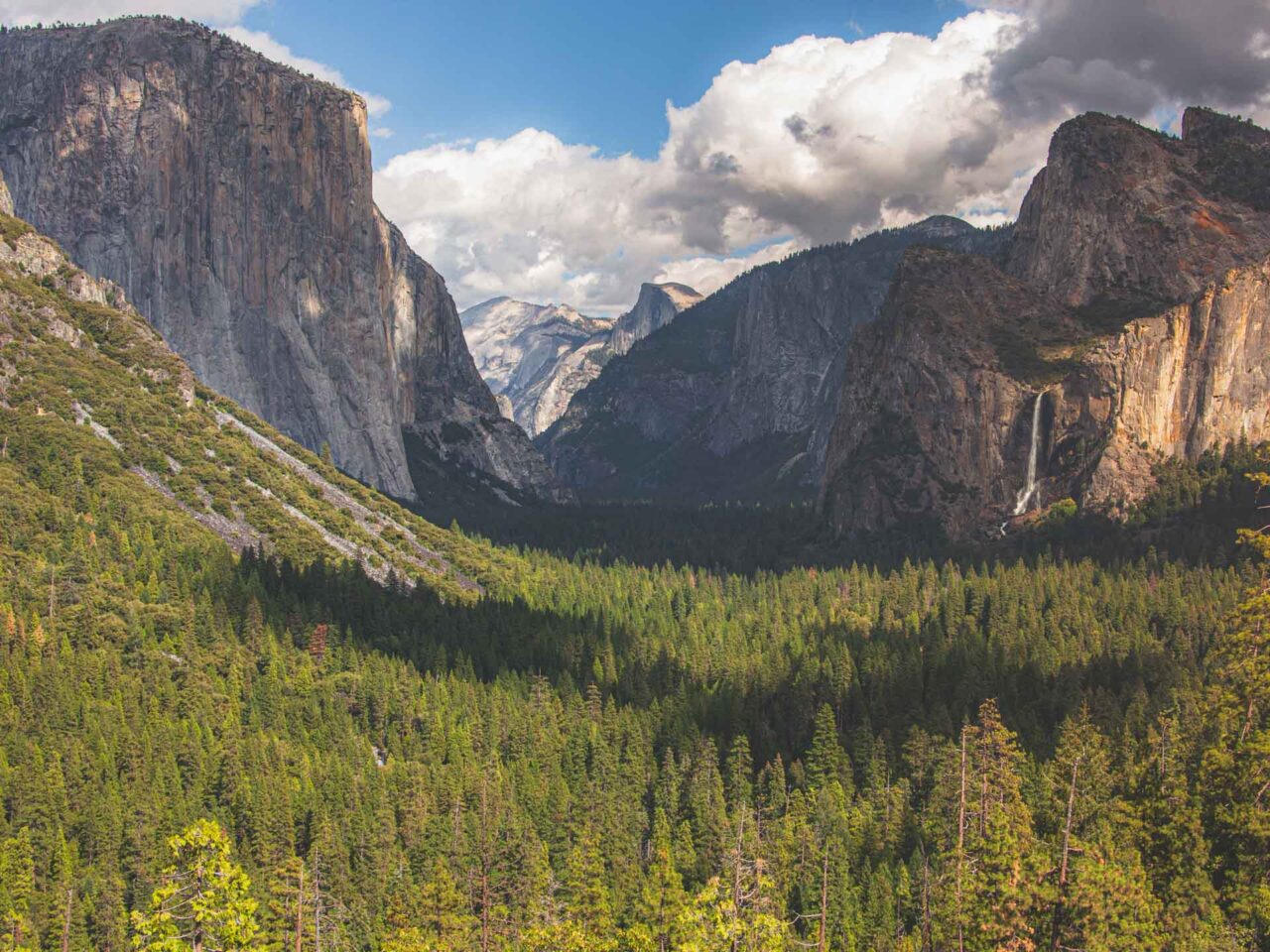
Dreaming of a USA trip without ticking off attractions in a rush? Yosemite National Park is one of those places you really need to feel, not just see.
It’s California’s most visited park, drawing nearly 3.9 million people every year. And it’s easy to understand why.
Granite walls rising straight from the valley floor, waterfalls you hear before you see them, and sequoias so old they instantly slow your thoughts.
In this guide, I’ll take you to 10 places in Yosemite that make the biggest impression.
I’ll tell you what to see, how to get there, where to stay, and what to keep in mind before you go, so you can avoid disappointments.
If you want to plan Yosemite smartly and on your own terms, without pressure and without “must-see” lists, you’re in the right place.
Let’s dive in.
Planning a bigger USA trip? Check out my Complete USA Travel Guide – proven routes, national parks, practical tips, and everything that helped me figure out traveling in the States.
1. Glacier Point
Trail length: 0.5-9.6 miles (round trip)
Hiking time: 15 minutes to about 6.5 hours
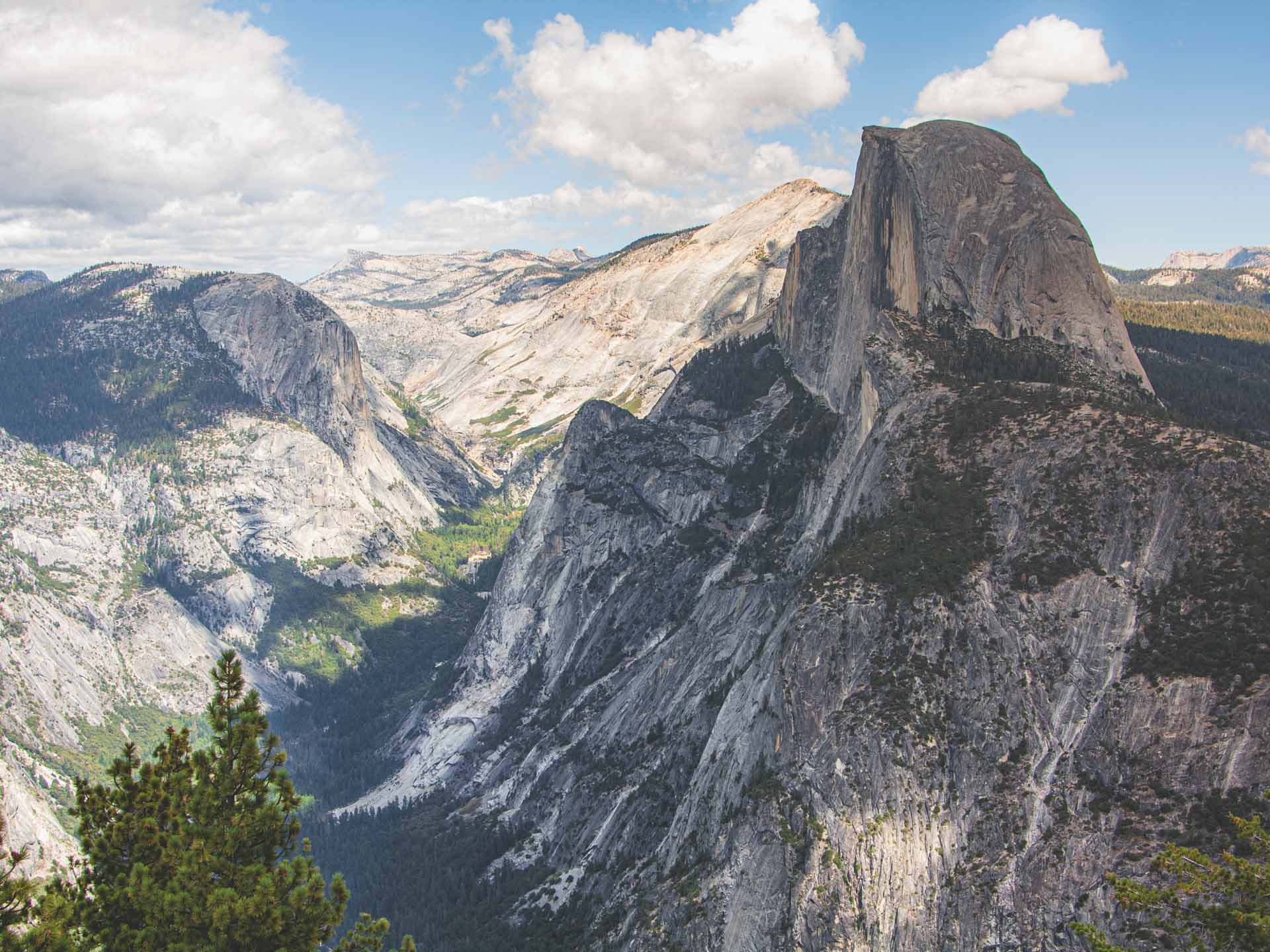
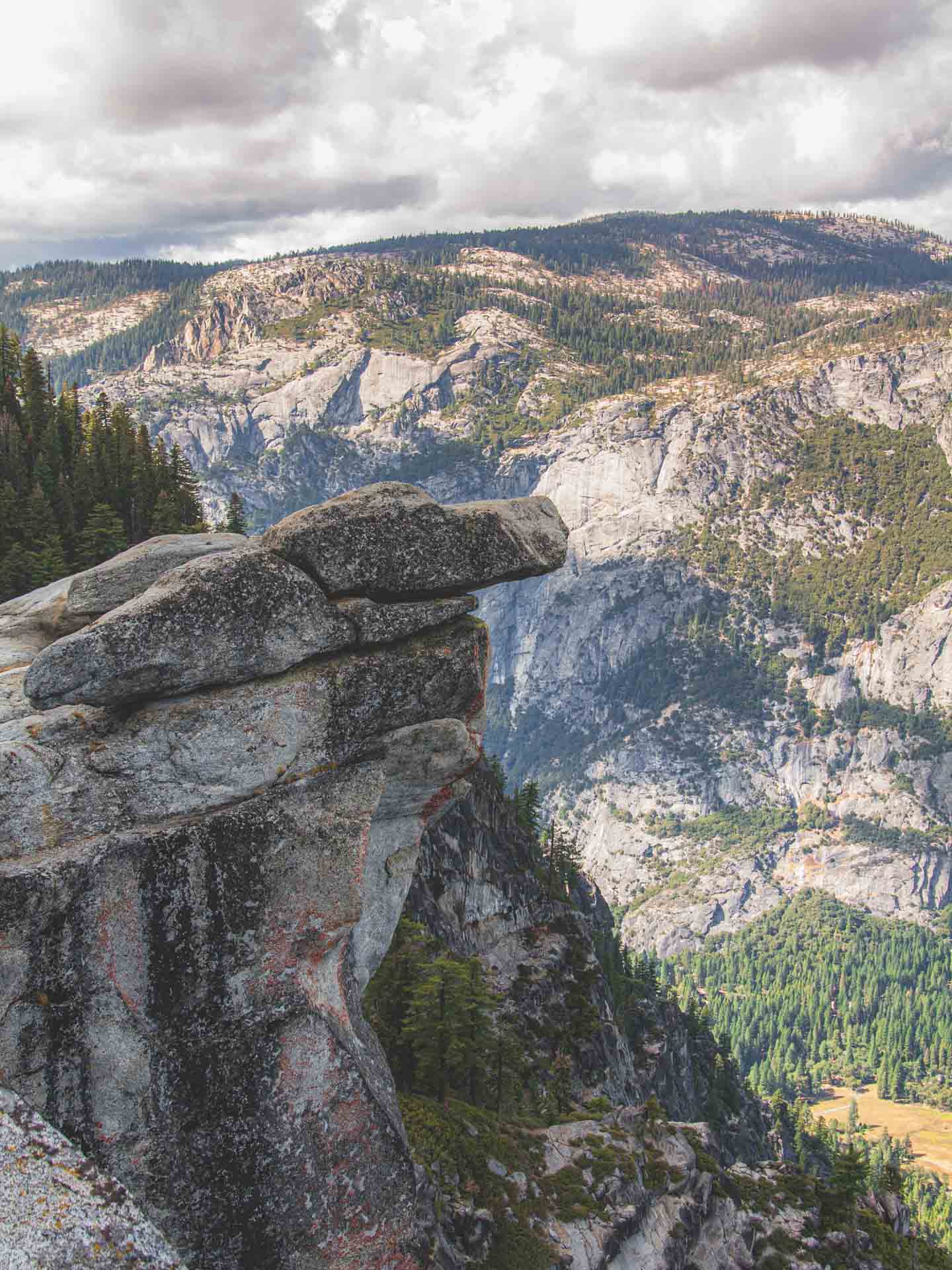
I’m starting my Yosemite list with Glacier Point. It’s one of those viewpoints that stays with you for a long time, even if you only spend a moment here.
You can drive here. The road is usually open from May to November. The other option is a challenging 4.8-mile trail from the valley. Your choice, the end result is the same.
From 7,214 feet elevation, a wide panorama opens up over Yosemite Valley, the iconic Half Dome, and the park’s high country. It’s a view that organizes your thoughts and naturally slows your pace.
If you’re only going to see one place in Yosemite, Glacier Point is a very good choice.
2. Tunnel View
Trail length: Viewpoint at parking area
Visit time: 15-30 minutes
Next on the Yosemite must-see list is Tunnel View. It’s one of my favorite viewpoints, though I know it can get crowded.
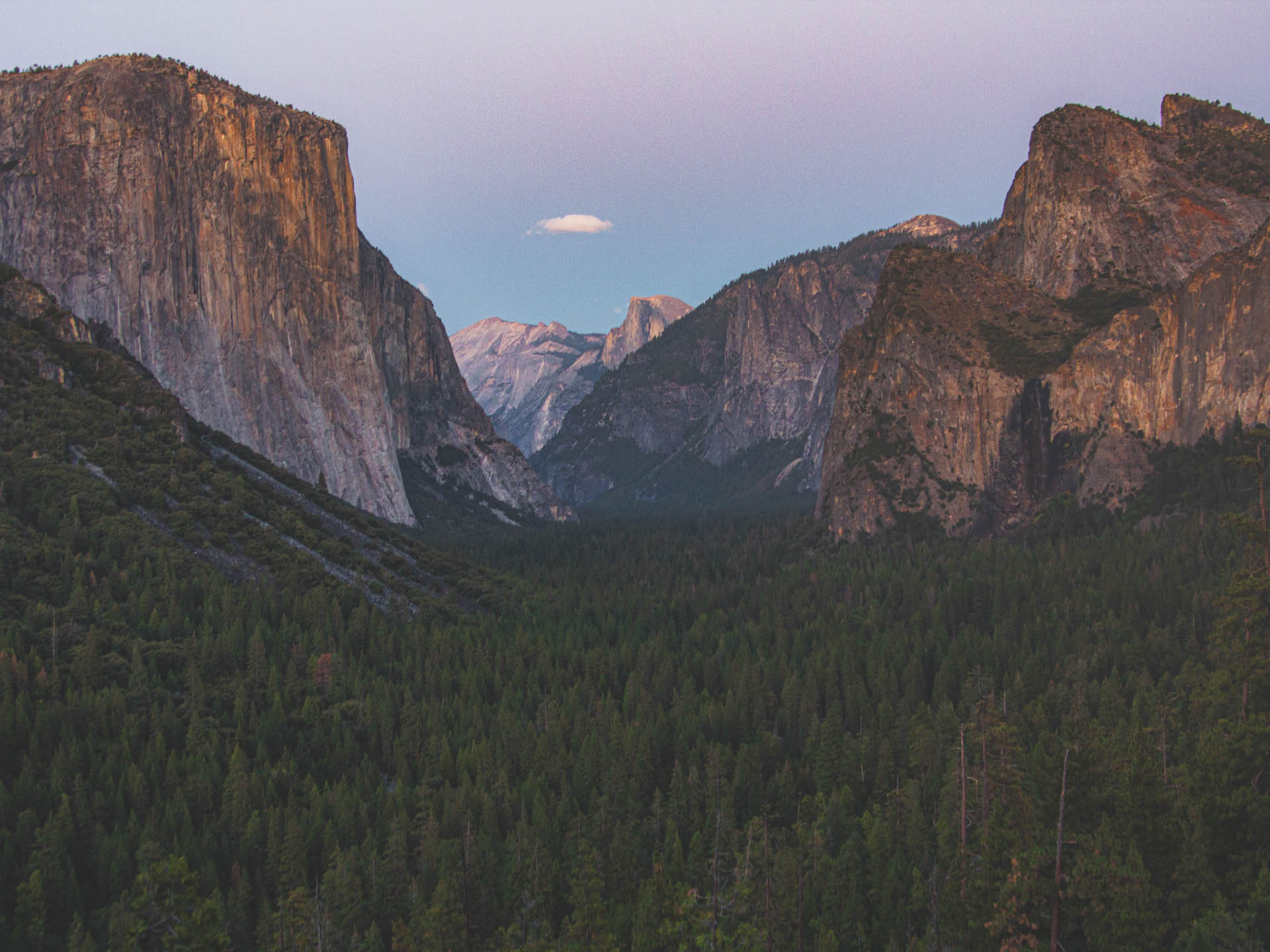
This is probably the most photographed spot in Yosemite. And it’s not hard to see why. The view is exactly what you know from postcards and movies.
The classic Yosemite Valley panorama opens before you, with the monumental El Capitan on the left, Bridalveil Fall on the right, and the distinctive Half Dome in the background.
It’s the perfect spot for sunrise or sunset photos, when the light is soft and the valley looks most picturesque. If you want to avoid crowds and parking stress, it’s best to come here early morning.
The parking lot is on Wawona Road, just before entering the tunnel.
A few minutes is enough to feel Yosemite’s scale and understand why this place captures imagination from first sight.
3. Bridalveil Fall
Trail length: 0.5 miles (round trip)
Hiking time: about 20 minutes
No visit to Yosemite National Park is complete without a short walk to Bridalveil Fall.
It’s one of those sights that appears almost immediately after entering Yosemite Valley and makes a very strong first impression.
The waterfall is 620 feet tall and is often shrouded in a delicate mist, which is where it got its name, Bridalveil.
A short, easy path leads straight to the viewpoint at the waterfall’s base, so it’s a good spot even when you don’t feel like longer hikes.
It’s best to come here in spring, when the water flow is at its peak and the waterfall really shows its power. In summer it can be much more modest.
I know this from my own experience, and then it works more as a peaceful backdrop than a spectacular program highlight.
It’s a quick stop, but very characteristic. Perfect to start or end your day in Yosemite.
4. Yosemite Falls
Trail length: 1.2-7.2 miles (round trip)
Hiking time: 30 minutes to about 6 hours
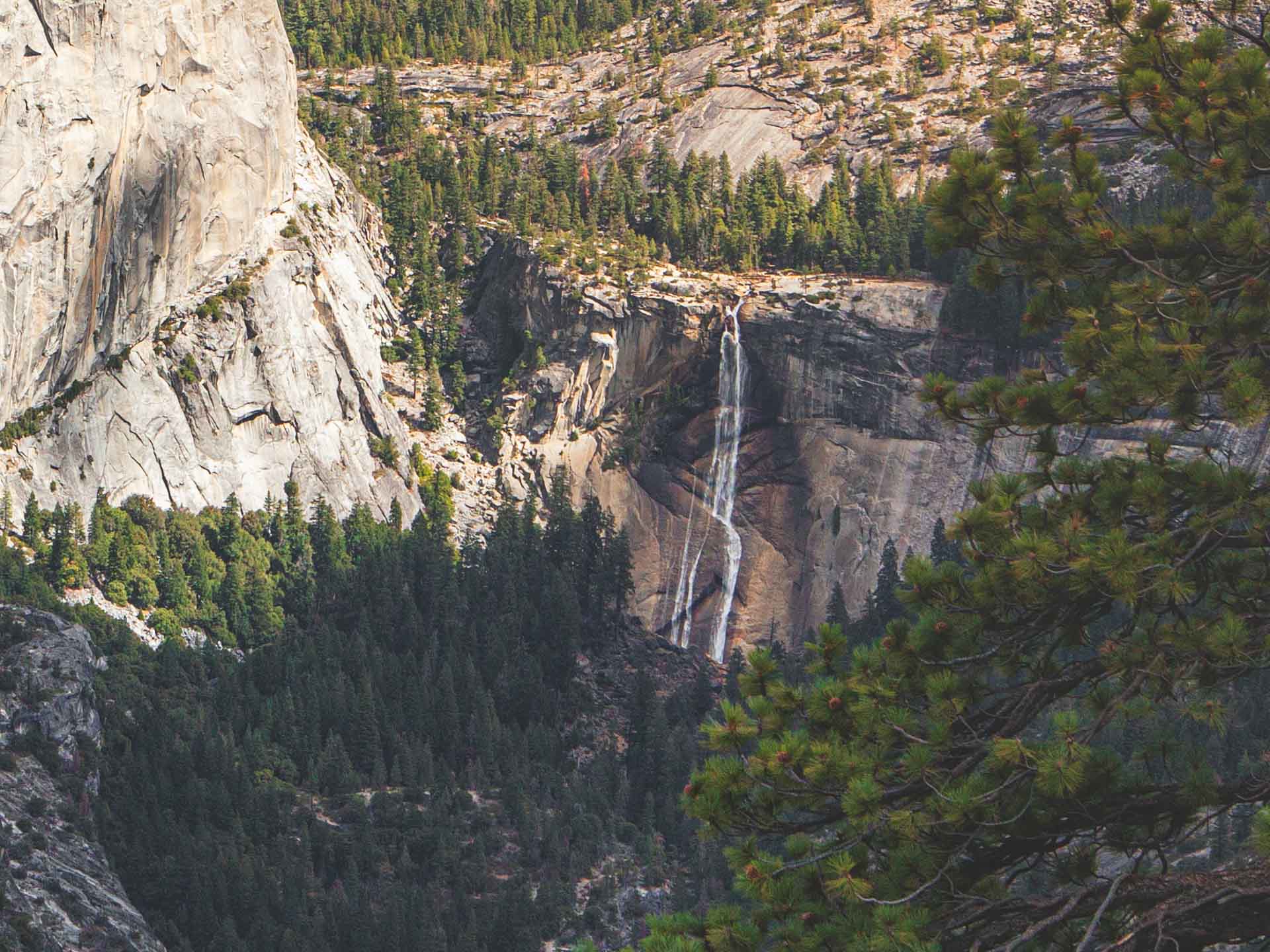
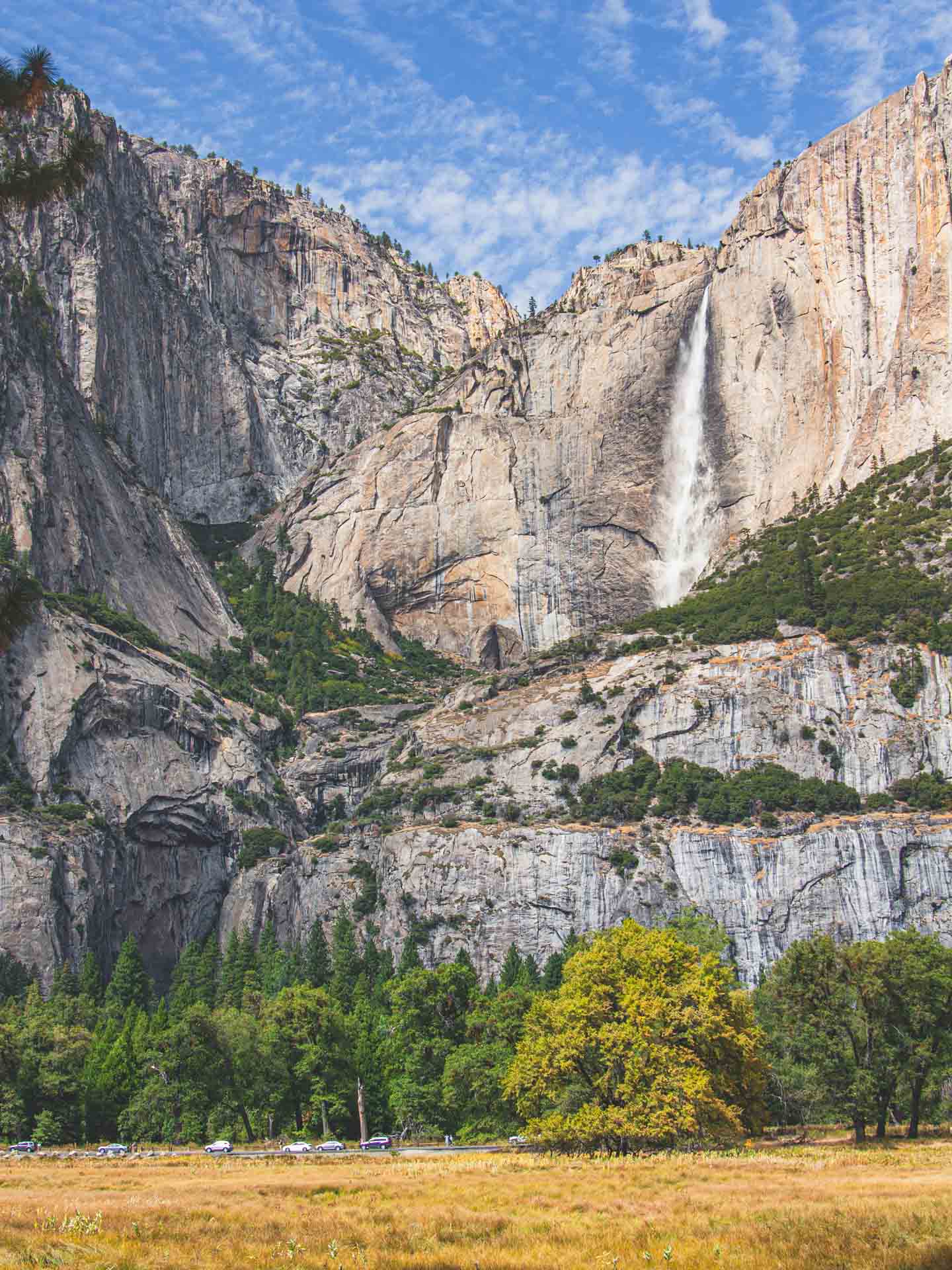
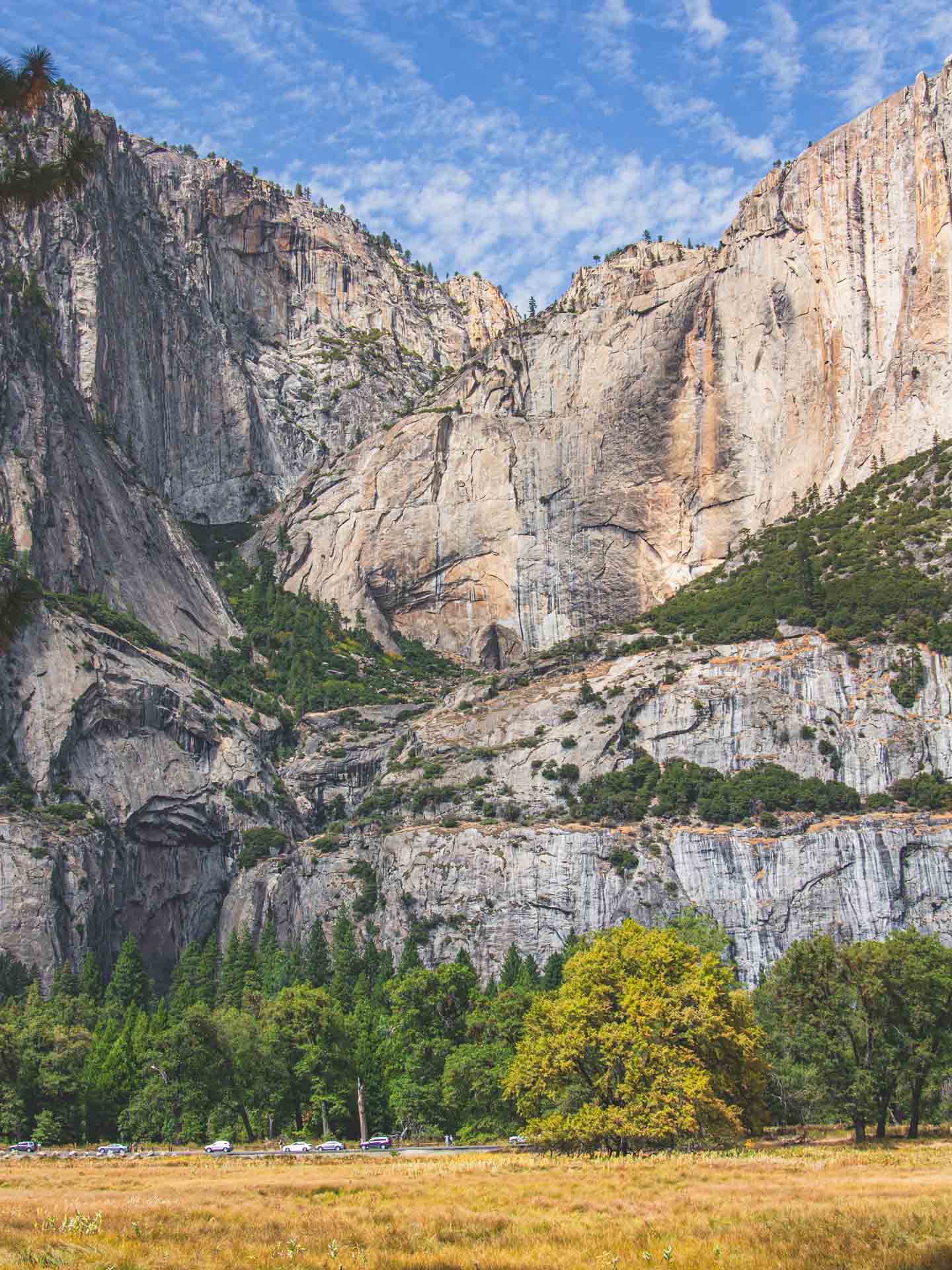
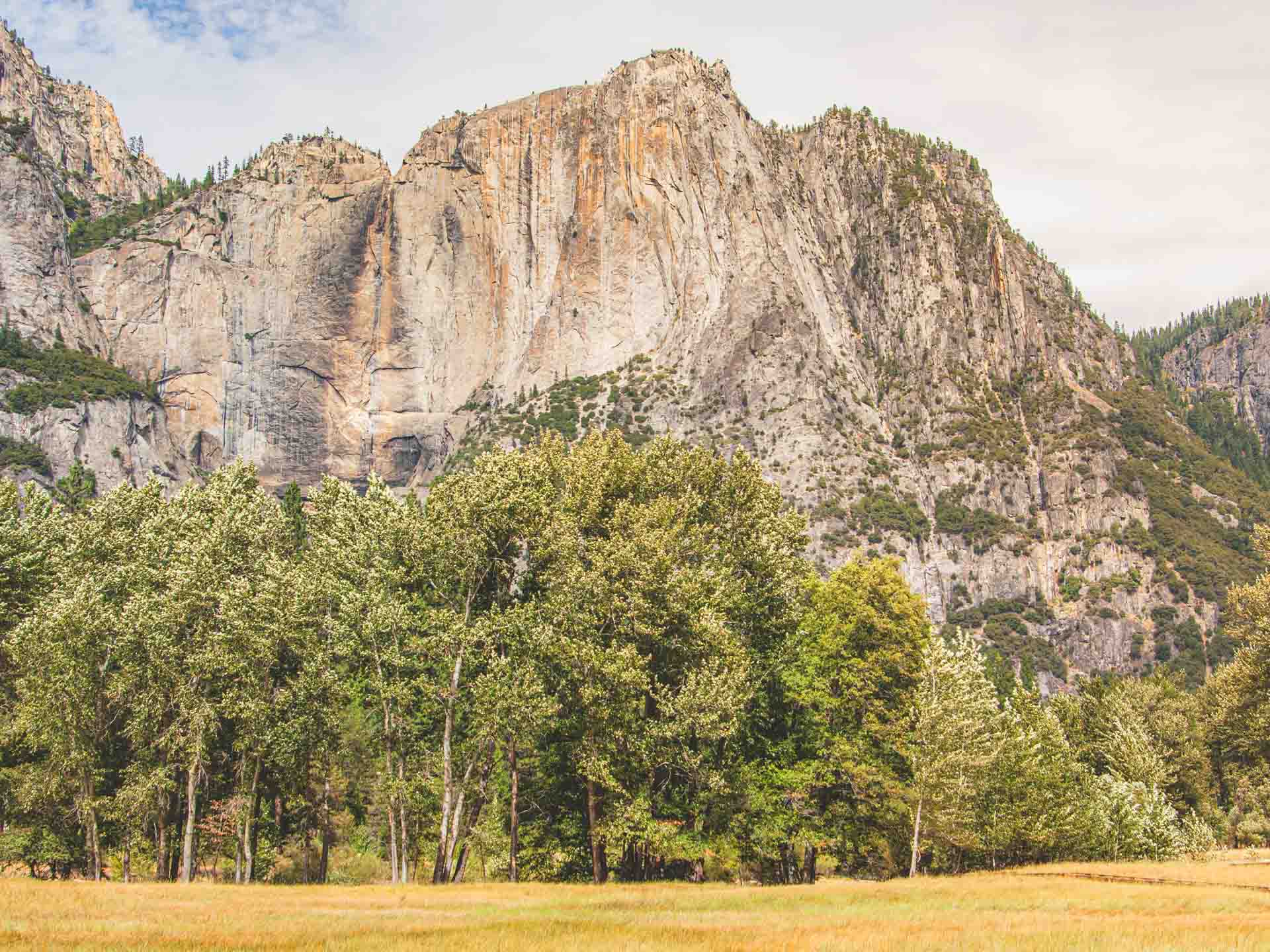
Yosemite Falls is another point you simply can’t skip in Yosemite. It’s North America’s tallest waterfall, consisting of three cascades with a total height of 2,425 feet. The scale is impressive even from afar.
The best time to visit is spring, when melting snow feeds the waterfall and you hear it before it even comes into view.
An easy, short trail leads to the lower section, Lower Yosemite Fall, where you can stand really close and feel the chill of the mist hanging in the air.
If you have more time and energy, you can take the all-day hike to Upper Yosemite Fall. It’s a demanding climb, but the views along the way and at the top fully compensate for the effort.
From above, the valley looks completely different – calmer and more rugged, with the distinctive Half Dome appearing in the distance.
This is one of those places in Yosemite where you can tailor the experience to yourself. A short walk or a solid mountain expedition. Both options make sense and both stay in your memory.
5. Vernal and Nevada Falls
Trail length: 6.4 miles (round trip)
Hiking time: about 4-5 hours
If you like views that change with every turn of the trail, head to Mist Trail.
It’s one of the most famous routes in Yosemite and for good reason. It leads to two spectacular waterfalls and lets you really feel the park’s scale.
The section to Vernal Fall, a 317-foot waterfall, is steep and wet in places, but still manageable for most people.
The stone steps can tire your calves, but the view and the mist hanging in the air quickly reward the effort.
Further on, the trail leads to Nevada Fall, which is 594 feet tall. This section is noticeably more demanding, but also quieter.
The higher you go, the fewer people you meet, and the landscape becomes more rugged and monumental.
If you still have strength and time, you can continue hiking toward Half Dome or connect the route with other trails in the park. This is a good place to slow down and not return the same way without thinking.
It’s worth remembering that there’s no parking at Mist Trail. It’s most convenient to use the free shuttle bus or park around Curry Village and walk from there.
This is one of those trails best planned without rushing and with extra time.
Tempted by California beyond the national parks? Check out my guide What to See in California in 7 Days – it’s a coastal route, without rush and without obvious shortcuts.
6. Half Dome
Trail length: 14-16 miles (round trip)
Hiking time: about 10-12 hours
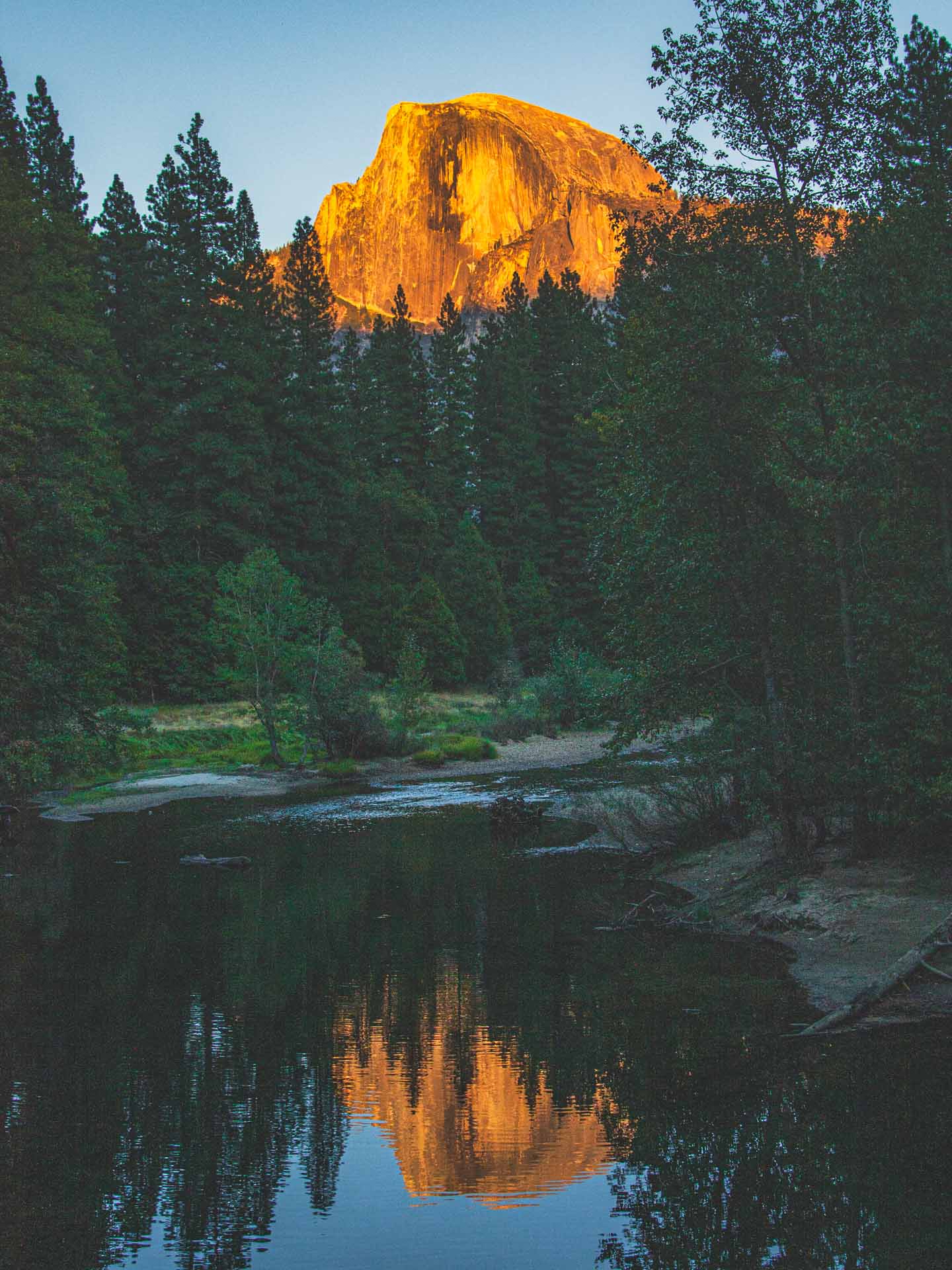
Half Dome is one of those sights you know before you ever see Yosemite in person.
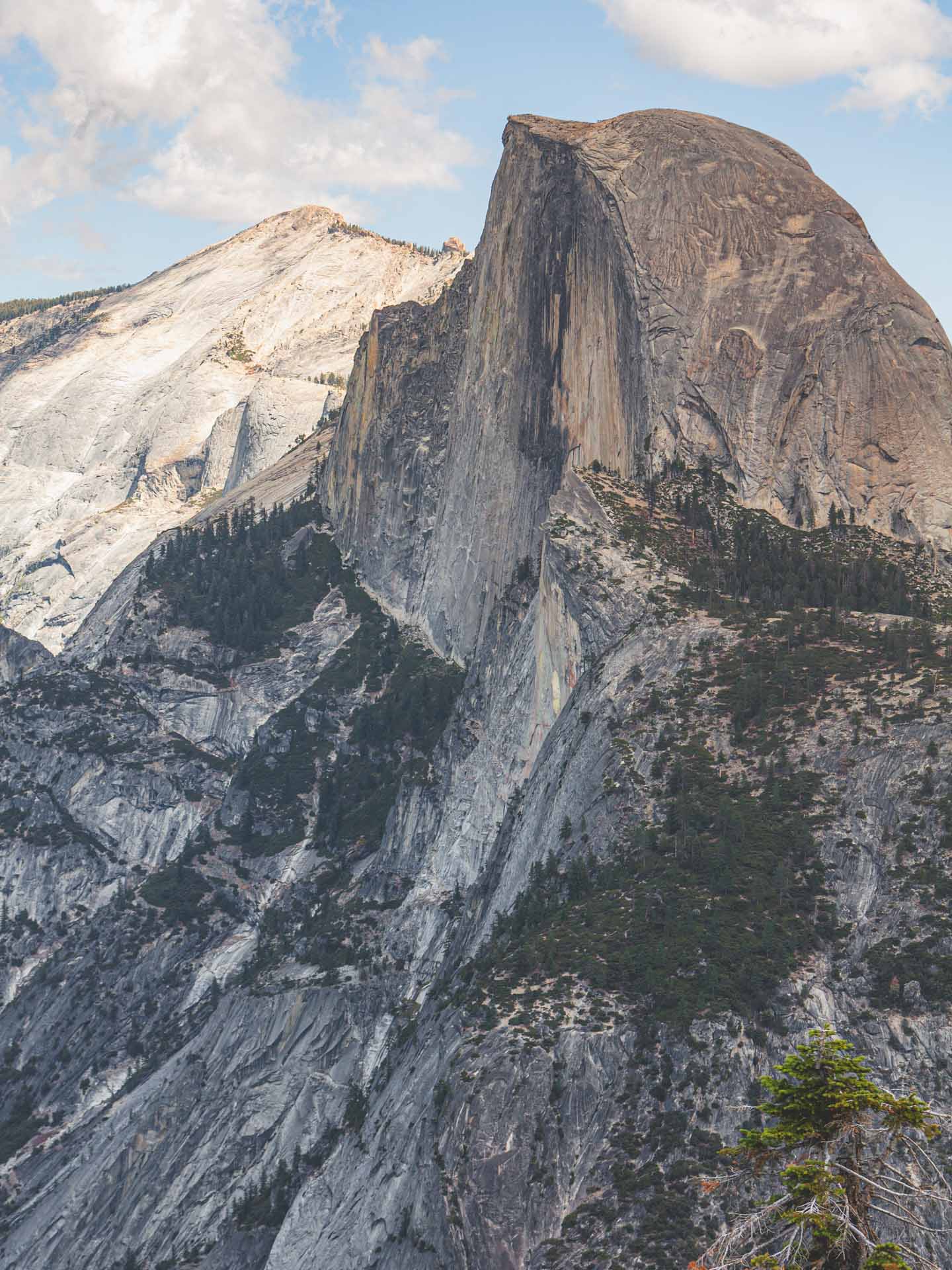
The park’s symbol and one of the most recognizable rock formations in the USA. The granite dome rises to 8,842 feet and is impressive from every angle.
Reaching the summit is an all-day expedition, requiring very good fitness, preparation, and a special permit. This is not a spontaneous walk.
Along the way, you pass the well-known Vernal Fall and Nevada Fall, and the higher you go, the more rugged the landscape becomes.
The hardest part waits at the very end. The final section goes up steep, polished rocks using steel cables.
For some, it’s a dream come true; for others, the moment when it’s better to turn back. And that’s okay too.
If you don’t feel the need to summit, Half Dome will still be with you throughout your Yosemite stay.
You can see it from many places in the valley, including Glacier Point and Tunnel View. Sometimes it makes the biggest impression from a distance.
7. Mariposa Grove
Trail length: 0.3-7 miles (round trip)
Hiking time: 30 minutes to about 4 hours
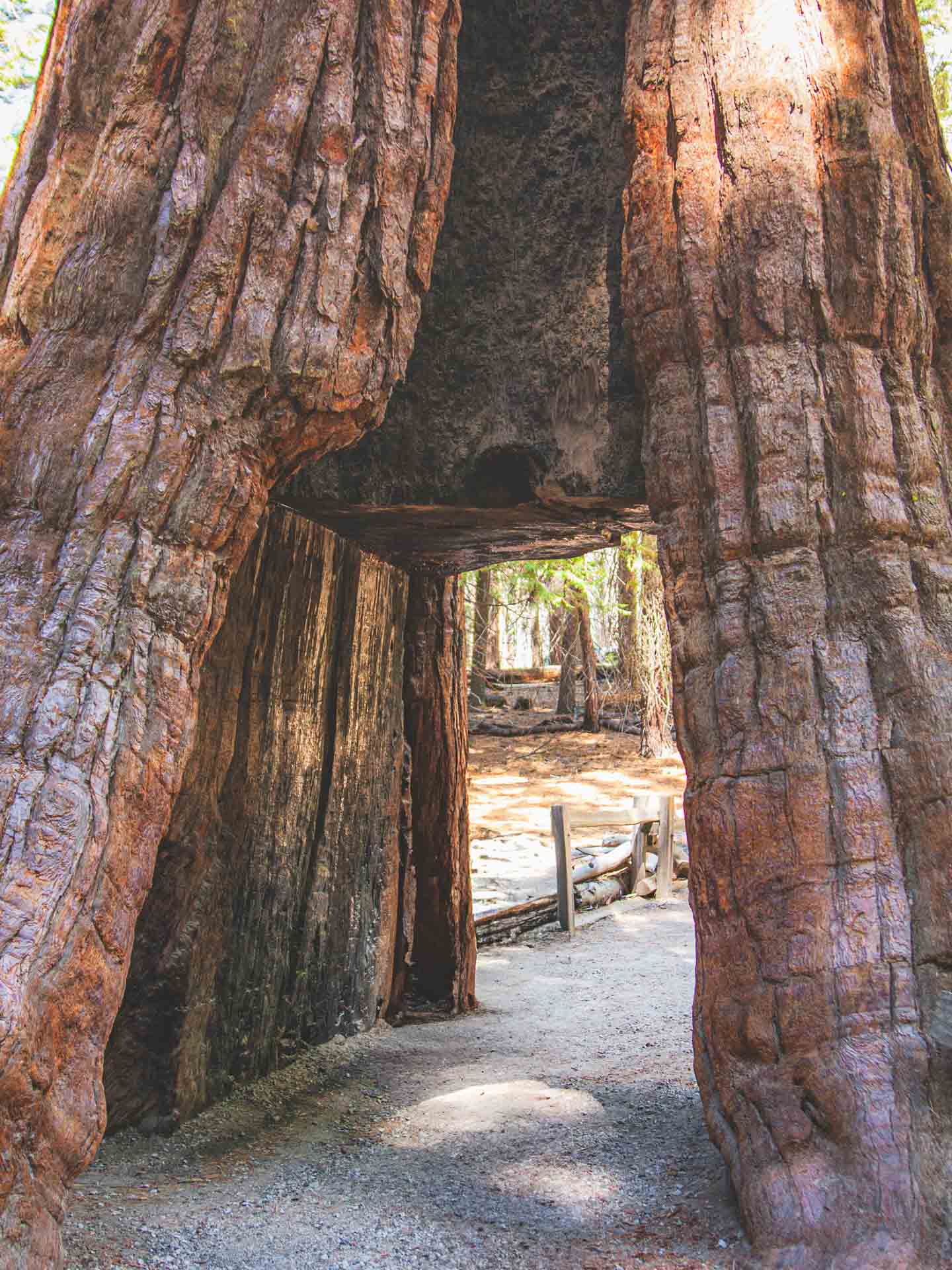
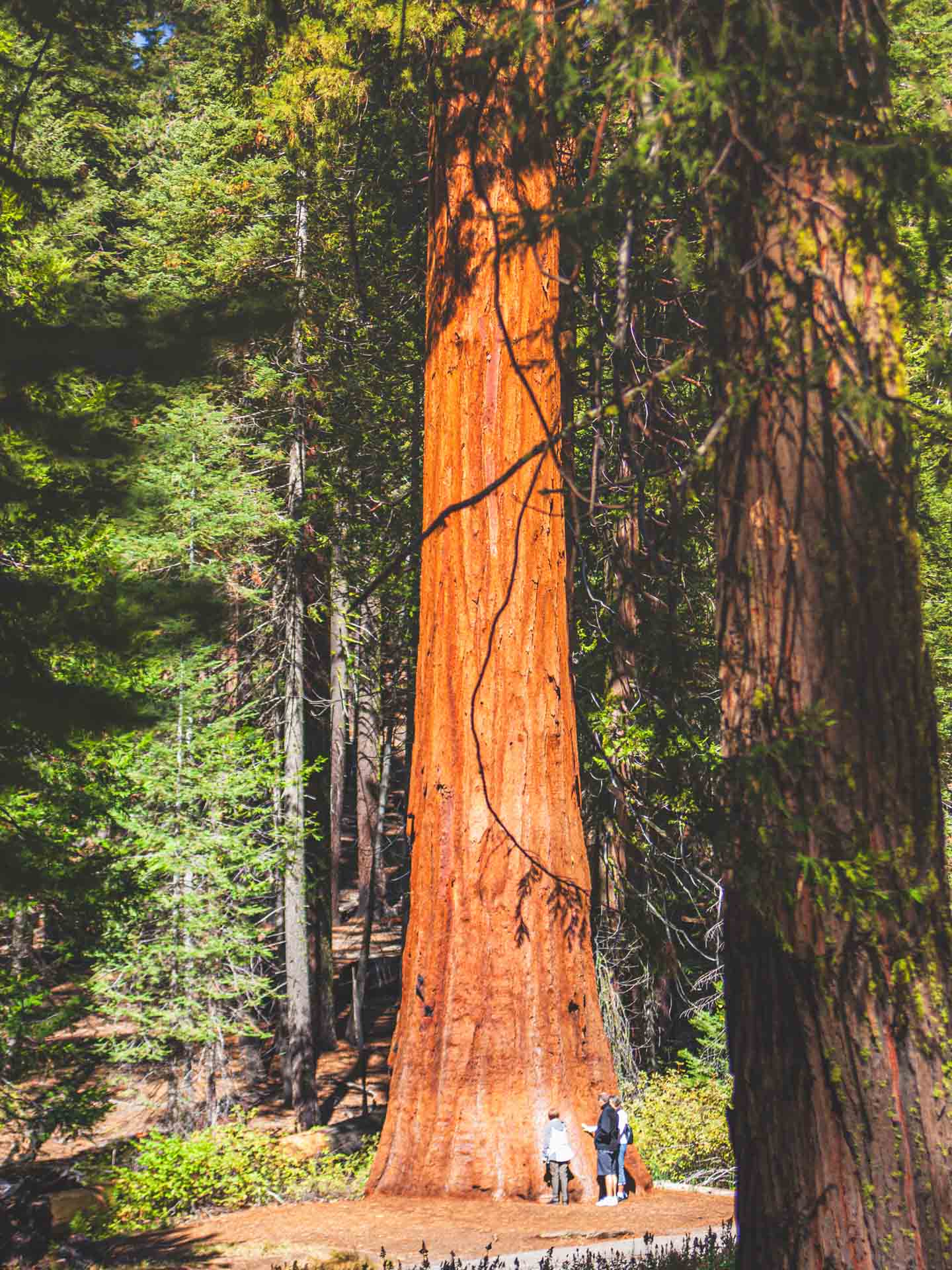
Mariposa Grove is one of those places in Yosemite where you automatically slow your pace. Over 500 giant sequoias grow here, including the legendary Grizzly Giant, estimated to be about 2,900 years old.
I still remember the moment I saw it for the first time. It wasn’t excitement for a photo, more a quiet “wow” inside.
If you’re short on time, the short Grizzly Giant Loop Trail is enough. If you want to spend more time here, choose Mariposa Grove Trail, which goes deeper into the forest and lets you really feel the scale of this place.
Mariposa Grove is especially beautiful in winter, when snow settles on the branches and the forest becomes almost completely silent. It’s a completely different experience from summer Yosemite Valley.
When planning your visit, it’s worth remembering the logistics. Mariposa Grove Road is only accessible to vehicles with disability placards.
Everyone else can walk or use the free shuttle bus, which runs from April 15 to November 30.
This place doesn’t scream attractions. Instead, it reminds you how small we are in the face of time. And that’s exactly why it stays with you.
8. Taft Point
Trail length: 2.2 miles (round trip)
Hiking time: about 1-2 hours
Taft Point is one of those places in Yosemite National Park that surprises with its quiet. The views here are as spectacular as from Glacier Point, but there are definitely fewer people.
From over 7,200 feet elevation, a wide panorama spreads over Yosemite Valley, the monumental El Capitan, and Yosemite Falls. It’s one of the best places if you want to see Yosemite from above, without crowds and without rush.
The trail starts from Glacier Point Road, which is usually open from late May to October or November.
The route has a moderate difficulty level and leads through peaceful forest, ending at a cliff with characteristic cracks called The Fissures.
It’s a very good spot for sunset. Light slowly falling on the valley makes a huge impression, but it’s worth being careful.
The edges are steep and railings practically don’t exist, so it’s better to admire the view from a safe distance.
If you’re looking for Yosemite in a quieter version, Taft Point is a bullseye.
9. El Capitan
Trail length: 12.5-15 miles (depending on chosen climbing route)
Hiking time: 4-7 days (for climbers)
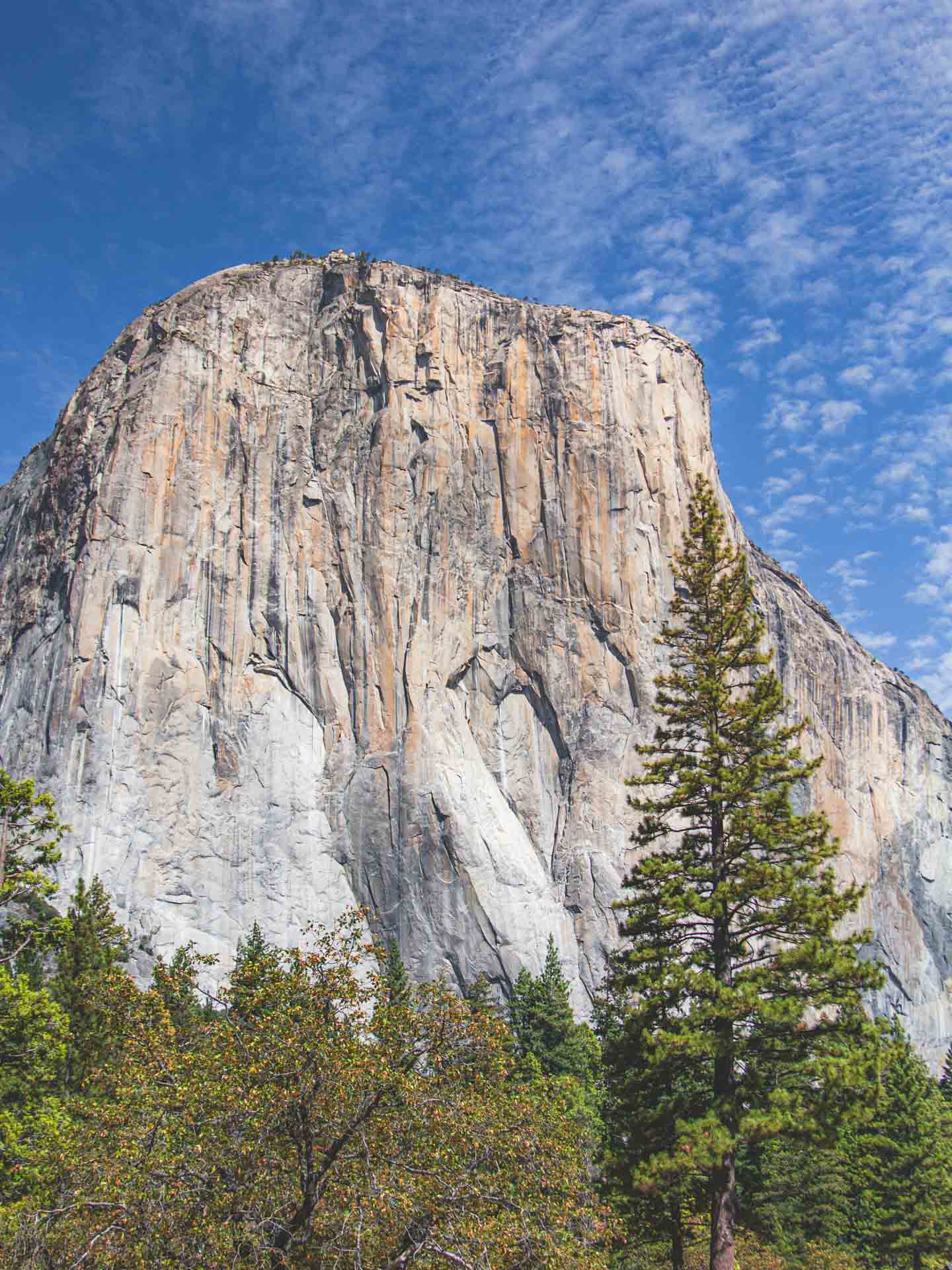
El Capitan is one of Yosemite’s most iconic rock formations.
A huge, nearly vertical granite wall rising 2,998 feet above the valley floor makes an impression even when you’re seeing it for the nth time.
It’s a true mecca for climbers from around the world. Routes on El Capitan are among the most difficult and legendary on Earth, and some spend several days on the wall, sleeping in portaledges suspended high above the valley.
In the evening, it’s worth looking up. With a bit of luck, you’ll see tiny points of light – climbers’ headlamps slowly moving across the rock.
Above them, a starry sky often appears, sometimes even a clear Milky Way.
In my opinion, the best place to observe El Capitan is El Capitan Meadow, especially at sunset, when the rock changes color and looks almost unreal.
It’s worth arriving a bit early because parking in this area fills up quickly.
You don’t have to climb to appreciate El Capitan. Just sit on the meadow, look up, and give yourself a moment. It’s one of those places that show Yosemite’s scale without any filters.
10. Tuolumne Meadows
Trail length: 1.4-7 miles (round trip)
Hiking time: 30 minutes to about 4.5 hours
I saved Tuolumne Meadows for last. A place different from Yosemite Valley, quieter and more open.
One of the largest subalpine meadows in the Sierra Nevada, located at about 8,600 feet elevation, surrounded by granite peaks and wide open space.
The Tuolumne River flows through the meadows, and you’ll also find Gaylor Lakes in the area. It’s a very good place for easy hikes, bird and wildlife watching, and just being in the landscape, without pressure and without a plan.
If you feel like a short walk, choose the trail to Soda Springs. If you want something more scenic, I recommend the hike to Cathedral Lakes.
It’s one of those trails where you stop every so often for no particular reason, other than it’s just beautiful.
Parking at Tuolumne Meadows can be limited, so it’s best to use the free shuttle bus. This place is ideal for ending your Yosemite stay. Quiet, spacious, and very soothing.
Practical Tips
How Much Does it Cost to Enter Yosemite?
Standard Pass
Entrance to Yosemite National Park costs $35 per private vehicle and is valid for 7 consecutive days.
This is the most commonly chosen option if you’re visiting Yosemite once or are on a California road trip.
Without the America the Beautiful Pass, non-U.S. residents should expect an additional $100 per person fee.
Tickets are also available:
- for pedestrians and cyclists
- for motorcycles
- and an annual pass just for Yosemite (Annual Pass)
America the Beautiful Pass – Is It Worth It?
If you’re planning to visit more than one national park, the America the Beautiful Pass quickly stops being an “option” and becomes the simplest logistical choice.
It’s a nationwide pass that gives unlimited entry to all U.S. national parks and federal lands for 12 months.
One pass covers one vehicle and all passengers, so there’s no counting entries per person and no buying tickets at every gate.
For U.S. residents, the pass costs $80 and is valid for a full year. For non-U.S. residents, the price is $250.
If you’re planning Yosemite plus even one or two more parks – like Sequoia, Kings Canyon, Death Valley, or the Grand Canyon – the pass pays for itself very quickly.
And it gives you something else: peace of mind. You drive in, show the card, and keep going. No calculations, no second thoughts, no “is it worth entering?” moments.
It’s one of those things that simplifies traveling in the U.S. far more than it seems when you’re still planning on paper.
Do I Need a Reservation to Drive into Yosemite?
In recent years, Yosemite National Park has introduced a seasonal entry reservation system (so-called timed entry), aimed at limiting crowds during the busiest months.
When planning your trip, it’s always worth checking current rules, as the National Park Service announces them separately for each season.
When Might a Reservation Be Required?
Typically, the reservation system applies:
- in the spring–summer season and early fall
- on the busiest days (often weekends, holidays, and mid-summer)
- for park entry during the day (usually morning and afternoon hours)
Outside these hours or outside the period covered by the system, Yosemite entry may be possible without a reservation.
How to Make a Reservation?
If reservations are required, they’re done through the Recreation.gov.
Usually:
- the main pool of reservations appears in advance (several months earlier)
- additional spots are made available a few days before the planned visit
- the reservation cost is symbolic (a few dollars) and doesn’t replace the park entry fee
Reservations can disappear very quickly, especially in mid-summer.
When is a Reservation Not Needed?
In previous seasons, entry reservation wasn’t required if you:
- have lodging or camping inside the park
- have a Half Dome permit
- enter outside hours covered by the system
- use public transportation or park shuttle buses
Most important advice
Reservation rules in Yosemite change year to year. So before your trip, always check current information on:
- the park’s official website (NPS)
- the Yosemite page on Recreation.gov
It’s a few minutes that can save a lot of stress right at the entrance gate.
How to Get to Yosemite?
By Car
Yosemite National Park is in central California and is easiest to reach by car.
The most commonly chosen solution is flying into San Francisco or Los Angeles and renting a car on site. This gives you the most freedom and lets you stop along the way wherever you feel like it.
Drive time:
- From Los Angeles: about 6 hours (I-5 → 99 → 41 toward Yosemite)
- From San Francisco: about 4 hours (I-580 → 205 → 120 or 140 to Yosemite)
In practice, it’s worth adding extra time, especially in summer and on weekends. Mountains follow their own rules, and traffic can be heavy.
SStarting from San Francisco? It’s worth spending one day exploring the city before leaving – check out my One Day in San Francisco Itinerary, where I show what to see, even if you have limited time.
Or maybe flying into LA? Check out What to Do in Los Angeles – useful if you’re planning a few days in the city before heading to the parks.
By Public Transportation
If you’re not planning to rent a car, Yosemite can also be reached by public transportation, though it requires a bit of patience.
The San Joaquins train runs between Bakersfield and Oakland, with stops along the way.
Travel time:
- From Los Angeles to Bakersfield: about 2 hours
- From San Francisco to Bakersfield: about 4.5 hours
Then you get to Merced station, where you transfer to the Amtrak Thruway Bus (Route 15). The bus goes directly to Yosemite Valley.
It’s a calm option without the stress of driving, but less flexible.
It works well if you just want to get to the park and then get around using shuttle buses.
If you like independence and stops along the way, a car wins. If you prefer to hand logistics to someone else, public transport works too. It all depends on the travel style that suits you better.
When to Visit Yosemite?
Yosemite National Park is open year-round, but the season has a huge impact on which Yosemite you’ll see.
From November to May, some roads and trails may be closed due to snow, especially in the park’s higher elevations.
Best Time to Visit
If I had to point out two “ideal” moments, they would be:
- Late spring (May-June): Waterfalls are at their best then, fed by melting snow. Yosemite is loud with water and very green.
- Fall (September-October): It’s quieter, noticeably fewer tourists, and the light is soft and warm. It’s a good time for hikes without pressure and lines at viewpoints.
Summer
Summer weather favors trekking. Valley temperatures often range between 68-86°F, but it’s also the busiest period. Trails can be crowded, and parking lots fill up quickly.
Worth remembering:
- in the park’s higher elevations it can be much cooler
- some trails can be covered in snow even in mid-summer
It’s a good time if you want full trail access, but not necessarily quiet.
Winter
Winter in Yosemite is a completely different experience. Snowy landscapes, quiet, and rawness. At the same time, low temperatures plus snow and ice mean some roads and trails are closed, and getting around requires preparation.
It’s a time for people seeking peace and ready for limitations, not for “seeing everything.”
In short
If you want to see Yosemite in its best light, without extremes, aim for May–June or September–October. The rest is just a matter of whether you’re more drawn to summer’s energy or winter’s quiet.
How to Get Around Yosemite?
Yosemite National Park is vast and you feel it from day one. Distances between attractions are often bigger than the map suggests, and drive time often depends more on traffic than miles.
By Car
A car gives the most flexibility, especially if you want to see different parts of the park in a short time.
But you have to accept that in season, parking at the most popular spots fills up quickly, and traffic jams can effectively extend any plan.
Roughly:
- drive from Yosemite Valley to Mariposa Grove is about 1.5 hours
- to Glacier Point about 1 hour, if traffic flows
In practice, it’s worth planning the day more loosely and not assuming everything can be seen “along the way.”
Free Shuttle Buses
If you don’t want to circle looking for a parking spot, free shuttle buses are a very good solution. It’s the most peaceful way to get around Yosemite Valley.
Shuttle buses:
- run regularly between main valley points
- connect parking lots, trails, and lodging
- operate seasonally, but during peak periods they’re really helpful
In summer, connections to more distant parts of the park are also available, such as Mariposa Grove or Tuolumne Meadows.
Their availability depends on weather and road openings, so it’s always worth checking the current schedule before heading out.
How to handle it in practice
The combination of both options works best:
- car for drives between park regions
- shuttle buses on site, especially in Yosemite Valley
This lets you see more, but without constant stress and counting minutes. Yosemite tastes best when you don’t try to “drive through” it, but give yourself time to just be in it.
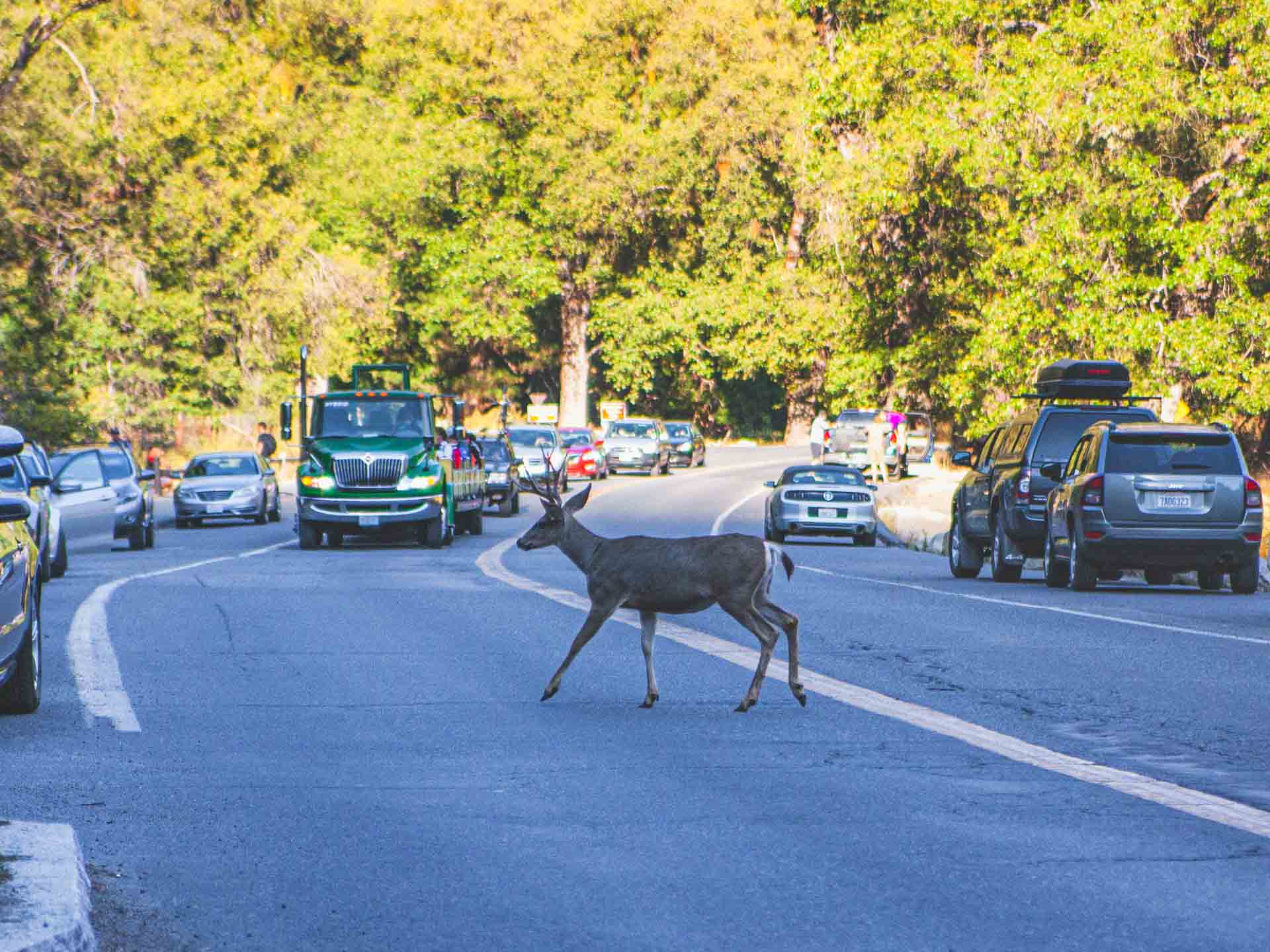
Where to Stay in Yosemite?
Yosemite National Park offers very different lodging options – from simple campgrounds to classic hotels in the valley.
It all depends on how you want to experience Yosemite: closer to nature or with a roof over your head and a hot shower.
Campgrounds in Yosemite
Camping is the most authentic and cheapest option. You wake up in the park, you’re close to trails, and you don’t waste time on drives. But you need to know one thing: reservations are key.
Spring-Fall Season (usually April-October)
During this period, all campgrounds require reservations:
Reservations 5 months in advance (opened on the 15th of each month):
- Upper Pines
- Lower Pines
- North Pines
- Wawona
- Hodgdon Meadow
Reservations 14 days in advance (available daily):
- Bridalveil Creek
- Crane Flat
- Tamarack Flat
- White Wolf
- Yosemite Creek
- Porcupine Flat
Reservations 7 days in advance:
- Camp 4 (iconic, climbing vibe, very popular)
Late Fall – Early Spring
Off-season, some campgrounds operate on a “first come, first served” basis, without advance reservations:
- Camp 4
- Wawona
- Hodgdon Meadow
Spots can disappear quickly, especially on weekends.
Reservations and Prices
All reservations are made through Recreation.gov.
If you’re aiming for popular dates, it’s best to log in a few minutes before 7:00 AM Pacific time – that’s when the system opens access to new spots.
Prices: from about $10 to $36 per night, depending on campground and season.
If you dream of Yosemite in the morning, without commutes and with coffee drunk at a picnic table, camping is the best choice.
It requires planning, but gives something no hotel can: the feeling that you’re really in the park.
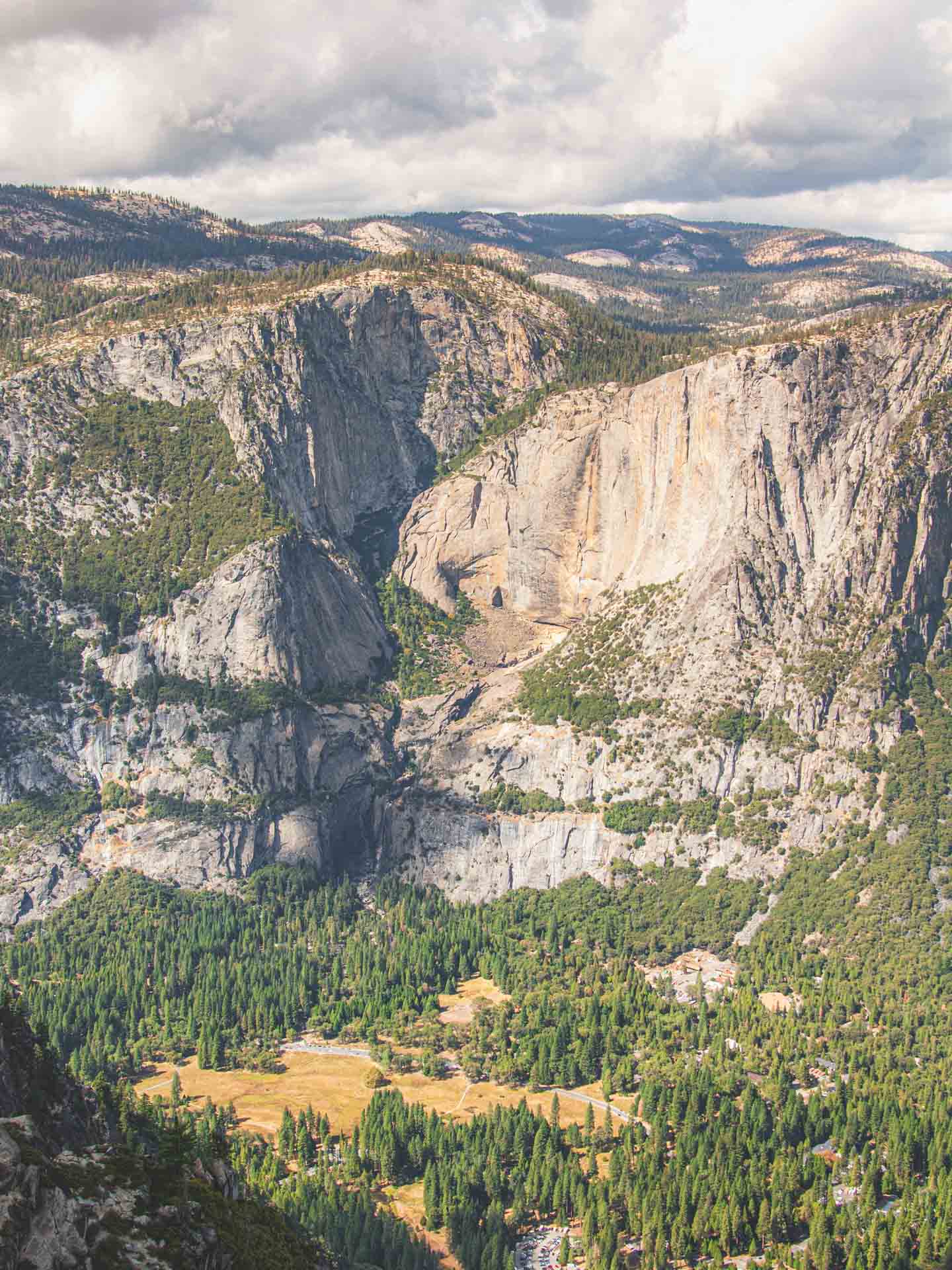
Other Lodging Options in Yosemite
If campgrounds aren’t for you or you just want a bit more comfort, in and around Yosemite there are plenty of tried-and-true places to stay
From historic hotels in the valley to quiet lodges just outside the park gate.
Places to Stay Inside the Park
This is the best option logistically, but also sells out fastest.
- The Ahwahnee: Yosemite icon. Luxury hotel in the heart of the valley, open year-round. Prices: from about $600 per night
- Yosemite Valley Lodge: Classic lodge at the foot of Yosemite Falls. Very good location. Prices: from about $250 per night
- Wawona Hotel: Historic, Victorian hotel near Mariposa Grove, open seasonally. Prices: from about $150 per night
- Curry Village: Cabins and tents in Yosemite Valley. Simple, but with character. Prices: from about $100 per night
- Housekeeping Camp: Cabins by the Merced River, halfway between camping and lodge. Prices: from about $120 per night
Places to Stay Near Yosemite
If you can’t catch lodging in the park, the area offers plenty of sensible alternatives. You have to add drive time, but prices are often lower and availability greater.
El Portal – right by the west entrance
- Yosemite View Lodge: Rooms with river views, good base. Prices: from about $220
- Cedar Lodge: Simple hotel with pool and restaurant. Prices: from about $180
Mariposa – about 45 minutes from the park (Highway 140)
- Mariposa Lodge: Small, pleasant rooms in town. Prices: from about $150
- Quality Inn Yosemite Valley Gateway: Comfortable hotel with breakfast. Prices: from about $160
Oakhurst – south entrance (Highway 41)
- Best Western Plus Yosemite Gateway Inn: Comfortable hotel with pool and breakfast. Prices: from about $180
- Oakhurst Lodge: Simple, cozy option near the park. Prices: from about $140
Groveland – northwest entrance
- Evergreen Lodge at Yosemite: Stylish tents and cabins in the forest, more “retreat” than hotel. Prices: from about $250
- Groveland Hotel: Historic hotel with small-town character. Prices: from about $160
How to choose?
If you can, stay in the park – you’ll save time and see Yosemite at dawn and after sunset. If not, El Portal and Mariposa are the best compromise between price and drive.
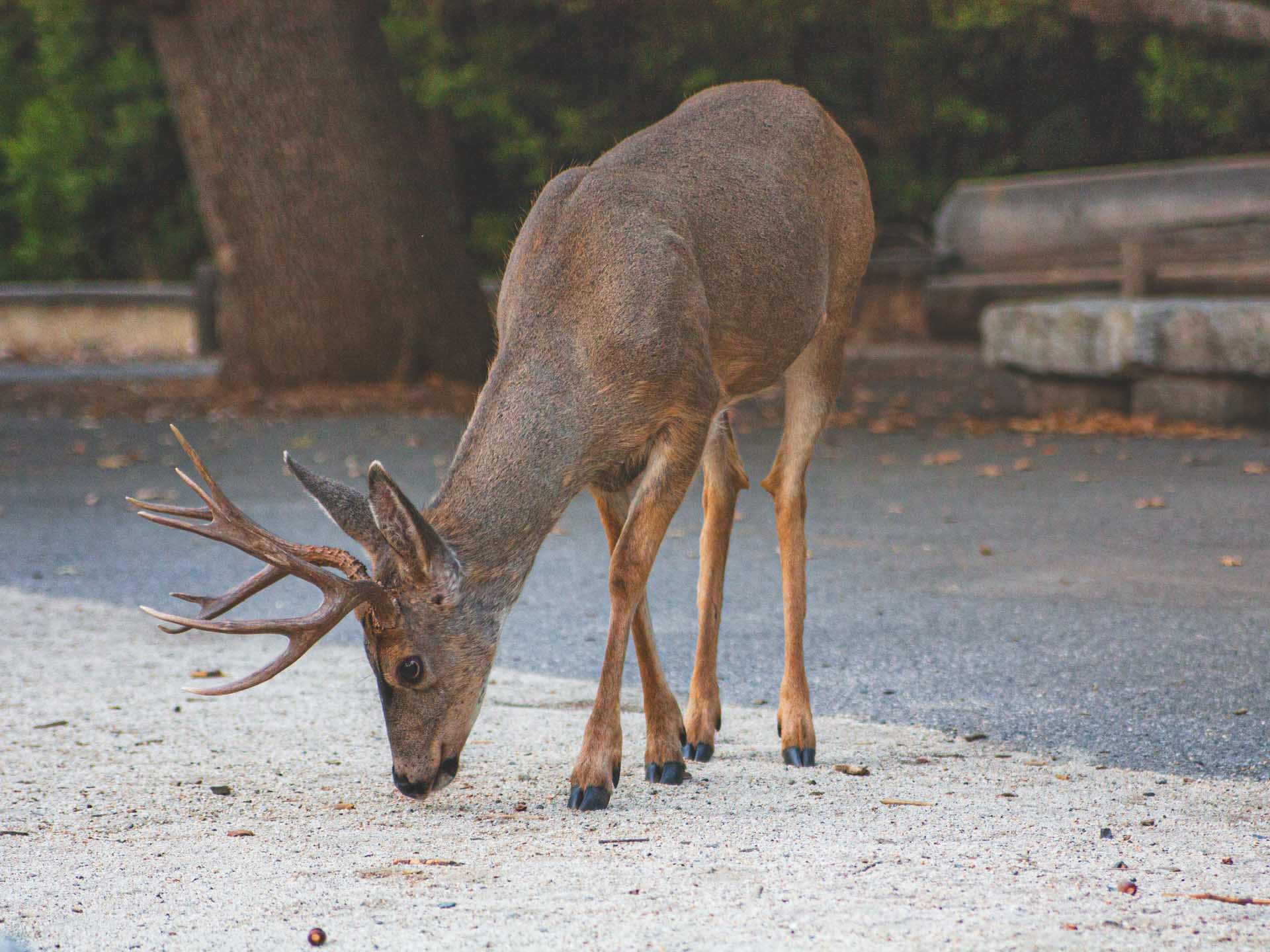
How Many Days in Yosemite?
Yosemite National Park isn’t a “one-day park,” unless you really have no choice. To see the main highlights and not feel constant rush, it’s worth planning at least 2-3 days.
This time allows you to calmly walk around Yosemite Valley, see the main viewpoints, and feel the park’s scale, without running from parking lot to parking lot.
However, if you’re planning longer hikes, want to get beyond the valley, or just give yourself space for plan changes, a 4-7 day stay would be ideal. Yosemite really benefits from this.
Each extra day means less pressure and more moments that just happen.
In short:
- 4-7 days let you really experience it
- 2-3 days are enough to see Yosemite
What to See in Yosemite in 1 day?
If you only have one day for Yosemite National Park, the key is simplicity. Don’t try to see everything. Focus on the valley and a few places that best show the park’s scale.
Here’s a sensible, calm one-day plan:
- Yosemite Valley Start here. It’s the park’s heart and the best starting point to “catch” Yosemite without driving back and forth.
- Tunnel View Classic valley view. Best early morning, before crowds arrive.
- Bridalveil Fall Short walk and quick contact with water and rock. Good moment to slow down.
- Glacier Point (if road is open) Best Yosemite panorama from above. If you’re choosing one viewpoint – this is it.
- Yosemite Falls Return to the valley and walk to the lower waterfall. Even a short walk makes a difference.
- El Capitan Meadow Perfect place to end the day. Sit down, look up, and give yourself a moment without a plan.
You can’t “check off” Yosemite in one day. And you don’t need to.
This plan lets you see the main places, but also leaves space to stop where you feel like staying longer.
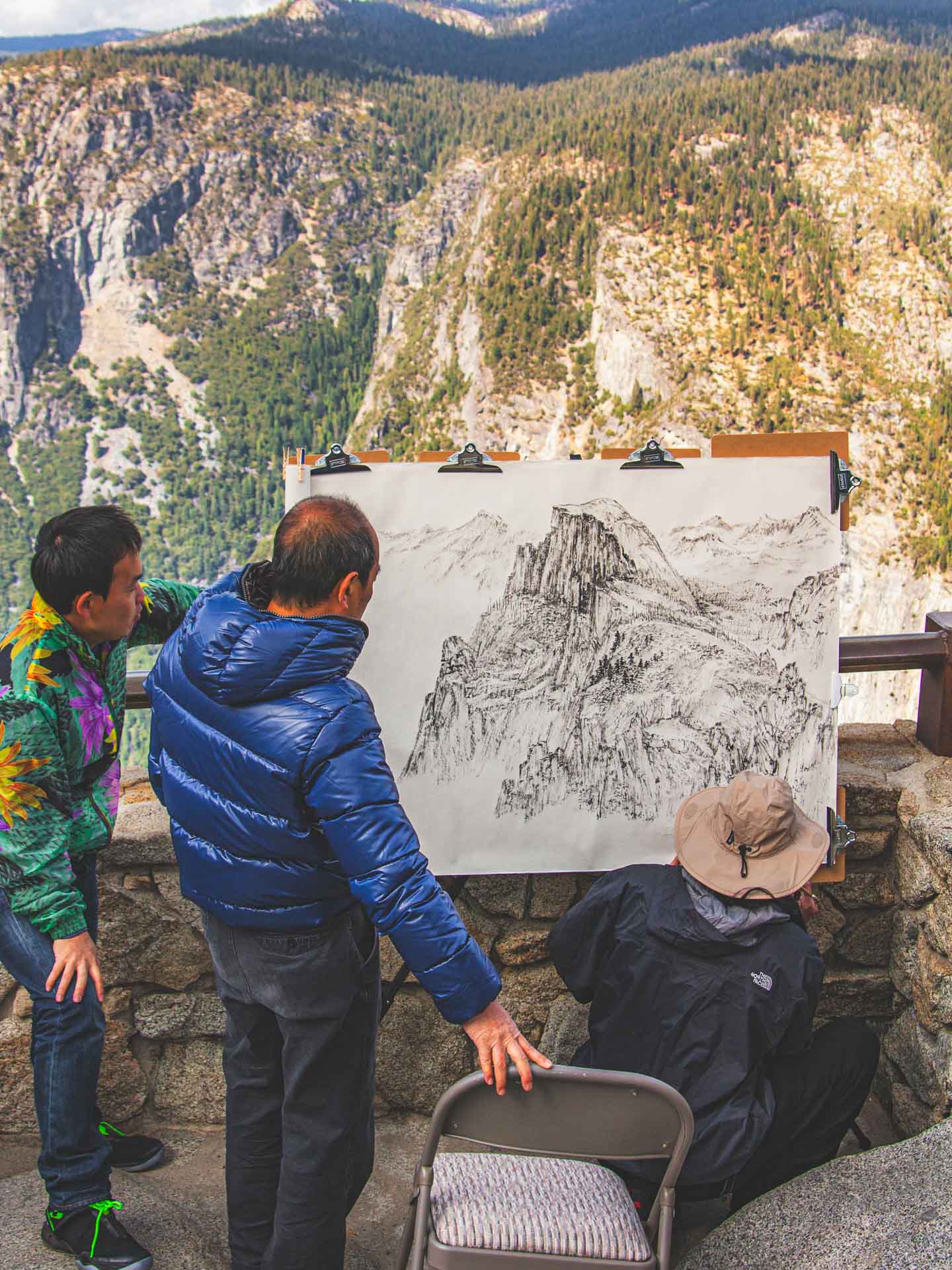
At Glacier Point, you’ll often meet artists trying to capture this view on canvas.
What to Pack for a Hike in Yosemite?
Hikes in Yosemite National Park can be longer and more demanding than they seem at first glance. A well–packed backpack makes a huge difference, even on seemingly easy trails.
Here are the absolute basics:
- Lots of water A backpack with space for a bottle or hydration bladder is essential. Staying hydrated in Yosemite is crucial, especially in summer and on trails without shade. Here’s my favorite water bottle.
- Sun protection Hat or cap, sunscreen, and sunglasses. Mountain sun can be much stronger than you expect. I swear by this sunscreen.
- Comfortable shoes Good hiking boots aren’t a luxury, they’re safety. Even short trails can be rocky and uneven. These are my recommended pair.
- Trekking poles Very helpful on steep ascents and descents. They take pressure off knees and give stability, especially on longer routes. These are the ones I use.
- Snacks Energy bars, nuts, or dried fruit. Something simple you can easily eat along the way that quickly adds energy. These are my top picks.
Don’t pack “just enough.” Weather in Yosemite can change, and trails often pull you in more than you planned. Better to have one thing too many in your pack than one too few.
Other Tips Before Heading to Yosemite
Finally, a few simple but really important things that can make a difference during your Yosemite National Park stay:
- Book lodging and permits in advance
Especially in season. Yosemite isn’t a place you “figure out on the fly” in July or August. - On site, trust signs, not GPS
Navigation can lead you down closed roads or shortcuts that don’t make sense. Park signs are most reliable. - Be ready for changing weather
Especially in the park’s higher elevations. Even in summer it can be cool, windy, or wet. - Always have extra water with you
Especially on longer trails. Don’t assume “there’ll be something along the way.” - Follow safety rules
Don’t feed wildlife, don’t leave marked trails, and don’t try to shortcut. Yosemite only looks gentle in photos. - Remember the drone ban
A complete ban applies throughout the park. And it’s very enforced.
Yosemite is a place that gives a lot of freedom, but only when you approach it with respect and common sense. The less improvisation in logistics, the more space for just being in this landscape.
First time in the USA? Before you head out, read my USA Travel Guide: Tips From 2 Years Living in America – you’ll find everything about car rentals, park reservations, and practical matters worth knowing.

Yosemite National Park – Fun Facts
A few facts that add a second layer to Yosemite. The less obvious one, but very fitting.
- According to native inhabitants’ beliefs, the cliffs of Half Dome and North Dome are a quarreling couple turned to stone. Yosemite’s landscape has always been a story, not just a view.
- The park’s granite walls formed from magma that hardened deep underground, only to be exposed by erosion millions of years later. What today looks monumental and “eternal” is the result of a very long process.
- The name “Yosemite” comes from the Miwok language and means “those who kill.” It referred to the warrior reputation of the tribe inhabiting the valley.
- George Anderson was the first to summit Half Dome in 1875. Before that, it was considered absolutely impossible.
- Yosemite National Park was officially established in 1890 and covers 1,169 square miles.
- John Muir played a key role in protecting Yosemite and creating the park. Thanks to his determination, the landscape wasn’t subordinated to industry.
- Giant sequoias need fire to survive. Natural fires clean the soil and release seeds, enabling new trees to grow. Without fire, this forest wouldn’t exist.
- In 1984, Yosemite was inscribed on the UNESCO World Heritage list – as a place of exceptional natural and cultural value.
Yosemite isn’t just “pretty views.” It’s a landscape full of history, myths, and processes still ongoing – even if at first glance everything looks motionless.
Travel lighter, even before you leave.
start with something simple.
Download The Minimum Plan – Slow Travel:
Yosemite Stays with You for a Long Time
I remember my first morning in Yosemite Valley. I came out of the tent at dawn, fog was rising over the Merced River, and El Capitan was slowly emerging from the darkness.
No photo captured that feeling – the quiet, the scale, that moment when you just stand and look, not thinking about the day’s plan or the next point on the list.
Yosemite has something that changes perspective. Whether you spend a day or a week here – you return with the feeling you saw something bigger than another tourist attraction.
You saw a place that exists by its own rules, that was here before you and will be long after you.
This guide shows you where to go and what to bring. The rest – pace, choices, moments you’ll remember – that belongs to you.
How do you want to continue your California adventure?
🏜️ More National Parks → Best Hikes in Joshua Tree – Desert landscapes and starry skies
🌊 California Coast → California in 7 Days – From San Francisco to Los Angeles
🏙️ Big City → Top Things to Do in Los Angeles – Beaches, Hollywood, and hidden gems
🗺️ Bigger Trip → USA Travel Guide – Plan your next States destinations
Co najbardziej Cię kusi?
Which place in Yosemite do you most want to see? Or maybe you have a question about planning your trip?
If this guide helped you figure out Yosemite, share it with someone else dreaming of California. And let me know in the comments what you discovered!
Pin it for later!
This article contains affiliate links. If you make a booking through these links, I may earn a commission, supporting this blog. Rest assured, my recommendations are based on honest assessments, and using these links doesn't affect prices for you. Thank you for your support!