
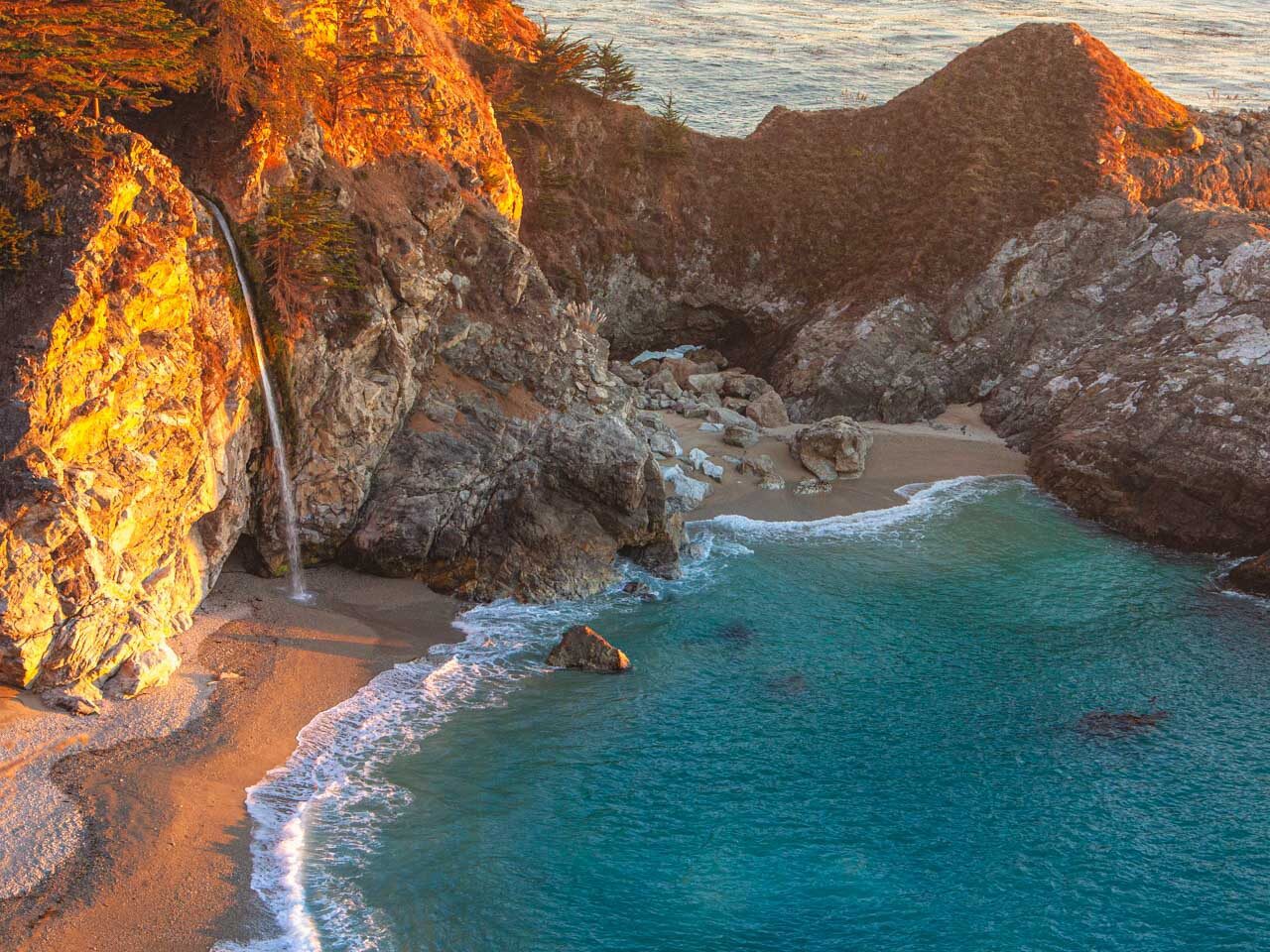
Planning a trip to the USA and wondering where to begin? When should you go, how much should you budget, and do you really need to rent a car?
The United States has so much to offer, but its sheer size, long distances, and regional differences can make planning your first trip feel overwhelming.
I know the feeling. A few years ago, I packed my life into a handful of suitcases and moved from Gdańsk, Poland, to the United States. Oregon was my first American home, followed by a move to sunny Arizona.
Since then, I’ve traveled thousands of miles, exploring everything from famous national parks to small towns that rarely make it into international travel guides.
In this USA travel guide, I’m sharing what I wish I’d known before my first American adventures: entry requirements, travel costs, transportation, accommodations, and the best time to visit.
I’ll also help you choose the right region and plan a trip that leaves you with memorable experiences rather than just a long checklist of attractions.
Planning Your USA Trip – Start Here
If you’re just getting started with planning your American adventure, these guides will help you understand the country, pick a region, and build an itinerary:
- USA Travel Hub – all my travel guides in one place.
- Arizona 7-Day Road Trip – red rocks, desert landscapes, and the Grand Canyon.
- 7-Day California Coast Itinerary – a scenic Pacific Coast adventure.
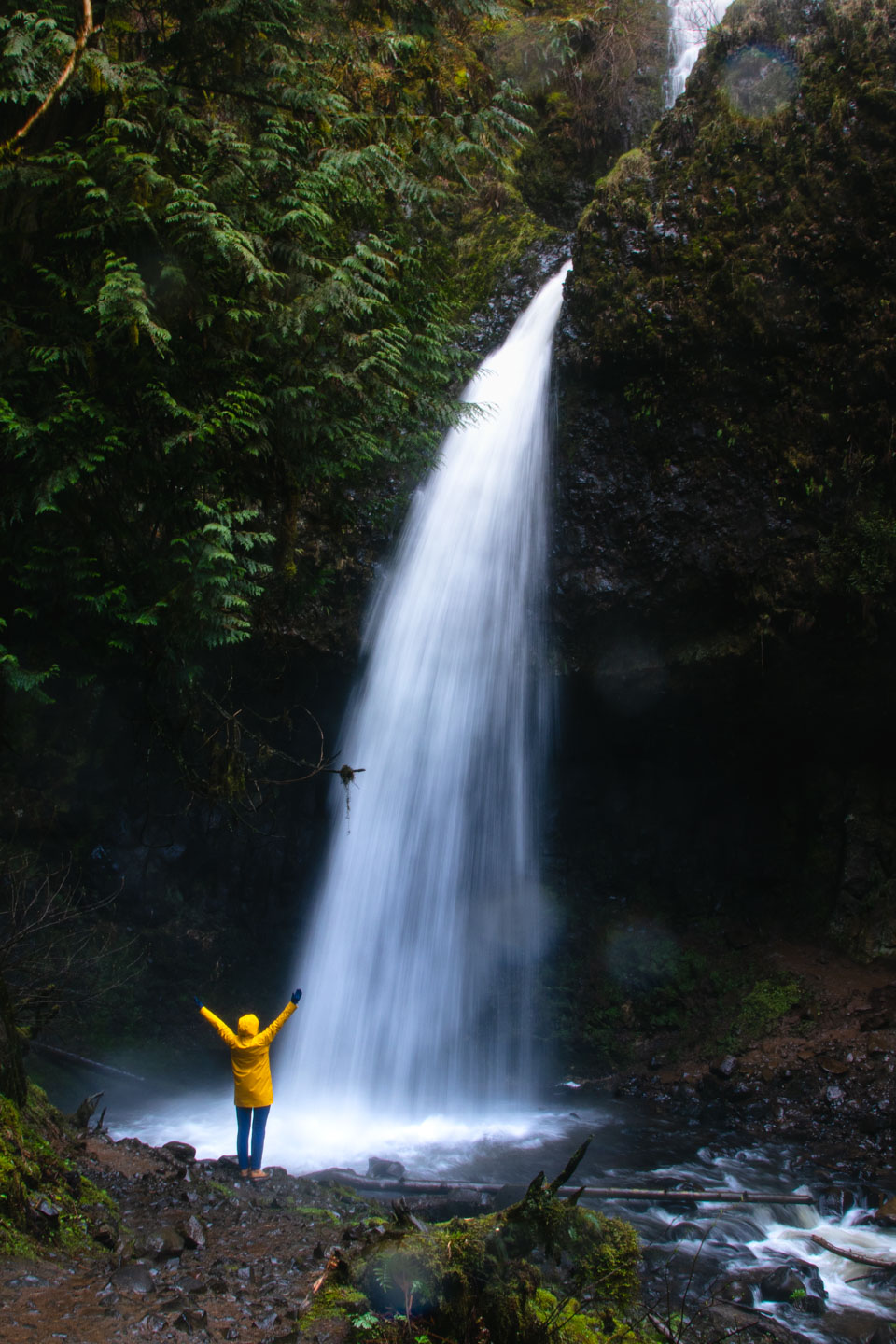
- 10-Day Pacific Northwest Itinerary – forests, waterfalls, and coastal towns.
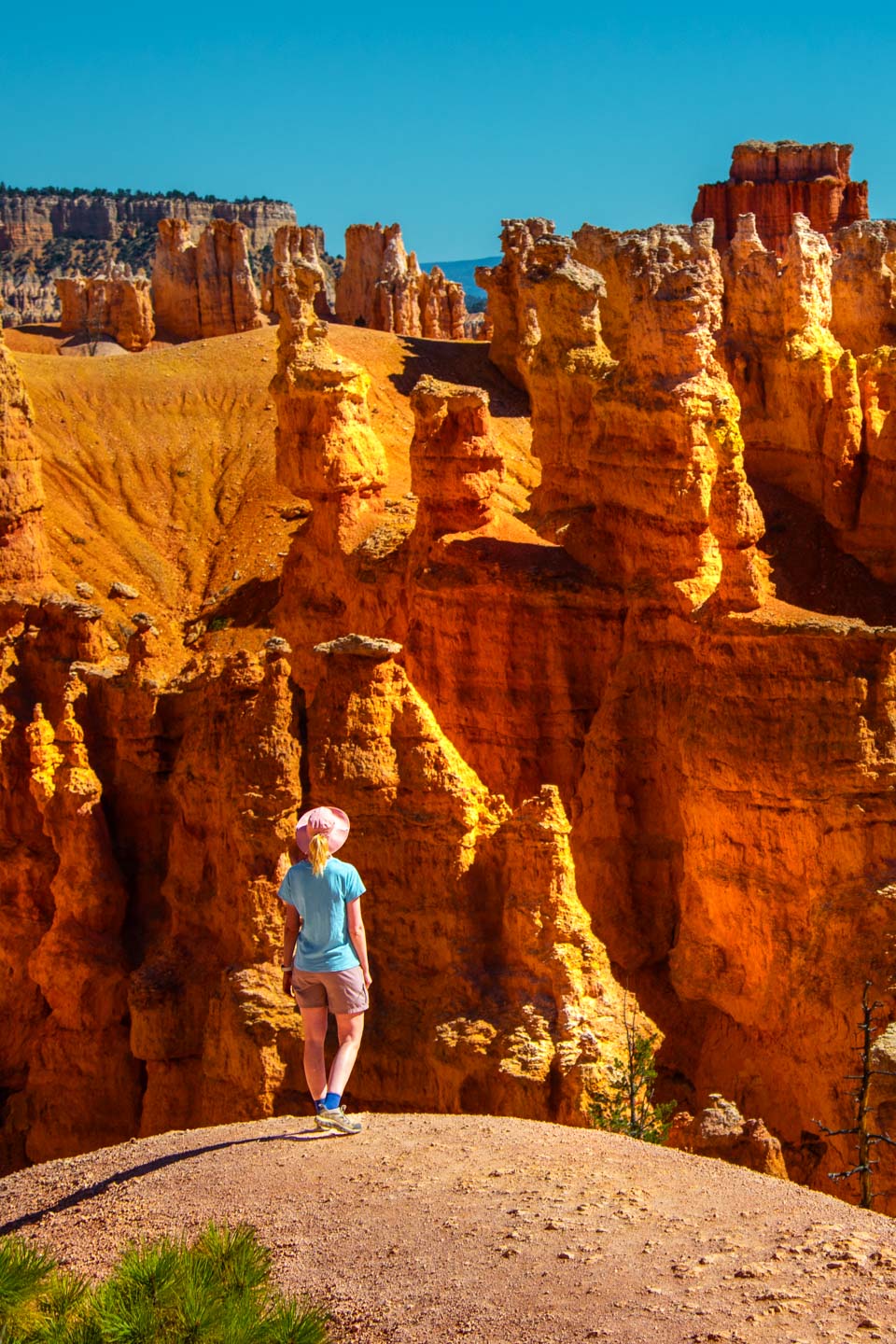
- Utah National Parks Road Trip – dramatic red rock landscapes.
- Big Island, Hawaii Guide – volcanoes, beaches, and tropical scenery.
How to Start Planning a Trip to the USA
My first piece of advice? Choose a region before you start building your itinerary.
The United States is enormous. California, Oregon, Arizona, and Hawaii offer completely different landscapes, climates, and experiences.
Trying to see everything in one trip usually means spending more time in the car or at airports than actually enjoying your destination.
Start by asking yourself three questions:
- What do you most want to experience? Big cities, national parks, deserts, mountains, or the ocean?
- How much time do you have? I recommend at least 7-10 days for one region and 2-3 weeks for a longer road trip.
- When can you travel? Seasons make a huge difference in the USA, especially if you’re planning to hike or explore national parks.
Best Time to Visit the USA by Region
There’s no single best month to visit the United States. It all depends on where you’re going.
Living in Oregon and then Arizona made that especially clear to me. Places separated by just a day’s drive can have completely different climates.
West Coast: California, Oregon, and Washington
When I lived in Oregon, I especially loved late spring and early fall. The forests were beautiful, the coastal landscapes felt peaceful, and the temperatures were comfortable for exploring.
If you’re planning a trip to Oregon or Washington, June through September is generally a great time for hiking in the mountains and visiting higher-elevation areas.
California is more complicated. Coastal cities can be surprisingly chilly even in summer, while inland destinations may experience temperatures above 104°F (40°C).
If you’re planning a Pacific Northwest adventure, don’t miss my 4-Day Oregon Coast Road Trip itinerary – I’ve tested every stop personally and it’s absolute magic during spring months.
Southwest: Arizona, Utah, and Nevada
Moving to Arizona taught me something quickly: summer is not the ideal season for exploring the desert.
When temperatures in Phoenix climb above 104°F (40°C), even a short walk can become uncomfortable or dangerous.
That’s why I generally recommend October through April for exploring lower-elevation desert destinations in Arizona, Nevada, and southern Utah.
Keep in mind, though, that the Southwest isn’t warm everywhere. The North Rim of the Grand Canyon is generally closed to regular vehicle access during winter, and higher-elevation parks can receive significant snowfall.
Rocky Mountains and Colorado
June through September is usually the best period for mountain hiking, although snow can linger on higher trails well into summer.
Winter, on the other hand, brings excellent opportunities for skiing and other snow sports.
Hawaii
Hawaii is a year-round destination.
For a good balance of pleasant weather, fewer crowds, and potentially better prices, consider traveling in April or May, or from September through October.
Weather can vary dramatically between islands, and even between different sides of the same island.
When Should You Visit US National Parks?
I wouldn’t follow one rule for every national park.
Yosemite and Mount Rainier are wonderful summer hiking destinations, while Joshua Tree, Saguaro, and the lower elevations of the Grand Canyon are often more comfortable during the cooler months.
One more lesson I’ve learned: always check the American holiday and school break calendar.
Spring break, Memorial Day weekend, and other popular vacation periods can bring higher hotel prices and crowded trails.
And whatever the season, pack an extra layer.
I remember my first visit to Yosemite. The day was warm, but once the sun disappeared behind the mountains, the temperature dropped quickly. I’ve carried a warm sweater on road trips ever since.

Entry Requirements for Traveling to the USA
Do You Need a Visa or ESTA to Visit the USA?
Citizens of many countries, including Poland, France, Germany, Italy, Spain, and the United Kingdom, may be eligible to travel to the United States under the Visa Waiver Program.
Instead of applying for a traditional visitor visa, eligible travelers can request travel authorization through ESTA (Electronic System for Travel Authorization).
You need an appropriate biometric passport and must meet the program’s eligibility requirements.
An approved ESTA generally allows eligible travelers to seek entry for tourism or certain business activities for up to 90 days per visit.
However, ESTA approval does not guarantee entry. The final decision is made by US Customs and Border Protection at the border.
How Much Does ESTA Cost?
For fiscal year 2027, the announced fee for an approved ESTA application is $40.62.
Always apply through the official ESTA website.
I recommend applying well before your departure rather than leaving it until the final days before your flight.
It’s also important to check your eligibility in advance. Certain travel histories and dual nationalities can affect whether you qualify for the Visa Waiver Program.
What If You Want to Stay Longer Than 90 Days?
If you’re planning a longer tourist visit, you may need to apply for a B-2 visitor visa or a combined B-1/B-2 visa.
The standard visa application fee is $185, although you should verify the current fees and requirements before applying.
A visitor visa does not automatically grant a six-month stay. The authorized length of your visit is determined when you enter the United States.
If you’re planning to work, study, or relocate, you’ll need an immigration status appropriate for your intended activities. A tourist visa or ESTA does not authorize employment in the United States.
How Long Does Your Passport Need to Be Valid?
Passport validity requirements depend on your nationality.
While the United States generally applies a six-month additional-validity rule, certain countries are exempt. Polish passport holders, for example, generally need a passport valid through their intended stay rather than for an additional six months.
Always check the rules applicable to your nationality, including any requirements for countries where you have connecting flights.
Dreaming of your own American adventure but feeling overwhelmed by all the planning?
I share detailed packing lists, money-saving tips, and insider secrets from every state I explore – straight to your inbox every week.
Bonus for new subscribers: Ultimate Utah Budget Travel Planner + my personal Southwest road trip route with exact costs 📍

How Much Does a Trip to the USA Cost in 2026?
How much money should you budget for a trip to the United States?
The answer depends on your destination, travel dates, and travel style. A week in New York City will look very different financially from a road trip through Utah or Arizona.
From my experience, accommodations, transportation, and food usually make up the largest share of the budget, especially on longer road trips.
The following prices are approximate planning estimates, not guaranteed rates. Actual costs will vary by destination, season, and availability.
Flights to the USA
| Flight | Estimated Price |
|---|---|
| Round-trip flight from Europe, off-season | €500-900 |
| Round-trip flight during summer or holidays | €1,000+ |
| Domestic US flight, one-way | $80-250 |
You can sometimes find great deals outside the summer vacation period and major holidays.
Rather than sticking to one departure date, I recommend comparing several dates and airports.
I’ve often flown between Europe and the United States through hubs such as Amsterdam and Copenhagen.
If you’re planning a long road trip, it’s also worth comparing round-trip tickets with multi-city flights. Flying into one city and home from another can save valuable driving time, although one-way car rental fees may offset some of those savings.

Car Rental and Gas Prices
For a road trip through the American West, renting a car will probably be one of your biggest expenses.
| Expense | Estimated Cost |
|---|---|
| Standard rental car | $50-80/day |
| SUV rental | $70-120/day |
| Gasoline | $3.50-5/gallon |
| City parking | $5-20/hour |
| Road tolls | Varies by route |
Before booking, check whether taxes, insurance, and additional fees are included.
Pay particular attention to one-way rental fees if you’re returning your car in a different city.
Accommodation Costs in the USA
| Accommodation | Estimated Cost per Night |
|---|---|
| Campground | $20-45 |
| Budget motel | $80-150 |
| Mid-range hotel | $150-250 |
| National park lodge | $200-400+ |
Some of my favorite American road trip memories come from small roadside motels in Oregon and California.
Many had more personality than chain hotels, and staying outside popular tourist destinations often helped keep costs down.
Don’t forget to check for additional charges, particularly resort fees and hotel parking.
Food and Restaurant Prices
| Expense | Estimated Cost |
|---|---|
| Breakfast at a diner | $10-18 |
| Casual meal | $12-20 |
| Sit-down restaurant | $20-35/person |
| Coffee | $4-7 |
Remember to budget for sales tax and tips at full-service restaurants.
US National Park Entrance Fees
Starting January 1, 2026, the America the Beautiful annual pass has different prices depending on residency status.
- $80 for eligible US citizens and residents.
- $250 for non-US residents.
Additionally, foreign visitors aged 16 and older who don’t have the appropriate annual pass may be charged an extra $100 per person at 11 popular national parks, including Yosemite, Grand Canyon, Yellowstone, Zion, and Bryce Canyon.
The non-resident annual pass covers standard entrance fees and applicable non-resident surcharges under its vehicle and passenger coverage rules.
If you’re planning to visit several popular parks, comparing the annual pass against individual entrance fees can save you a significant amount.
Always check the latest regulations on the National Park Service website.
How Much Does a Two-Week USA Road Trip Cost for Two People?
Let’s imagine a 14-day road trip through Arizona and Utah, with a rental car, comfortable motels, casual restaurants, and visits to several national parks.
| Expense | Estimated Cost for Two |
|---|---|
| Round-trip flights from Europe | $1,200 |
| Rental car – 14 days | $980 |
| Gas | $250 |
| Accommodations – 13 nights | $1,690 |
| Food – 14 days | $1,120 |
| National parks annual pass | $250 |
| Travel insurance | $200 |
| Parking and miscellaneous expenses | $200 |
| Total | $5,890 |
This is an illustrative budget rather than a market average. It assumes $600 per person for flights, $70 per day for the rental car, $130 per night for accommodation, and $40 per person per day for food.
For a trip like this, I’d plan for approximately $5,500-6,500 for two people, with extra flexibility for busy travel periods and more expensive destinations.
If you want to save money, consider traveling outside peak season, staying in towns just beyond the most popular attractions, and avoiding unnecessary daily driving.
I wouldn’t cut corners on travel insurance, though, or book accommodation so far away that you spend more time and money getting to the places you want to see.
Renting a Car in the USA: What You Need to Know
One of the first things that surprised me after moving to the United States was just how car-dependent everyday life can be.
In Europe, I was used to walking around cities or relying on public transportation. In much of the American West, distances are completely different.
There are exceptions, of course. You can explore New York City, Boston, and much of San Francisco without a car.
But if you’re dreaming of national parks, desert landscapes, and small roadside towns, renting a car is usually the most practical option.
What Should You Check Before Renting?
Before confirming a reservation, pay attention to:
- The total rental price, not just the advertised daily rate.
- Insurance coverage and deductibles.
- Additional fees for returning the car in another city.
- Mileage limits and additional driver policies.
- Credit card and security deposit requirements.
I use comparison websites such as Rentalcars.com, but I also check the rental company’s own website before deciding.
At pickup, take photos of the vehicle’s condition and check the tires, lights, and fuel level before leaving the parking lot.
Driving Rules That Might Surprise You
My first months driving in Oregon taught me that American road rules can feel unfamiliar to European drivers.
One classic example is turning right at a red light.
In many parts of the United States, you can turn right on red after coming to a complete stop and yielding to other traffic, unless signs or local regulations prohibit it.
Always check the signs, because some cities and intersections have stricter rules.
Another difference is refueling. At most US gas stations, you pay at the pump before filling up or prepay inside.
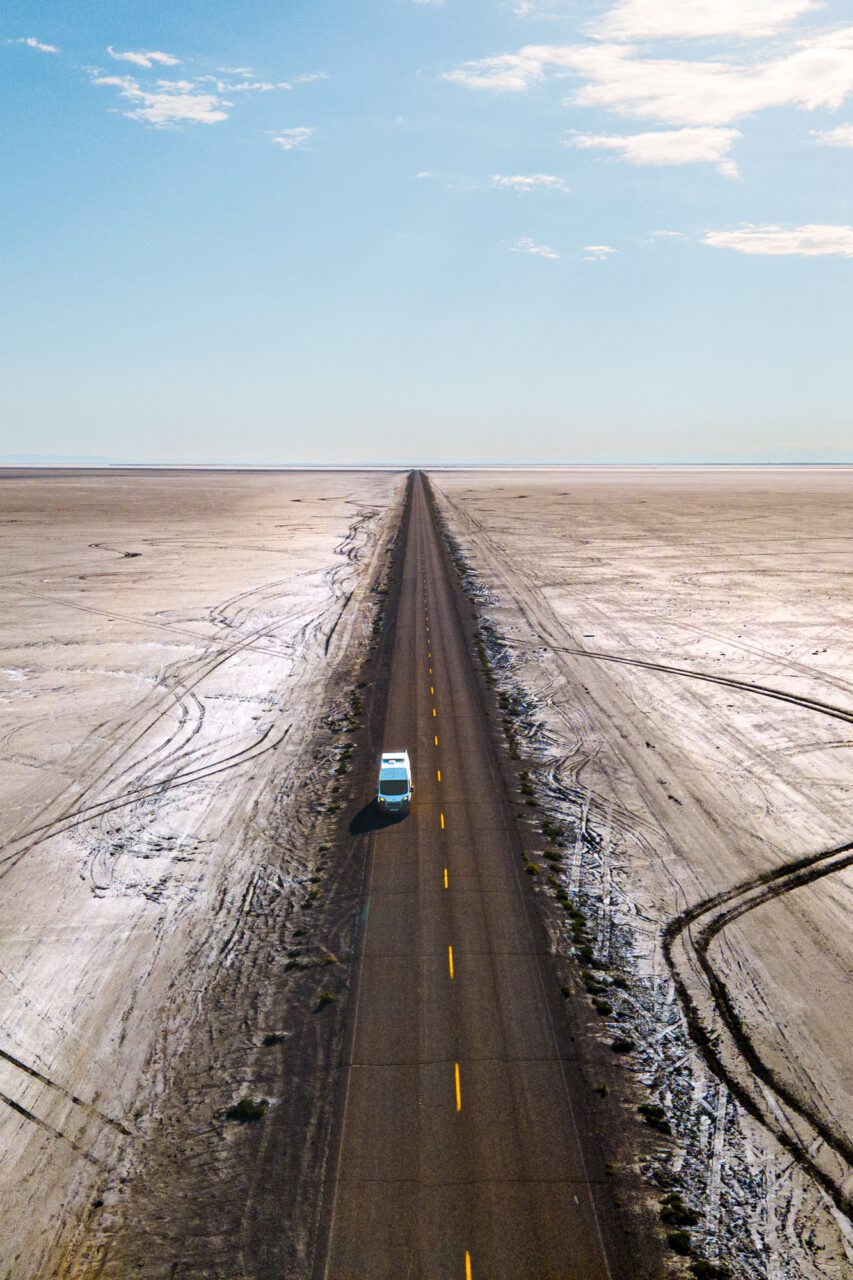
And if you’re driving through Arizona, Nevada, or Utah, don’t wait until your tank is nearly empty before looking for gas. Some stretches of road have very few services.
For more advice on scenic drives, parking, and road trips, check out my 7-Day California Coast Itinerary.
For specific tips on navigating California roads, check out my 7-day California Coast road trip guide where I share every toll, parking trick, and scenic route I discovered.
Where to Stay in the USA
One of my favorite things about American road trips is the variety of places you can stay.
You might spend one night in a stylish hotel in the city, the next in a cabin surrounded by trees, and another in a small roadside motel that looks like it hasn’t changed in decades.
I have a particular soft spot for those old-fashioned motels.
During my travels around the West Coast, I’ve stayed in places with retro neon signs, simple rooms, and a character that many modern hotels can’t match.
Motels and Hotels
Motels are often a practical choice for road trips, especially when you’re moving between destinations.
Before booking, I always check recent reviews for cleanliness, noise, and location.
In larger cities, I also pay attention to parking arrangements. A hotel that seems affordable at first can become surprisingly expensive once daily parking charges are added.
Camping in US National Parks
If you love being close to nature, camping can become one of the most memorable parts of your trip.
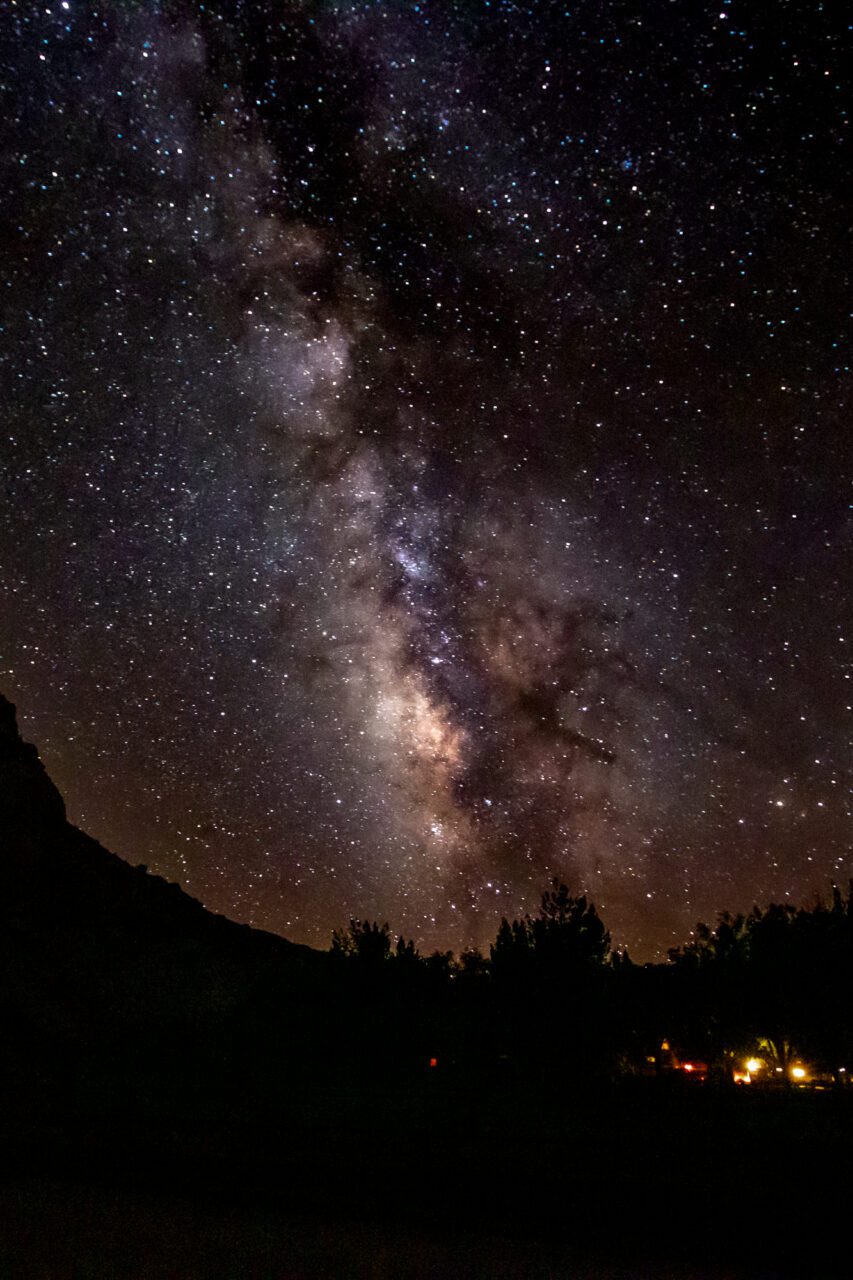
I still remember spending a night near Zion National Park, surrounded by silence and a sky full of stars.
Popular campgrounds, however, often require reservations well in advance.
Also check the available facilities before booking. Not every campground has showers, drinking water, or permission to build a campfire.

Food in the USA: What to Try and How Tipping Works
American food is so much more than burgers and fries. Every region has its own flavors, and exploring local restaurants is one of my favorite parts of traveling around the country.
In Portland, I fell in love with the city’s food carts, independent coffee shops, and restaurants inspired by cuisines from around the world.
Arizona introduced me to the flavors of the Southwest, where Mexican influences, regional ingredients, and bold spices play a big role in local food.
I also love stopping at classic American diners during road trips.
There’s something special about ordering breakfast at almost any time of day, enjoying a cup of coffee, and getting a glimpse of everyday life in a small American town.
If you enjoy exploring cities through food, check out my Portland Food Guide. It features more than 20 places I’ve personally visited, along with specific dishes I recommend.
For food lovers heading to the Pacific Northwest, my Portland food guide features 20+ restaurants I actually ate at, with specific dishes and honest reviews.

How Does Tipping Work in the USA?
If you’re visiting the United States for the first time, American tipping culture might surprise you.
At full-service restaurants, it’s customary to leave around 15-20% of the pre-tax bill. I usually tip 18-20% when I’m happy with the service.
Things work a little differently at coffee shops, food trucks, and counter-service restaurants. Payment terminals will often suggest a tip, but you’re not generally expected to tip in the same way you would at a sit-down restaurant.
It’s also worth checking your bill, especially when dining with a larger group. Some restaurants automatically add a gratuity or service charge, so you don’t want to accidentally pay twice.
One more thing: menu prices often don’t include sales tax, which is added when you pay.

My Favorite Places in the USA
After living and traveling around the United States for several years, I’ve realized something: my favorite memories don’t always come from the most famous attractions.
Sometimes it’s a quiet morning by the ocean, a conversation with someone at a small motel, or a view that makes you pull over without thinking twice.
Oregon: My First American Home
Oregon was my first home in the United States, and it still holds a special place in my heart.
I love its rugged coastline, moss-covered forests, and waterfalls tucked away among the trees.
One of my favorite memories is a morning at Cannon Beach when the fog slowly lifted, revealing Haystack Rock.
I also remember walking through Silver Falls State Park, where some trails take you right behind cascading waterfalls.
If you love nature, long walks, and places with a slightly moody atmosphere, Oregon might be exactly what you’re looking for.
Read next: My Oregon Travel Guide – the most beautiful places to visit.

Arizona: The Desert That Surprised Me
Moving from Oregon to Arizona felt almost like moving to another country.
Instead of lush green forests, I found towering saguaro cacti, red rock formations, and wide-open desert landscapes.
Sedona has become one of my favorite weekend escapes. No matter how many times I visit, I always discover something new.
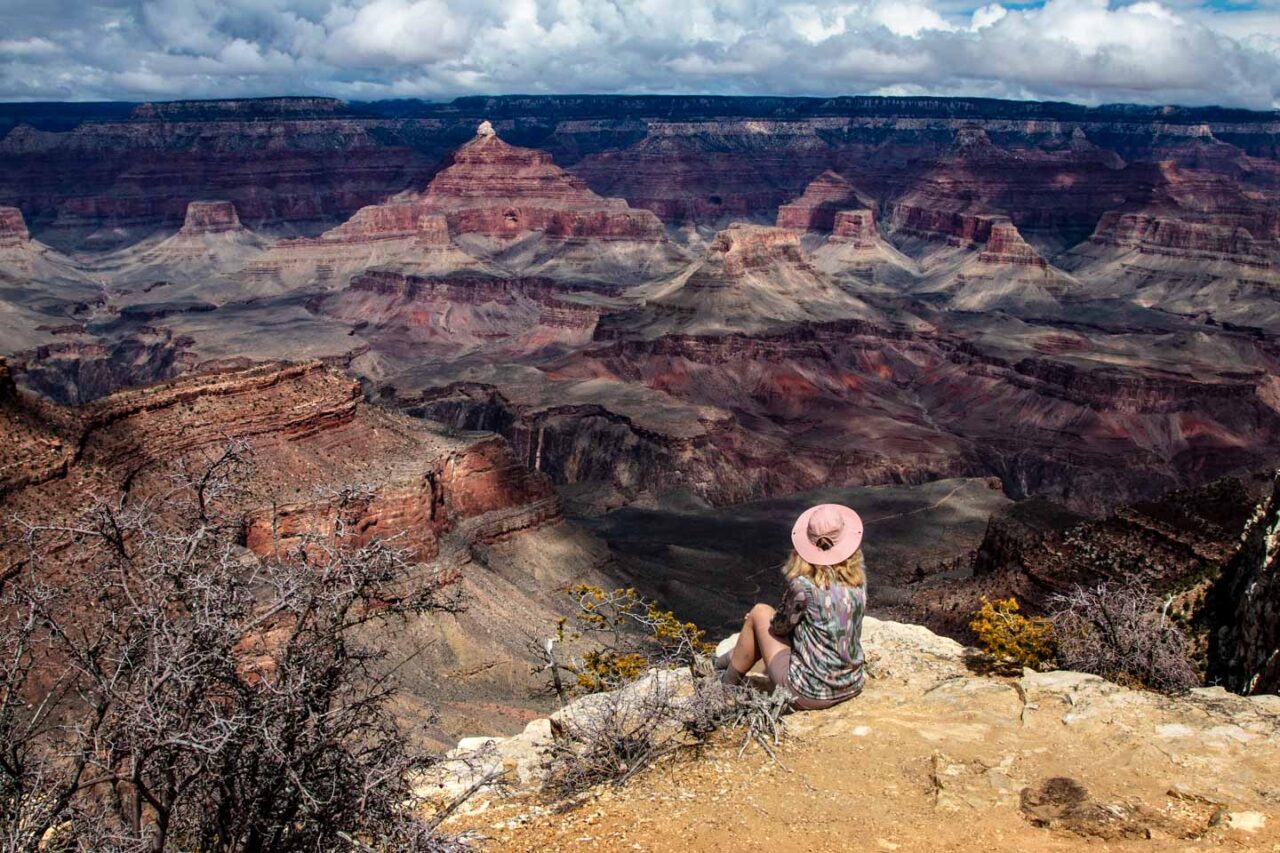
And the Grand Canyon? Nothing really prepares you for its scale. You have to stand at the rim to understand just how extraordinary it is.
Living in Arizona has taught me to appreciate landscapes that might initially seem empty or harsh.
Slow down, and you’ll begin to notice the colors, textures, and quiet beauty of the desert.
Read next: Arizona Road Trip and Best Hikes in Sedona.

California: Ocean Views, Mountains, and Charming Towns
California is one of the most diverse states I’ve explored.
You can wander through San Francisco one day and find yourself surrounded by giant redwoods, mountain scenery, or dramatic ocean cliffs the next.
I’m especially fond of Big Sur.
The winding coastal road, steep cliffs, and breathtaking views around every corner make it almost impossible not to stop constantly.
San Francisco also left a lasting impression on me, partly because of its surprisingly chilly summer weather.
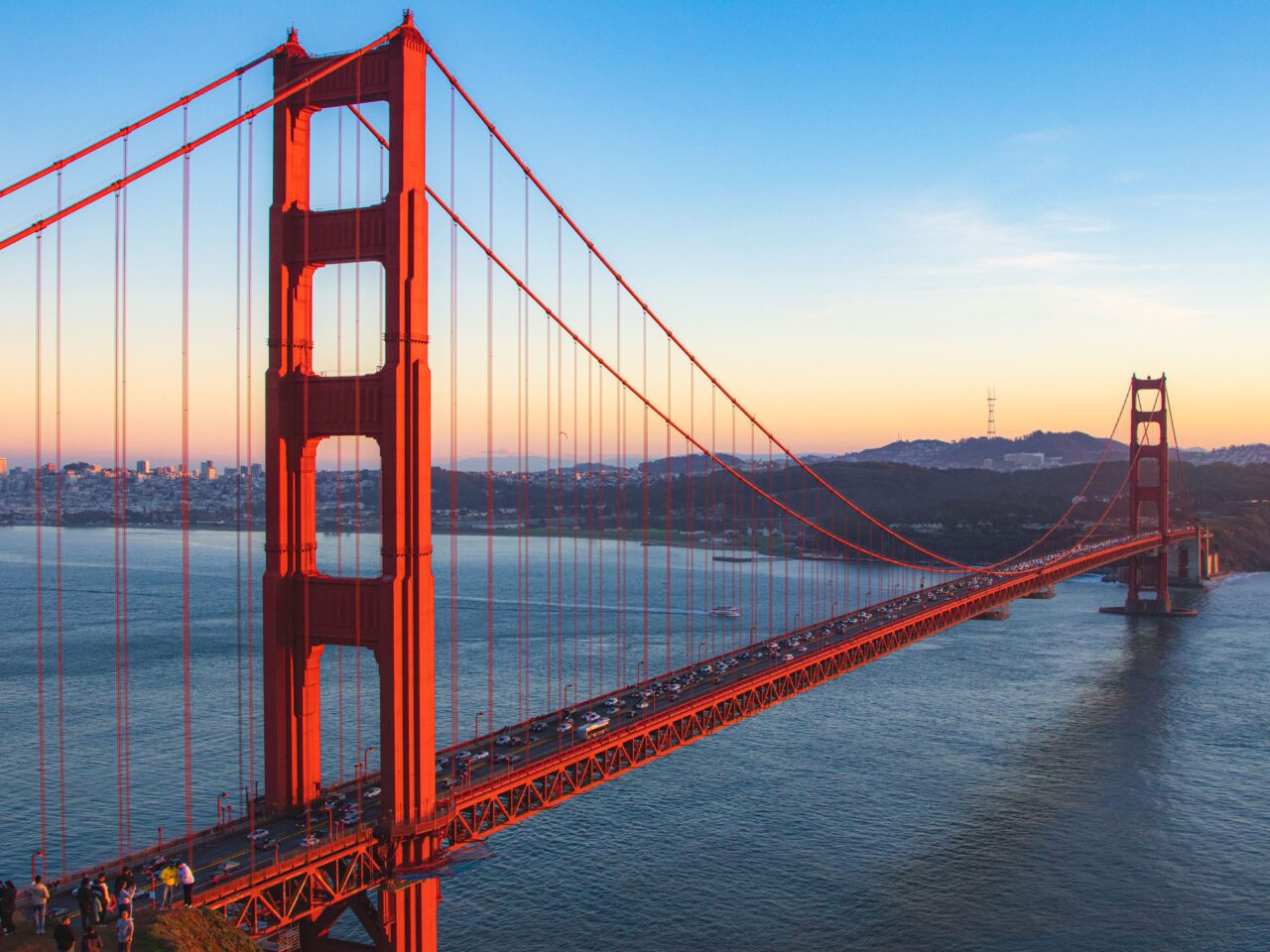
Even in July, fog can wrap around the Golden Gate Bridge and make the city feel much cooler than you’d expect.
Read next: 7-Day California Coast Itinerary.
How to Plan a Three-Week West Coast USA Road Trip
Three weeks gives you enough time for an unforgettable trip, but I wouldn’t recommend changing locations every single day.
If I were planning a three-week trip today, I’d focus on Oregon and California rather than trying to squeeze the Southwest into the same itinerary.
That way, you’ll have more time for hikes, quiet mornings, and spontaneous stops.
Week 1: Oregon and Northern California
Start in Portland, where you can visit Powell’s Books, explore the Portland Japanese Garden, and discover the local food cart scene.
Then spend several days along the Oregon Coast.
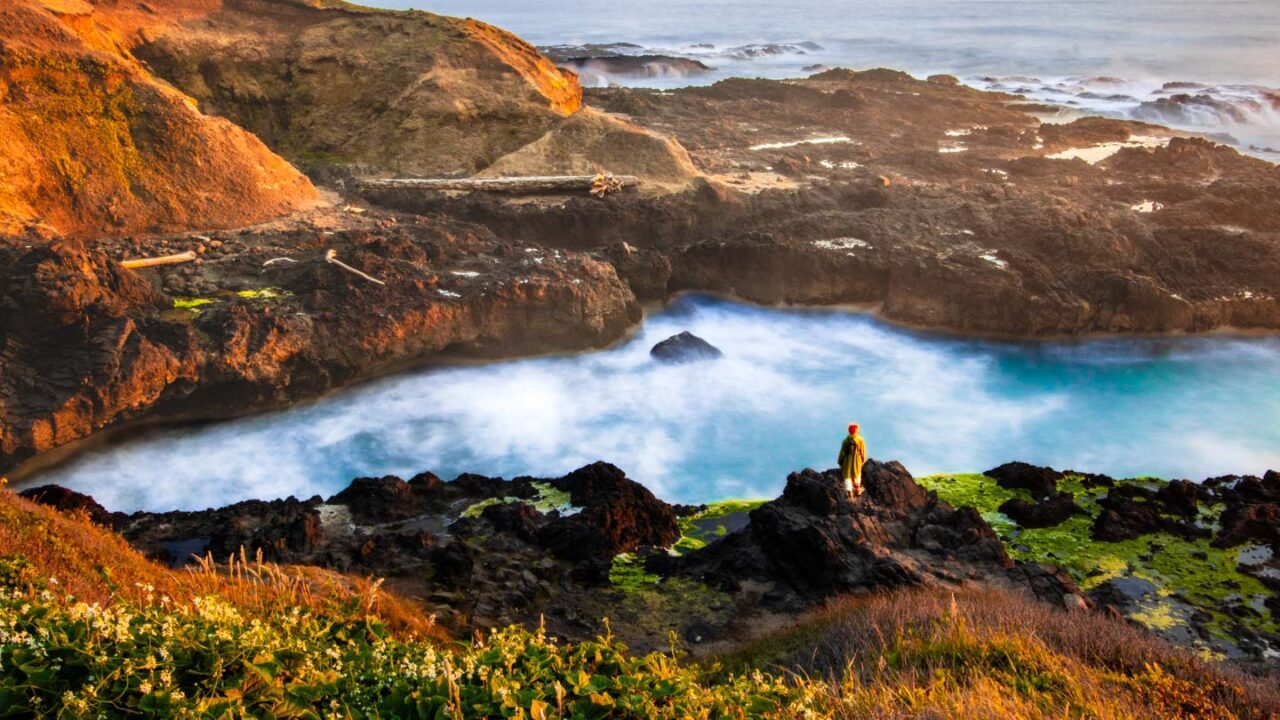
Cannon Beach, Yachats, and the coastal viewpoints along Highway 101 deserve more than a quick drive-through.
Toward the end of the week, head south to Redwood National and State Parks in Northern California.
Walking among some of the tallest trees in the world is an experience that’s hard to forget.
Week 2: San Francisco and Yosemite
After exploring Northern California, spend a few days in San Francisco.
Walk through the city’s neighborhoods, admire the Golden Gate Bridge, visit Alcatraz, and make time for a good coffee.
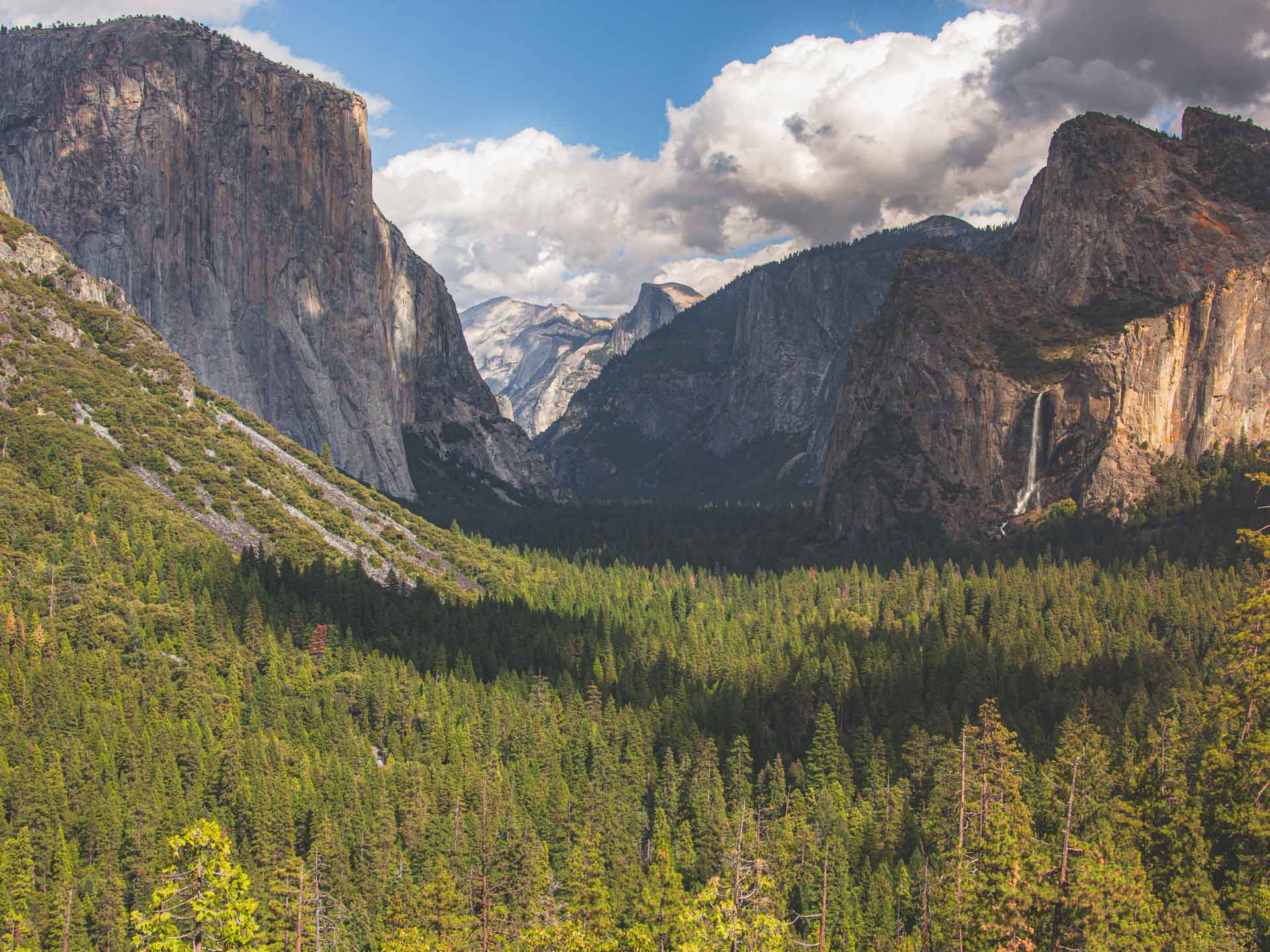
Then head inland to Yosemite National Park.
I recommend spending at least two full days there.
Rather than rushing between every famous viewpoint, choose a few places and allow time to enjoy the trails.
Week 3: California Coast and Los Angeles
Use your final week for a slower journey south along the California coast.
Stop around Monterey, Carmel-by-the-Sea, and Big Sur, depending on road conditions and Highway 1 access.
Santa Barbara is another lovely place to explore before reaching Los Angeles.
In LA, I recommend the Getty Center, some time by the ocean, and exploring neighborhoods beyond the busiest tourist attractions.
If Arizona and the Grand Canyon are high on your wish list, I’d suggest planning a separate Southwest road trip instead of adding hundreds of extra miles to this itinerary.
My advice: Visit fewer places, but experience them more deeply. Some of my best travel discoveries happened when I had enough time to wander without a strict schedule.
For detailed trail recommendations and hiking tips for the Arizona portion of this route, especially around magical Sedona, check out my Best Hikes in Sedona guide with tested difficulty levels and my favorite viewpoints.

Practical Tips for First-Time Visitors to the USA
Before your first trip, there are a few everyday differences worth knowing.
Credit cards. You can pay by card almost everywhere, but carrying a small amount of cash is still useful. A credit card is often important when renting a car.
Sales tax. In many states, the price displayed on a store shelf doesn’t include sales tax. The final amount is calculated at checkout.
Travel insurance. Medical care in the United States can be extremely expensive. Choose a policy with adequate medical coverage and protection for your planned activities.
Driving distances. Don’t plan your itinerary based on mileage alone. Mountain roads, scenic stops, and national park traffic can add significant travel time.
Cell service. Some remote highways and national park areas have limited or no mobile coverage. Download offline maps before leaving.
Safety. Check the neighborhood before booking accommodation, don’t leave valuables visible in your car, and always consider weather and trail conditions.
Drinking water. Municipal tap water is generally safe to drink in most US cities. In national parks and remote areas, use designated potable water sources and carry enough water for your activities.
USA Travel FAQ
How Many Days Do You Need for Your First USA Trip?
Four or five days can be enough for a city break, while 10–14 days is a good starting point for exploring a region. For a longer road trip, around three weeks allows for a more relaxed pace.
Is the USA Safe for Solo Female Travelers?
I’ve traveled solo in different parts of the United States and have generally had positive experiences.
Safety depends on the specific location, time of day, and circumstances. Before booking, check the neighborhood and recent traveler reviews.
Do You Need a Car to Travel Around the USA?
Not necessarily in cities such as New York, Boston, or San Francisco. For most national park road trips in the American West, however, renting a car is usually the most convenient choice.
How Much Cash Should You Bring to the USA?
I rarely need cash in everyday life, but I like to keep around $20–50 on hand for small purchases or emergencies.
Can You Visit the USA Without a Visa?
Eligible travelers from Visa Waiver Program countries can generally visit for tourism or permitted business activities for up to 90 days with an approved ESTA, provided they meet all program requirements.
Can You Travel Around the USA on a Budget?
Absolutely. Traveling outside peak season, sharing car rental costs, choosing simpler accommodations, and avoiding unnecessary driving can all help.
A well-planned route can save you money without making the experience feel limited.
Is Tap Water Safe to Drink in the USA?
In most cities, municipal tap water is generally safe to drink. Water quality and taste vary by location, so pay attention to local advisories, especially in rural or remote areas.
Is the USA a Good Destination for a Road Trip?
Definitely. The country’s vast landscapes, scenic highways, and national parks make it an incredible place to explore by car.
For a first Southwest adventure, my Arizona Road Trip guide is a great place to start.
Travel lighter, even before you leave.
start with something simple.
Download The Minimum Plan – Slow Travel:
Related USA Guides You’ll Find Helpful
Planning Your USA Adventure: Final Thoughts
After several years of living in the United States, I still feel like I’ve only explored a small part of this enormous country.
Oregon taught me to appreciate misty forests and rugged coastlines. Arizona showed me the unexpected beauty of the desert. And every road trip reminds me that you don’t need to visit every attraction to have an unforgettable experience.
If you’re planning your first trip to the USA, here’s the most important advice I can give you:
Don’t try to see everything at once.
Choose a region that genuinely excites you. Leave room for spontaneous stops, local coffee shops, and moments when you don’t have a plan.
America isn’t going anywhere. There will always be more to discover.
More USA Travel Guides to Explore
Here are a few guides I think you’ll love next – all tested, personal, and full of insider tips:
- Hawaii Travel Guide – My favorite beaches, volcanoes, and island-hopping tips.
- Hidden Gems in Oregon – Budget-friendly spots most tourists miss.
- NYC in 3 Days Itinerary – My curated mix of iconic sights and hidden corners.
- Renting a Car in the USA – Insurance, deposits, road rules (all explained simply).
What part of the United States would you love to explore first: the desert, the mountains, or the Pacific Coast?
Let me know in the comments. I’d love to hear about your travel plans and help you get started!
This guide is super helpful! I’ve been thinking about planning a trip to the USA, and your tips made it feel a lot less overwhelming. I love how you broke everything down, especially the info on visas and transportation. Thanks for putting this together – it’s a great starting point for first-time travelers!