
Dreaming of seeing Milan in one day? I’ve got good news for you.
After many visits to this fascinating city, I know it inside and out – so everything you’ll find here comes from real experience, not recycled internet tips.
I’m going to show you how to get the most out of a short stay in the fashion capital without rushing around frantically checking things off a list.
You’ll find a travel itinerary that lets you see the most important places, taste genuine local food, and feel the authentic rhythm of Milan.
This is a city of contrasts – medieval churches and elegant buildings stand side by side with modern architecture and art galleries, traditional trattorias operate right next to trendy bars, and over it all hangs that unmistakable atmosphere of northern Italy.
Wear comfortable shoes, bring your camera, and leave room for great food. You’re in for a day full of impressions, flavors, and views you’ll keep coming back to in your mind. Let’s go to Milan.
Planning a trip to Italy? Check out my Italy travel guide – you’ll find even more tips, inspiration, and places with real soul.
Morning in Milan
Italian Breakfast – Cappuccino and Cornetto
The best way to start a day in Milan is with a real Italian breakfast at one of the small, local cafés.
I loved watching the morning rituals of the locals. Milanese people, like most Italians, keep breakfast light – coffee is the star, and something sweet from the display case always comes with it.
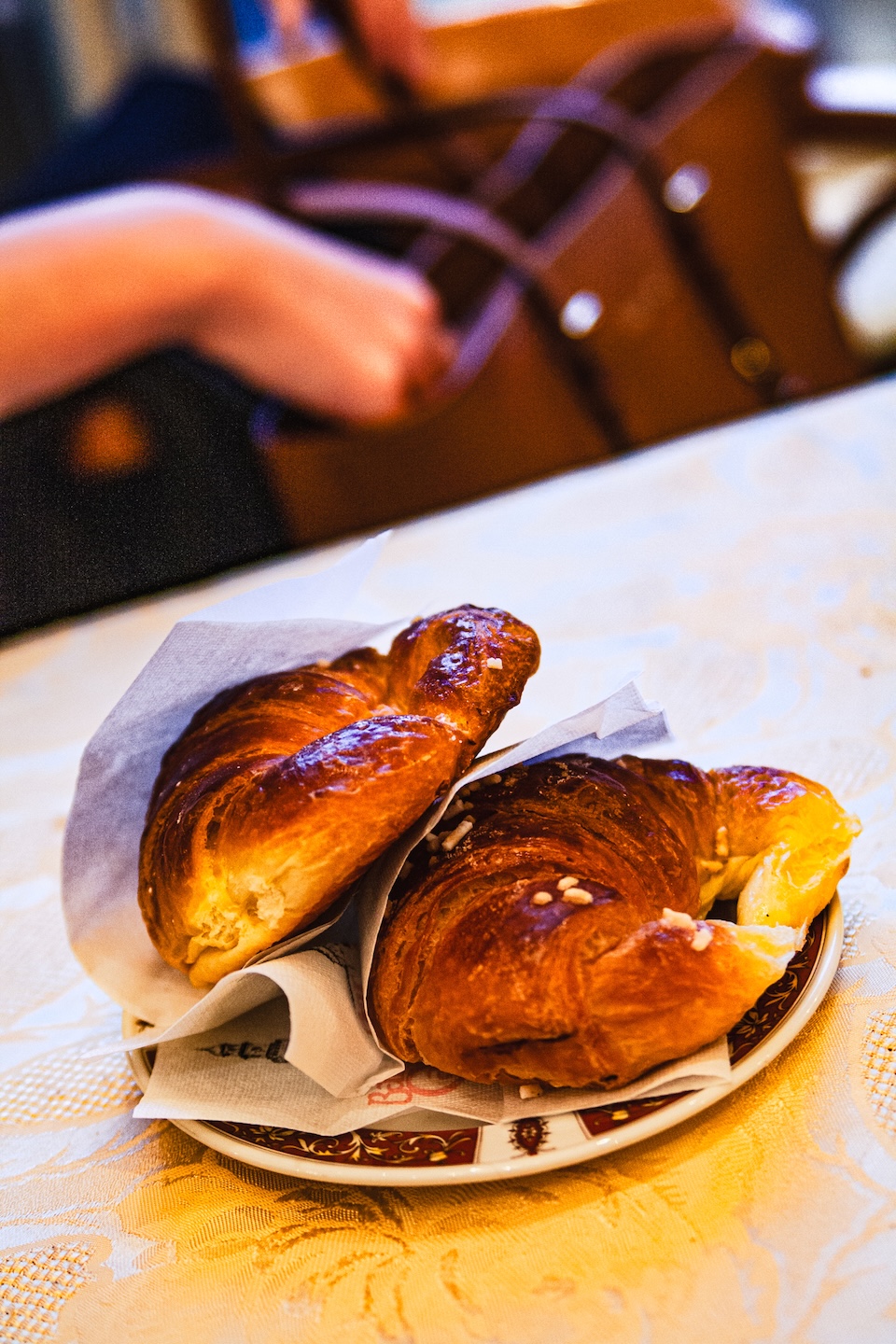
Do it like the locals and order cappuccino e cornetto – a velvety cappuccino and a crispy croissant filled with jam, cream, or chocolate.
This simple classic genuinely tastes different here than back home. And it’s not just the coffee.
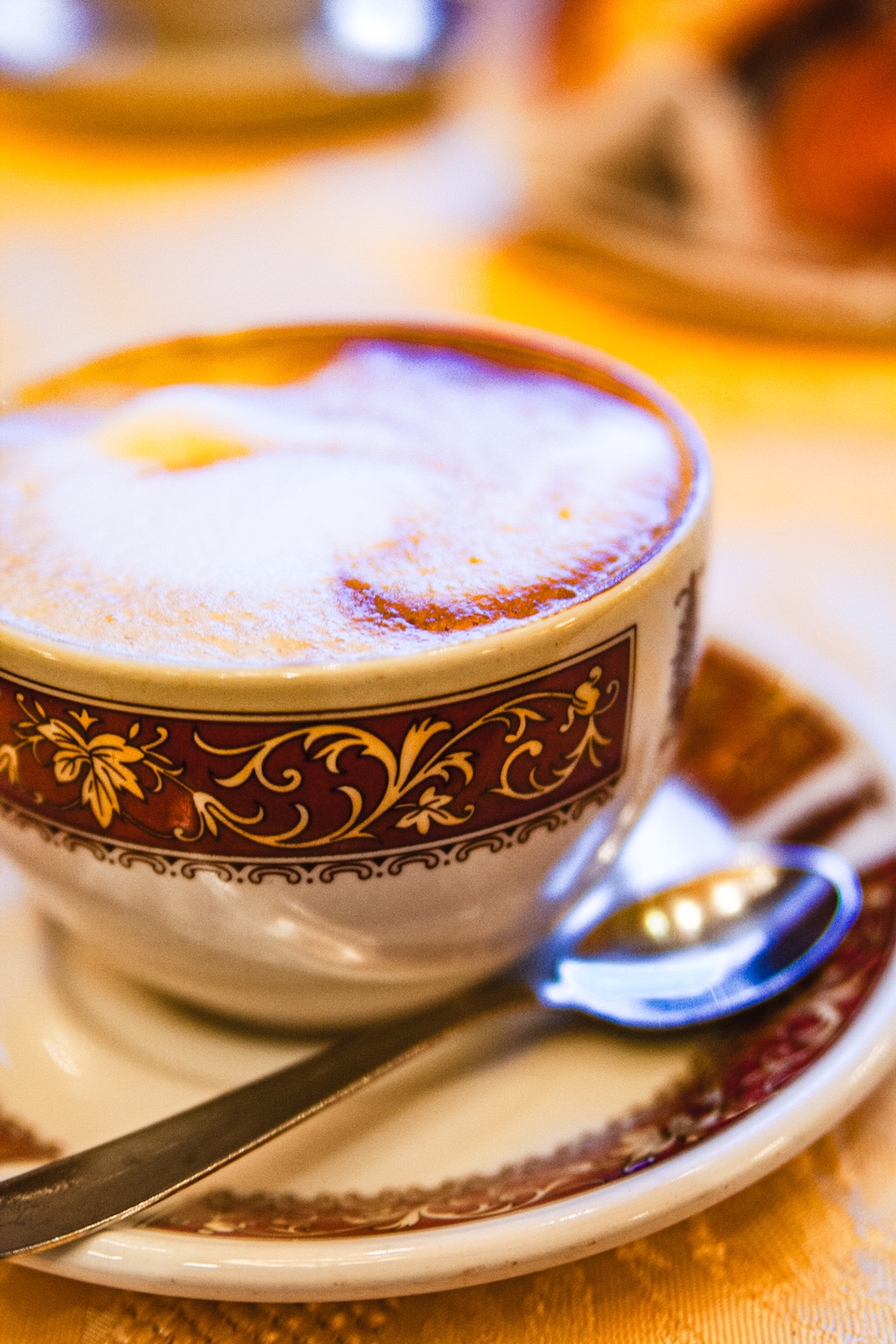
You can also try caffè e brioche – a strong espresso or macchiato paired with a fluffy brioche bun. And on a hot day, nothing is more refreshing than granita e brioche – an icy sorbet served alongside a still-warm roll.
Whatever you choose, that morning dose of caffeine and something sweet will give you all the energy you need to spend the day discovering the treasures tucked away in Milan’s streets.
Milan’s Most Iconic Landmarks
Milan Cathedral – Duomo di Milano
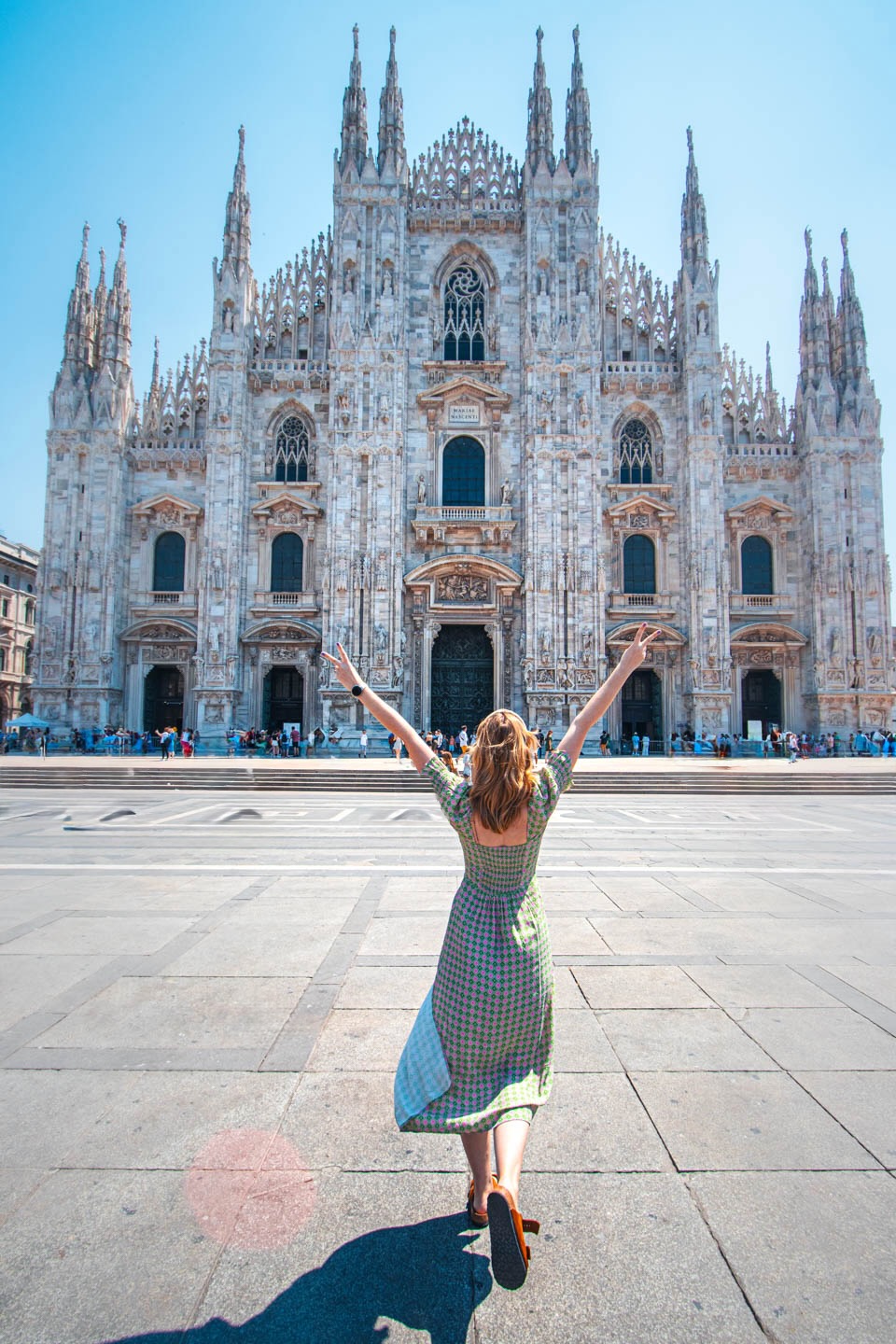
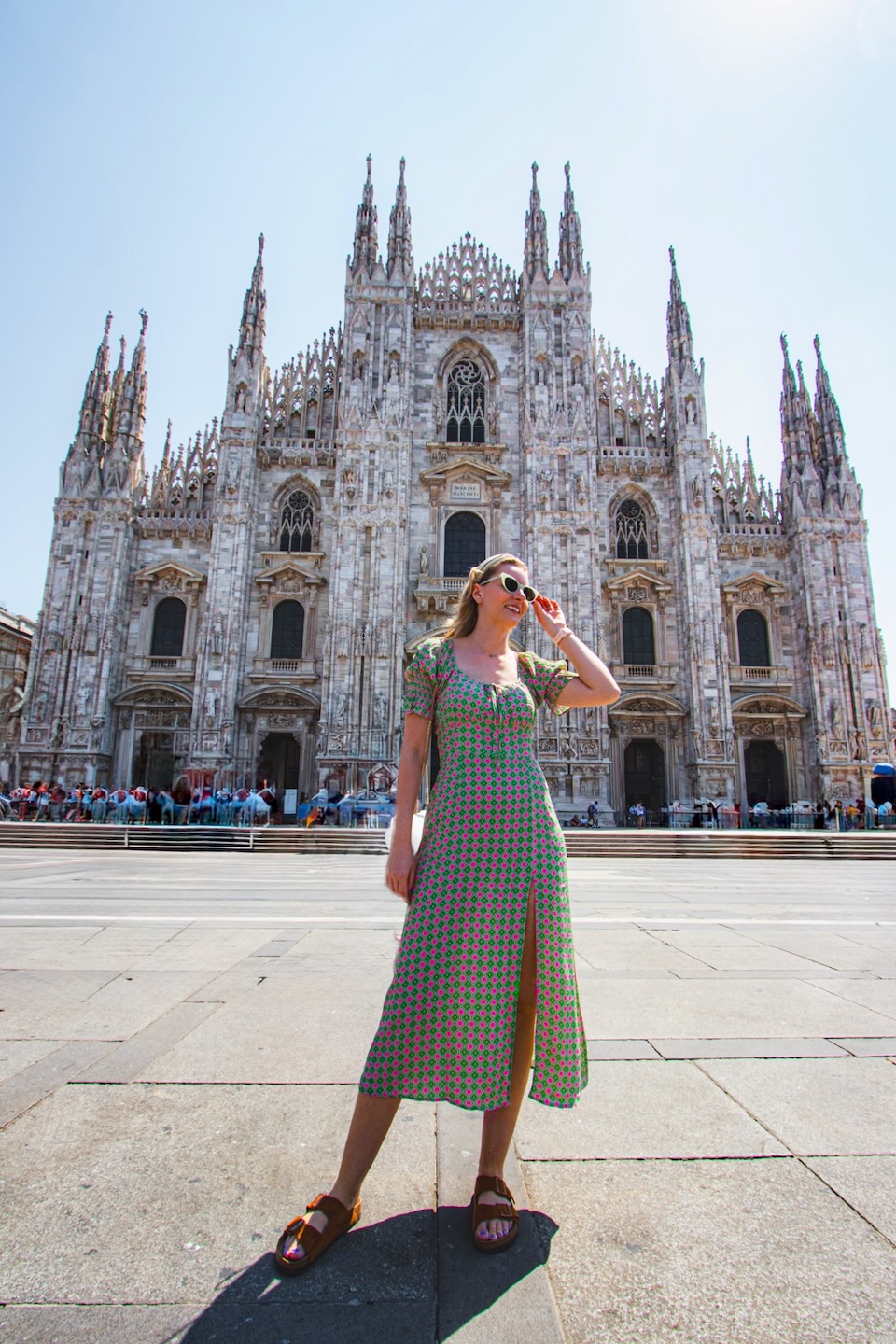
After your coffee break, it’s time to head toward the breathtaking Gothic cathedral, the Duomo di Milano – a place no visit to Milan is complete without.
I remember my very first encounter with this monumental building perfectly. I just stopped dead in my tracks, head tilted back, mouth open.
The Duomo isn’t just a symbol of the city – it’s a true work of art that successive generations of artists worked on for centuries.
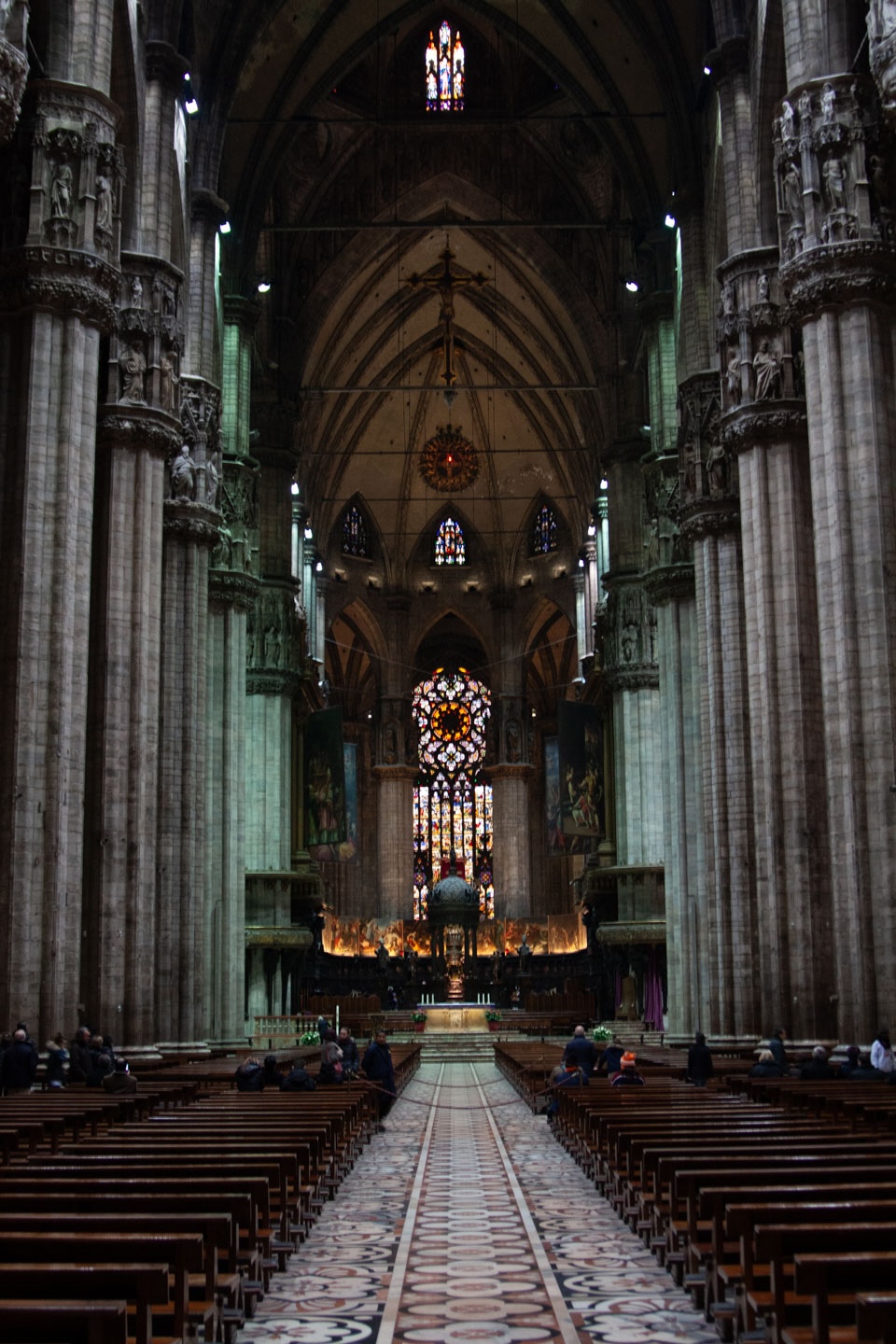
Inside the cathedral, light filtering through the stained glass windows creates an almost mystical atmosphere. Between the rows of pews you can hear the quiet murmur of prayers and the footsteps of visitors that naturally slow to a gentler pace.
The architectural details are full of symbols and small secrets – it’s worth taking a moment to really look at them.
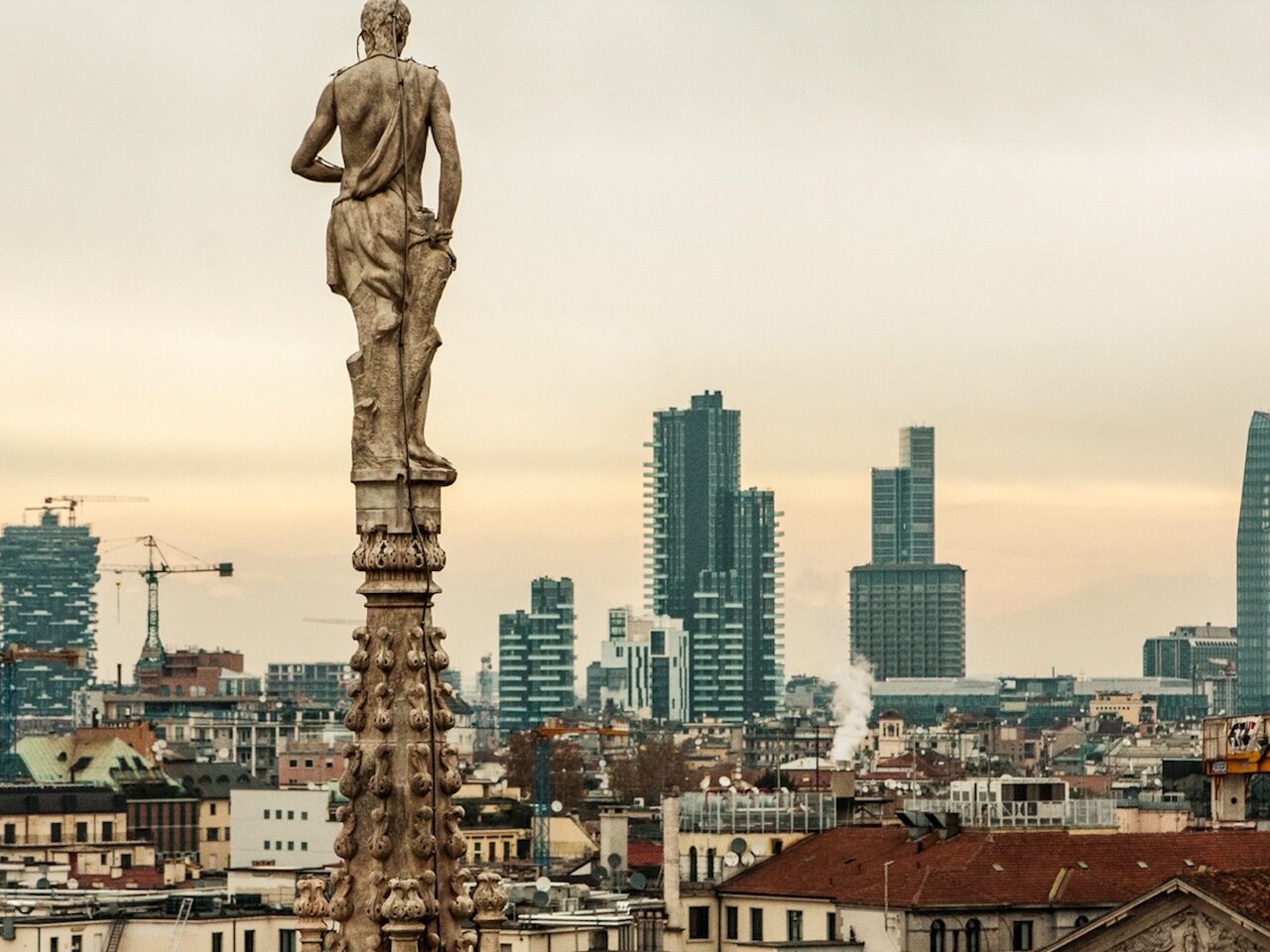
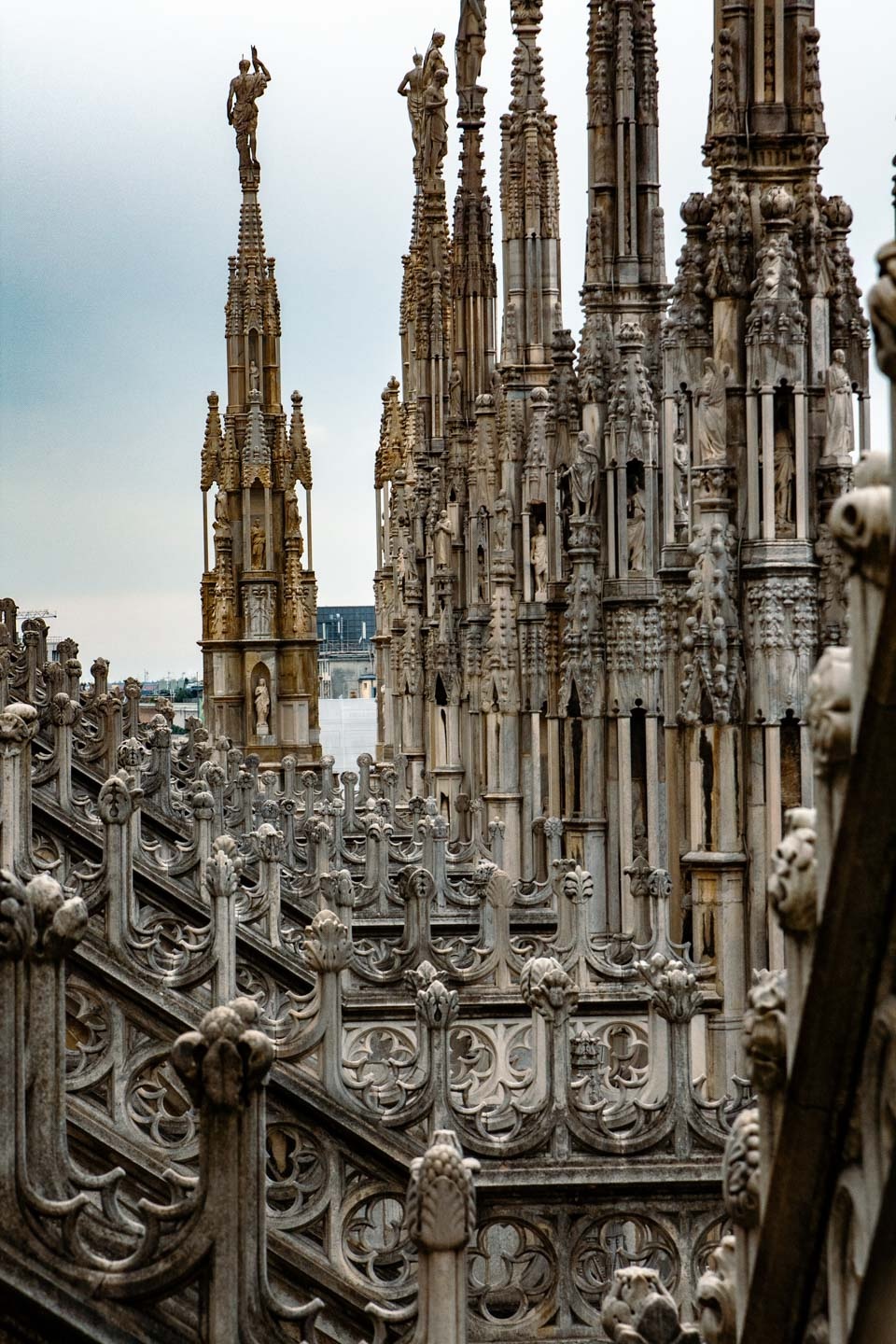
Make sure you go up to the roof of the Duomo. It was one of my favorite experiences in Milan.
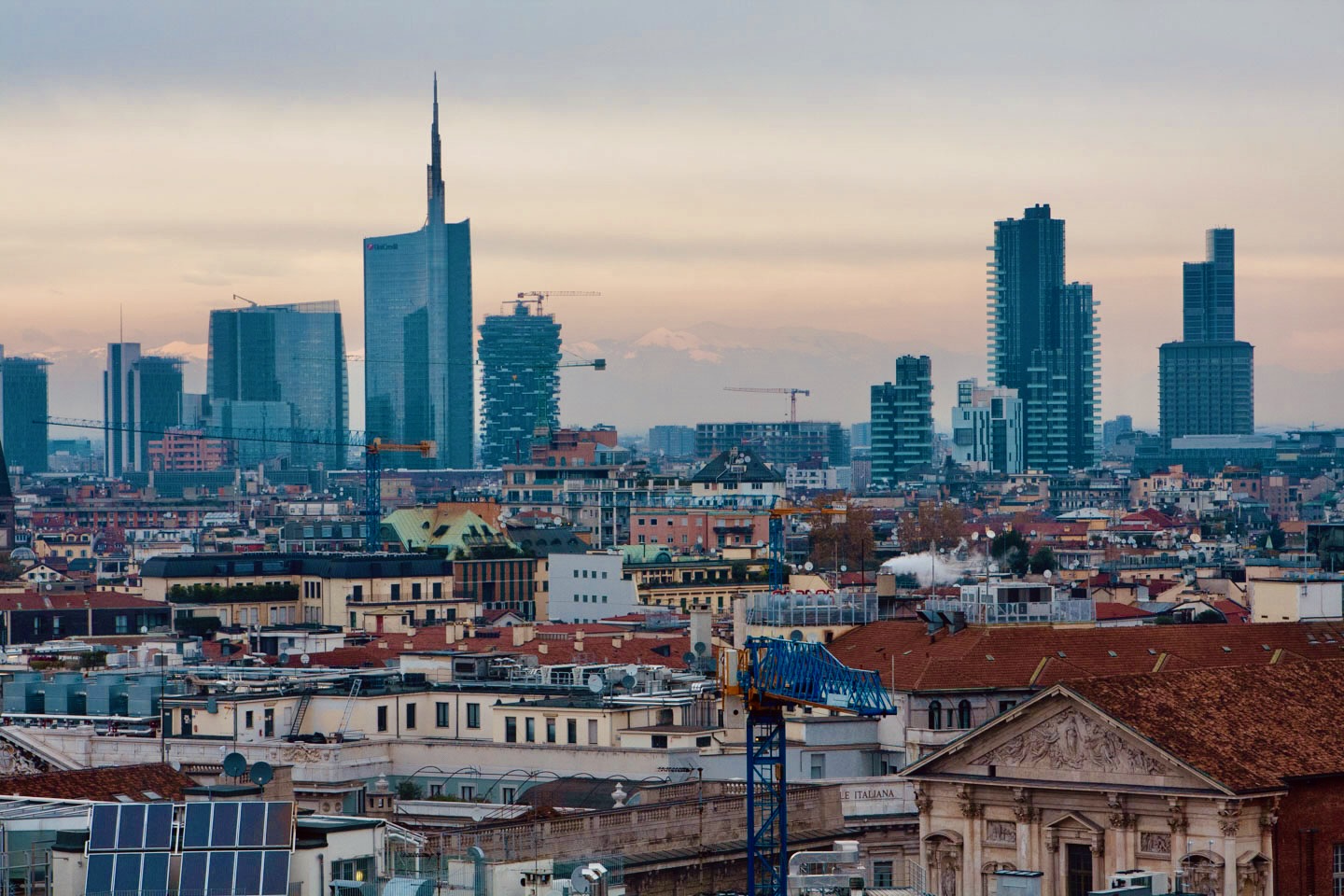
Walking among the marble spires and sculptures is genuinely impressive, and on a clear day you can see a panoramic view of the city, with the Alps faintly visible in the distance.
Get your camera ready – you’ll have incredible shots and views that stick with you for a long time.
Practical info
- It’s best to book roof access online in advance – it lets you skip the lines, which can get seriously long, especially in peak season.
- Check the official cathedral website for current hours and ticket prices.
Love Gothic cathedrals and Italian architecture? If Florence is also on your radar, check this out:
Late Morning in Milan
Galleria Vittorio Emanuele II
Just steps from the cathedral, you’ll find another Milanese gem – the Galleria Vittorio Emanuele II.
On my first visit, I almost walked past it, thinking it was just a regular shopping mall. Big mistake.
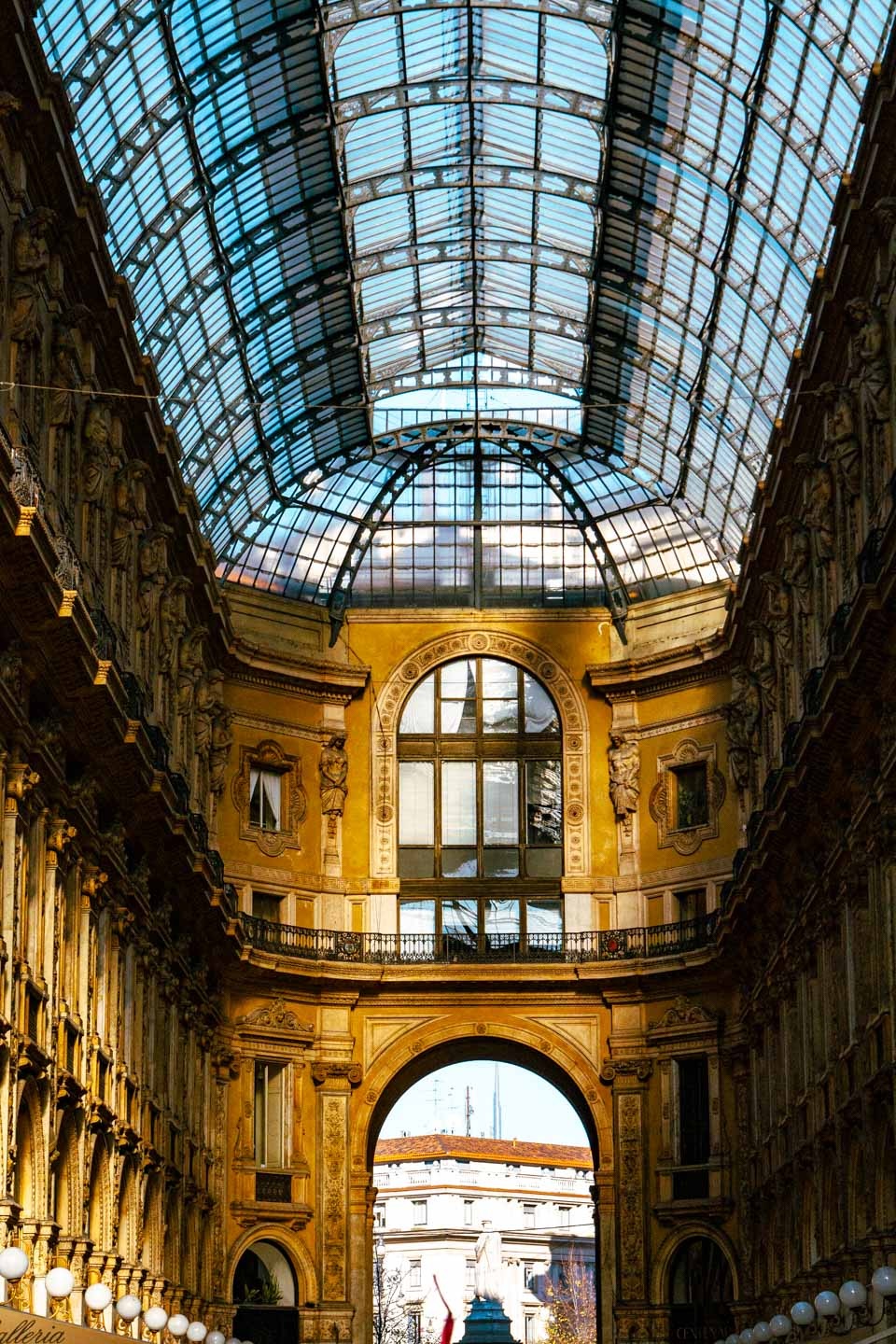
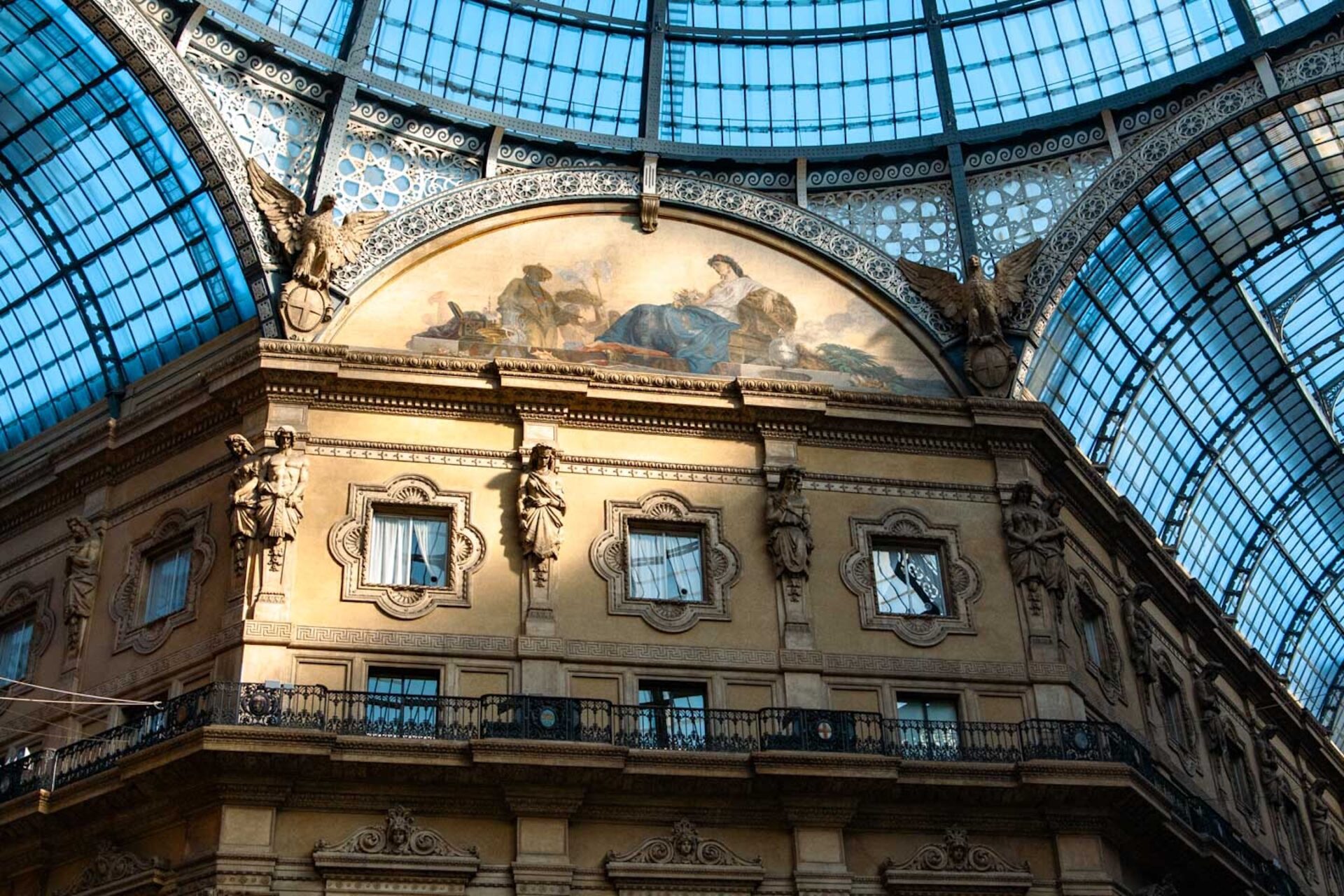
This is one of the oldest shopping centers in the world and a genuine architectural masterpiece – with a stunning glass ceiling and beautiful mosaic floors.
The light pouring through the dome creates an almost magical atmosphere, no matter what time of day it is. This is one of those places where it pays to slow down and just look around.
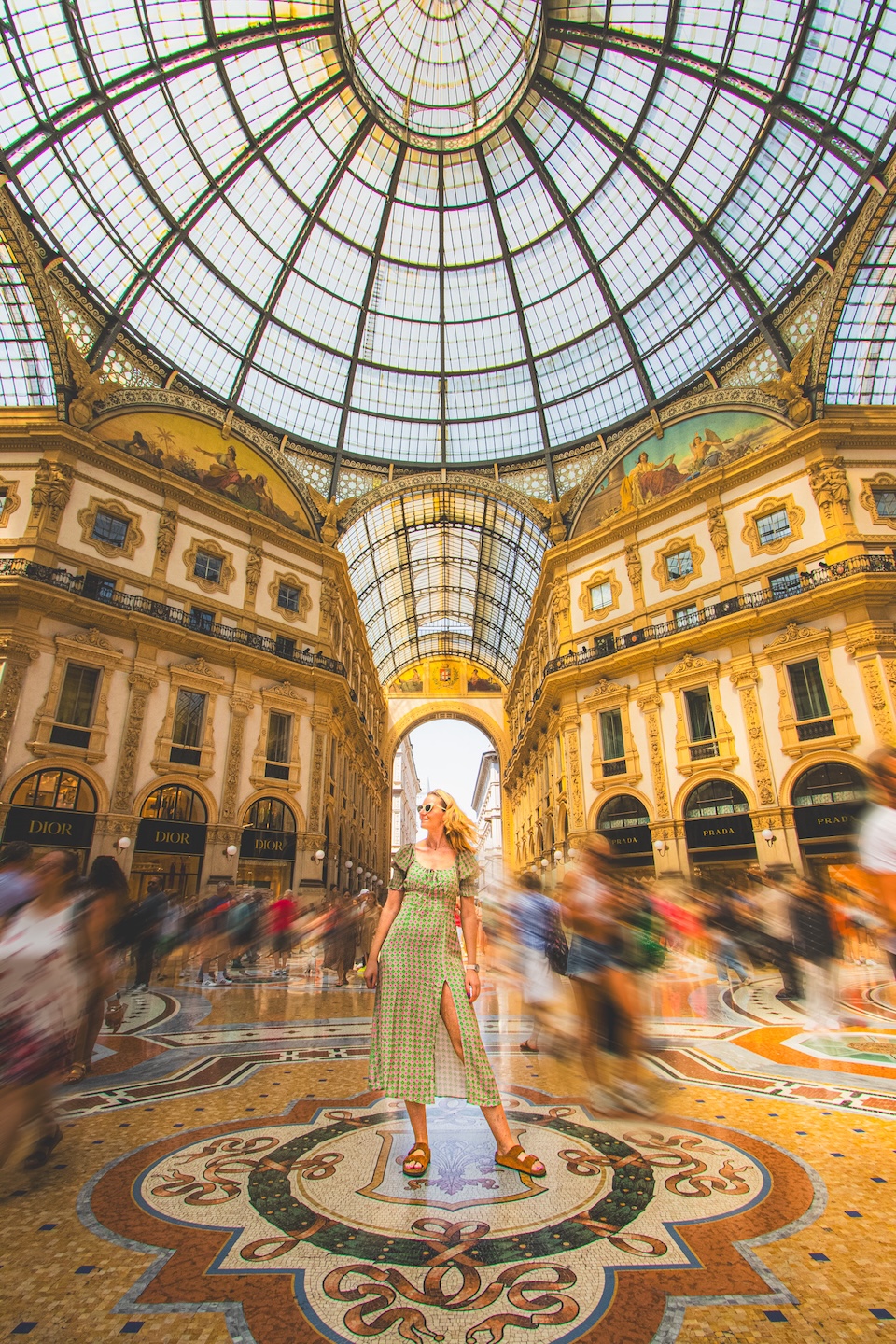
Sure, you’ll find boutiques like Gucci, Prada, and Armani here – worth stepping inside even if shopping isn’t on the agenda. But it’s so much more than a place for luxury purchases.
This is the heart of the city’s social life. Milanese people come here for coffee, a quick chat, to see and be seen.
There’s also a local ritual you have to try. In the central section of the gallery, you’ll find a mosaic of a bull. Stand on the bull’s… most masculine part and spin on your heel.
Locals believe it brings good luck. I watched both tourists and elegantly dressed businessmen performing this gesture in complete seriousness.
Milan’s Sforza Castle (Castello Sforzesco)
Now it’s time to walk toward the majestic Castello Sforzesco.
This powerful, medieval fortress holds stories and details you won’t find in typical guidebooks.
During one of my visits, I met an older gentleman – a retired tour guide. He told me that Leonardo da Vinci himself had worked within these walls, creating works at the court of Milan’s ruler at the time.
And suddenly the place starts to feel completely different. You might be walking the exact same paths that one of the greatest geniuses in history once walked.
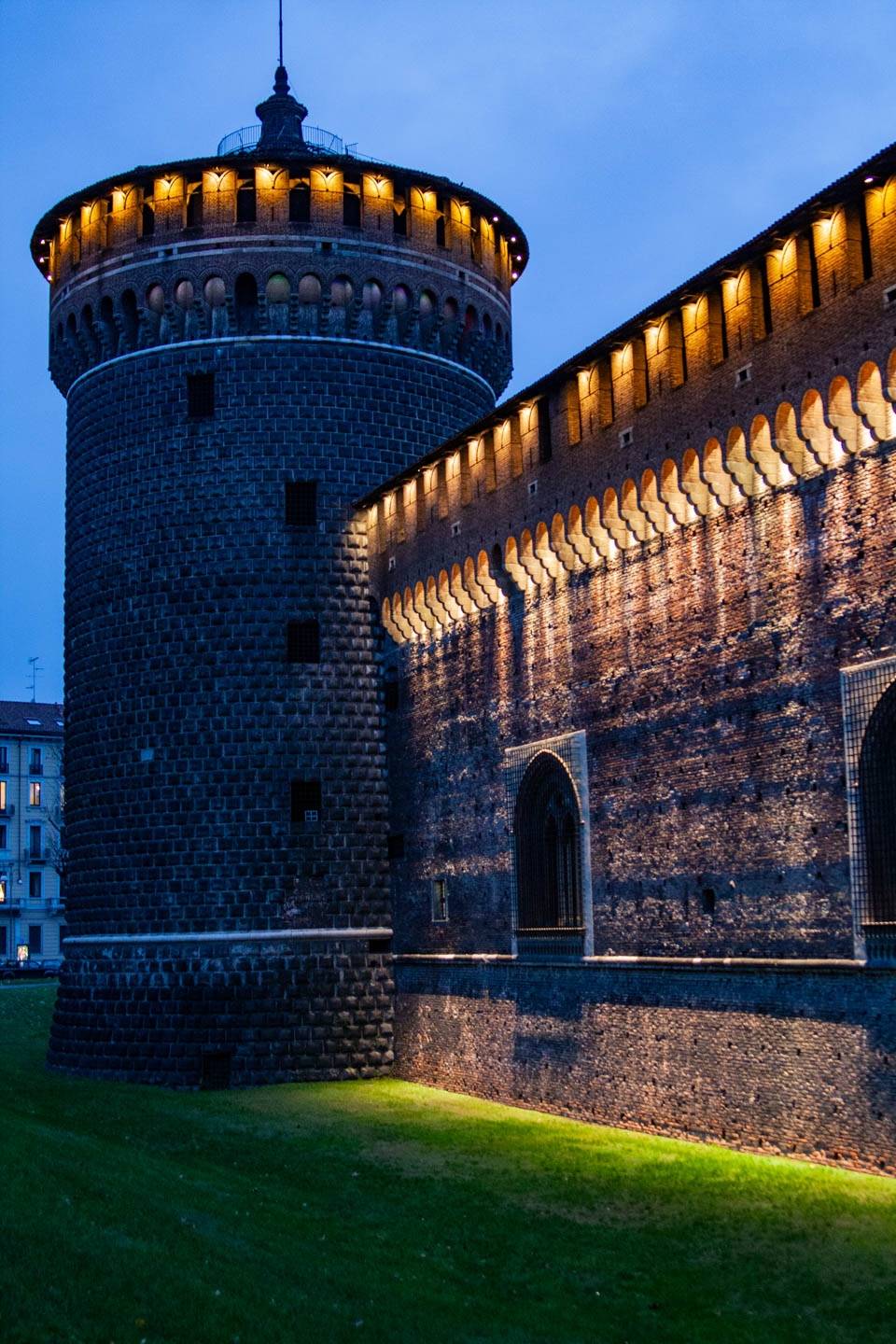
The castle courtyard often hosts intimate concerts and small cultural events. If you’re lucky, you might catch a performance by local musicians or a small book fair.
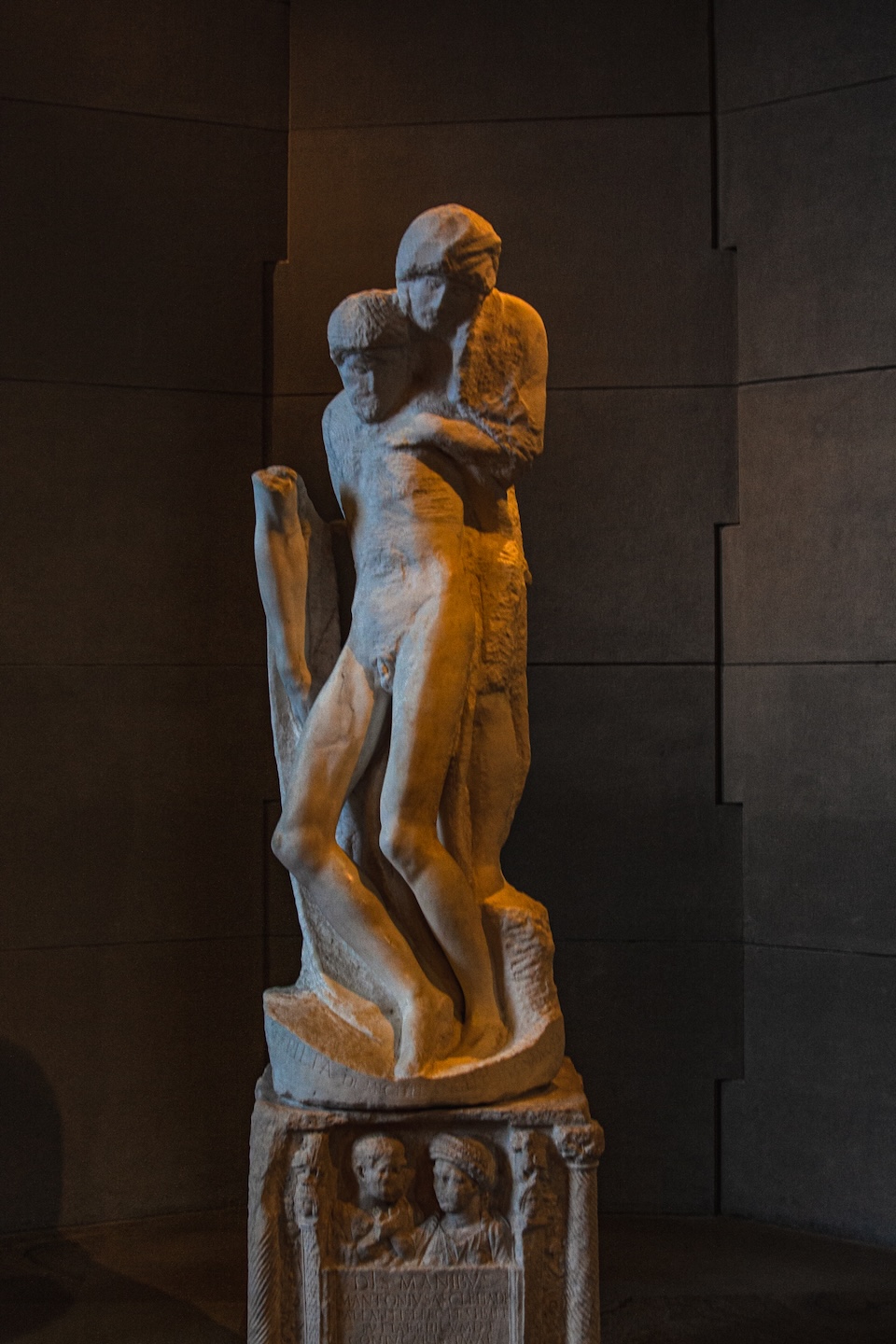
While you’re there, definitely step inside the Museum of the Pietà Rondanini, where you can see Michelangelo’s last, unfinished work.
The sculpture is raw – as if it’s barely emerging from the marble. It’s a moving testament to the final years of the artist’s work, and a moment worth genuinely stopping for.
Practical info
- In the area around the castle, you’ll find a few small, family-run gelaterias serving real Italian gelato. This is the perfect moment for a quick, sweet break.
- Check the official castle website for current hours and ticket prices for both Castello Sforzesco and the Pietà Rondanini Museum.
Afternoon – Culture and Art
Authentic Lombard Lunch
After all those impressions, you’re bound to be hungry. This is the perfect moment for a proper Lombard lunch. You just need to walk a few blocks away from the main attractions – to where the locals eat, not the tourists.
During my visits I quickly discovered that real Milanese flavors are hidden in unassuming spots with handwritten menus and wine poured straight from the barrel.
You absolutely have to try risotto alla Milanese – a creamy rice dish cooked in saffron broth. The intense yellow color and velvety texture are the hallmarks of local cuisine.
If you like meat, order ossobuco – braised veal in an aromatic sauce that falls apart at the touch of a fork.
And if you’re in the mood for a classic, go for cotoletta alla Milanese. Locals insist this is the original and that Wiener schnitzel is just a copy… though it’s probably best not to say that too loudly around Austrians.
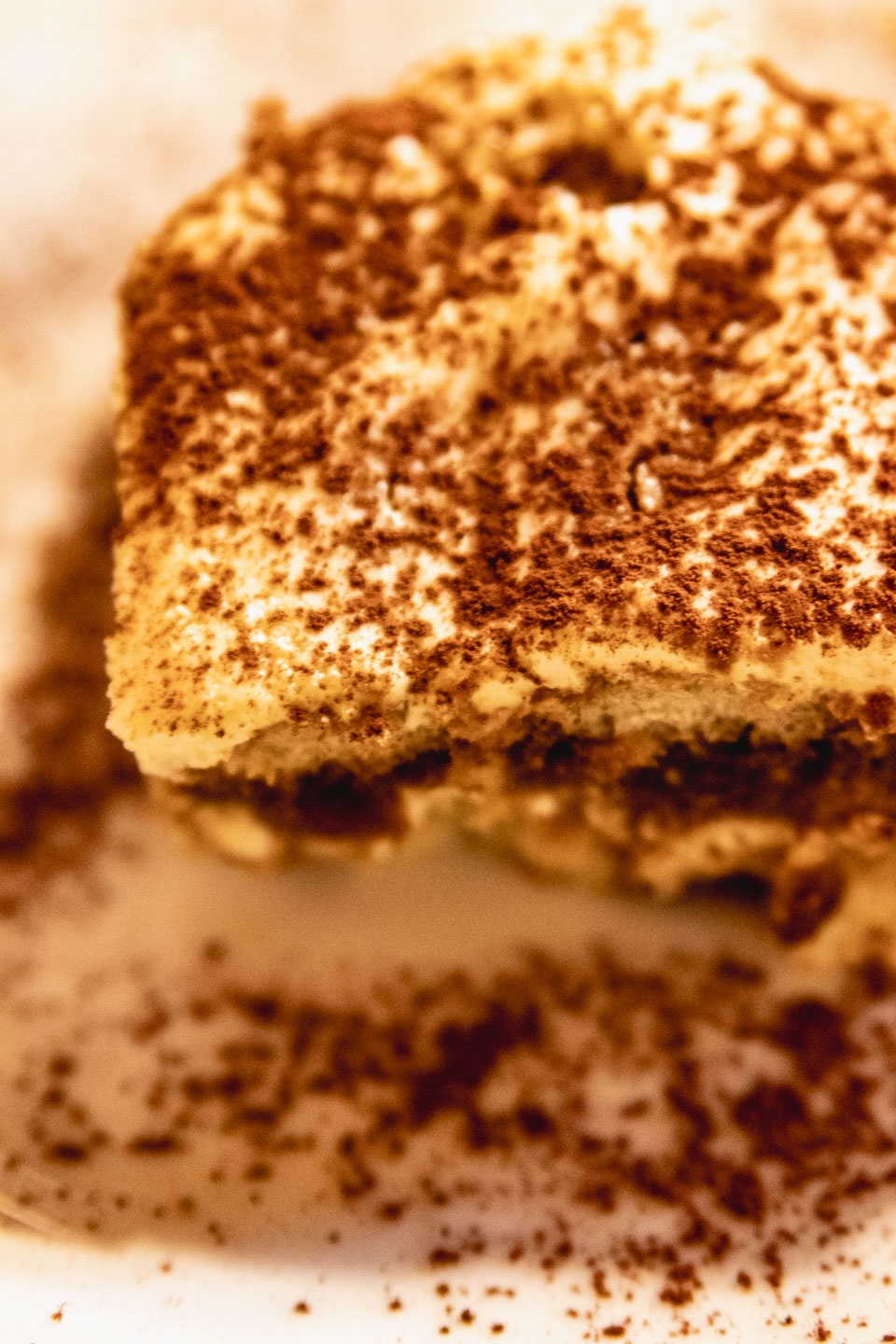
For dessert, go for tiramisu or panna cotta – light but satisfying, and the kind of ending to an Italian meal that makes you want to come right back.
Da Vinci’s Last Supper
After lunch, if you’re lucky enough to have made reservations in advance, a real treat awaits – a visit to Santa Maria delle Grazie, where Leonardo da Vinci’s famous Last Supper is housed.
I remember my first encounter with this fresco perfectly. The room is almost completely silent, and the attendants make sure each group spends exactly 15 minutes in front of the work.
It seems like such a short time, but time almost seems to slow down when you’re standing face to face with this masterpiece.
What’s remarkable is that the fresco survived the bombing during World War II.
When the bombs destroyed part of the monastery, the wall with Leonardo’s work was left almost entirely intact. The locals still talk about it as something close to a miracle.
Practical info
- Advance booking is required to see the Last Supper. Tickets are worth buying months in advance – this is one of the most visited attractions in all of Italy.
- If you didn’t manage to reserve a spot, don’t be too disappointed. Santa Maria delle Grazie itself is beautiful and absolutely worth seeing, even without a visit to the fresco.
- Check the official website for current prices and available time slots.
Falling in love with Milan’s hidden side?
From every city I visit, I bring back the same kind of insider knowledge – from tucked-away cafés to the best viewpoints you won’t find in any standard guidebook.
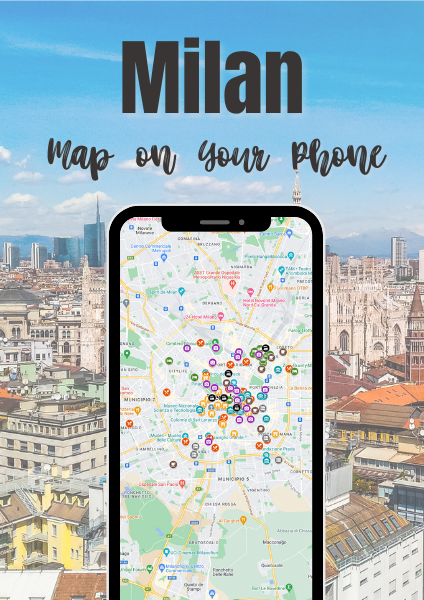
Bonus for new subscribers: My personal Milan map with 100+ saved spots 📱
Perfect for exploring at your own pace, without second-guessing where to go next.
Evening in Milan
Triennale di Milano
If contemporary art speaks to you, you have to stop by the Triennale di Milano.
On my last visit, I stumbled into a fascinating exhibition blending fashion and architecture – something that really could only happen in the fashion capital.
This place tends to fly under the radar for tourists, which is a shame. You’ll find interesting exhibits and installations that invite reflection and show how Italians can blend tradition with modern thinking about design.
Practical info
- Check the official Triennale website for current hours, temporary exhibitions, and ticket prices.
Navigli Canals
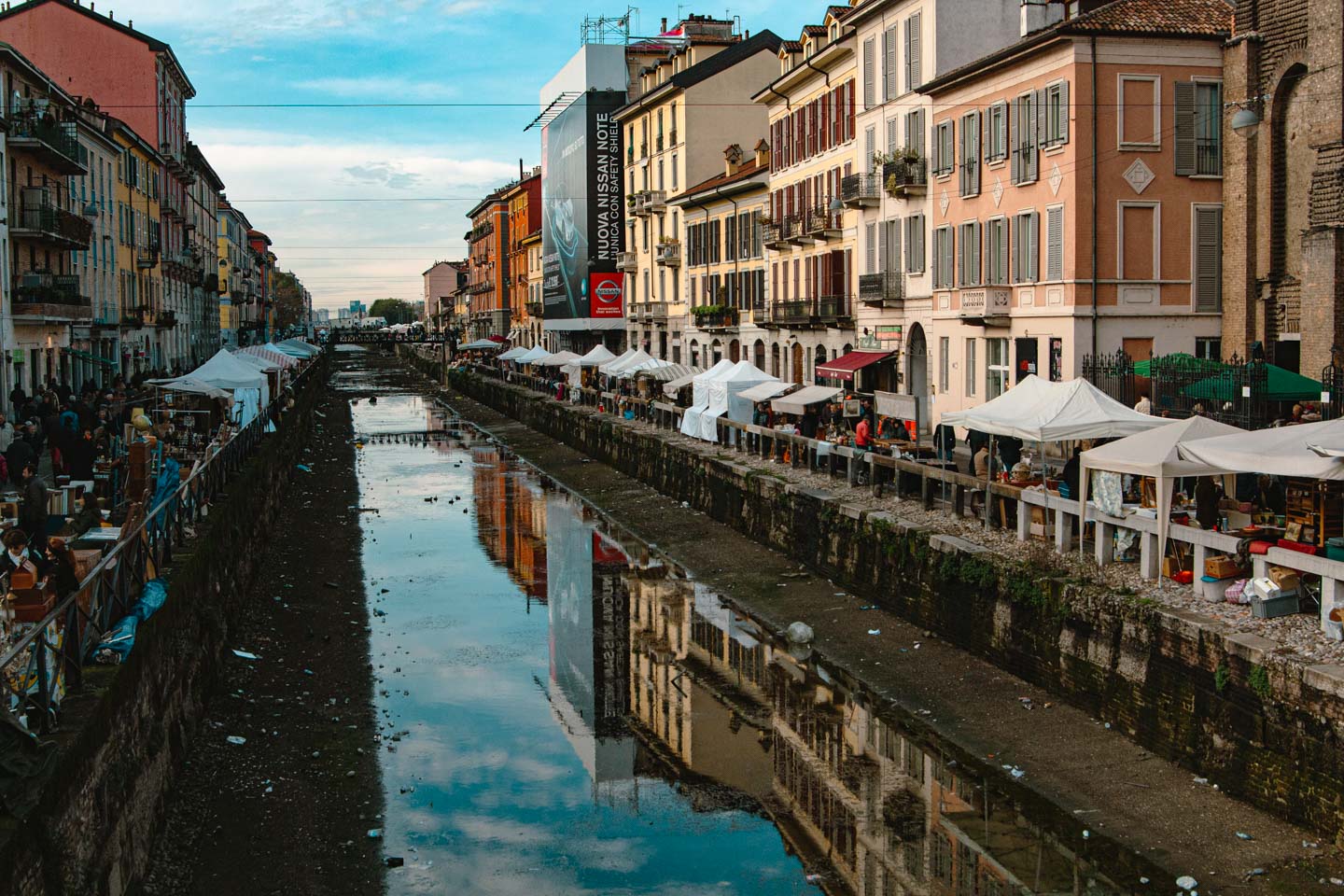
As dusk falls, it’s time for my favorite moment of a Milanese day – a visit to Navigli. This is where Milan reveals its more relaxed, evening side.
I found this neighborhood completely by accident my first time, wandering down side streets. And it turned out to be one of those happy accidents.
Navigli is sometimes called Milan’s answer to Venice – less obvious, less touristy, but equally full of charm.
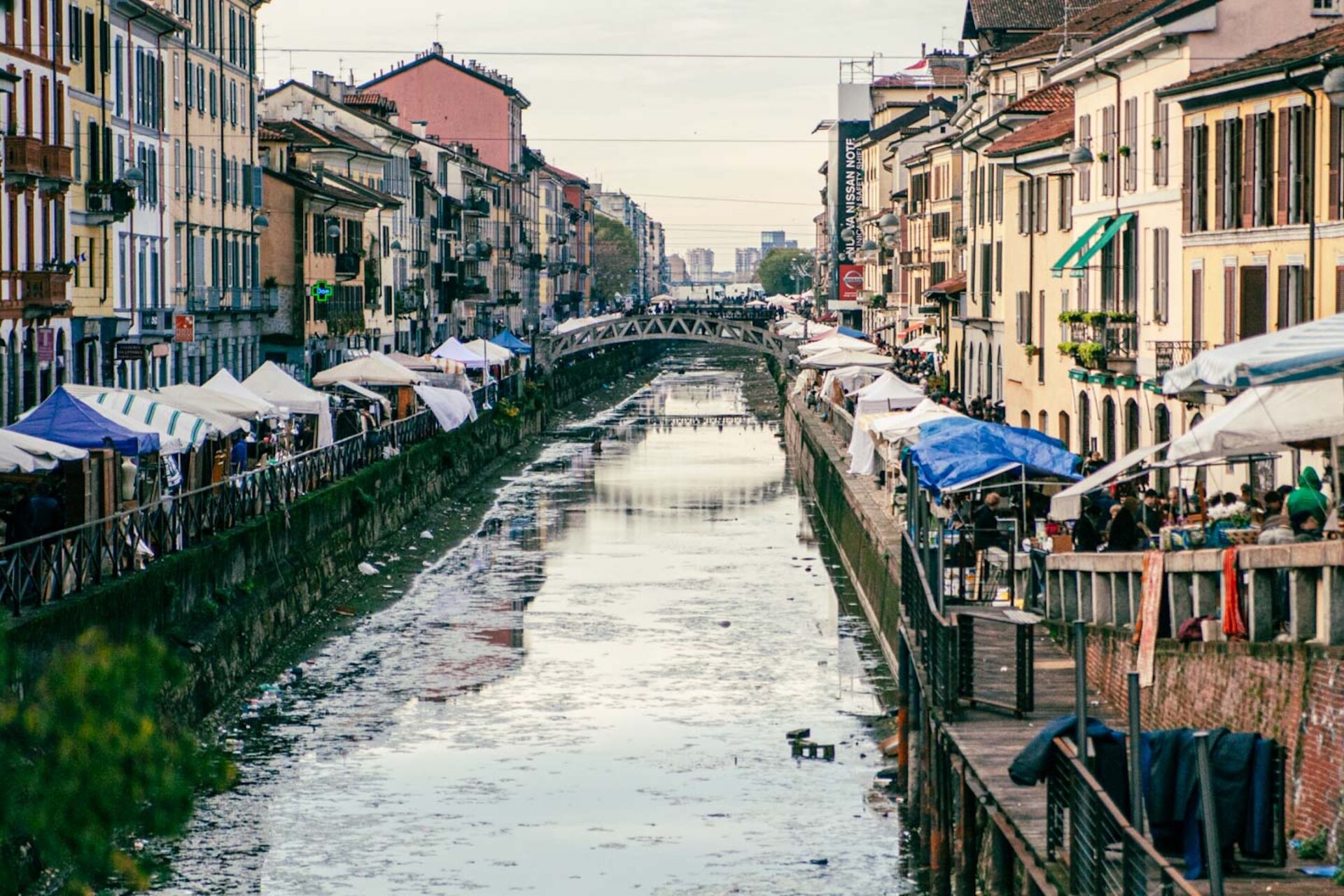
Naviglio Grande has existed since the 12th century. It was once used to transport the marble that built the Duomo di Milano.
Today, its banks are lined with colorful buildings, atmospheric bars, and restaurants with terraces practically hanging over the water.
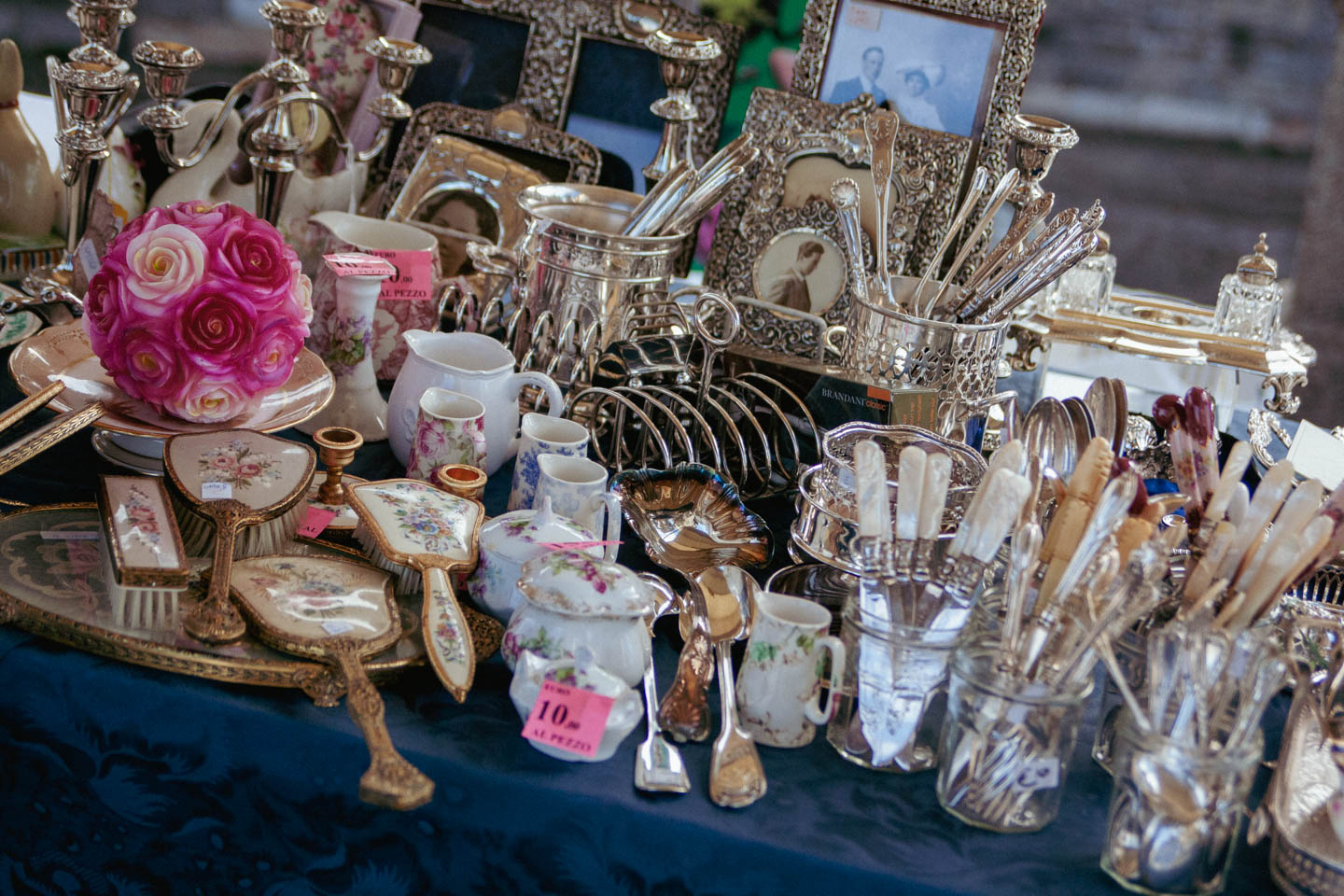
On the last Sunday of every month, a big flea market takes over the area. If you happen to be there that day, you might find real treasures – from vintage clothing to old vinyl records to handmade jewelry.
It’s one of those places where it’s easy to lose all track of time.
Love romantic canals? If you want even more of that waterside magic, check out Venice:
Evening Aperitivo
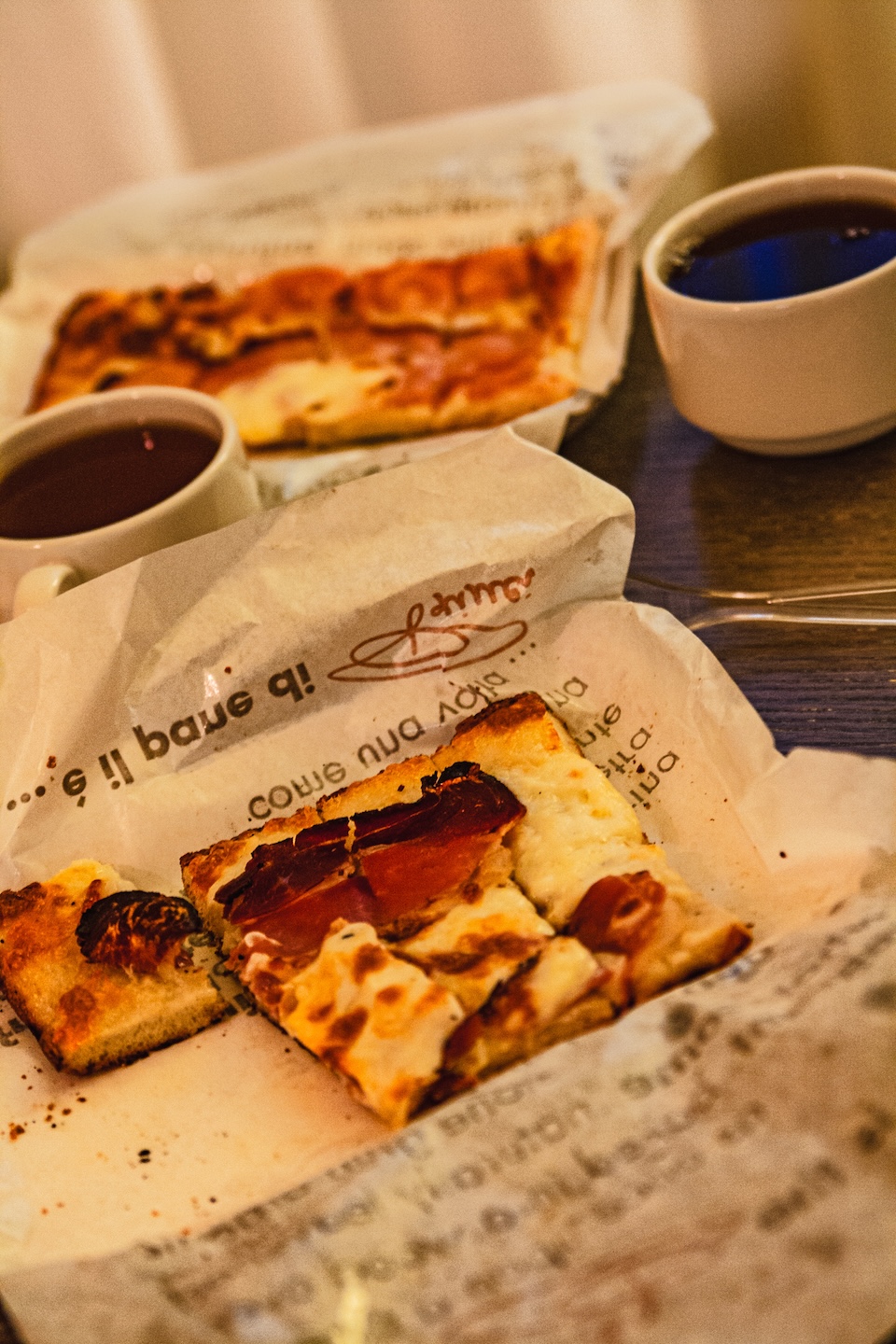
While you’re in Navigli, you absolutely can’t skip a real Milanese aperitivo.
It’s more than just a pre-dinner drink. It’s a social ritual I fell in love with on my very first evening in Milan.
For the price of a drink – usually around $10-15 – you get access to a buffet of snacks: fresh focaccia, pizza, cheeses, cured meats, little sandwiches.
In some bars, the aperitivo spread is so generous it easily doubles as dinner. And this is exactly the moment when Milan truly slows down.
Order a Spritz – a refreshing mix of prosecco and Aperol – or a Negroni if you’re in the mood for something stronger.
Sit outside, watch the Milanese walk by, and give yourself an evening exactly the way the locals like it.
How do you want to continue your Italian adventure?
🏛️ Art & Culture → Florence in One Day
🌅 Tuscan Villages → The Most Beautiful Corners of Tuscany
💕 Romantic Canals → Venice and Its Treasures
🏔️ Mountain Lakes → Magical Lake Como
Which Italian dream calls to you?
Parco Sempione – A Moment to Slow Down
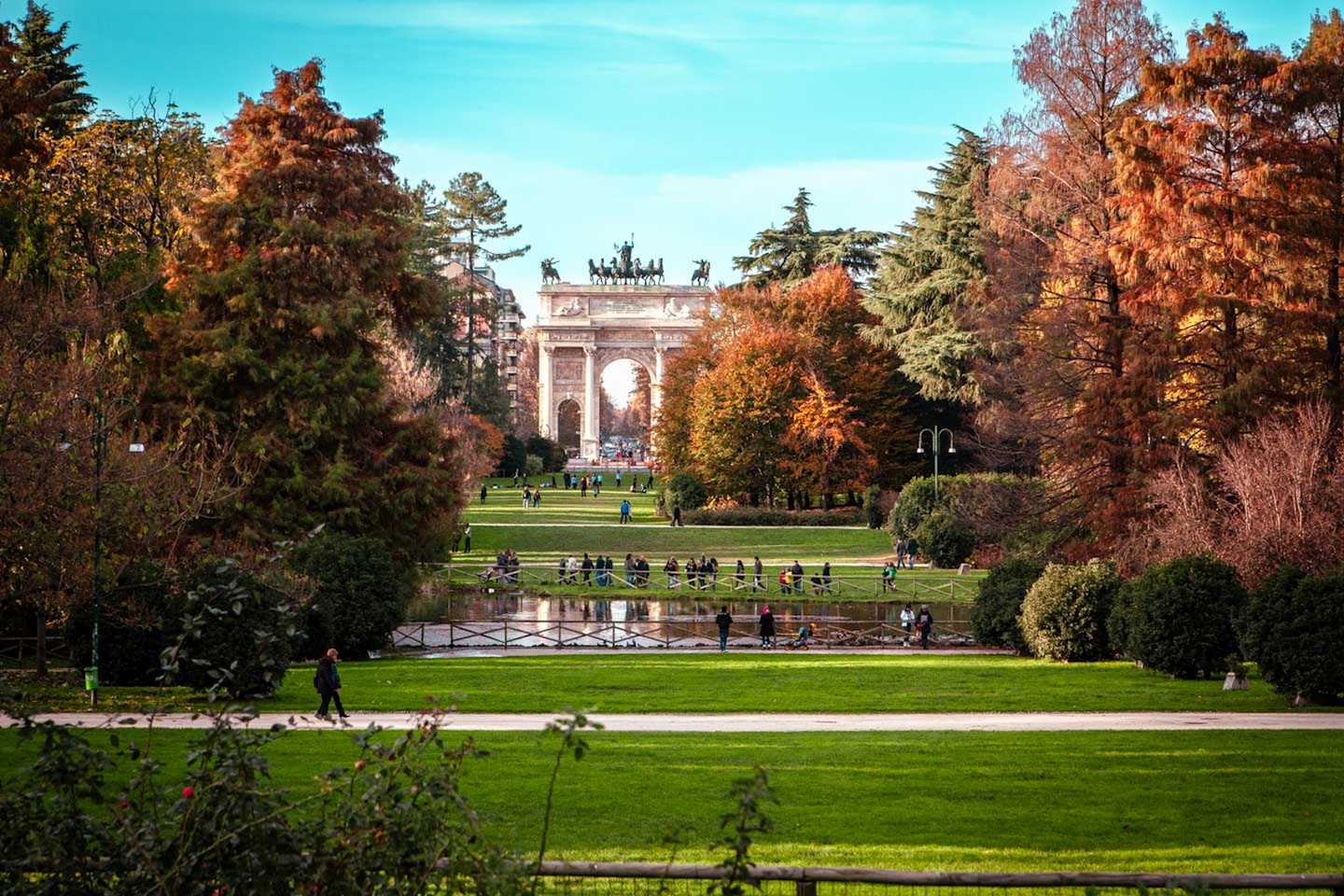
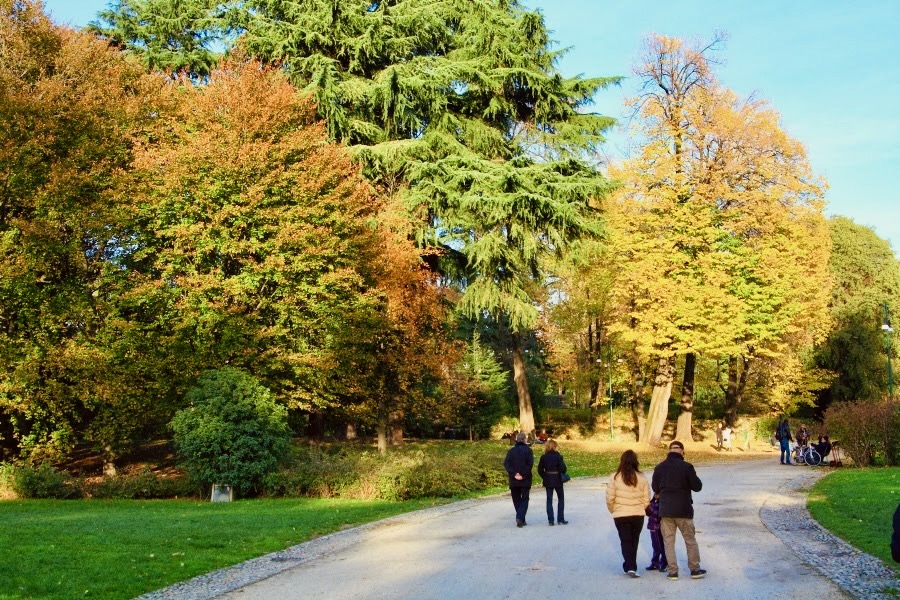
To close out the day, if you still have a little energy and want a quieter final note, head to Parco Sempione.
This green oasis, located right behind Castello Sforzesco, is where Milanese people escape the urban buzz for a little while and slow way down.
Arch of Peace (Arco della Pace)
On my last visit, I came here for the sunset, watching the last rays of light illuminate the majestic Arco della Pace.
That’s when I stumbled upon a group of local students playing guitar. I ended up joining their little impromptu concert – and it turned out to be the perfect ending to a Milanese day.
Practical Tips Before You Go
Best Time to Visit
My favorite times to visit Milan are spring (March through May) and fall, especially September and October.
The weather is pleasant, the city isn’t yet flooded with tourists, and sightseeing has a much more authentic rhythm.
Summers can get hot and stuffy, and many residents leave for vacation, which makes Milan feel a little less alive.
I’d least recommend August. The city feels half-empty, and quite a few restaurants and small shops are closed.
Winter has its own charm, especially in the pre-Christmas period when the area around Piazza Duomo lights up with decorations and holiday markets appear.
Just pack a warm coat – Milan winters can be damp and bone-chillingly cold.lar spots, so you can look around without rushing.
Getting to Milan
Flying is by far the easiest way to get to Milan from the US, and the good news is that there are plenty of direct flight options.
Major carriers like Delta, American, United, along with several European airlines, offer nonstop routes from major cities such as New York, Chicago, Miami, and Los Angeles.
Flight times vary depending on where you’re coming from – roughly 8-9 hours from the East Coast and about 12-14 hours from the West Coast.
If you’re flexible with your dates or budget, connecting through hubs like London, Paris, or Frankfurt can sometimes be cheaper, though it does add extra travel time.
Milan is served by two main airports:
- Malpensa (MXP) – the larger airport, handling most international flights. From here, the Malpensa Express train gets you into the city in about 50 minutes (€13, departures every 30 minutes). Buses are slightly cheaper at around €10. Taxis are available but come with a fixed fare of €110, which isn’t exactly a bargain.
- Linate (LIN) – smaller and much closer to the city center. A taxi ride takes just 15-20 minutes and costs around €15-20. You can also take bus #73 and connect easily to the metro.
One practical note: you’ll need a valid passport, but as a US citizen you can stay in Italy for up to 90 days without a visa. Easy and hassle-free.
Where to Stay in Milan
During my stays, I’ve tested various accommodations, but two options stood out: 21 House of Stories Città Studi and Starhotels Echo.
Both have excellent locations – you can easily reach the main sights in about 15 minutes on foot or just a few minutes by metro. After a full day of walking, you’ll really appreciate having a comfortable bed close by.
What else makes them stand out? Breakfast. Italian hotels can sometimes surprise you with a pretty modest morning spread, but the buffets here are genuinely solid – you’ll find both sweet pastries and good savory options.
An added bonus is the on-site restaurants serving Lombard specialties. Perfect for evenings when you come back exhausted from sightseeing and just can’t face searching for dinner across the city.
How Many Days to Spend in Milan
One full day is enough to see the most important sights in Milan.
But if you can stay longer – do it. Every trip I’ve made here has revealed new corners of the city and let me see it from a completely different angle.
A great idea is combining Milan with a day trip to Lake Como. It’s only about an hour by train, and the landscape and atmosphere are so different it’s hard to believe they’re so close together.
I did exactly this on one of my trips – and it was one of the best decisions I made.
Planning more of northern Italy? If you’re ready for a completely different pace after Milan, check this out:
Travel lighter, even before you leave.
start with something simple.
Download The Minimum Plan – Slow Travel:
Where to Eat in Milan
My two favorite spots are Trattoria Il Cestino and Superficiale – both are completely off the tourist trail and both were discovered entirely by accident.
Trattoria Il Cestino is an unassuming restaurant near the Sforza Castle, frequented mostly by local elderly regulars.
The menu is short, often handwritten, and the dishes are simple. But the flavor of the risotto alla Milanese I had there still comes back to me.
Superficiale is a completely different story. It’s a modern restaurant housed in a former cinema, where the chef visits the local market every day and builds the menu around whatever looks best that morning.
There’s no fixed menu – everything depends on inspiration and fresh ingredients.
Dreaming of even more Italian adventure? If after Milan you’re drawn to a slower pace and towns with real character, check this out:
Milan in One Day Won My Heart (and It’ll Probably Win Yours Too)
Milan often gets overlooked in guidebooks in favor of Rome, Venice, and Florence. Unfairly so. This city has its own distinct character – elegant and modern, yet deeply rooted in history.
I’ll be honest: my first visit didn’t sweep me off my feet. Milan felt too rushed, too business-like, too… un-Italian. But with every return trip, new sides of the city opened up to me.
Today, Milan is one of my favorite places in Italy. Maybe because you have to earn it. You have to look past the first impression, slow down, discover the secrets that aren’t served up on a plate the way they are in Rome or Venice.
From a morning cappuccino near the Duomo to an evening aperitivo along the Navigli canals – Milan has its own rhythm. It blends elegance with authenticity, modernity with history.
Give it a chance. It just might surprise you exactly the way it surprised me.
Ready for more Italian adventures?
- One Day in Florence – Art and Renaissance Architecture
- What to See in Tuscany – Charming Tuscan Villages
- Lake Como in Two Days – Mountain Relaxation Near Milan
- What to See in Venice – Romantic Canals
Which Italian city will you visit next? Tell me in the comments! Save this pin for later and share it with friends planning an Italian trip.
Pin it for later
This article contains affiliate links. If you make a booking through these links, I may earn a commission, supporting this blog. Rest assured, my recommendations are based on honest assessments, and using these links doesn't affect prices for you. Thank you for your support!