
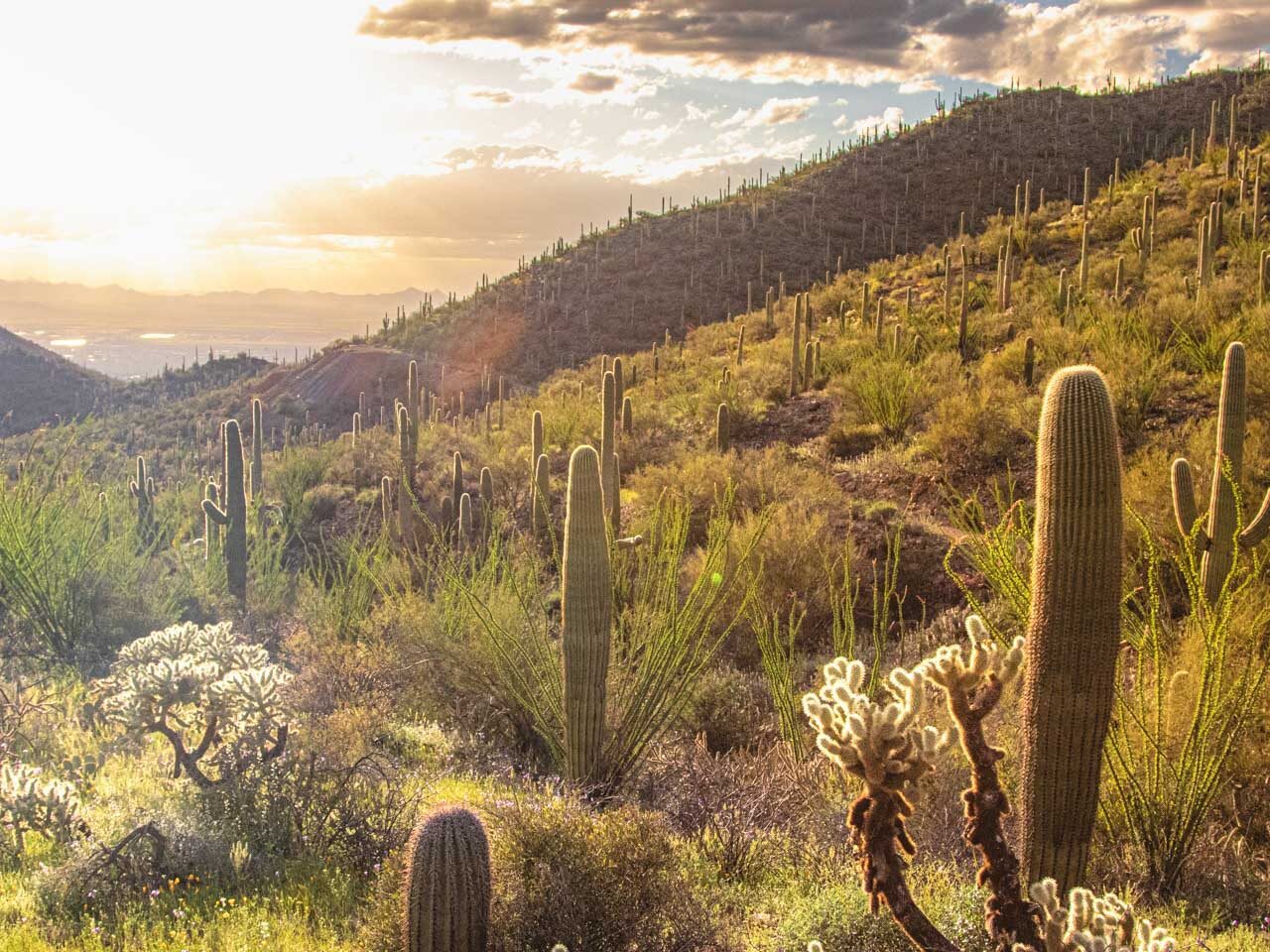
Wondering what to see in Arizona in a week? This 7-day Arizona road trip itinerary connects Phoenix, Sedona, the Grand Canyon, Antelope Canyon, Monument Valley, and Petrified Forest.
Along the way, you’ll see desert gardens, red rock formations, canyon viewpoints, and landscapes that look quite different from one another. That variety is one of the things I enjoy most about traveling around Arizona.
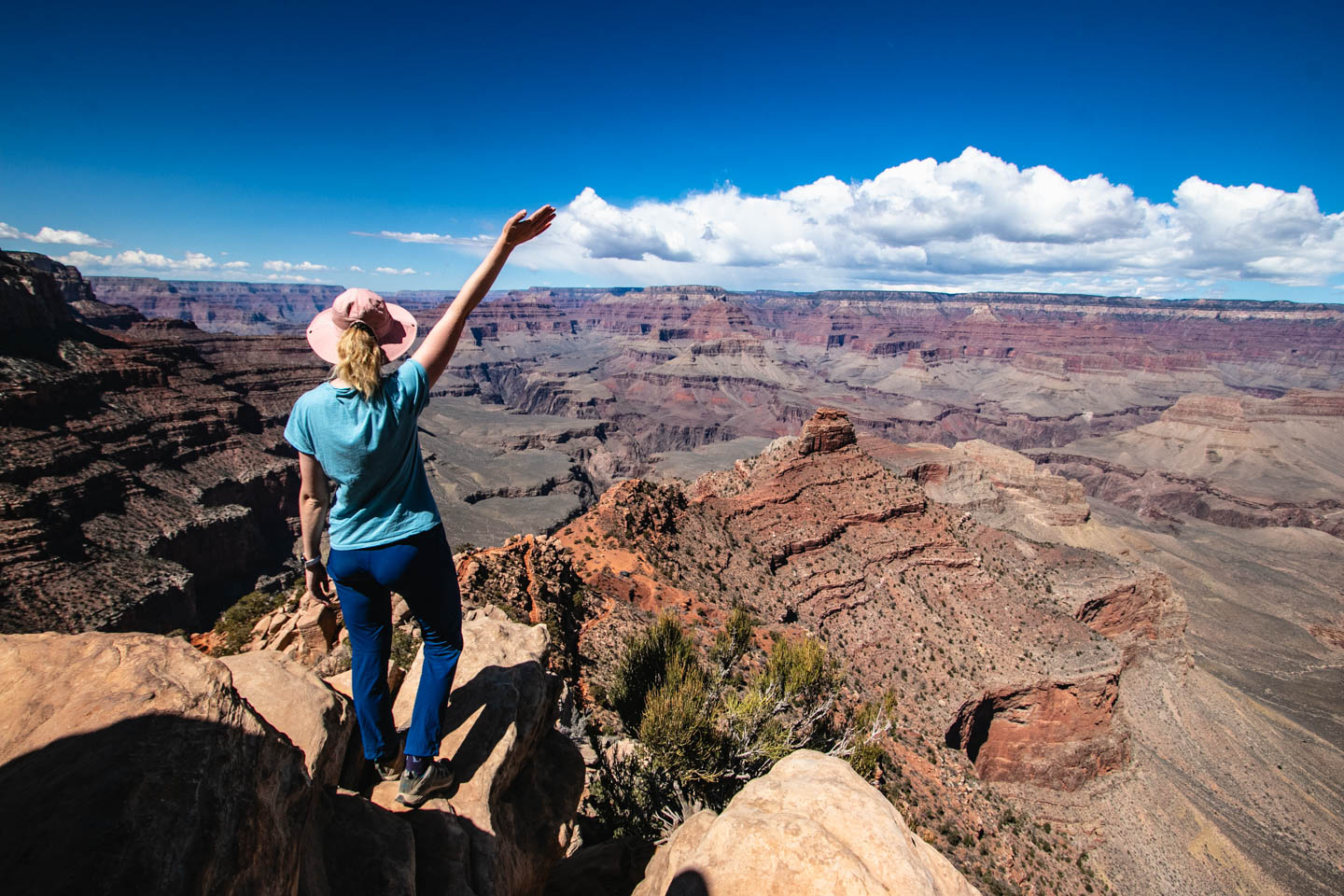
I still remember my first sunset at the Grand Canyon. As the light changed, different layers of rock became more visible, and I wanted to stay a little longer. It became a place I would return to on later trips.
I explored these destinations on several journeys, including camper van trips. In January 2025, we moved from Oregon to Arizona, which has given me more opportunities to revisit familiar places and discover new ones.
This itinerary brings those experiences together into a week-long loop from Phoenix. It’s an active road trip, with several changes of accommodation, but the overnight stops keep the longest drives separate from the busiest sightseeing days.
You’ll also find an optional extension for Tucson and Saguaro National Park. They’re worth visiting, but I would give them extra time rather than squeeze southern Arizona into the same week.
If you enjoy adding a relaxing stop to a road trip, you might also like my friend Marcus’s guide, 7 Arizona Hot Springs to Visit This Fall. Use it to find an optional detour that fits your route and available time.
Planning a longer Southwest trip? My 7-Day Utah Road Trip Itinerary includes more ideas for exploring the region.
Arizona Road Trip Itinerary: Map and Overnight Stops
The main route is:
Phoenix → Sedona → Grand Canyon South Rim → Page → Monument Valley → Holbrook → Petrified Forest → Phoenix.
Here’s how I would arrange the overnight stops:
| Day | Main stops | Overnight |
|---|---|---|
| 1 | Phoenix | Phoenix |
| 2 | Sedona | Sedona |
| 3 | Grand Canyon South Rim | Grand Canyon Village or Tusayan |
| 4 | Desert View and the drive to Page | Page |
| 5 | Antelope Canyon and Monument Valley | Monument Valley or nearby |
| 6 | Monument Valley and the drive to Holbrook | Holbrook |
| 7 | Petrified Forest and return to Phoenix | Phoenix |
Allow seven days on the ground and plan to fly home the following morning. The final day includes sightseeing and a substantial drive, so it works best without an airport deadline.
If you arrive late on Day 1, keep that evening simple. You can move part of the Phoenix sightseeing to the end or add an arrival night.
Driving times below are approximate and exclude meals, sightseeing stops, parking, and queues at park entrances.
Day 1: Phoenix
Morning: Breakfast and Desert Botanical Garden
Start your Arizona trip in Phoenix.
For coffee and breakfast, Lux Central is one of my favorite options. It’s a good place to sit down, eat properly, and ease into the trip before setting off.
Then head to Desert Botanical Garden.
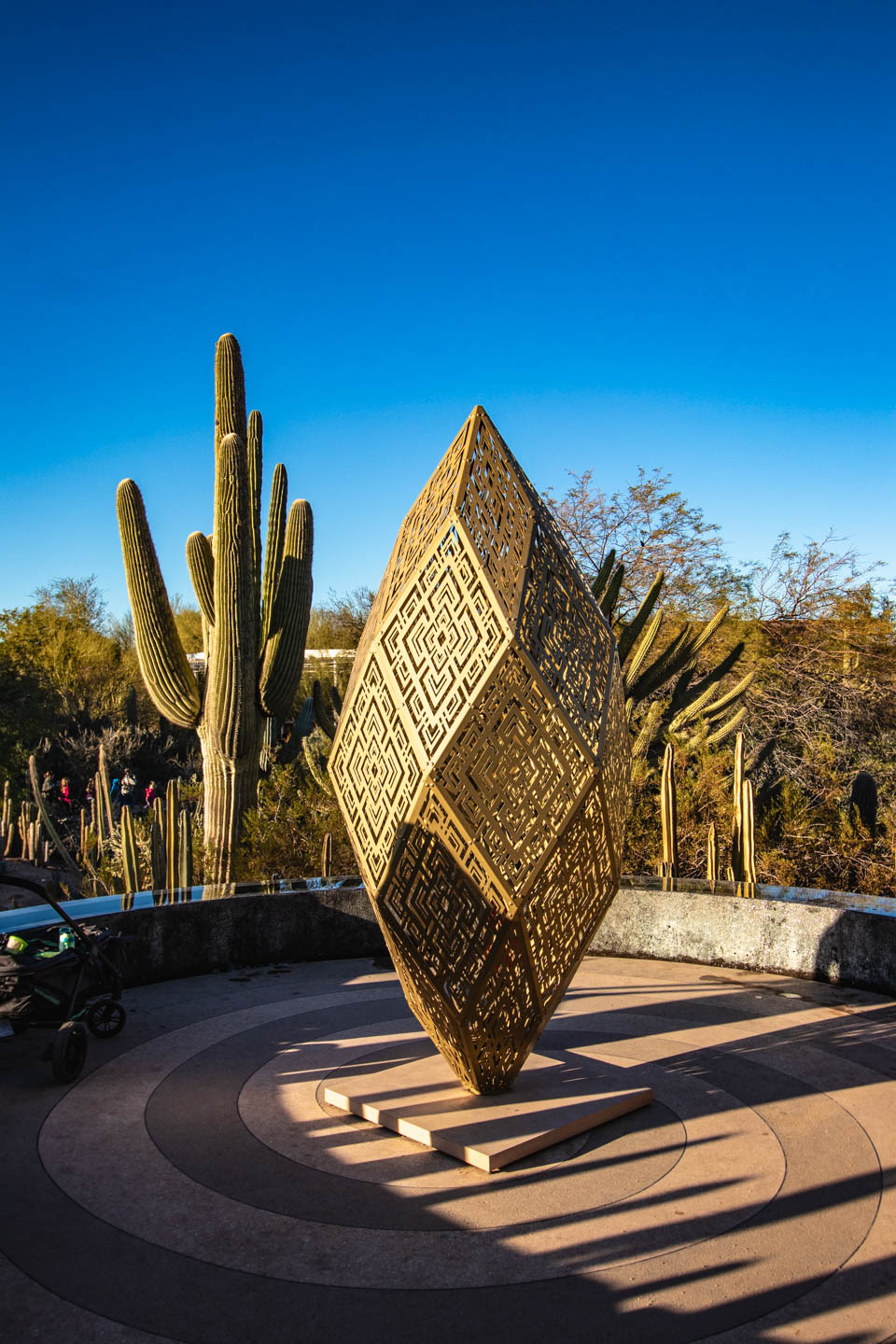
I particularly enjoy visiting this garden because it helps me notice more when I’m out in the desert later. You can see saguaros, agaves, prickly pears, and many other plants adapted to dry conditions.
Rather than rushing between paths, take time to look at their shapes and textures. Some plants are familiar from the surrounding landscape; others show just how varied desert vegetation can be.
Depending on the season, you may also see flowers, butterflies, or hummingbirds.
Allow around 2-3 hours for your visit. During warmer months, an early start makes the outdoor walking more comfortable.
Afternoon: Lunch and Heard Museum
For lunch, consider Pizzeria Bianco.
One of my favorite pizzas is Rosa, with pistachios, rosemary, and red onion. It’s a combination I still enjoy returning to.
If you’d like to learn more about the region’s history and cultures, spend the afternoon at Heard Museum.
Its exhibitions focus on Native American art and experiences, with jewelry, pottery, sculpture, and other works alongside historical interpretation.
I find it a worthwhile stop before traveling through a region where Indigenous history and contemporary communities are an important part of the places you’ll visit.
If you’re tired after a flight, choose the museum or the botanical garden. You don’t need to complete a full sightseeing day immediately after arriving.

Evening: Papago Park or Roosevelt Row
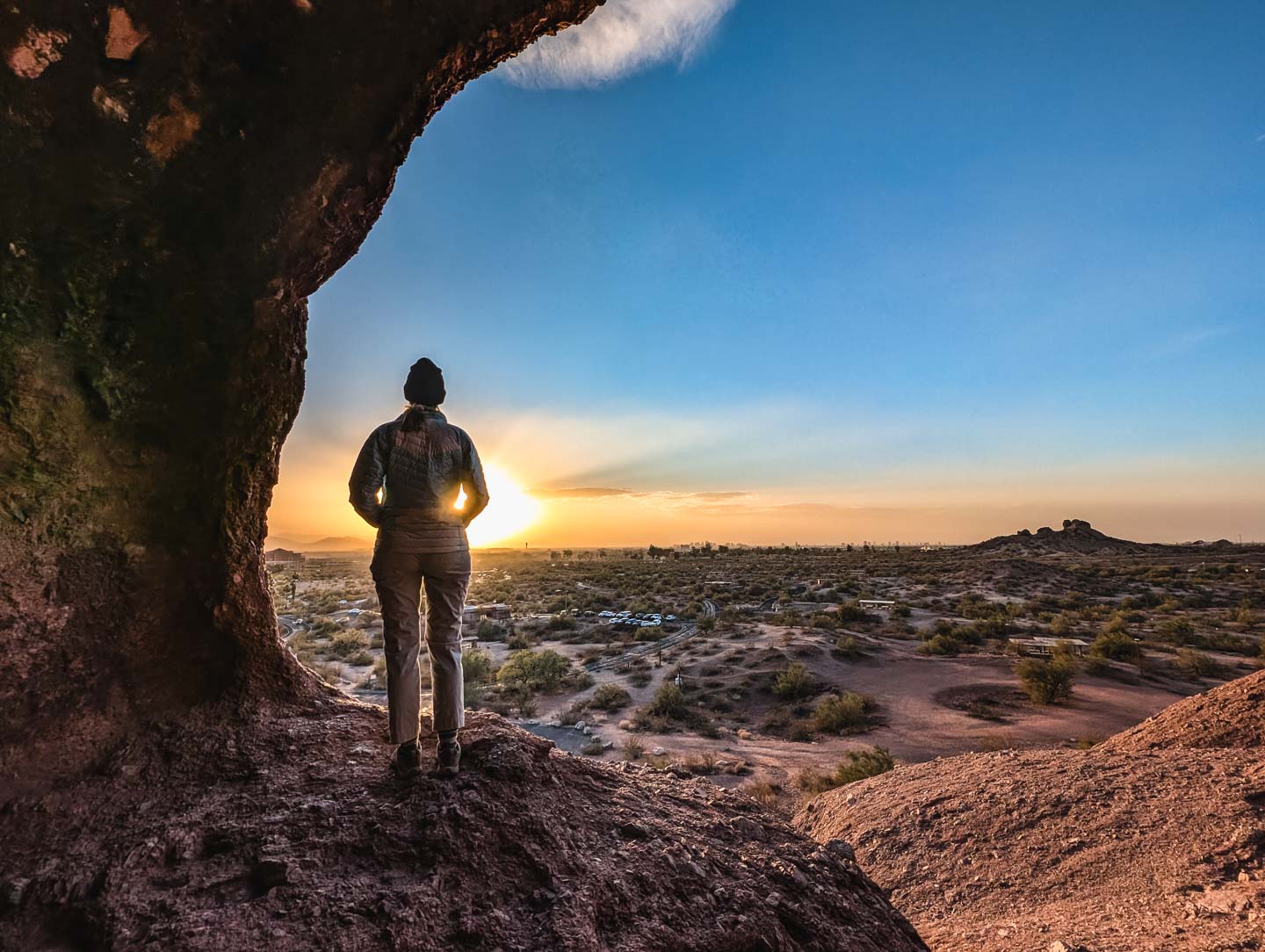
For a short outdoor stop, visit Papago Park and walk up to Hole in the Rock.
The trail is approximately 0.3 miles (0.5 km) round trip. The walk itself takes about 20 minutes, although you may want to stay longer at the viewpoint.
From the opening in the rock, you can look across the park and toward the city. It’s an easy way to enjoy some desert scenery without committing to a longer hike.
Papago Park is close to Desert Botanical Garden. If you’d rather reduce driving around Phoenix, combine those two places and leave Heard Museum for another visit.
For a city evening, explore Roosevelt Row instead. If your visit falls on the first Friday of the month, First Friday Art Walk brings galleries, local artists, and street activity to the neighborhood.
Where to Stay in Phoenix
Choose your location according to the places you want to visit:
- Cambria Hotel Downtown Phoenix Convention Center – an option near Roosevelt Row.
- Kimpton Hotel Palomar Phoenix – a central base close to downtown restaurants and attractions.
- Drury Inn & Suites Phoenix Happy Valley – an option in northern Phoenix that can be convenient before the drive to Sedona.
Phoenix is spread out. A hotel that looks inexpensive may involve considerably more driving if it’s far from your planned stops.

Day 2: Sedona
Morning: Phoenix to Sedona
After breakfast, drive north to Sedona.
If you’d like another breakfast option in Phoenix, consider a café from Luci’s Urban Concepts, choosing a location that fits your departure route.
Allow approximately 2-2.5 hours of driving, without extended stops. The usual route follows I-17 north before joining Highway 179.
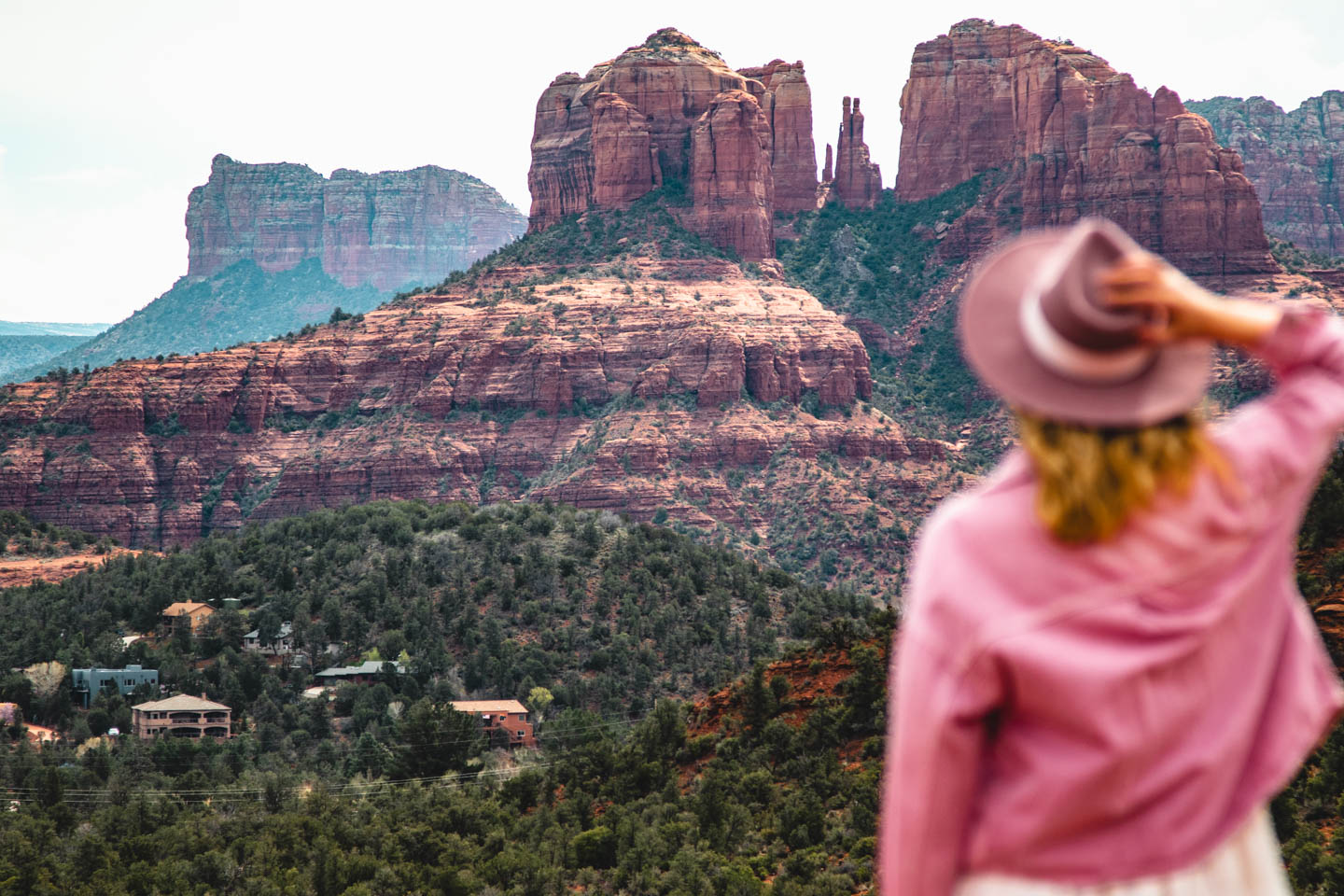
I enjoy watching the landscape change along this journey. As you approach Sedona, the red rock formations become the main feature of the view.
Highway 179, the Red Rock Scenic Byway, is a lovely introduction to the area. Leave a little room for a viewpoint stop, but keep enough time for your afternoon plans.
Afternoon: Choose One Hike
With one day in Sedona, I would choose one main hike rather than try to fit several trails into the afternoon.
Two options from the original route are Cathedral Rock and the paths around Bell Rock.
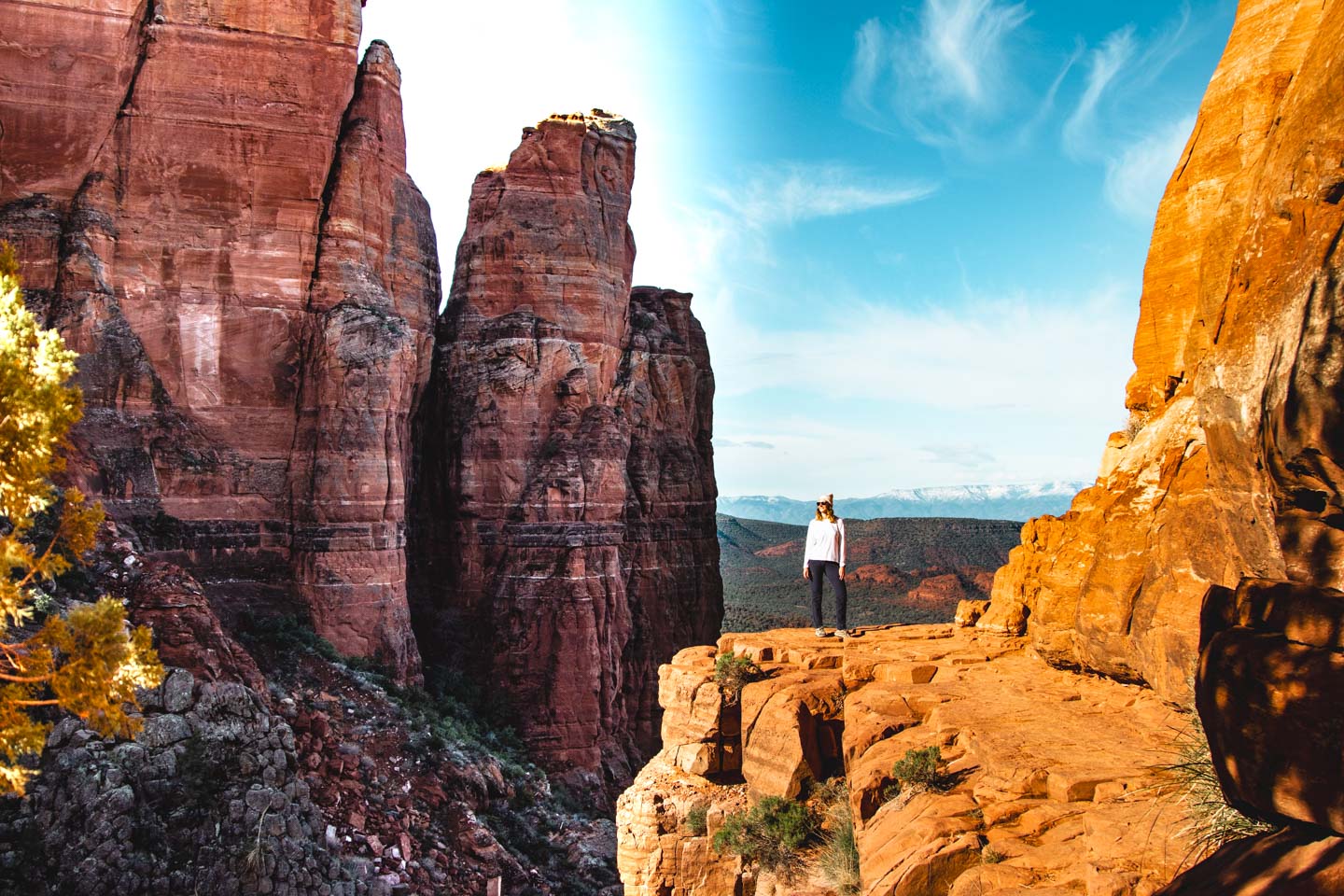
Cathedral Rock Trail is short but steep. Parts of the ascent require using your hands, and the exposed rock can be uncomfortable if you’re nervous about heights.
The round trip is approximately 1.2-1.4 miles (2-2.3 km). Allow roughly 1.5-2 hours, depending on your pace and how long you spend at the top.
I remember being surprised by the steepness during my first visit. The distance alone doesn’t tell you much about how demanding this trail feels.
Bell Rock offers more flexibility. You can walk the lower paths, enjoy the views, and turn around when you’re ready. You don’t have to climb high on the formation itself.
If you prefer a gentler afternoon, this is the option I would choose.hadows on the rocks… Sedona really knows how to put on a show.
Practical Tips for Sedona
Some trailhead parking areas require a Red Rock Pass or an accepted federal recreation pass.
Access to popular trailheads can also involve Sedona Shuttle services and parking restrictions. Work out your transport before setting off, especially if Cathedral Rock is your chosen hike.
Bring water and footwear suitable for rocky ground. In warm weather, shorten the hike rather than assume a late-morning arrival will leave comfortable conditions for a steep afternoon ascent.
For more options, see my guide to the 14 Best Hikes in Sedona, with trail descriptions and difficulty ratings.
Chapel of the Holy Cross
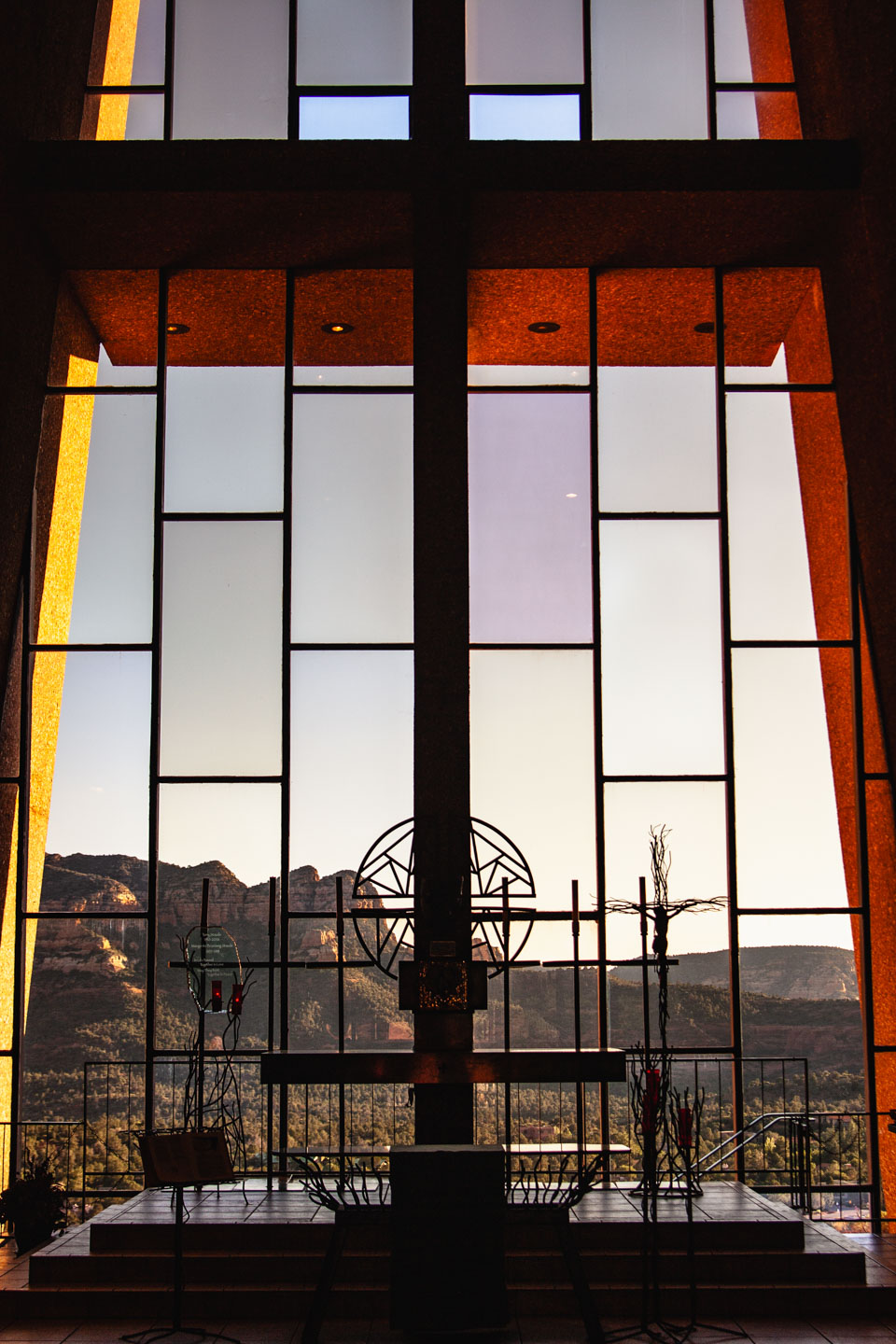
If your hiking choice leaves enough time, visit Chapel of the Holy Cross.
The building is set into the red rocks, with a large cross framing the main window. I like the simplicity of the architecture and how closely it relates to the surrounding landscape.
Visit before 5 p.m. Don’t save the chapel for sunset, which often falls after closing.
You can also visit it before a shorter Bell Rock walk. With a more demanding hike, treat the chapel as optional rather than rush to fit both into the afternoon.
Sedona is associated with vortex sites, places believed by some visitors to have a particular spiritual energy. Those ideas are part of the town’s tourism and character.
For me, the main draw remains the landscape: the rock formations, the trails, and the changing light.
Evening: Dinner in Sedona
For dinner, consider Elote Cafe, which serves Mexican food with regional influences.
Its namesake corn dish is a popular choice. If the restaurant is important to your plans, arrange a reservation in advance.
After dinner, I would leave the evening free. Tomorrow includes the drive to the Grand Canyon, and this itinerary works better when each day has a clear stopping point.
Where to Stay in Sedona
Options to consider include:
- Sedona Real Inn & Suites – a base in West Sedona.
- Sedona Uptown Suites – convenient if you want to be close to Uptown restaurants and shops.
- Sky Ranch Lodge – an option near the airport area and its well-known viewpoints.
If you would like a full extra day for hiking, Sedona is one of the first places where I would extend this trip.
Day 3: Grand Canyon South Rim
Morning
Morning: Sedona to the Grand Canyon
Have breakfast and head toward Grand Canyon National Park.
Wildcraft Kitchen is one breakfast option in Sedona, depending on your departure time.
Allow around 2.5-3 hours to reach the South Rim, with additional time for stops and the park entrance.
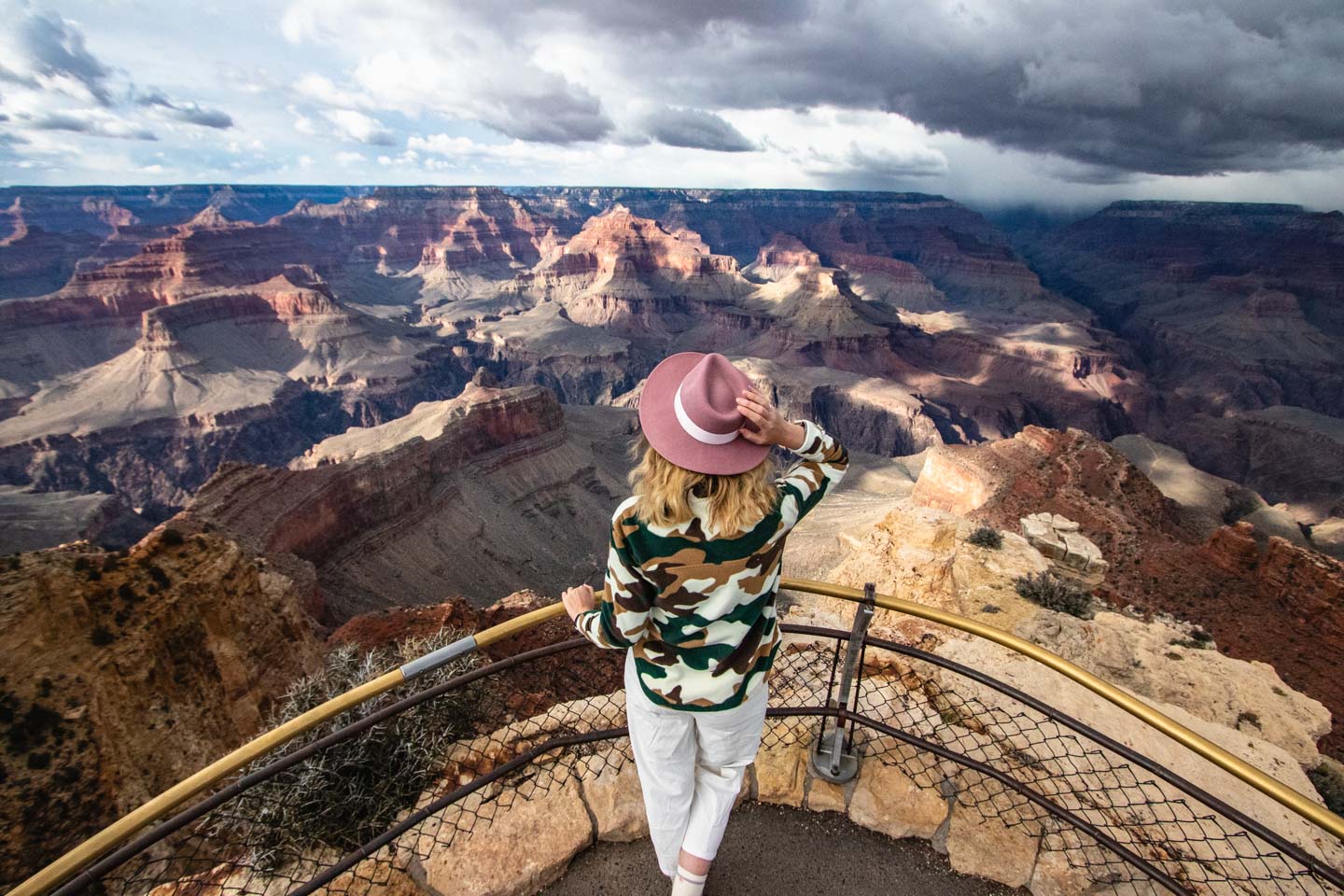
Once you arrive, begin near Grand Canyon Visitor Center and Mather Point.
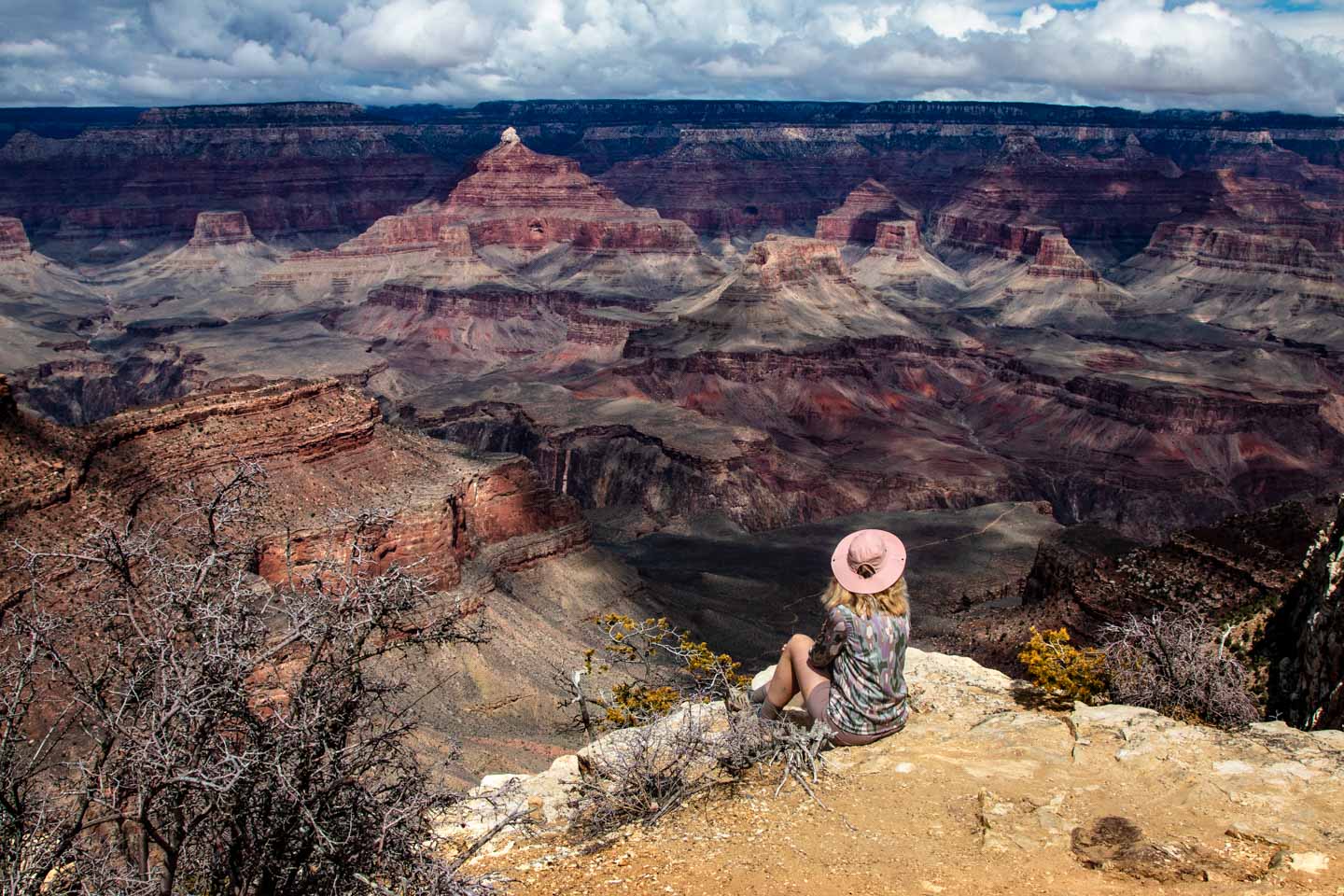
The first view of the canyon is difficult to compare with a photograph. What stood out to me was the distance between the visible layers and formations. It took a while to understand what I was looking at.
Give yourself time for that first stop before moving on.
Afternoon: Rim Trail and Grand Canyon Village
For your first afternoon, choose a section of Rim Trail.
The stretch between Mather Point and the Yavapai Point area gives you several perspectives without requiring a strenuous descent.
You can walk a short section, stop often, and use available park transport where it fits your route.
I would keep the main canyon hike optional on this itinerary. After the drive from Sedona, a rim walk gives you time to enjoy the scenery without making the whole day physically demanding.
Later, explore Grand Canyon Village.
Look out for Hopi House and Lookout Studio, both designed by Mary Colter. They provide another perspective on the park’s history alongside the natural landscape.
For a meal, consider El Tovar Dining Room. The historic setting is part of its appeal, although not every table has a canyon view.
If you want to eat there at a particular time, booking ahead is useful.
Optional: A Short Hike Below the Rim
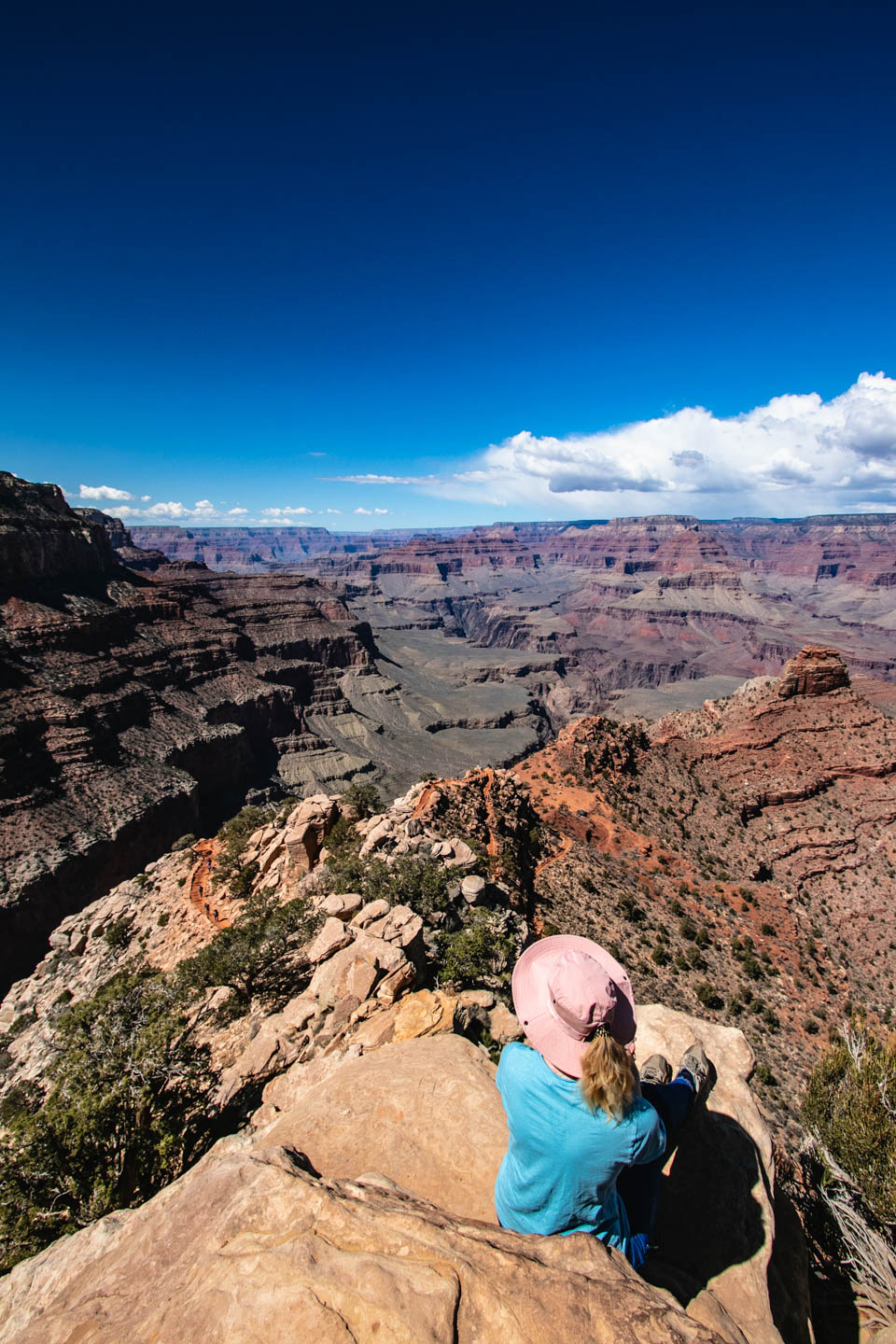
If you arrive early and prefer hiking to village sightseeing, you could replace part of the afternoon with a short descent.
Options include:
- South Kaibab Trail to Ooh Aah Point: approximately 1.8 miles (2.9 km) round trip.
- Bright Angel Trail to 1.5 Mile Resthouse: approximately 3 miles (4.8 km) round trip.
Both involve a demanding uphill return. The South Kaibab route is exposed, has no water, and requires planning transport to the trailhead.
Choose one hike, and keep the rest of the day lighter. During hot weather, I would stay on the rim rather than add an afternoon descent.
Evening: Sunset at the Canyon
Choose one place for sunset, such as Yavapai Point, Hopi Point, or Pima Point.
Your choice should fit your accommodation and transport. Some viewpoints require allowing time for shuttle travel, so avoid scheduling dinner immediately before sunset.
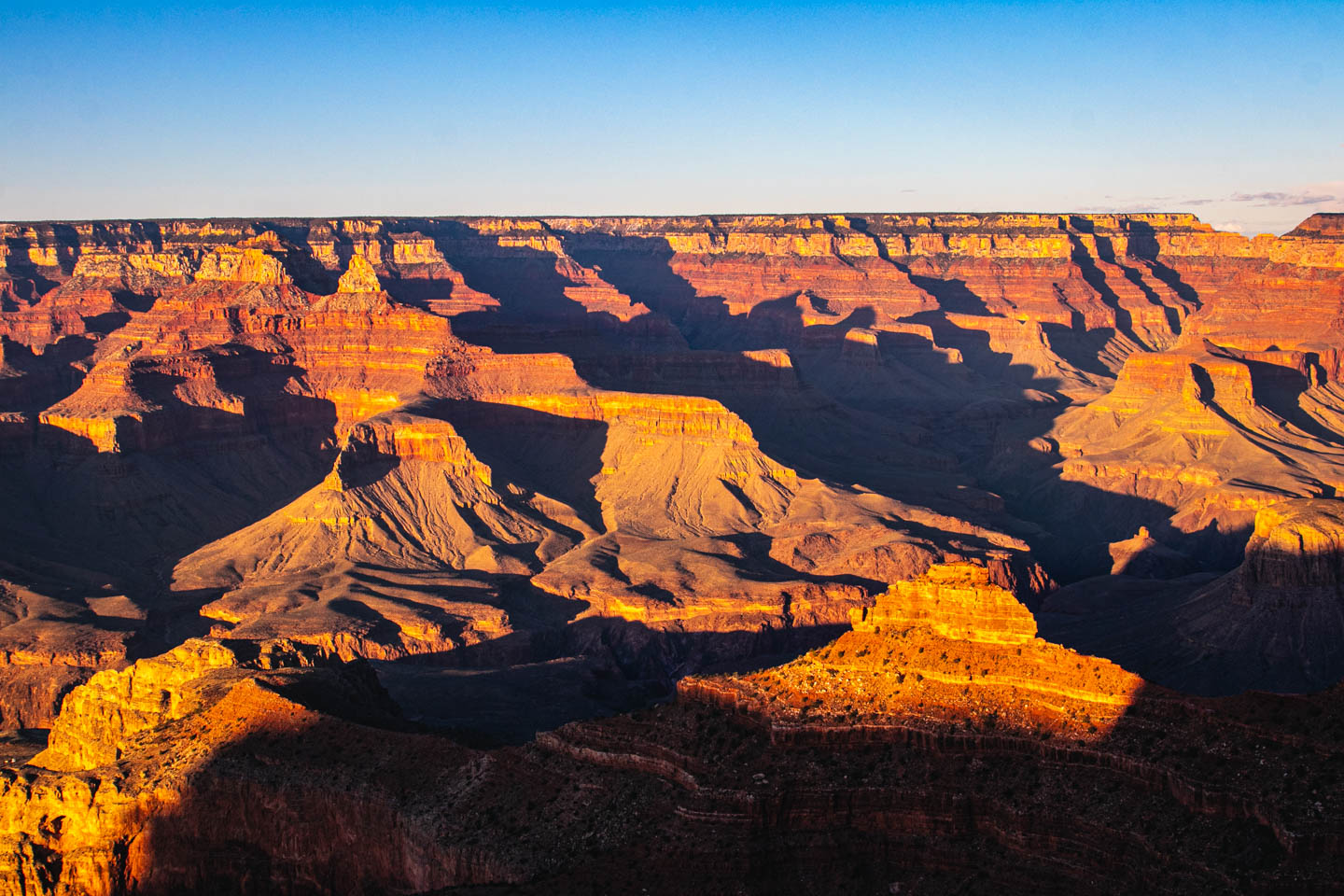
Arrive early enough to settle in and stay a little after the sun disappears. The colors continue changing as the light fades.
I still remember watching the layers become darker and the sky soften above them. It’s a part of the visit I would make time for again.
Bring a warm layer. South Rim evenings can feel very different from the temperatures you experienced in Phoenix.
Where to Stay Near the Grand Canyon
Stay in Grand Canyon Village or Tusayan:
- El Tovar Hotel – a historic option close to the rim.
- Holiday Inn Express & Suites Grand Canyon – a practical alternative outside the park.
- Mather Campground – an option for tent and camper van travelers.
A nearby overnight stop makes sunset easier and avoids a long drive afterward. It also puts you in a good position for tomorrow’s eastward journey.
Day 4: Desert View and the Drive to Page
Morning: One More Look at the Grand Canyon
Start with breakfast and a final short rim walk or viewpoint stop.
You don’t need to add another major hike this morning. The point of the overnight stay is to have time to enjoy the canyon without fitting everything into your arrival afternoon.
If you skipped a short hike yesterday and want to do one today, make it your main morning activity. Reduce the sightseeing stops that follow so you still reach Page comfortably.
Late Morning: Desert View Drive
Leave the central South Rim area via Desert View Drive, traveling east toward Page.
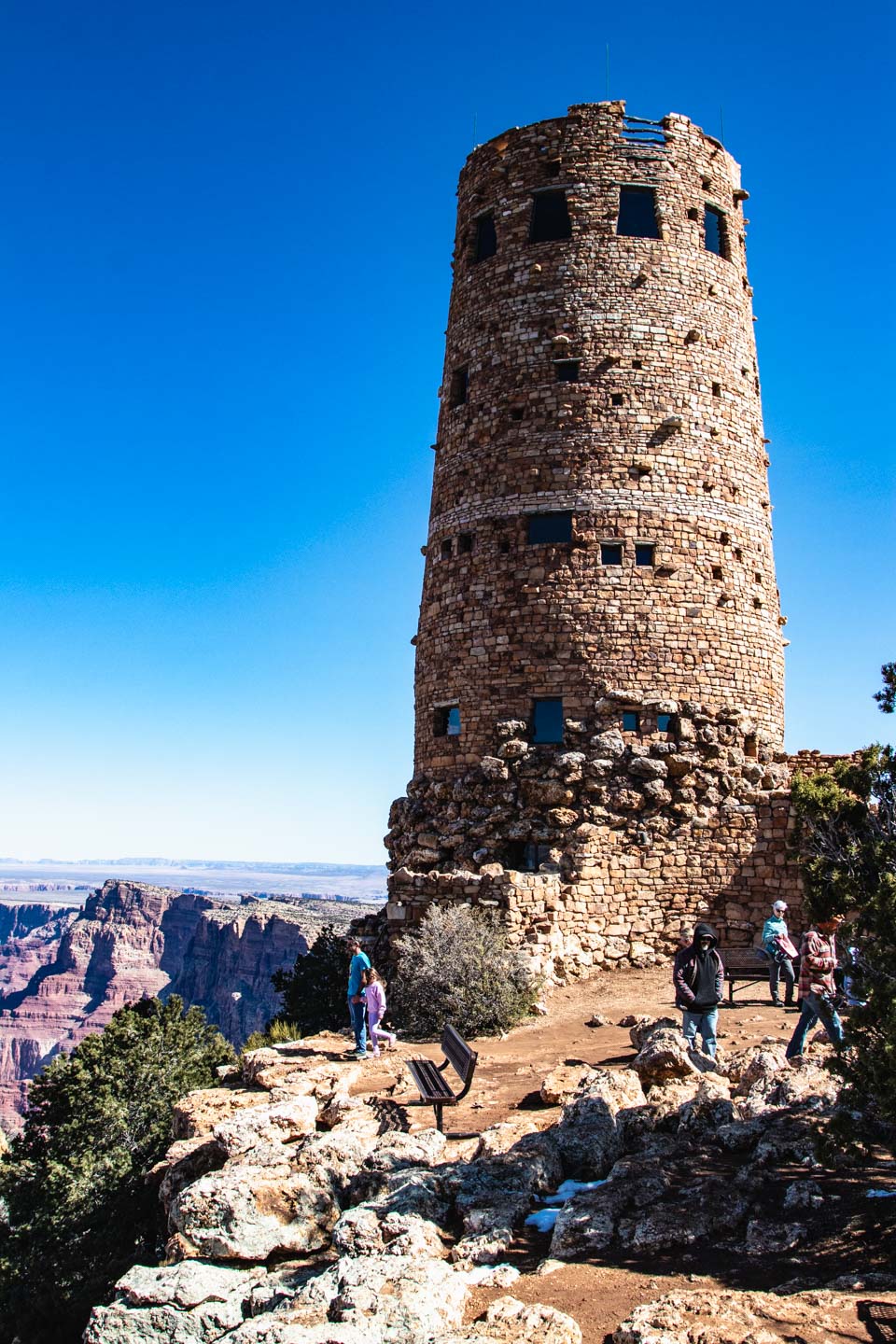
This is the right point in the itinerary for Desert View Watchtower. It sits along your onward route, so you avoid driving out and back from Grand Canyon Village the previous afternoon.
The eastern views offer a different perspective, including sections of the Colorado River.
I enjoy how the canyon changes along this road. Even after spending time near the village, another viewpoint can reveal shapes and distances I hadn’t noticed.
Choose a few stops rather than every turnout.
Afternoon: Continue to Page
Allow approximately 2.5-3 hours of driving from the central South Rim area to Page, excluding your Desert View stops.
Have lunch along the way or after arriving, depending on how you arrange the morning.
Once you reach Page, check in and leave the remainder of the afternoon flexible.
This overnight stop is useful because your Antelope Canyon tour is tomorrow. You won’t need to combine a long morning drive with a fixed check-in time.
Evening: Dinner and Tour Preparation
For barbecue, Big John’s Texas BBQ is one option in Page. If you’re vegetarian, choose somewhere with a menu that suits you.
Before bed, look at your tour confirmation and locate the meeting point. Allow for the operator’s required early arrival rather than treating the advertised tour time as the time to reach the parking lot.
Stay in Page tonight.
Day 5: Antelope Canyon and Monument Valley
Morning: Visit Antelope Canyon
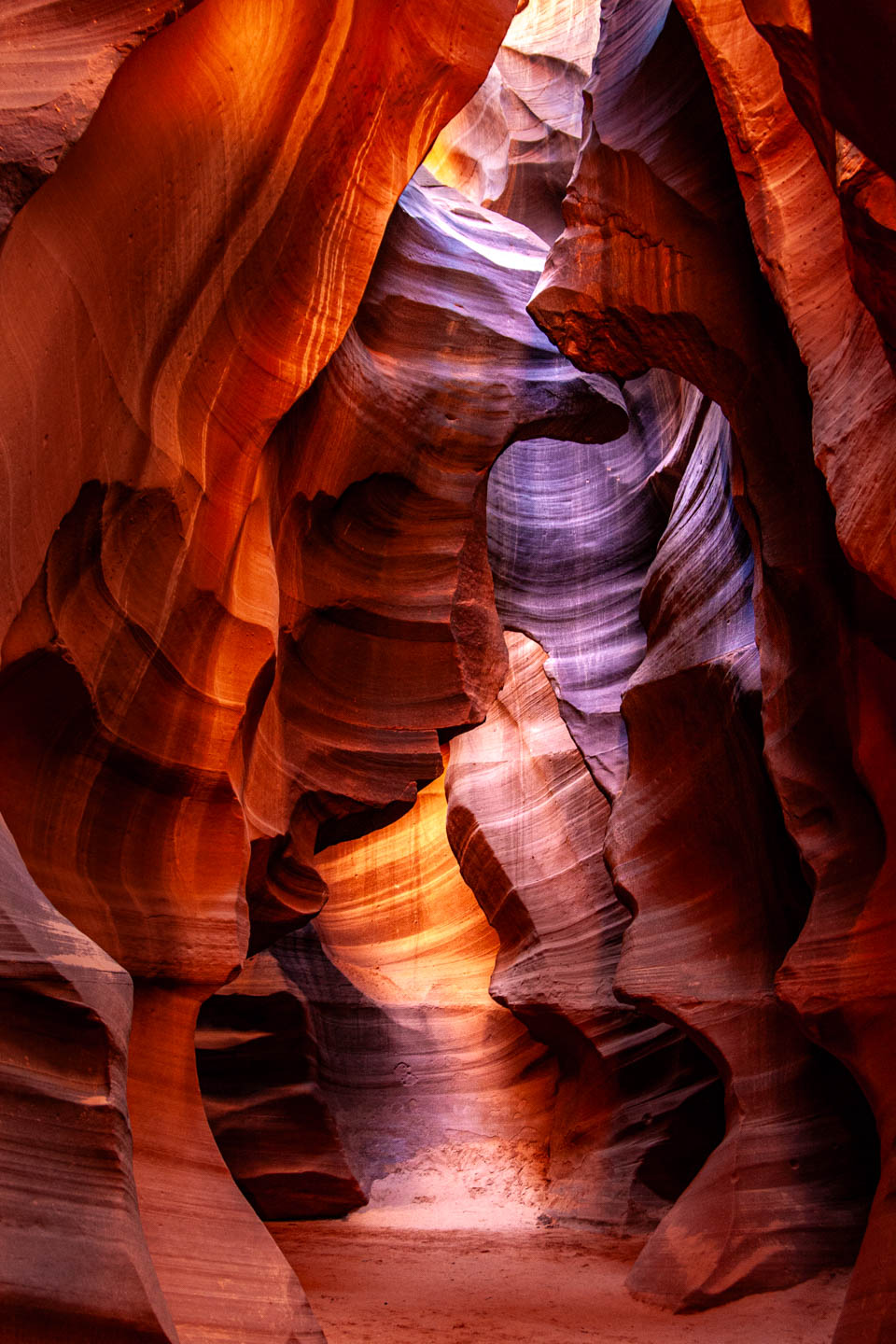
Today begins with Antelope Canyon.
The smooth sandstone walls form curves and narrow openings that change appearance as you move through them. What I remember most is noticing how many different shapes became visible from slightly different positions.
Visit with an authorized guided tour and book ahead.
Two popular choices are Upper Antelope Canyon and Lower Antelope Canyon.
Upper or Lower Antelope Canyon?
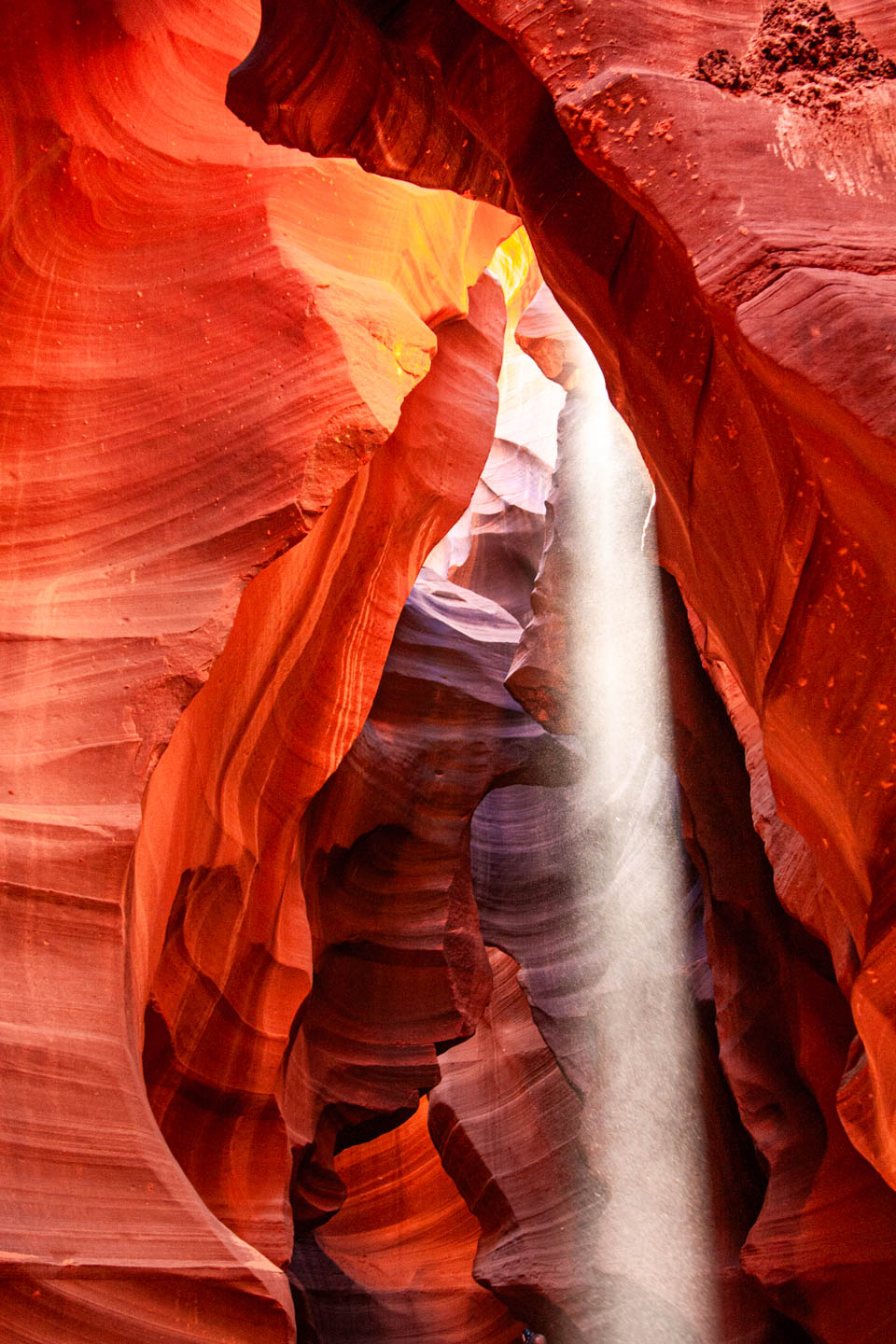
Upper Antelope Canyon is particularly known for its light beams. Their appearance depends on the season, time of day, and conditions, so they aren’t guaranteed on every tour.
The main canyon passage is relatively level, but the complete tour route can include stairs, ramps, and walking on sand.
Lower Antelope Canyon involves stairs and narrower sections. Consider those features if you have mobility limitations or feel uncomfortable in confined spaces.
I wouldn’t choose Lower solely on the assumption that it will be quieter. Both are popular, and the experience depends partly on your tour timing and operator.
Choose one canyon for this itinerary. Leave time for check-in, transport, and the full tour rather than booking another activity immediately afterward.
Afternoon: Page to Monument Valley
After the tour, have lunch and drive to Monument Valley.
Allow around 2 hours of driving, without extended stops.
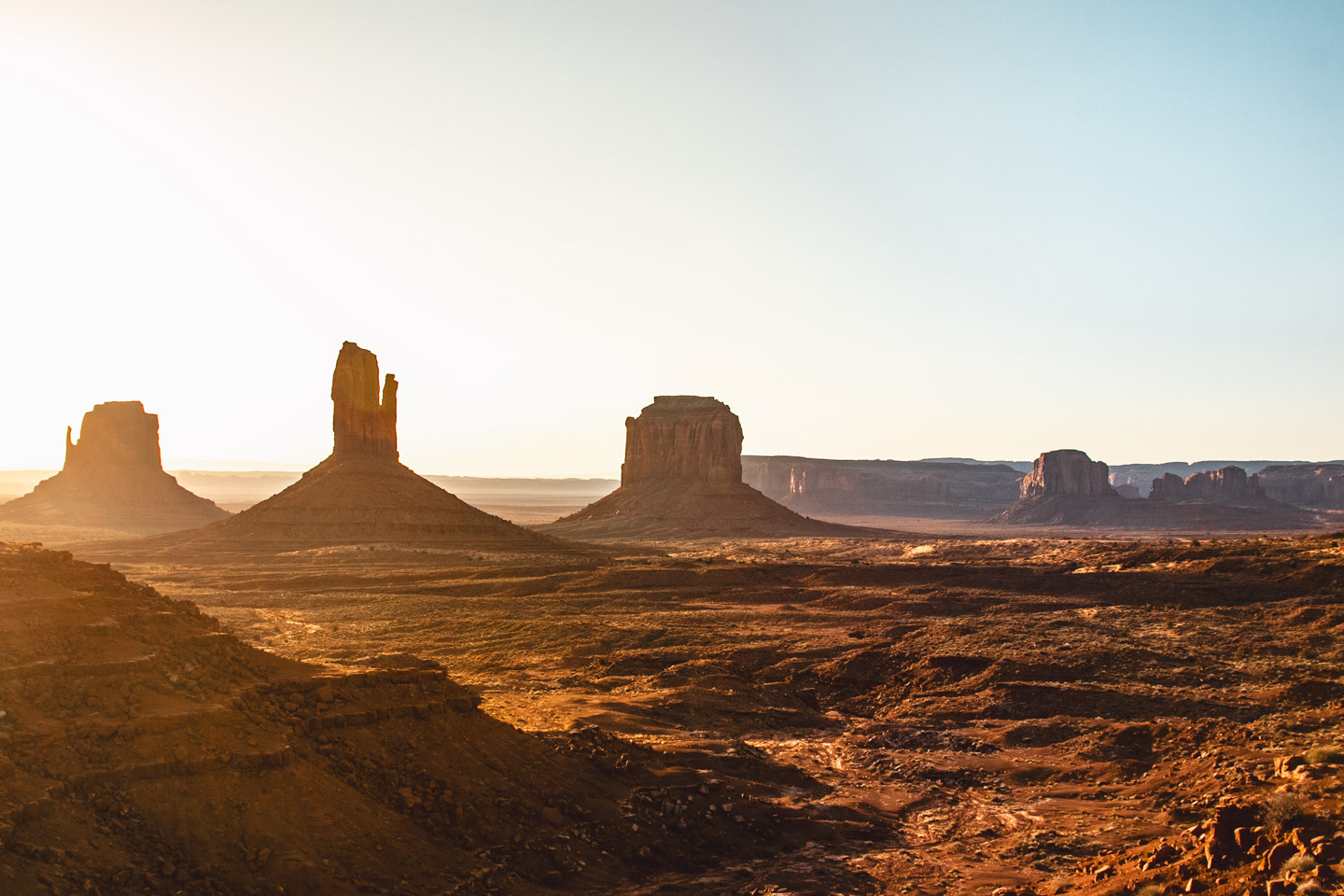
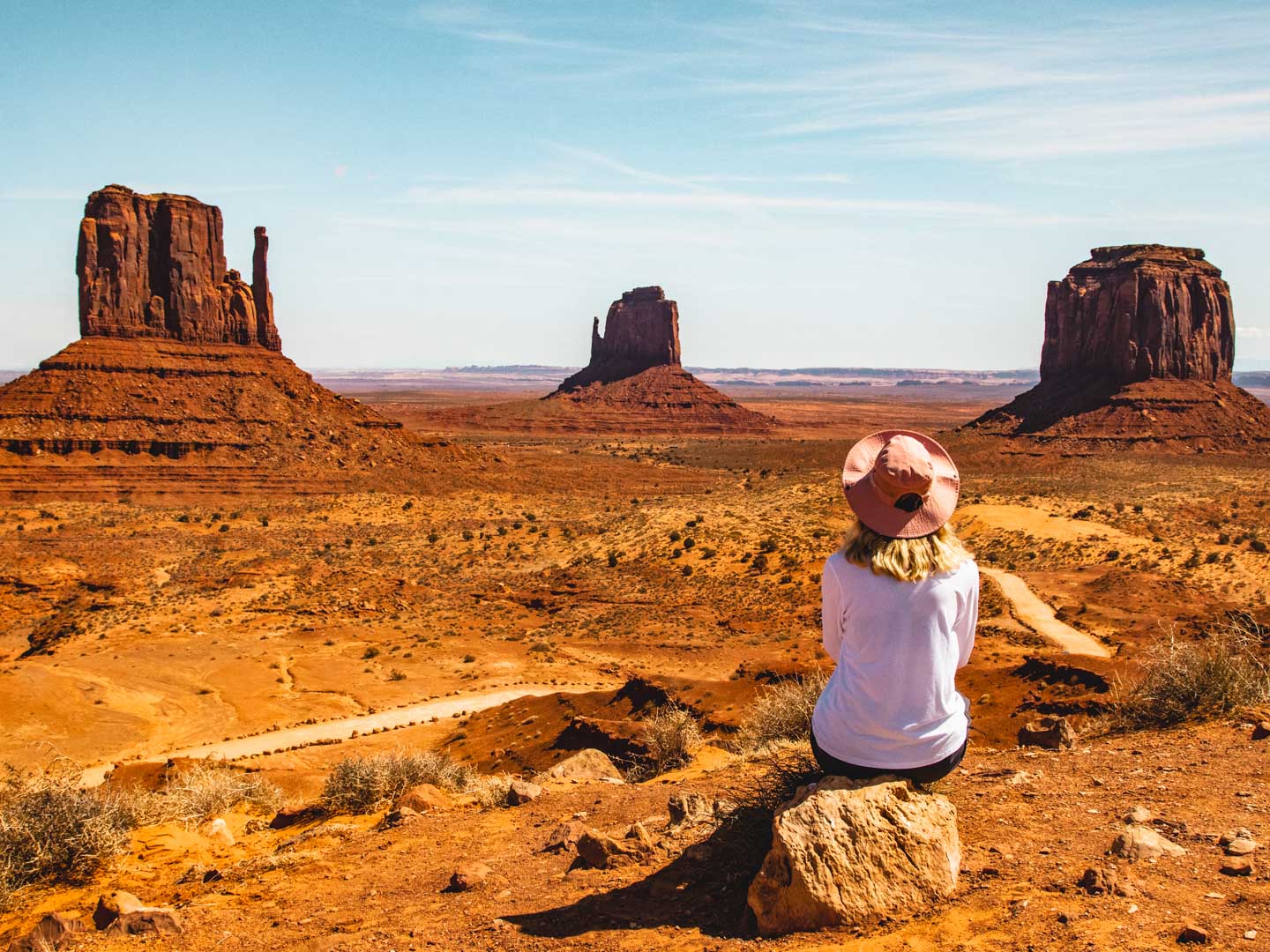
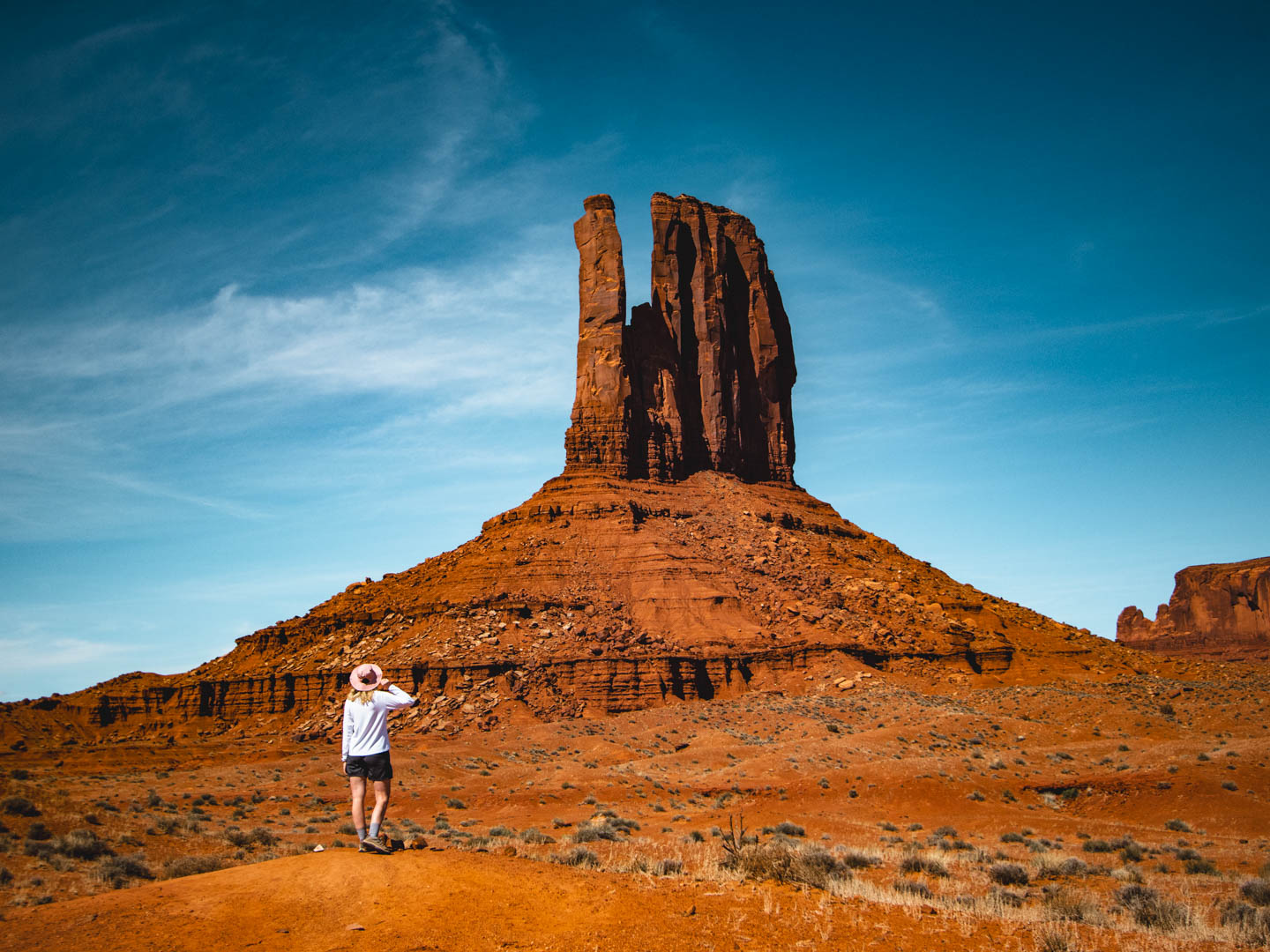
Monument Valley lies on Navajo Nation land along the Arizona–Utah border. Its buttes and mesas are familiar from films and photographs, but seeing the space around them gives the landscape a different scale.
Start with the main viewpoint near the visitor facilities, overlooking The Mittens.
You don’t need to complete the scenic drive this afternoon. Tomorrow morning is reserved for exploring the valley.
Evening: Sunset and Dinner
If your arrival time allows, stay for the evening light.
I particularly remember the way the formations became darker as the sky changed. Having a nearby overnight stop meant we could enjoy it without immediately setting off again.
For dinner, consider The View Restaurant if it is available to you, or eat at your accommodation or in a nearby town.
Avoid adding a full scenic drive and a long hike after your Antelope Canyon tour. A viewpoint stop and dinner are enough for this afternoon.
A Note About Local Time
Navajo Nation observes daylight saving time, while most of Arizona does not.
That can affect the time difference between Page and Monument Valley during part of the year. Follow the local-time instructions on your tour reservations, especially when crossing between these areas.
For more detail, see my Monument Valley Travel Guide, including practical advice on visiting the area.
Where to Stay in Monument Valley
Options include:
- The View Hotel – a choice for travelers who want views of the valley from their accommodation.
- Goulding’s Lodge – a nearby base with facilities for travelers.
- Arrowhead Campground – an option for camping and camper van trips.
Day 6: Monument Valley and Holbrook
Morning: Sunrise and One Main Activity
If you enjoy early mornings, begin with sunrise over Monument Valley.
Have breakfast afterward, then choose one main activity: Valley Drive or Wildcat Trail.
Planning Your Own Southwest Road Trip?
In my newsletter, I share travel routes, places I’ve enjoyed, and practical ideas for planning trips around the Southwest.
New subscribers receive my Ultimate Utah Budget Travel Planner + Free Camping Spots Map, which can help if you’re continuing your trip into Utah.
Option 1: Valley Drive
Valley Drive is an approximately 17-mile (27 km) unpaved route through the park.
Allow around 2-3 hours with stops. You’ll pass several of the valley’s best-known formations and have opportunities to see them from different angles.
Road conditions matter, as do the terms of your rental agreement. Don’t assume that renting an SUV automatically means you’re permitted to use it on this road.
A guided Navajo tour is an alternative if you’d rather leave the driving to someone familiar with the area. Guided routes can also include places outside the self-drive loop.
If you’re traveling in a camper van or RV, arrange a suitable tour rather than assume your vehicle can use the scenic road.
Option 2: Wildcat Trail
Wildcat Trail is a walking route around West Mitten, approximately 3-4 miles (5-6 km) long.
It offers a closer look at the landscape, with time to notice the changing view as you move around the formation.
There is little shade, so start early and consider the temperature before choosing this option.
For this day, pick the scenic drive or the hike. Doing both would push the onward journey later and make the afternoon more tiring.
Afternoon: Drive to Holbrook
After your morning activity, head toward Holbrook.
Allow around 3.5-4 hours of driving, depending on your starting point and route. Add time for lunch and rest stops.
Holbrook is your base before visiting Petrified Forest tomorrow. You don’t need a full sightseeing program here – the main benefit is breaking up the journey.
This arrangement avoids combining Monument Valley, Petrified Forest, and another long drive in a single day.
Evening: Rest in Holbrook
Check in, have dinner, and leave the evening free.
I would choose practical accommodation with convenient parking and an easy departure the following morning.
If you’re camping or traveling by camper van, arrange a suitable overnight stop outside Petrified Forest rather than expecting a regular vehicle campground inside the national park.
Day 7: Petrified Forest and Return to Phoenix
Morning: Explore Petrified Forest
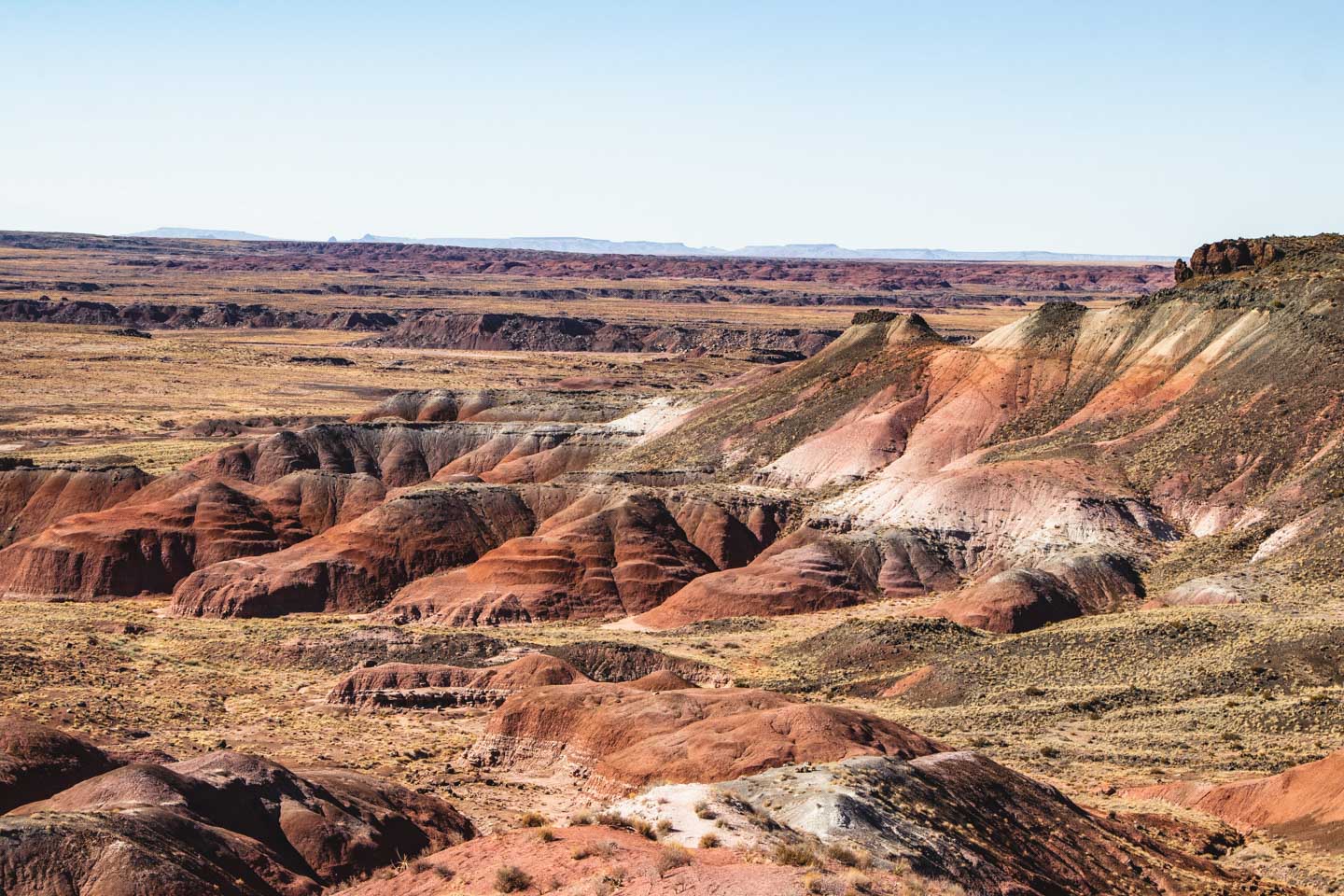
Leave Holbrook early and enter Petrified Forest National Park from the north, near Painted Desert.
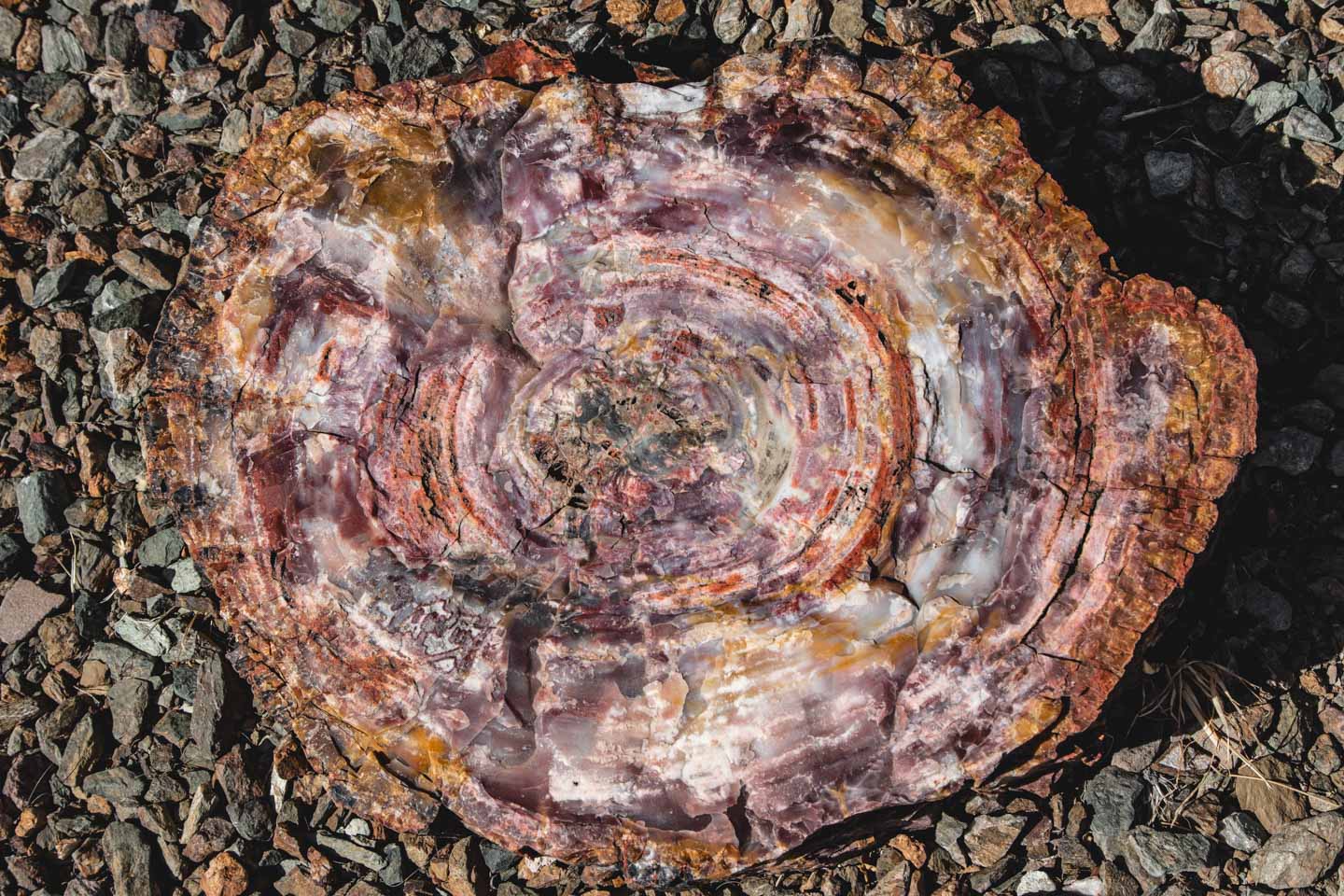
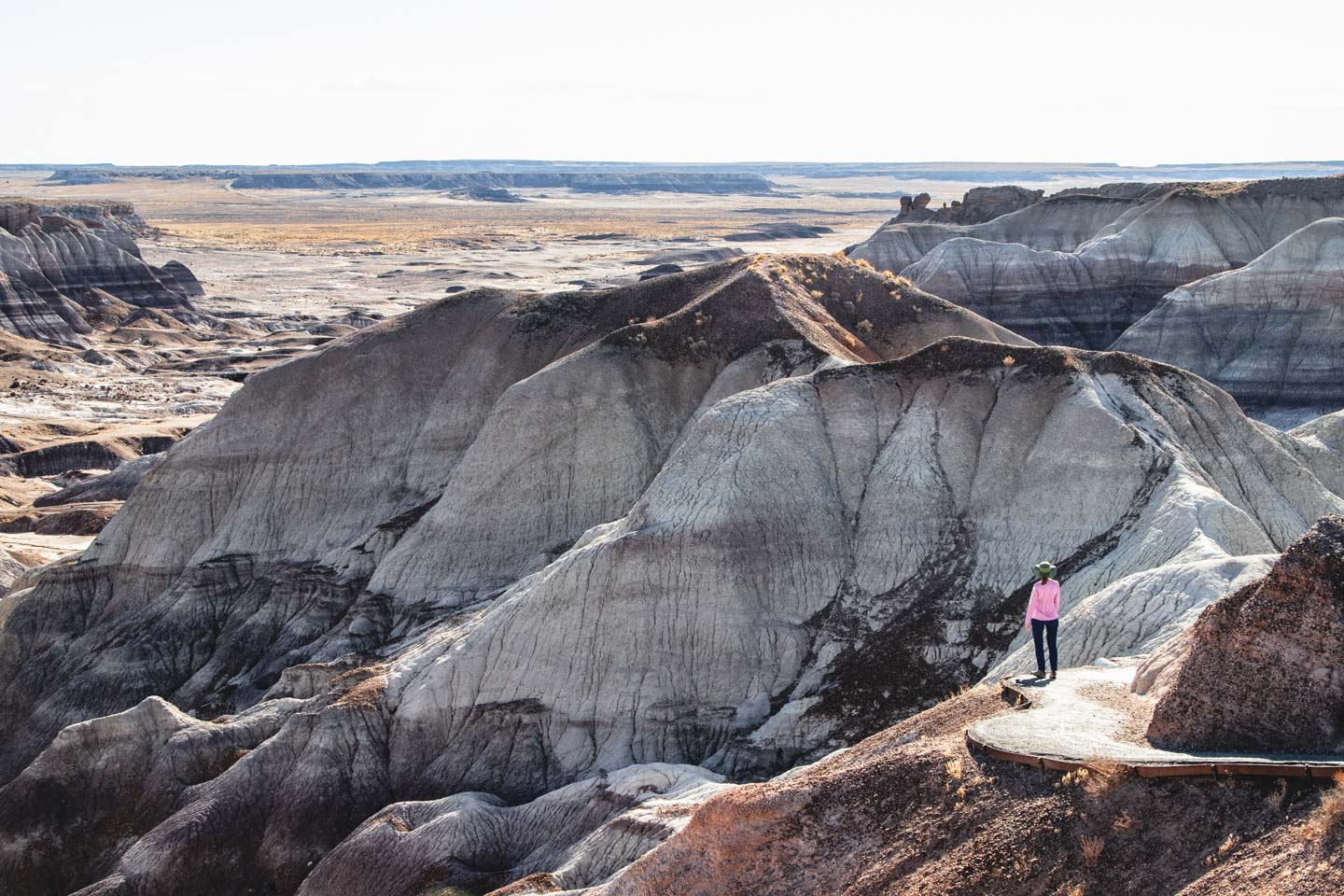
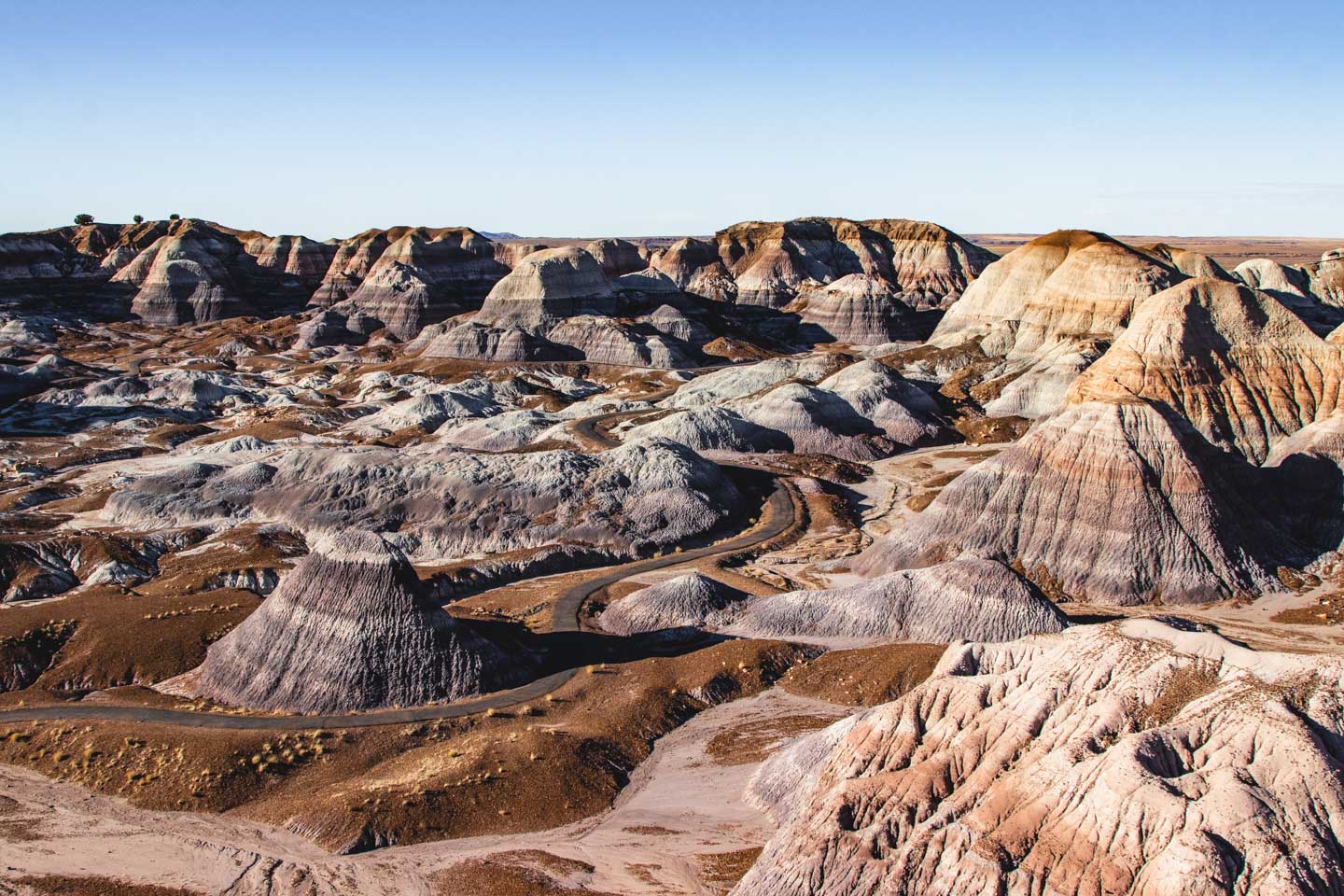
The park combines multicolored badlands with areas of petrified wood. After the red rocks and sandstone canyons of the previous days, the colors and textures feel quite different.
The Painted Desert reminded me of Painted Hills in Oregon, although the landscape here is more open and extensive.
For this itinerary, allow around 3 hours for selected stops, including the drive through the park.
What to See in Petrified Forest
Choose a manageable selection:
- Painted Desert viewpoints: an introduction to the park’s northern landscapes.
- Newspaper Rock: a viewpoint for seeing petroglyphs.
- Blue Mesa: layered badlands and one of my favorite short walks in the park.
- Crystal Forest: a trail among petrified logs.
Blue Mesa Trail is approximately 1 mile (1.6 km). It descends among the formations, so remember that you’ll climb back up afterward.
Crystal Forest Trail is approximately 0.75 miles (1.2 km) and provides a closer look at the petrified wood.
If you want time for both walks, keep the other stops brief. If you prefer a slower visit, choose one walk and enjoy a few viewpoints.
The park road itself takes time to drive. A three-hour visit doesn’t mean three hours of hiking in addition to every viewpoint.
Leave all petrified wood where you find it. Collecting it inside the park is prohibited.
After exploring the park, continue south toward Tucson. It’s a bit of a drive (around 4 hours), so you can stop in Holbrook for a quick dinner or break up the trip with an overnight stop along the way.
Tucson will be your next base – a whole new side of Arizona waiting to be discovered.
Afternoon: Return to Phoenix
After leaving the southern part of the park, drive back to Phoenix.
Allow approximately 3.5-4.5 hours of driving, depending on the route, traffic, and where you’re staying.
Have lunch and take a break along the way. This is one of the busier days of the itinerary, so I wouldn’t add another major attraction.
Plan to spend the night in Phoenix and fly home the following day. If your flight leaves on Day 7, skip Petrified Forest and make the return journey your priority.
Evening: A Simple Final Dinner
Once you’re back in Phoenix, choose dinner near your hotel.
If you have energy and they fit your location, Tempe Marketplace or Desert Ridge Marketplace offer restaurants and places to walk around.
Beginner’s Luck in Scottsdale is another meal option if its location and opening hours suit your plans.
After a week on the road, I would avoid crossing the whole city for one final stop. A good meal and an easy evening are enough.
Have More Time? Extend Your Arizona Road Trip to Tucson
If you have another 2-3 days, continue south from Phoenix to Tucson.
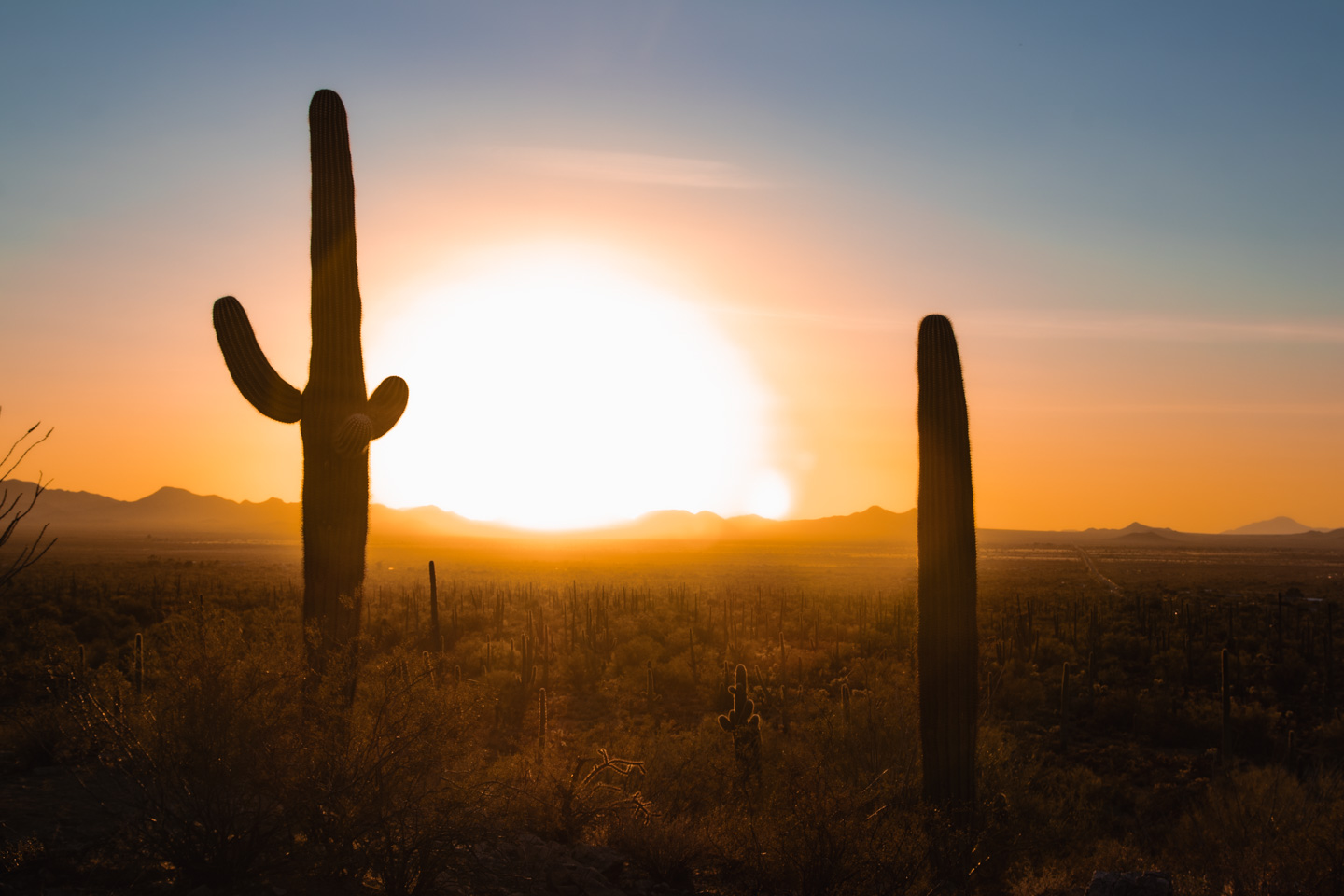
This extension adds the Sonoran Desert, Saguaro National Park, local food, and a choice of cultural attractions.
It works best after completing the northern loop. You can then enjoy Tucson without turning the drive from Petrified Forest into an especially long day.
For an extension with some breathing room, stay two nights in Tucson.
Extension Day 1: Phoenix to Tucson
Drive from Phoenix to Tucson, allowing around 2 hours, plus stops.
If you want a historical stop along the way, consider Casa Grande Ruins National Monument. It requires a detour, so include time for the additional driving and visit.
The site preserves structures associated with ancestral Sonoran Desert communities. It gives another perspective on the region’s history beyond the landscapes you’ve seen on the northern route.
After arriving in Tucson, check in and have lunch.
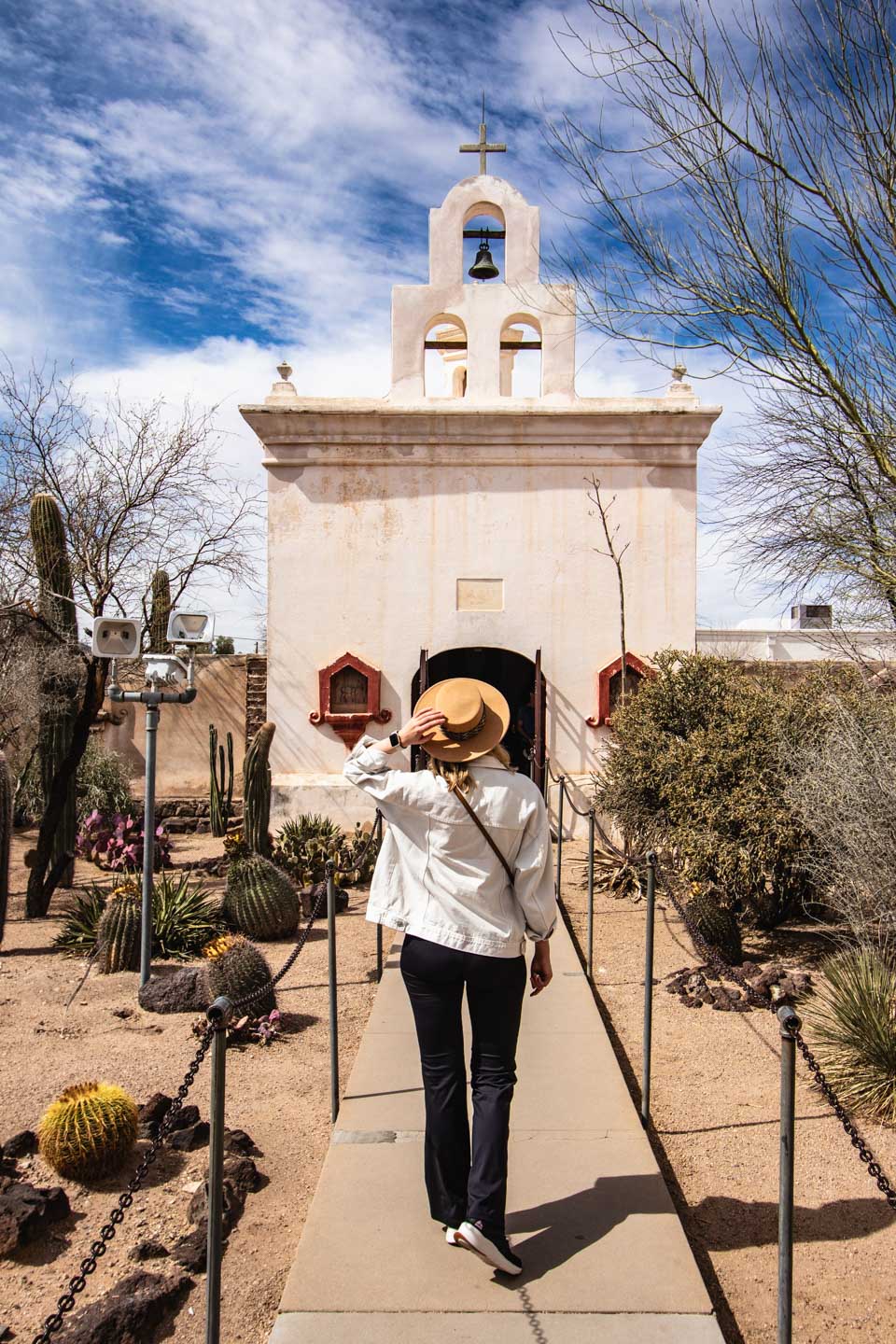
You could visit Mission San Xavier del Bac during the afternoon if the timing fits. Its white exterior stands out against the surrounding desert, while the interior contains detailed decoration.
It remains an active place of worship, so be considerate of services and people who have come to pray.
Dinner in Tucson
For dinner, consider El Charro Café, which has been serving guests since 1922.
It’s one of the places to include if you want to explore Tucson’s Mexican food traditions. Choose a dish that suits your preferences rather than assume every regional specialty has a vegetarian version.
Another local specialty is the Sonoran hot dog, commonly associated with places such as El Güero Canelo.
The traditional version includes a bacon-wrapped sausage, beans, tomatoes, onions, and other toppings in a soft bun.
If you’re vegetarian, look for a restaurant explicitly offering a meat-free version or choose another dish.
Where to Stay in Tucson
Options to consider include:
- Home2 Suites By Hilton Tucson Downtown – a central option with kitchenette facilities.
- Graduate by Hilton Tucson – a hotel with a distinctive interior near the university.
- El Pais Motel & Campgrounds – a retro-style option that also accommodates camping travelers.
Extension Day 2: Saguaro National Park
Choose One District
Start with breakfast, perhaps at Prep & Pastry, then head to Saguaro National Park.
In hot weather, I would get to the park early and move a longer breakfast to afterward.
Saguaro consists of two separate districts:
- Rincon Mountain District, east of Tucson.
- Tucson Mountain District, west of Tucson.
Choose one for the day. Traveling between them takes time, and you can enjoy the desert without visiting both.
Western Saguaro and Arizona-Sonora Desert Museum
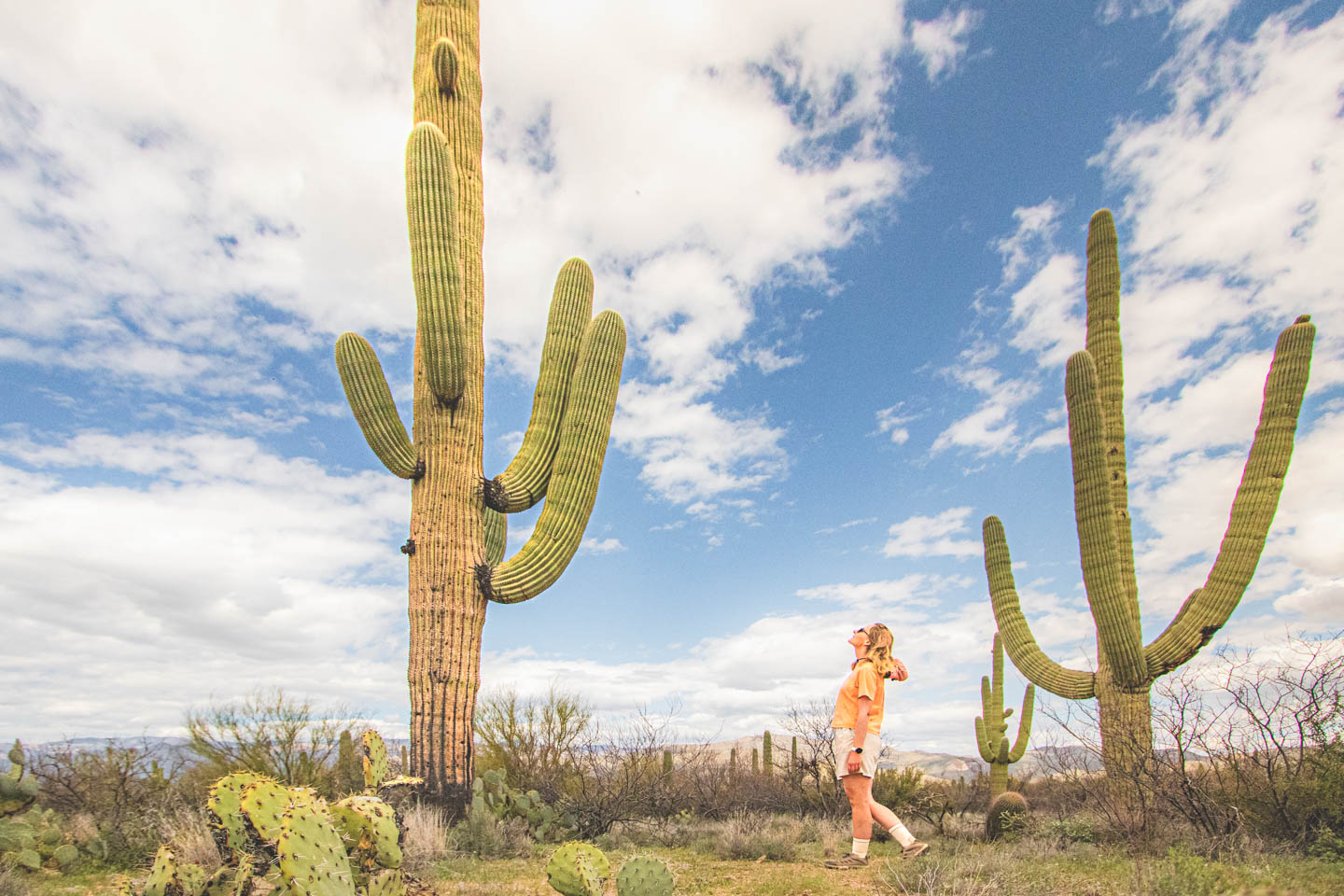
The western district is a convenient choice if you want to visit Arizona-Sonora Desert Museum as well.
Begin near Red Hills Visitor Center, then explore Bajada Loop Drive, an approximately 6-mile (9 km) unpaved scenic route.
Short walks include:
- Valley View Overlook Trail: around 0.8 miles (1.3 km) round trip.
- Signal Hill Trail: around 0.3 miles (0.5 km) round trip, with petroglyphs.
Afterward, you can visit the nearby Arizona-Sonora Desert Museum.
It combines botanical displays, wildlife exhibits, and interpretation of the region’s natural environment. Allow at least 2-3 hours.
Much of the visit is outdoors. During hot weather, don’t treat it as an indoor afternoon escape. You may prefer to choose the park or museum, or look at the museum’s seasonal evening events.
Eastern Saguaro and a Quieter Afternoon
If you’d rather focus on the park, visit Rincon Mountain District.
The Cactus Forest Loop Drive is an approximately 8-mile (13 km) paved scenic road, with viewpoints and access to short walks.
Two options are:
- Desert Ecology Trail: approximately 0.25 miles (0.4 km).
- Freeman Homestead Trail: approximately 1 mile (1.6 km) for the full loop.
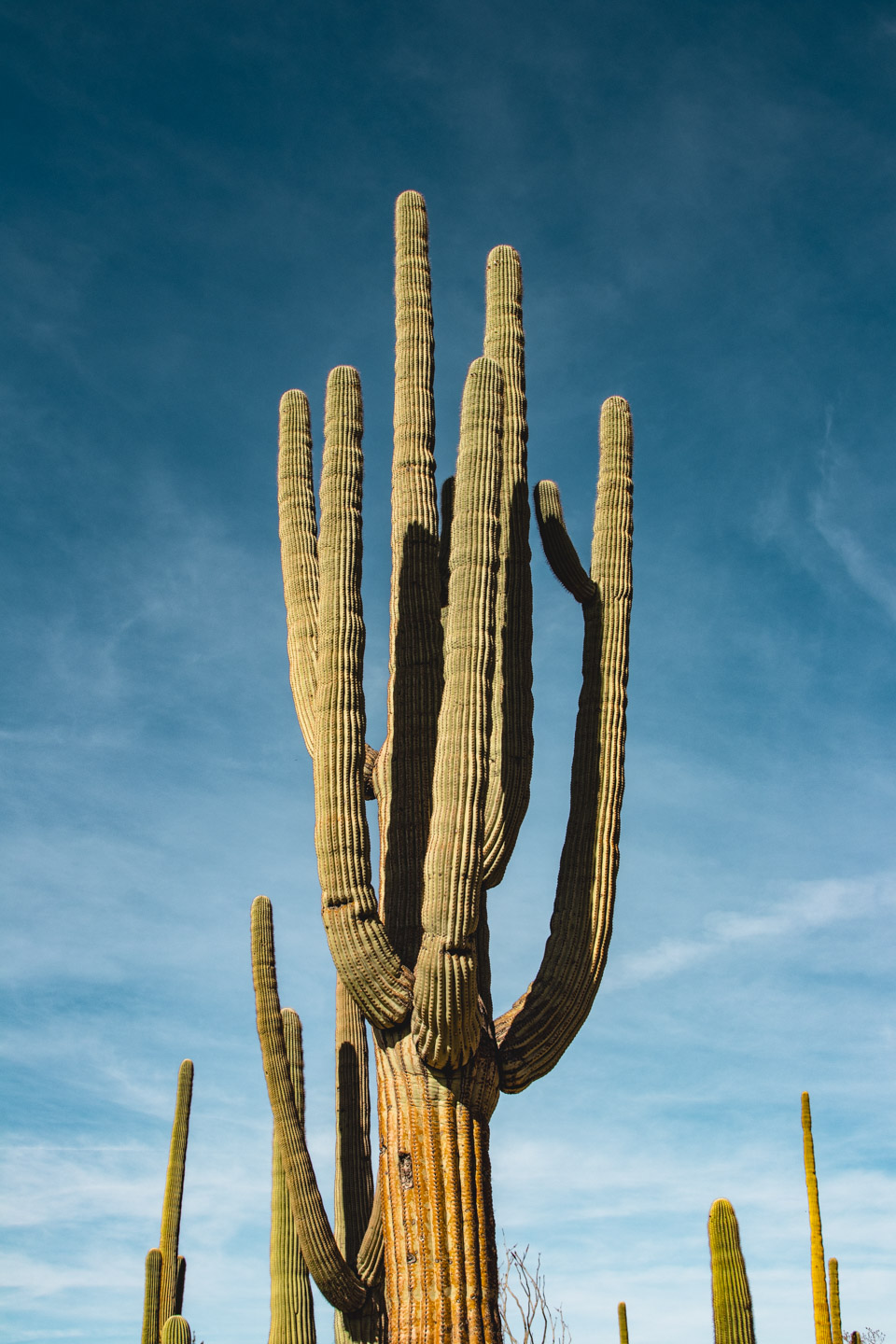
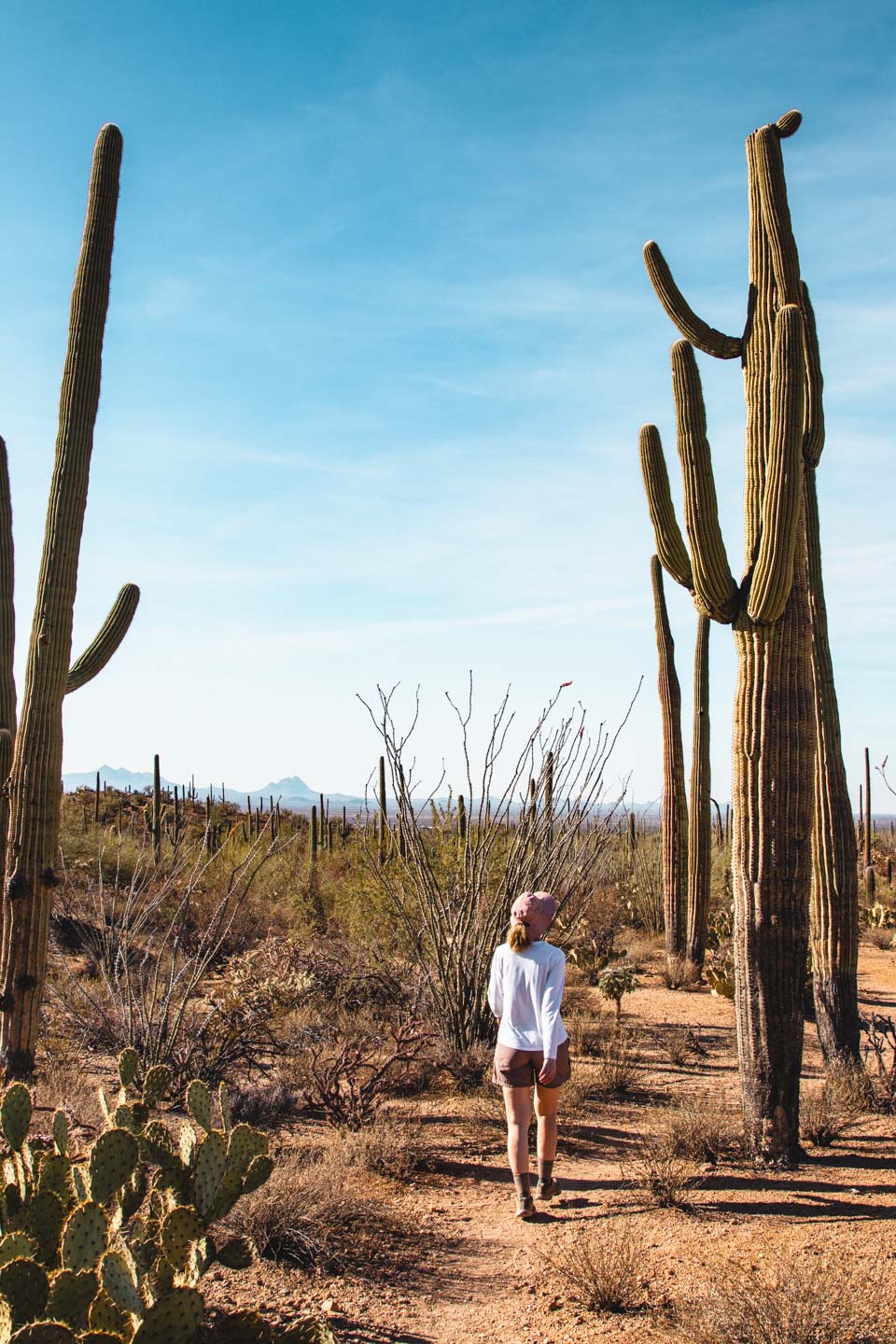
I like taking time to look at individual saguaros here. Their shapes vary considerably, and walking among them gives you a different perspective from seeing them along the road.
After your visit, return to Tucson for lunch and a quieter afternoon.
Extension Day 3: Tucson and Return to Phoenix
Morning: Breakfast and One Attraction
For breakfast, consider Barista del Barrio.
Then choose an attraction based on your interests and departure plans.
If you didn’t visit Mission San Xavier del Bac on your arrival day, you could see it this morning.
Alternatively, spend time at Pima Air & Space Museum.
Its collection includes aircraft from different periods, with indoor displays and a substantial outdoor area. Even if aviation isn’t your main interest, the scale of some aircraft is impressive.
Allow at least 2-3 hours, and longer if you enjoy the subject.
I wouldn’t plan the museum before an early afternoon flight from Phoenix. Keep enough room for the drive, returning your rental car, and airport procedures.
Lunch and the Drive Back
If there’s time before leaving, consider Del Cielo Tamales for lunch.
I enjoyed the vegetarian options here, especially the corn tamales. It’s a meal I would happily return for on another Tucson visit.
Then follow I-10 north toward Phoenix, allowing approximately 2 hours, with additional time for traffic and your final destination.

Park Passes and Admission Costs
This route includes Grand Canyon National Park and Petrified Forest National Park. The Tucson extension adds Saguaro National Park.
Compare individual admission costs with an America the Beautiful Pass for your particular trip.
The pass rules distinguish between eligible U.S. residents and nonresidents. Your eligibility matters, rather than nationality alone, which is relevant if you hold a foreign passport but live in the United States.
Grand Canyon also has additional admission rules affecting some nonresident visitors, so include those when comparing the total costs.
Antelope Canyon and Monument Valley are separate from the federal national park system. The federal annual pass does not cover their tour or admission charges.
You’ll also need separate tickets for attractions such as Desert Botanical Garden, Heard Museum, Arizona-Sonora Desert Museum, and Pima Air & Space Museum.
For Antelope Canyon, compare the total tour price, including any fees, before booking. The starting price alone may not represent the amount you’ll pay.
When Is the Best Time to Visit Arizona?
For this route, spring and fall are generally the seasons I would choose first.
You’re traveling between low desert areas and the higher elevations of northern Arizona. Pack for that variation rather than assume the whole state will have Phoenix weather.
Spring
Spring is one of my favorite times to explore Arizona.
Phoenix and Tucson are often comfortable for outdoor activities, and desert plants may be flowering. The extent of wildflower displays depends on the conditions that year.
Northern Arizona can still have cold mornings, snow, or icy trails, particularly earlier in the season.
Sedona is popular in spring, so arrange accommodation in advance if your dates are fixed.
Fall
Fall can work well for a trip combining Phoenix with northern Arizona.
As the lower desert cools, walking becomes more comfortable, while Sedona and the canyon country offer plenty of opportunities to spend time outside.
It isn’t automatically a quiet or inexpensive season. Sedona remains popular, and room prices depend on your dates.
Later in fall, shorter days and cold evenings matter when planning sunset stops and onward drives.d the perfect way to end your Arizona adventure before diving back into city life.
Summer
Summer temperatures in Phoenix and Tucson can exceed 104°F (40°C).
For outdoor activities, start early and reduce the amount of walking. Desert Botanical Garden and Saguaro require a different approach from a mild-weather visit.
The higher elevations of northern Arizona can be cooler, but Sedona and Monument Valley still experience heat. Below the Grand Canyon rim, conditions can be much hotter than at the viewpoints.
Summer storms can also affect roads, trails, and slot canyon tours.
For a first visit following this whole route, I would usually choose another season.
Winter
Winter can be pleasant in Phoenix and Tucson, while northern Arizona may have snow, freezing temperatures, and icy roads.
The South Rim is a winter destination too, but conditions can change what is practical on a particular day.
Sedona can also experience winter weather. For skiing, look toward the Flagstaff area, rather than Sedona itself.
Allow more flexibility on the northern part of the route, and avoid planning long drives after dark.
Travel lighter, even before you leave.
start with something simple.
Download The Minimum Plan – Slow Travel:
Is This Arizona Itinerary Realistic in Seven Days?
Yes, as an active road trip with selected hikes and viewpoints. It isn’t a week with long stays in every destination, but the overnight stops make the route more manageable.
The most important choices are:
- Stay near the Grand Canyon after sunset.
- Spend a night in Page before your Antelope Canyon tour.
- Give Monument Valley an evening and the following morning.
- Stay in Holbrook before Petrified Forest.
- Return to Phoenix on Day 7 and fly out the following day.
- Save Tucson and Saguaro for an extension.
If you want longer hikes, more photography time, or fewer accommodation changes, add days or remove a stop.
Sedona is an especially good place to add another night. You could also spend longer at the Grand Canyon or make Petrified Forest a more leisurely visit.
The aim is to enjoy each place enough to remember it, rather than finish the trip with a list of sights you barely had time to see.
A Week of Different Arizona Landscapes
What I enjoy most about this route is how much the scenery changes.
You begin among desert plants in Phoenix, walk beneath Sedona’s red rocks, and look across the Grand Canyon. Later, the sandstone walls of Antelope Canyon give way to the open landscape of Monument Valley.
Petrified Forest adds another set of colors, textures, and histories before you return to Phoenix.
I visited these places over several trips. This itinerary is a way to connect them into a practical first visit, with the option to stay longer where your interests lead you.
Since moving here from Oregon, I’ve continued finding new places to explore. I also enjoy returning to familiar ones at a different time of day or in another season.
Use this 7-day Arizona road trip itinerary as a starting point. Choose the hikes that suit you, leave room for meals and breaks, and give yourself permission to skip an optional stop.
Planning more time in the Southwest? These guides can help:
- 7-Day Utah Road Trip Itinerary – a suggested route if you’re continuing into Utah.
- 14 Best Hikes in Sedona – trail options with difficulty descriptions and practical tips.
- Monument Valley Travel Guide – more detail on visiting the valley.
- 10 Amazing Things to Do in Utah – ideas for further stops around the region.
Which stop would you most like to visit? Let me know in the comments. If you’ve already traveled around Arizona, I’d love to hear which place you would return to.
Save this guide for later or share it with someone you’re planning the trip with.
This article contains affiliate links. If you make a booking through these links, I may earn a commission, supporting this blog. Rest assured, my recommendations are based on honest assessments, and using these links doesn't affect prices for you. Thank you for your support!