

The USA is a country of contrasts. Mountains and deserts, wild coastlines and forests where it’s easy to slow down and disappear from your own thoughts for a while.
It’s within this diversity that the most beautiful places in the USA reveal themselves – sometimes dramatic and awe-inspiring, sometimes quiet and understated, but often staying with you long after you leave.
In this article, I’ve gathered 25 places I’ve visited personally and often return to in my thoughts. Alongside the iconic landmarks, you’ll also find calmer, less obvious spots – places that feel more intimate and deeply real.
This isn’t a checklist to tick off. It’s an invitation to travel without rushing. If you feel like hitting the road, let’s keep going.
Planning Your USA Trip – Start Here
If you’re just getting started with planning your American adventure, these guides will help you understand the country, pick a region, and build an itinerary:
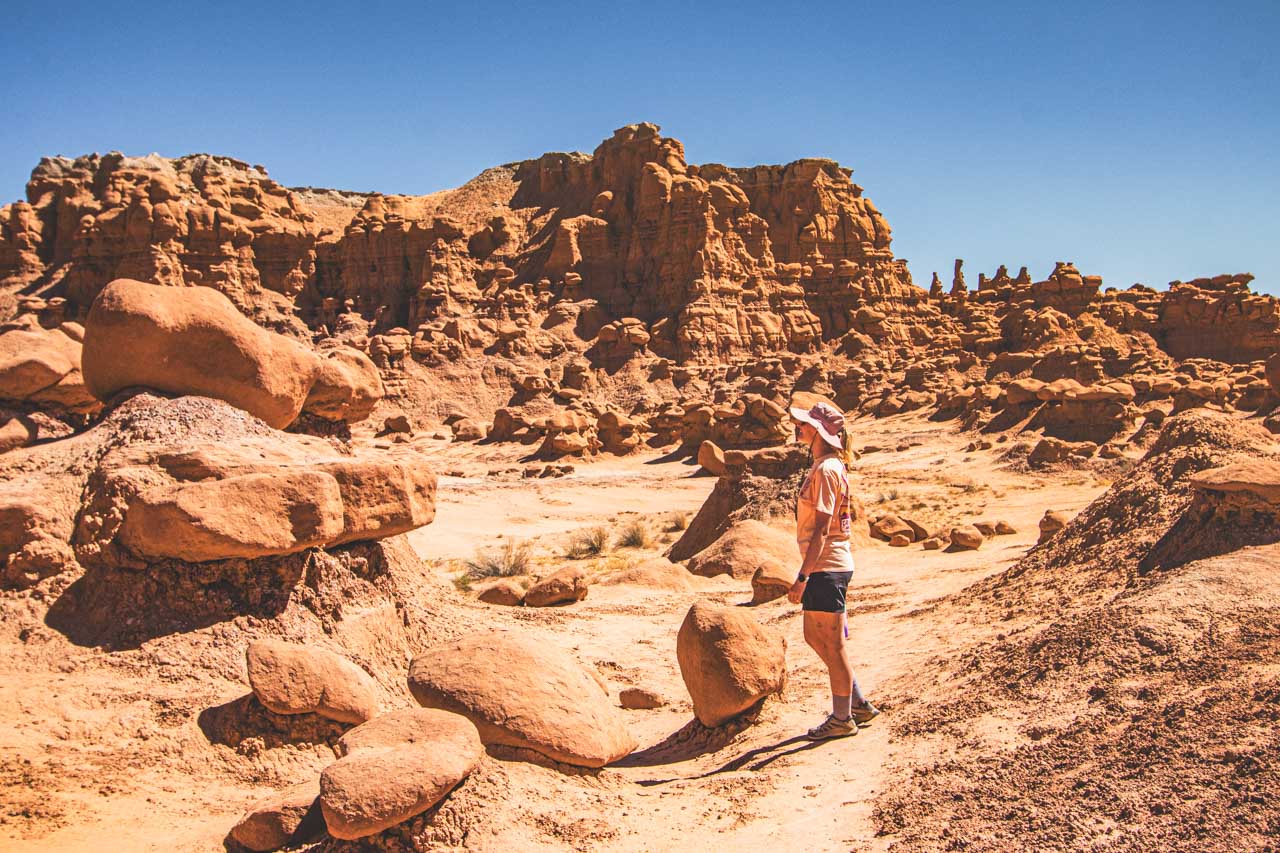
25. Goblin Valley State Park, Utah
Goblin Valley in Utah feels like a fragment of another planet. Hundreds of rock formations resembling goblins create natural labyrinths you can wander through freely, without marked trails.
It’s one of those places best experienced slowly, without a plan.
The park is made up of three valleys, each with its own character. It’s worth stopping by Three Sisters, a distinctive rock formation and one of the most recognizable landmarks in the area.
In the evening, the landscape grows quiet and the desert sky fills with stars. During the day, you might spot pronghorn antelope – incredibly fast and alert, perfectly attuned to the raw rhythm of this place.
24. Olympic National Park, Washington
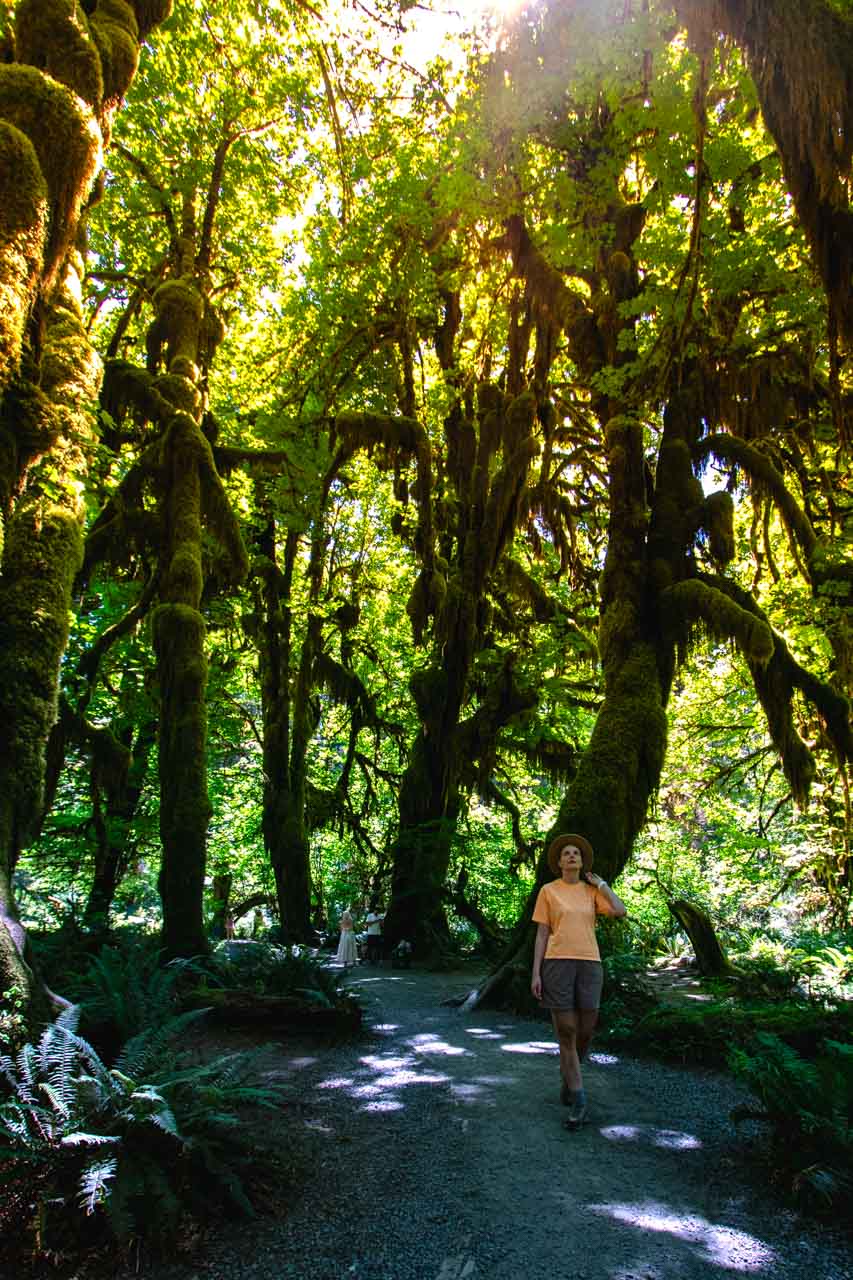
Olympic in Washington is one of those places that’s hard to define with a single description.
Within one park, three entirely different worlds come together: a wild, rugged Pacific coastline, lush temperate rainforests, and alpine meadows stretching high above the clouds.
Ruby Beach captivates with its rawness – sea stacks rise straight out of the ocean, and walking along the shore feels almost primal.
A completely different atmosphere awaits in Hoh Rain Forest, one of the largest temperate rainforests in the world, where everything is green, damp, and quiet.
It’s also worth driving up to Hurricane Ridge. The views of the Olympic Mountains are wide and calm – the kind that don’t need commentary. You simply stand there and stay for a moment.
23. Sedona, Arizona
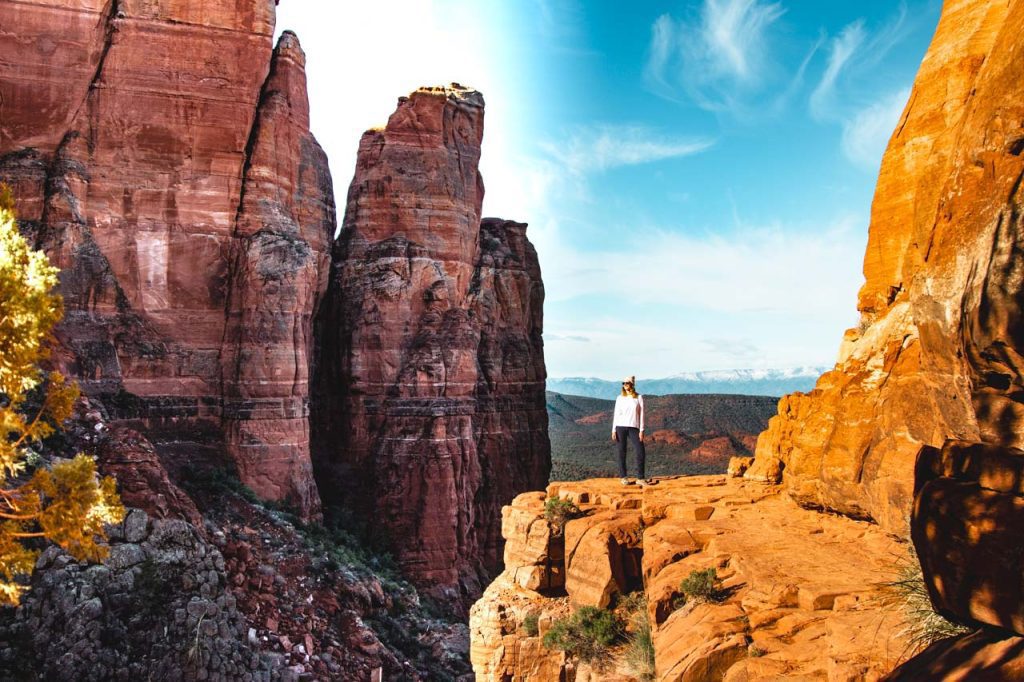
Sedona is a small town set among red rocks, but it tends to stay with you for a long time. There’s space here both for movement and for stillness – for long hikes and for simply sitting quietly, taking in the landscape.
If you enjoy walking, this is one of those places where the trails truly draw you in. Devil’s Bridge and Soldier Pass lead through distinctive red rock formations, while Birthing Cave has something calm and deeply primal about it.
Landmarks like Cathedral Rock and Bell Rock are always present in the landscape – familiar shapes best appreciated slowly, without rushing.
Beyond nature, Sedona also has a more human layer.
Chapel of the Holy Cross is dramatically built into the rocks, while Tlaquepaque Arts & Shopping Village offers a quiet place to wander among courtyards and galleries.
For those curious about history, the ruins of Palatki Heritage Site and Honanki Heritage Site serve as a reminder that this landscape mattered long before it became a travel destination.
Want to spend a little more time in Sedona?
If the red rocks of Sedona resonated with you, I’ve put together a separate, unhurried guide to this place. It features 14 of the most beautiful viewpoints and trails, chosen to help you truly feel the rhythm of the landscape.
22. Willamette Valley, Oregon
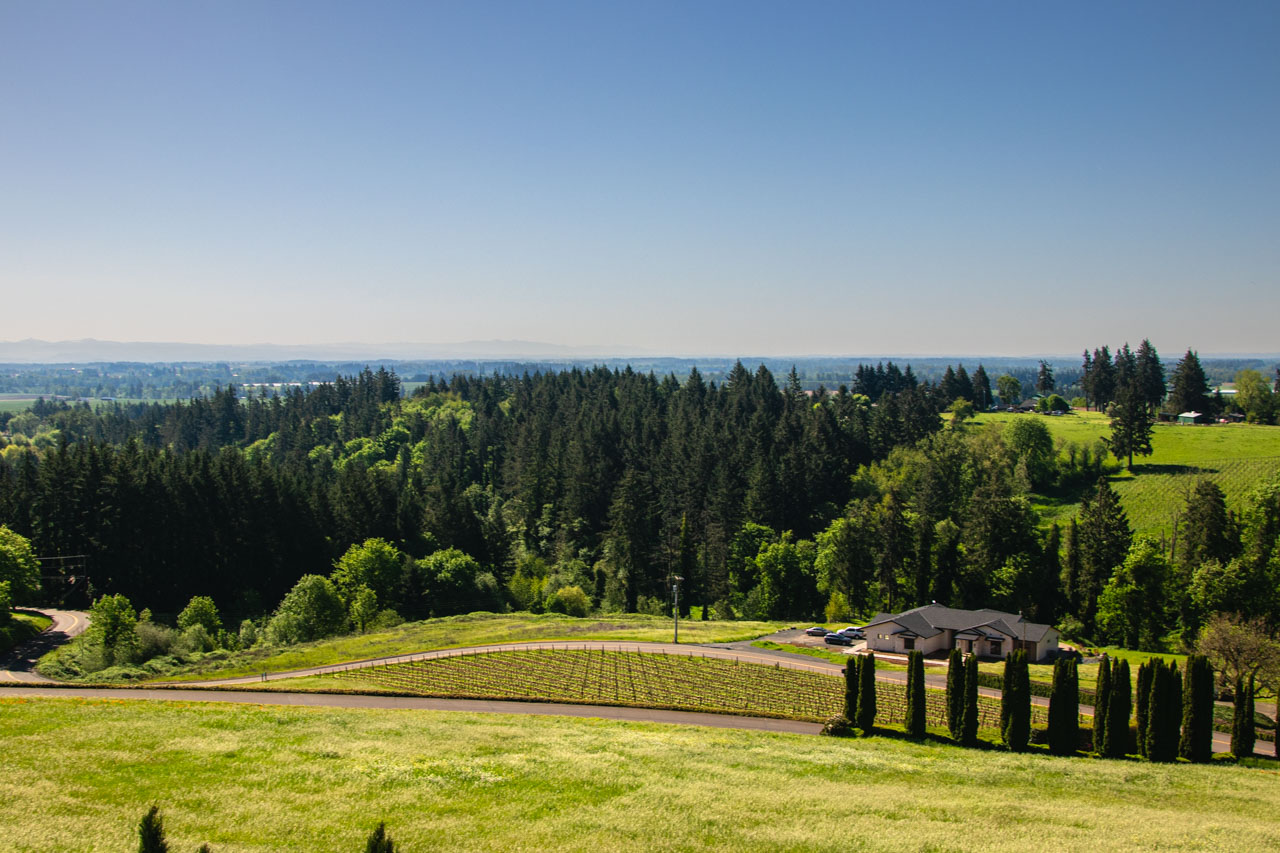
Willamette Valley in Oregon is one of those places best discovered slowly. Between gentle hills, vineyards, and quiet back roads, it’s easy to fall into a rhythm where nothing needs to be rushed.
The region is often called “America’s Burgundy,” mainly thanks to Pinot Noir, which has found ideal growing conditions here. There are hundreds of wineries throughout the valley, but instead of grandeur, the atmosphere feels intimate and focused on quality.
The views are simple and deeply calming: rows of grapevines, light shifting throughout the day, and the silhouette of a volcano on the horizon.
This is a place more suited to sitting on a terrace than checking attractions off a list – and that’s exactly where its charm lies.
21. Point Lobos State Natural Reserve, California
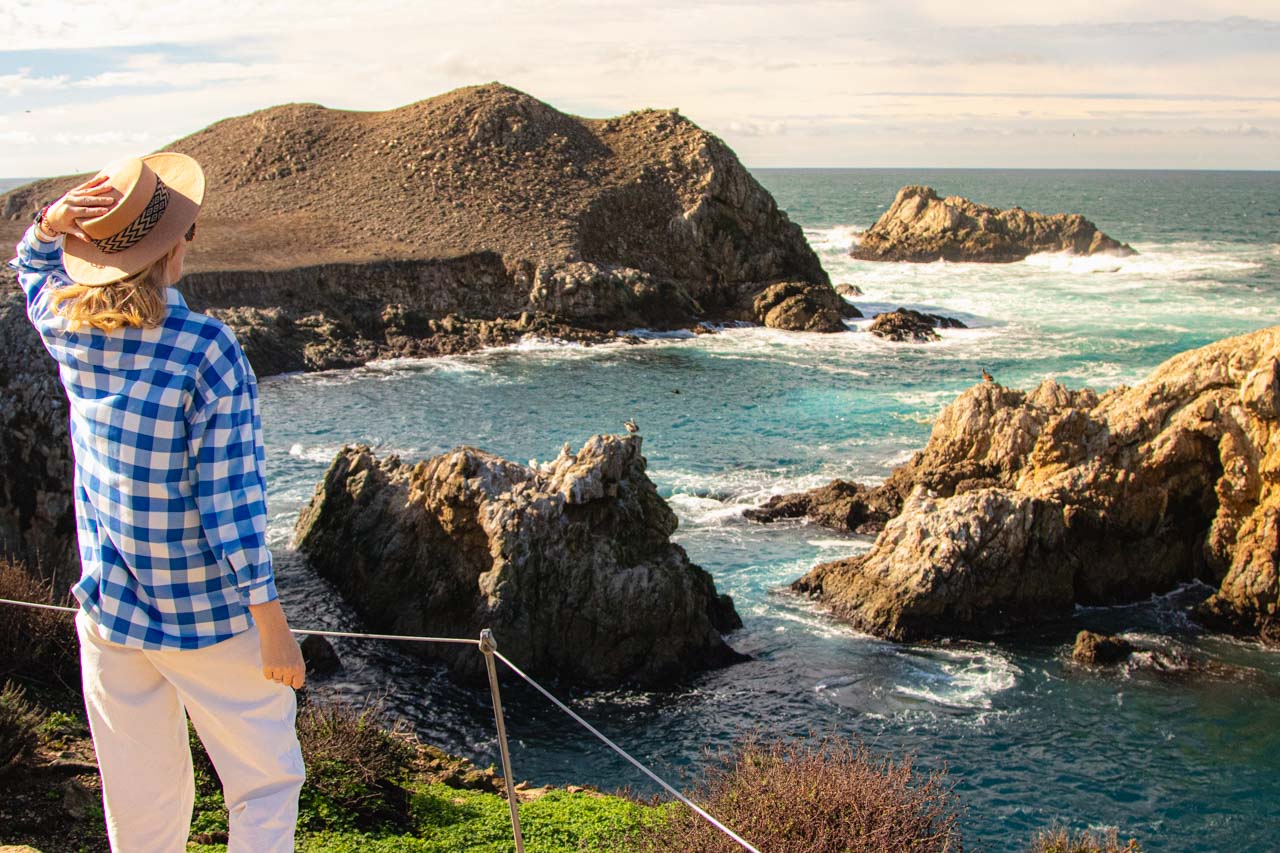
Point Lobos lies just outside Carmel–by–the-Sea and is one of those places along the California coast where nature speaks for itself.
Rugged cliffs meet the Pacific Ocean here, while small coves and trails follow the shoreline in an unhurried, natural rhythm.
It’s a place meant for simply looking. Sometimes seals rest on the rocks; other times, sea otters appear in the water. Above the paths, distinctive cypress trees grow twisted by wind and salty air.
If you feel like taking a walk, Cypress Grove Trail or Bird Island Trail are both good choices – short routes that let you experience the park slowly and without effort.
Point Lobos is a place for a quiet pause. For watching the light, the waves, and small details. And for the kind of rest that arrives on its own, without a plan.
20. Cascade Lakes Scenic Byway, Oregon
Cascade Lakes Scenic Byway is one of those routes in Oregon best enjoyed without rushing.
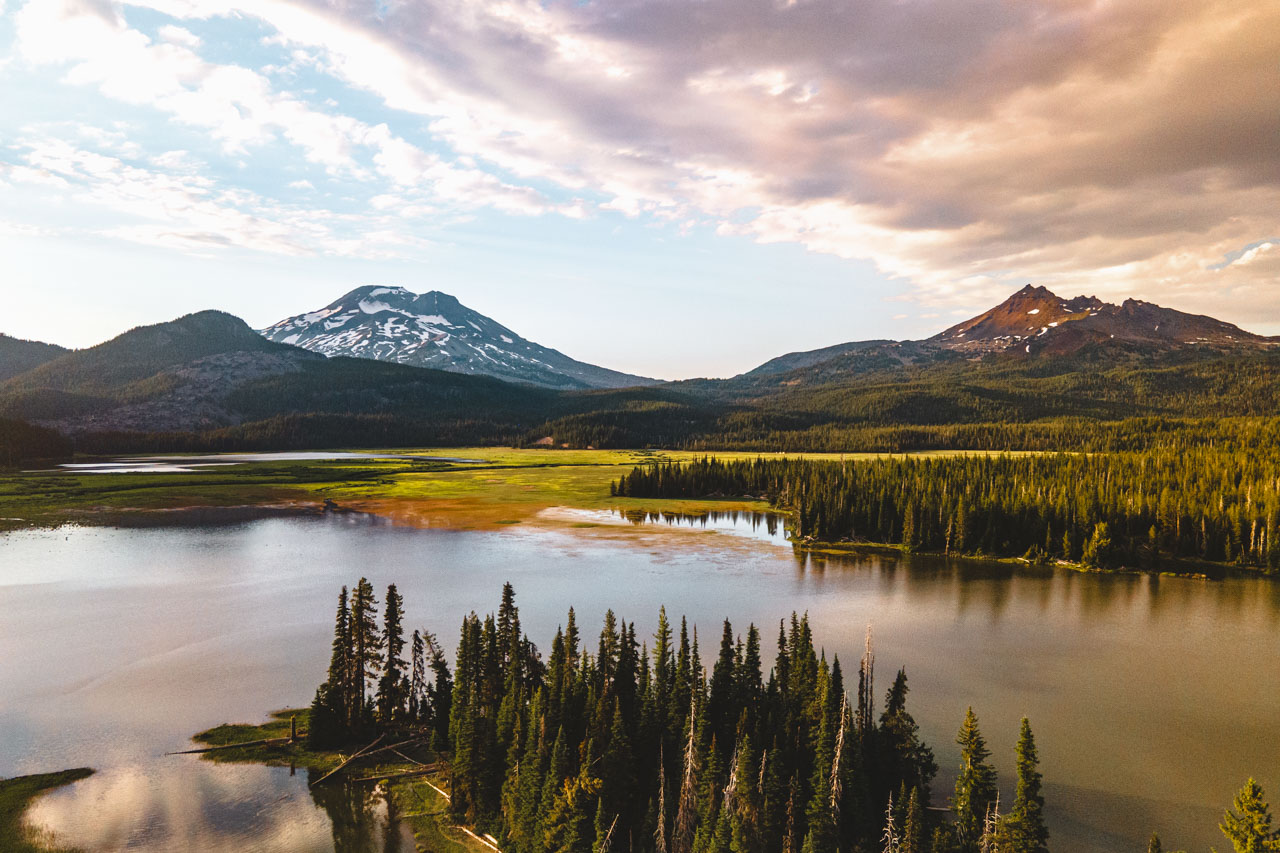
The road winds through the Cascade Range, passing forests and the silhouettes of volcanoes, with the landscape changing gently from one mile to the next.
Dozens of lakes lie along the way. Sparks Lake and Todd Lake draw you in with their sense of calm and open space – good places both for activity and for simply sitting by the water, without a plan or destination.
In autumn, the drive takes on a special quality. The colors shift slowly, the light softens, and the entire route invites you to slow down, stop more often, and let the landscape set the pace.
19. Lost Coast, California
The Lost Coast is one of the most raw and untamed stretches of California’s coastline.
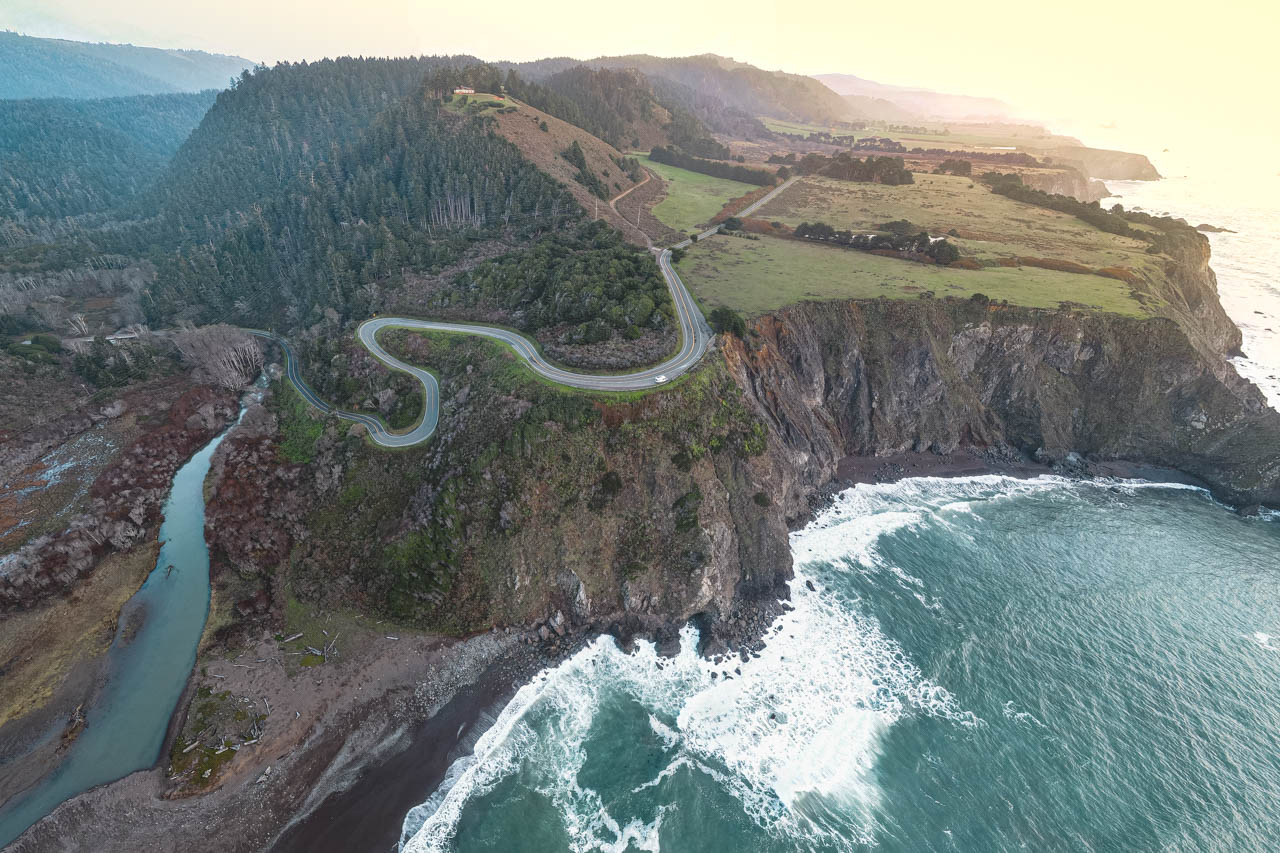
This is where the King Range mountains drop almost directly into the Pacific Ocean, creating steep cliffs, empty beaches, and a landscape that doesn’t try to be “pretty” – it’s simply real.
It’s a place for those who feel comfortable with silence and space. The Lost Coast Trail follows the shoreline, often far from anything that resembles civilization.
Hiking here requires time and attentiveness, but in return it offers the rare feeling of being truly off the beaten path.
Along the way, you may spot seals resting on the beaches and, with a bit of luck, whales appearing on the horizon. The Lost Coast doesn’t aim to impress – it does so quietly, through its wildness and calm.
18. Bonneville Salt Flats, Utah
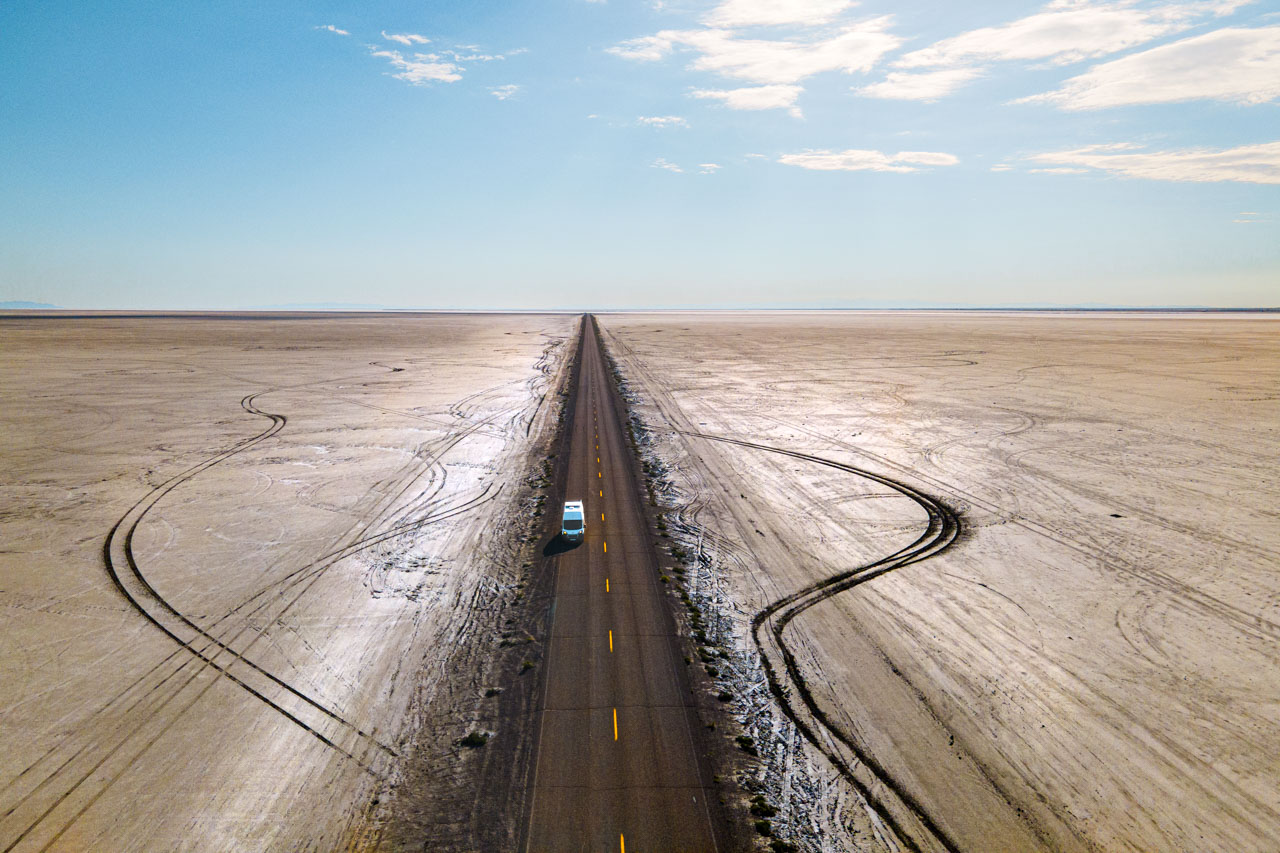
Bonneville Salt Flats is one of the most minimalist places in Utah. What was once a lake is now a vast, flat salt desert that can look almost abstract in the right light.
Geometric patterns form across the surface, resembling a honeycomb, while the horizon seems endless.
This place has two very different faces. On one hand, it’s known for land speed record attempts; on the other, for its cinematic presence. Scenes from Pirates of the Caribbean were filmed here, using the raw, almost unreal landscape as a backdrop.
The best time to visit is early in the morning or just before sunset. White salt, distant mountains, and shifting light come together to create a scene that doesn’t need embellishment.
It’s a place more for looking and being than for doing anything in particular.
17. Point Reyes National Seashore, California
Point Reyes lies north of San Francisco and is one of those places in California where the coastline remains truly wild.
You’ll find empty beaches, coves sheltered from the wind, and high cliffs offering wide views over the ocean. The landscape feels raw, yet deeply calming.
It’s a place for slow time outdoors – without a fixed plan. You can wander along the coast, pause on a beach, or simply watch the light change over the water.
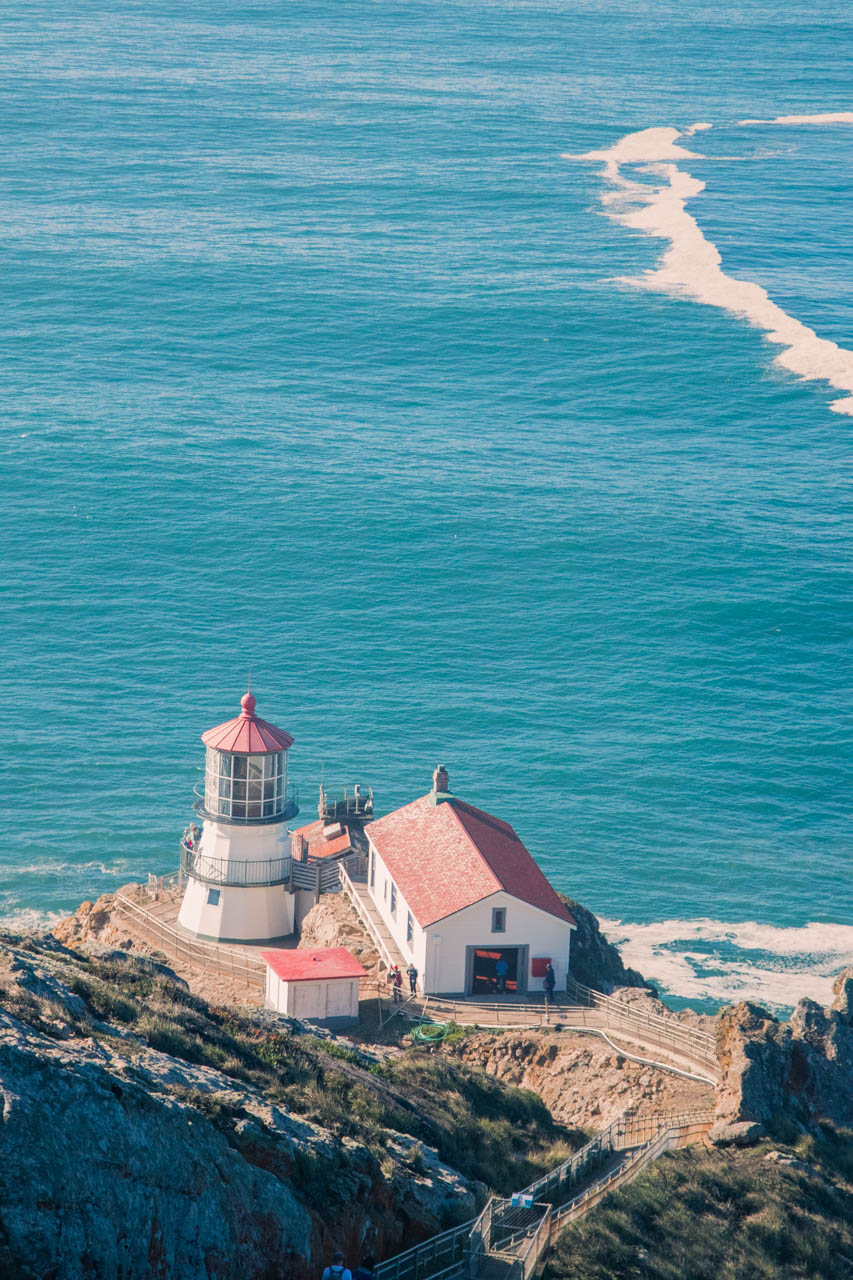
It’s worth visiting Point Reyes Lighthouse, set on one of the windiest stretches of the peninsula. Beautiful views can also be found at South Beach Overlook and Sea Lion Overlook, where sea lions are often seen resting on the rocks.
Point Reyes doesn’t try to be spectacular. It’s appreciated for its space, quiet, and the sense of being removed from anything unnecessary.
Looking to discover a less obvious side of California?
Point Reyes is one of those places that’s easy to overlook when planning a trip through California. If empty beaches, cliffs, and quiet appeal to you more than crowded viewpoints, I’ve written a separate article dedicated entirely to this place.
16. Ecola State Park, Oregon
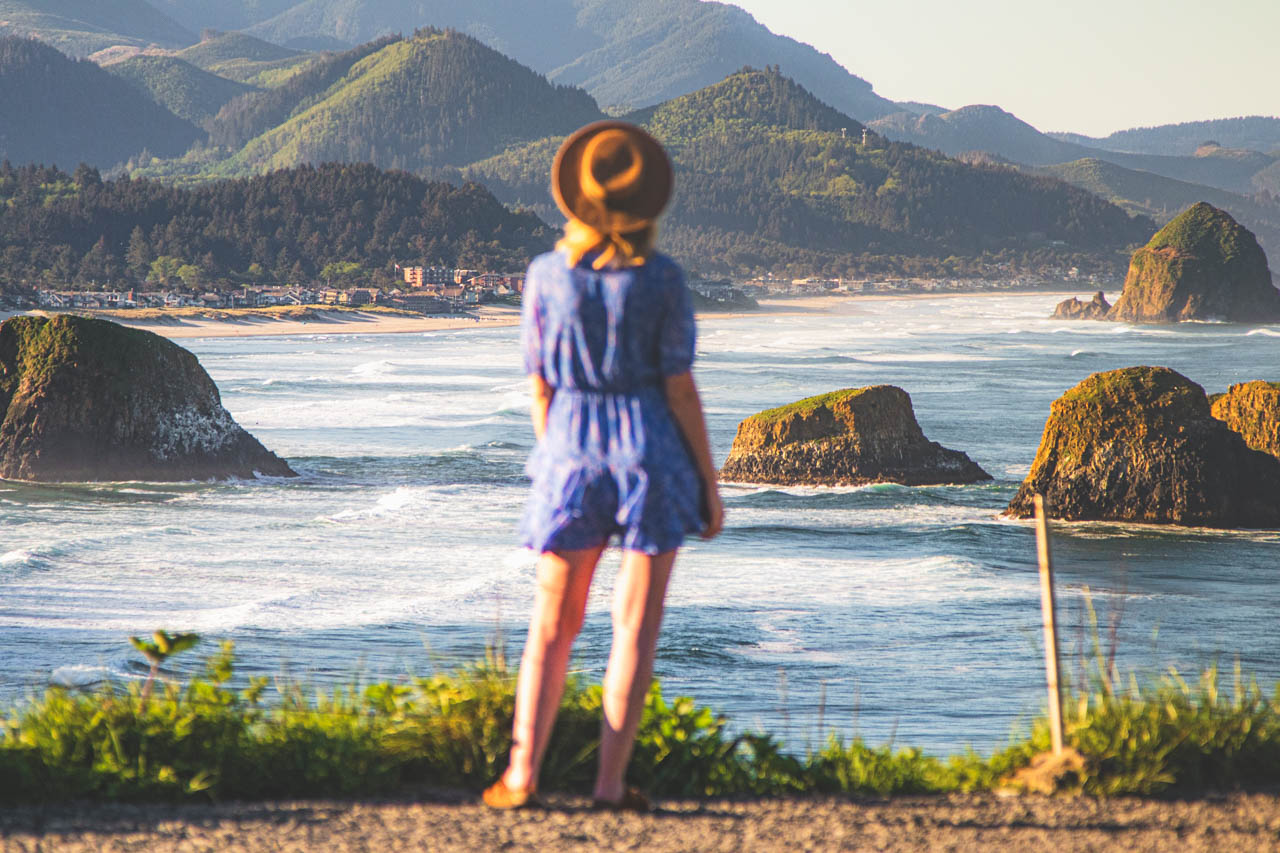
Ecola State Park sits on a headland along Oregon’s northern coast and captures the essence of this shoreline beautifully.
Here, the ocean, cliffs, and beaches meet a dense, damp forest, and the landscape shifts with every turn of the trail. It’s a place where rawness and calm exist side by side.
The park is well suited for unhurried walks. Trails wind through the forest and open up to viewpoints with wide stretches of ocean below.
Along routes like Crescent Beach and Clatsop Loop Trail, deer are often spotted – appearing suddenly and disappearing just as quietly.
Within the park you’ll also find Indian Beach, known for its cinematic settings, but even without that context, it remains a simply beautiful, natural beach framed by forest.
Ecola is a good place to slow your pace, breathe in the moist coastal air, and let the landscape do its work – without a plan and without rushing.
15. Monument Valley, Arizona/Utah
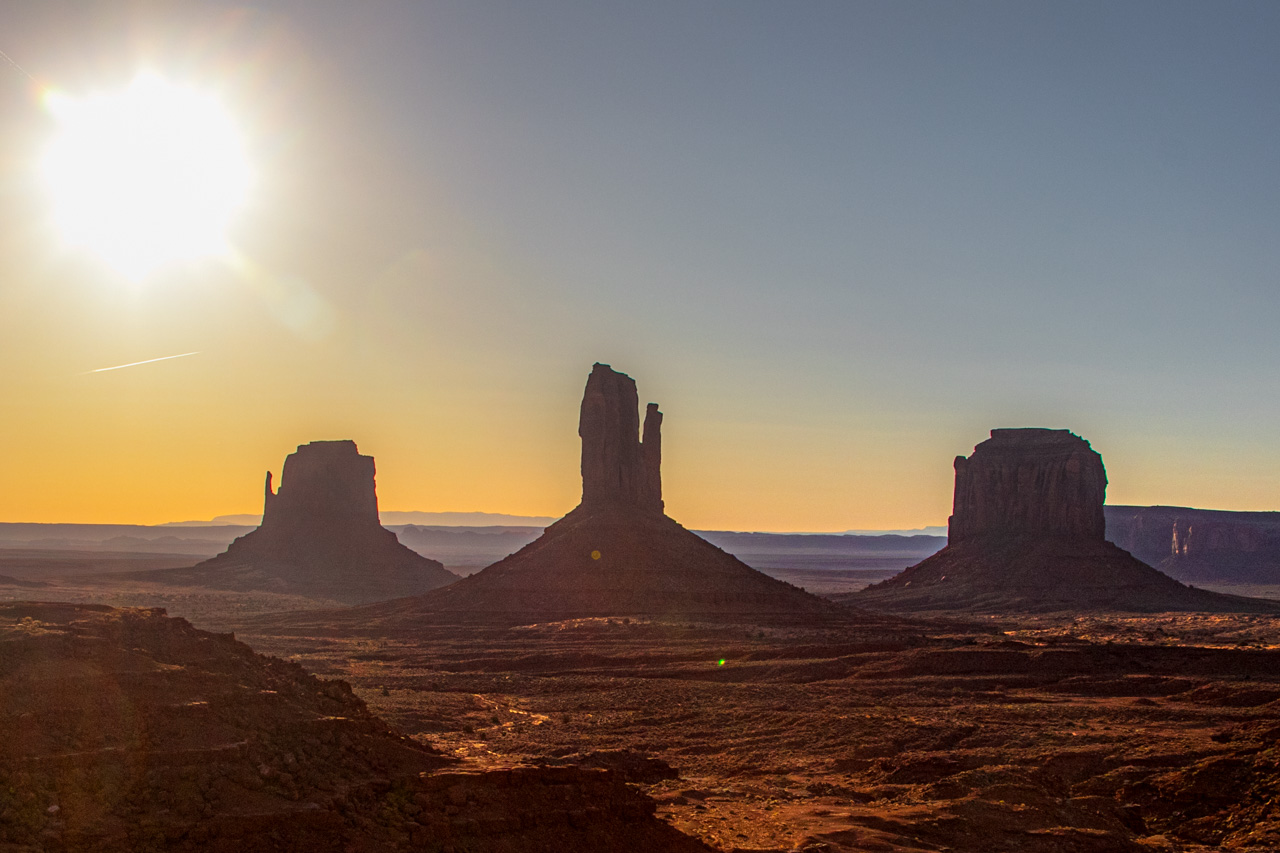
Monument Valley is one of those landscapes you recognize even before arriving – and yet it still makes an impression once you’re truly there.
Vast, red rock formations rise straight out of the desert, and the space around them feels almost endless.
This is where one of the most recognizable film scenes was shot – the one from Forrest Gump – but Monument Valley doesn’t need cinematic associations to spark the imagination. It’s best experienced slowly, in quiet.
A good way to move closer to the landscape is Wildcat Trail, an easy loop that circles one of the formations. Walking here lets you see the rocks up close and feel the scale of the place without rushing.
In the evening, the desert grows even quieter. As darkness falls, the sky above Monument Valley fills with stars, and the absence of artificial light makes it easy to keep looking upward for a long time.
It’s one of those moments that stays with you – without the need to take a photo.
14. Natural Bridges, Oregon
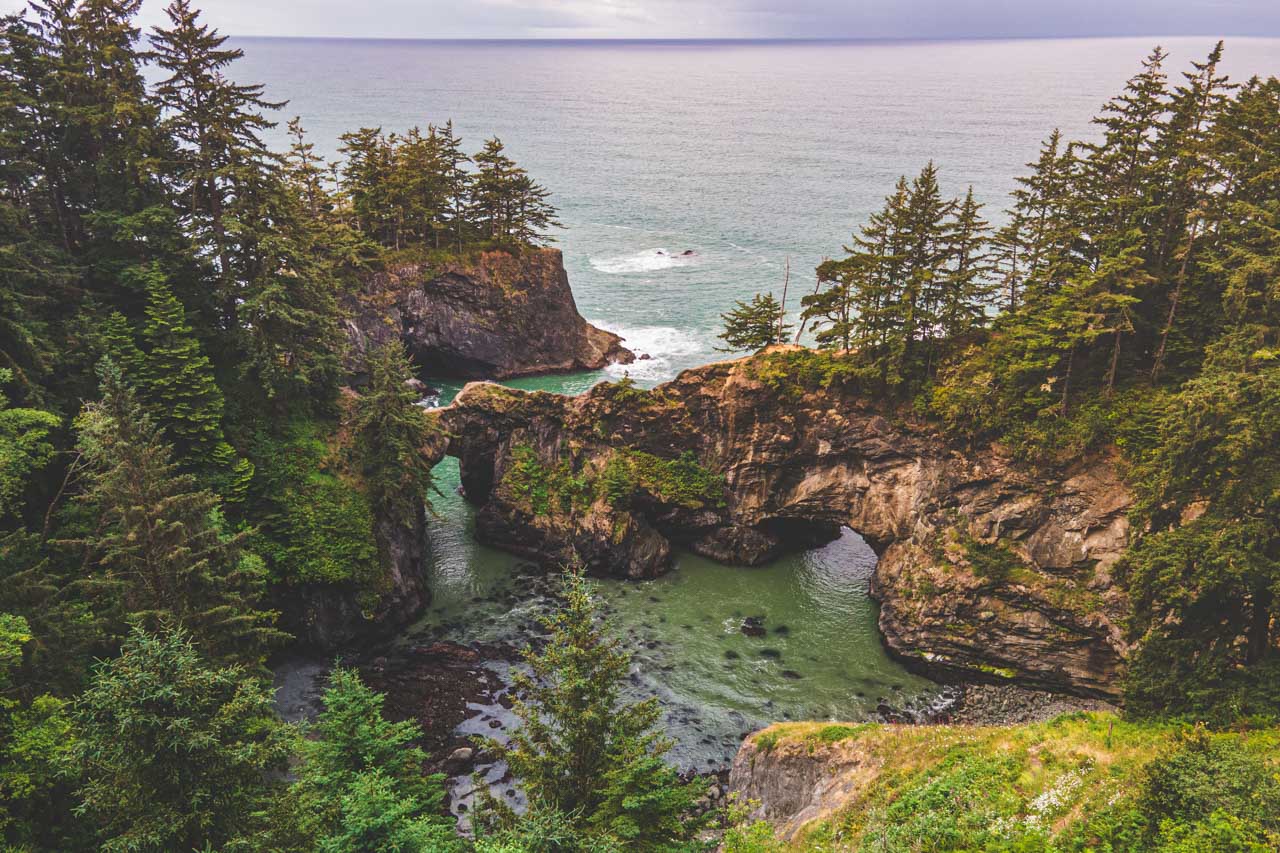
Natural Bridges is one of those places along the Oregon coast where the best thing to do is simply stand and look. Rock arches rise above the ocean, shaped by water and time, resembling natural bridges that lead nowhere.
They’re best viewed from the lookout platform, reached by a short, easy path from the parking area. No effort, no planning – just walk up and let the landscape do its work.
Blue water, rugged rock, and open space come together in a calm, steady rhythm.
Natural Bridges doesn’t need explanation or context. It’s a quiet reminder of how much nature can create when left undisturbed.
Planning a few days along the Oregon coast?
If rugged cliffs, empty beaches, and small coastal roads speak to you, I’ve put together a tested 4-day itinerary for the Oregon coast. It’s a route based on my own experience – with space for stops, walks, and quiet time in the landscape.
13. Grand Teton National Park, Wyoming
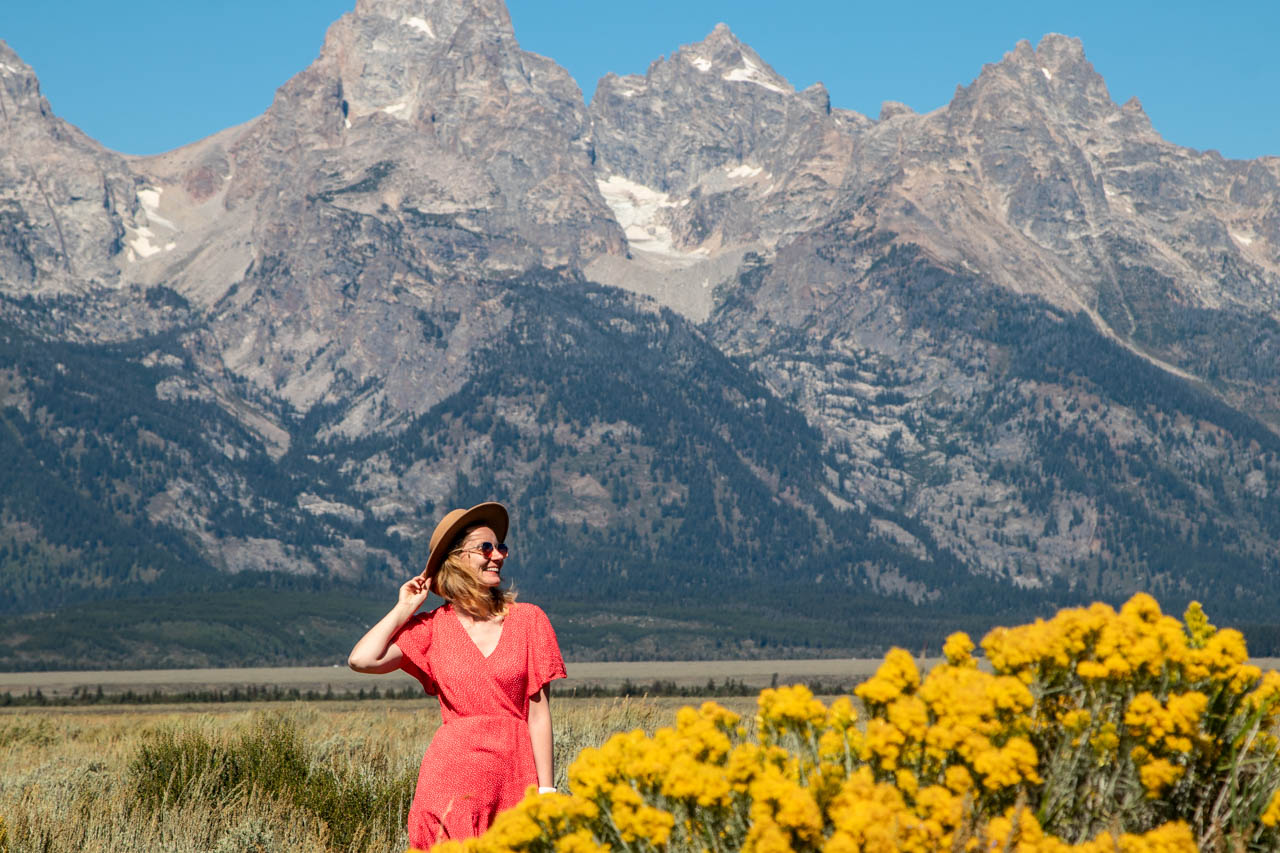
Grand Teton in Wyoming is a park defined by clarity and raw form. The mountains rise abruptly from the valley floor, without a long introduction, creating a landscape that feels both monumental and composed.
It’s a place especially well suited to those who enjoy walking and looking – without an overload of stimuli.
The Teton Range dominates the entire park. The highest peak, Grand Teton, rises to 13,776 feet and stands sharply against the sky.
Jagged, rocky ridges are reflected in lakes such as Jenny Lake and Jackson Lake, creating calm, almost graphic views.
One of the park’s most distinctive spots is Mormon Row Historic District – old wooden buildings set against the mountains, a quiet reminder of life in this valley long before it became a destination.
For those who want to move deeper into the landscape, Cascade Canyon Trail is a good choice – a route that leads into the mountains, with views that unfold gradually and reward an unhurried pace.
12. Columbia River Gorge Waterfalls, Oregon
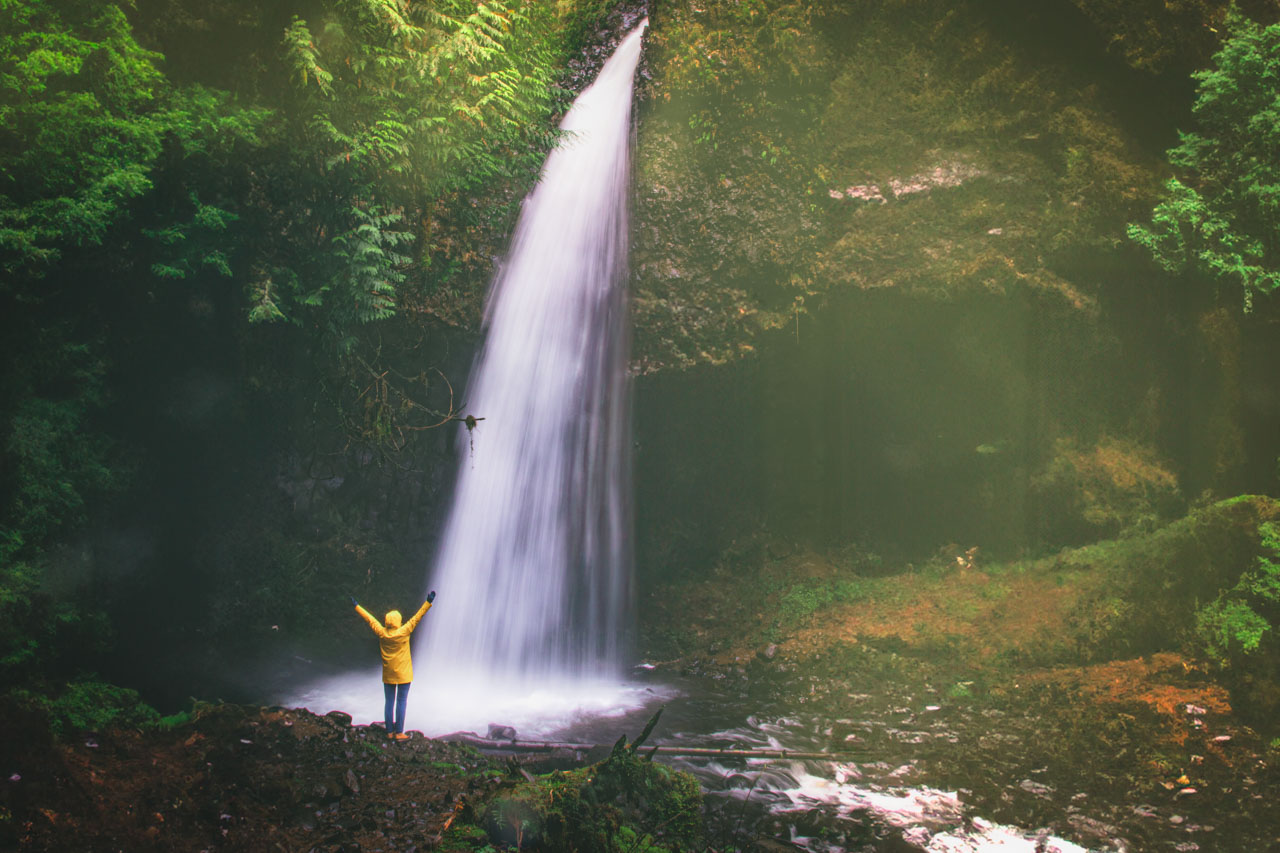
The Columbia River Gorge is one of those places in Oregon where water is always present. It flows down rock faces, appears suddenly beside the road, disappears into the forest, and returns a few bends later.
Here, waterfalls are part of the landscape rather than separate attractions.
The most recognizable is Multnomah Falls – a two-tier waterfall dropping nearly 620 feet.
But it’s also worth stopping at others: Latourell Falls, Horsetail Falls, and Wahclella Falls. Each has a different character and fits into its surroundings in its own way.
The gorge is crossed by the Historic Columbia River Highway, which makes it easy to pull off at viewpoints and access short trails along the way.
One of the most open and expansive spots is Vista House at Crown Point, where the Columbia River stretches wide below. It’s best to pause here for a moment and let the landscape set the pace on its own.
11. Humboldt Redwoods State Park, California
Humboldt Redwoods is a place where it’s easy to feel the scale of time.
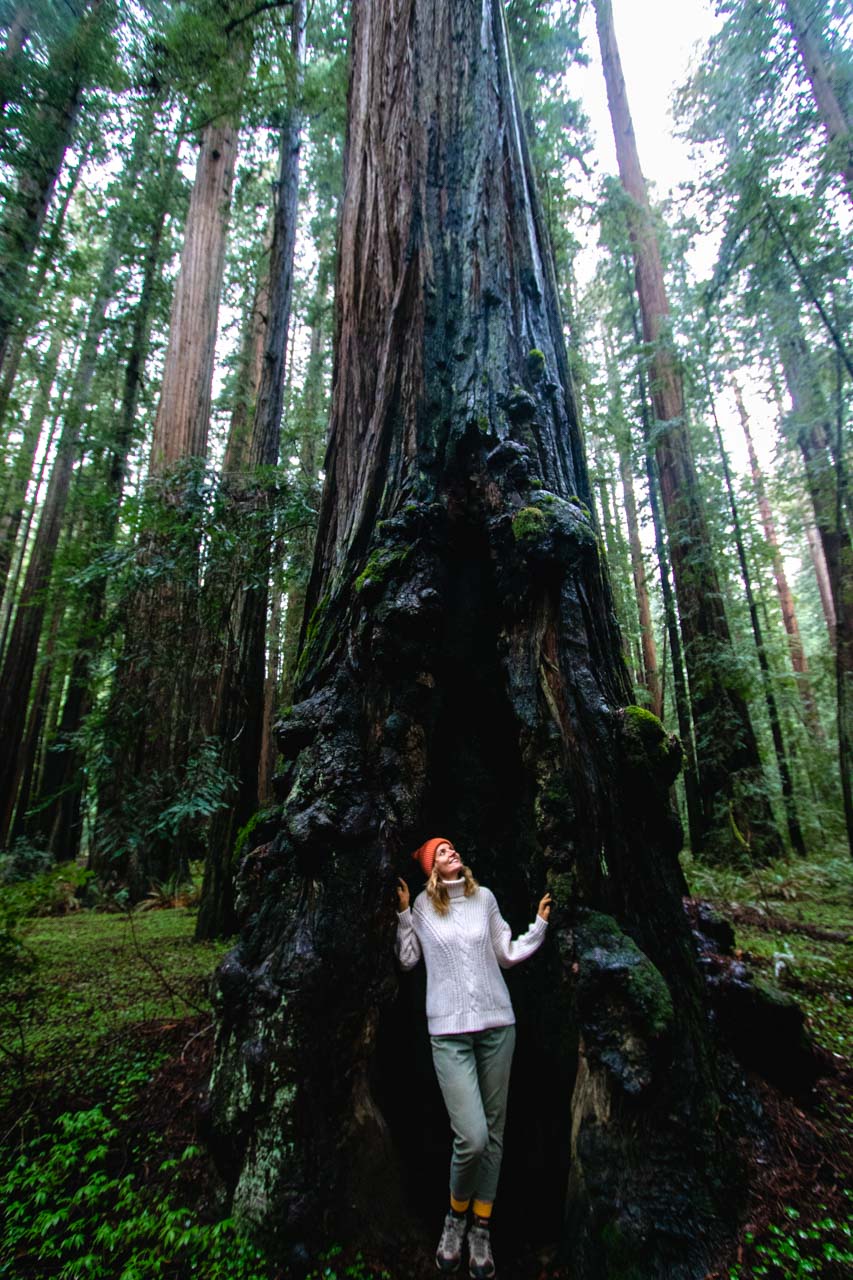
Coast redwoods – the tallest and among the oldest trees in the world – grow here, forming the largest remaining continuous old-growth forest of their kind. The landscape is dense, shaded, and deeply quiet.
The park is crossed by Avenue of the Giants, a road that winds among monumental trees and lets you experience them up close, without effort and without rushing. It’s one of those routes where the journey matters more than the destination.
Founders Grove is a good place for a short walk, with paths weaving between massive trunks and a silence that feels almost physical.
An even greater sense of scale can be found in Rockefeller Forest, the largest remaining redwood forest on Earth.
Humboldt Redwoods is a space for slowing down and looking up. No checklist, no plan – just being there and letting the place move at its own pace.
10. Grand Canyon National Park, Arizona
The Grand Canyon is one of those places that’s difficult to describe without oversimplifying.
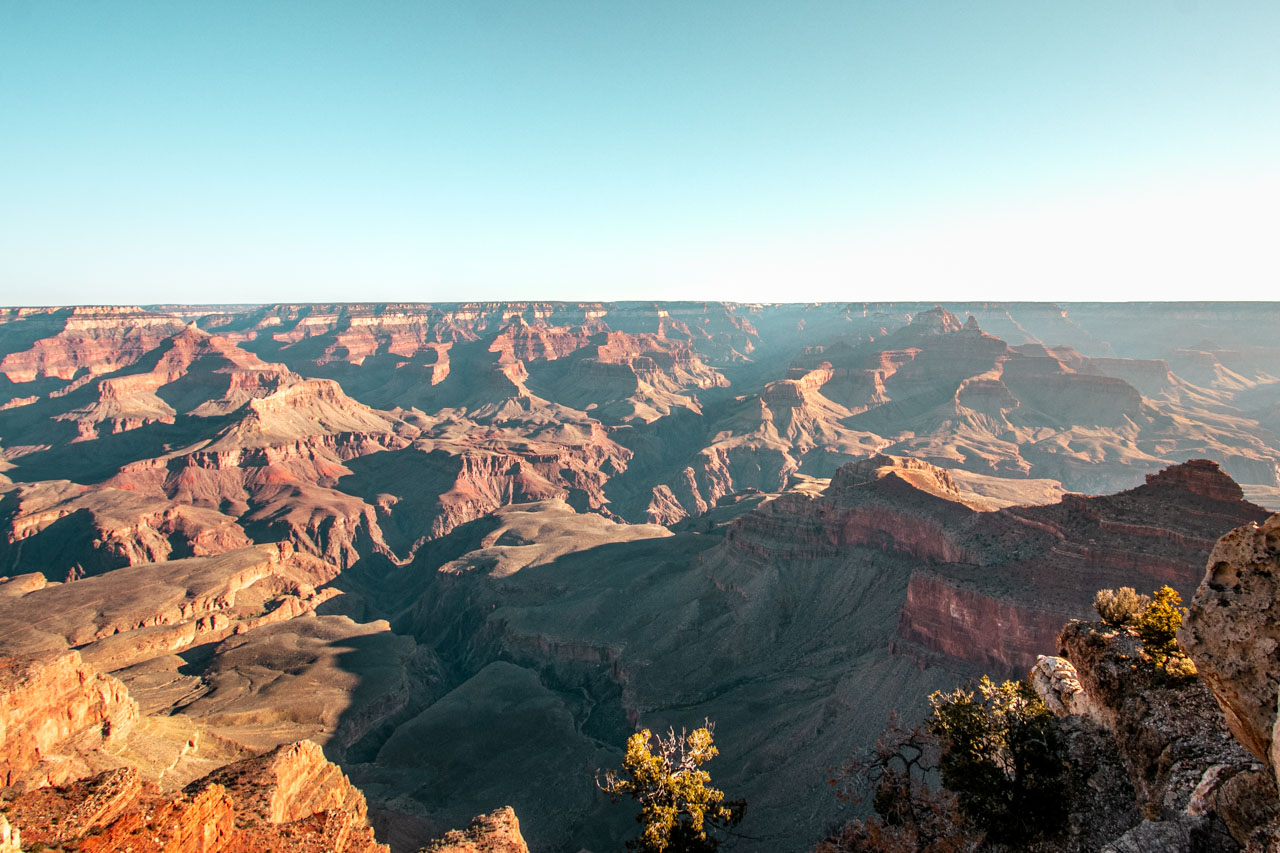
Carved by the Colorado River, the vast canyon reveals layers of rock and time that are best taken in slowly – without rushing and without expectations.
The most easily accessible area is the South Rim, with wide viewpoints such as Mather Point and Yavapai Point. These are good places to pause and see the canyon in its full breadth.
For those who want to go lower, Bright Angel Trail allows you to gradually step into the landscape and better sense its scale. A very different rhythm can be found at the North Rim – harder to reach, quieter, and further removed from the crowds.
At dusk, the canyon shifts once more. Light moves across the rock walls, colors deepen, and the space grows quiet. It’s a moment that doesn’t need explanation – it’s enough to stay a little longer.
9. Saguaro National Park, Arizona
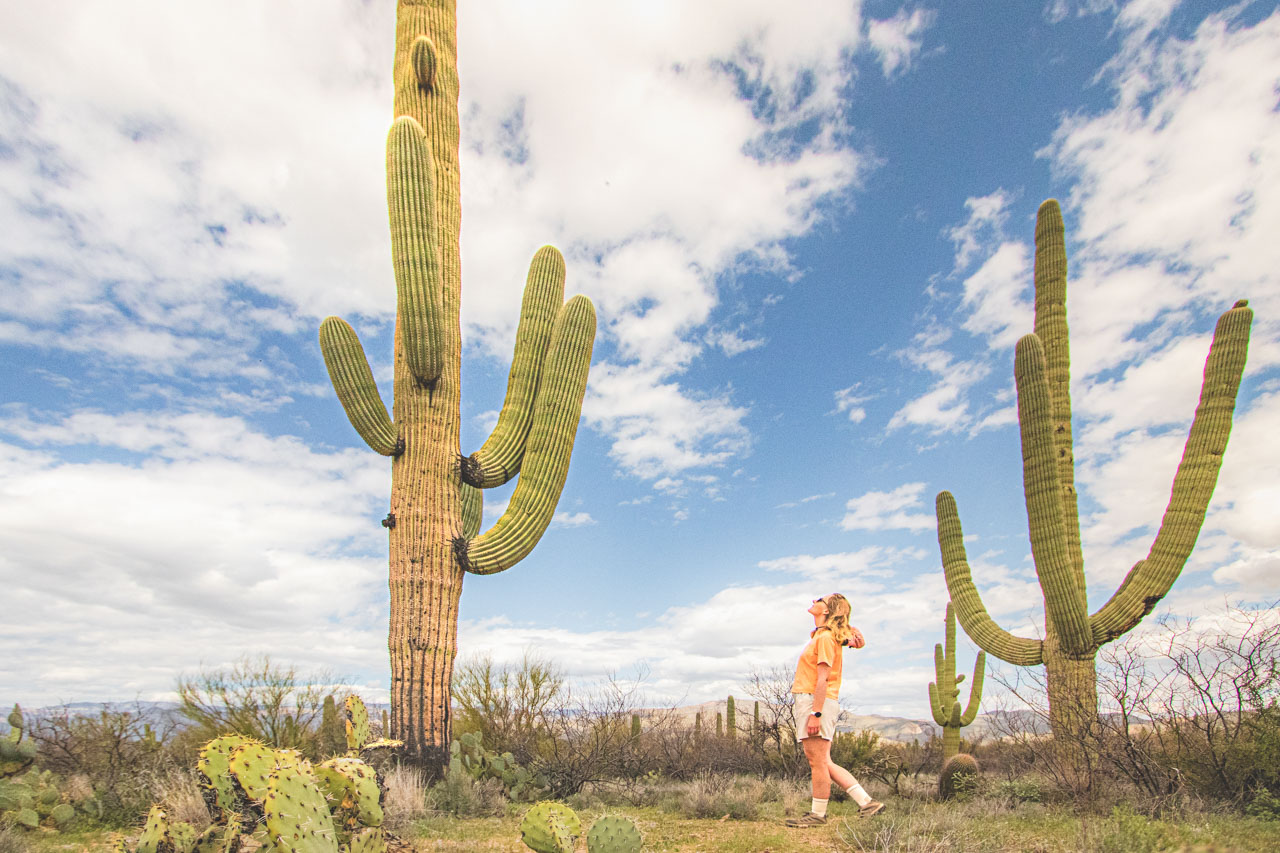
Saguaro National Park is one of the most distinctive places in the Sonoran Desert.
This is where towering saguaro cacti grow – tall, shaped by slow-moving time, with arms lifted toward the sky. They are a natural symbol of the American Southwest and give this landscape a very clear, steady rhythm.
The park is divided into two sections – east and west – separated by the city of Tucson. Each has a slightly different character, which makes it worth visiting both.
In spring, the desert changes once again. Flowers appear between the cacti, and the harsh landscape becomes unexpectedly gentle.
For a quiet walk, Loma Verde Trail is a good choice, leading through classic Sonoran Desert scenery. A more educational and very easy option is Desert Discovery Nature Trail, well suited for slow walking and attentive observation.
Saguaro is a park that doesn’t rely on dramatic viewpoints. Its strength lies in simplicity, light, and in the way the desert can feel both raw and deeply calming at the same time.
Thinking about a desert road trip through Arizona?
If red rocks, empty roads, and landscapes that naturally slow the pace speak to you, I’ve put together a tested Arizona road trip itinerary. It’s a route based on my own drives – with space for stops, walks, and quiet desert mornings.
8. Capitol Reef National Park, Utah
Capitol Reef is one of those parks in Utah where it’s easier to find quiet than crowds. The landscape is wide and raw, and the pace naturally slows. It’s a good place to rest in open space, without the need for constant movement.
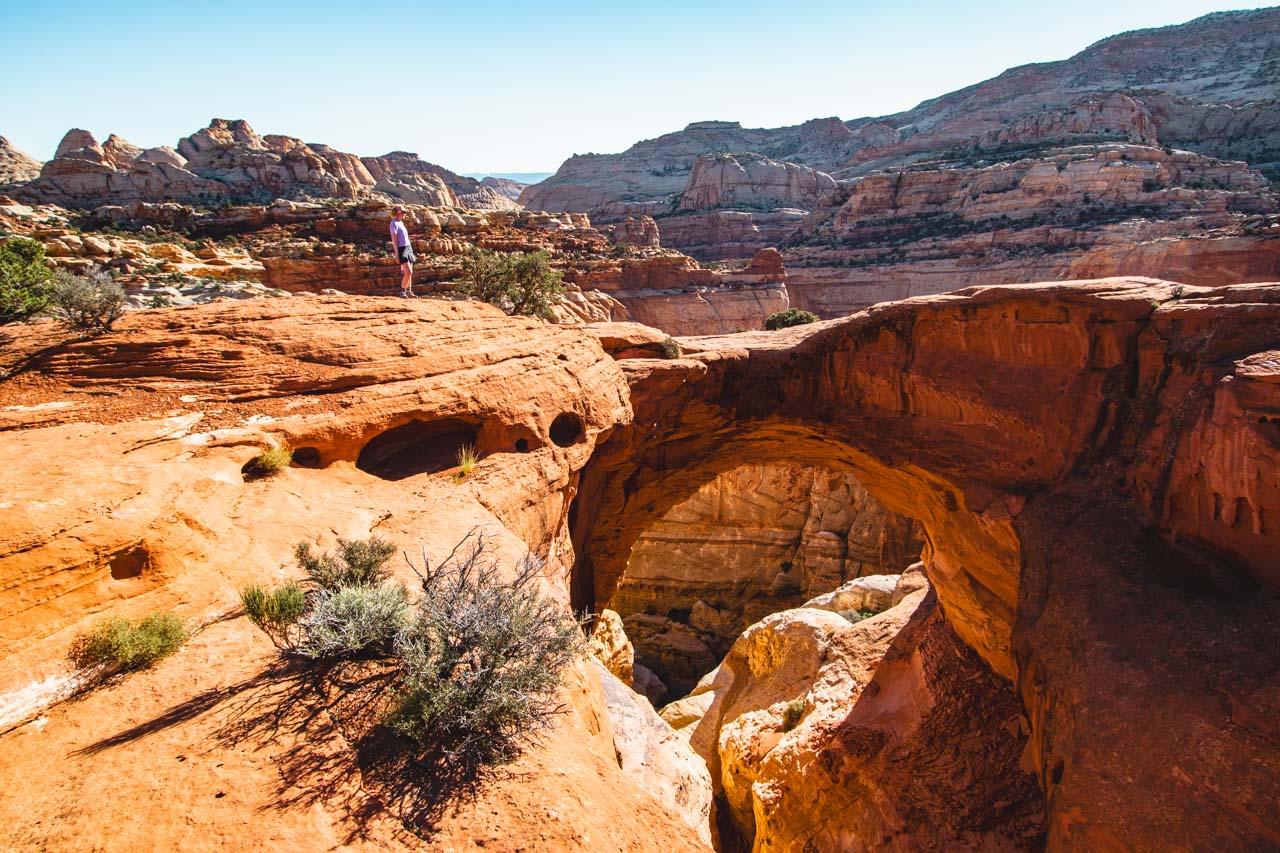
Running through the park is the Waterpocket Fold – a massive geological monocline that gives the entire area its distinctive character.
As you drive through the park, you can stop by rock walls marked with ancient petroglyphs, quiet reminders of human presence in this landscape long before modern travel.
For those looking for a short walk, Hickman Bridge Trail and Cassidy Arch Trail are good options – routes leading to natural stone arches without long or demanding climbs.
More remote Cathedral Valley offers a landscape almost entirely free of signs of civilization. The Temples of the Sun and Moon stand in open space, while the view from Goosenecks Overlook emphasizes the vast scale of the terrain.
After dark, Capitol Reef shifts once again. Deep night skies and the absence of artificial light make stargazing a natural way to end the day – without a plan and without rushing.
7. Thor’s Well, Oregon
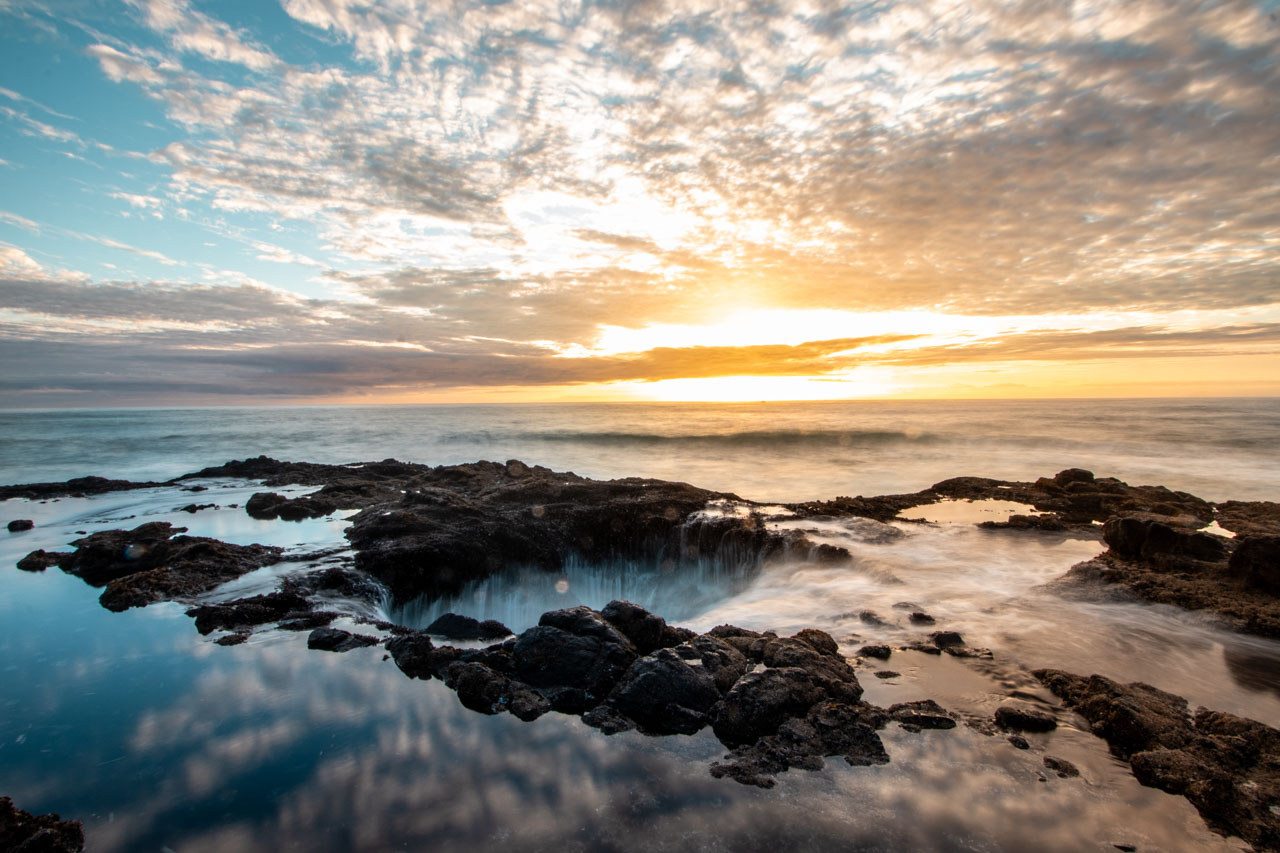
Thor’s Well lies along the Oregon coast and is one of those places best observed from a distance.
A natural sinkhole opens in the rocky ground, filling with ocean water during high tide, only to disappear beneath the surface moments later.
The whole scene feels like constant motion – water being drawn in and released again, following the rhythm of the waves.
The most compelling time to visit is in the late afternoon, when the light begins to shift and the tide becomes more pronounced.
Colors deepen, the ocean and rocks take on richer tones, and the landscape feels more dramatic, yet still raw and untamed.
This is a place that calls for awareness. Waves can be powerful and unpredictable, so it’s best to keep a safe distance and let the scene unfold on its own – without getting too close.
The name Thor’s Well refers to the Norse god of thunder. Legend has it that Thor struck the earth here, leaving behind this opening.
Stories aside, the place holds something primal – something that’s difficult to capture in words.
6. Mount Rainier National Park, Washington
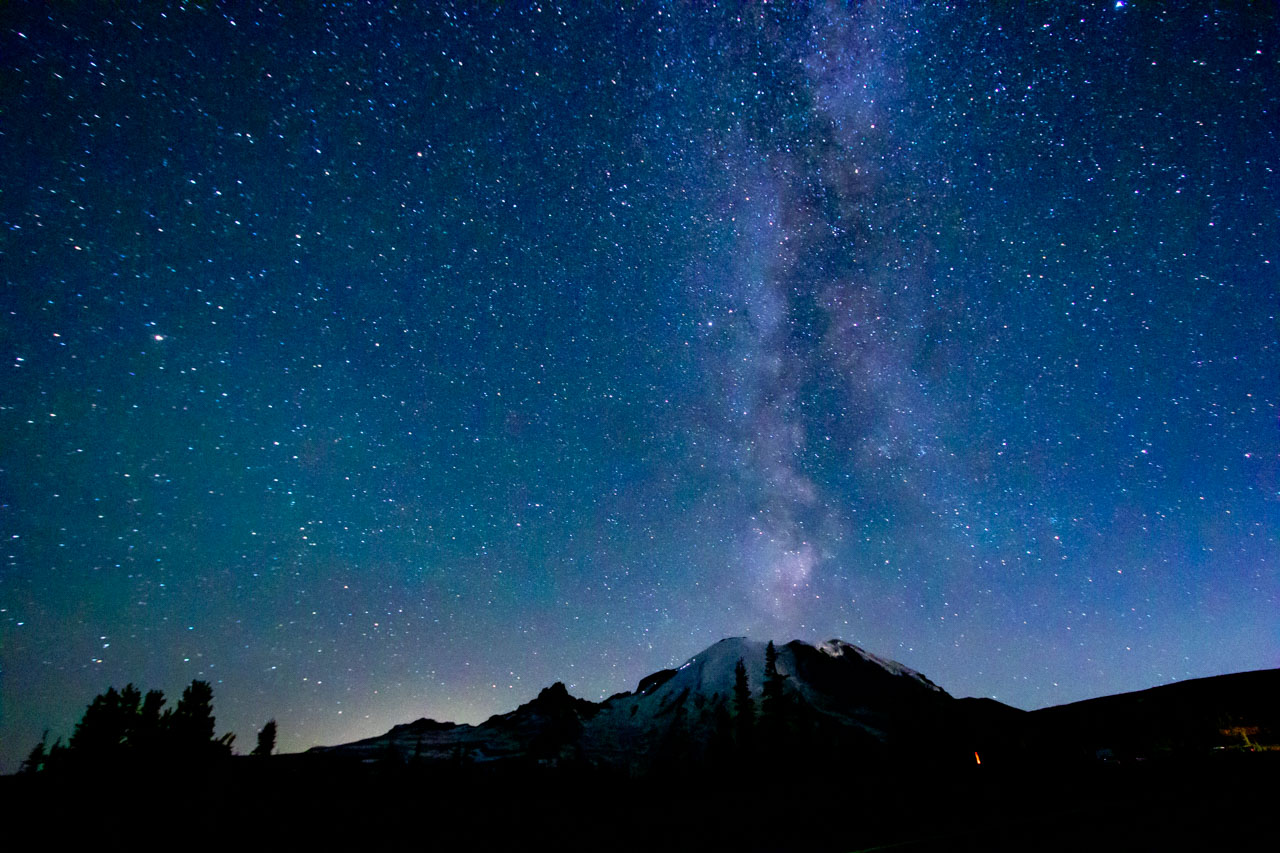
Mount Rainier is a park with a very clear point of reference. The active volcano, Mount Rainier, dominates the entire landscape – massive, visible from afar, present even when it disappears into the clouds.
It’s the highest peak in Washington State and the entire Cascade Range, and its scale is best felt in quiet.
One of the most beautiful ways to experience the mountain up close is the Skyline Trail. The route crosses open terrain, with views that gradually reveal themselves along the way.
A natural complement is Mount Fremont Fire Lookout – a place where it’s easy to sit for a moment and simply look.
Beyond the mountain itself, the park is full of water and greenery. Lakes, waterfalls, and alpine meadows give it a gentler rhythm, and with a bit of luck, you might spot marmots or other wildlife that blend seamlessly into the landscape.
Mount Rainier is a park that doesn’t ask for intense sightseeing. It’s best allowed to become the backdrop of the day – calm, steady, and deeply present.
Planning a trip through the USA but not sure where to start?
I share trusted tips, maps, and places I discover during my own travels – without rushing and without random stops along the way.
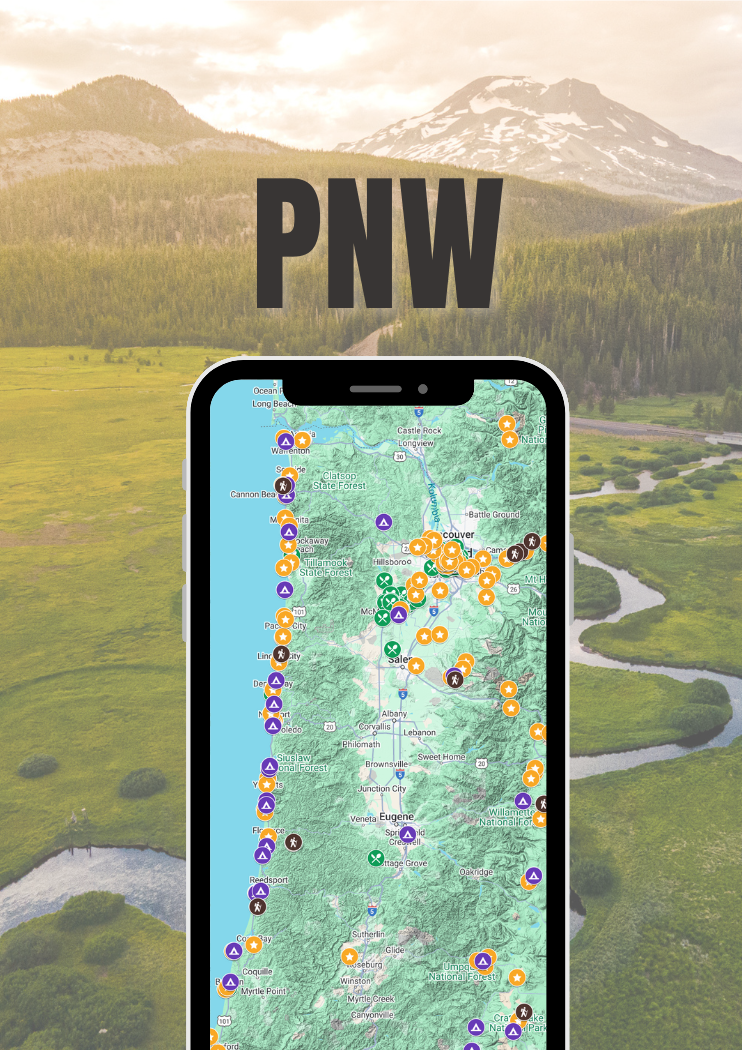
For new readers: an interactive Google Map with 450+ carefully selected places in Oregon and Washington, ready to help you plan your route.
5. Joshua Tree National Park, California
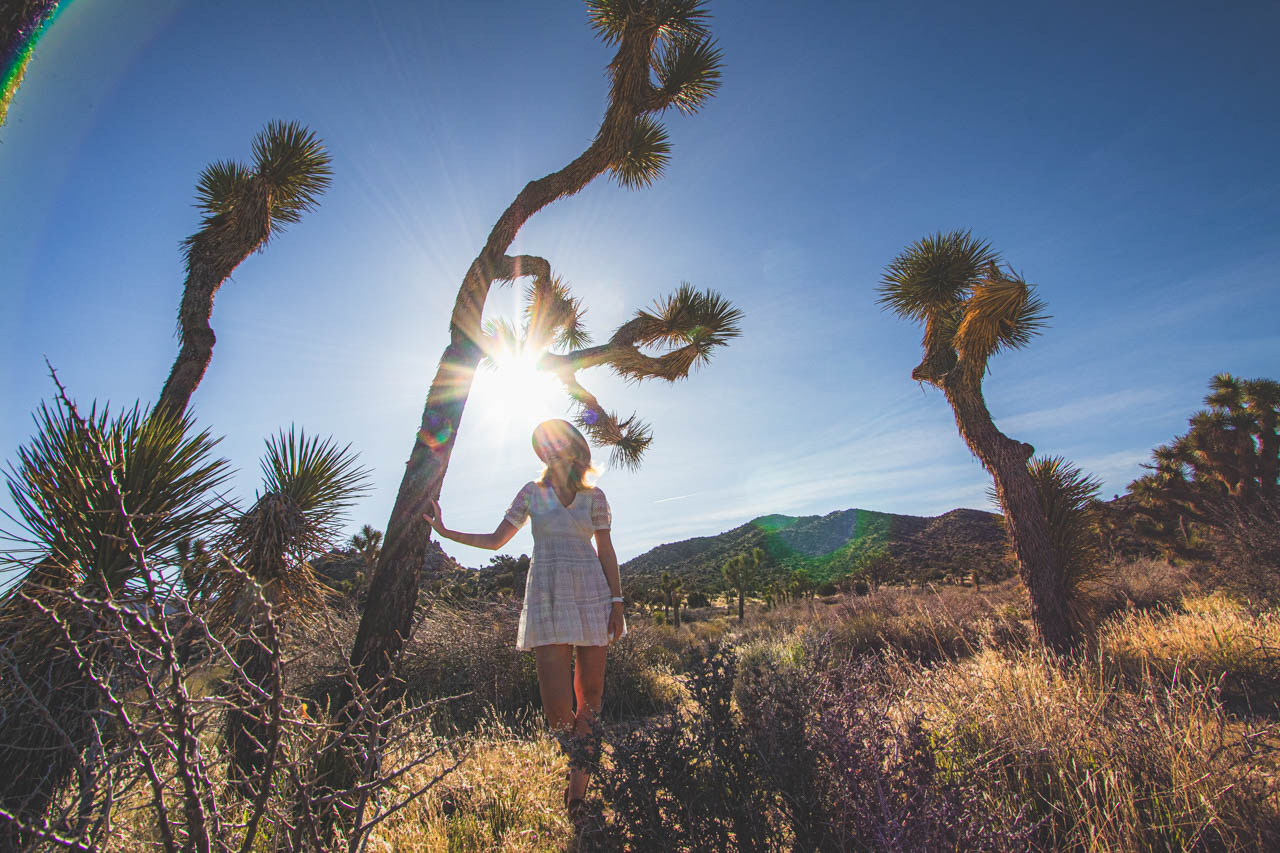
Joshua Tree is a park that immediately pulls you out of everyday rhythm.
This is where two deserts meet – the Mojave Desert and the Colorado Desert – creating a landscape that is dry, bright, and wide open. The sense of space here feels almost tangible.
The distinctive Joshua trees give the place an almost unreal atmosphere. It’s most noticeable at sunrise and sunset, when the light softens and the silhouettes of the trees stand sharply against the sky.
Joshua Tree also draws those who enjoy movement and simple, physical activity. Hidden Valley and Jumbo Rocks are known for their rock formations and climbing, while Cholla Cactus Garden reveals the desert in a very different, more graphic form.
After dark, the park shifts once again. Deep night skies and the absence of artificial light make stargazing a natural way to end the day.
Joshua Tree doesn’t need many words – it works best when you simply let it be.
4. Crater Lake National Park, Oregon
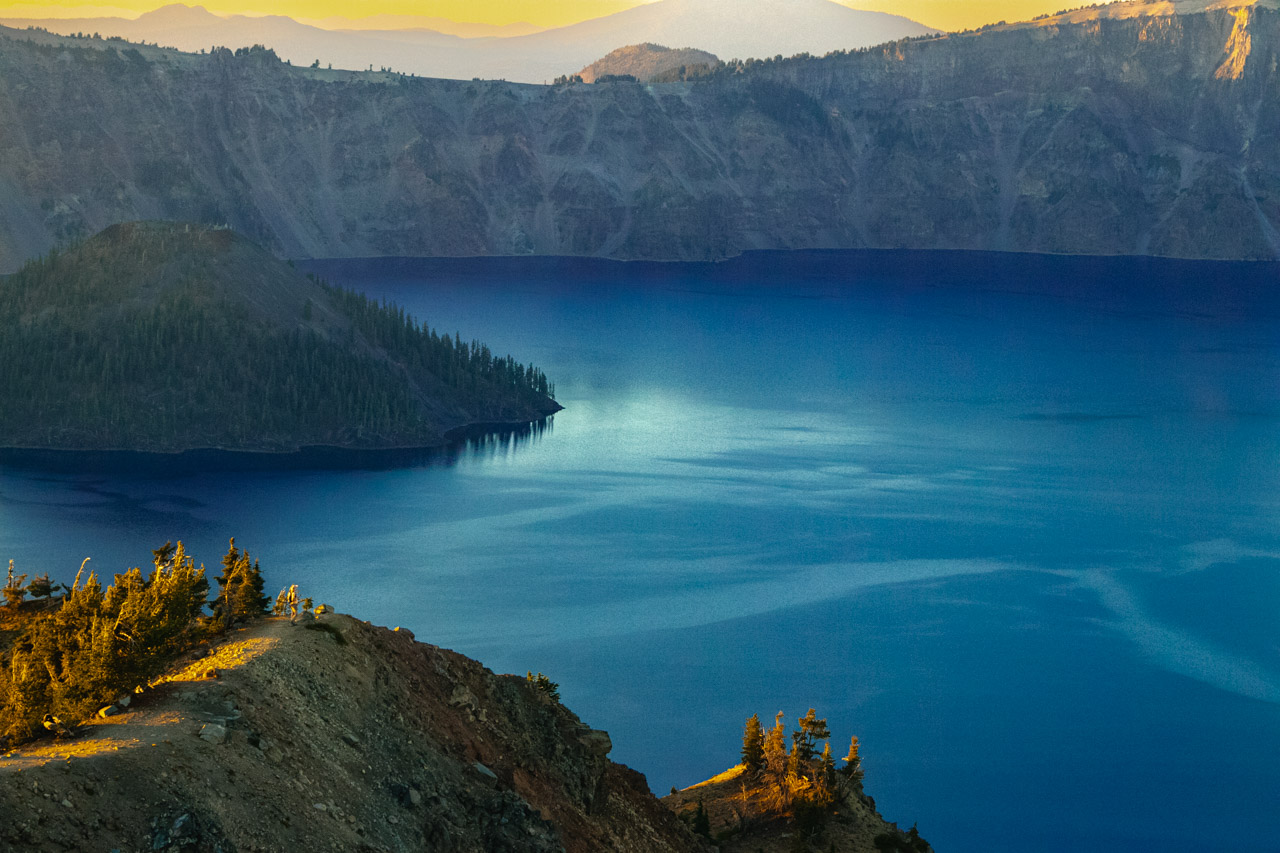
Crater Lake is a place with a very focused energy. The lake fills the crater of an ancient volcano and draws your attention immediately with the color of its water – a deep, intense blue that shifts with the light.
It’s the deepest lake in the United States and one of the cleanest in the world, but numbers quickly fade in importance once you’re standing in front of it.
Encircling the lake is Rim Drive, a route that moves from viewpoint to viewpoint, offering different perspectives on the landscape. It’s worth stopping often, looking, and resisting the urge to move on too quickly.
At the center of the lake rises Wizard Island, a remnant of a later stage in the area’s volcanic history. The island emphasizes the enclosed, almost perfect shape of the caldera.
For those who want to move a bit, Cleetwood Cove Trail and Garfield Peak Trail offer contrasting views of the lake – from above and up close.
In winter, the park grows even quieter, blanketed in snow and revealing an entirely different expression of the same landscape.
Crater Lake is a place to pause. Self-contained, calm, and sharply defined – a place that doesn’t need anything added to it.
3. Yellowstone National Park, Wyoming/Montana/Idaho
Yellowstone is a park that works on many levels at once. It’s raw, loud, and quiet all at the same time. The ground is constantly active here – bubbling, steaming, shifting colors – reminding you that nature follows its own rules.
One of the park’s most recognizable features is Old Faithful, a geyser that regularly sends water and steam high into the air.
Although it draws crowds, it’s worth seeing at least once to grasp the scale of phenomena that are simply part of everyday life here.
A completely different rhythm can be found in Lamar Valley. This open landscape offers more space for silence and wildlife observation – especially herds of bison moving slowly across the valley.
It’s one of those places where the best thing to do is simply wait and watch.
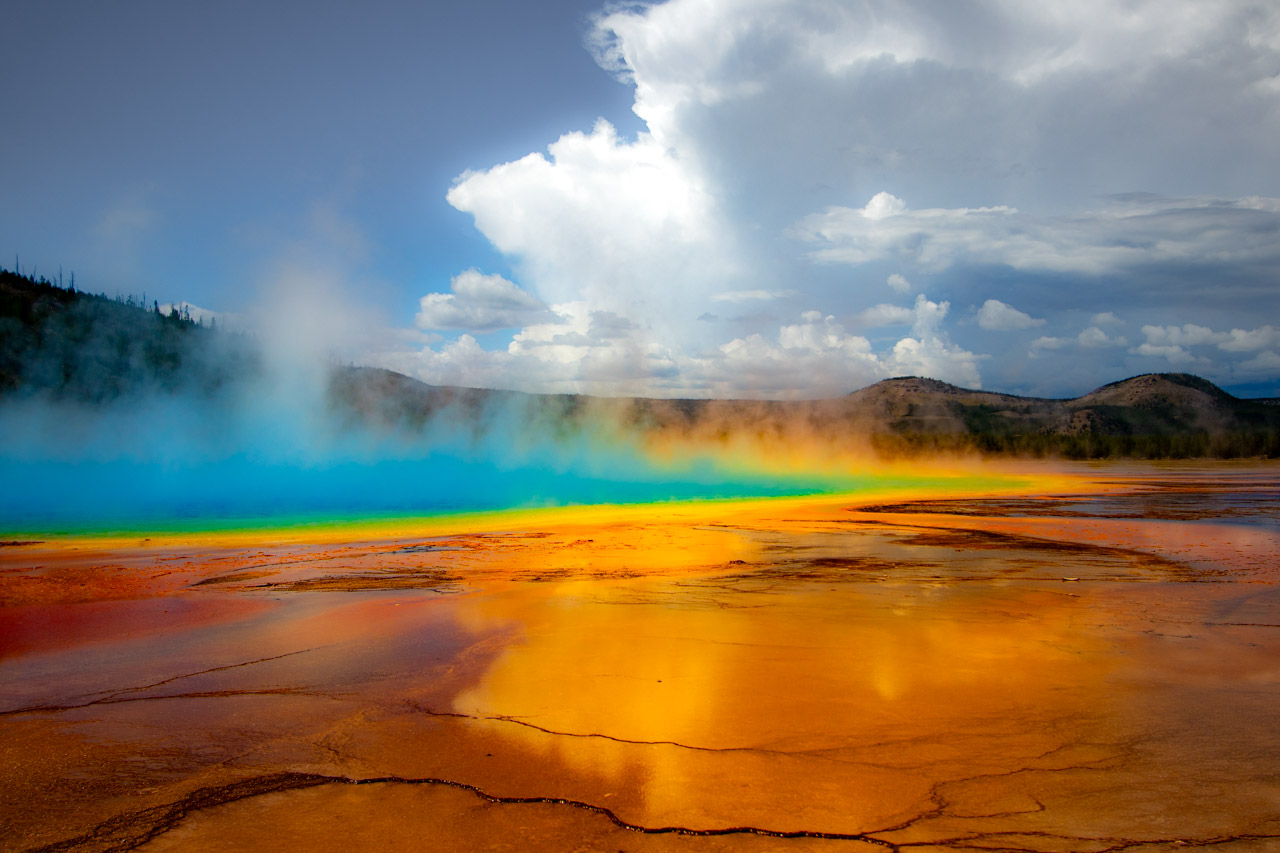
A striking contrast in color comes from Grand Prismatic Spring – a vast hot spring with intense hues that shift with light and temperature.
The view feels almost unreal, yet remains deeply grounded in the landscape.
Yellowstone doesn’t try to be “beautiful.” It’s wild, primal, and at times challenging. And that’s exactly why it stays with you long after you leave.
2. Hawai’i Volcanoes National Park, Hawaii
Hawaiʻi Volcanoes National Park is a place where you can feel that the earth is still alive. The landscape is raw and constantly changing, shaped by fire and time.
Here you’ll find lava tubes, petroglyphs carved into stone, and two active volcanoes – Kīlauea and Mauna Loa – each with its own rhythm and history.
Although the largest eruptions are now in the past, their presence is still clearly felt.
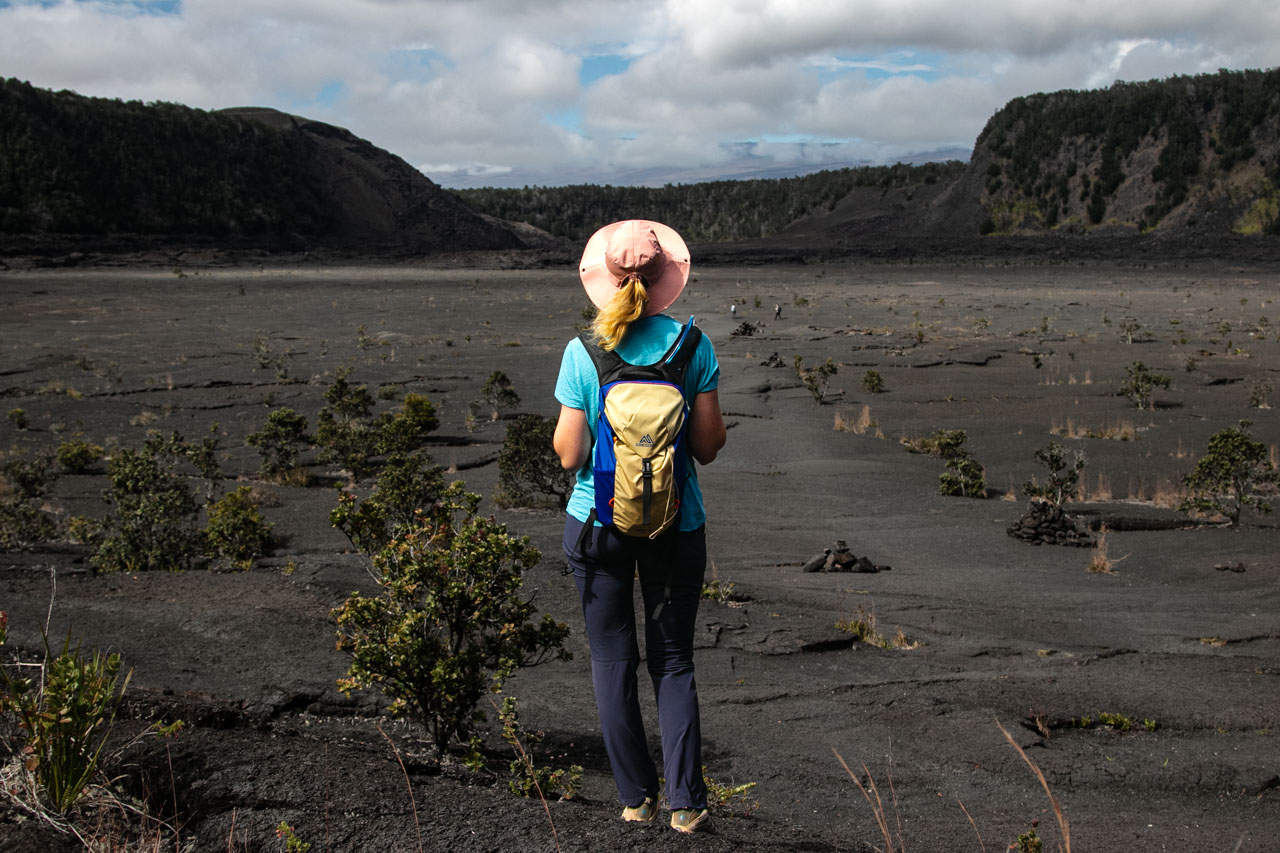
Hardened lava, cracks in the ground, and the contrast between black rock and vivid green vegetation make the landscape feel intense, yet surprisingly calm.
One of the most moving experiences here is the Kīlauea Iki Trail. The path begins in a lush rainforest and then descends onto the floor of a former lava lake, where the ground beneath your feet looks like a frozen wave.
It’s also worth visiting Thurston Lava Tube, a tunnel formed by flowing lava. It’s a powerful reminder that this park is a record of ongoing processes – even when they’re not immediately visible.
Hawaiʻi Volcanoes isn’t a park to check off a list. It’s a space for attentive walking and listening – to the earth, its history, and your own pace.
1. Bryce Canyon National Park, Utah
Bryce Canyon is the place I return to most often in my thoughts. Maybe because it feels both delicate and monumental at the same time.
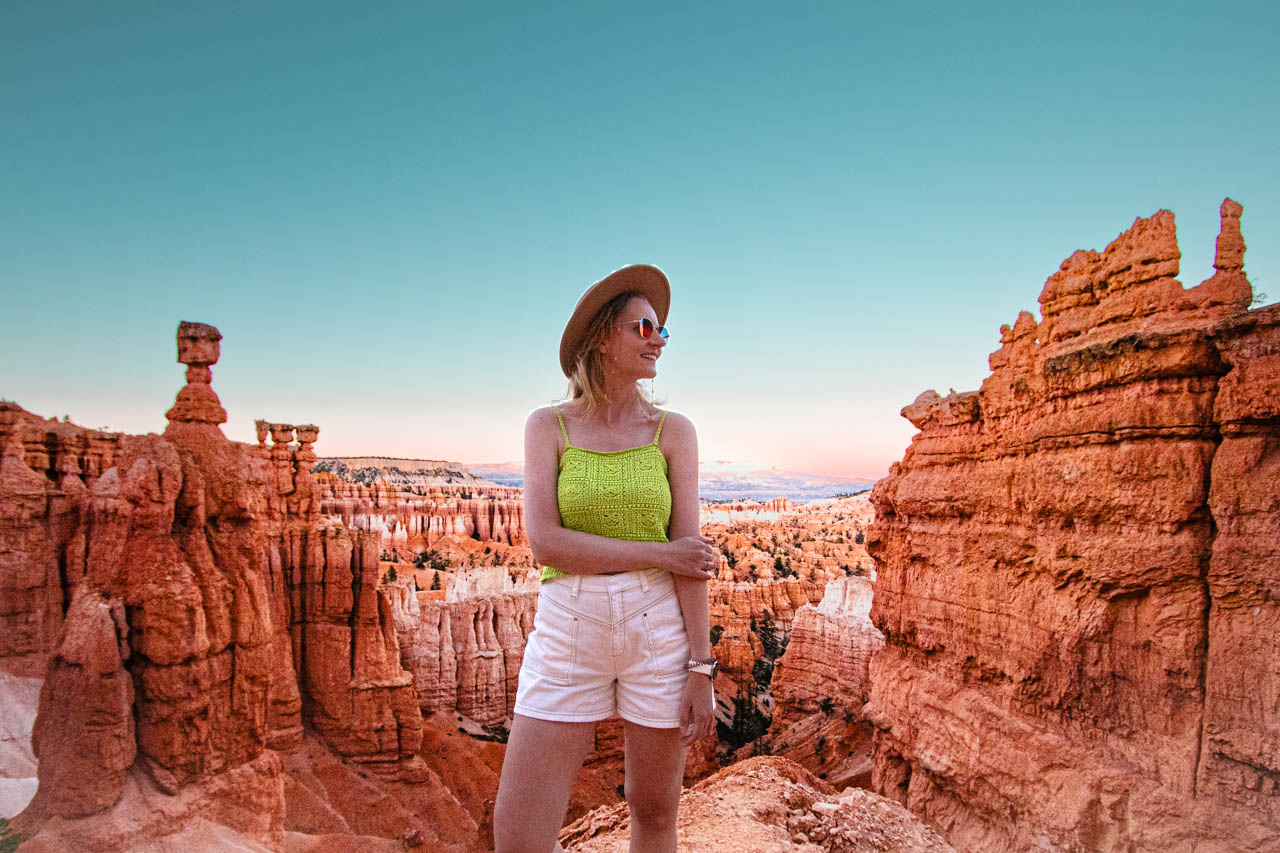
The natural amphitheater is filled with thousands of hoodoos – slender, irregular rock formations that look as if they were carved by hand rather than shaped by time and weather.
The best time to be here is early in the morning. As the sun rises, the rocks slowly change color – from pale orange, through soft pinks, to deep red.
It’s a quiet, almost intimate moment, when the park is still asleep and the landscape reveals itself without haste.
A good way to step into this scenery is by hiking Navajo Loop Trail and Queen’s Garden Trail – paths that descend between the rock formations and offer a completely different perspective of Bryce.
It’s also worth stopping at Inspiration Point and Sunset Point, where the whole scene comes together in a calm, almost graphic composition.
After dark, Bryce Canyon grows even quieter. The dark sky and absence of artificial light turn the stars into a natural extension of the landscape. It’s one of those places that doesn’t try to impress – it simply is. And that’s enough.
Want to experience Bryce Canyon more deeply?
If Bryce Canyon truly resonated with you, I’ve created a separate guide dedicated entirely to this place. It brings together the most beautiful trails and viewpoints – paths that lead you down among the hoodoos, reveal the park from different perspectives, and help you feel its rhythm at sunrise, throughout the day, and after dark.
Travel lighter, even before you leave.
start with something simple.
Download The Minimum Plan – Slow Travel:
Beautiful Places to Visit in the USA – Summary
The places I’ve written about above are only a small part of what can be discovered across the United States. The country is so diverse that each new journey can feel completely different – as if it were leading through an entirely new world.
Whether you’re drawn to wild nature, long walks, photography, or simply taking in a landscape without rushing, it’s easy to find spaces in the USA that move at your pace.
Sometimes it’s a national park, sometimes an empty road, and sometimes a place that stays with you in ways you didn’t expect.
I hope this list serves as inspiration – not as a checklist to complete, but as an invitation to find your own moments of wonder and pause. Because the most beautiful places often reveal themselves when we allow ourselves to slow down.
Related USA Guides You’ll Find Helpful
If this article felt helpful or inspiring, I’d be truly grateful if you shared it with someone who’s planning a journey through the USA.
Save it for later – you might want to come back to it