Slow travel didn’t come into my life through theory or books about slow living. For a long time, I traveled exactly like most of us do.
With a list of places. With a plan for every day. With the feeling that since I’m already somewhere, I need to see as much as possible.
On top of that, I felt pressure I couldn’t even name for a long time. I work in travel professionally. I write about it, recommend places, plan routes.
I felt like I should see everything. That it wouldn’t be right to skip something. That if I didn’t check off every point, I wasn’t doing my job well enough.
As if being a “travel expert” meant constantly proving I’d seen more than others.
Over time, though, I started noticing something disturbing. I’d return from many trips more exhausted than before I left. I remembered photos, not moments.
After returning, I needed several more days to recover. Back then, I didn’t yet know it wasn’t about distance or intensity of travel. Only pace.
When Travel Started to Exhaust Me Instead of Bringing Me Joy
Before I started talking about slow travel, there was a moment that made everything click in my head.
There’s one trip I remember very clearly. Not because it was the most beautiful. But because something shifted inside me.
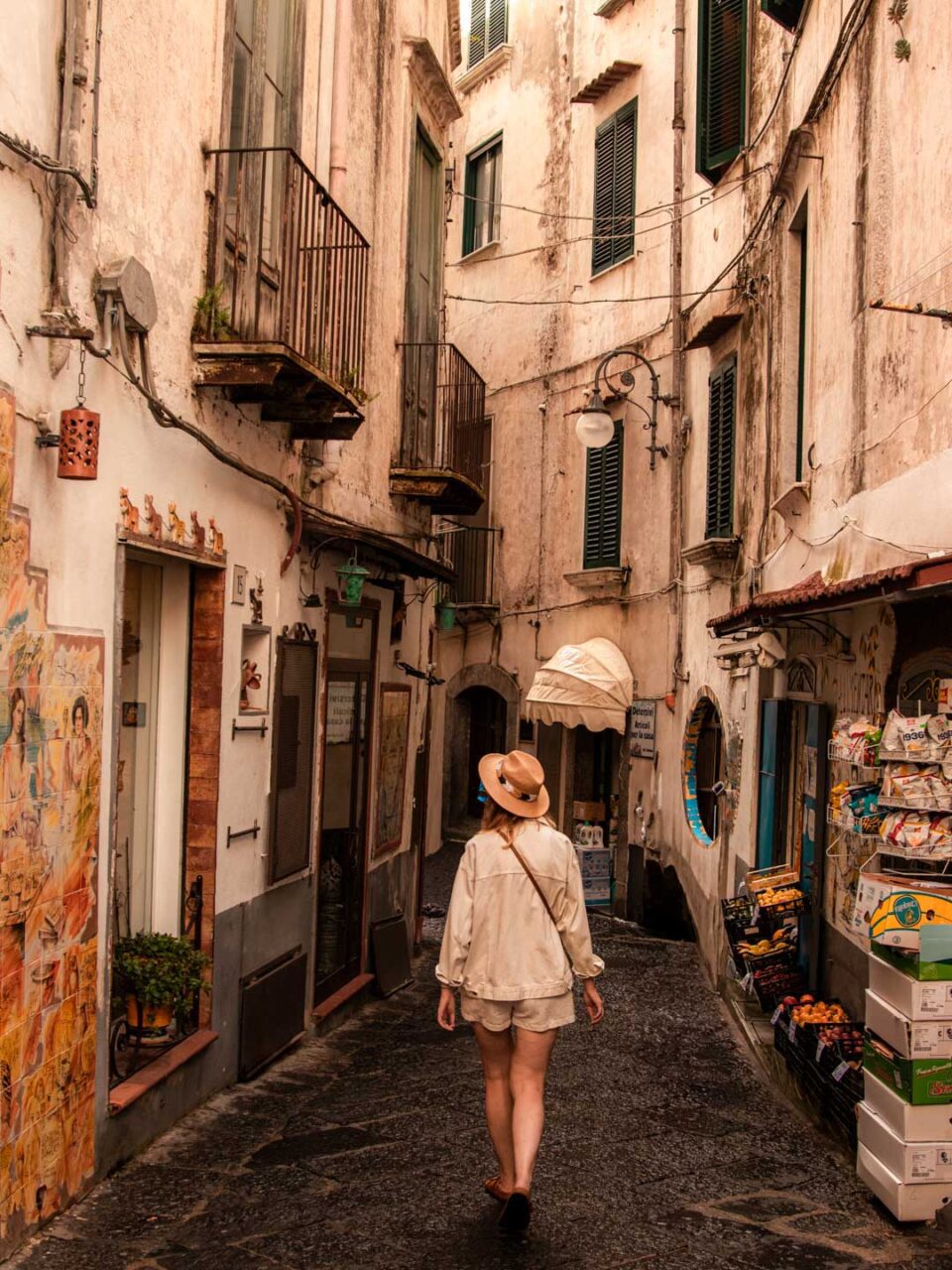
I’d waited a year and a half for this trip to Amalfi. Since living in the USA, trips to Europe don’t just happen casually.
This was something planned, awaited for months. It was supposed to be beautiful. Intense. Used to the very last day.
And it really was intense. Too intense.
This Amalfi Coast trip followed a clear structure and a 5-day itinerary, one I often recommend to those who want to see as much as possible in a limited time.
On the day I flew out from Amalfi, I already felt terrible. At the airport I felt nauseous, everything was tight, my body was giving very clear signals that I was still ignoring.
Because “it’s almost over.” Because “since I’m already here.” Because so much waiting, so much planning, so many points to see.
A few days later I was in Poland. My mom and I were supposed to spend a whole week together. Ordinary, home time that I’d been looking forward to so much after such a long absence.
Instead, I spent most of that week lying on the couch, recovering. Weak, nauseous, treated with broth my brother would bring me.
And then something very simple dawned on me. That I didn’t actually want to see all those points on the list.
I simply wanted to be with someone I really cared about. Have the energy for it. And have time for it.
That was the moment I understood that the pace at which I travel matters. And that slow travel isn’t a sightseeing style.
It’s choosing what really matters.
Bucket Lists. Why They No Longer Served Me
A bucket list itself isn’t bad.
An inspiring collection of places. A reminder of what you want to see someday. A dream list you return to when looking for ideas for your next trip.
The problem started when the list stopped inspiring me and turned into an obligation.
I noticed I started traveling according to the list. Not according to what I really needed at that moment.
Not according to mood, not according to energy, not according to where I felt drawn. Only according to what I “should” finally see.
The bucket list started ruling my decisions.
“Since I’m in Portugal, I should go to Porto.” “Since I’m in California, I need to see Yosemite.” “Since I already drove here, I can’t skip this viewpoint.”
The difference is subtle but enormous. Between “I want” and “I should.” Between curiosity and checking off. Between choice and pressure.
The bucket list carried something else – constant comparison. With others who’d seen more. With the version of myself who “should have” already been there. With how much “still remains to be seen.”
And suddenly travel stopped being an experience. It became a project to complete.
What Bucket Lists Took Away From Me
That Feeling of Being Fully Present
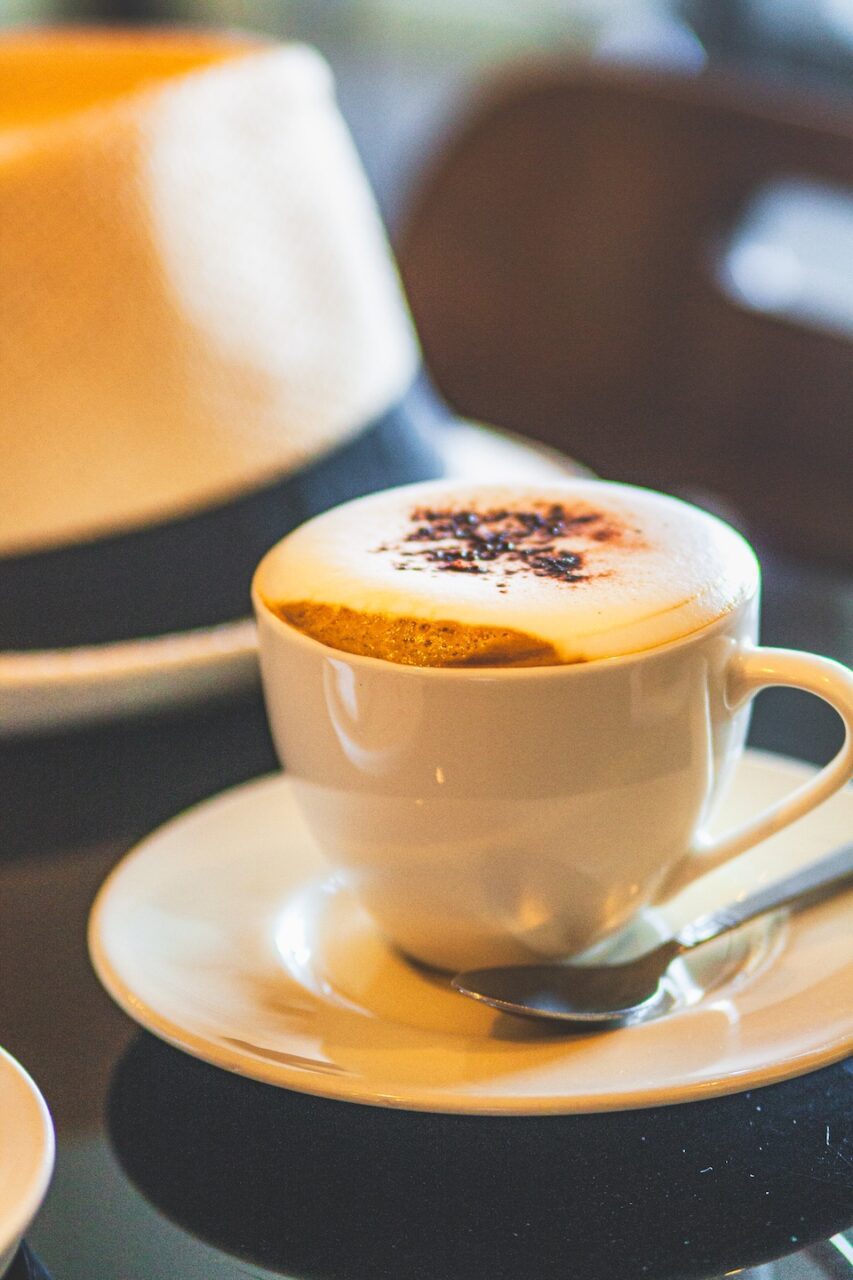
When you travel with a list in your head, you’re not completely where you are. You’re always thinking about the next point.
You’re sitting in a cafe in Venice, but in your thoughts you’re already planning the route to Rialto Bridge.
You’re watching the sunset, but simultaneously checking how to get to the next place. You’re physically in one moment, but mentally in the next.
It works like constantly switching browser tabs. You’re a little bit everywhere, but never fully anywhere.
I’d take photos instead of experiencing. Framing, positioning, checking if it’s sharp. By the time I lifted my head, the moment had already passed.
After returning, I had hundreds of photos. And my memory consisted of these images – not of lived moments.
I no longer remember how it smelled. How it was quiet or loud. What exactly I felt, standing there for real. I only remember that “I was there.” That “I have a photo.”
And I understood I was documenting the trip better than experiencing it.
The Natural Rhythm of Travel
A bucket list makes every day feel timed and controlled.
There’s no room for tiredness. No room for a mood change. No room for weather that doesn’t cooperate. No room for simply not feeling like it today.
The plan says: today you go there. The list says: you need to see this. The body says: I’m exhausted. But the list wins.
You ignore the signals because “so much waiting,” “so much planning,” “I’m already here.” You go because you should. You do it because you must. You return because you succeeded.
But the exhaustion remains. And grows with each passing day.
Choices Driven By Curiosity, Not Duty
When you have a list, choices stop being yours. You do something because “it’s on the list.” You go somewhere because “everyone recommends it.” You see a viewpoint because “you should.”
But you stop asking: do I really want this? Does this interest me? Is this for me?
Fear of a “wasted day” begins. That if you don’t see everything, you’ll waste the trip. That skipping one attraction is a loss. That since you’re already there, you can’t come back with nothing.
And suddenly, a day meant for discovery becomes a checklist.
What Changed When I Started Traveling Without Hurry
I Saw Less, But I Remember More
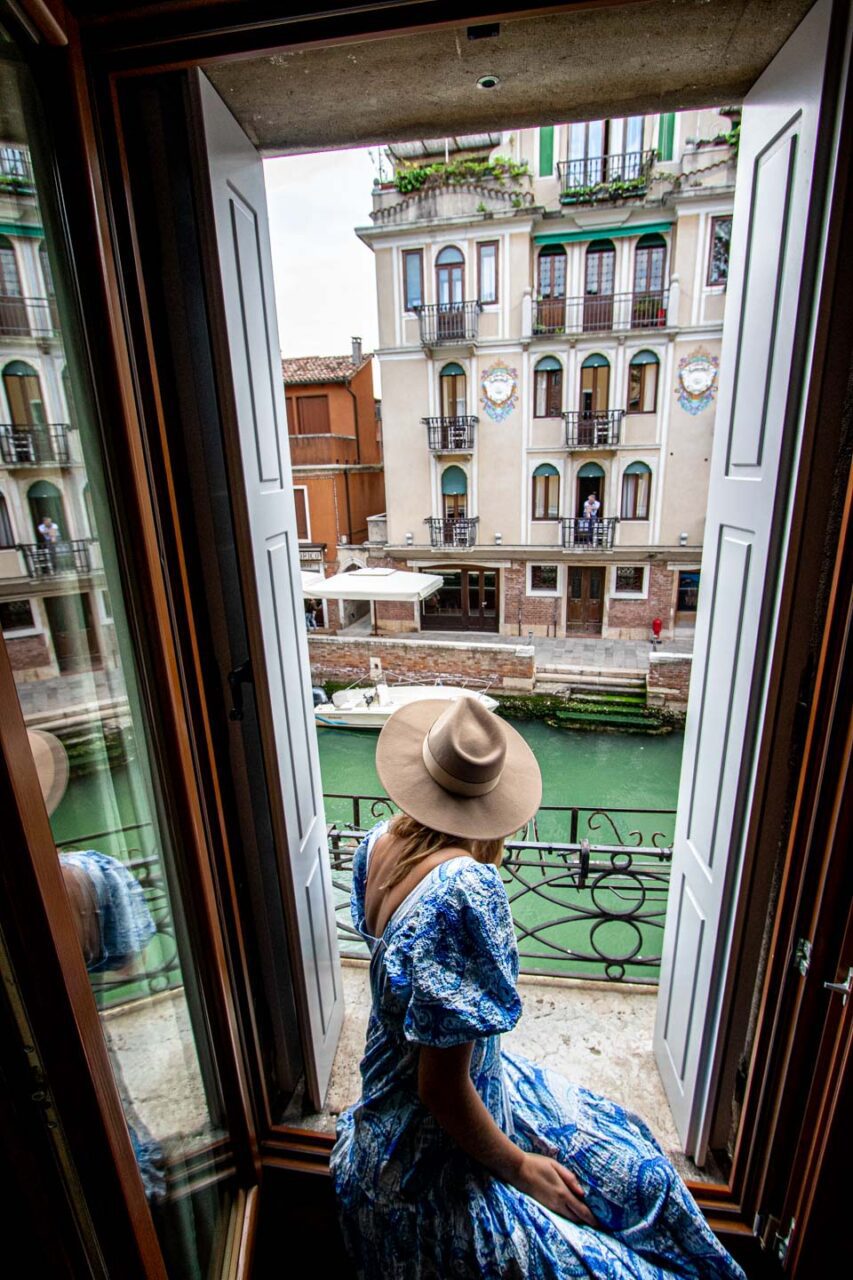
One morning in Venice. No plan, no list. I left the hotel, turned down a random alley.
I found a small cafe where no one spoke English. I ordered espresso and a croissant, pointing with my finger. I sat by the window. I watched the city wake up.
I remember that moment better than half the attractions I “had to” see.
Or Oaxaca in Mexico. I had a trip to Hierve el Agua planned – spectacular waterfalls.
In the morning I woke up and the mere thought of that trip exhausted me. I didn’t go. It became the calmest day of the entire trip. A walk, the market, slow breakfast, silence.
I remember exactly how the tamale tasted. What the colors at the market looked like. How I felt, sitting in that small park.
These aren’t “big” moments. They don’t make an impression on Instagram. But these are what remain. Because I was completely present in them. Without rush. Without thinking “what’s next.”
I used to remember the actions. Now I remember the feelings.
I Let Go of The Guilt
Rest no longer needed an explanation. “I stayed at the hotel” didn’t mean “I wasted the day.” It meant: I needed to slow down.
Skipping attractions stopped hurting. I didn’t feel like I was losing a chance. I felt like I was choosing something else – often something more important.
I accepted my own pace. That some days would be intense. Some calm. Some without any plan at all. And that all of them are good.
I stopped comparing my trip with others’ trips. I stopped measuring success by number of points. I started measuring by how I felt. And what I took with me.
Travel Was No Longer a Project to Check Off
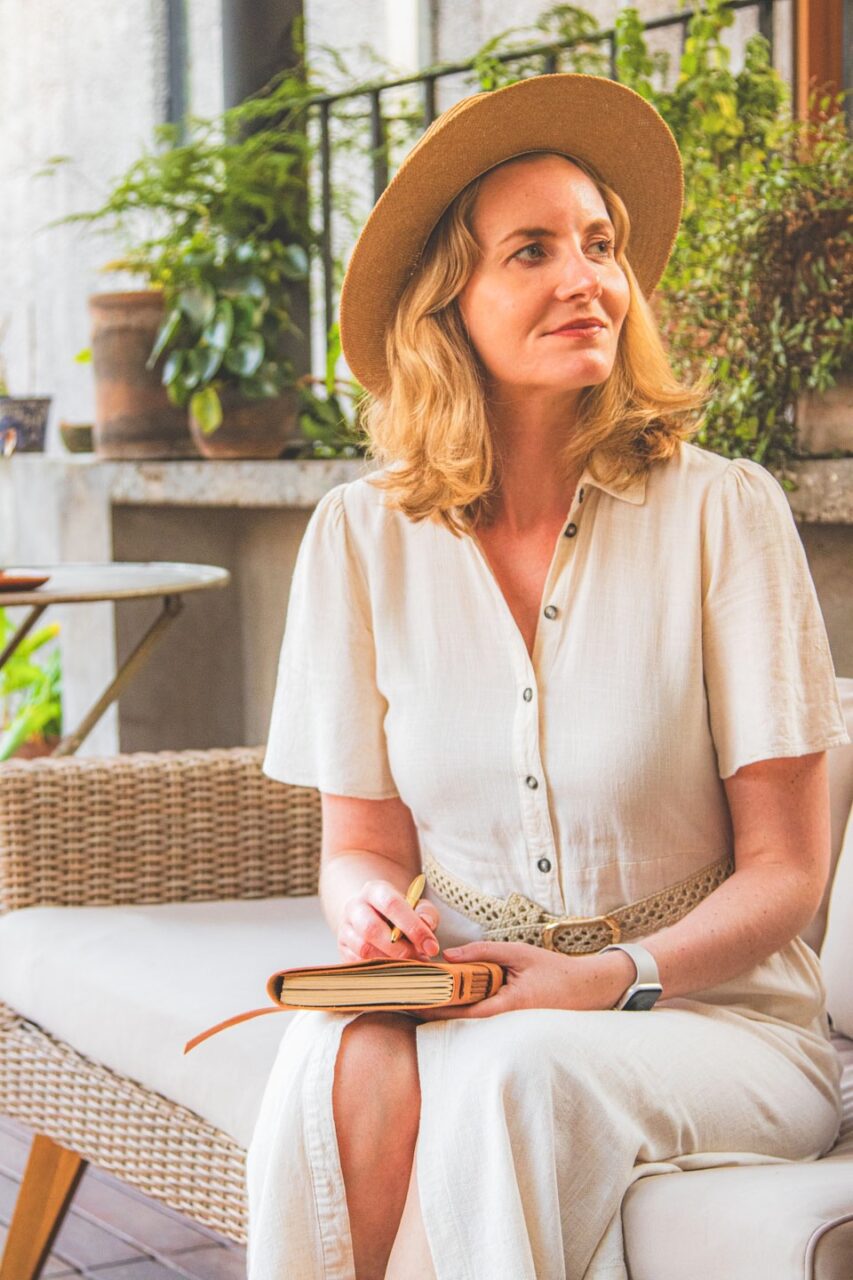
I controlled less. I trusted more.
I trusted that if something is meant to be – it will happen. That I don’t need to plan everything to experience something. That sometimes the best things happen when I let go of the rigid plan.
Travel became an experience. Not a task to complete. Not material for social media. Not points on a list to check off.
Simply being there. With what it brings. With how I feel. With what I really need.
Most Common Myths About Slow Travel
“You’ll See Less, So You’ll Waste the Trip”
It depends on how you define “waste.”
If wasting a trip means seeing fewer points on a list – yes, I’ll see less. But if it means returning tired and exhausted – that’s exactly what I want to avoid.
Quantity doesn’t equal quality. You can see ten places and only remember photos. Or see three – and remember everything.
It’s not about doing less. It’s about feeling more.
“That Only Works For Long Trips”
Slow travel isn’t about the number of days. It’s a mindset.
You can go to New York for a weekend and still travel slowly. Choosing one area instead of five neighborhoods. Leaving Saturday morning without a plan. Returning earlier instead of filling Sunday to the last minute.
You can go on a city break to Barcelona and slow down. Skipping the third museum of the day. Sitting in a cafe longer than you “should.” Allowing yourself an afternoon nap.
It’s not the length of the trip that determines the pace. It’s the way you make decisions.
“Without a Plan, Nothing Will Work”
Slow travel isn’t travel without a plan. It’s travel with a flexible framework instead of a rigid checklist.
A plan says: “I want to spend time in this area.” A checklist says: “I must see these five points in this order.”
A plan leaves room for change. A checklist doesn’t.
You can have a list of ideas. Not a list of obligations. The difference is subtle, but changes everything.
Who Slow Travel Is For (And Who It Isn’t)
This Is for You If:
- You return from trips exhausted. If you need a “vacation from vacation.” If after returning you feel like you’d need to go back there again – but slower.
- You feel FOMO when traveling. If you constantly think “what if that was a mistake” or “I should have seen that.” If others’ Instagram makes you feel like you’re doing too little.
- You miss silence. A moment when you don’t have to go anywhere. A morning when you don’t check the map. An evening when you don’t plan the next day.
- You want to “feel a place.” Not just see it. Not just take photos. But really be there.
This Is NOT for You If:
- You draw energy from intensity. If adrenaline drives you, and the more you see, the better you feel – and you return from trips full of energy.
- You want to see everything. And it truly makes you happy. If checking off points gives you joy – not a sense of obligation.
- You’re going “once in a lifetime” and feel you must use every hour. Even if it means exhaustion, tension, and no room to breathe.
Slow travel isn’t better. It’s simply different. And it’s not for everyone.
Travel lighter, even before you leave.
start with something simple.
Download The Minimum Plan – Slow Travel:
Slow Travel Isn’t a Travel Style. It’s a Way of Making Decisions
Slow travel isn’t a category. You don’t have to travel only “slow.” You don’t have to abandon all plans. You don’t have to travel only one way.
It’s a way of making decisions. Before the trip. During. And after returning.
- Before the trip it’s the question: “How many places do I really want to see?” instead of “How many can I fit?”
- During, it’s the moment when you feel: “This is too much” – and you listen to it.
- After returning, it’s giving yourself time to transition. Not planning the next trip immediately.
You don’t have to change everything. You just have to change a few choices. And those choices change what you come back with.
Why I Wrote This
This isn’t a manifesto against people who travel differently. Nor an attempt to convince you my way is better.
It’s a story about what stopped working for me. And what changed when I started traveling differently.
I’m writing about this because many people ask me: “How do you do it?”. “Where do you start?”. “How do you stop feeling like you’re wasting time?”.
I’m also writing because I searched for answers for a long time – and for a long time I didn’t find them.
And finally, I’m writing because maybe you also sometimes return from trips exhausted. And you wonder if it really has to be this way.
This is the beginning of a bigger story.
If You Want to Travel More Slowly
If you feel this pace resonates with you, I’m leaving here a free guide “How to Travel Consciously” – with questions that help you choose more mindfully, even before you hit the road.