
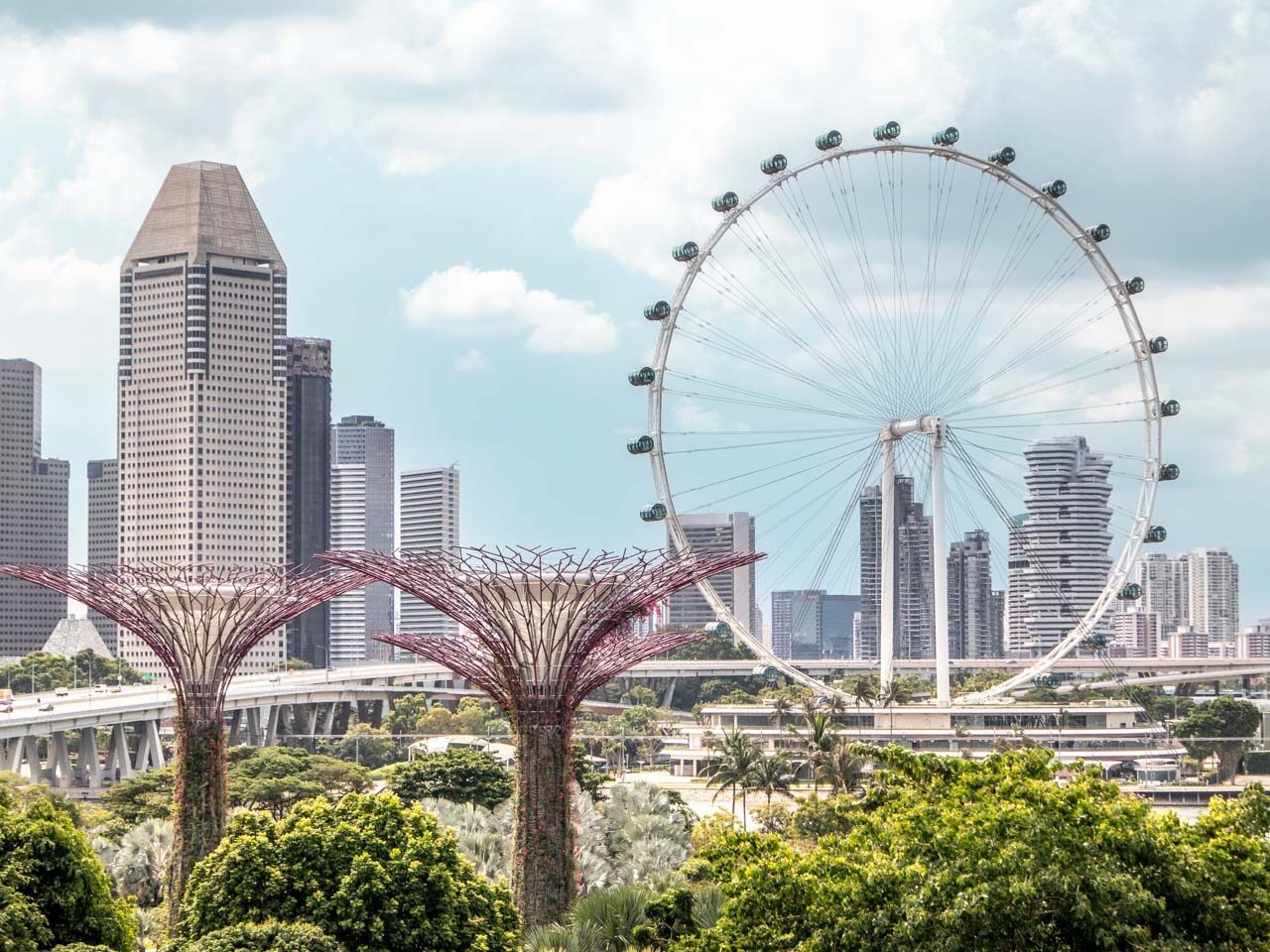
Wondering what to see in Singapore? This city doesn’t fit easily into “top 10” lists. It’s something you feel more than you check off.
It’s the smell of rain on hot concrete. Air-conditioned interiors and humid air outside. The silence of a garden in the middle of the city and the chaos of a hawker center a few streets away.
Singapore is a city of contrasts that surprises you with its calm.
You can walk around Marina Bay where futuristic architecture reflects in the water, get lost in the colors and scents of Little India, sit for a moment in the shade of trees at Gardens by the Bay, or just slow down on Sentosa, watching the day fade over the ocean.
This article isn’t a checklist. It’s an invitation to a city that’s best explored without rush.
I’ll show you places worth seeing, but also suggest when to come, where to turn, and how to give yourself space for your own discoveries.
If you’re looking for Singapore with soul – you’re in the right place.
If you’re planning to stay longer, check out my detailed Singapore itinerary, where I go deeper into the city and show how to slow down and see more than just the highlights.
Is Singapore Right for You?
Singapore is a good place for those who like order, greenery, and diversity without chaos.
If you’re looking for a first contact with Asia or a city that lets you slow down without exhausting you – this is a very good choice.
1. Gardens by the Bay – Futuristic Green in the Heart of Singapore
This is one of those places you keep coming back to in your mind long after you leave. Gardens by the Bay isn’t just a park. It’s a space where modernity meets silence, and the city loses its pace for a moment.
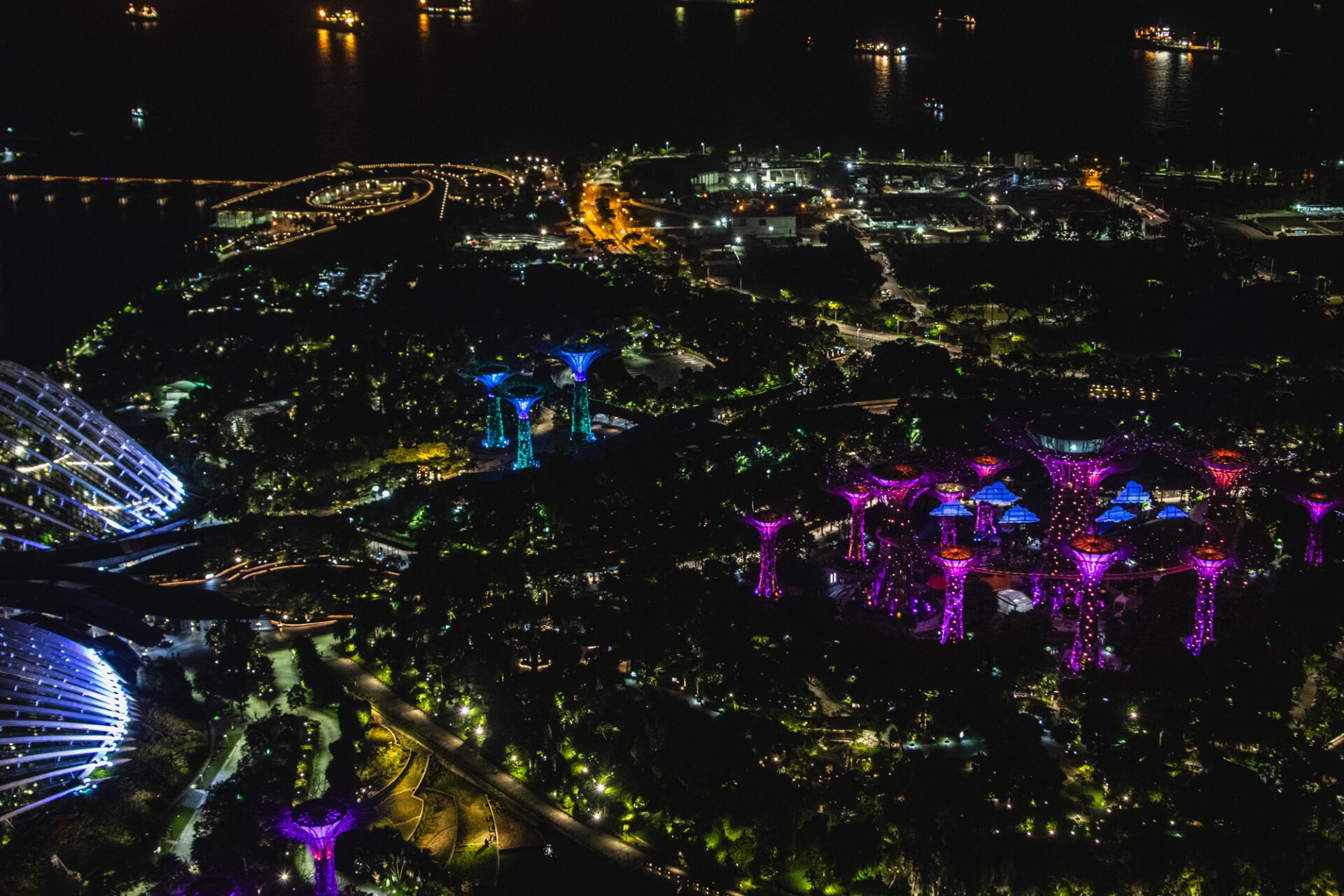
The most distinctive features are the Supertrees. They’re up to 50 meters tall and look like something from a futuristic vision of the world.
Better to come here at dusk, when the lights slowly turn on and the whole place changes its atmosphere. It’s quieter, softer, almost unreal.
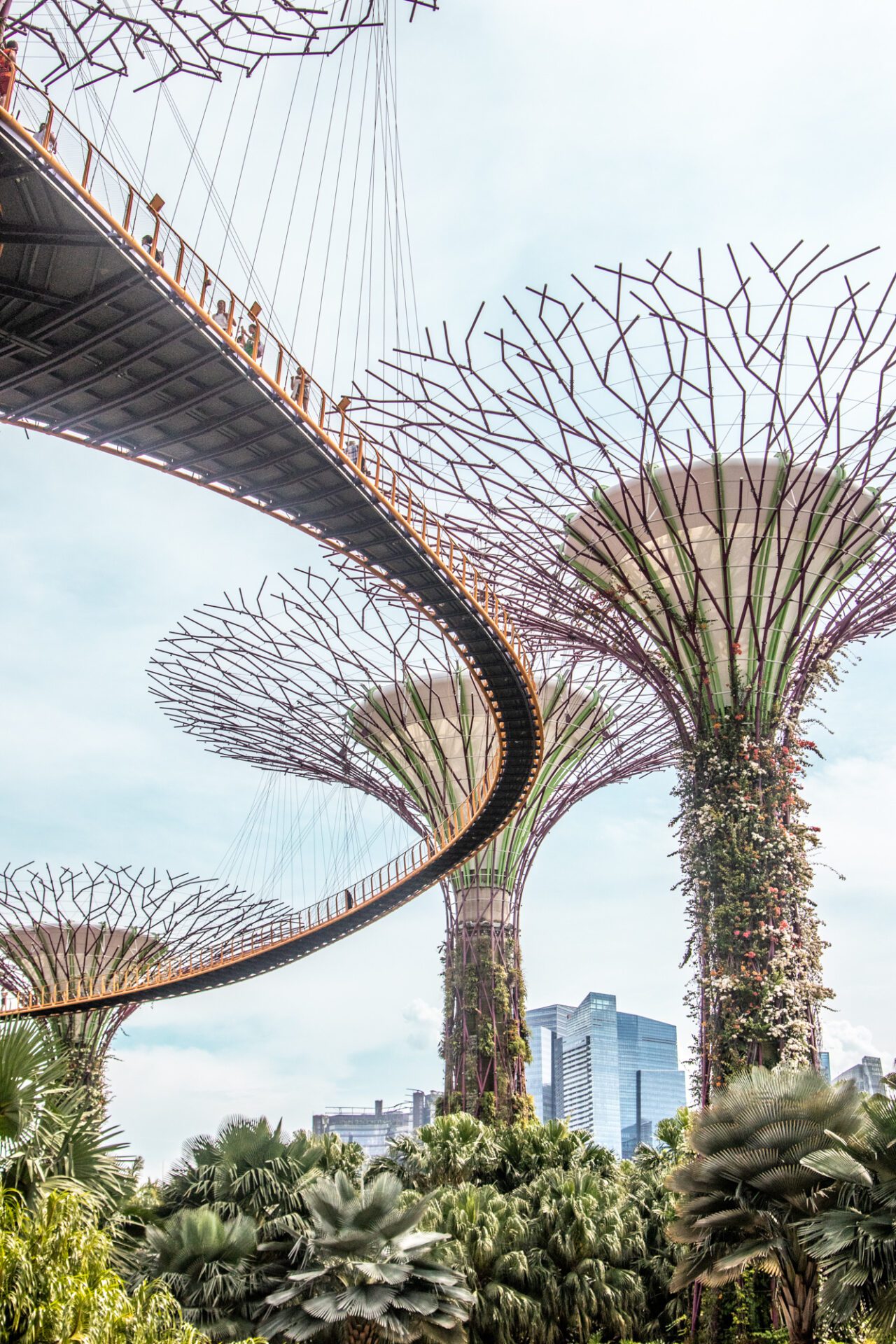
It’s worth walking the OCBC Skyway. It’s a suspended walkway hanging between Supertrees, with views of the city skyline and the bay. No need to rush. It’s a good moment to just stand and look.
If you feel like going inside, check out the Flower Dome, the world’s largest greenhouse. There’s a pleasant coolness inside, and the plants come from different climate zones.
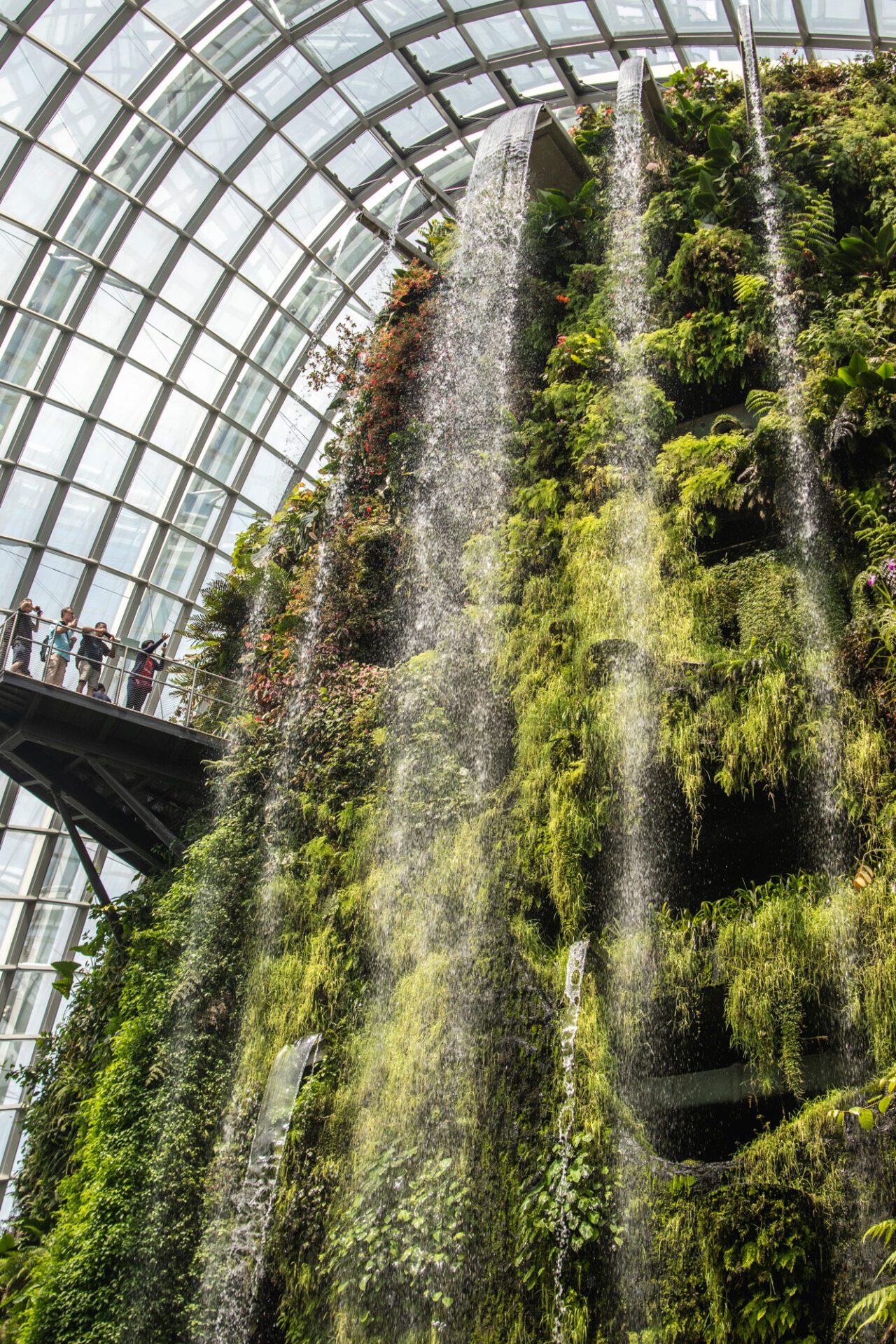
Right next door is Cloud Forest, where you’re greeted by a massive 35-meter waterfall and mist floating in the air. It’s one of the most sensory experiences in Singapore.
Gardens by the Bay is a place worth seeing not because you “have to,” but because it lets you slow down for a moment. Even in the very heart of one of the most organized cities in the world.
Practical Information
Best to get tickets beforehand, before a spontaneous plan and a queue at the ticket office appear.
- Combined ticket to Flower Dome + Cloud Forest: 59 SGD (adult)
- Supertree Observatory + OCBC Skyway: 14 SGD (adult)
If you can, buy tickets online. It saves time and nerves, especially during the day when Gardens by the Bay gets crowded.
2. Marina Bay Sands – City Panorama From Above
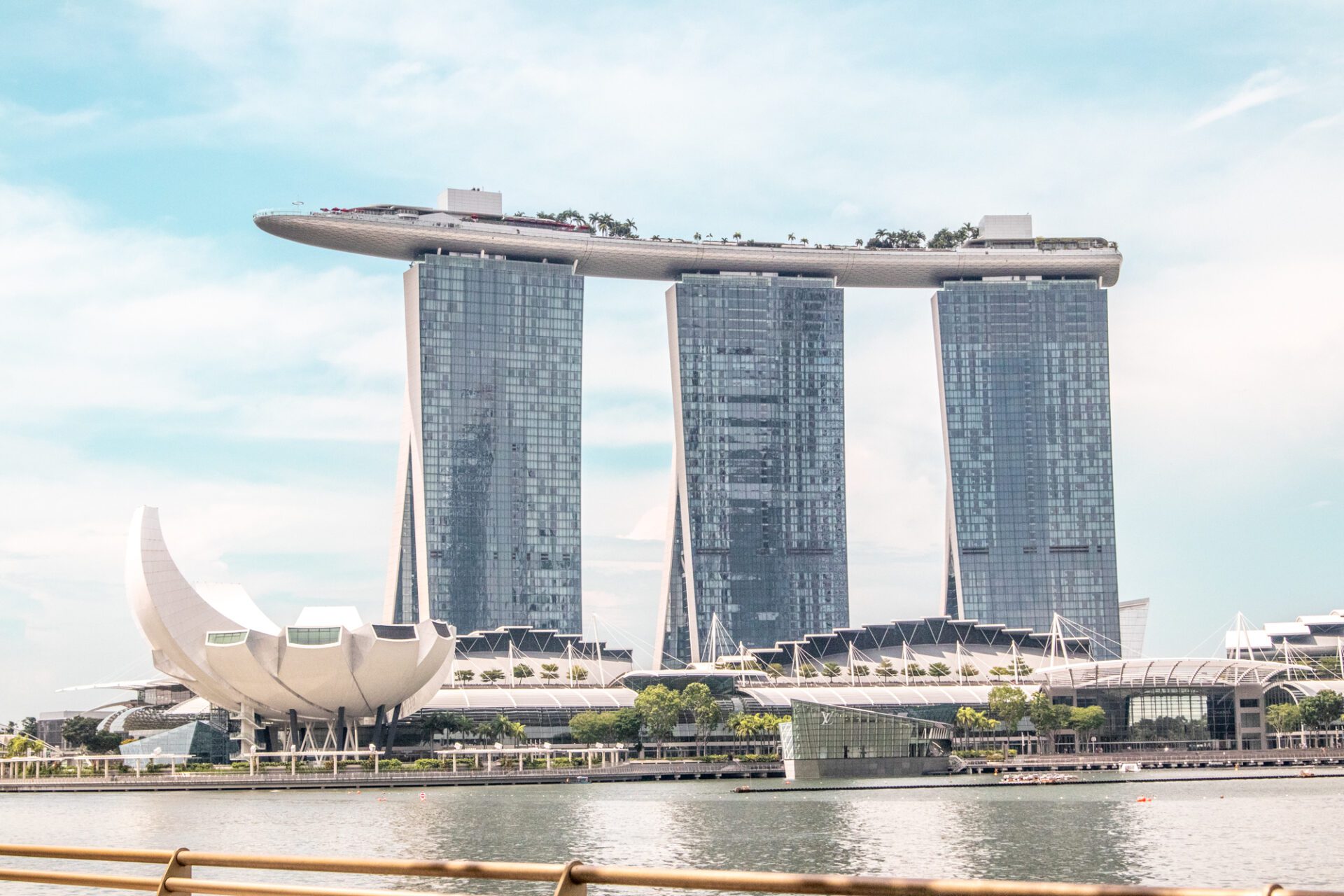
This is one of those places you’ve seen hundreds of times in photos. And that’s exactly why it surprises you when you actually stand there. Marina Bay Sands doesn’t try to be subtle. It’s a spectacle.
Three towers rising from the ground and connected by a construction suspended high above the city look a bit like a sci-fi movie set.
The whole thing is about 200 meters high and dominates Singapore’s skyline, but instead of overwhelming, it mesmerizes.
At the top is the SkyPark Observation Deck. The view stretches over the bay, skyscrapers, and port, and the city arranges itself into a perfectly planned whole.
It’s a good place to see Singapore from a distance and understand its scale.
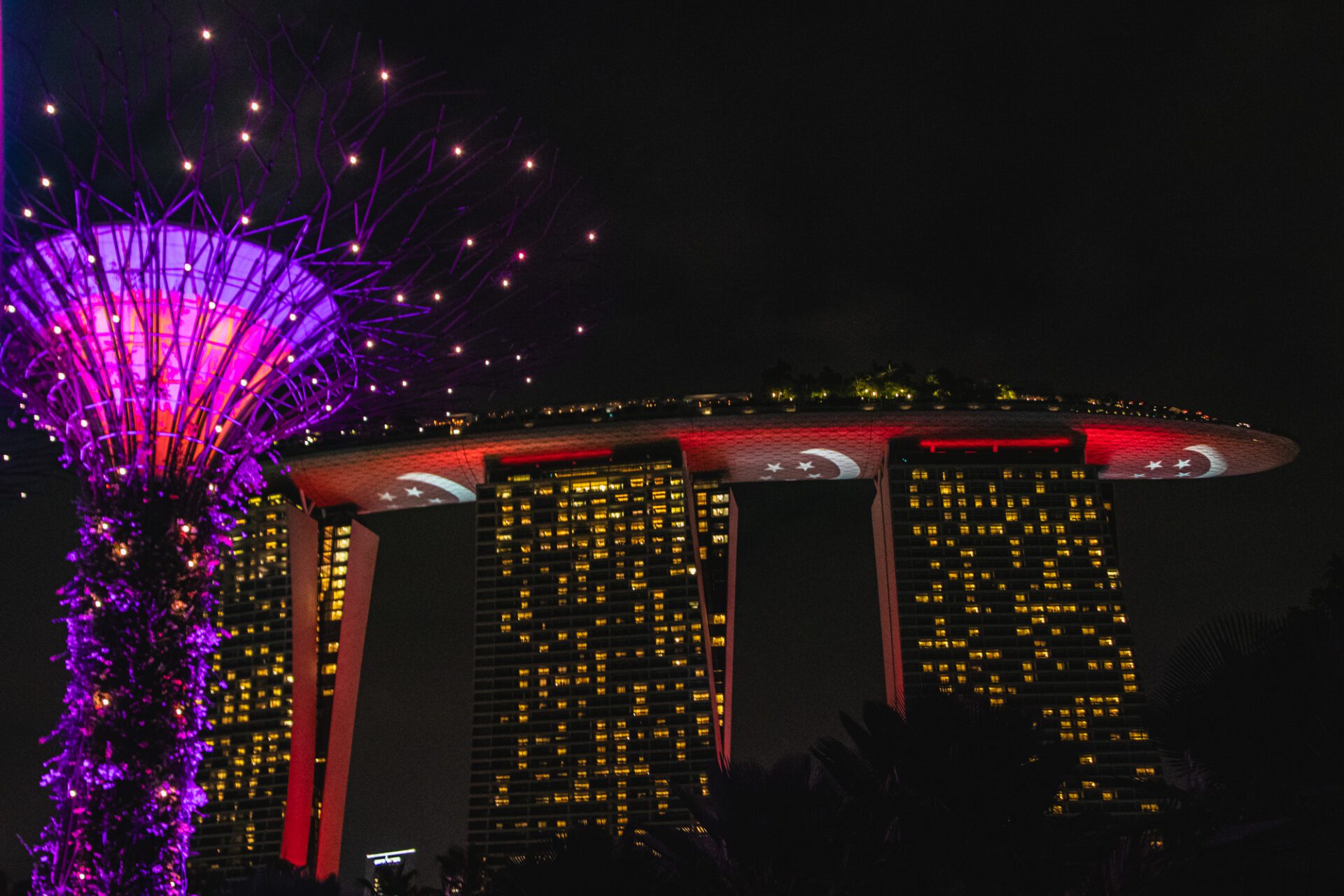
On the roof itself waits the legendary infinity pool. The pool is available exclusively to hotel guests and has become one of the most recognizable shots from Asia.
Swimming with a view of the city dozens of floors below is an experience more surreal than luxurious.
Even if you’re not staying at the hotel, it’s worth stopping by. Not to “check off an attraction,” but to see how Singapore likes to think of itself: boldly, high up, and without half measures.
Practical Information
Entry to the SkyPark Observation Deck at Marina Bay Sands usually costs around 32-39 SGD for an adult, depending on the time of day and availability. Best to plan your visit ahead by booking tickets online.
If you’re thinking about dinner at one of the rooftop restaurants, advance reservation is a very good idea. In the evenings, this is one of the most crowded places in the city.
This isn’t a place for quick “checking off.” Best to come here thinking you’ll give yourself a moment. Look at the city from above. And let it do its thing.
3. Sentosa Island – Beaches and Entertainment Outside the City
Sentosa is a completely different face of Singapore. Less city, more chill. A place you go to slow down, even if just for a few hours.
The island is small, but it’s easy to lose track of time here. There are beaches, sun, warm water, and that specific vacation vibe in an urban version.
The most famous are Palawan Beach, Siloso Beach, and Tanjong Beach. Each a bit different, each good for a different mood.
Palawan is quieter and more family-friendly, Siloso attracts with energy and water sports, and Tanjong is the best choice if you’re dreaming of silence, a deck chair, and ocean in front of you.
These aren’t wild beaches, but in Singapore, this is exactly what balance between nature and comfort looks like.
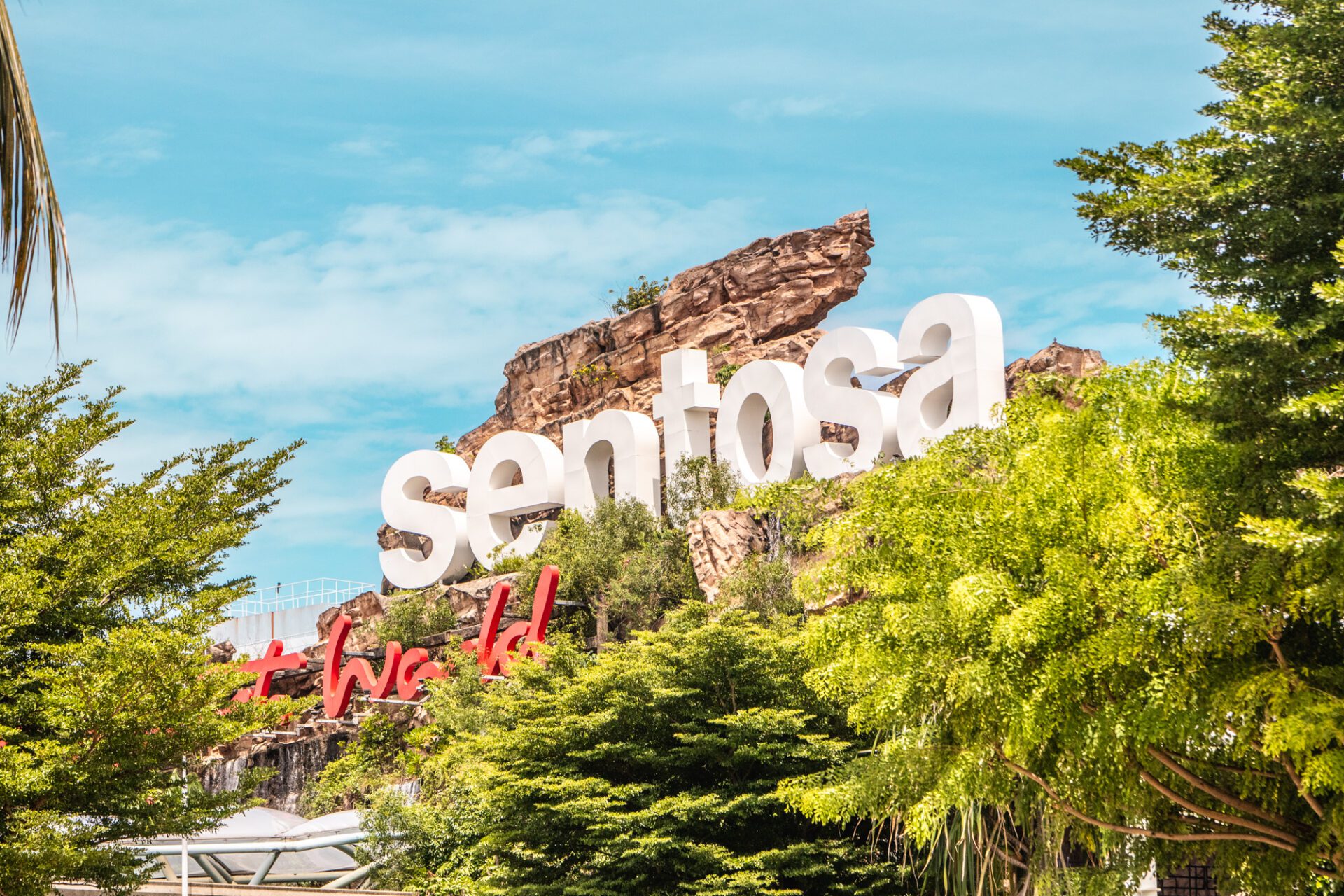
Sentosa is also the more energetic side of the island. If you feel like a day full of stimuli, you’ll find them right here.
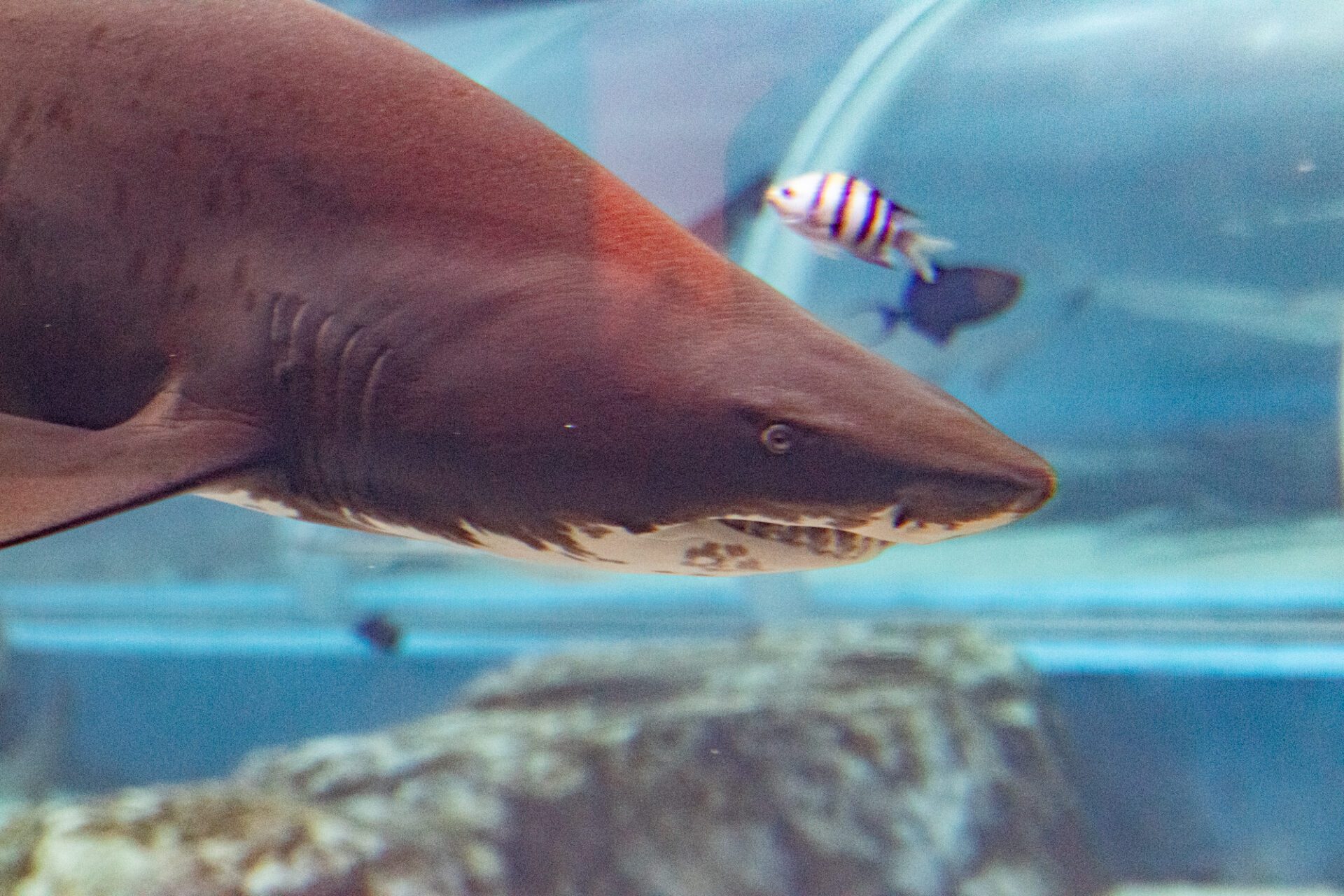
The island is also home to the Singapore Oceanarium, one of the world’s largest aquariums, Universal Studios Singapore with movie sets and rollercoasters, and Adventure Cove Waterpark, perfect for cooling off in the heat.
In the evening, worth stopping for Wings of Time – a light and music show over the water, watched from the beach.
And if you feel like a lighter, more touristy attraction, you can also check out Madame Tussauds Singapore.
Sentosa works well as a contrast to the organized city. One intense day, louder, full of impressions.
Then you can go back to the beach or back to Singapore – with your head full of images.
Practical Information
If you’re planning to use attractions on Sentosa, worth checking prices beforehand and buying tickets online – especially on weekends and in season.
- Singapore Oceanarium: around 44 SGD (adult)
- Adventure Cove Waterpark: around 30-40 SGD
- Madame Tussauds: around 44-48 SGD
In practice, advance booking is highly recommended – not only for availability, but also to not waste time on site.
Sentosa works best when you have your plan sorted and your head free for pleasures.
4. Singapore Zoo and Night Safari – Wild Nature After Dark
If nature is close to your heart, Singapore Zoo is one of those places that stay in memory for a long time. Not because it’s “impressive,” but because it lets you observe animals in a space that truly breathes.
It’s one of the best-designed zoos in the world. Instead of cages, there are natural boundaries, greenery, and light.
Over 4,200 animals live here, and encounters with orangutans, rhinos, or colorful parrots have something of a real safari about them, not an urban attraction.
Particularly worth attention is Fragile Forest – a humid, green space where you walk among animals, almost at their level. For families, KidzWorld works great, but even without kids it’s easy to catch a moment of wonder here.
In the evening, the zoo shows a completely different face during Night Safari. It’s one of the few places in the world where you can see animals’ nocturnal life in their natural rhythm, without theatrics and noise.
Singapore Zoo isn’t an attraction to “check off.” It’s more like a peaceful day among greenery, observing, listening, and reminding yourself that nature and city can coexist. If you give them time.
Practical Information
A ticket to Singapore Zoo costs around 50 SGD for an adult, and Night Safari around 58 SGD.
Both attractions are very popular, so it’s worth buying tickets online in advance.
Night Safari operates in the evening, usually from 7:15 PM to midnight, and it’s best to plan it as a separate, more peaceful experience.
Little tip:
Zoo is best visited in the morning when it’s cooler and animals are more active. Night Safari, on the other hand, is worth treating like an evening ritual – without rush, with curiosity and openness to what happens after dark.
5. Buddha Tooth Relic Temple – Chinatown’s Spiritual Heart
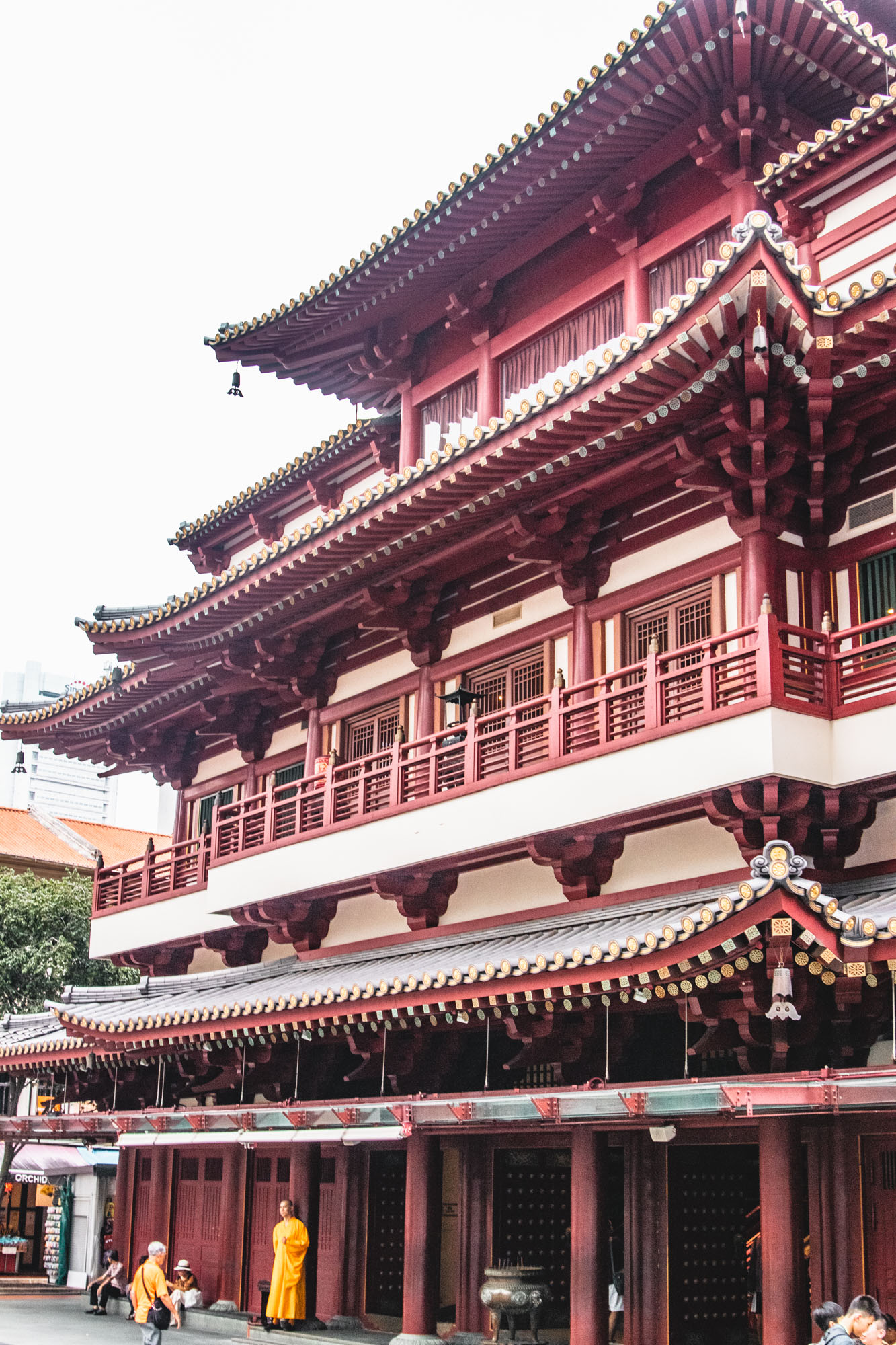
This is one of those places you enter more quietly, even if Chinatown outside is pulsing with life. The Buddha Tooth Relic Temple doesn’t shout. Rather, it invites you to slow your step.
The architecture itself makes an impression. Rich, red, full of details, but at the same time organized. Inside reigns a calm that contrasts with the movement of streets a few meters away.
The most important place is the hall with Buddha’s tooth relic, kept in an intricately decorated reliquary. Even if you’re not religious, it’s hard to remain indifferent. There’s something very focused and intimate about it.
The temple’s interiors are full of symbols, sculptures, and details you want to look at slowly. It’s a good place for a moment of stopping. Without a phone in hand. Without a plan for the next half hour.
Beyond its spiritual function, the temple also lives with culture. Ceremonies, events, and exhibitions take place here, showing Buddhism as part of daily life, not a museum exhibit.
If you want to see Singapore not just from the side of modern skyscrapers, this is one of those places that show its calmer, more mindful face.
Practical Information
Entry to Buddha Tooth Relic Temple is free.
Best to stop by in the morning, before Chinatown fully wakes up. It’s quieter, more peaceful, and easier to feel the rhythm of this place – without rush, without crowds, without the need to take photos.
6. Universal Studios Singapore – A Day of Pure Entertainment
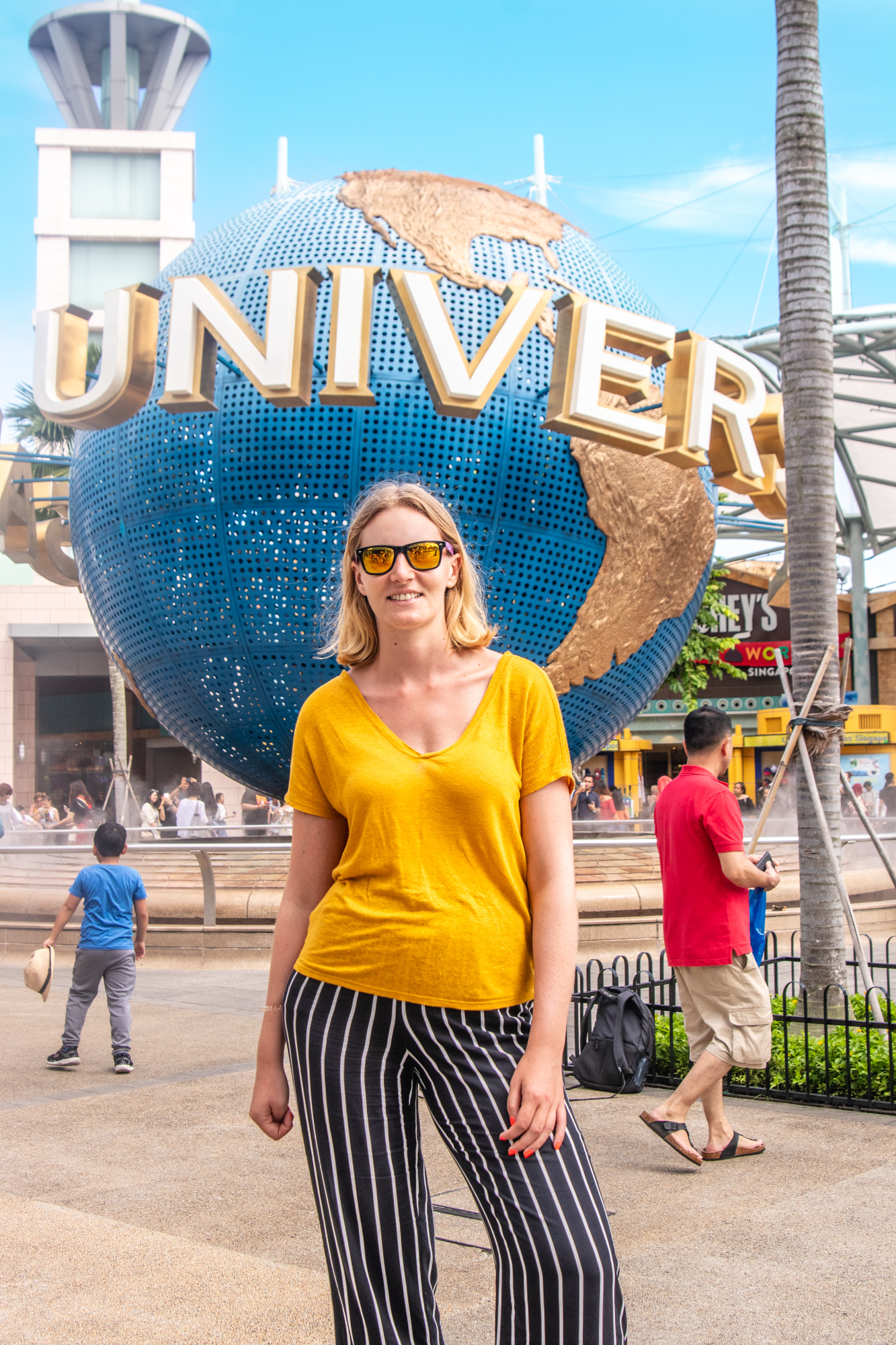
This is one of those attractions that’s loud, colorful, and totally unashamed about being entertaining. Universal Studios Singapore doesn’t pretend to be anything else. It’s pure fun, from morning to evening.
The park is divided into several themed zones and each one draws you in its own way.
You can find yourself face to face with dinosaurs from Jurassic Park, enter the fairy-tale world of Shrek, or walk through the movie version of New York, where everything looks like a film set.
There are fast rides, there are calmer attractions, there are also spectacular shows and meetings with movie characters. It’s a place that works on senses and emotions, regardless of whether you’re eight or forty.
Universal Studios Singapore is a good contrast to the calmer parts of the city. One day full of noise, laughter, and cinema in XXL version.
And then you can return to silence, greenery, or dinner without rush.
Practical Information
Entry ticket to Universal Studios Singapore costs around 75-83 SGD for an adult.
Buying tickets online in advance is necessary – it lets you avoid queues and gives you certainty of entry at your chosen time.
Little tip:
If you don’t like crowds, come as early as possible in the morning or plan your visit midweek. It makes a huge difference in how you experience this place.
7. Little India – Singapore’s Most Sensory District
Little India is Singapore in its most sensory version. A district you enter with your nose first, and only then with your eyes.
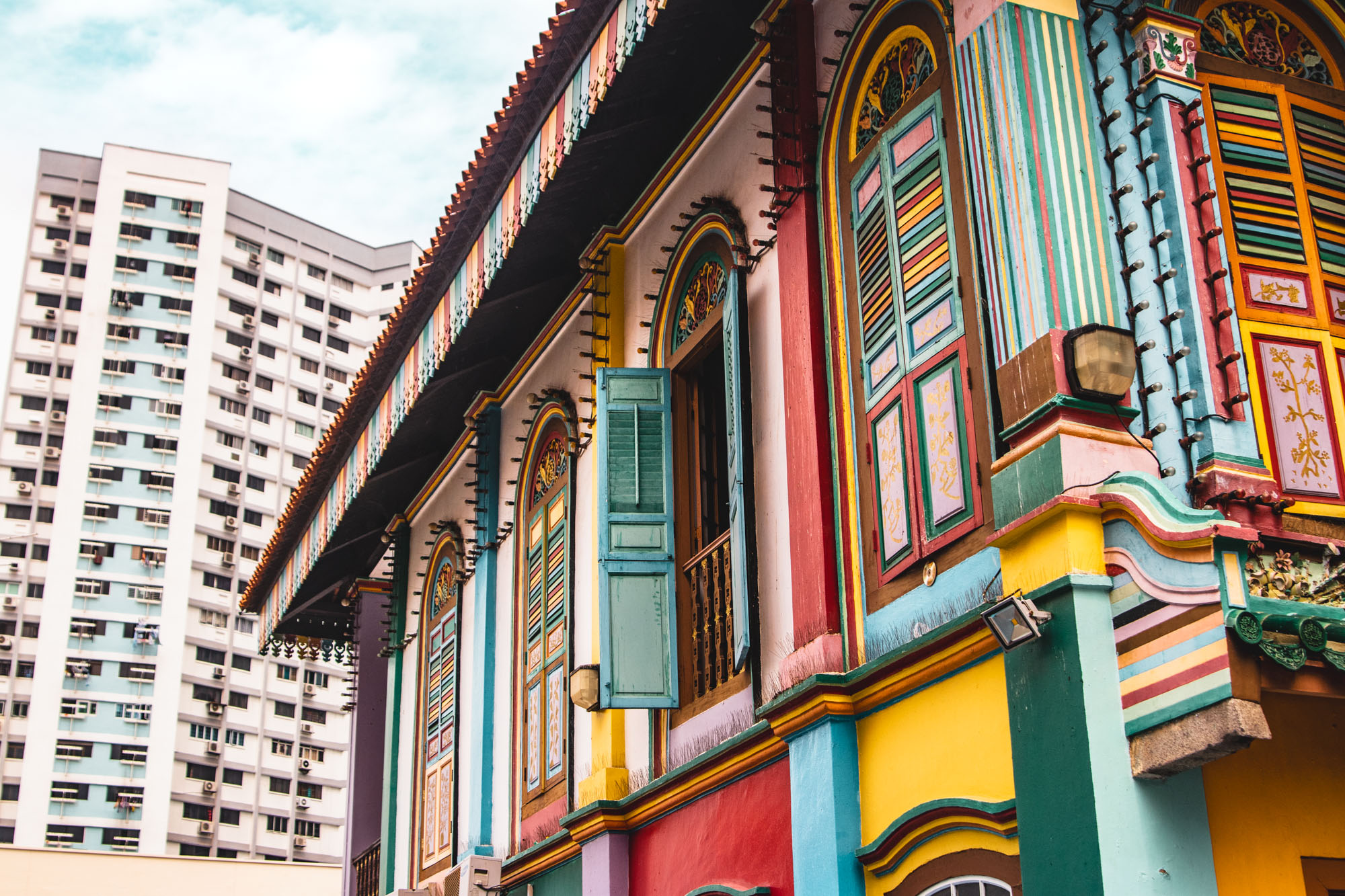
The smell of spices mixes with incense here, colorful shop facades contrast with the modern city a few streets away, and the street lives its own rhythm. It’s louder, more intense, more cramped. And that’s exactly where its charm lies.
You can peek into small handicraft shops, observe residents’ daily life, or just walk aimlessly, letting the city guide you itself.
Beautiful temples, fruit stalls, music coming from inside shops – everything happens here at once.
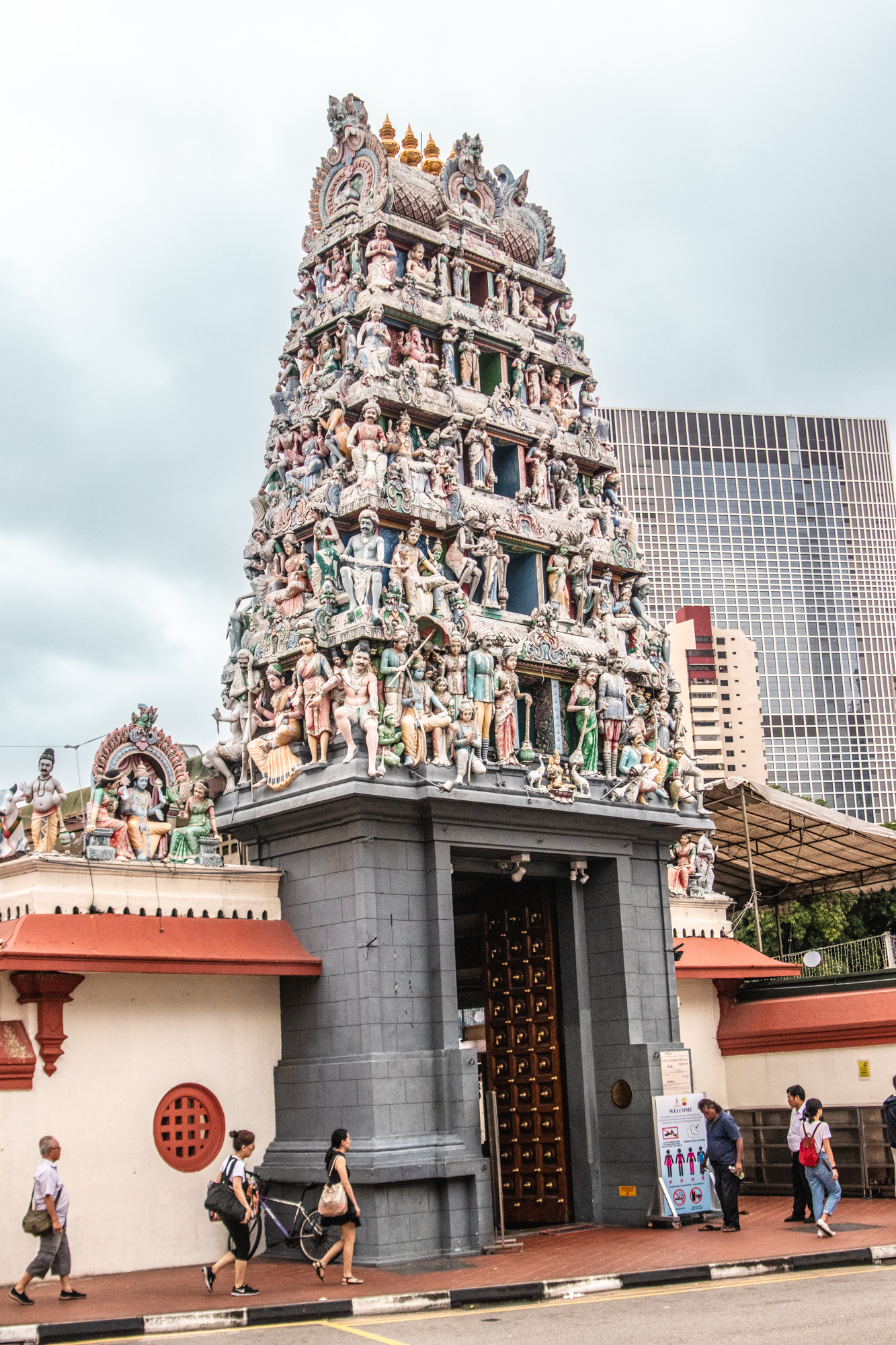
Check out Sri Veeramakaliamman Temple – one of the oldest and most vibrant temples in Singapore. Even if you come here outside a festival, you’ll feel the intensity of the place: sounds, colors, smell of incense.
If you’re lucky to be here during one of the local festivals, you’ll see Little India in full focus and joy.
And then… just eat. Aromatic curry, crispy dosa, sweet desserts from shop windows that tempt from first glance.
This isn’t a district you “tour.” It’s a district you experience. And it’s really easy to forget you’re still in Singapore.
Want more Asian flavors? Check out 10 dishes you must eat in Kuala Lumpur – neighboring Malaysia is a true culinary paradise.
8. Singapore Botanic Gardens – UNESCO-Listed Oasis of Calm
If you’re looking for a moment of silence, greenery, and breath in Singapore, the Singapore Botanic Gardens are exactly that place. This isn’t a park for a quick walk. It’s a space where the city softens.
The garden is over 165 years old and as the world’s first tropical botanical garden, it made it onto the UNESCO list. But you don’t need to know this history to feel that this place has its own rhythm. Just walk among the trees.
The most famous part is the National Orchid Garden. Over a thousand species of orchids, colors, forms, and details you want to look at slowly. It’s one of those moments when it’s really worth slowing down.
Beyond orchids, you can check out the Ginger Garden, sit by Symphony Lake, or walk through Evolution Garden, which tells the story of plants in a very calm, unobtrusive way.
Here you don’t need to check anything off. You can just be.
Singapore Botanic Gardens is a green break in the middle of the city. Perfect if you’ve had enough stimuli and want to return to simple things for a moment. Walking, looking, breathing.
Love nature? Don’t miss Taman Negara National Park in Malaysia – one of the world’s oldest tropical rainforests, just a few hours from Singapore.
Practical Information
Entry to Singapore Botanic Gardens is free and that’s one of the most beautiful things about Singapore – you can just walk in from the street, without a plan or ticket.
The exception is the National Orchid Garden, which has an entrance fee of 15 SGD.
Little tip:
Come here early in the morning when the air is still fresh and the garden belongs mainly to walkers and joggers. That’s when Botanic Gardens have the most peace.
9. Orchard Road – Shopping, Cafes, and Modern Singapore
Orchard Road is Singapore in its shiny version. Louder. More polished. But worth checking out, if only to see this contrast.
It’s a long, green avenue filled with shopping galleries, boutiques of famous brands, and modern architecture.
Shopping is obviously in the foreground here, but Orchard Road isn’t just stores. It’s also cafes, restaurants, and places where you can sit for a moment, have coffee, and watch the city in motion.
Walking among elegant shop windows, air-conditioned interiors, and tropical greenery behind glass, it’s easy to feel Singapore’s pace. Fast, organized, very contemporary.
Orchard Road isn’t a place where you need to spend a whole day. But good to stop by at least once. See how Singapore likes modernity, comfort, and style.
And then return to districts that are quieter, more chaotic, or just closer to your rhythm.
10. Hawker Centers – Where to Eat Best in Singapore
Without hawker centers, Singapore would only be half the story. This is where the city really reveals itself – at plastic tables, in the noise of conversations, in the smell of fried garlic and broth.
Hawker centers are covered spaces with dozens of small stalls, each doing one thing well. Sometimes the same thing for generations.
One serves laksa, another chicken rice, a third dumplings or satay from the grill. You choose intuitively. Or you watch where the longest queue is.
These are absolutely everyday places. Residents on their way from work come here, families for a quick lunch, older gentlemen for coffee and conversation.
The food is simple, honest, and surprisingly good – and prices mean you can try several things at once, without a plan and without guilt.
Hawker centers aren’t a “culinary attraction.” They’re the rhythm of the city.
If you want to really feel Singapore, sit at a communal table, order something you can’t pronounce, and just eat. These are often the best memories from travels.
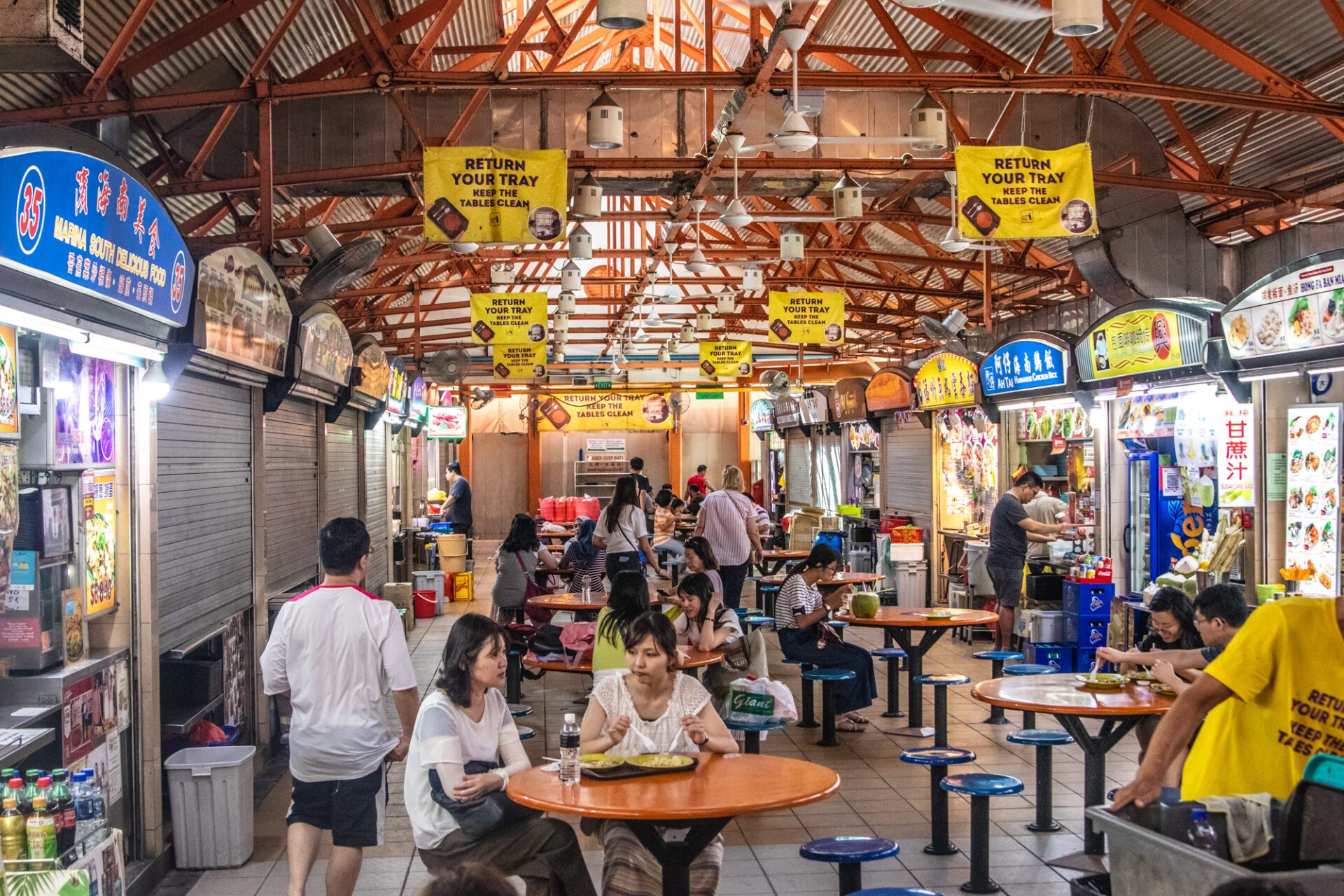
Some of the best hawker centers include Maxwell Food Centre, Chinatown Complex Food Centre, and Old Airport Road Food Centre.
Each has its own character and its own regular customers, but the principle is the same: simple, local, and very good.
You’ll find Chinese, Malay, and Indian cuisine here, as well as dishes that were born right in Singapore – as a mix of flavors and cultures.
Best to come hungry and allow yourself spontaneous choices. Look, smell, ask your neighbor at the table.
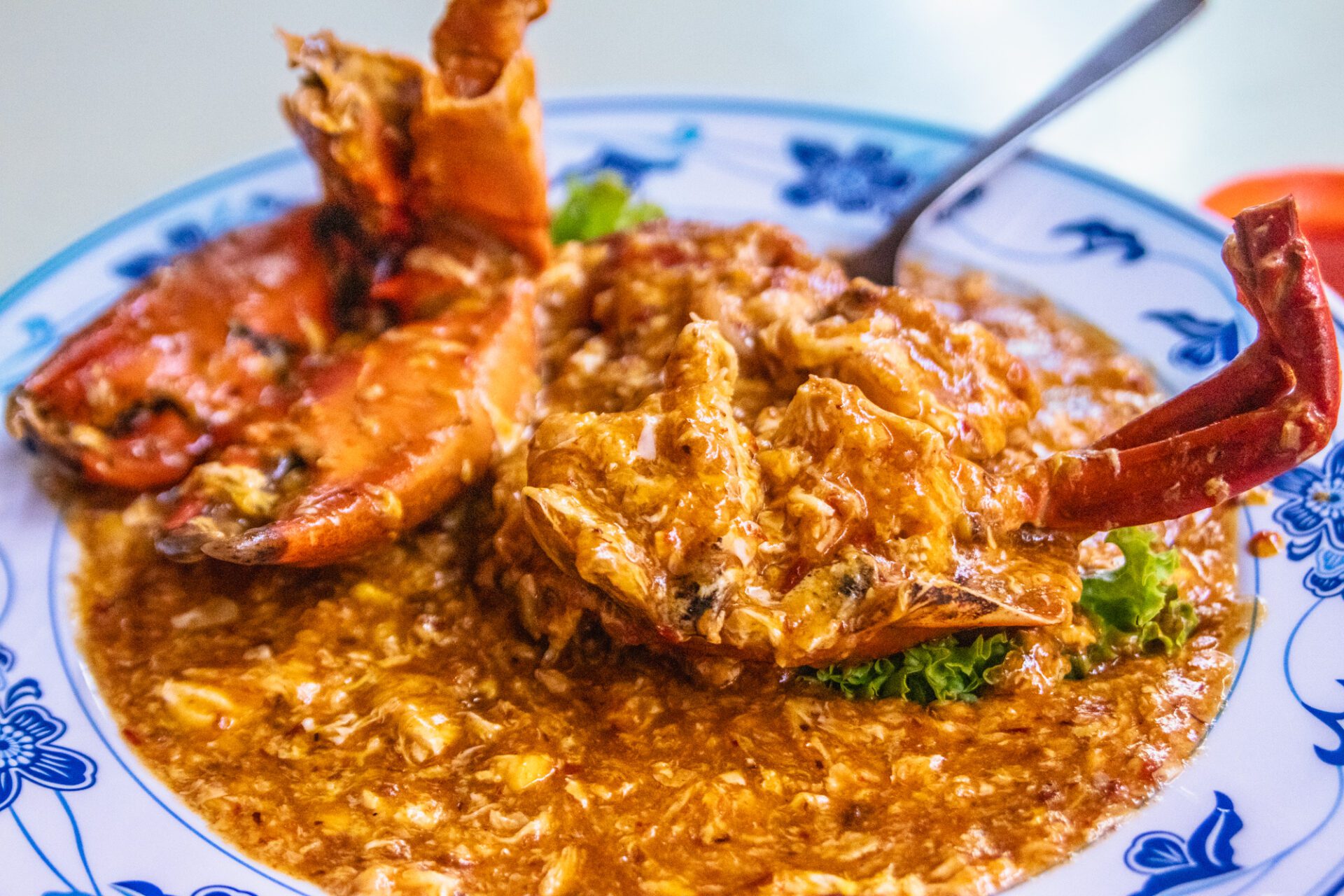
If you don’t know where to start, try laksa – an aromatic soup with coconut milk, seafood, and noodles – or the iconic crab in spicy chili sauce.
These aren’t “pretty” dishes for photos. This is food that gets your hands dirty and stays in memory for a long time.
If you fall in love with Malay cuisine, definitely check out my guide: What to see in Malaysia – you’ll discover even more authentic flavors there.
Practical Tips
When’s the Best Time to Go to Singapore?
Singapore lies almost on the equator, so the weather here is quite predictable – warm, humid, and green year-round. There are no classic seasons, rather differences in rainfall that affect sightseeing comfort.
The best time to travel is considered to be from March to August. These are relatively drier months, with lots of sun and shorter, passing showers.
I was in Singapore in June – rain happened from time to time, but it cooled the air rather than ruined plans. The city works normally then, and the tropical greenery looks most beautiful.
Less ideal is the period from December to February, during the northeast monsoon. Rainfall can be heavy and long-lasting, and humidity can feel overwhelming, especially if you plan to walk a lot.
If I can offer one slow-travel tip: Singapore tastes best when you’re not fighting the weather. Choose months when it’s easier to slow your pace, sit in a café after the rain, and let the city do its thing.
Singapore in Short – If You Only Have 2-3 Days
Singapore is a city that handles short stays well. If you have 2-3 days, you can easily see its main contrasts.
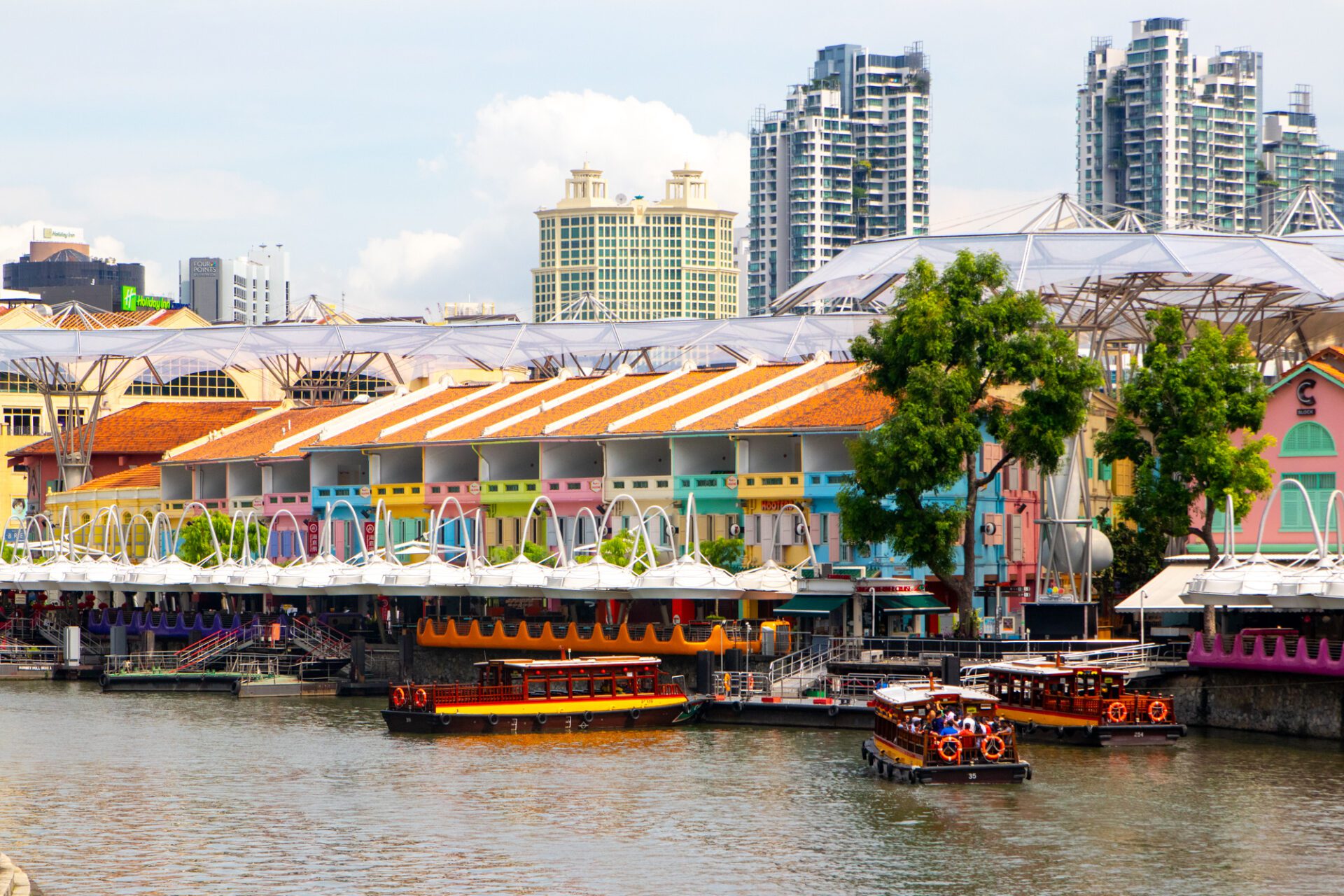
Worth dedicating one day to the center and gardens – Gardens by the Bay, Marina Bay, and a walk around the city. Second day for districts and food – Little India, Chinatown, and hawker centers.
If you have a third day left, choose something lighter: Botanic Gardens, Sentosa, or just a longer morning without a plan.
It’s a city that doesn’t require running. It’s better to see less but feel more.
If you have more time, I also share a 3-day Singapore itinerary that explores the city beyond the usual must-see spots.
How to Get to Singapore?
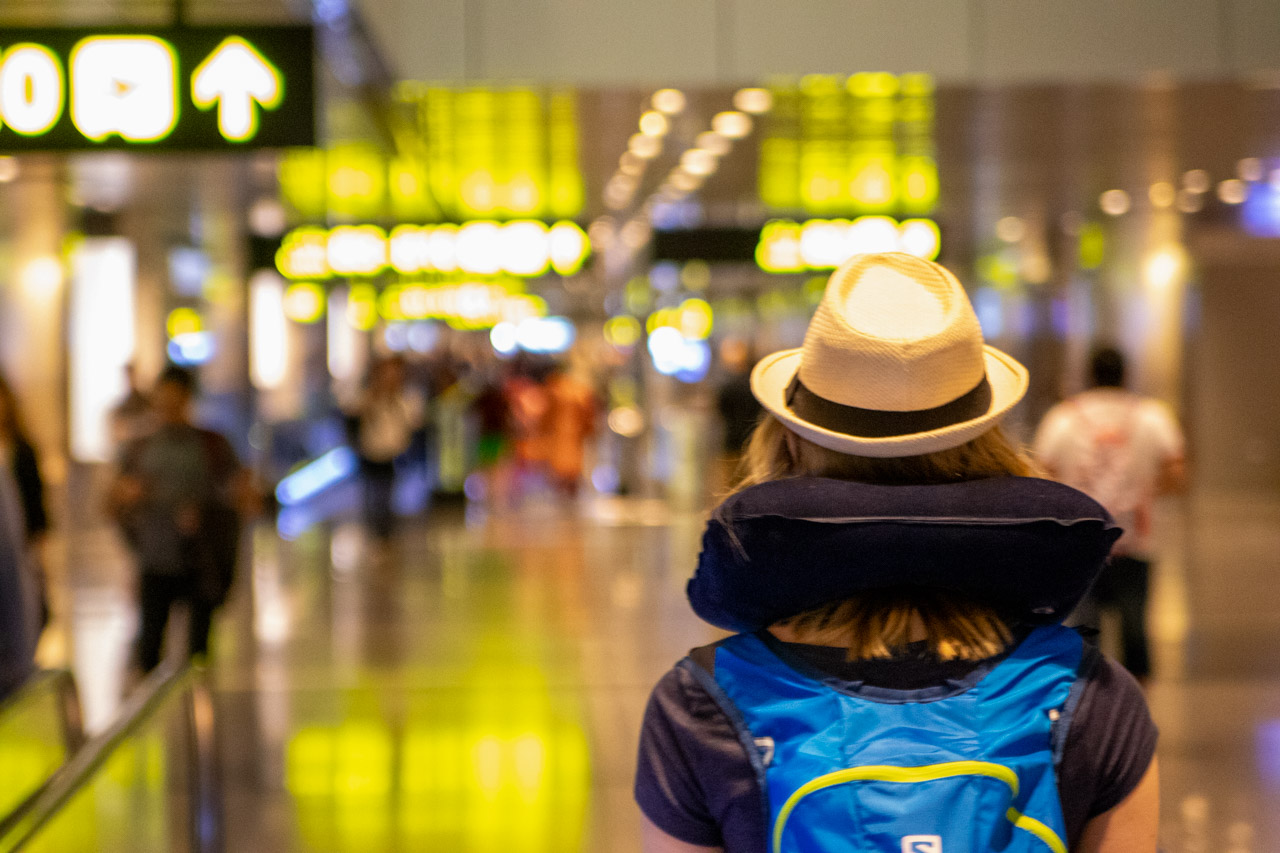
The simplest way to get to Singapore is by plane. Flights land at Singapore Changi Airport (SIN), which is one of the best-organized airports in the world and very easy to connect with the city center.
Singapore is well connected with the rest of the world. You’ll find direct flights from cities like New York (around 18 hours), London (about 13 hours), Sydney (around 8 hours), and Dubai (about 7 hours).
Wherever you’re coming from, there’s usually a connection that fits without too much hassle.
I personally flew from Kuala Lumpur to Singapore, and it was a quick and easy trip – one of those journeys that gently ease you into the city instead of wearing you out before you arrive.
Little tip from experience:
If you can be flexible about dates and departure airport, Singapore can surprise with very decent prices.
And after landing, you quickly forget about the journey’s length – this is one of those places where the trip really makes sense.
Do U.S. Citizens Need a Visa for Singapore?
Good news: U.S. citizens do not need a visa for short tourist stays in Singapore. You can enter visa-free for up to 90 days.
All you need is a valid U.S. passport, with at least 6 months of validity remaining from your date of entry. Upon arrival, immigration grants you permission to stay – no visa applications, no pre-trip paperwork.
There is just one small thing to remember. Before traveling, you need to complete the Singapore Arrival Card (SGAC) – a free online form available up to 3 days before arrival. This is not a visa, just a standard entry form used by Singapore.
Occasionally, immigration officers may ask to see a return or onward ticket and proof that you have sufficient funds for your stay. It’s rarely an issue, but it’s good to have this information easily accessible.
In short: entry formalities are simple and efficient. Singapore values order, but it makes arriving easy for travelers who come with curiosity – and without rushing.
Things to Know Before Visiting Singapore
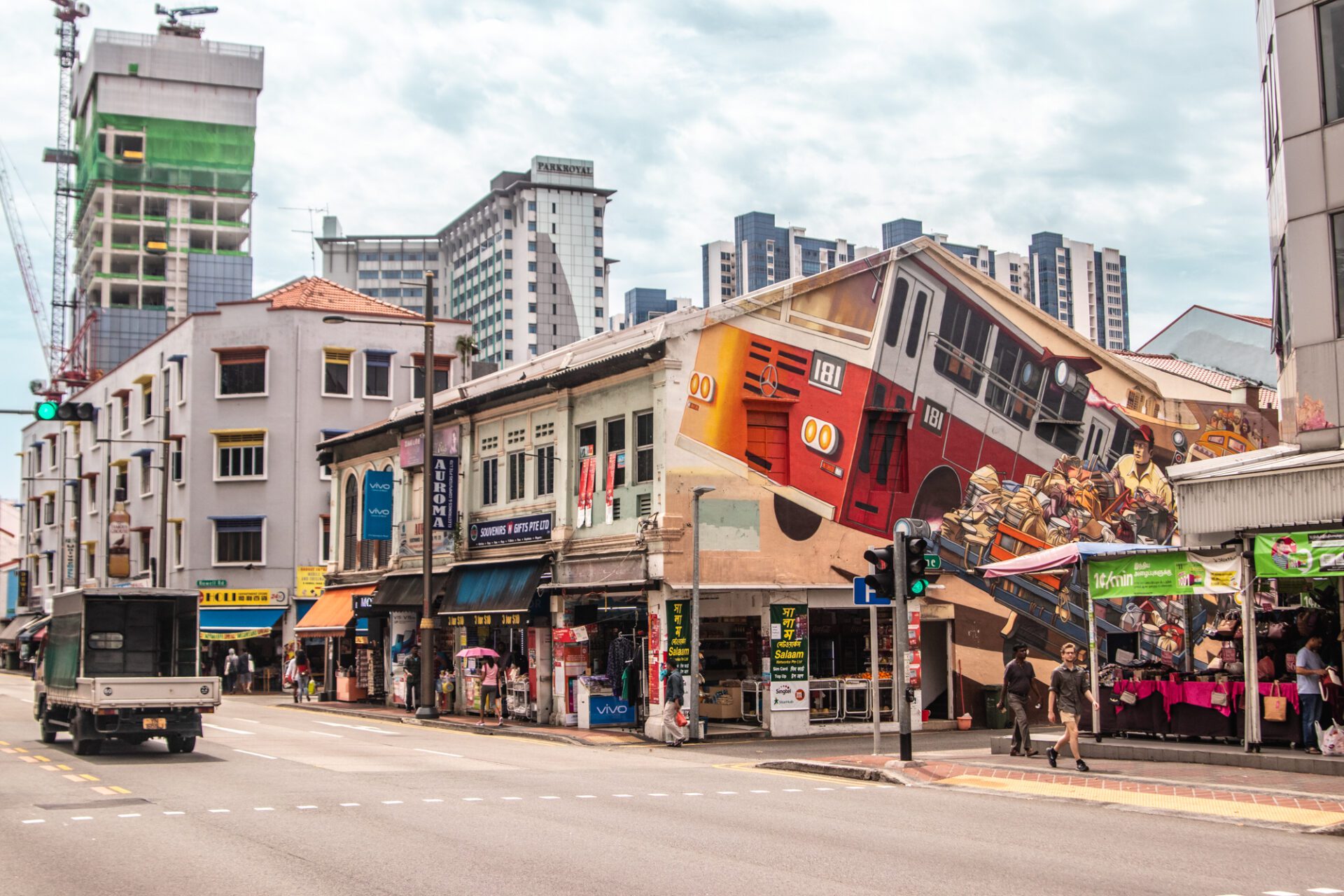
Singapore is one of those places where order isn’t a suggestion, but part of daily life. And good to know this before you enter the city’s rhythm.
The most famous rule concerns cleanliness. Chewing gum in public, littering, or eating in places where it’s not allowed can result in high fines. Singapore takes shared space very seriously.
Also worth paying attention to local customs. Punctuality is a form of respect here, and physical contact in relationships with strangers can be limited. Instead of a handshake, a calm nod often suffices.
When handing over or receiving something (e.g., money, documents), it’s good to use both hands – it’s a small gesture that’s well received.
All this doesn’t sound restrictive when you see how the city works daily. Singapore is polite, calm, and very predictable. If you adapt to these rules, you’ll feel safe and… surprisingly free here.
How to Dress for Singapore?
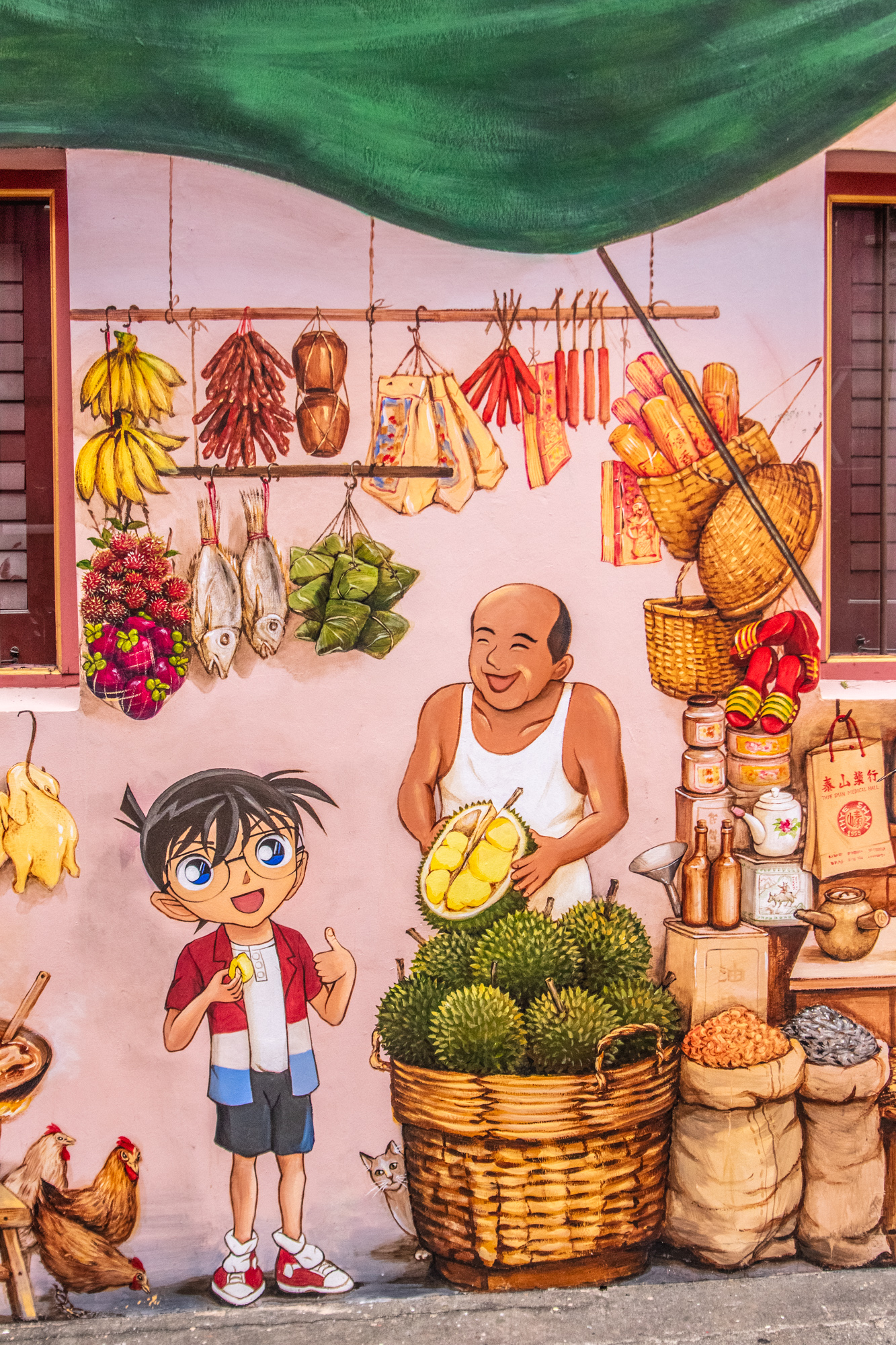
In Singapore, a simple rule works: light, airy, and uncomplicated. Tropical climate means high temperature and humidity year-round, so natural fabrics really make a difference.
For everyday, best to choose loose dresses, linen pants, cotton shirts, and everything that breathes. The city involves a lot of walking, so comfortable shoes are essential, even if you’re only planning short walks.
If visiting temples, remember about covered shoulders and knees. A light shirt thrown over a top or a thin scarf tossed in your bag is enough. No stress, Singapore is practical.
Also worth having a light rain jacket or thin cardigan with you. Rain can be sudden and intense, and air conditioning in shopping centers and metro can surprise with cold.
Well-chosen wardrobe makes the city easier. And when you’re comfortable, it’s much easier to absorb what’s most interesting. Without rush and without fighting the weather.
Where to Stay in Singapore?
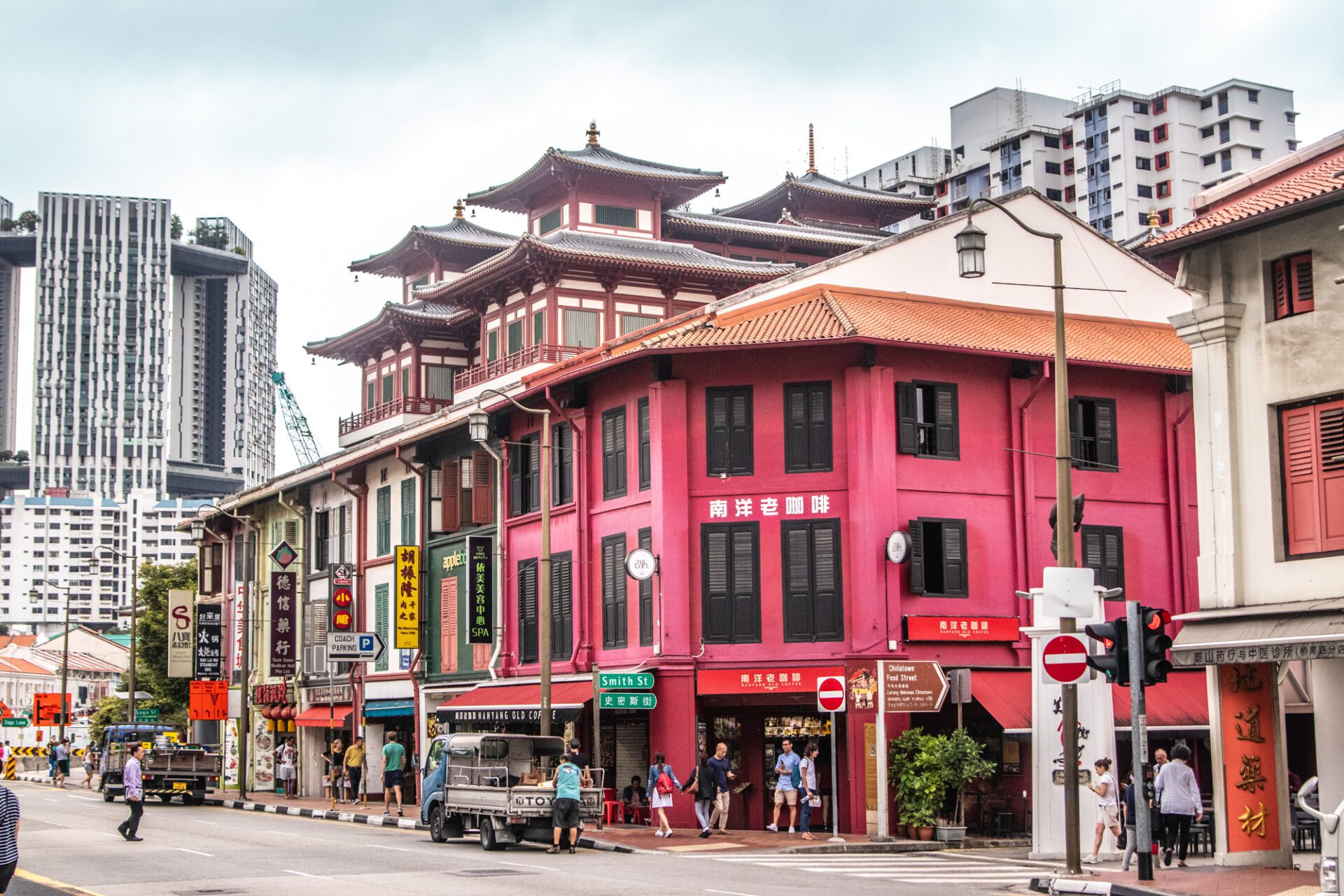
If you’re looking for a place that’s peaceful, aesthetic, and very Singaporean in spirit, I can wholeheartedly recommend Lloyd’s Inn. I stayed there myself and it’s one of those hotels you remember not for luxury, but for atmosphere.
The interiors are minimalist, bright, and functional. Without excess, without unnecessary decorations. There’s simplicity, light, and a sense that everything has its place here. It’s a good contrast to the intense city outside.
A huge plus is the central location – easy to reach attractions, restaurants, and cafes from here, yet the hotel is hidden, quiet, a bit off the beaten path. After a whole day of walking, you really feel relief coming back inside.
On the roof waits a pool and terrace, perfect for a moment of quieting down – morning or evening, when the city slows down a bit. This isn’t a resort-hotel. It’s more a place that lets you rest between experiences.
Lloyd’s Inn is a good choice if you like modern style, silence, and accommodations that don’t try to be “Instagram-worthy by force,” but are simply well-designed. Perfect for Singapore watched at your own pace.
How Much Does a Day in Singapore Cost?
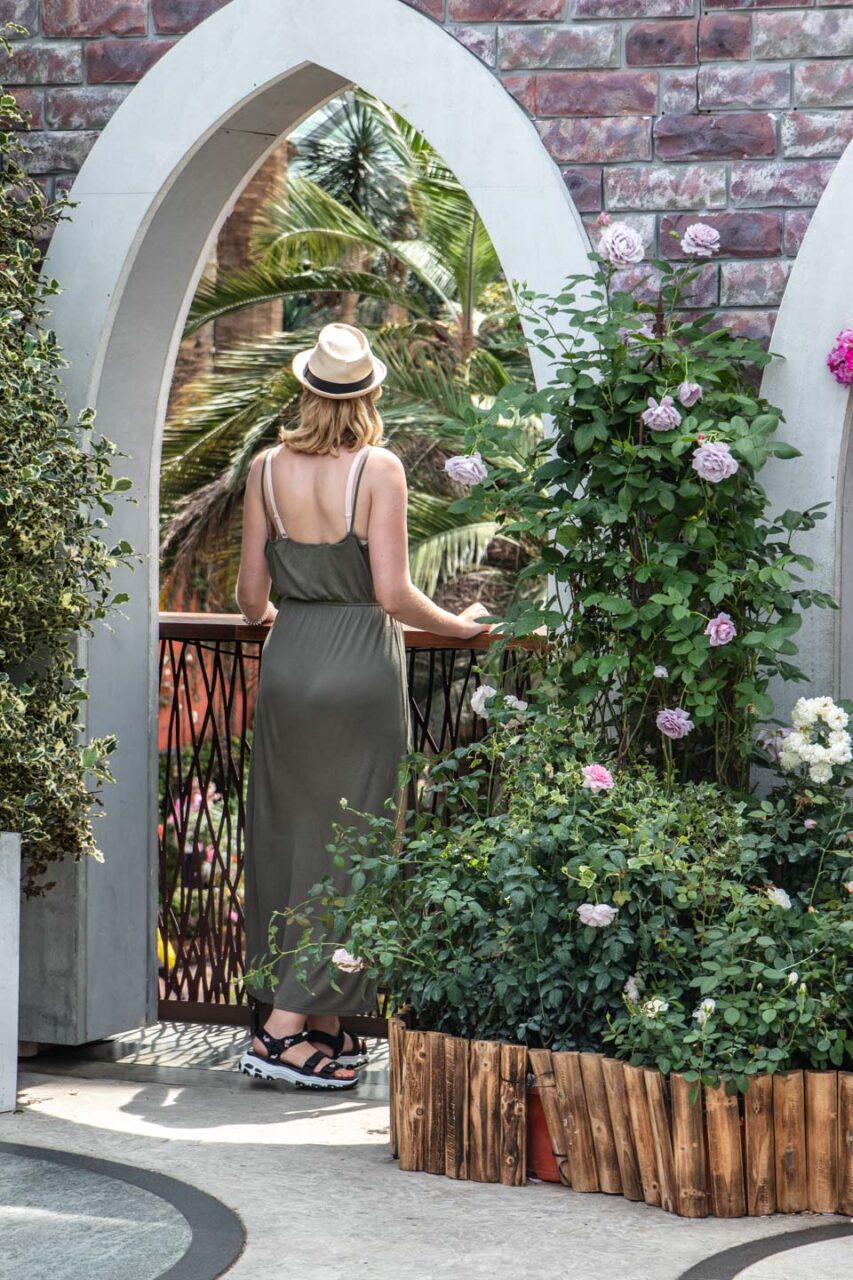
Singapore has a reputation as an expensive city, but in practice you can spend a day here on very different budgets – it all depends on choices.
With reasonable, urban-style traveling, one day might look roughly like this:
- Food at hawker centers: 15-25 SGD
- Public transport (MRT + buses): 8-12 SGD
- Attractions (gardens, temples, walks): often 0 SGD
- One paid attraction (e.g., garden, observation deck): 15-30 SGD
In practice, a day in Singapore can close at 50-80 SGD if you use local food and free attractions.
Of course you can spend much more – on hotels, restaurants, or entertainment – but it’s not necessary to feel the city well.
Singapore isn’t cheap, but it’s honest price-wise. If you choose places that locals choose, it’s easy to find a balance between comfort and reasonable budget.
How Do You Want to Keep Exploring Southeast Asia?
🏙️ Next big city → Kuala Lumpur in 2 Days – modernity and chaos at its best
🌿 Tropical nature → Taman Negara National Park – one of the world’s oldest rainforests
🍜 Culinary adventure → Top 10 Dishes in Kuala Lumpur – Malaysian flavors that stay for years
🗺️ Big adventure → Best Places in Malaysia – complete guide to the neighboring country
What attracts you most?
Travel lighter, even before you leave.
start with something simple.
Download The Minimum Plan – Slow Travel:
Singapore – A City That Stays
Singapore is one of those places that changes how you think about big cities.
It shows that intensity can go hand in hand with calm. That modernity doesn’t have to exclude nature. And that in the middle of a metropolis you can find moments that really slow down time.
When I return in thoughts to Singapore, I don’t see skyscrapers or Supertrees first.
I see morning at a hawker center, the smell of laksa and conversations at a communal table. I hear silence in the temple in Chinatown. I feel humid air after tropical rain in Botanic Gardens.
This isn’t a city that tries to charm by force. It just lets you be. And that’s exactly why it stays so long.
Have you been to Singapore? What stayed with you most – hawker centers, Gardens by the Bay, or something completely different?
Let me know in the comments – I love reading your stories and discoveries.
And if you’re planning a trip and this article was helpful, share it with a friend who also dreams of Asia. Sometimes the best journey starts with planning together.
Pin it for later!
This article contains affiliate links. If you make a booking through these links, I may earn a commission, supporting this blog. Rest assured, my recommendations are based on honest assessments, and using these links doesn't affect prices for you. Thank you for your support!