
Before my month-long stay in Thailand, I thought I knew Thai food fairly well. Once I arrived, I quickly realized how much I still had to discover.
During my first day in Bangkok, the smell of food cooking at street stalls made me want to stop on almost every corner. I knew that trying local dishes would become a big part of the trip.
From the busy food markets of Bangkok to a cooking school in Chiang Mai, there was always something new to try.
I spent a month exploring Thai food, looking for small restaurants, ordering unfamiliar dishes, and returning to places I particularly enjoyed. It was a pretty good way to get to know the country.
In this guide, I’m sharing 10 Thai dishes worth trying, along with the places where I enjoyed them most.
These are the dishes I still remember after the trip – some familiar, others completely new to me. If you’re wondering what to eat in Thailand, they’re a good place to start.
Planning your own trip? My 2-Week Thailand Itinerary covers the main stops on our route, practical tips, and places we discovered along the way.
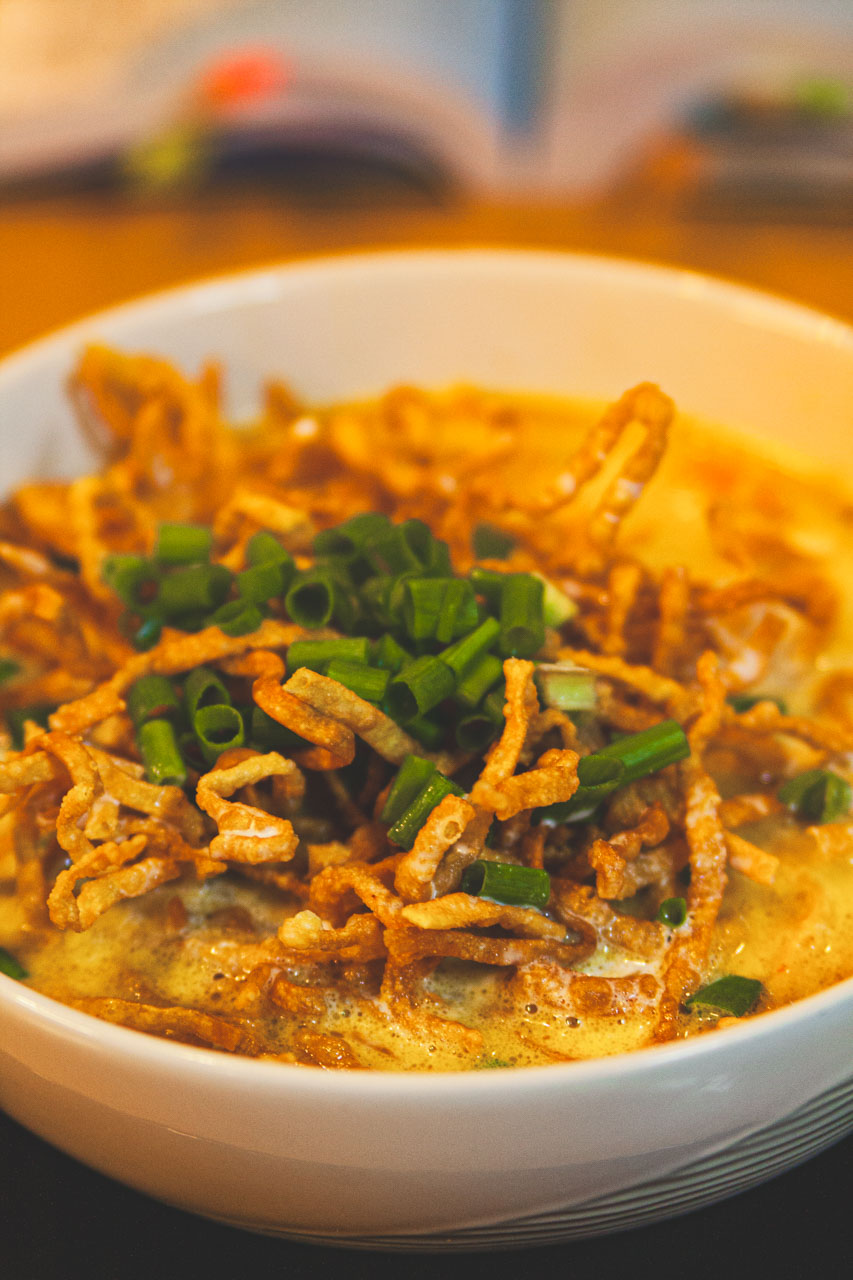
1. Khao Soi Soup: One of My Favorite Thai Dishes
One of my favorite meals in Chiang Mai was a bowl of khao soi at Mr. Kai’s restaurant. I was tired after traveling and a little unsure about another place described as “authentic.” Then the soup arrived, and I was glad we’d stopped there.
Khao soi is a northern Thai specialty made with a rich coconut curry broth, tender chicken or beef, and two types of noodles: soft noodles in the soup and crispy ones on top.
The contrast between the creamy broth and crunchy topping is a big part of what makes it so satisfying. The accompaniments add freshness and let you adjust the flavor as you eat.
A few details make this dish stand out:
- Turmeric gives the broth its warm, golden color.
- Crispy noodles add crunch to the creamy soup.
- Pickled cabbage and shallots cut through the richness.
- A squeeze of lime brightens the whole bowl.
Try it before and after adding the lime – the difference is surprisingly noticeable.
I went back to Mr. Kai’s three more times during my stay. Sometimes finding a favorite is just as enjoyable as trying somewhere new.I went back to Mr. Kai’s three more times during my stay. No regrets.
2. Pad Thai: A Familiar Dish Worth Rediscovering
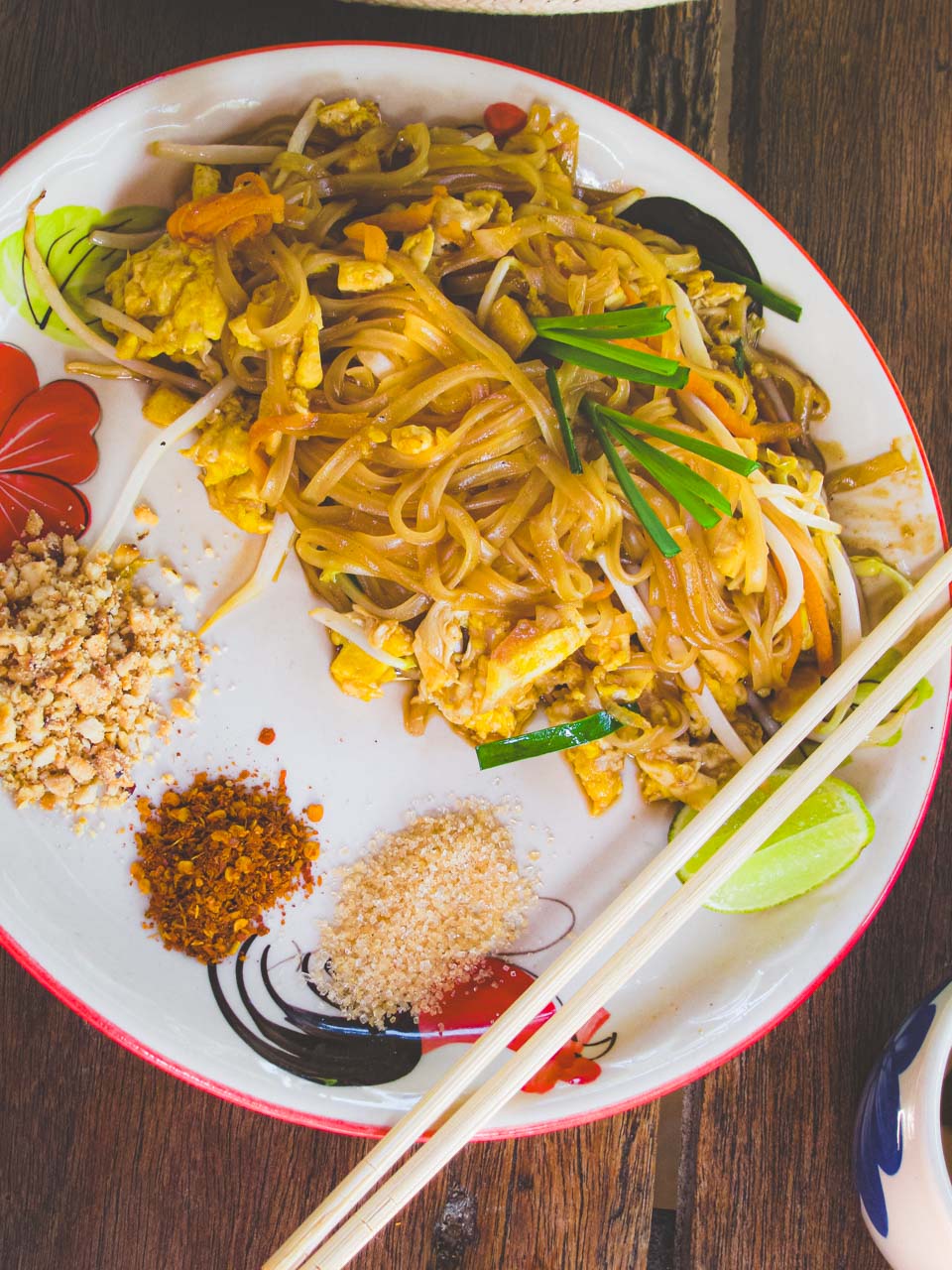
I wasn’t particularly excited about pad thai before this trip. I’d eaten it plenty of times and thought of it as a predictable choice. Then I tried it at Thip Samai in Bangkok, and understood why people were happy to line up for it.
Watching the chef work was part of the experience. Rice noodles, eggs, bean sprouts, tamarind paste, and fish sauce came together quickly in the hot wok.
What stood out was the balance of sweet, salty, and tangy flavors. Nothing overwhelmed the rest, and the noodles had just the right texture.
Tamarind brings that characteristic sour note, while fish sauce adds a savory depth. The crushed peanuts give each bite a little crunch.
Those finishing touches matter, too. Try a bite before adding lime, then squeeze some over the noodles and compare. It’s a small addition that changes the flavor quite a bit.
If you enjoy seafood, the shrimp version is worth trying. But whichever version you choose, a well-made pad thai is a good reminder that a familiar dish can still surprise you.
We also learned to prepare it at Thai Farm Cooking School in Chiang Mai, so it became one of the recipes we could bring home.
3. Phad Krapow Gai: Chicken with Basil and Chili
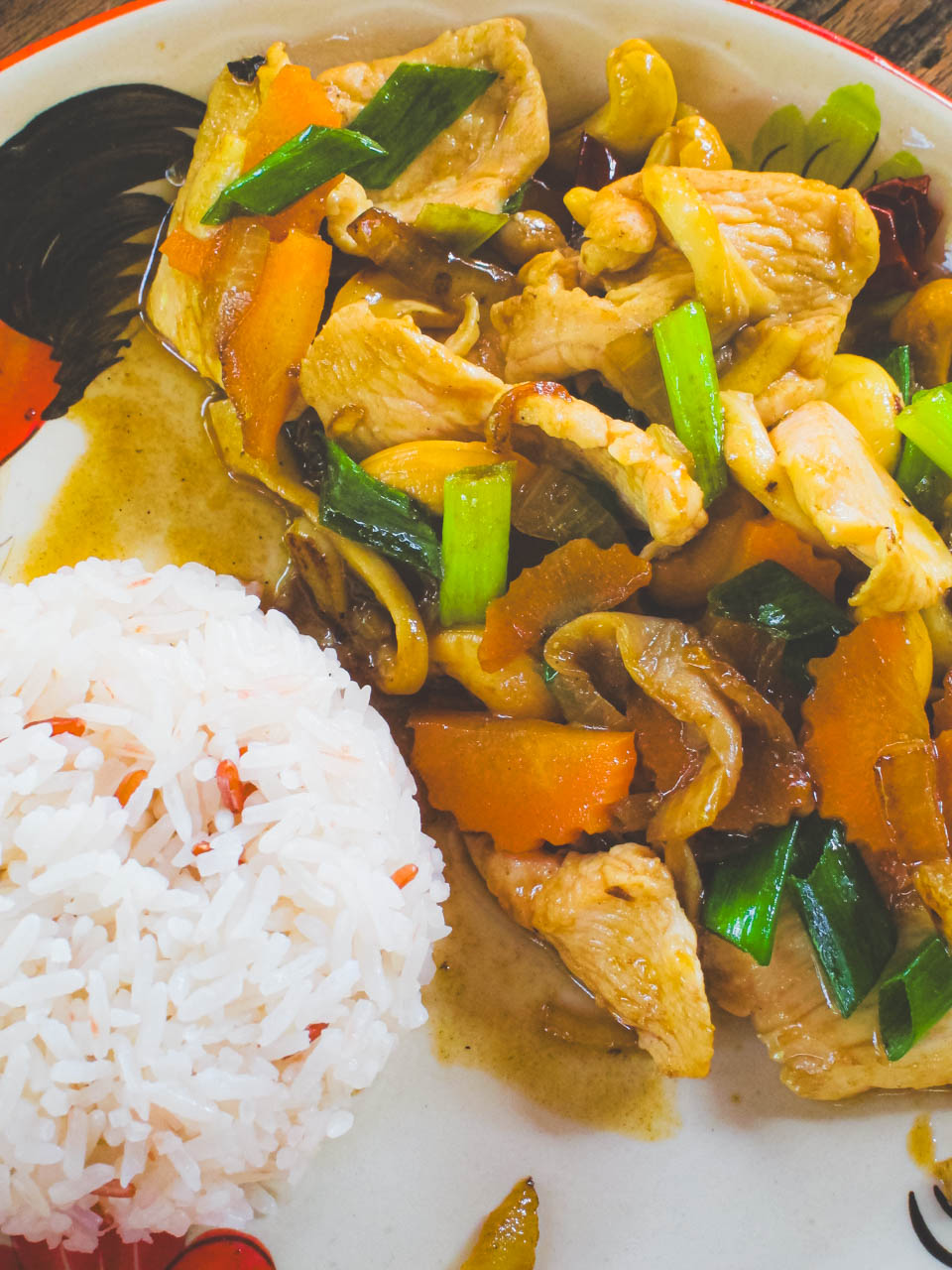
I thought I knew what basil tasted like until I tried phad krapow gai. The basil in this dish has a distinctive, peppery aroma that becomes especially noticeable when it hits the hot wok.
It’s a smell I still associate with Thailand: basil, garlic, and chili cooking together just before a meal arrives.
Phad krapow gai is stir-fried chicken with basil and chilies, usually served with rice. Add a fried egg with a runny yolk, and you have one of my favorite simple meals from the trip.
It became a regular choice when I wanted something filling without spending too long deciding what to order. I particularly liked how the yolk mixed into the sauce and softened the heat a little.
Speaking of heat, this dish can be very spicy. At Thai Farm Cooking School in Chiang Mai, I watched a fellow traveler struggle after his first bite. If you’re sensitive to chili, ask for a milder version and start slowly.
Want to learn how to make it yourself? Take a look at Best Chiang Mai Cooking Class: Honest Review, where I share our experience, the cost, and what to expect from the class.
4. Green Curry: The Dish I Was Glad I Finally Tried
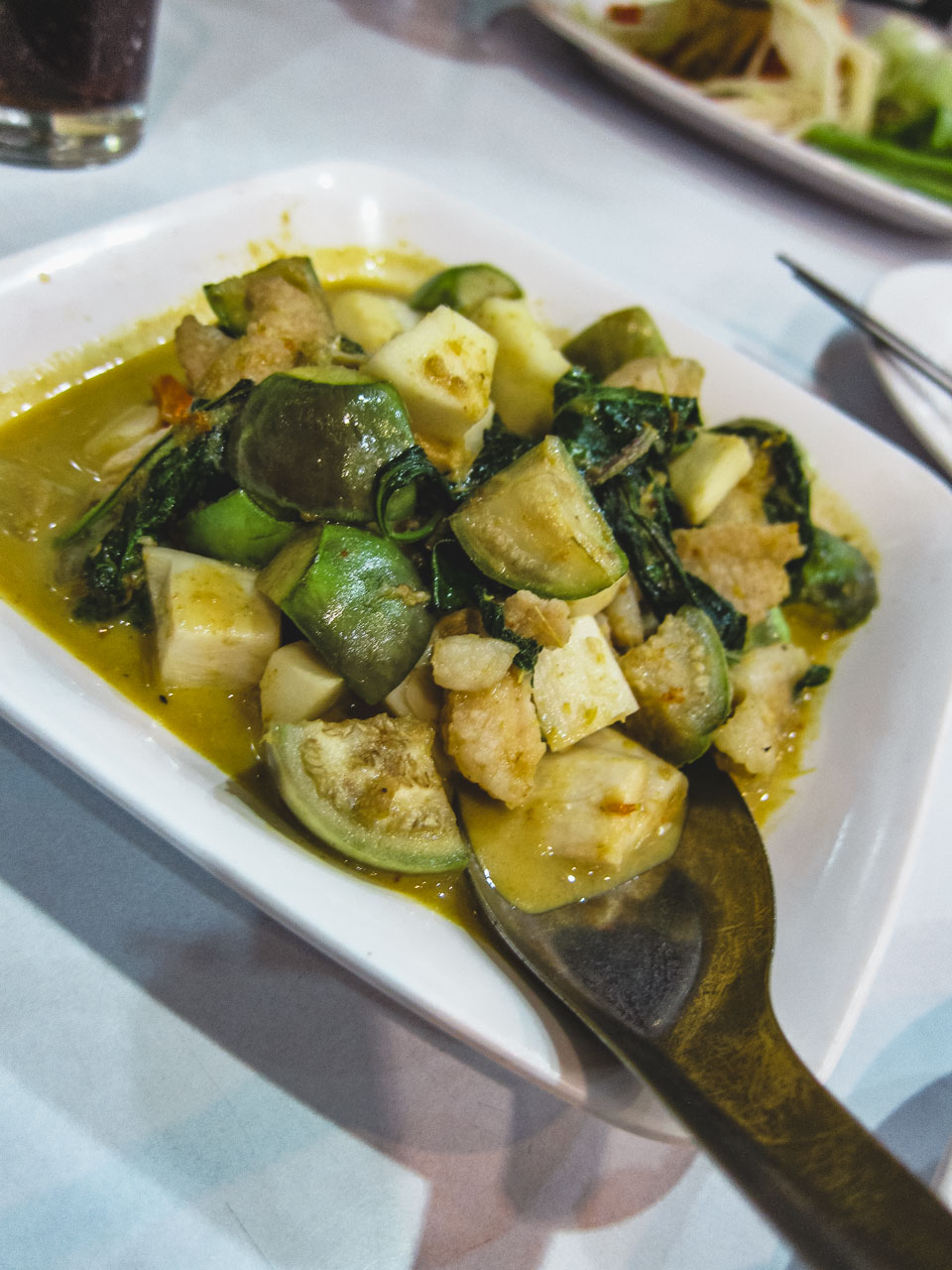
I used to avoid green curry because I assumed it would be too spicy for me. At Krua Apsorn in Bangkok, I finally ordered kaeng khiao waan and realized I’d been missing out.
It was spicy, but there was much more to it than heat.
The coconut milk gave the sauce a creamy texture and gentle sweetness, while Thai eggplants and sweet basil added their own flavors. Together, they made a curry that felt rich without everything blending into one indistinct taste.
What I enjoyed most was noticing different ingredients as I ate. One bite brought more basil, another more coconut, followed by the heat of the curry paste.
Green curry is a good dish to try with jasmine rice. The rice soaks up the sauce and makes the stronger flavors easier to enjoy.
If you’re unsure about the heat, ask before ordering. Restaurants prepare it differently, and a milder version can be a good starting point.
After that meal, green curry became something I looked for on menus rather than automatically skipping.
5. Tom Yam: Hot, Sour, and Full of Aroma
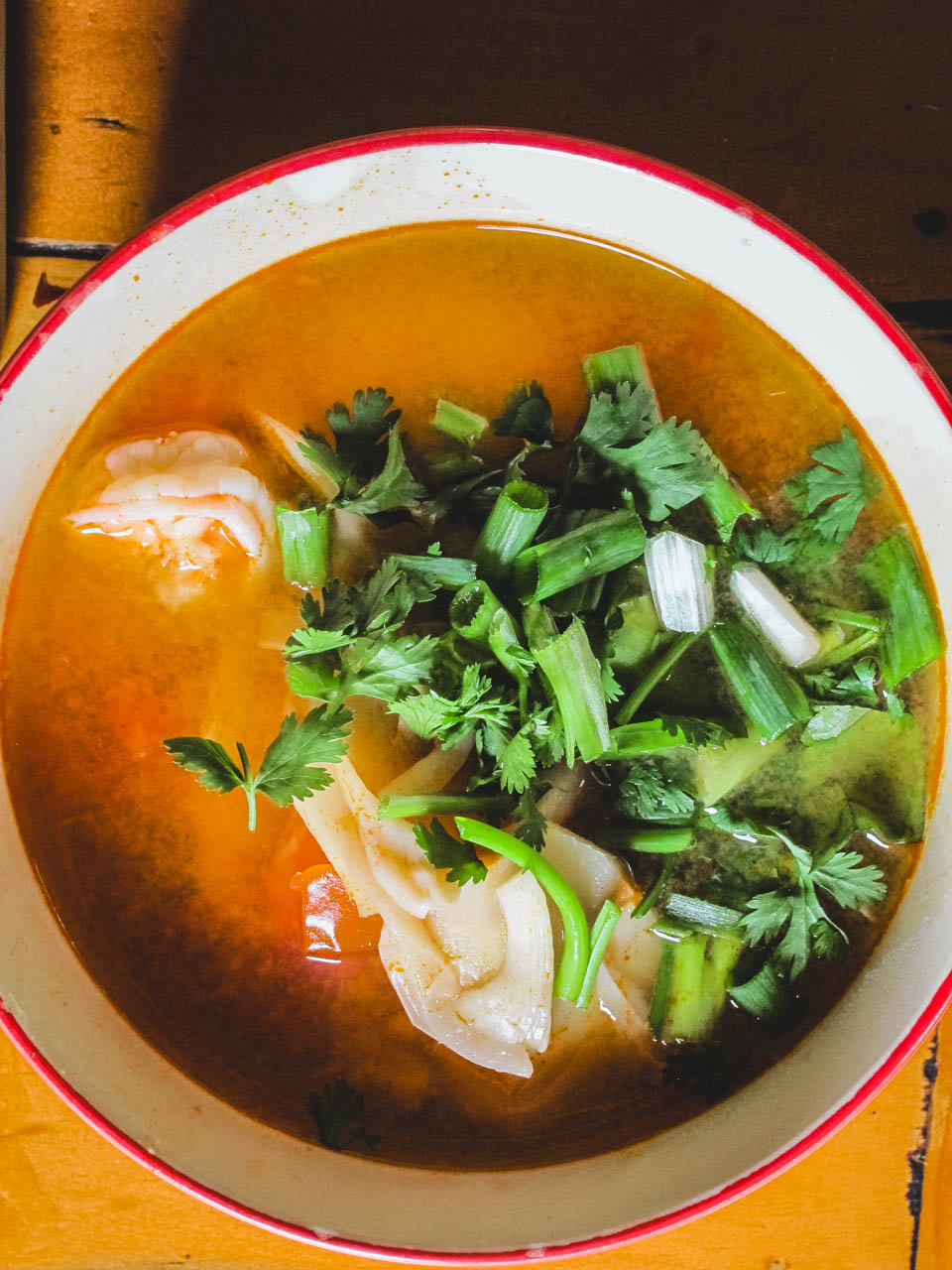
My first bowl of tom yam came from a street stall in Bangkok when I was feeling under the weather. The hot broth was comforting, although the chili certainly made itself known.
Tom yam is a spicy, sour Thai soup with a distinctive aroma from lemongrass, kaffir lime leaves, galangal, and chilies.
You’ll find different versions, with ingredients such as shrimp or pork, mushrooms, and fresh coriander. The broth brings everything together, but it’s the combination of sourness and heat that I remember most.
For me, the best bowls had a balance between the two. Too much chili made it difficult to notice the other ingredients, while just enough allowed the citrus and herbs to come through.
It’s a good choice if you like bold flavors, and it makes a pleasant change from coconut-based soups and curries.
If you’re less comfortable with spice, ask for less chili. You can still enjoy the fragrant broth without pushing yourself through a meal that’s too hot.
Want more food inspiration from Thailand?
In my newsletter, I share food guides, favorite local spots, and practical ideas from the places I visit.
New subscribers receive my Complete Thai Recipe Collection, with 8 recipes including tom yum, yellow curry, and pad thai, plus a list of my favorite local spots in Chiang Mai.
6. Boat Noodles: Small Bowls with Plenty of Flavor
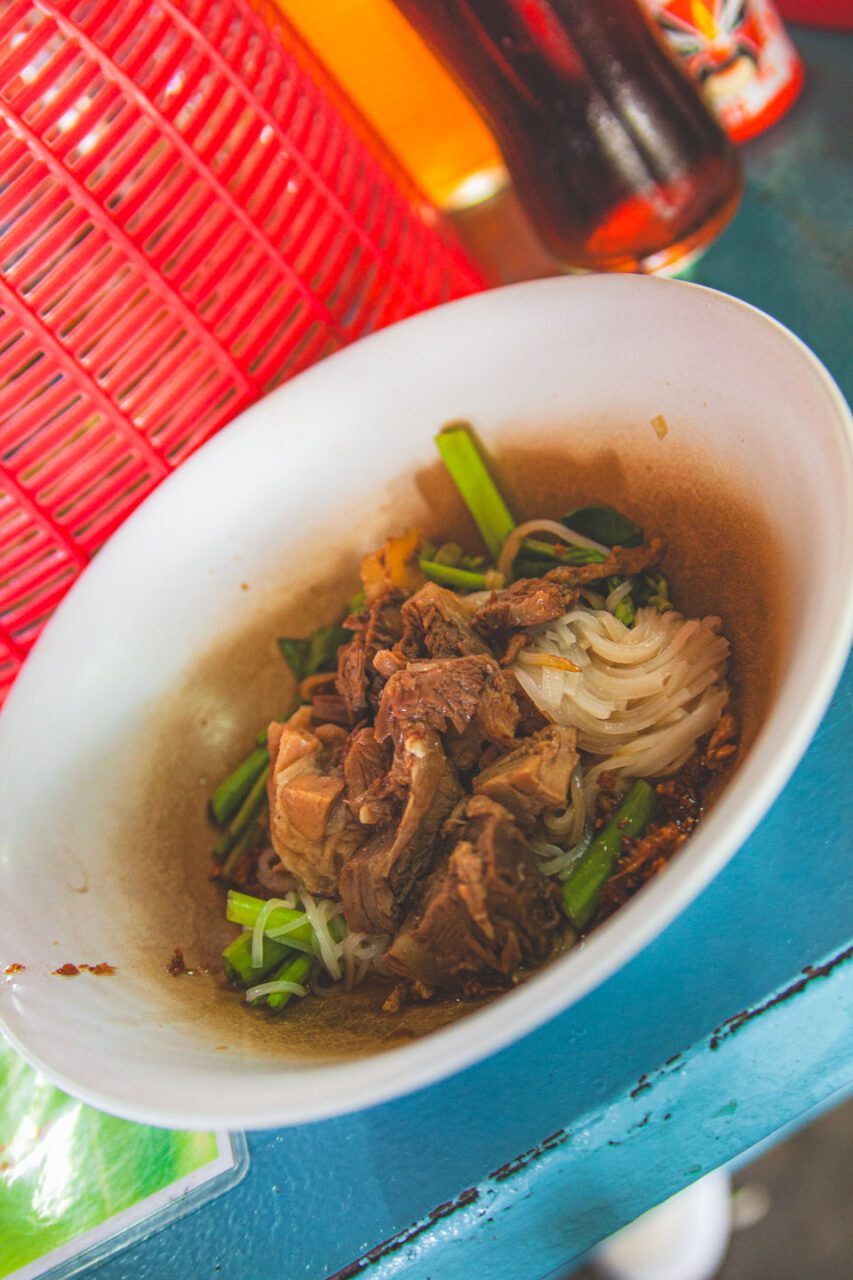
The history of boat noodles interested me almost as much as the dish itself. They were originally served from boats along Bangkok’s canals, which helps explain their name and traditionally small bowls.
Today, you can enjoy them on land, too – although those little portions still disappear quickly.
My favorite were at Lunglek Boat Noodles in Ayutthaya. I was surprised by how much flavor fitted into such a small serving.
The rich, dark broth, soft noodles, meat, and small meatballs made a satisfying combination. Depending on the version you order, you’ll find pork or beef among the ingredients.
It’s a different experience from the creamy coconut soups elsewhere on this list. Here, the broth is deeper and more savory, with plenty of flavor in every spoonful.
I thought one bowl would be enough. In the end, I had four.
The small servings make it easy to order another without committing to a large meal. They’re also handy when you want to try something between stops while sightseeing.
Exploring the capital, too? My 15 Amazing Things to Do in Bangkok guide includes favorite food spots alongside ideas for seeing the city.
7. Yellow Curry: A Gentler Place to Start
If you’re curious about Thai curries but worried about the heat, yellow curry is a good one to consider.
I watched it being prepared at Khao Gaeng Jake in Bangkok. My serving cost about a dollar at the time, and it was one of those simple meals that stayed in my memory.
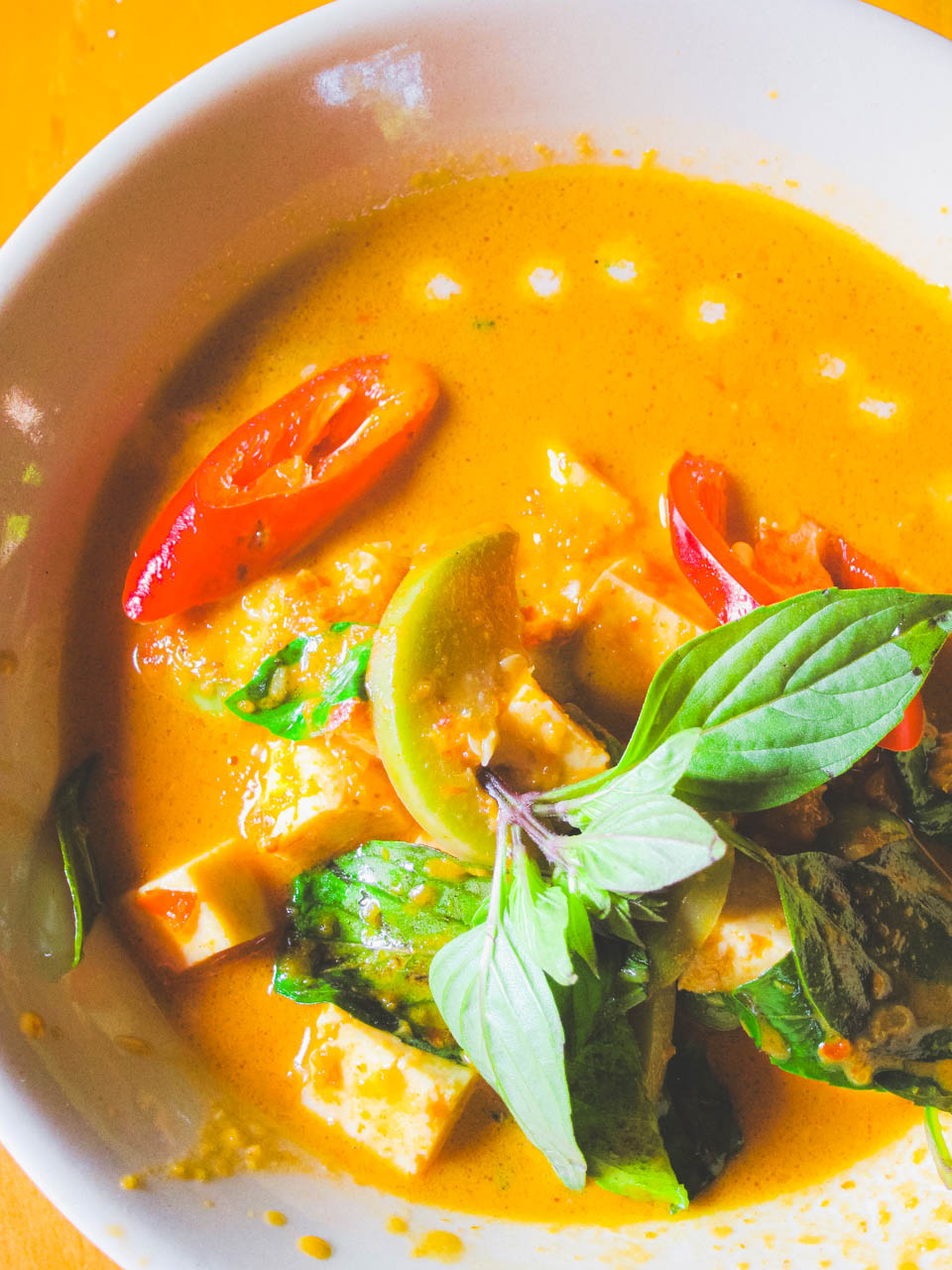
Kaeng kari kai combines chicken, coconut milk, and chunks of potato in a sauce made with yellow curry paste.
Turmeric gives it its familiar golden color and contributes an earthy flavor. The coconut milk makes the sauce creamy, while the potatoes turn it into a particularly filling meal.
What I like about yellow curry is that its gentler flavor still leaves plenty to enjoy. You can notice the spices without the chili necessarily becoming the main event.
It’s often milder than green curry, although the heat varies between restaurants. If that matters to you, it’s worth asking when you order.
Served with rice, it’s a straightforward, satisfying lunch - and one of the dishes I was happy to learn how to make during our cooking class.
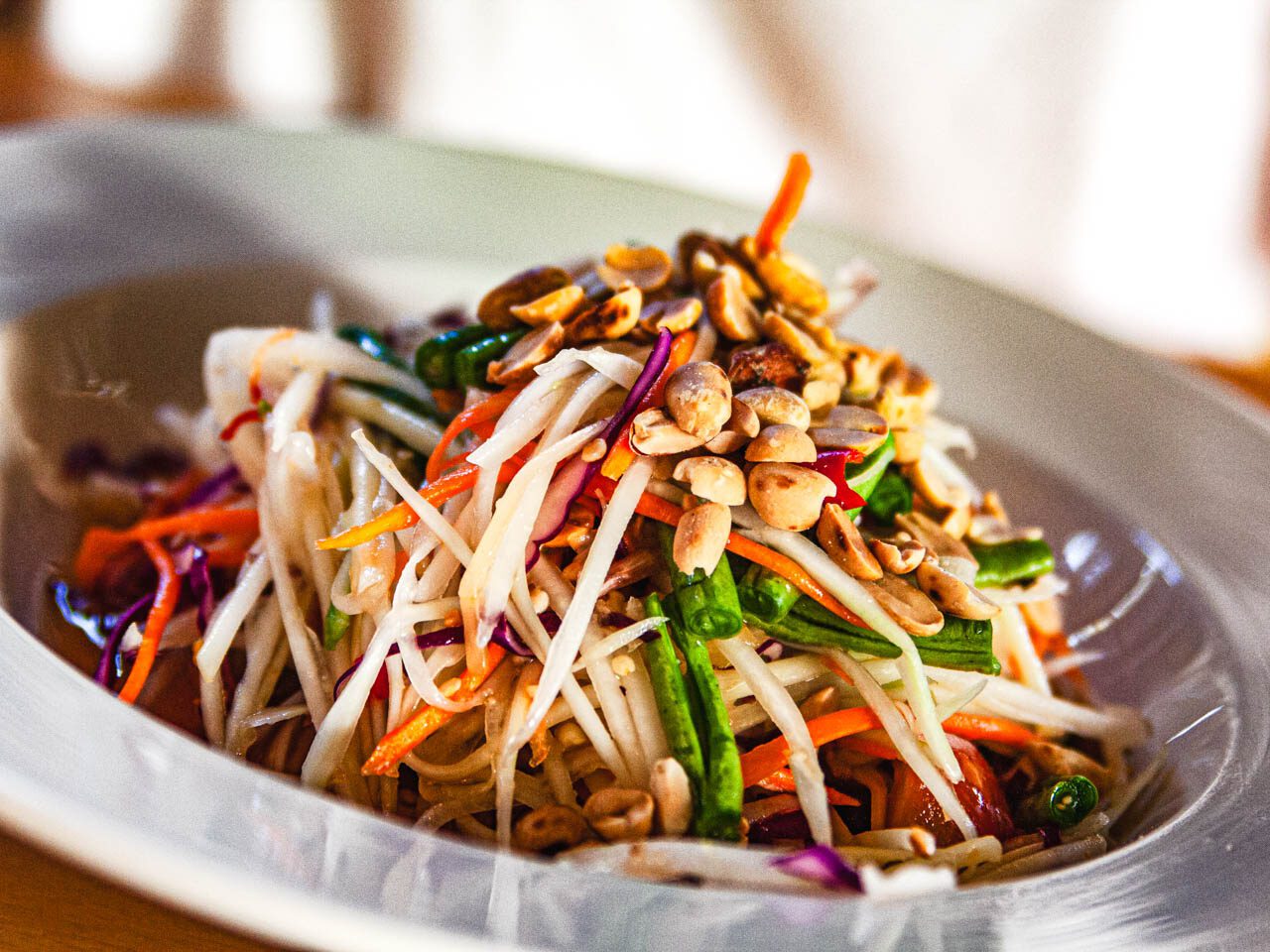
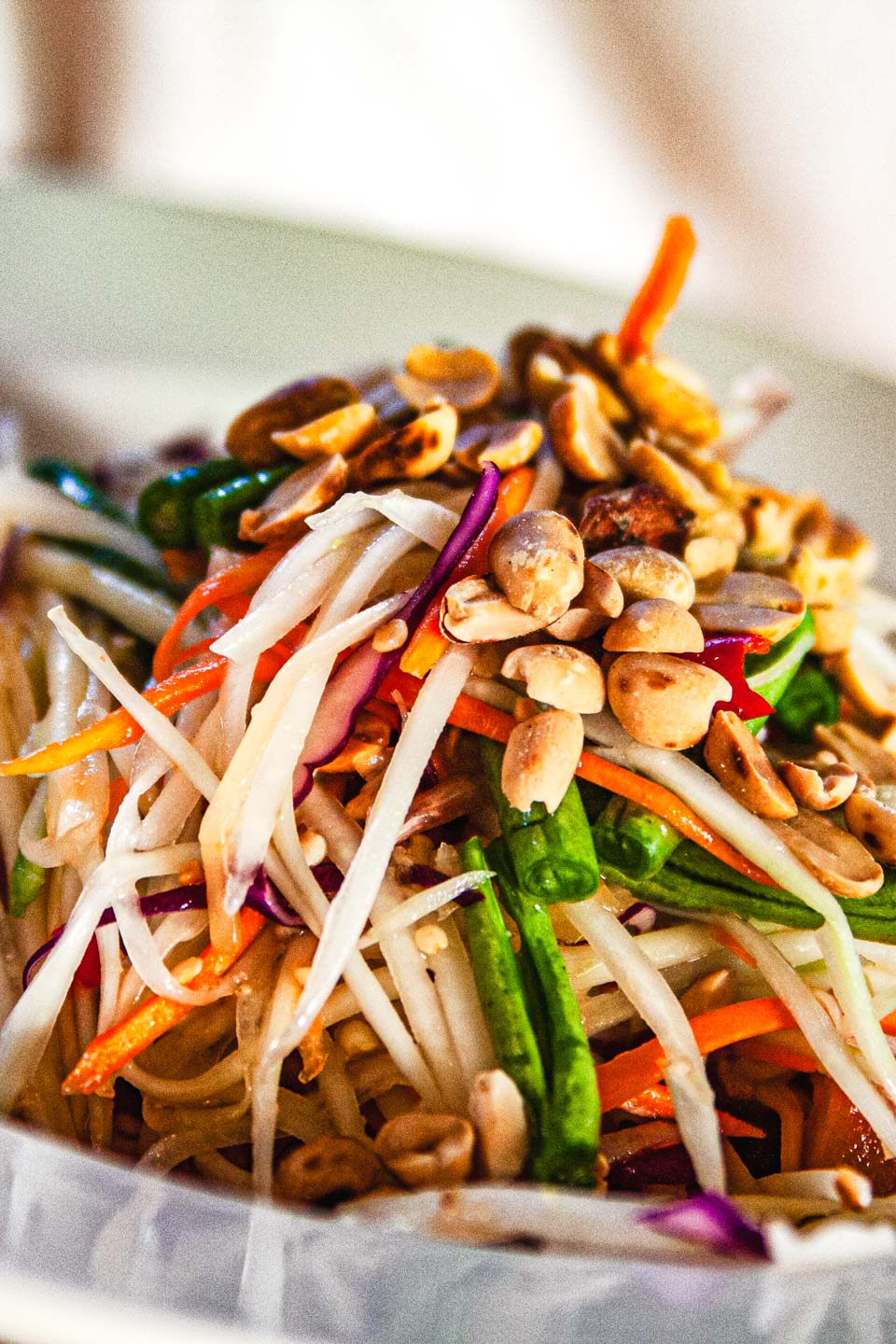
8. Som Tam: Green Papaya Salad That Won Me Over
Raw papaya salad didn’t sound especially appealing when I first heard about it. Then I tried som tam at Mr. Kai’s in Chiang Mai, and changed my mind.
The shredded green papaya is crisp and fairly mild, which makes it a good base for the stronger ingredients in the dressing.
Lime, chilies, fish sauce, and palm sugar bring sourness, heat, saltiness, and sweetness. Peanuts and green beans add even more crunch.
What I liked most was how fresh it tasted, especially on a hot day. After several meals of noodles and curry, a plate of som tam was a welcome change.
It’s light, but the dressing gives it plenty of flavor. The chili can also be stronger than you expect from something described as a salad, so ask for a milder version if needed.
Take a moment to enjoy the texture, too. The crunchy papaya and peanuts are just as much a part of the dish as the dressing.
Som tam became one of the things I was happy to order again, particularly when I wanted something fresh alongside a larger meal.
9. Tom Kha Gai: Creamy Coconut Soup with Chicken
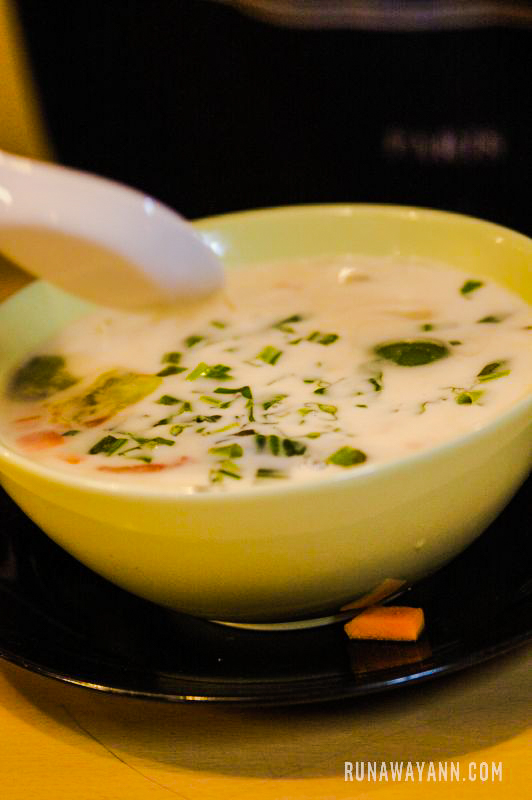
I tried tom kha gai at Thai Farm Cooking School in Chiang Mai, and it became one of the recipes I most wanted to recreate at home.
It’s creamy and comforting, with enough acidity and spice to keep the coconut milk from feeling too rich.
Galangal, kaffir lime leaves, and lemongrass give the soup its fragrant base. Coconut milk adds creaminess, while the chicken makes it more substantial.
What stood out to me was the balance. There was a little heat, a clear sour note, and the richness of coconut, all without one flavor completely taking over.
It was a dish I particularly enjoyed when I wanted something gentler after a few spicy meals. The exact heat depends on how it’s prepared, but the version we made was easy to enjoy.
Cooking it ourselves also showed me how much small adjustments matter. A little more lime juice or seasoning can noticeably change the finished soup.
If you’re heading south, take a look at my 5-Day Krabi Itinerary. It’s also worth trying the seafood versions of coconut soup served in that part of Thailand.
10. Mango Sticky Rice: A Dessert I Always Made Room For
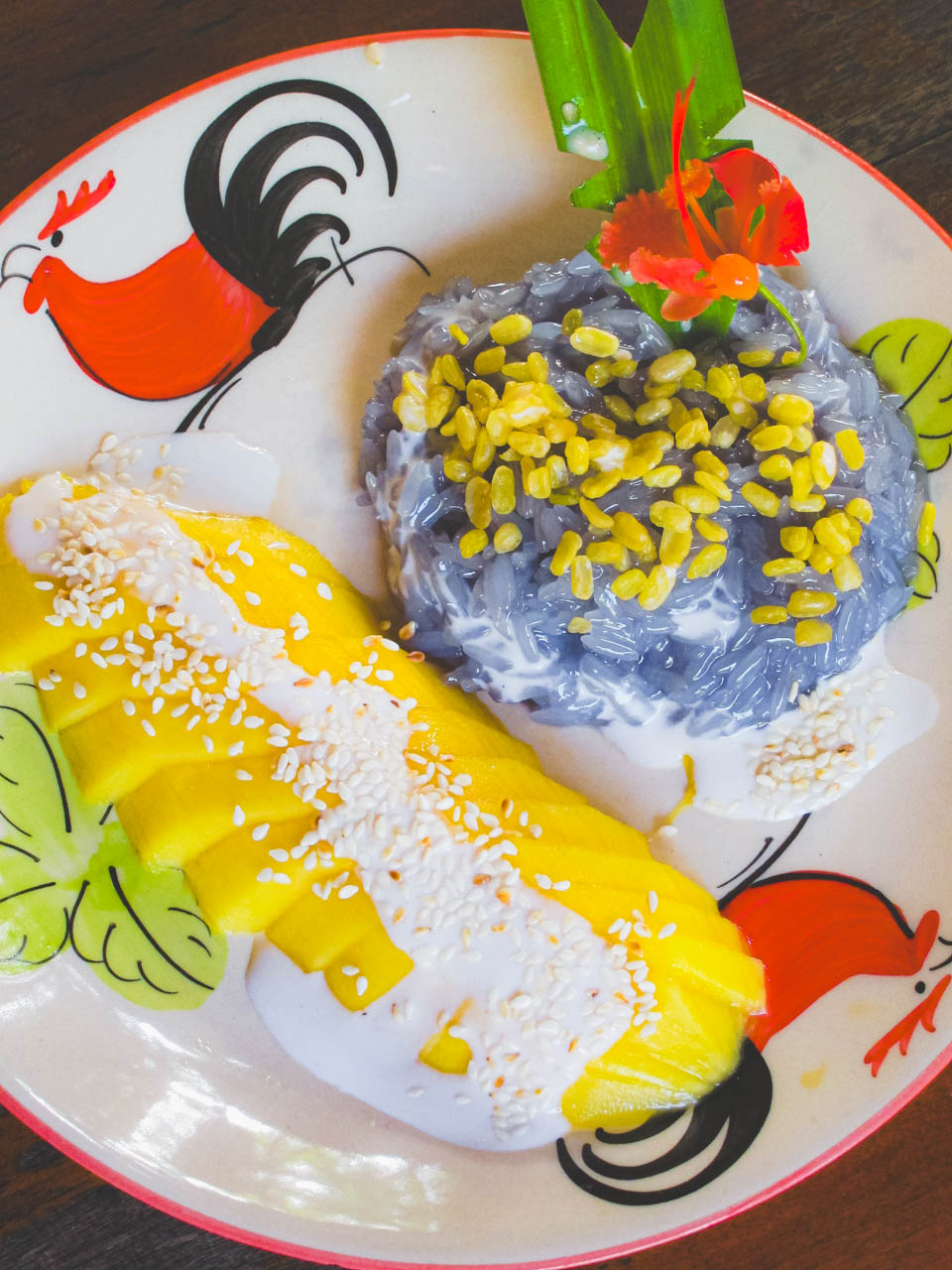
There’s a good reason mango sticky rice is so well known. It takes a few simple ingredients and turns them into a dessert that I rarely wanted to pass up.
I ate it at street stalls and restaurants during the trip, and it quickly became a favorite.
The combination is straightforward: sticky rice mixed with coconut milk and served with slices of ripe mango.
The details make the difference. I like the rice gently sweetened, the coconut milk creamy, and the mango ripe enough to be soft and juicy.
The fruit matters especially. A fragrant, ripe mango brings freshness to the richer rice and makes the whole plate more enjoyable.
One of my favorite experiences was learning to make mango sticky rice at Thai Farm Cooking School. Being able to prepare it at home became a lovely reminder of the trip, even if finding equally good mangoes wasn’t always easy.
It’s a pleasant finish after a spicy meal, but you don’t need to save it for dessert. I was just as happy to have it during a break from exploring.
Ready to taste Thailand for yourself?
🗺️ Complete food journey → 2-Week Thailand Itinerary
🏙️ Bangkok food scene → 15 Things to Do in Bangkok
🏝️ Southern Thai flavors → 5-Day Krabi Thailand Itinerary
🌴 Island cuisine → The Ultimate Koh Samui Travel Guide
Travel lighter, even before you leave.
start with something simple.
Download The Minimum Plan – Slow Travel:
Thai Food Became Part of How I Remember the Trip
When I think back to my month in Thailand, the food is just as vivid as the temples and beaches.
I remember particular meals, but also the places where I ate them: a street stall in Bangkok, a little restaurant in Ayutthaya, and a cooking school in Chiang Mai where we spent the day preparing dishes ourselves.
Trying local food gave me another way to get to know each place. Sometimes that meant ordering something unfamiliar. Other times, it meant returning for a bowl of soup I already knew I loved.
I also came home with a better understanding of the flavors I enjoyed: the sourness of lime and tamarind, the richness of coconut milk, and the freshness of herbs added just before serving.
These 10 Thai dishes are a useful starting point, whether it’s your first visit or you’re returning and want to try something different.
You don’t have to work through the whole list. Choose what appeals to you, ask about ingredients, and leave room for whatever catches your attention along the way.
For more help planning your trip, take a look at:
- 2-Week Thailand Itinerary – a suggested route and practical planning tips.
- 15 Things to Do in Bangkok – sights, neighborhoods, and places to eat.
- 5-Day Thailand Itinerary – ideas for exploring southern Thailand.
- Koh Samui Travel Guide – practical advice for an island stay.
What’s your favorite Thai dish, or which one are you most excited to try? Let me know in the comments. I’d love to hear which meals you remember from your own travels.
If someone you know is planning a trip to Thailand, send them this guide. It might help them choose their first meal when they arrive.
Mango Rice and Pad Thai were my favourite dishes when I was there! I basically lived on them. This is a really great list of amazing dishes though!
Mango is so good in Thailand so it is a sin not to eat it every day 😉
I’ve tried Pad Thai (like most people), but never heard of the other options, so thanks so much for sharing
Katie | katieemmabeauty.co
You have to try the other dishes when you’ll be in Thailand or try to cook them at home 😉 I’ve shared some recipes here: https://runawayann.com/en/blog/2017/04/18/thai-farm-cooking-school-amazing-thing-to-do-in-chiang-mai/