
Looking for the best things to do in Utah?
When I first saw the hoodoos in Bryce Canyon at sunrise, I understood why Utah is so often called the heart of America’s national parks.
This state blends monumental mountains, vast deserts, and rock formations that feel almost otherworldly.
But Utah is more than just dramatic scenery. It’s raw beauty, silence, and space, the kind that stays with you long after you’ve returned home.
In this article, I’m sharing 10 Utah attractions I’ve personally visited and that truly left an impression on me. These are places that don’t just amaze – they quietly change the way you think about traveling in the USA.
From iconic national parks to lesser–known corners many travelers never reach.
If you’re looking for travel with soul, not just another “must-see” checklist, here are the most beautiful places in Utah.
1. Chase the Sunrise at Bryce Point
Bryce Canyon National Park is one of those places in Utah that can truly take your breath away.
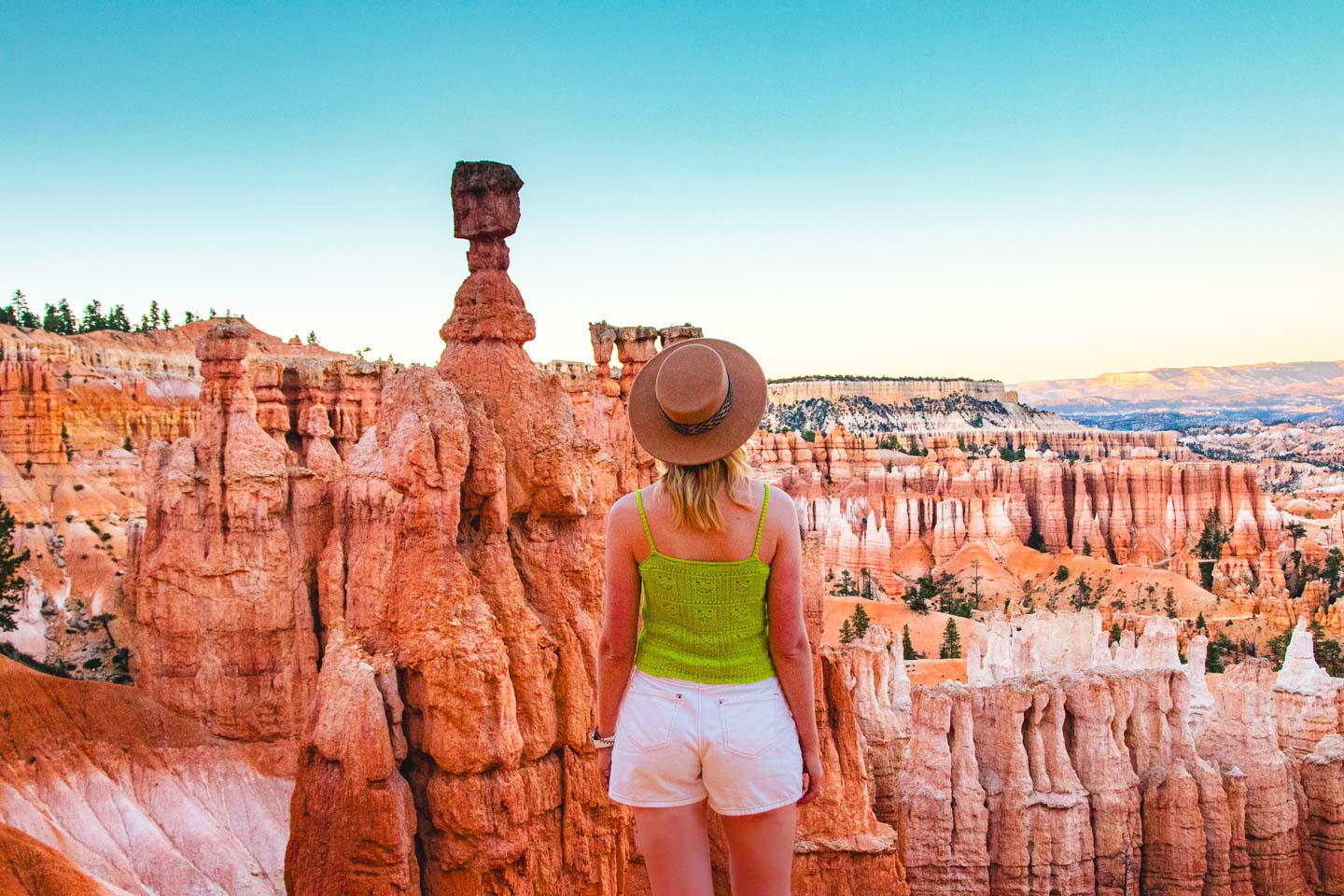
When I first stood at Sunrise Point before dawn, I literally held my breath.
The red and orange hoodoos looked like an army of stone guardians rising from the earth, motionless and completely unreal.
It’s also the highest elevated national park in Utah. It sits at an altitude of about 8,000 to 9,000 feet above sea level, which means one thing: even in summer, nights can be surprisingly cold.
Bryce captivates with hundreds of rock formations called hoodoos and enormous natural amphitheaters that formed over millions of years of erosion. It attracts thousands of visitors every year, but most of them make the same mistakes.
My advice: arrive at Bryce Point at least 30 minutes before sunrise. Yes, I know, that means waking up around 4:30 AM.
But when the first light starts illuminating the rock formations, you immediately understand why photographers from around the world come here for this exact moment.
As for trails, the most popular are Navajo Loop (shorter, intense option) and Peekaboo Loop for the more adventurous. Queen’s Garden and Rim Trail are great choices for families with children or for a more peaceful walk.
My advice: combine Navajo Loop with Queen’s Garden Trail. It’s one of the best loops in the entire park and gives you the complete picture of what Bryce Canyon really is, without having to squeeze through crowded viewpoints.
Bryce Canyon is also one of the best places in the USA for stargazing. And one last important practical thing: winter in this region can last well into spring, so even in July, always pack a warmer sweatshirt or jacket.
2. Hike to the Iconic Delicate Arch
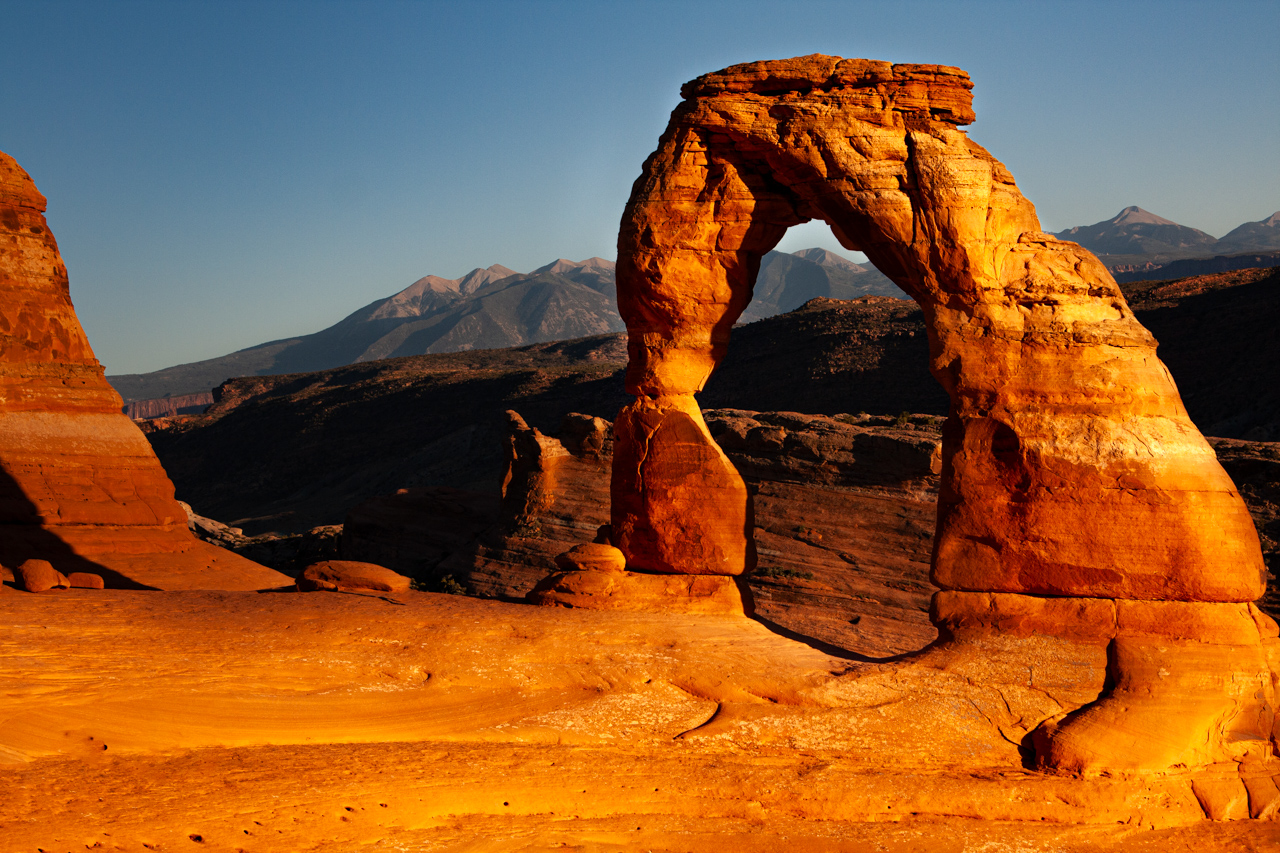
Arches National Park in Utah is one of the most fascinating places in the American West. Within its boundaries are over 2,000 natural stone arches, and the landscape literally changes every few minutes of driving.
The most recognizable is of course Delicate Arch, but honestly, after my fifth visit to this park, I can say one thing: it’s just the beginning.
Double Arch, Landscape Arch, South Window, or Broken Arch can make an equally huge impression, often without such crowds.
Each arch has its own geological history. Some formations have been stable for thousands of years, others might disappear practically overnight. It’s a reminder that this landscape is still alive and constantly changing.
Arches offers trails for everyone. From an easy walk through Park Avenue (imagine a stroll between skyscrapers, only made of red sandstone), to more demanding routes in Devils Garden or the Fiery Furnace labyrinths.
Important: if you’re planning a visit between April and October, definitely book your entry online. Without a reservation, you can get stuck in line for many hours, especially during peak season.
My secret: I took the best photos of Delicate Arch not from the main viewpoint, but from a higher spot at sunset. You have to walk a bit further, but the view is spectacular, and there are definitely fewer people.
In summer, temperatures in Arches can reach up to 104°F (40°C). The desert doesn’t forgive mistakes, so always bring more water than you think you need.
If you love these desert landscapes, my Arizona guide explores equally stunning places just next door.
3. Cruise the Scenic Drive in Capitol Reef
Capitol Reef is one of those parks in Utah that still remains somewhat in the shadow of Zion or Arches.
And that’s a shame, because in terms of landscape, it’s not inferior to them at all. But it’s quieter, more raw, and definitely less crowded.
I first heard about Waterpocket Fold from a local. I thought then: “how long can this trail be?”.
Only later did it dawn on me that it’s not a trail, but a gigantic, over 100–mile fold in the earth that cuts through the entire park and gives it its characteristic shape.
Capitol Reef offers beautiful, peaceful hiking trails and a scenic drive through the historic Fruita settlement.
Along the way, you can see petroglyphs carved into rocks by the indigenous inhabitants of these lands hundreds of years ago.
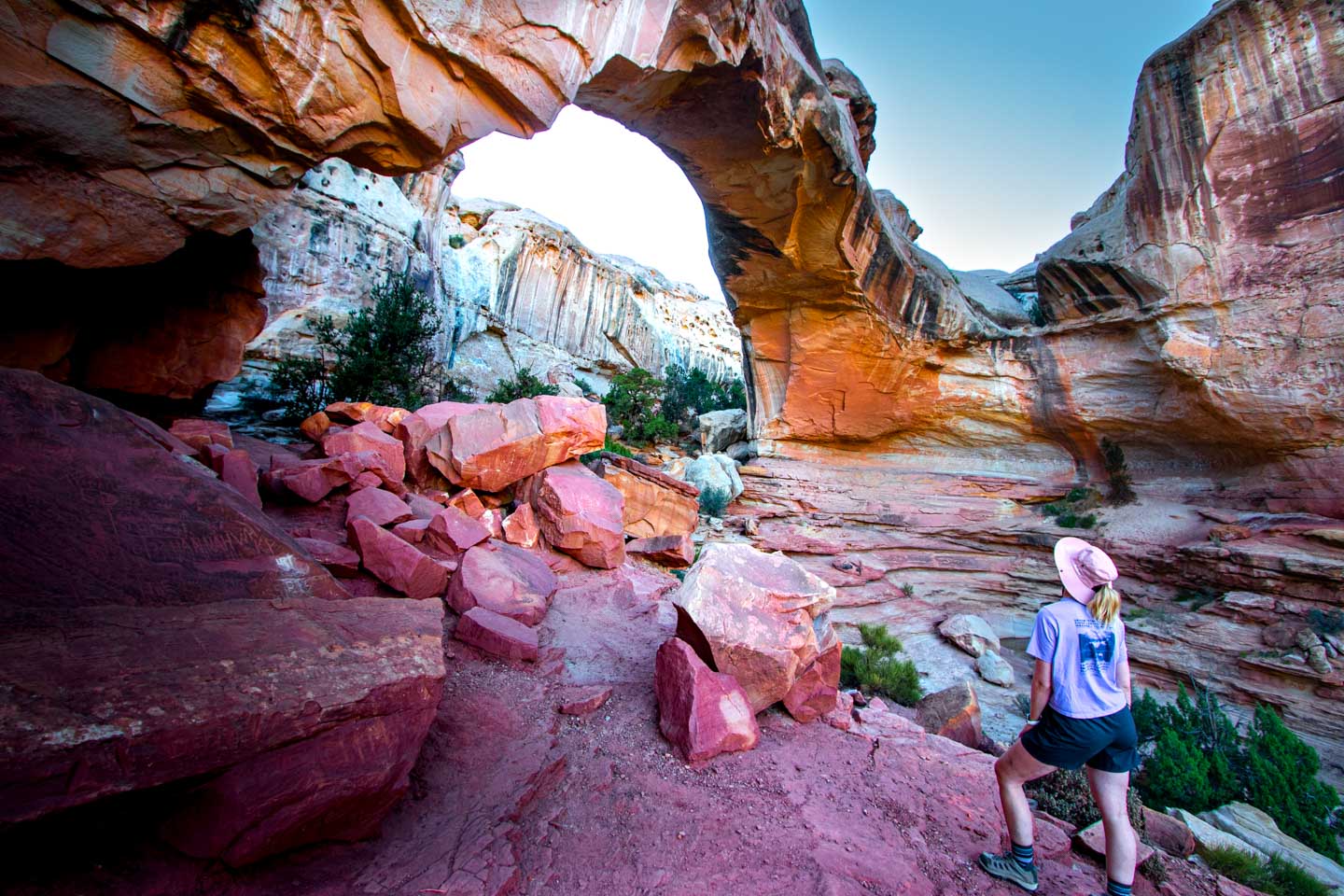
Hickman Bridge is an easy walk leading to an impressive rock arch, also ideal for families. Cassidy Arch requires a bit more effort, but the views along the way and at the top are absolutely worth every step.
Hidden gem: Grand Wash – a narrow slot canyon where in some places you can touch both walls at the same time. Still few people look here, which only adds to the magic of this place.
Off-road enthusiasts should plan a trip to Cathedral Valley, where you’ll find the Temples of the Sun and Moon formations. They look so unreal that they resemble a Martian landscape more than Utah.
Practical tip: in summer and fall, definitely stop by the historic orchard in Fruita. For a small fee, you can pick fruit straight from the trees yourself. These are some of the best peaches and cherries I’ve eaten in the USA.
If you have the opportunity, take Scenic Byway 12 from the Bryce Canyon side. It’s one of the most beautiful scenic roads in all of America and the perfect introduction to the Capitol Reef atmosphere.
4. Trek Through the Narrows in Zion
Zion is the absolute crown jewel of Utah. A place that can completely change the way you think about how powerful and diverse nature can be.
The park is famous for its monumental canyons with red walls, but that’s just the beginning.
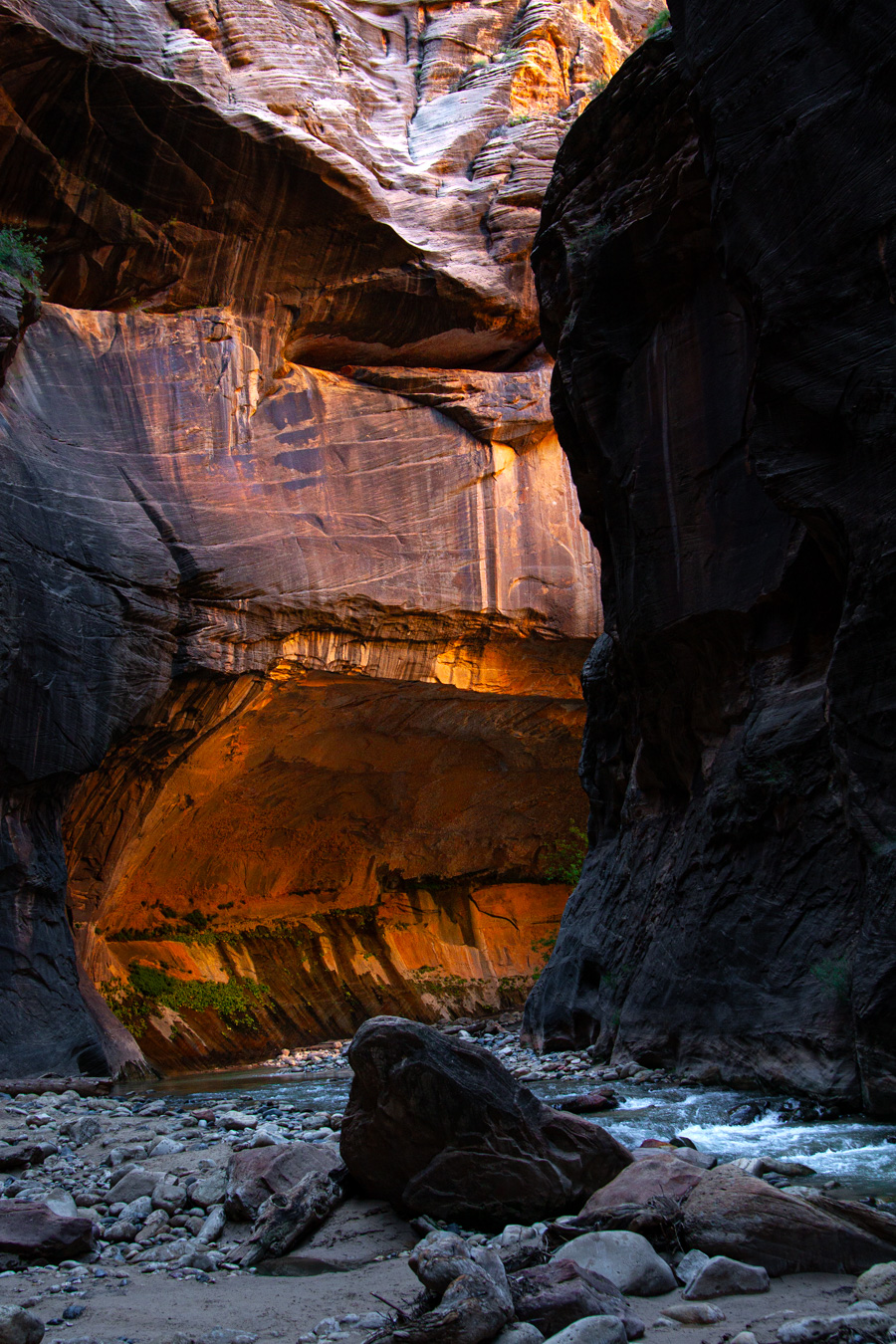
When I first walked The Narrows, with the Virgin River up to my knees and canyon walls rising hundreds of feet above my head, I had one thought: how is it possible that places like this actually exist?
The Narrows is an experience that can’t be fully described in words. You walk through the river in a narrow canyon where at some moments you can’t even see a scrap of sky. It’s more of an adventure than a classic hike.
Angels Landing, on the other hand, is a completely different story. The last section leads along a narrow ridge with chains for security, and the views make every second of tension cease to matter.
Important: Angels Landing requires a permit that must be reserved online in advance.
If you’re looking for easier options, Zion has plenty of them. Pa’rus Trail is also suitable for bicycles, Riverside Walk is a pleasant stroll to the entrance of The Narrows, and Watchman Trail works great for sunset.
My advice: head to Canyon Junction Bridge at sunset. Few people look here, but the views are just as spectacular as from the most crowded points in the park.
Zion is one of the most popular national parks in the USA. It’s worth arriving very early in the morning or planning accommodation in Springdale, right at the park entrance.
Temperature differences between day and night can be significant, so dress in layers.
Dreaming of more hidden gems like these in the American West?
I share insider spots and tested itineraries from every national park adventure I explore – the kind of details you won’t find in guidebooks.
Bonus for new subscribers: Ultimate Utah Budget Travel Planner + my secret camping spots map 📍
5. Unleash Your Inner Adventurer at Goblin Valley
Goblin Valley is one of those places that looks like a ready-made set for a science fiction movie.
When I first saw thousands of “goblins” – bizarre rock formations sculpted by wind and water – I had the impression that someone left a sculpture gallery here from another planet.
The landscape is surreal and completely unlike anything else in Utah.
The park consists of three main goblin valleys. The first two are easily accessible right from the parking lot, the third requires a bit more walking, but in return offers more silence and a sense of wilderness.
What to do? Just wander. This is one of the few places in Utah where you can freely walk among rock formations, without marked trails.
Children love playing hide and seek here, and adults quickly lose their sense of scale and time.
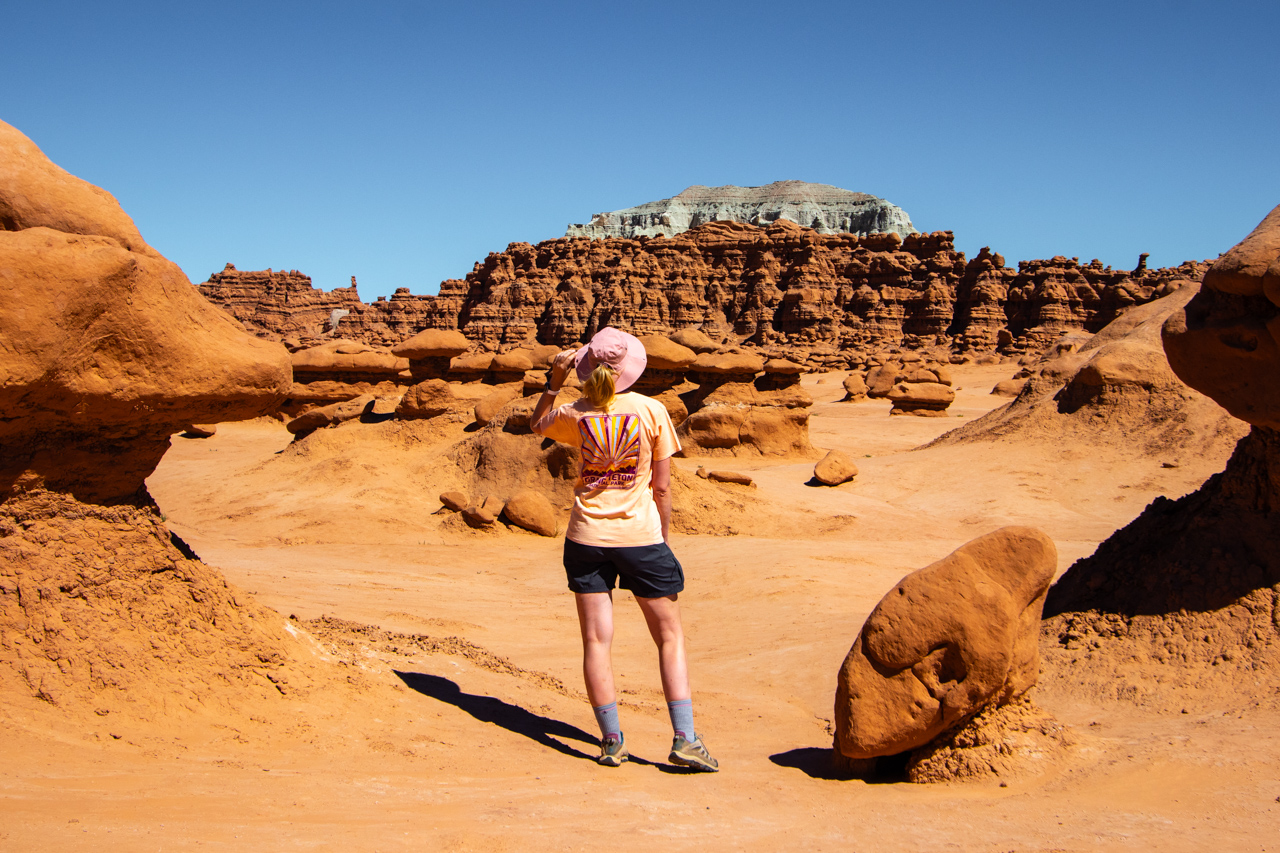
The Three Sisters is a group of three tall rock formations. A short, easy walk leads to them from the parking lot and it’s one of the best photo spots in the entire park.
Bonus: Goblin Valley is a great place to observe pronghorn antelope, the fastest animals in North America, which can run at speeds up to 60 mph.
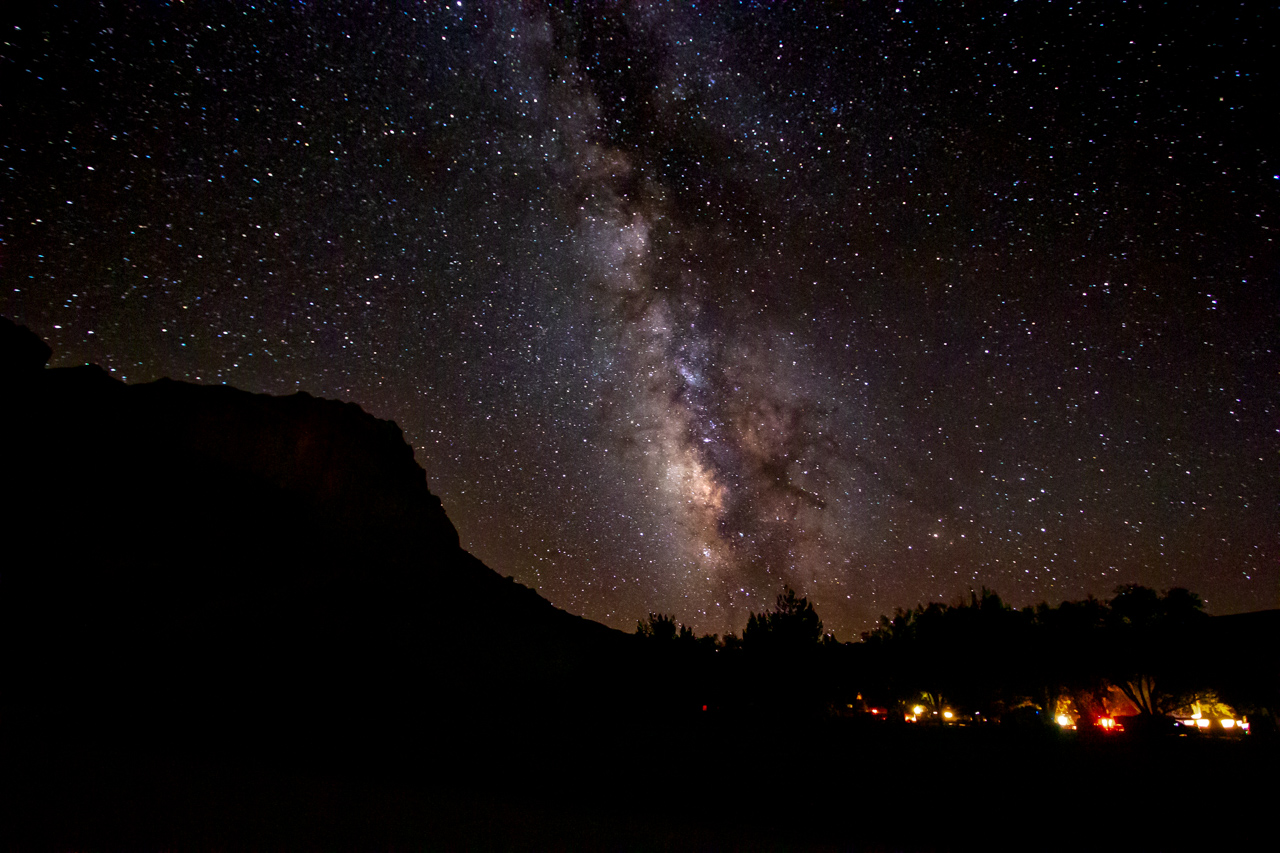
The park has some of the darkest skies in Utah. If you have a telescope or just like looking at stars, it’s an ideal place for nighttime observations.
The best time to visit is spring or fall. In summer it can get really hot here, and in winter an icy, merciless wind can blow.
Watch Our Travel Video:
6. Witness the Sunrise at Mesa Arch
Canyonlands is the largest national park in Utah and a place that best shows the true scale of the American West.
When you stand at Grand View Point and look at the Colorado and Green rivers winding hundreds of feet below, everything suddenly slows down.
It’s easy to understand where the harshness and gravity of landscapes known from westerns came from.
The most accessible part of the park is Island in the Sky. This is where you’ll find some of the best viewpoints.
Mesa Arch at sunrise is a classic – the arch creates a natural “window” onto the canyon and is one of the most recognizable shots in Utah.
For off-road fans and multi-day expeditions, there’s White Rim Trail – about a 100-mile loop running along the canyon bottom. It requires a proper vehicle, experience, and a permit.
The Needles is a completely different atmosphere. Red rock spires create a dense labyrinth of trails here, there are fewer tourists and much more sense of wilderness.
The most remote and demanding part of the park is The Maze. This is terrain for experienced explorers. If you don’t have a 4×4 vehicle and backcountry experience, it’s better to stay in Island in the Sky.
My advice: Shafer Trail. If you have the right vehicle and aren’t afraid of exposure, this road makes a huge impression. The serpentines descending from the hill reveal views of the entire valley and stay in your mind for a long time.
The best times to visit Canyonlands are spring and fall. In summer it can be extremely hot here, in winter it can be harsh and icy. The best base camps are Moab and Monticello.
Planning more Utah adventures? Don’t miss my complete guide to the Ultimate 7-Day Utah Road Trip Itinerary – I’ve tested every route myself.
7. Meet Bison at Antelope Island
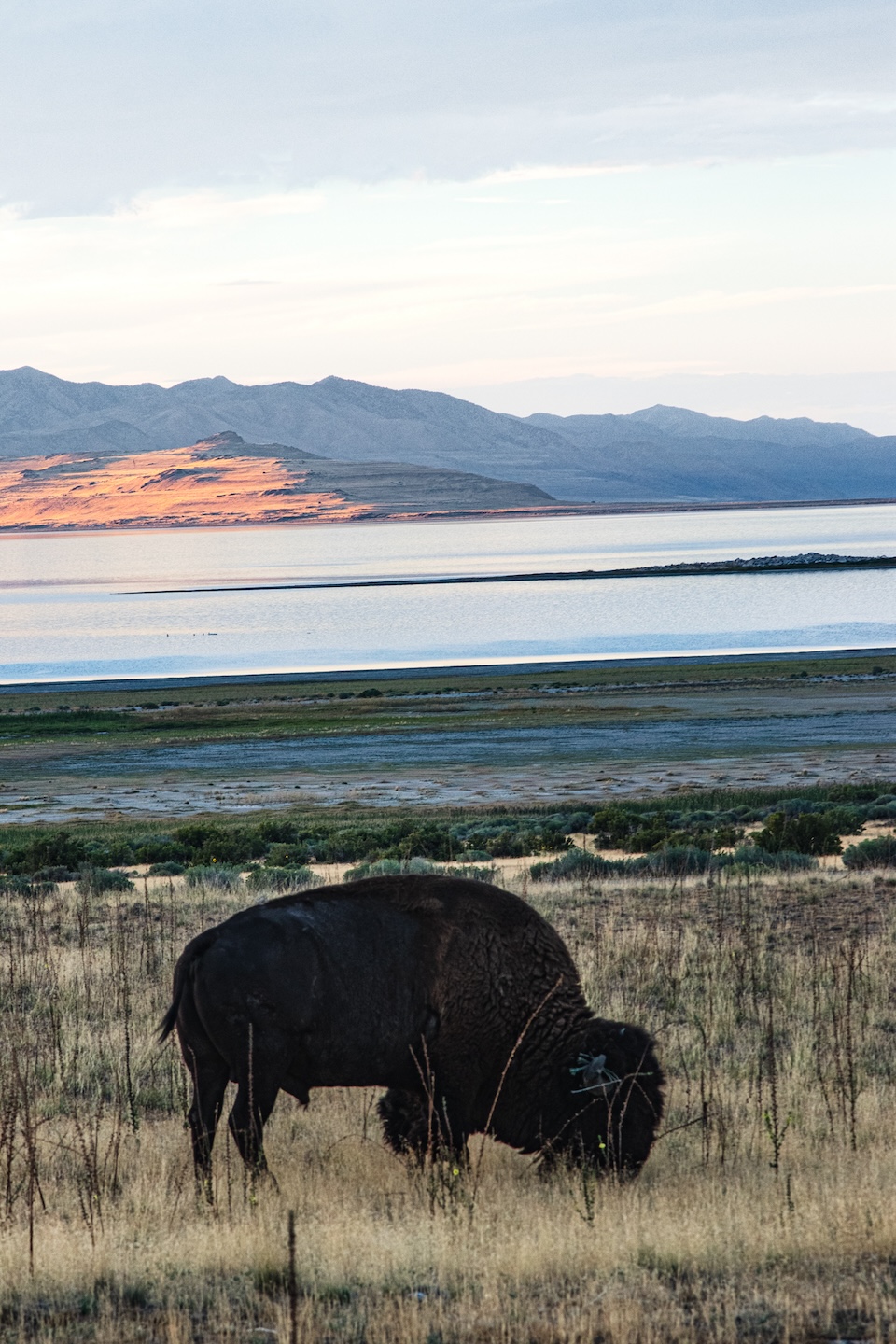
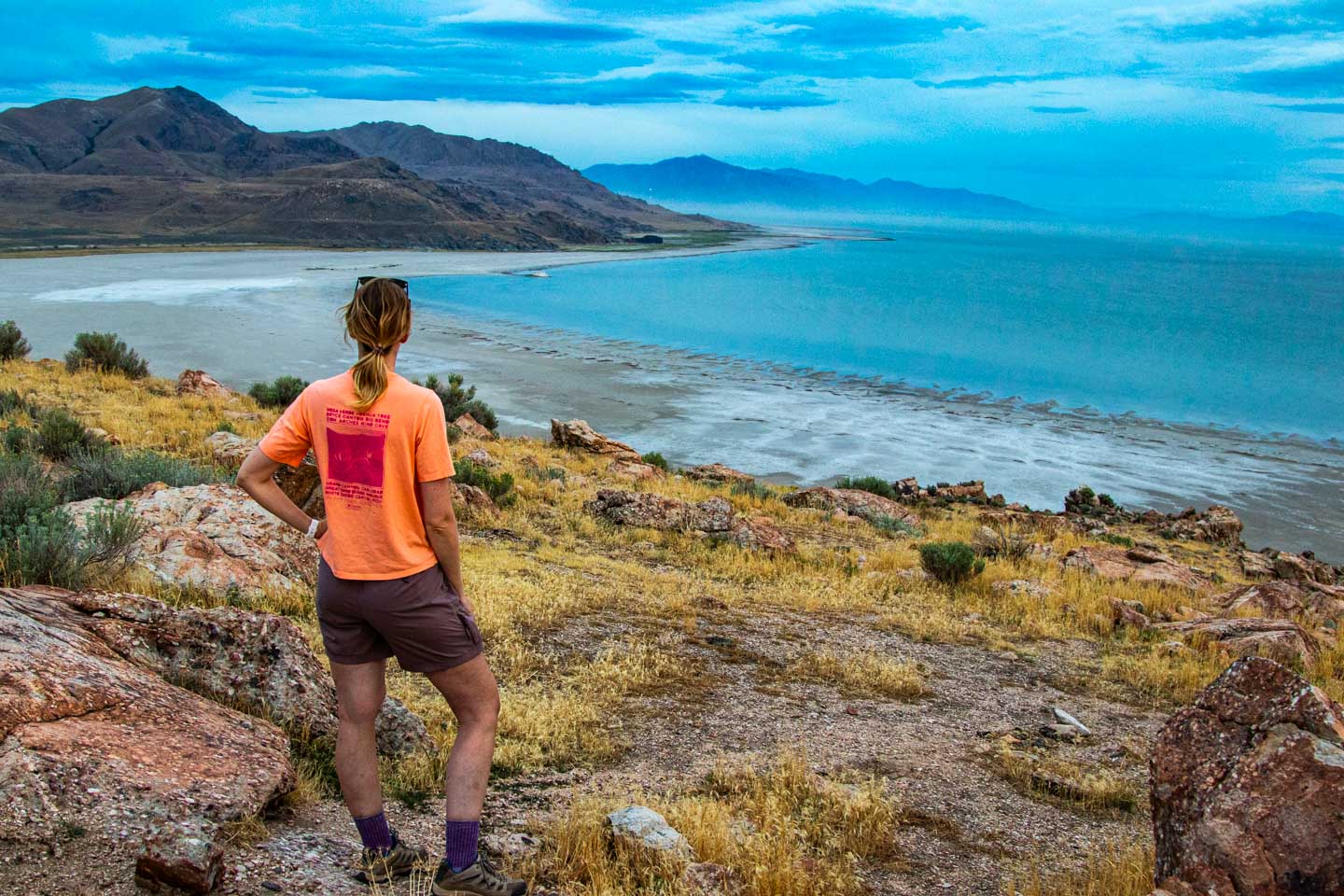
Antelope Island is one of the most surprising places in Utah. An island located on the Great Salt Lake, where raw landscape meets wildlife, and herds of bison roam against the backdrop of mountains and the salty water surface.
About 500-700 bison live freely on the island. It’s a really surreal experience when you see these huge animals grazing peacefully by the lake, with mountains in the background.
Just remember to keep your distance – this is wildlife, not a zoo.
Swimming in the Great Salt Lake is something that can’t be compared to anything else. Thanks to the high salt content, you literally float on the water’s surface.
Practical note: after bathing, definitely rinse off with fresh water – salt remains on the skin and can dry it out unpleasantly.
Besides bison, you can encounter pelicans, elk, bobcats, coyotes, and lots of birds. The best time for observations is early morning and late afternoon when animals are most active.
Hiking:
- Frary Peak is the highest point on the island, with panoramic views of the lake and surrounding mountains.
- Buffalo Point is an easier option, ideal for a shorter walk with equally impressive views.
When to go: best is spring and fall. In summer it can be very hot, and mosquitoes can effectively ruin the pleasure of sightseeing. In winter the island is sometimes cut off due to snow.
Finally, it’s worth stopping by Fielding Garr Ranch – one of the oldest ranches in Utah. It’s a good place to better understand pioneer history and everyday life on these lands.
If you’re fascinated by America’s wildlife, check out my Yellowstone guide – there bison are just the beginning of the adventure!
If you’re fascinated by America’s wildlife, check out my Yellowstone guide – there, bison are just the beginning of the adventure.
8. Mountain Biking in Red Canyon
Red Canyon is a secret gem located just 20 minutes from Bryce Canyon, yet a place that still remains off the main tourist trail.
When I first drove Scenic Byway 12 through the characteristic red tunnels carved into the rock, I thought only one thing: why does everyone only go to Bryce?
It’s a true paradise for mountain biking enthusiasts. Thunder Mountain Trail is considered one of the best MTB routes in the entire United States and attracts cyclists from around the world.
Hiking:
- Buckhorn Trail – short and easy walk to a viewpoint
- Golden Wall Trail – more demanding, but the views fully reward the effort
- Cassidy Trail – my personal favorite route, peaceful and very scenic
Scenic Byway 12 is about 120 miles of one of the most beautiful scenic roads in America. It runs through deserts, canyons, and forests, and the red tunnels in Red Canyon are one of its most characteristic fragments.
Unlike Bryce Canyon, ATVs and motorcycles are allowed on designated trails in Red Canyon, making this place exceptionally attractive for off-road fans.
Red Canyon is also an excellent place for a peaceful stop between Bryce Canyon and further travel on Scenic Byway 12 – without crowds, but with views that easily rival those from national parks.
If you’re combining Utah with other western states, my 7-Day Epic California Coast Road Trip makes the perfect addition to your itinerary!
9. Explore the Bonneville Salt Flats
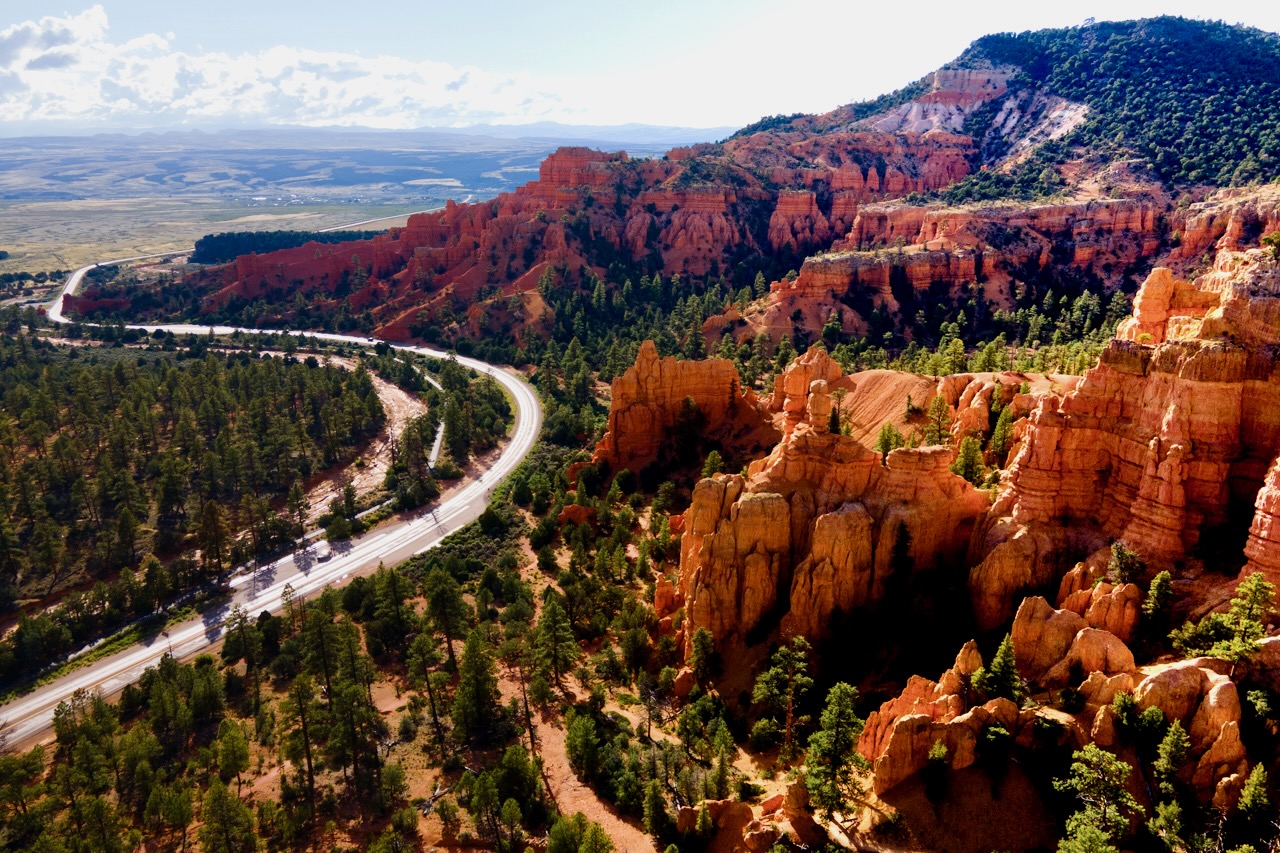
The Bonneville Salt Flats is one of the most surreal places in America.
Imagine a perfectly white, almost infinitely flat space stretching to the horizon. The surface is so smooth that with the right light, it looks like a motionless mirror.
No wonder they filmed scenes for Pirates of the Caribbean here – it’s a landscape that’s hard to confuse with any other.
But Bonneville isn’t just about views. It’s also the world capital of speed records. Every year, races are held here where daredevils try to break records for driving in a straight line, often in extreme conditions.
What to do:
- walk on the salt flats (when dry)
- photography – reflections in puddles after rain look like they’re from another planet
- sunset observation, when colors literally spread across the horizon
When to go: best in summer when the salt flats are dry and safe to walk on. After rain, the terrain can be partially flooded and muddy.
Pro tip: even on a sunny day it can be very windy here, and fine salt gets absolutely everywhere. Secure your photography equipment and prepare for wind.
The nearest “civilization” is Wendover – a small town on the Utah-Nevada border, known for casinos and cheap gas. It’s a good place for a quick stop before or after visiting the salt flats.
How do you want to explore the American West?
🏔️ More Epic National Parks → 10 Best Joshua Tree Hikes – Desert landscapes as stunning as Utah’s
🚗 Ultimate Road Trip Planning → 7-Day California Coast Road Trip – Perfect Utah extension
⛰️ Mountain Adventures → Yellowstone National Park Guide – Your next wilderness escape
🏕️ Camping & Van Life → Van Life USA Guide – Turn your Utah trip into a lifestyle
What adventure calls to you most?
10. Marvel at Temple Square in Salt Lake City
Salt Lake City is much more than just a starting point for national parks.
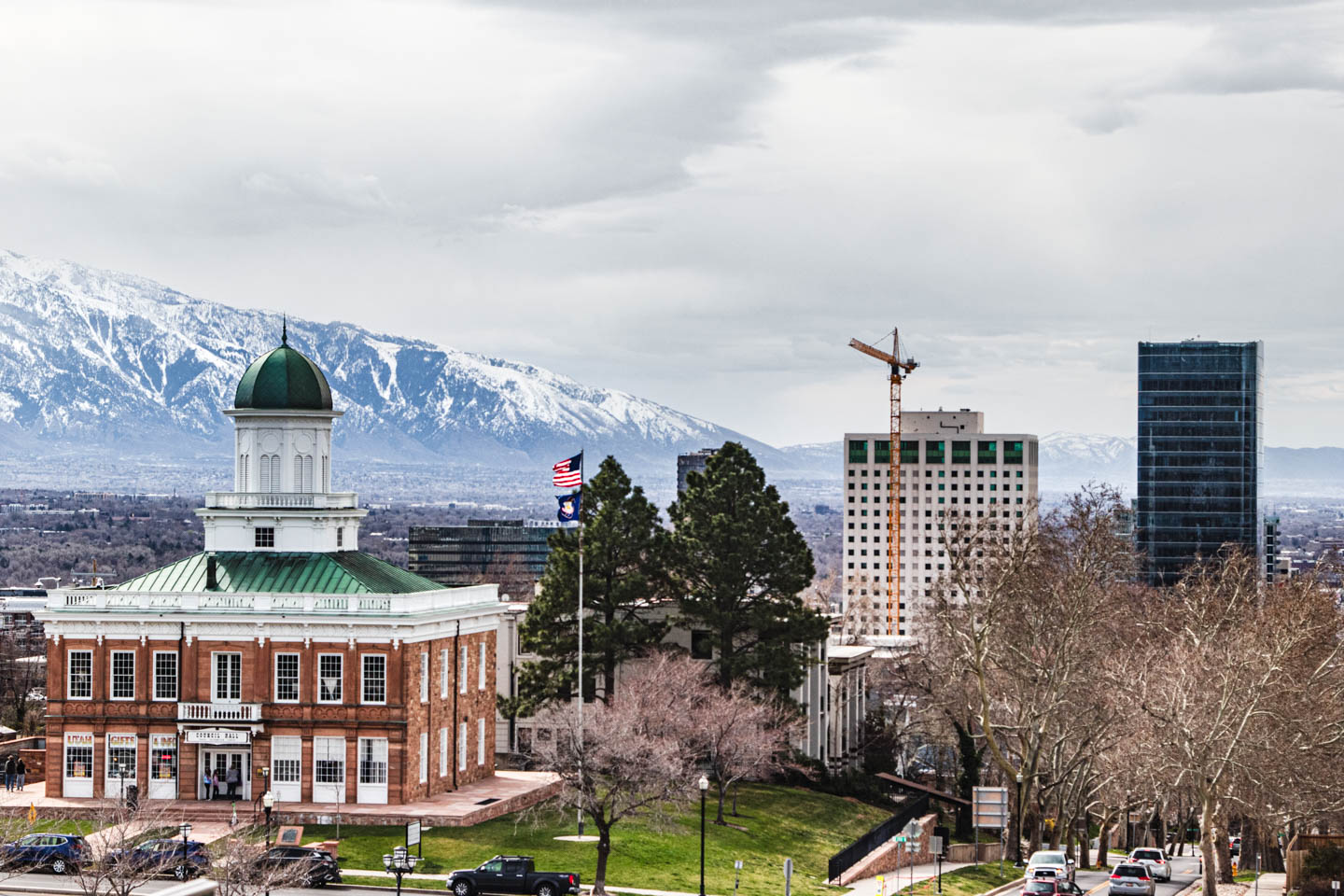
Utah’s capital surprises with its combination of mountain climate with urban energy and space that’s often lacking in other American cities.
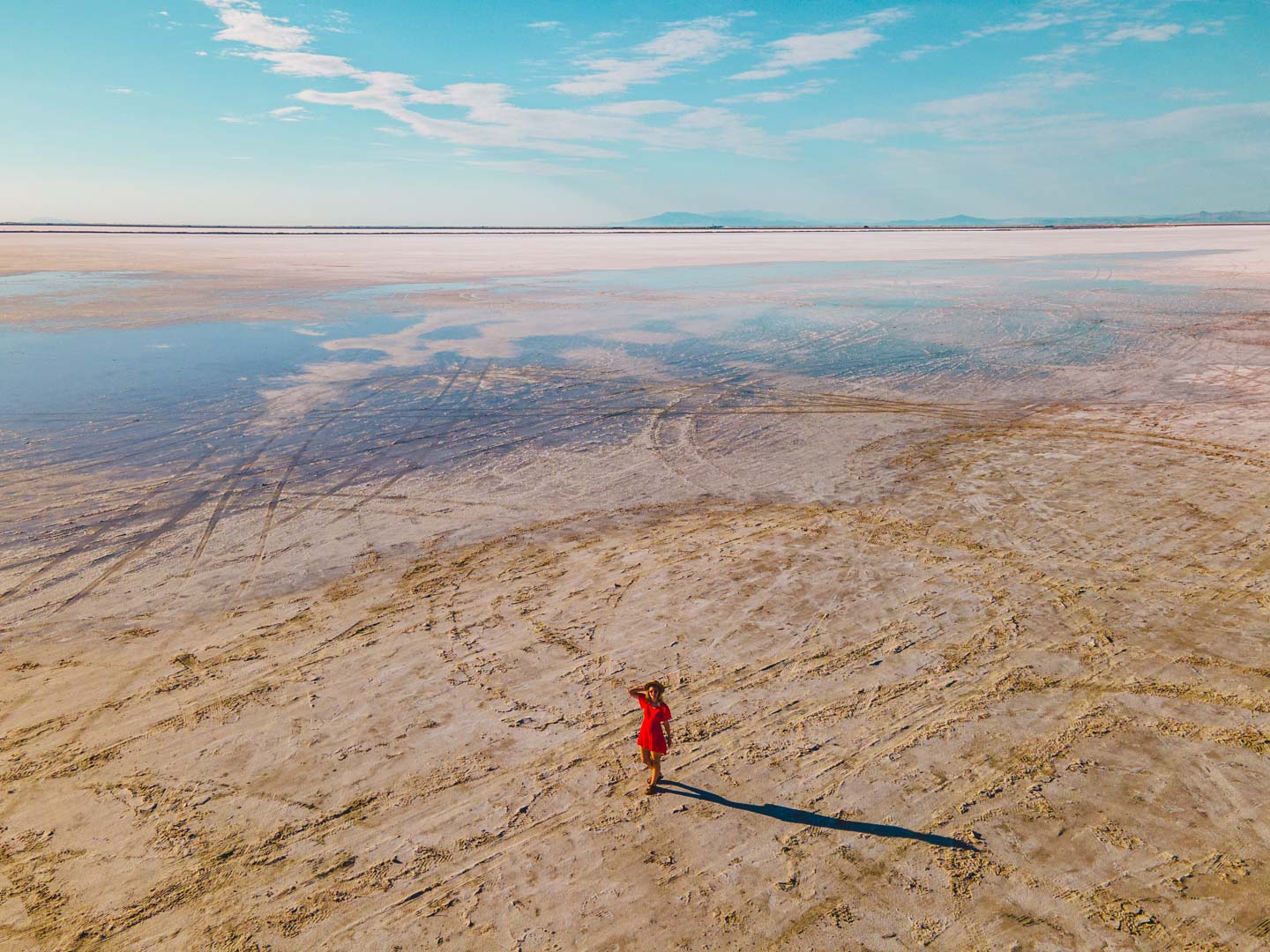
Temple Square is the heart of the city. Historic buildings, well-maintained gardens, fountains, and the characteristic Salt Lake Temple create a peaceful, almost European atmosphere.
Even if religion isn’t your thing, the architecture and space make a big impression.
Salt Lake City is a true paradise for skiers and snowboarders. World-class resorts like Park City, Alta, or Snowbird are located just 30-60 minutes from downtown.
The local snow, called “powder,” is considered one of the best in the world.
The Natural History Museum of Utah is one of the more interesting museums in the region, with an impressive collection of dinosaurs and a well-designed exhibition.
In January, the city lives for the Sundance Film Festival, one of the most important film events in North America.
Salt Lake City also pleasantly surprised me culinarily. Downtown offers more and more very good restaurants, breweries, and food trucks that can easily compete with larger Western cities.
Pro tips:
- the city is located at an altitude of about 4,300 feet above sea level, which can be noticeable on the first day
- public transportation works efficiently and is a convenient alternative to a car
- parking downtown can be problematic, especially during rush hours
Salt Lake City is a good place for a shorter city break or a conscious stop between nature and civilization – with a view of the mountains from almost every place in the city.
Travel lighter, even before you leave.
start with something simple.
Download The Minimum Plan – Slow Travel:
Utah Changed How I See American Wilderness
When I first planned a trip to Utah, I thought I’d see a few nice parks and bring back some pretty photos.
I had no idea that these 10 places would completely redefine my idea of what nature is truly capable of.
Walking through The Narrows, with the river under my feet and canyon walls rising hundreds of feet above my head. Sunrise over the hoodoos in Bryce Canyon.
Standing on the edge of Angels Landing, where fear mixes with wonder. Each of these moments was like entering a secret world I had no idea existed before.
The most surprising thing is that this incredible diversity fits within the borders of one state. Utah isn’t just beautiful landscapes.
These are places that force you to stop, to change perspective, and to question everything that seemed obvious in thinking about the American West.
That’s exactly why Utah stays with you long after you return. Not in photos, but in the way you start looking at travel.
Ready to plan your next adventure?
- Ultimate 7-Day Utah Road Trip Itinerary – My personally tested route
- A 7-Day Arizona Road Trip Itinerary – Desert magic and Grand Canyon secrets
- California Coast Road Trip – Epic coastal views and hidden beaches
- Pacific Northwest Road Trip – Perfect follow-up adventure
Which place from this list surprised you most?
Share this guide with friends planning an American adventure and tell me about your Utah discoveries in the comments!