
Looking for a Singapore itinerary that actually flows? Here’s a 3-day plan that worked beautifully for me.
Singapore surprised me with how effortlessly it blends old and new. Quiet temples next to glass towers. Local food courts a few steps from polished neighborhoods. It’s a city of contrasts, but never chaos.
This is a 3-day Singapore itinerary designed for travelers who want to see the city without rushing from attraction to attraction. It mixes the iconic places everyone wants to see with neighborhoods that show everyday life and culture.
I also planned it so moving around the city feels easy, not exhausting. Less backtracking, more time to wander, eat, and notice the details that usually get missed.
If you’re ready to experience Singapore in a way that feels grounded and human, let’s start.
Want to dive deeper into what makes Singapore special? Check out my complete guide: What to See in Singapore – it covers everything from Gardens by the Bay to hidden temples and the best hawker centers.
Day 1 of Singapore Travel Itinerary
Morning: Gardens by the Bay
I like starting Singapore slowly, with space and greenery. Gardens by the Bay is perfect for that. It is vast, calm, and surprisingly grounding, even though the skyline is right there.
Begin with the Flower Dome. It is bright, airy, and filled with plants from different climates around the world. It feels more like a gentle walk through changing landscapes than a traditional greenhouse.
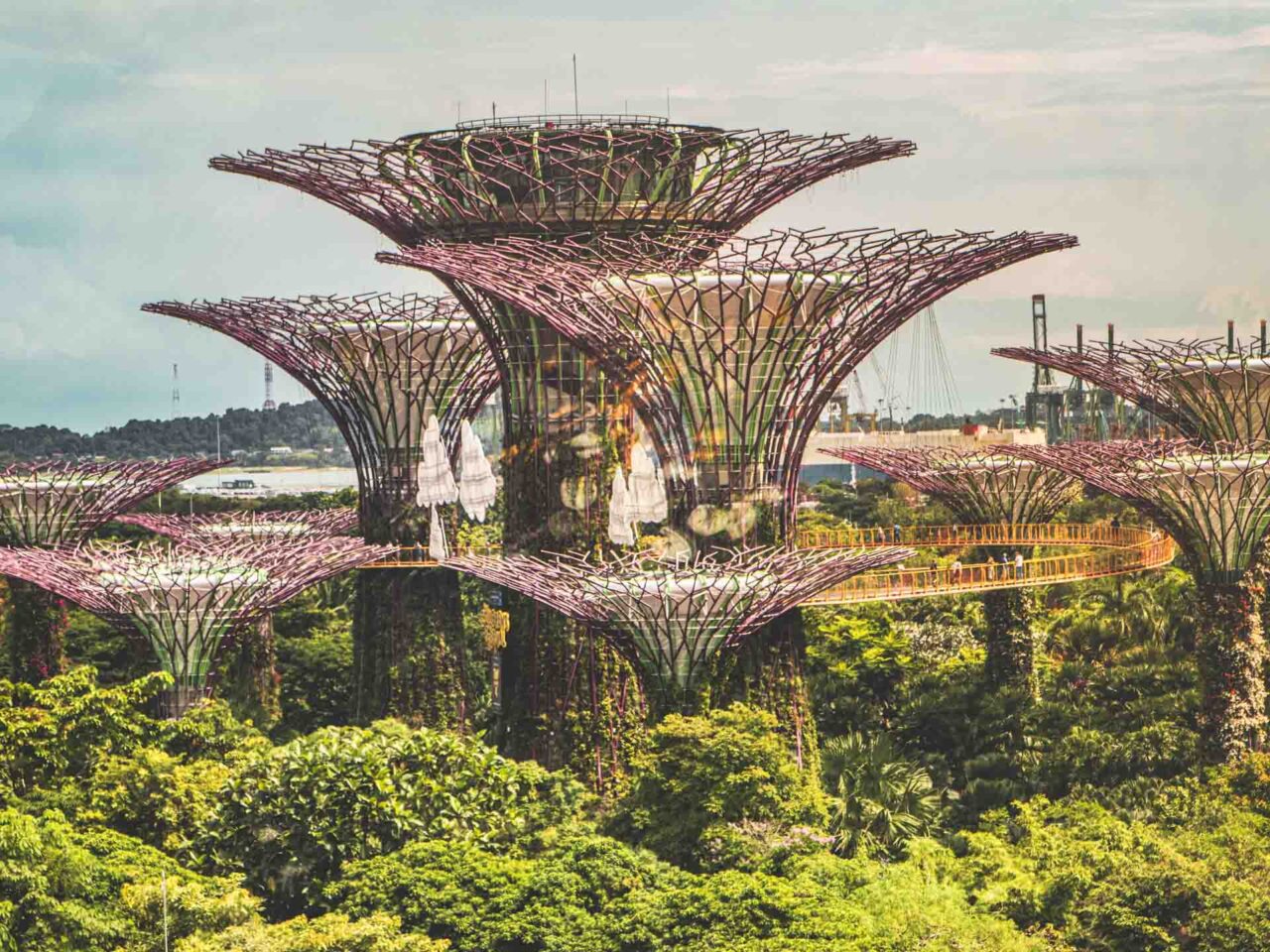
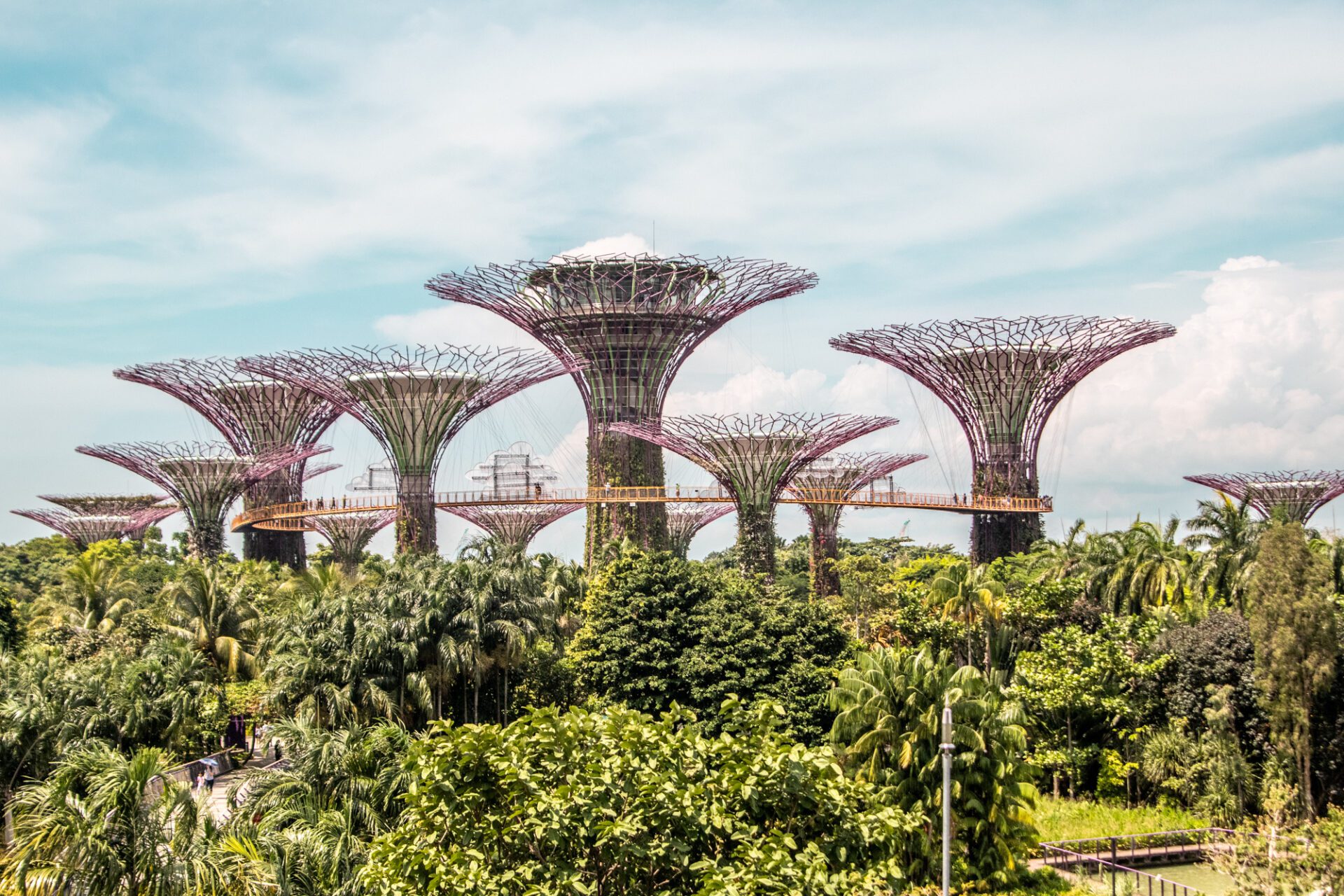
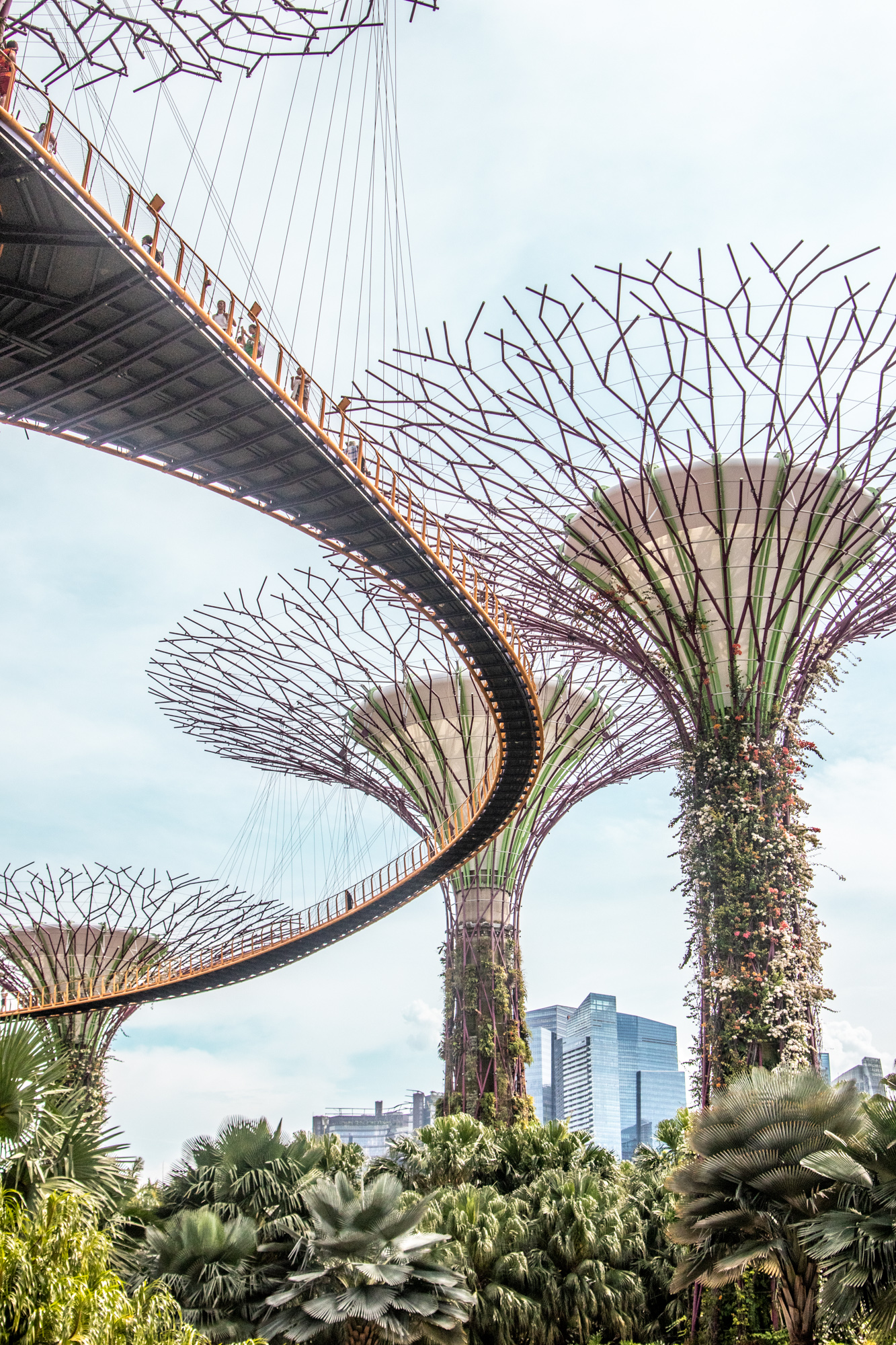
From there, head toward the Supertree Grove. These towering garden structures are one of Singapore’s most recognizable sights. Seeing them up close is impressive, but what I liked most was how quietly futuristic the whole space feels.
Finish the morning in the Cloud Forest. Inside is a tall, misty mountain covered in lush greenery, with a waterfall cascading down its side. The air is cool, the paths are slow and winding, and it feels like stepping out of the city for a moment.
This is a gentle way to ease into Singapore. Green, thoughtful, and unhurried.
Pro tips for Gardens by the Bay
- Buy tickets online in advance. You will skip the ticket queues and start your walk calmly instead of standing in line.
- Visit the Cloud Forest around lunchtime. This is when the misting system is usually on, and the whole space feels cooler and more atmospheric.
- Walk the OCBC Skyway early in the day. Lines build up quickly later, especially after mid-morning.
- Come back after dark for Garden Rhapsody. The light and sound show takes place at 7:45 PM and 8:45 PM, and it is completely free. Even if you are tired, this one is worth returning for.
Afternoon: Marina Bay Sands
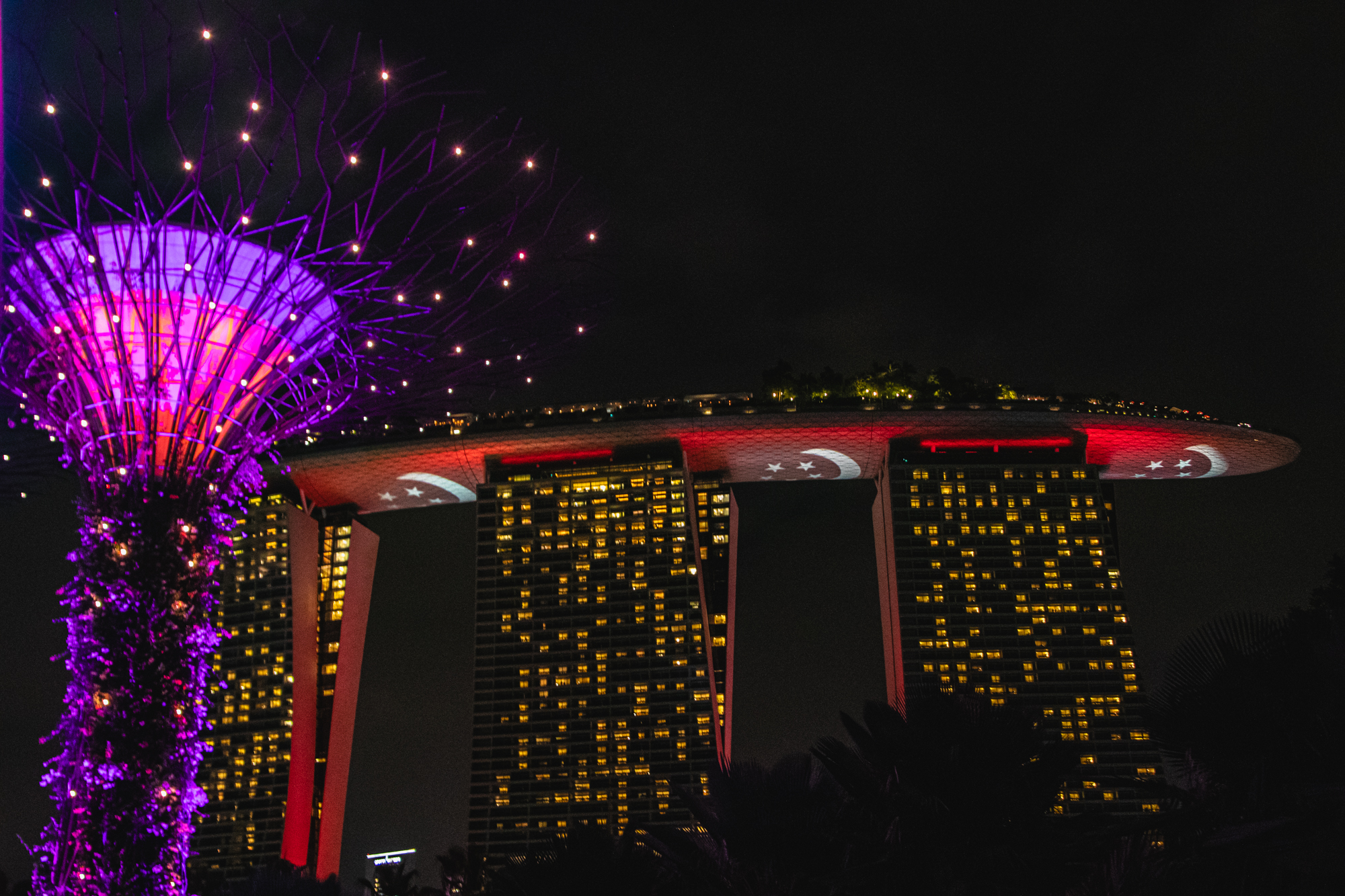
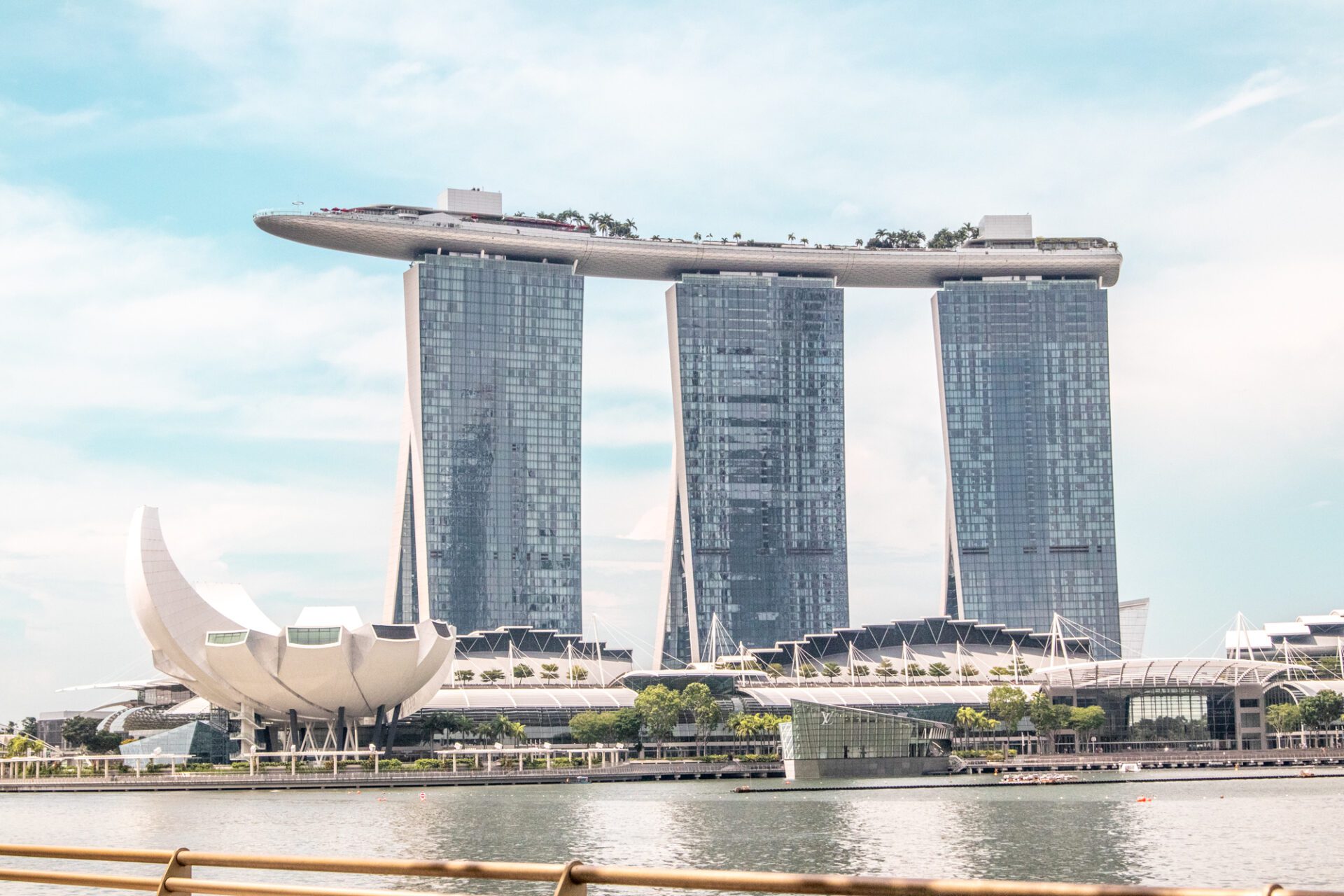
From the gardens, walk toward the water and the skyline. Marina Bay Sands is impossible to miss and it feels very Singapore in its confidence and scale.
Start by heading up to the SkyPark Observation Deck on level 57. This is where the city opens up.
You see the bay, the skyscrapers, the water, and the careful order Singapore is known for. Take your time here. This is not a quick photo stop.
Afterwards, wander through The Shoppes at Marina Bay Sands below. Even if luxury shopping is not your thing, it is worth walking through. The architecture, the light, and the calm contrast nicely with the busy streets outside.
Before leaving the area, step into the ArtScience Museum. The exhibitions blend art, technology, and science in a way that feels immersive rather than academic. It is a good mental shift after the views and the mall.
This afternoon is about scale and contrast. Nature to architecture. Quiet to spectacle. All within a short walk.
Pro tips for Marina Bay Sands
- Want the view without paying for the SkyPark? Go for a drink at CÉ LA VI instead. You still get sweeping views over Marina Bay, just in a more relaxed, evening-friendly setting.
- Stay for the evening light show. Spectra takes place at the Event Plaza at 8:00 PM and 9:00 PM on weeknights, with an extra 10:00 PM show on weekends. It is free and surprisingly atmospheric.
- Slow things down inside the mall. At The Shoppes at Marina Bay Sands, you can take a short sampan boat ride along the indoor canal. It is a small detail, but it adds a gentle pause to an otherwise very polished space.
This part of the day works best if you let it stretch into evening. No rushing. Just views, water, and light as the city shifts gears.
Evening: Night Safari
End the day somewhere completely different from the city.
The Night Safari is one of those experiences that actually works better after dark.
This is a nocturnal zoo, designed around the natural rhythms of the animals, not daytime crowds. Everything feels quieter, slower, and a little mysterious.
Start with the tram ride. It gives you a broad overview of the different zones and helps you orient yourself before walking.
Animals are far more active at night, so even from the tram you will likely spot things you would never see during the day.
After that, explore on foot. The walking trails are where the experience really comes alive. You are closer to the animals, the lighting is subtle, and the jungle sounds take over.
Try to time your visit so you can catch the Creatures of the Night Show. It is educational without being cheesy, and it helps you understand how these animals move and hunt after dark.
This is not a rushed evening. Walk slowly, listen, and let your eyes adjust. It feels more like being inside a nighttime forest than visiting a zoo.
Pro Tips for Night Safari
- Start with the tram, then continue on foot once you know where you want to linger.
- Bring mosquito repellent. You will thank yourself.
- Do not miss the Fishing Cat Trail and the Leopard Trail. These are some of the most atmospheric parts of the park and often the most rewarding.
Day 2 of Singapore Travel Itinerary
Morning: Buddha Tooth Relic Temple
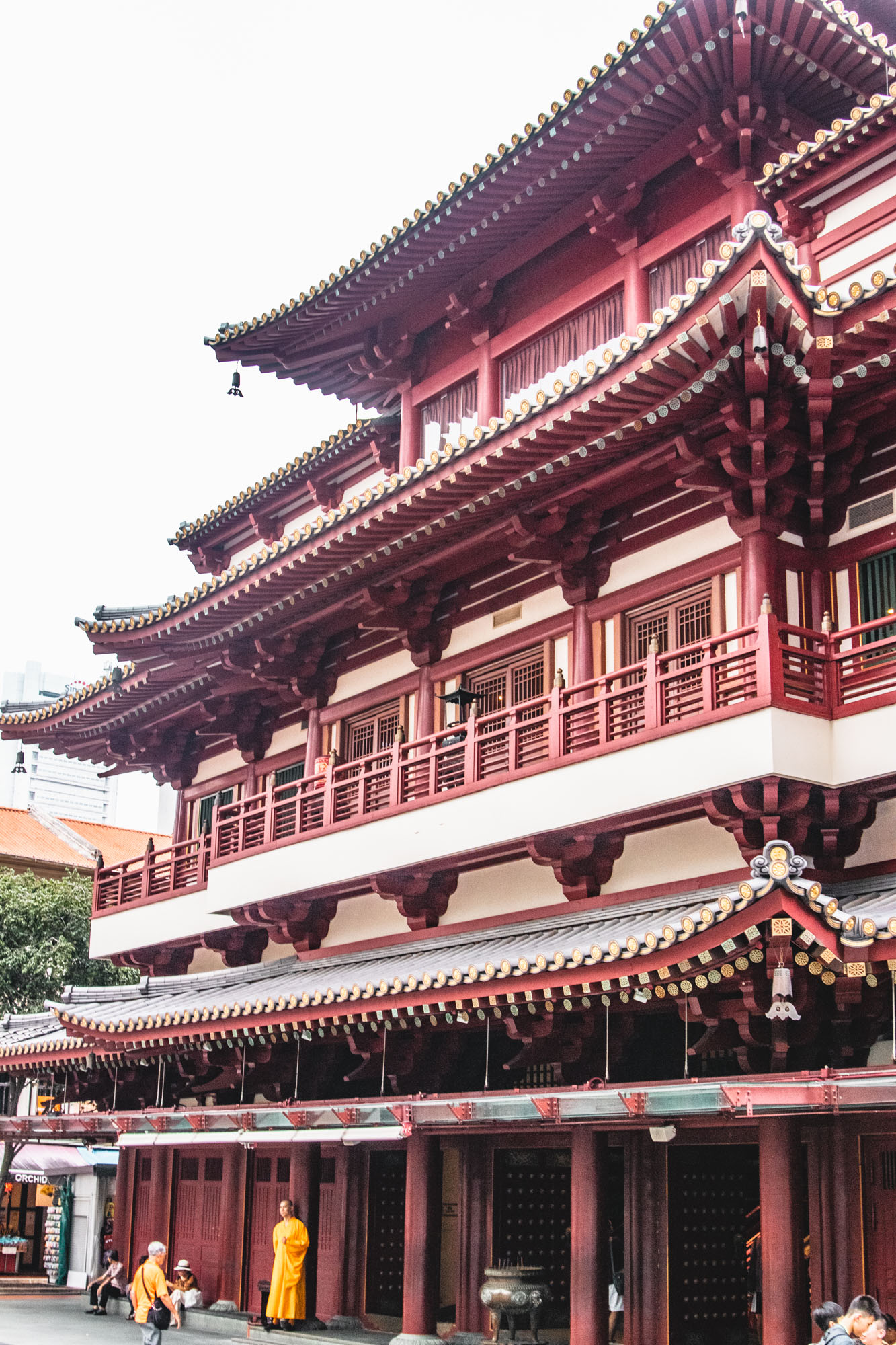
Start your second day in Chinatown, where Singapore feels more layered and human. The Buddha Tooth Relic Temple stands out immediately with its traditional Chinese architecture, rich reds, and quiet presence amid busy streets.
Begin upstairs, where the Buddha Tooth Relic is kept in a dedicated sacred chamber. Even if you are not religious, the atmosphere is calm and respectful, a space that naturally slows you down.
After that, take time to walk through the Buddhist Culture Museum. It offers gentle context on Buddhist history, symbols, and daily practices, without feeling overwhelming or academic.
Before you leave, go up to the rooftop garden. Orchids, prayer wheels, and a small stupa create a quiet pocket above the city.
From here, you can see modern Singapore rising around the temple, which makes the contrast even more striking.
This morning is about stillness and perspective. A pause before the day picks up again.
Pro tips for Buddha Tooth Relic Temple
- Dress modestly. Shoulders and knees should be covered. They are quite strict about this, and it helps keep the atmosphere respectful.
- Visit the free tea house upstairs. It is a quiet, simple space and a nice moment to sit, rest, and reset before heading back into the streets.
- If you arrive early, stay for the morning drum ceremony. It is subtle, not staged, and adds another layer to the experience if you catch it at the right time.
Late Morning: Chinatown
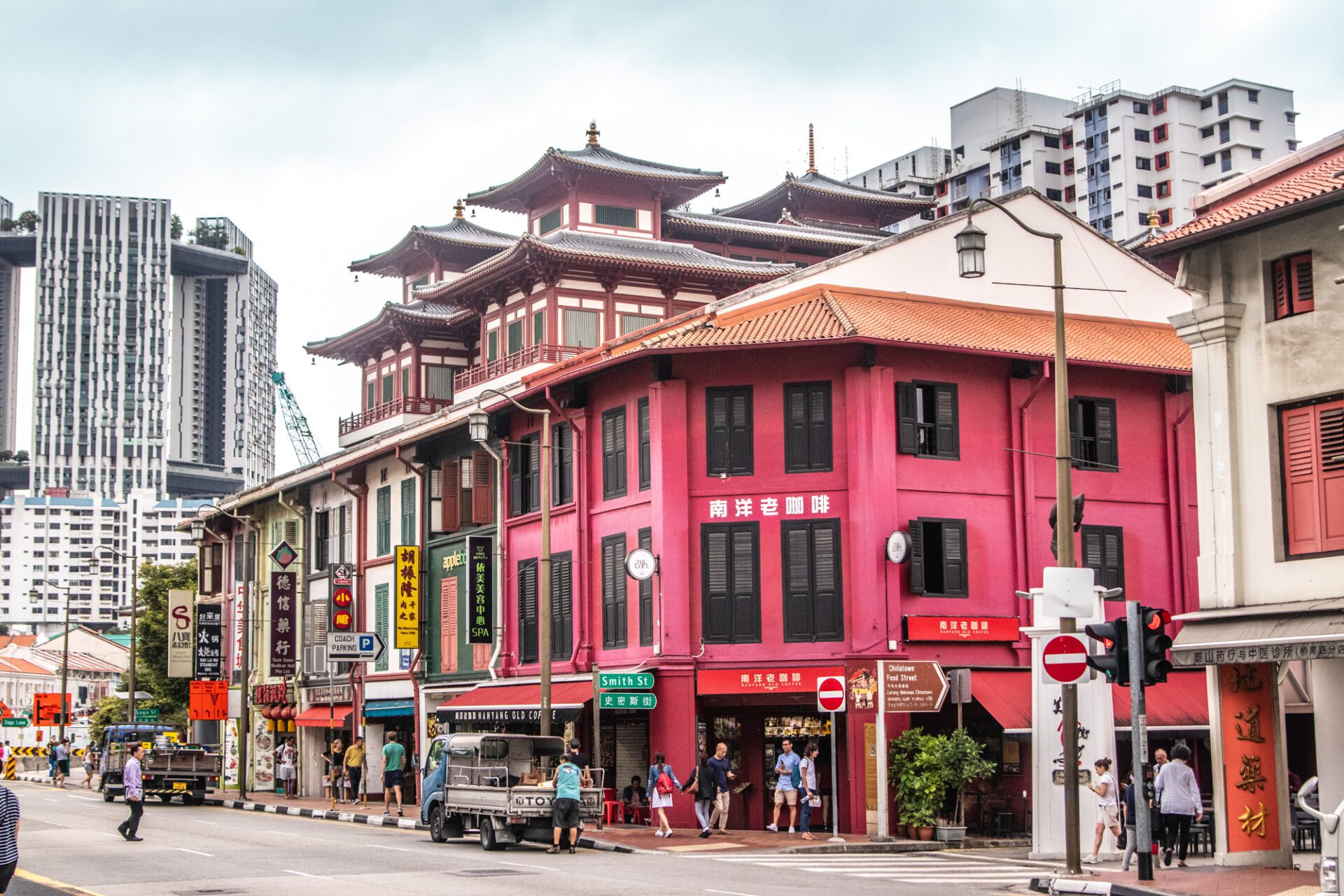
After the temple, stay in the neighborhood and let yourself wander. Chinatown is best experienced without a strict plan, moving between narrow streets, small shops, and pockets of everyday life.
Walk through the street market, where stalls sell everything from souvenirs and fabrics to herbal remedies and simple local snacks. It is busy but grounded, more lived-in than polished.
Make time for the Chinatown Heritage Centre. This is where Chinatown’s past becomes tangible.
The recreated shophouses show how families once lived, worked, and slept in very small spaces. It adds depth to what you see outside on the streets.
Before leaving the area, stop at Thian Hock Keng Temple. Dedicated to the sea goddess Mazu, it is the oldest Chinese temple in Singapore and one of the most atmospheric.
Incense smoke, carved details, and quiet courtyards create a sense of continuity in the middle of the city.
This part of the day is about texture and history. Less sightseeing, more noticing how layers of old Singapore still hold their ground.
Pro tips for Chinatown
- Snack as you go. Try warm egg tarts and sweet meat jerky (bakkwa) from street vendors. Simple, local, and perfect for grazing between stops.
- Eat where locals eat. Skip the tourist menus and head straight to Chinatown Complex Food Centre. It is busy, loud, and full of some of the best food in the city.
- Look up and around. Temple Street and Pagoda Street hide some of Chinatown’s most interesting street art. Easy to miss if you rush, rewarding if you slow down.
Afternoon: Little India
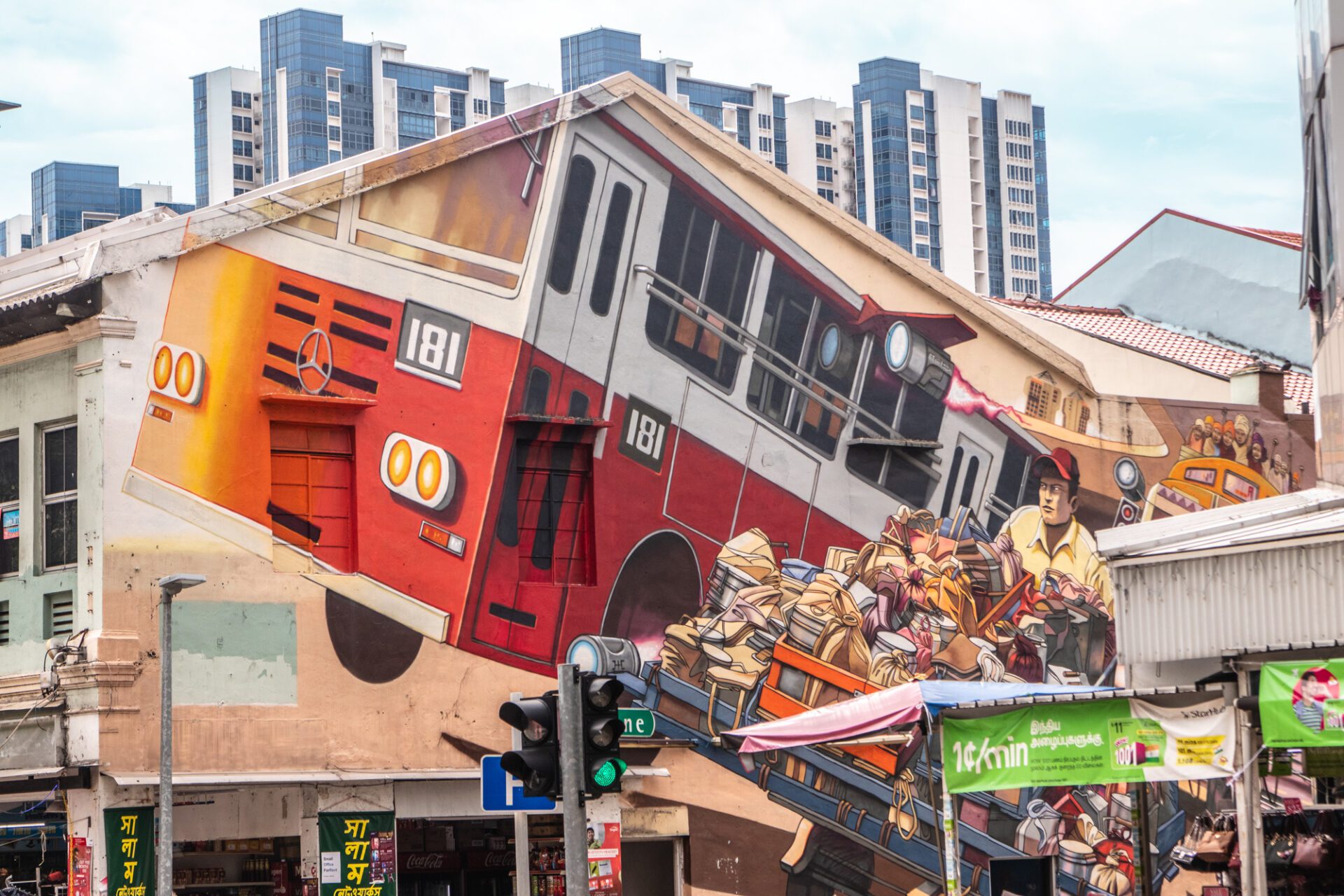
From Chinatown, grab a taxi and step into a completely different rhythm. Little India feels louder, warmer, more intense in color and scent. It is one of those places where Singapore’s cultural layers are impossible to miss.
Start at Sri Veeramakaliamman Temple. The facade is covered with detailed, colorful carvings of Hindu gods and goddesses.
It is vibrant and expressive, and even a short visit gives you a sense of how deeply rooted the Indian community is here.
Next, walk over to Tekka Centre. This is where locals shop for spices, vegetables, fabrics, and everyday meals. It is busy and a little chaotic, but very real.
If you want to understand daily life beyond polished neighborhoods, this is a good place to linger.
Before leaving the area, stop by Mustafa Centre. Open 24 hours a day, it sells almost everything you can imagine, from electronics to snacks to suitcases. Even if you do not buy anything, it is an experience in itself.
This part of the day is about contrast. Let it be a bit overwhelming. Then step back out, breathe, and move on when you are ready.
Pro tips for Little India
- Go straight for something sweet. Stop at Moghul Sweet Shop and try the jalebi. Fresh, syrupy, and absolutely worth it.
- Add a bit of context. If you are curious about history, the Indian Heritage Centre is worth a short visit. It helps connect what you see on the streets with the deeper story of the community.
- Wander without a plan along Serangoon Road. This is the best area for spices, fabrics, jewelry, and small shops that feel unchanged for decades.
Evening: Singapore Botanic Gardens
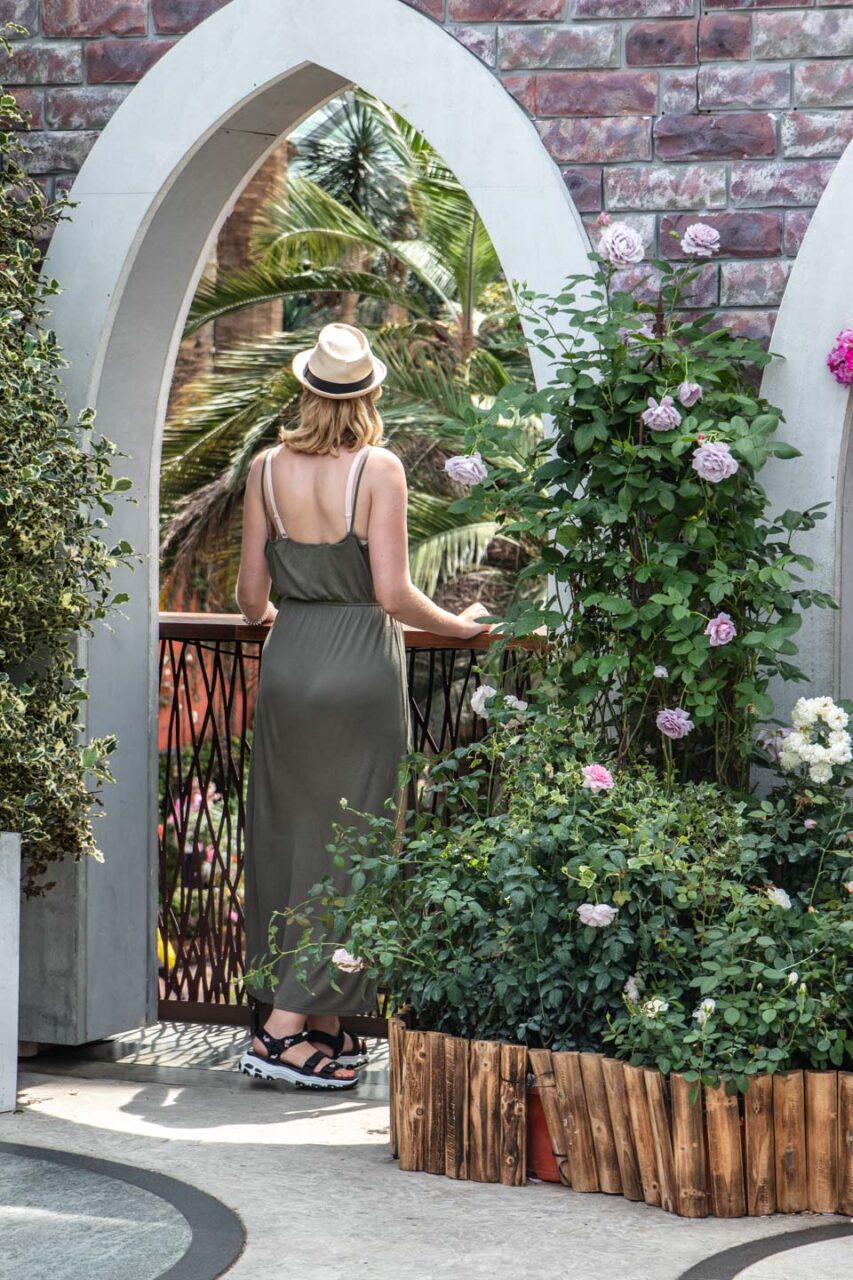
End the day somewhere calm and green. The Singapore Botanic Gardens have been here since 1859, and you can feel that sense of continuity the moment you slow your steps.
This is not a manicured show garden. It feels lived in, loved, and woven into daily life.
Start with the National Orchid Garden. The small entrance fee is worth it. Thousands of orchids, carefully arranged but never stiff, make this one of the most beautiful parts of the gardens.
Afterwards, head toward Swan Lake. Sit for a while. Watch turtles sunbathe near the water and locals walking by with no rush at all. This is a good place to let the day soften.
Before leaving, walk through the rainforest section of the gardens. Some of these trees are older than the garden itself. It is quiet, shaded, and grounding, especially after a full day of city contrasts.
This evening is about exhaling. Letting nature close the loop after temples, markets, and neighborhoods.
Pro Tips for Singapore Botanic Gardens
- Bring snacks and sit on the grass. Picnicking here is very normal, especially in the early evening.
- Check the schedule at the Symphony Stage. There are often free outdoor concerts that add a gentle soundtrack to the gardens.
- Do not skip the Evolution Garden. It shows how plants evolved over millions of years and is surprisingly peaceful to walk through.
Late Evening: Hawker Centre Dinner
End the day the most Singaporean way possible: by eating slowly, stall by stall, without overthinking it.
Start at Lau Pa Sat. The historic iron building feels especially alive at night.
Head for the satay stalls in the evening, when part of the street is closed and grills line the road. Smoke, heat, peanut sauce, skewers in constant motion. It is loud, casual, and exactly how it should be.
From there, move on to Maxwell Food Centre. This is a classic stop for a reason. Try chicken rice and char kway teow, the flat stir-fried noodles that locals take very seriously. Simple dishes, perfected over years.
If you still have energy, make one last stop at Old Airport Road Food Centre. It is more local, less polished, and ideal for a final meal.
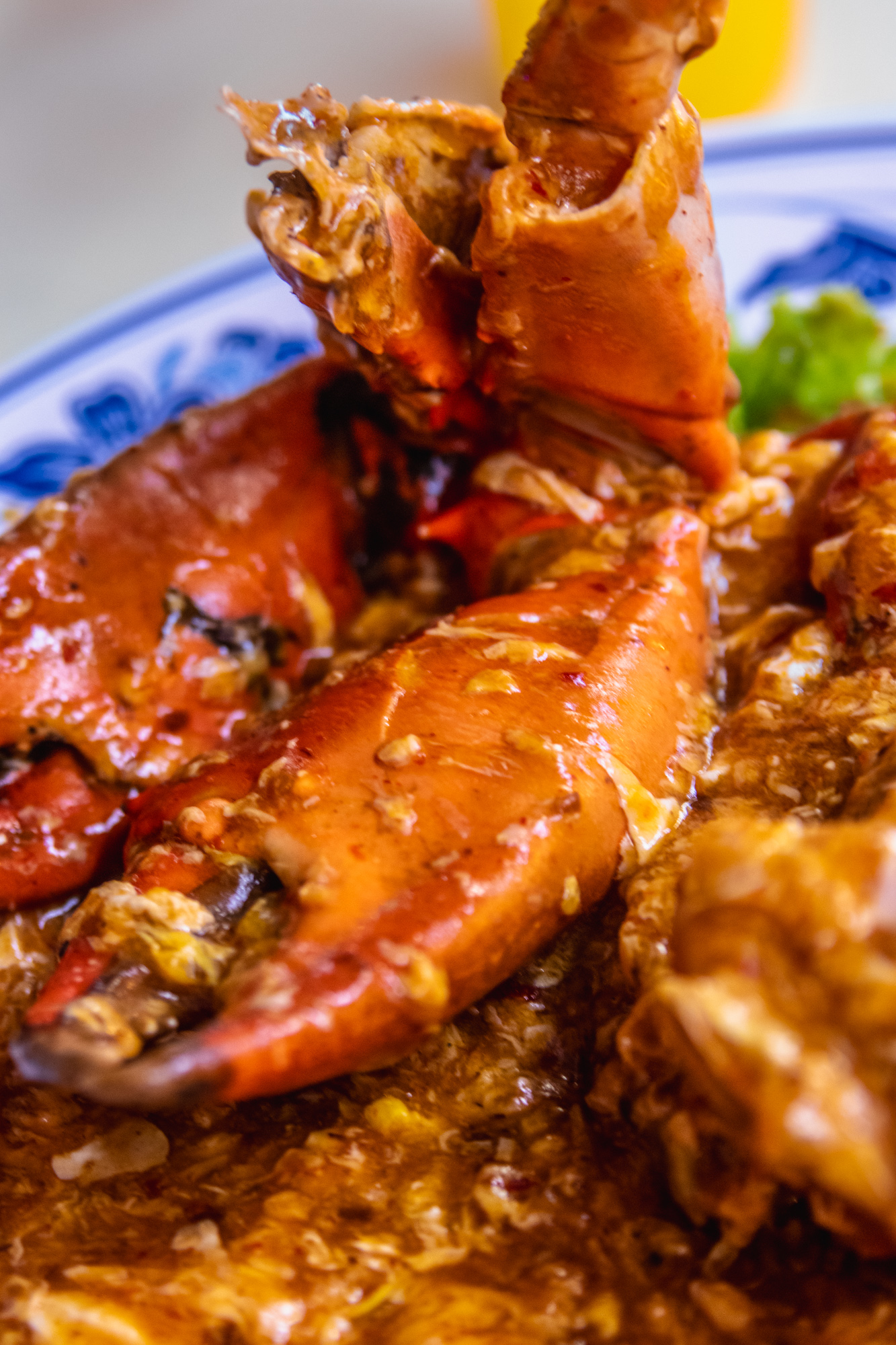
Look for seafood stalls serving chili crab if available. It is messy, hands-on, and absolutely worth ending the night that way.
This is not about finding the single best dish. It is about tasting a little of everything and letting the city feed you before you head back.
Love Southeast Asian food? Don’t miss 10 dishes you must eat in Kuala Lumpur – Malaysian cuisine is just as incredible and often even more diverse than what you’ll find in Singapore.
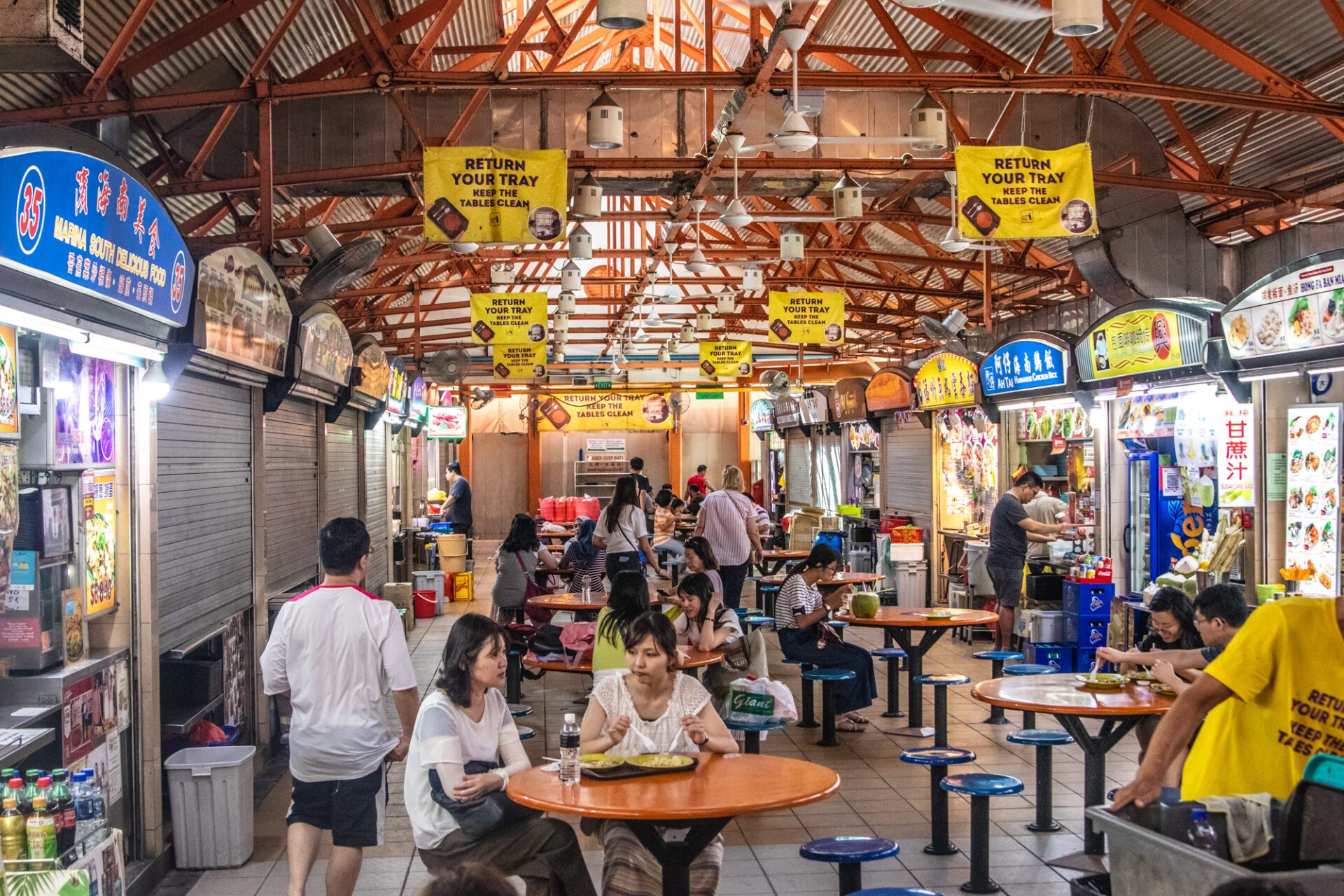
Pro tips for Hawker Centre Dinners in Singapore
- Follow the crowds. A long line usually means one thing: the stall is doing something right. Waiting is part of the experience.
- See tissue packets on a table? That spot is taken. Locals call this chope, and it is completely normal.
- Be open to sharing tables. During busy hours, sitting with strangers is expected and often leads to small, friendly moments.
- Carry cash. Many hawker stalls still do not accept cards, especially the best, no-frills ones.
Day 3 of Singapore Travel Itinerary
Morning: Universal Studios Singapore
Start your last day on Sentosa Island with something playful and light. Universal Studios Singapore is compact enough to enjoy without feeling overwhelmed, especially if you arrive early.
One of the highlights is Transformers The Ride. It is fast, immersive, and surprisingly intense. Even if you are not a huge Transformers fan, the ride pulls you straight into the action.
If you are up for adrenaline, head to Battlestar Galactica. The two intertwined roller coasters look intimidating and feel even better once you are on them. This is the big thrill of the park.
The Jurassic Park area slows things down slightly but makes up for it in atmosphere. Lush greenery, sound effects, and detailed sets make it feel like stepping into the movie rather than just another themed zone.
If you are traveling with kids, or simply want something cheerful and easy, the Sesame Street Spaghetti Space Chase is a fun stop. It is lighthearted, colorful, and genuinely enjoyable even for adults.
This morning is about fun without pressure. Laugh, scream if you want to, and enjoy doing something a little different before wrapping up your time in Singapore.
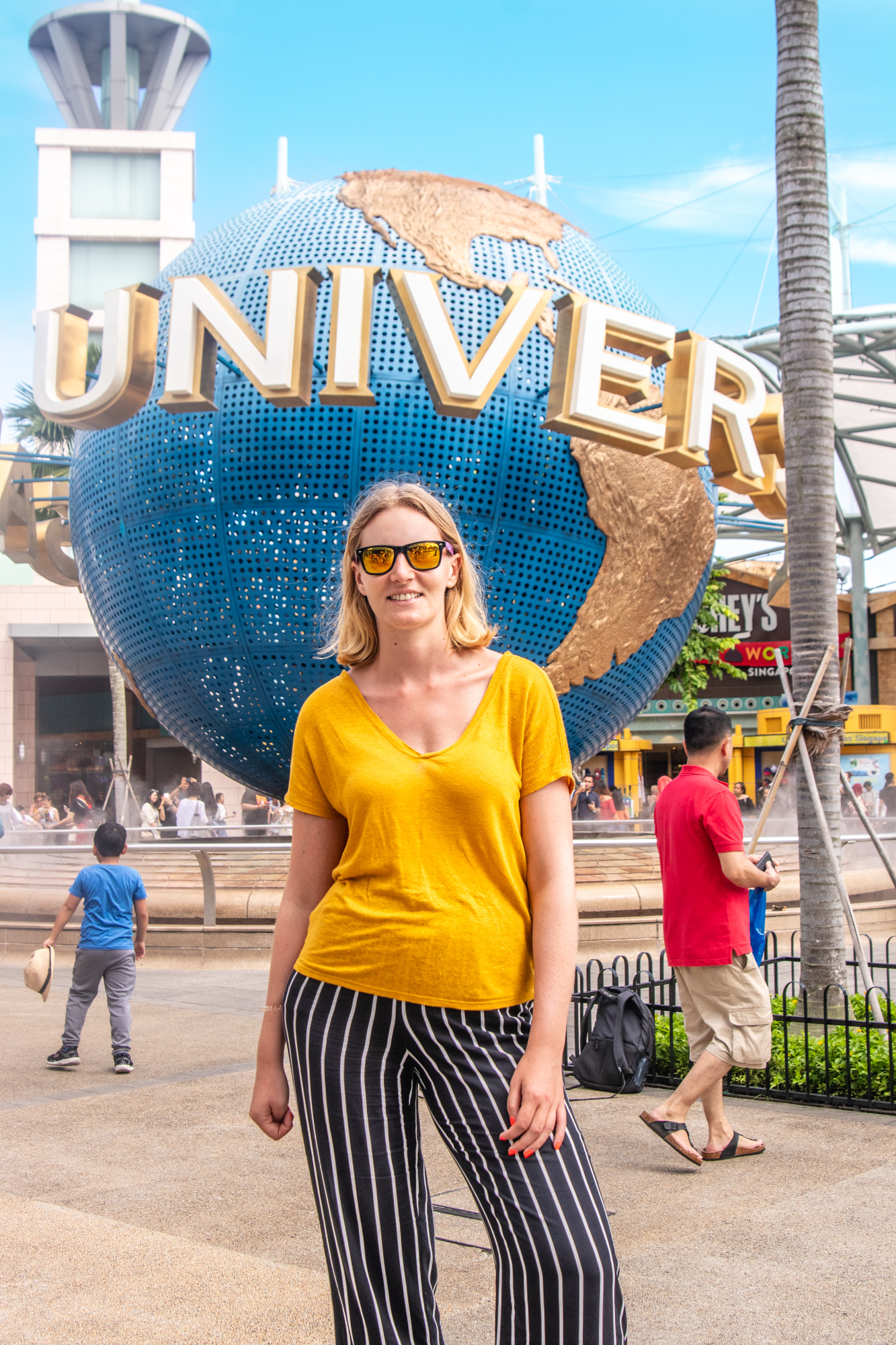
Pro tips for Universal Studios Singapore
- Arrive at opening and go straight to the popular rides. The first hour sets the tone for the whole visit and saves you a lot of waiting later.
- Use single rider lines if you are okay splitting up. It is one of the easiest ways to cut wait times without paying extra.
- Download the official park app. Seeing live wait times helps you decide when to move and when to slow down.
- If you are there on a Sunday evening, stay for the Star Power Parade. All the characters come out, the music is upbeat, and it is a cheerful way to end the day.
Afternoon: Sentosa Island
After the energy of Universal Studios, keep the afternoon lighter and more fluid. Sentosa is made for slowing down between attractions, without needing a strict plan.
Start at the Singapore Oceanarium. It is cool, calm, and quietly impressive. Massive tanks, slow-moving sea life, and soft light make this a surprisingly soothing stop, especially in the midday heat.
If the sun starts to feel heavy, walk over to Adventure Cove Waterpark. It is a good reset. Float, cool off, and let the heat fade for a while before continuing.
For something playful, ride the Skyline Luge Sentosa. You control the speed as you wind downhill, and it is fun in a low-stakes, slightly ridiculous way that works for all ages.
End the afternoon at Siloso Beach. Grab a drink at one of the beach bars, sit with your feet in the sand, and do very little for a while. After two full days, this pause matters.
This afternoon is about balance. Water, shade, a bit of movement, then stillness. Sentosa lets you choose how much or how little you want to do.
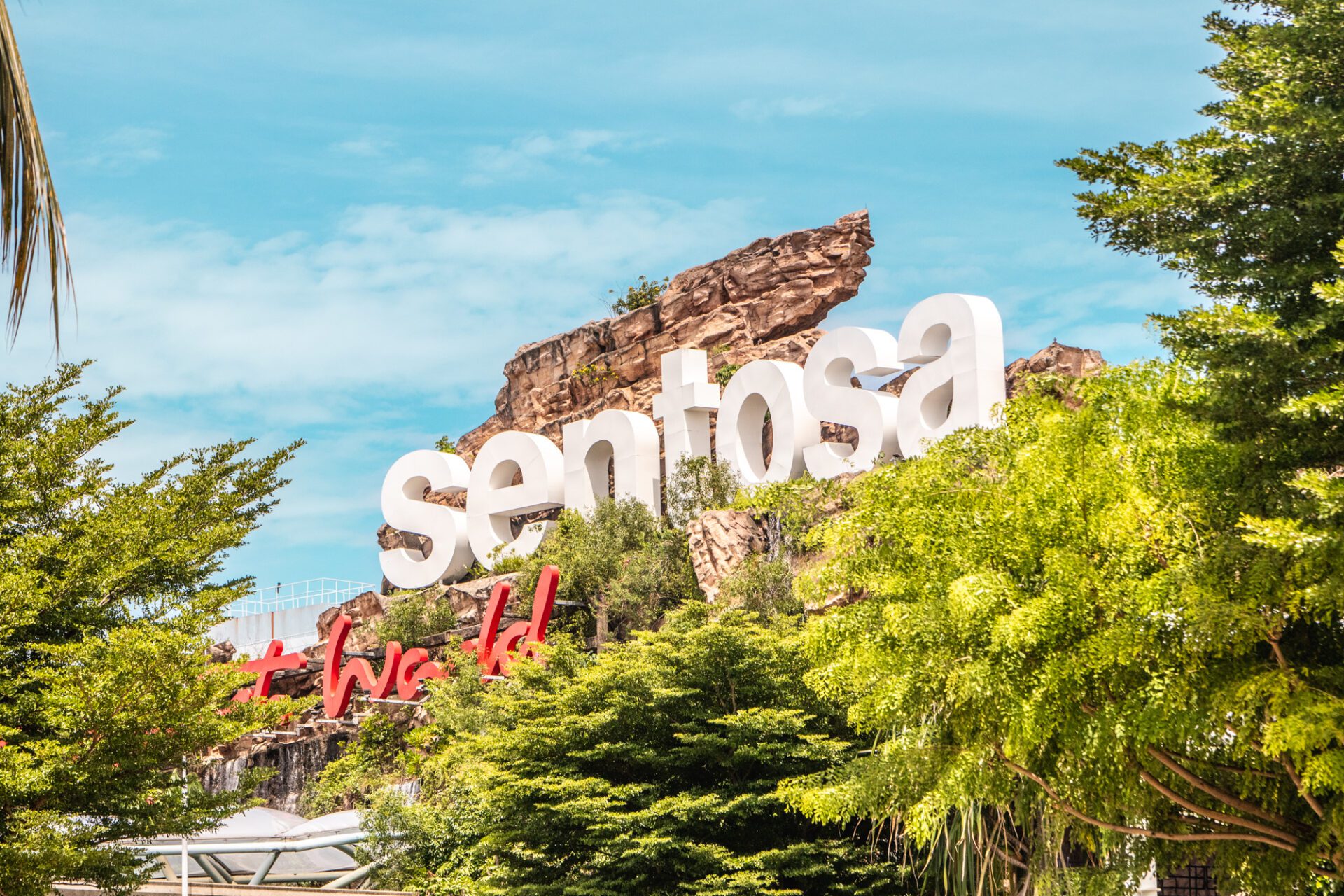
Pro tips for Sentosa Island
- Arrive via the cable car from Mount Faber. The views as you come in are some of the best in the city and instantly set a slower, holiday mood.
- Step back into history at Fort Siloso. It gives important context to Singapore’s role during World War II and adds depth to an otherwise playful island.
- End the night with the Wings of Time light show. Yes, it is a bit cheesy, but it is also genuinely pretty and a relaxed way to close your last evening.
Evening: Orchard Road
Spend your final evening somewhere familiar, but still very Singapore. Orchard Road has been the city’s main shopping artery for decades, yet it keeps reinventing itself. Bright, polished, and surprisingly easy to wander at night.
Start at ION Orchard. The futuristic exterior is hard to miss, especially after dark. Inside, it is sleek and high-end, even if you are just browsing and soaking in the atmosphere.
From there, walk toward Takashimaya Shopping Centre. This is a good contrast. Less flashy, more varied, with everything from international brands to everyday items. It feels practical and lived-in, not just glossy.
Make a stop at Design Orchard. This is where you find pieces created by local designers, thoughtful gifts, and souvenirs that actually feel connected to Singapore rather than mass-produced.
End the night on Emerald Hill. Just off Orchard Road, these preserved Peranakan houses now hide cozy bars and restaurants. Grab a drink, sit outside if you can, and let the trip land softly.
This evening is not about buying more things. It is about closing the loop. A last walk, a last drink, and the feeling that you have seen many sides of the city without rushing through any of them.
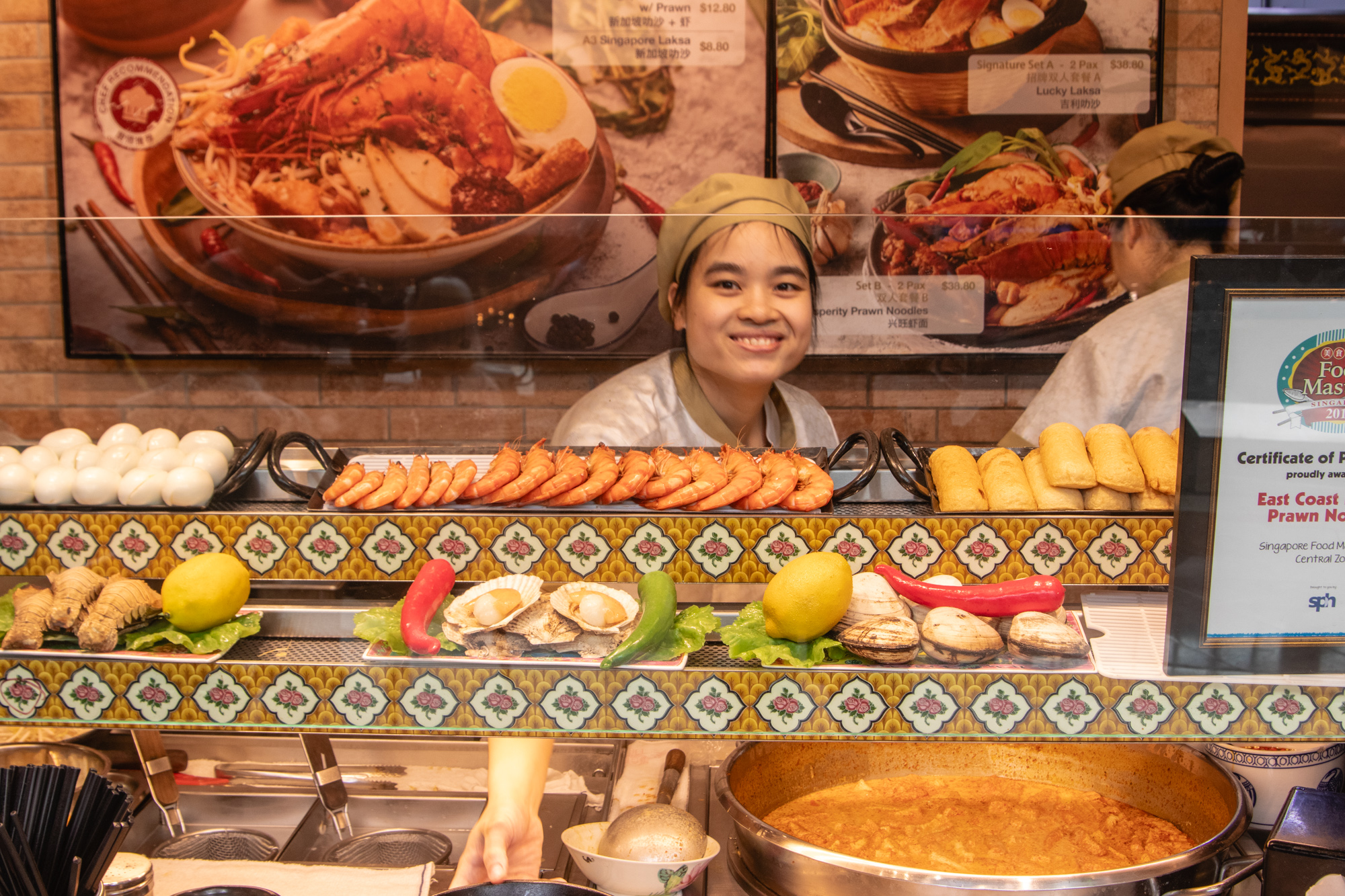
Pro tips for Orchard Road
- Go underground. The best food courts are often on basement levels of malls. This is where locals eat quick, good meals between errands.
- Visit Lucky Plaza. It is where many Filipino workers shop, and it feels completely different from the polished malls nearby. Great food, honest prices, and some of the best bargains on Orchard Road.
- Have your final drink on Emerald Hill. Order a Singapore Sling at Alley Bar. It is far more relaxed and balanced than the classic tourist version, and a perfect way to end the trip.
Where Do You Want to Go After Singapore?
🏙️ More city exploration → Kuala Lumpur in 2 Days – chaos, street food, and unexpected calm all mixed together
🌿 Tropical rainforest → Taman Negara National Park – one of the oldest jungles on earth, totally different from Singapore
🍜 Food adventures → Top 10 Dishes in Kuala Lumpur – Malaysian flavors that’ll change how you think about Southeast Asian food
🗺️ Big regional trip → Best Places in Malaysia – islands, mountains, cities, and everything in between
What’s calling you next?
Before You Go
Weather
Singapore is warm and humid all year. Think loose, breathable clothes and shoes you can walk in for hours without friction. If something rubs when you sweat, leave it at home.
Money
The local currency is Singapore Dollars (SGD). Cards work almost everywhere, but keep some cash for hawker centres, street food stalls, and small neighborhood shops where cards are still hit or miss.
Internet
Get a local SIM card at the airport or rent a portable WiFi device. It makes navigating, checking opening hours, and posting along the way effortless, without relying on spotty free WiFi.
A little prep goes a long way here. Singapore is easy, but it rewards being comfortable, connected, and not overthinking the basics.
Getting Around
Public transport
Singapore’s subway, known as the MRT, goes pretty much everywhere most travelers need to go.
It is fast, clean, air-conditioned, and does not get stuck in traffic. Buses reach even more neighborhoods, but during rush hour they can move slowly.
EZ-Link card
Pick up an EZ-Link card at the airport or any MRT station when you arrive. It works on trains and buses and saves you from buying tickets every single time. Tap in, tap out, done.
Taxis and ride-hailing
Download Grab. It works like Uber and is the easiest way to get around when you are tired, dressed up, or caught in the rain.
Regular taxis are reliable and use meters, so pricing is fair. Just know that they can be hard to find during evening rush hour or sudden tropical downpours.
Getting around Singapore is refreshingly simple. Once you stop worrying about transport, the city becomes very easy to enjoy.
Planning to explore more of the region? My complete Malaysia guide shows how to build a smooth trip around places like Kuala Lumpur, tropical islands, and rainforest areas, without rushing or overplanning.
What to Know
- Do not bring chewing gum. It is restricted in Singapore, and it is not worth testing how strict they are about it.
- Smoking is heavily regulated. You cannot smoke in most public places. Look for clearly marked smoking areas and stick to them.
- Littering is a big no. Dropping trash anywhere can lead to serious fines. Singapore is clean because everyone is expected to keep it that way.
- Always respect the queue. People line up for everything, trains, food stalls, elevators. Cutting in line is one of the fastest ways to get called out.
These rules are not about being uptight. They are why the city runs so smoothly. Once you adapt, everything feels calmer, more orderly, and surprisingly easy to live with.
Ways to Save Money
- Use public transport as much as possible. Trains and buses are fast, reliable, and far cheaper than taking taxis everywhere. Most of the time, they are just as convenient.
- Eat at hawker centres. This is where locals eat daily, and it shows. Meals are affordable, generous, and often better than what you will get at sit-down restaurants aimed at tourists.
- Look into attraction passes. If you plan to visit several major sights, bundled tourist passes can make sense. Just check that the places included actually fit your plan.
- Lean into what is free. Walk the Southern Ridges or spend time around MacRitchie Reservoir. Both are beautiful, calming, and cost absolutely nothing.
Singapore does not have to be expensive. The best experiences are often simple: walking, eating well, and spending time in green spaces woven right into the city.
Must-Try Local Experiences
- Start the morning the local way. Sit down at a kopitiam, order kaya toast, soft-boiled eggs, and a strong kopi. No rush. This is how days begin here, quietly and without ceremony.
- Visit a wet market early. Go before the heat sets in, when grandmothers bargain over the freshest greens and fish. It is loud, practical, and completely unfiltered Singapore.
- Join the rhythm of the parks. Early mornings belong to slow movement: tai chi, stretching, quiet routines repeated every day. You do not have to join in. Just watching is enough to feel the pace.
- Try durian if you are curious. Locals call it the king of fruits. First-timers usually focus on the smell. Either way, it is part of the experience, and you will not forget it.
These are not attractions you schedule. They are moments you step into. Small, everyday rituals that show you how the city actually lives.
Hidden Gems Worth Checking Out
If you have a little extra time or just want to step outside the obvious, these places show a very different side of Singapore.
Haw Par Villa
Strange, intense, and completely unforgettable. This open-air park is filled with statues depicting Chinese mythology and visions of hell. It is not polished or pretty, and that is exactly why it works. Nothing like a theme park you have seen before.
Pulau Ubin
Take a short bumboat ride and step into a slower version of Singapore. Dirt paths, simple houses, wild boars wandering around. Rent a bike and ride without a plan. It feels like time paused here decades ago.
Joo Chiat / Katong
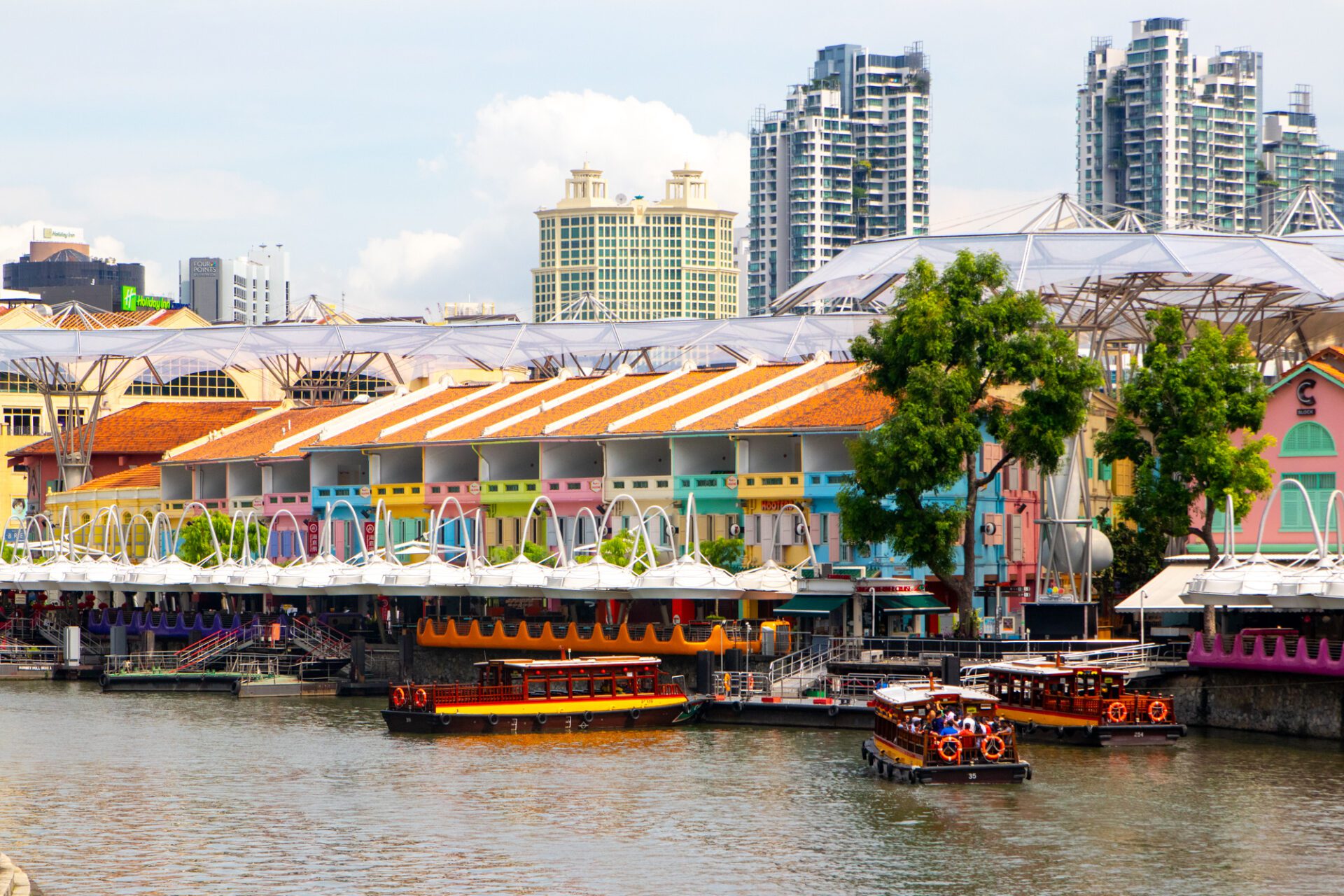
Come for the colorful shophouses, stay for the Peranakan food. This area feels warm and lived-in, and the architecture alone makes it worth the trip. One of the most photogenic parts of the city.
Sungei Buloh Wetland Reserve
Boardwalks through mangroves, huge monitor lizards, and if you are lucky, crocodiles resting in the distance. It is wild, quiet, and very different from central Singapore. Bring mosquito repellent and take your time.
These places are not about ticking boxes. They are about seeing how many layers this city really has, once you move just a little off the main path.
If you love escaping to nature, you’ll want to see Taman Negara National Park in Malaysia – one of the world’s oldest rainforests, just a few hours from Singapore.
Travel lighter, even before you leave.
start with something simple.
Download The Minimum Plan – Slow Travel:
3-Day Singapore Travel Itinerary: What Stays With You
Three days in Singapore taught me something I didn’t expect: a perfectly organized city can still feel deeply human.
I remember sitting at a plastic table in a hawker center, watching an elderly couple share curry and rice without saying much.
Walking through Little India while rain started falling, everyone ducking into doorways together.
Standing on the rooftop at Buddha Tooth Relic Temple, where temple bells mixed with construction sounds from the towers next door.
Singapore doesn’t ask you to choose between old and new, fast and slow, planned and spontaneous. It shows you that all of it can exist in the same small space, at the same time.
This itinerary gives you structure, but the best moments will probably be the ones you don’t plan. The food stall you wander into by accident.
The temple you notice from the street. The conversation that starts when you’re lost and someone offers directions.
Have you been to Singapore? What surprised you most – the gardens, the hawker centers, the mix of cultures, or something else entirely?
Let me know in the comments. I love hearing what stayed with people long after they left.
And if this itinerary helped you plan your trip, share it with someone else heading to Singapore. Sometimes the best trips start with someone else’s tested route.