
Dreaming of a Pacific Northwest road trip, but without rushing from one highlight to another?
Since 2023, I’ve been slowly exploring Washington and Oregon – back roads, misty coastlines, quiet valleys, and places that rarely make it onto typical itineraries. This 10-day route is built from real road trips, not a checklist.
You’ll move between laid–back cities, volcanic landscapes, forest trails covered in moss, and small coastal towns that still feel local. Nothing here is accidental – every stop earned its place.
Along the way, I’ve added the practical details I always look for myself: park access, entrance fees, seasonal notes, and tips that make the trip smoother and lighter.
If you’re craving wild beaches, green silence, and that unmistakable PNW atmosphere, take a moment, pour yourself a coffee (or a local IPA), and let’s plan a journey that actually feels like an escape.
Day 1 – Seattle: Pike Place Market & Capitol Hill
Morning: Arrive in Seattle
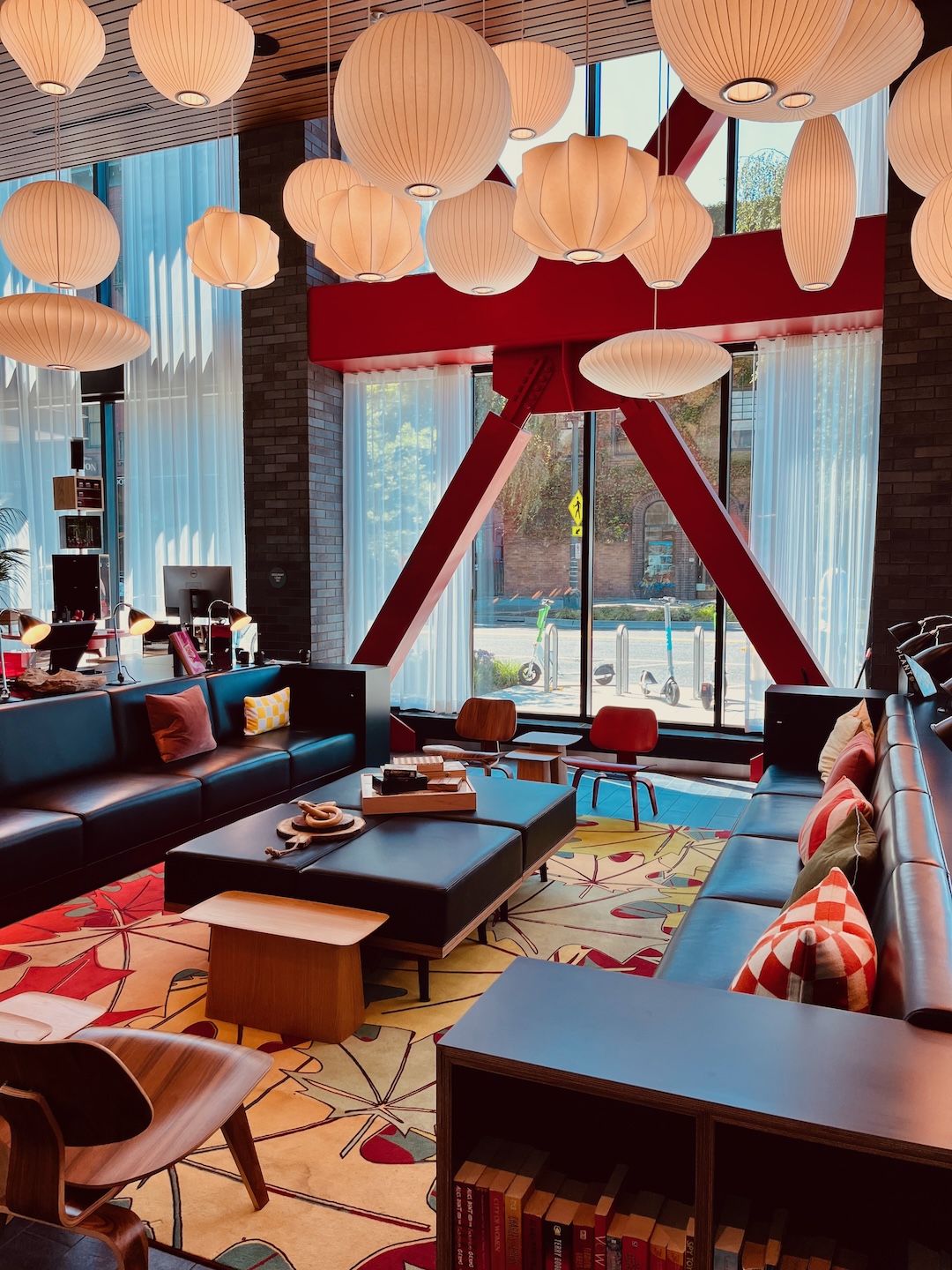
Arrive in Seattle and drop your bags at citizenM Seattle Pioneer Square. After trying more hotels here than I can count, this one keeps pulling me back.
If you get a harbor-view room, it genuinely feels like hovering above Elliott Bay. Clean lines, calm colors, zero hotel stiffness. Minimalist, but still warm and easy to settle into.
Head downstairs for breakfast. Their baristas take coffee seriously, and the espresso is exactly what you want on a Seattle morning.
The breakfast spread is surprisingly good too, fresh, simple, and actually worth the price, even by Seattle standards.
Take your time here. Let the city wake up slowly before you head out.
Afternoon: Explore Pike Place Market
Head to Pike Place Market after breakfast. Open since 1907, it’s one of those places that still feels deeply local, even with all the attention.
Yes, it shows up in Sleepless in Seattle, but the real magic has nothing to do with movies. It’s the fishmongers casually tossing huge salmon through the air while joking with the crowd, the kind of everyday theater that somehow never gets old.
Wander slowly. Past flower stalls stacked with impossibly perfect bouquets, through narrow corridors where local artisans sell handmade jewelry, and into spice shops that smell like travel.
This is the kind of place where it’s worth turning corners without a plan.
My quiet favorite here is The Crumpet Shop. Warm, English-style crumpets, generously spread with butter and honey, made the same way long before Seattle became “cool.”
Simple, comforting, and exactly right after a few hours of wandering.

Evening: Dinner in Capitol Hill
As evening settles in, grab an Uber to Capitol Hill. This is one of those neighborhoods that feels alive at all hours.
Rainbow crosswalks, independent bookstores, vintage shops, and venues where new sounds are tested long before they hit anywhere else.
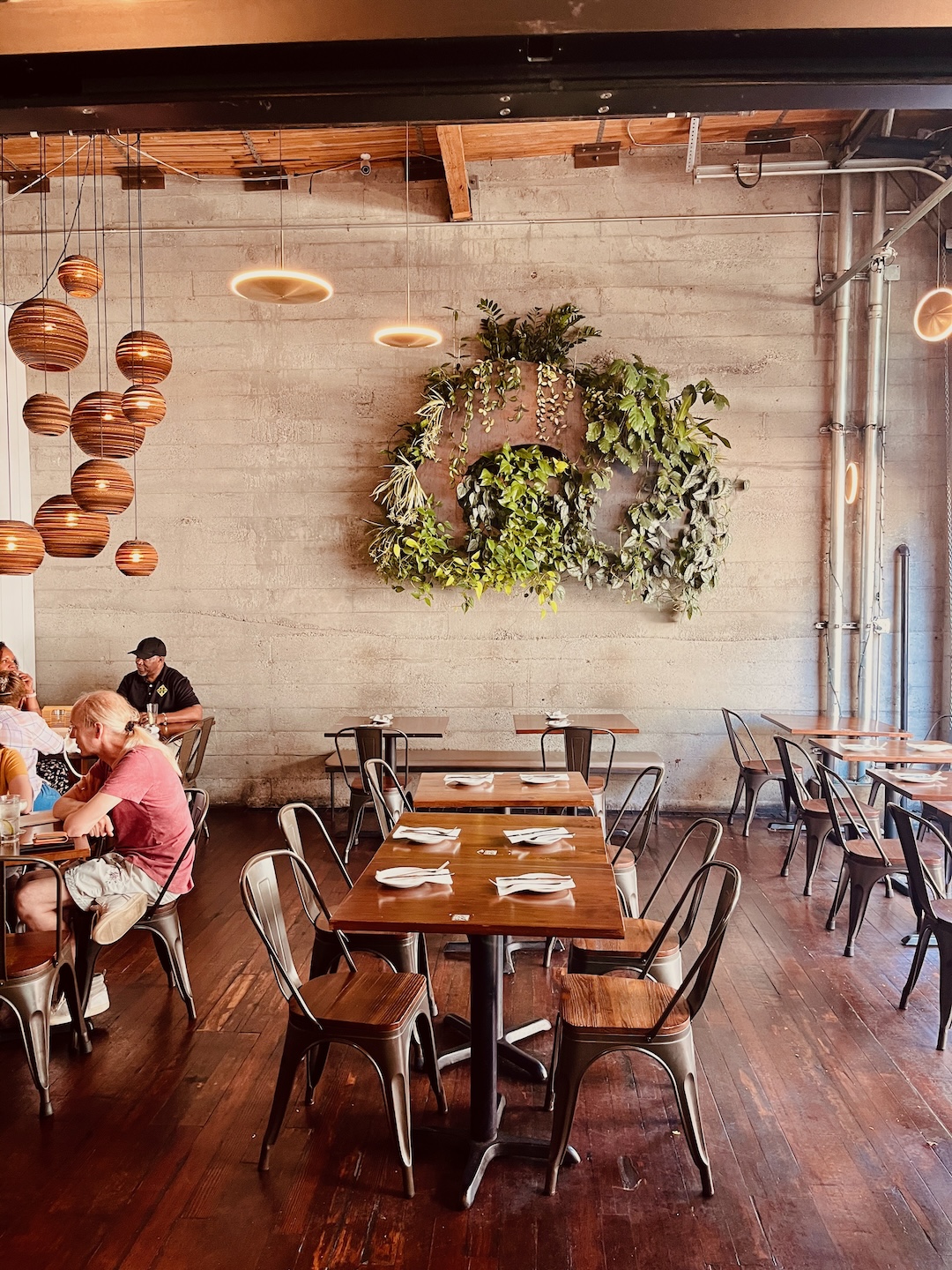
Dinner is at Kedai Makan. It looks almost too understated to be memorable, which is part of the charm. The Malaysian street food here is quietly incredible.
The laksa lemak, rich coconut curry broth with noodles, is the kind of dish that stays with you long after the bowl is empty.
After dinner, just walk. Capitol Hill rewards wandering. Follow the glow, step into any bar that feels right, and linger.
The cocktail scene here is excellent, even if locals pretend otherwise. It’s the perfect, slightly restless end to your first day in Seattle.
If you want to dive deeper into Seattle beyond this itinerary, I’ve explored every corner of this city and compiled my favorite experiences. Check out my list with 15 things to do in Seattle that go beyond the typical tourist spots.
Practical Tips
- Pike Place Market is liveliest between 10am and 6pm. Go earlier if you want space to wander, but expect fewer vendors to be open.
- The Crumpet Shop opens at 7am and closes around 4pm. Morning lines look long but move fast and are absolutely worth it.
- Kedai Makan serves dinner until 9pm (10pm on weekends). Arriving before 7pm usually means less waiting, unless lingering in line is part of the experience you’re after.
Day 2 – Seattle: Space Needle, MoPOP & Kerry Park
Morning: Space Needle and Chihuly Garden and Glass
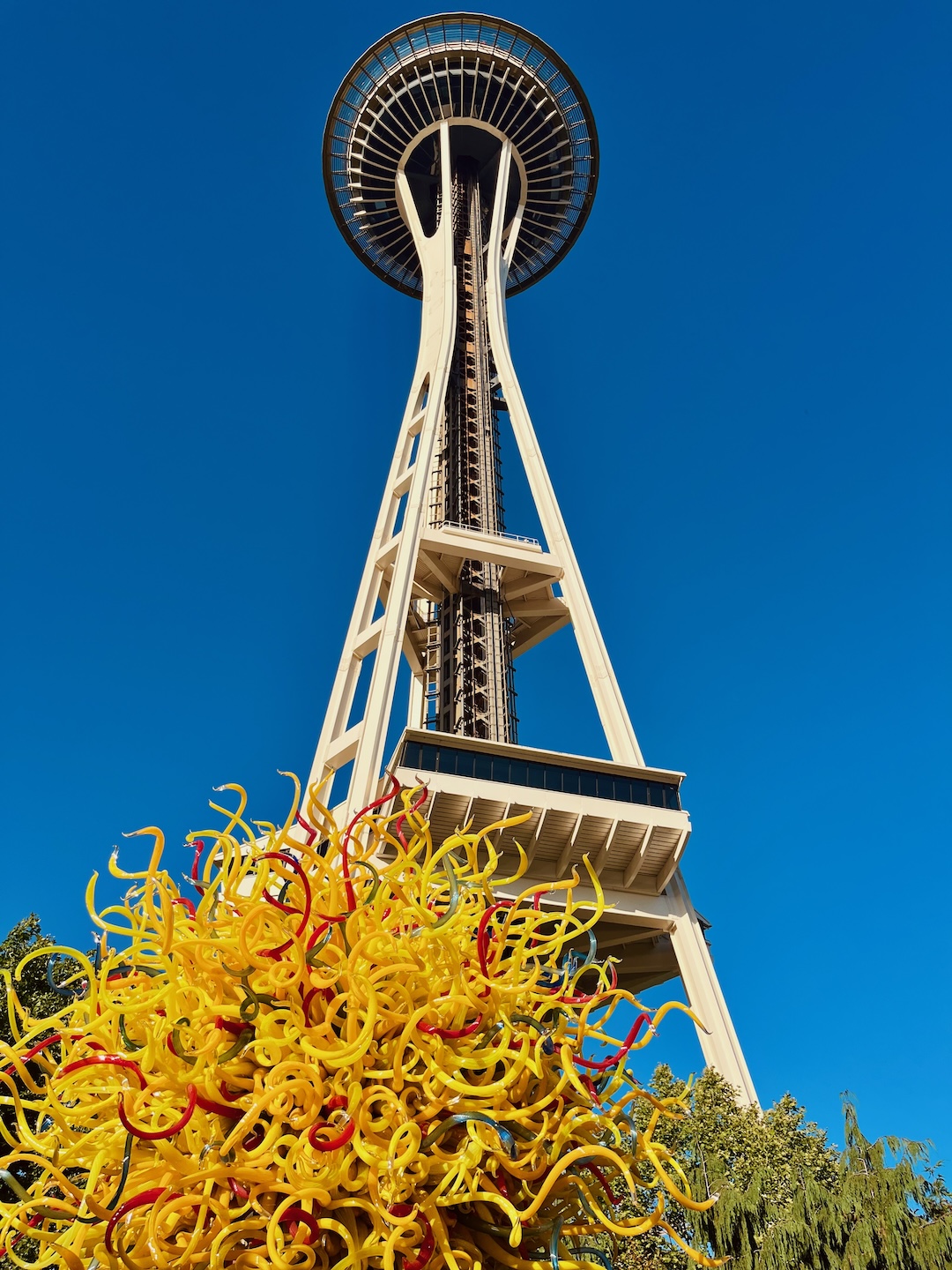
Start the morning at the Space Needle. Going early makes a real difference. Before the crowds arrive, the 605-foot retro-futuristic tower feels almost calm, like the city hasn’t fully woken up yet.
The glass floor is surprisingly intense. Even if heights don’t usually bother you, this one asks for a moment of courage. I definitely held onto the railing longer than planned.
Right next door is Chihuly Garden and Glass, and it’s pure visual escape. Think glass shaped by dreams rather than gravity. The 98-foot suspended installation inside shifts constantly as you move, colors and reflections changing with every step.
Outside, the garden feels slightly unreal. Glass forms rise between plants and greenery, blending art and nature so seamlessly it feels less like an exhibition and more like stepping into another dimension.
Quiet, immersive, and unexpectedly grounding after the height of the Space Needle.
Afternoon: Seattle Center & Museum of Pop Culture
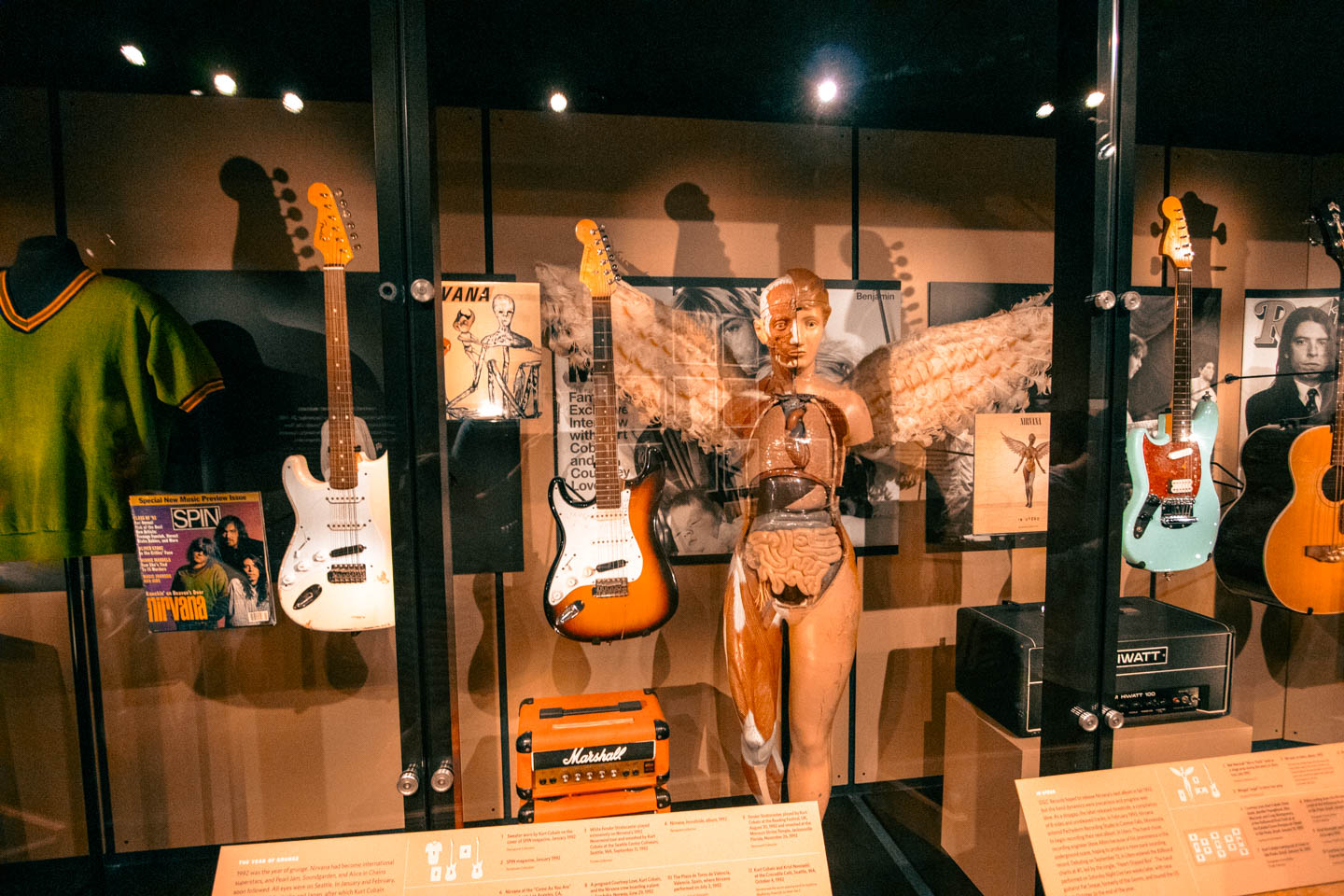
After lunch, head back into Seattle Center and step inside the Museum of Pop Culture. The building alone stops you in your tracks. That shimmering, slightly chaotic form is the work of Frank Gehry, and it feels like music frozen mid-riff.
Inside, it is a mix of nostalgia and genuine cultural weight. You will spot iconic pieces tied to Jimi Hendrix and Kurt Cobain, and even Dorothy’s ruby slippers from The Wizard of Oz. It is tempting to just photograph everything and move on.
But the real fun starts in the hands-on spaces. Skip the passive exhibits and head straight to the interactive studios. You can play instruments, record vocals, and experiment without anyone watching or judging.
I spent a solid 45 minutes trying to get a bass line right before giving up entirely. Those awkward recordings are still one of my favorite souvenirs from Seattle. Sometimes the best memories are the slightly ridiculous ones.
Evening: Kerry Park
As the light softens, take a rideshare to Kerry Park in Queen Anne. It’s the viewpoint you’ve seen a hundred times without realizing it. Small, quiet, and perfectly placed.
Yes, it appears in 10 Things I Hate About You, but forget the rom-com associations. On a clear evening, Mount Rainier rises behind the skyline with an almost unreal presence, calm and massive, making the city feel suddenly very small.
If you’re hungry, stay in the neighborhood and head to Betty Restaurant. It’s unfussy, warm, and exactly the kind of place I’d choose over downtown dining.
The roast chicken is quietly perfect, and the seasonal vegetables might genuinely change how you feel about Brussels sprouts.
Grab a seat at the bar if you can. Conversations tend to happen naturally here, often with locals who remember Seattle before the tech boom, when it still felt like an overlooked edge of the map. It’s a grounded, human way to end the day.

Practical Tips
- Space Needle prices change often. Expect around $49 for adults. Booking online saves time and usually means skipping the longest lines.
- Chihuly Garden and Glass has similar hours, usually closing between 5 and 7pm depending on the day. Tickets start around $35 for adults.
- If you’re planning to see both, the combo ticket for the Space Needle and Chihuly Garden and Glass (around $69) is the easiest way to save a bit.
- Museum of Pop Culture is typically open 10am-5pm and closed on Wednesdays. Tickets are usually around $25-$36 for adults.
- Betty Restaurant serves dinner every night. Sunday through Wednesday until 8:30pm, later on weekends. Reservations are smart, but bar seating often works well for walk-ins.
Day 3 – Seattle to Mount Rainier National Park
Morning: Mount Rainier National Park
Point the car south and leave the edges of Seattle behind. The drive toward Mount Rainier National Park is slow and satisfying, unfolding from suburbs into dense evergreen forest.
And then it happens. The trees open for a second, and the mountain appears.
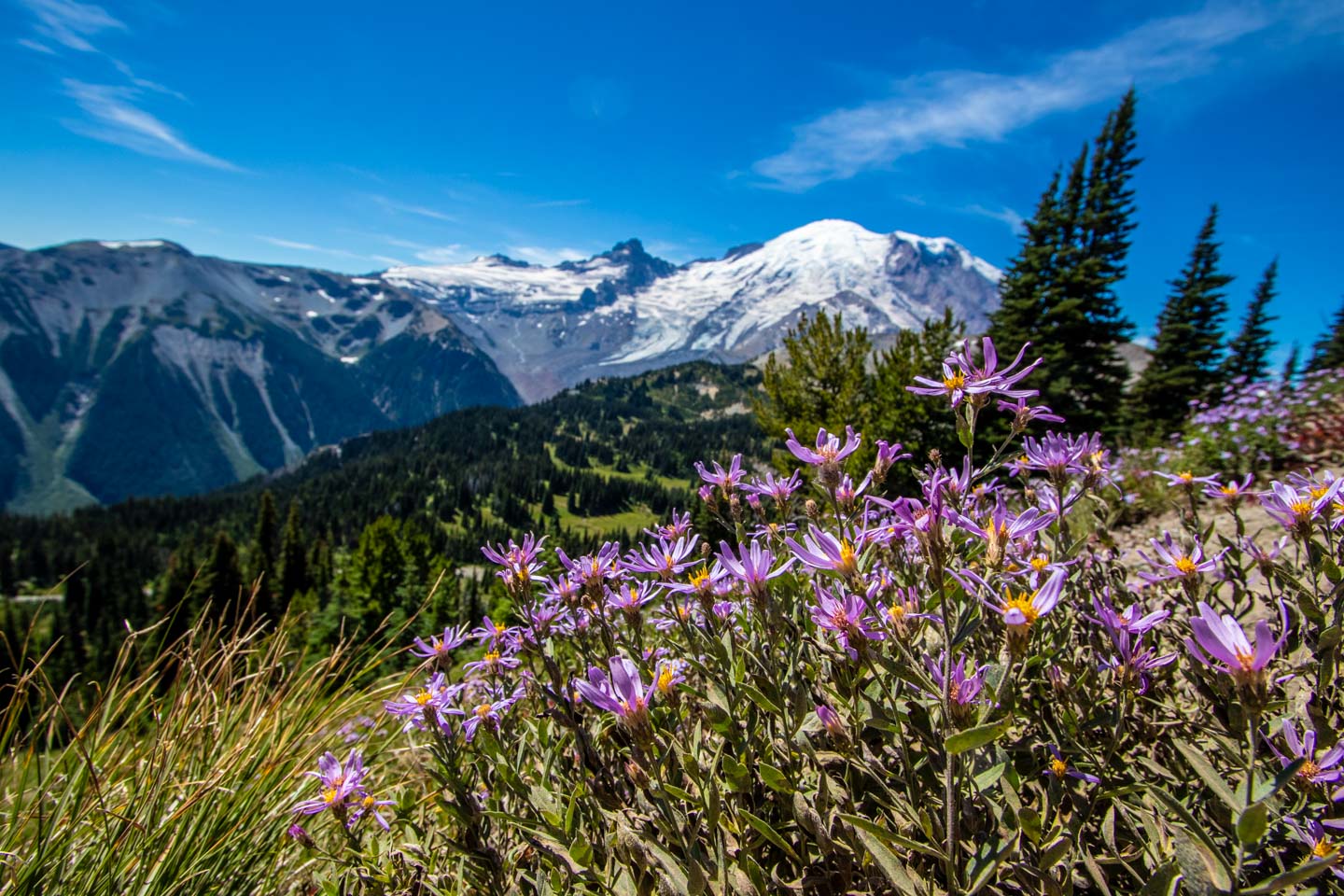
Fourteen thousand feet of snow and stone, floating almost unreal above the green. No photo prepares you for that first glimpse. It stops conversations mid-sentence.
The Paradise area more than earns its name. Early explorers weren’t being poetic, just honest. Every visit here feels different.
One day the mountain hides behind drifting fog, soft and mysterious. Another day it stands sharp and impossibly clear against a deep blue sky.
Either way, it sets the tone. Quiet. Grounded. And very far from the city you left behind.
Afternoon: Nisqually Vista Trail
Start at the Paradise Visitor Center. Grab a map, refill your water bottles, and take a proper bathroom break. This is the last easy stop before heading out onto the trails.
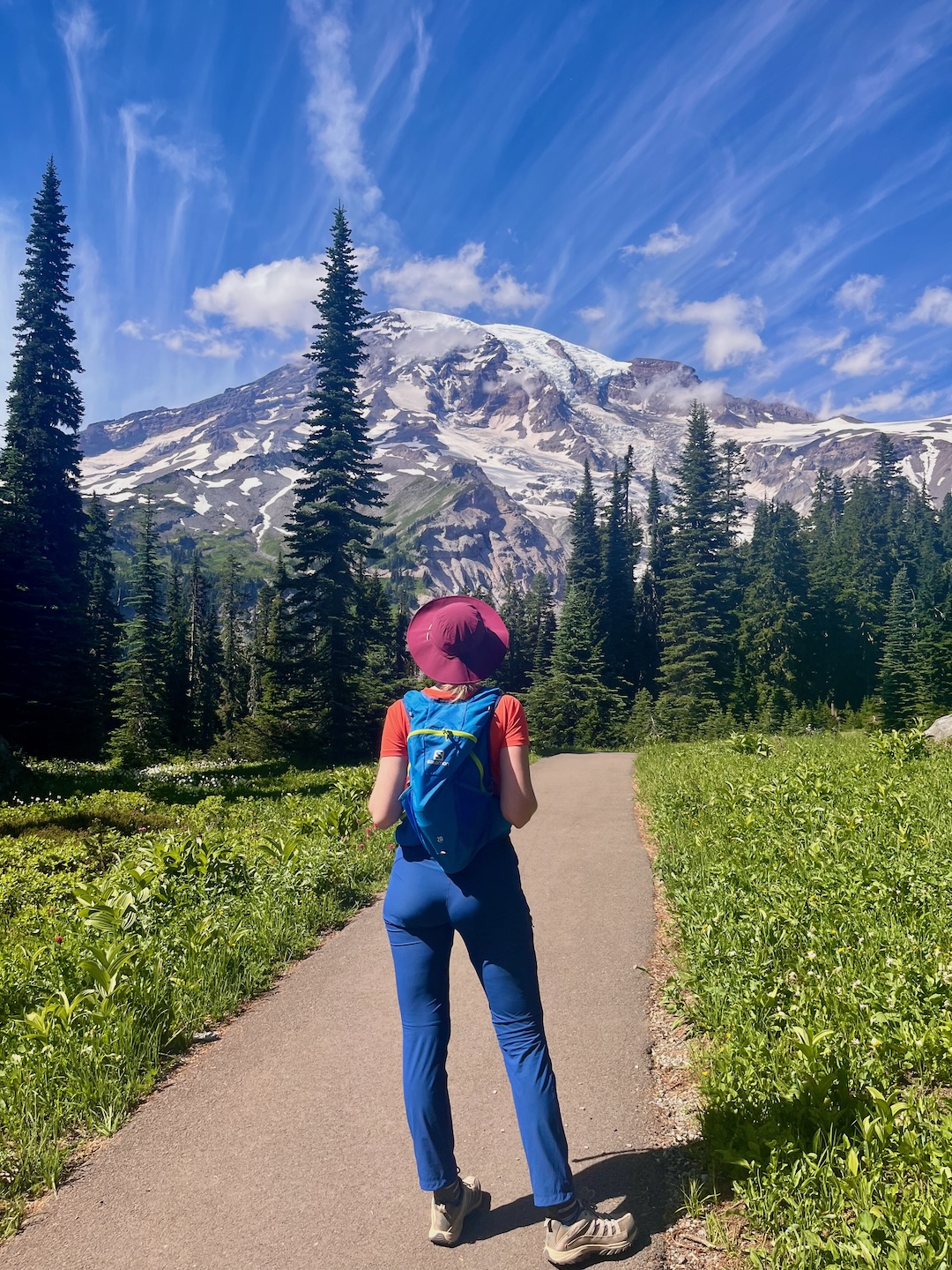
From here, walk the Nisqually Vista Trail. It’s a short, 1.2-mile paved loop and one of the most accessible walks in the park. Perfect if you’re not a big hiker or if you just want something gentle with a big payoff.
And the payoff is real. The Nisqually Glacier pours down the side of the mountain in wide, frozen streams, bright white against dark rock. It looks almost unreal, like lava slowed mid-flow.
In summer, keep your eyes low as well as high. Yellow-bellied marmots pop in and out of the meadows, completely unbothered by visitors.
They pause, pose, and disappear into the grass like they were never there. One of those small Mount Rainier moments that stays with you longer than expected.
This trail reminded me why I keep coming back to Mount Rainier. There’s something about the combination of accessibility and raw alpine beauty that makes this park special.
If you’re planning to spend more time here, I’ve put together a guide to the 10 things to do in Mount Rainier National Park with trails and viewpoints beyond Paradise.
Evening: Stargazing
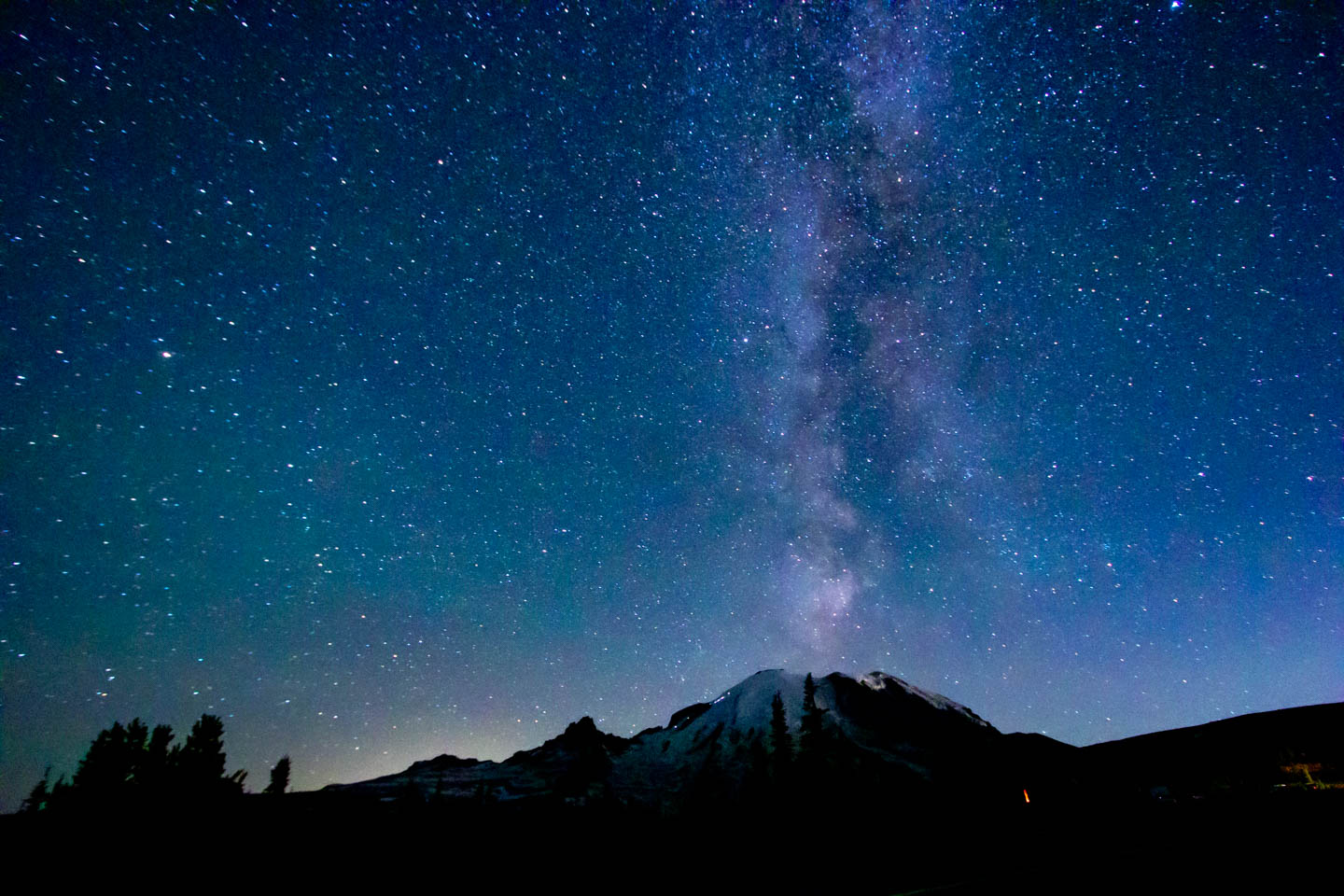
As night falls, drive toward the Sunrise area. This is one of the best places in the park for looking up. With minimal light pollution, the sky here feels vast and incredibly close.
Bundle up, even in summer. Temperatures drop fast once the sun disappears. Then wait. One by one, stars begin to show, until the sky fills completely and the Milky Way stretches overhead like a pale ribbon of light.
On good nights, meteor showers turn the experience into something unforgettable. I once counted 37 shooting stars in a single hour, thin silver-green streaks cutting across the darkness.
Mount Rainier stays mostly invisible then, just a deeper shadow against the night, grounding the whole scene in silence.
It’s the kind of ending that makes you speak less and look longer.
Practical Tips
- Mount Rainier National Park is open 24/7 year-round, but road access and facilities can be limited in winter. Always check conditions before you go.
- The $30 vehicle entrance fee is valid for 7 days. The America the Beautiful Pass is accepted here. Pass pricing and eligibility can change, so check the official site close to your trip for current details.
- The Paradise area fills up fast, especially on weekends and clear days. Arriving early is the easiest way to avoid circling for parking.
- Pack layers, even in summer. Weather up here shifts quickly. It can feel like t-shirt temperatures one moment and jacket weather the next.
- White River Campground often books out months in advance. If camping is part of your plan, secure a reservation before locking in anything else.
Day 4 – Mount Rainier National Park to Portland
Morning: Mount Fremont Fire Lookout
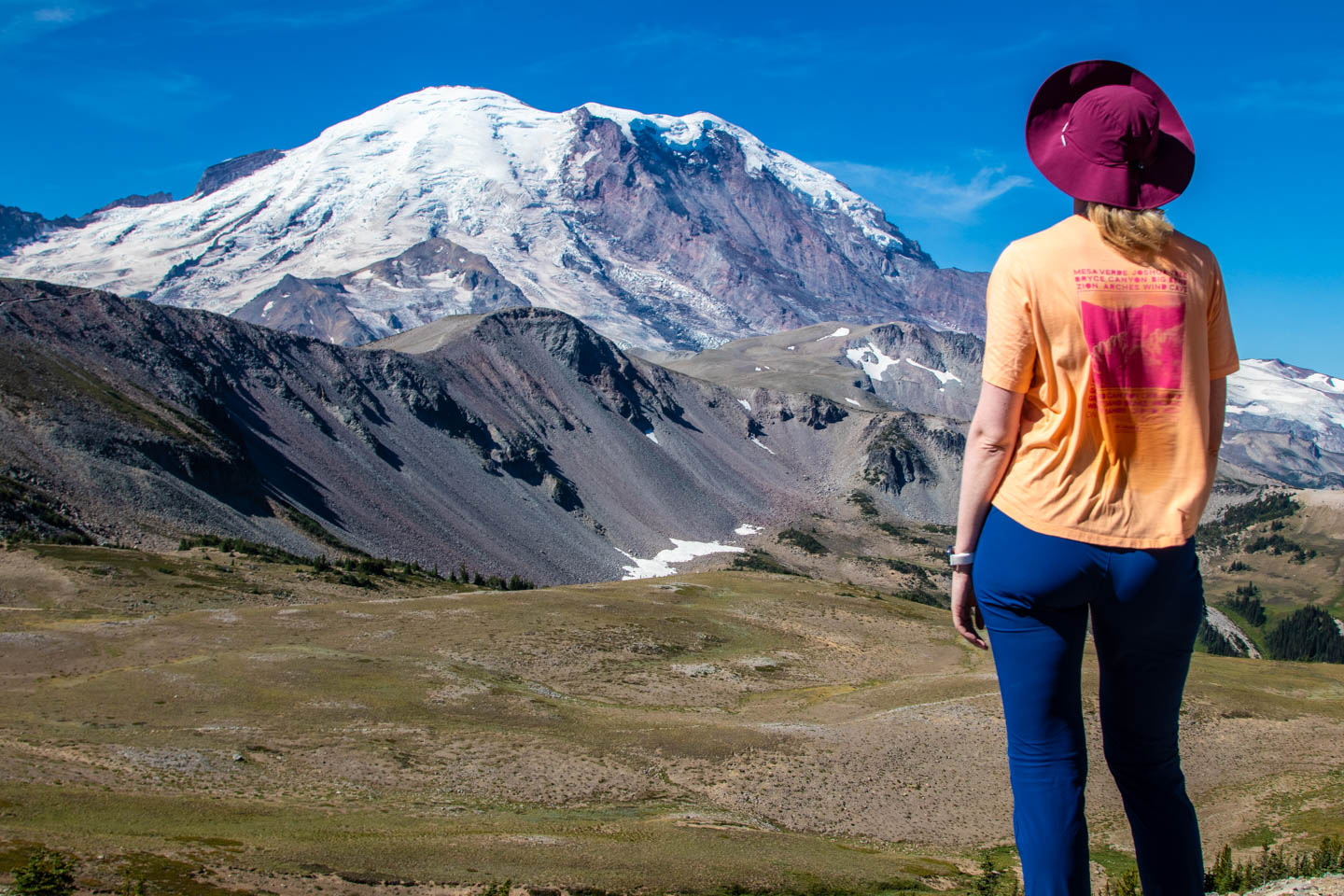
If you have the energy, set the alarm early and head out for the Mount Fremont Fire Lookout trail. This 5.4-mile hike is one of the most rewarding in the park, especially at sunrise.
Starting early means two things: fewer people on the narrow trail, and that quiet moment when alpenglow slowly turns Mount Rainier pink and soft, like the mountain is waking up with you.
The views from the lookout feel wide and exposed in the best possible way, all ridgelines and open sky.
If yesterday already took a lot out of you, there’s no shame in choosing the gentler option. The Sunrise Nature Trail is an easy 1.5-mile loop through open meadows.
In July and August, wildflowers spill across the landscape in layers of color, almost unreal against the volcanic backdrop.
One small tip that makes a difference: walk the loop counterclockwise. The views unfold gradually that way, instead of revealing everything at once. A slower reveal suits this place better anyway.
Afternoon: Northwest Portland
After the morning on the trail, get back in the car and head south to Portland. The drive takes around three hours and slowly shifts the mood from alpine quiet to creative, slightly eccentric city life.
This is a place where “keep Portland weird” isn’t a slogan, it’s a way of being.
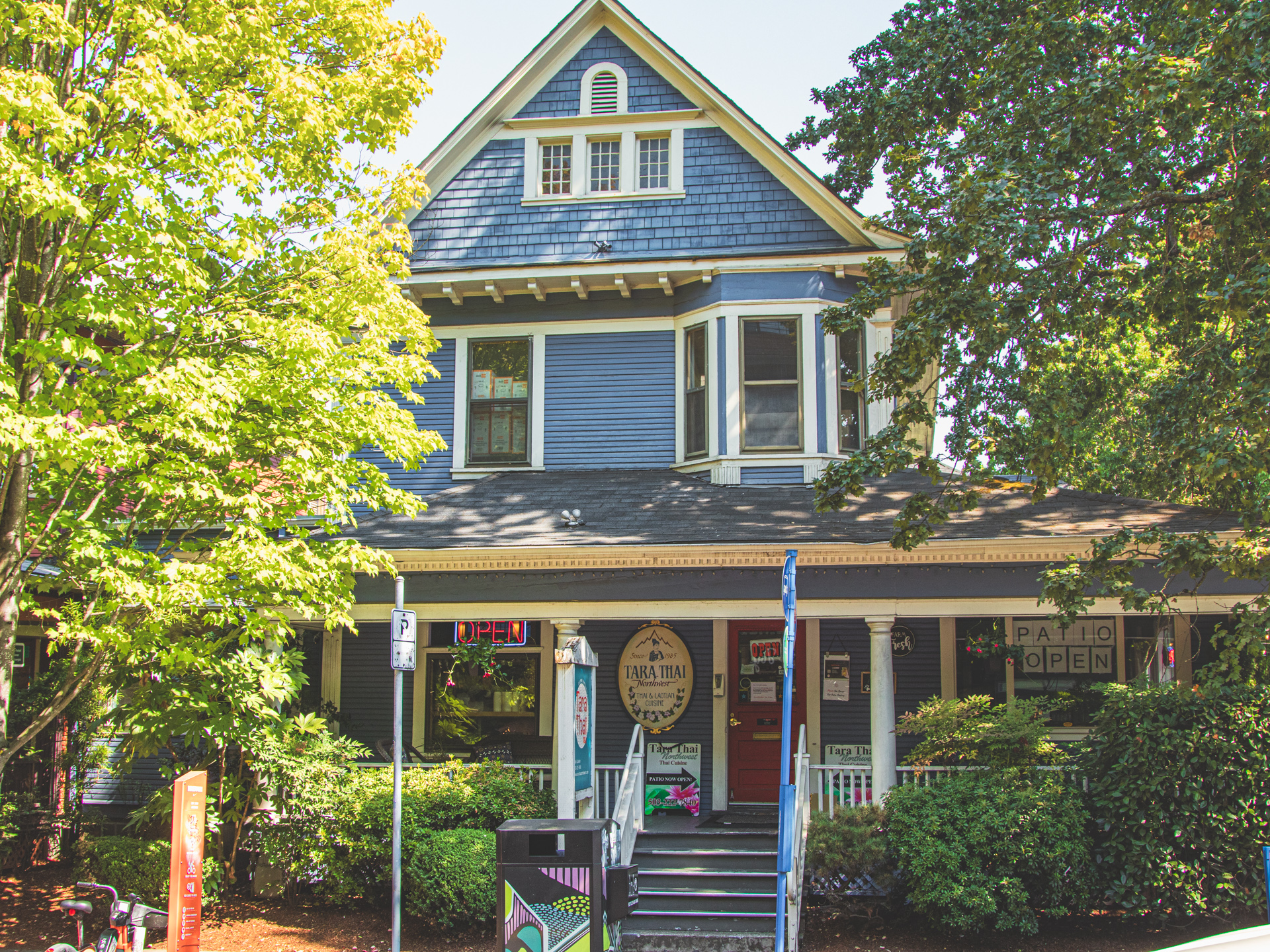
Check in at Inn at Northrup Station, a cheerful, color-filled boutique hotel tucked into Northwest Portland. Even the hallways feel intentional, with local art and a relaxed, neighborhood vibe that makes it easy to settle in.
Once you’ve dropped your bags, head out on foot. Northwest Portland is one of my favorite areas to wander, unpretentious, leafy, and full of good food.
Victorian houses have been turned into small shops selling handmade soaps, vintage vinyl, books, and things you didn’t know you wanted until you saw them.
When hunger finally wins, stop at Top Burmese. Their Burmese dishes are deeply comforting and full of flavor.
The All-Star Okra Curry is the standout, tangy, gently spicy, and completely free of the sliminess that scares most people away from okra. Even committed okra skeptics tend to change their minds here.
This part of Portland invites you to slow down again, just in a different way than the mountains did.
Evening: Pittock Mansion
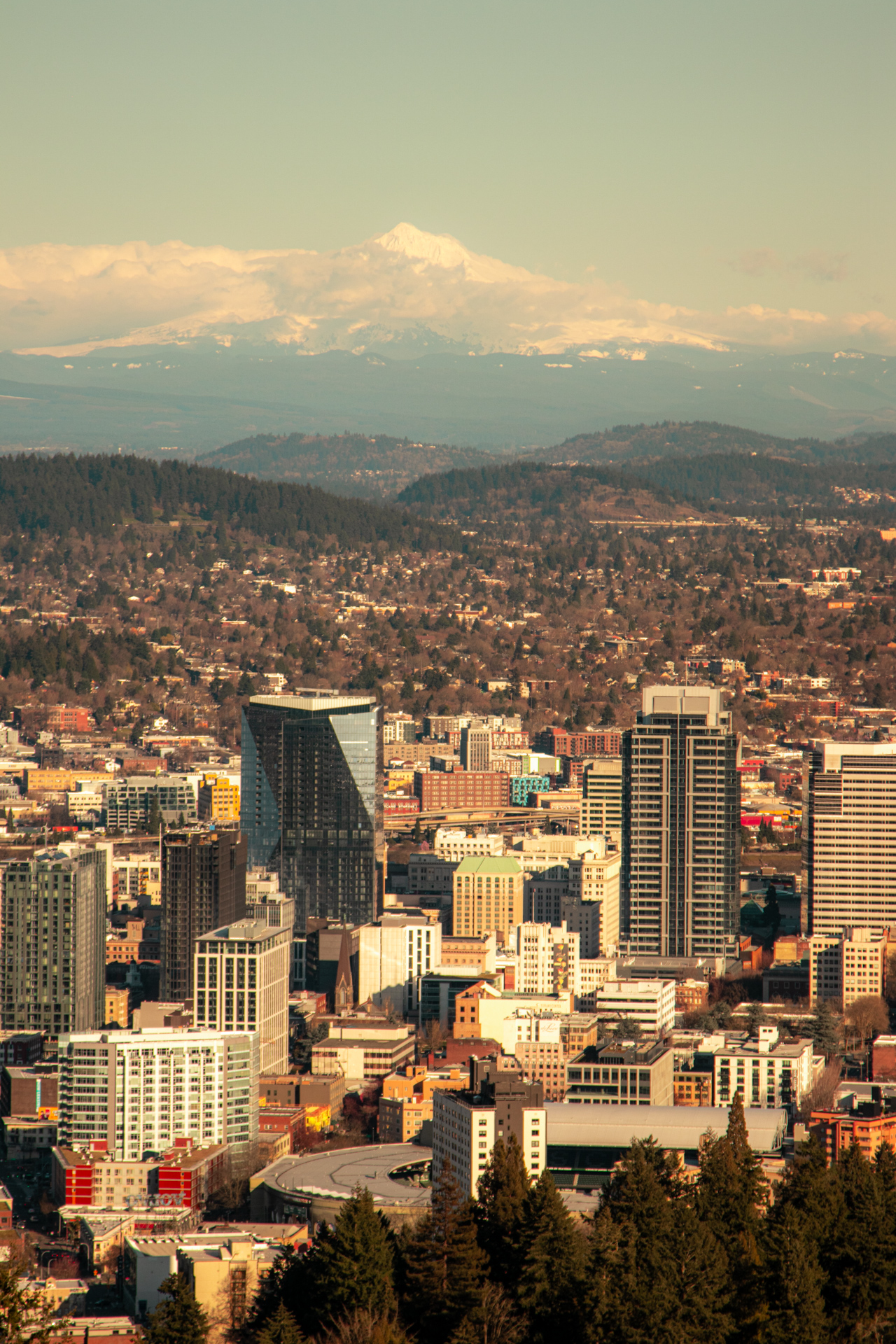
As golden hour approaches, drive up to Pittock Mansion, a 1914 Renaissance-style home built by newspaper publisher Henry Pittock.
The mansion itself closes earlier in the day, but the gardens stay open. That is really all you need.
From here, the city stretches out quietly below, and on clear evenings Mount Hood appears on the horizon, floating above downtown Portland in a way that never gets old.
It is one of those viewpoints that asks you to stop talking for a minute.
For dinner, head down to the Pearl District and book a table at Mediterranean Exploration Company. Mediterranean flavors meet Pacific Northwest ingredients here, and the menu is generous if you lean vegetarian.
I especially love it for the fresh, balanced cocktails and the smoky baba ganoush, which quietly sets the standard for everything that follows. It is relaxed, unfussy, and exactly right after a full day of mountains and viewpoints.
Practical Tips
- Mount Rainier National Park is known for fast-changing weather. Summer thunderstorms can build quickly, so it’s best to start hiking before 9am to avoid afternoon lightning.
- The gardens at Pittock Mansion are free to enter, though there’s a small parking fee. If you want to see the interior, the museum ticket is around $17 for adults.
- Mediterranean Exploration Company takes reservations seriously. Book ahead if you can. Walk-ins often mean long waits, especially in the evening.
Day 5 – Portland & Columbia River Gorge
Morning: Powell’s City of Books
Start the morning with croissants from Ken’s Artisan Bakery. Flaky, buttery, unapologetically rich. The kind of pastry you eat slowly, knowing there’s no reason to rush this day.
Then head to Powell’s City of Books. It’s hard to describe the scale until you’re inside. Entire rooms, entire floors, devoted to books. New releases sit next to worn, loved copies that clearly lived a life before finding their way back here.
Powell’s stretches across 68,000 square feet, organized into color-coded rooms. Do yourself a favor and grab a map near the entrance. Wandering is part of the experience, but a little strategy helps.
Upstairs, the rare book room holds first editions worth more than most plane tickets. Down below, bargain shelves hide $1-3 finds if you’re willing to look closely.
On my last visit, I left with a small stack of forgotten titles pulled from the lowest shelves, exactly the kind of souvenirs I like best.
This is one of those places where time slips quietly away. Let it.

Afternoon: Columbia River Gorge
After your bookstore wander, grab lunch at Screen Door. The fried chicken is famous for a reason. Yes, there’s usually a wait. Yes, it’s still worth it.
Then point the car east and head toward the Columbia River Gorge. The shift is immediate.
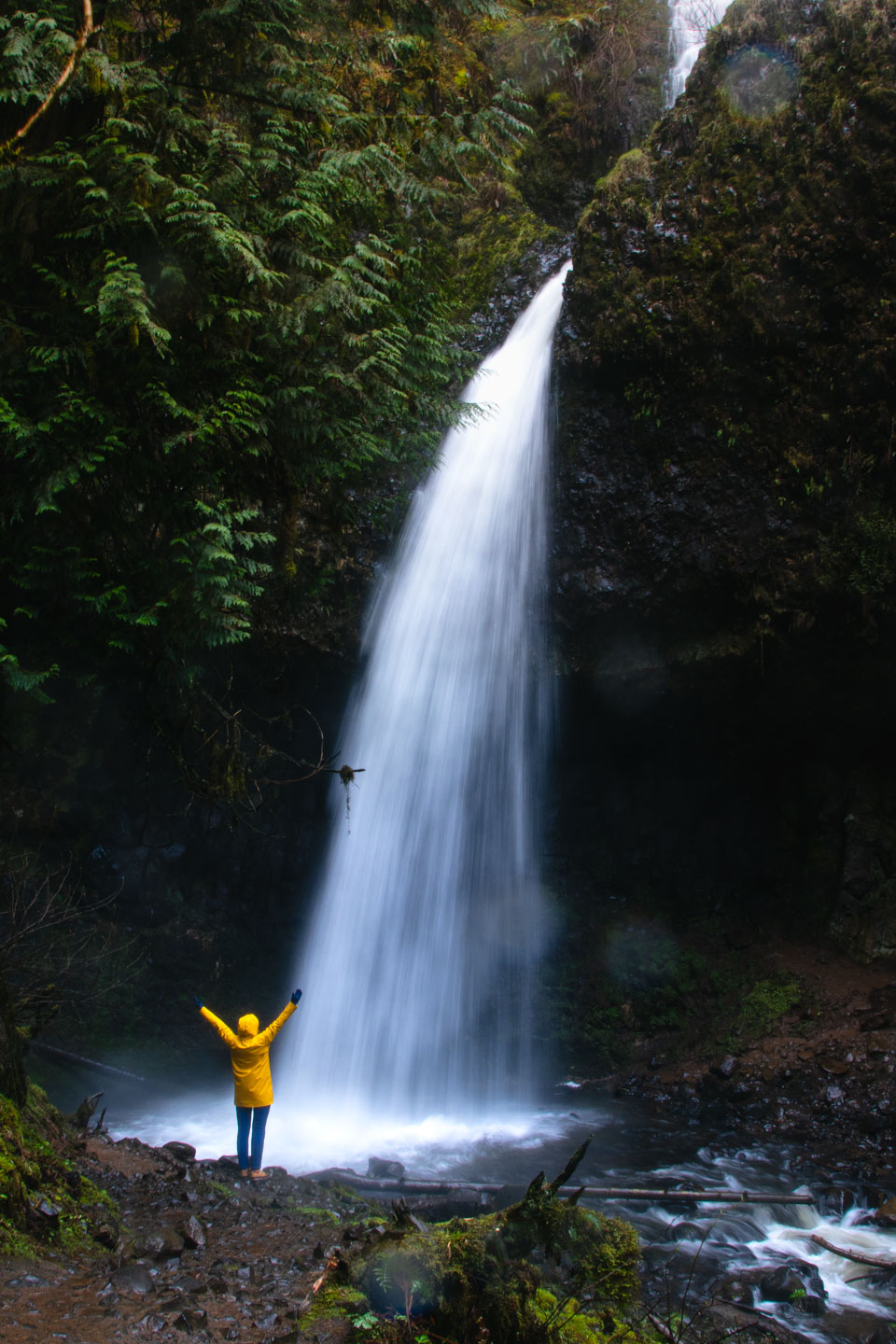
Cliffs rise, the river widens, and waterfalls begin appearing almost casually along the roadside, shaped by ancient ice-age floods and softened by moss.
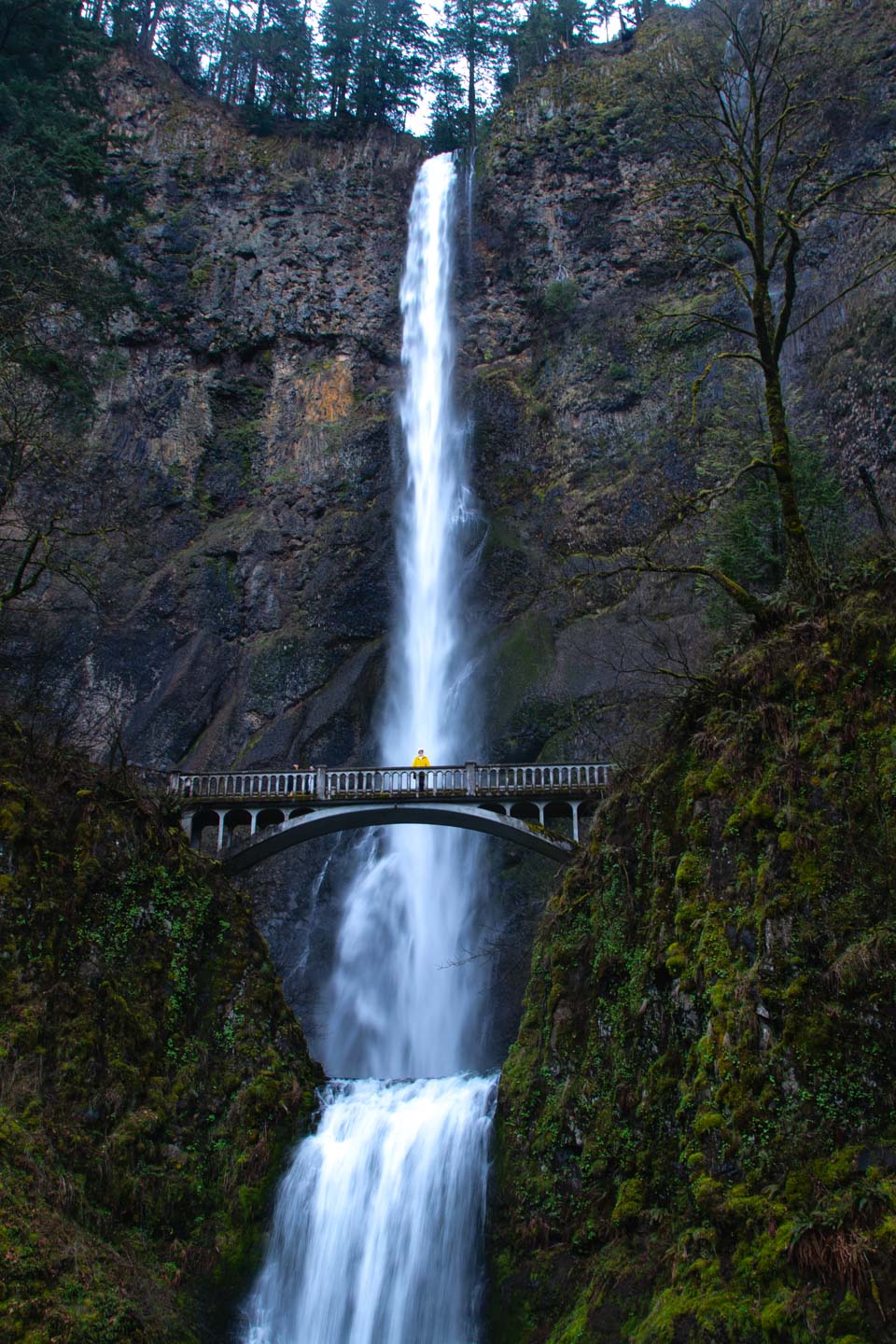
First stop is Multnomah Falls. At 620 feet, it’s dramatic and unmistakable. The paved paths make it easy to access, which also means crowds.
Still, crossing Benson Bridge and seeing the upper falls framed by dark basalt and greenery is one of those classic moments that earns its reputation.
If you’re craving something quieter, continue to Latourell Falls. A single, powerful drop of 249 feet, fewer people, and a more open, airy feel.
Nearby, Bridal Veil Falls offers a softer experience. The trail winds through forest, ending at a 120-foot cascade where mist hangs in the air. On hot summer days, it feels like natural air conditioning.
On the drive back, don’t skip Vista House at Crown Point. This stone observatory sits high above the gorge, with views stretching east and west for miles. The Columbia River below catches the light and carries it quietly through the landscape.
It’s a full afternoon, but one that feels spacious rather than rushed. Water, stone, and distance doing what they do best.
Evening: Dinner on Mississippi Avenue
As evening settles in, head to Mississippi Avenue. After dark, the street softens. String lights glow between colorful Victorian houses now filled with indie shops, bars, and places that feel unapologetically Portland.
Pop into GiftyKitty, a perfectly niche little store devoted entirely to cat-themed treasures. It’s oddly specific, slightly ridiculous, and exactly the kind of souvenir that somehow makes sense once you’re here.
Dinner is at Lovely’s Fifty Fifty, a neighborhood favorite that earned wider attention after being featured on Netflix, thanks to chef Sarah Minnick. The pizzas lean seasonal and inventive, built around what’s fresh rather than what’s expected.
You might find combinations like nettle pesto with foraged mushrooms or summer squash finished with fennel pollen. Lines tend to form early. Put your name down, then wander nearby shops while you wait. It’s part of the rhythm here.
And whatever you do, save room for ice cream. Their small-batch flavors change often, but salted caramel rosemary or honey lavender are standouts. Sweet, herbal, and perfectly balanced. A gentle, satisfying way to close out the day.

Practical Tips
- Ken’s Artisan Bakery opens at 8am. Arriving before 9am gives you the best chance of finding the full pastry lineup.
- Powell’s City of Books is open daily from 10am to 9pm. It’s easy to lose track of time here, so plan accordingly.
- Multnomah Falls requires a timed-use permit from May to September, between 9am and 6pm. Permits cost $2 and must be booked online in advance.
- Vista House at Crown Point closes at dusk. Keep sunset time in mind when planning your gorge stops.
- Lovely’s Fifty Fifty doesn’t accept reservations. Arrive by around 5:30pm if you want to avoid waits that can stretch past an hour.
Loving these PNW insider spots?
I share hidden gems from every place I explore – Pacific Northwest secrets and van life finds you won’t see in guidebooks.
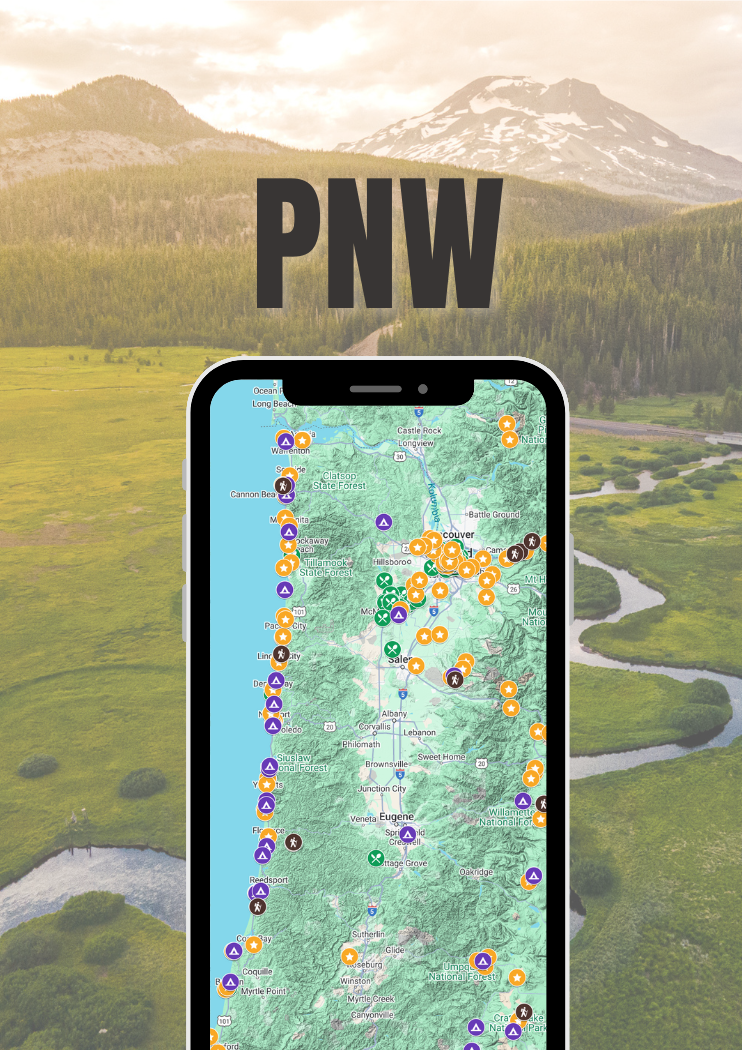
Sign up to get my personal map of 450+ favorite Portland spots and hidden PNW gems, gathered over two years of living here. Free, quiet, and made to help you wander better.
Day 6 – Portland to Oregon Coast (Cannon Beach)
Morning: Portland Japanese Garden
Begin the day at the Portland Japanese Garden, a place that quietly resets your pace before the coast. Twelve acres are enough to make you forget where you are, no passport required.
The gardens were designed by Takuma Tono, with a level of care that feels almost meditative. Everything here is intentional. Often described as the finest Japanese garden outside Japan, it truly earns that reputation.
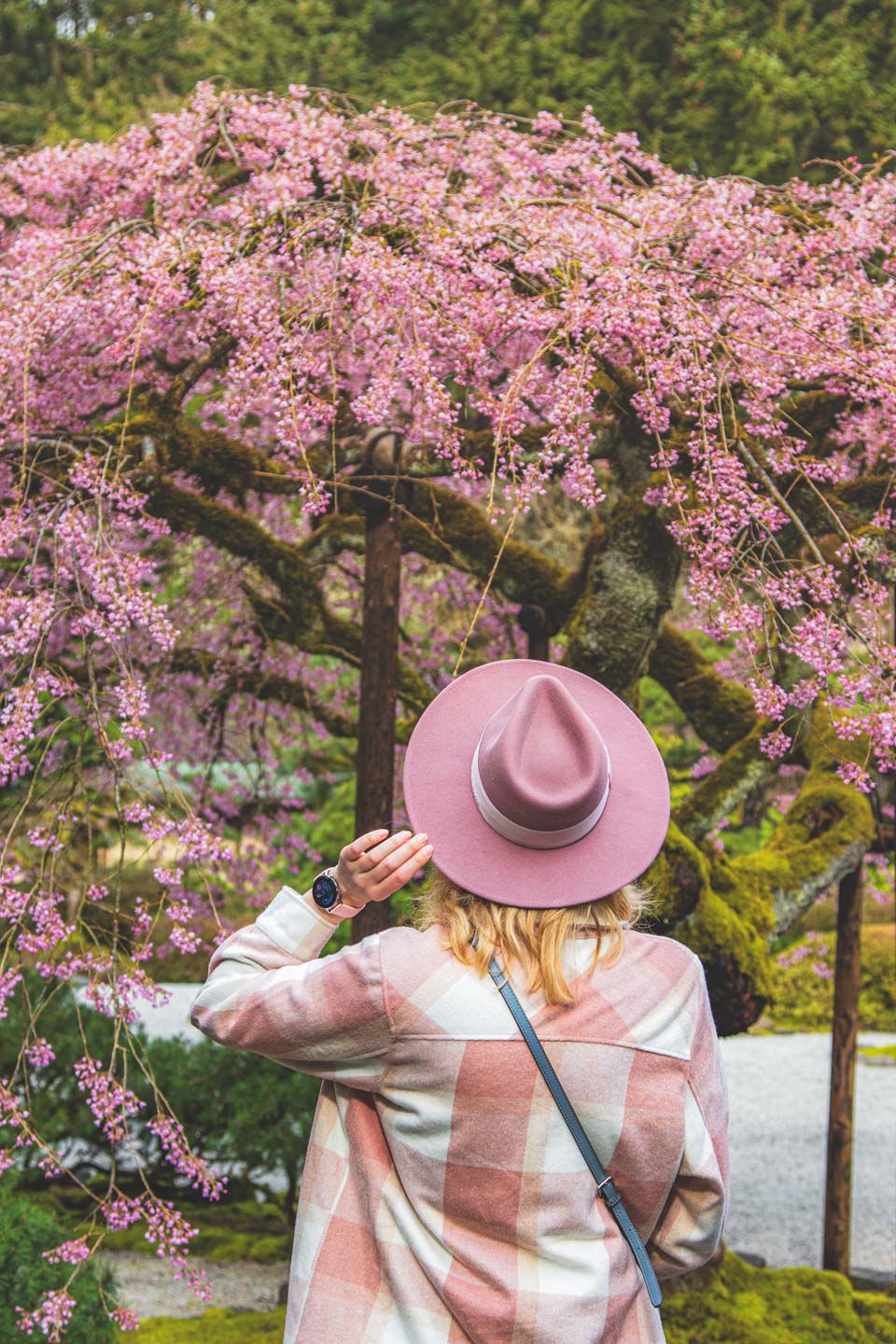
Eight different garden styles unfold naturally as you walk. The Sand and Stone Garden uses raked gravel to suggest the movement of ocean waves, calm and precise.
The Tea Garden feels softer, with moss-covered paths leading toward a traditional teahouse, inviting you to slow down without being told to.
Along the eastern edge, Mount Hood appears between trees on clear mornings. That distant presence creates a beautiful balance between carefully shaped landscapes and the wild nature that defines Oregon.
It’s a gentle, grounding way to start the day before heading west toward the ocean.
Portland has become one of my favorite cities to return to, and I’ve spent countless hours discovering its neighborhoods, food scenes, and hidden corners.
If you’re planning to explore more of the city beyond this quick morning, I’ve compiled everything I learned in my guide to what to see in and around Portland and my detailed list of where to eat in Portland with tested, honest reviews.
Afternoon: Cannon Beach
Leave the gardens behind and drive about 90 minutes west to Cannon Beach, where the Pacific arrives loud and unapologetic, breaking against dark volcanic rock.
Check into Schooner’s Cove Inn and drop your bags. Oceanfront rooms here mean falling asleep to the steady rhythm of waves, one of the best soundtracks the coast has to offer.
Before heading onto the sand, stop at Driftwood Restaurant for clam chowder. It’s rich, generous with fresh seafood, and unapologetically creamy, the kind of coastal comfort food that sets the tone for the afternoon.
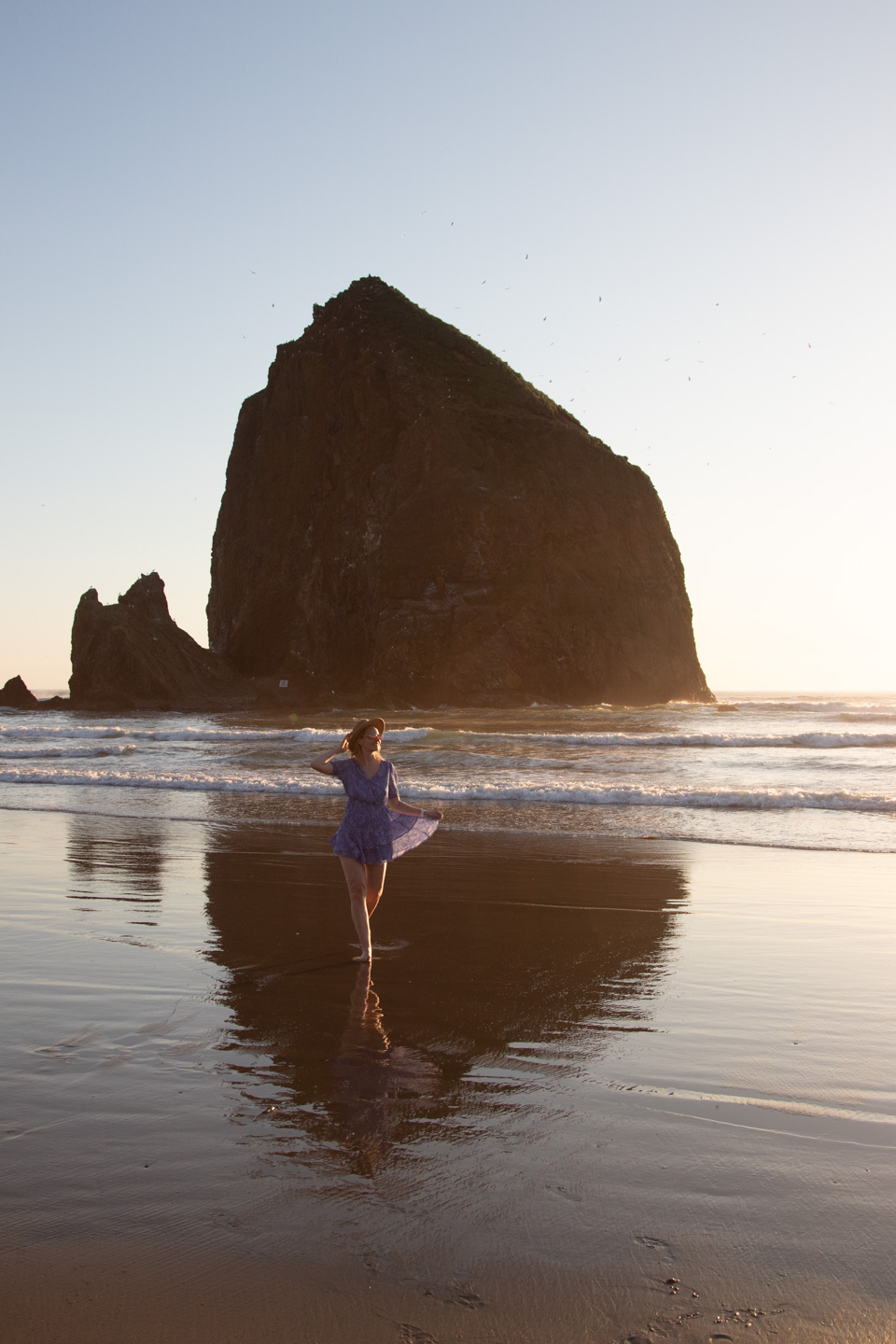
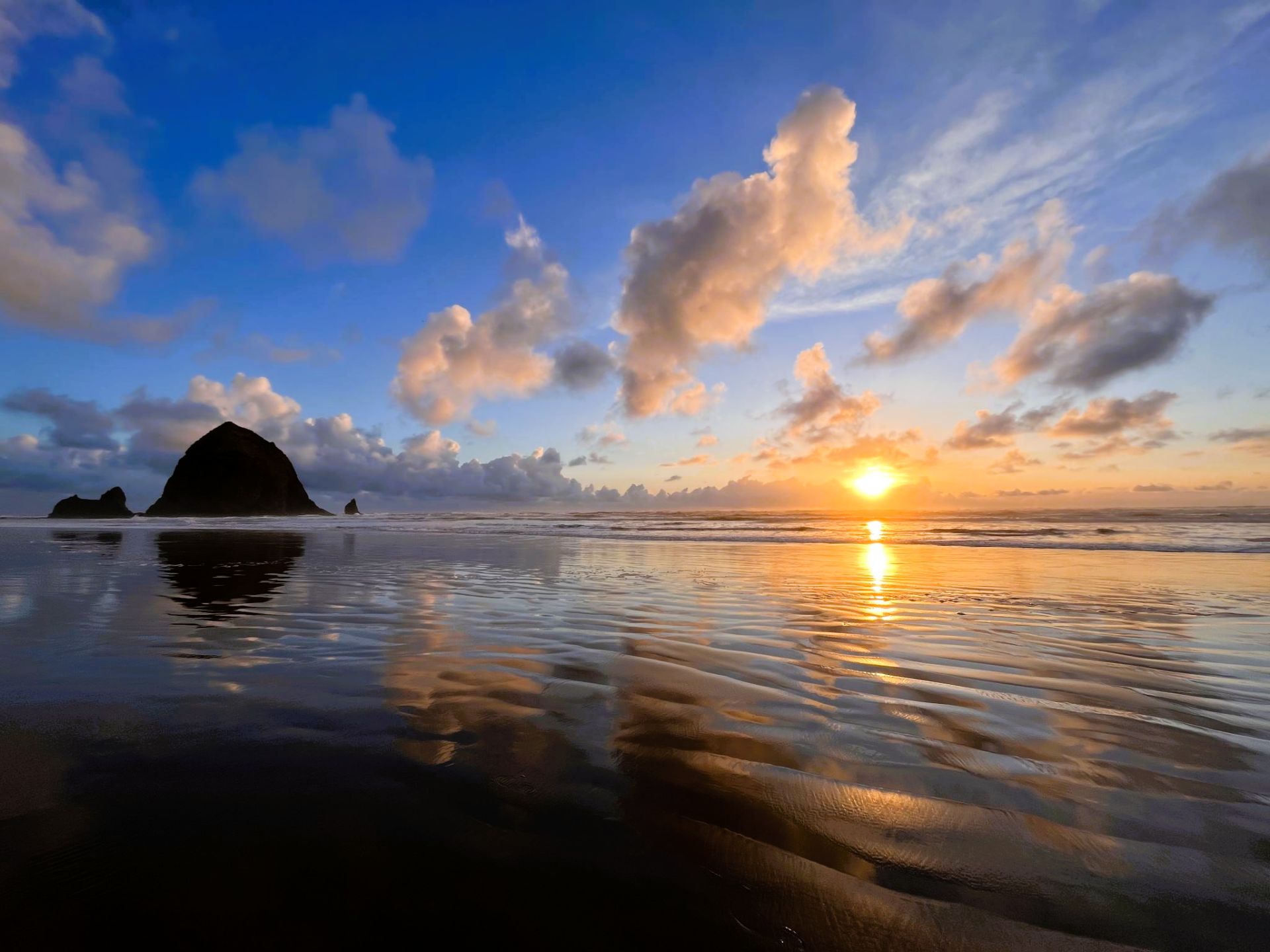
Then walk straight onto the beach. Haystack Rock rises 235 feet from the sand, impossible to ignore. At low tide, colorful tide pools form around its base, full of small, quietly fascinating details if you take the time to look closely.
You might recognize it from The Goonies, but today Haystack Rock is also a protected wildlife sanctuary. Between April and July, tufted puffins nest here, adding another layer of life to an already dramatic scene.
This is my favorite photo spot on the Oregon Coast. Wild, iconic, and a little untamed. Its charm is famously irresistible, even to the local cougars.
Evening: Sunset on the Beach
As golden hour settles in, find a quiet stretch of sand and stay awhile. Sunsets on the Oregon Coast feel slow and painterly.
The sky shifts through soft oranges and purples while Haystack Rock turns into a dark, steady silhouette against the fading light.
Bring a blanket and warm layers. Temperatures drop quickly once the sun disappears. If you feel like it, add a bottle of local pinot noir and let the moment stretch a little longer.
After dusk, head to Wayfarer Restaurant. The dining room faces the ocean, and the windows keep the connection with the coast even after night falls.
The Dungeness crab cakes are the reason to come. Minimal filler, sweet crabmeat, and clean flavors that let the ingredients speak.
Pair them with a glass from Willamette Valley, just inland, and you have a simple, satisfying end to the day.
Quiet, salty air outside. Warm light and good food inside. A very Cannon Beach evening.
Practical Tips
- Portland Japanese Garden tickets are around $22.50 for adults. If you can, visit on a weekday. Weekends are noticeably busier and break the calm a little.
- Haystack Rock tide pools are only accessible at low tide. Check daily tide tables before heading out so you don’t miss the window.
- Cannon Beach gets crowded in summer. My favorite times are early morning or late afternoon, when day-trippers start leaving and the beach feels spacious again.
- Wayfarer Restaurant books up fast during peak season. Summer reservations are best made weeks in advance, especially if you want an ocean-view table.
Day 7 – Oregon Coast Scenic Drive (Cape Perpetua & Florence)
Morning: Rocky Creek State Scenic Viewpoint
Start the morning with coffee from Sleepy Monk Coffee. Small-batch, organic, and strong enough to feel like a proper reset before the road.
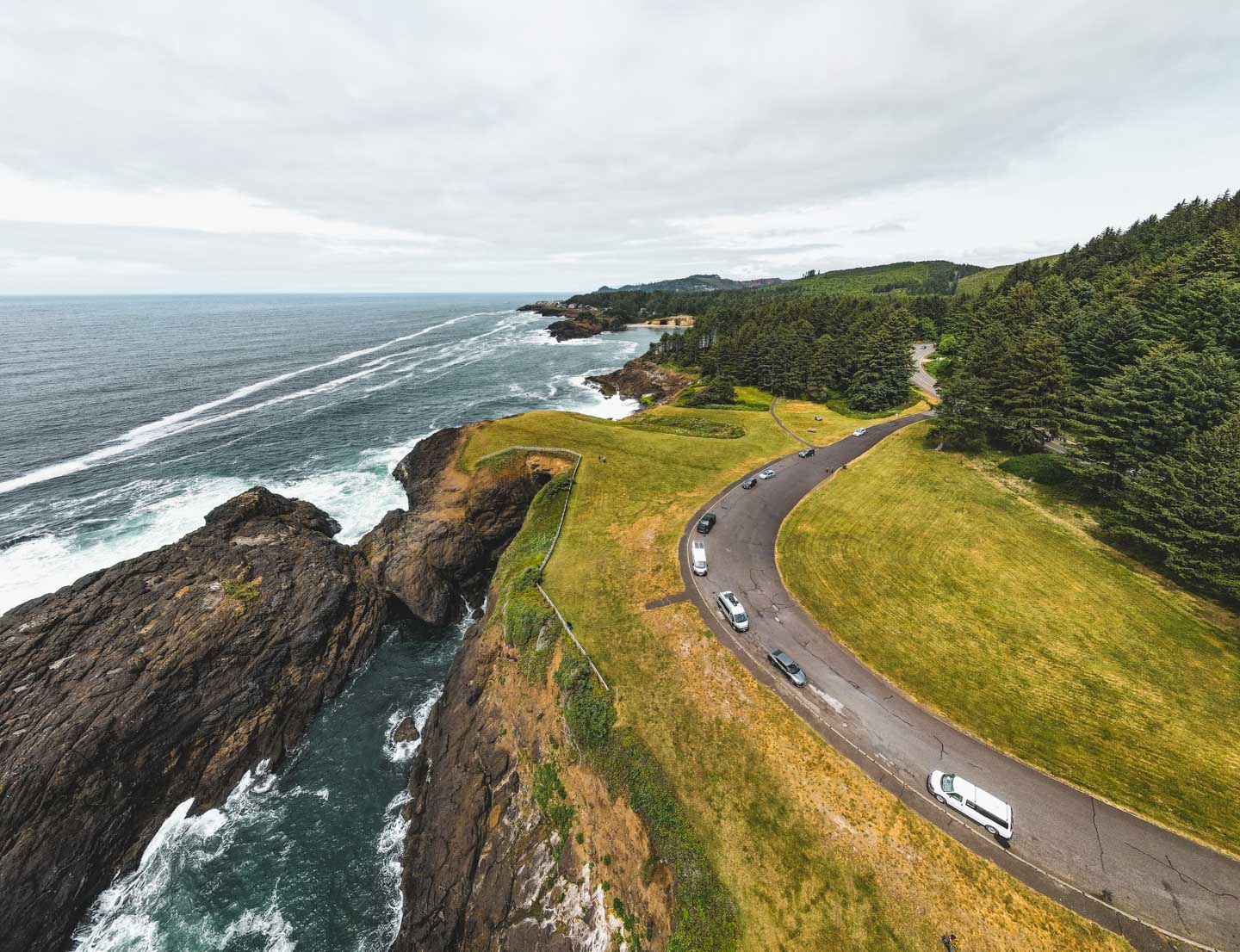
Then head south on U.S. Route 101. This stretch of highway is pure drama. Forests give way to cliffs, the Pacific crashes below, and the landscape keeps changing just enough to hold your attention without demanding it.
Pull over at Rocky Creek State Scenic Viewpoint. Platforms sit high above the water, offering wide-open views of the coastline and the restless ocean below. It’s one of those places where you don’t need to walk far to feel fully immersed.
If you’re here during migration season, roughly December-January or March-May, watch the horizon carefully.
Gray whale spouts often appear in the distance as they travel between Alaska and Mexico. Slow, steady, and unmistakable once you spot one.
This is an easy, powerful way to begin the day. Coffee, coastline, and the sense that anything might surface if you’re patient enough to look.
Afternoon: Cape Perpetua Scenic Area
Continue south to Cape Perpetua Scenic Area, where a volcanic headland rises nearly 800 feet above the Pacific. It’s the highest vehicle-accessible viewpoint on the Oregon Coast, and the scale is immediately humbling.
From the top, the view opens in both directions. Miles and miles of coastline stretch north and south, while the ocean runs uninterrupted toward the horizon, all the way to Japan. It’s wide, windy, and exhilarating in that very Oregon way.
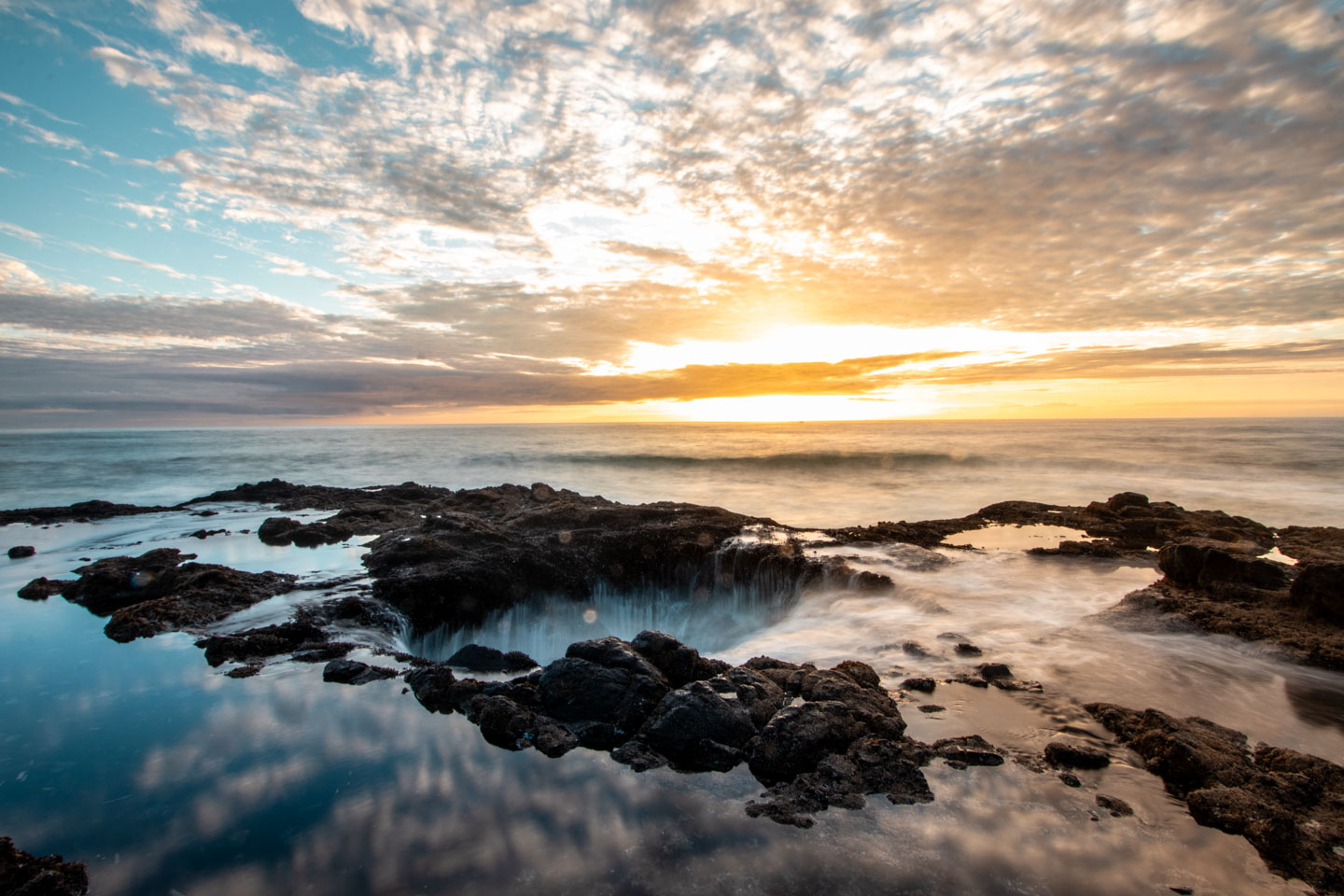
Below the cape, stop at Thor’s Well. At high tide, this collapsed sea cave looks like the ocean is draining straight into the earth, water surging and disappearing in dramatic cycles.
It’s mesmerizing and loud and very real. Bring waterproof layers and protect your camera. The spray reaches farther than you think.
After all that elemental energy, slow things down in Yachats. Green Salmon Coffee is a perfect reset. Organic, fair-trade coffee and hearty vegetarian sandwiches stacked with local produce.
Comforting, grounding, and exactly what you want after the wind and salt.
Keep heading south toward Florence, but make a short detour north to Heceta Head Lighthouse. Built in 1894, it stands dramatically on a 206-foot cliff, its automated beacon still watching over the coast.
If you have time, join a tour or walk the trails winding through old-growth forest around the former keeper’s quarters. It’s quieter here, softer, and a beautiful contrast to the raw power you’ve just seen at Cape Perpetua.
This stretch of coast feels layered. Wild, theatrical, and then suddenly intimate again.
Evening: Florence
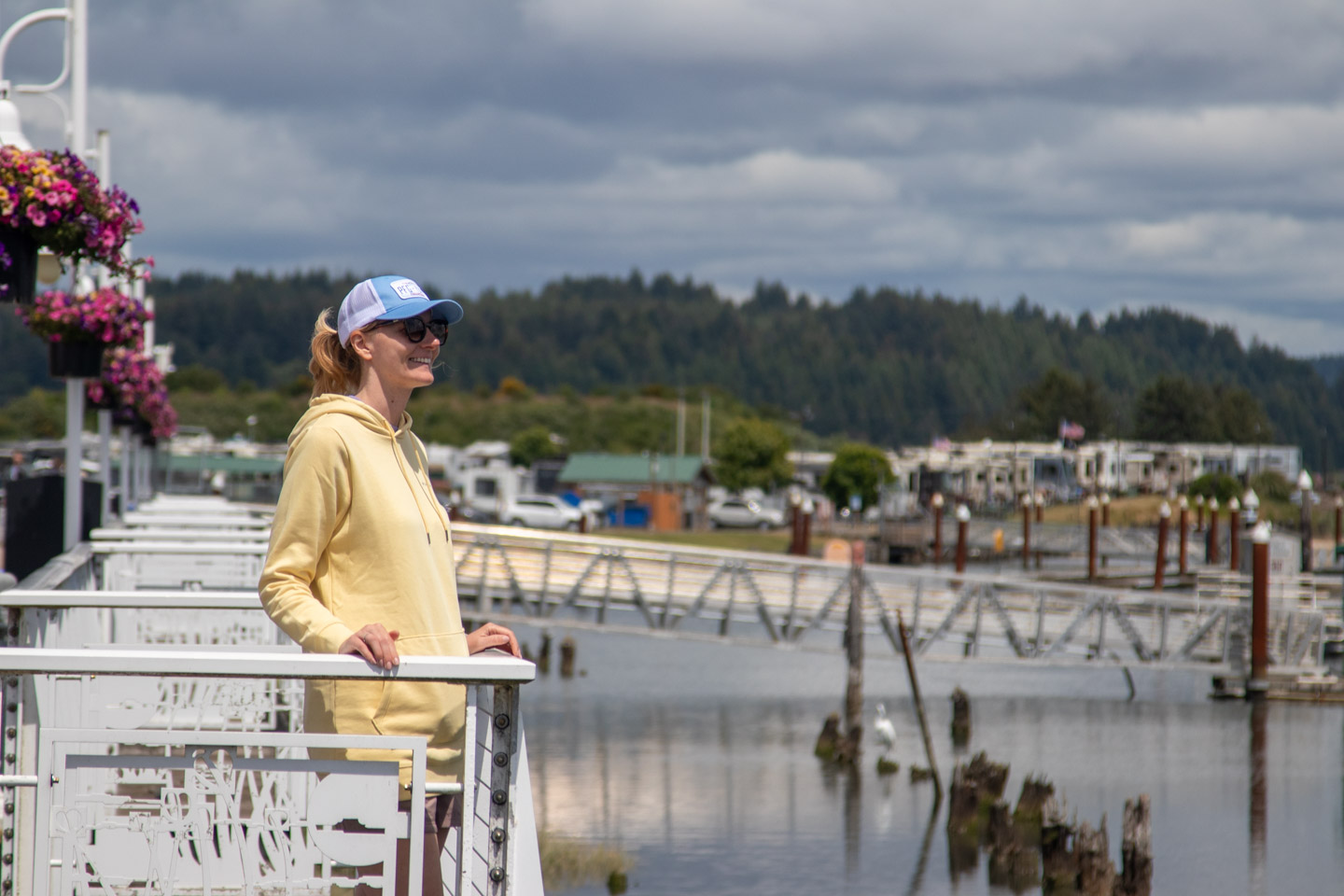
Spend the evening in Florence, where historic Old Town lines the banks of the Siuslaw River.
What started as a rough-edged fishing village now feels calm and lived-in, with 19th-century buildings housing small galleries, local art, and boutiques.
A short bridge connects Old Town to the ocean side, so beaches are only minutes away, even though the river sets the tone here. It’s a gentle, slower energy after a day of dramatic coastline.
For dinner, book a table at Waterfront Depot Restaurant. Sitting right on the river, it focuses on locally caught seafood and a menu that changes with what’s fresh.
The crab cakes are the standout. Large chunks of sweet Dungeness crab, barely held together, seared until golden. Simple, confident, and very Oregon Coast.
Stay overnight at Landmark Inn. From the outside it fits right in with Old Town’s historic feel, but inside it’s comfortable and modern. The location makes morning wandering easy, with coffee, river views, and quiet streets right outside your door.
It’s a soft landing kind of evening. Water, history, good food, and the sense that tomorrow can start slowly.
Practical Tips
- The Cape Perpetua Scenic Area visitor center is typically open 10am-4pm during the summer season, with ranger-led programs offered at select times.
- The Cape Perpetua Scenic Area visitor center is typically open 10am-4pm during the summer season, with ranger-led programs offered at select times.
- Heceta Head Lighthouse tours usually run 11am-3pm in summer and 11am-2pm in winter. A $5 parking fee is required.
- Waterfront Depot Restaurant fills up quickly on weekend evenings. Visiting on a weeknight usually means shorter waits and a calmer experience.
Day 8 – Oregon Coast to Crater Lake National Park
Morning: Crater Lake National Park
Leave Florence early. This is a long drive day, around four to five hours, crossing the Coast Range and climbing steadily into the volcanic spine of the Cascades.
The transition is part of the experience. Coastal rainforest fades into open farmland, then slowly shifts again into high-elevation pine forests and dry volcanic terrain. It feels like traveling through several different states in a single morning.
And then you arrive.
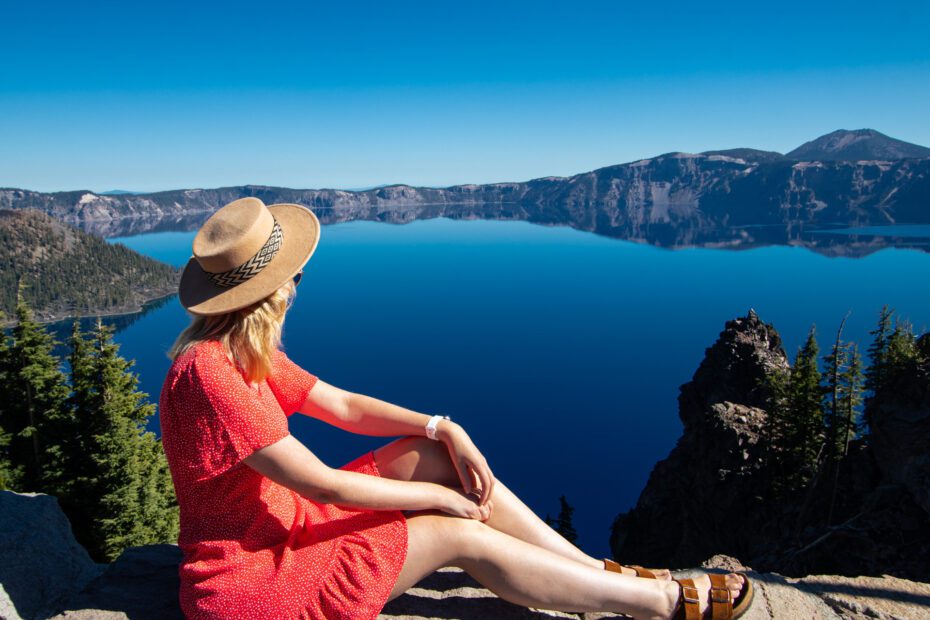
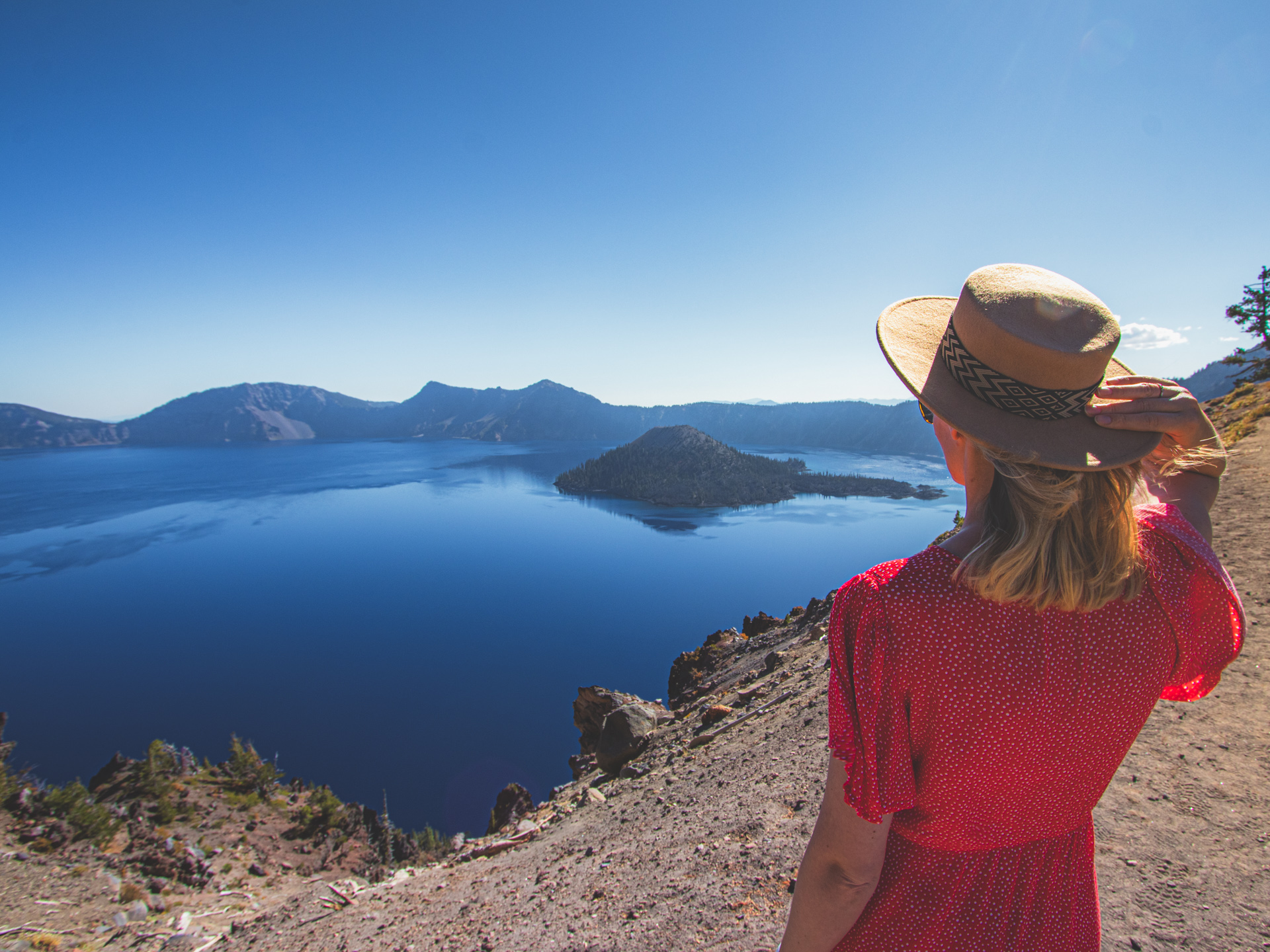
The first glimpse of Crater Lake National Park is almost shocking. An impossibly blue circle, perfectly still, held inside the collapsed remains of an ancient volcano. Photos never quite prepare you for how unreal the color feels in person.
The lake was formed when Mount Mazama collapsed after a massive eruption around 7,700 years ago. At nearly 1,943 feet deep, it’s the deepest lake in the United States.
What makes it even more remarkable is its purity. Crater Lake is filled only by rain and snowmelt, with no rivers flowing in or out.
It’s quiet here. Vast, clean, and almost otherworldly. The kind of place that naturally slows your breathing the moment you step out of the car.
Afternoon: Rim Drive
Begin at Rim Village. It’s the easiest way to orient yourself. The visitor center walks you through the volcanic story behind the lake, and the nearby lodge is a great spot for a simple lunch with views that feel almost impossible to photograph accurately.
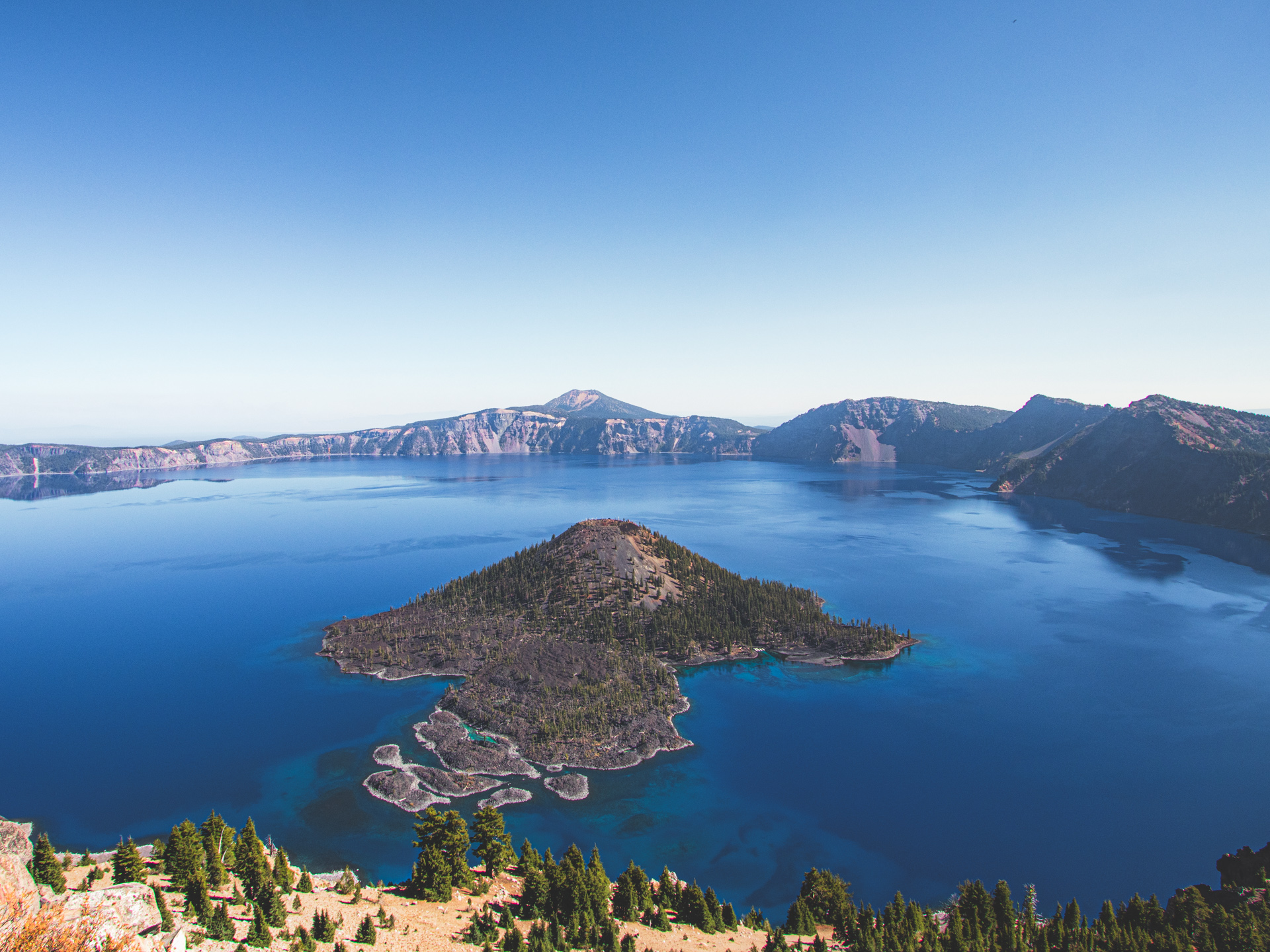
After that, set out on Rim Drive. This iconic 33-mile loop circles the caldera, with numbered pullouts that reveal the lake from constantly shifting angles. The drive invites patience. Stop often. Each viewpoint feels distinct.
My favorite is Watchman Overlook. From here, Wizard Island rises sharply from the water, its cinder cone shape looking exactly like a wizard’s hat dropped into the lake.
At Phantom Ship Overlook, a small island appears below, jagged and pale, resembling a ghostly sailing vessel frozen mid-journey in the deep blue water.
For elevation, continue to Cloudcap Overlook, the highest road-accessible point in the park at 8,159 feet. The air feels thinner here, the perspective wider.
End with Pumice Castle, where layers of orange and rust-colored pumice form shapes that look more like a medieval fortress than a natural rock wall.
Rim Drive isn’t about rushing from stop to stop. It’s about letting the lake reveal itself slowly, one angle at a time.
Evening: Garfield Peak Trail
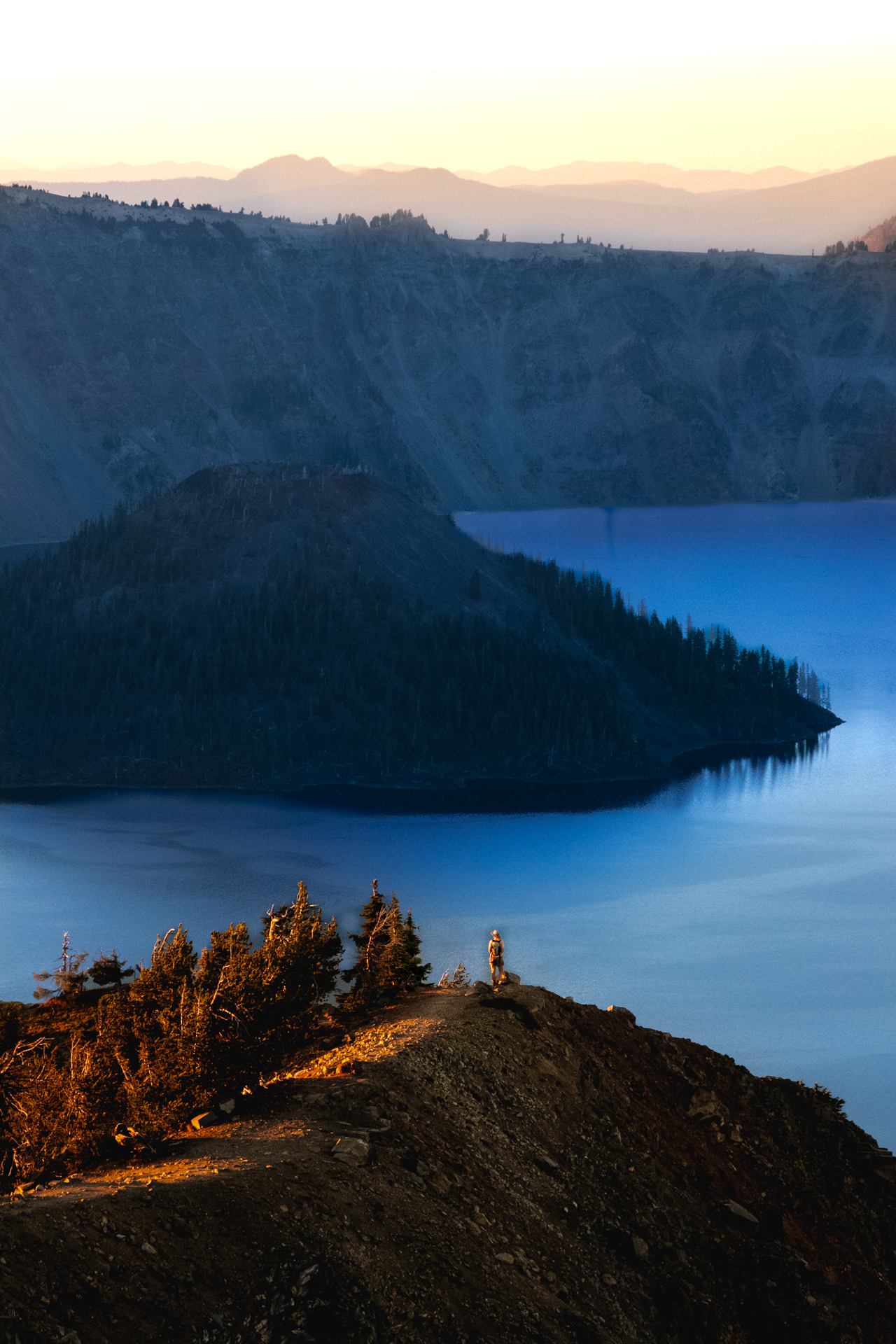
For sunset, head out on the Garfield Peak Trail. It’s a moderate 3.6-mile round trip that starts near the lodge and climbs steadily through mountain hemlock and whitebark pine before reaching the 8,060-foot summit.
I did this hike at sunset, and it was genuinely unforgettable. One of the best viewpoints in the park, without question.
At the top, the world opens up. To the east, the Klamath Basin stretches out in muted tones. To the west, Cascade peaks line the horizon.
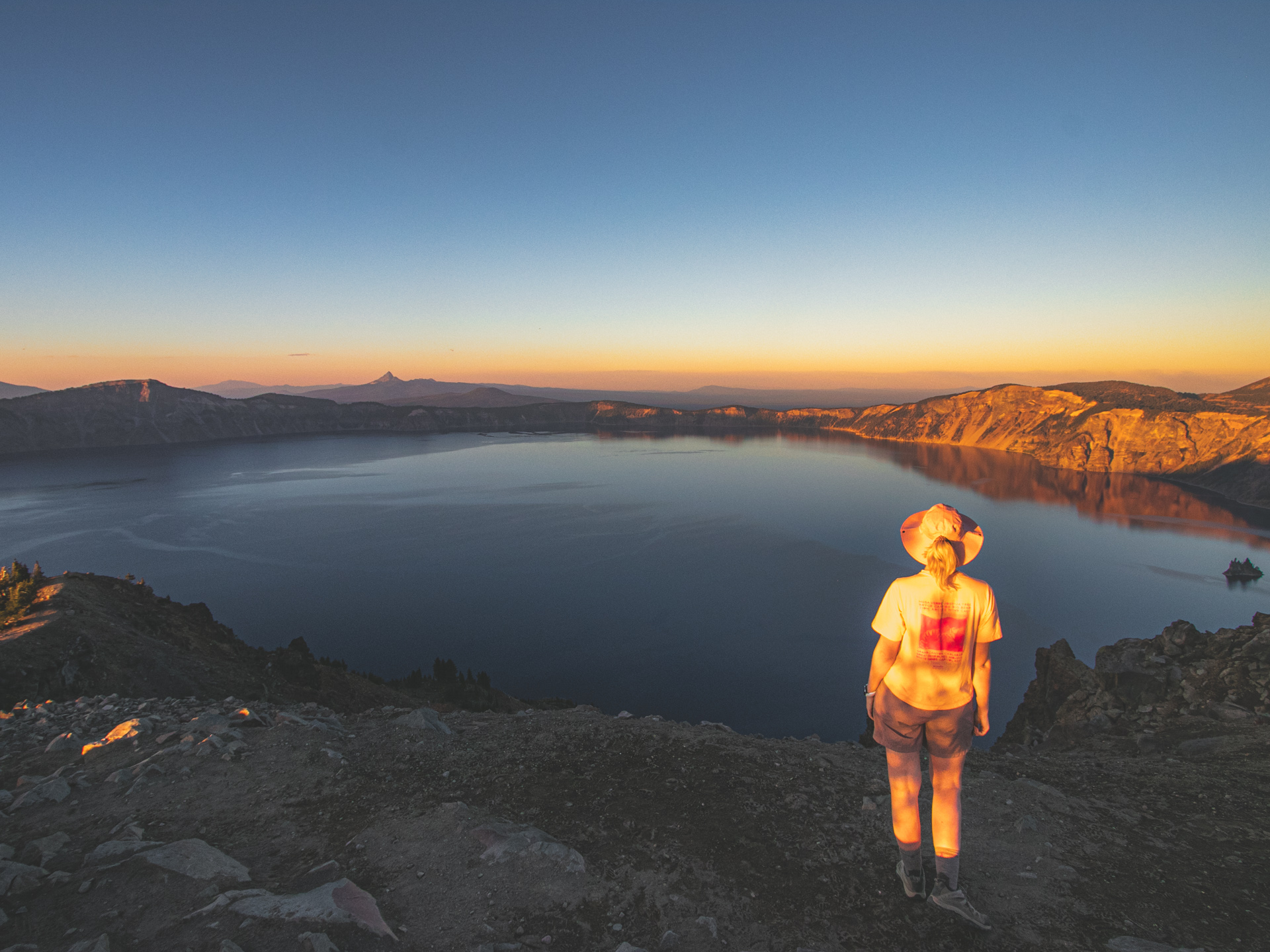
Below you, Crater Lake shifts color by the minute. Deep blue softens into gold, then blush pink, as the caldera walls catch the last light of day.
It’s quiet up there in a way that feels earned. Wind, space, and that slow glow fading from the lake.
After hiking back down, settle in for the night. If you managed to book Crater Lake Lodge months in advance, this is its moment. If not, Mazama Village is a calmer, simpler alternative.
Cabins and campground sites tucked into forest, stars overhead, and a deep mountain quiet that carries through the night.
This is one of those evenings that doesn’t need much else. Just a trail, a horizon, and time slowing down exactly when it should.
Practical Tips
- Entry to Crater Lake National Park costs $30 per vehicle and is valid for 7 days. The America the Beautiful Pass is accepted here and makes sense if you’re visiting more parks along the way.
- Entry to Crater Lake National Park costs $30 per vehicle and is valid for 7 days. The America the Beautiful Pass is accepted here and makes sense if you’re visiting more parks along the way.
- Rim Drive usually opens late July through mid-October, depending entirely on snowpack. Early-season trips should always double-check road status.
- The dining room at Crater Lake Lodge requires lunch reservations, especially in summer. Calling a few weeks ahead is strongly recommended during peak season.
Day 9 – Crater Lake National Park: Rim Drive & Cleetwood Cove
Morning: Sunrise at Discovery Point
Set the alarm before dawn and head to Discovery Point. This is one of those mornings where the effort quietly pays you back.
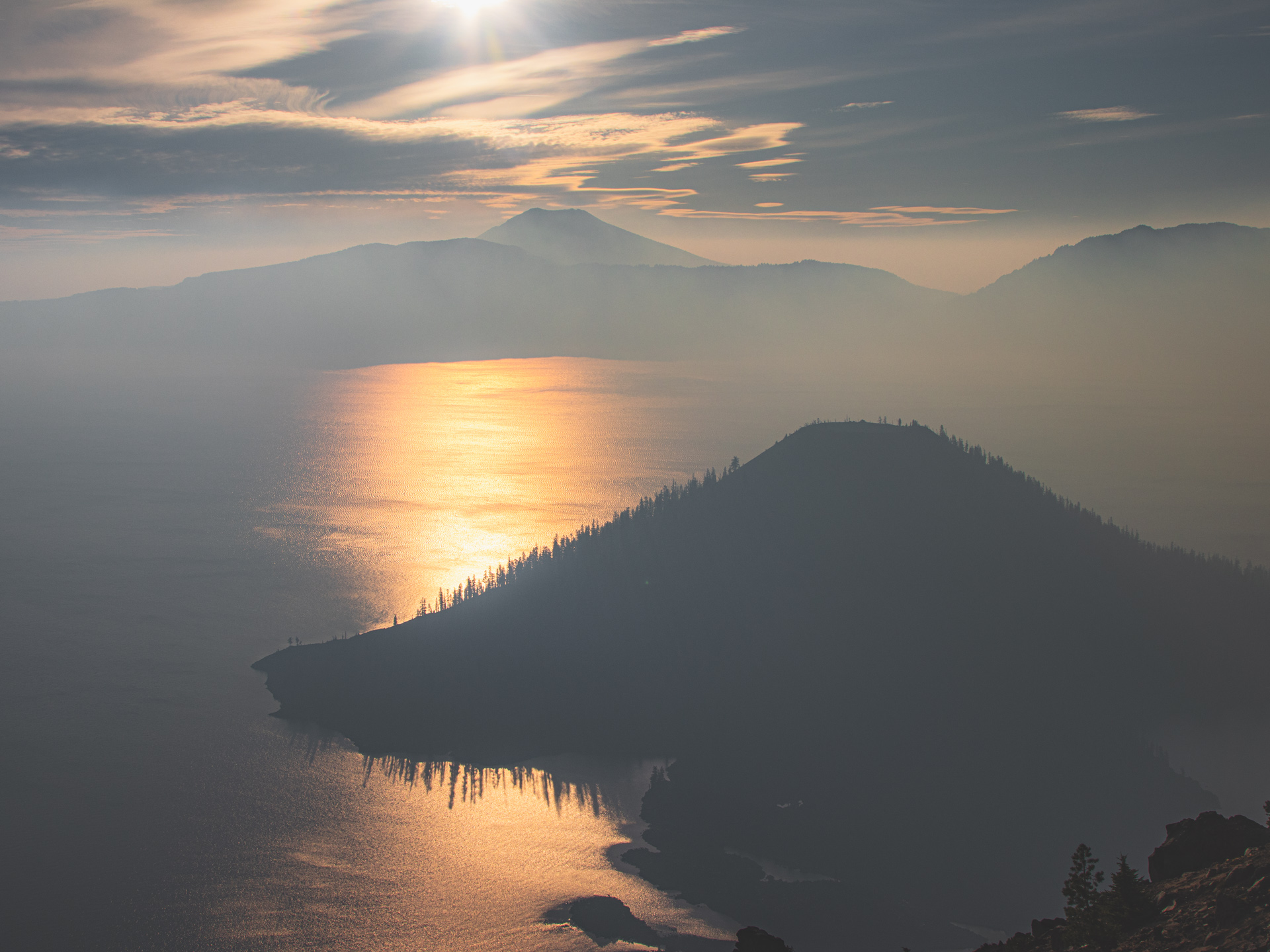
Even in summer, the air is sharp before sunrise. Bundle up, step out onto the eastern rim, and wait. The lake is completely still then, dark and unreal, like it’s holding its breath.
As the first light reaches the opposite crater walls, the scene slowly shifts. Shadows pull back across the water, colors deepen, and faint wisps of steam rise into the cold air.
The mountains stretch long shadows that shorten minute by minute, almost imperceptibly.
Then the forest wakes up. Birds begin their morning chorus, soft at first, then layered and full. No crowds, no noise, just light moving across the deepest blue you’ll probably ever see.
This is Crater Lake at its most intimate. Quiet, cold, and absolutely worth the early start.
Afternoon: Cleetwood Cove Trail
Boat tours aren’t operating during 2026-2027 due to major rehabilitation work, but Cleetwood Cove Trail remains the only way to reach the lake’s shoreline.
It’s a demanding walk. About 2 miles round trip, dropping roughly 700 vertical feet via switchbacks. Keep the return in mind. Every easy step down has to be earned on the way back up.
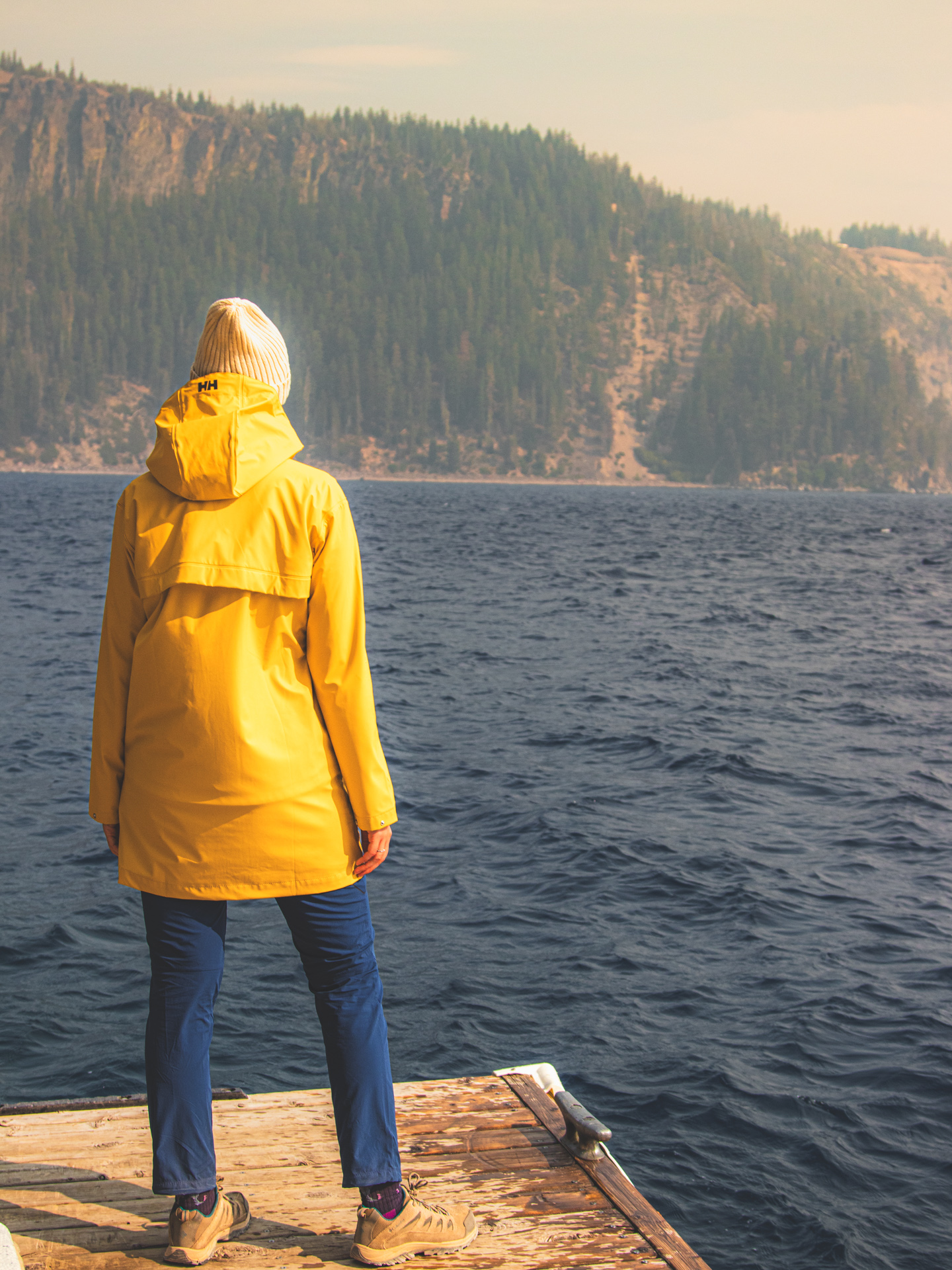
At the bottom, the reward is immediate. You’re right at the edge of Crater Lake, close enough to see just how clear the water really is. Submerged rocks stay visible far below the surface, easily 100 feet down, giving the lake an almost unreal depth.
Pack lunch and linger. The shoreline makes for an unforgettable picnic, with steep volcanic walls rising all around you. It feels sheltered and vast at the same time.
A few brave visitors do try swimming, even though the water sits around 55°F year-round. The pattern is usually the same. A quick plunge, a sharp gasp, and a fast retreat to sun-warmed rocks. Refreshing, in the most extreme sense.
It’s not an easy outing, but it’s one of the most intimate ways to experience the lake.
Evening: Dinner in Mazama Village
After the climb back up from the lake, drive south to Mazama Village. This part of the park feels quieter and more grounded, especially in the evening.
Dinner at Annie Creek Restaurant is simple and comforting, exactly what tired legs appreciate. Nothing fancy, just warm food and an easy atmosphere after a full day outside.
If you still have energy, wander over to the campground amphitheater. Evening ranger programs run here most nights, offering talks on park geology, wildlife, and the night sky overhead.
Topics rotate daily, from volcanic history to constellation spotting, so it’s worth checking the posted schedule earlier in the day.
Sitting outside as darkness settles, listening to stories about the land while stars slowly appear above the trees, feels like a natural way to close the day. Calm, informative, and very much in tune with the rhythm of the park.
Practical Tips
- Cleetwood Cove Trail takes a minimum of 90 minutes round trip, but realistically plan 2+ hours if you want time at the lake. The climb back up is no joke.
- Cleetwood Cove Trail takes a minimum of 90 minutes round trip, but realistically plan 2+ hours if you want time at the lake. The climb back up is no joke.
- There is no water available on the trail. Carry at least half a gallon of water per person, more on warm or sunny days.
Day 10 – Crater Lake to Portland or Seattle
Morning: Discovery Point Trail
Start your final park morning on the Discovery Point Trail. This gentle, roughly 2-mile walk follows the western rim with minimal elevation change and steady, uninterrupted lake views that shift subtly with every step.
The trail traces part of the route taken by John Hillman, who reached the lake in 1853. Long before that moment, Indigenous peoples knew this place intimately, and walking here feels less like a “discovery” and more like a quiet goodbye.
It’s an easy, reflective way to take in the lake one last time. No rushing, no big climbs, just space to let the color, scale, and stillness settle before the long drive ahead.
Afternoon: Choose Your Return Route
Your drive depends on where you’re heading next.
- Back to Portland: plan for about 4-5 hours.
- Back to Seattle: a longer 7-8 hour journey.
If you want to break up the drive, there are a couple of worthwhile detours:
- Heading northwest, a stop at Mount St. Helens adds 2-3 hours and offers a powerful look at the ongoing recovery after the 1980 eruption. It’s raw, educational, and surprisingly hopeful.
- If you’re Portland-bound, consider routing through Bend. Craft breweries, mountain views, and an easygoing vibe make it a great pause before finishing the drive.
Evening: Portland or Seattle
Arriving back in the city feels almost surreal after days of forests, coastlines, and volcanic landscapes. Hot showers, familiar streets, and a proper restaurant meal suddenly feel luxurious.
This is the night to choose a favorite spot, order something indulgent, and quietly celebrate making it through your Pacific Northwest journey.
Ten days of mountains, ocean, and slow roads behind you, and just enough city life ahead to ease the transition back to everyday rhythm.
Travel lighter, even before you leave.
start with something simple.
Download The Minimum Plan – Slow Travel:
Practical Tips
- Aim to start driving by 8am. It makes a real difference when approaching Portland or Seattle, where evening rush hour can quickly add stress to an otherwise calm final day.
- Add at least one extra hour to whatever your map suggests. Road construction, traffic slowdowns, and the very real temptation to stop for one last view tend to stretch travel times.
- If you’re flying out, plan generously. International departures usually require a minimum of 2 hours at the airport, while domestic flights during summer travel season are safest with 90+ minutes.
Where does your Pacific Northwest adventure call you next?
🌲 Dig deeper into Oregon’s wild side → 4-day Oregon Coast road trip with dramatic cliffs and hidden beaches
🍷 Add wine country to your route → One day in Willamette Valley exploring Oregon’s pinot noir heartland
🏔️ Discover Oregon’s hidden gems → 10 unusual attractions around Oregon beyond typical tourist trails
🌊 Keep exploring the West Coast → 7-day California Coast road trip from San Francisco to Big Sur
Which adventure speaks to you?
10-Day Pacific Northwest Road Trip: The Journey That Changed How I Travel
I still remember the moment this trip clicked for me.
Standing at Discovery Point before sunrise on my last morning at Crater Lake, shivering in my warmest layers, watching that impossible blue emerge from darkness.
It wasn’t the dramatic volcanic landscapes or the wild Oregon coastline that stayed with me most, though those were unforgettable.
It was the realization that the Pacific Northwest doesn’t reward rushing.
Every time I tried to pack more into a day, skip a quiet viewpoint, or hurry past a moss-covered trail, I felt like I was missing the point. This region operates on a different rhythm. Slower. More deliberate. More present.
The best moments happened when I stopped fighting that pace. Lingering over coffee at Sleepy Monk. Letting fog roll across Mount Rainier without checking my watch. Sitting on driftwood at Cannon Beach while light faded and the beach emptied around me.
This itinerary isn’t about checking boxes. It’s about building in space for those unplanned moments that become the stories you actually tell later.
You’ll cover major highlights, yes. Space Needle. Crater Lake. Haystack Rock. But you’ll also have time to wander Powell’s aimlessly, to pull over at viewpoints that aren’t on the map, to let a conversation at a bar stretch longer than planned.
Pack your rain layers. Bring good hiking shoes. Leave some flexibility in your schedule.
The Pacific Northwest rewards travelers who can adapt when weather shifts, when a trail looks too good to skip, when a local recommends a detour you’ve never heard of.
And if you find yourself standing somewhere – maybe Discovery Point, maybe Thor’s Well, maybe a quiet stretch of Olympic rainforest – and you feel that pull to slow down even more? Listen to it. That’s the region working on you.
What was your favorite Pacific Northwest moment? Or what are you most excited to experience on your own trip?
Pin this itinerary for your Pacific Northwest adventure
This article contains affiliate links. If you make a booking through these links, I may earn a commission, supporting this blog. Rest assured, my recommendations are based on honest assessments, and using these links doesn't affect prices for you. Thank you for your support!