
Are you heading to Europe and thinking about renting a car in Italy for the first time?
If so, take a breath. Renting a car in Italy isn’t difficult, but it is different from the USA or Canada and those differences matter more than you might expect.
I’ve rented cars in Italy many times, for slow road trips through Tuscany, quick hops between small towns, and longer journeys across the country.
Some rentals were smooth, others taught me lessons I’d rather you didn’t have to learn the hard way.
This guide walks you through the entire process step by step, from booking online to returning the car, with the small details that can save you time, money, and nerves.
If you want the freedom to explore Italy beyond train stations and crowded cities, this is everything you need to know.
If Tuscany is part of your route, have a look at my guide to the most beautiful towns in Tuscany – places best explored slowly, by car, and without rushing from one highlight to the next.
1. Making a Reservation Before You Arrive in Italy
The easiest and safest way to rent a car in Italy is to book it online in advance.
I usually book through Rentalcars, because it lets me compare prices, insurance options, and rental conditions in one place, calmly, before the trip even begins.
It also gives you time to actually read what you’re agreeing to, instead of standing jet-lagged at a counter.
For this example, let’s say you’re booking a car for two weeks, picking it up at Leonardo da Vinci Airport in Rome (FCO).
Booking early gives you more choice, better prices, and far fewer surprises.

2. What Type of Car Is Best to Rent in Italy?
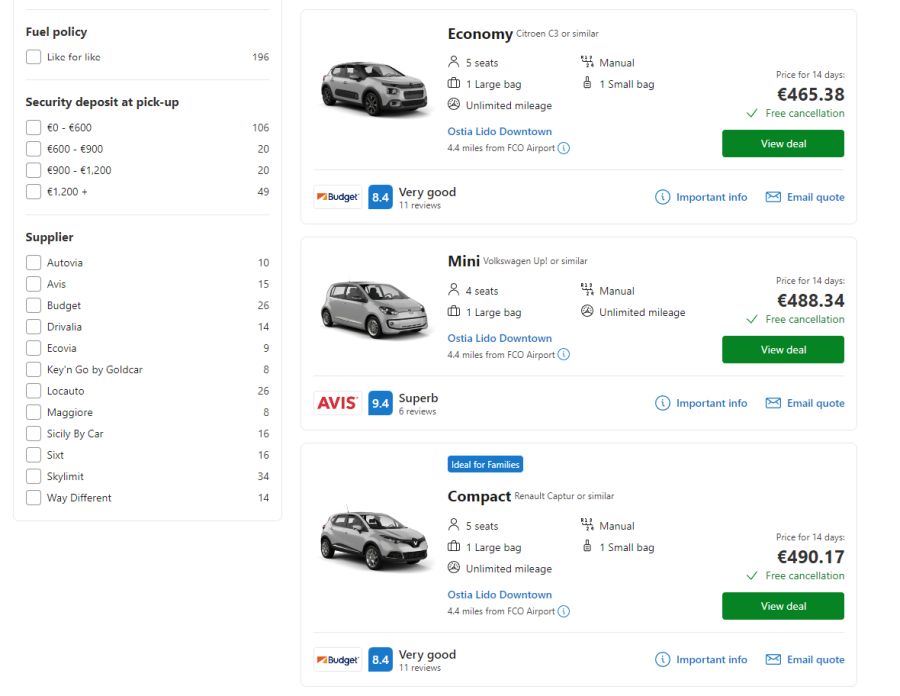
For most trips in Italy, a compact or economy car is the best choice.
Smaller cars are easier to park, easier to drive through narrow streets, and perfectly sufficient for luggage unless you’re carrying sports gear or traveling with a big family.
SUVs exist, but keep expectations realistic. In Europe, an “SUV” usually means a small crossover, not a full-size American vehicle. A mid-size SUV like an Audi Q5 can easily cost two to three times more than a compact car.
One very important thing to know: Most rental cars in Italy are manual.
If you’re used to driving automatic and don’t want to switch, make sure you specifically filter for automatic transmission. It’s available, but it’s more expensive and limited.
3. Reviewing Rental Conditions (This Is Where People Get Burned)
Before confirming your booking, slow down and read the rental conditions carefully.
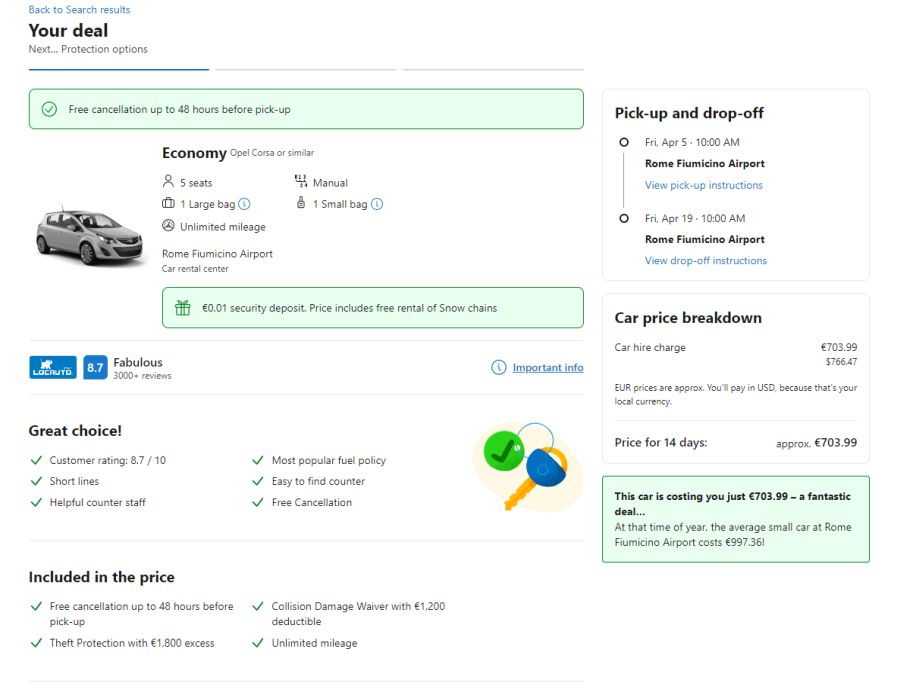
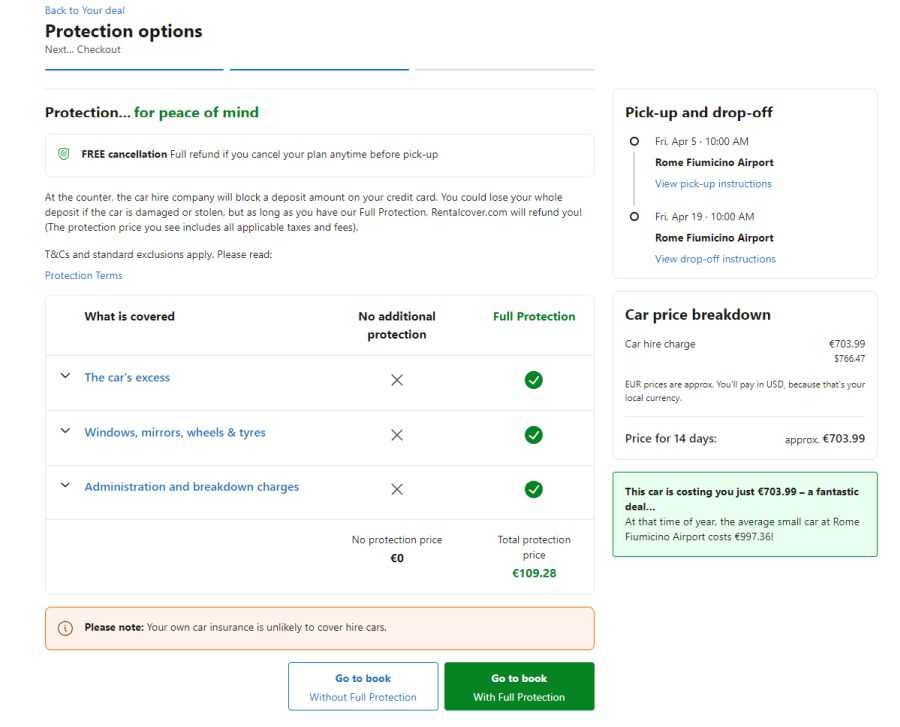
Deposits of around €300 are standard. What matters more are the out-of-pocket costs in case of damage or theft. In this example, the deductible was €1000 for damage and €1900 for theft.
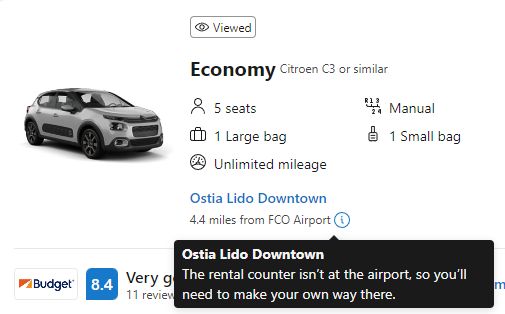
Another detail many people miss: the rental location.
Some cheaper rentals are not actually at the airport. If the company requires a shuttle or a long bus ride after a transatlantic flight, ask yourself honestly if saving a few euros is worth it.
After a long flight, I always choose an on-airport rental. Convenience matters more than price at that point.
4. Understanding the Total Cost of Renting a Car in Italy
At first glance, the price might seem high. In this case, around €700 for two weeks.
The good news is that taxes and basic insurance are usually already included. The not-so-good news is that in case of damage, you’re still responsible for a significant amount unless you add extra coverage.
Don’t assume your US credit card insurance will save you here. Many policies don’t cover Italy or exclude common damages like tires and mirrors.
Always check exactly what’s included and what isn’t.
5. Choosing the Right Insurance (Peace of Mind Matters)
Even when basic insurance is included, the deductibles can be high.
There’s often an option to reduce or eliminate those out-of-pocket costs for a flat fee. In this example, extra coverage cost about €109 for the entire rental period and covered things like wheels, windows, mirrors, and minor scratches.
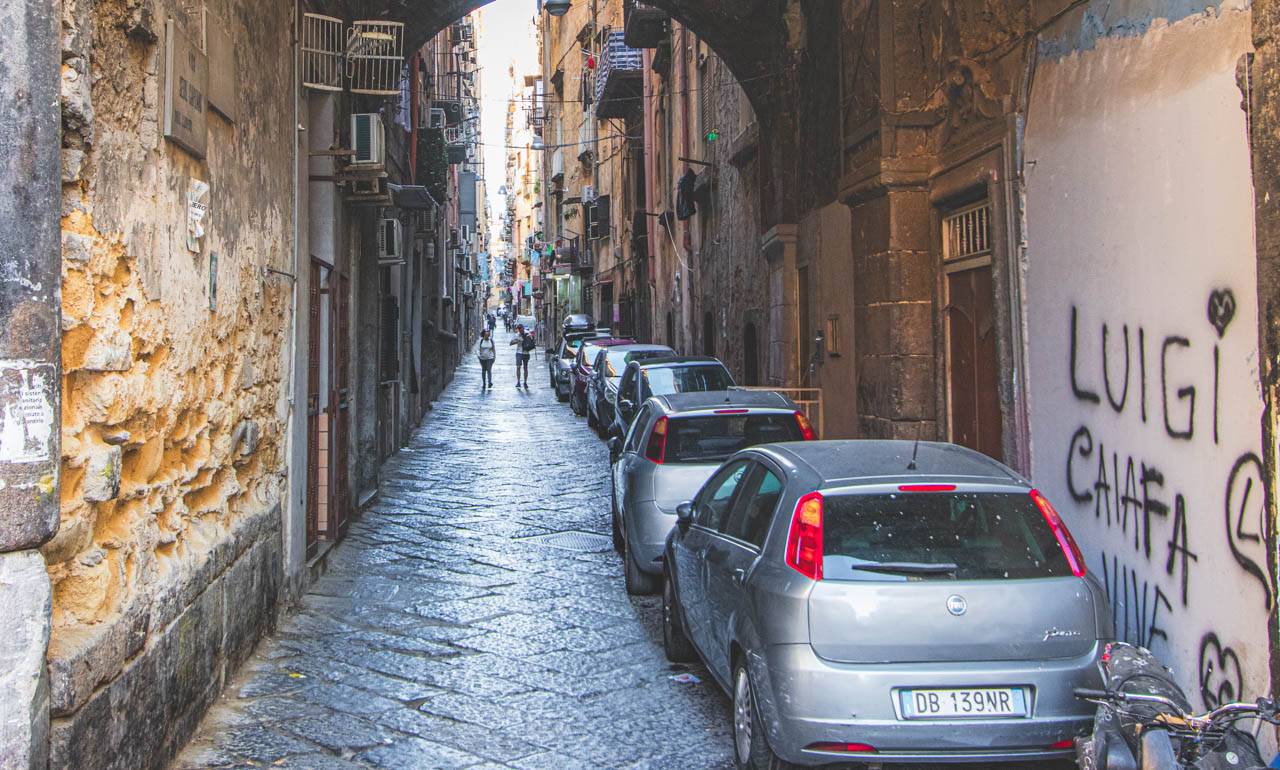
Italian towns are beautiful, but tight streets and stone walls are unforgiving. Scratches happen easily, especially in historic centers.
Personally, I always choose the extra coverage. It lets me enjoy the trip without constantly worrying about the car.
6. Arriving at the Airport and Finding the Rental Office
After landing, passing passport control, and collecting your luggage, follow signs to the car rental area.
During peak season, lines can be long. If your rental is off-site, you’ll need to take a shuttle or arrange transport. Another reason why airport-based rentals are often worth it.
7. At the Car Rental Counter
At the counter, things finally slow down a bit.
Make sure you have all the essentials with you: your passport, a valid driver’s license, and a credit card in the driver’s name. This is standard, but it’s worth double-checking before you leave home.
Once your documents are verified, you’ll be asked about insurance. This is where many people feel unsure, especially if they’re renting a car in Italy for the first time.
If you’re arriving from outside Europe, it’s good to know that insurance from your home country or credit card often doesn’t apply here. That’s why it’s best to decide on coverage in advance, when you’re rested and can read the fine print calmly.
In our case, everything was already sorted online, so we didn’t add anything at the counter. Still, the final choice is always personal. The right insurance is the one that lets you relax and actually enjoy the drive.
If you haven’t paid yet, this is when the rental fee is charged and a deposit is temporarily blocked on your credit card for the duration of the rental.
8. Picking Up Your Rental Car
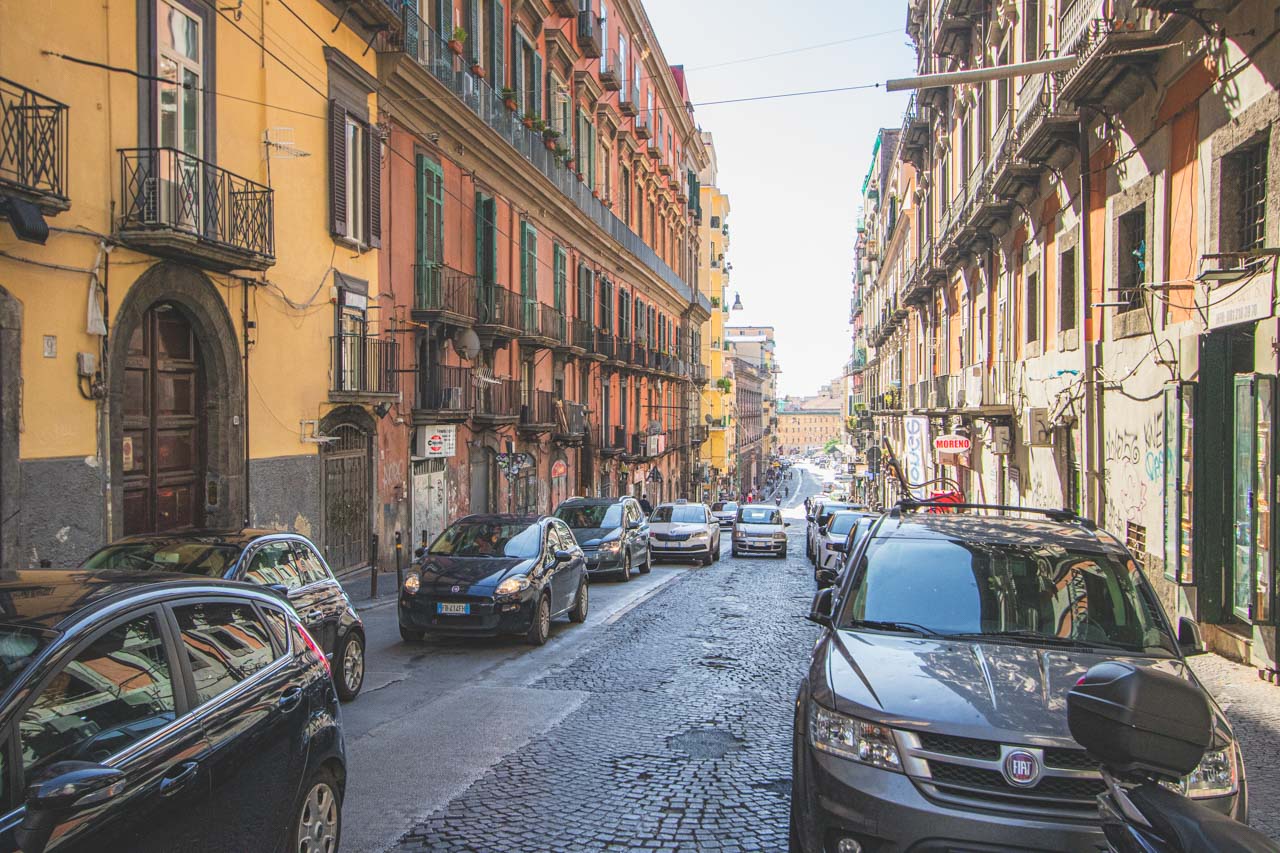
In Italy, you don’t usually wander through a parking lot choosing a car.
Instead, you’ll receive the keys at the counter and be directed to a specific, assigned vehicle. It’s a small but noticeable difference from the USA.
If the car doesn’t feel right, you can always go back and ask to change it. Just be aware that availability is limited and it may take time. I once swapped cars in Italy and ended up waiting about 30 minutes for the replacement to be cleaned. Not ideal, but sometimes worth it.
Before driving off, take a few unhurried minutes to inspect the car carefully. Look for scratches, dents, chipped paint, or damaged rims and make sure everything is noted in writing.
This step really matters. Cars are often checked thoroughly upon return in Europe, and undocumented damage can easily turn into extra charges later.
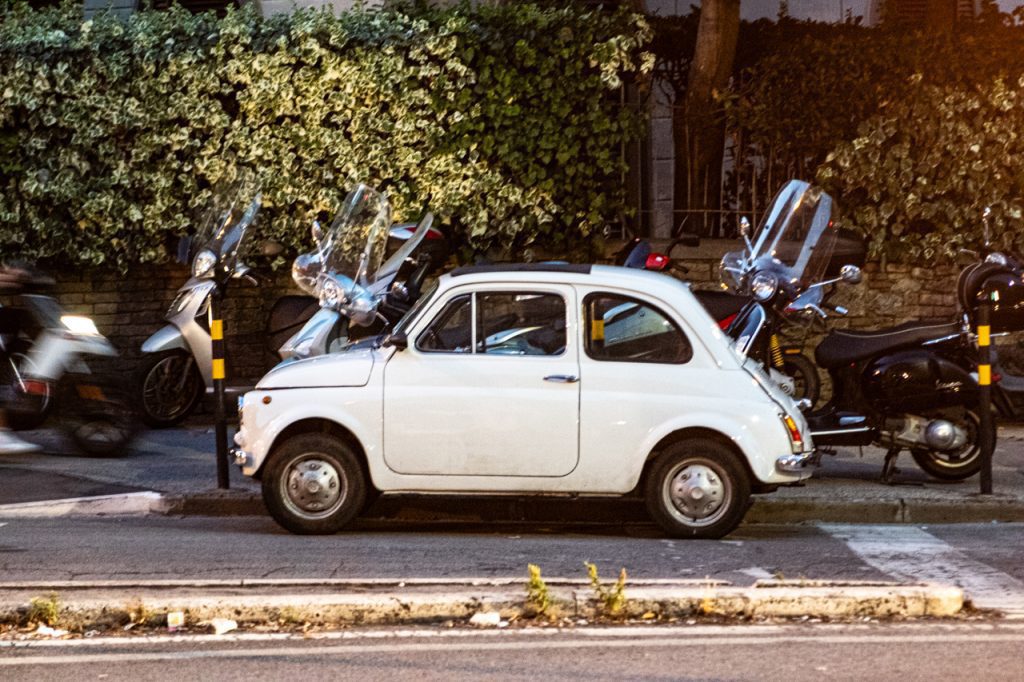
A smaller car makes all of this easier. Narrow streets, tight parking spaces, and historic town centers were never designed with large vehicles in mind.
9. Leaving the Parking Lot
Once the inspection is done, load your luggage and follow the signs toward the exit.
Most of the time, there’s no gate and no final checkpoint. The paperwork is already handled, so you’re free to drive away and begin your journey.
This is usually the moment when the trip finally feels real.
10. While You’re Driving in Italy
During the rental period, the car is your responsibility.
You’ll need to refuel it, respect local traffic rules, and cover any tolls along the way. Speed cameras are common, and tickets often arrive weeks or even months later.
On top of the fine itself, rental companies usually add a processing fee for handling it.
Tolls are paid on highways. You take a ticket when entering and pay at the gate when exiting, either by card or cash. Keep that entry ticket somewhere easy to reach.
It’s all straightforward, as long as you know what to expect.
11. Returning Your Rental Car
When it’s time to return the car, aim to arrive on time or slightly early.
The fuel tank should be filled to the level stated in your contract, most often full. There’s no need to refuel directly at the airport. Any station within about 50 km (30 miles) is fine, as long as the gauge shows full.
After a quick inspection, any remaining charges are settled and your deposit is released. Simple and uneventful, which is exactly how returns should be.
12. What Does It Really Cost to Rent a Car in Italy?
Example cost breakdown for two weeks
- €703.99 – base rental cost
- €109.28 – additional insurance
- €400 – fuel (assuming around 200 km per day)
- €124.80 – tolls
€1,338 total, roughly €100 per day
To get a realistic sense of current prices and availability, I checked this example through Rentalcars, which makes it easier to compare total costs across different providers.
You can absolutely find cheaper rentals in Italy. This example is meant to show the full picture, not the lowest possible price.
In my experience, the cheapest option isn’t always the best one. Budget companies may come with stricter conditions, slower support, or unexpected charges if something goes wrong.
Every rental company has complaints online. What matters most is reading the rental conditions carefully and understanding what you’re agreeing to before you arrive.
If anything feels unclear, especially as a foreigner, ask questions at the counter. It’s much easier to clarify things before you drive away.
Where Do You Want to Go Next in Italy?
🚗 Slow road trip → The Most Beautiful Towns in Tuscany
hill towns, back roads, and places best explored by car
🏛️ Art and everyday life → Florence Beyond the Highlights
a calmer way to experience the city, without rushing
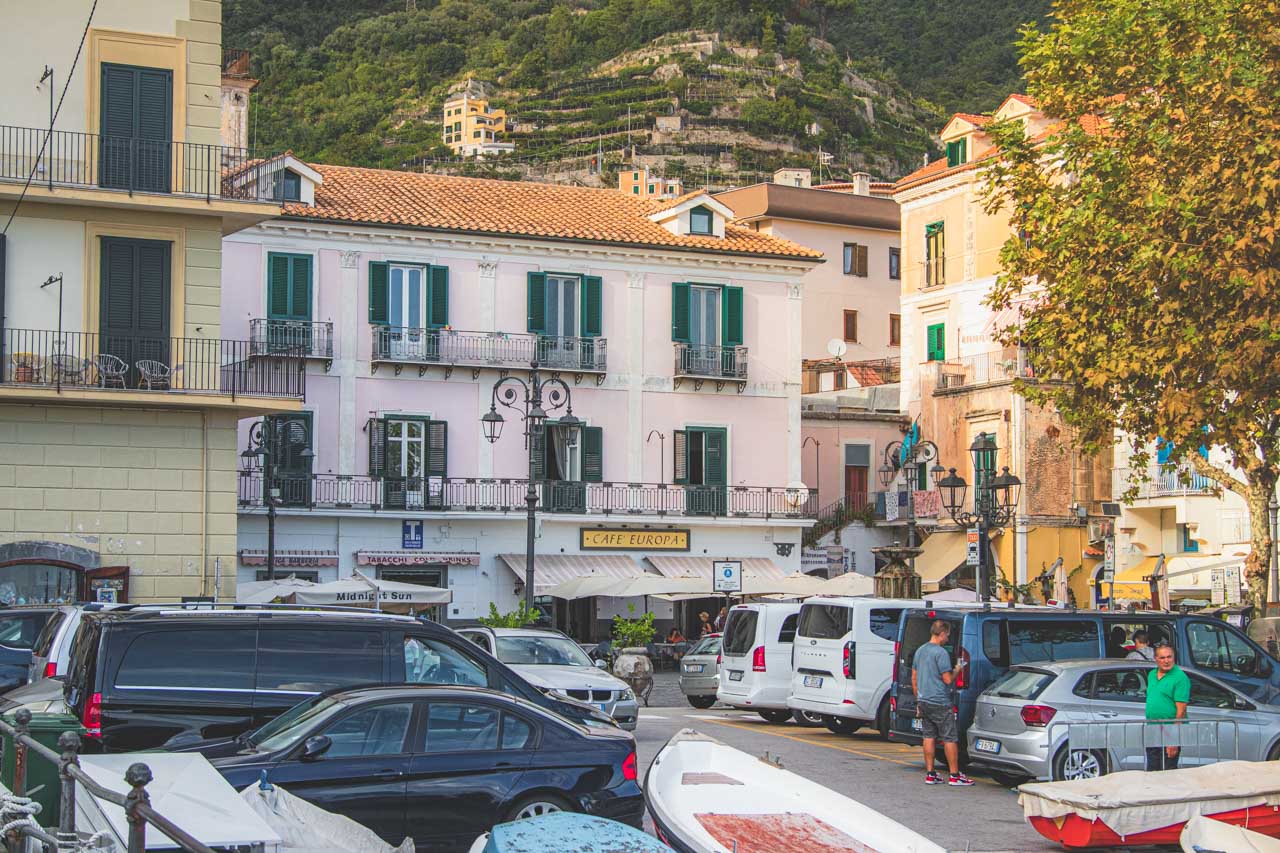
🌊 Coast and light → Amalfi Coast in 5 Days
a slow itinerary along one of Italy’s most dramatic coastlines
🏨 Practical and calm → Where to Stay on the Amalfi Coast
locations, towns, and stays that make the journey easier
🍕 City energy → Naples in One Day
a first taste of the city, without trying to see everything
What feels right for this trip – the road, the coast, or a city with character?
Travel lighter, even before you leave.
start with something simple.
Download The Minimum Plan – Slow Travel:
How to Rent a Car in Italy: Final Thoughts
Renting a car in Italy doesn’t have to be complicated or stressful. Once you understand how the system works and what to pay attention to, the rest falls into place quite naturally.
A car gives you freedom. It lets you slow down, take the long way, stop in places that don’t appear on lists, and experience Italy beyond train schedules and city centers.
Drive calmly, leave space for the unexpected, and don’t rush the journey. The most beautiful moments often happen somewhere between destinations.
If this guide helped you feel more confident, you can book your car through the link below. It won’t affect your price, and it helps support my work here. Thank you for that.
And if you have questions, doubts, or your own experiences with renting a car in Italy, feel free to leave a comment. I always read them.
If you think this post could help someone else planning their trip, sharing it might save them a few unnecessary mistakes.
Slow roads are often the best ones.
Pin it for later!
This article contains affiliate links. If you make a booking through these links, I may earn a commission, supporting this blog. Rest assured, my recommendations are based on honest assessments, and using these links doesn't affect prices for you. Thank you for your support!