
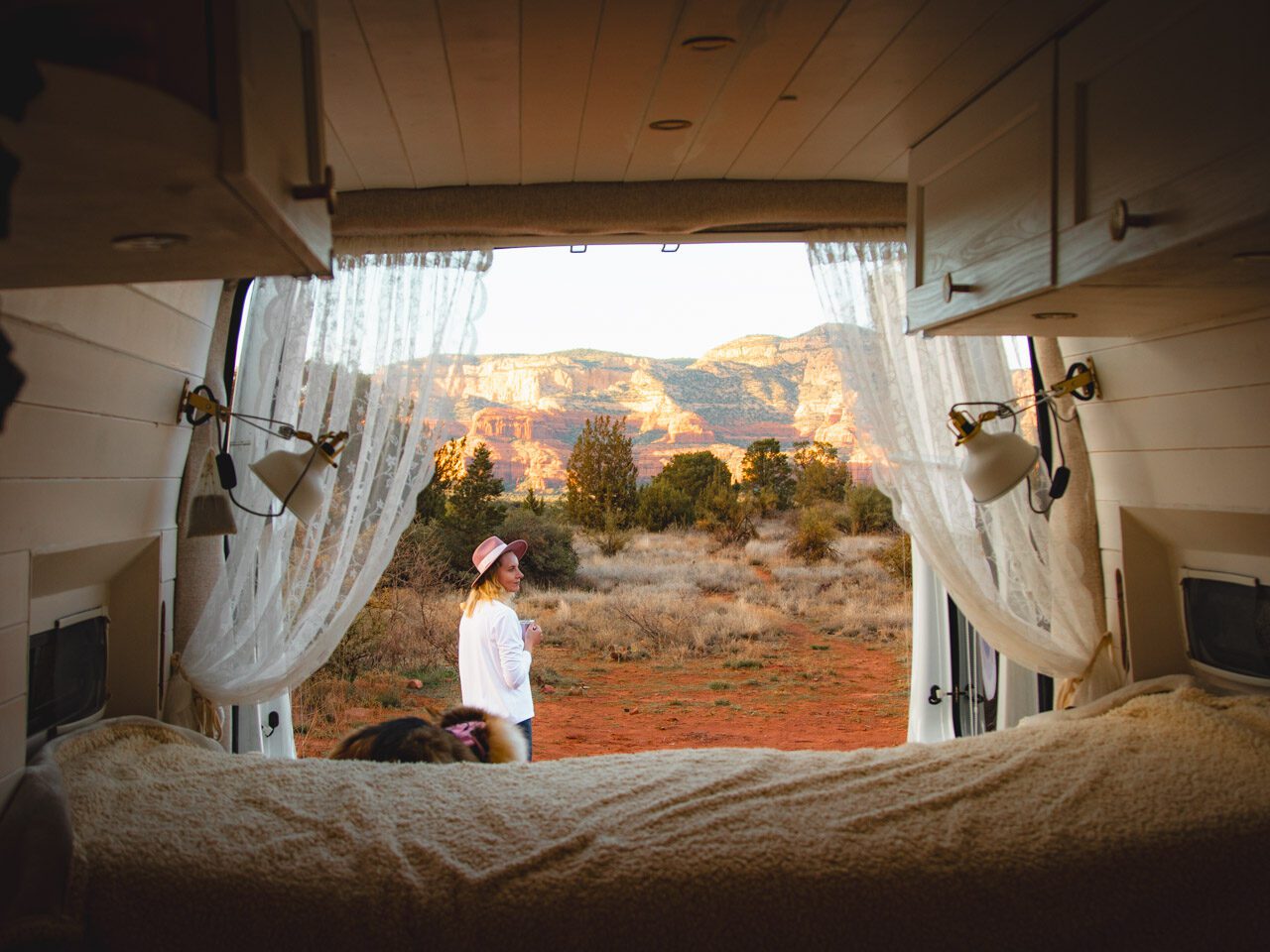
One of the first questions I hear when someone is thinking about campervan travel is: where do you actually sleep?
Do you always have to stay at campsites? Can you park anywhere? And how do you even find a good spot for the night when you’re mid-route, it’s getting dark, and you just want to stop?
After several years of traveling in a campervan – across Europe, the USA, the Arizona desert, and tiny Alpine towns – I can tell you one thing: there are far more options than most people think.
If you’re wondering where to sleep in a campervan, you have a few main options: campsites, wild camping spots, and parking areas that allow overnight stays.
You just need to know where to look. And understand a few ground rules before you hit the road.
Want to learn more about traveling by campervan?
On my Van Life Hub, you’ll find more articles on building a campervan, van travel, real costs of van life, and practical tips from routes across the U.S.
Can You Sleep in a Campervan Anywhere? Rules in Europe and the USA
Short answer: no. Longer answer: it depends on the country, the location, and what you mean by “overnight stay.”
In theory, a campervan gives you the freedom to stop wherever you want.
In practice, every country has its own regulations – and ignoring them can end with a fine or a knock on your window from local police at 2am. It’s worth knowing what to expect.
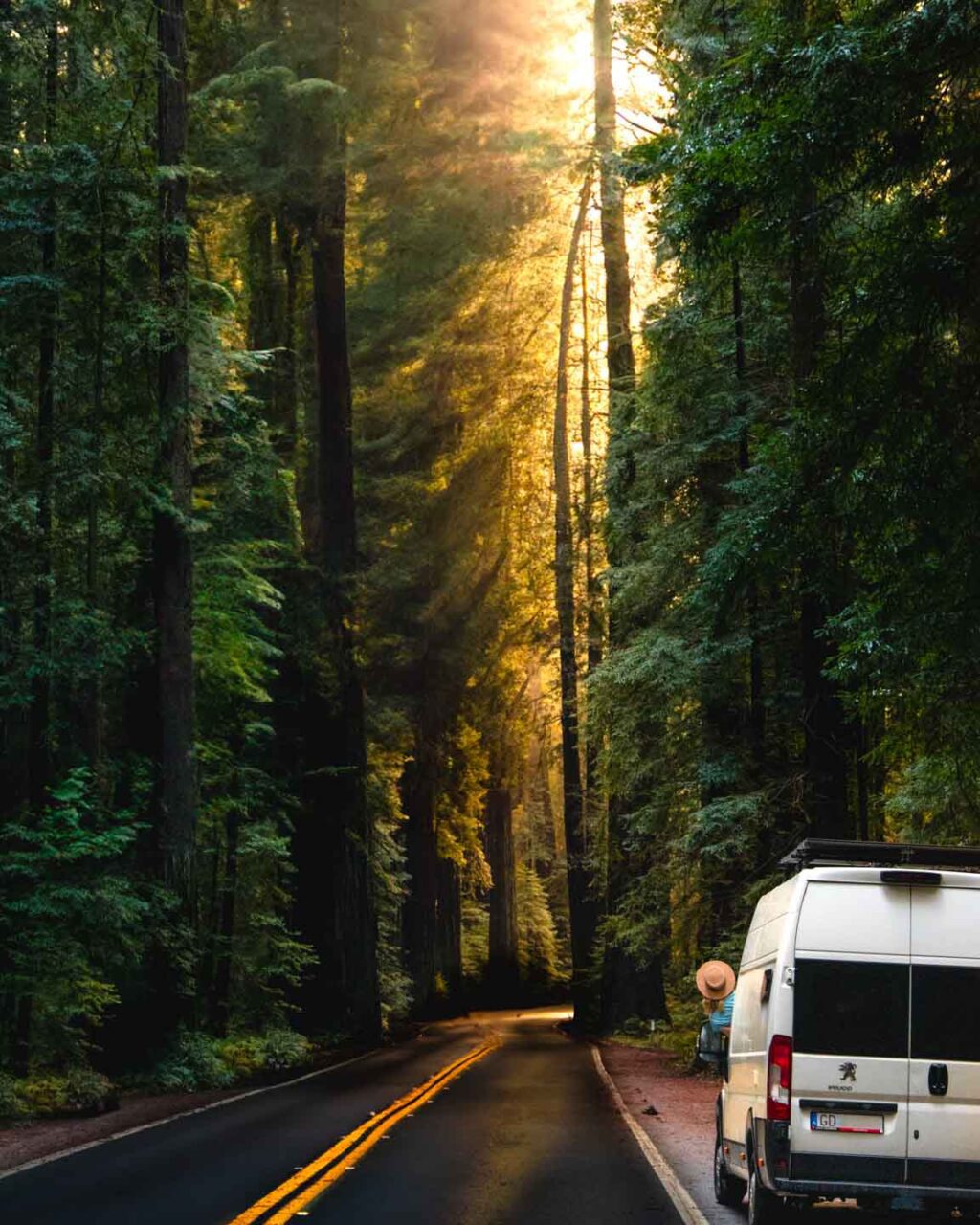
Europe is wildly varied. The Scandinavian countries – Sweden, Norway, Finland – have something called the right to roam.
You can stop almost anywhere, as long as you’re not on private land and you don’t stay more than two nights in the same spot. It’s every van lifer’s dream.
On the opposite end, you have France and Germany, where overnight parking outside designated areas is officially prohibited – though in practice, many people use discreet spots on car parks or forest roads without any trouble.
Italy and Croatia tend to be stricter, especially during peak season and along crowded coastlines.
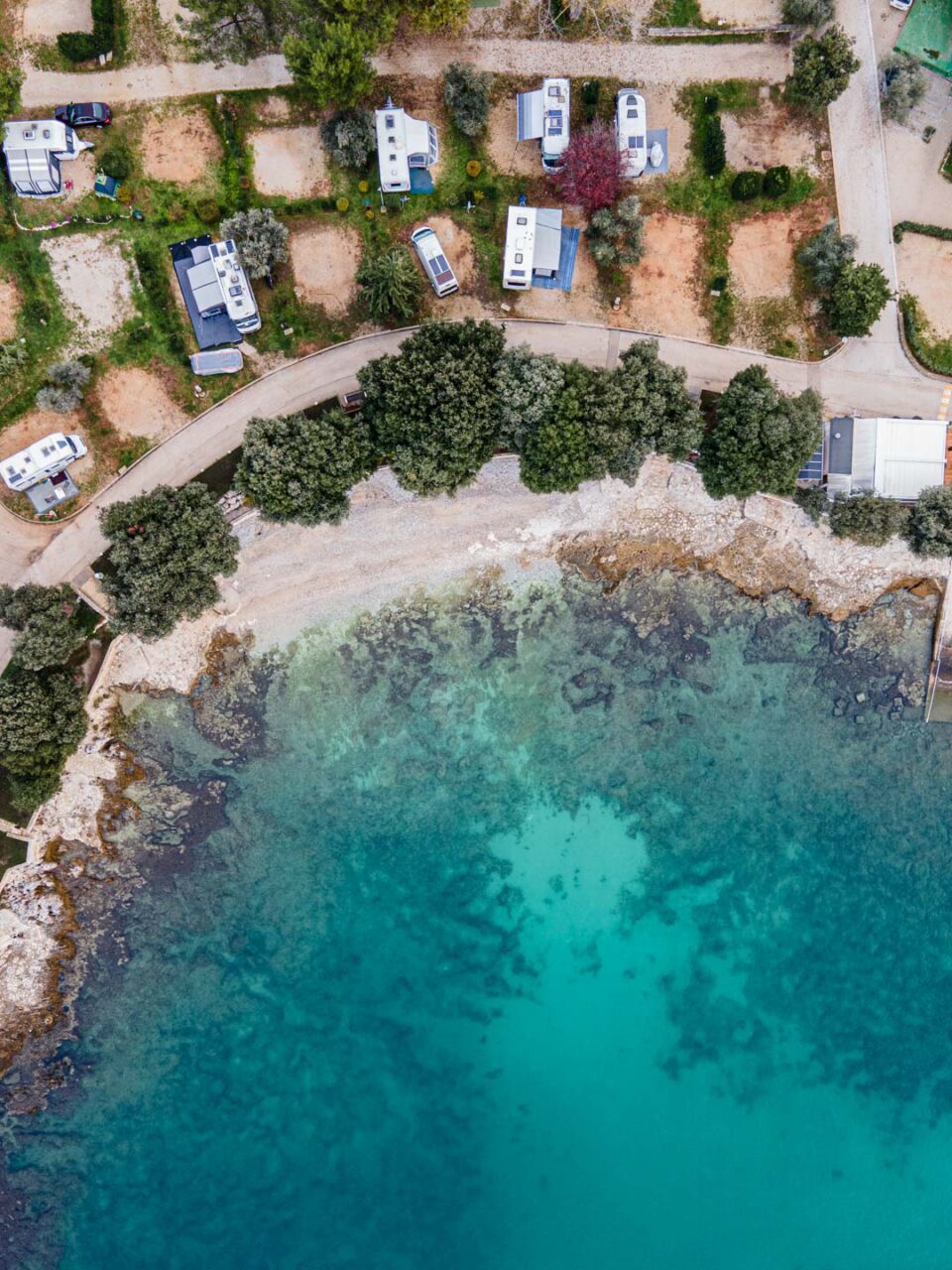
The USA operates on a different logic. The key distinction is between federal land and private land.
Areas managed by the BLM (Bureau of Land Management) and National Forests are often places where you can camp for free – and legally – for several nights at a time.
That’s where we spent a large chunk of our time traveling along the West Coast and through Arizona. National Parks have their own campgrounds, and sleeping outside of designated areas usually requires a permit.
One important difference that rarely gets mentioned: parking vs. camping. In many places, you can legally park a campervan for the night – in a restaurant lot, a shopping center, or on a city street – without setting up any camping gear.
The situation looks very different when you unfold chairs, roll out the awning, and start a fire. The first is often tolerated or fully legal. The second – not necessarily.
In the US, overnight stays at Walmart parking lots and highway rest areas are also common, though rules vary by location.
Campgrounds – The Easiest Option for Campervan Overnights
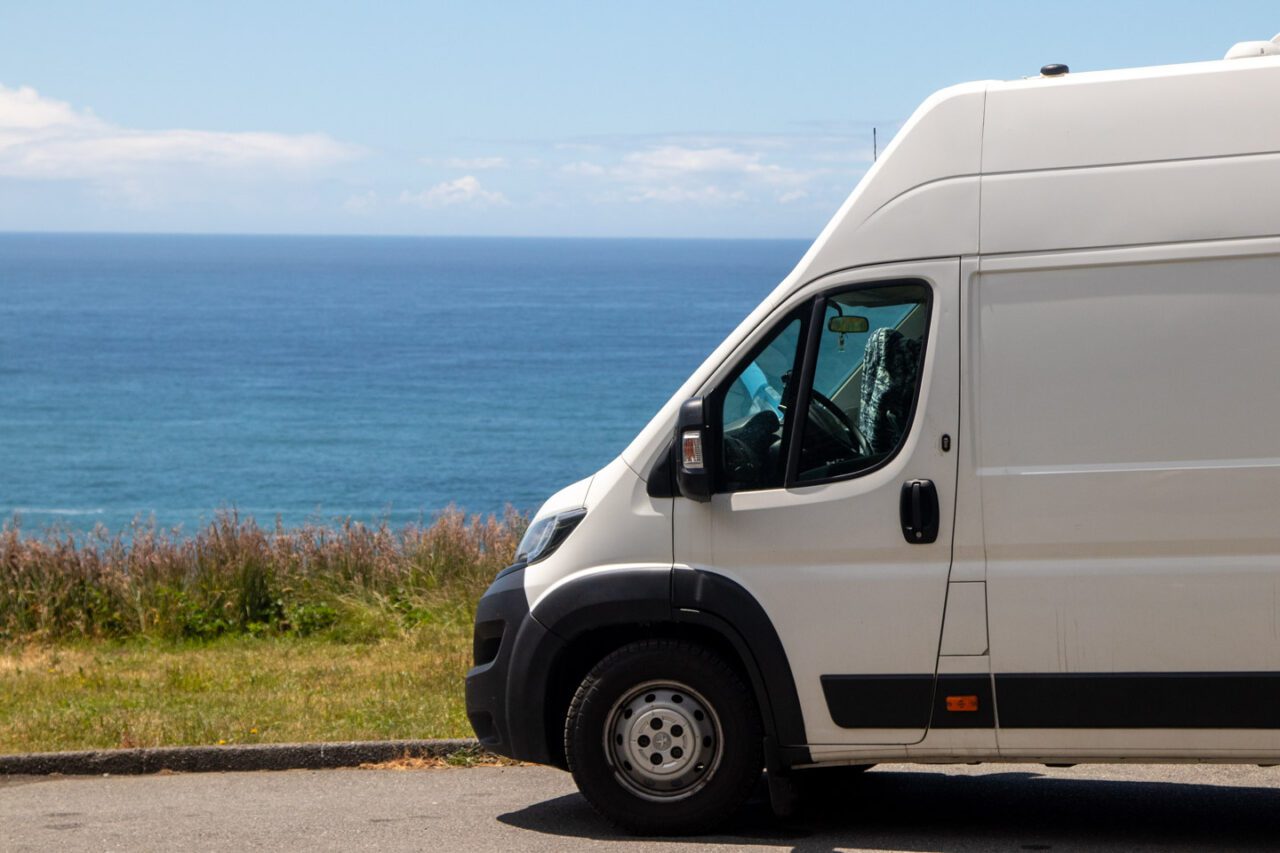
If you’re just starting out with campervan travel, a campsite is the most comfortable entry point.
And I don’t say that dismissively – I still go back to campsites regularly, because they offer something wild spots simply don’t.
A shower. An actual shower.
But beyond that: electricity, water, often WiFi, and frequently a small shop, laundry facilities, and a place to empty the waste tank. These are the things that start to matter after a few days off-grid.
European campsites are generally well-organized. In Germany, Austria, Switzerland, and France, you’ll often find very high standards – grassy pitches with space between them, individual water hookups, and electricity.
You pay for the pitch and electricity separately. Prices vary widely – from €15 for a simple spot to €50+ on the Côte d’Azur in August.
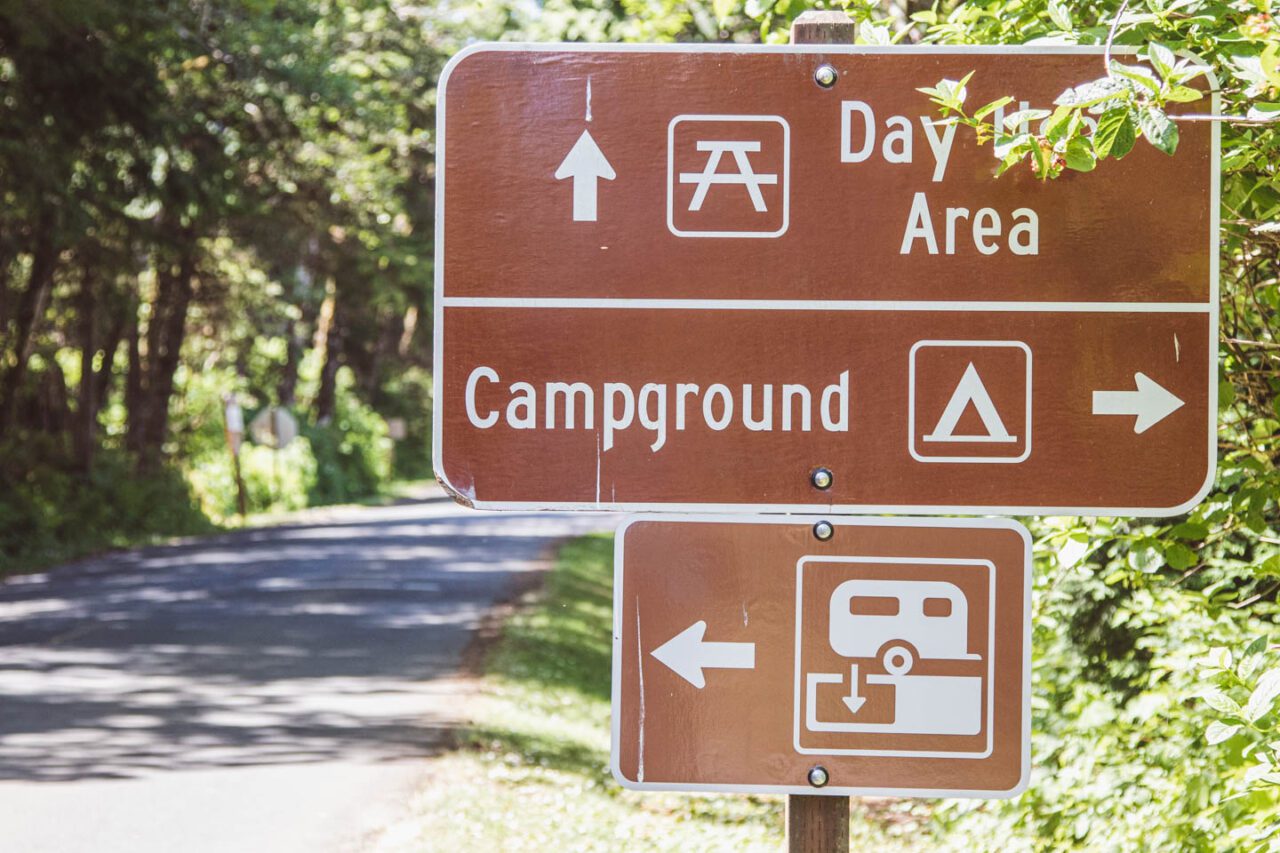
In the USA, campgrounds fall into several categories. RV parks are commercial spots where you park on asphalt with full hookups (electricity, water, sewage) – useful, but not exactly romantic.
Campgrounds in state and national parks are a completely different experience: among trees, mountain views, no WiFi, but full of stars. Popular spots book up months in advance.
When is a campsite the right call? At the beginning, when you’re still learning how your van works. After a longer stretch of wild camping, when you need a shower, laundry, and a chance to recharge – both yourself and your batteries.
And whenever you’re somewhere wild camping doesn’t make sense – like when you want to explore a city.
If you’re planning a campervan trip through Europe and wondering which destinations are worth visiting, check out my guide to the best European campervan destinations.
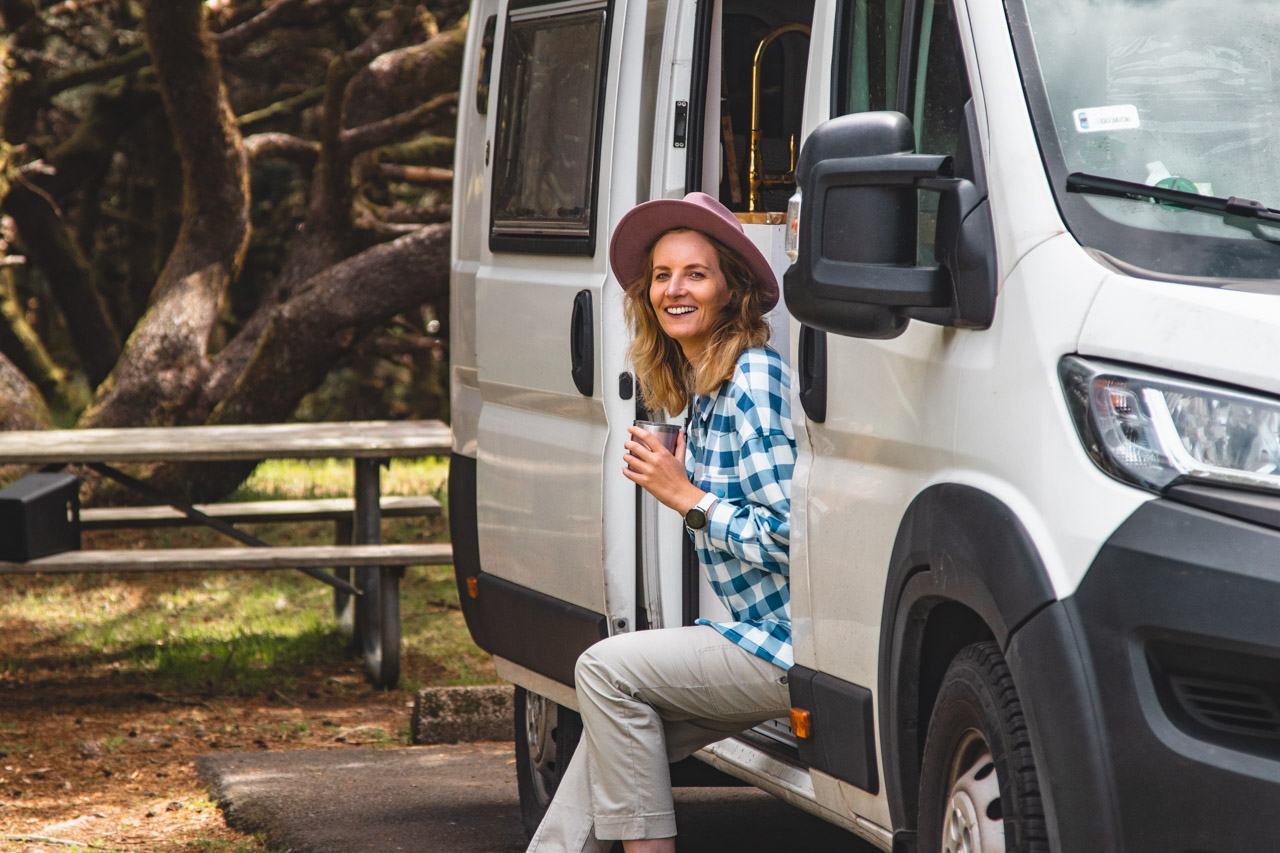
Wild Camping in a Campervan – Is It Legal?
This is the topic that generates the most debate in the van life community. And I get why it feels like a grey area.
But let’s be honest: wild camping exists and is part of van life culture. What matters is understanding the difference between places where it’s permitted, tolerated, and outright banned – and adjusting your behavior accordingly.
In Europe: the further north, the more freedom. Scandinavia, as I mentioned, is paradise for campervan travelers. The further south and west you go, the more restrictions you’ll encounter.
Spain is an interesting case – officially, camping outside a campsite is prohibited, but in practice it varies hugely by region, season, and how discreet you are. Scotland has a right to roam similar to Scandinavia.
In the USA: wild camping on BLM land and National Forests is most often completely legal. The standard rule is up to 14 days in one spot on BLM land. That completely surprised me the first time I drove through Arizona.
Vast public land where you can drive and stop freely – no reservations, no fees, no forms. You just check the map and confirm the land is BLM-managed, not a private ranch or protected area.
One rule I always keep in mind: leave the place exactly as you found it. This isn’t just an ethical principle – it’s practical. Wild spots are accessible because the people before us respected them.
When someone leaves trash, lights a fire where it’s banned, or tears up the terrain with their vehicle, they destroy access for everyone who comes after.
Planning to sleep in your campervan – and want to know where to actually stop?
Every week I share practical tips and real stories from the road – straight from the inbox of someone who lived in a campervan for over two years.
Bonus for new subscribers: Complete van build shopping list – everything you need from A to Z 🚐

Best Apps for Finding Campervan Overnight Spots
This is the section that genuinely changed how we travel. Before I discovered these tools, I was searching for spots on Google Maps through trial and error. Now I plan our overnight stops over morning coffee.
Park4Night
One of the most popular apps for campervan travelers in Europe. It works as a community platform: users add spots, rate them, write descriptions, take photos.
You’ll find wild spots by lakes, car parks at mountain huts, quiet bays with sea views. The free version lets you browse spots, but without filters or offline mode. The paid version (around €12/year) is worth every cent.
iOverlander
My go-to for travel outside Europe, especially in the USA and South America. It works similarly to Park4Night but has a more extensive database for BLM land and wild spots in North America.
The community skews more adventurous – plenty of off-road locations and spots far from beaten paths.
Campendium
Particularly useful in the USA. A huge database of campgrounds, state and national park sites, and free spots. You can filter by hookup type, price, pet-friendliness, and many other parameters. Very intuitive to use.
Google Maps
Underrated, and still one of my favorite tools for a quick area scan. Just type “rest area,” “campground,” or “parking” near your location, and Google shows you spots with reviews and photos from other travelers.
It won’t replace the specialized apps, but as a starting point it works great – especially for checking whether a parking lot near a store is quiet enough for the night.
Where We Actually Slept in a Campervan – USA and Europe
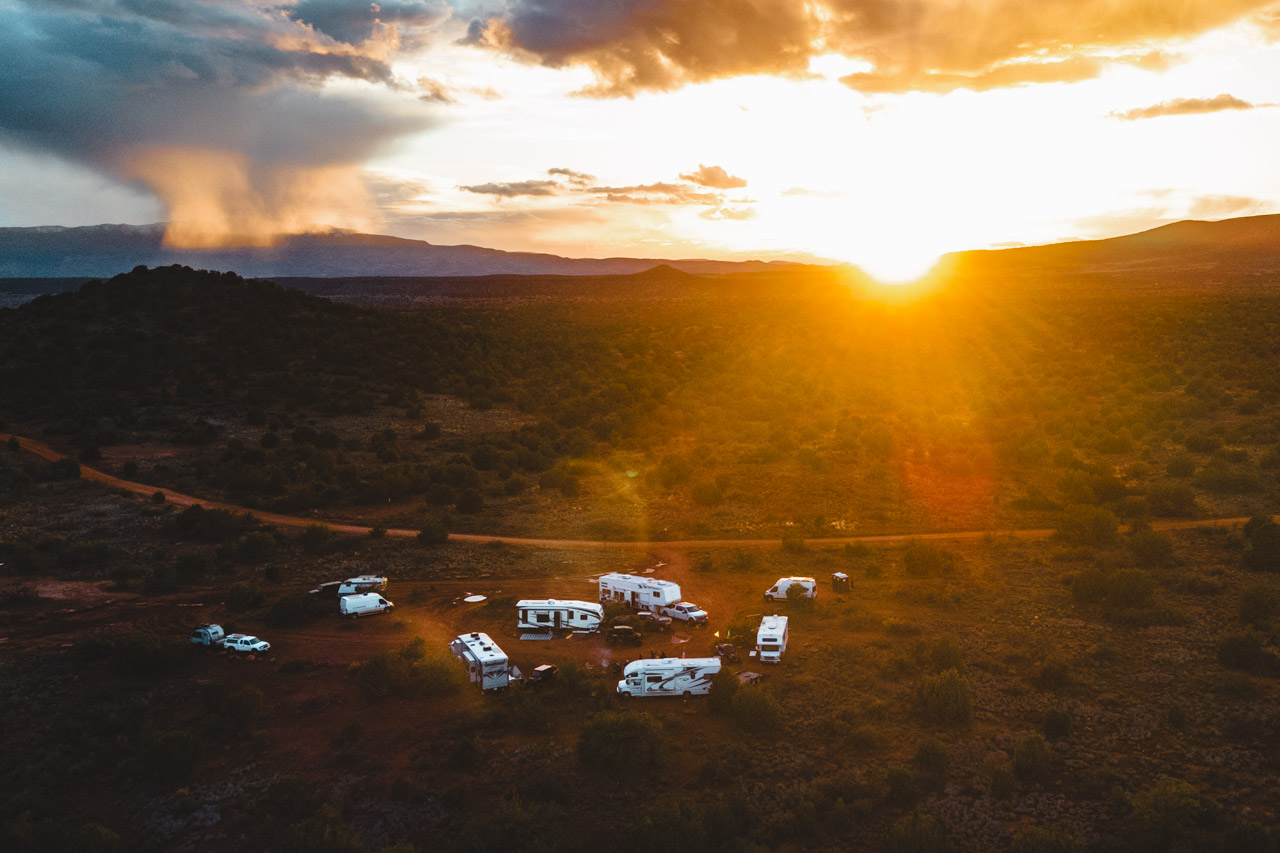
In the USA, our strategy looked like this: BLM land first, always. The Arizona desert, the Sedona area, Utah – we found spots that literally took our breath away.
Empty landscapes, a canyon sunset, zero other campervans in sight. We found these places through Campendium and iOverlander, often checking the day before.
In national parks – Yellowstone, Yosemite, Bryce Canyon – we used official campgrounds. I booked three months in advance, because popular spots disappear instantly. Worth knowing ahead of time.
Every now and then – near big cities or when we needed power and a shower – we used commercial RV parks. Not romantic, but functional.
In Europe, we mixed campsites with wild spots. In Italy, mainly campsites – we were there in August, and wild camping was nearly impossible given both the regulations and the crowds. Croatia was similar.
But in Germany and Austria, I discovered wonderful small campsites at agritourism farms – cheap, quiet, with their own bathroom and breakfast from the owners if you wanted to pay a bit extra.
The biggest discovery? Parking near smaller Alpine lakes in Austria and Slovenia.
Technically a parking area, technically not a campsite – but you wake up to views of water and mountains, and for a moment you don’t know if it’s still van life or already a dream.
Want to continue your campervan adventure?
🔨 I want to build my own campervan → How to Build a Campervan
🛋️ I’m looking for layout ideas → 10 Ingenious Van Build Layouts
🌍 I want to plan a road trip in Europe → 10 Campervan Destinations in Europe
🤔 I want to know what van life is really like → The Truth About Van Life
What interests you the most?
How to Find a Good Overnight Spot
A few practical things I learned the hard way.
Arrive before dark
This sounds obvious, but in practice it’s hard to pull off when there’s a museum you want to see or a beautiful road you’re driving slower than planned.
Looking for a spot after dark is stress you can easily avoid. My rule: by 4pm, I start checking options for the night.
Check the terrain level
Sleeping on a slope is no rest at all – you spend the whole night slowly sliding off the mattress and wake up with back pain.
Many apps include notes from other travelers about whether the ground is level. If not, I always carry small leveling wedges.
Avoid busy roads and popular parking lots
Intuitive, but worth repeating: a good night’s sleep means not hearing trucks at 3am and not having someone knock on your window asking if you need help.
Read other travelers’ reviews
Park4Night comments are genuinely useful – people note when it was noisy, when rangers showed up, or whether the spot felt safe. Two minutes of reading reviews can save you hours of stress.
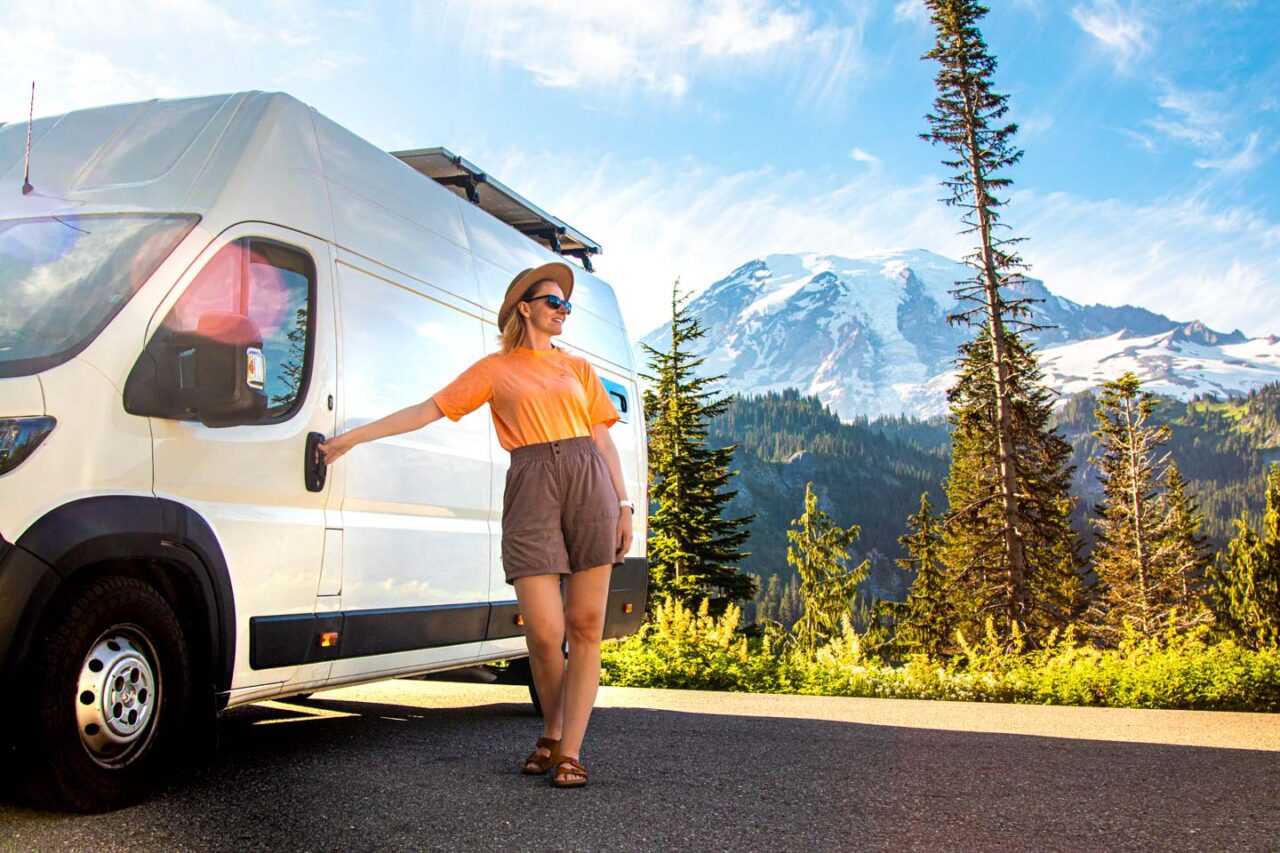
What to Avoid When Choosing an Overnight Spot
Over time I learned that a good overnight spot isn’t just about a beautiful view. Equally important is knowing what to steer clear of.
Private land without permission
The most common beginner mistake. If a place looks private – a farm, a ranch, a driveway – it’s better to find somewhere else.
Highway rest stops and busy roads
They might look convenient on a map, but a night spent a few meters from trucks is not real rest.
Spots with clear “no overnight parking” or “no camping” signs
Don’t test the boundaries. A fine is a very effective way to ruin a trip.
Overly popular spots in peak season
The most beautiful locations from the apps can be packed in summer. Sometimes it’s better to stop a kilometer away and have the silence.
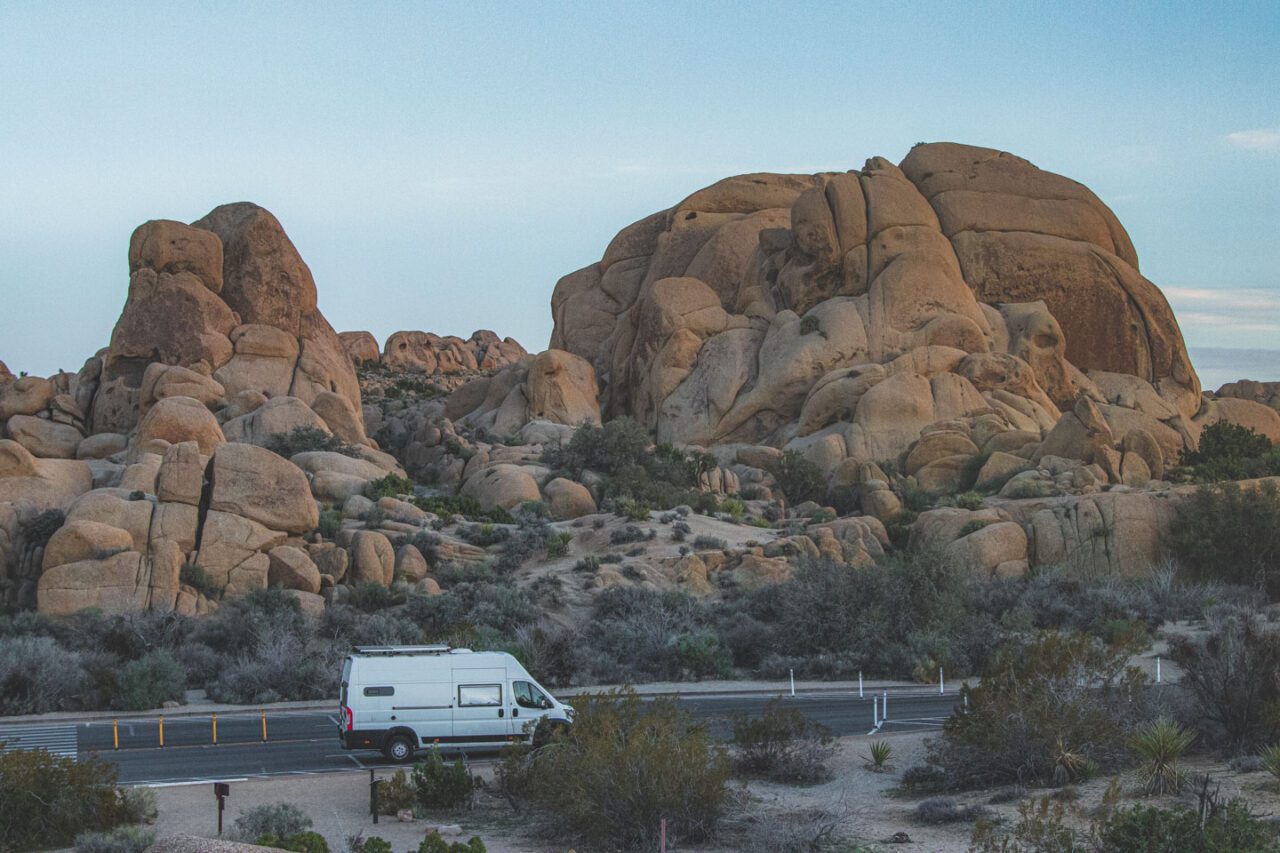
Does Van Life Mean Only Wild Camping?
I want to bust a myth that circulates around van life on Instagram: that it’s exclusively wild spots, sunrise at the edge of nowhere, and zero civilization.
In reality, most people traveling in campervans – myself included – mix different overnight styles.
Two days on BLM land at a stunning canyon, then a campsite in the mountains where you can shower and recharge (literally and figuratively), then a small village with a parking area by the church, then back to nature.
That mix is exactly where the freedom of van life lives – not in always sleeping under the stars with zero infrastructure, but in deciding for yourself what you need on any given day.
Sometimes you need a shower and WiFi. Sometimes silence and open space. Both are valid choices.
More on what van life is actually like – including the less romantic side – in my article on what van life really looks like and what to know before you start.
Our Personal Rule for Overnight Campervan Stops
Over time, I developed what I’d call the one-question rule: Will this place let me actually slow down?
It’s not about an Instagram-worthy view or whether the spot is free. It’s about whether, after parking, I can open the door, pull out a chair, and feel like I’m here – not just in transit to somewhere else.
Sometimes that’s a small mountain campsite with a fountain in the village center and the smell of pine resin. Sometimes it’s a parking area by a quiet lake, just the two of us and the sound of water.
And sometimes it’s a completely random spot found after my phone died and I pulled into the first available turnout – and it turned out to be the most beautiful place on the entire trip.
You can’t plan for that. But you can be open to it.
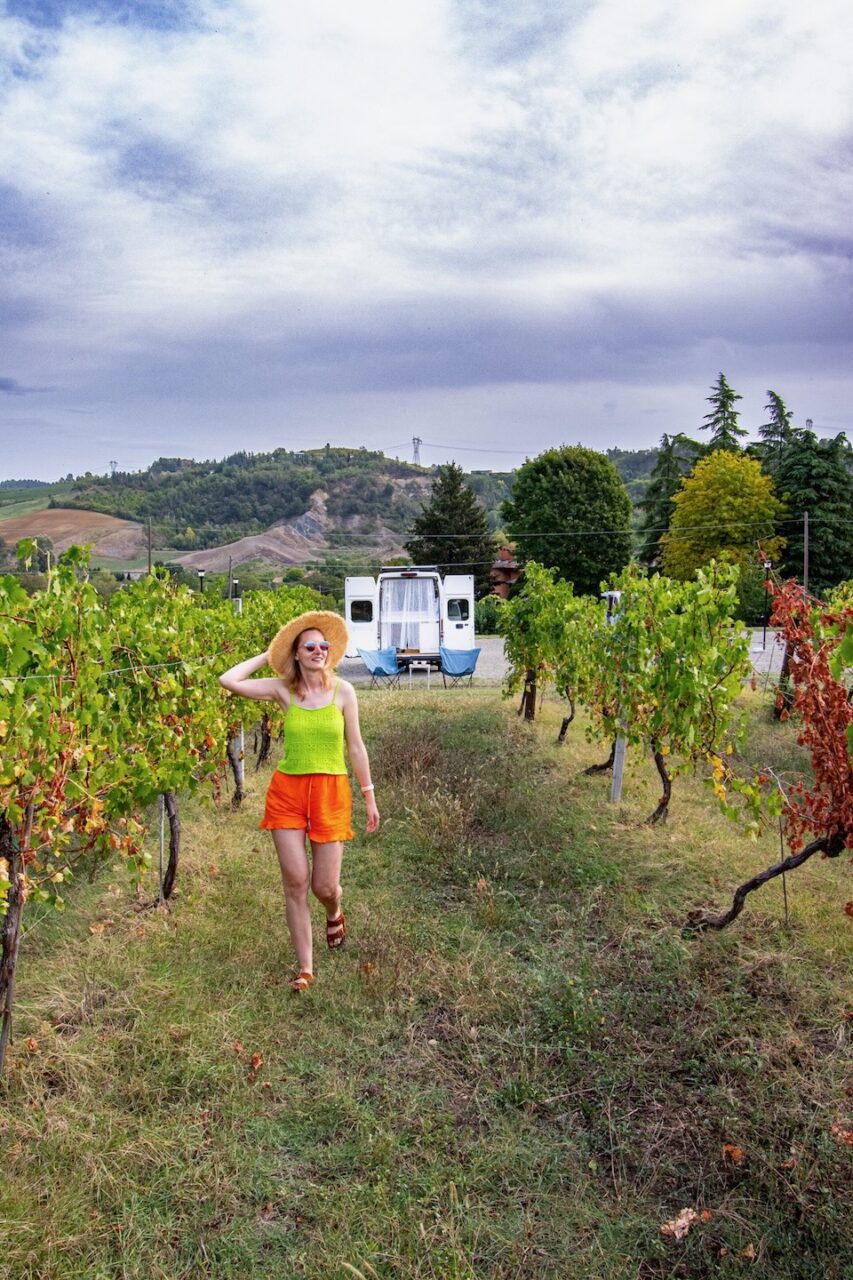
FAQ – Overnight Campervan Stays
Can you wild camp in Europe?
Depends on the country. In Scandinavia – absolutely, it’s a legal right. In Western and Southern Europe, regulations are stricter, though practice varies. Always check local rules and use common sense about discretion.
Is overnight parking legal?
Often yes – if you don’t set up camping gear (tables, chairs, awning) and don’t stay more than one night.
Parking overnight ≠ camping. But rules differ by city and country, so it’s worth checking in advance.
How do I find a good overnight spot?
Best to use Park4Night (Europe) or iOverlander and Campendium (USA). Google Maps works as a quick backup.
And always read comments from other travelers – that’s the best way to verify whether a spot is actually worth stopping at.
Is van life only about wild camping?
Absolutely not. Most experienced campervan travelers mix campsites, wild spots, and parking areas depending on their needs. That flexibility is the whole point.
Travel lighter, even before you leave.
start with something simple.
Download The Minimum Plan – Slow Travel:
Where to Sleep in a Campervan – Final Thoughts
Campervan travel gives you enormous freedom – but it does require a bit of knowledge about where and how to sleep.
The good news: it’s easier than ever. You have apps, a community of travelers sharing information, and a growing number of officially designated campervan-friendly spots.
If you’re still thinking about whether van life is really for you – before you answer “no,” take a look at my guide to building your own campervan. The barrier to entry might be lower than you think.
And if you already have a van and you’re planning a route – the American Southwest is one of the best regions in the world for this kind of travel.
BLM land, national parks, open roads. I’ve written a lot about it – find my tips for campervan travel in the USA here.
Ready to hit the road?
- How to Build a Campervan – 12 Steps to Your Own Home on Wheels
- 10 Ingenious Van Build Layouts – Smart Ideas for Small Spaces
- Campervan Travel in Europe – 10 Best Destinations
- The Truth About Van Life – 10 Things to Know Before You Start
Where do you prefer to sleep on the road – campsite or wild nature? Drop it in the comments, I’d love to know!
If this article was helpful – share it with someone planning their first campervan trip. That kind of thing genuinely helps people at the start of their journey.