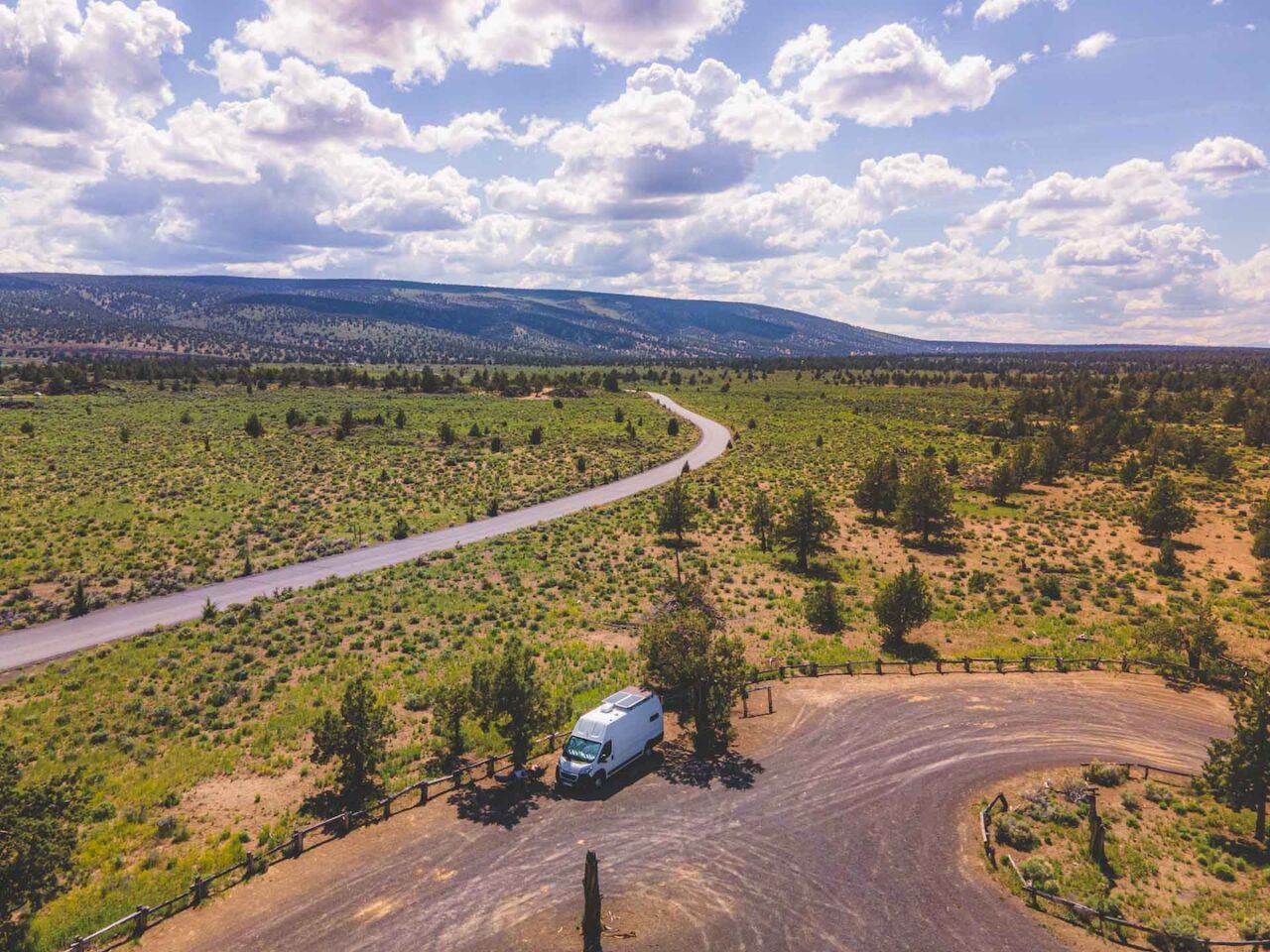
I had always dreamed about traveling across the United States in a van. Three years ago, I finally made it happen. I shipped my camper van from Europe and started my own van life journey across America.
Very quickly, I realized that van life in the USA isn’t quite what you imagine at the beginning. It looks like freedom… but it also comes with a lot of small, practical challenges no one really talks about.
Finding a place to sleep wasn’t as easy as I thought. Many areas don’t allow free camping, campgrounds fill up fast, and simple things like water or dumping waste suddenly become something you have to plan.
So this isn’t a dreamy Pinterest version. This is what I learned the hard way – so you can do it smarter, calmer, and actually enjoy it.
Let’s get into what you really need to know before starting van life in the USA.
Want to learn more about traveling by campervan?
On my Van Life Hub, you’ll find more articles on building a campervan, van travel, real costs of van life, and practical tips from routes across the U.S.

1. Book Campsites Early When Doing Van Life in the USA
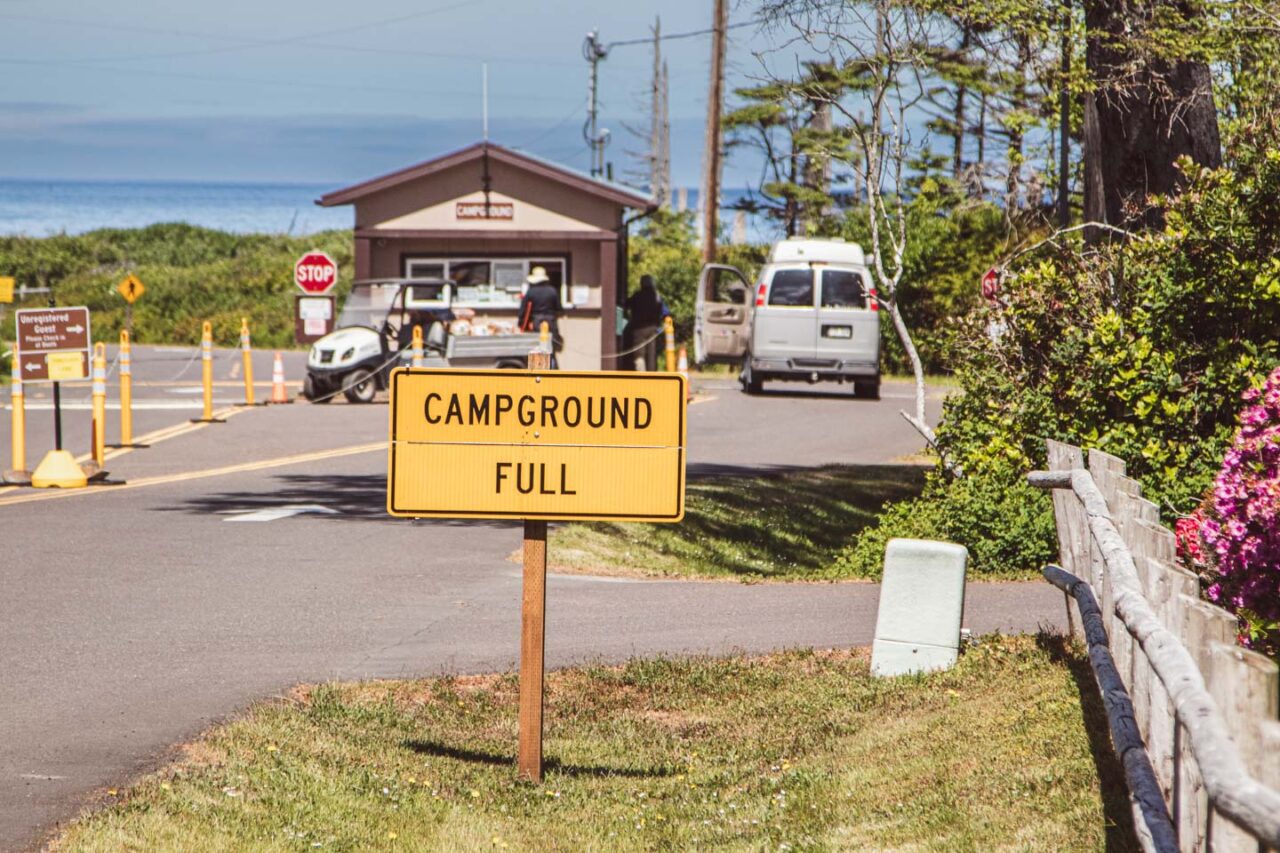
One of the biggest surprises for me was how competitive camping spots are in the US.
Van life is popular here. Like… really popular. And that means the best places disappear quickly, especially on weekends and holidays.
I still remember arriving near Yosemite in the evening, thinking I’d just “find something.” Everything was full. Every single spot. I ended up sleeping in a random store parking lot, tired and slightly frustrated.
In places like Yellowstone or the Grand Canyon, you often need to book even six months in advance. After that experience, I stopped being spontaneous with campsites and started planning ahead.
Most campgrounds allow online reservations, and honestly, even 10 minutes of planning can save you a stressful evening.
2. Free Camping Has Limits
This was another reality check.
In Europe, you can often park somewhere quiet and just… stay. In the US, it doesn’t really work like that.
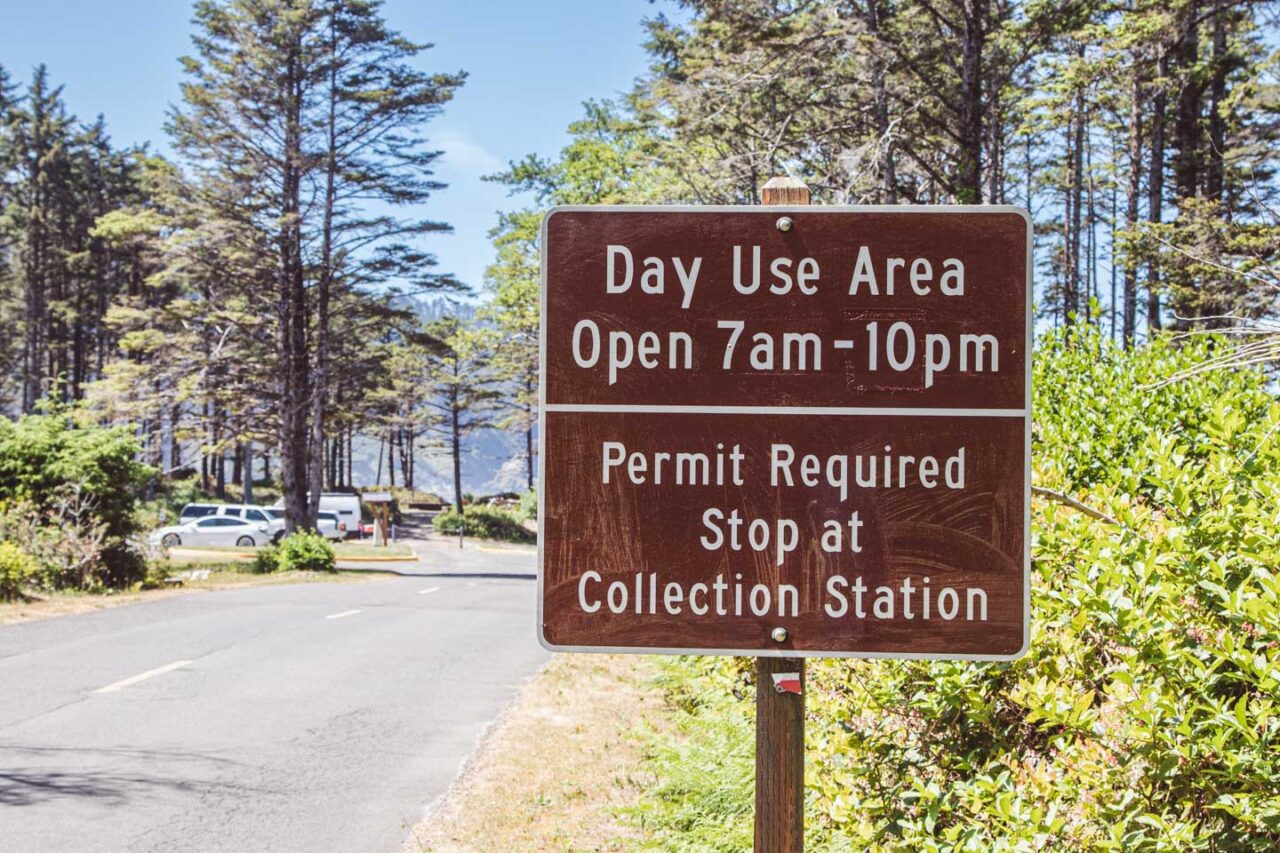
There are a lot of restrictions. Signs like “No overnight parking” or “No overnight camping” are everywhere – often exactly where you’d want to stay.
I once got a knock on my window at 2 AM near Santa Barbara. That was the moment I realized I needed a better system.
Apps like The Dyrt or iOverlander became essential. But even then, you need to double-check rules because they change depending on the state or even the specific area.
Public lands and national forests are usually your best bet, but even there, nothing is guaranteed.
3. You Need Passes for Most Parks
Another thing that can feel confusing at first.
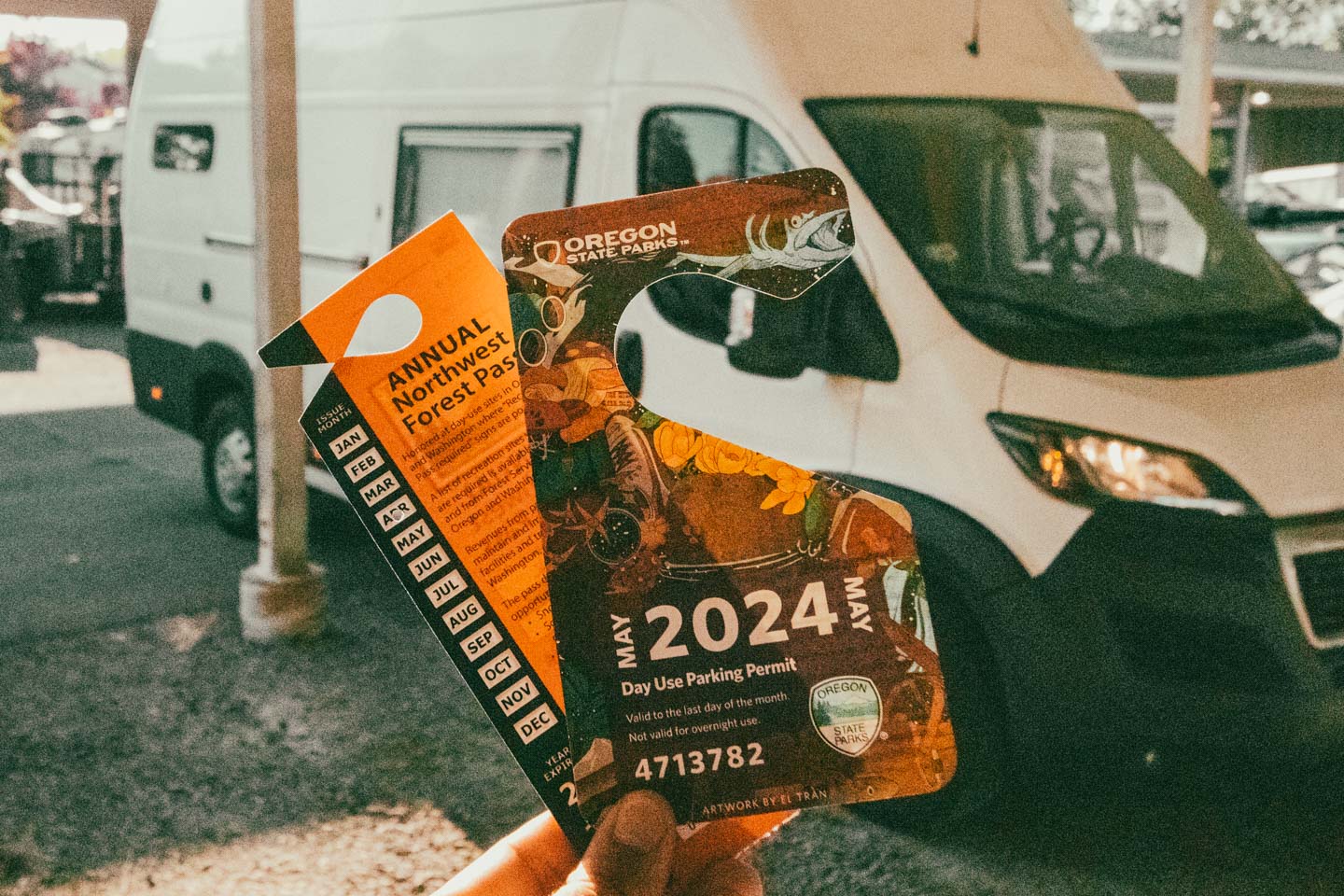
Most parks in the US require entrance passes, but there isn’t one simple system.
The America the Beautiful pass is honestly worth it if you plan to visit multiple national parks. It costs $80 for US residents and $250 for non-residents (starting January 2026) and gives you access to federal sites for a year.
But it doesn’t cover state parks. Those have their own systems, their own fees, and their own rules.
And important: this is just the entrance. Camping is a separate cost, usually between free and $50 per night.
4. Some Parks Limit Van Size
This is something people often don’t think about when choosing a van.
My European van was smaller than typical American RVs, and honestly… that worked in my favor.
I met people in Bryce Canyon who couldn’t access certain areas because their RV was too big. Some roads simply don’t allow large vehicles.
Yosemite has strict limits on certain scenic routes, and once you see the turns, you understand why.
If you’re planning your build or choosing a van, smaller is often more flexible.
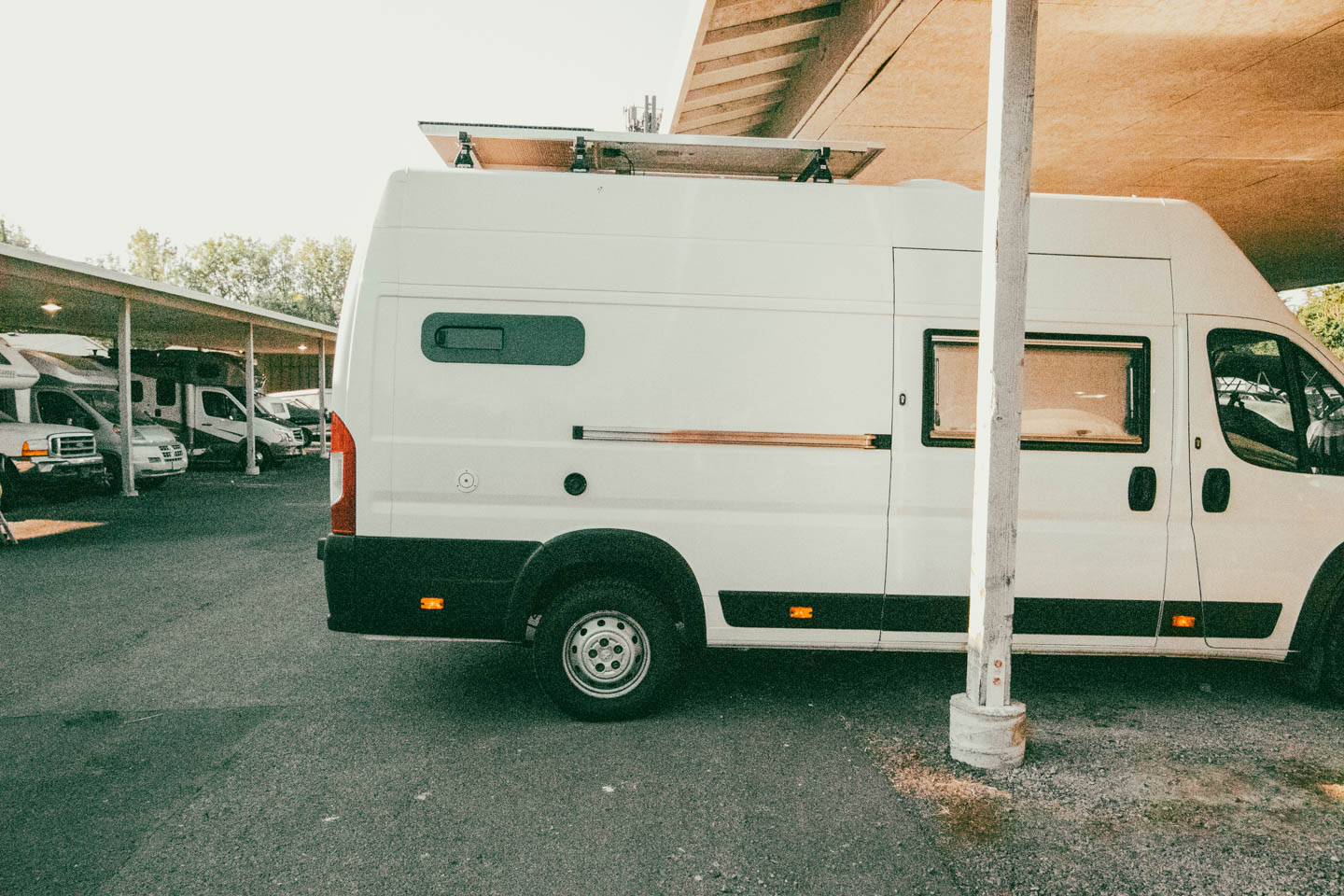
5. Dumping Waste and Getting Water Costs Money
This one surprised me the most.
In Europe, service points are often free or very cheap. In the US? Not really.
I once paid $15 just to empty my tanks and refill water – without even staying at the campground.
Most places charge around $10. It’s not huge, but it adds up, especially on longer trips.
And sometimes… they’re just far away. In Nevada, I had to drive 70 miles to find a dump station.
After that, I started planning my route around water and waste stops and always carried extra water.
How do you want to continue your US adventure?
🌵 Desert vibes? → Arizona Road Trip (7 Days)
🌊 Ocean drive? → California Coast (7 Days)
🌲 Green escape? → Pacific Northwest (10 Days)
🏜️ Red rocks? → Southwest Road Trip (10 Days)
🧭 Planning from scratch? → USA Travel Guide
What’s calling you the most?
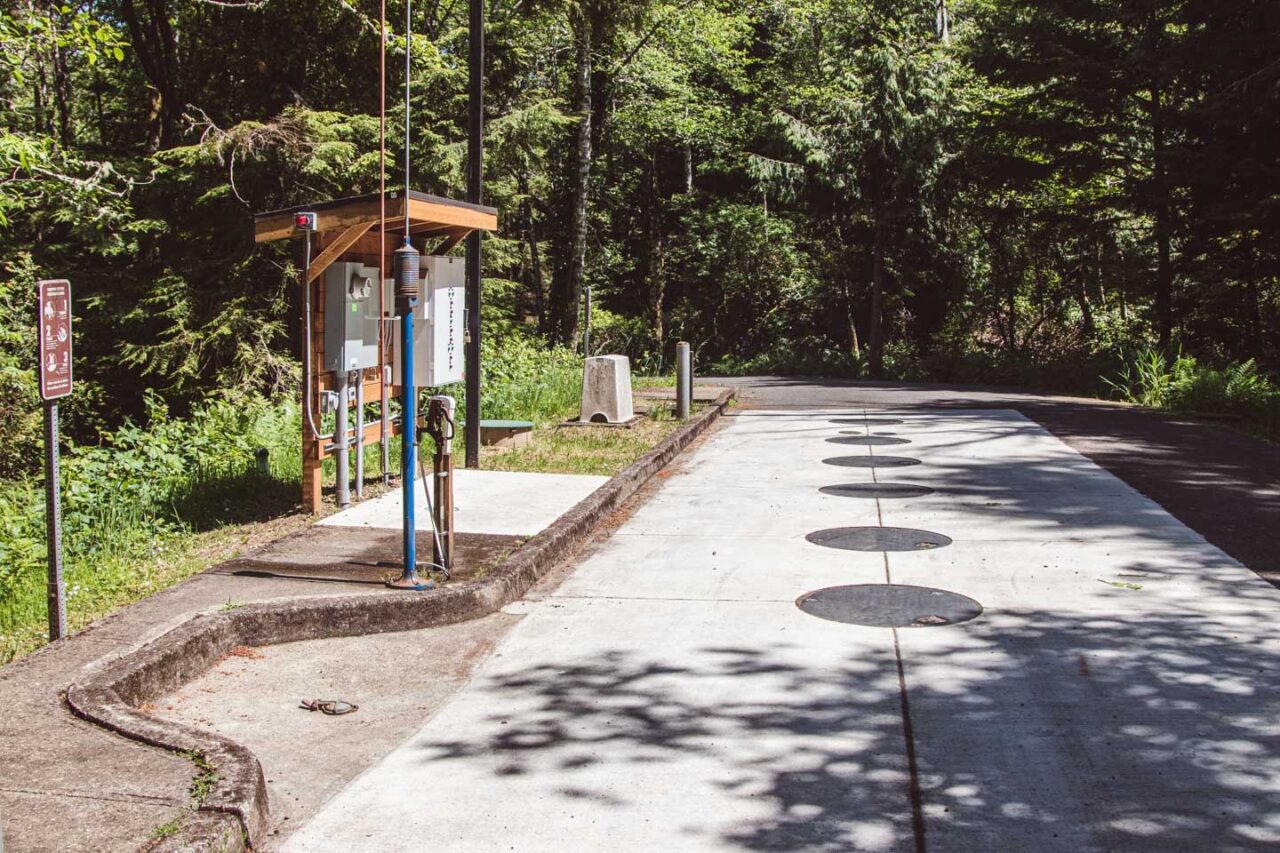
6. Internet for Working from Your Van
I thought working from the van would be easy.
It wasn’t.
For my first important video call, I had to drive 30 miles just to get a stable connection. Even campgrounds that advertise WiFi often have very weak signal.
I ended up using SIM cards from different providers and even bought a signal booster. It helped, but still – many places simply have no coverage.
Now I always download everything in advance: maps, guides, even shows.
If you need reliable internet, plan your workdays near cities.
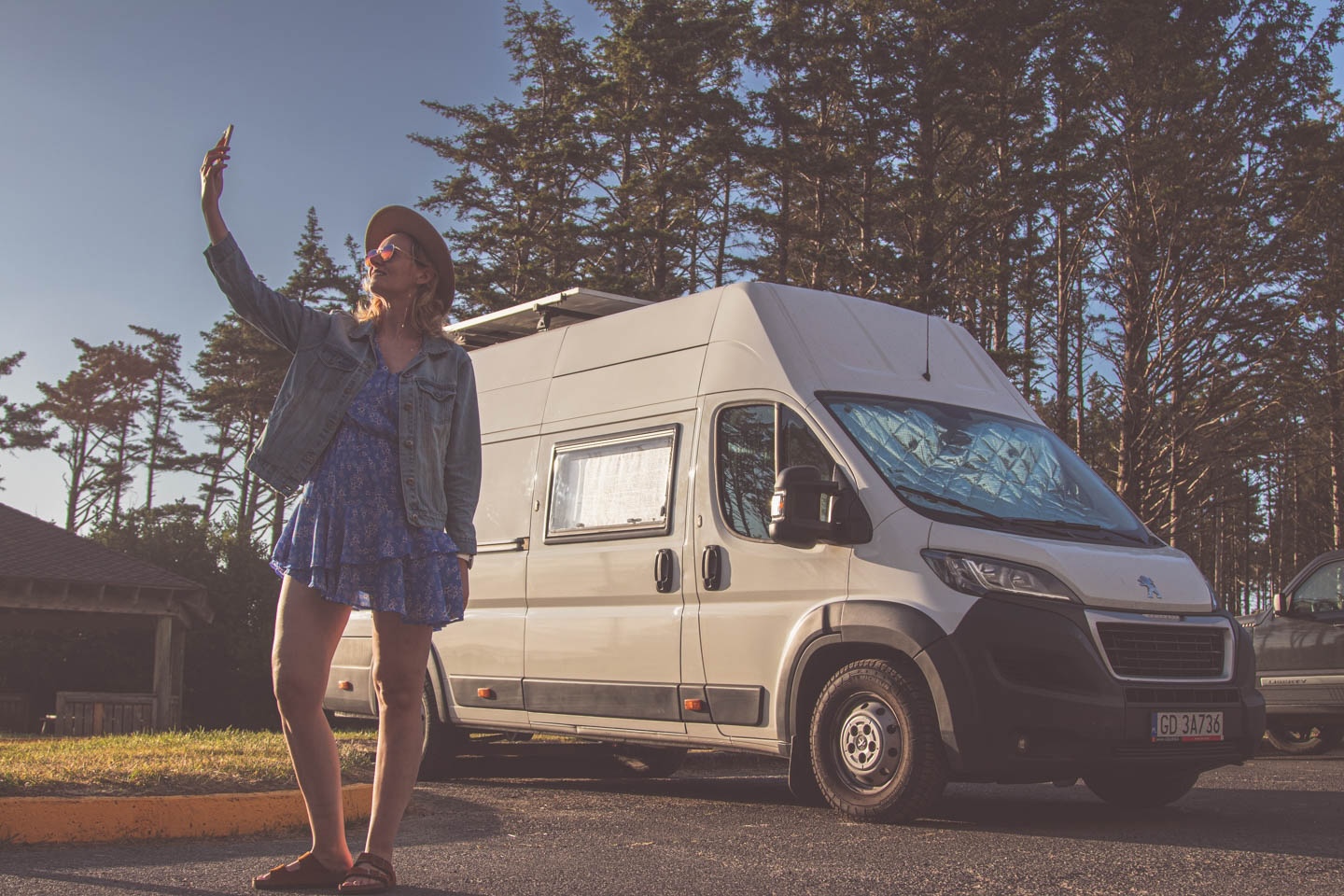
7. Distances Are Huge
This is something Europeans really underestimate.
Distances in the US are… on another level.
What looks close on the map can take an entire day.
I once planned to visit Arches and Zion in one day. It sounded reasonable – until I learned it’s about a 5-hour drive.
States like California or Texas are bigger than entire countries in Europe.
At some point, I stopped trying to “see everything” and started slowing down.
And that’s when it actually became enjoyable.

8. Campgrounds Can Be Expensive
This was a bit of a shock.
I once paid $175 for one night at a beach campground in California. For that price, I could have had a really nice hotel.
Most campgrounds range from $60 to $150 per night. And the “nice” ones? Even $200+.
To balance it out, I mixed different options: some paid stays, some national parks, and some free camping when possible.
But overall, van life in the US is not always cheaper than you expect.
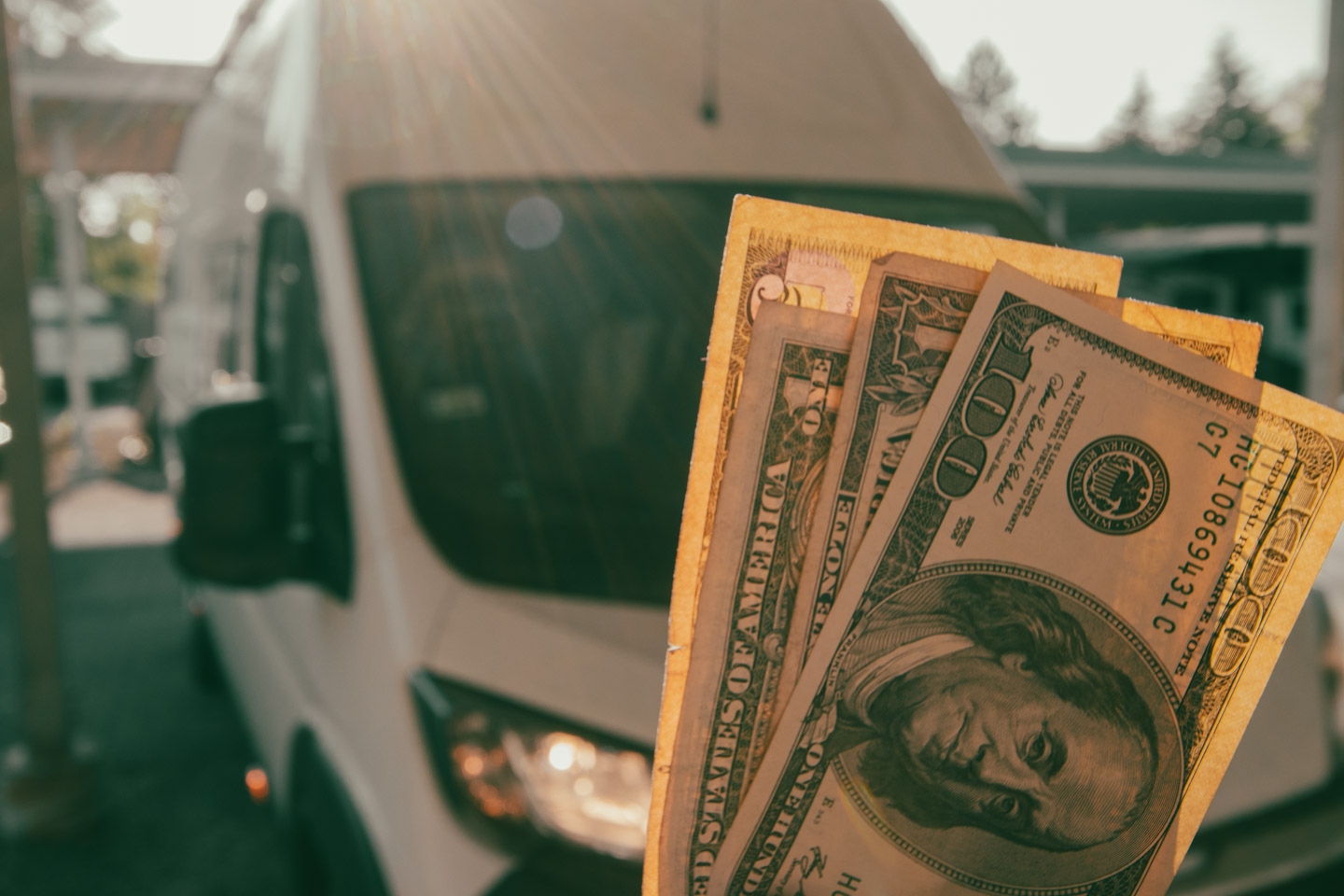
9. Roads Aren’t Always Smooth
I had this idea of perfect American roads.
Reality? Not always.
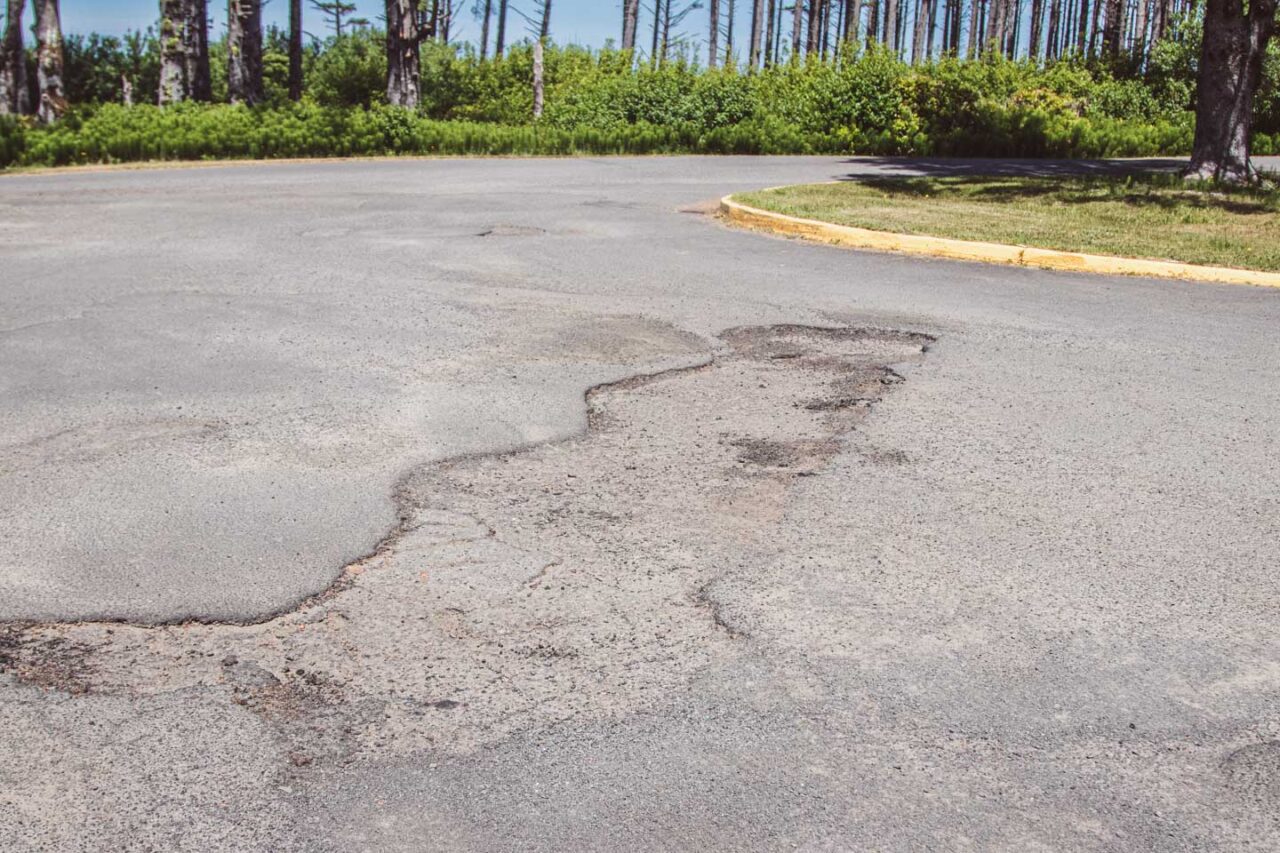
Some roads are rough, full of potholes, or just not designed for comfortable driving.
After a few bumpy drives (and new noises in my van), I made sure to always carry basic tools and emergency supplies.
And I became more careful with “cute” dirt roads on the map. One flat tire in Idaho was enough.
10. Unusual Gas Station Rules
And then… little things that just surprise you.
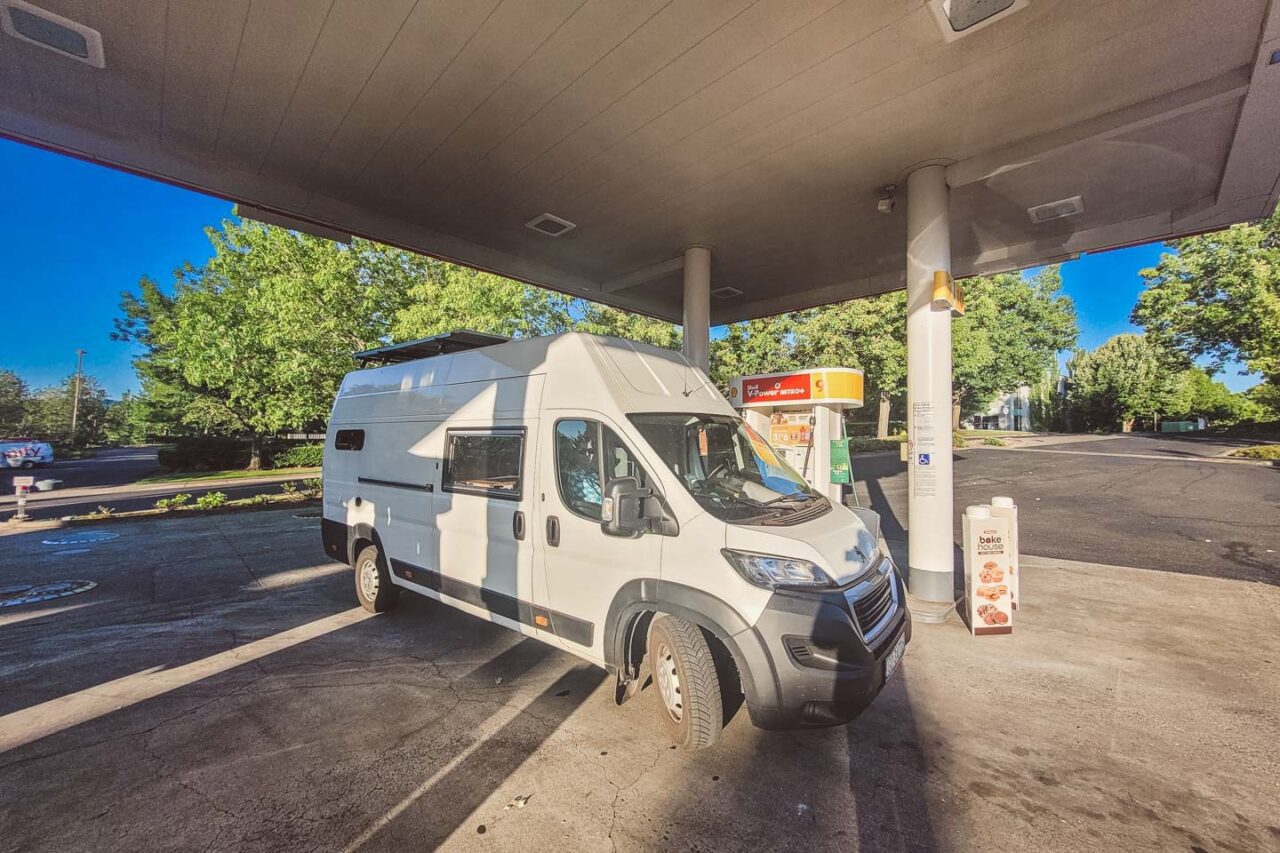
Like in New Jersey, where you’re not allowed to pump your own gas.
I didn’t know that and got yelled at immediately.
There’s actually a fine for it. Meanwhile, Oregon used to have the same rule, but now it’s partially relaxed.
After that, I started checking local rules in each state. Because sometimes it’s the small things that catch you off guard.
Travel lighter, even before you leave.
start with something simple.
Download The Minimum Plan – Slow Travel:
Final Thoughts on Van Life in the USA
Looking back, all of these challenges are part of the experience.
At the time, they felt stressful. Now, they’re the stories I tell the most.
Van life in the US gives you something special – this feeling of space, freedom, and being really close to nature.
It’s not always easy. But it’s real. And that’s what makes it unforgettable.
If you’re planning your own van life adventure, plan a little more than you think you need… but also leave space for the unexpected.
Because those moments often become the best part of the journey.