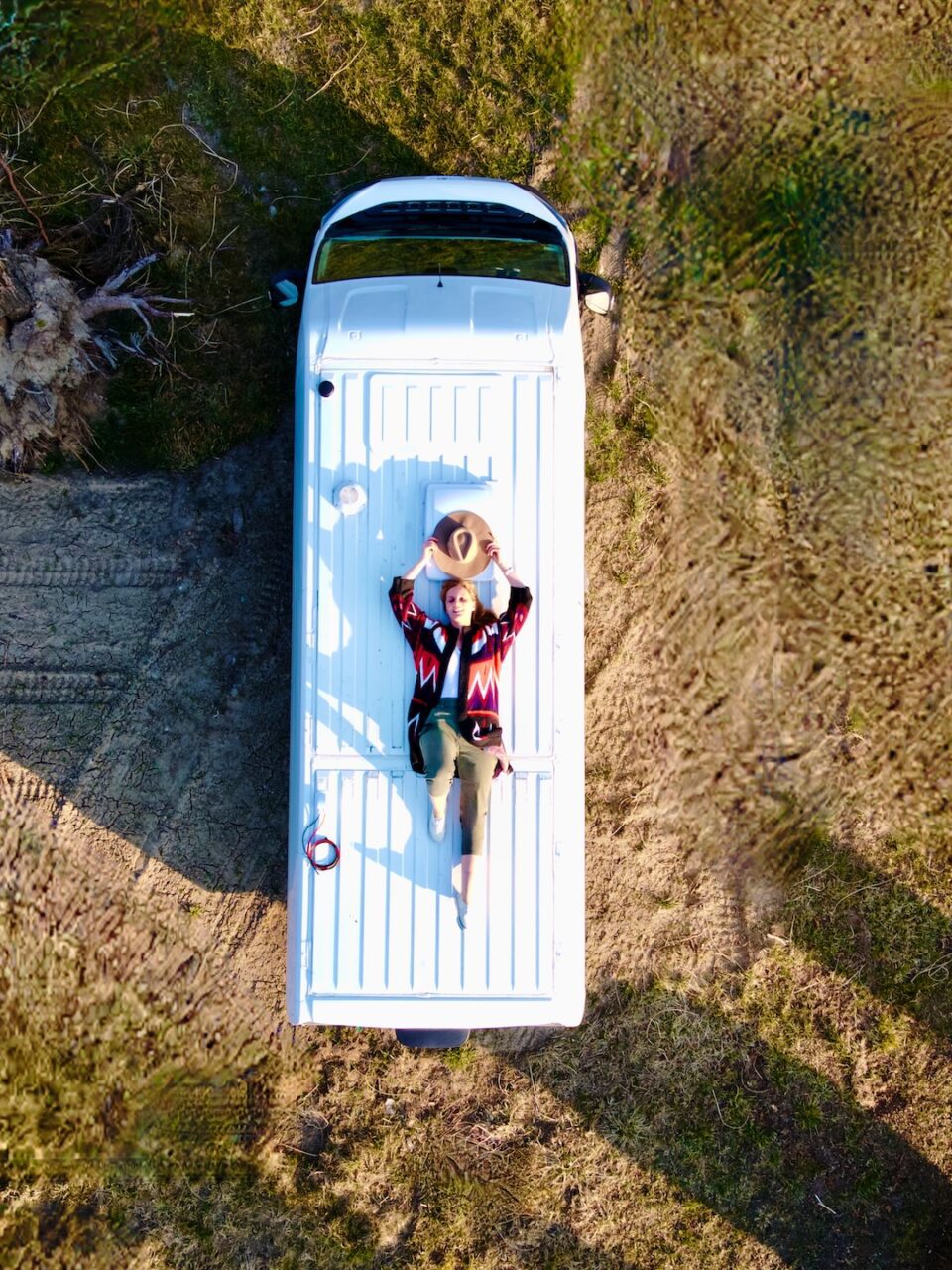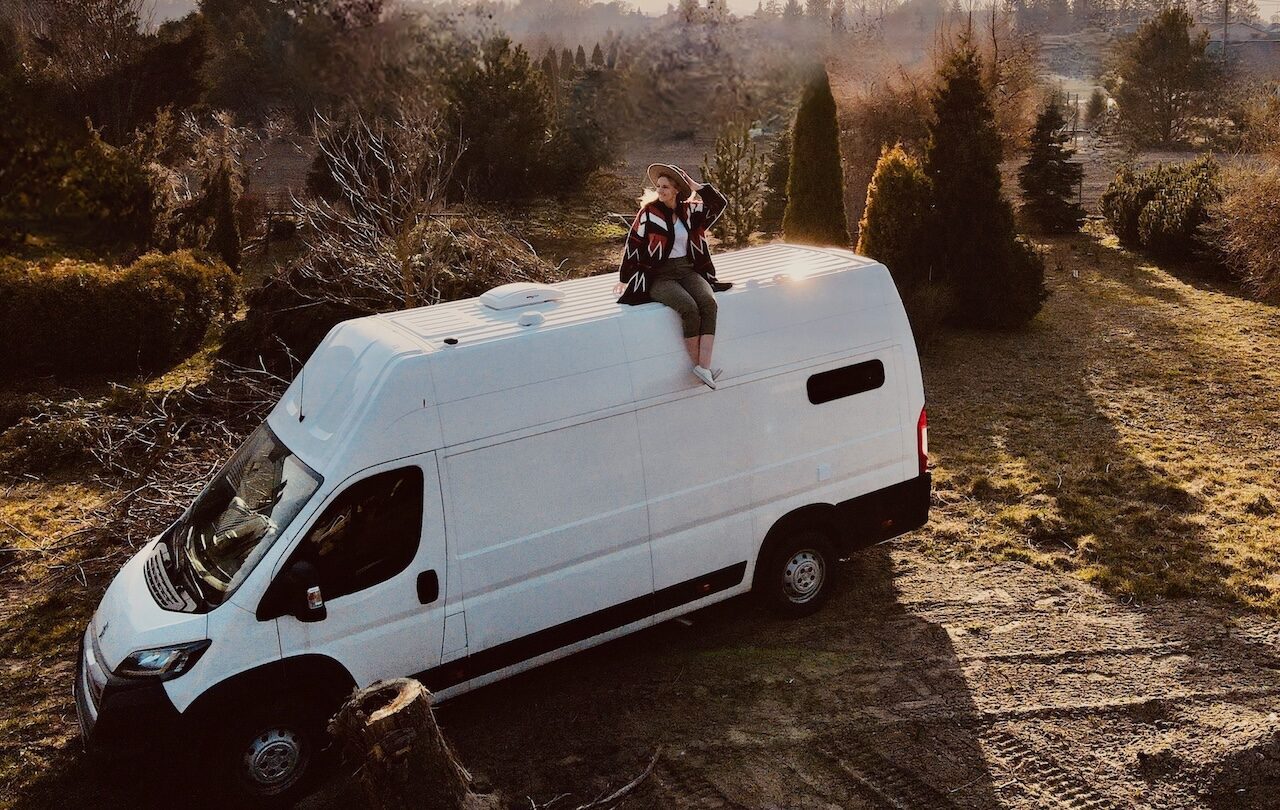
Ever thought about converting a van into your own small space on wheels?
I’ve been there – and I can tell you it’s not just a project. It’s a process that teaches you a lot along the way.
After building our van from scratch, I wanted to share what that experience actually looked like.
Not just the finished result, but everything in between – the decisions, the mistakes, the things we’d do differently today.
This isn’t a perfect guide. It’s a collection of things we learned while figuring it out step by step.
From planning and layout to materials and small details that only make sense once you’re in it.
If you’re somewhere at the beginning, I hope this helps you avoid a few of those “why didn’t I think about this earlier” moments.
And makes the whole process feel a bit less overwhelming.
Want to learn more about traveling by campervan?
On my Van Life Hub, you’ll find more articles on building a campervan, van travel, real costs of van life, and practical tips from routes across the U.S.

1. Finding the Right Power Setup
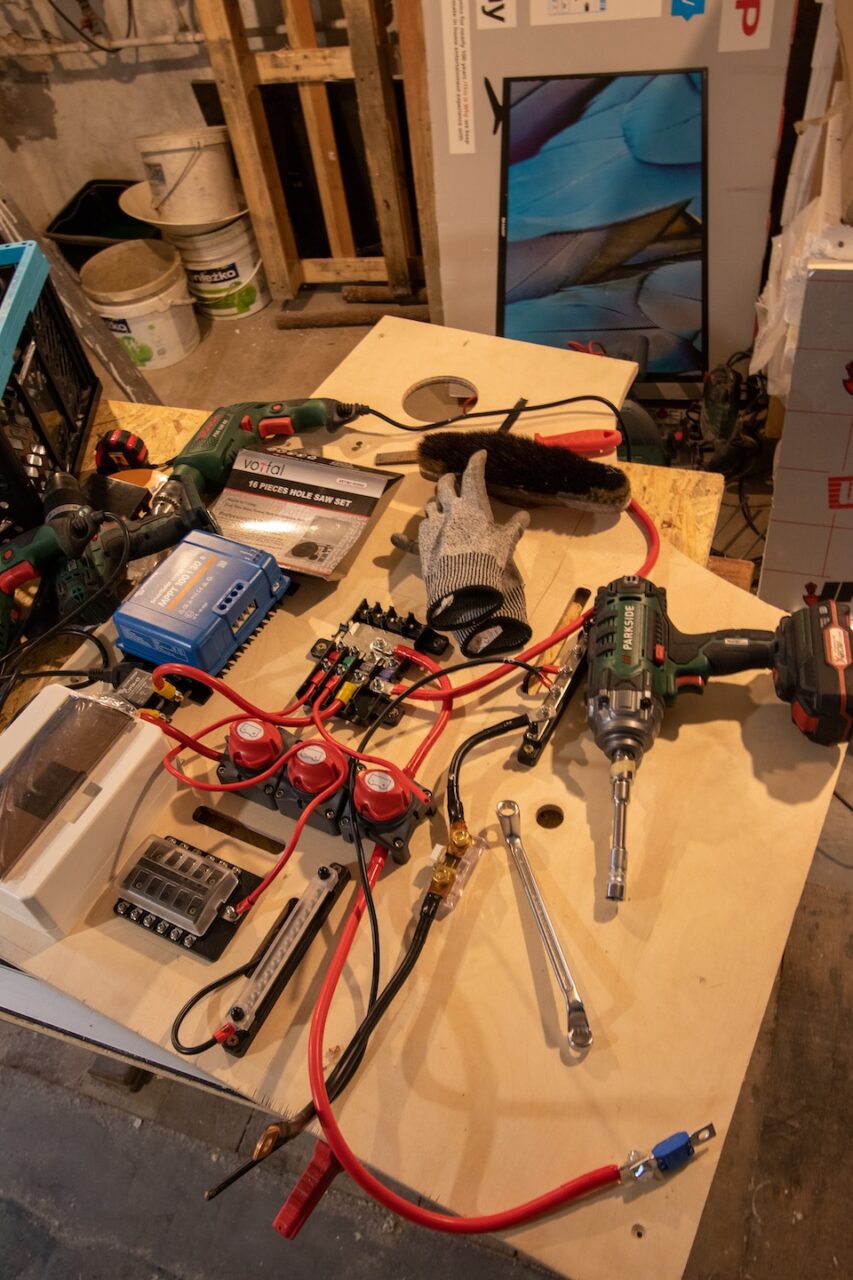
During our first trip, we realized very quickly that battery capacity isn’t something to underestimate.
If you’re starting simple, 100 Ah can work. But once you add things like a fridge or regular laptop charging, it starts to feel tight.
We upgraded to 200 Ah after our first trip, and the difference was immediate – mostly in peace of mind.
If you’re thinking about running something more demanding, like AC, you’ll need even more.
What helped us most was actually listing everything we use and thinking about how often we use it. It doesn’t have to be perfect – just realistic.
Because at the end of the day, your van becomes your home. And unreliable power quickly becomes frustrating.
2. Weight Adds Up Faster Than You Think
One lesson we wish we had understood earlier is how quickly weight adds up.
In Europe, staying under 3.5 tons isn’t just a technical detail. It affects how the van drives, how much fuel you use, and even how safe it feels on the road.
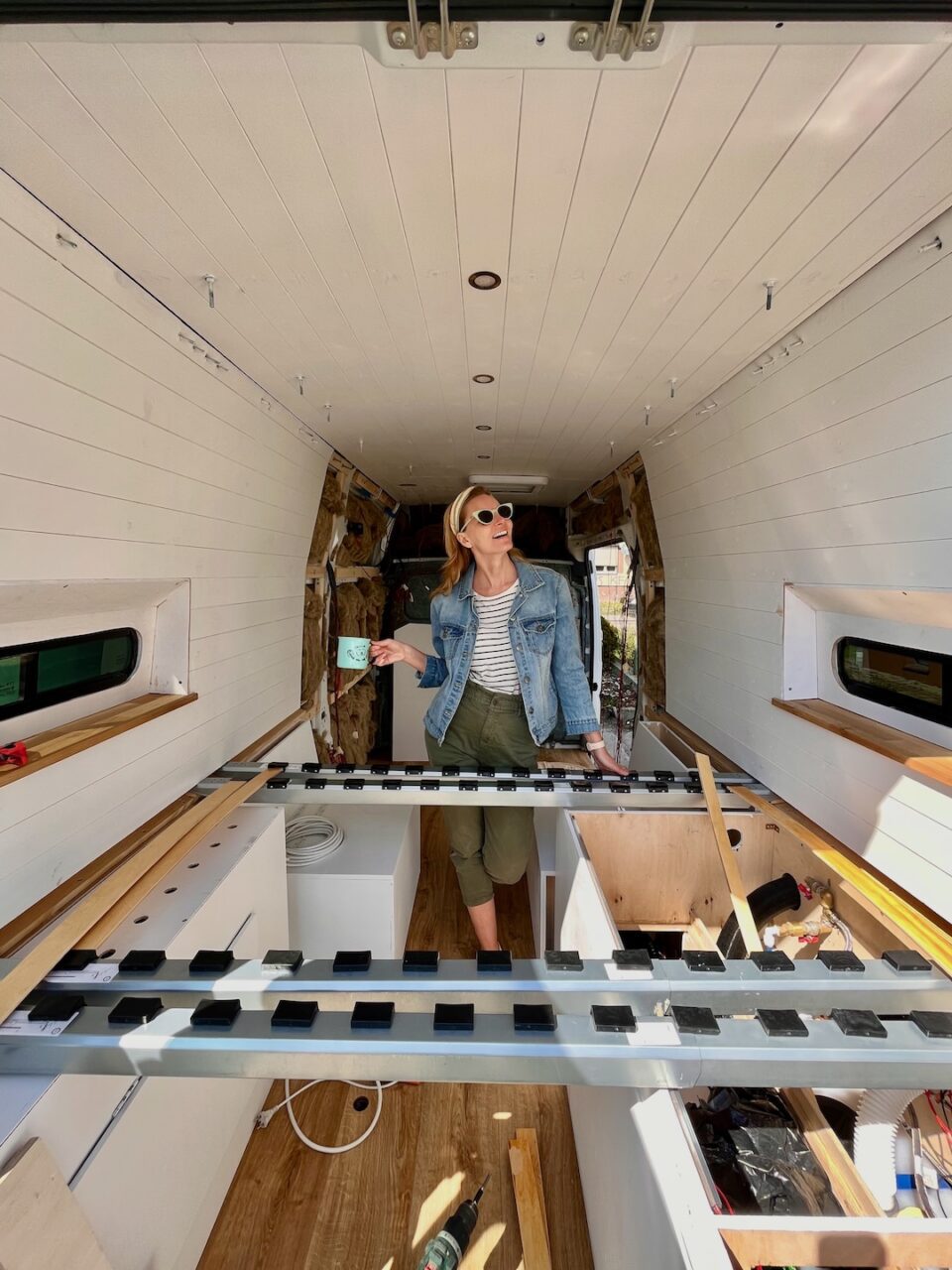
We started paying more attention to materials – choosing lighter options where it made sense, like thinner plywood or lighter paneling.
Even small decisions matter more than you expect.
Things like full water tanks or too much sound deadening can quietly add a lot of extra weight.
It’s not about over-optimizing everything. Just being aware of what you’re adding as you go.
3. Choosing the Right Van Changes Everything
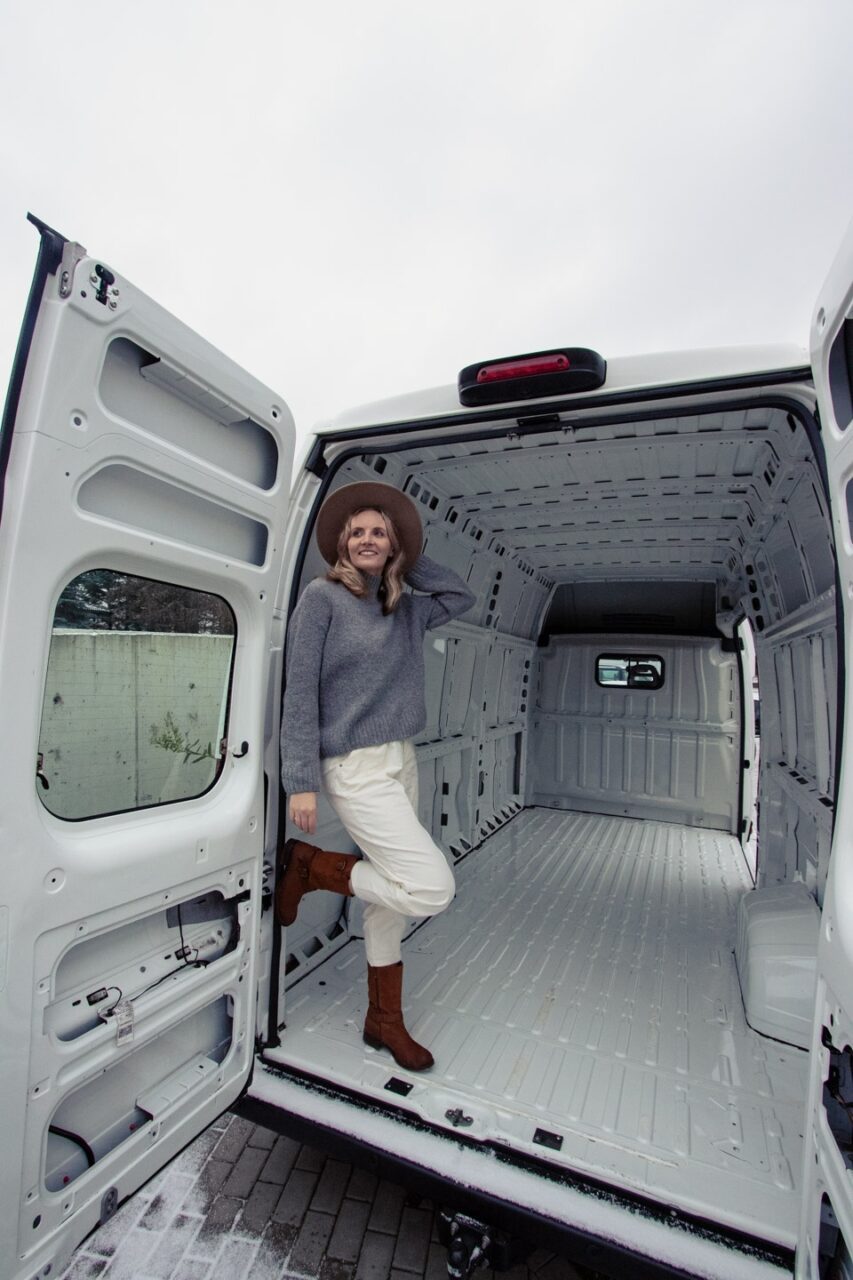
Looking back, choosing the van itself was one of the most important decisions.
We spent time comparing options like Sprinter, Transit, and Promaster, trying to understand what would actually fit our way of traveling.
If you plan to go off-grid more often, something like 4×4 can open up a lot of places.
But if you move between cities and nature, height and size start to matter more than you think. Parking, access, even simple daily things become easier or harder depending on that choice.
There’s no perfect van – just the one that fits how you want to travel.
4. Solar Depends on How You Live
Solar setups can feel confusing at first, because recommendations vary so much.
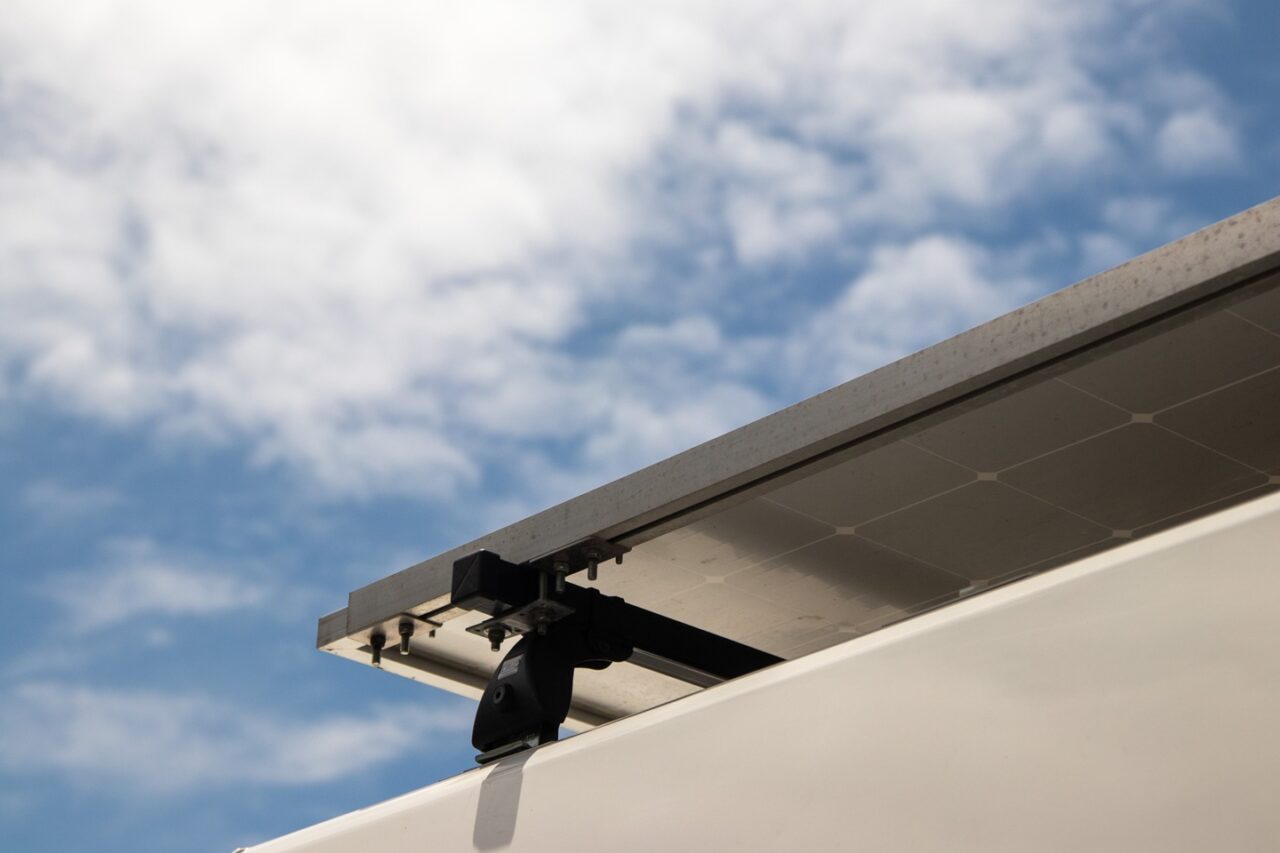
For very minimal setups, 100-200 watts can be enough.
For us, with a fridge and multiple devices, 300-400 watts felt like the right balance.
But what really makes a difference is where you travel.
In sunny places, everything feels easy. In cloudier regions, you start noticing the limits much faster.
Instead of trying to find a perfect number, it’s better to understand your daily habits and build around that.
That’s what makes the system feel reliable in the long run.
5. Everything Takes Longer Than You Expect
When we started our conversion, I honestly thought it would take two months.
Seven months later, we finally finished.
Looking back, that wasn’t unusual.
Everything takes longer than you expect – not just the physical work, but also the decisions, the changes, the small things that don’t go as planned.
Breaking the build into smaller phases helped us a lot. Doing more demanding tasks when we had energy, and leaving simpler ones for later.
It’s also mentally intense in a way you don’t expect.
Giving yourself more time from the beginning makes the whole process much smoother.
Thinking about building your own van but feeling a bit overwhelmed by all the details?
I’ve been there. That’s exactly why I put together everything we learned along the way – the mistakes, the things that took longer than expected, and the small decisions that made the biggest difference.
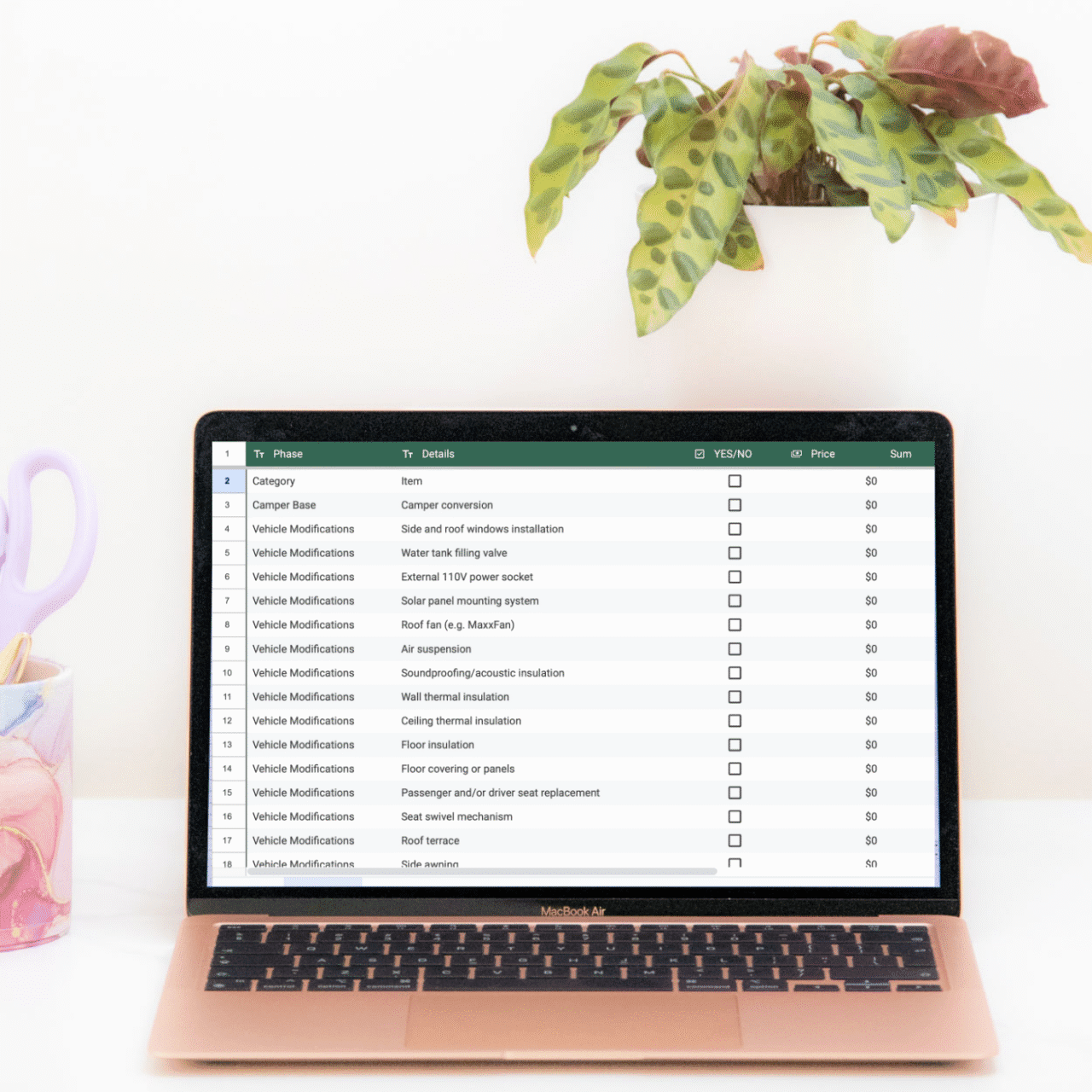
If you want something more structured, you can grab my Ultimate Van Build Checklist and use it as a simple starting point for your own conversion.
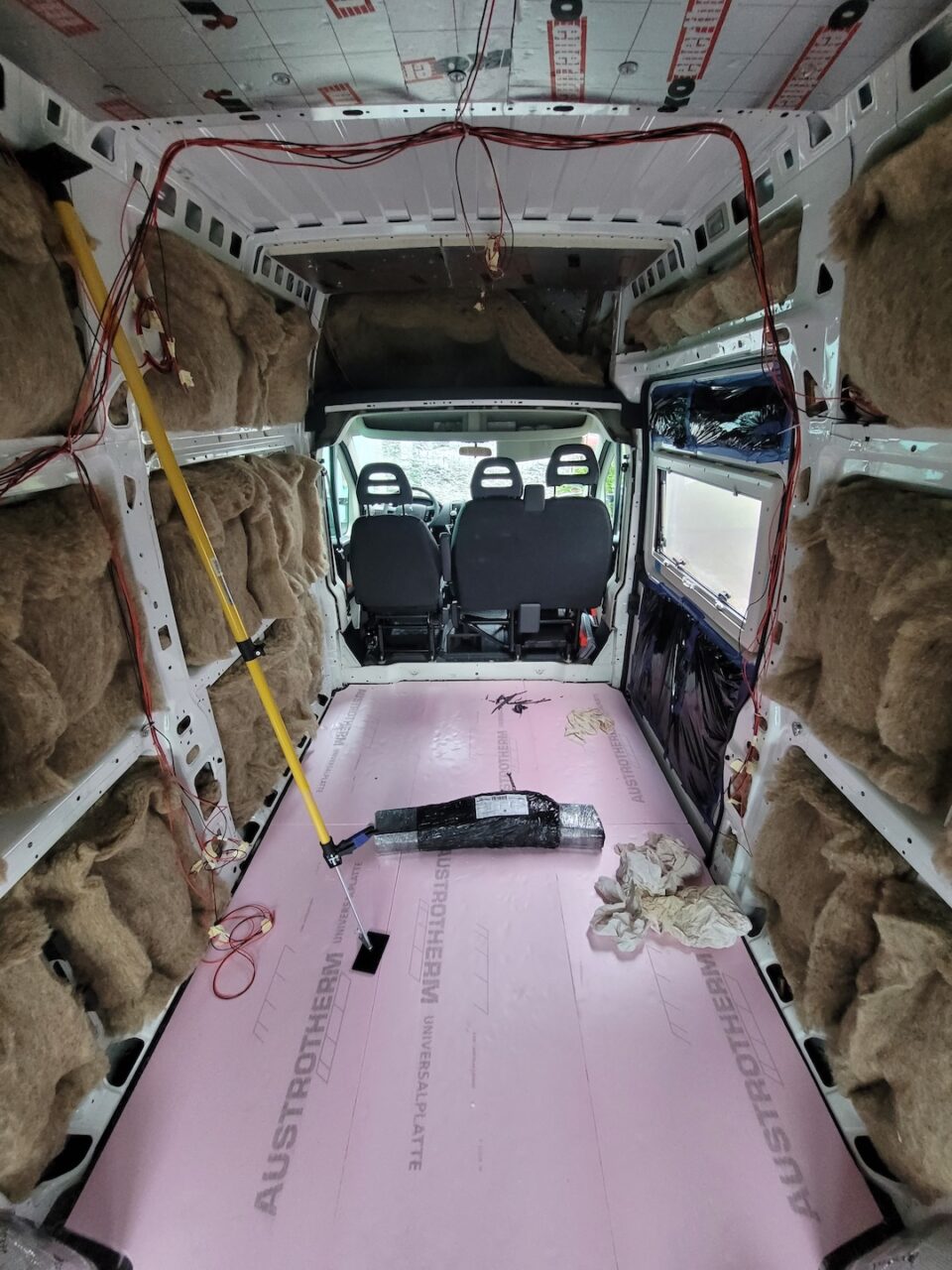
6. Insulation Doesn’t Have to Be Perfect
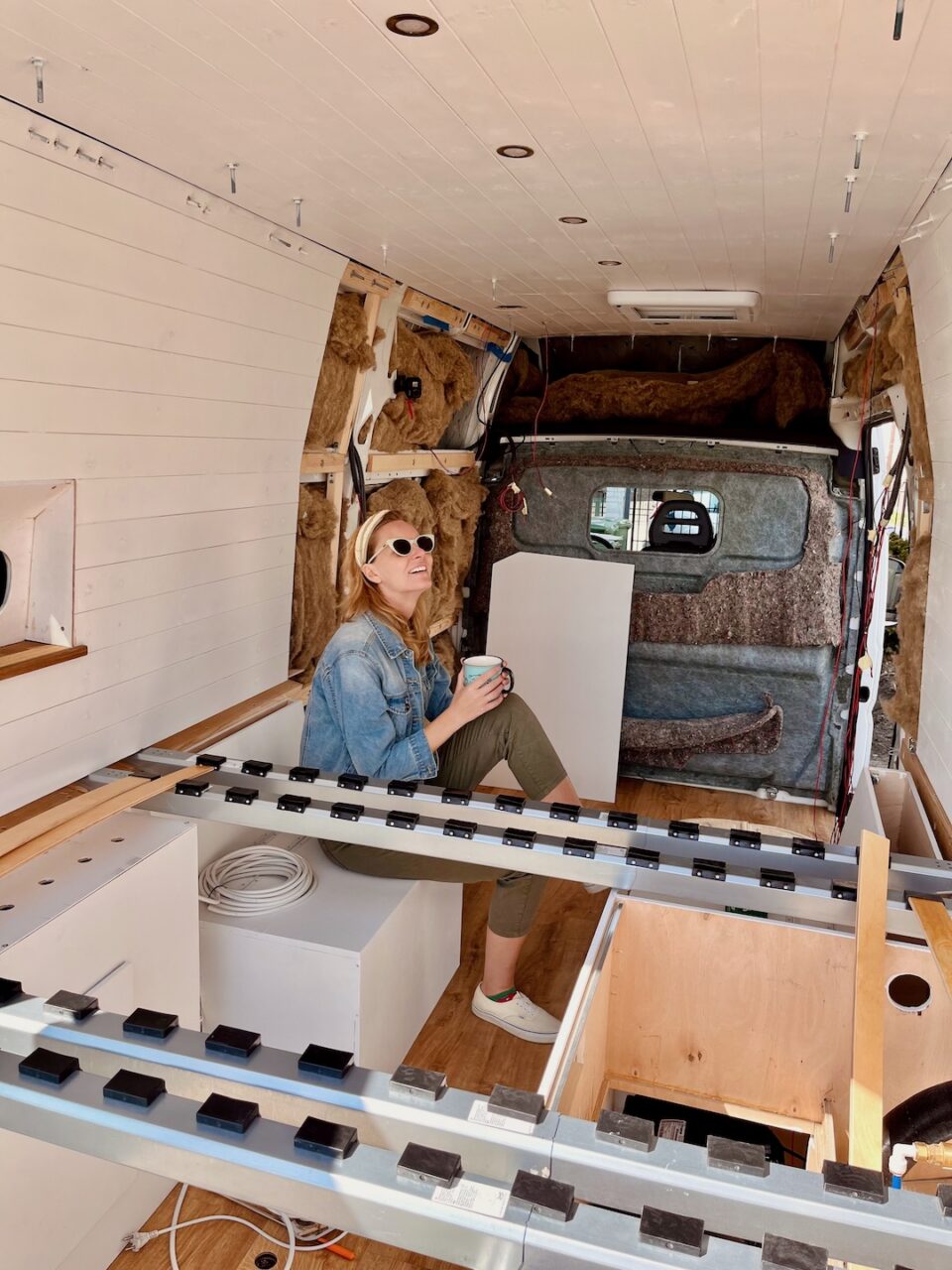
I spent weeks researching insulation, trying to find the “perfect” setup.
Now I know that perfect doesn’t really exist in a van.
There will always be small areas where temperature escapes – windows, door frames, tiny gaps.
What matters more is doing a good job overall and focusing on managing moisture.
Ventilation plays a big role here, sometimes even more than the insulation itself.
And insulation works both ways – you’ll appreciate it just as much in summer as in winter.
It doesn’t have to be perfect. It just needs to work for your travels.
7. Ventilation Makes a Bigger Difference Than You Think
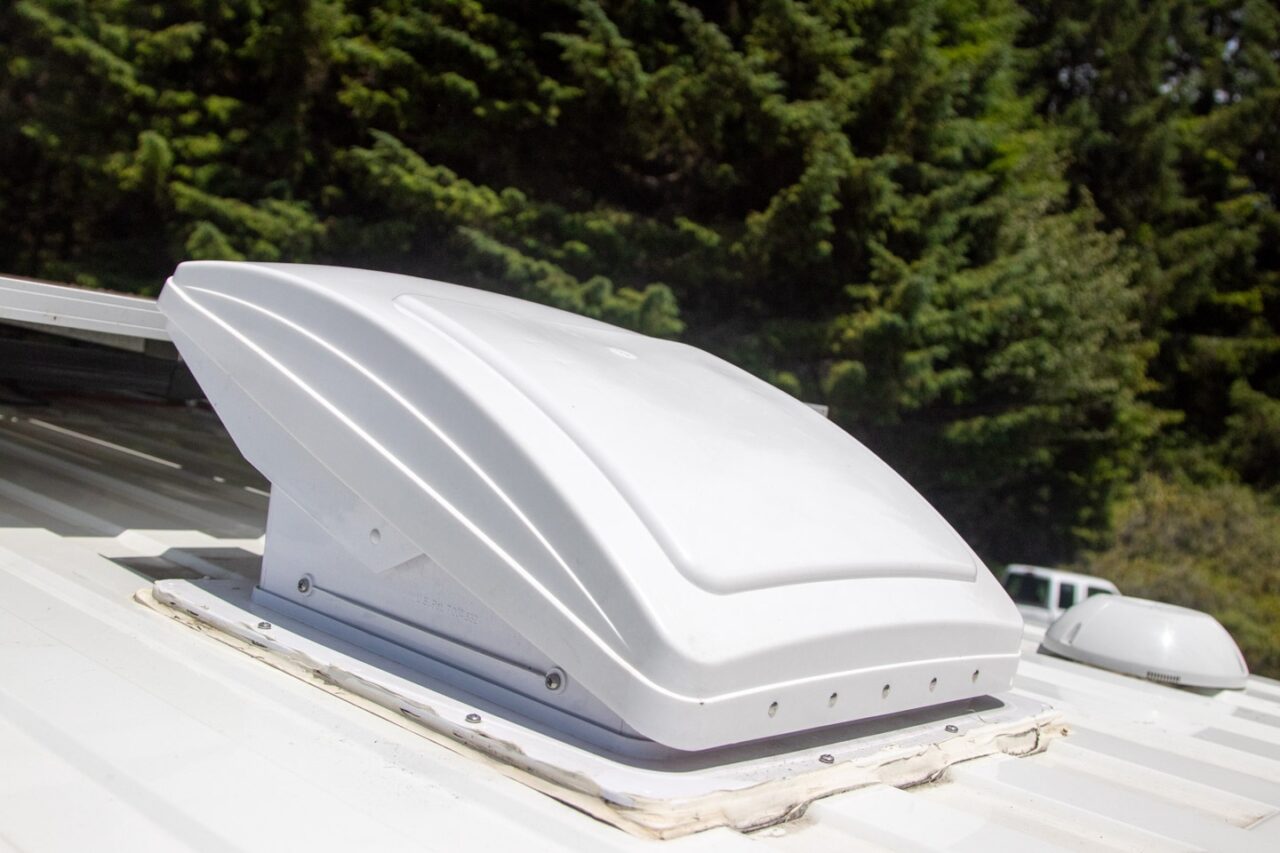
After living in the van, I’m convinced that airflow makes a bigger difference than most people expect.
Without it, the space quickly feels heavy and uncomfortable.
Our setup is simple: a roof fan and windows positioned to create cross-ventilation.
It’s enough to remove cooking steam, reduce moisture, and keep the air feeling fresh.
It’s not something you think about at first – but it becomes one of the things you notice every day.
8. Bed Size Really Matters
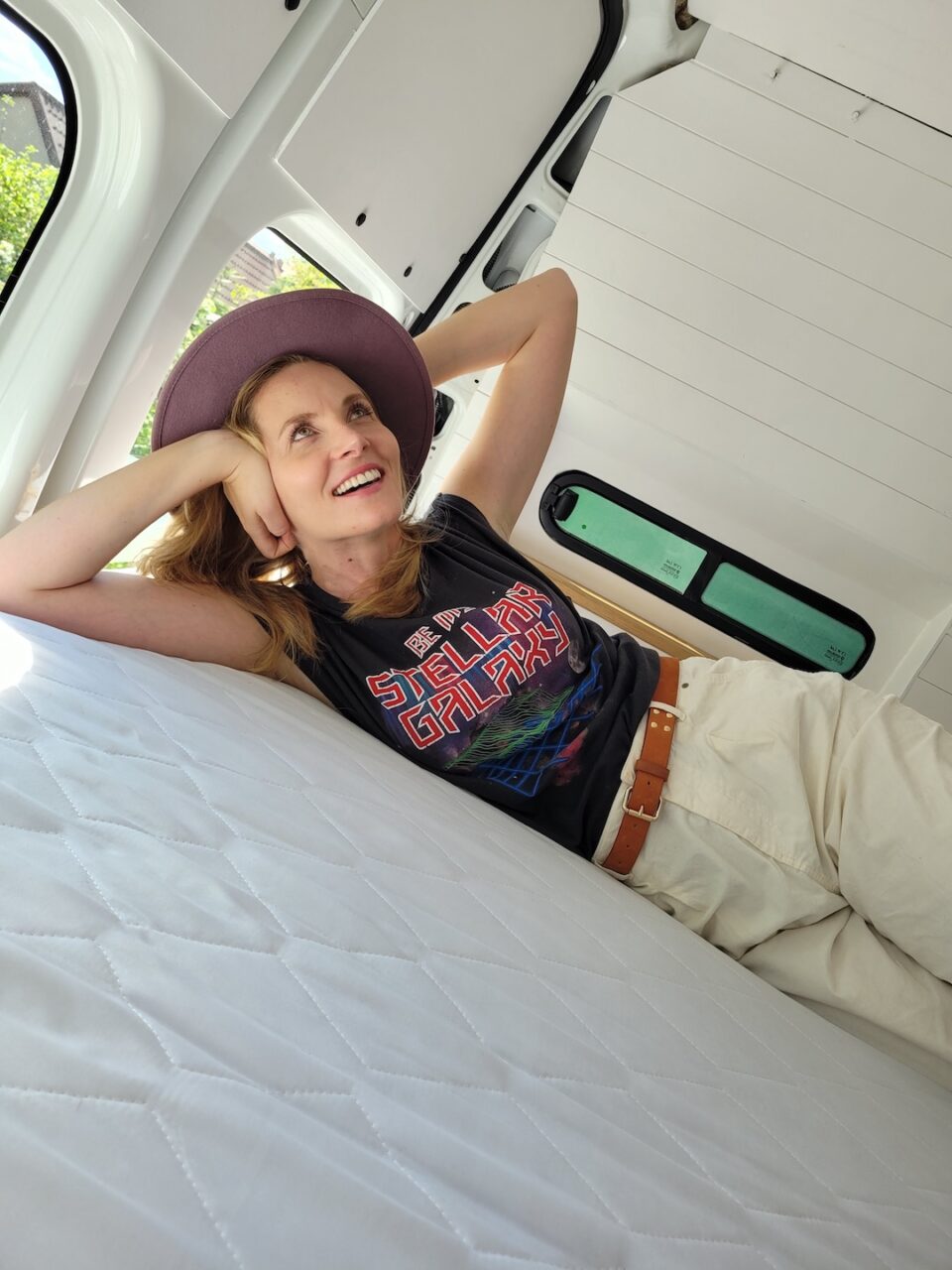
A few months into van life, we realized our bed was slightly too short.
It didn’t seem like a big deal at first – until we started feeling it every night.
If you’re shorter, side sleeping might work fine. But if not, you’ll need to plan for a longer layout.
This is one of those decisions worth taking seriously.
Because how well you sleep affects everything else – your energy, your mood, your whole experience on the road.
9. Plan Seating for Real Life, Not “What If”
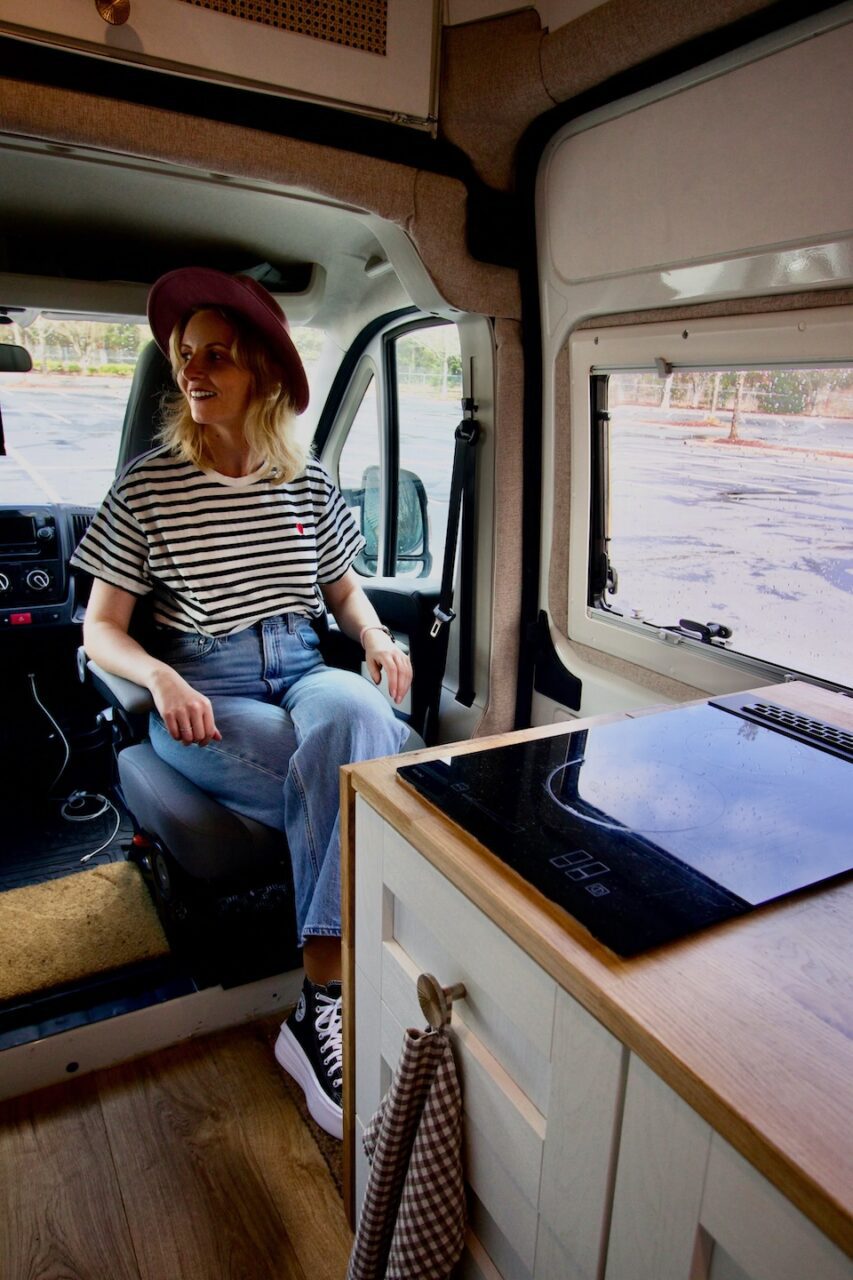
At the beginning, we added extra seating just in case.
But in reality, we rarely used it.
Now I’d recommend planning for how you actually travel.
If it’s just the two of you, keep it simple.
If you regularly have guests, then make space for that properly.
Every extra seat takes space and adds weight.
It’s better to design for your real life, not hypothetical situations.
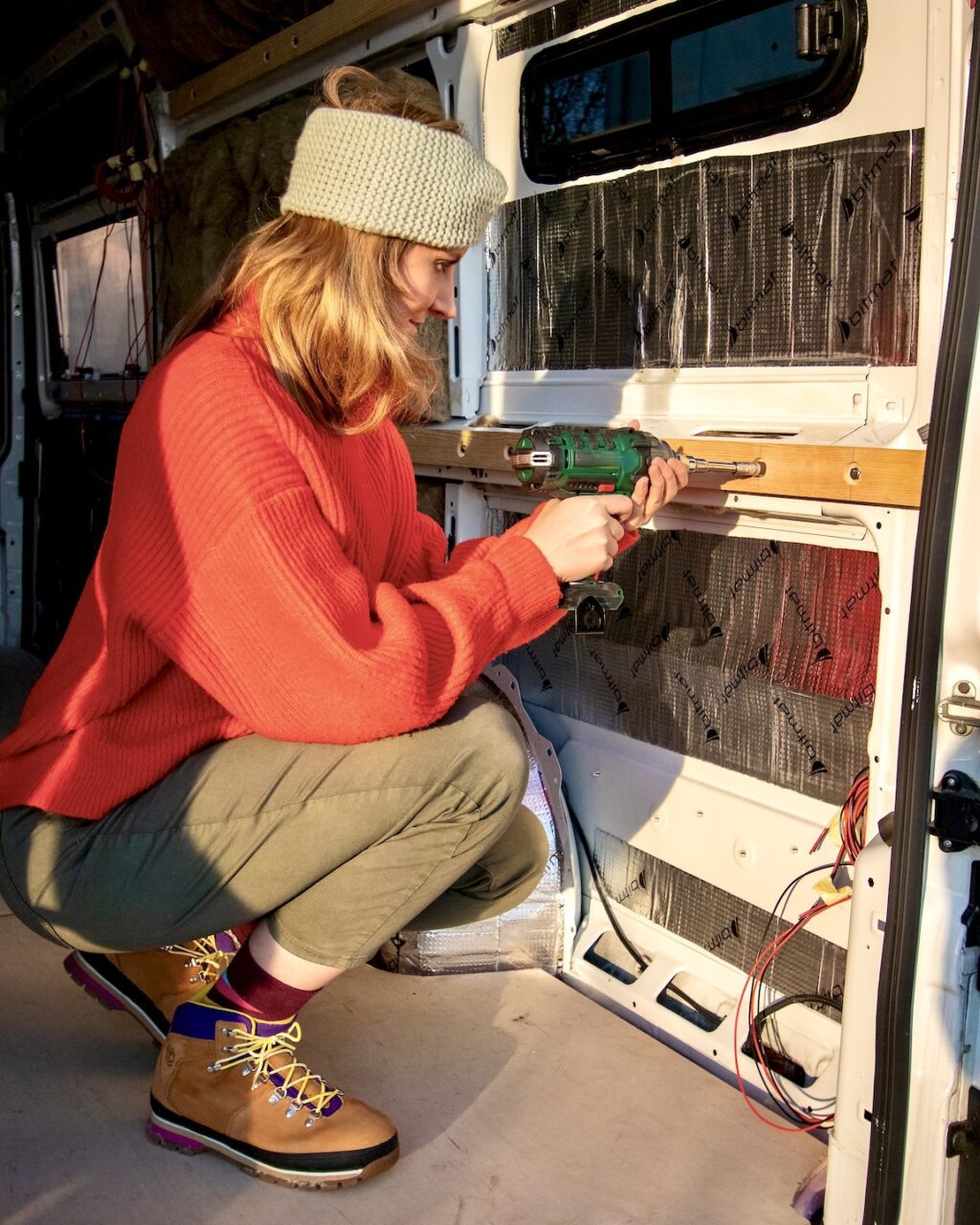
10. You Don’t Need Every Tool at Once
We didn’t buy everything at once – and I’m glad we didn’t.
Some tools quickly became essential: a good drill, jigsaw, hole saw.
Others we borrowed or rented when needed.
It’s easy to feel like you need everything from the start, but in reality your tool setup can grow with the project.
It’s a much more natural (and less expensive) way to approach it.
11. Water Capacity Is a Balance
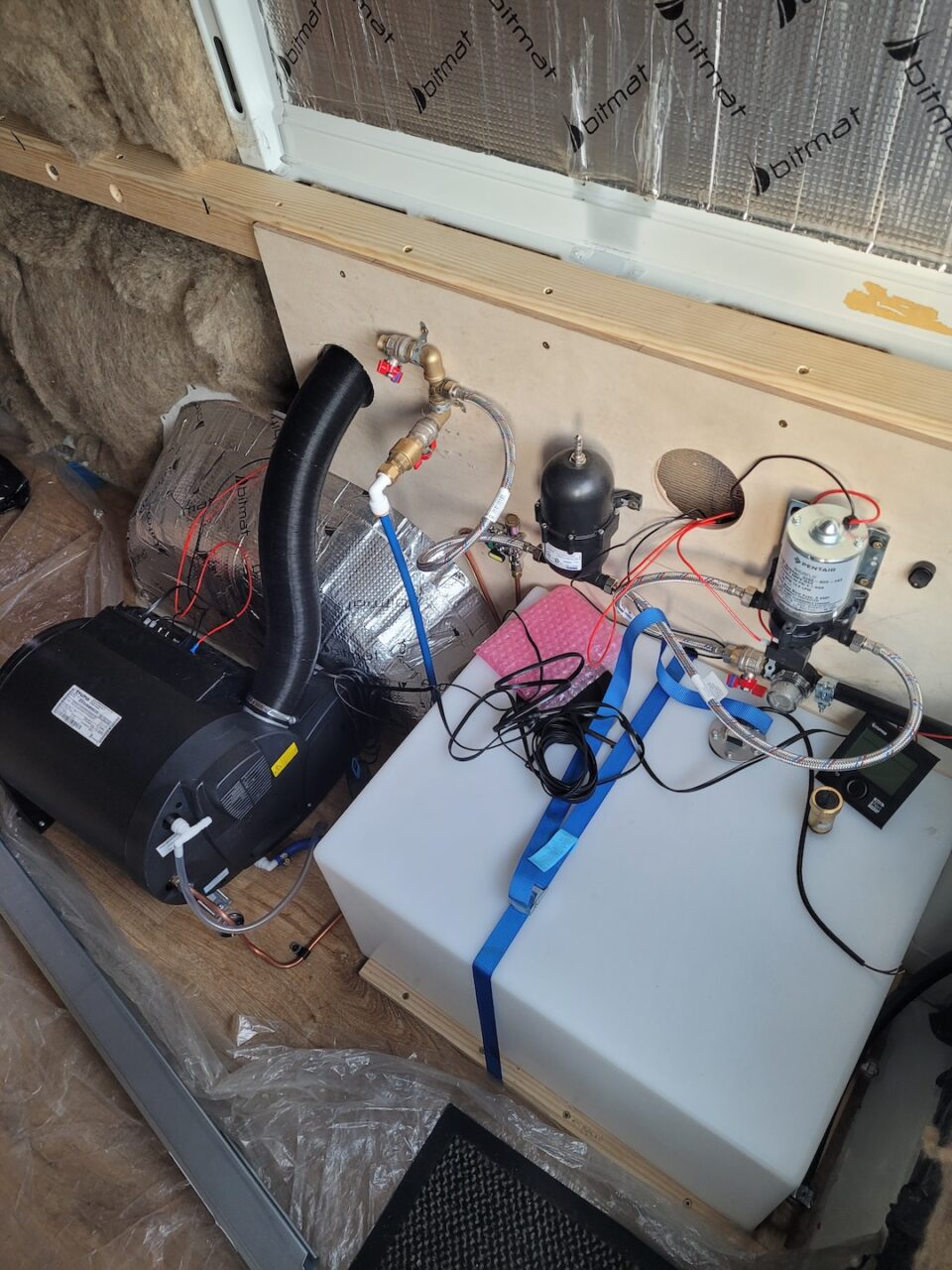
Water capacity is very personal.
At first, it’s tempting to go as big as possible. But every gallon adds weight, and you feel it while driving.
We settled on around 25 gallons, which worked well for a few days of normal use.
It gave us enough independence without making the van unnecessarily heavy.
There’s no perfect number – just what fits your habits and how you travel.
Travel lighter, even before you leave.
start with something simple.
Download The Minimum Plan – Slow Travel:
12. Know When to Ask for Help
We did most of the build ourselves, but not everything.
Some parts are simply better left to professionals – either because of safety or because you’d need tools you’ll only use once.
For us, that included the gas system and suspension.
It’s easy to want to do everything yourself. But knowing when to step back can actually make the whole project better.

Ready to take your van life to the next level?
🔨 Planning a van build? → See layout ideas that actually work
📋 Starting from scratch? → Step-by-step van build guide
🛠️ Mid-conversion? → Essential tips to avoid costly mistakes
❓ Still planning? → Questions to ask before you start
Where are you in your van life journey?
Final Thoughts on Our Van Conversion
Building a van is not just about the end result.
It’s the process – learning, adjusting, figuring things out along the way.
There’s no one perfect approach.
Just the one that works for you.
And that’s what makes it feel personal.
With a bit of patience and realistic expectations, it becomes one of the most rewarding things you can do – not just because of the van itself, but because of everything you learn along the way.