
Wondering what to see in Catalonia beyond Barcelona? Good, because this region has so much more to offer than just one city.
Catalonia is full of charming small towns, peaceful landscapes, vineyards, sea cliffs, and places where it’s truly easy to slow down.
It’s an ideal destination if you want to get off the beaten path and see Spain in a more intimate, authentic way.
In this article, I’ve gathered the most interesting places in Catalonia worth visiting during your trip through the region. Each has its own rhythm and atmosphere, and together they create a beautiful alternative to crowded Barcelona.
I hope this guide shows you Catalonia from a different side and inspires you to discover its quieter, less obvious corners. I invite you to read and travel without rushing.
If you’re starting your trip in Barcelona, check out my one-day Barcelona guide – calm, unhurried, and without trying to cram in too much.
Map of Catalonia Attractions Beyond Barcelona
1. Besalú – A Stone Town Where Time Slows Down
Besalú is one of those towns in Catalonia where you arrive “for a moment” and end up staying much longer. It’s small and intimate, and has something that immediately slows your pace.
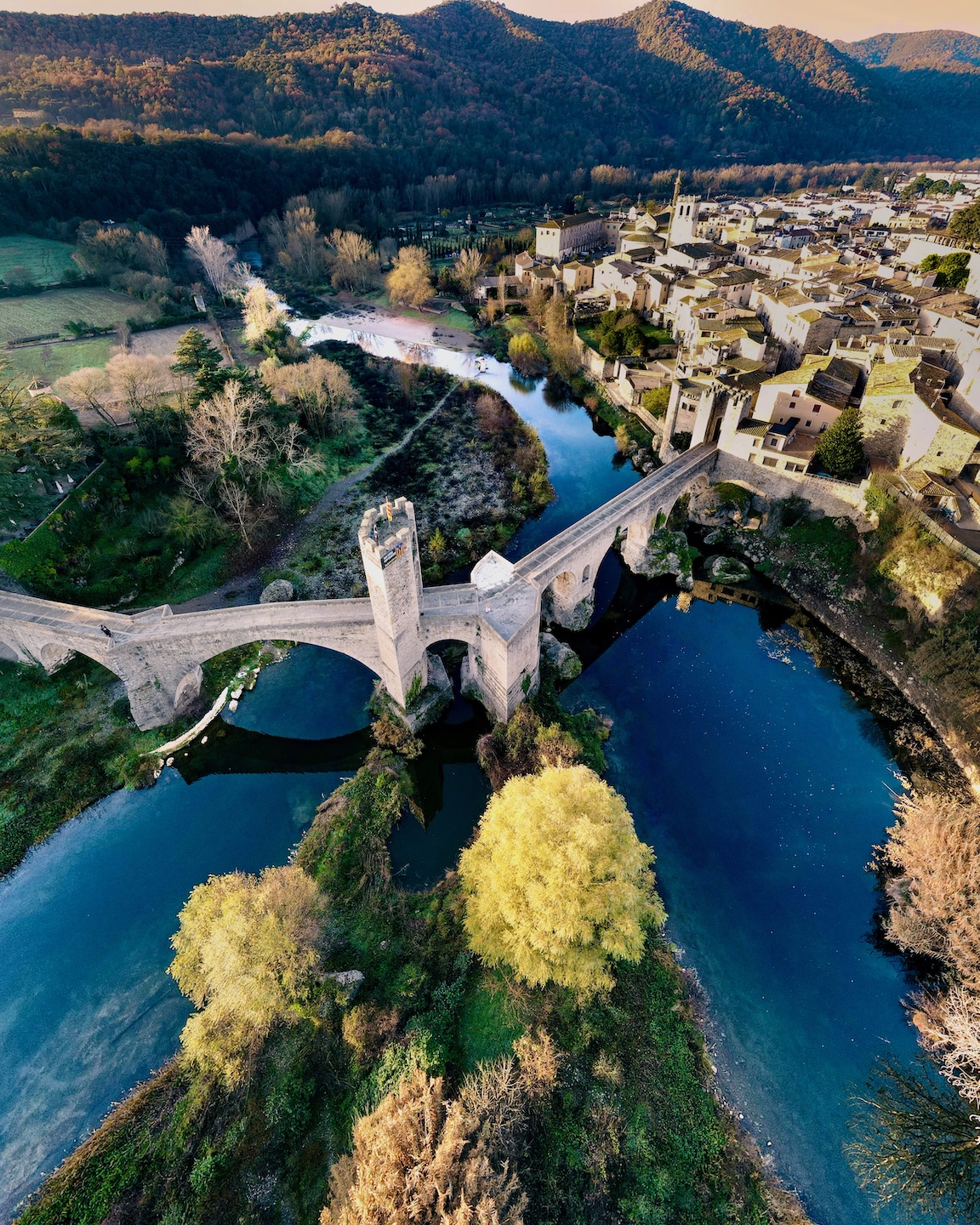
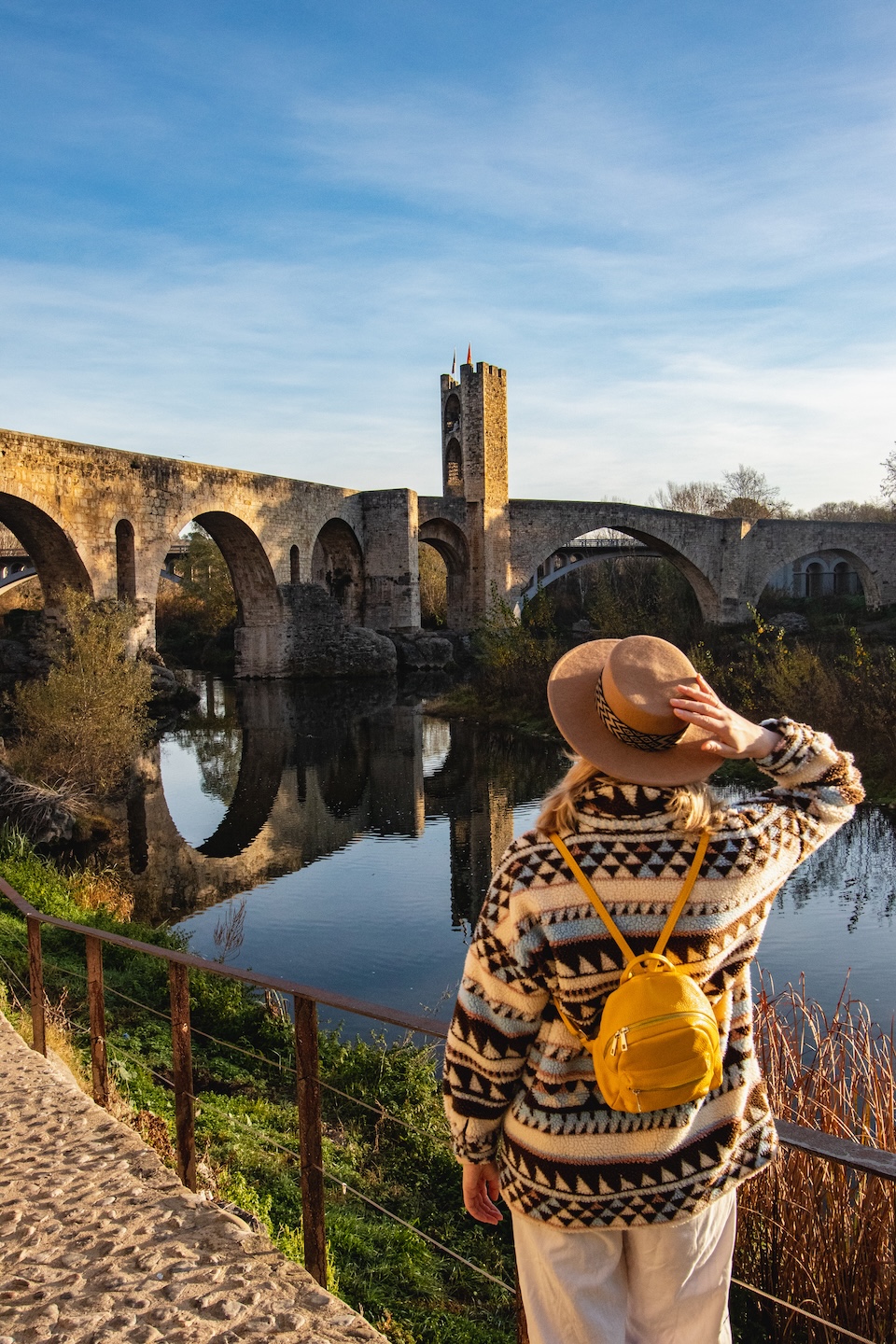
The most characteristic point is the Romanesque bridge from the 12th century, about 100 meters long.
Its stone arches and towers look like a movie frame and will almost certainly make you stop for longer, if only to cross it slowly and look around.
In Besalú, it’s also worth visiting the only preserved Romanesque mikveh in Spain, linked to the town’s former Jewish community. It’s one of those places that doesn’t need a long explanation – a moment of silence is enough to feel its history.
If you’re in the mood for something less obvious, also check out the International Palace of Circus Art – an unusual museum that surprises and somewhat breaks the classic rhythm of sightseeing.
Besalú is a town best absorbed without a plan: walking through narrow streets, peeking into alleys, and simply allowing yourself to just be there.
2. Cadaqués – White Houses, Sea Light, and the Soul of Costa Brava
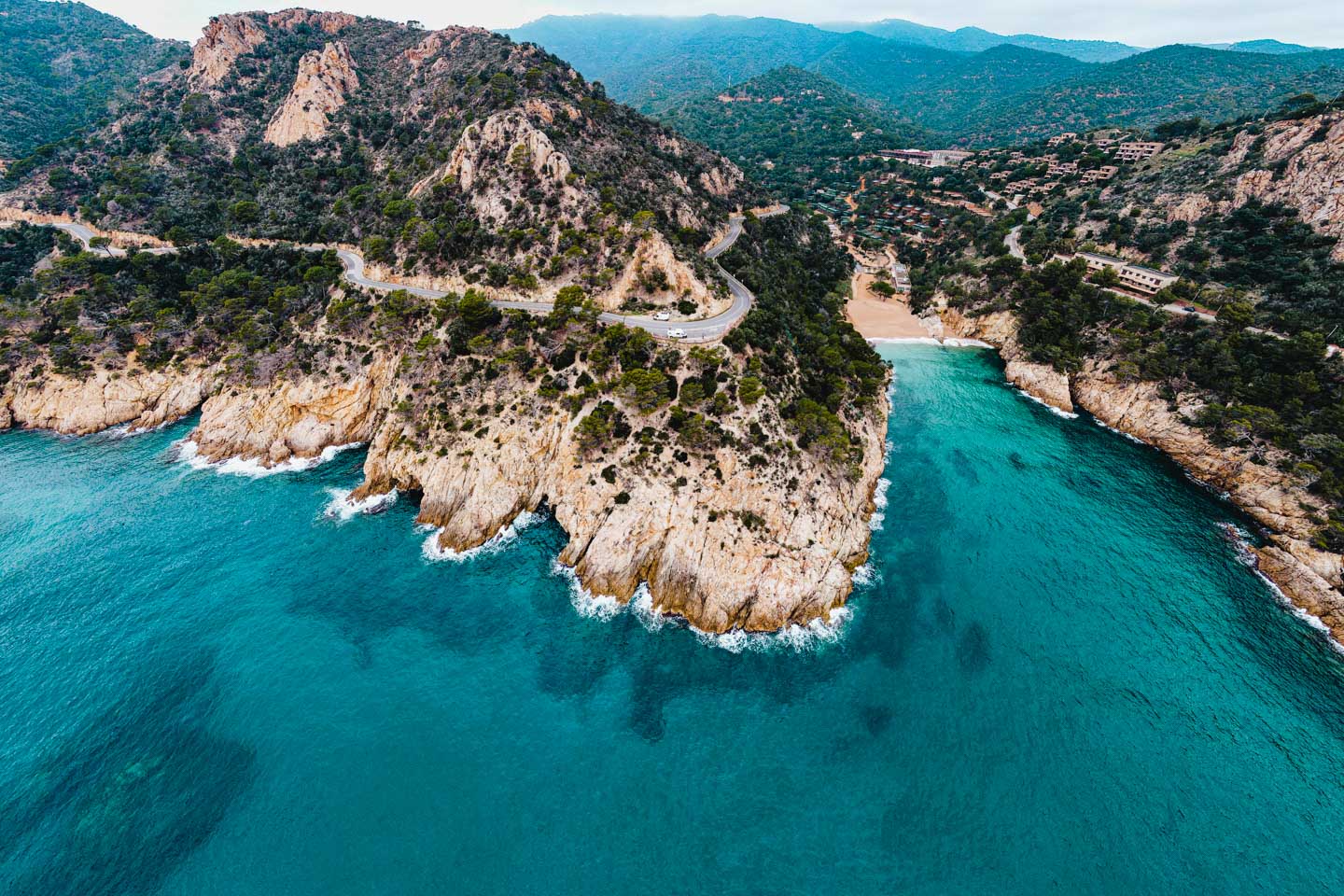
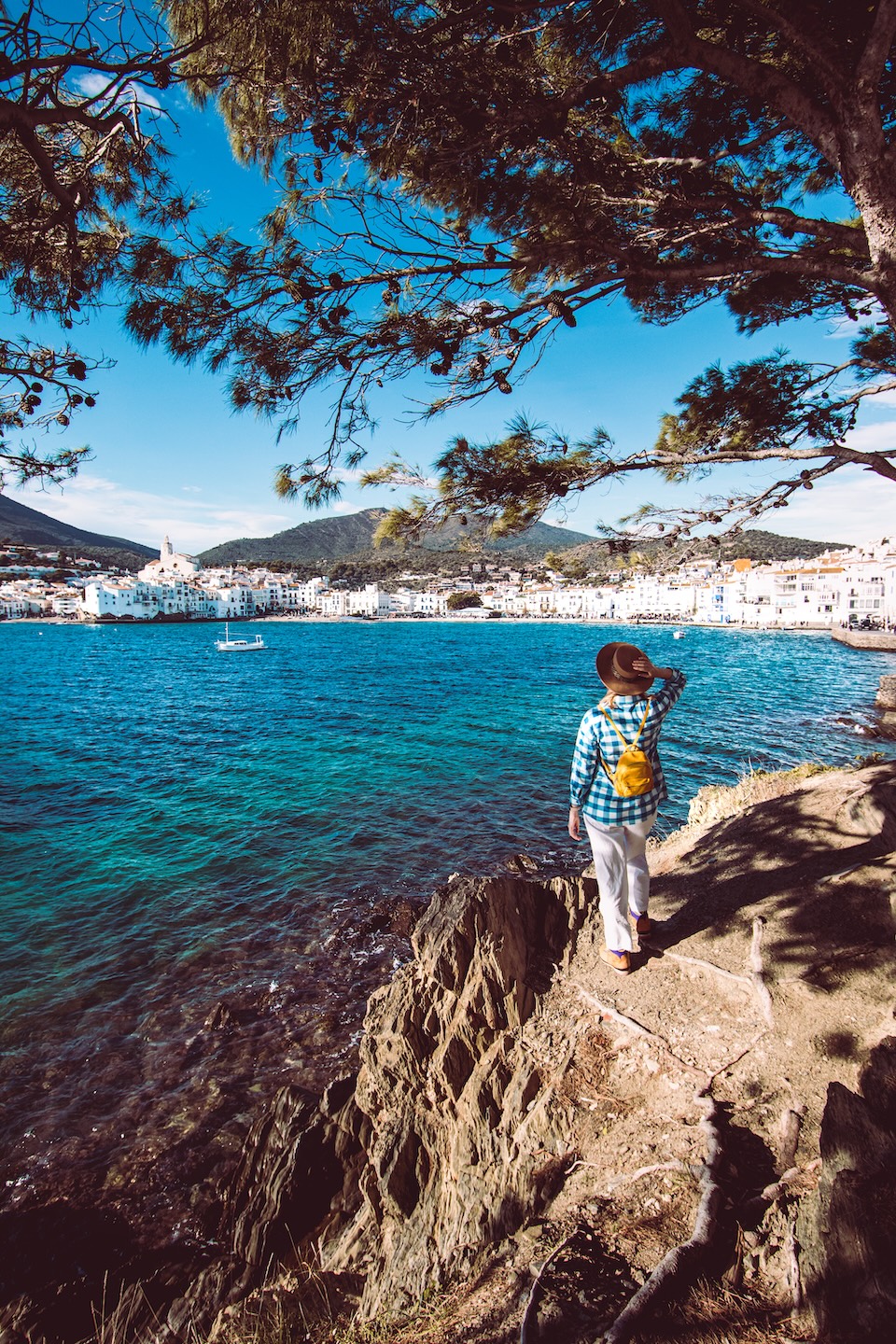
Cadaqués is a small port town on the Costa Brava coast that captivates from the first moments with its light, white houses, and the calm of the bay. Here, the landscape plays the main role – raw, coastal, and slightly wild
The town is strongly connected to Salvador Dalí, who frequently visited the area and drew inspiration from local landscapes.
Cadaqués lies on the route of the so-called Dalí Triangle, alongside Figueres and Púbol, where places dedicated to his work are located.
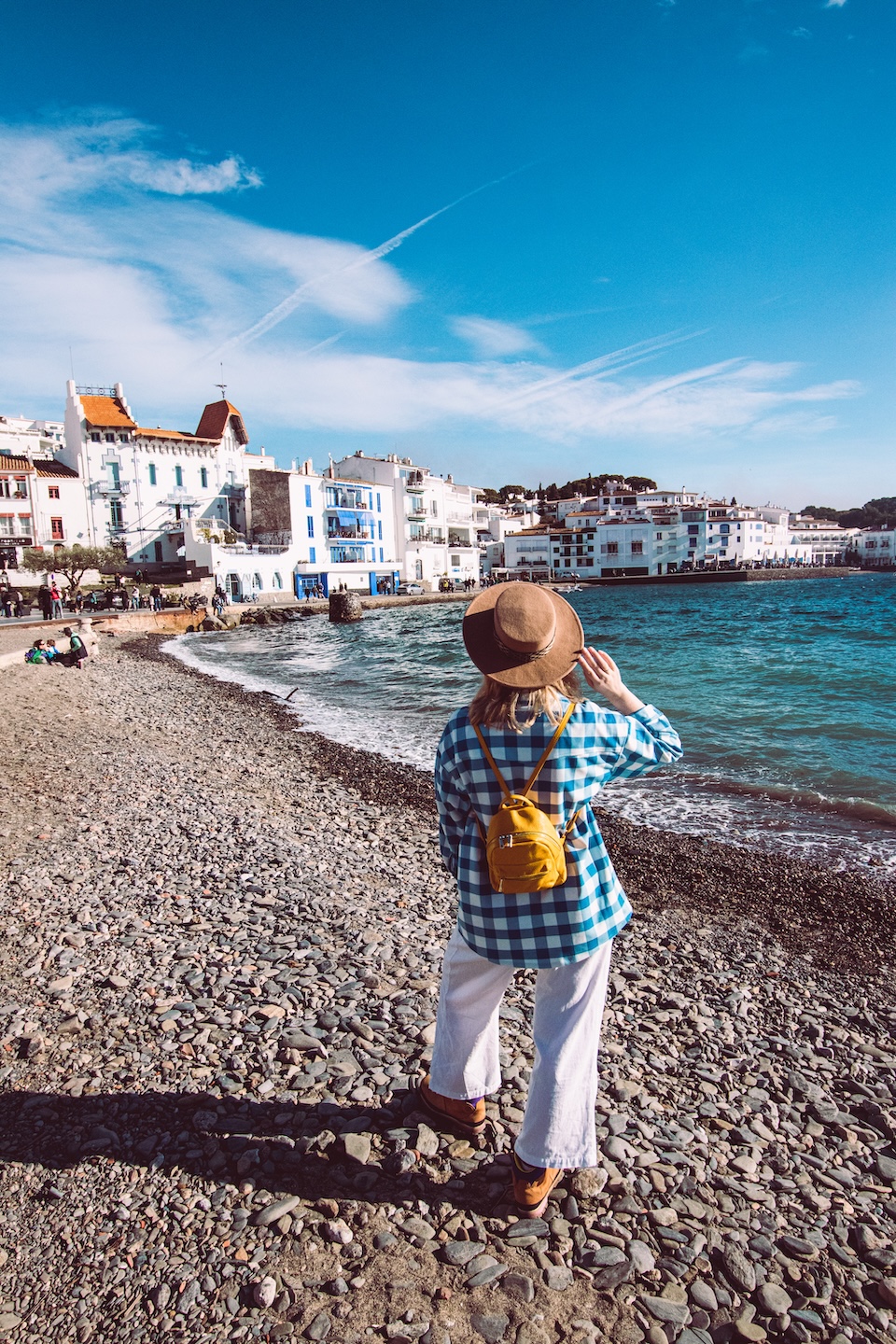
It’s an ideal stop if you’re looking for a combination of art, nature, and an unhurried rhythm of the day. Just sit in one of the seaside restaurants, order a simple lunch, tapas or paella, and simply watch the water.
In the evening, it’s worth going for a walk through the narrow streets of the town. The light softens, the bay quiets, and the sound of waves makes it easy to understand why this place so strongly affected the artist’s imagination.
3. Tossa de Mar – Medieval Walls Above the Mediterranean
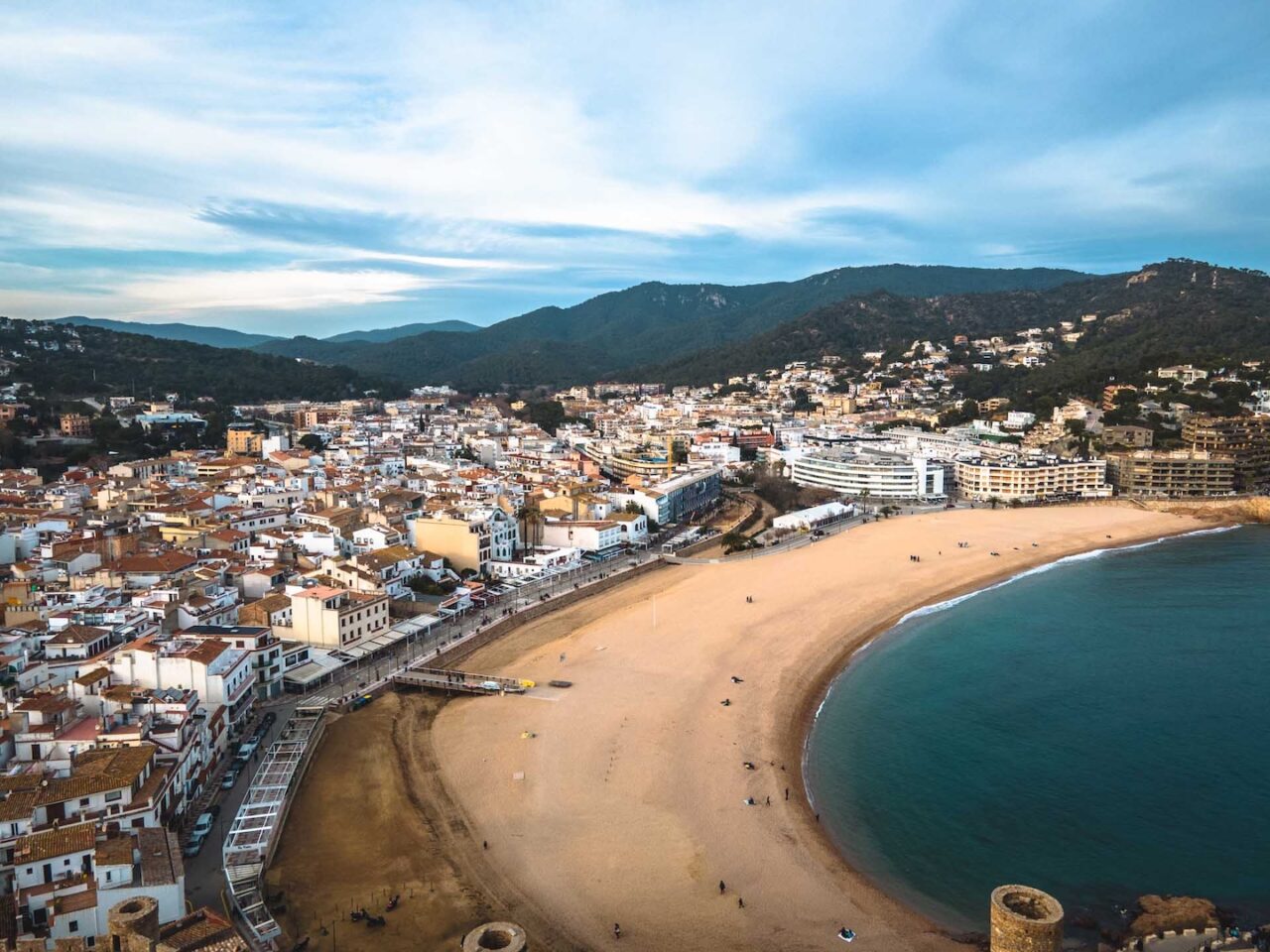
Tossa de Mar is a seaside town on the Costa Brava coast, located about 100 km north of Barcelona. It’s one of those places that combine sea, history, and a calm rhythm of the day in a very natural way.
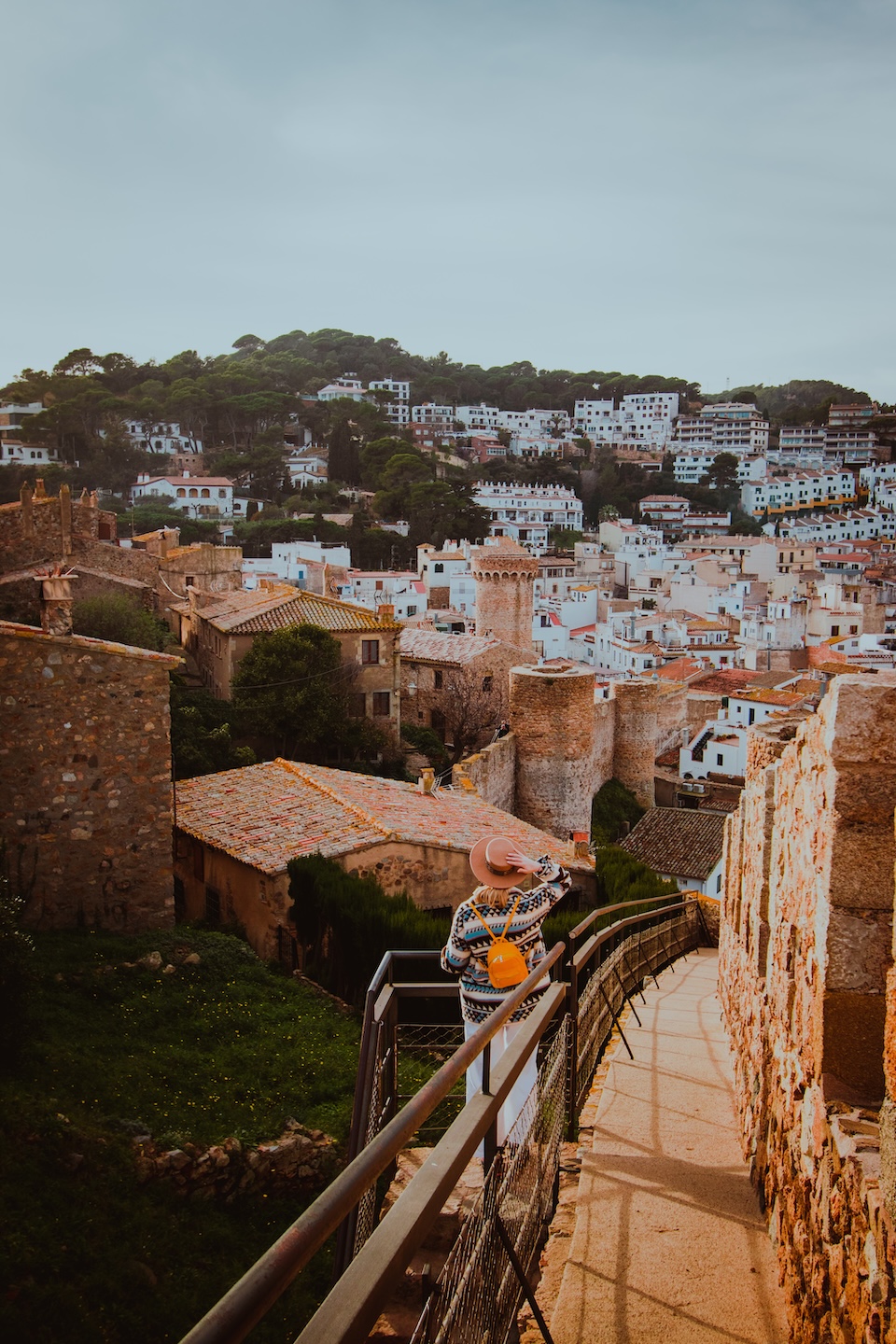
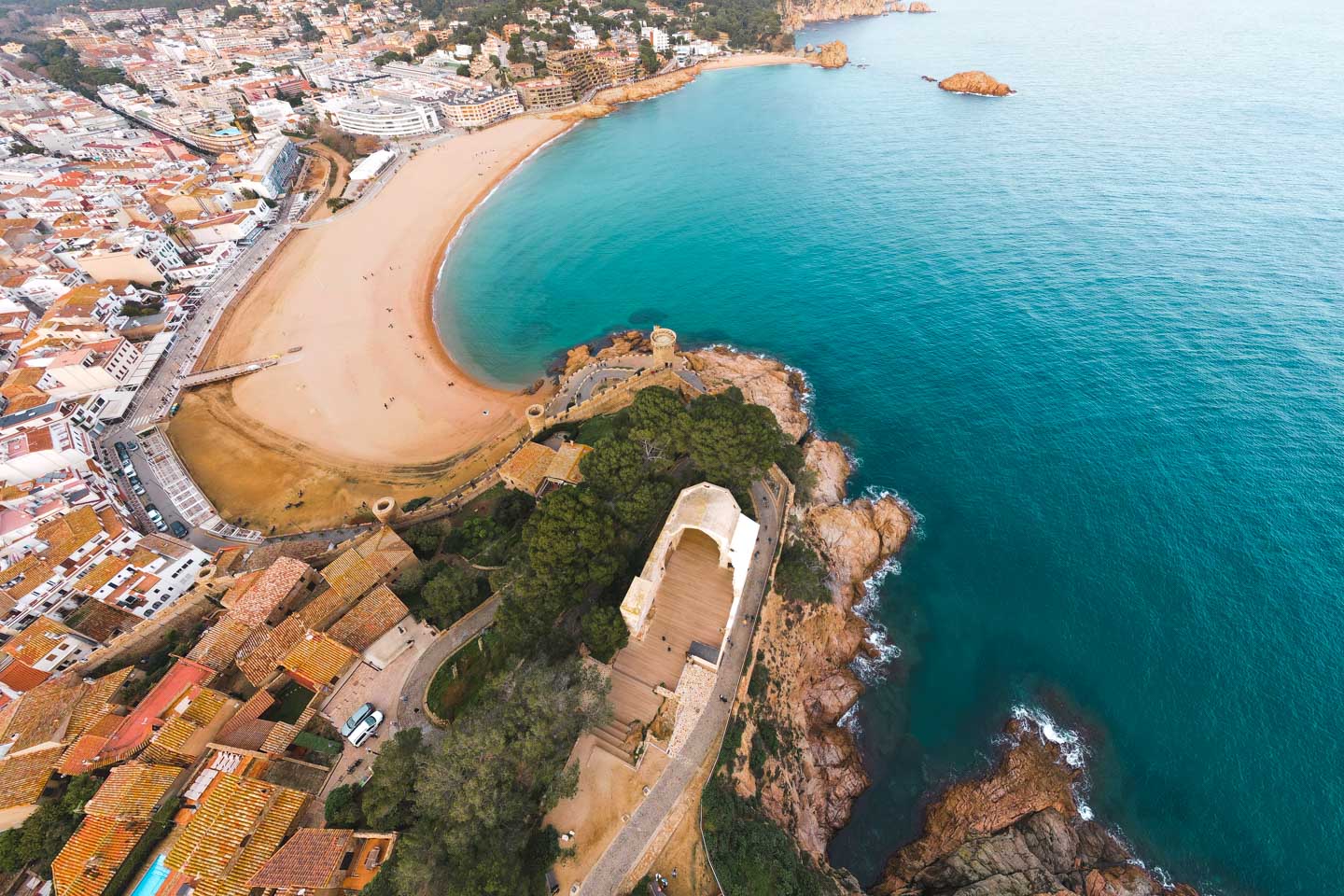
The most characteristic point of Tossa is Vila Vella – the only preserved medieval fortress on the Catalan coast.
Stone walls from the late 14th century tower over the bay and create one of the most recognizable views in this part of Costa Brava.
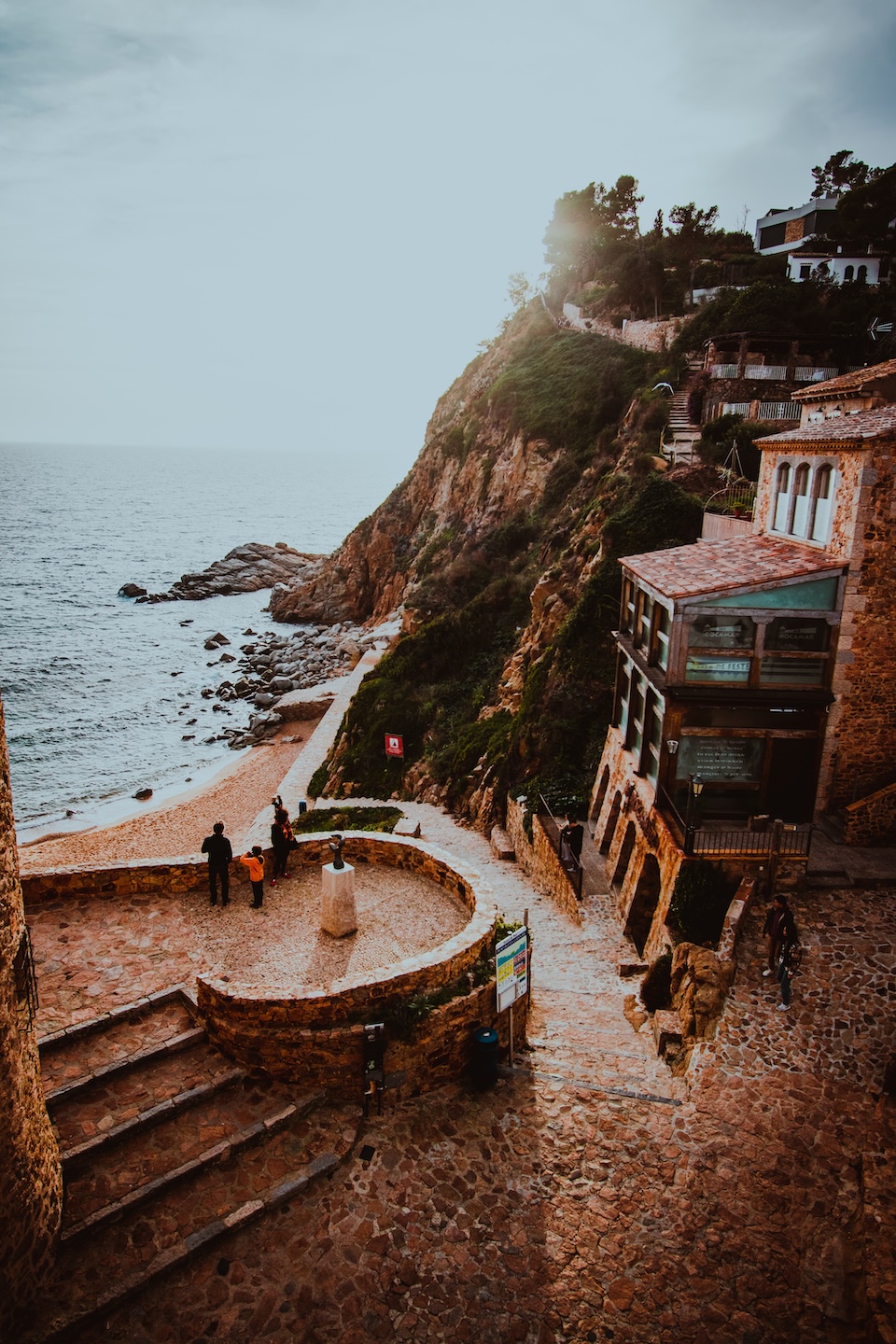
Walking through the Old Town, it’s easy to get lost in narrow streets, among stone houses and traces of old buildings.
Along the way, you pass remains of former buildings, a medieval hospital, and fragments of Romanesque and Gothic churches – all in a small space, perfect for exploring without rushing.
Tossa de Mar is a great choice if you’re looking for a place by the sea that offers more than just a beach. It’s a good choice both for a quiet day with a book and for unhurried exploration of history with a view of the water.
Getting there is simple, both by car and bus, but despite its popularity, Tossa de Mar can still maintain an intimate character – especially outside the main season.
4. Blanes – Wide Beaches and the Easy Rhythm of Costa Brava
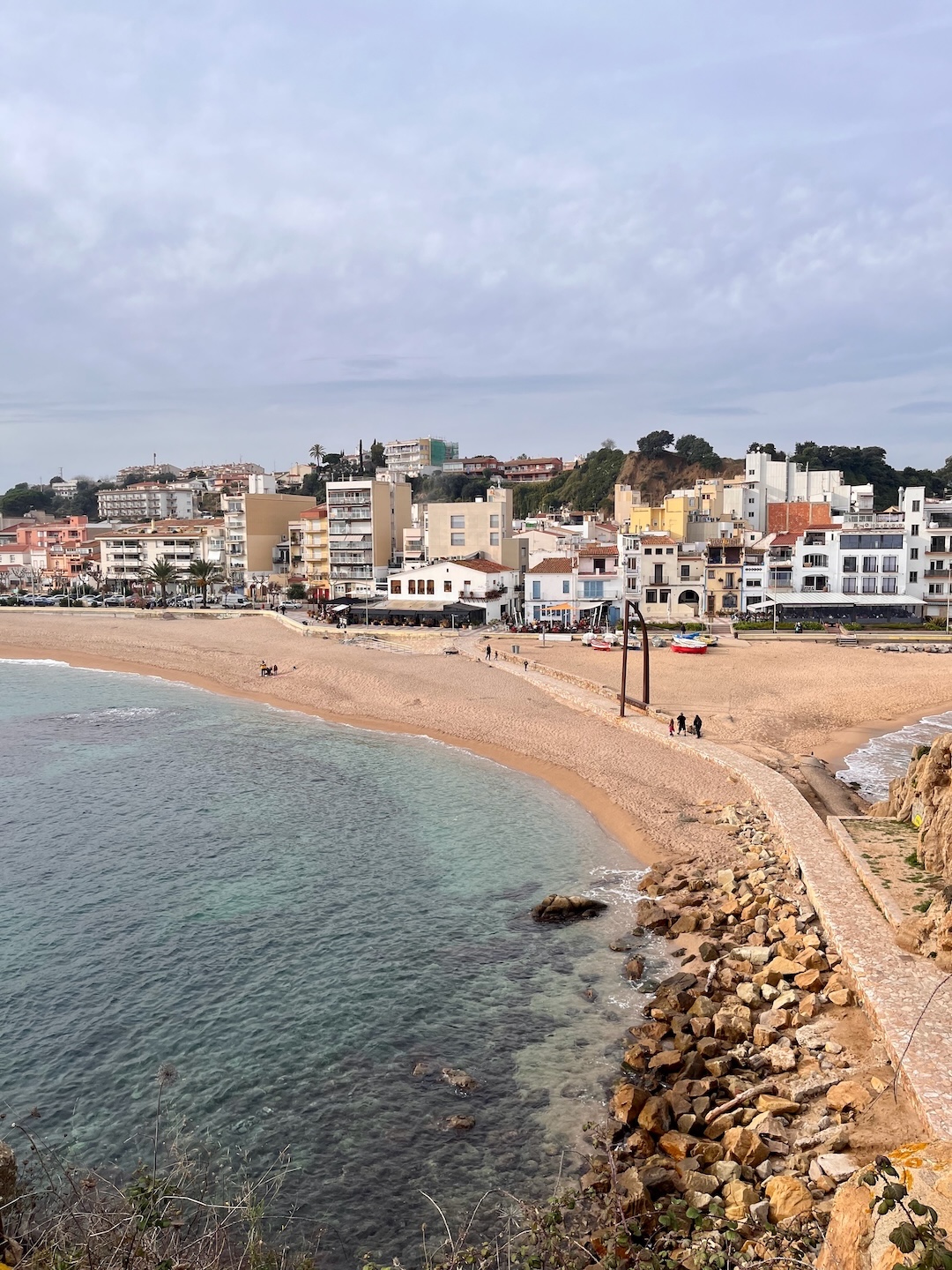
Blanes is one of those places on the Costa Brava coast that works well for a calm, unhurried vacation. There’s a wide sandy beach here, ideal for long mornings by the sea and lazy afternoons without a plan.
Beyond the beach, Blanes also has its historical background. It’s worth checking out the medieval church and seeing the ruins of a former fortress from the 10th century, from which views of the city and coastline stretch out.
If you like greenery and spaces, definitely visit the botanical gardens: Marimurtra Botanical Garden and Pinya de Rosa Botanical Garden.
Cliffs, vegetation, and the sea in the background create some of the most beautiful panoramas in this part of Costa Brava.
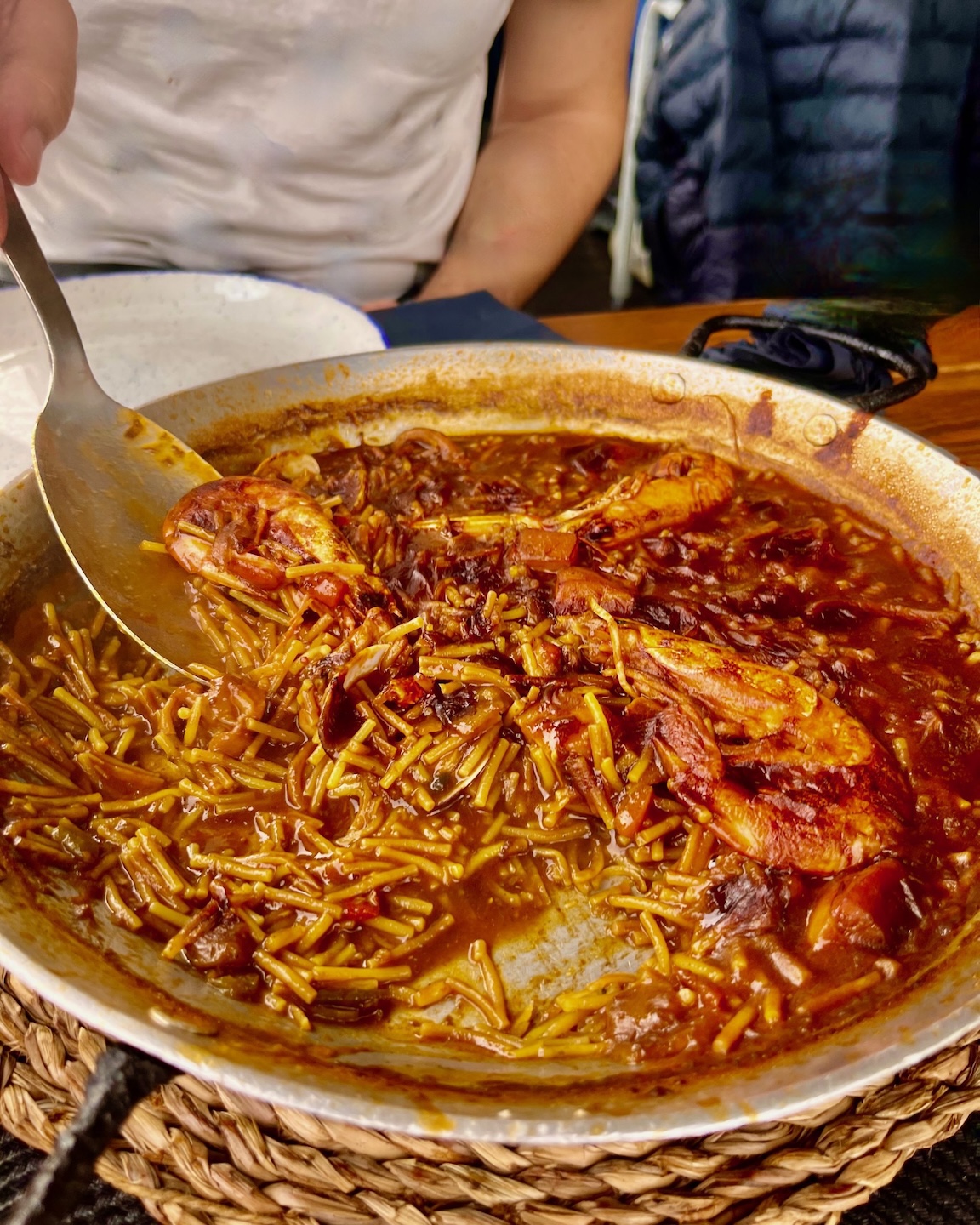
Blanes is also a good place for an unhurried meal. Local restaurants serve fresh seafood at affordable prices, and dinner with a sea view – a glass of wine, simple paella – fits perfectly into the rhythm of this place.
5. Montserrat – Mountain Silence and Spiritual Space
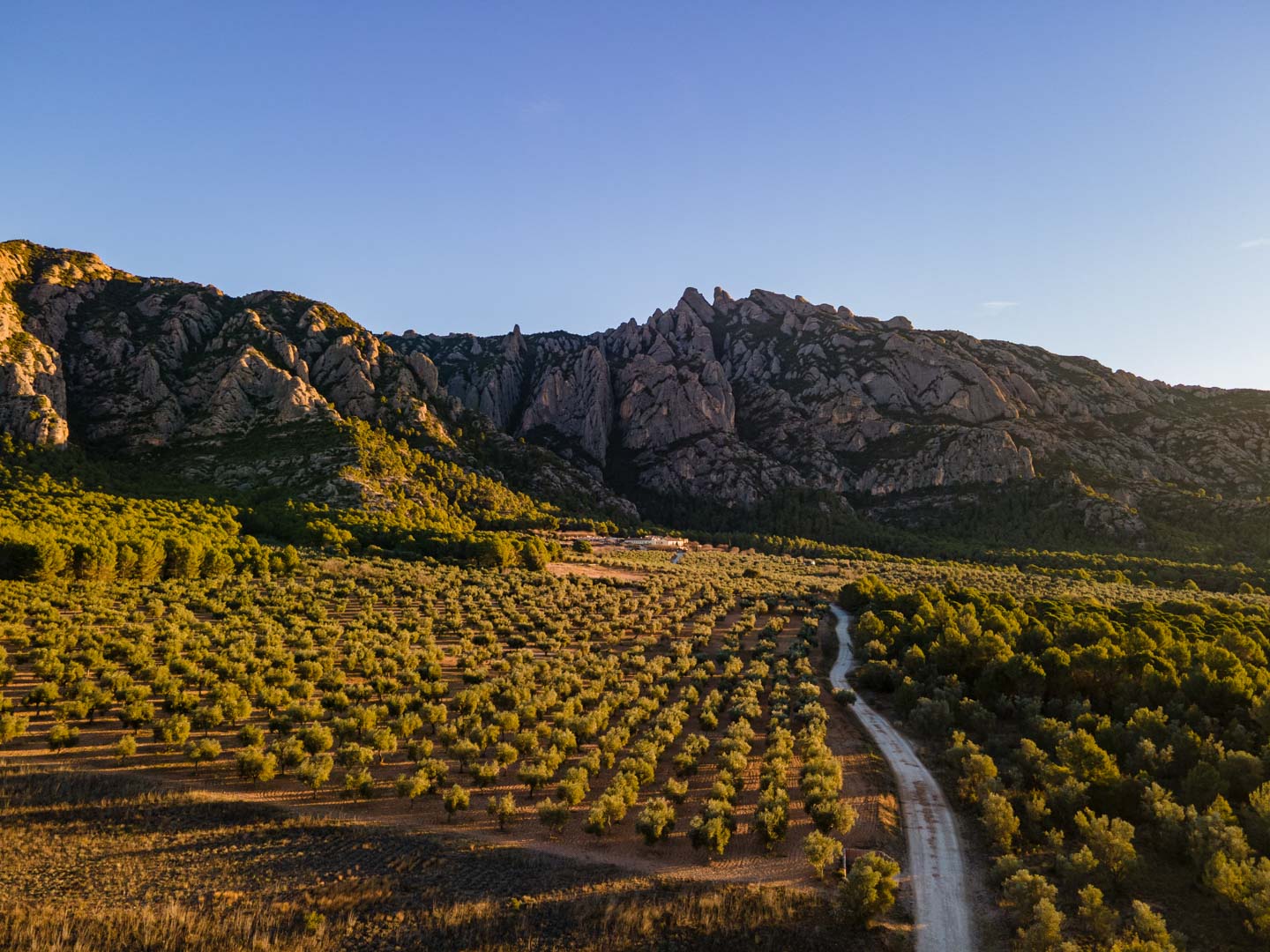
Montserrat is one of the most unusual places in Catalonia – one that combines raw nature with silence and a sense of detachment from everyday life.
The characteristic jagged rocks create a landscape that can’t be confused with any other.
It’s a good place if you like movement and space. Mountain trails, viewpoints, and hidden paths encourage walks without rushing, with frequent stops to take in the views.
But Montserrat doesn’t require activity from you – you can equally well just be here.
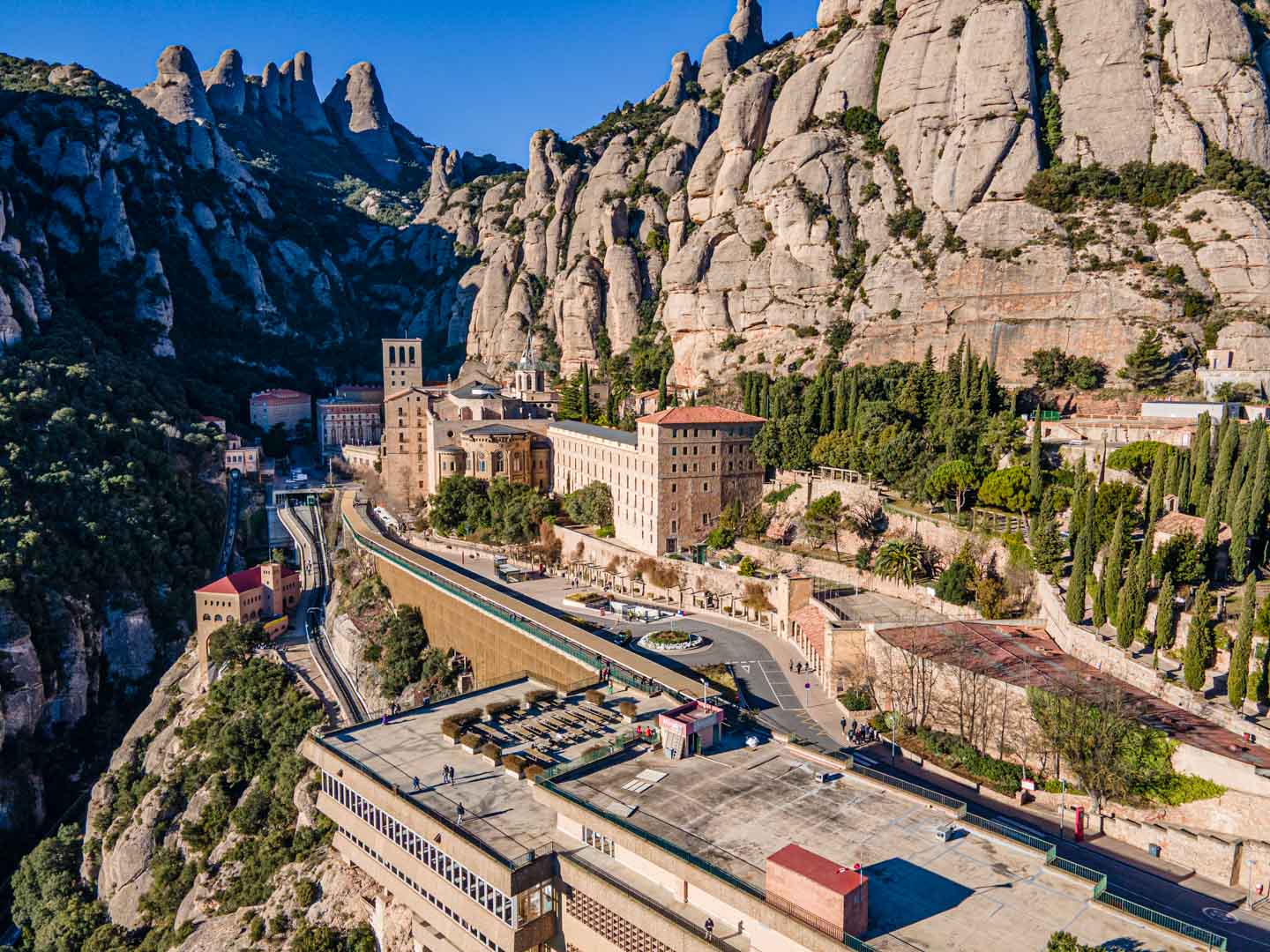
In the heart of the massif is the Abbey of Our Lady of Montserrat – a place with strong spiritual significance that has attracted pilgrims for centuries.
Even if you’re not coming here for religious reasons, it’s easy to feel the peace that pervades this space.
Montserrat works well both when you’re in the mood for a longer walk among the rocks and when you need a moment of calm.
It’s one of those places that stay in memory not because of the number of attractions, but because of the atmosphere.
6. Altafulla – Sea, Greenery, and a Town Without Rush
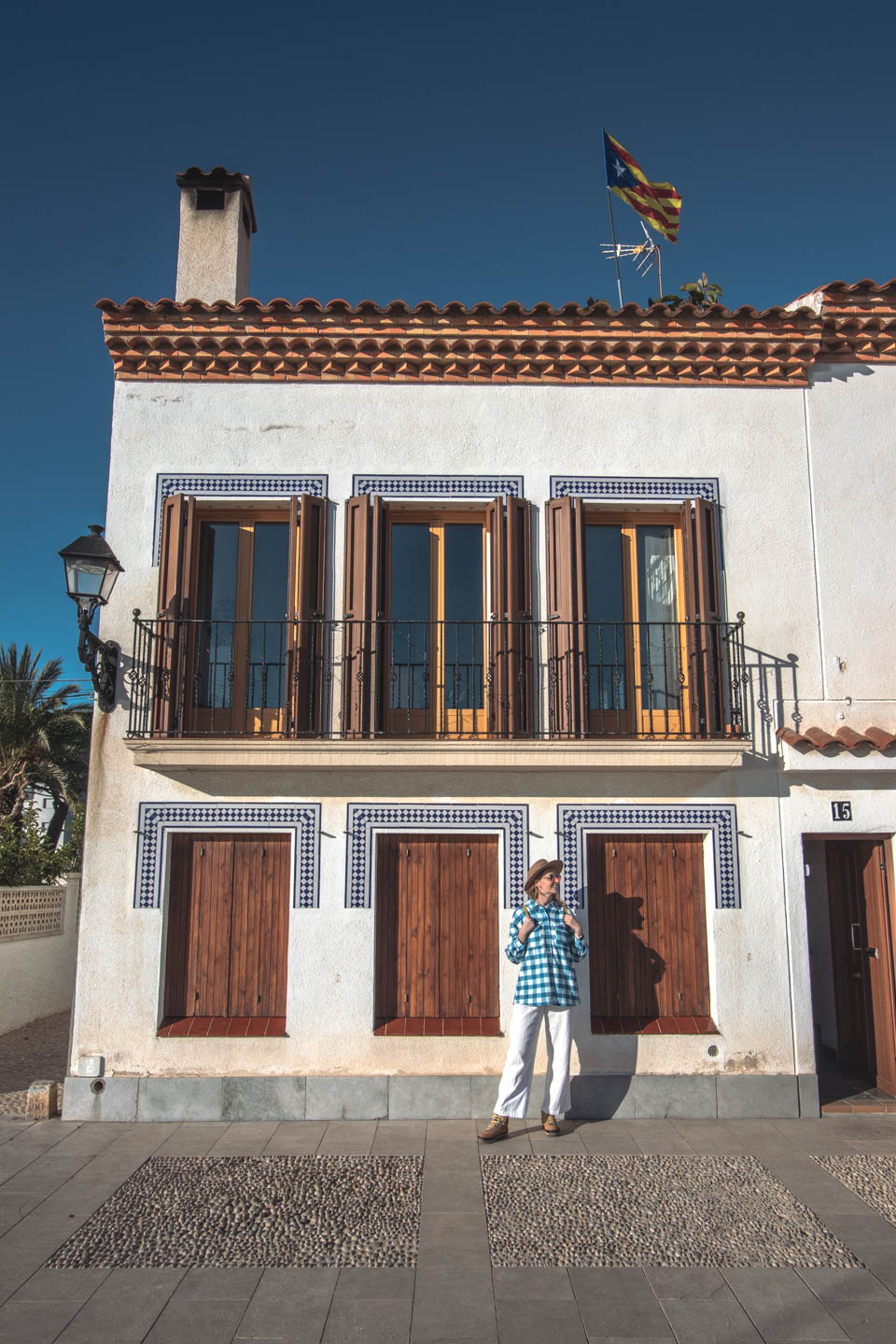
Altafulla is one of those towns in Catalonia that doesn’t shout with attractions, but invites you to slow down. It’s intimate, green, and very natural in perception.
You can check out the old part of the city with Altafulla Castle, then go down to the old fishing district of Baixamar.
18th-century houses right by the beach create an atmosphere that encourages aimless walks and long breaks for watching the sea.
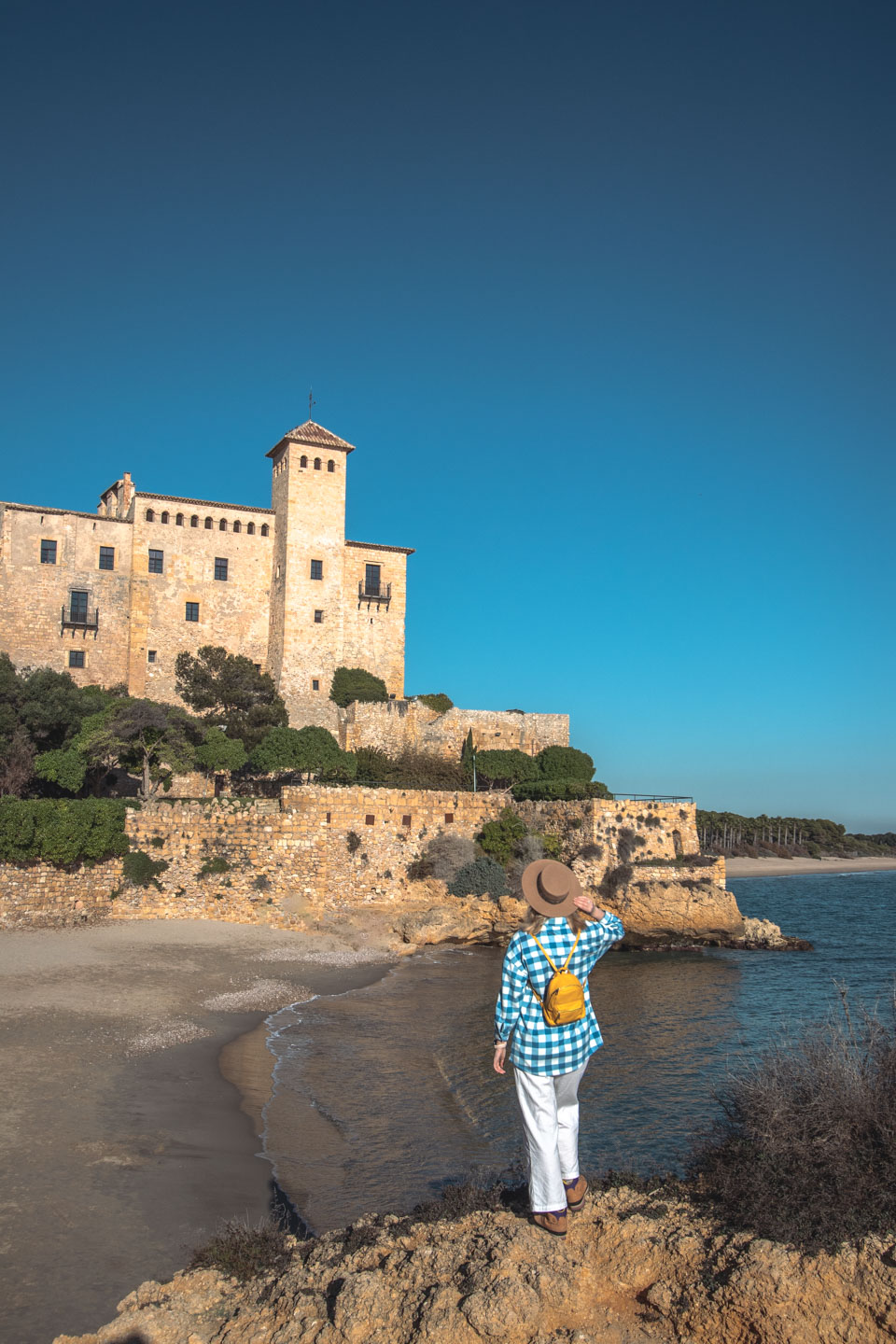
Nearby is also Tamarit Castle, picturesquely located on a small promontory.
Behind the castle walls stretches one of the last preserved coastal forests in Catalonia – a place quiet, green, and with beautiful views of the sea line.
Altafulla also has its layer of very old history. Here you’ll find the Roman villa Els Munts, listed as a UNESCO World Heritage Site.
The Gaià River flows through the town, creating a small nature reserve where birds can often be spotted.
It’s an ideal place if you’re looking for silence, nature, and space – without crowds, without rushing, with the sea and greenery always somewhere nearby.
7. Sitges – Freedom, Light, and a Coastal City Rhythm
Sitges is a city with character, located just 35 km from Barcelona. For years, it has attracted artists, expats, and people looking for a place that’s open, free, and full of life.
It’s known for its film festival, carnival, and strong LGBT culture, but on a daily basis, it captivates with something much more subtle – atmosphere.
The city lies between the Garraf massif and the Mediterranean Sea, which makes it naturally combine beach ease with urban energy.
There are nice beaches here, historic buildings, galleries, as well as bars and clubs that fill up with conversations and music in the evenings.
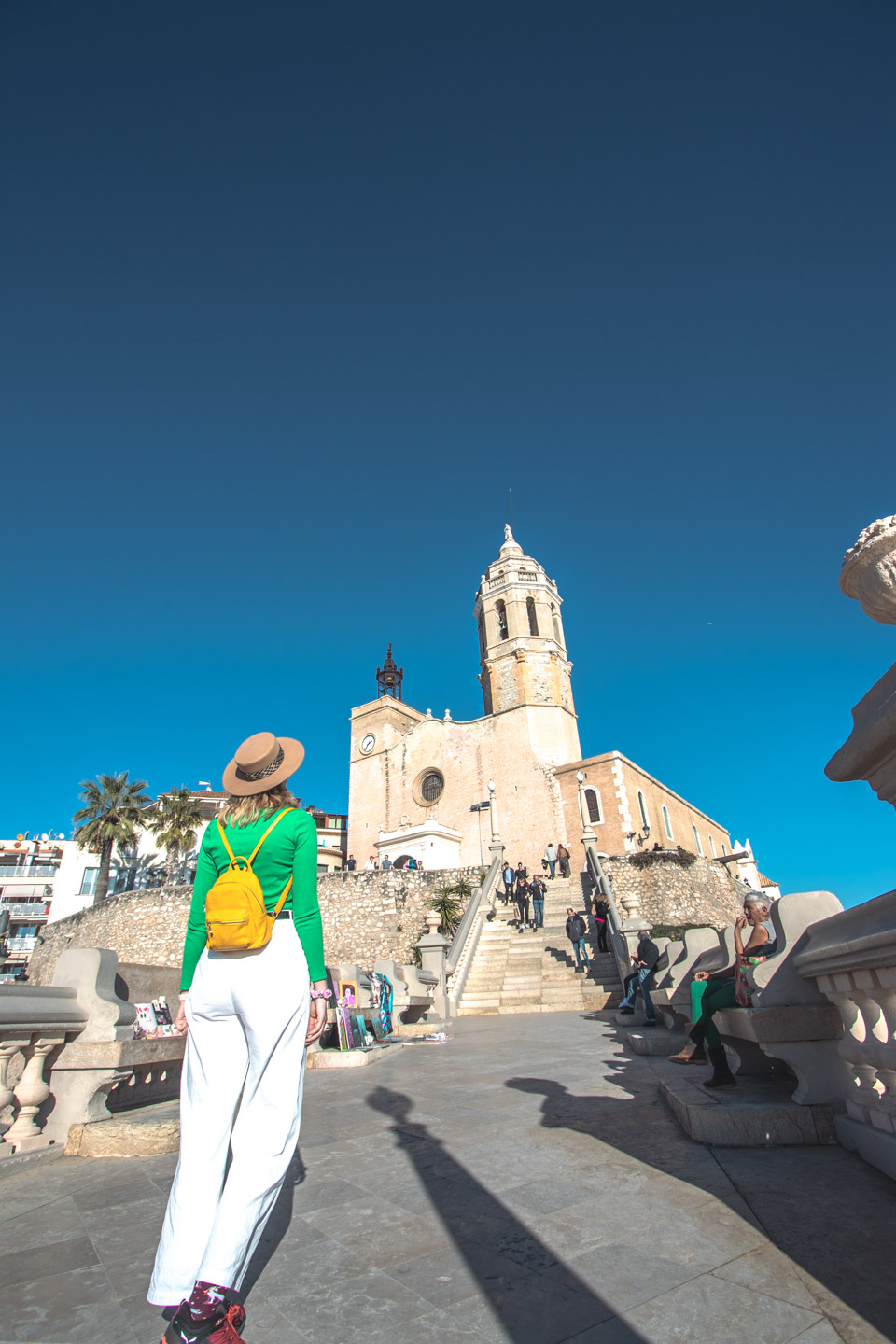
A walk along the seaside promenade Passeig Marítim is one of those moments that best capture the rhythm of Sitges.
It’s also worth checking out the Old Town, sitting in one of the restaurants for fresh seafood, and allowing yourself a moment without a plan.
If you’re in the mood for more greenery and silence, nearby is Parc del Garraf – a good place for a walk or a quick reset from the city.
Sitges is a space where it’s easy to be yourself. A tolerant, diverse, and light-filled city – ideal both for a short trip from Barcelona and a longer stay without rushing.
8. Figueres – Stepping Into Dalí’s Surreal World
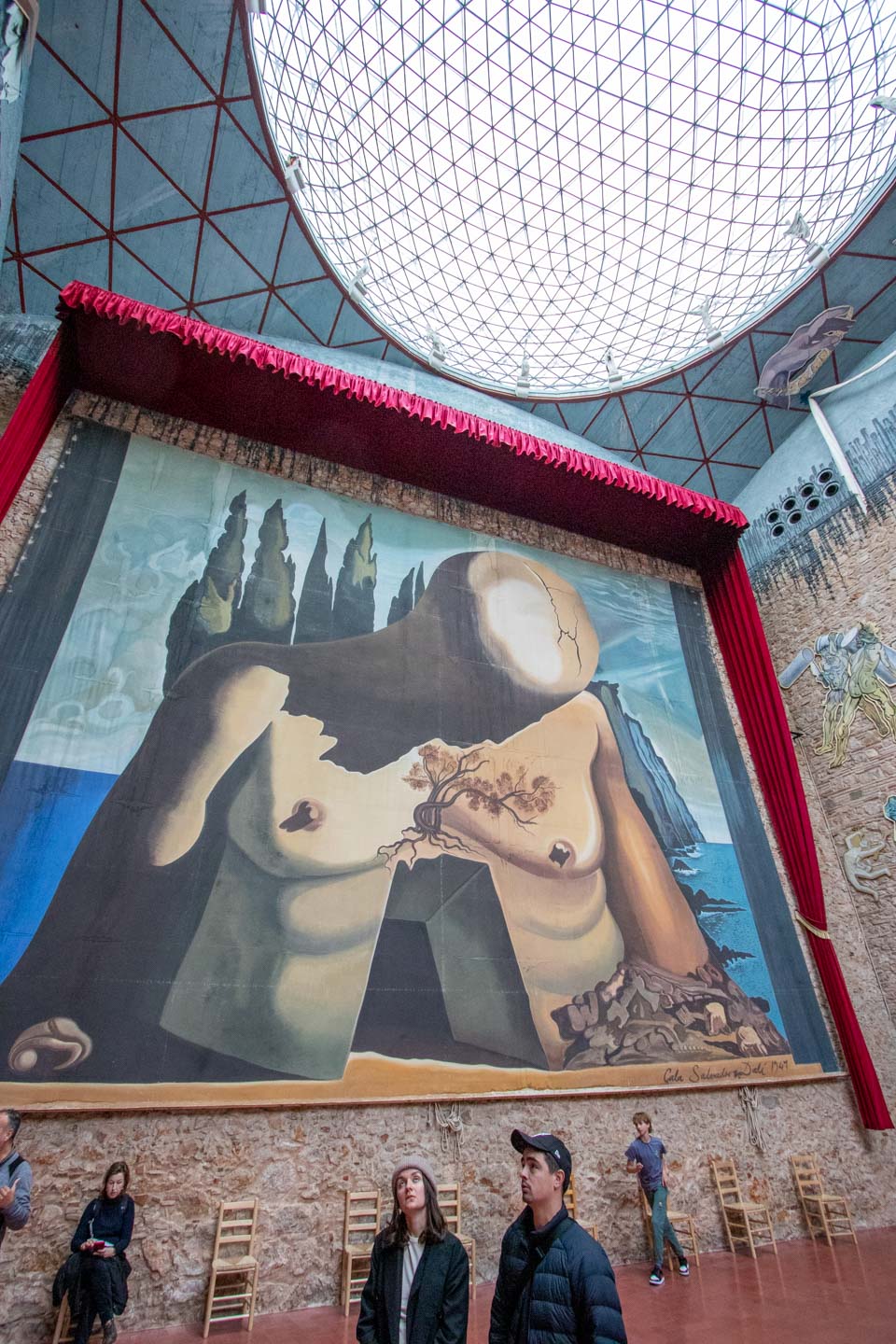
Figueres is primarily associated with one place – the Salvador Dalí Theatre-Museum. Even if you’re not a big art fan, a visit here can surprise you.
It’s the only museum in the world designed entirely by Salvador Dalí himself.
It’s housed in the former Municipal Theatre, destroyed during the Spanish Civil War, which Dalí decided to transform into his personal artistic space.
The building with its characteristic glass dome can be seen from afar – hard to miss it while walking through Figueres.
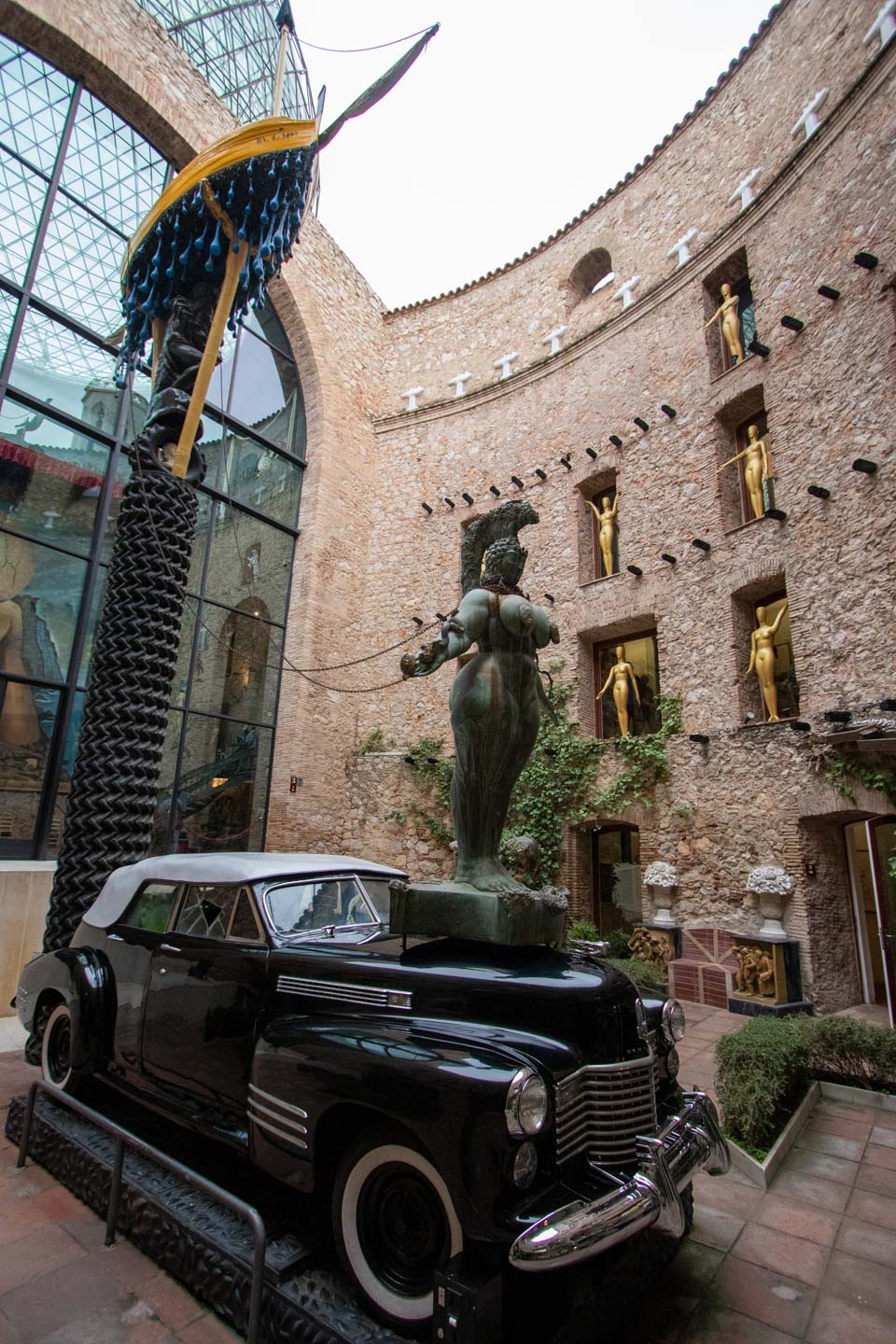
Inside, over 1,500 works await: paintings, sculptures, installations, and forms that you experience more than “visit.”
It’s a museum that guides you through a world of imagination, sometimes disturbing, sometimes amusing, and often leaving you with questions.
One of the most surprising elements is the fact that the museum also houses a crypt where Dalí himself rests. It closes the whole story in a very symbolic way.
Figueres is a good stop if you’re in the mood for something different than landscapes and beaches. A place that pulls you out of reality for a moment and lets you look at the world a bit less literally.
9. Ebro River Delta – Space, Nature, and Absolute Quiet
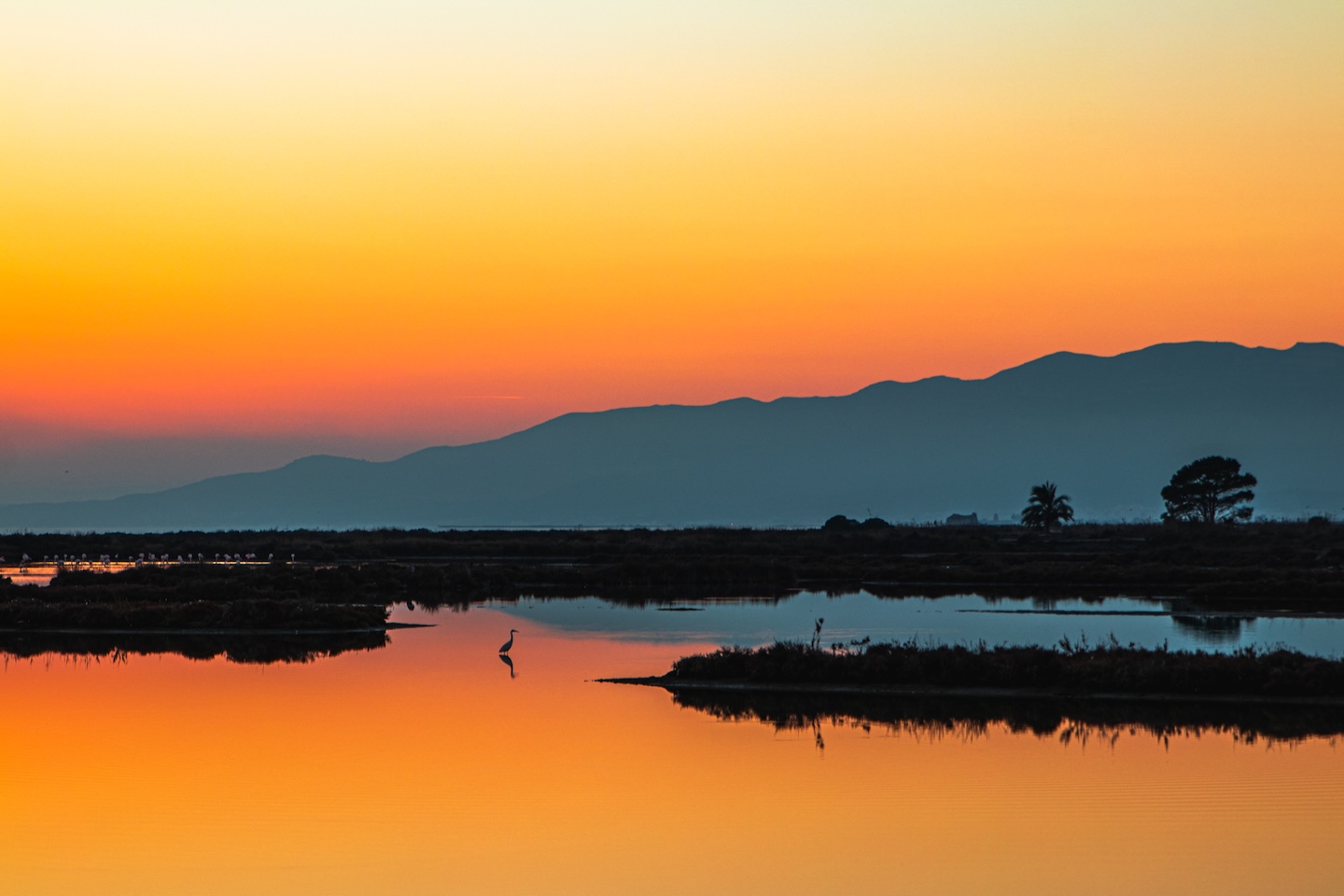
The Ebro River Delta is one of the most natural and underrated places in southern Catalonia.
Flat space, water, reed beds, and sky that seems bigger than anywhere else – everything here encourages silence and being close to nature.
It’s an ideal destination if you like outdoor activity, but without pressure.
You can walk along canals, bike between rice fields, kayak, or simply watch birds – the delta is one of the most important ornithological areas in Europe.
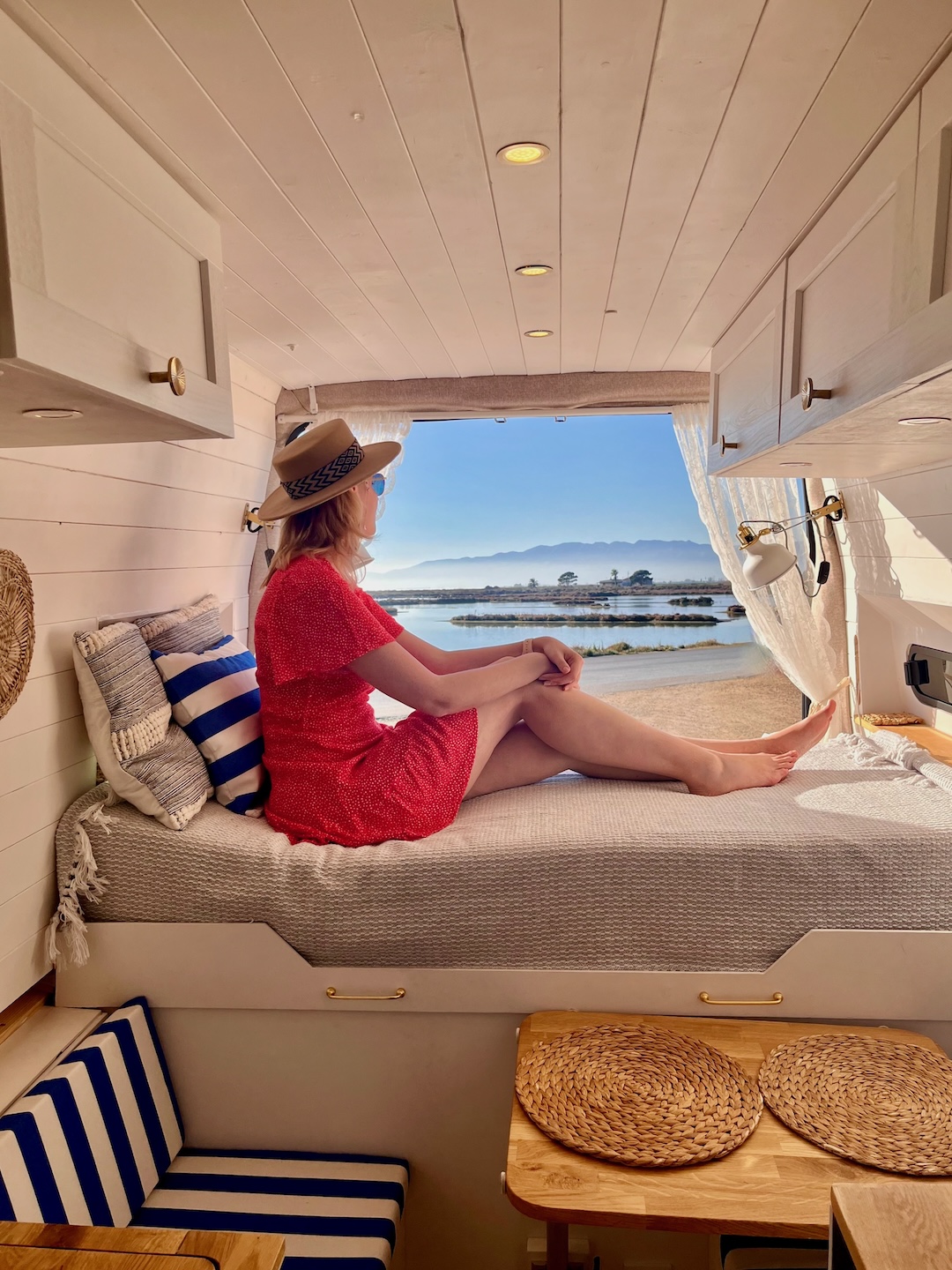
Beyond nature, there’s also daily life that flows at its own pace. Small fishing villages, simple houses, local markets, and restaurants make it easy to feel the authenticity of this place and the hospitality of its residents.
Ebro Delta also has a very specific taste. Local cuisine is based on rice, fresh seafood, and simple dishes that taste best after a long day outdoors.
Add a glass of regional wine and a view of the water – without rushing, without excess.
This is a place for those who, instead of attractions, are looking for space, silence, and contact with nature in its purest form.
Travel lighter, even before you leave.
start with something simple.
Download The Minimum Plan – Slow Travel:
10. Tarragona – Where Roman History Meets the Sea
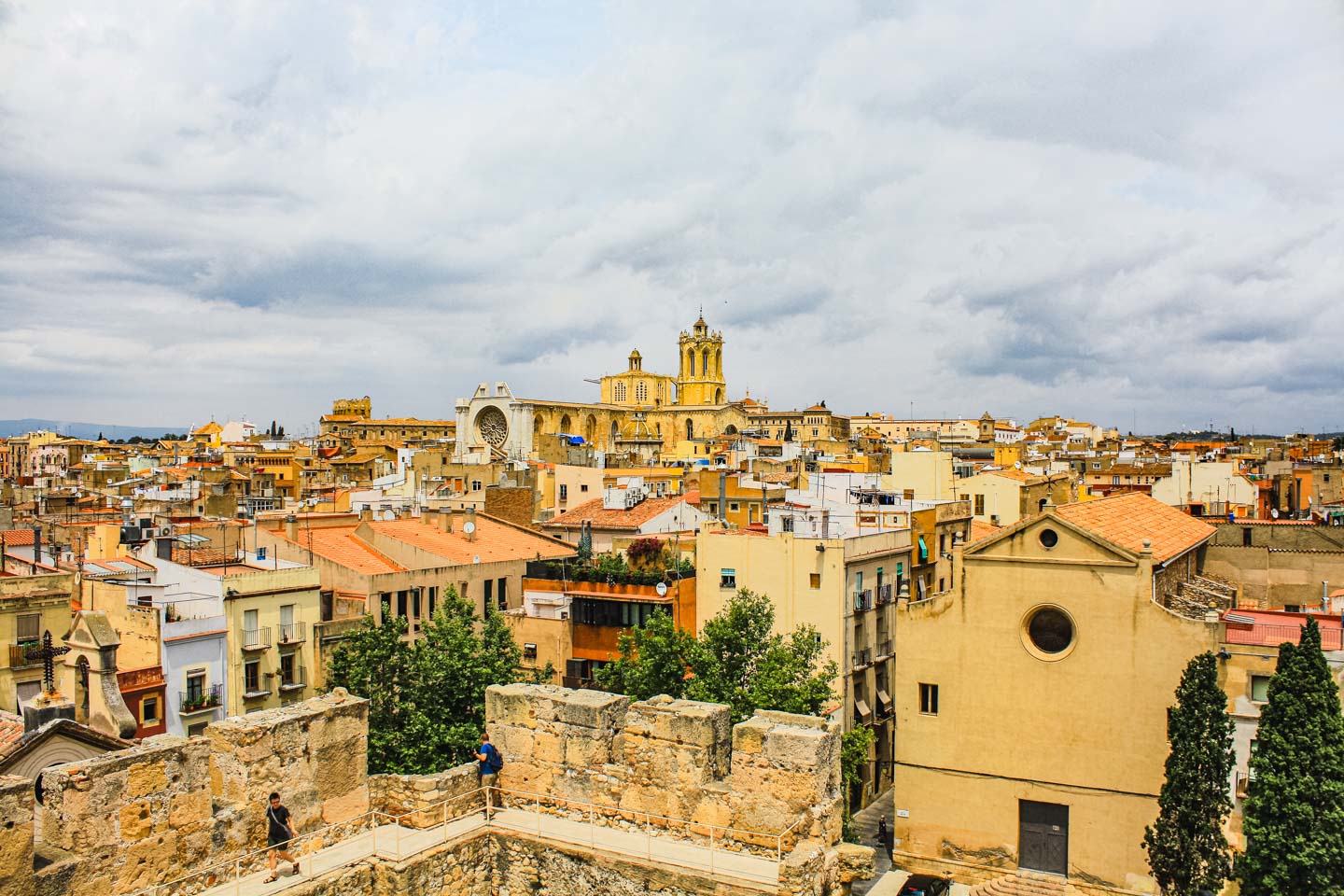
Tarragona closes this list in very good style. It’s a city where history is present at every step, but doesn’t overwhelm – rather, it naturally weaves into everyday life.
Its roots reach back to Roman times, and many monuments listed as UNESCO World Heritage Sites have been preserved here.
A walk along the city walls, a visit to the amphitheater located right by the sea, the Roman circus, or the extensive necropolis make the past tangible and very close.
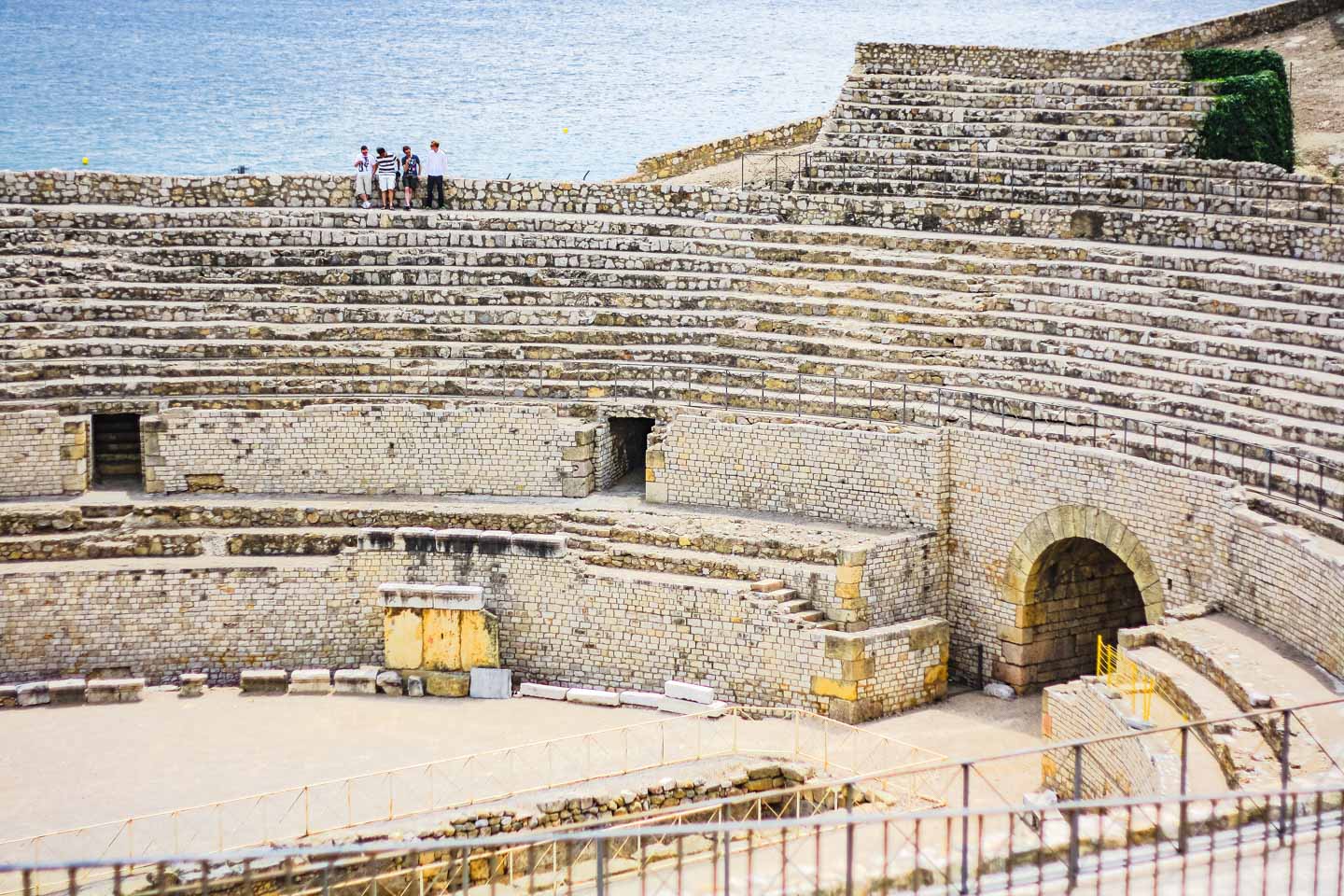
At the same time, Tarragona can be light and summery. There are beaches here where you can simply sit, take off your shoes, and rest after sightseeing, listening to the waves and looking at the horizon line.
It’s also a good place for food. Local cuisine is based on simple ingredients: tapas, fresh seafood, and Catalan classics taste best here in small restaurants, without rushing and without any fuss.
Tarragona is a city that balances history and everyday life well. Ideal for ending a trip through Catalonia – calm, authentic, and very grounded.
How Do You Want to Continue Your European Journey?
🏙️ City with character → Barcelona in One Day – calm sightseeing plan, without running and pressure
🌊 Mediterranean rhythm → Best Things to Do in Istria – sea, stone towns, and slow pace
🌾 Silence and nature → Comporta, Portugal – wild beaches, light, and space to slow down
🍷 Landscapes and taste → Douro Valley, Portugal – practical guide to the wine and terrace region
What calls to you more now – city, sea, or the silence of nature?
Catalonia Beyond Barcelona: Summary
Now you know that Catalonia is much more than Barcelona.
It’s a region best discovered slowly – getting off the main routes, checking out smaller towns, and giving yourself space for spontaneous stops.
Catalonia captivates with its diversity: from stone towns with history, through raw landscapes and wild nature, to places by the sea where it’s easy to slow down and simply be.
It’s an ideal destination if you’re looking for travel with soul – without pressure, without checking off attractions.
I hope this guide inspires you to look at Catalonia more broadly and encourages you to discover its less obvious, quieter corners. Those that stay in memory longer.
Save this pin on Pinterest if you’re planning a trip to Catalonia beyond Barcelona or want to come back to this guide later.