
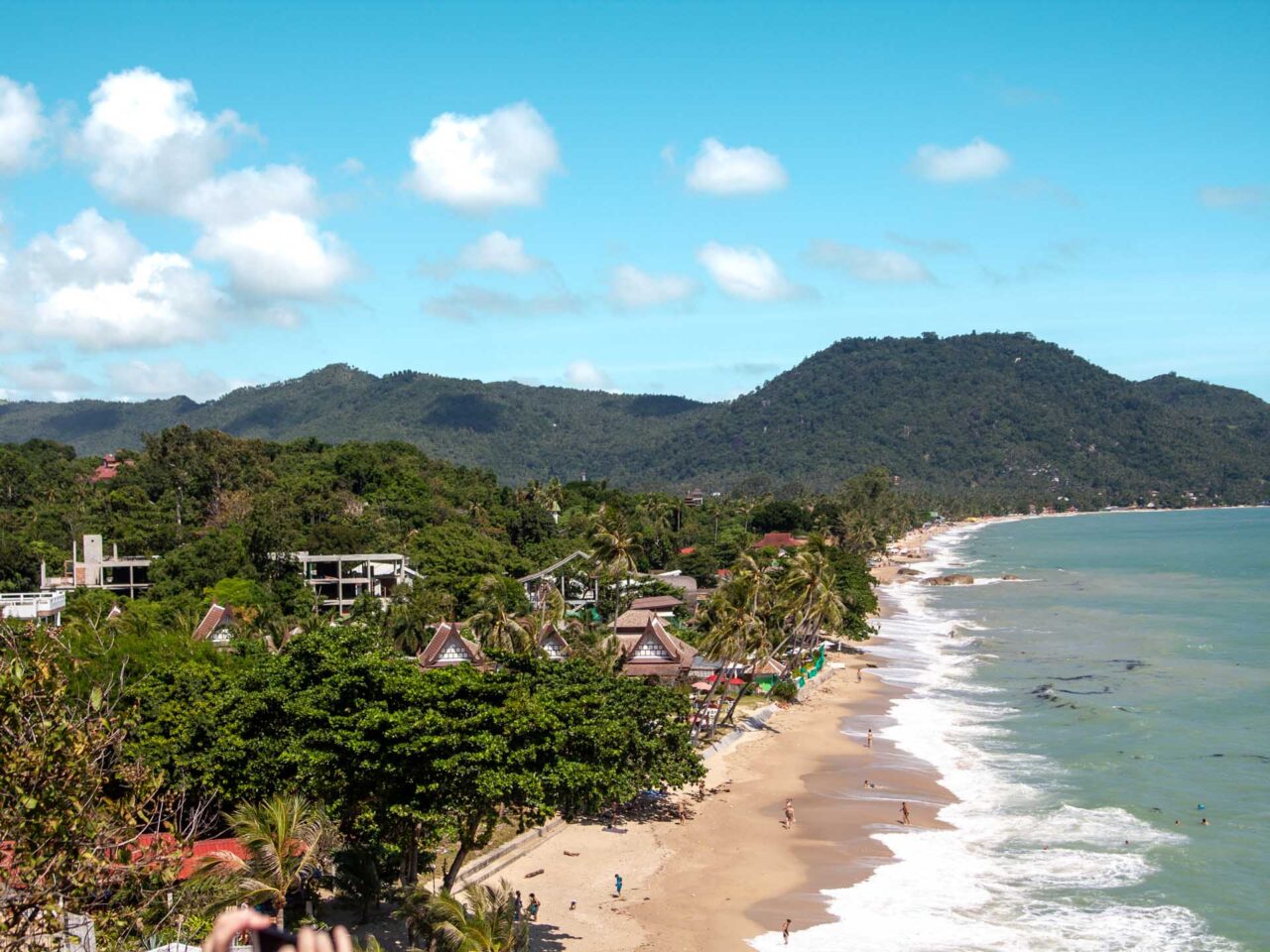
Planning a trip to Koh Samui and wondering what’s really worth seeing there?
I’ve put together a relaxed, practical Koh Samui travel guide, based on my own experience.
Koh Samui is a place of contrasts – long, bright beaches, the island’s green interior with waterfalls, reefs right by the shore, and everyday life that moves slower than on the mainland.
It works well for both couples seeking a moment of respite and those traveling with family.
In this guide, you’ll find the most interesting places in Koh Samui, tried-and-tested restaurants, and practical tips that will help you plan your stay without rush or chaos.
If you want to see Koh Samui at your own pace – let’s begin.
Planning a broader trip through Thailand? Check out my complete Thailand travel guide to help you plan the perfect route.
Koh Samui Travel Guide: Overview
Koh Samui is Thailand’s second-largest island, right after Phuket, but its character is completely different. There’s less rush here, more greenery, and everyday life that still moves to its own rhythm.
The island is famous for long, bright beaches, coconut palms, and coral reefs visible right by the shore.
For many years, its residents lived mainly from coconut cultivation and fishing, and tourism only appeared with the opening of the airport in the 1980s.
From that moment, Koh Samui began to change, but you can still find places here that have preserved their local atmosphere.
Today the island attracts people seeking both relaxation and activities – from snorkeling and kayaking to jungle walks and waterfalls.
There’s also a wide choice of accommodation: from simple bungalows to more comfortable hotels.
But Koh Samui is more than beaches and turquoise water.
You’ll find waterfalls hidden in the island’s green interior, the distinctive Big Buddha statue, night markets full of Thai aromas and flavors, and the opportunity to visit Ang Thong National Park.
It’s a place you can explore slowly – piece by piece, without an overstuffed schedule.
When’s the Best Time to Visit Koh Samui
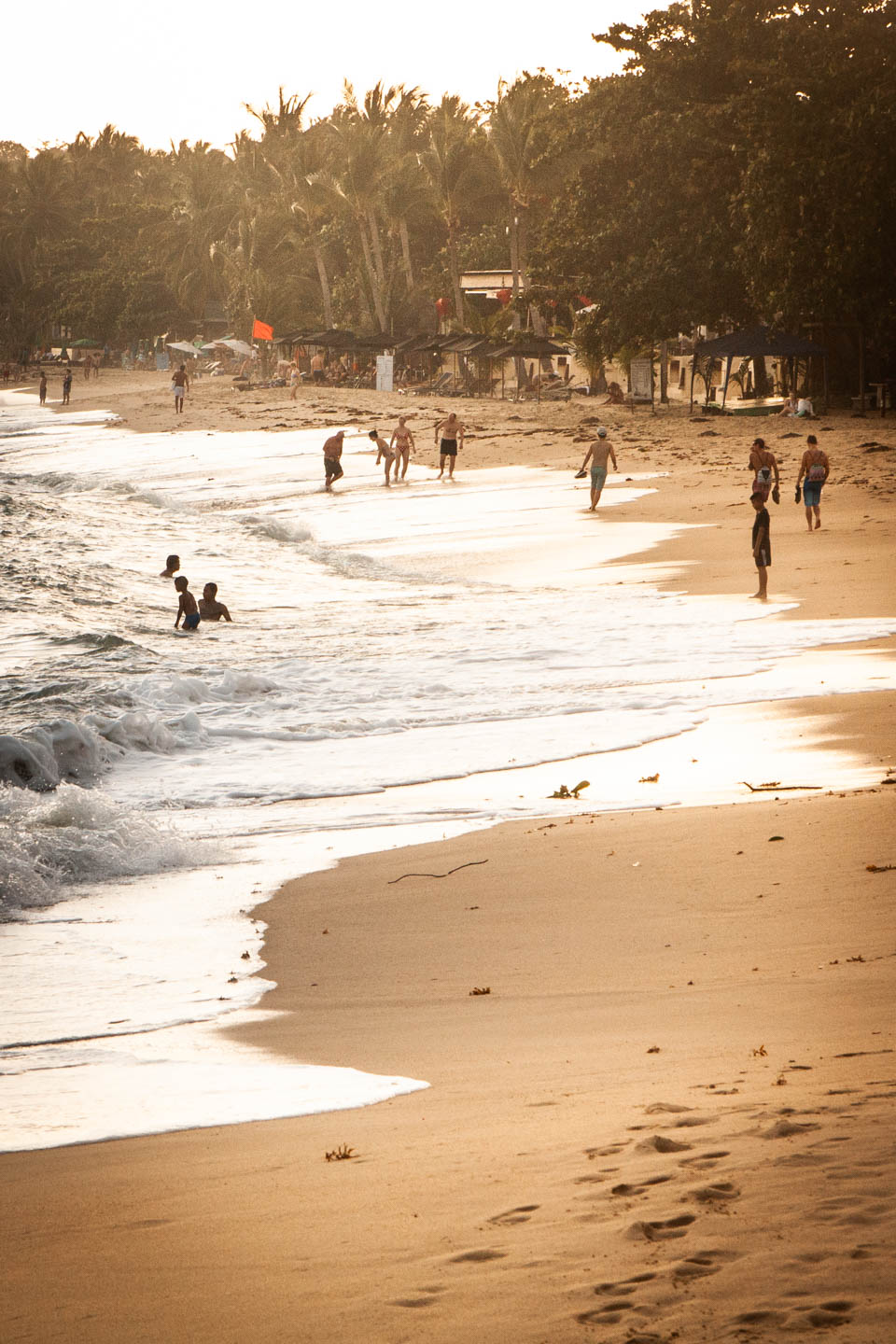
The best time to visit Koh Samui is the dry season, which falls roughly from December to February. That’s when the island shows its most postcard-perfect side.
December–February means lots of sunshine, more pleasant temperatures, and lower humidity. Perfect conditions for beach time, snorkeling, and relaxed island exploration.
Just remember that this is also peak season, so there are more tourists and accommodation prices can be higher.
March–August is hotter and more humid, but still very good for travel, especially if you like heat and high temperatures don’t bother you.
March and April are still great times to visit, and in April there’s the added attraction of Songkran, Thai New Year, which can turn the whole island into one big water party.
September-November is the rainier season. Showers are more frequent, storms happen, but in return you can count on lower prices and a much calmer atmosphere.
Even during this period there are sunny days, and rain is often short and intense.
I was in Koh Samui in December and enjoyed beautiful weather most of the time.
Rain appeared sporadically and usually passed quickly, not interfering with either beach time or exploring the island. showers, but they didn’t mess with my beach time or exploring at all.
How to Get to Koh Samui
The simplest and fastest way to reach Koh Samui is a direct flight from Bangkok.
The journey takes about 1 hour and 15 minutes, with connections from Suvarnabhumi Airport (BKK) and Don Mueang (DMK).
Flights are mainly operated by Bangkok Airways and Thai Airways.
Ticket prices can vary significantly depending on season and booking time – off-season you can find better deals, while during peak periods prices can be much higher.
Looking for cheap flights? See how to find the best flight prices.
If you have more time or want to limit your budget, a good alternative is overland travel to Surat Thani, then a ferry crossing to the island.
From Bangkok you can get to Surat Thani by bus or train, then transfer to the port and take the ferry.
The whole route takes several hours, but it’s a popular choice for those traveling at a more relaxed pace.
Many companies offer combined tickets (bus or train + ferry), which greatly simplifies logistics and avoids planning transfers yourself.
Regardless of your chosen option, booking in advance usually means better prices and more departure time options.
Where to Stay in Koh Samui
Your choice of accommodation in Koh Samui has a big impact on how you’ll experience the island. Each part of Samui has a slightly different rhythm, so it’s worth matching the location to your travel style.
Chaweng Beach
Chaweng is the liveliest part of the island. If you like restaurants, bars, and nightlife, while wanting everything within walking distance, this is a good choice.
The beach here is wide and bright, and infrastructure is very developed.
You’ll find both larger, more luxurious hotels and simpler guesthouses in various price ranges. This is the place for people who want to be in the center of the action.
Bophut
Bophut has retained the atmosphere of an old fishing village and is a great choice for those seeking a more local atmosphere.
Walking through Fisherman’s Village, good restaurants, and the evening market create a very pleasant, calmer vibe here.
Accommodation in Bophut consists mainly of boutique hotels and family resorts, often located close to the beach. It’s a good option if you want to combine comfort with atmosphere and a touch of culture.
Lamai Beach
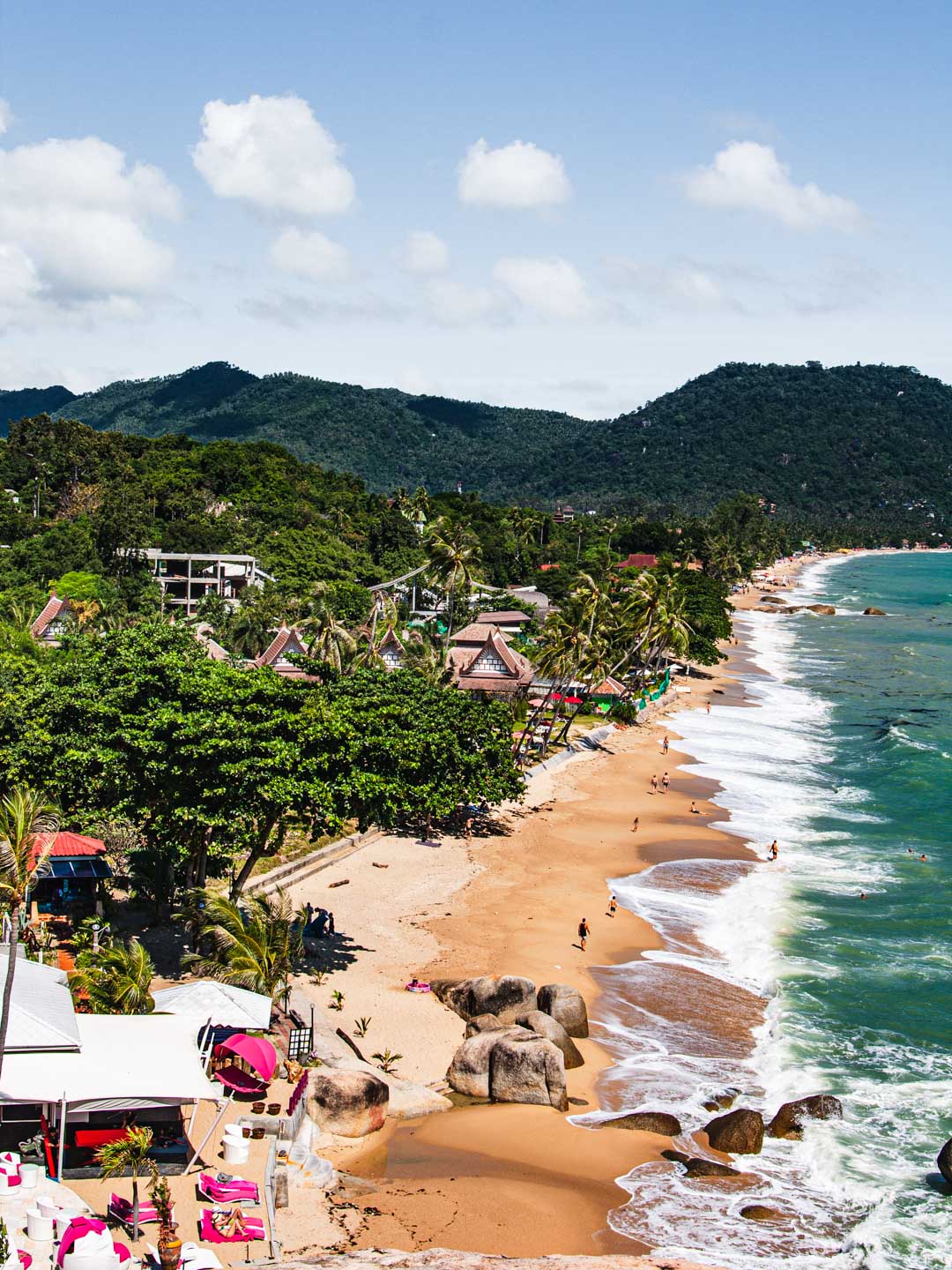
Lamai Beach is a quieter alternative to Chaweng.
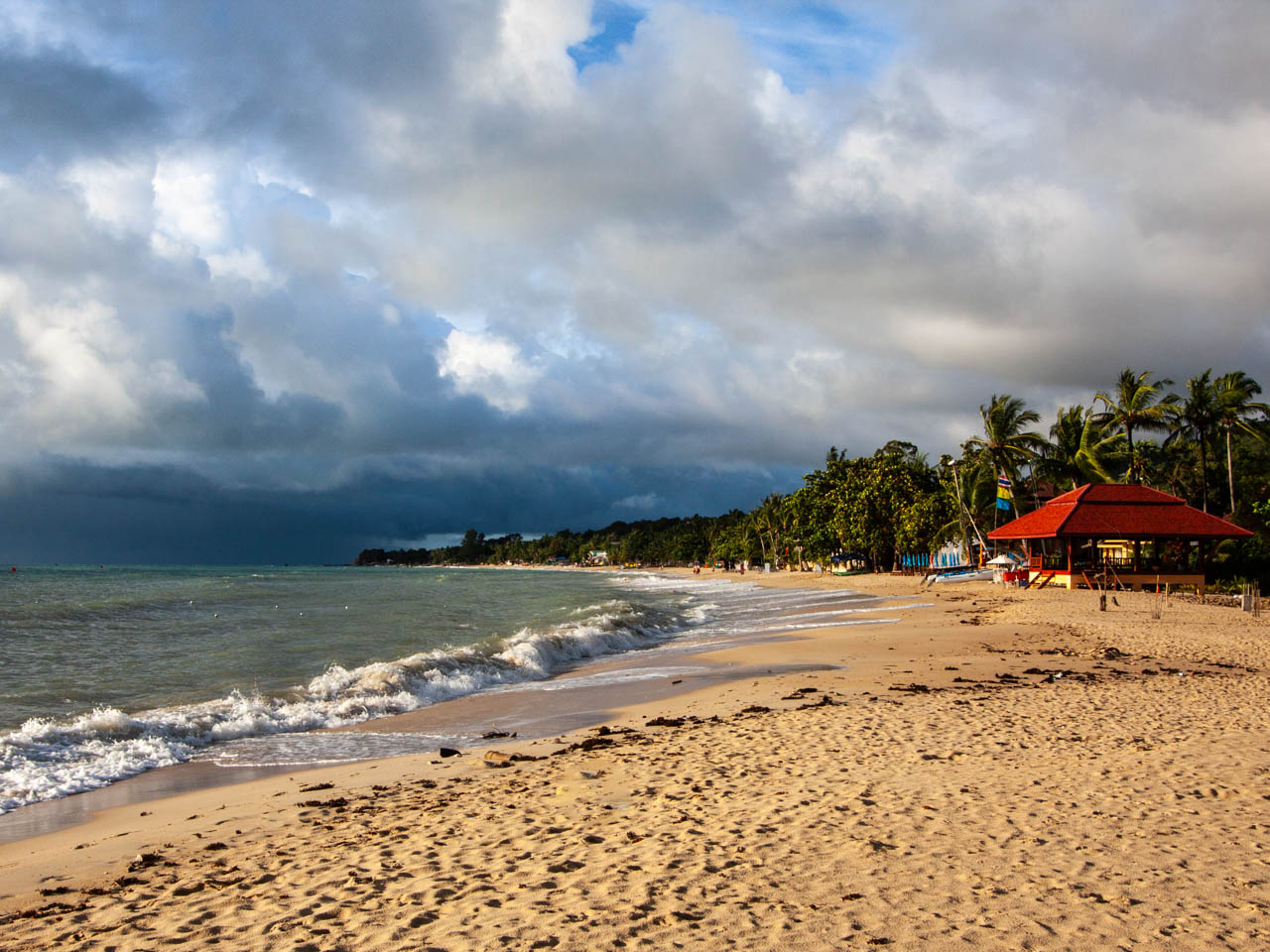
The atmosphere here is more relaxed, less party-focused, but still with a good selection of restaurants and cafes. The beach is wide, golden, and ideal for long walks.
This is exactly where we chose as our base for exploring the island. The peace, beautiful beach, and smaller crowds compared to Chaweng made us feel good right away.
It’s a great place if you want to slow down and truly rest.
Zara Beach Resort
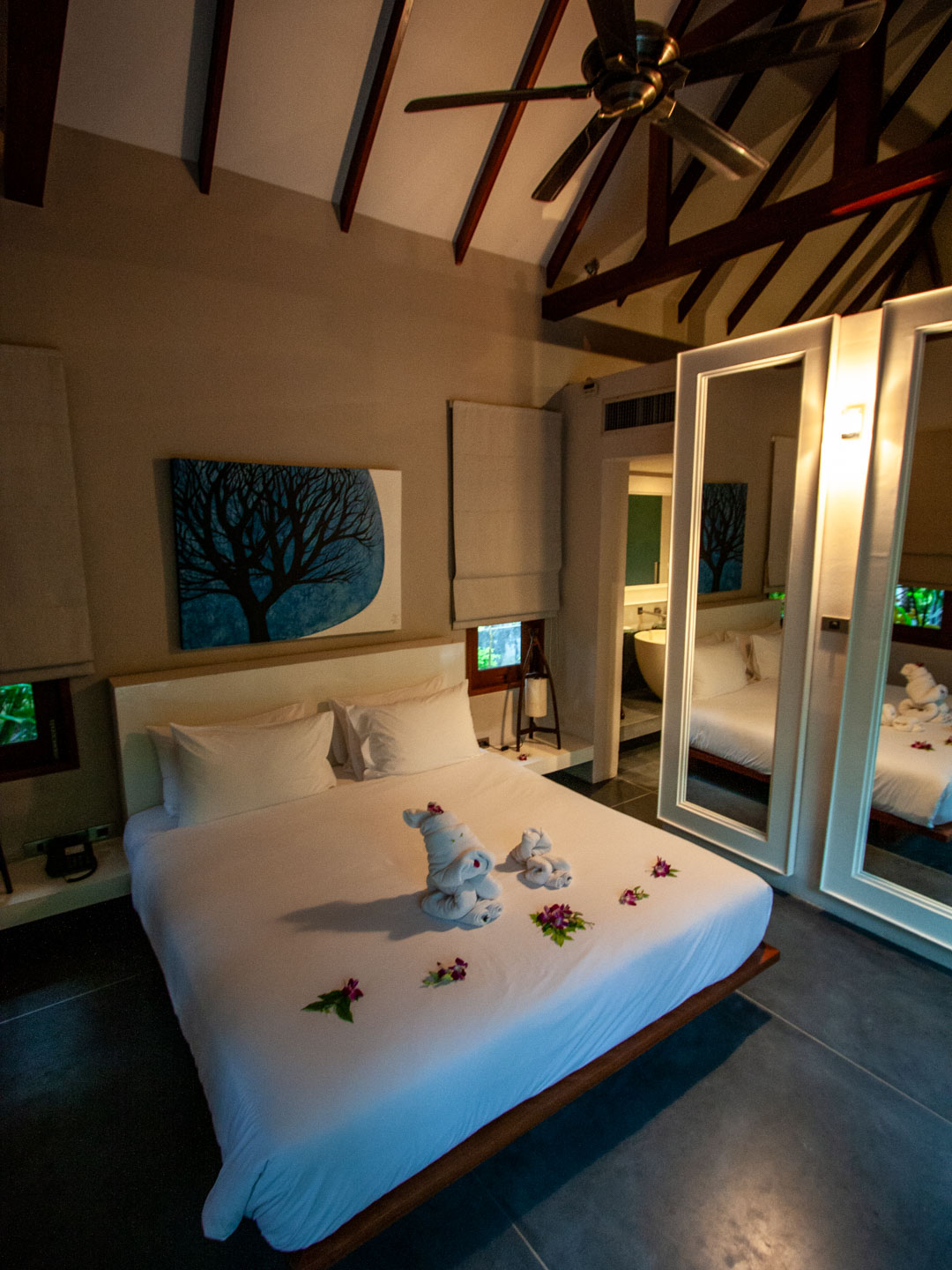
If you’re planning accommodation in Lamai Beach, I can wholeheartedly recommend Zara Beach Resort. This is exactly where we stayed and it was one of those places where you immediately feel you can slow down.
In the afternoon, the hotel restaurant transforms into a cozy space right by the beach – perfect for dinner with Thai dishes and ocean views.
The staff is warm and attentive, without unnecessary pretension.
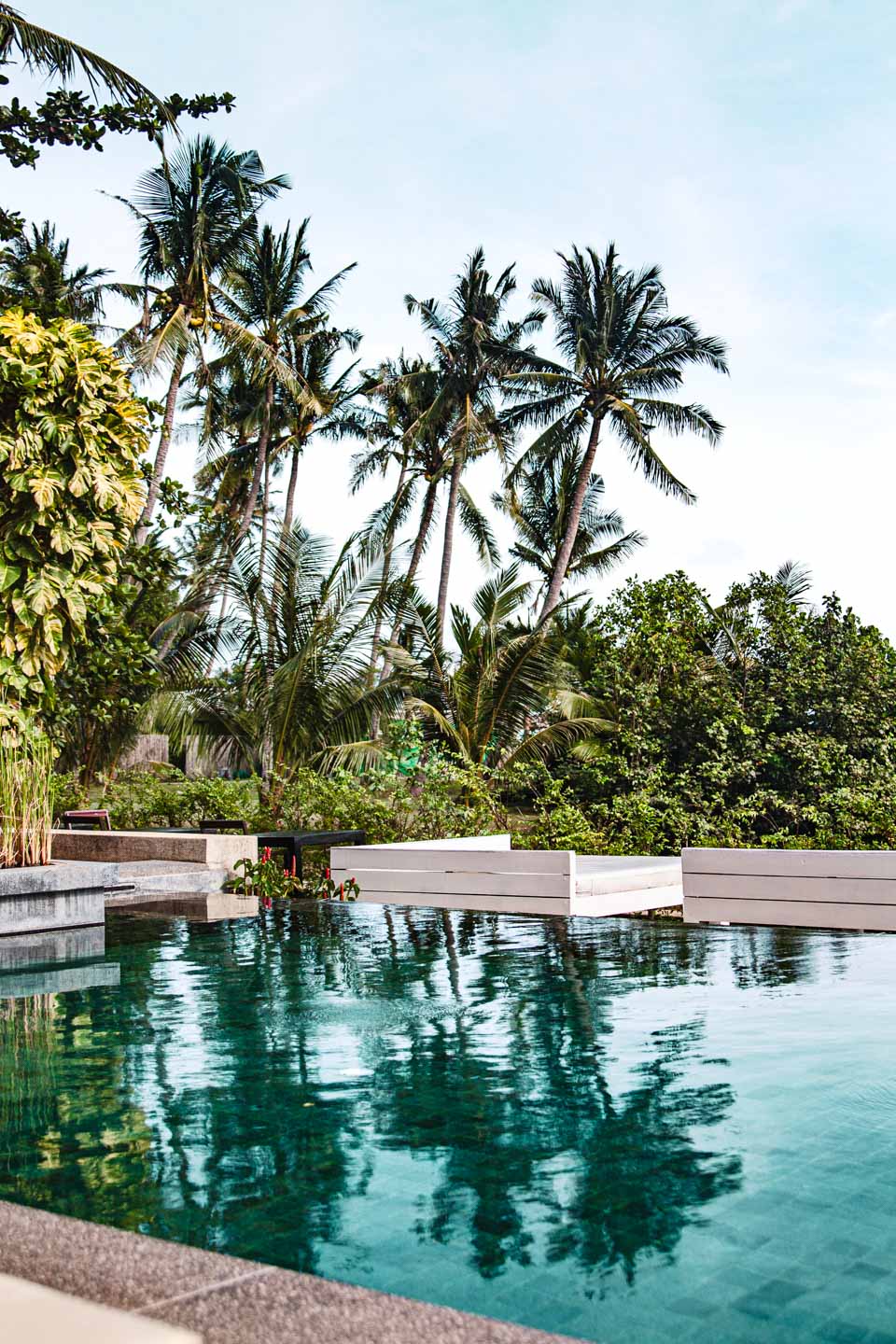
The resort offers outdoor massages, spa treatments, beach loungers, and an infinity pool where it’s easy to lose track of time.
The whole place is surrounded by a well-maintained, green garden where spacious villas are located – some with private pools, ideal for peaceful evenings.
We especially fondly remember mornings at the beach restaurant – with coffee or a light cocktail in hand and views of the calm bay. It’s one of those places that encourages simple rituals and real rest.
If you’re looking for comfortable but unobtrusive luxury, Zara Beach Resort will be a very good choice.
What to Do in Koh Samui
Ang Thong National Park
During your stay in Koh Samui, it’s worth planning at least one day off the island and visiting Ang Thong Marine National Park.
It’s an archipelago located about 30 km from Samui, accessible during day trips by speedboat.
Ang Thong consists of 42 almost untouched islands, scattered across the turquoise waters of the Gulf of Thailand.
The landscapes here are truly exceptional: steep limestone cliffs, hidden bays, bright beaches with soft sand, and characteristic emerald lakes hidden in the islands’ interior.
The park is a protected area, and its wild nature still makes a huge impression.
You can encounter langurs, otters, eagles, hornbills, and in the water whole schools of colorful fish, ideal for snorkeling. It’s one of those places where nature plays the leading role.
One of the park’s most spectacular points is the viewpoint on Ko Wua Ta Lap island.
A short but fairly steep climb leads to it. The effort quickly pays off, though – the view of islands scattered across the sea stays in memory for a long time.
Most people visit Ang Thong during a day trip from Koh Samui or Koh Phangan, but overnight stays are also possible.
Simple bungalows and a camping area are available on Ko Wua Ta Lap, though accommodation is very limited and rather for those seeking quiet and close contact with nature.
The best time to visit the park is spring months, especially March and April.
It’s worth avoiding November and December, when sea conditions can be more difficult due to monsoon season.
Park entry is paid (park fee) and usually not included in tour prices, so it’s worth having cash with you.
It’s one of those places that show how wild and diverse Thailand can be – and the perfect counterpoint to peaceful days spent on Koh Samui’s beaches.
Hin Ta and Hin Yai Rocks (Grandma & Grandpa)
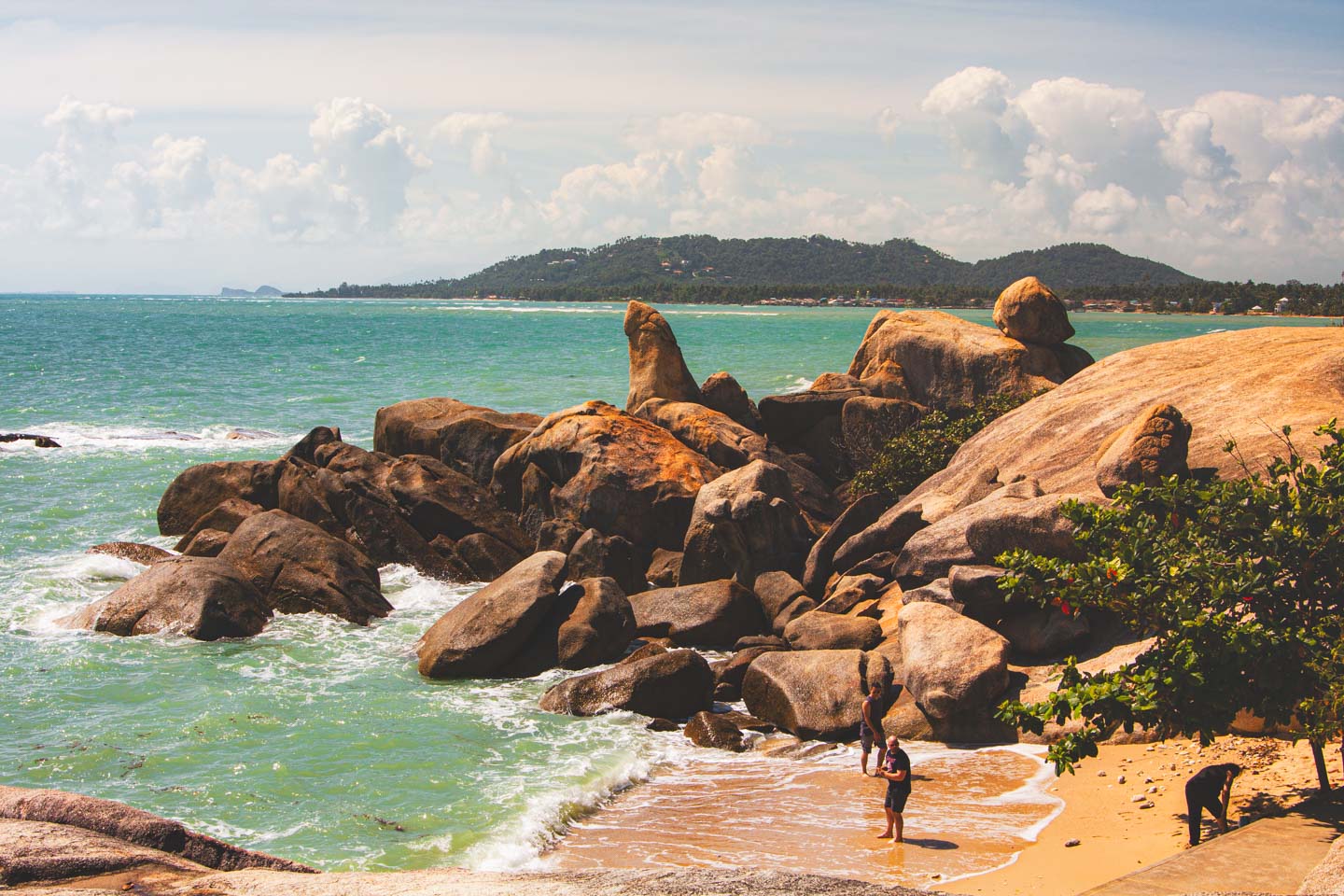
One of Koh Samui’s most distinctive places are the Hin Ta and Hin Yai rocks, known as Grandma and Grandpa.
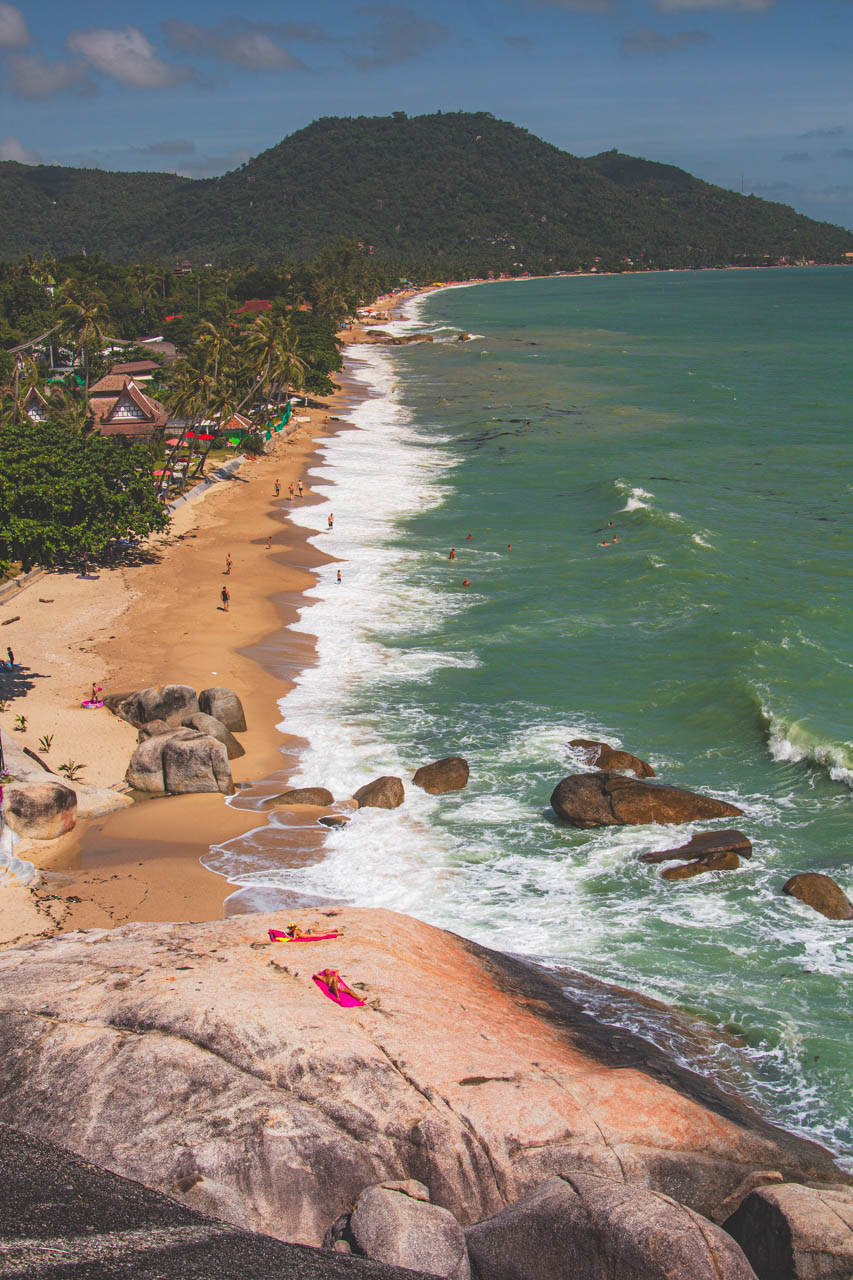
These are natural rock formations located on the island’s southeastern coast, between Lamai and Hua Thanon.
The rocks gained popularity due to their rather literal shape, resembling male and female genitalia.
Thais, however, look at this place not only with a wink – it’s connected to a local legend.
According to the story, grandfather Ta Kreng and grandmother Yai Riem set out on a sea journey to ask for the hand of a man named Ta Monglai’s daughter.
Unfortunately, during the crossing their boat was destroyed by a storm, and the couple perished at sea.
In recognition of their sincere intentions and faithfulness to tradition, they were transformed into rocks that can still be seen on the island’s shore today.
The road to Hin Ta and Hin Yai leads down a narrow alley full of stalls with souvenirs, handicrafts, and local treats.
It’s worth trying traditional Thai sweets here, such as sticky kalamie candies, often sold in simple, family-run shops.
The rocks themselves are located right by the sea and offer nice views of the bay.
It’s a good spot for a short stop while exploring the island, a moment’s walk, and a few vacation photos – with humor, but also a touch of local history.
Na Muang Waterfalls
No Koh Samui travel guide is complete without mentioning Na Muang Waterfalls.
This is one of those places where you can escape the beaches for a moment and immerse yourself in the greener, jungle side of the island.
Na Muang waterfalls are surrounded by lush tropical vegetation and create natural pools where you can cool off on hot days.
The whole place has a very pleasant, calm atmosphere, especially outside peak hours.
The first waterfall, Na Muang 1, is literally a few minutes’ walk from the parking lot. This is the most accessible part of the complex and therefore most popular among tourists and local residents.
If you’re up for a short walk, it’s worth climbing higher to Na Muang 2. The trail is short, and at the end a higher waterfall and much more peace await.
It’s a good place for a moment of rest and looking at the island from a different perspective.
Entry to Na Muang waterfalls is free, making them a great stop while exploring Koh Samui.
It’s best to plan your visit early morning or late afternoon, when it’s cooler and there are significantly fewer people.
How do you want to explore Thailand?
🏙️ Urban adventures → What to see in Bangkok – top attractions and restaurants
🏔️ Mountain adventure → Chiang Mai guide – temples and local food
🏝️ Paradise beaches → 5-day Krabi travel itinerary
🗺️ Complete plan → Complete Thailand itinerary for 2 weeks
What attracts you most?
Sunday Night Market in Lamai
If you like street food and local atmosphere, check out Lamai Night Market, which takes place every Sunday in Lamai. It’s one of those places where the island really comes alive in the evening.
Stalls set up along Had Lamai Road from about 4:00 PM.
You can try classic Thai wok dishes, aromatic curries, and fresh fish and seafood prepared on the spot.
For dessert, be sure to stop at a roti stall – thin pancakes fried on a hot plate, served with banana, condensed milk, and chocolate. Simple, sweet, and very Thai.
Between stalls there’s often live music and short performances by local artists, and the whole thing has a relaxed, natural vibe.
Sunday night market in Lamai is the perfect plan for a peaceful evening after a day of exploring.
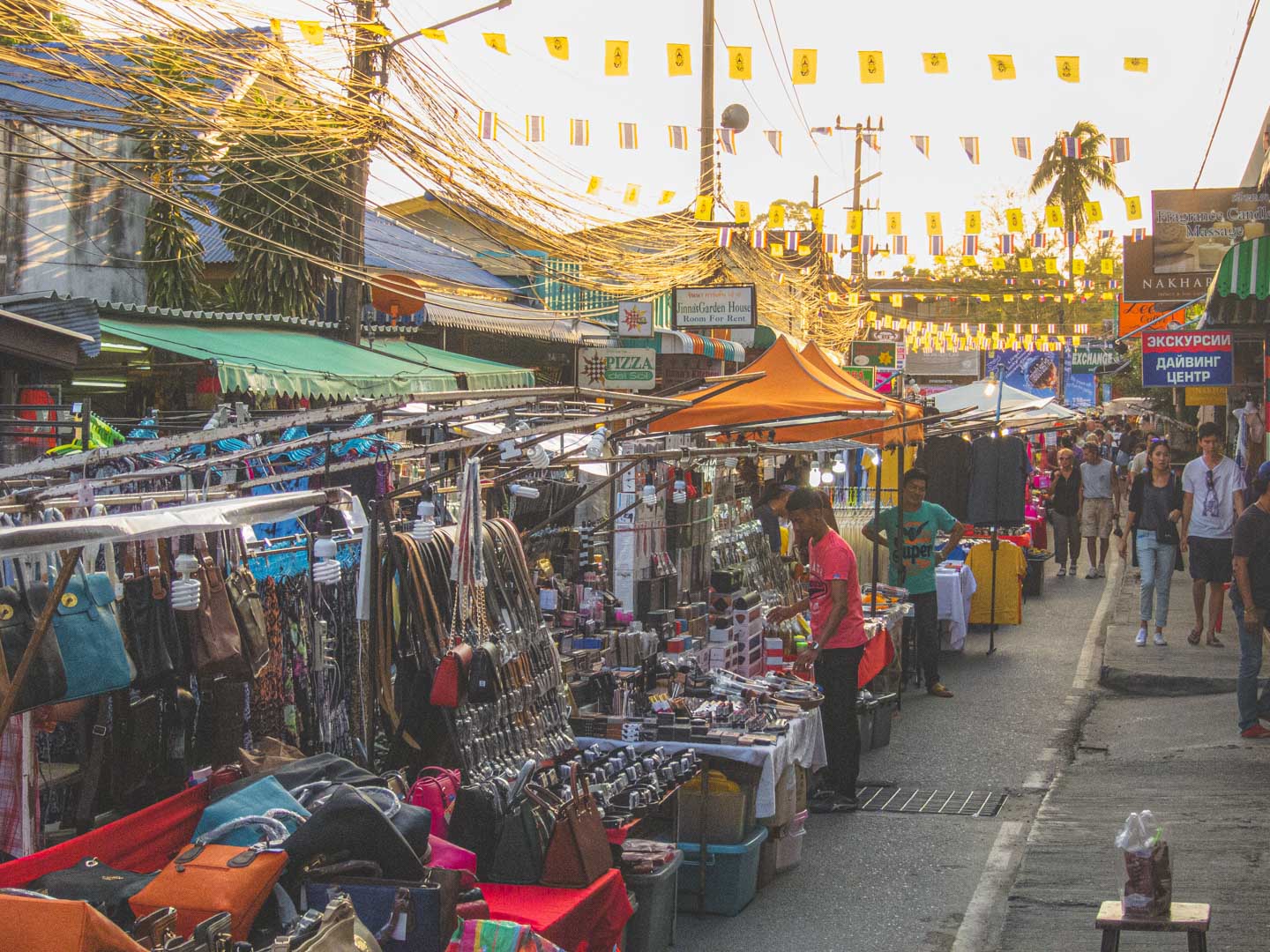
Big Buddha Temple
One of Koh Samui’s most recognizable places is Wat Phra Yai, known as the Big Buddha Temple. It’s one of those attractions you see in photos before even arriving on the island.
The complex’s central point is a monumental, golden Buddha statue, rising over 12 meters high. Visible from afar, it impresses both in scale and the peaceful atmosphere of the place.
Around the temple you’ll find smaller Buddha statues, colorful souvenir stalls, and a few simple eateries. Right next door is also Big Buddha beach, good for a short walk or moment of rest after sightseeing.
Remember about appropriate attire – shoulders and knees should be covered, and shoes must be removed before entering the temple grounds.
Entry is free, so it’s an easy and pleasant point to add to your day’s plan.
Before heading to Thailand, also read 10 things to avoid so your trip goes smoothly.
Where to Eat on Koh Samui
Kob Thai Restaurant, Lamai
If you’re looking for a quiet dinner spot in Koh Samui, away from the main road and tourist hustle, check out Kob Thai Restaurant.
The restaurant is hidden in a green garden and from the first moment has a very pleasant, almost homey atmosphere.
Guests can use the shared pool, which is a nice addition, especially if you’re traveling with kids or just want to slow down.
After dark the place takes on special charm thanks to atmospheric, warm lighting.
Kob Thai is run by a French owner – quite characteristic for Koh Samui, where European influences subtly mix with Thai cuisine.
The tasting menu for two starts at about 1,390 baht and lets you try several dishes at a relaxed pace.
During our visit, the aromatic seafood curry particularly stuck in my memory – intense in flavor, but very well balanced.
It’s one of those places where dinner becomes part of the evening ritual, not just a quick meal.
Want to discover more Thai flavors? Check out my list of 10 dishes you absolutely must try in Thailand.
Tandoori Nights, Lamai
If you’re craving authentic Indian cuisine in Koh Samui, definitely check out Tandoori Nights, near Lamai center.
This is one of those places you return to without thinking – delicious food, very friendly service, and prices that really please.
The lunch set costs about 300 baht, so it’s also a great option for everyday meals.
Tandoori Nights is famous for intensely aromatic curries, served in solid portions.
During our stay we ate here several times, and absolute favorites included sizzling chicken and mango lassi, perfect for cooling down after a hot day.
If you like Indian flavors and want to take a break from Thai cuisine for a moment, this place is really worth adding to your list.
Sala Thai Restaurant, Lamai
Sala Thai Restaurant is one of the best-rated restaurants in Lamai and a place that’s easy to spot from the threshold – fresh seafood displayed on ice makes an impression from the first moment.
The restaurant is decorated in traditional Thai style, and tables are set up in an atmospherically lit garden.
Though this place is definitely popular among tourists, the food quality really holds up.
On the menu you’ll find Thai cuisine classics and fresh fish and seafood, including red snapper and lobster.
We chose beef in oyster sauce and chicken with Thai basil – both dishes were excellently seasoned, beautifully presented, and very satisfying.
Prices range roughly from 140 to 1,000 baht, depending on your chosen dish and seafood.
It’s a good place for a quiet dinner in Lamai, especially if you’re craving classic Thai cuisine in a more elegant setting.
Travel lighter, even before you leave.
start with something simple.
Download The Minimum Plan – Slow Travel:
Koh Samui Stays with You for a Long Time
I remember my last evening in Koh Samui. I was sitting on Lamai beach, feet in warm sand, watching the sun slowly disappear beyond the horizon.
Around me I could hear the sound of waves and scattered conversations in different languages.
For several days I’d traveled around the island by scooter, swam in waterfalls’ natural pools, tried curry at the night market, and observed everyday life that moves at a completely different pace here.
But only then, in that quiet moment by the water, did I understand what Koh Samui really is.
It’s not a list of attractions to check off. It’s a rhythm that lets you slow down. A morning coffee on the beach that turns into an hour.
Another dinner at the same place, because it just feels good there. Giving up plans, because you simply don’t feel like doing anything.
Koh Samui taught me that the best travels aren’t measured by the number of places, but by the number of moments when you were truly present.
Ready for more Thai adventures?
- Complete Thailand guide – everything you need before departure
- What to see in Bangkok – discover Thailand’s capital
- 5-day Krabi travel itinerary – discover paradise beaches
- Ayutthaya in one day – perfect trip from Bangkok
Which place in Koh Samui intrigued you most? Share in the comments – I love reading about your impressions and travel plans.
If this guide proved helpful, share it with a friend who dreams of Thailand. Honest advice works best when it travels between friends.
Pin it for later!
This article contains affiliate links. If you make a booking through these links, I may earn a commission, supporting this blog. Rest assured, my recommendations are based on honest assessments, and using these links doesn't affect prices for you. Thank you for your support!