
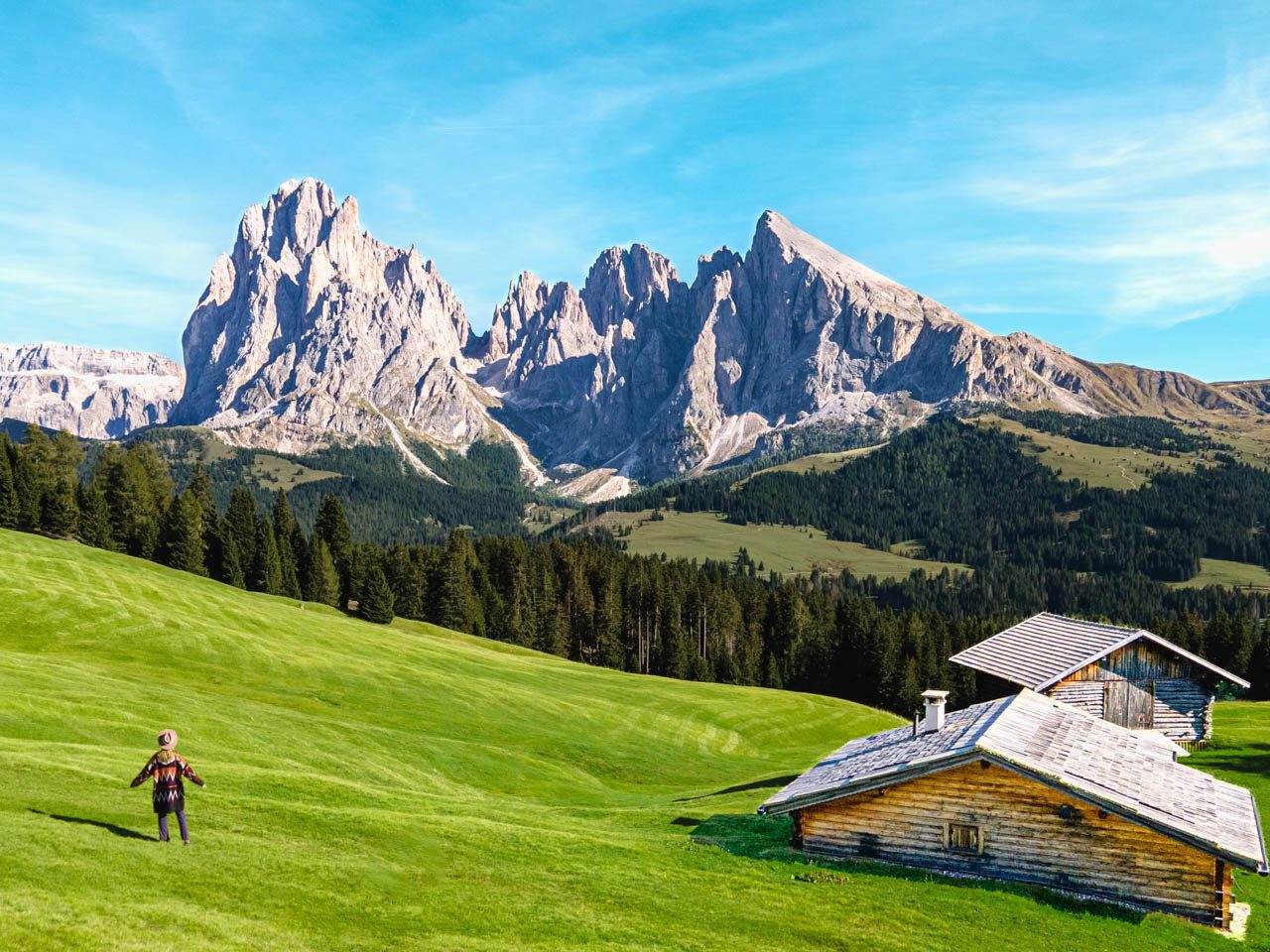
There are places that look beautiful in photos.
And then there are places that somehow look even better in real life.
For me, the Dolomites are one of those places.
Even though it’s been a while since my trip, I still remember the mornings by turquoise lakes, hikes beneath dramatic limestone peaks, and small alpine villages that looked like they belonged on a postcard.
It’s one of those regions that feels unlike anywhere else in Europe.
You’ll find spectacular mountain scenery, crystal-clear lakes, incredible hiking trails, and a unique culture shaped by Italian, Austrian, and Ladin influences.
If you’re wondering whether the Dolomites are worth visiting, here are 10 reasons why I’d happily return again.
Planning a trip to Italy? Check out my Italy travel guide – you’ll find even more tips, inspiration, and places with real soul.
1. Lakes That Look Almost Unreal
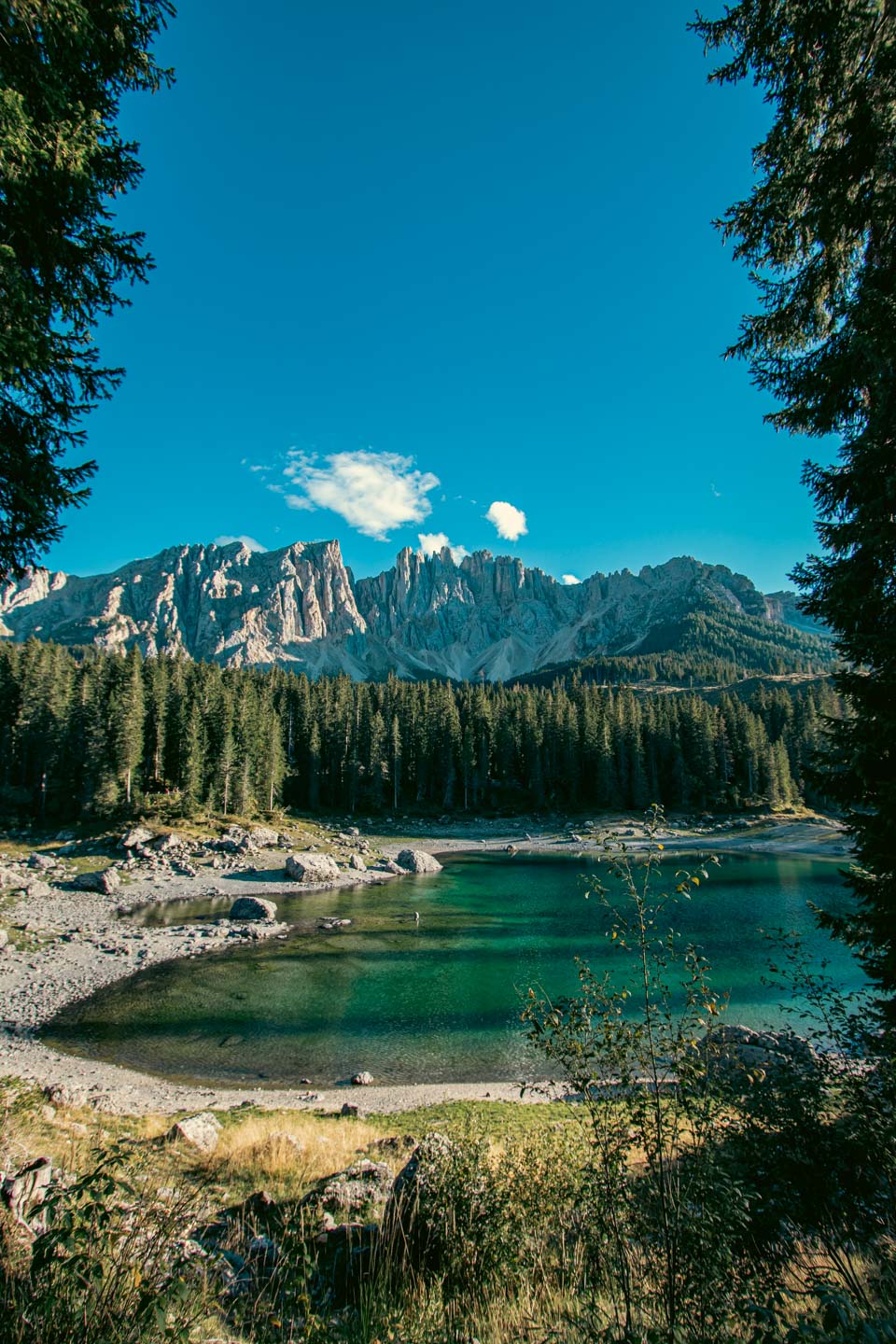
The Dolomites are home to some of the most beautiful lakes I’ve ever seen.
They look impressive in photos, but seeing them in person is something else entirely.
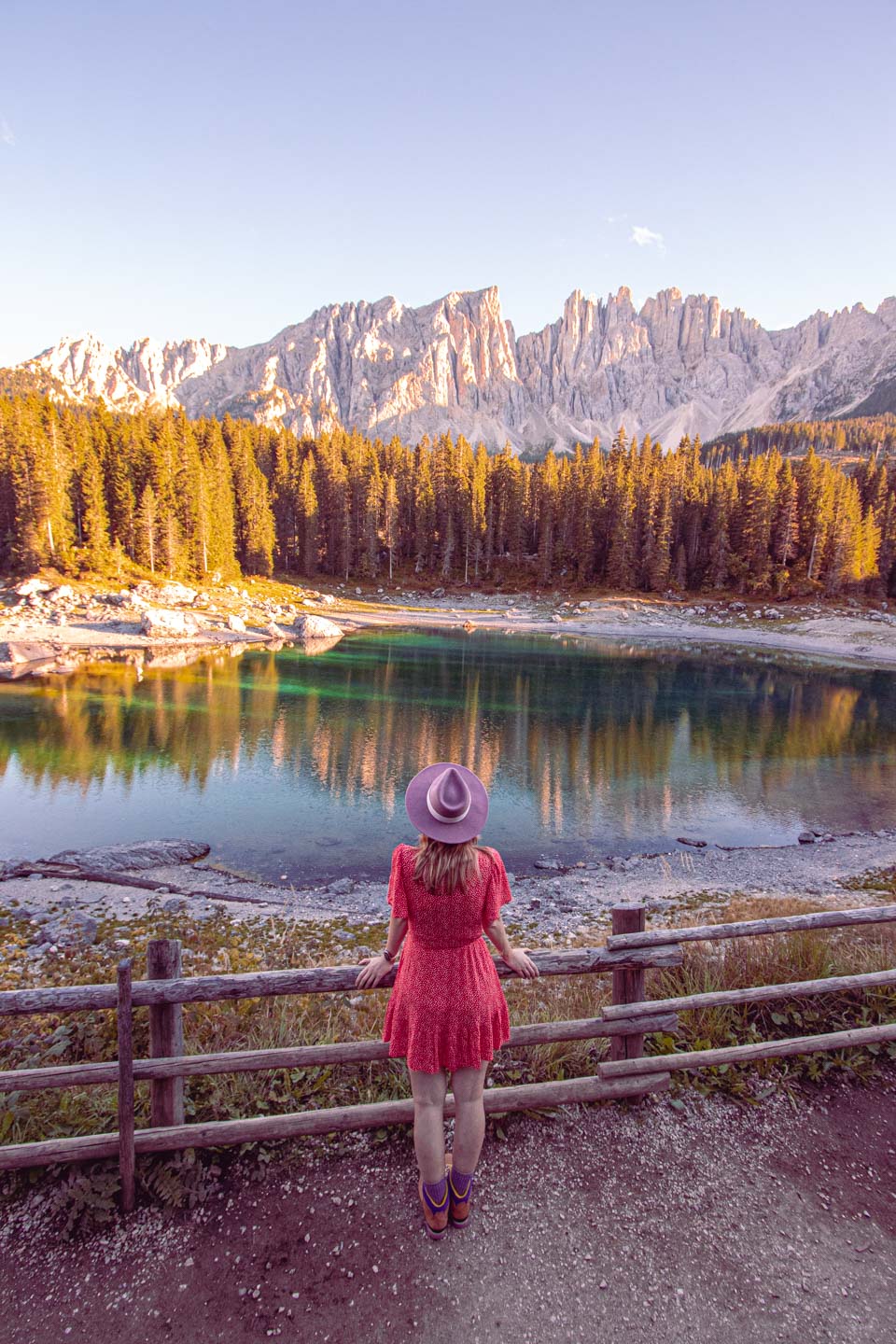
The most famous is Lake Braies (Lago di Braies), a turquoise alpine lake surrounded by dramatic mountain peaks. It’s one of the region’s most iconic places, and for good reason.
If possible, arrive early in the morning before the crowds appear. That’s when the lake feels at its most peaceful, and the water often reflects the surrounding mountains like a mirror.
One of the most popular experiences is renting one of the traditional wooden rowboats and seeing the lake from a different perspective.
But Lake Braies is only the beginning.
Throughout the Dolomites, you’ll find countless alpine lakes with remarkably clear water and spectacular settings.
To this day, they remain some of my favorite memories from the trip.
No photograph quite captures their colors or the atmosphere of the mountains surrounding them.
2. Alpine Villages Full of Character
One of the things I remember most about the Dolomites is the collection of small alpine villages scattered throughout the mountains.
Each one feels a little different, but they all share a sense of place that’s difficult to describe until you’ve experienced it yourself.
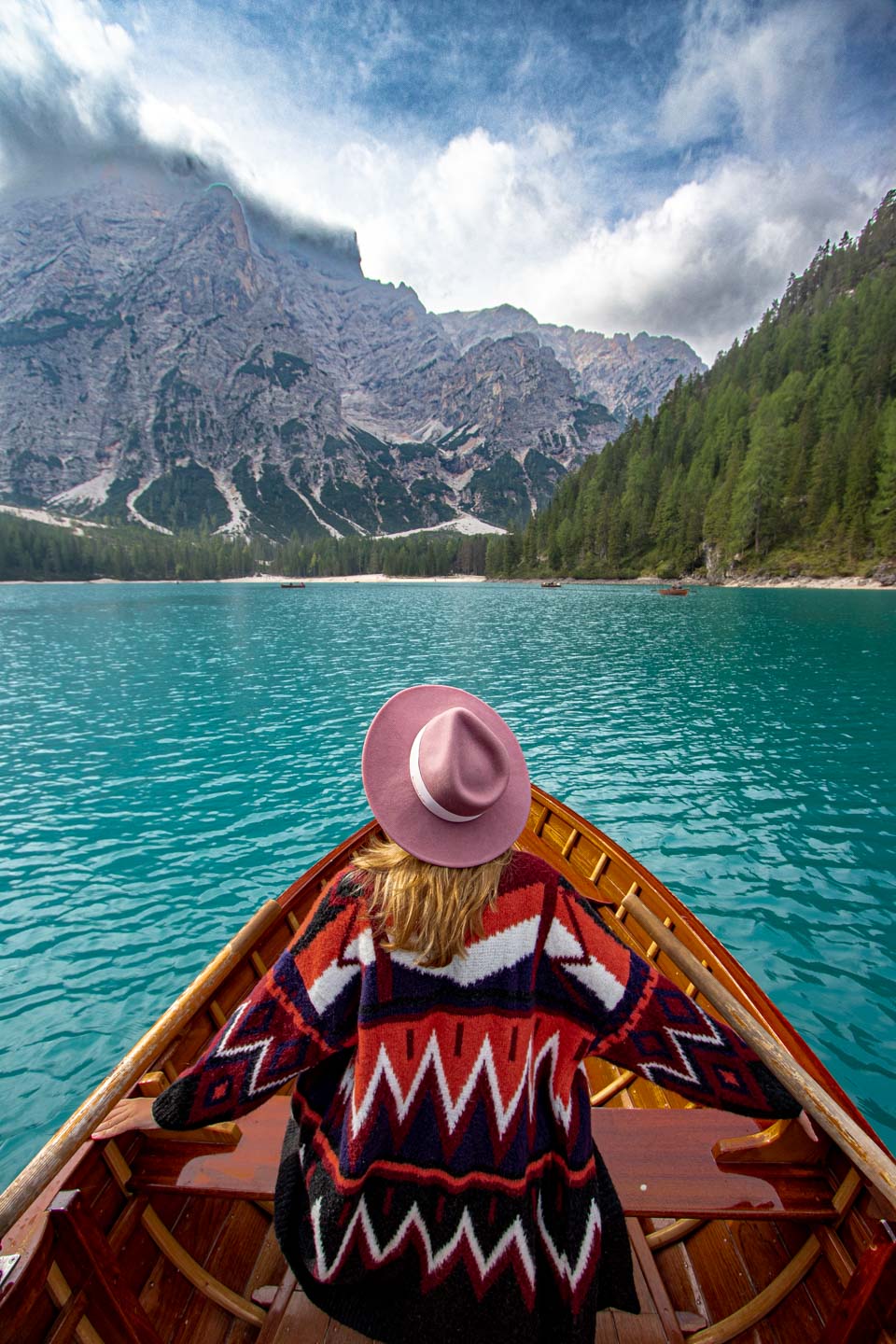
One of my favorites was Santa Maddalena, a small village in Val di Funes surrounded by green meadows and the dramatic peaks of the Odle Mountains. It looks exactly the way many people imagine the Alps should look.
Ortisei is another place worth visiting. With its wooden architecture, local shops, and relaxed atmosphere, it’s the kind of town where it’s easy to slow down, grab a coffee, and wander without a plan.
Cortina d’Ampezzo offers a different experience altogether. More elegant and lively, it’s one of the best-known resorts in the Dolomites and attracts both outdoor enthusiasts and luxury travelers.
Places like these remind me that the Dolomites are about more than mountain views.
They’re also about local traditions, small communities, and a slower pace of life that makes you want to stay a little longer.
3. A Cuisine Shaped by Several Cultures
One of the biggest surprises during my trip was the food.
Although the Dolomites are part of Italy, the local cuisine reflects centuries of Austrian and Ladin influence. As a result, it feels very different from the food you’ll find in Rome, Tuscany, or Sicily.
Many restaurants serve a mix of homemade pasta, local cheeses, hearty dumplings, mountain soups, and traditional pastries.
One dish worth trying is casunziei, crescent-shaped ravioli often filled with beetroot or pumpkin and served with butter and poppy seeds.
Another local specialty is canederli, large bread dumplings that are especially satisfying after a long day on the trails.
And of course, there is apfelstrudel, an alpine version of apple pie that pairs perfectly with a good espresso.
The Dolomites are not the cheapest region in Italy, but the food is very much part of the experience.
It’s one of the best ways to discover the unique blend of cultures that continues to shape this region today.

4. Some of the Most Beautiful Hiking Trails in Europe
The Dolomites are a paradise for hikers.
Whether you’re looking for a gentle walk through alpine meadows or a full day in the mountains, you’ll find trails for every experience level.
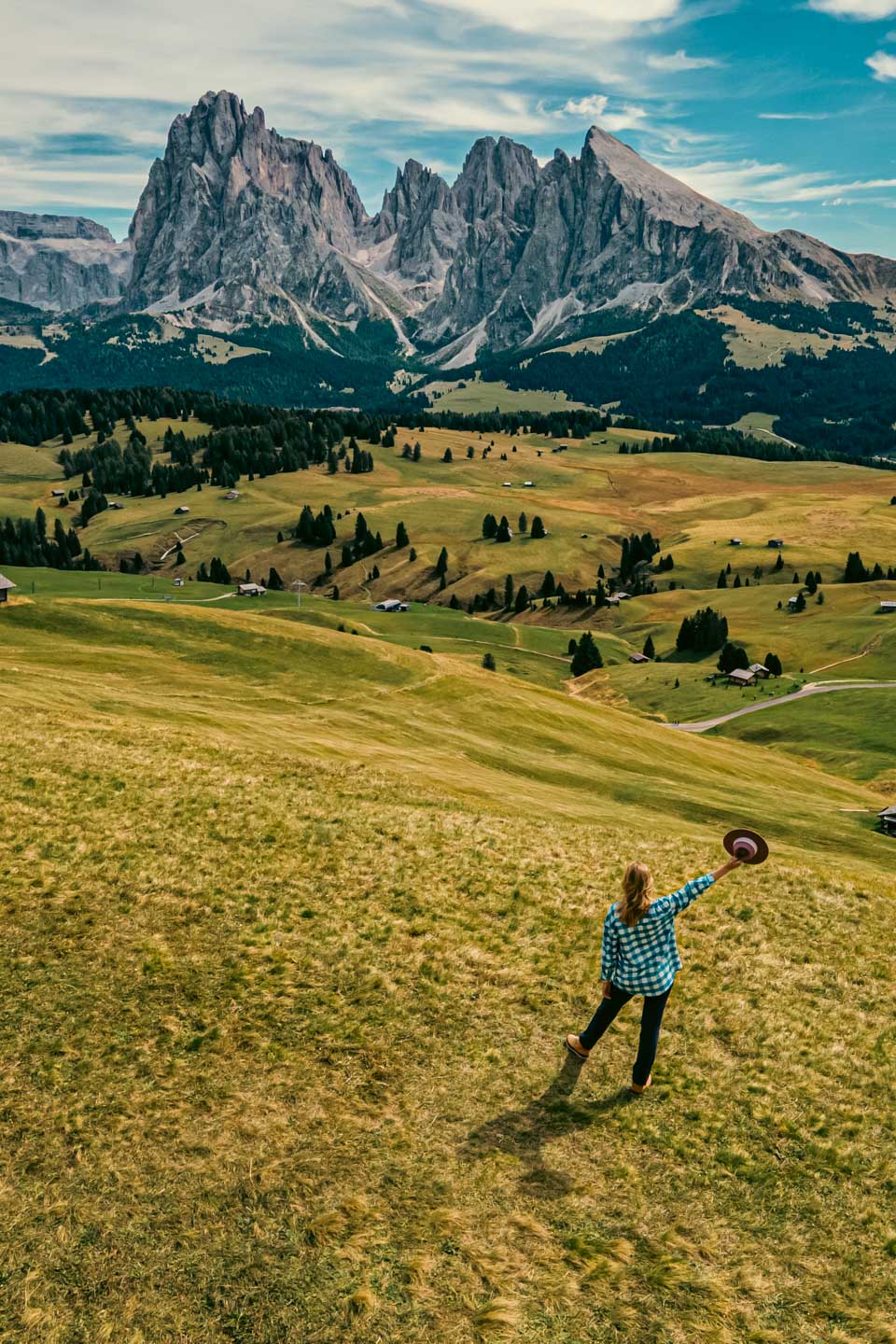
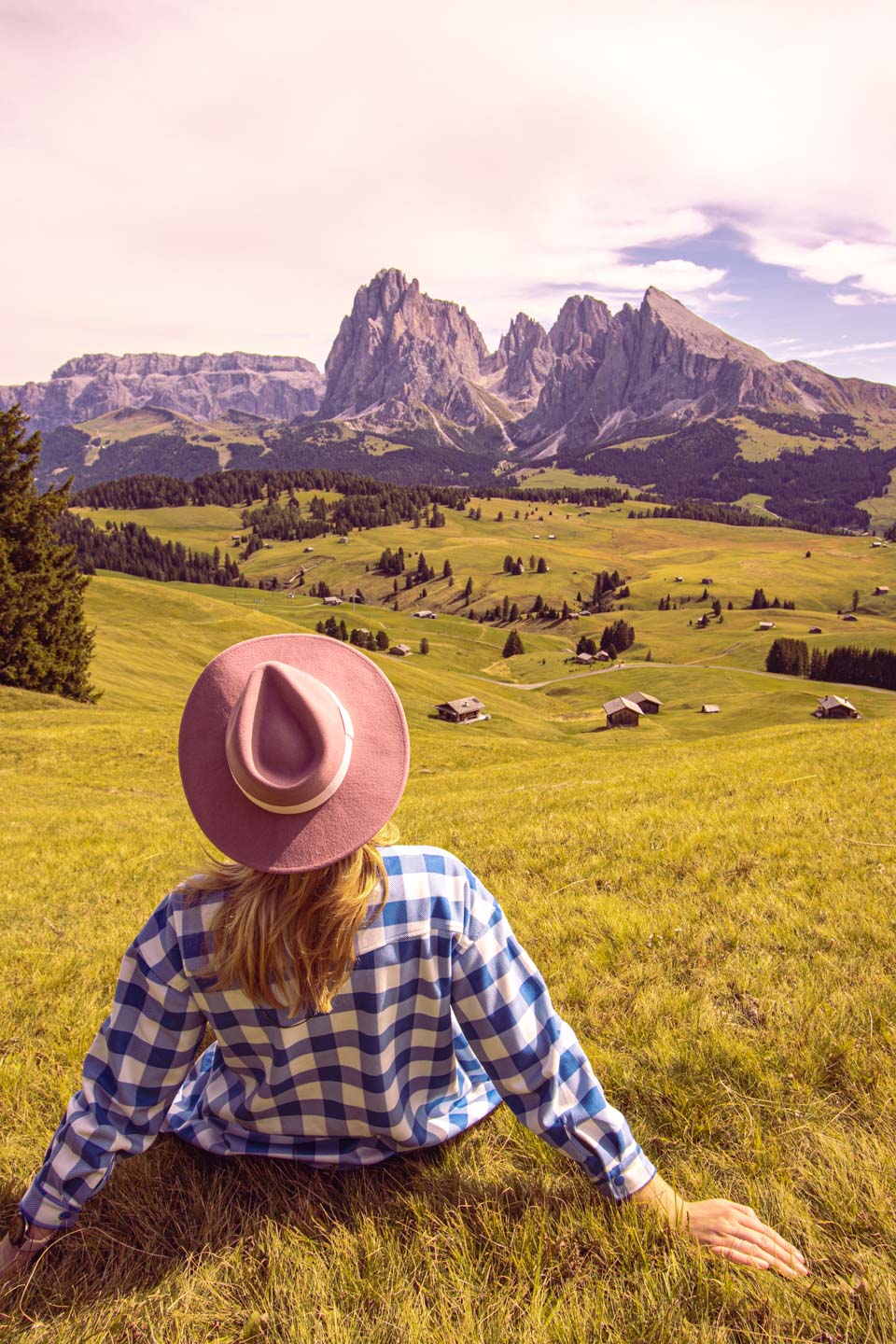
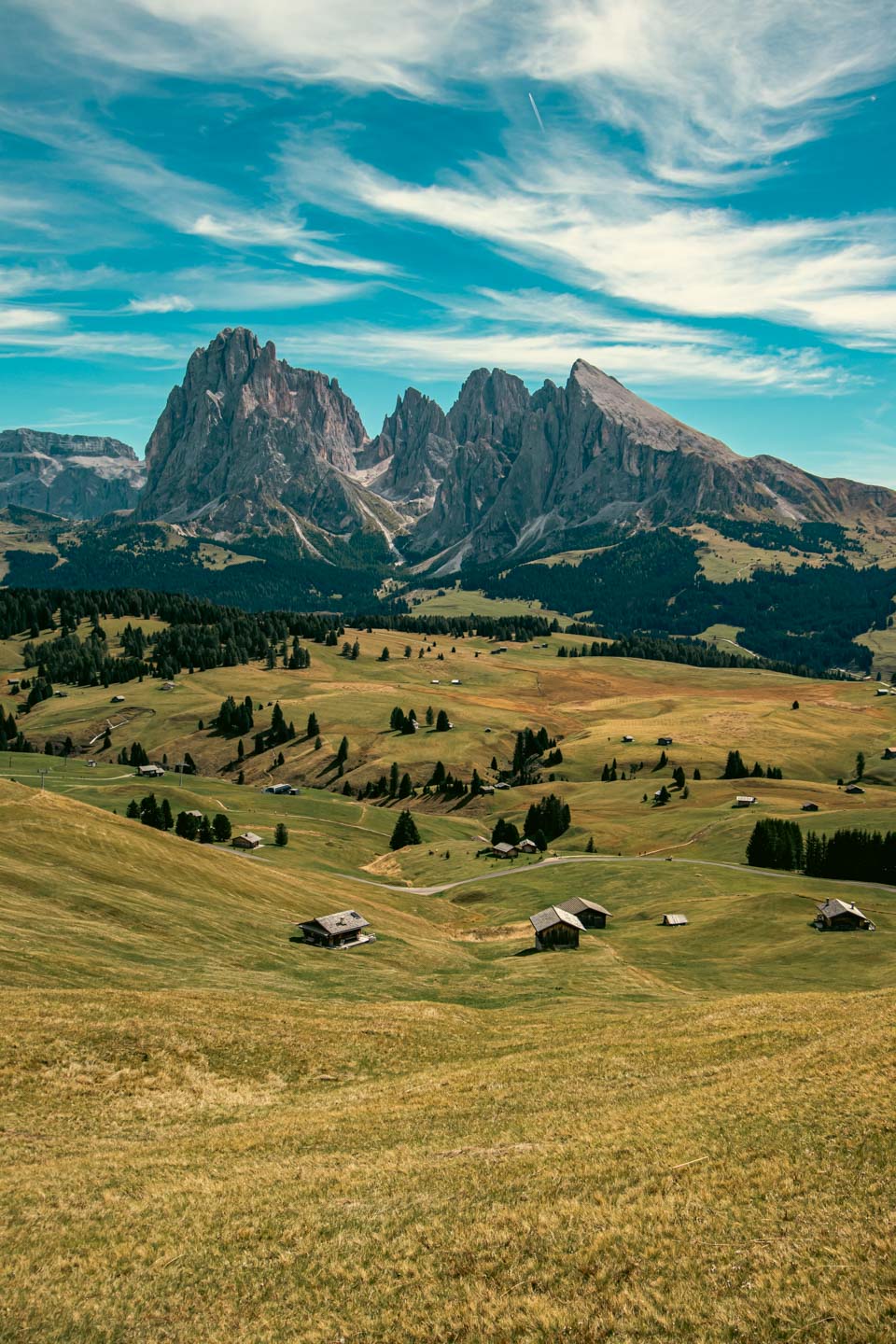
One of the most popular areas is Alpe di Siusi (Seiser Alm), a vast plateau known for its rolling meadows, wooden huts, and panoramic mountain views. It’s an ideal place for a slower-paced hike.
For something more dramatic, head to Seceda. Its distinctive ridgeline has become one of the most photographed landscapes in the Dolomites, and it’s easy to understand why once you see it in person.
Another iconic destination is Tre Cime di Lavaredo, often considered one of the symbols of the region. The trail around these famous peaks is one of the most rewarding walks in the Alps.
One of the things I love most about hiking in the Dolomites is the variety of scenery.
One day you’re walking through green alpine pastures.
The next you’re surrounded by towering limestone peaks that feel almost otherworldly.
Along the way, you’ll also find numerous rifugi – mountain huts where you can stop for a meal, a coffee, or simply enjoy the view before continuing your hike.
It’s this combination of breathtaking landscapes, excellent trail infrastructure, and endless variety that makes the Dolomites one of my favorite mountain destinations in Europe.our hike. This was a lifesaver for me, as hiking always makes me ravenously hungry!
5. Hotels With Views You’ll Never Forget
One of the things I appreciate most about the Dolomites is that even an ordinary hotel stay can feel special.
Many mornings begin with mountain views right outside your window, whether it’s a dramatic peak, a quiet alpine meadow, or a small village waking up beneath the mountains.
The region offers everything from simple family-run guesthouses to luxury wellness hotels with infinity pools overlooking the surrounding landscape.
During my trip, I preferred staying in smaller guesthouses and locally owned accommodations. They felt more personal and offered a glimpse into everyday life in the region.
If you’re looking for memorable views, consider staying near Val di Funes, Ortisei, Alpe di Siusi, or Cortina d’Ampezzo. Each area provides easy access to hiking trails and some of the most beautiful scenery in the Dolomites.
No matter where you choose to stay, I recommend booking well in advance, especially during the summer and winter seasons.
The best places tend to fill up quickly.
In the Dolomites, your accommodation often becomes part of the experience itself.
And long after the trip is over, you may find yourself remembering those mountain views just as much as the hikes.
Planning a Trip to Northern Italy?
Many travelers combine the Dolomites with a stop in Milan before heading into the mountains.
If you only have one day in the city, I’ve put together a practical itinerary covering Milan’s main sights, beautiful neighborhoods, and my favorite places to eat.
6. Landscapes Unlike Any Other Mountains
I grew up admiring the Tatra Mountains.
And to this day, I think they’re some of the most beautiful mountains in Europe.
But the Dolomites feel completely different.
Their dramatic limestone peaks rise abruptly from green valleys and alpine meadows, creating landscapes that look almost unreal.
Even after several days in the region, I never stopped staring out the window.
One of the most remarkable natural phenomena here is enrosadira – the moment when the setting sun turns the mountains shades of pink, orange, and red.
For a few brief minutes, the peaks seem to glow from within.
It’s easy to understand why photographers travel from around the world to witness it.
The Dolomites were designated a UNESCO World Heritage Site because of their unique geology and extraordinary beauty.
But no recognition can fully capture what it feels like to stand there in person.
Some of my favorite moments happened when I simply pulled over on the side of the road and looked around.
The views were that good.
The Dolomites are one of those places that are incredibly difficult to describe.
You simply have to see them for yourself.
7. A Dream Destination for Photographers
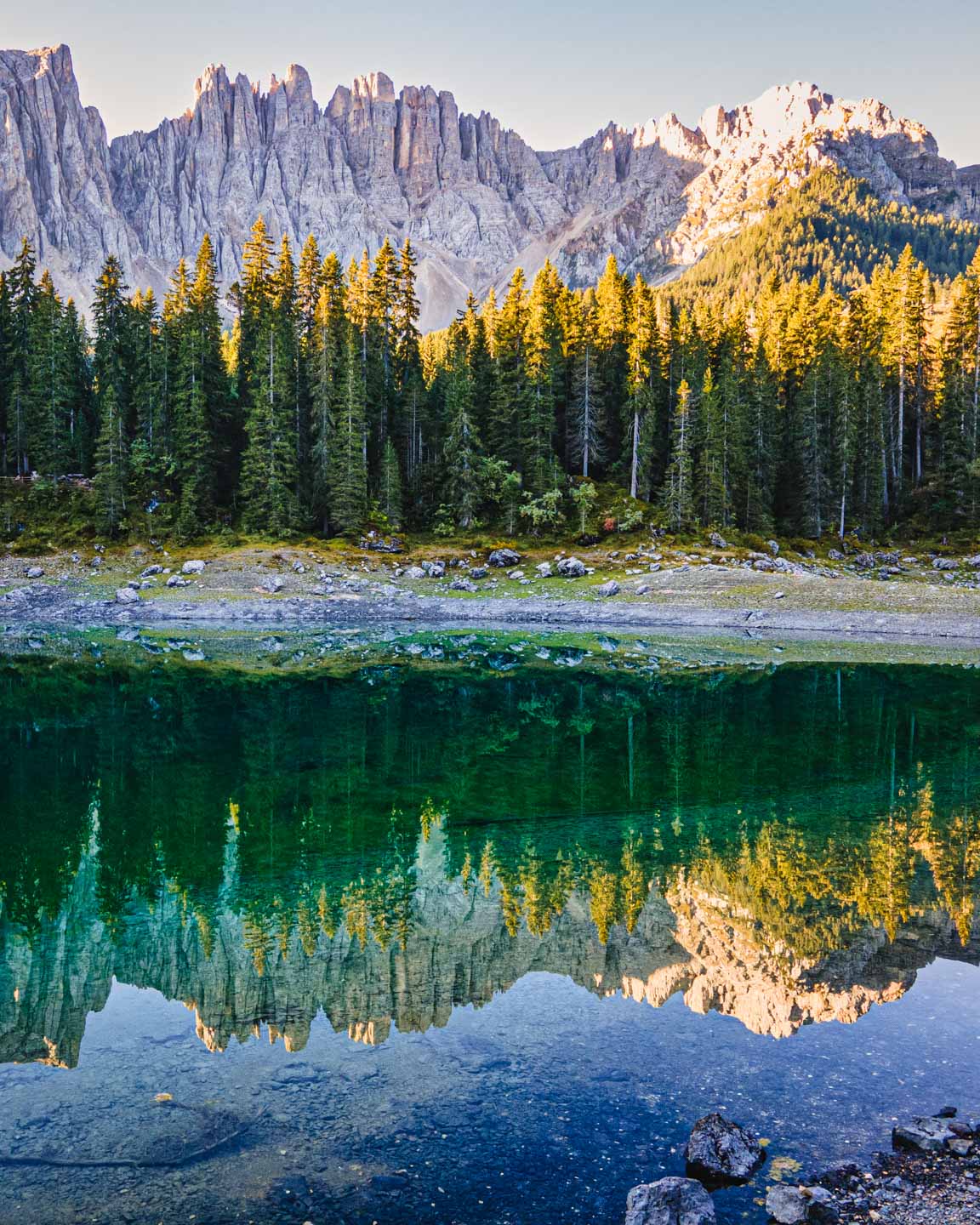
You don’t have to be a professional photographer to fall in love with the Dolomites.
This is one of those places where almost every turn in the road reveals another view worth stopping for.
The landscape changes constantly throughout the day, and the light often transforms familiar scenes into something completely different.
Sunrise and sunset are particularly magical, when the mountains catch the warm light and the valleys begin to glow.
Some of the most photogenic locations include Lake Braies, Seceda, Alpe di Siusi, and the area around Santa Maddalena.
Each place looks different depending on the weather, the season, and the time of day.
That’s one reason so many photographers return to the Dolomites again and again.
But even if photography isn’t your hobby, it’s difficult not to reach for your camera here.
At the same time, the Dolomites are also a reminder that some views are best experienced without a lens.
Because no photograph can fully capture what it feels like to stand there in person.
8. Beautiful in Every Season
Although most visitors associate the Dolomites with summer hiking, this is truly a year-round destination.
In summer, you’ll find turquoise lakes, green alpine meadows, and hundreds of miles of hiking trails leading through some of Europe’s most spectacular scenery.
Autumn brings quieter trails and beautiful fall colors as forests turn shades of gold, orange, and red.
Winter transforms the region into one of the world’s premier ski destinations, with extensive ski areas, modern infrastructure, and unforgettable mountain views.
Even spring has its own charm. Wildflowers begin to appear in the valleys while snow still lingers on the highest peaks, creating striking contrasts across the landscape.
This variety is one of the reasons people return to the Dolomites time and time again.
Every season reveals a slightly different side of the mountains.
9. A Paradise for Climbers and Via Ferrata Enthusiasts
The Dolomites have long been one of Europe’s most famous climbing destinations.
The region is particularly known for its extensive network of via ferratas – protected climbing routes equipped with cables, ladders, and bridges that allow hikers to experience dramatic mountain terrain in a relatively accessible way.
Many routes can be enjoyed by active travelers without advanced climbing experience, while others provide more technical challenges for experienced adventurers.
For rock climbers, the Dolomites offer hundreds of established routes across the region’s distinctive limestone walls.
Even if you have no plans to climb yourself, it’s hard not to notice the strong climbing culture while traveling through the area.
You’ll often spot climbers high above the valleys, making their way across cliffs and ridgelines that seem impossible from below.
It’s another reminder of how diverse the Dolomites are.
Some visitors come for leisurely walks through alpine meadows.
Others come searching for adventure.
And somehow the mountains seem to welcome them all.
10. A Unique Blend of Cultures
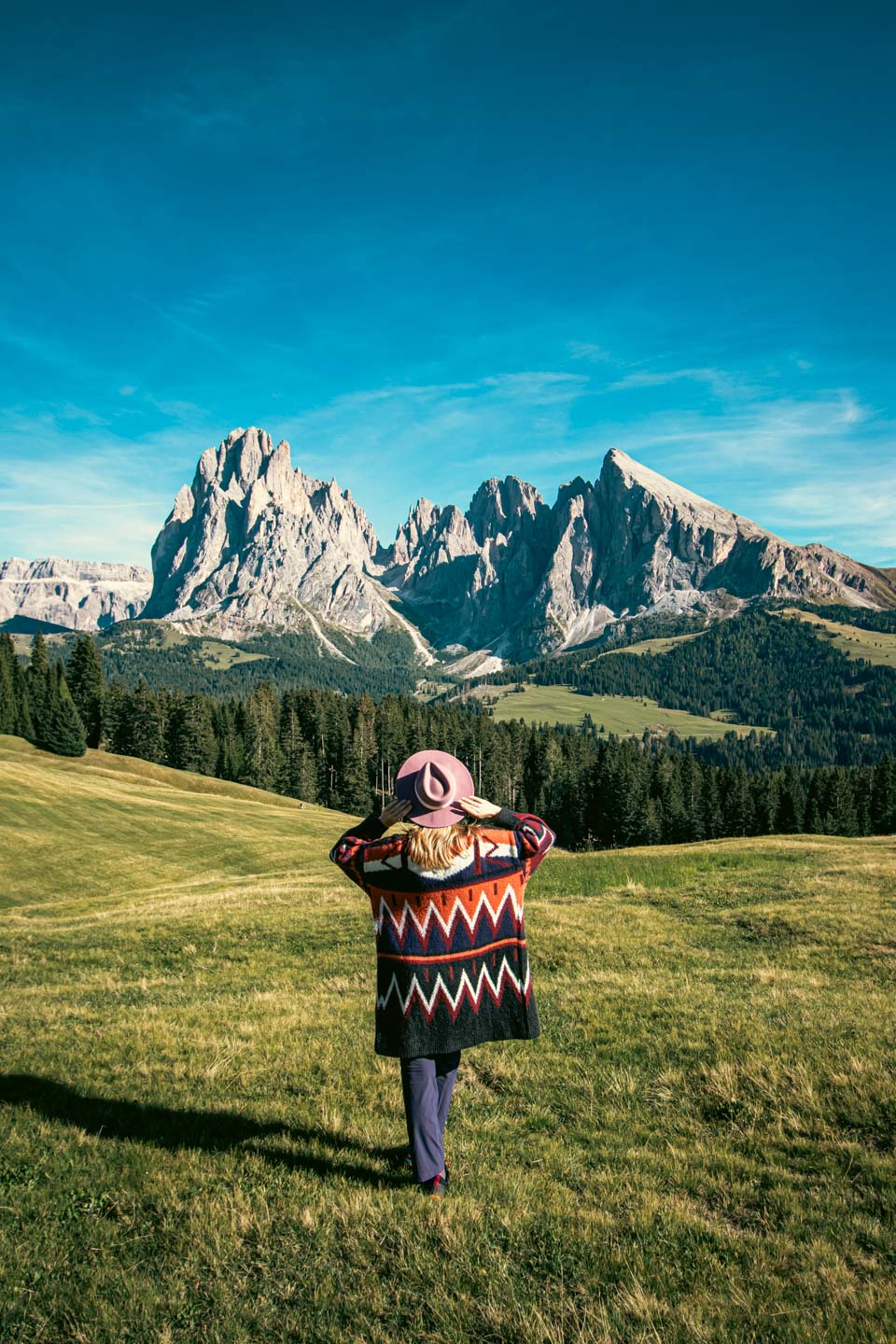
One of the things that surprised me most about the Dolomites was their cultural identity.
Although you’re in Italy, the region has been shaped by centuries of different influences, and traces of that history can be found everywhere.
In many towns, street signs, restaurant menus, and place names appear in both Italian and German. In some valleys, you’ll also encounter Ladin, a traditional language still spoken by local communities today.
This cultural diversity is reflected in everything from the architecture to the food and daily life.
One day you might enjoy homemade pasta on a sunny terrace overlooking the mountains.
The next, you could be eating apple strudel or hearty dumplings that feel more Austrian than Italian.
It’s this combination of Italian, Austrian, and Ladin traditions that gives the Dolomites such a distinctive character.
For me, they were far more than a beautiful mountain destination.
They were a place where nature, history, and culture come together in a way that’s difficult to find elsewhere.
And perhaps that’s one of the reasons it’s so easy to fall in love with them.
Who Are the Dolomites For?
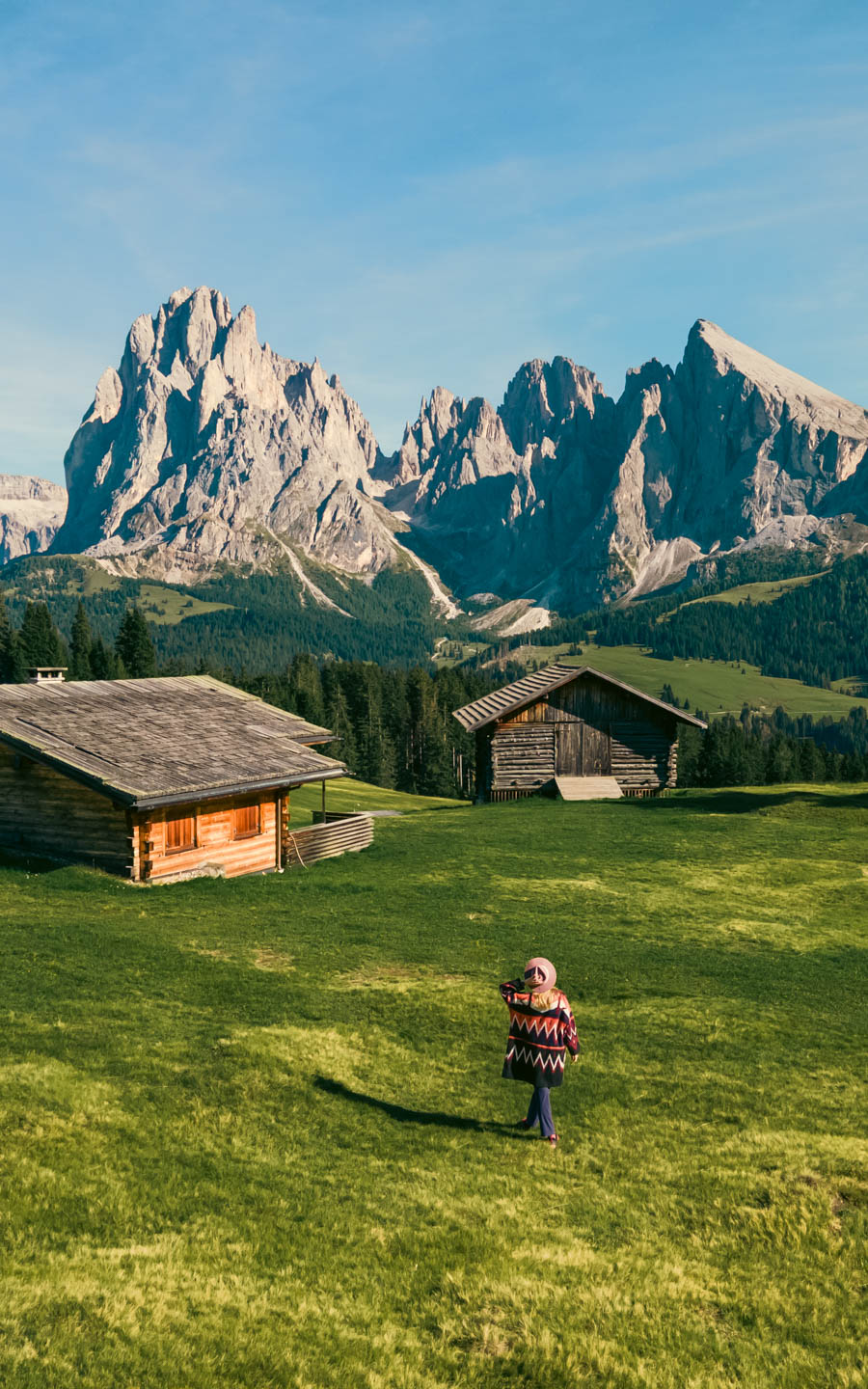
The Dolomites are one of those destinations that appeal to many different types of travelers.
They’re perfect for people who enjoy being active but don’t necessarily dream of summiting the highest peaks or tackling extreme adventures.
You’ll find everything from challenging mountain hikes to gentle walks through alpine meadows and scenic valleys.
The region is also a great choice if you appreciate beautiful landscapes, local food, and places that encourage you to slow down and enjoy the journey.
You don’t need to be an experienced mountaineer to appreciate the Dolomites.
You’ll probably enjoy them if you:
- love mountains and spectacular scenery,
- enjoy active travel,
- like discovering local food and culture,
- enjoy photography,
- appreciate destinations that combine nature, history, and outdoor adventure.
If, on the other hand, you’re looking for a week spent entirely by a hotel pool or have little interest in mountains, another part of Italy may be a better fit.
For me, the Dolomites strike the perfect balance between adventure and relaxation.
They’re the kind of place that stays with you long after the trip is over.
Practical Tips for Visiting the Dolomites
If you’re planning your first trip to the Dolomites, the good news is that the region is relatively easy to explore independently.
With a well-planned itinerary, it’s possible to see many of the highlights even during a shorter visit.
When Is the Best Time to Visit the Dolomites?
Summer, particularly from June through September, is the most popular time to visit.
This is when most hiking trails are accessible, mountain lifts are operating, and conditions for outdoor activities are at their best.
If you’d prefer fewer crowds, consider visiting in June or September. The weather is usually still excellent, but many of the busiest locations feel noticeably quieter.
Winter attracts skiers and snowboarders from across Europe, while autumn offers beautiful colors and a more peaceful atmosphere.
How Do You Get to the Dolomites?
The easiest option is usually to fly into Venice, Verona, Milan, or Innsbruck and rent a car from there.
Having your own vehicle makes it much easier to move between valleys, lakes, viewpoints, and hiking areas spread throughout the region.
It’s also possible to drive directly from many parts of Europe, making the Dolomites a popular road trip destination.
How Much Does a Trip to the Dolomites Cost?
The Dolomites are not the cheapest region in Italy, especially during peak summer and winter seasons.
Accommodation is usually the largest expense, followed by transportation, meals, and mountain lifts.
That said, the experience is well worth it.
You’re paying for access to some of the most spectacular landscapes in Europe, along with excellent hiking infrastructure and unforgettable scenery.
Is Renting a Car Worth It?
In my opinion, absolutely.
While buses and public transportation connect many towns, having a car gives you far more flexibility.
It allows you to reach lesser-known viewpoints, trailheads, and smaller villages that would otherwise be difficult to visit.
More importantly, it lets you explore at your own pace.
And in a place like the Dolomites, that’s often the best way to travel.
Travel lighter, even before you leave.
start with something simple.
Download The Minimum Plan – Slow Travel:
The Dolomites: A Place You’ll Want to Return To
When I think back on my time in the Dolomites, I don’t immediately remember specific trails or mountain peaks.
I remember the quiet mornings by alpine lakes.
The evenings when the mountains turned shades of pink and orange in the fading light.
The small villages where life seemed to move a little slower than elsewhere.
The Dolomites are one of those places that photographs can never fully capture.
You can show the landscapes.
You can describe the hiking trails, lakes, and local food.
But you only truly understand their appeal once you’re standing there yourself.
For me, the Dolomites remain one of the most beautiful regions in Europe.
A place that combines extraordinary scenery, fascinating cultural traditions, and a slower, more intentional style of travel.
And that’s exactly why I know I’ll return someday.
If you’re planning a trip to Italy and wondering whether the Dolomites are worth visiting, my answer is simple:
Absolutely.
Ready for more Italian adventures?
- One Day in Florence – Art and Renaissance Architecture
- What to See in Tuscany – Charming Tuscan Villages
- Lake Como in Two Days – Mountain Relaxation Near Milan
- What to See in Venice – Romantic Canals