
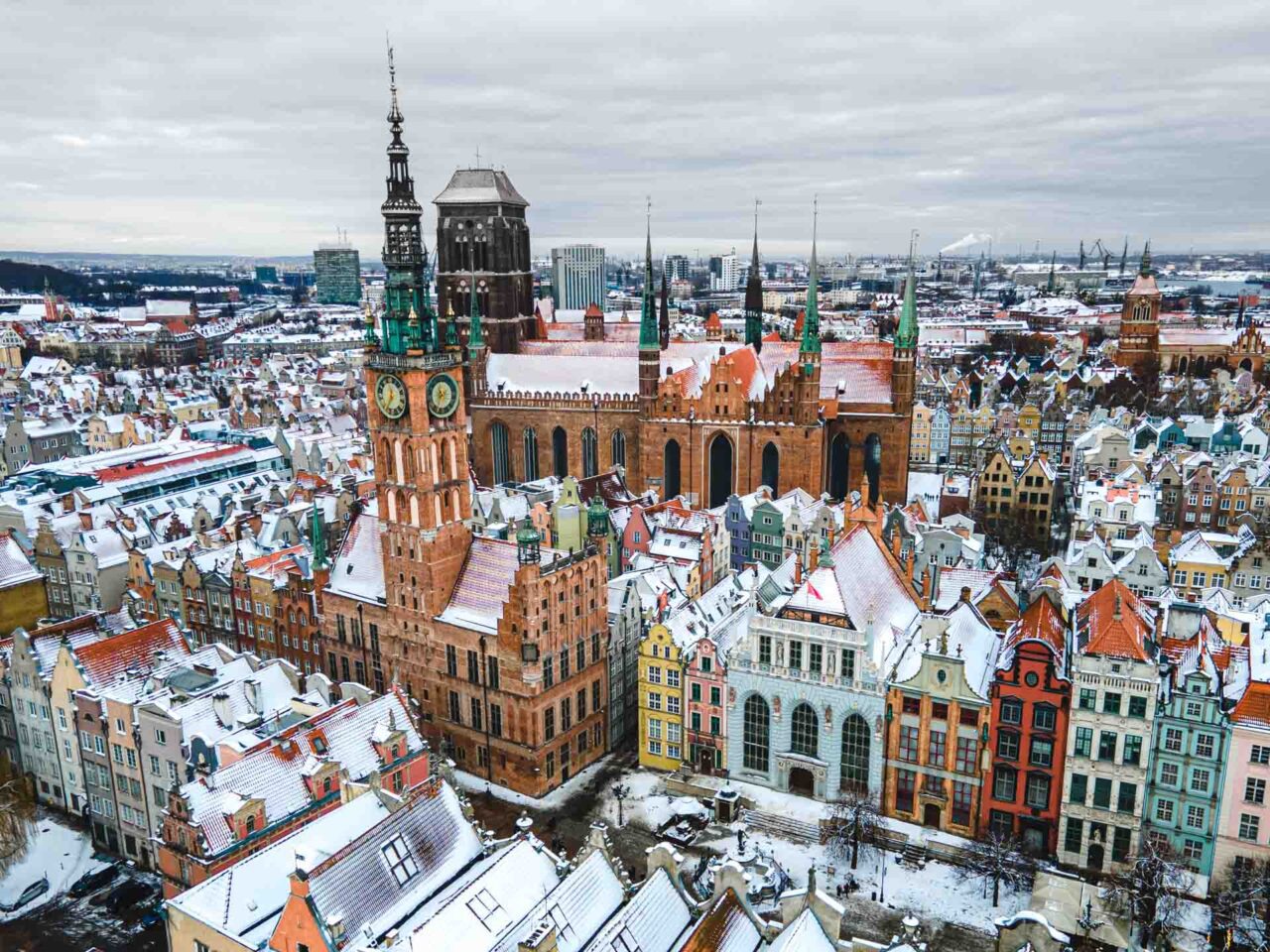
Planning to visit Gdańsk in one day? You can see much more than the waterfront and the colourful townhouses – but you will need to decide how active you want your day to be.
I lived in Gdańsk for 15 years before moving to the United States. For two of those years, I lived near the Motława River, and during my student years, Wrzeszcz was my neighbourhood.
This itinerary is not based on a generic list of attractions. Every place below is somewhere I have visited myself, often many times.
For a first visit, I recommend starting in the historic centre, continuing to the Imperial Shipyard and choosing either Wrzeszcz or Oliwa for the afternoon.
That gives you time to see different sides of Gdańsk, stop for coffee and enjoy the city without spending the whole day moving between neighbourhoods.
I have also included Sobieszewo Island and the murals of Zaspa as alternatives. Choose the places that interest you most – you do not need to visit every stop to experience Gdańsk.
Gdańsk in One Day: Quick Summary
- Best for: First-time visitors who enjoy historic sights, local neighbourhoods and time to explore at their own pace.
- Recommended route: Historic centre → Imperial Shipyard → either Wrzeszcz or Oliwa.
- Choose Wrzeszcz for: Lunch, cafés, small shops and a glimpse of everyday life.
- Choose Oliwa for: Park walks, the cathedral and views from Pachołek Hill.
- Alternative stops: Sobieszewo Island for the beach, or Zaspa for street art.
- Time needed: A full day, with time for meals, breaks and travel between areas.
- Getting around: Walking, buses and trams. Check current connections in Jakdojade.
- My advice: Choose one indoor attraction and leave room for an unplanned stop.
Is One Day Enough for Gdańsk?
One day is enough for a first taste of Gdańsk, especially if you focus on a few areas.
The city is more spread out than it initially appears. The historic centre, Wrzeszcz, Oliwa, Zaspa and Sobieszewo Island are separate areas, so moving between them takes time.
For your first visit, I would spend the morning in the historic centre, walk towards the shipyard and choose one neighbourhood for the afternoon.
If you want to visit the European Solidarity Centre’s permanent exhibition, give yourself extra time there and keep the rest of the day lighter.
The beach and murals can wait for another visit – or replace part of the main route if they interest you more. you love street art or have already visited the main sights of Gdańsk before.
Get My Free Gdańsk Map
Want to make planning your day in Gdańsk easier?
I created a free interactive map with all the places mentioned in this guide, plus a few extra cafés, viewpoints and local spots I discovered during the 15 years I lived in the city.
Enter your email below and I’ll send the map straight to your inbox.
Morning: Explore Gdańsk’s Historic Centre
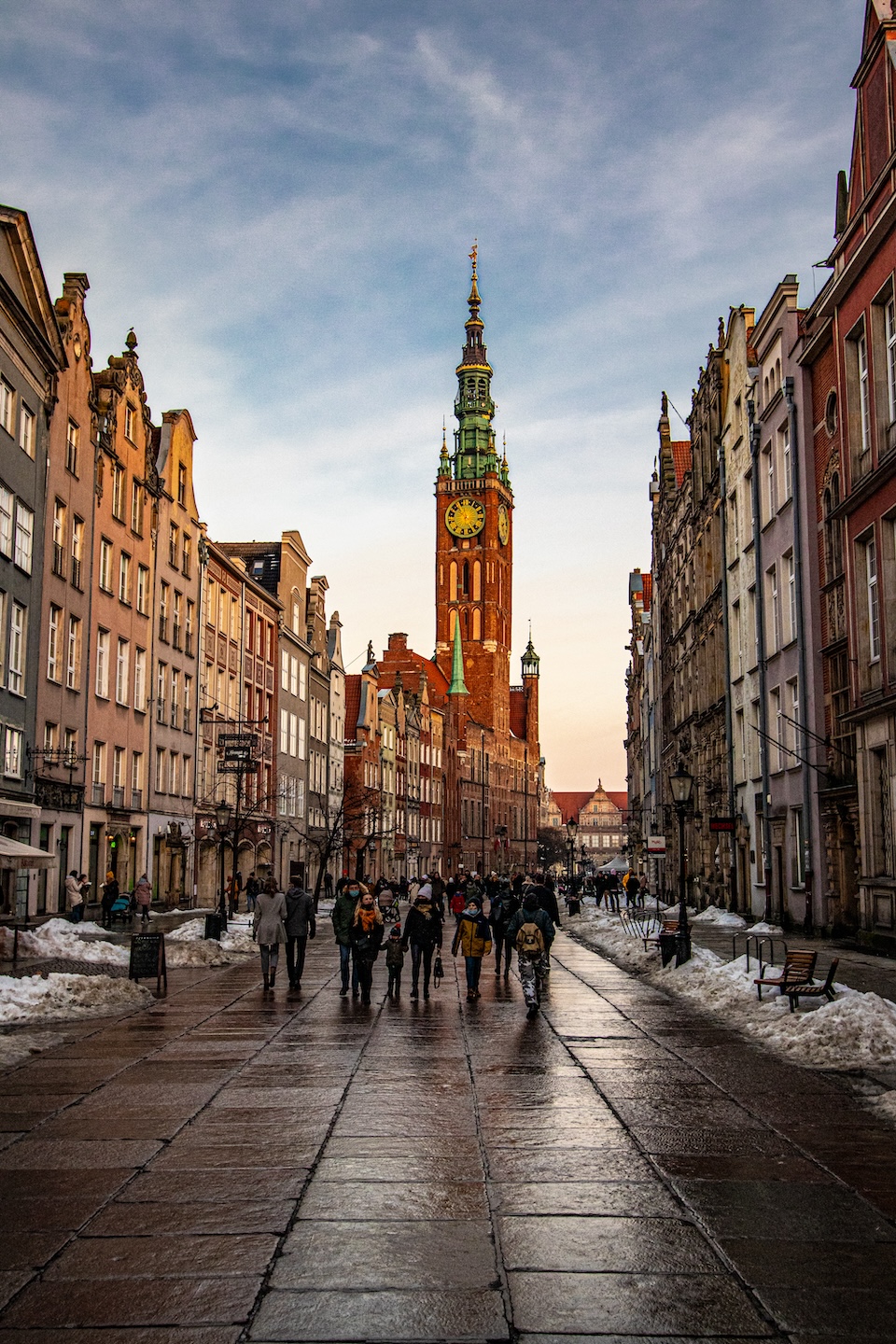
Start your day in Gdańsk’s historic centre. If you enjoy quieter streets, come early and take your time walking beside the Motława before stopping for breakfast or coffee.
Most visitors call this area the Old Town, although many of the streets people associate with “Old Town Gdańsk” are technically part of the Main Town, or Główne Miasto.
I lived here for two years in an apartment overlooking the Motława River. It sounds romantic, and in many ways it was. It was also noisy, especially during summer, when the streets below stayed busy late into the night.
That is why I still believe early morning is the best time to experience this part of Gdańsk.
At 8:00 AM, the waterfront is calmer, delivery vans are disappearing from the streets and the large tour groups have not yet arrived. You can actually look at the buildings instead of trying to move through a crowd.
Walk Along the Motława River
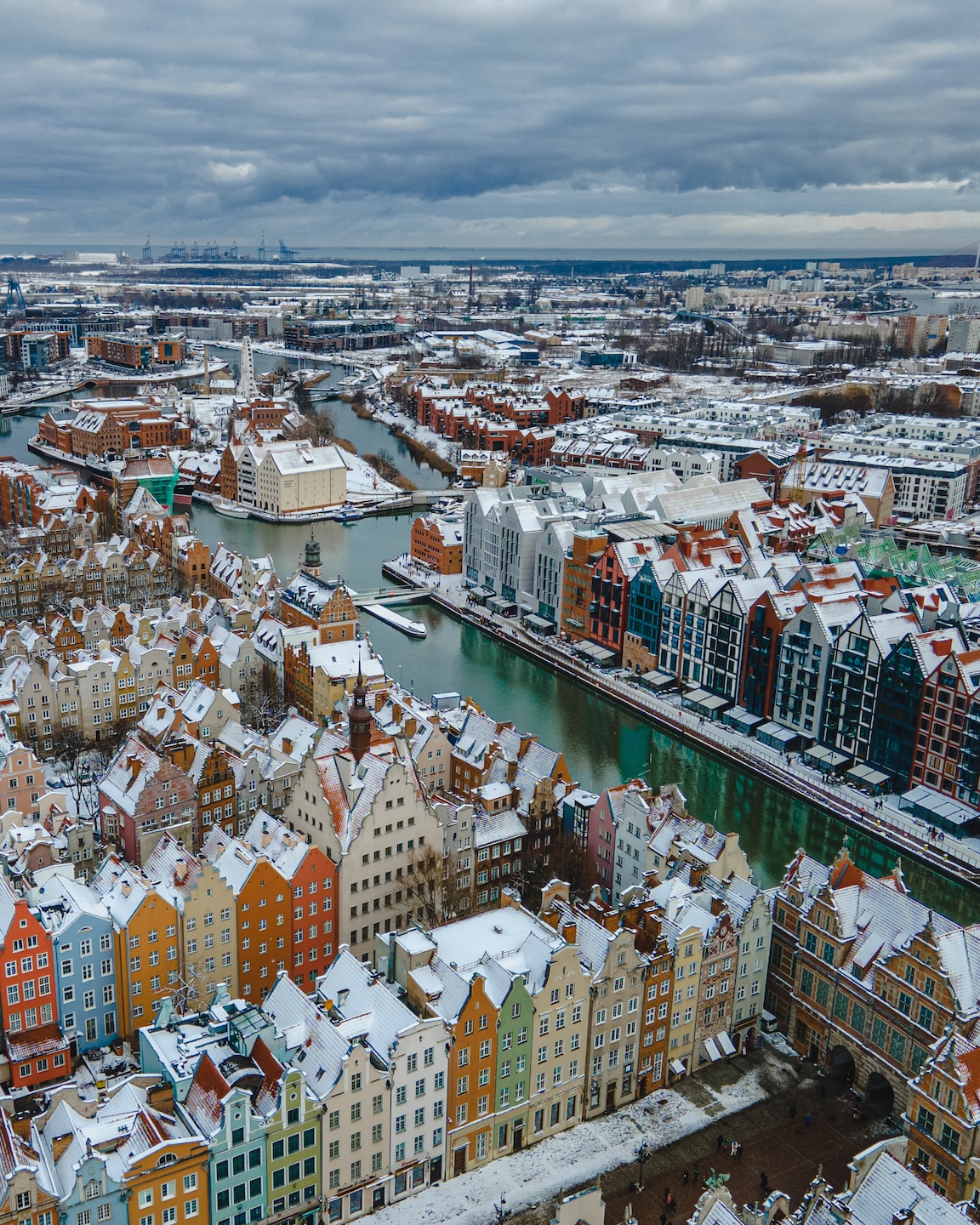
Begin beside the Motława and walk towards the Żuraw, the medieval port crane that has become one of the symbols of Gdańsk.
The reconstructed interiors now form part of the National Maritime Museum. The museum does not open early enough to be the first stop of your walk, but you can return later if maritime history interests you.
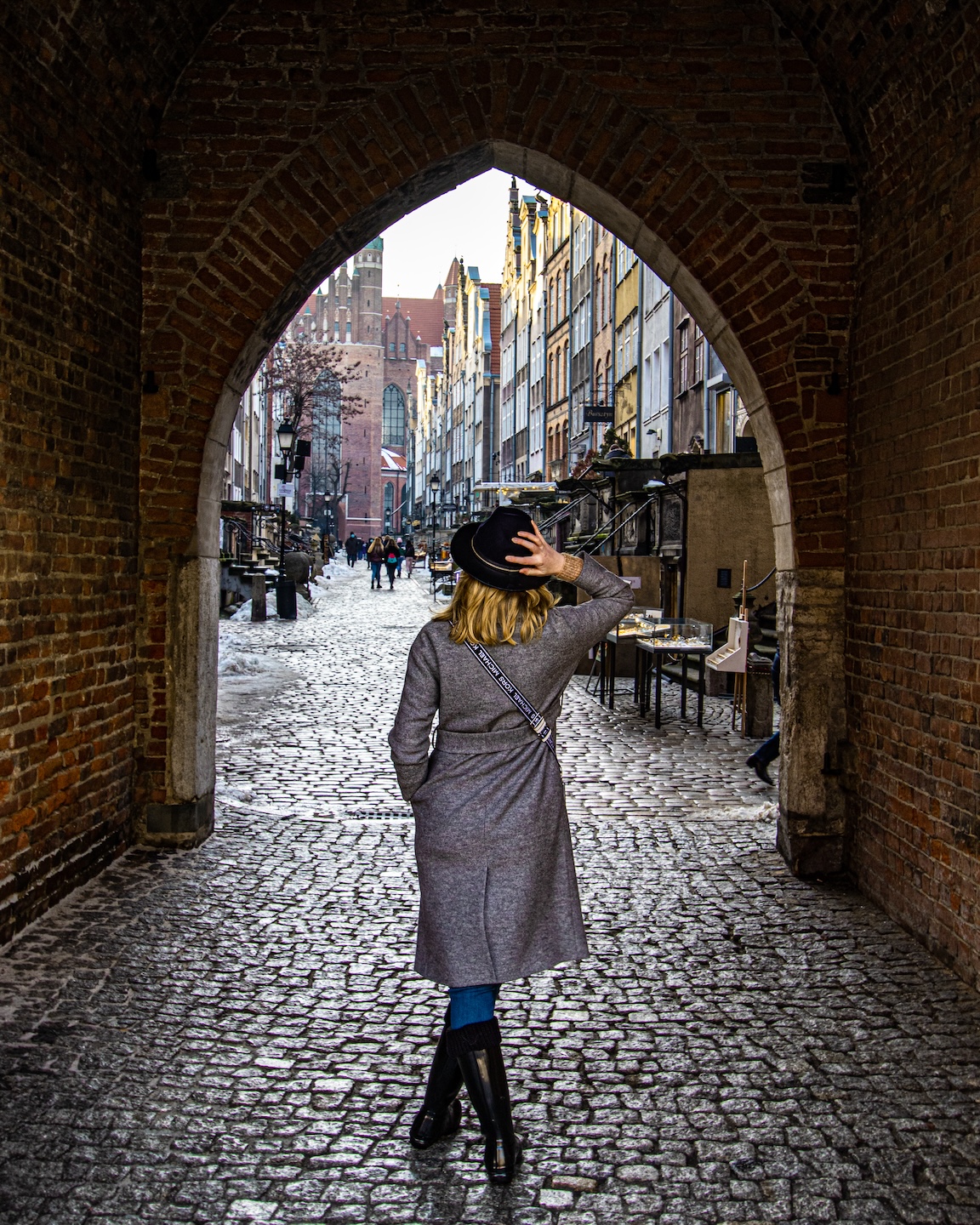
Continue towards Mariacka Street, one of the most atmospheric streets in the city.
Its cobblestones, narrow terraces and amber shops make it one of the most photographed places in Gdańsk, but the street still feels special in the morning, before the shop displays and café tables begin to dominate it.
From there, walk towards St. Mary’s Basilica.
St. Mary’s Basilica and Tower
St. Mary’s Basilica is one of the largest brick churches in Europe and one of the most recognisable landmarks in Gdańsk.
The interior is worth seeing, but the best reason to come here is the view from the tower.
The climb involves around 400 steps. The first section is narrow and winding, while the upper section passes through the enormous interior of the tower.
It is not particularly relaxing while you are climbing it. At some point, you may question the decision. But the panorama from the top explains why people keep doing it.
The tower currently opens later than the basilica itself, so plan your morning walk first and return for the viewpoint after 10:00 AM. It may close during storms or poor weather.

Choose One Indoor Attraction
For a relaxed morning, choose one main visit: climb St. Mary’s Tower, explore the Żuraw or step aboard Sołdek.
The tower is my choice for city views. The Żuraw suits anyone interested in the old port, while Sołdek offers a closer look at life aboard a post-war cargo ship.
You can still enjoy the other landmarks from outside and leave time for coffee.
Looking for a city with a similar vibe? Check out my post One Day in Wrocław – a complete guide to the city of bridges, gnomes, and magical little corners!
Where to Stop for Coffee or a Late Breakfast
Retro is one of the cafés I returned to for years, beginning when I was a student.
It is located on Piwna Street, not Długa Street, and it works better as a late breakfast or coffee stop because it currently opens around 10:00 AM.
The menu has changed over the years, but I still associate this place with unhurried breakfasts, cake and long conversations. That personal history is the main reason I recommend it.
If you need breakfast earlier, eat at your hotel or stop at a bakery before beginning the route.
Practical Information
- Time: Around 3-4 hours, including breakfast and one paid attraction.
- Suggested route: Motława waterfront → Żuraw → Mariacka Street → St. Mary’s Basilica → Długa Street.
- St. Mary’s Tower: 20 PLN for a regular ticket at the time of this update.
- Żuraw or Sołdek: 23 PLN for a regular ticket to either attraction at the time of this update.
- Local tip: Come early for a quieter walk, then visit your chosen attraction when it opens. Check opening hours for your travel date – on Wednesdays, the Żuraw opens at 1:00 PM and admission is free.
Late Morning or Early Afternoon: Imperial Shipyard
From the historic centre, walk towards the Imperial Shipyard, or Stocznia Cesarska.
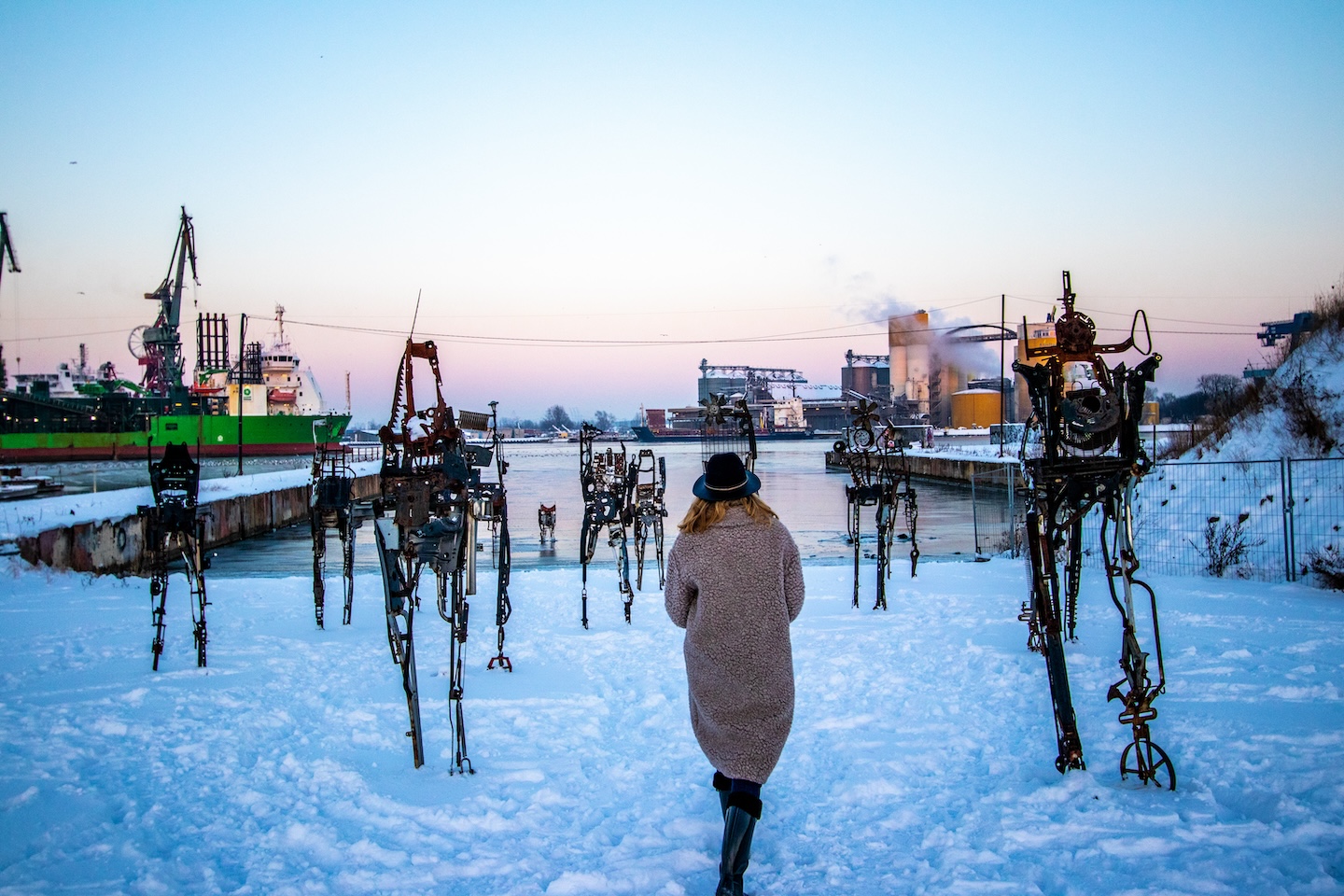
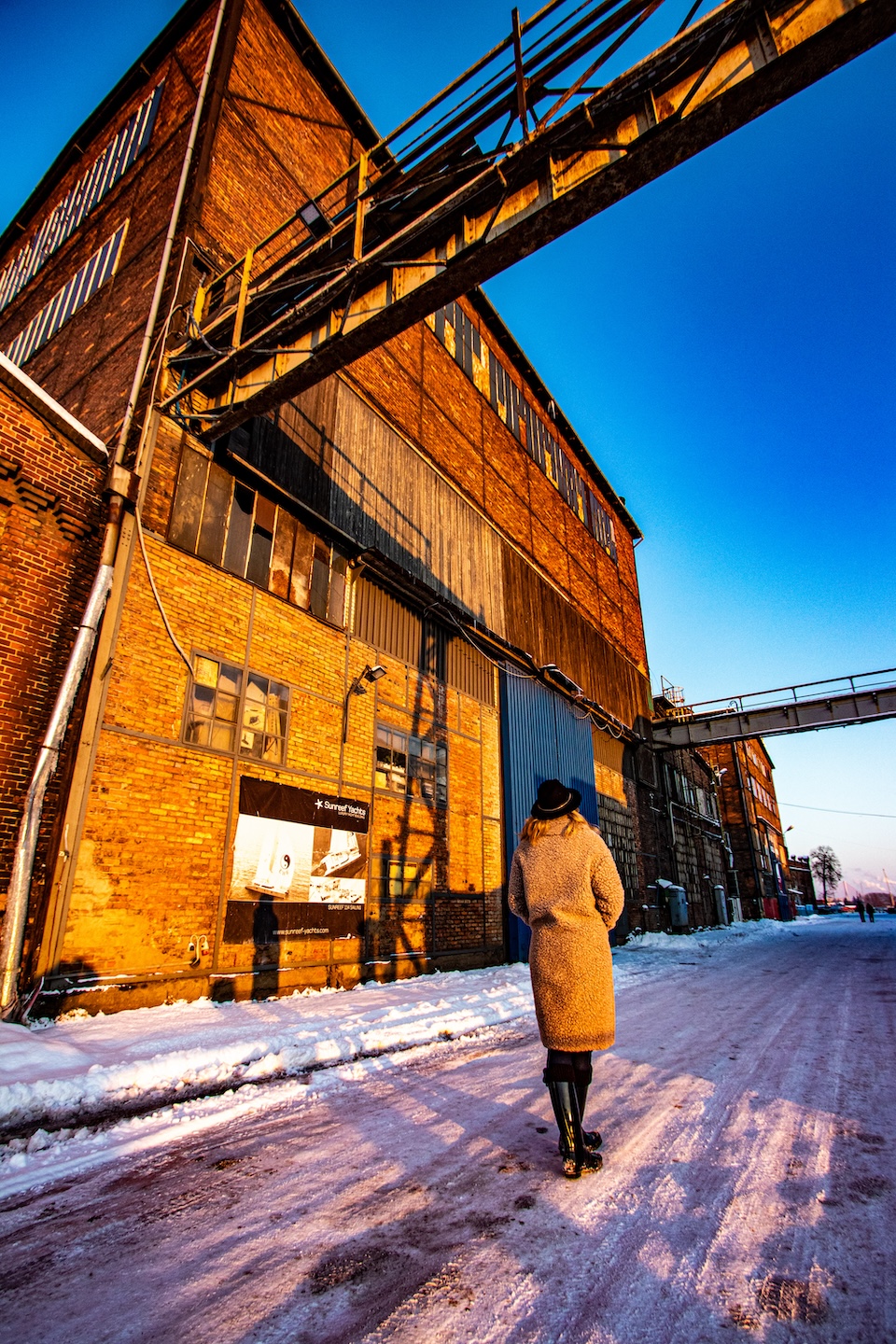
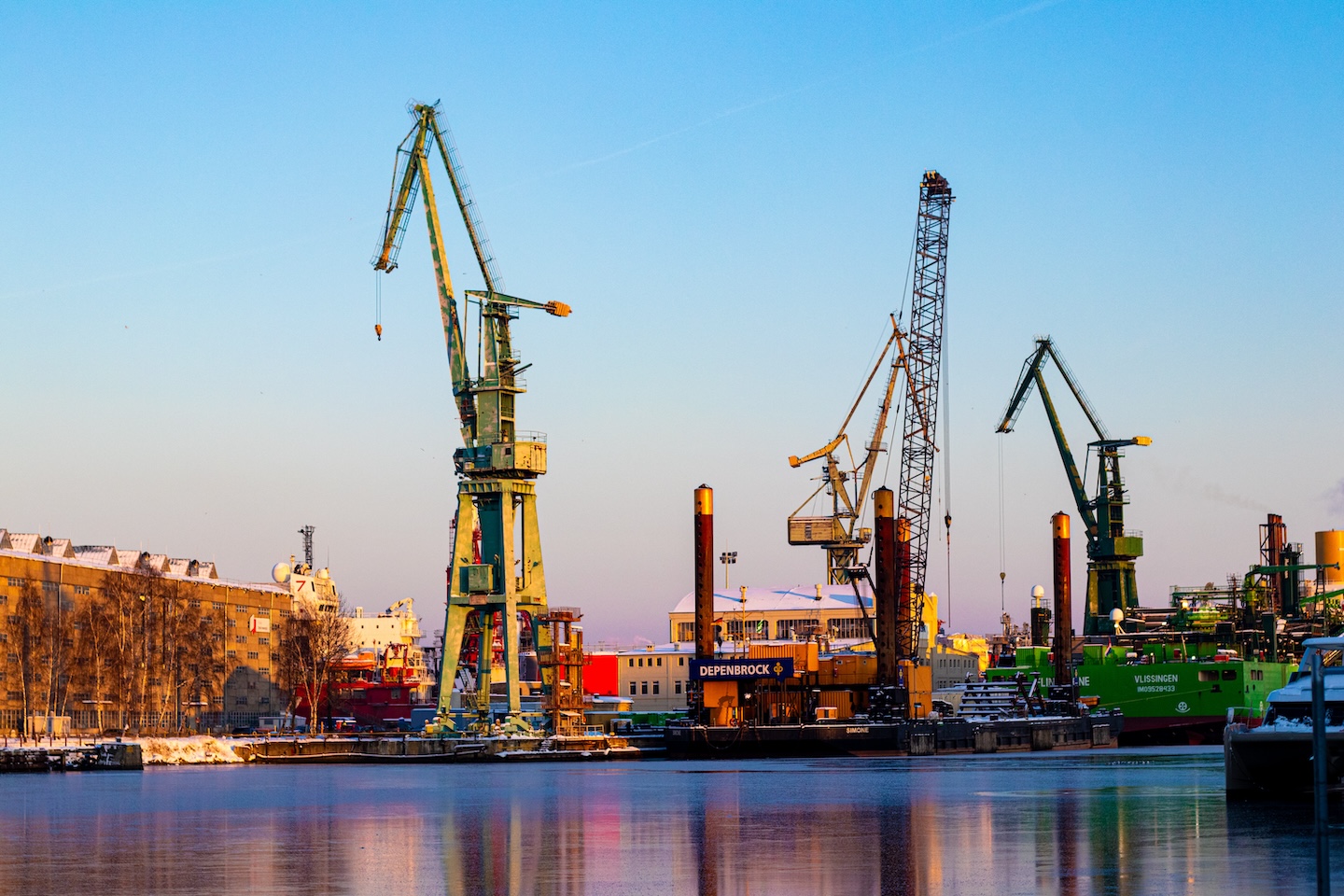
This is one of the places in Gdańsk where the atmosphere changes almost immediately. The decorative façades of the Main Town give way to brick industrial buildings, steel structures, cranes and wide open spaces.
The shipyard was founded in the 19th century and later became part of one of the most important stories in modern Polish history.
In August 1980, striking workers at the Gdańsk Shipyard helped create Solidarność- Solidarity – the first independent trade union in the Soviet bloc.
The movement became one of the forces that contributed to political change in Poland and across Central and Eastern Europe.
You can explore the Imperial Shipyard Route independently. It includes 13 information points placed around the area, explaining the history of its buildings, industry and workers.
What I like about this place is that it does not feel frozen in the past. Parts of the shipyard are still raw, changing and imperfect.
You can see new projects beside abandoned-looking industrial structures, which makes the area feel more honest than a fully polished museum district.
Should You Visit the European Solidarity Centre?
The European Solidarity Centre is one of the best museums in Gdańsk, but it needs time.
If you want to see the permanent exhibition properly, allow at least two hours. Afterwards, choose a shorter afternoon walk or stay nearby for a relaxed meal.
Even without entering the exhibition, go inside the building if it is open. The main hall is free to access, and the architecture alone is worth seeing.
Practical Information
- Time: Around 1.5-2 hours for the shipyard walk. Allow at least 2 additional hours if you visit the European Solidarity Centre’s permanent exhibition.
- Cost: The outdoor Imperial Shipyard Route is free.
- Best for: Industrial history, architecture, photography and modern Polish history.
- Important: Some areas remain active or are undergoing redevelopment. Follow signs and do not enter restricted buildings.
Choose Your Afternoon: Wrzeszcz or Oliwa
After exploring the centre and shipyard, choose the afternoon that suits your mood.
Head to Wrzeszcz if you want lunch, cafés and streets that feel lived in. Choose Oliwa if you would rather spend time among trees, visit the cathedral and walk up to a viewpoint.
Both are places I return to fondly. For a slower day, I would pick one and enjoy it without watching the clock.
Option 1: Lunch and a Walk Through Wrzeszcz
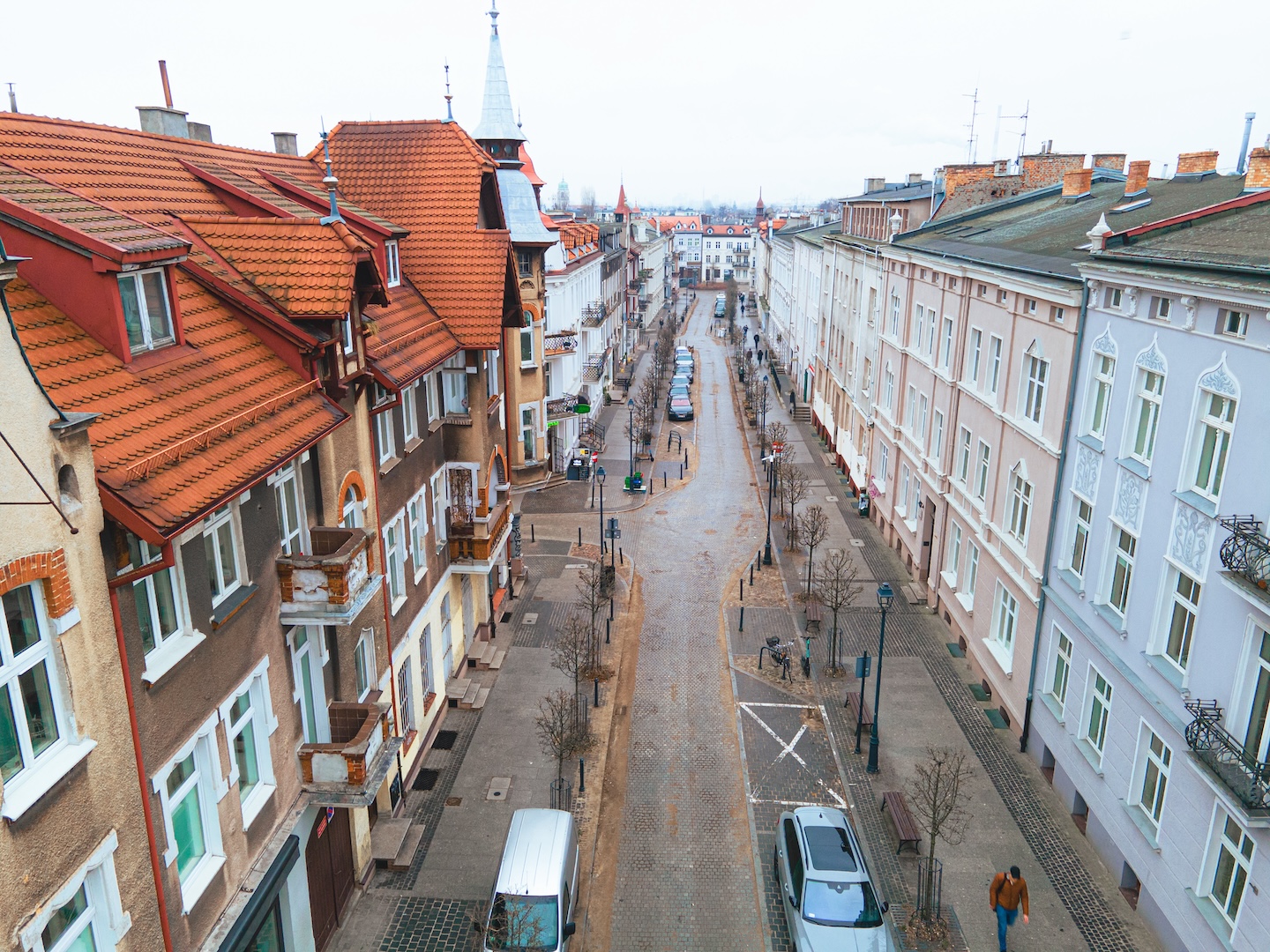
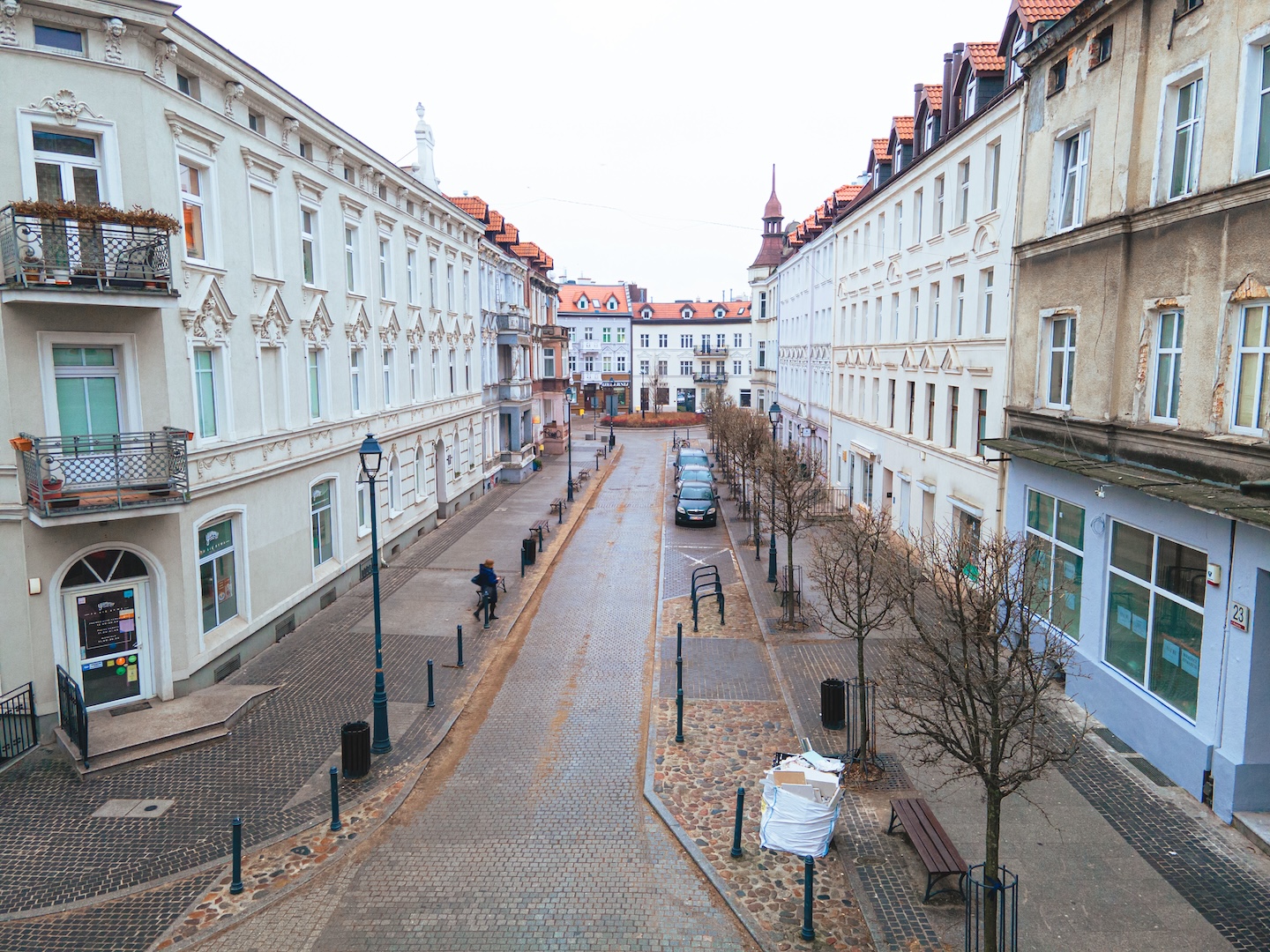
Wrzeszcz is the part of Gdańsk I associate most strongly with everyday life.
I lived here as a student, renting a tiny room for 600 PLN a month. It was not glamorous, but the neighbourhood gave me cafés, old townhouses, small shops and the feeling that the city continued beyond its tourist centre.
Start around Wajdeloty Street in Lower Wrzeszcz.
The street is not a grand attraction. That is precisely why I like it. People meet for coffee, walk home with groceries, sit outside small restaurants and stop for ice cream. It feels lived in.
Where to Eat in Wrzeszcz
Avocado Vegan Bistro
A long-running vegan restaurant on Wajdeloty Street with filling lunches, plant-based versions of Polish dishes and food inspired by different cuisines.
I recommend it when you want something satisfying but not overly heavy halfway through a long day.
XO Thai
A small Thai restaurant on Wajdeloty Street. The dining room is compact, so it is worth checking availability before arriving.
Choose this one if you want a proper sit-down meal rather than a quick lunch.
Słony Karmel
A local ice cream shop at Wajdeloty 11. The flavours change, but salted caramel and nut-based options are usually difficult for me to resist.
Sklep u Sławka
For something completely different, look for the small pink building known as Sklep u Sławka.
Inside, you may find old ceramics, books, pictures, records, cables, lamps and objects that are almost impossible to categorise. It is less like a carefully styled vintage store and more like searching through somebody’s attic.
That unpredictability is part of its charm.
Practical Information
- Time: Around 2-3 hours for lunch, a walk and a coffee stop.
- Getting there: Take a tram or an SKM train from central Gdańsk, depending on your starting point. SKM requires a separate ticket; the standard 24-hour ZTM ticket does not cover it.
- Local tip: Check current connections in Jakdojade, as routes can change.
Option 2: Oliwa Park and Pachołek Hill
If you feel like a quieter afternoon, head to Oliwa.
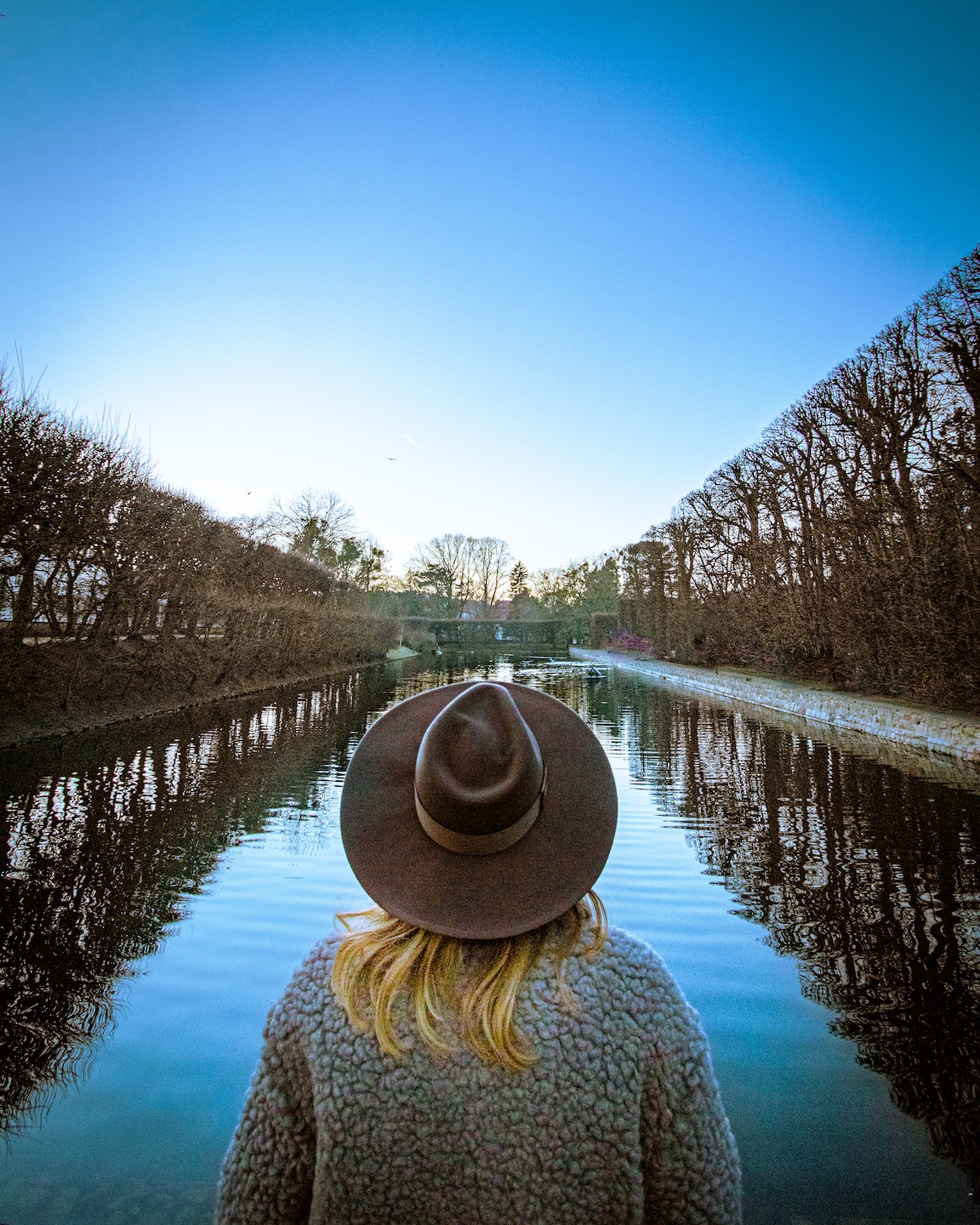
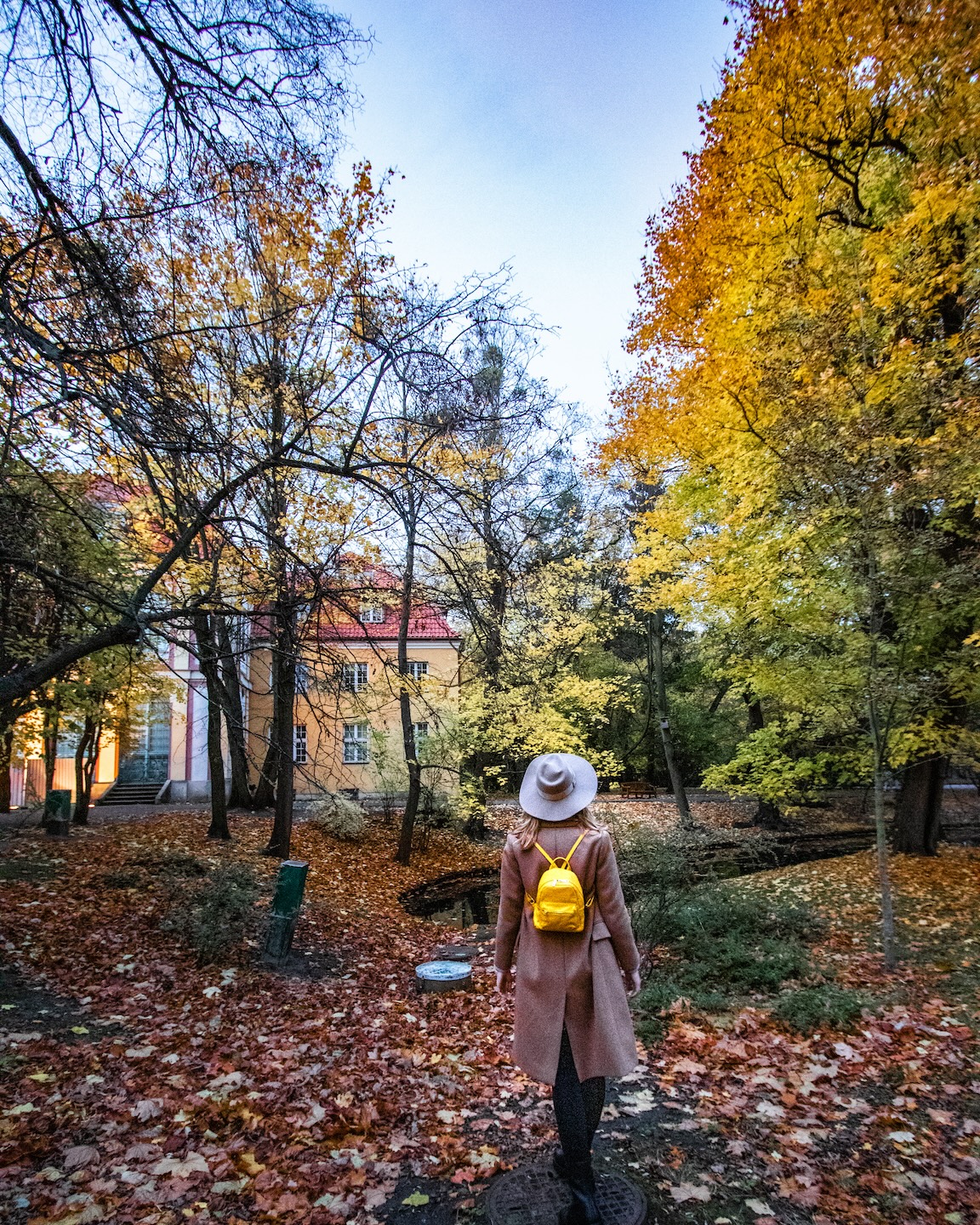
After the historic centre and industrial shipyard, the old trees, ponds and garden paths offer a welcome change of pace.
Walk through Oliwa Park, sit on a bench and give yourself time to stop. If you still have energy, continue towards Pachołek Hill for a view over this part of the city.
Oliwa Cathedral
The cathedral stands beside the park and is known for its elaborate organ.
Short organ presentations take place throughout the year, but the schedule changes by month and day of the week. Check the cathedral’s current programme if hearing the instrument is important to you.
Do not assume there will be a concert when you arrive in the evening.
These architectural details remind me of Italian churches – if you’re into places like this, don’t miss my guide One Day in Florence – a city full of similar architectural treasures!
What About the Palm House?
The Palm House stands inside a modern glass rotunda in Oliwa Park. If you would like to visit, check its opening hours before planning your afternoon.
Walk Up Pachołek Hill
From the park, continue towards Pachołek Hill.
The walk is uphill, but it is short enough to manage at the end of the day if you still have some energy. At the top is a viewing tower approximately 15 metres high.
From the platform, you can see Oliwa, the surrounding forests, parts of the city and, when visibility is good, the Gulf of Gdańsk.
It is worth pausing here to enjoy the view. From above, you can see how the city stretches between the forests and the sea – a different perspective after walking through its busy streets.

Practical Information
- Time: Around 2-3 hours for the park and Pachołek Hill. Allow longer if you also visit the cathedral or Palm House.
- Cost: Oliwa Park and Pachołek viewing tower are free.
- Bring: A light jacket and comfortable shoes for the uphill walk.
- Check before visiting: Cathedral visiting hours and services, organ presentation times and Palm House opening hours.
Alternative Stops: Beaches and Street Art
If you have already explored the historic centre, or simply want a different kind of day, consider one of these stops.
Sobieszewo Island is my choice for sea air and wide beaches. Zaspa offers a walk among large murals in a residential neighbourhood.
Treat them as alternatives to part of the main route, rather than extra stops you need to squeeze into the same day.
Sobieszewo Island: A Quiet Escape by the Baltic Sea
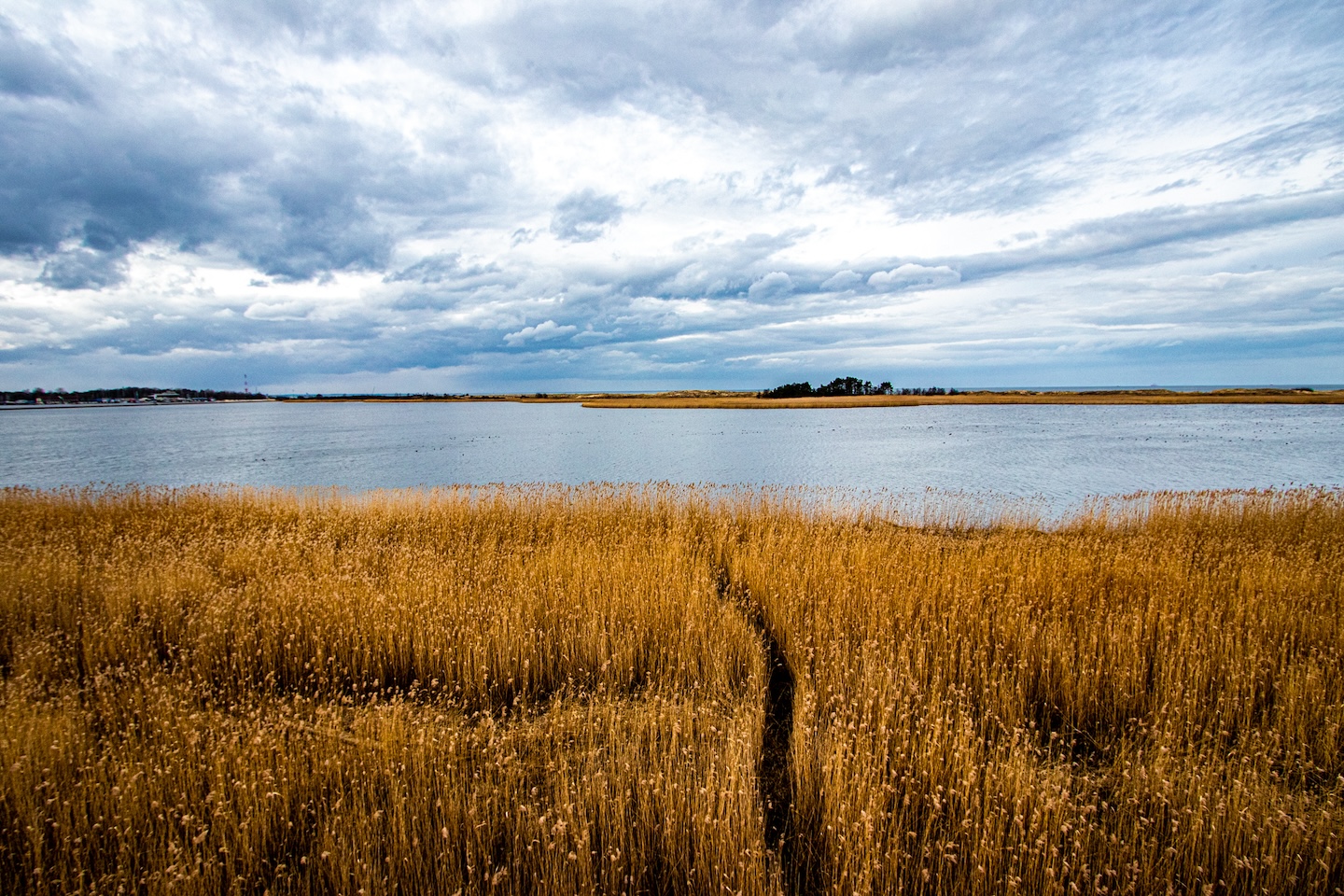
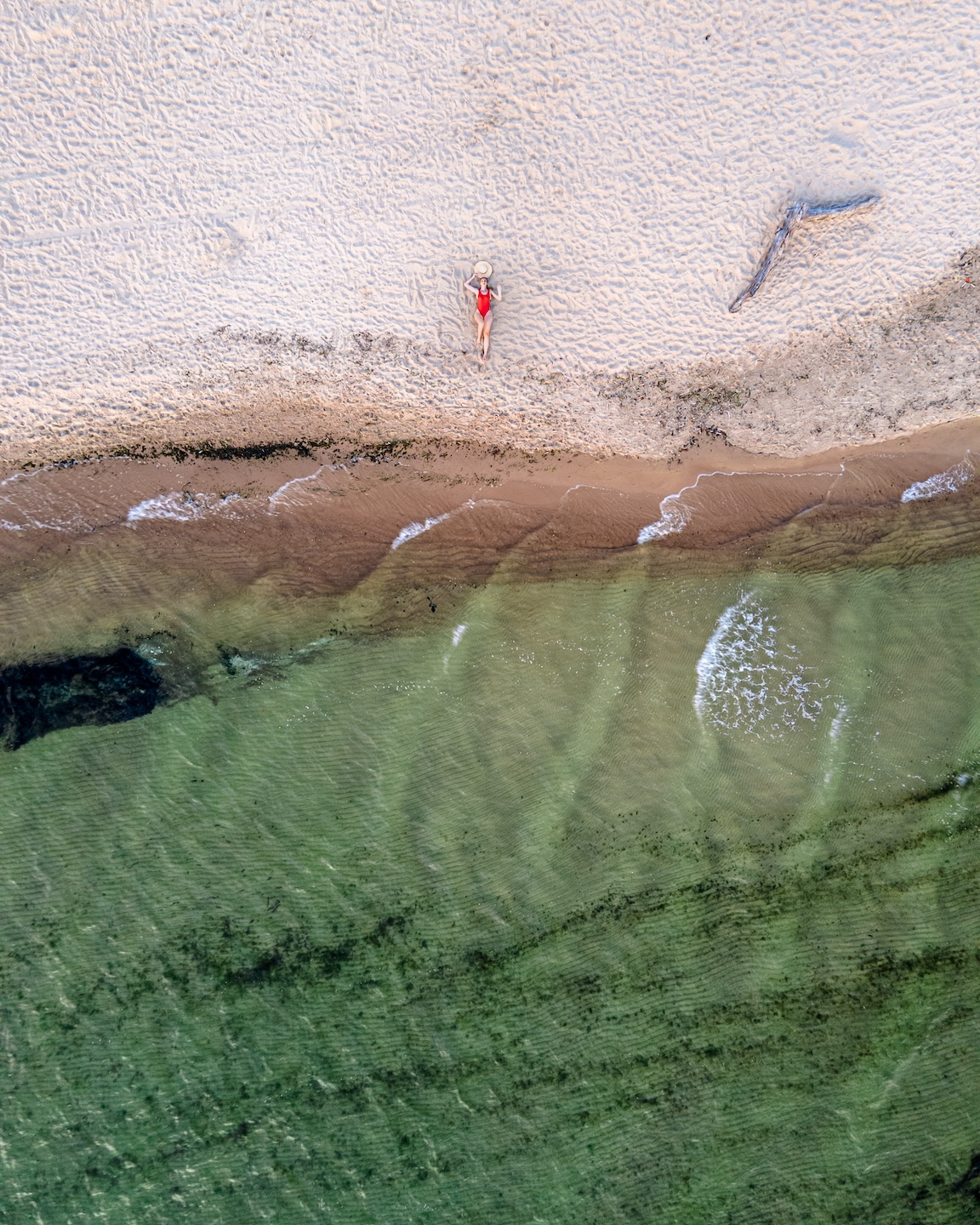
Sobieszewo Island is an alternative for anyone who would like to spend part of the day by the sea. Come at sunrise if you enjoy early mornings, or later for a relaxed beach walk.
I still remember wondering why I had agreed to get up before sunrise the first time I went there so early. Then the sky started changing above the Baltic Sea, and the whole beach turned gold.
It was one of those moments that felt worth the effort precisely because almost nobody else was there.
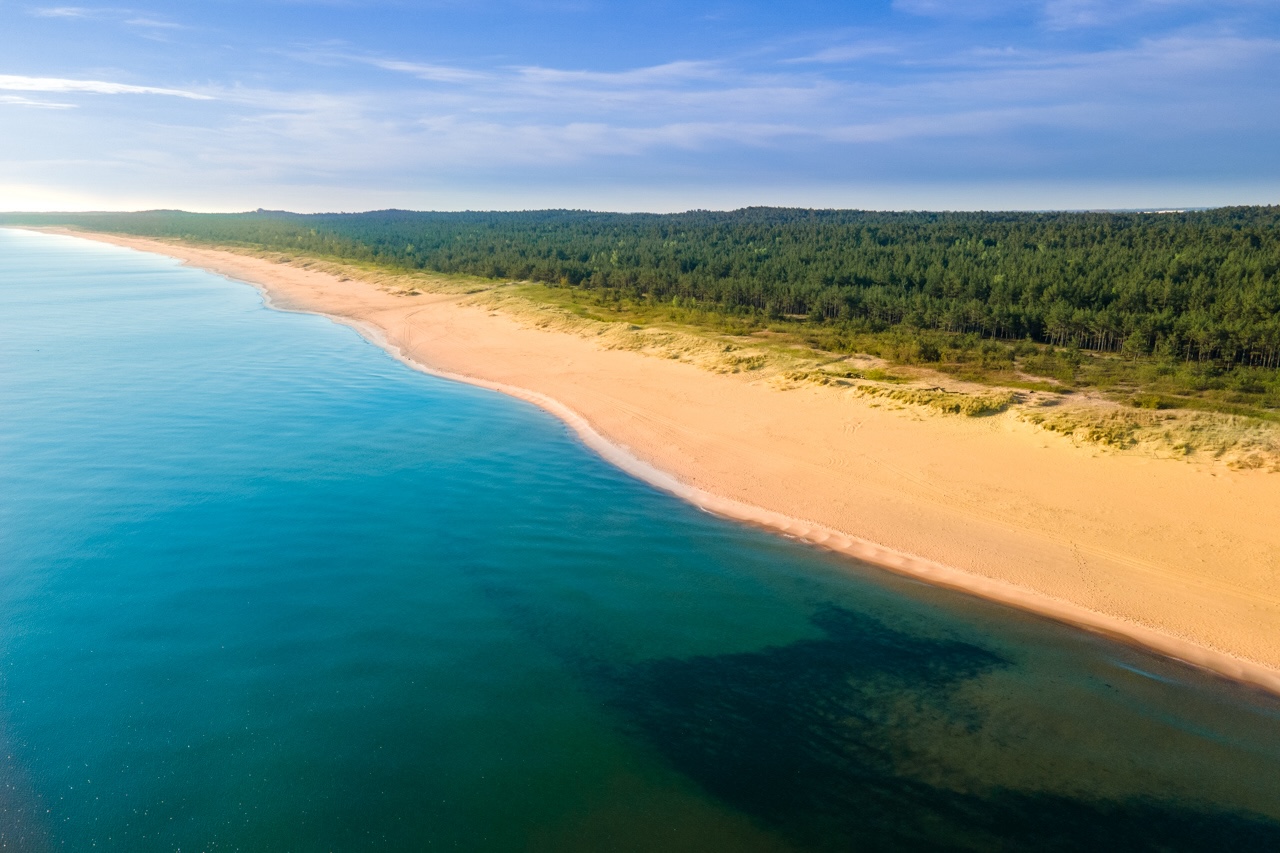
Sobieszewo has some of the wildest and quietest beaches within Gdańsk. You will not find a line of beach clubs or crowded promenades here. Instead, there are wide stretches of sand, pine forests and the sound of the sea.
The island is also home to two nature reserves: Ptasi Raj and Mewia Łacha. More than 200 species of birds have been recorded in the area, and wild seals can sometimes be seen near Mewia Łacha.
Sometimes is the important word. Do not plan your visit around the promise of seeing seals. They are wild animals, not an attraction waiting on a schedule.

My Honest Advice
For a one-day itinerary, choose the beach or one nature reserve. Give yourself time to enjoy it without trying to explore the entire island.
If you are staying in central Gdańsk, check bus connections before setting off. For a sunrise visit, a taxi or rideshare may be the simplest option, depending on the first buses of the day.
Bring a light jacket even in summer. The wind beside the Baltic Sea can make it feel cooler than you expect.
Practical Information
- Time: Around 1.5-2 hours for a beach walk, plus travel. Allow longer if you choose a nature reserve.
- Cost: Free, apart from transport.
- Bring: Comfortable shoes, a light jacket, water and a snack – or breakfast if you come early.
- Local tip: For a sunrise visit, check the sunrise time and transport options for your travel date.
- Skip this stop if: You have limited time or would prefer to focus on the city.
Zaspa: Explore Gdańsk’s Murals
Zaspa is unlikely to impress you at first sight.
It is a large residential district dominated by apartment blocks and open spaces. Until the 1970s, part of this area was occupied by an airport.
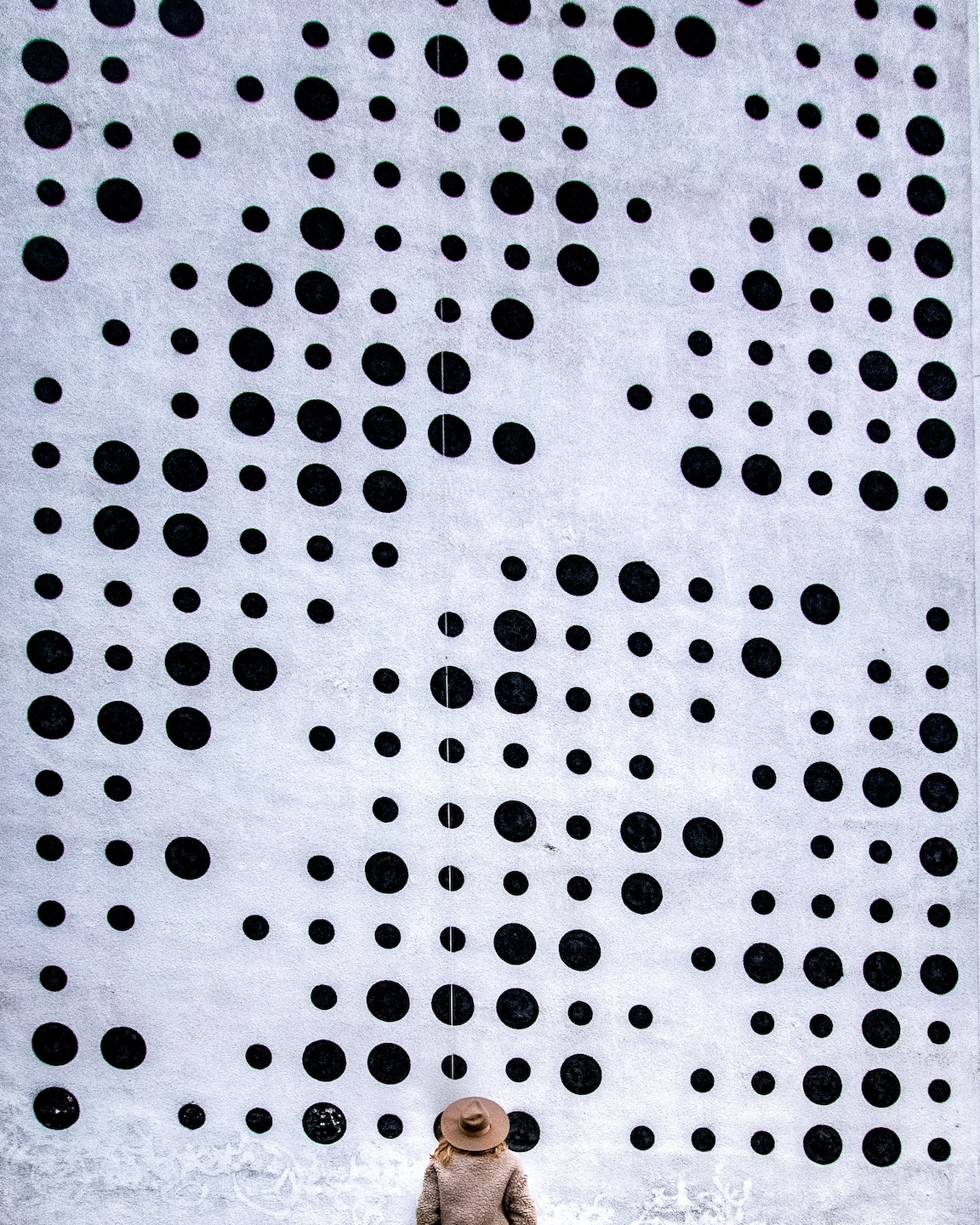
Today, the district is known for its Collection of Monumental Painting – an open-air gallery of around 60 large murals painted on the sides of residential buildings.
Some works refer to Polish history. Others explore identity, politics, memory or everyday life. There are also pieces that are playful, abstract or deliberately difficult to interpret.
That variety is what makes Zaspa more interesting than a collection of decorative street art created only for photographs.
Among the best-known works are the murals connected to Lech Wałęsa and Pope John Paul II, as well as a pixel-based interpretation of Hans Memling’s Last Judgment.
You do not need to see every mural. Choose a short route and give yourself time to look at a few properly.

Practical Information
- Time: Around 1-1.5 hours for a short walk taking in a few selected murals.
- Cost: Free.
- Bring: Comfortable shoes, water and a wide-angle camera lens, if you have one.
- Skip this stop if: It is raining heavily or you would prefer to spend your afternoon in Wrzeszcz or Oliwa.
Gdańsk in One Day: Estimated Costs
Your final budget will depend mainly on where you eat and which paid attractions you choose.
Use these figures to plan your day:
- Public transport: 22 PLN for a regular 24-hour ZTM ticket for city buses and trams.
- St. Mary’s Tower: 20 PLN for a regular ticket.
- Żuraw or Sołdek: 23 PLN for a regular ticket to either attraction.
- Meals and drinks: Allow approximately 60-150 PLN, depending on your choices.
- Outdoor stops on the recommended route: Free.
With a 24-hour transport ticket, meals and one paid attraction, allow approximately 100-200 PLN per person. If you visit both St. Mary’s Tower and one maritime attraction, the total is approximately 125-215 PLN.
These estimates exclude accommodation, taxis, souvenirs and admission to the European Solidarity Centre’s permanent exhibition.
Prices and opening hours can change. Check official websites shortly before your trip, particularly if you are travelling outside the summer season.
Is One Day in Gdańsk Worth It?
Yes – especially if you give yourself time to enjoy the places you choose.
A walk beside the Motława, the cranes of the shipyard and an afternoon in Wrzeszcz or Oliwa can show you several different sides of the city.
After living here for 15 years, that variety is what I remember most: familiar streets, everyday cafés and places where I could slow down.
You will not see all of Gdańsk in one day. But you can leave with a few favourite places – and a reason to return.
Travel lighter, even before you leave.
start with something simple.
Download The Minimum Plan – Slow Travel:
About This Guide
I lived in Gdańsk for 15 years before moving to the United States. During that time, I lived in the historic centre and Wrzeszcz and regularly visited the other areas included in this itinerary.
Every recommendation in this article is based on my own experience of the city.
The practical information was reviewed and updated in October 2026 using current transport information and official attraction websites.
Continue Planning Your Trip to Poland and Europe
If Gdańsk is only one stop on your trip, these one-day itineraries may help you plan what comes next:
🏰 Kraków in One Day – explore the historic Old Town, Wawel Castle and the former Jewish district of Kazimierz.
🎨 Wrocław in One Day – discover colourful townhouses, riverside walks, hidden courtyards and some of the city’s famous dwarfs.
🌍 Berlin in One Day – see the German capital’s most important landmarks while leaving time to experience its neighbourhoods.
🗼 Paris in One Day – a realistic itinerary combining the classic sights with time to walk, stop for coffee and enjoy the city without rushing.
Which city are you planning to visit next? Let me know in the comments – I would love to hear about your trip.