
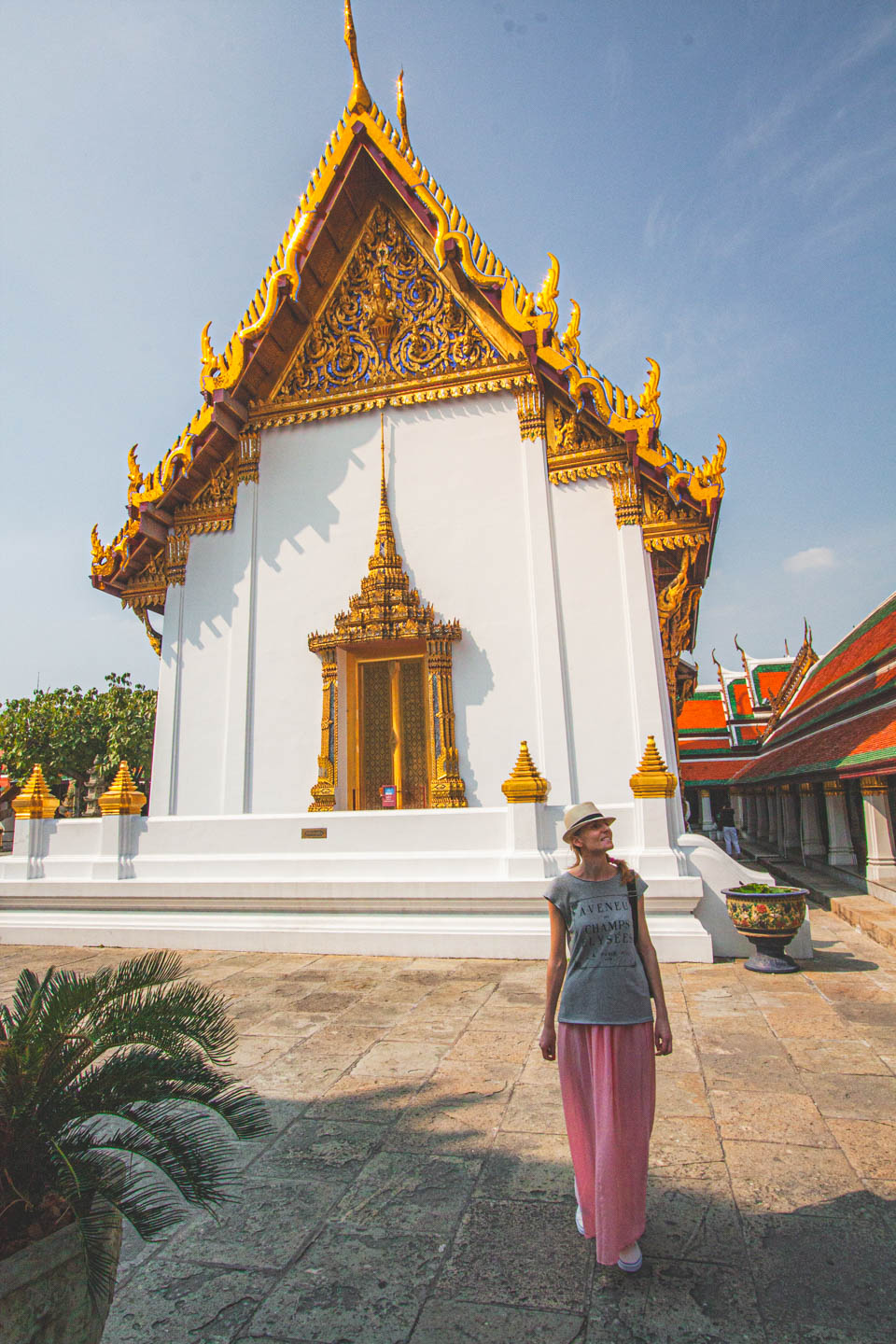
On my first visit to Wat Pho, I was wearing shorts and a tank top. A guard politely but firmly let me know I couldn’t enter dressed that way. I felt embarrassed. I could have checked the rules beforehand, but instead I learned them at the entrance.
During my month in Thailand, I picked up a few more lessons. Some were about respecting local customs; others concerned safety and health. I’ve gathered them here to help you prepare for your own trip.
If you’re still putting your route together, my two-week Thailand itinerary is a good place to start.
1. Don’t Arrive at a Temple Dressed for the Beach
My visit to Wat Pho began with looking for something to cover my shoulders and legs. I was dressed for a hot day of sightseeing, but the temple had different expectations.
Now, when I plan to visit a temple, I wear clothes that cover my shoulders and knees and avoid sheer fabrics. Check the requirements for the particular place you’re visiting, as they can vary.
A thin scarf won’t necessarily solve the problem if the rest of your outfit doesn’t meet the dress code.
Thailand’s tourism authority advises visitors to dress appropriately at religious sites and notes more specific requirements for royal grounds.
It’s a small thing to plan for when you pack. Once you’re there, you can spend your time looking around rather than wondering whether you’ll be allowed inside.
For more ideas, see my Thailand packing guide.
2. Don’t Rent a Scooter Without the Right License and Preparation
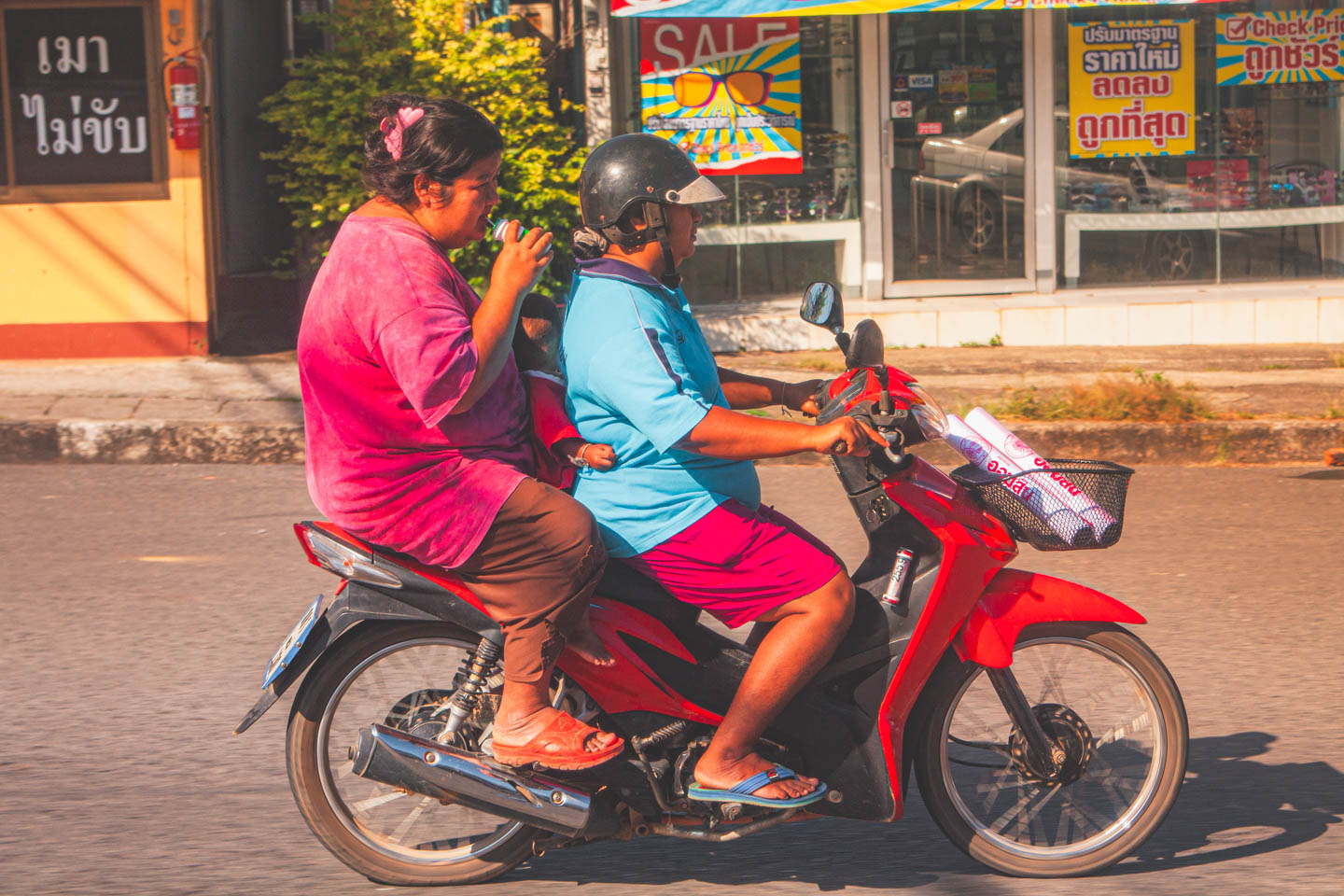
HA scooter can seem like an easy way to get around Thailand. You can stop whenever you like and reach places that are difficult to visit by public transport. I understand the appeal.
But this is something to sort out before your trip, not at the rental counter. Check that your license covers the type of vehicle you’ll be riding, that you have the required documents, and that your insurance covers you while riding it.
Don’t assume a standard car license gives you permission to ride a motorcycle. Thailand requires visiting drivers to have an International Driving Permit for a car or motorcycle; you’ll need to check your insurance terms separately.
If you have little experience riding a scooter, vacation traffic isn’t where I’d choose to learn. In that situation, I’d rather book a ride or use local transport. The options depend on where you are in Thailand.
If you’re heading south, my five-day Krabi itinerary can help you plan that part of the trip.
3. Don’t Treat a Buddha Image as a Photo Prop
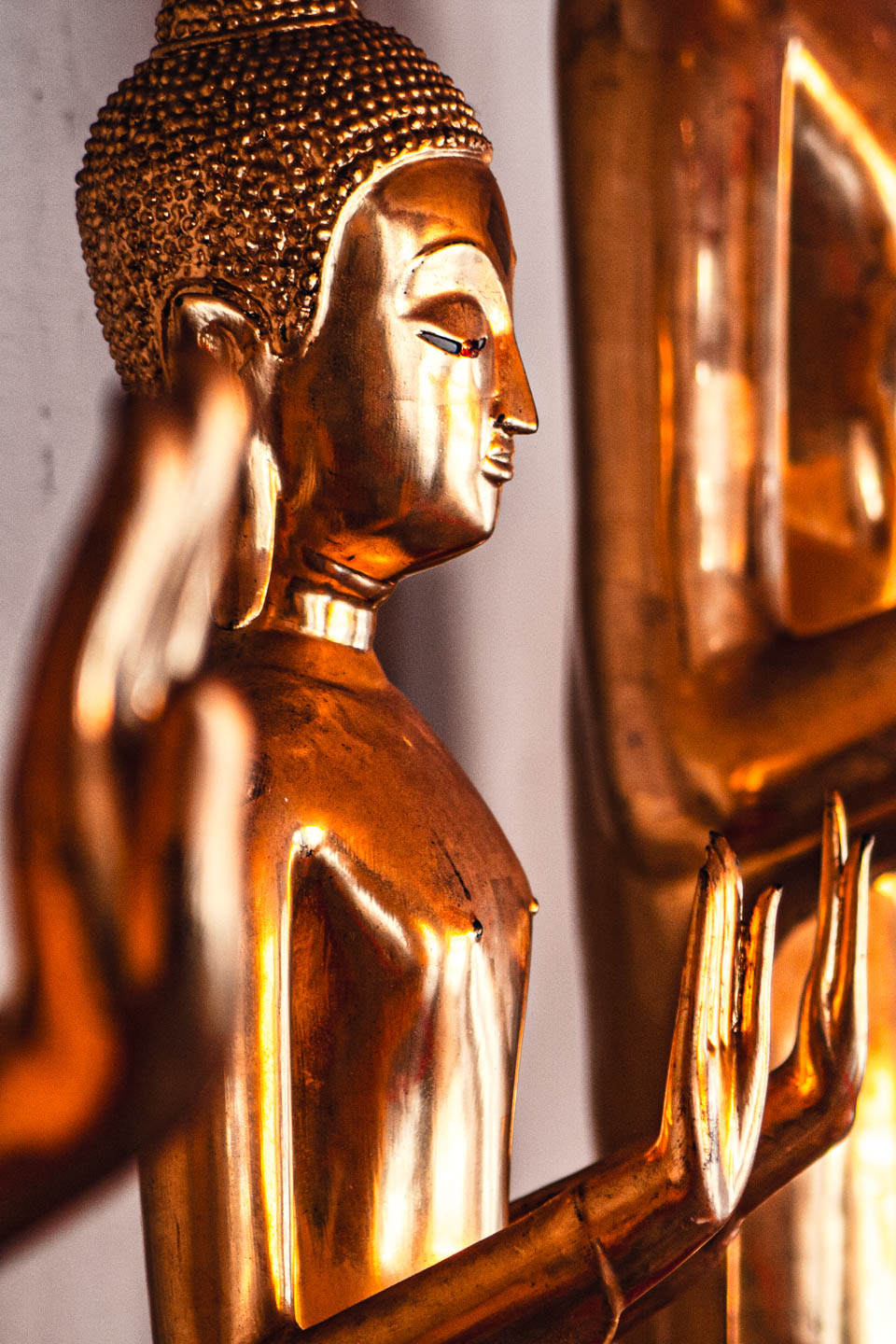
At Wat Phra Singh in Chiang Mai, I saw a visitor pose with his back to a large Buddha statue. Nobody shouted at him, but the reaction of the people nearby made me think more carefully about the photos I took in temples.
That doesn’t mean every photo with a Buddha image is forbidden. Photography rules vary by place. I look for signs, notice whether people are praying or a ceremony is taking place, and avoid turning a sacred image into the backdrop for a joke or a pose.
Sometimes I put my phone away altogether. There are places I’d rather experience without thinking about the picture I’ll take home.
4. Don’t Take Close-Up Photos of People Without Asking
In Chiang Mai, I wanted to photograph an older man working at a food stall. He smiled, but I had the sense that he wasn’t comfortable in front of the camera. Since then, I’ve tried to ask before taking someone’s portrait.
The simplest approach is to show your camera and wait for a clear answer. If someone declines, I put my phone down and thank them. A smile doesn’t always mean yes, particularly when you don’t share a language.
That applies to a quick phone photo, too. Finding a moment interesting doesn’t automatically mean the person in it wants to become part of our travel story.
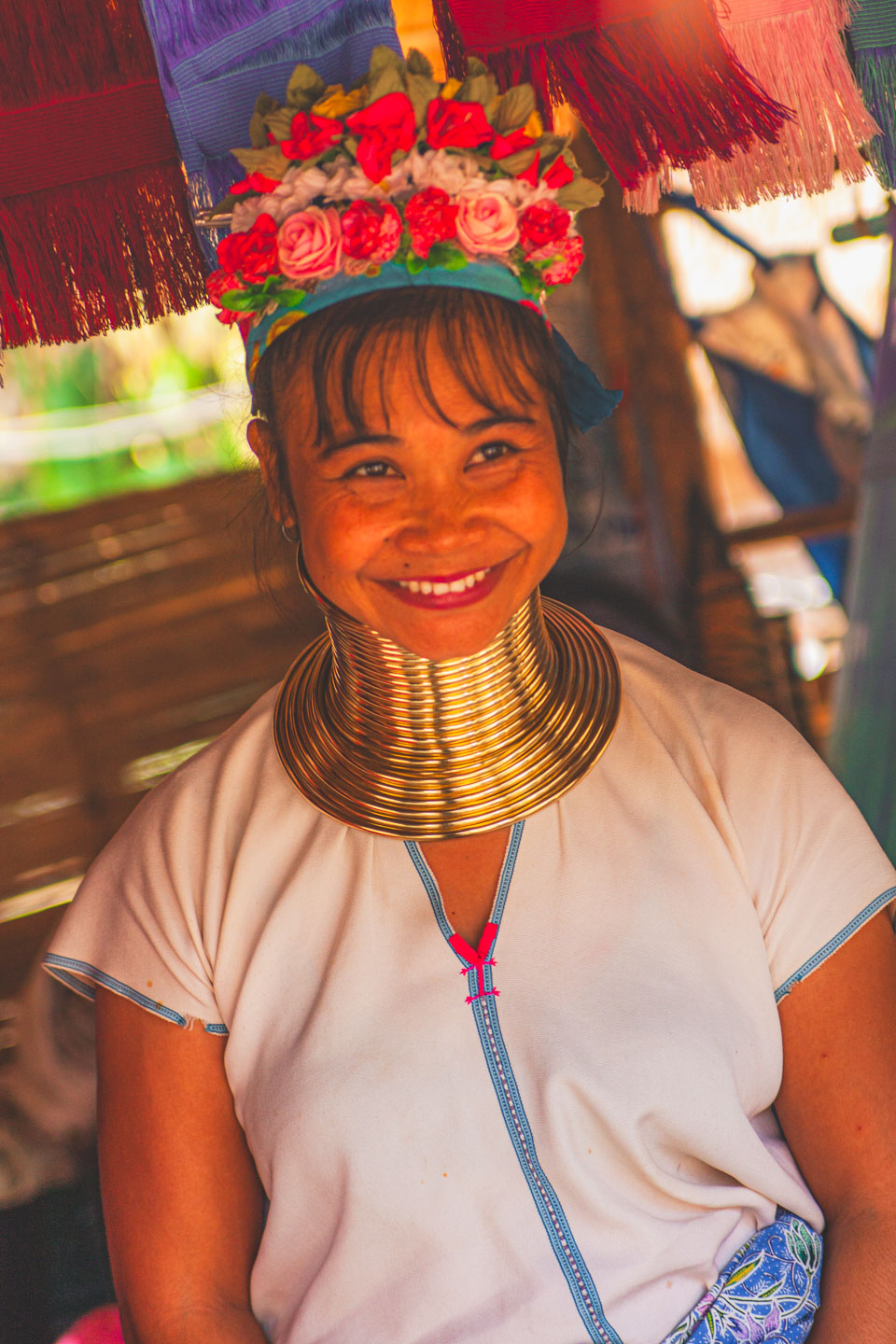
5. Don’t Overlook the Laws Concerning the Royal Family
Comments about Thailand’s royal family can have legal consequences. Critical, defamatory, or threatening remarks may be treated as criminal offenses. It’s worth understanding this before your trip, including if you plan to post about it online.
During my stay, I also noticed royal symbols in public spaces. Rather than assuming I understood what they meant to everyone around me, I paid attention to the situation and behaved respectfully.
I wouldn’t claim that every Thai person feels the same way about the monarchy. You can’t understand a whole country’s views from one scene in a cinema or a single conversation.
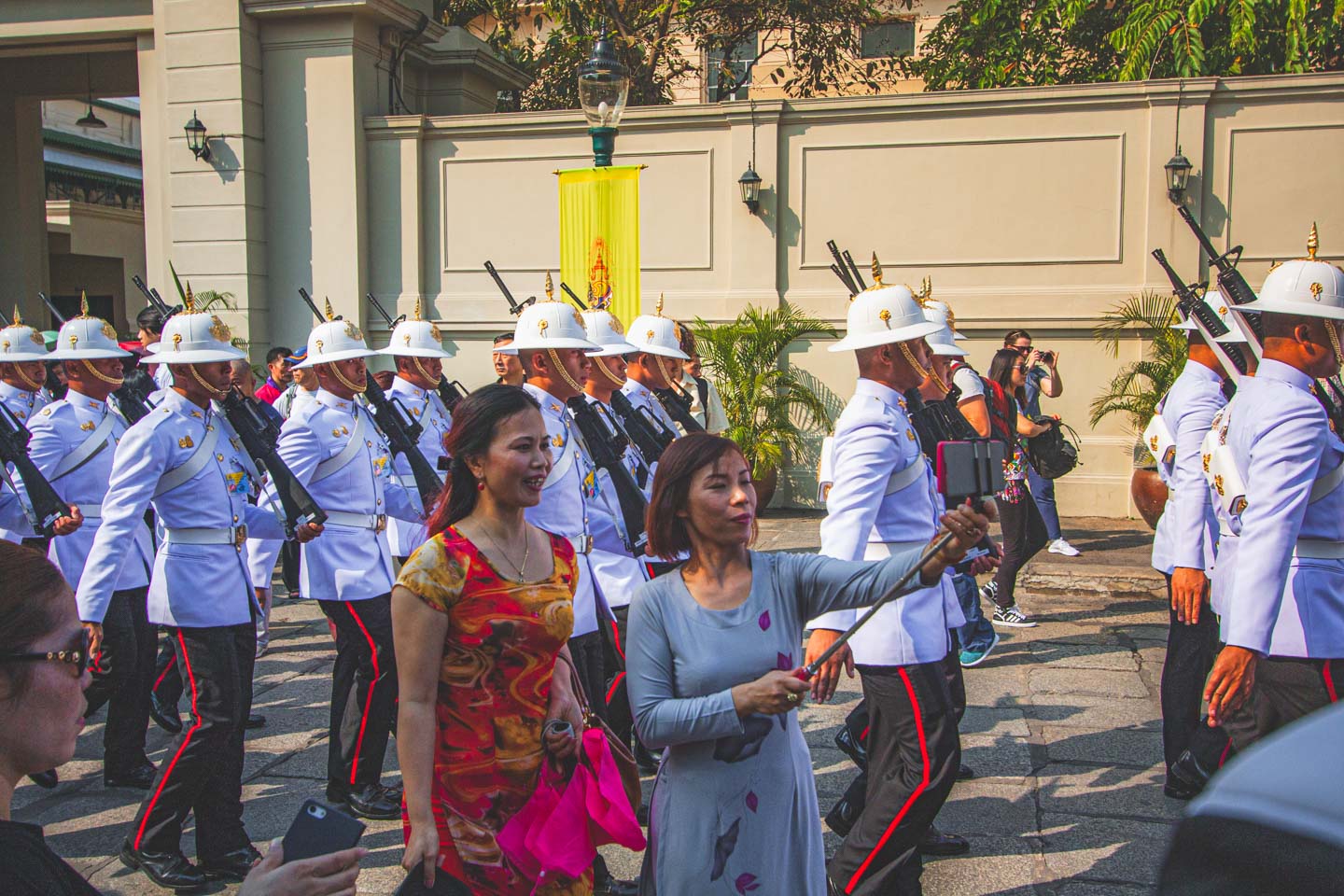
6. Don’t Book an Elephant Ride Without Looking Into It
Before my first trip to Thailand, I considered riding an elephant. Then I started reading about how elephants used in tourism may be trained and kept, and I changed my mind.
Today, I’d rather observe elephants than take part in an activity that requires them to perform for visitors. At the same time, the word sanctuary in a place’s name isn’t a guarantee of good conditions.
Before booking, look at what visitors are allowed to do with the animals, whether rides are offered, and how the organization describes its care.
If you’re going to Chiang Mai, Elephant Nature Park is one place you may want to research. Check its current visiting program before making plans.
I’ve written more about my decision in 10 reasons to avoid elephant rides in Thailand.
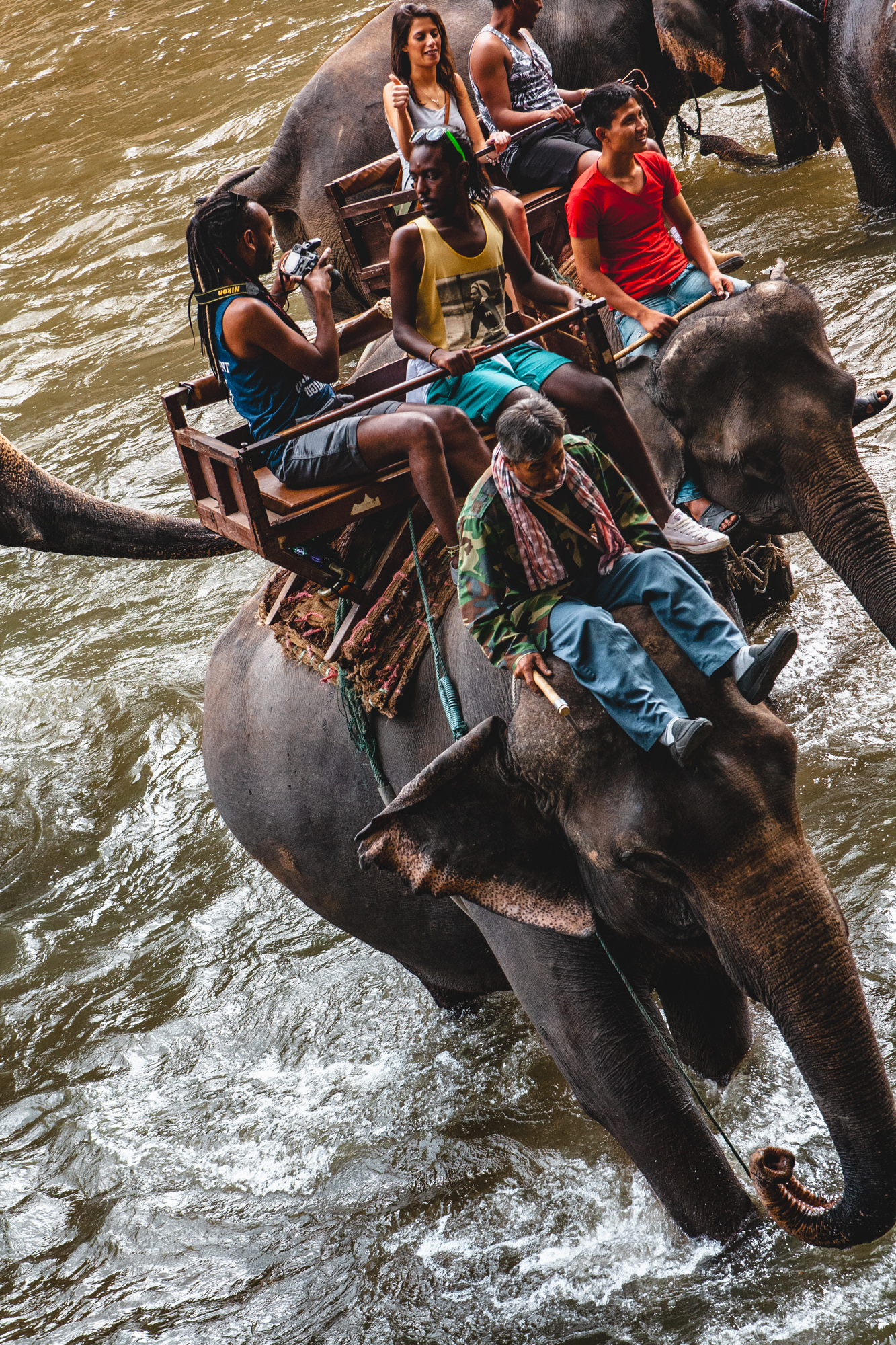
7. Don’t Touch Someone Else’s Head
While staying at a guesthouse in Chiang Mai, I patted a child on the head. I meant it as a friendly gesture, but I could tell from the mother’s reaction that it hadn’t been welcome. Later, I learned that the head has particular significance in Thai culture.
Since then, I’ve avoided touching the head of someone I don’t know well, including a child. It’s a sensible rule wherever you travel. A gesture that feels affectionate to me may feel very different to the other person.
I don’t need to memorize a long list of prohibitions to show respect. Sometimes I just need to pause before doing something I wouldn’t think twice about at home.
8. Don’t Drink Water Straight From the Tap
During my first days in Bangkok, I had stomach trouble and spent two days in bed. At the time, I connected it with using tap water while brushing my teeth, though I can’t know for certain what caused it.
On later trips, I kept to a simple rule: drink water I know is safe, such as water from a factory-sealed bottle or water that has been properly treated.
The CDC advises travelers in Thailand not to drink tap water and to be cautious with ice when they don’t know what water it was made from. That doesn’t mean every iced drink will make you ill.
If you bring a water filter, check what it’s designed to remove. Having a filter in your bottle doesn’t automatically make every water source safe to drink.
9. Don’t Forget to Remove Your Shoes When Asked
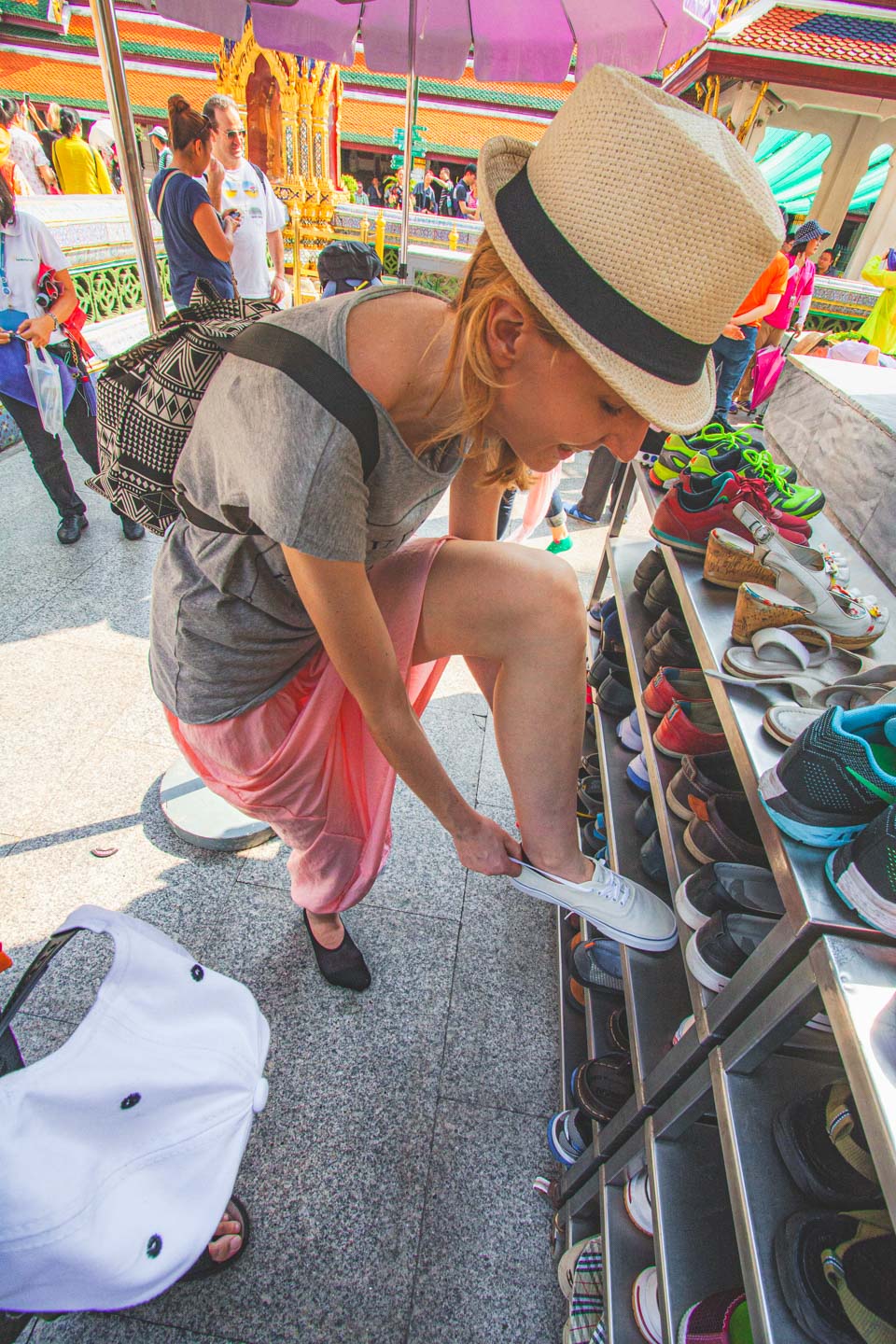
I once walked into a small place in Pai wearing my shoes and only then noticed the footwear lined up by the entrance. The owner politely pointed it out, and I quickly took mine off.
You’ll generally need to remove your shoes before entering temple buildings. At someone’s home, follow your host’s lead. Don’t assume every shop or restaurant has the same rule: look for a sign, notice the shoes at the door, or ask.
Thailand’s tourism authority reminds visitors to remove their shoes before entering Buddhist temples.
It’s easy to forget after a full day of moving from place to place. A row of shoes by the entrance is usually your best clue.
10. Don’t Raise Your Voice When Things Go Wrong
On Khao San Road, I saw a tourist begin shouting at a vendor while discussing a price. The exchange immediately became tense. I remember wondering how raising his voice could possibly help either of them understand the other.
Misunderstandings happen when you travel. A price isn’t what you expected, a ride takes too long, or someone doesn’t understand your question.
I get tired and frustrated in those situations too. I try to slow down, make sure I’ve understood the other person, and then look for a way forward.
You don’t have to smile when something is wrong or agree to everything to avoid conflict. You can be clear about what you need while speaking calmly. That’s useful advice well beyond Thailand.
Travel lighter, even before you leave.
start with something simple.
Download The Minimum Plan – Slow Travel:
What Thailand Taught Me About Traveling
After a month in Thailand, I didn’t come home feeling that I knew all the rules. I came home more willing to ask questions, pay attention, and admit when I didn’t know something.
Before another visit, I’d check the rules for the places I want to see, the documents needed to drive, and the basic health advice. Once there, I’d leave room to learn from the people I meet, without expecting to understand everything immediately.
If you’re planning your own trip, these guides may help:
- 2-Week Thailand Itinerary – complete planning guide
- 15 Things to Do in Bangkok – urban discoveries
- 5-Day Thailand Itinerary – southern paradise beaches
- Koh Samui Travel Guide – island paradise
What did you learn only after arriving in Thailand?