

RV travel looks simple on Instagram, but once you’re on the road, small choices add up fast. Campsites, fuel, food, hookups.
Over the years of traveling by RV across the USA, we learned that saving money isn’t about cutting comfort. It’s about slowing down, choosing simpler options, and knowing where costs quietly sneak in.
These RV camping tips are based on what actually worked for us. Some saved a few dollars here and there. Others made a real difference over time.
If you’re planning an RV trip and want to travel lighter, calmer, and without overspending, start here.

1. Choosing Campsites That Don’t Drain Your Budget
Campsites are often the biggest daily expense on an RV trip. What we learned quickly is that where you stay matters more than how fancy it looks.
Early on, we made the mistake of choosing private RV parks just because they looked convenient online. They were expensive, crowded, and often far from the places we actually wanted to explore.
Booking state and national park campgrounds instead saved us both money and frustration. They’re usually cheaper, better located, and put you right next to trails, viewpoints, and nature. Less driving also meant less fuel and fewer rushed mornings.
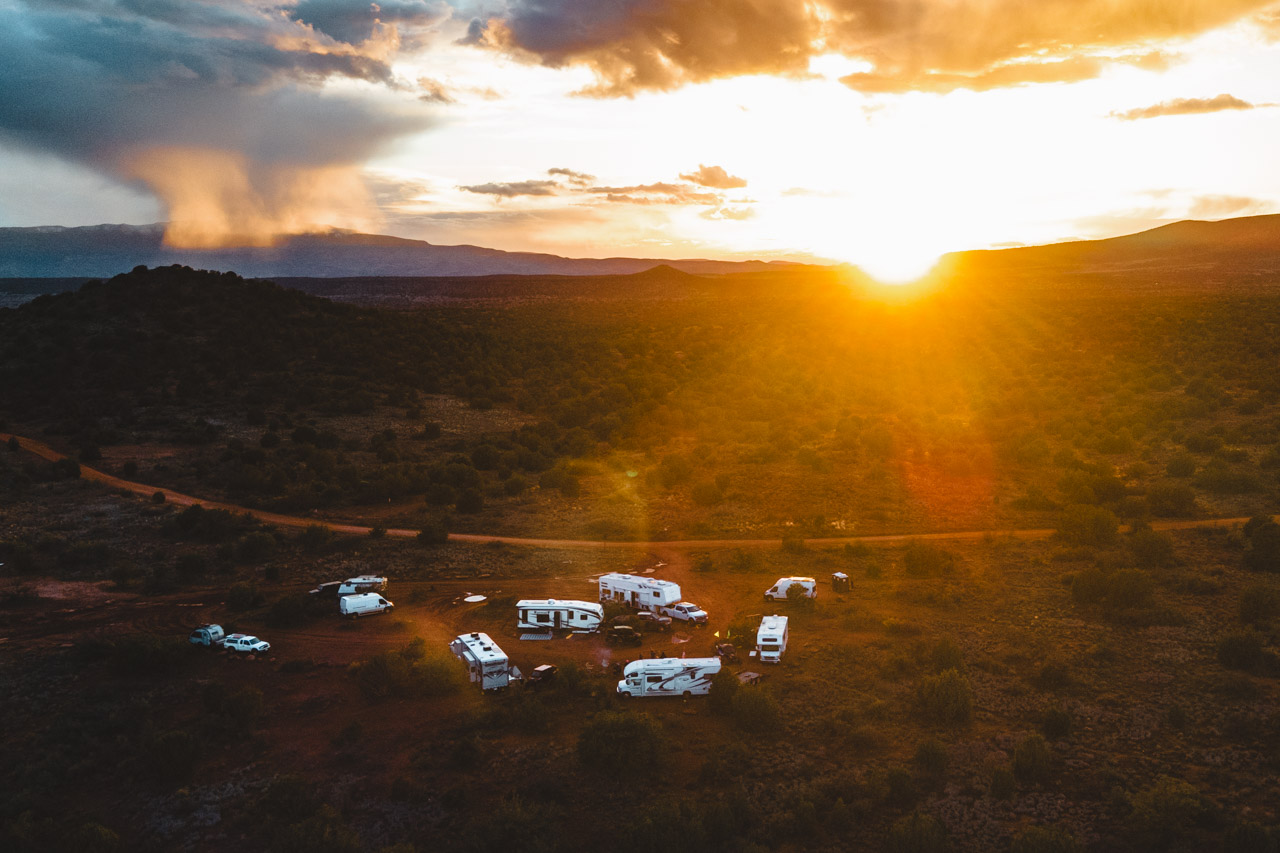
For quieter nights, we often chose free or low-cost camping on public lands like BLM areas and national forests. These spots don’t come with amenities, but they offer something private campgrounds rarely do: space, silence, and a slower pace.
Waking up without neighbors just a few feet away changed how we experienced our days on the road.
We also stopped chasing one-night stays. Moving every day sounded efficient, but it quickly became exhausting and expensive.
Slowing down and staying longer in one place often meant lower nightly rates, less setup and teardown, and a much calmer travel rhythm overall.
2. Cooking Your Own Meals (And Why It Matters More Than You Think)
Eating out every day adds up fast on the road. At first, it felt like part of the adventure, but after a while it became one of the most expensive and tiring habits of RV travel.
One of the simplest ways we saved money was treating our RV kitchen like a real kitchen, not a backup plan.
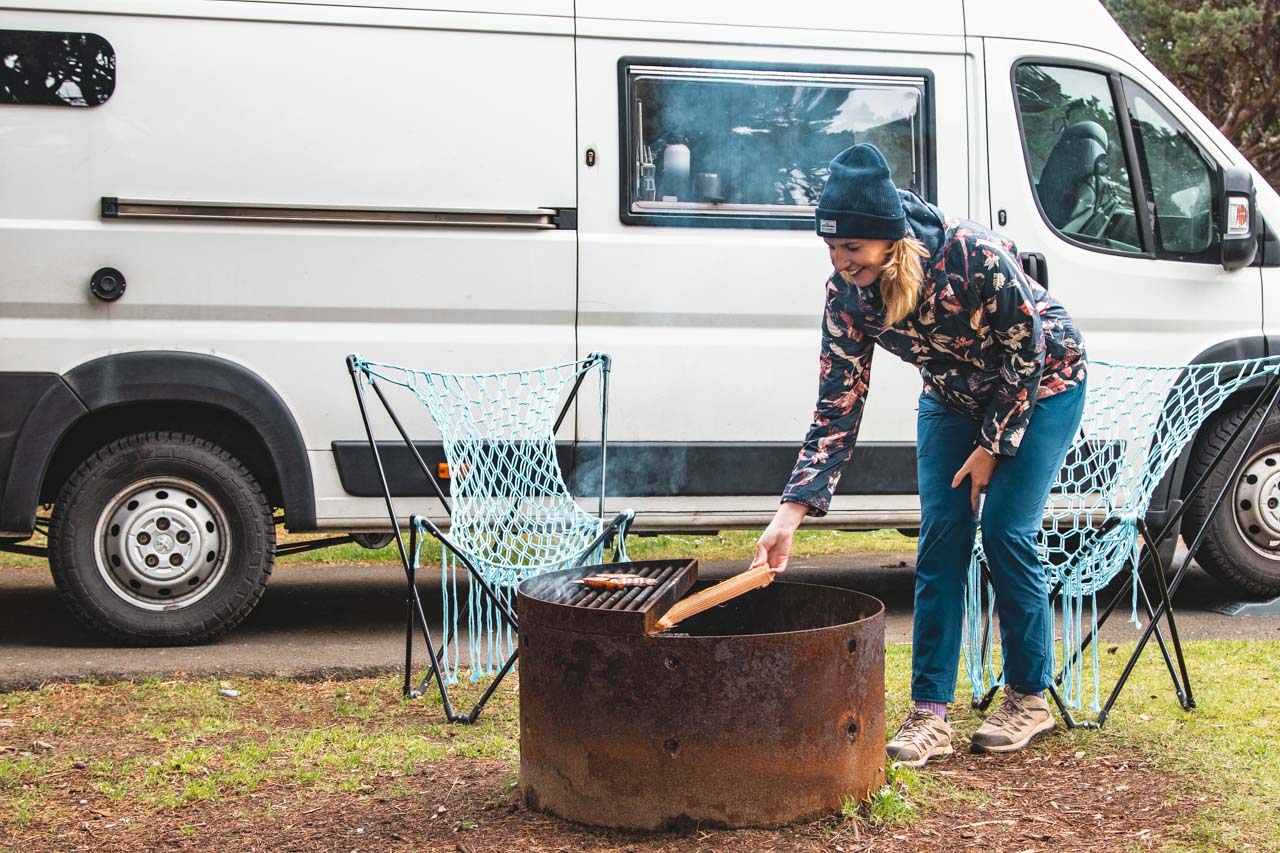
We planned meals loosely and cooked most breakfasts and dinners ourselves. Mornings were usually simple: coffee outside, something quick on the stove, and no rush to be anywhere.
In the evenings, cooking at the campsite gave us a natural pause after a day of driving or hiking, instead of searching for a restaurant just because it was “dinner time.”
Restaurants became intentional stops rather than defaults. We saved them for places that felt special or local, which made those meals more enjoyable and easier to justify in the budget.
Prepping simple meals ahead of time and sharing food costs when traveling with others made a noticeable difference, especially on longer trips.
Over time, we noticed that trips with more home-style meals felt calmer, cheaper, and surprisingly more grounding than constantly eating out.
Thinking about traveling the USA by van or RV?
This guide covers the everyday things that make life on the road easier, calmer, and less expensive – based on real travel experience.
3. Energy, Water, and Off-Grid Choices
Being mindful about energy and water use wasn’t just about sustainability. It directly affected how much we spent on the road.
Early on, we realized that relying on full hookups quietly pushed us toward more expensive campgrounds. Once we started paying attention to how much power and water we actually needed, our options opened up.
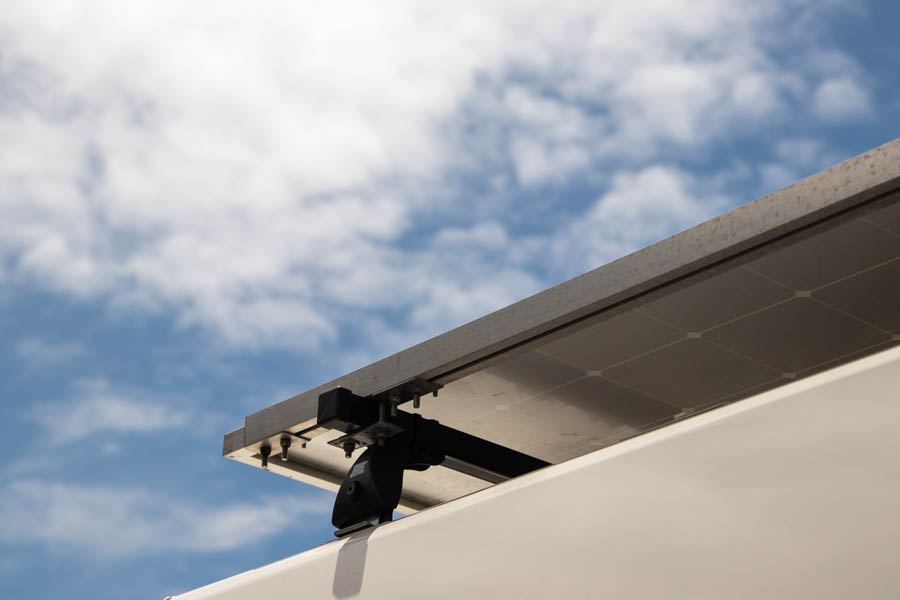
Using solar power, limiting unnecessary electricity, and keeping showers short meant we didn’t have to plan every stop around hookups.
This shift gave us more flexibility. We could stay in simpler places, camp farther from busy areas, and spend more nights in quieter, more remote locations.
Fewer hookups also meant fewer rules, fewer check-in times, and a slower, less structured daily rhythm.
In the end, using less didn’t feel like a sacrifice. It felt like freedom, and it lowered our nightly costs in a very real way.
4. Driving and Packing Smarter
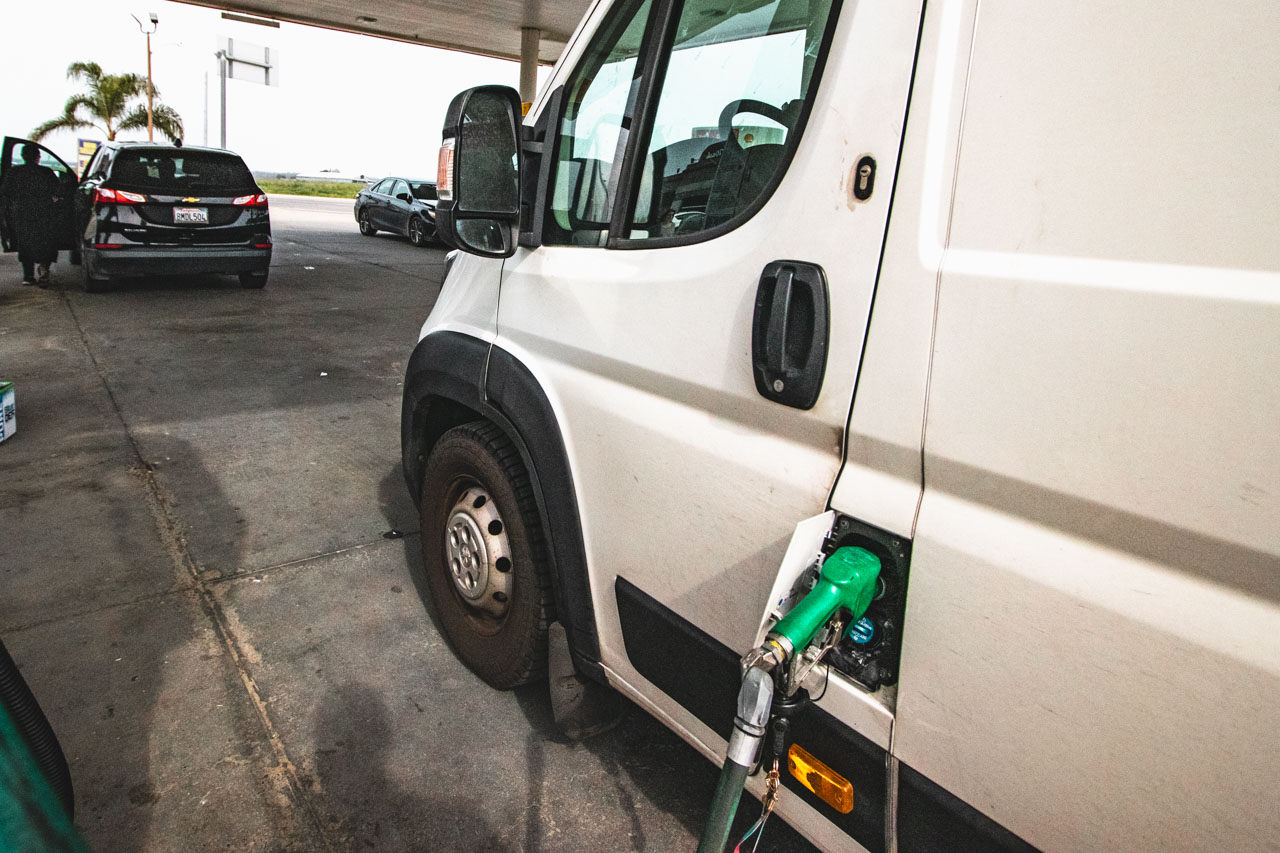
Fuel is one of those costs you can’t avoid, but you can manage it. We learned pretty quickly that rushing was one of the biggest fuel wasters.
Driving at a steady pace, avoiding unnecessary detours, and resisting the urge to “just check one more place” helped keep fuel use reasonable over time.
Packing also played a bigger role than we expected. Early on, we carried far more than we needed, which made the RV heavier and daily life more chaotic.
Over time, we pared things down to what we actually used, and the difference was noticeable. A lighter, more organized RV was easier on fuel and easier on us.
Fewer things to manage meant fewer daily decisions. Less rearranging, less digging through cabinets, and fewer small frustrations that tend to pile up on the road.
In a subtle way, traveling lighter reduced stress and helped keep extra, unnecessary expenses in check.
5. Small Skills and Long-Term Savings
Learning basic RV maintenance saved us more money than we ever expected. At first, even small issues felt stressful, but over time we realized that many problems didn’t require professional help.
Simple fixes like replacing a fuse, tightening a loose connection, or adjusting a latch prevented bigger issues from turning into expensive repairs or trip-ending delays.
Knowing how to handle minor problems also gave us confidence. Instead of rushing to the nearest service stop, we could fix things ourselves and keep moving without disrupting our plans.
We also learned that investing in quality gear once was cheaper than replacing budget gear repeatedly. Some of the cheaper items we bought early on didn’t survive more than a few weeks of regular use.
Replacing them over and over quickly added up. Choosing fewer, better-made essentials saved money in the long run and reduced frustration.
Over time, these small, practical choices paid for themselves, not just financially, but in peace of mind. Fewer breakdowns, fewer replacements, and fewer unexpected expenses made travel feel steadier and more predictable.
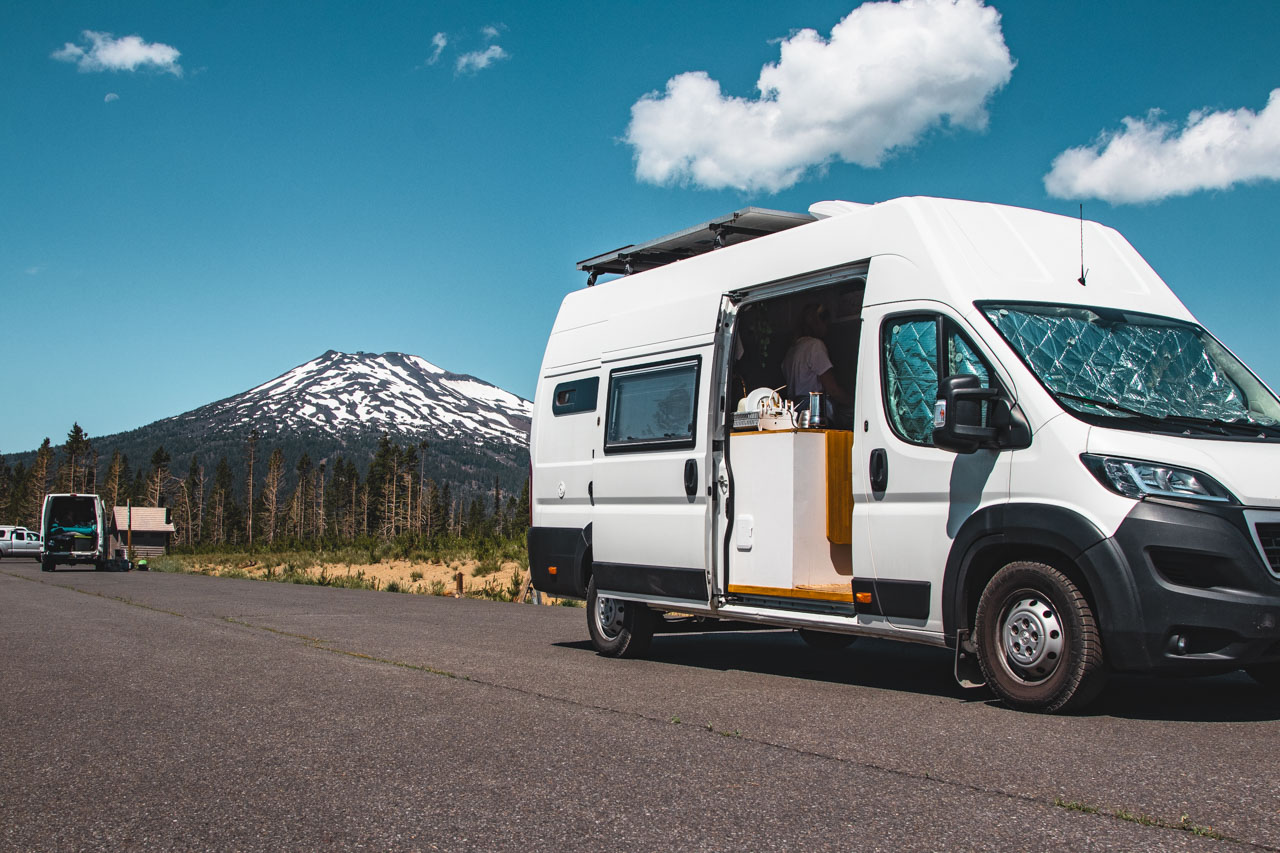
6. Slower Travel Is Cheaper Travel
The biggest money-saving lesson we learned had nothing to do with gear, apps, or clever hacks. It was pace.
At the beginning, we tried to see as much as possible. More miles, more stops, more places pinned on the map. Those trips always ended up being the most expensive ones.
More driving meant more fuel, more campground hopping, and more nights booked out of convenience rather than intention.
Slowing down changed everything. Staying longer in one place reduced setup and teardown, cut fuel costs, and made it easier to find simpler, more affordable campsites. It also reduced decision fatigue.
Fewer daily choices meant less stress and fewer impulse expenses that tend to creep in when you’re tired or rushed.
Letting go of packed itineraries gave us space to actually experience where we were, rather than constantly planning the next move.
Days felt fuller, even though we were doing less. Expenses dropped naturally, without feeling like we were “trying to save money.”
Traveling without rushing turned out to be not only cheaper, but far more enjoyable. It made RV travel feel sustainable, calm, and something we wanted to keep doing long-term.
Short guides on routes, camping, daily logistics, and traveling slower across the USA – based on real experience.

Travel lighter, even before you leave.
start with something simple.
Download The Minimum Plan – Slow Travel:
RV Camping Tips: Summary
RV travel doesn’t have to be expensive to be meaningful. Some of the most memorable moments on the road came from simple places, quiet mornings, and decisions that prioritized ease over intensity.
Most savings come from small, repeated choices: where you stay, how fast you move, and how much you really need. Over time, these choices shape not just your budget, but the entire rhythm of your trip.
If you’re planning an RV trip through the USA, I hope these tips help you travel with more ease, fewer unnecessary costs, and more space to enjoy the journey as it unfolds.