
Java is hard for me to describe in a single sentence. I remember temples where I wanted to linger, the landscape around Mount Bromo at sunrise, and meals I still think about long after the trip.
I also remember the traffic, the crowds, and days when getting from one place to another took much longer than the map suggested.
I spent three weeks on the island. It was enough time to see a lot, yet I left knowing how much I’d missed.
If you’re wondering whether Java belongs on your Indonesia itinerary, here’s my honest take on both sides of the trip: the experiences I’d happily return for and the things I’d prepare for differently.
What I Loved About Java
1. Temples and Traditions Worth Slowing Down For
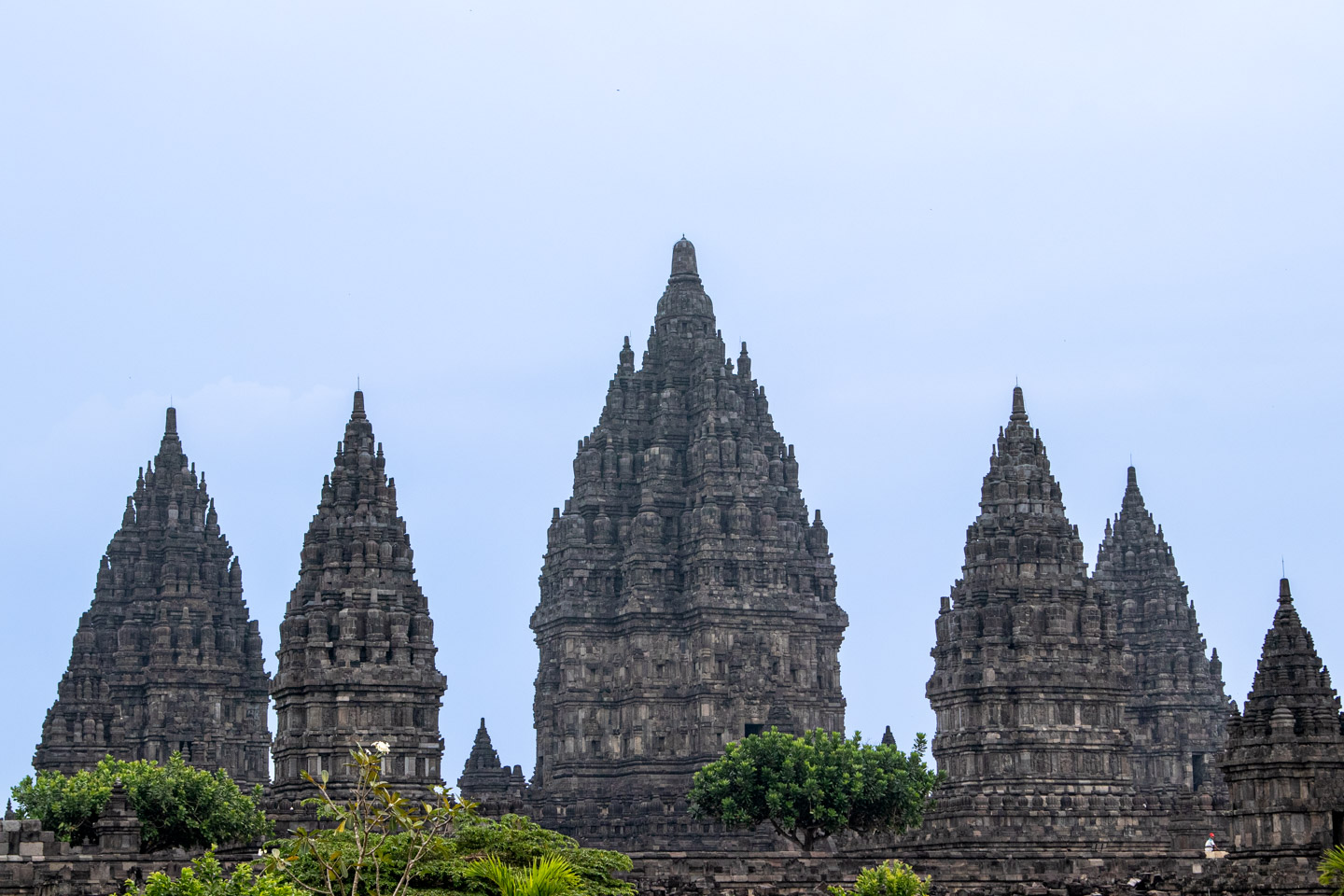
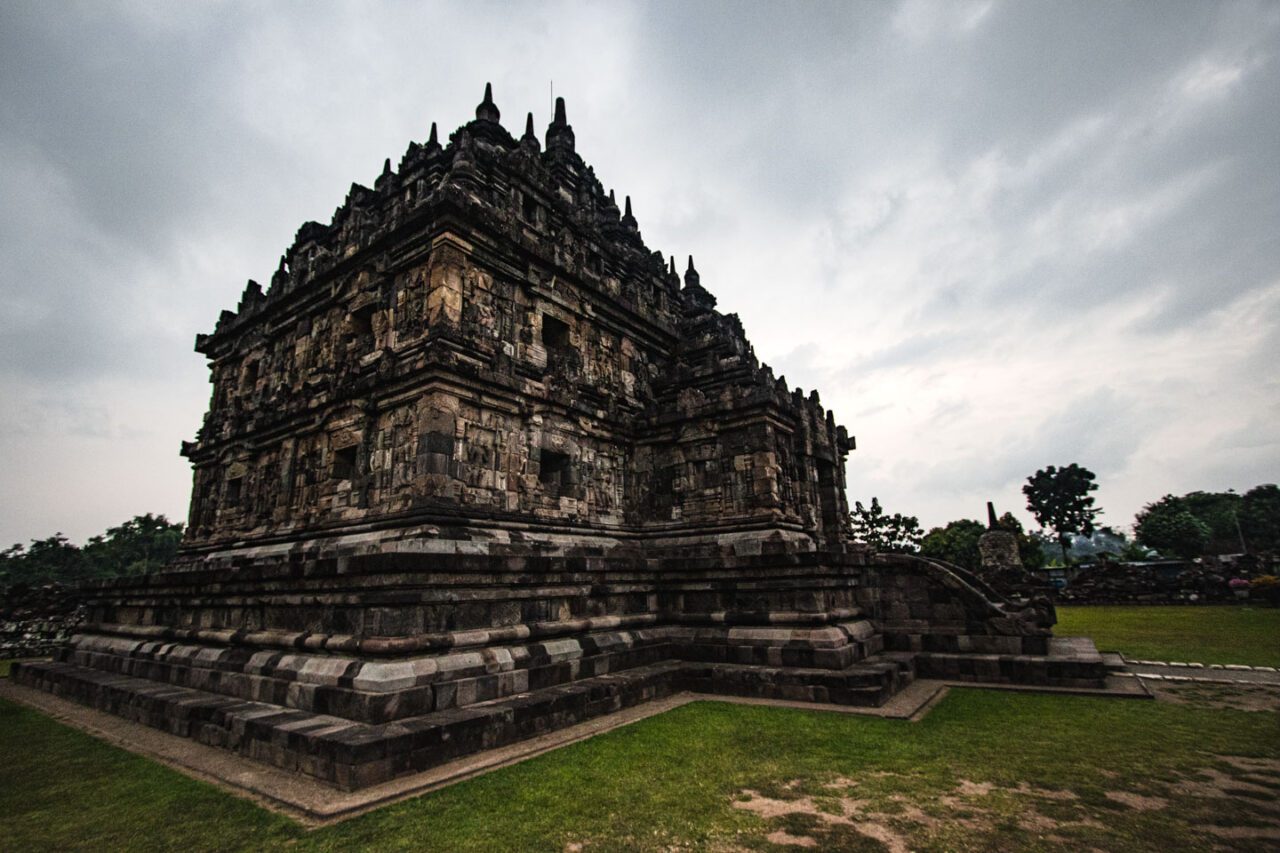
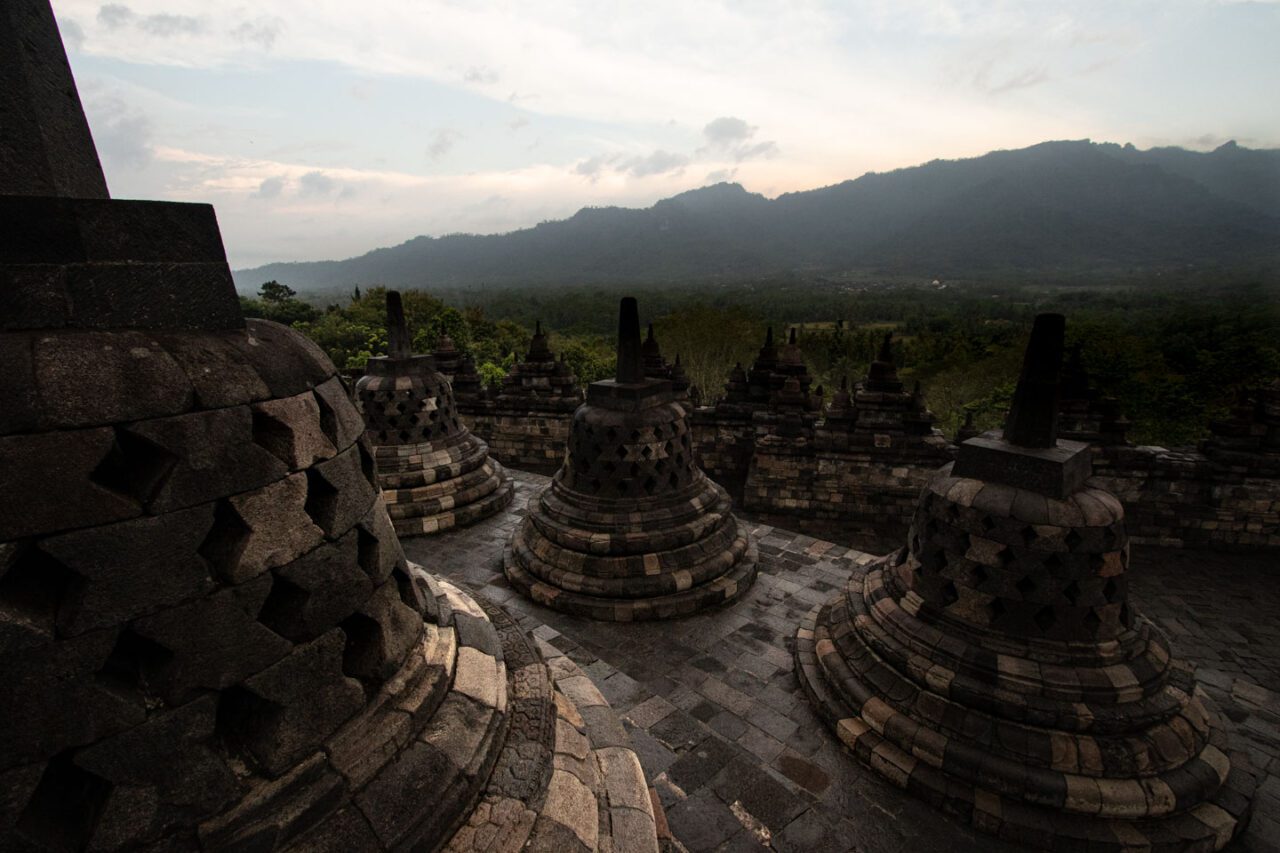
I’d seen photos of Borobudur and Prambanan before my trip. What those photos couldn’t show me was their scale, or how much more I noticed once I stopped trying to capture every angle and simply walked around.
It’s tempting to visit a temple, take a few photos, and move on to the next stop. I understand why, especially when your itinerary is full. But I enjoyed these places most when I gave them time.
Prambanan is impressive from a distance; up close, you begin to notice the details of its individual temples. Borobudur deserves more than a quick stop, too.
In Yogyakarta, I also went to a Ramayana Ballet performance. I don’t usually plan trips around dance shows, and I wasn’t sure what to expect. But watching the story unfold through music, movement, and costumes stayed with me.
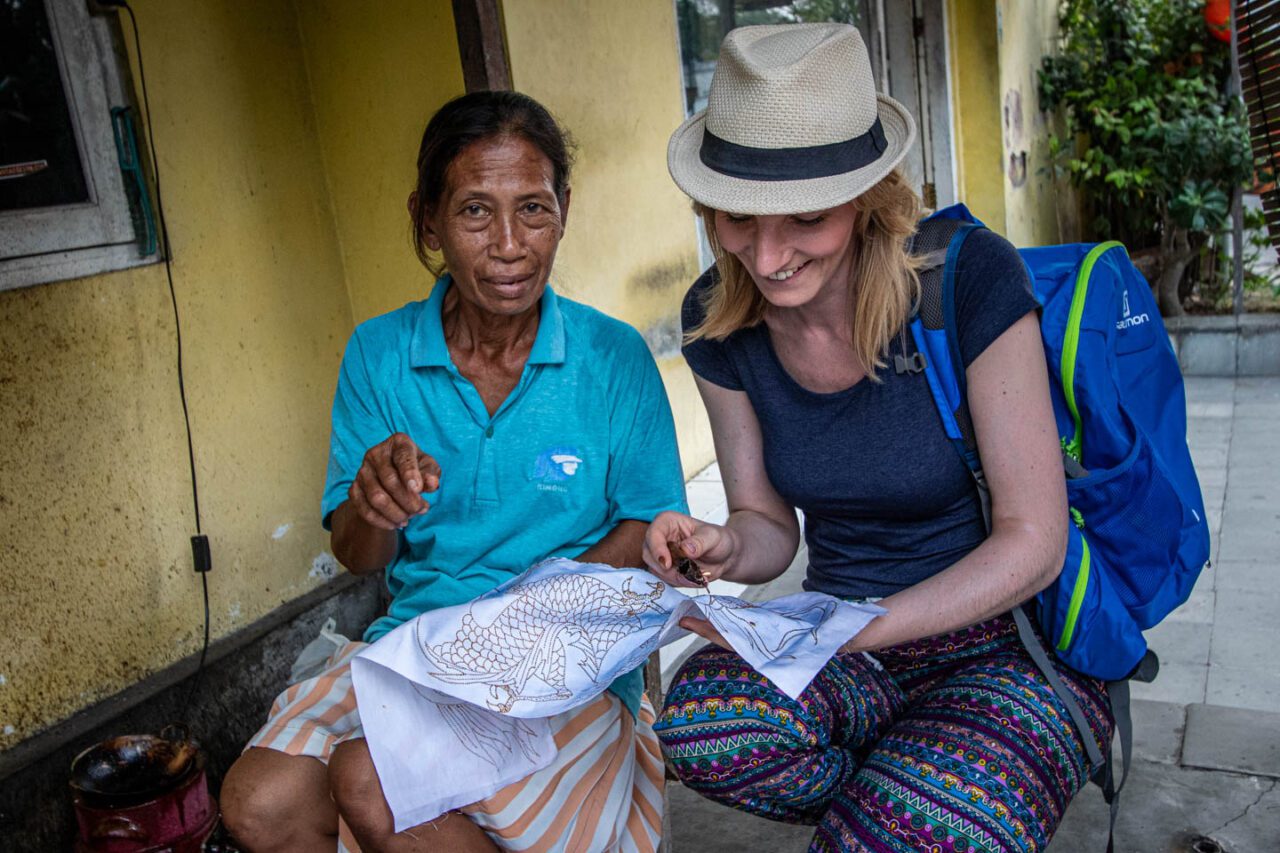
Another afternoon, I tried making batik. My piece looked nothing like the instructor’s, but that made me appreciate the finished fabrics even more. Trying to create a simple pattern yourself gives you a sense of the patience behind the work.
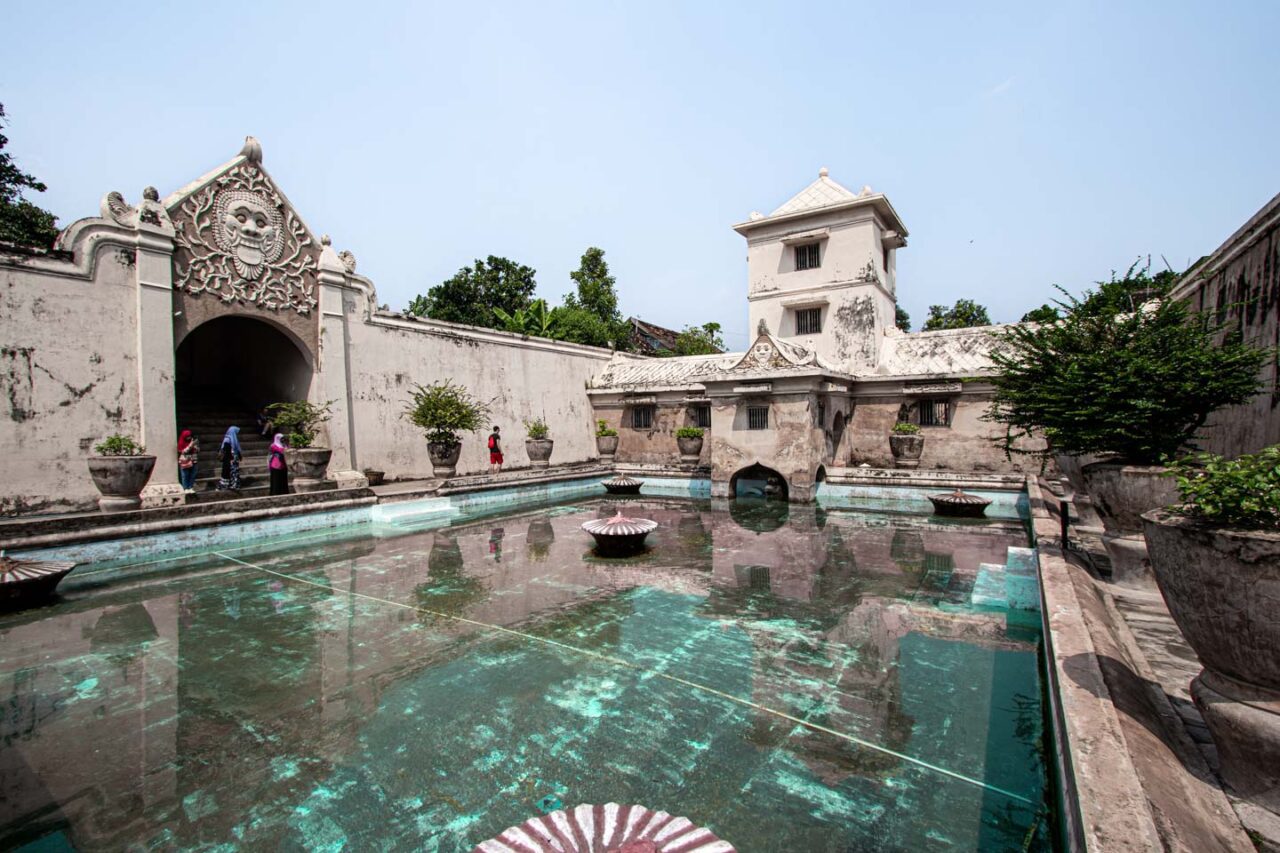
If you’re visiting Yogyakarta, make time for the Sultan’s Palace and Taman Sari as well. Then leave part of the day open for a walk without a destination.
Some of what I liked most about the city happened between the sights: on ordinary streets, beside food stalls, and during the moments when I wasn’t checking the time.
2. Landscapes That Change as You Travel
One of my favorite things about Java was how different each part of the journey could feel.
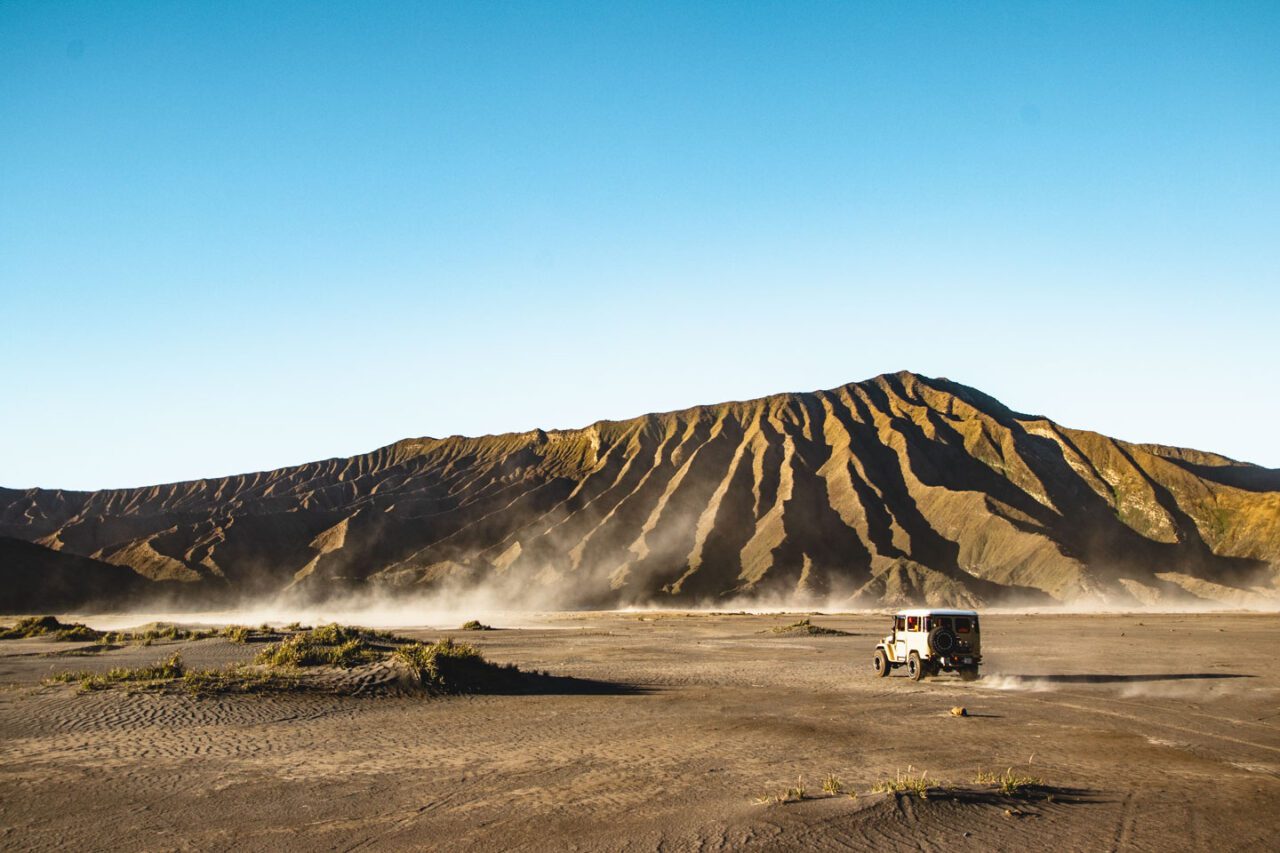
Rice fields, tea plantations, busy cities, and then the stark landscape around the volcanoes. After a few hours on the road, I sometimes felt as though I’d arrived on another island.
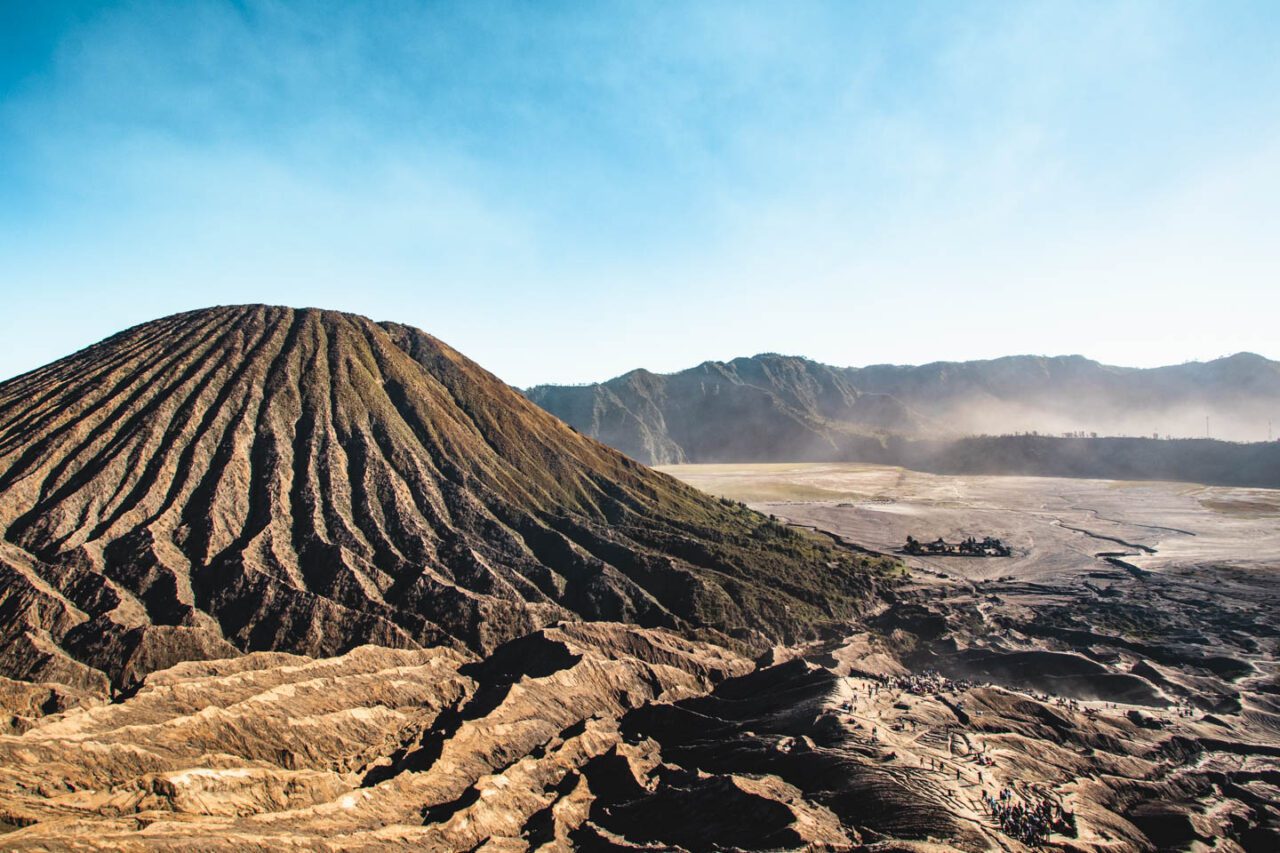
Mount Bromo left the strongest impression on me. Waking up in the middle of the night and heading out into the cold didn’t feel particularly magical at first.
For a while, I mostly wished I were still asleep. Then the light began to change, and the volcanic landscape appeared in front of me. I’d make that early start again.
If you’re planning to explore Java’s volcanic wonders, don’t miss my complete guide → Mount Bromo, Indonesia: A Bucket List Experience You’ll Never Forget
Kawah Ijen was a different kind of experience. The hike and the conditions around the crater call for more preparation, so I wouldn’t squeeze it between two long travel days.
Check the current access rules and conditions before you go, and give yourself time to rest afterward.
Java makes it easy to overfill an itinerary. There’s always another volcano, waterfall, or place you could add.
But you don’t have to see everything in one trip. Sometimes an extra night and a slow morning will do more for your experience than another attraction.
Even after three weeks, I felt I’d only begun to explore Java’s natural landscapes. If they’re the main reason you’re coming, give them plenty of room in your plans.
3. Food I Remember Along With the Places I Ate It
Food was an important part of my time on Java. Not only because I enjoyed it, but because meals gave me a reason to stop moving, sit down, and watch the day unfold around me.
Start with mie goreng, a fried noodle dish you’ll find in many different versions. Try gado-gado, vegetables with peanut sauce, and gudeg, young jackfruit cooked slowly until tender and especially associated with Yogyakarta.
If you don’t love a dish the first time, it may be worth trying it somewhere else before ruling it out.
As a vegetarian, I learned to ask about ingredients even when a dish looked meat-free. Broths, sauces, and toppings aren’t always obvious. A few questions saved in your phone can make ordering much easier when there’s a language barrier.
And then there’s coffee. I brought beans home, but drinking them there was never quite the same.
I remember the coffee together with the humid morning air, the sounds from the street, and the rare feeling that I didn’t have to be anywhere by nine.
I wouldn’t plan every meal around a list of highly rated places. Save a few restaurants you’re curious about, then leave room to walk into somewhere simply because it looks inviting. Some of my favorite meals began that way.

4. Conversations I Couldn’t Have Planned
When I think back on a trip, small encounters often stay with me as clearly as the famous sights. Someone helps with directions. Someone asks where I’m from.
We manage a conversation with only a few words in common. I had plenty of moments like that on Java.
If you enjoy smaller, more personal places to stay, consider a homestay. It can give you opportunities to talk with your hosts and experience a different rhythm from the one you find in a hotel.
My stay near Kawah Ijen became one of the warmest memories of the trip.
That doesn’t mean every conversation has to turn into an extraordinary story. Sometimes it’s enough to share a meal, exchange a few questions, or hear a recommendation for somewhere that wasn’t on your list. I like those encounters precisely because they’re ordinary.
5. The Freedom to Make the Trip Your Own
You could come to Java for its temples, its volcanoes, the food, or simply to spend time in Yogyakarta. I can understand all of those choices.
That variety is one of the island’s strengths, but it also makes it easy to feel that you should see everything.
I caught myself adding places to the itinerary because they looked close on a map. On Java, “on the way” doesn’t always mean quick or easy to reach.
Eventually, I found a pace that suited me better: a demanding day followed by a quieter one. After an overnight volcano trip, I didn’t need a full afternoon of sightseeing. A good meal, a walk, and some rest were enough.
Three weeks weren’t enough to see all of Java, and I think it helps to accept that before you arrive. I’d rather return with a few places I remember clearly than a long checklist in which everything has begun to blur together.
What Can Be Difficult About Traveling in Java?
1. Crowds at the Best-Known Sights
Java has some very popular attractions, and you may have to share them with plenty of other visitors. That’s especially true of major temples, viewpoints, and well-known volcano routes.
If you’re picturing a quiet walk around Borobudur or Prambanan, the reality may feel different.
Check the visiting hours and entry arrangements before you go. The time and day of your visit can affect your experience, though neither guarantees an empty site. Rules can change, so it’s best to confirm them close to your trip.
What helped me was letting go of the idea that I needed a photo without anyone else in it. Once I stopped waiting for a clear frame, I found it easier to pay attention to the place itself.
If you need a break from busy sights, consider adding somewhere less visited to your route. Candi Sukuh or the area around Pangandaran might interest you, but check the travel time first.
A long detour in search of peace can leave you more tired than the crowds would have.
2. Traffic and Long Travel Days
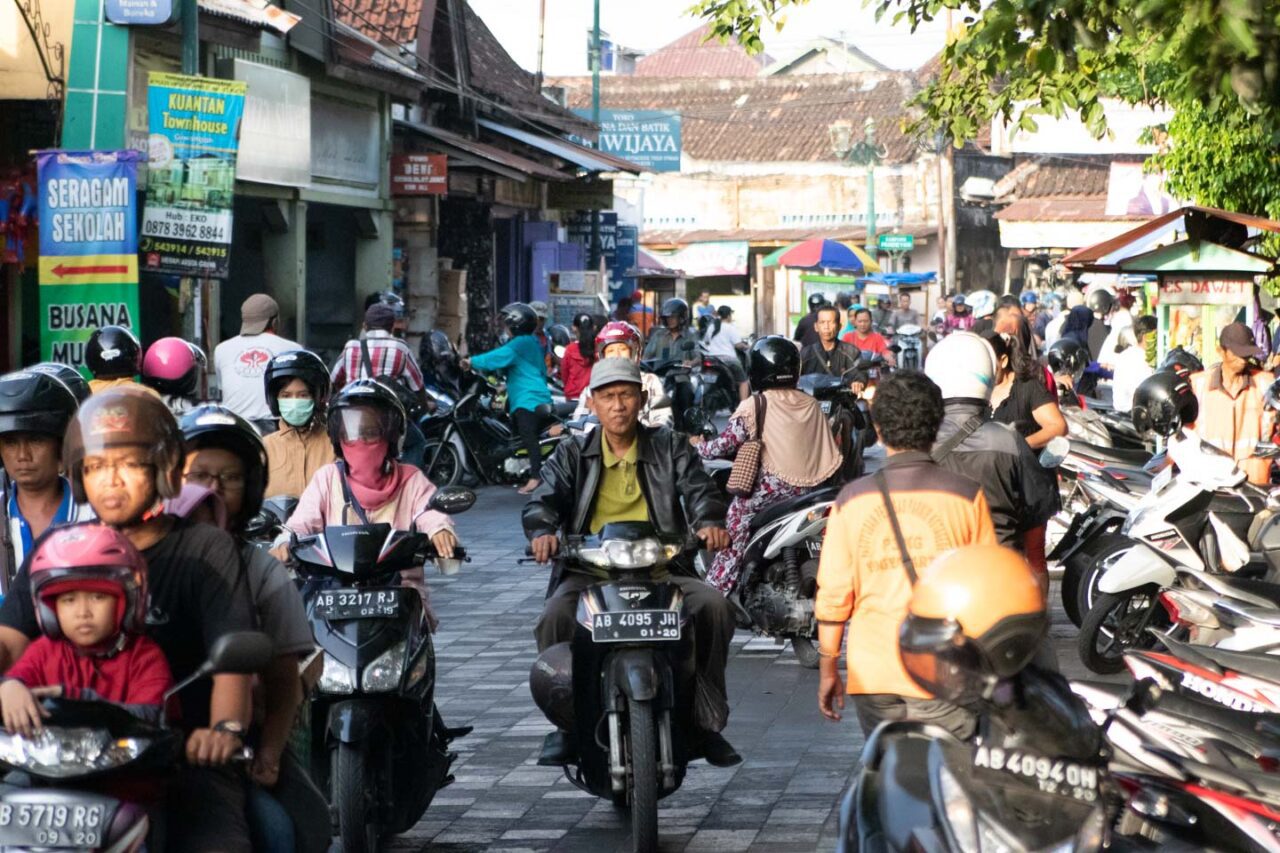
Distances can look manageable on a map. In practice, journeys took me longer than I expected, particularly in and around cities. Jakarta and Yogyakarta have their own traffic rhythms, and I wouldn’t build a tight itinerary around the assumption that every journey will run smoothly.
My biggest lesson is simple: don’t schedule something important immediately after a long transfer. Leave a generous gap before a flight, a timed tour, or an activity you’ve booked in advance.
Look at the whole journey, too. A train may be a comfortable way to travel between cities, but you still need to reach the station and get from the arrival station to your accommodation. For short trips within a city, walking may sometimes be more appealing than sitting in traffic.
It’s a practical detail, but allowing more time between places would have made some of my tiring days much easier.
3. Weather That Doesn’t Follow Your Itinerary
It’s easy to become attached to a particular image of a place: a volcano at sunrise, a temple in warm evening light. Then the clouds arrive, or rain changes your plans.
Rain can have an even greater effect on your days during the wet season. Pack a light rain jacket or poncho, and protect anything you need to keep dry. For mountain trips, check the forecast and local conditions before setting out.
The harder part, at least for me, was letting go of the expectation that every place would look exactly as it did in a photograph.
Sometimes I waited out the rain with a coffee. Other times I moved on. A day doesn’t need to deliver the view you imagined to become a good memory.
If there’s one landscape you especially want to see, consider staying an extra night nearby. That gives you more flexibility than planning the whole trip around a single hour.
4. The Language Barrier
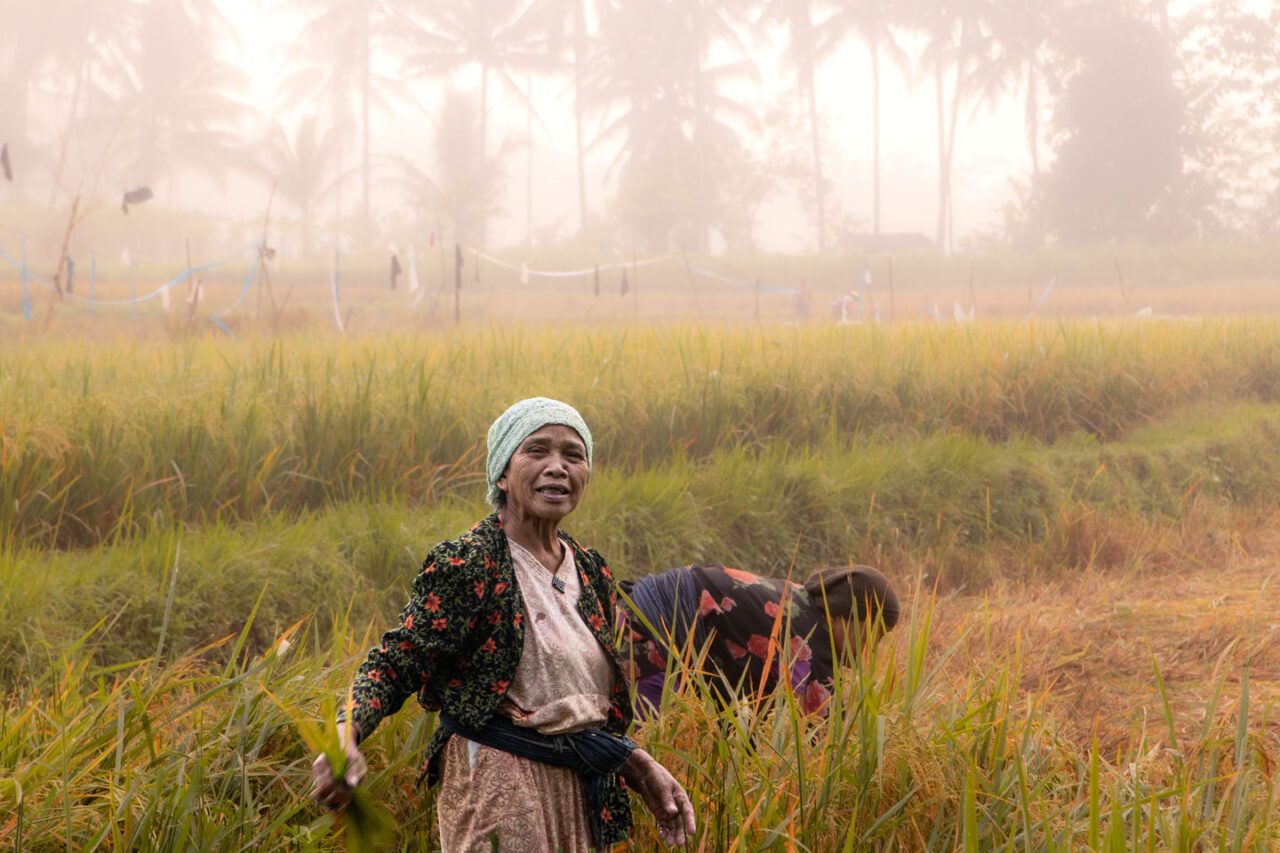
I could often get by in English in places used to welcoming international visitors. Elsewhere, communication sometimes took more time. It wasn’t a reason to avoid going, but a little preparation helped.
Download a translation app that works offline. Save the addresses of your accommodation and important transport details on your phone. Being able to show someone a place name is useful when you’re unsure how to pronounce it.
A few Indonesian words are worth learning, too. Terima kasih means “thank you,” and selamat pagi is a morning greeting. You don’t have to speak the language fluently to make an effort.
Smiles and gestures helped me through plenty of everyday situations. For anything more complicated, such as departure times, prices, or tour arrangements, I preferred to have the important details written down.
5. Waste in Some Places
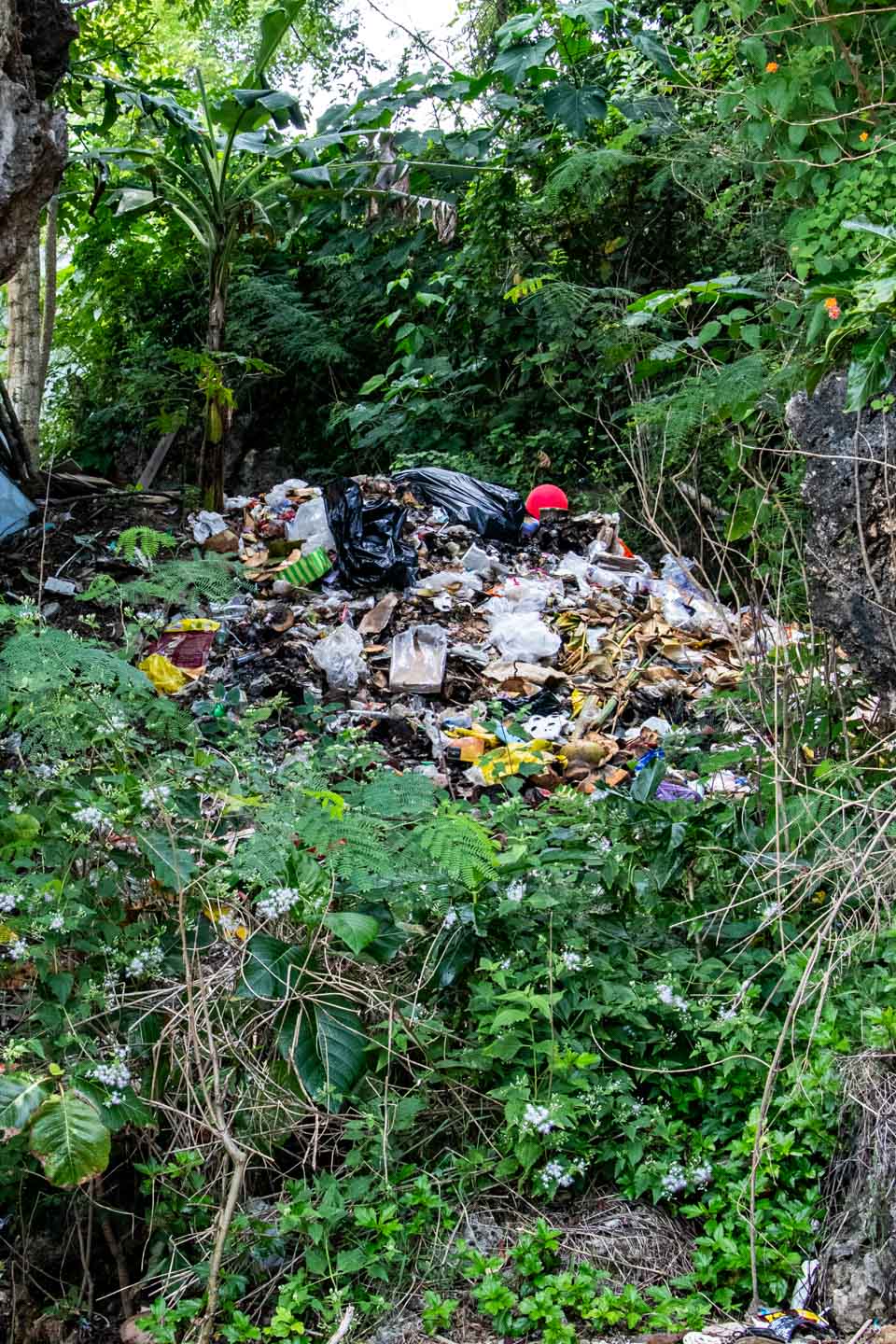
I saw litter beside roads and around some places visited by tourists. I want to mention it because showing only the beautiful landscapes would leave out part of my experience. The contrast could be difficult to see.
At the same time, this is a bigger issue than whether an individual traveler carries a reusable bottle. Our choices matter, but they don’t solve problems with waste collection and infrastructure.
I try to avoid disposable packaging when I can, use water refill points where they’re available, and take my rubbish with me when there’s nowhere appropriate to leave it.
When choosing accommodation or a tour, you can also look at how a business handles waste. These are small, practical choices within a much larger issue.
Travel lighter, even before you leave.
start with something simple.
Download The Minimum Plan – Slow Travel:
So, Is Java Worth Visiting?
Yes. I would go back, ideally with more time and a less crowded itinerary.
After three weeks, I remembered the temples, volcanoes, meals, and conversations. I also remembered the long journeys and the moments when I had to accept that I wouldn’t see everything. Both are part of how I experienced the island.
If what you want most is a quiet, easy-going vacation, think carefully about your route. Java can be an intense place to travel. But if you enjoy a trip where landscapes, cities, history, and everyday life sit side by side, there’s a great deal here to discover.
My main advice is to choose fewer places and give them more time. You don’t need to visit every temple, volcano, and viewpoint. Leave space for a long lunch, an unplanned walk, and a day when you simply rest.
That’s when I felt most able to enjoy Java as it was, rather than constantly thinking about the next stop.
Planning a Trip to Java and Beyond?
If Java is part of a longer journey, these guides can help you put your route together:
- Three-week Indonesia itinerary – my route through the archipelago.
- Mount Bromo guide – what to know before visiting one of Java’s most memorable landscapes.
- One day in Yogyakarta – ideas for a short visit to the city.
- Things to do in Ubud and Gili Trawangan travel guide – if you’re continuing to Bali and the Gili Islands.
Have you been to Java? What stayed with you after the trip? If you’re still planning your first visit, I’d love to know which place you’re most curious about.